Learning and Teaching






Be Digitally Wise Week 2026
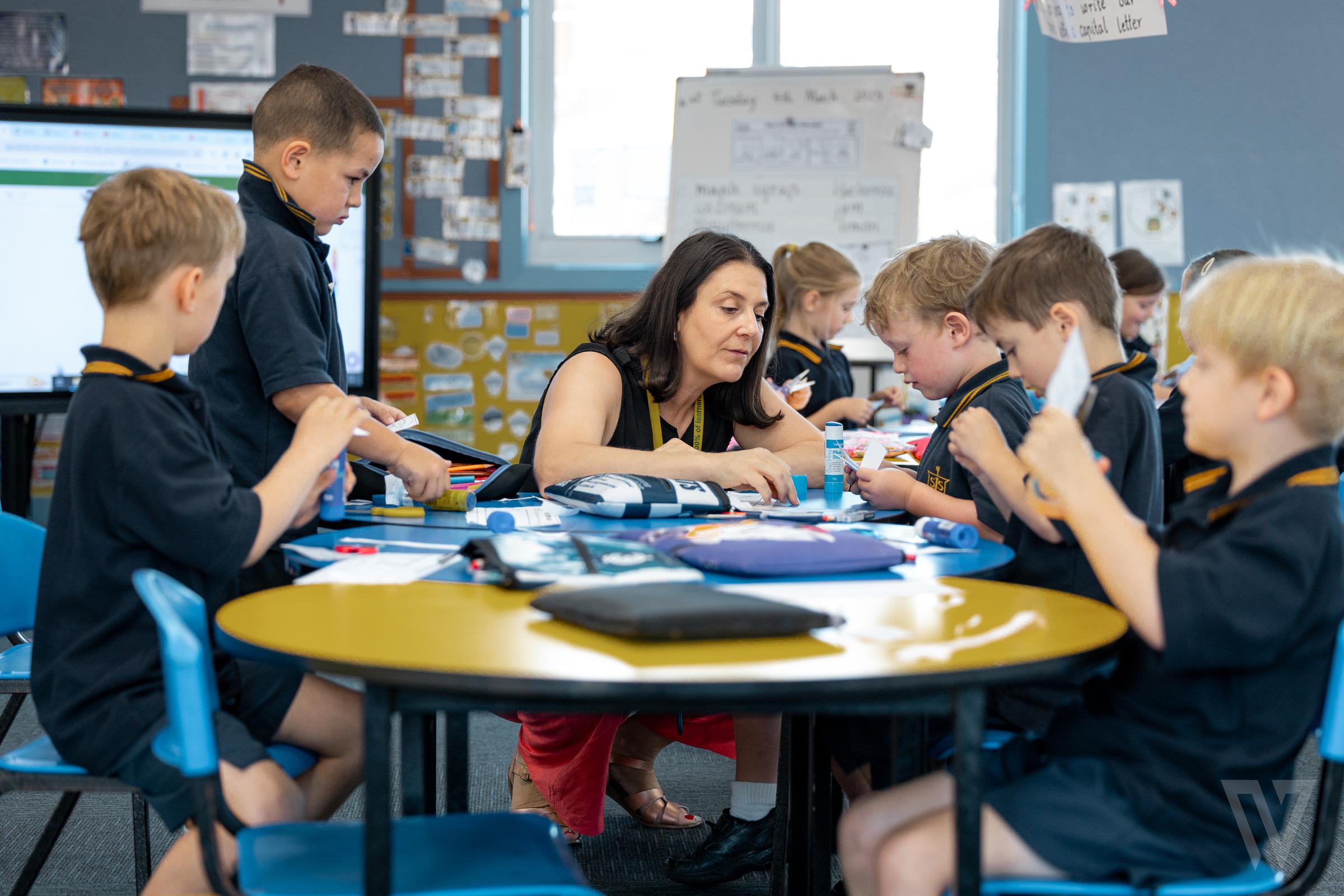
Last week, as part of “Be Digitally Wise Week 2026”, students across the school participated in age appropriate learning activities designed to help them become safe, smart and responsible digital citizens. Each year level explored different aspects of online safety, digital wellbeing and responsible participation in our connected world.
Prep – Year 2: Ollie Online
Our youngest learners joined Ollie Online to explore how to stay safe and make positive choices when using digital devices. Students learnt about identifying trusted adults they can turn to if they need help, developing a healthy balance between screen time and other activities and understanding the importance of finishing up screen time when it is time to switch off. They explored strategies for managing screen time and transitioning away from devices in a positive way. These activities helped students begin developing healthy digital habits and the confidence to seek help when needed.
Years 3–4: Adventures Online
Students in Years 3 and 4 took part in Adventures Online, where they explored how to navigate the digital world safely and responsibly. Their learning focused on taking charge of their online settings, recognising online red flags and understanding how to respond when faced with unsafe or uncomfortable interactions. Students also considered the importance of protecting personal information, making smart online choices and knowing when and how to seek help from a trusted adult. These activities helped students build confidence in recognising potential risks and making responsible decisions when interacting online.
Years 5–6: Tech Trailblazers
Our senior students became Tech Trailblazers, exploring the responsibilities that come with being active and responsible digital citizens. Their learning focused on digital citizenship values, considering how respect, kindness and responsibility guide our behaviour online. Students also explored why personal information and AI shouldn’t mix, learning about the importance of protecting their privacy and thinking carefully before sharing information with AI tools. They also identified trusted websites such as kidshelpline.com.au and esaftety.gov.au where they can access help and support when faced with online concerns. These discussions encouraged students to think critically, make informed decisions and take responsibility for their digital footprint and online interactions.
We encourage families to continue these important conversations at home, supporting children to develop healthy digital habits and make responsible choices online. Together we can help our students become confident, informed and respectful digital citizens!
Kind regards
Megan Barber
mbarber@sjsorrento.catholic.edu.au