Health & Wellness



















 Blackburn Primary School
Allergic Rhinitis (Hay Fever)
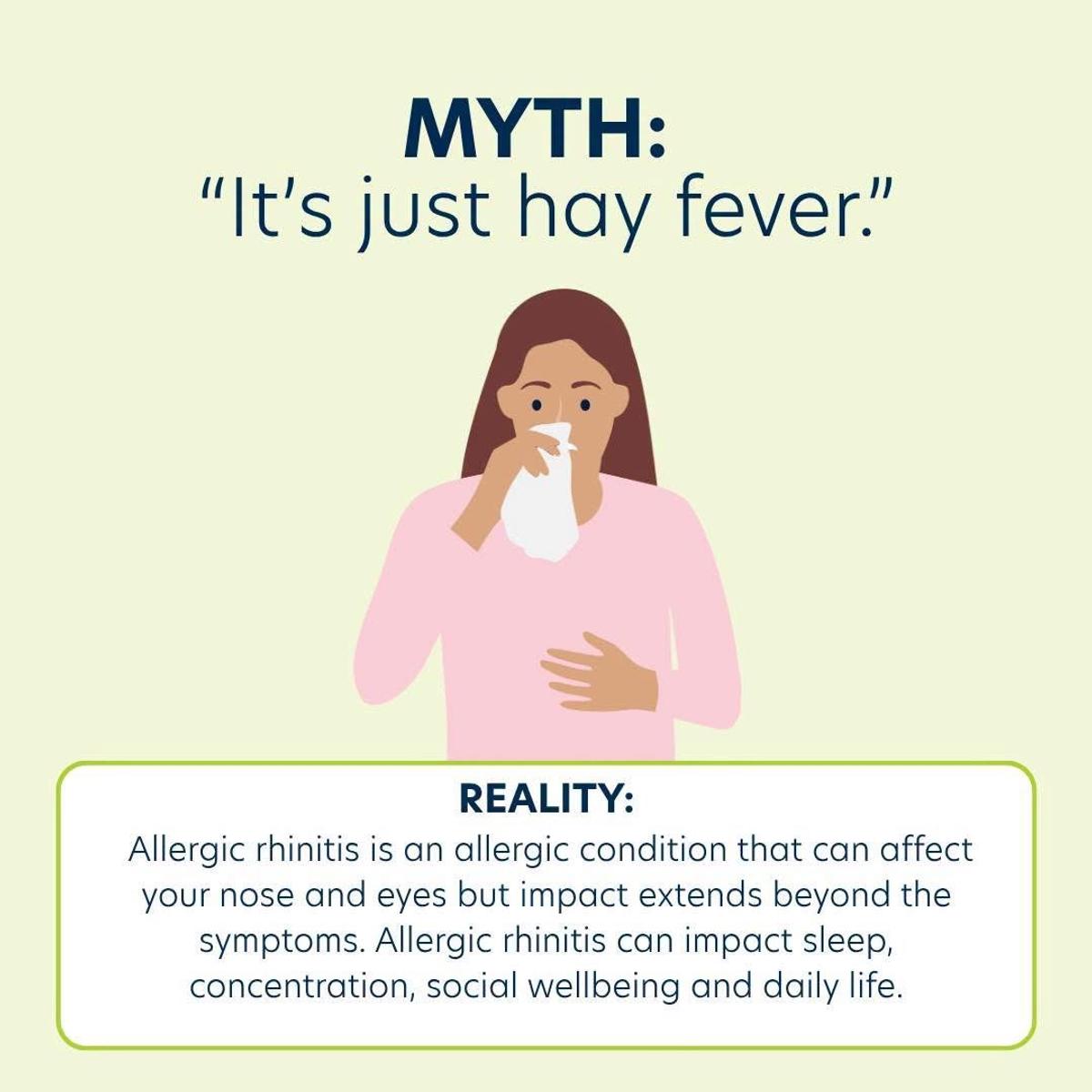
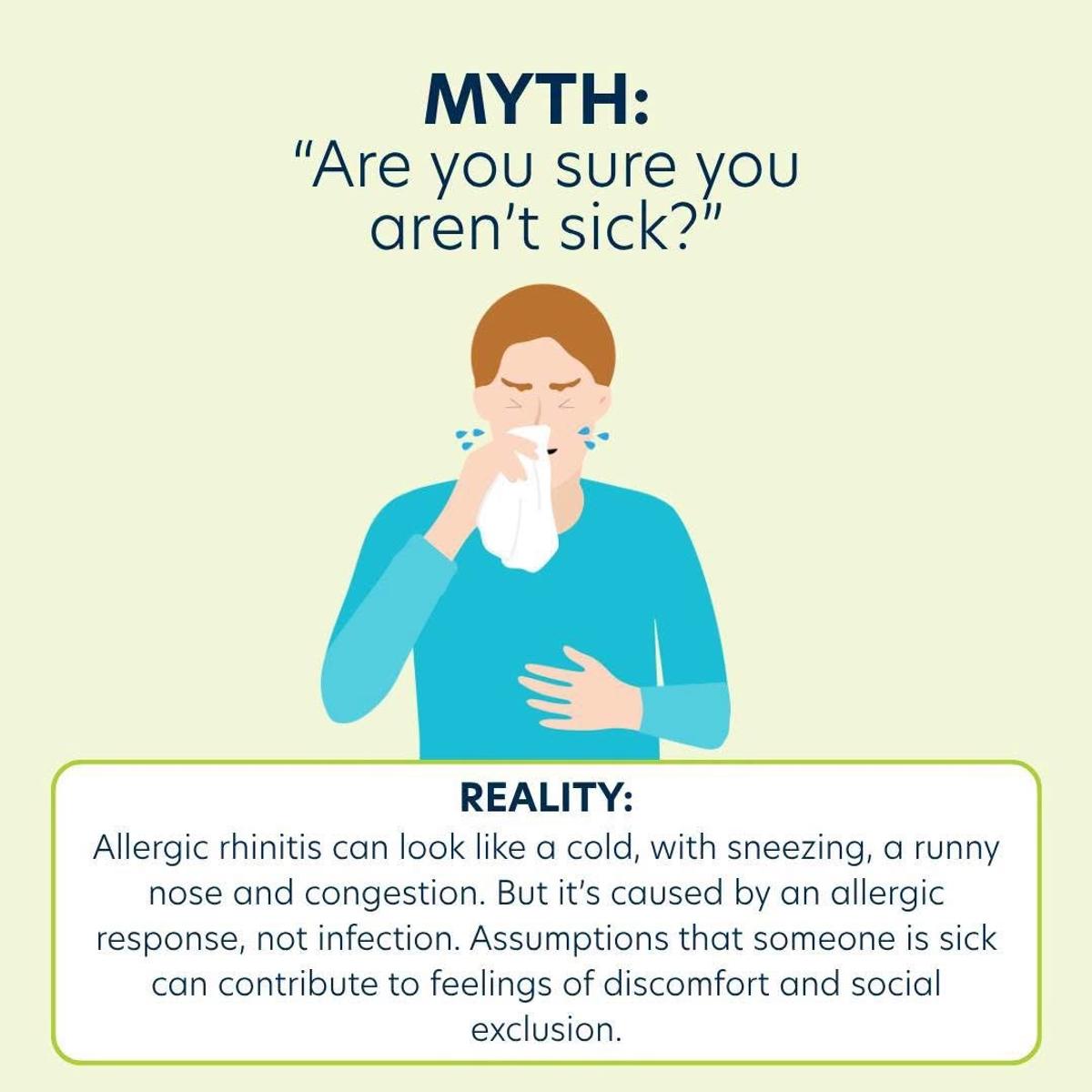
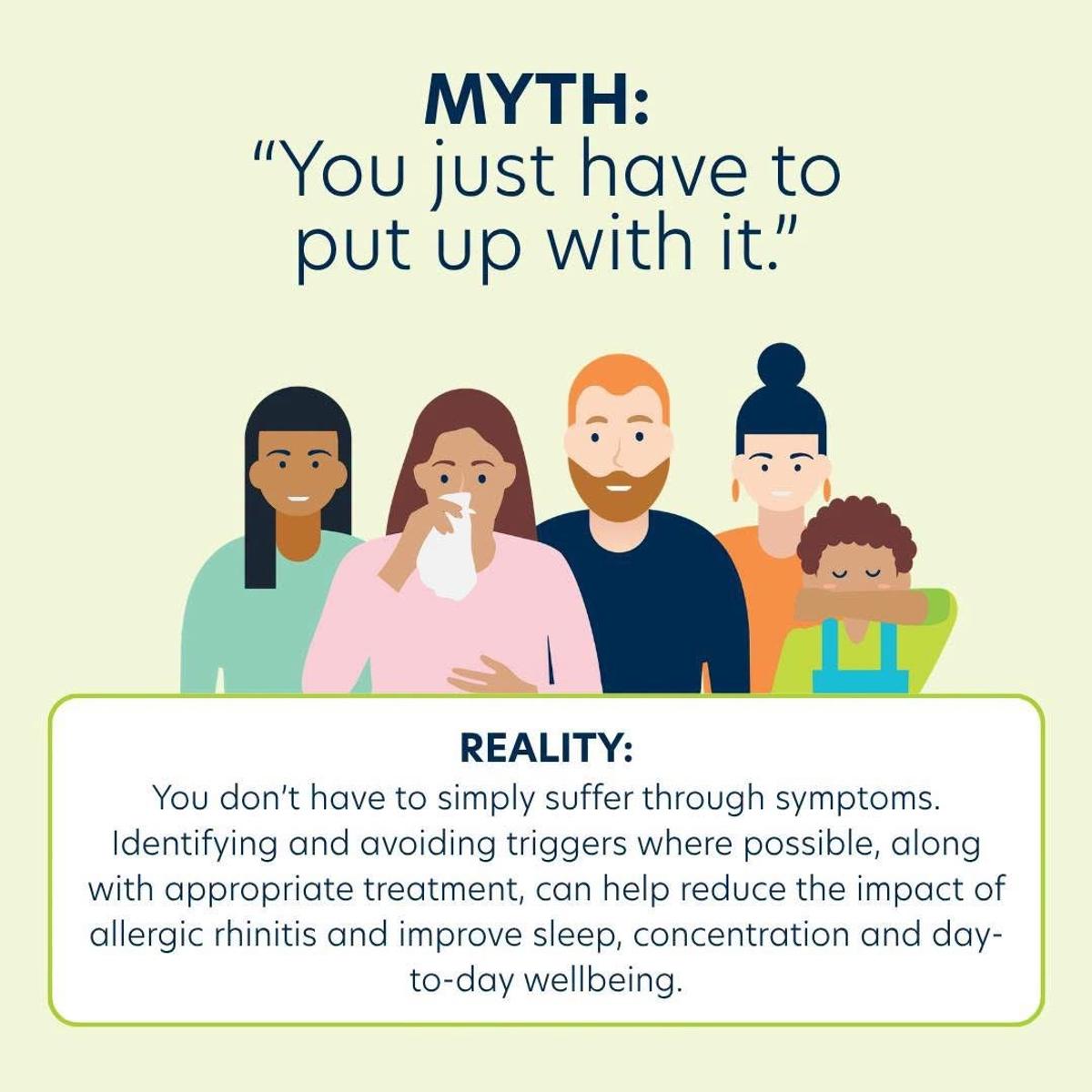
It’s often called “hay fever”, but there’s no hay and there’s no fever. 🌿🤧
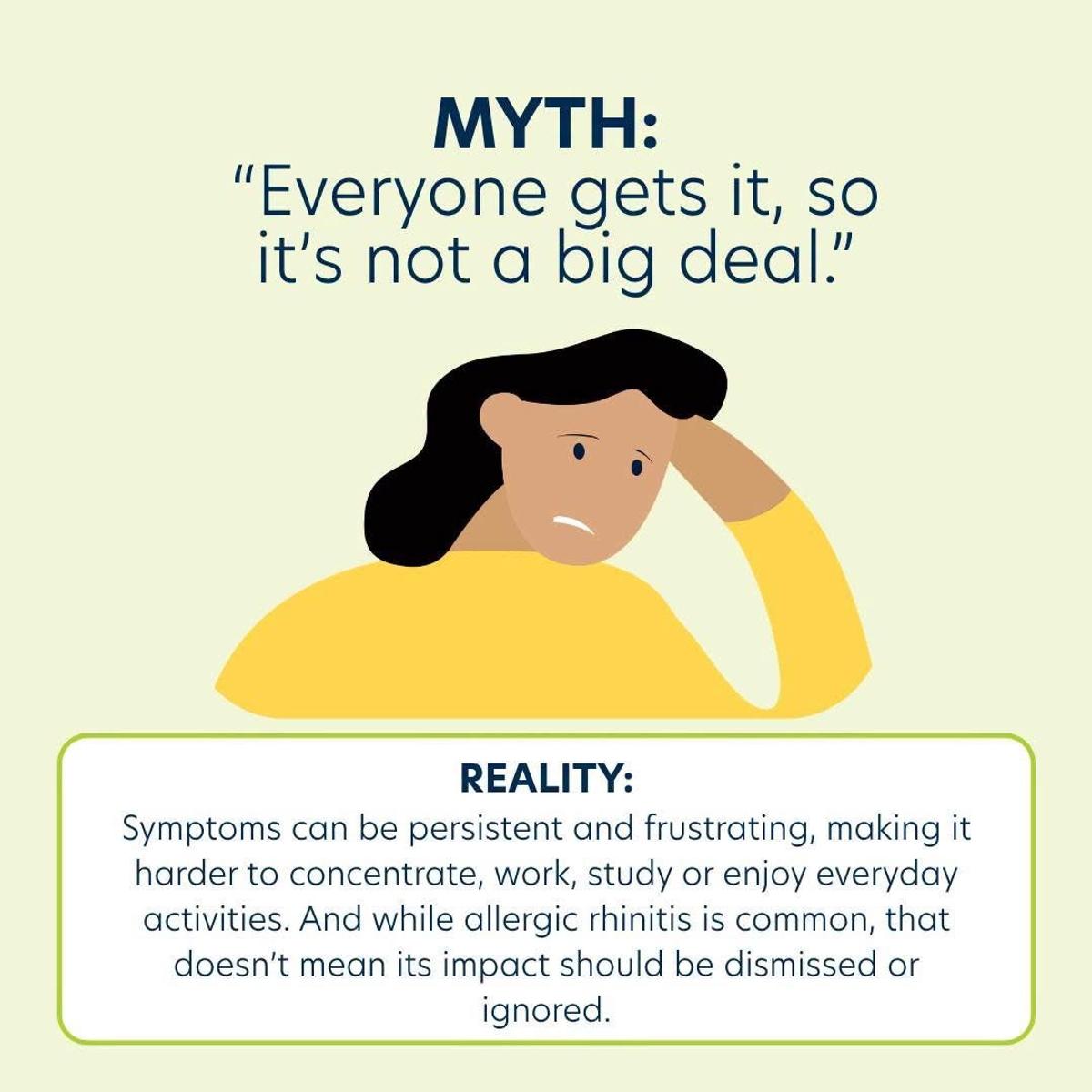
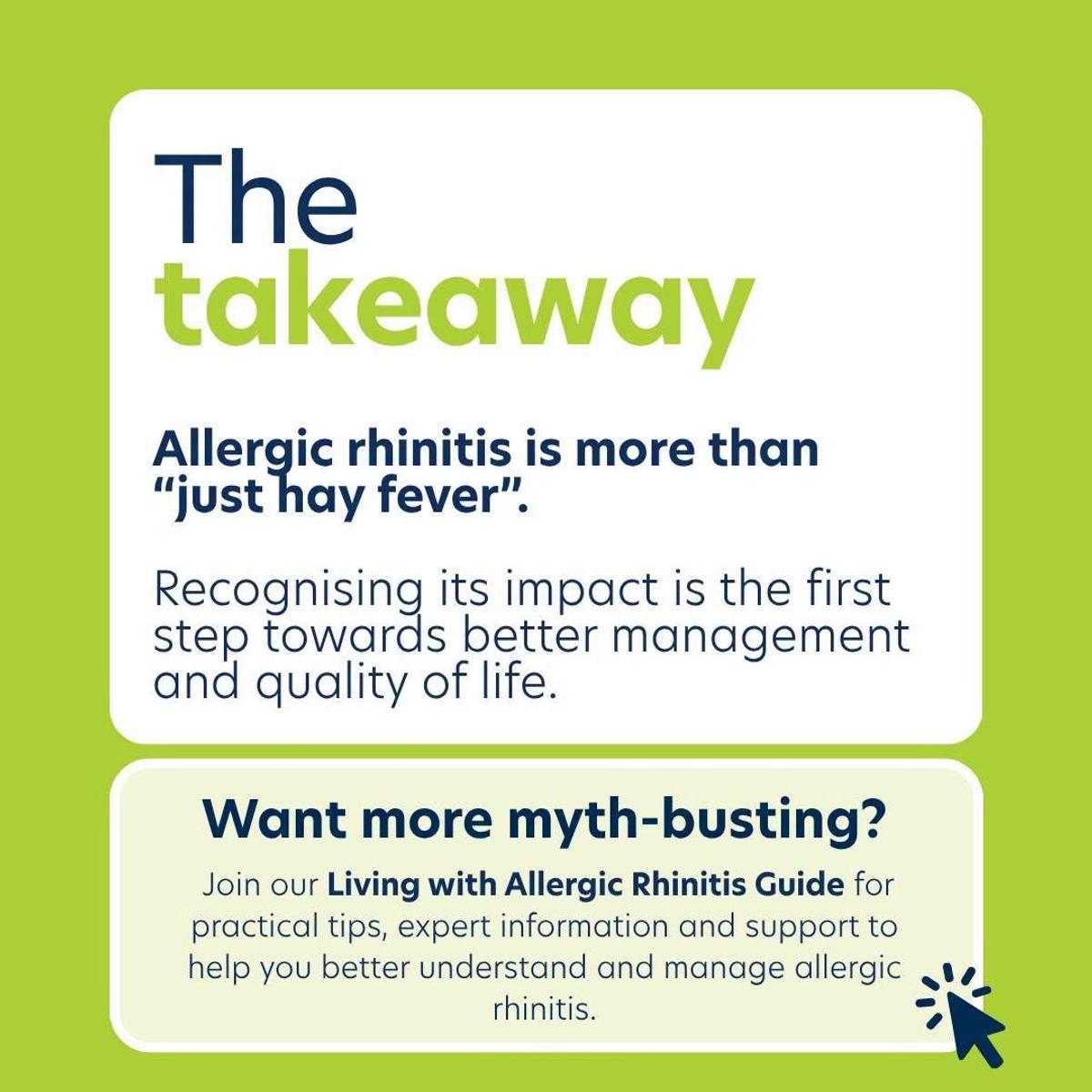
Allergic rhinitis is more than just a nuisance, and common misconceptions can make living with it even harder.
Swipe through to separate myth from reality, then explore our Living with Allergic Rhinitis Guide for practical information, support and everyday strategies to help you better understand and manage your symptoms: https://loom.ly/9qXses0
Thunderstorm Asthma
from Asthma Australia:
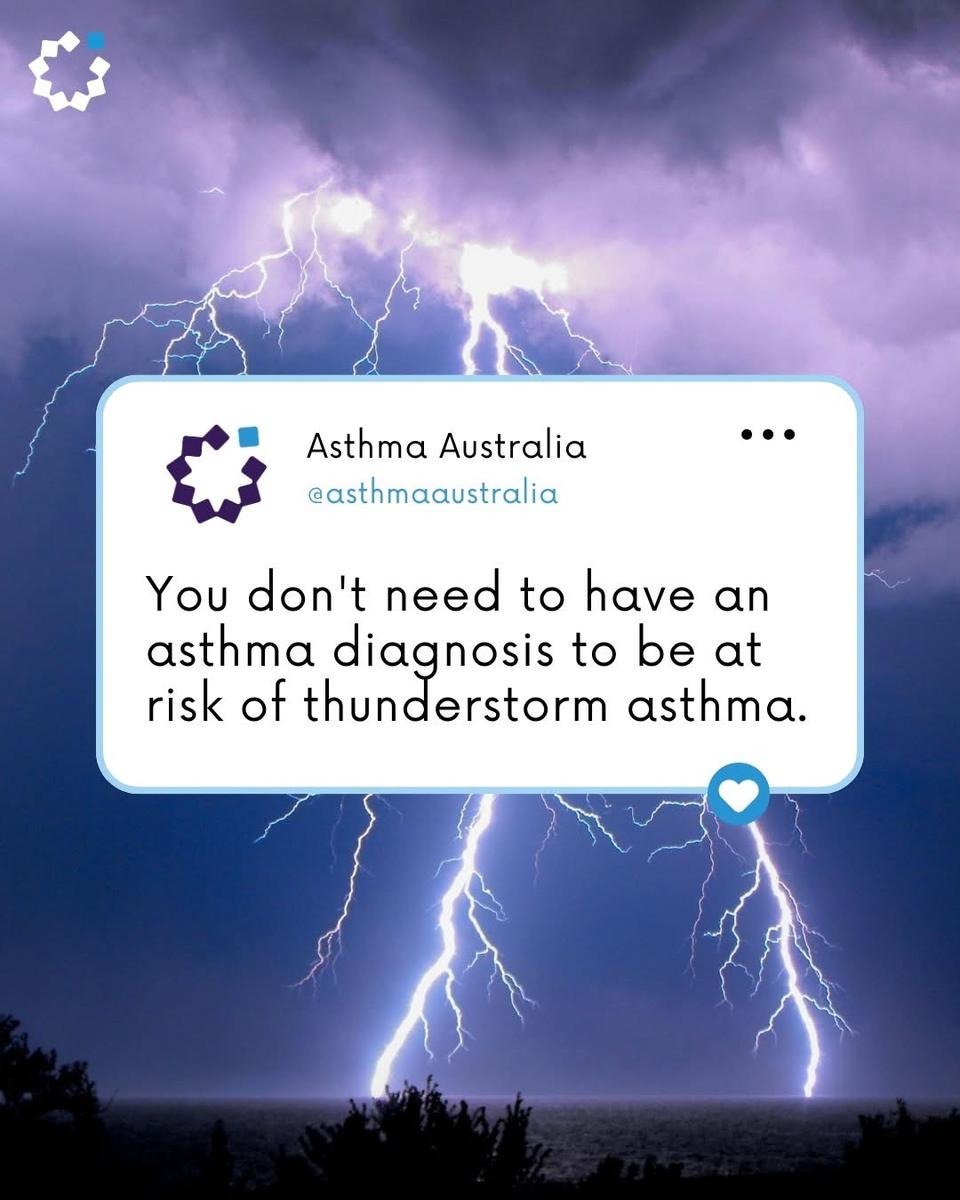
If you have seasonal hay fever, you could be at higher risk of thunderstorm asthma – even if you’ve never had asthma before.
This is especially true if you're sensitive to grass pollen.
Thunderstorm asthma symptoms can come on quickly. If you experience wheezing, coughing, chest tightness or difficulty breathing during a thunderstorm asthma event, seek medical attention immediately.
Know your risk. Know what to look out for. And make sure you're prepared.
Find out more about thunderstorm asthma and how to prepare here: https://buff.ly/dYH7xIe
Protecting Against Mosquito-Borne Diseases
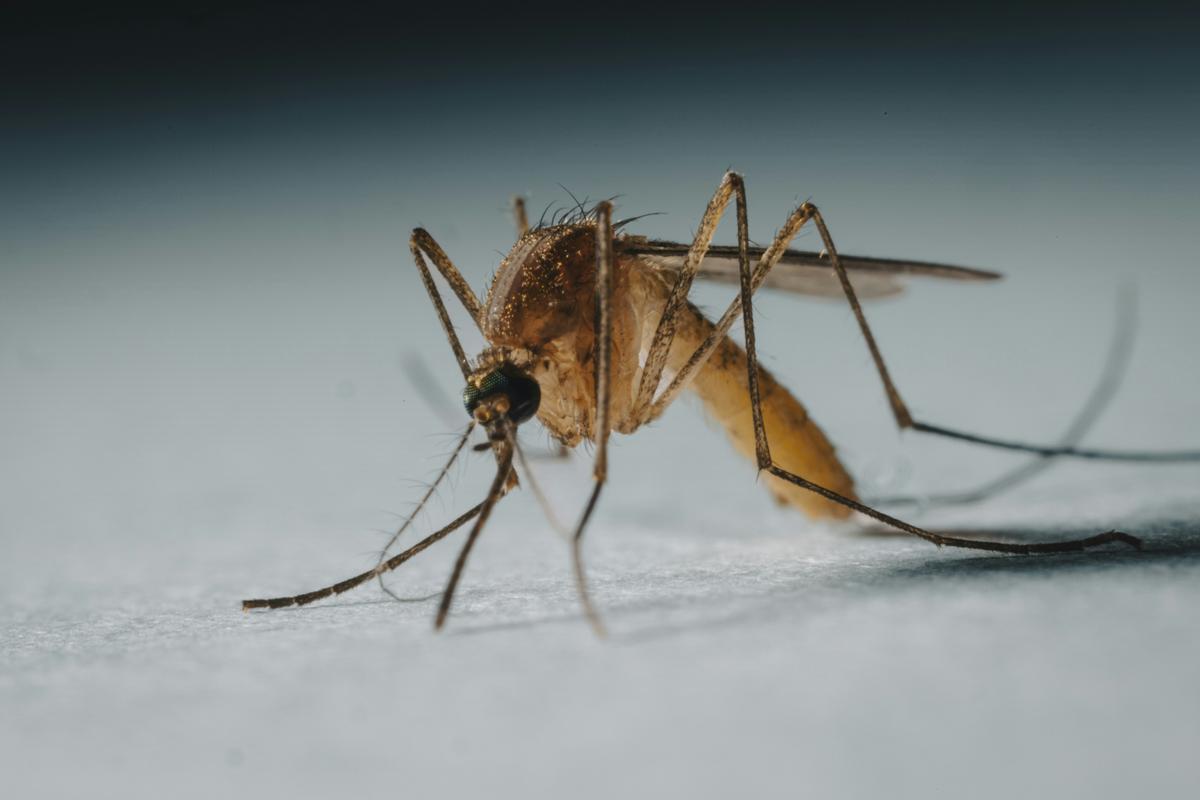
Warm and wet weather can result in greater numbers of mosquitoes and an increased risk of illness from mosquito bites. While the overall risk in Victoria is currently low, some mosquitoes may be carrying diseases that make people sick.
The best protection against mosquito-borne illness is to avoid mosquito bites.
Families can protect against mosquito bites by:
- making mosquito protection part of getting ready to go outside, just like sunscreen and a hat
- covering up as much as possible with long, loose-fitting, light-coloured clothing
- applying insect repellent that contains picaridin or DEET on exposed skin when outdoors
- limiting outdoor activities at dawn and dusk when mosquitoes are often most active
- cleaning up and removing containers and items around the home that may hold water where mosquitoes may breed.
Families with any health concerns should see their doctor or phone Nurse-on-Call: 1300 606 024 (available 24 hours).
Free Japanese Encephalitis Vaccines
Japanese encephalitis virus is spread to humans through bites from infected mosquitoes. It can cause a rare but potentially serious infection of the brain.
A free vaccine is available to eligible Victorians at higher risk of the virus.
For more information, including vaccine eligibility, refer to the Department of Health’s Japanese encephalitis webpage.
Find out more
For more information on protecting against mosquito-borne diseases, families can refer to the following Better Health Channel pages: