
R.E. News
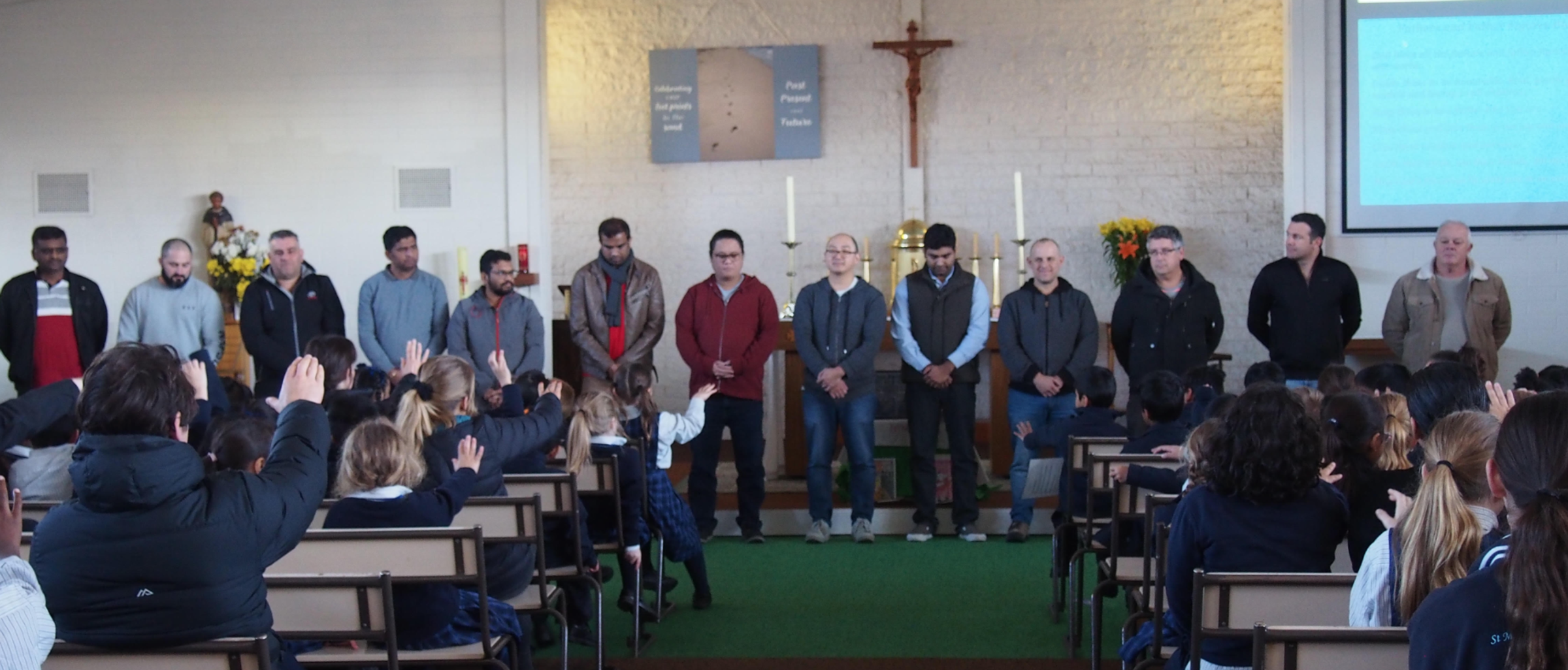
Religious Education Topics
In the second part of the term we will be exploring the qualities and practice of forgiving and healing, in support of our Year 3 students who will be preparing for the Sacrament of Reconciliation.
R.E. Topics for the next three weeks are:
Foundation: Protected by God
Year 1: Love One Another
Year 2: God Loves Us – No Matter What
Year 3A, 3/4: Making Choices
Year 5/6: Be Compassionate, Choose Justice
Sacrament of Reconciliation
The Sacrament of Reconciliation will be celebrated on Tuesday 29th October at 7:00 pm. There will be a Family Faith Night in preparation for Reconciliation on Tuesday 15th October at 7:00 pm. All children who are making their First Reconciliation this year are expected to participate with their parent/s in the Family Faith Night. The Reconciliation Home Program will be sent home with those children (in year 3) who have indicated that they will be making their First Reconciliation.
The Feast of the Exaltation of the Holy Cross – September 14th
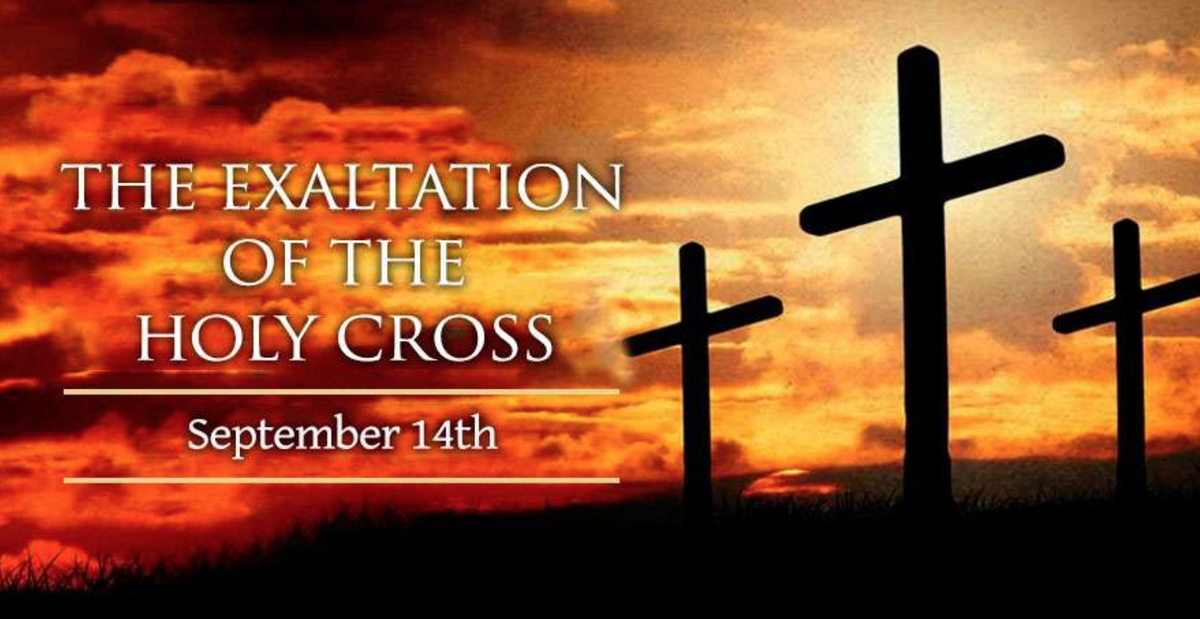
The Feast of the Exaltation of the Holy Cross, celebrated every year on 14th September, recalls three historical events: the finding of the True Cross by Saint Helena; the dedication of churches built by Constantine on the site of the Holy Sepulchre and Mount Calvary; and the restoration of the True Cross to Jerusalem by the emperor Heraclius II. After the death and resurrection of Christ, both the Jewish and Roman authorities in Jerusalem made efforts to obscure the Holy Sepulchre, Christ's tomb in the garden near the site of His crucifixion. The Cross on which Christ had died had been hidden by the Jewish authorities somewhere in the vicinity. In celebration of the discovery of the Holy Cross, Constantine ordered the construction of churches at the site of the Holy Sepulchre and on Mount Calvary. Those churches were dedicated on September 13 and 14, 335, and shortly thereafter the Feast of the Exaltation of the Holy Cross began to be celebrated on the latter date.
Child Protection WeeK

The Catholic Church in Australia observes Child Protection Sunday on 8th September 2019. Child Protection Sunday runs in conjunction with National Child Protection Week. National Child Protection Week is coordinated by NAPCAN starting on Father’s Day on the first Sunday of September (1-7 September 2019). The aim of the week is to engage members of the community in supporting families and protecting children. In 2019 National Child Protection Week focus on introducing a ‘child development’ communication frame to promote the messages that:
- Kids do well when parents are supported
- To raise thriving kids, parents need support to navigate life’s choppy waters
This theme is based on evidence from the Frameworks Institute research commissioned by the Parenting Research Centre, which shows us the most effective way to talk about parenting and child wellbeing is with a ‘child development’ frame that:
- Focuses on children and what they need to thrive, rather than blaming or evaluating parenting.
- Establishes the importance of interaction with parents and caregivers to child development, rather than assuming that young children simply grow.
- Helps people see that circumstances shape options, rather than assuming that good parenting comes naturally to individuals.
- Uses a ‘navigating waters’ metaphor where boats represent families/parenting, weather/hazards represent the circumstances that can affect us all, and lighthouses and safe harbours represent the support that we all need.
Prayer on Child Protection Sunday
Lord,
You asked that
the little children
be allowed to come to you;
for it is such as these that
the Reign of God belongs.
You entrust them
to the care and protection
of our communities of faith.
Guide us
as we strive to ensure
that our Catholic communities
provide a safe environment
for each child.
We pray especially for all those
who have been harmed
in their childhood.
Give them courage
in facing the past
and lead them
to your healing protection.
Amen
Welcoming Each Other
Welcoming Families: As we are creating a "Welcoming Wall" in the foyer of our newly renovated learning space, we would like to invite all families to send a family photo for display on our wall. We would also like you to write the word "WELCOME" in your cultural / home language, to be displayed with your family photo. Please write your child's name and class either on the back of the photo and "welcome" word, or put the photo and word in an envelope with your child's name and class on the front.
Islamic New Year – September 1st

Islamic New Year is an important time for Indonesian Muslims, and is the celebration of the arrival of the new year according to the Islamic lunar calendar. In Indonesian, Islamic New Year is known as Muharram. This holiday also commemorates the founding of Islam and Muhammad’s migration from Mecca to Medina. The Prophet Muhammad, the founder of Islam, returned to Mecca after receiving a quest from God to spread the teachings of Islam to the world.
Birthday of Ganesh Chaturthi – September 2nd

This is a Hindu festival in honour of Ganesh, the god of good fortune and new beginnings. He was the elephant headed son of Lord Shiva and Parvati and is often referred to as Ganapati. Celebrations conclude with the immersion in water of the image of Ganesh.
Ethiopian New Year's Day – September 11th
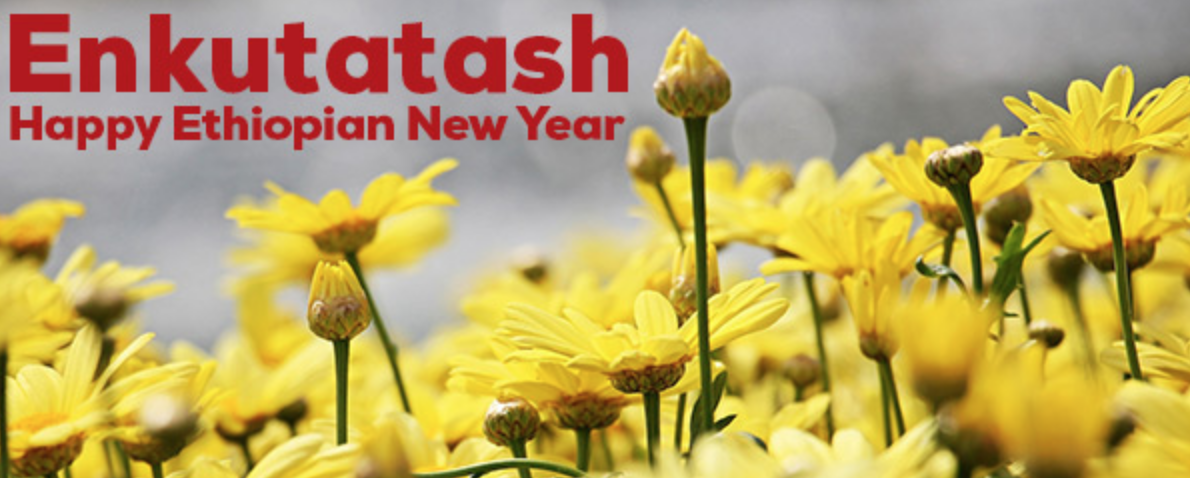
Enkutatash is the first day of the New Year in Ethiopia and Eritrea. It occurs on Meskerem 1 on the Ethiopian Calendar, which is 11 September, according to the Gregorian Calendar. Enkutatash is the name for the Ethiopian New Year and means “gift of jewels” in the Amharic language. The story goes back almost 3,000 years to the Queen of Sheba of ancient Ethiopia and Yemen who was returning from a trip to visit King Solomon of Israel in Jerusalem. She had gifted Solomon with 120 talents of gold as well as a large amount of unique spices and jewels. When the Queen returned to Ethiopia her chiefs welcomed her with enku or jewels to replenish her treasury. The celebration is both religious and secular. Typically, this is the end of the long rainy season and the countryside is covered with yellow daisies. The day begins with church services followed by the family meal.
Margaret Cronin
RE Leader