












Page 0 Banner Photo
Cover Page
INTRODUCTION Banner Photo
INTRODUCTION GENERAL INFORMATION 2021, NEW WESTERN AUSTRALIAN CERTIFICATE OF EDUCATION REQUIREMENTS, WACE EXAMINATION AND EXTERNALLY SET TASK REQUIREMENTS, WACE BREADTH-OF-STUDY LIST (For courses offered at All Saints’ College), THE WESTERN AUSTRALIAN STATEMENT OF STUDENT ACHIEVEMENT (WASSA), REPEATING COURSE UNITS, ENROLMENT CRITERIA FOR WACE LANGUAGES COURSES, ENROLMENT CRITERIA FOR ENGLISH AS AN ADDITIONAL LANGUAGE OR DIALECT (EAL/D), TERTIARY ENTRANCE 2021-2022, REQUIREMENTS FOR UNIVERSITY ADMISSION, CHOOSING YOUR YEAR 11 COURSE
UNIVERSITY PATHWAYS Banner Photo
UNIVERSITY PATHWAYS CURTIN UNIVERSITY, EDITH COWAN UNIVERSITY, MURDOCH UNIVERSITY, THE UNIVERSITY OF WESTERN AUSTRALIA (UWA), NOTRE DAME UNIVERSITY
VOCATIONAL EDUCATION  Banner Photo
VOCATIONAL EDUCATION  VOCATIONAL EDUCATION AND TRAINING (VET) / VET IN SCHOOLS (VETIS), AUTHORITY DEVELOPED WORKPLACE LEARNING (ADWPL)
DESIGN & TECHNOLOGIES LEARNING AREA Banner Photo
DESIGN & TECHNOLOGIES LEARNING AREA APPLIED INFORMATION TECHNOLOGY – ATAR COURSE, COMPUTER SCIENCE – ATAR COURSE, DESIGN – ATAR COURSE, FOOD SCIENCE AND TECHNOLOGY – GENERAL COURSE (YEAR 12 ONLY)
ENGLISH LEARNING AREA Banner Photo
ENGLISH LEARNING AREA ENGLISH – GENERAL COURSE AND ATAR COURSE, ENGLISH AS AN ADDITIONAL LANGUAGE/DIALECT – (EAL/D) – ATAR COURSE, LITERATURE – ATAR COURSE
HEALTH & PHYSICAL EDUCATION LEARNING AREA Banner Photo
HEALTH & PHYSICAL EDUCATION LEARNING AREA OUTDOOR EDUCATION – GENERAL COURSE, GENERAL HEALTH STUDIES (YEAR 11 ONLY), CERTIFICATE II - SPORT COACHING (YEAR 11 AND 12), PHYSICAL EDUCATION STUDIES – ATAR COURSE
LANGUAGES LEARNING AREA Banner Photo
LANGUAGES LEARNING AREA FRENCH: SECOND LANGUAGE – ATAR COURSE and/or, VOCATIONAL EDUCATION AND TRAINING (VET) PATHWAY – CERTIFICATE III IN APPLIED LANGUAGE, ITALIAN: SECOND LANGUAGE – ATAR COURSE, JAPANESE: SECOND LANGUAGE – ATAR COURSE
MATHEMATICS LEARNING AREA Banner Photo
MATHEMATICS LEARNING AREA MATHEMATICS ESSENTIALS – GENERAL COURSE, MATHEMATICS APPLICATIONS – ATAR COURSE, MATHEMATICS METHODS – ATAR COURSE, MATHEMATICS SPECIALIST – ATAR COURSE
ARTS LEARNING AREAS Banner Photo
ARTS LEARNING AREAS VISUAL ARTS – ATAR COURSE, VISUAL ARTS – GENERAL COURSE, DANCE – ATAR COURSE, DRAMA – ATAR COURSE, DANCE AND DRAMA – GENERAL COURSE , CERTIFICATE III – EVENTS YEAR 11 AND YEAR 12, CERTIFICATE III – SCREEN AND MEDIA YEAR 12, CERTIFICATE II – CREATIVE INDUSTRIES YEAR 11
MUSIC LEARNING AREA Banner Photo
MUSIC LEARNING AREA MUSIC CONTEMPORARY ATAR COURSES: MUSIC WESTERN ART / CONTEMPORARY MUSIC
SCIENCE LEARNING AREA Banner Photo
SCIENCE LEARNING AREA BIOLOGY – ATAR COURSE, CHEMISTRY – ATAR COURSE, HUMAN BIOLOGY – ATAR COURSE, INTEGRATED SCIENCE – GENERAL COURSE, PHYSICS – ATAR COURSE, PSYCHOLOGY – ATAR COURSE
HUMANITIES LEARNING AREA Banner Photo
HUMANITIES LEARNING AREA ACCOUNTING AND FINANCE – ATAR COURSE, ECONOMICS – ATAR COURSE, GEOGRAPHY – ATAR COURSE, MODERN HISTORY – ATAR COURSE, POLITICS AND LAW – ATAR COURSE
AWARDS FOR OUTSTANDING ACHIEVEMENT Banner Photo
AWARDS FOR OUTSTANDING ACHIEVEMENT Beazley Medal, General Exhibitions, Course Exhibitions, Certificates of Excellence, Certificates of Merit and Certificates of Distinction
COLLEGE SERVICES Banner Photo
COLLEGE SERVICES Uniform Shop
Published by
All Saints' College
Ewing Avenue, Bull Creek, WA, 6149, AUwww.allsaints.wa.edu.auinfo@allsaints.wa.edu.auSenior School (08) 9313 9333
Banner Photo

MUSIC LEARNING AREA

MUSIC CONTEMPORARY ATAR COURSES: MUSIC WESTERN ART / CONTEMPORARY MUSIC

Gallery Image

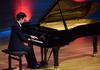
The Music ATAR course encourages students to explore a range of musical experiences, developing their musical skills and understanding, and creative and expressive potential, through a choice of one of two defined contexts: Western Art Music or Contemporary Music. The course consists of a written component incorporating Aural and Theory, Composition and arrangement, Cultural and Historical Analysis, and a practical component. The practical component can be delivered in a different context, independent of the written component. Students can choose to perform on an instrument or voice in one of four contexts, and/or submit a composition portfolio. The Music course provides opportunities for creative expression, the development of aesthetic appreciation, and understanding and respect for music and music practices across different times, places, cultures and contexts. Students listen, compose, perform and analyse music, developing skills to confidently engage with a diverse array of musical experiences, both independently and collaboratively. Studying music may also provide a pathway for further training and employment in a range of professions within the music industry.


Year 11

Units 1 and 2

Across the two units, students extend and apply their skills, knowledge and understanding of music to create, communicate and evaluate music ideas with increasing depth and complexity. They continue to develop and consolidate aural and music literacy skills, learning how the elements of music can be applied, combined and manipulated when listening, performing, composing and analysing music.


Students explore how social, cultural and historical factors shape music, developing an understanding of music conventions and practices in the specific context(s) selected for study. They apply critical listening and thinking skills and develop aesthetic understanding through comparing and analysing musical works.


Students are encouraged to reach their creative and expressive potential, developing skills and stylistic awareness to confidently engage in music making as performers and audience members, both individually and collaboratively.


Year 12

Units 3 and 4

Across the two units, students extend and apply their skills, knowledge and understanding of music to create, communicate and evaluate music ideas with increasing depth and complexity. They continue to develop and consolidate aural and music literacy skills, learning how the elements of music can be applied, combined and manipulated when listening, performing, composing and analysing music.


Students explore how social, cultural and historical factors shape music, developing an understanding of music conventions and practices in the specific context(s) selected for study. They apply critical listening and thinking skills and develop aesthetic understanding through comparing and analysing musical works.


Students are encouraged to reach their creative and expressive potential, developing skills and stylistic awareness to confidently engage in music making as performers and audience members, both individually and collaboratively.