Living Well, Learning Well
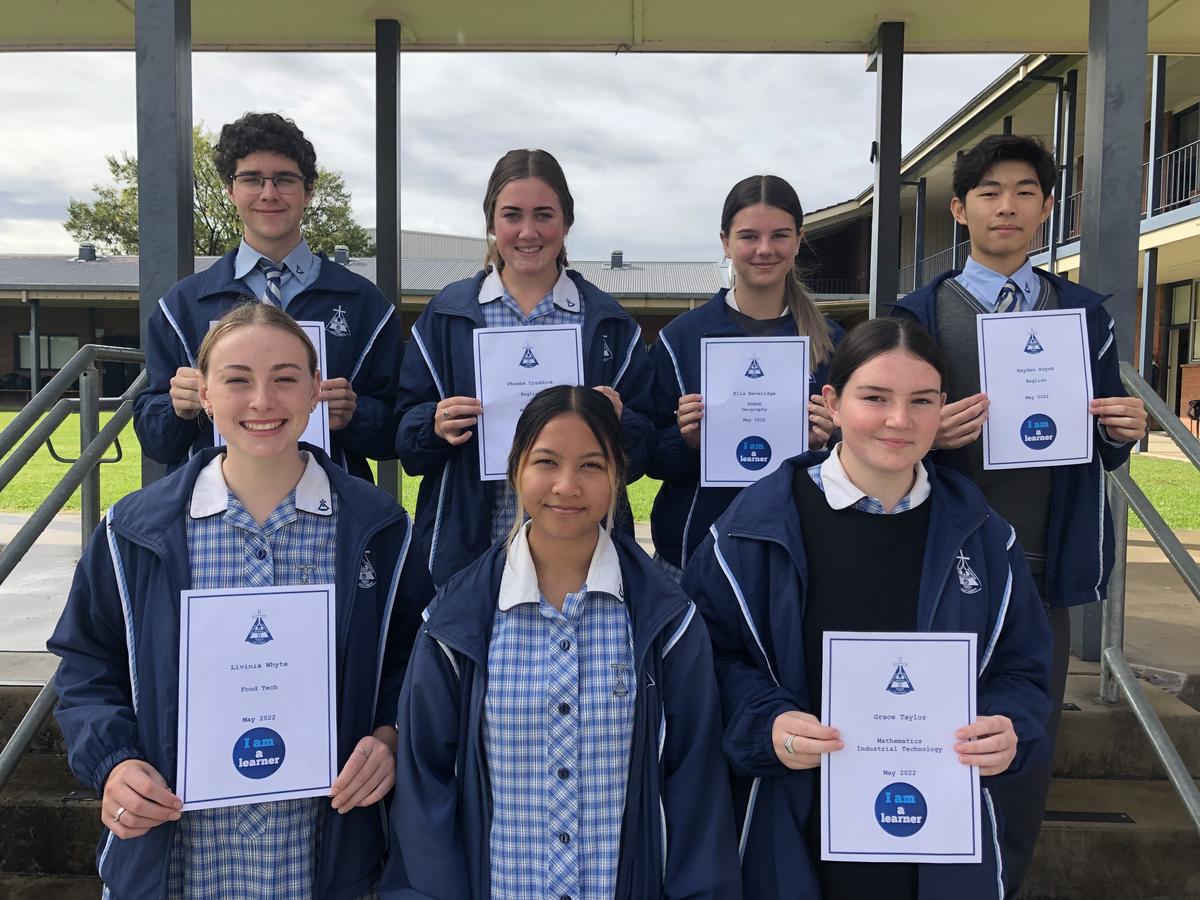
I am a Learner Awards
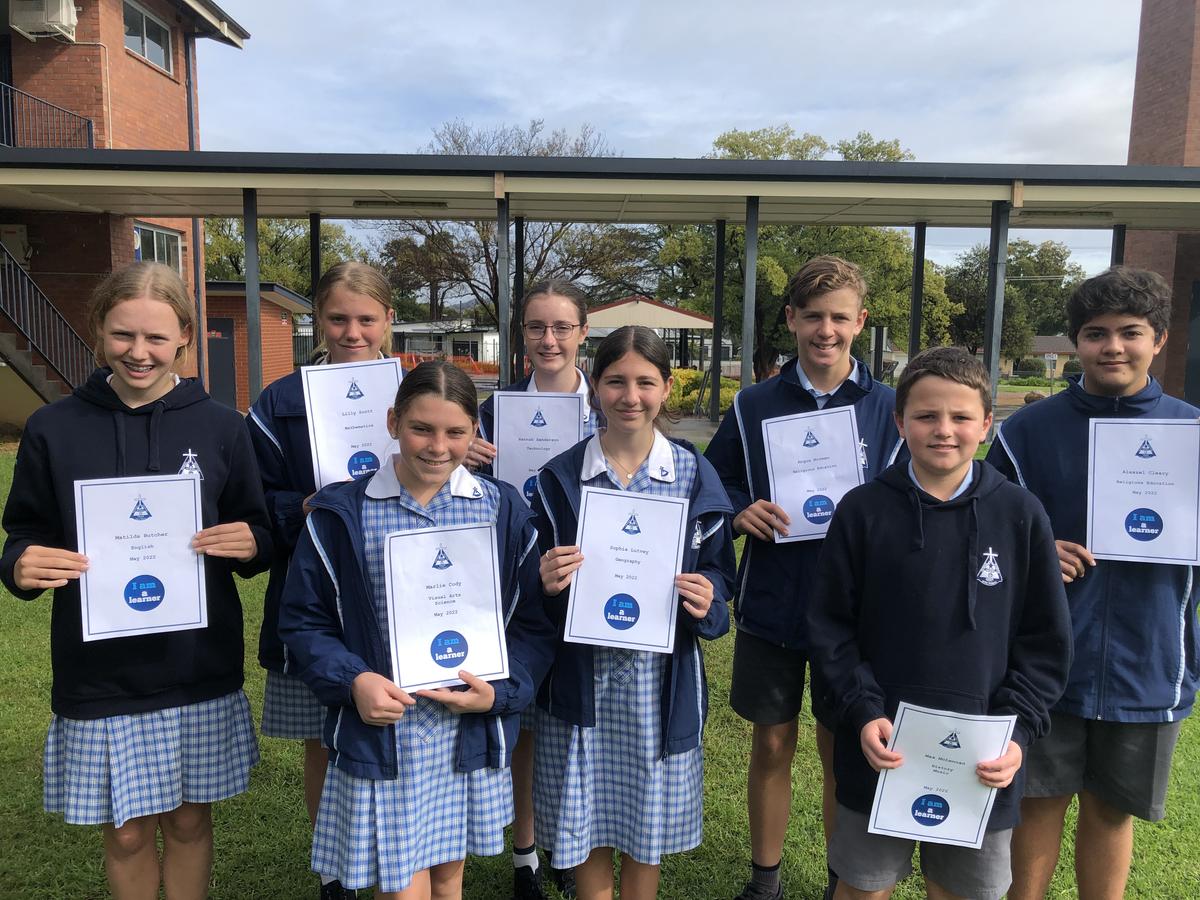
Congratulations to all students who received an I am a Learner award at our assembly in Week 3. Teachers were able to nominate one student from each of their classes who they felt demonstrated this Rule for Living. We will also give these awards again later in the year.
The focus for the next few weeks will be on the the Rule for Living, I am valued, respected and cared for.
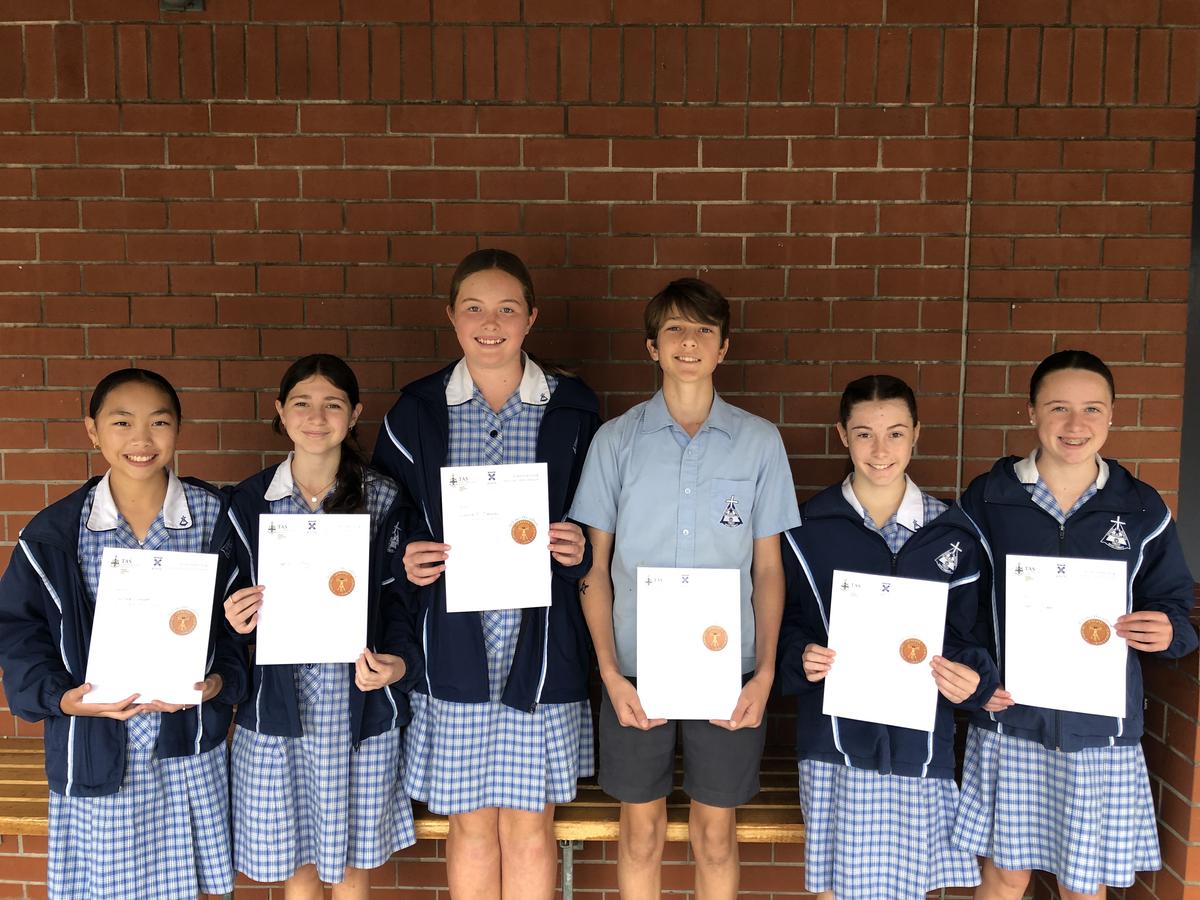
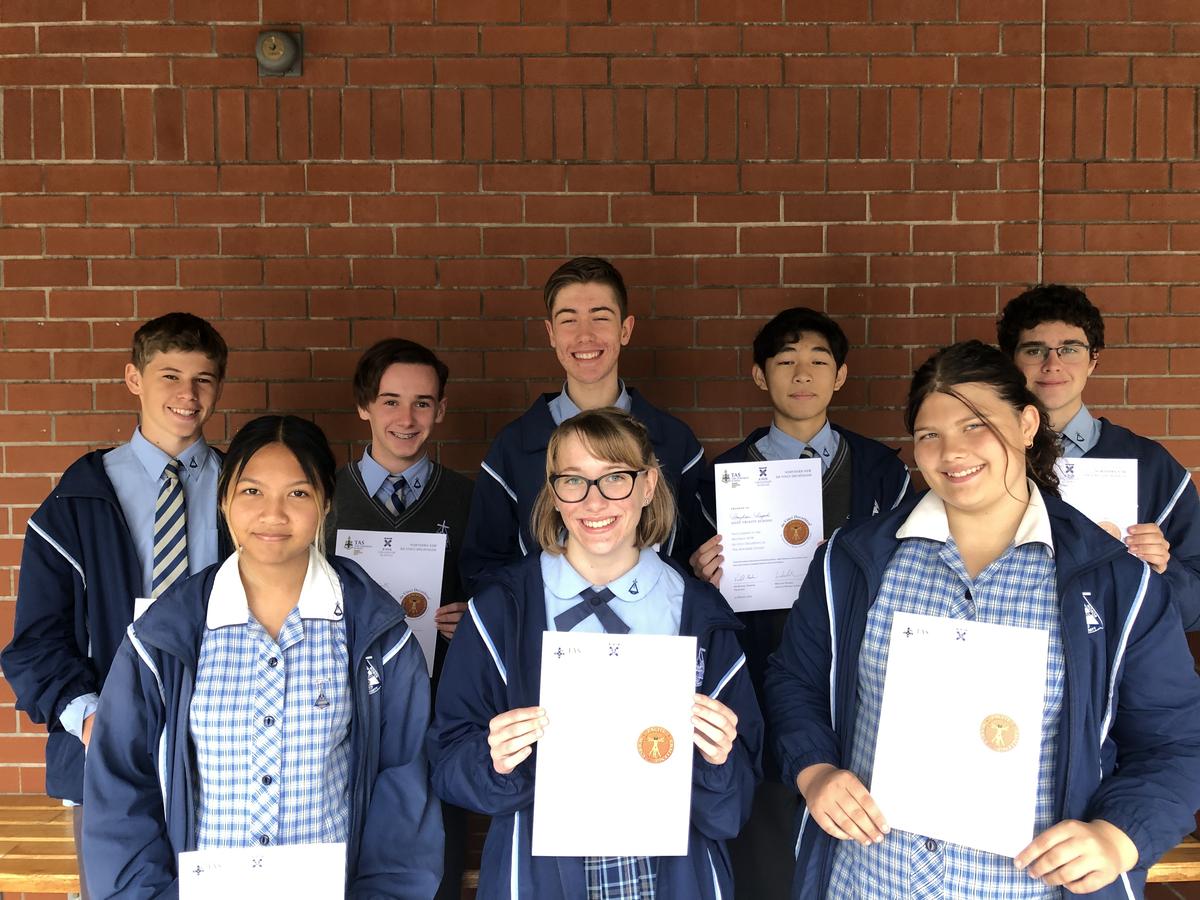
da Vinci Decathlon Participants
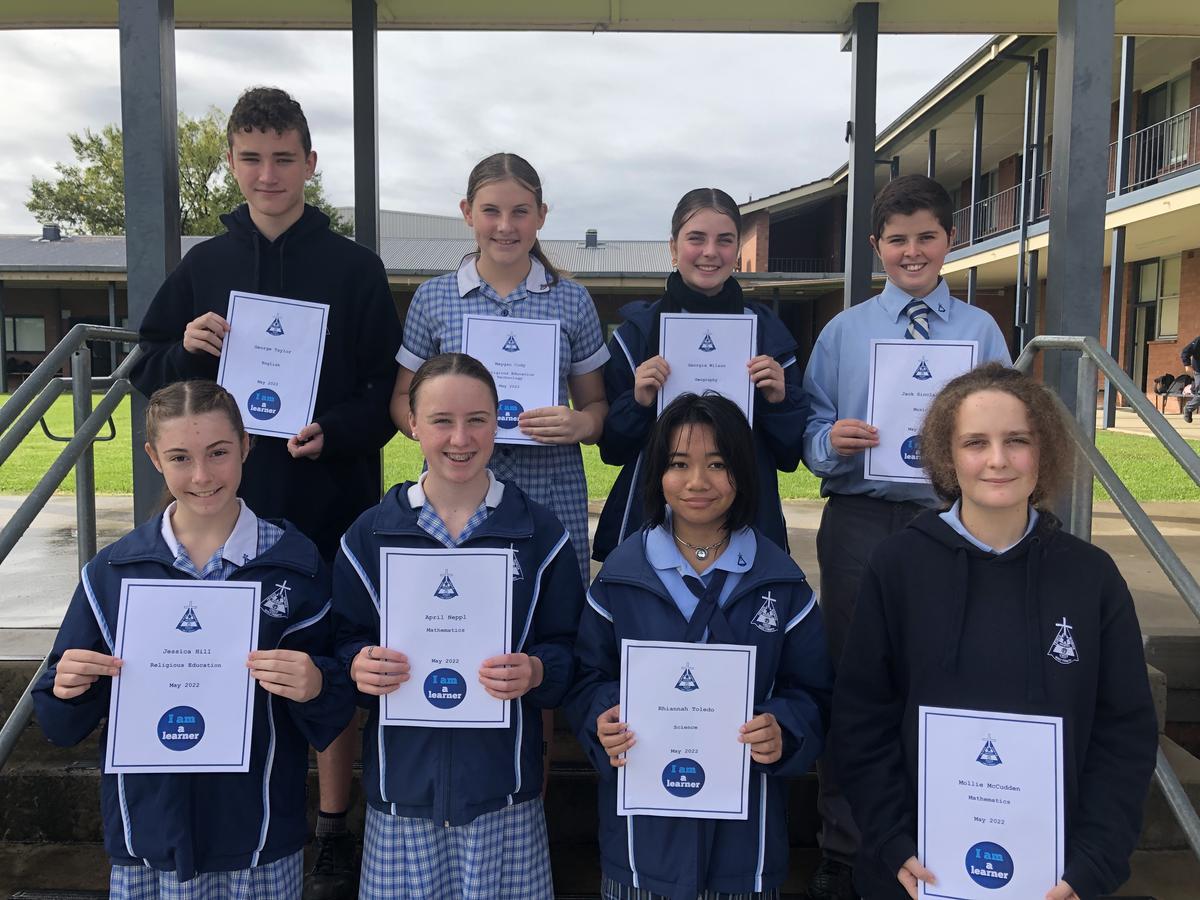
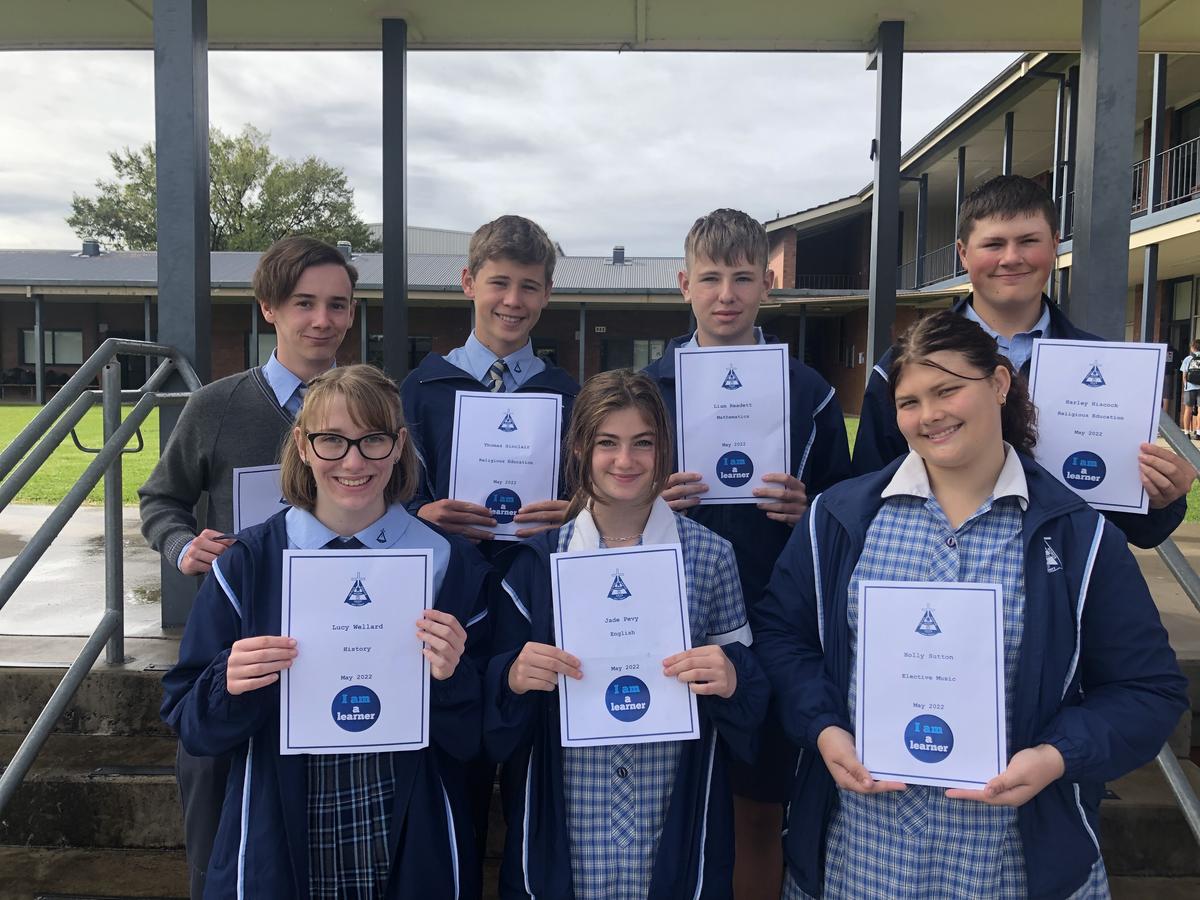
The da Vinci Decathlon was held last term and the participating
students were presented with their awards at our assembly in Week 3.
Chess
Good luck to the Chess team who will travel to Moree on Wednesday with Mr Koch to compete in the next round of the competition.
Winter Uniform
From the beginning of June, all students are required to be in full winter uniform. Many students are already wearing the winter uniform and are to be congratulated for their efforts in being dressed according to the uniform code. If students are not correctly attired they are required to present a note to their Pastoral Care teacher and to remedy the situation as soon as practicable.
Please be aware that representative sports jackets, cattle team shirts and other sweaters are not acceptable uniform for day to day wear. The uniform shop has a list of requirements for all students. If there are any queries please contact the school.
Lost Property
There is a substantial amount of lost property in the staffroom. Students should check if they are missing any items of clothing, including shoes. It is advisable to clearly mark all items with names so that property can be easily and promptly returned to the correct owner.
Time management
As mentioned it is a busy term ahead. Students need to ensure that they are well prepared for all assessments. Regular application to homework and revision will assist students in all subject areas.
Secondary Assessments
This term there will be no formal semester exam week. Assessments will be on-going during the term and a number of formal in-class tasks will be undertaken. Students are in the process of completing assessment tasks which may be in the form of tests, assignments, practical or group tasks to name a few. It is essential that they prepare adequately and complete tasks by the due date.
Students will be provided with the necessary information and revision guides. For students to achieve their best possible results it is essential that they adequately prepare for these assessments. There will be exams in Week 6 for some semester courses.
Starting to Write an Assignment
When helping students with assignments, the focus is often just on the research process. These tips will focus on getting started with the writing.
- CHECK REQUIREMENTS
So you have done all of your research, collected the information you will need and are ready to start writing your assignment. Before you begin, revisit the requirements, format and criteria for the task. Be very clear on what the assignment is asking you to do and any guidelines you have been given for the assignment. If you are unsure at all, check with your teacher. It can be good to have the assignment questions written on an index card that you keep next to you while working so you stay focused on answering the question and meeting the requirements. - PLAN A STRUCTURE
Your approach will vary depending on the style of your assignment (eg. essay, speech, presentation or report) but regardless of this, unless it is explicitly given to you, you need to decide the structure of your assignment. Have you determined the main points, the headings and sub headings? Have you made sure you have gathered information about all parts of the question? Have you found any diagrams, images, photos, quotes needed to reinforce any points? Before you begin the writing, create a structure for your work listing all of the headings and sub-headings you will write about. Keep checking back with the criteria or requirements to ensure you are answering the assignment questions. - JUST START WRITING
The best thing to do if you have no idea how to begin your writing, is to just start writing. Now this may sound a little strange, but many students do not start writing because they want what they write to be perfect or ‘right’ the first time. Don’t worry whether your writing is up to standard at this stage. Instead concentrate on getting your ideas down onto paper or screen. Choose a section and start putting down ideas on the sorts of things you could include in that section. The hardest part of any writing is starting. Once you start putting down ideas this generates other ideas and before you know it you have some text to work with. So even if you have no idea where to start just write or type ‘I don’t know what to include here’ and even writing this will get your subconscious thinking about what could be included. - USE YOUR NOTES
Once you have started, you can use your notes from the research you did to build your ideas and arguments for your assignment. This mean that you integrate your own thoughts and ideas with the research you have done using this to help support your ideas. Make sure that you reference correctly, this means that when you use materials you have researched, particularly quotes, you make it clear where this material has been sourced from. You may find holes in your research as you progress and have to then do additional research about those areas. - BE CREATIVE
Unlike an essay, you generally have a bit more scope in how you present an assignment. Think about how you can bring the material to life for the reader. Photos (appropriately referenced) are a good start and sometimes diagrams, tables, examples, statistics or flowcharts may be appropriate. You might use lists, bullet points or colour to make the material more user-friendly. Your teacher will be reviewing many assignments on the same topic, so what can you do to make yours stand out or have a unique angle. - REVIEW AND REVIEW AGAIN
Have you ever had that experience where you write something, leave it, come back the next day and read it again and find a whole heap of errors you didn’t see the first time? This is why it is important to space out your work on your assignment over a number of weeks and days. You need time to edit your work and you need space between edits. When you come back with a fresh eye, you will be able to look at your work from a different perspective and get ideas on what you could do to improve your work. As you review your work, look for spelling and grammar errors, possible repetition or unclear areas. Reading your work out loud is surprisingly a great way of locating errors or things that don’t make sense.
Teens and TikTok - Risk for Ratings
Safe on Social is an organisation which provides information and resources on the safe use of social media. The link below is to a story written by a 16 year old member of their Youth Committee.