Resources

Tertiary Updates
Year 12 2022 Students – University of Melbourne Hansen Scholarship Program
Students capable of achieving a ATAR in the vicinity of 90+ and whose financial circumstances are likely to present a challenge to attending the University of Melbourne are strongly encouraged to consider applying for the very generous and supportive Hansen Scholarship Program. This application process opens 7 February and application close 9 March. Details are available via the link https://scholarships.unimelb.edu.au/awards/hansen-scholarship
Please let Mrs Martin and Mr Jason Blackburn know if you are wanting to apply.
CSU – CSU Advantage Early Offer Program: Applications for the 2022 program open Tuesday 1 February 2022. This year there are three rounds for students to get the Advantage! Charles Sturt Advantage early offer program benefits include:
- a study offer before students sit their exams
- an exclusive support program and events to help them step into life as an official Charles Sturt student full of confidence
- students could receive an exclusive $1,000 Advantage scholarship based on their soft skills application to help with the cost of study.
Careers in STEM + Sport
- Serving up STEM jobs in sport – STEM jobs connected with the Australian Open
- Health jobs in footy – Kicking goals with pathology
- Sports data jobs – Running with numbers and Sports Data Analyst
Jobs Victoria Career Counsellors Service
This new initiative provides career counselling services to school-leavers, parents, jobseekers…
Call the CEAV on (03) 9433 8000 to book a careers counselling appointment or request a call back.
More information is available via the CEAV Jobs Victoria Career Counsellors Service website.The service is most suited to people who are:
- unsure of their work/career options and pathways
- seeking employment but lack a clear vocational pathway/plan
- unemployed and struggling to secure work due to lack of work experience (e.g. recent graduates)
- underemployed and seeking more secure and/or skilled work
- in need of support to plan a transition to a new occupation/career wishing to pursue a professional career involving tertiary education pathways.
Jobs Victoria
This program and funding aims to help Victorians get back to work and employers find the right staff for their business. More information is available on the Jobs Victoria webpage. Of particular interest is the:
- Apprenticeships Victoria partnership with the Victorian Government, major project employers, and the TAFE and training system to deliver more job opportunities for apprentices and trainees looking to start a career in the construction and infrastructure sector. Individuals can get more info or register interest at the webpage https://www.vic.gov.au/apprenticeships
- Youth Employment Scheme providing young people aged 15 to 29 with an opportunity to work in the Victorian Public Service for 12 months while completing accredited training. More info https://jobs.vic.gov.au/about-jobs-victoria/our-programs/youth-employment-programs
Job Trainer and Free TAFE – Enabling access to free or low fee training
A program aiming to increase access to free or low-fee training for young and unemployed Victorians impacted by the COVID-19 crisis. See the Job Trainer website for details and eligibility. Also worth checking, is the https://www.vic.gov.au/free-tafe for a listing of the priority courses identified as free under the Victorian ‘Skills First’ program.
How important is the ATAR?
There is a lot of discussions about this at the moment and quite a bit of research being done.
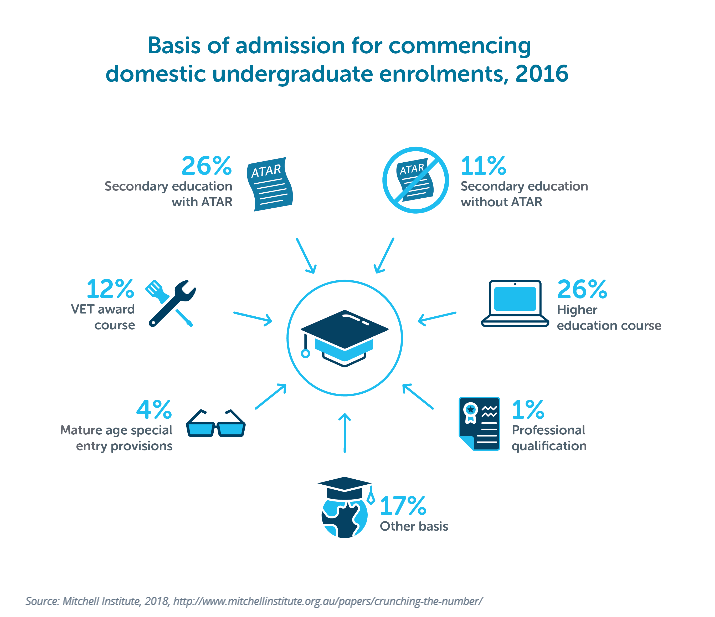
Honestly, for the amount of pressure and stress placed on Year 12s to maximise their ATAR, it can seem like it is used to determine the rest of their lives!
However, we know that an ATAR score is not the be all and end all. It is important for students to do their best, but a high ATAR is not the only way to get into university.
Your Career
The relatively new federal website Your Career https://yourcareer.gov.au/ is a must visit for anyone interested in obtaining info about career ideas, training, job readiness, support services and career resources. It will also be the main resource used for Career of the Week featured on the weekly Career notice.
Other national resources valuable in the careers space
- CompareEd, helpful for making informed decisions about future study options – www.compareed.edu.au
- Course Seeker, helpful for searching for higher education courses nationally – www.courseseeker.edu.au
- My Future, handy career information service (for students, parents and others) which is free to sign up and provides online resources to explore self-knowledge and pathways for career decision-making – www.myfuture.edu.au
- AATIS, key resource providing info relating to apprenticeships and traineeships, AAPathways https://www.aapathways.com.au/ and their MyGain Youtube channel https://www.youtube.com/user/AAPathways
- Job Outlook, helpful for exploring careers and associated details – www.joboutlook.gov.au
- My Skills, national listing of key information relating to vocational pathways, roles and training and training providers – www.myskills.gov.au
UNE Future of Work Predictor
For those already in the workforce, UNE analysed more than 3000 occupations and 1000s of tasks across the Australian economy and created a free online tool, the Future of Work Predictor, to help you know where you stand and develop your future proofing plan. In less than a minute UNE’s free Future of Work Predictor available at https://studyat.une.edu.au/futureofwork tells you:
- How your job will change overall
- How your job tasks will change
- How your qualifications compare, and
- How wages and employment in your job will change.
Job-ready Graduates Package
Includes a range of reforms to higher education with the intention of delivering more job-ready graduates in the disciplines and regions where they are needed and help drive economic recovery from the pandemic. More info is available https://www.dese.gov.au/job-ready
I-Can Med Free Online Student Guide
Students considering studying medicine or dentistry are invited to access the iCanMed website for information about where to study medicine and dentistry, what the entry requirements might be, and all things related to the UCAT test required for most medicine courses. This is an excellent ‘go to guide’
22 Resume Tips for 2022
An article by Adrienne Tom shared in the Canadian resource CERIC the full article with all the links is available here.
If you are heading into 2022 looking for work, or simply wanting to keep your resume fresh and ready for anything (highly recommended!), these 22 resume tips for 2022 are an excellent starting point.
The tips are designed for quick reference and easy application. However, each tip links to another source so you can fully explore the topic.
Remember, you are unique so your resume will be too! Apply what works best…for YOU!
Research and info to ponder….
Ikigai – a way of considering careers and pathways for success in the future
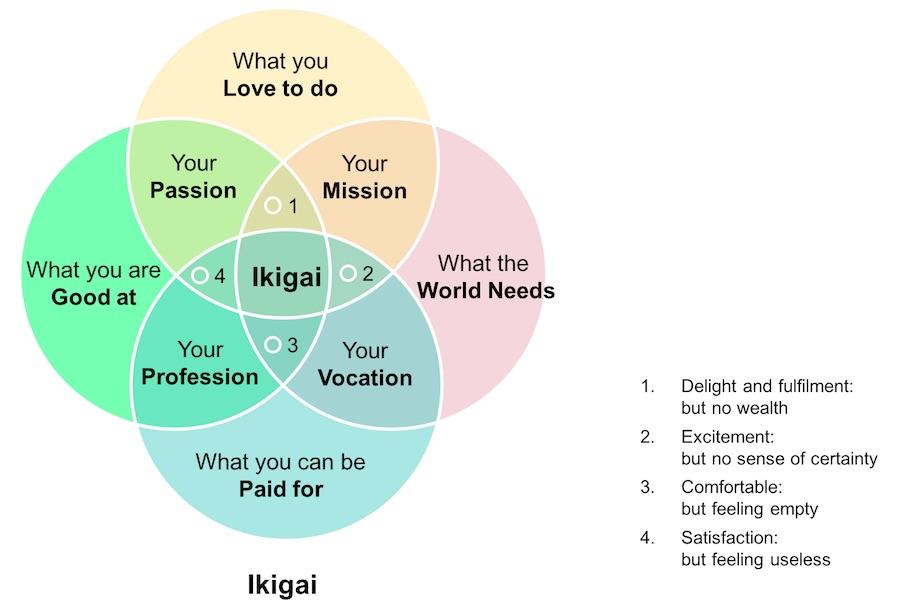
This Japanese concept suggests the secret to a purposeful and flourishing life involves looking for roles which combine what you are good at, with what you love, what the world needs and what 'pays' (see the image).
The NSC report State of Australia’s Skills 2021: now and into the future
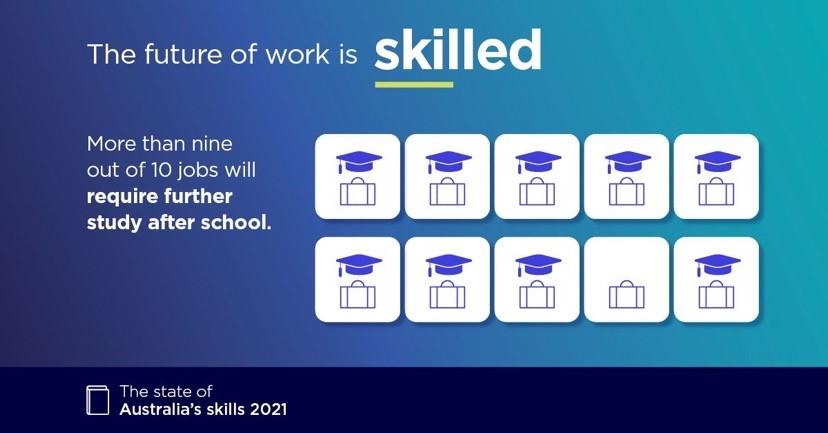
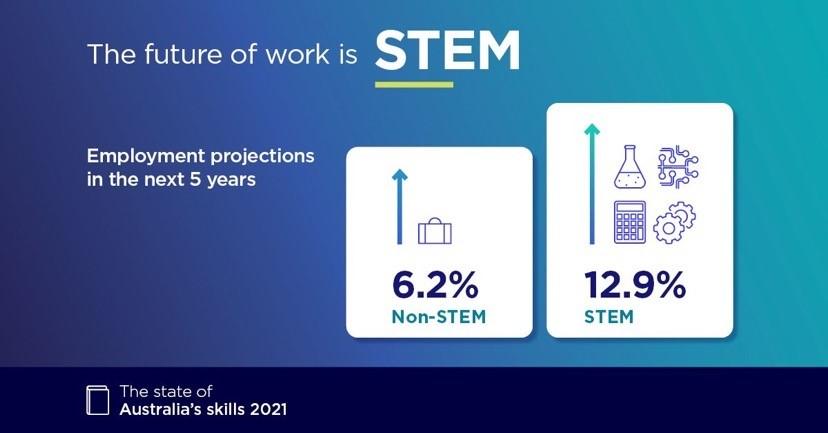
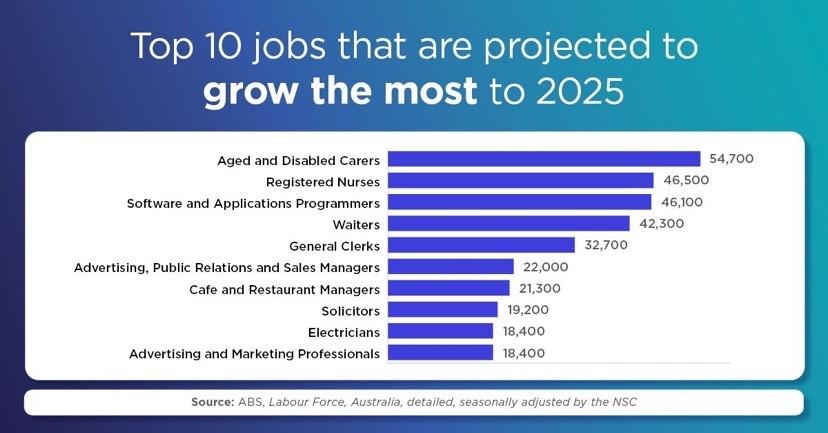
This report came out in December 2021 and finds the shape of Australia’s workforce is changing as our labour market responds to big forces like an ongoing shift to services and higher skilled jobs, advances in technology and growing automation. Details are available here, with the following images chosen to showcase key aspects:
- Further, or perhaps more accurately, life-long learning will be beneficial
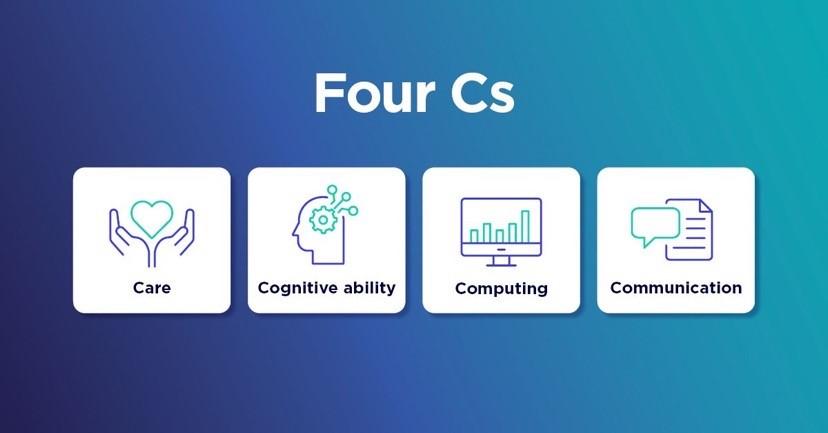
- The skills likely to be in demands can be summarised as the “four Cs”
- The future of work is STEM with aged-care, disability care and nursing predicted to have the most growth.
Did you know?
From p.18-19 in the international research paper Investing in Career Guidance
- Survey data from 2018 shows that more than half of teenagers around the world plan on working in just ten occupations and that career aspirations are heavily shaped by socio-economic status, gender and migrant background.
- Teenage uncertainty about career ambitions – which is associated with poorer than expected adult job outcomes – increased by 81% in OECD countries between 2000 and 2018.
- Surveys show that careers linked to vocational education routes often suffer from negative stereotypes.
- Reviews of analyses of national longitudinal datasets show that better than expected adult employment outcomes are routinely associated with how school-age teenagers think about their future careers, whether they explore possible employment and the experiences that they have of potential future workplaces.
- Wage premiums of 10–20% for young adults have been linked to teenage participation in career guidance – benefits are especially strong where activities were found by young participants to be very helpful at the time they were undertaken.
- Participation in career guidance activities has been linked with more positive attitudes towards school and better maths scores.
- An easy way to enrich career guidance in schools is to invite employee volunteers to talk about the jobs they do.
- Only four in ten adults access career guidance in a five-year period, according to recent research. These are mostly highly educated, young adults, in jobs that face no particular risk in the labour market. Many people are unaware of the availability of career guidance services aimed at adults. Vulnerable workers in low-skilled jobs (which are commonly at greatest risk of automation) tend to be least likely to access services.
- One of the most effective components of career guidance is the development of a personalised career development plan, which strongly increases the likelihood that adults will achieve employment, education and training outcomes.
- Career guidance relies on high quality information to raise the awareness of adults about skills in demand and enable career guidance advisors to offer timely advice about the labour market. Adults can benefit from information about flexible career pathways that enable transitions from one occupation to another while focusing training on their skill gaps.
- Many governments provide economic incentives to education, training, and employment services and institutions to ensure public access to career guidance.
- ICT provides many possibilities to improve geographical and social access to career guidance.