Science News
Year 9 Healesville Sanctuary Trip
May 1 started off with a chilly morning, a stark contrast to the warm enthusiasm of Year 9s who were prepared for a visit to Healesville Sanctuary. The purpose of this excursion was to aid students in their understanding of the threat to endangered Australian animals. This is directly linked to a project assigned to all Year 9s in their Science class, in where students research an endangered Australian species of their choosing.
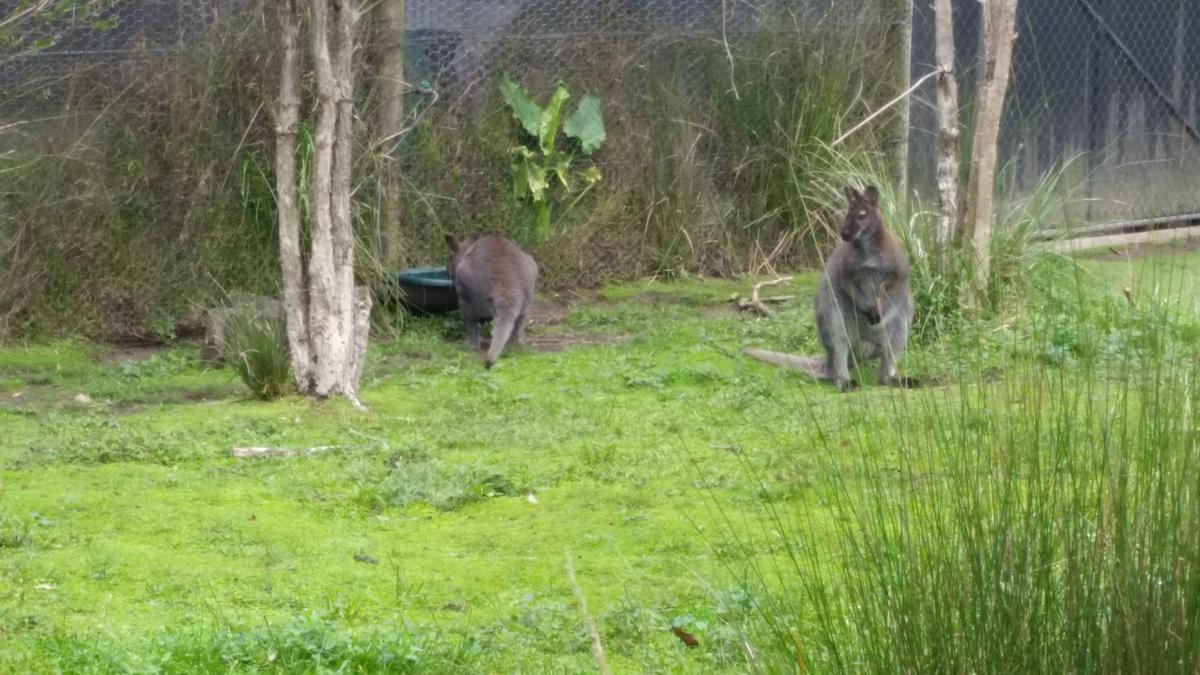
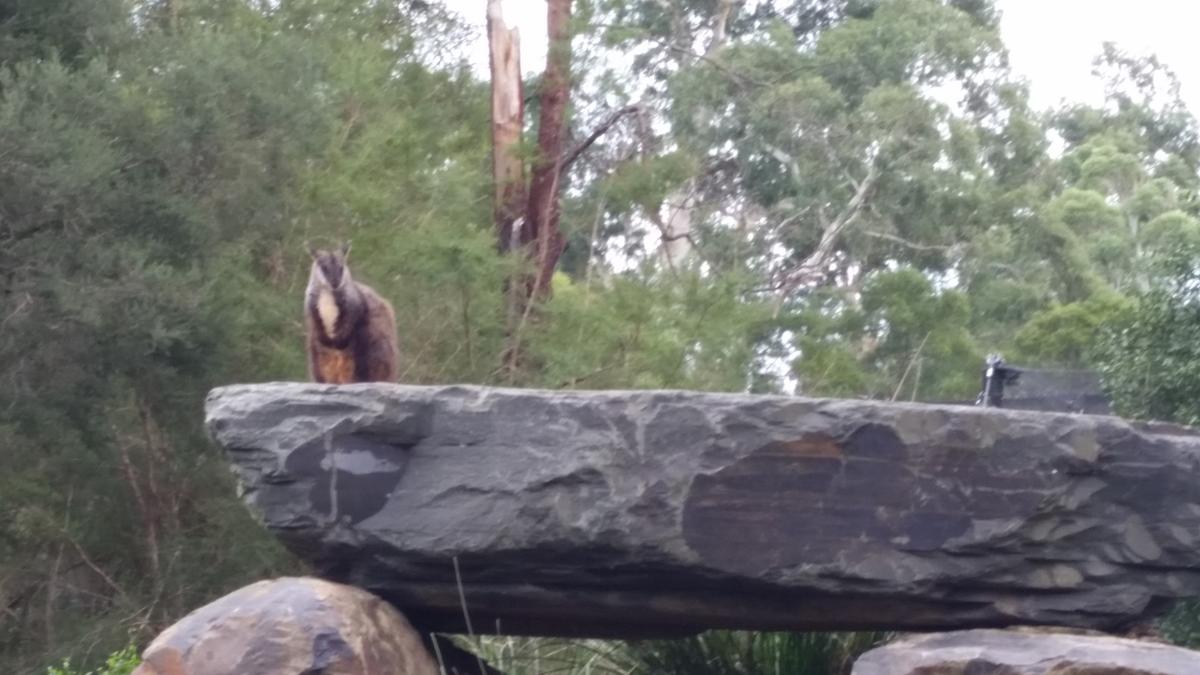
Healesville Sanctuary, previously the Sir Colin MacKenzie Sanctuary, is located in the town of Healesville (hence its name), about an hour’s drive away from Nossal High School. It is a zoo that is dedicated to keeping native Australian animals and breeding endangered species to combat wildlife extinction. Some of these animals include the brush-tailed rock wallaby, mountain pygmy-possum, and helmeted honeyeater.
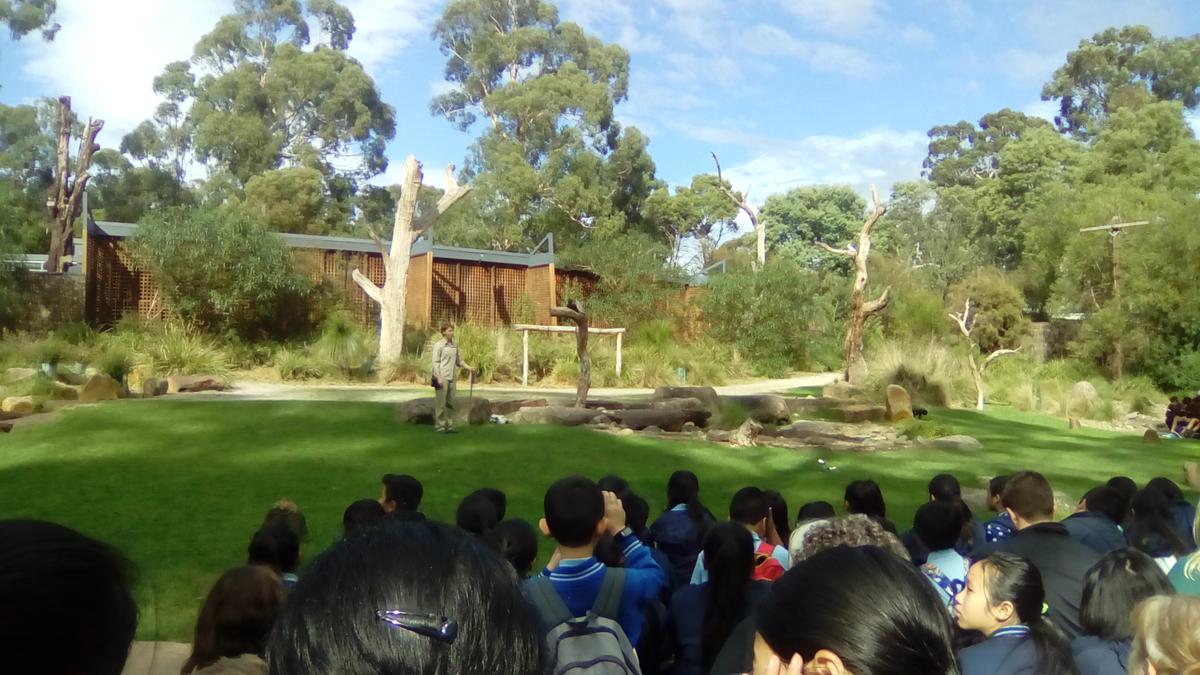
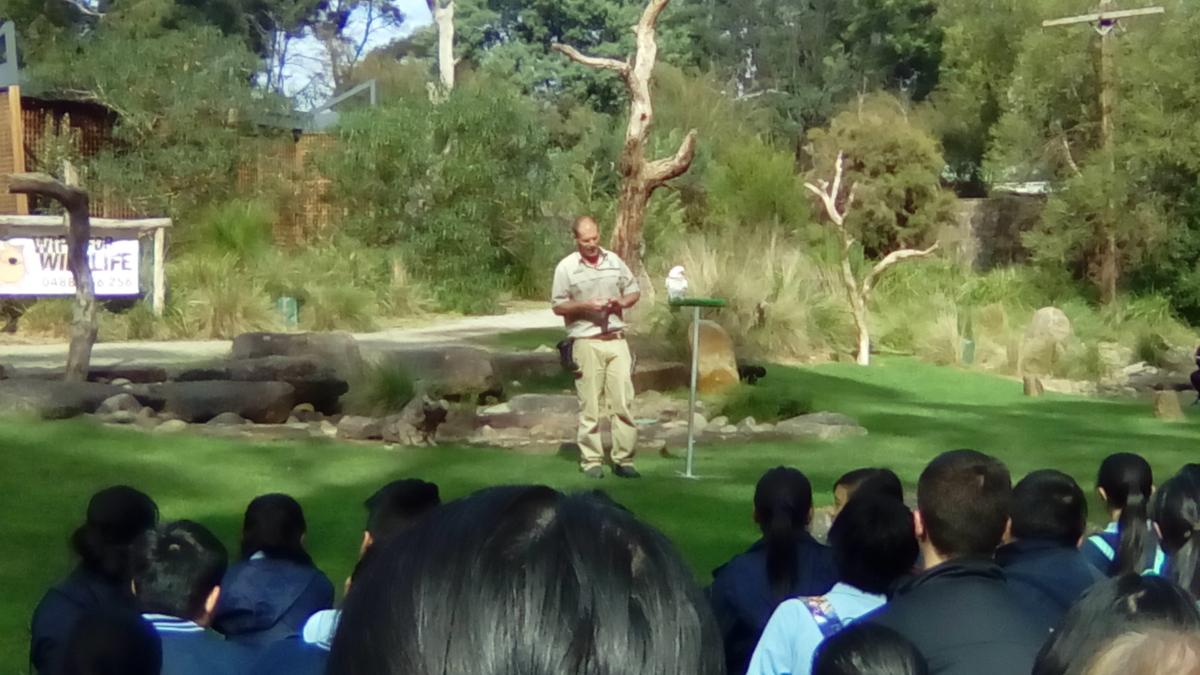
The students were allowed to freely explore the sanctuary in small groups, except for one event that all Year 9s came together to watch. This was, without a doubt, the highlight of this visit—the Spirits of the Sky show. Two keepers introduced us to many species of raptors and parrots native to Australia. Some of the birds were particularly low swoopers, allowing the audience a close-up view of them, causing quite a bit of excitement. A bird that surely caught the attention of many would be the wedge-tailed eagle, the largest Australian raptor with a wingspan of up to 2.5m, weighing around 4kg. These eagles can soar up to an amazing 2km high across Australian skies!
One of the species kept at the sanctuary that some Year 9s chose to investigate for their projects is the orange-bellied parrot (OBP). It is a critically endangered small, broad-tailed parrot native to Australia. The geographic range of this species is southwest Tasmania and the coast of south Victoria, though they only migrate to the latter of these two regions. The OBP is endangered due to becoming prey of introduced species such as foxes and feral cats. Furthermore, their habitat has been disrupted by human activity, and in recent years there has been an outbreak of the Beak and Feather disease in southwest Tasmania. These are all factors that contributed to the dramatic decrease in OBP population, with only an estimated 50 or less parrots still in the wild. The good news is, captive facilities such as Healesville Sanctuary have maintained a total of over 340 captive parrots in their efforts to fight the near-extinction of this species.
At the end of the day, it was safe to say that the trip was a success! Students went home satisfied with not only the enjoyable experiences they had at the sanctuary, but also the knowledge they had gained on many Australian animals, especially their chosen species. This trip certainly helped most, if not all of Year 9 with what they have been working on.
Marcus Lai & Yong En Foo
Year 9
Unit 1&2 Biology Excursion to the Royal Botanic Gardens Cranbourne
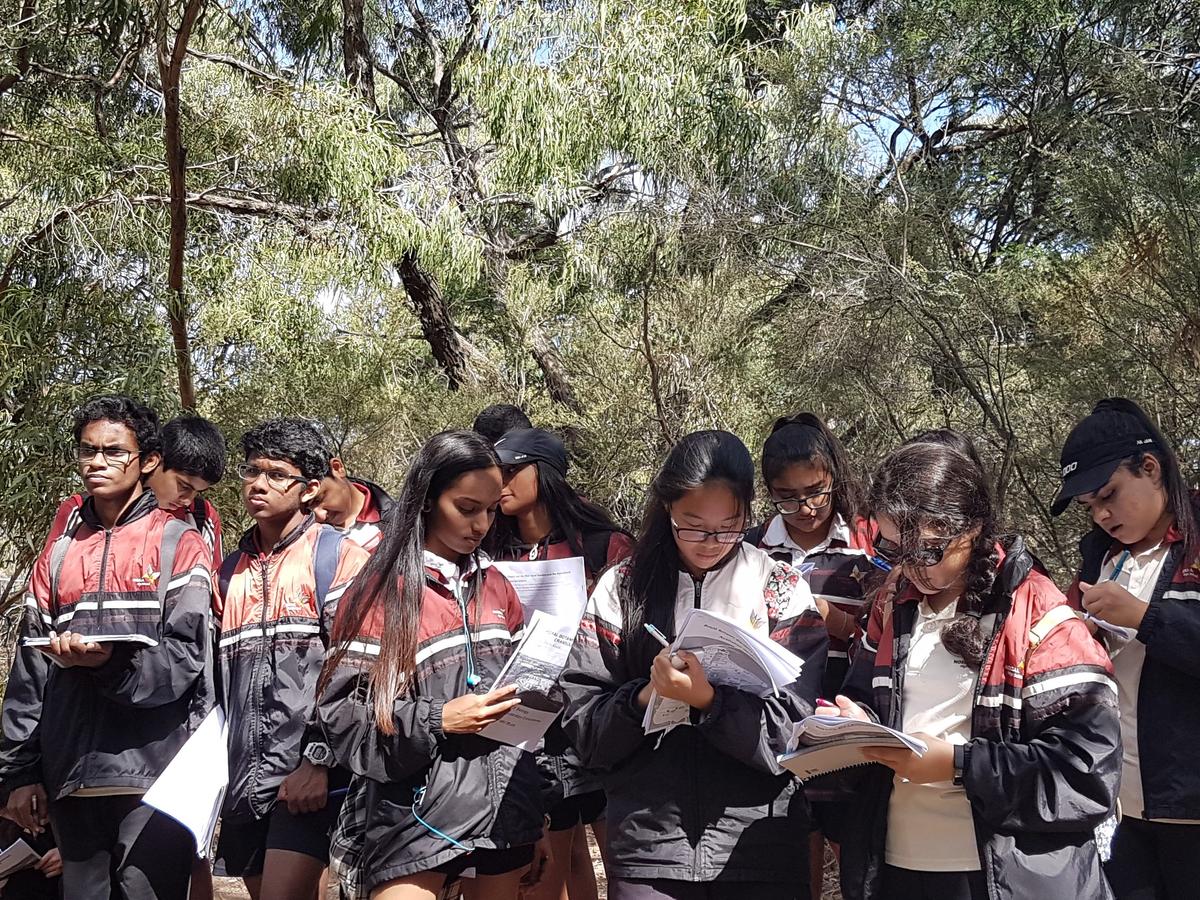
During the last week of Term 1, the Unit 1&2 Biology classes went on an excursion to the Cranbourne Royal Botanic Gardens. Personally, I liked this trip because it was a change of environment and we could see the changes that occurred in the different ecosystems. Where we learned about Fire Ecology, the life cycle of a habitat that involves fires and the life surrounding it. It stuck with us better because we could see that the changes in the place around us. Overall, the excursion taught us many things, things we might not have been as well retained if simply taught in the classroom.
Shalini Menon
Year 10
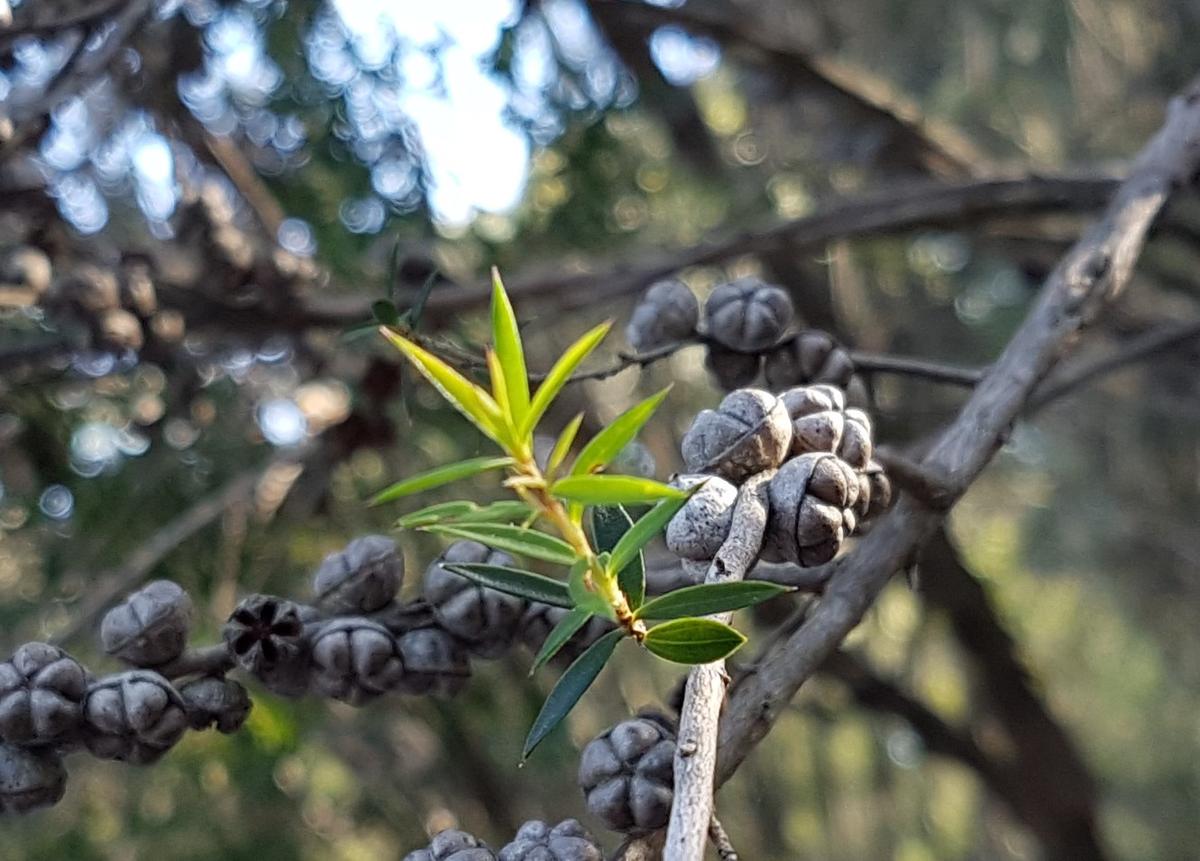
Our fieldwork excursion to the Cranbourne Botanical Gardens gave students a chance to understand what we were studying from a more hands on perspective. Biology is a very theory based subject, meaning that there is a lot to memorise; seeing what we were learning in person was helpful in a number of ways. In class, we were covering adaptations of plants amongst other areas of study. The excursion allowed for us all to see these adaptations at work in a range of plants. While trekking, we listened to our helpful guide from the Botanical Gardens share her information with us as we fervently took notes. There were also many opportunities to take photos of the plants that we saw, armed with new information about their inner functioning. We were set loose on the Australian Garden exhibit toward the end of the day. The exhibit showcased Australia through arid inland landscapes, dry riverbeds and much more. We got to explore the beauty and diversity of Australian plants which were displayed amid the multitude of artistic features in the garden. The amount of effort that was clearly put into the displays at the Botanical Gardens was surreal and allowed for us all to have a great learning experience.
Riya Rajesh
Year 10