
Wellbeing

Drumbeat Program
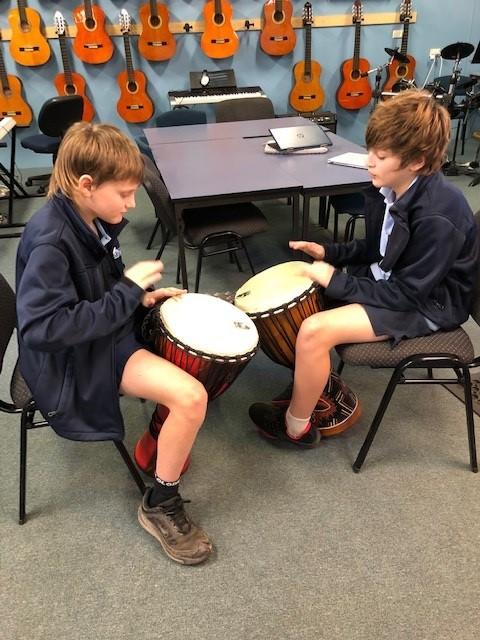
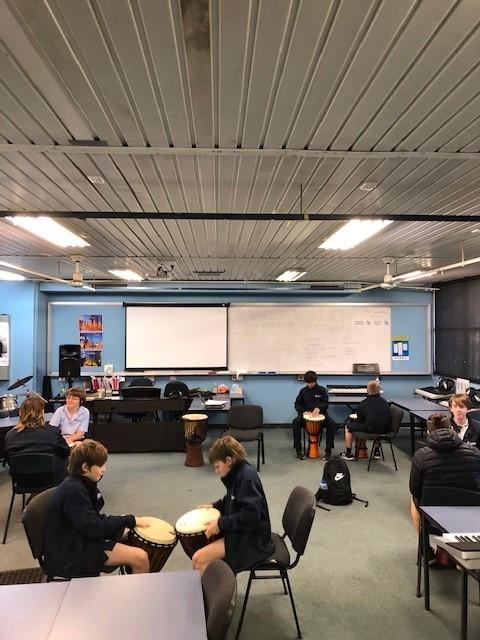
Facilitated by Chaplain Adrian Marriott and supported by fellow Chaplain, Shaun Cummings, the Drumbeat Wellbeing Program is well underway for Year 7 students.
Students explore a range of social and emotional life skills and topics including respect, relationships, community, resilience, and the rhythms of life. The program infuses some excellent Djembe drumming, activities, games and some in-depth group discussions. Well done to each participant for engaging so brilliantly in Drumbeat.
Signs a young person is being bullied
Bullying is an intentional, aggressive and repeated behaviour that involves an imbalance of power or strength.
It can take several forms:
- Physical (hitting, punching, beating)
- Verbal (teasing, name calling, threats)
- Emotional (intimidation using gestures, social exclusion, threats)
- Sexual
- Racist Bullying
- Cyber bullying (online harassment, hate messages, threats, impersonation, and other digital abuse)
- Hazing (any activity expected of someone joining or participating in a group that humiliates, degrades, abuses, or endangers them, regardless of a person's willingness to participate.)
Warning signs:
- Your child comes home with torn, damaged, or missing pieces of clothing, books, or other belongings
- Has unexplained cuts, bruises, and scratches
- Has few, if any friends, with whom he or she spends time
- Seems afraid of going to school, walking to and from school, riding the school bus, or taking part in organised activities with peers
- Finds or makes up excuses as to why they can’t go to school
- Takes a long out of the way route when walking to or from school
- Has lost interest in schoolwork or suddenly begins to do poorly in school
- Appears sad, moody, teary, or depressed when he or she comes home
- Complains frequently of headaches, stomach aches or other physical ailments
- Has trouble sleeping or has frequent bad dreams
- Experiences a loss of appetite
- Appears anxious and suffers from low self-esteem
Note: Children with disabilities may be at a higher risk of being bullied than other children.
What to do if you suspect your child is a victim of bullying:
The above signs are signs of bullying but are also signs of other abuse as well. If your child displays any of these signs talk with them and talk with the school staff to learn more about what’s going on. When talking with your child, don’t just ask if they’re being bullied. A better way to approach it is to say:
- “I’ve heard a lot about bullying in the news. Is that going on at your school?”
- “I’m worried about you. Are there any kids at school who may be picking on you or bullying you?”
- “Are there any kids at school who tease you in a mean way?”
- “Are there any kids at school who leave you out or exclude you on purpose?”
Some subtle questions:
- “Do you have any special friends at school this year? Who are they? Who do you hang out with?”
- “Who do you sit with at lunch and on the bus?”
- “Are there any kids at school who you really don’t like? Why don’t you like them? Do they ever pick on you or leave you out of things?”
If your kids or teens are being bullied do not over-react. Assure them that you love them, that this is not their fault, and that you will help them. Let them know they can talk to you about anything. Contact your kid’s/teen’s school and/or set up an appointment to talk with them. Teachers and school staff are likely in the best position to understand the relationships between your child and other peers in their school.
Share your concerns about your child and ask the teacher such questions as:
- “How does my child get along with other students in his or her class?”
- “With whom does he or she spend free time?”
- “Have you noticed or have you ever suspected that my child is being bullied by other students
- Ask the teacher to talk with other faculty and staff who interact with your child at school to see whether they have observed your child being bullied by his or her peers
- If you are not comfortable talking with your child’s teacher, or not satisfied with the conversation, make an appointment to meet with your child’s guidance counsellor or principal to discuss these concerns
If you believe your child is being bullied take quick action as bullying can have serious effects on kids and teens. If, after talking with your child and his/her school you don’t feel that your child is being bullied, stay alert to other possible problems that your child may be experiencing that could cause depression, social isolation, and loss of interest in school. and share your concerns with a school counsellor or psychologist.
Remember: These warning signs do not necessarily mean that a teen is being bullied. There could be something else wrong. Talk to someone who will support you, such as a parent, GP, or mentor. You can speak to a mental health professional for free on the Dolly’s Dream support line 0488 881 033.
We must also remember an upsetting truth: that some teens who have been bullied can become aggressive and even bully others. This is confronting for parents, but we must take action to keep everyone safe. Teens who bully others – and who are also bullied themselves. are especially vulnerable to wellbeing problems, so it’s important they get help early.
Finally, we must remember that some teens who have been bullied won’t show any of the signs on this list. Some might show other changes, such as sleeping problems or drug and alcohol use, but others won’t show any signs at all. This is why we must keep talking to all our teens about what’s happening.
Original article credit – https://www.stompoutbullying.org/tip-sheet-signs-your-child-being-bullied
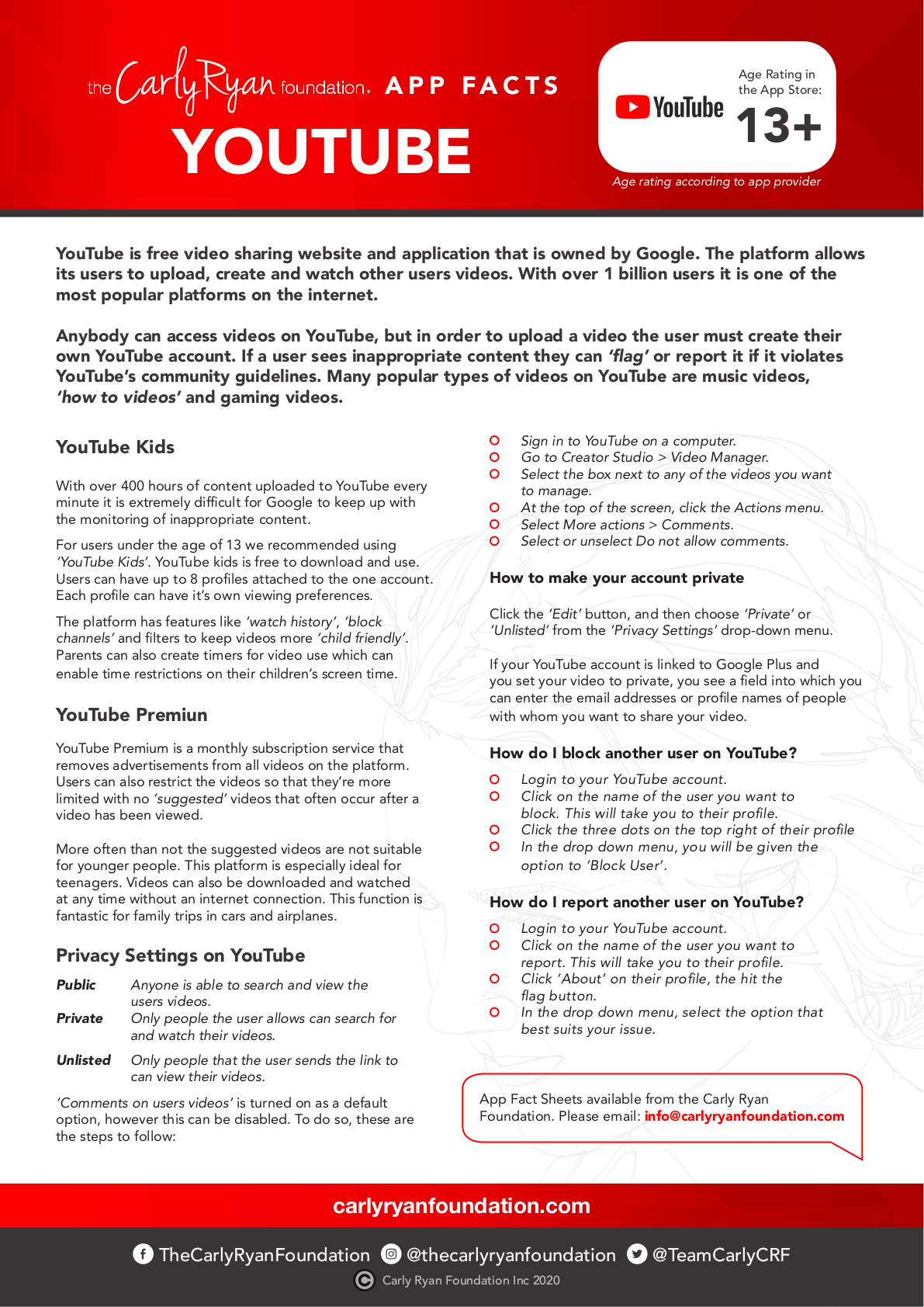
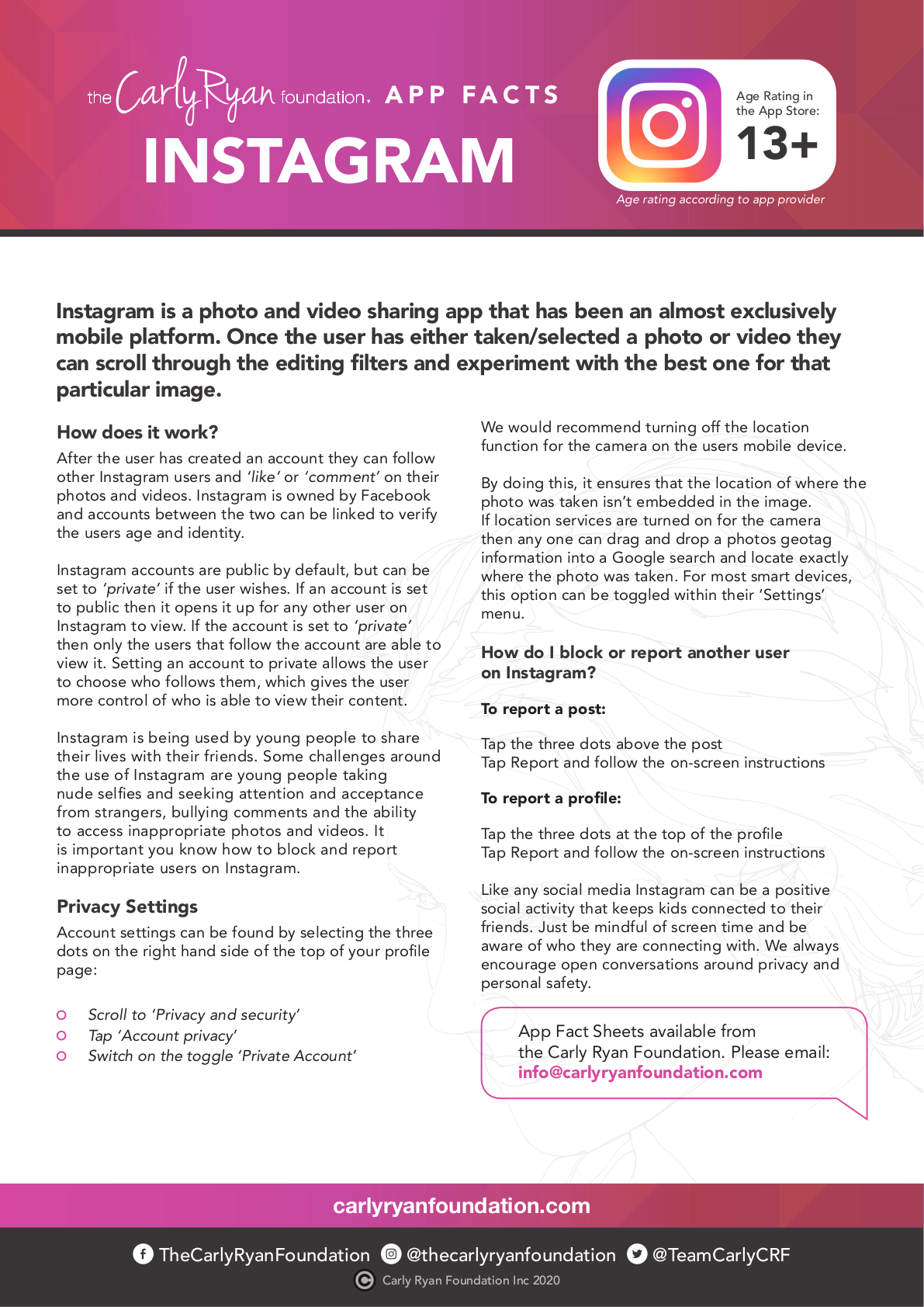
eSafety: Term 3 webinars for parents and carers
Online sexual harassment and image-based abuse
For parents and carers of young people aged 13 to 18
Monday 5th September 2022 12:30 pm – 1:30 pm
Wednesday 7th September 2022 7:30 pm – 8:30 pm
Help your teens stay safe by learning how to deal with online sexual harassment and image-based abuse. This webinar will cover:
- the difference between online sexual harassment and image-based abuse and how to report online sexual harassment to social media companies
- how to report image-based abuse (non-consensual sharing of intimate images) to eSafety and when to report to police
- where to get support if you feel upset or worried about something that has happened online.