Principals Parenting News

Safety Online
Kids online ~ esafety. https://www.esafety.gov.au/parents
Please remember to monitor your children’s online behaviour carefully and limit the time they are spending online. We have had reports of bullying using the app ‘Kids Messenger’. PLEASE talk to your children regarding this and be aware of your children’s online behaviours. Having set times for online usage, only use technology when other people are around, don’t allow children to take devices to their bedrooms, and having clear consequences in place for unacceptable use etc are good ways to keep your children safe.
Parents Corner
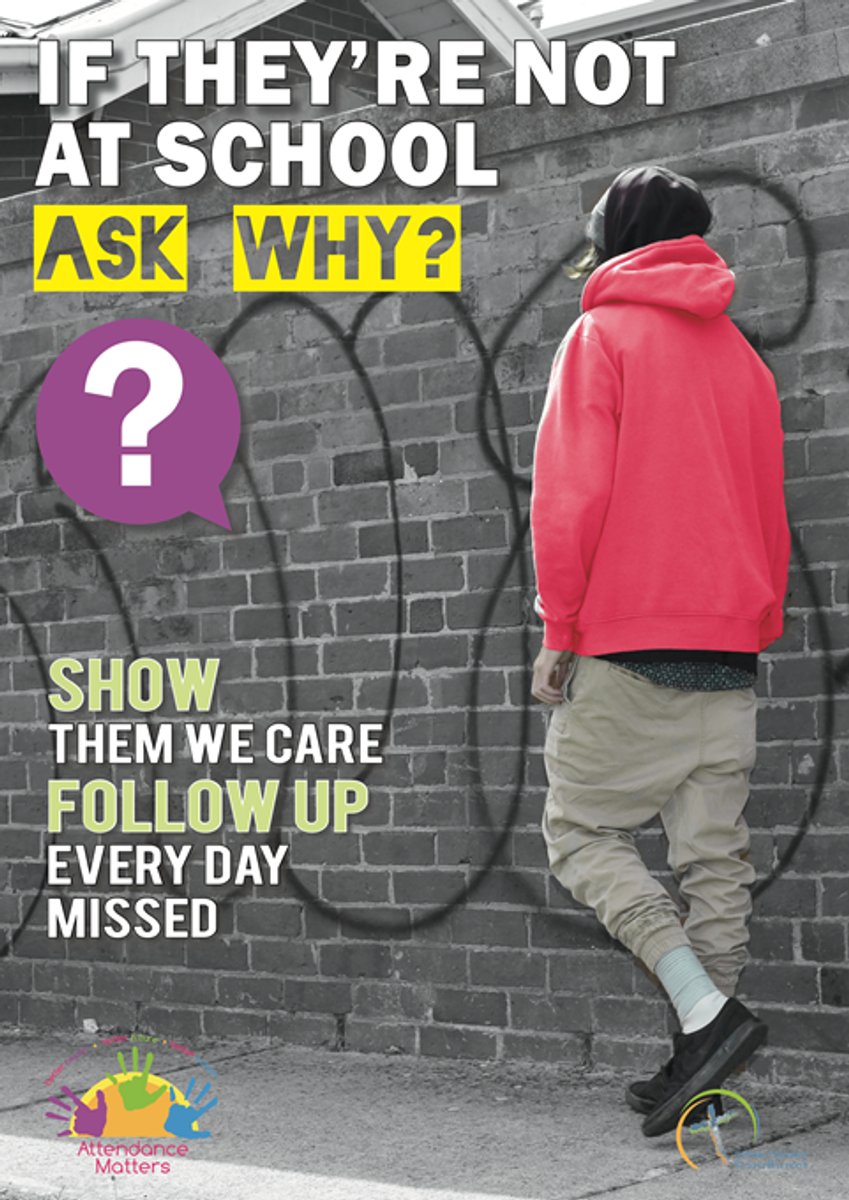
Attendance Matters
Impacts of non-attendance
Non-attendance has a variety of effects on students, both academically and socially. Absenteeism can increase social isolation, including alienation and lack of engagement with the school community and peers, leading to emotional and behavioural difficulties (Carroll,2013; Gottfried, 2014). It is also associated with an increased likelihood of drop-out (Keppens & Spruyt, 2017; London, Sanchez, Castrechini, & Castrechini, 2016).
There are a variety of interrelated factors that influence attendance rates. Some factors are school-related while others relate to individual and family contexts. Critically, the evidence suggests that early attendance and declining attendance habits from primary to secondary school have important ramifications for later years of schooling and student outcomes.
Hancock et al. (2013) investigated the relationship between Australian student attendance and achievement across the NAPLAN domains of numeracy, reading and writing, across various school (e.g. school SES and school remoteness), individual and carer characteristics. They found a number of key insights about non-attendance.
Every day Counts
“Every day counts and there is no ‘safe’ threshold for absences”– Hancock et al., 2013There are many factors that influence student achievement, including teacher quality and student engagement. Attendance is also an important contributor to a student’s academic achievement – all school days matter. The correlation between absence and achievement is consistently negative and declines in achievement are evident with any level of absence. Although authorised absences and smaller amounts of absence were associated with only small declines in achievement, all absences count, and the impact of absence increases with the number of absences (Hancocket al., 2013).
At a Glance
While all absences have a negative impact, greater declines in student achievement are associated with
• Unauthorised absences
• Chronic absenteeism.
Absence Type Effects Impact
“Not all absences are equal when it comes to student outcomes”
’Authorised’ absences typically have parent-approved explanations that schools find acceptable. For example, illness, medical/health care appointments, religious or cultural activities, suspension from school, family holidays or bereavement (ACARA, 2015b). ‘Unauthorised’ absences occur when a school either does not receive an explanation or where the explanation given is deemed unacceptable by the school/school principal; for example in the case of truancy (ACARA, 2015b).
Unauthorised absences are typically associated with larger declines in student achievement (Gershenson, Jacknowitz, & Brannegan, 2017; Gottfried, 2009; Hancock et al., 2013; Zubrick,2014). Although a smaller proportion of students have unauthorised absences, unauthorised absences have a more negative effect on student achievement than authorised absences. For example, Hancock et al. found that students with more than 20% authorised absences (up to 40 authorised full day absences per year) and no unauthorised absences, still achieved higher at the Year 5 level on the numeracy domain than students with 5% unauthorised absences (up to 10 unauthorised full day absences per year).
It is likely that co-varying factors influence the academic achievement of students who are likely to have unauthorised absences. Factors such as socioeconomic or Indigenous status and education level of parent/caregiver and mobility (students who have enrolled in multiple schools throughout the school year) have a stronger impact on achievement than attendance (Hancock, Lawrence, Shepherd, Mitrou, & Zubrick, 2017; Hancock et al., 2013). Additionally, it is possible that authorised absences have less of an effect on student academic achievement because students who are absent due to illness or other excused reasons, suchas family holidays, are appropriately assisted, either at home or at school, to ‘catch-up’(Hancock et al., 2018).