Assistant Principal Page
The Power of Conversation

Schools are obliged to report formally to parents twice a year, and to offer opportunities for parents and carers to meet teachers and discuss reports and results after these reports are issued. Our first and primary opportunity for parents and carers occurs after the initial Semester 1, or mid-year reports go home. While we invite parents and carers to contact us at any time regarding their child’s learning or wellbeing, parents will have a further invitation and opportunity to discuss and clarify their child’s results, shortly after the end of year report is sent home.
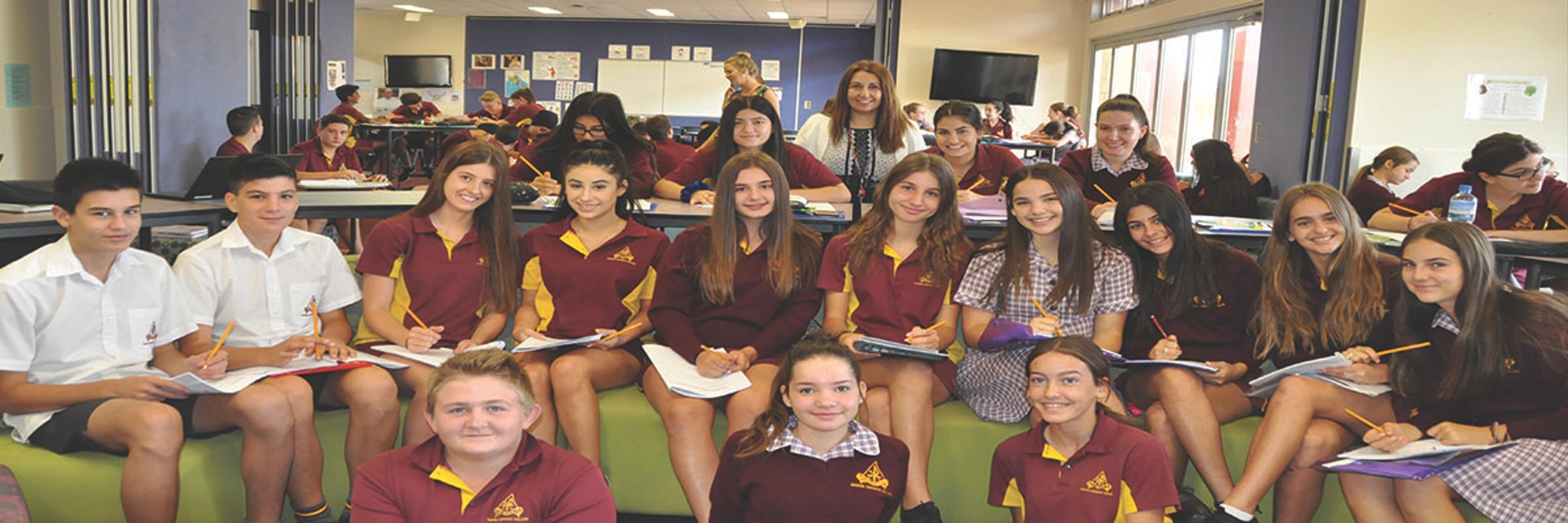
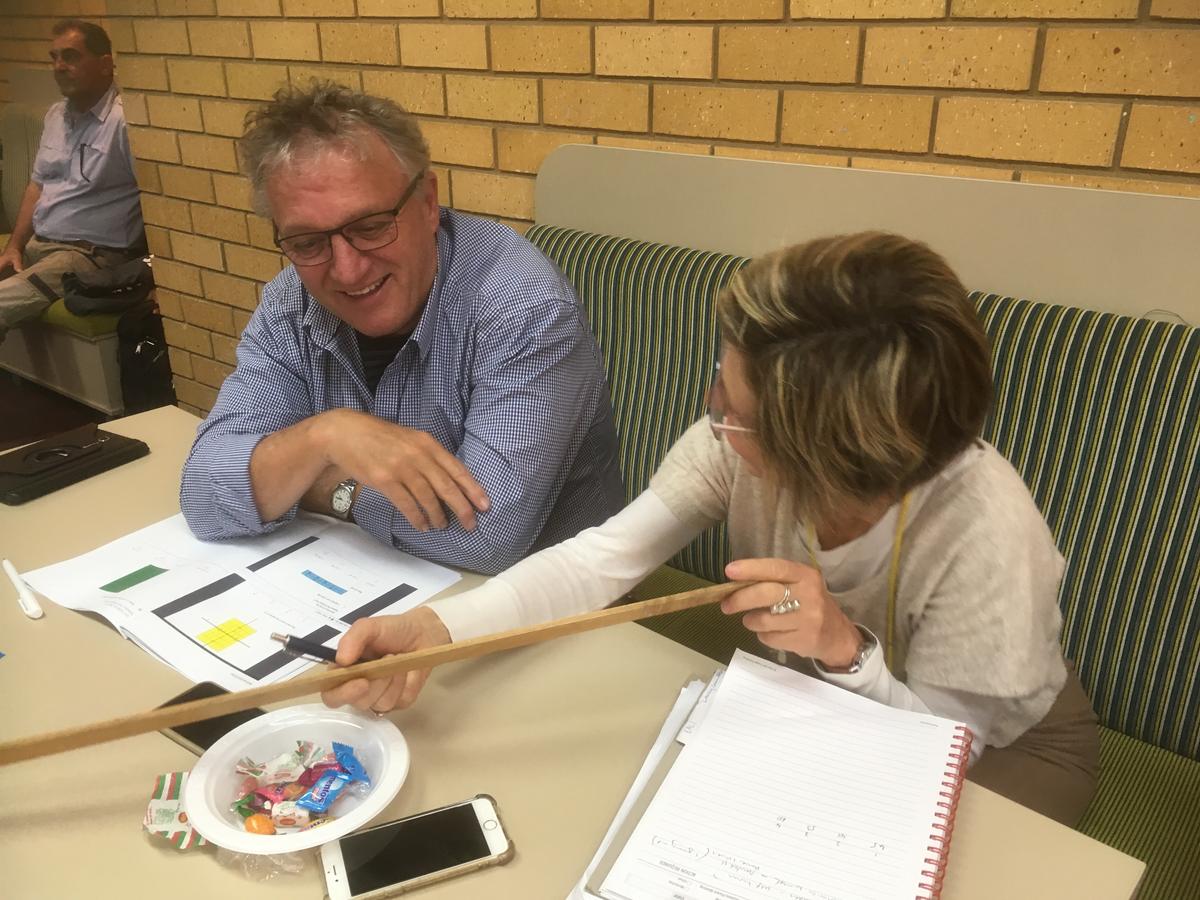
So what is it about conversation that makes it one of the most transformative processes we have… to come to an agreement, to clarify our purposes, to review progress and to map the way forward? Authentic, informed and genuine dialogue will manage all of these things. Five minutes of authentic dialogue in parent/teacher/student conferences may not seem like a long time. However, do not underestimate the power of a conversation and how effectively five minutes can be used to support your young people to learn and to grow to be the best that they can be.
Our Semester One Year 11 parent/teacher/student conferences will be held next Thursday evening, June 21 from 3.45pm in the College Hall. I urge parents and carers of our Year 11 students to please take this opportunity to attend these parent/teacher/student conferences scheduled for next week and to discover for yourselves the power of a five-minute conversation with your child’s teachers.
Gr8 Teaching and Learning Practices @ MCC

In past newsletters, I have highlighted the significance of NAPLAN and other forms of literacy and numeracy assessment in providing schools and systems with data and information to inform their practice. Schools require both broad and deep data: broad data providing information about cohorts and trends, and deep data providing specific detail in depth around individual student learning for classroom teachers.
NAPLAN does provide both, although it has been criticised for not always providing the deep data that can be readily digested by the busy classroom teacher. The comment below provides a snapshot of the current debates around the need for educational reform in NSW and Australia and how these centre on teachers use of data to inform their practice.
These debates also highlight the need for governments and systems to increase specific support to enable classroom teachers to have the time to collaborate and process relevant data into improved learning programs for their students:
The key to adaptive improvement is not more innovation, but better selection of what to keep. Education Guru, John Hattie, captures this idea in his phrase, “know thy impact,” an exhortation for teachers to track how much their students learn, and then use that information to inform their future practice. Making this the norm in classroom practice is no easy task: it will require changes at all levels of the system… (Goss, 2018, p. 23).
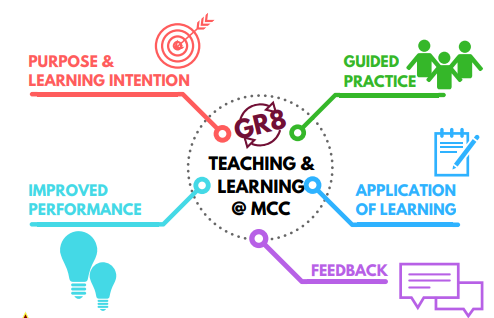
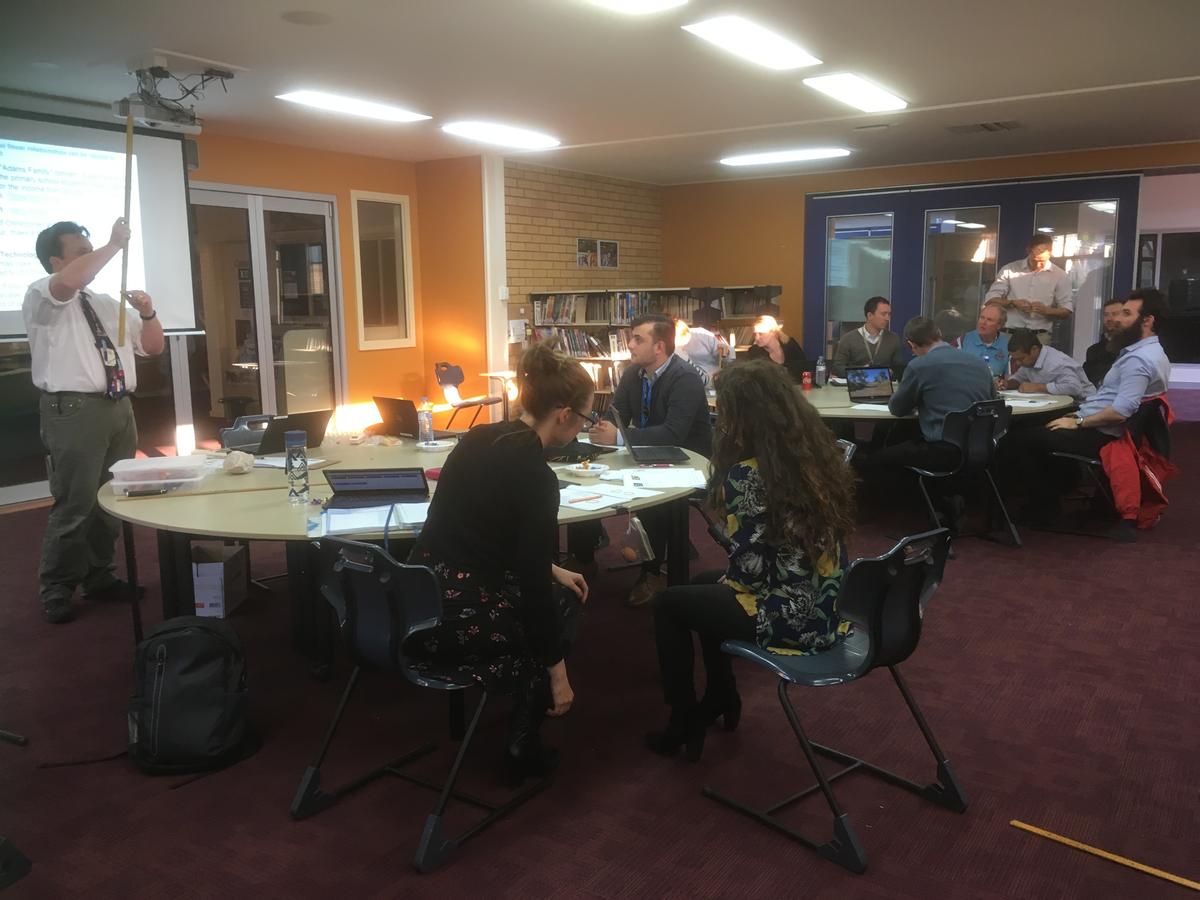
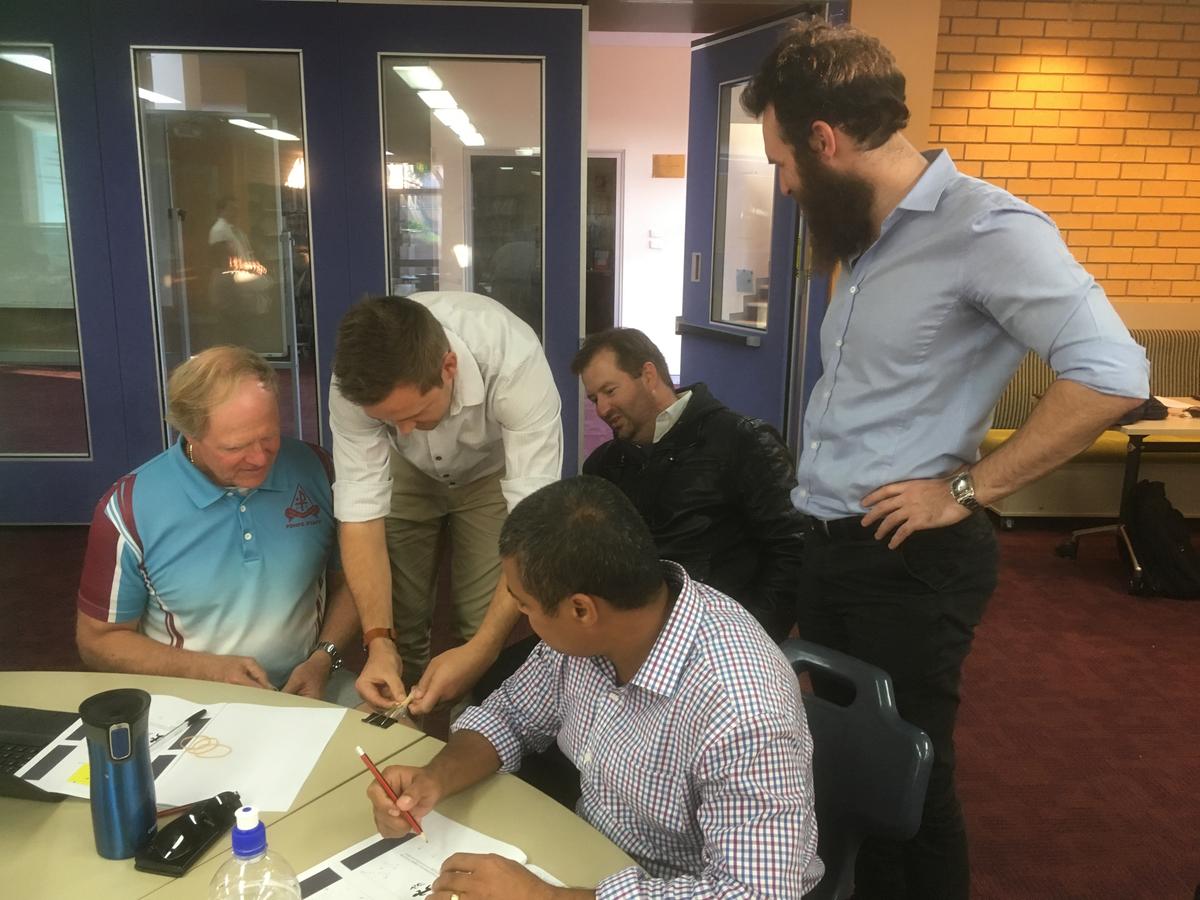
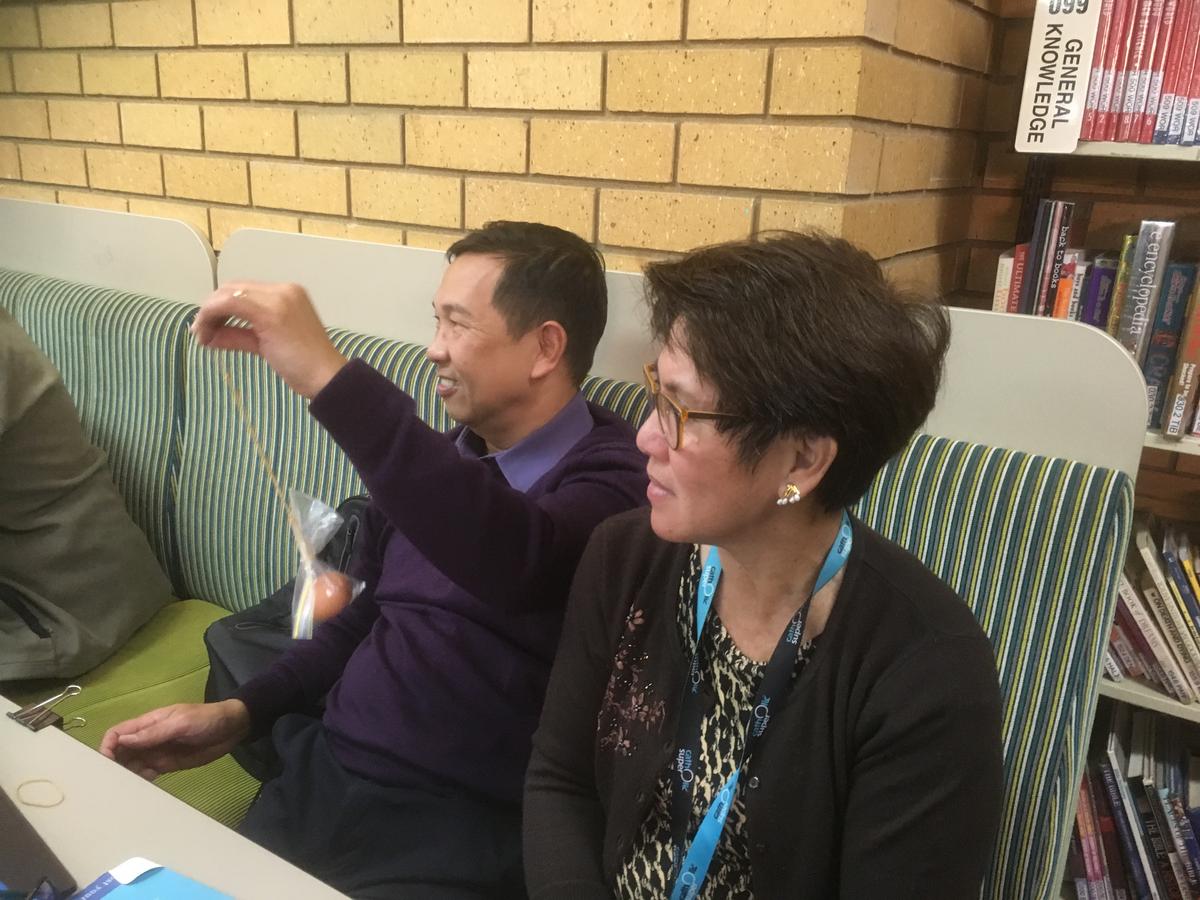
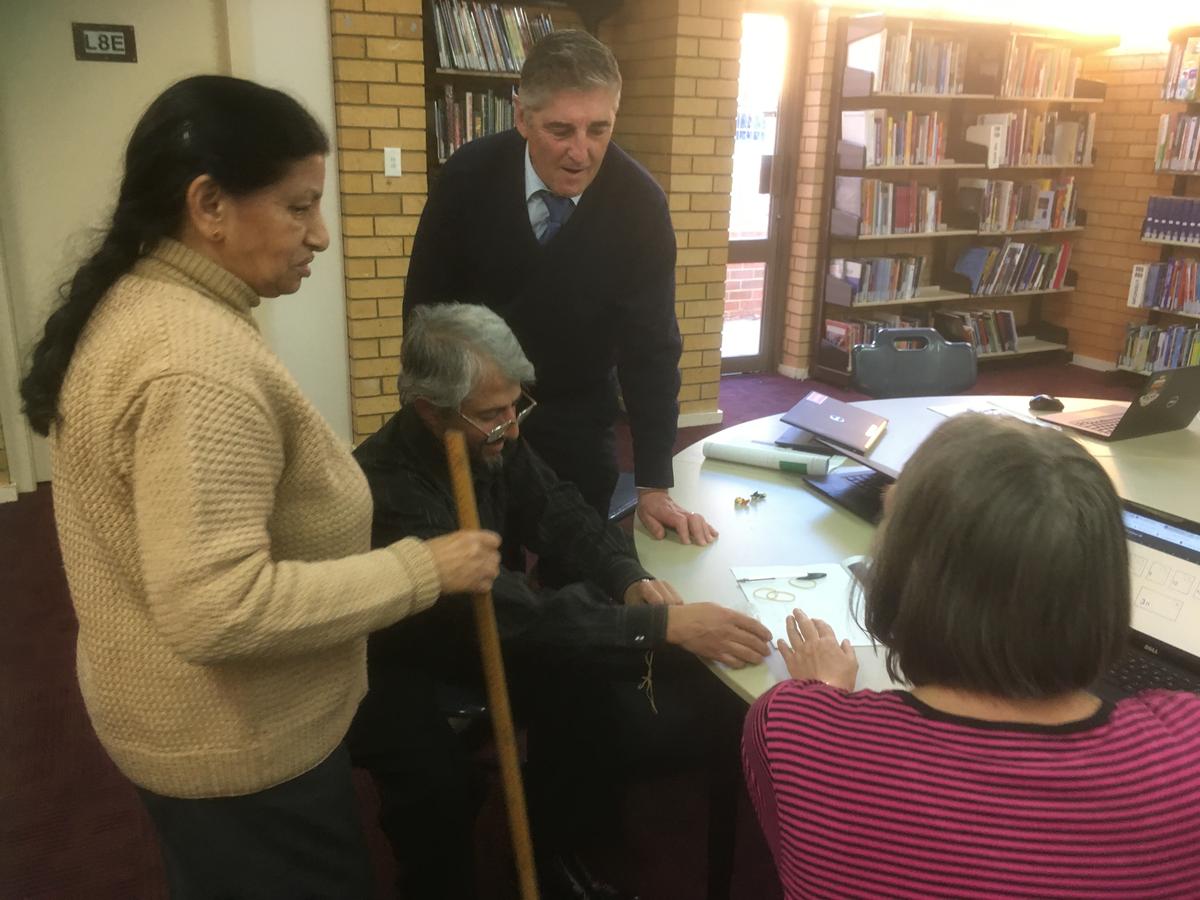
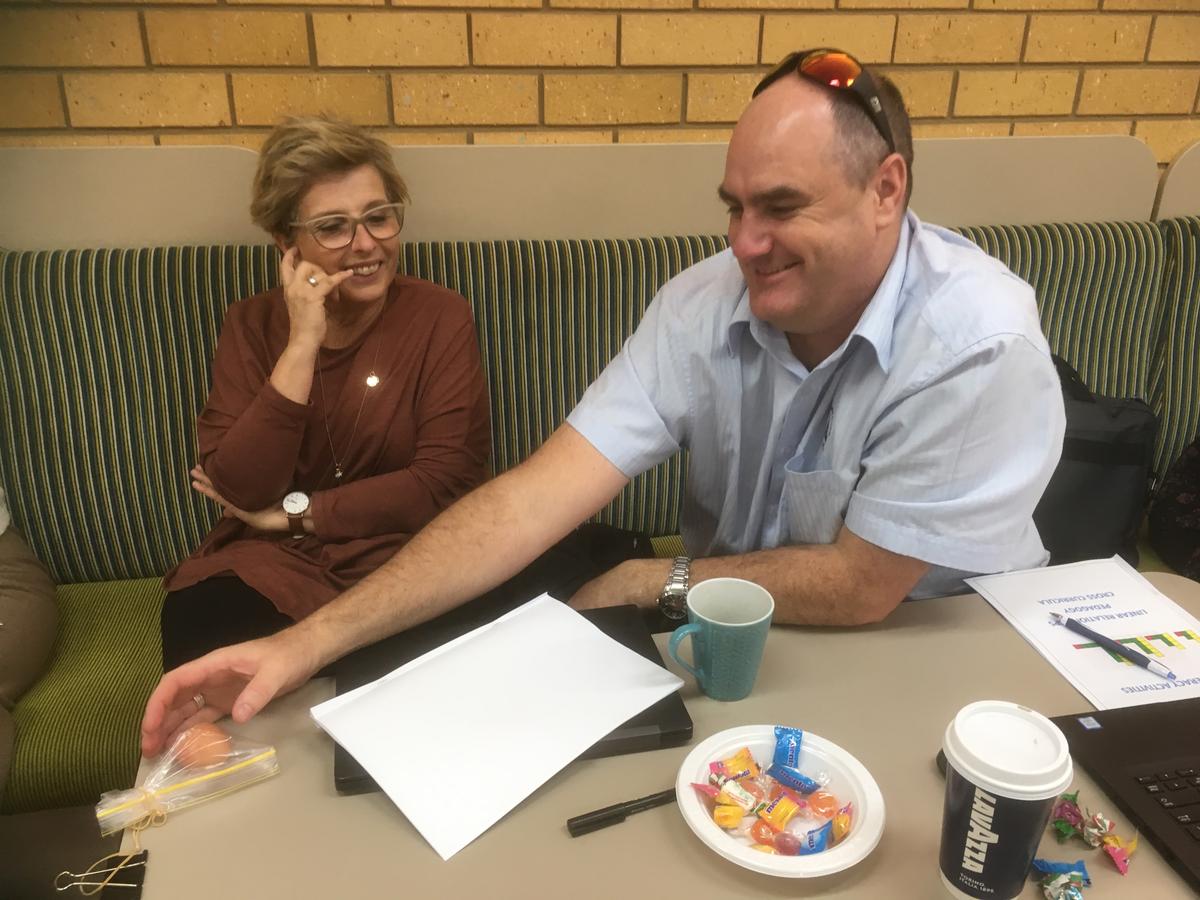
This use of relevant data to inform our practice has been identified as a major theme on the 2018 Marian Catholic College Annual Improvement Plan, and this has formed a significant part of the focus during our staff professional learning meetings this year. Being data-informed has enabled our teaching staff to pursue a continued emphasis on developing and improving our students’ literacy and numeracy outcomes, student wellbeing, technology innovation and faith development, whilst improving their teacher practice and pedagogy.
HSC Minimum Standard Literacy and Numeracy Tests
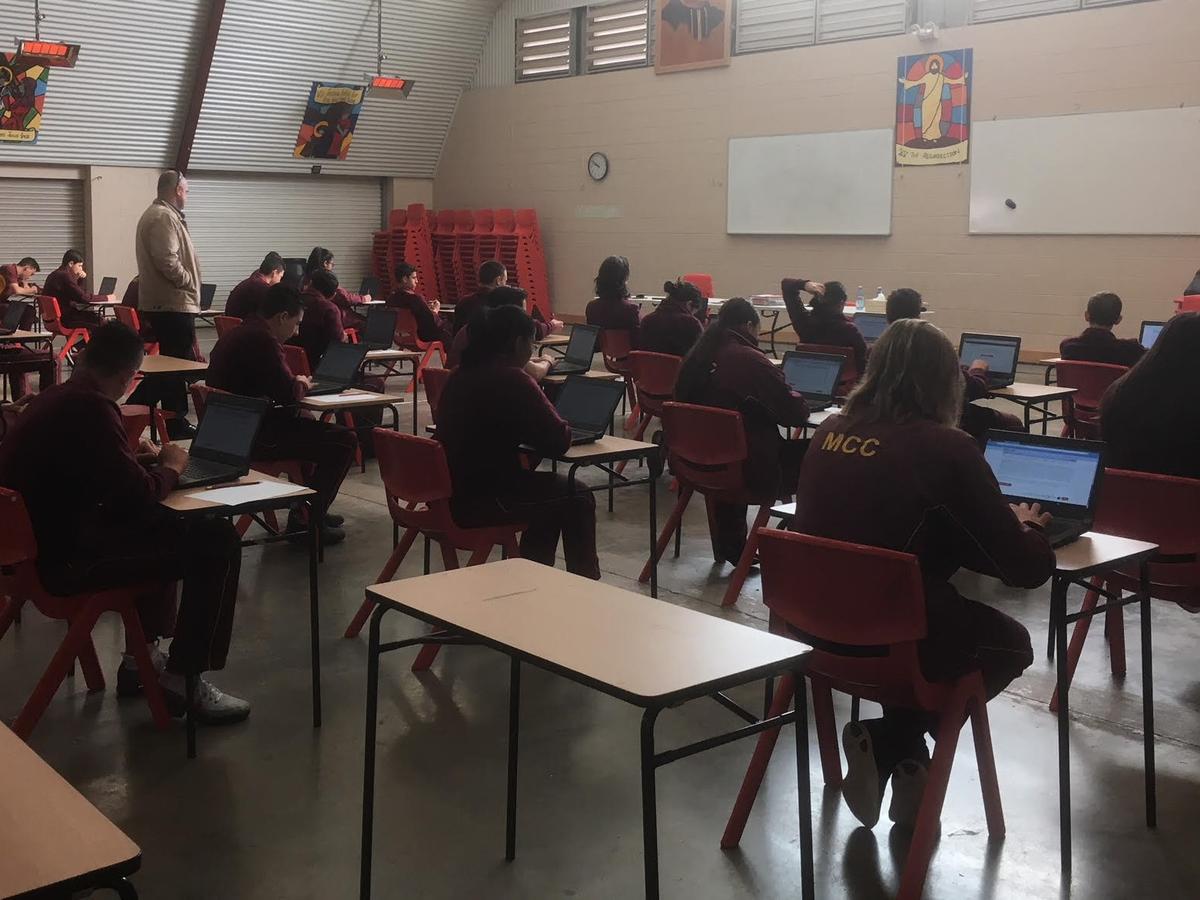
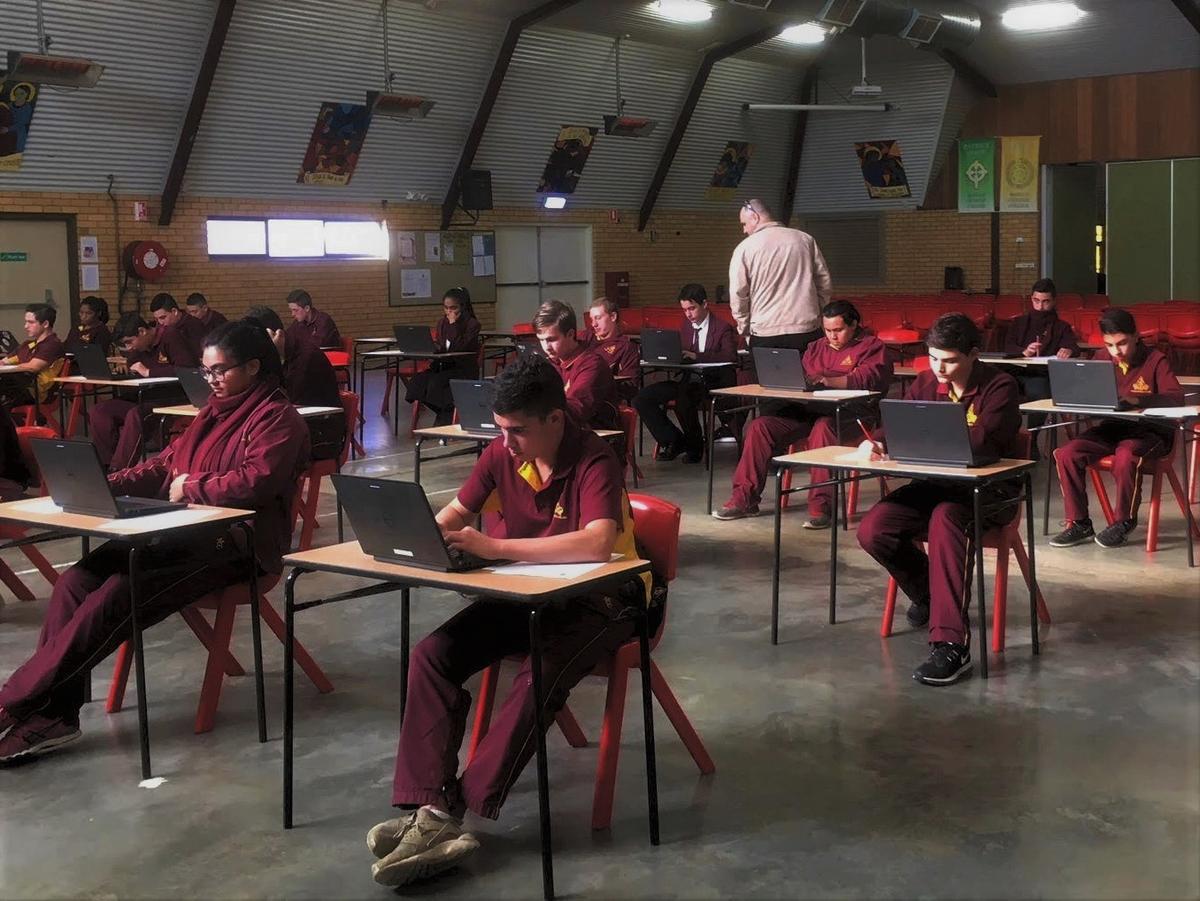
As previously advised, students will now have to demonstrate they meet the HSC minimum standard of literacy and numeracy by taking new online reading, writing and numeracy tests developed by NESA. The new HSC minimum standard tests were first available to students in Year 10 in Term 1, 2018.
Students have three years – Years 10, 11 and 12 – to complete the tests to demonstrate that they have met the HSC minimum standard. All three new HSC minimum standard tests – reading, writing and numeracy – will be available on demand in Weeks 4-8 of each term in Years 10, 11 and 12. That allows five weeks each term, or 20 weeks per year, for students to sit the tests. Students can take any of the new HSC minimum standard tests in any of these five-week term windows through Years 10, 11 and 12. For example, students who need to sit all three tests to meet the HSC minimum standard do not have to sit all of the tests at the same time: in consultation with their teachers, students can decide when they are ready to sit each of the HSC minimum standard tests.
The HSC minimum standard tests do not have to be taken by a full cohort at a single point in time. Within the term window, the organisation and timing of the tests will be a school decision. Students do not have to sit the minimum standard tests in school groups – they can sit as individuals, or in small groups, or in any combination and at any time that suits the school. A student can sit each HSC minimum standard test only two times in a calendar year.
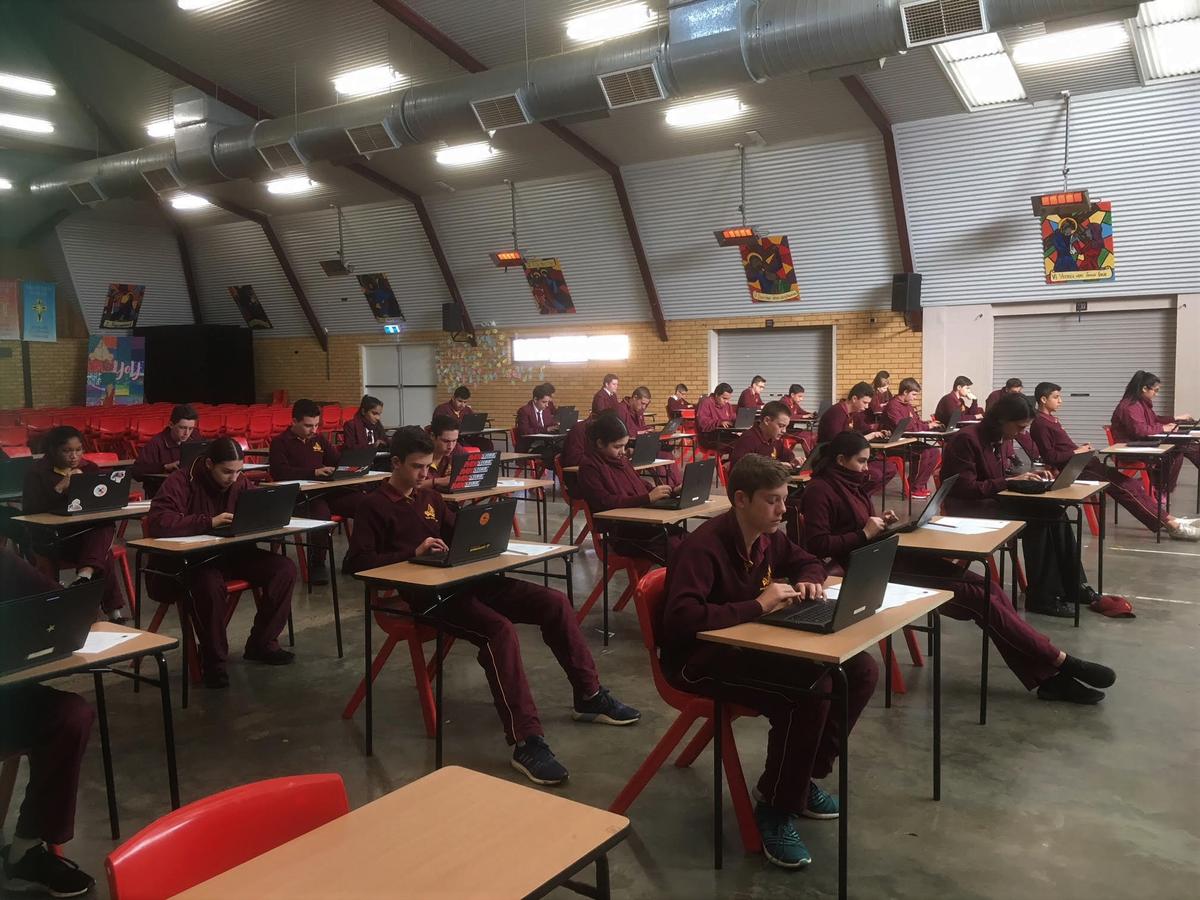
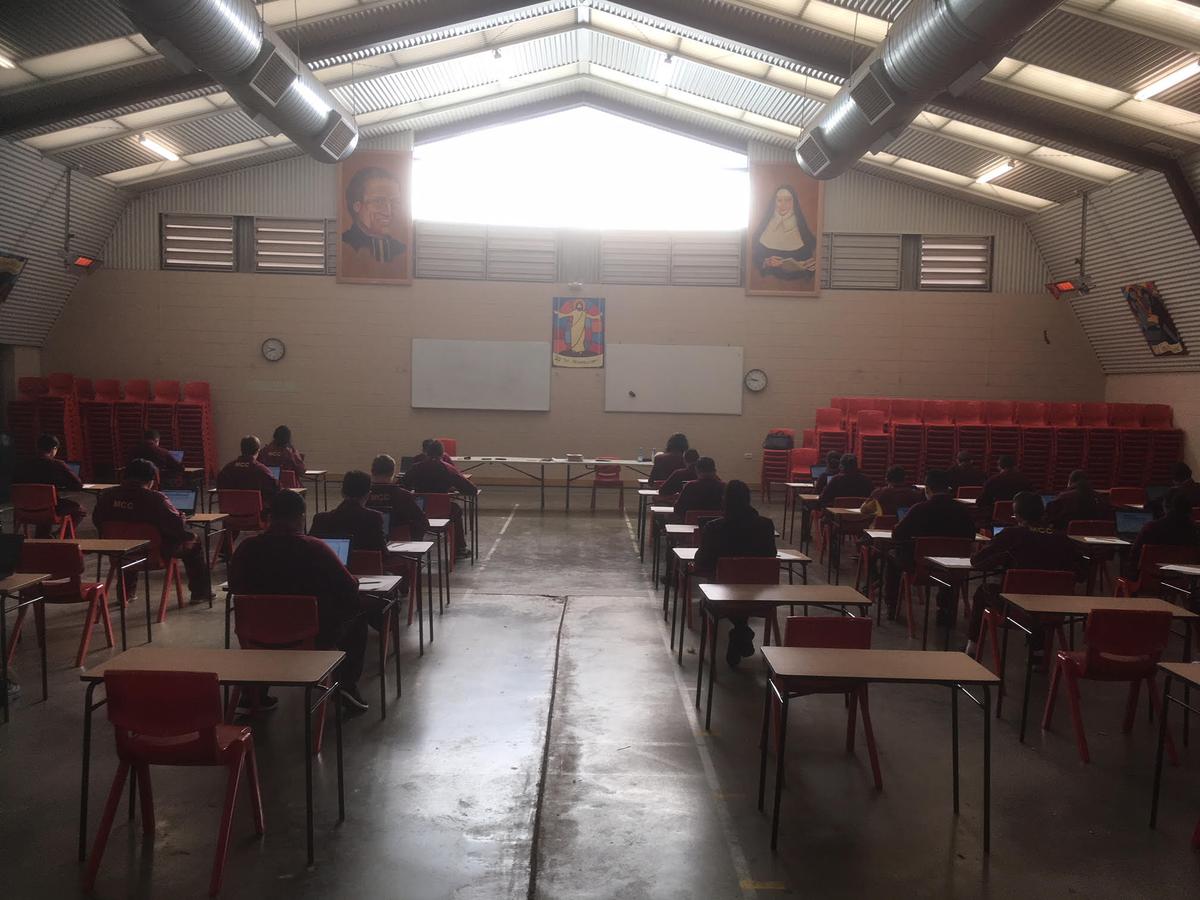
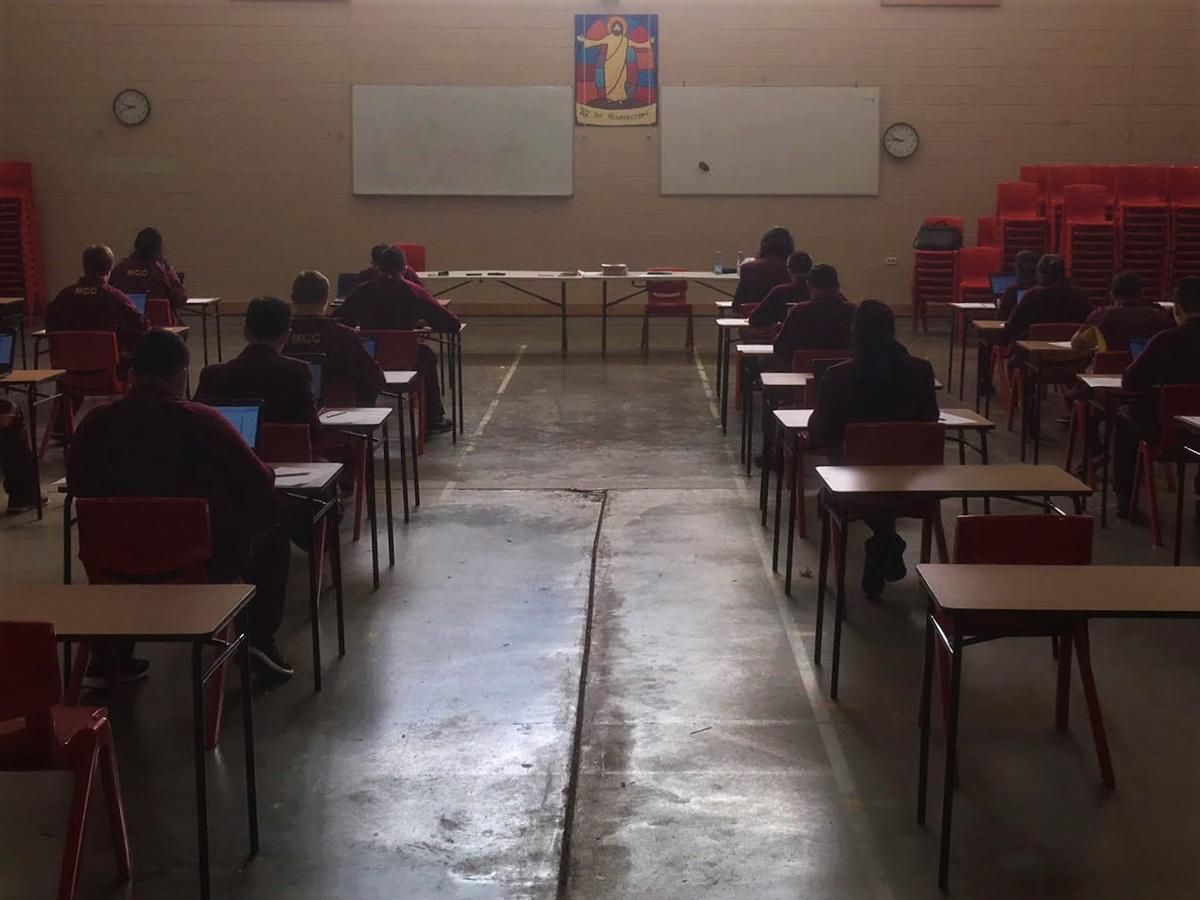
Last week, many of our Year 10 students sat these online tests at various times through the week for a first attempt to meet the HSC minimum standard in literacy and numeracy. Students and the school will receive a report from NESA of their performance in the reading, writing and numeracy tests. Students who did not meet the minimum standard in the various tests during the first attempt last week will have another opportunity for the calendar year scheduled in Term Four.
Wishing you all the best for a safe and happy weekend.
Mrs Tonetta Iannelli
Assistant Principal – Learning and Teaching