
Biology
Eastern barred bandicoot
Biology
Eastern barred bandicoot
Victor Toufas, Year 11 Biology Teacher
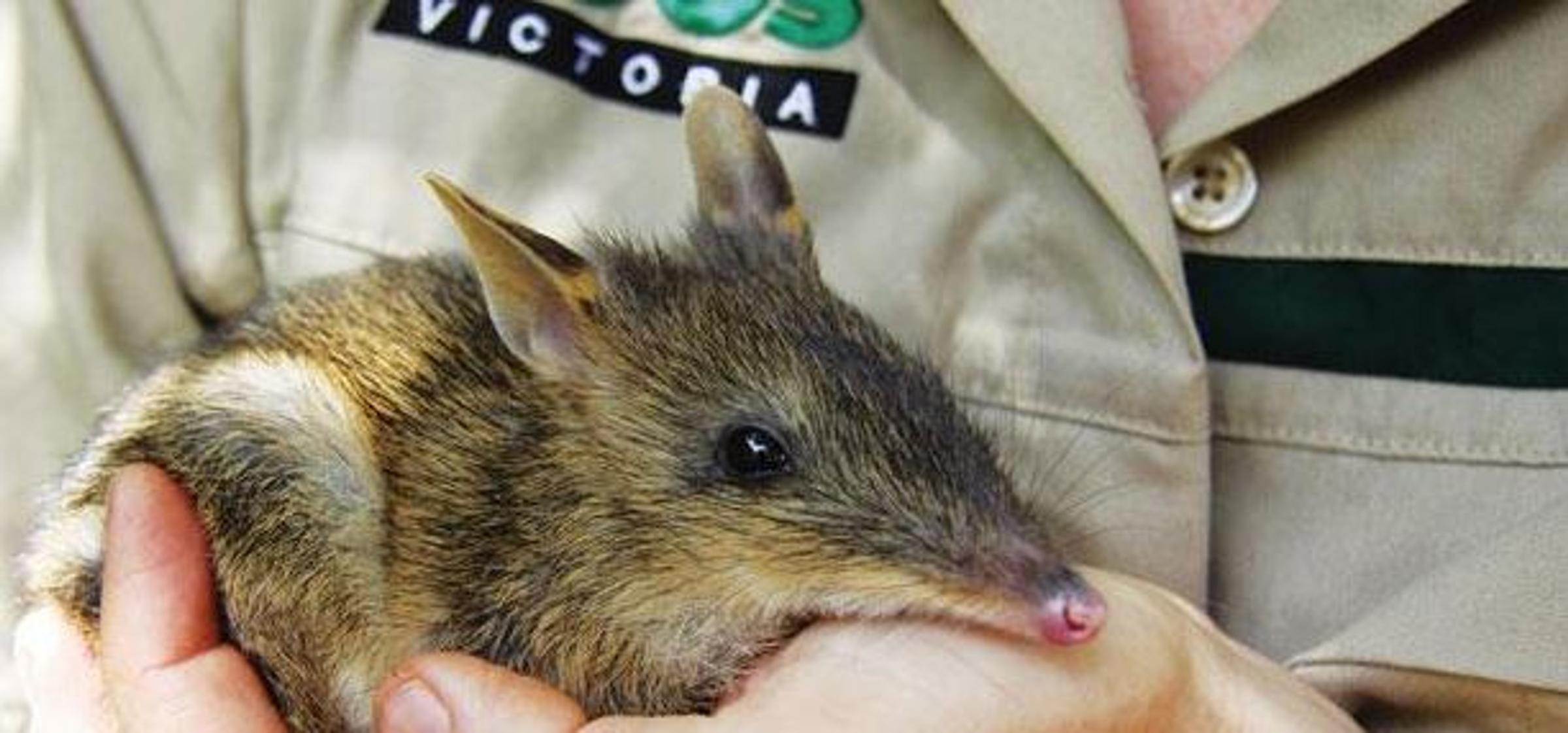
Eastern Barred Bandicoot: a small, nocturnal marsupial. It rests in a shallow, grass-lined nest during the day and comes out to forage at night on a variety of invertebrates, such as worms, grubs and beetles. It is a solitary animal and has a short gestation period, with young born after just 12 days of pregnancy. Once widespread across the grasslands and grassy woodlands of western Victoria, extending into the south-east corner of South Australia, due to the combination of predators such as introduced foxes and habitat loss, it is now listed as extinct in the wild.
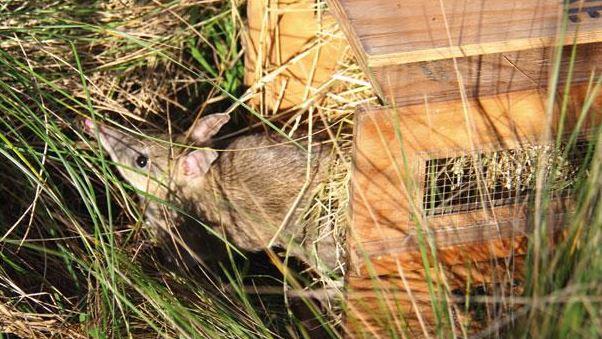
Year 11 Biology students visited the Werribee Open Range Zoo on Tuesday 13 June to complement their study of the relationships between organisms and their environment, in particular, the Eastern Barred Bandicoot and the Volcanic Plain Grasslands.
We kicked off the morning with a visit to the Bandicoot Hideout, where students met Lenny the bandicoot. We considered factors that are key to effectively managing this species for breeding and release by making observations and developing an understanding of the adaptations they have for survival and the interactions with their grassland environment.
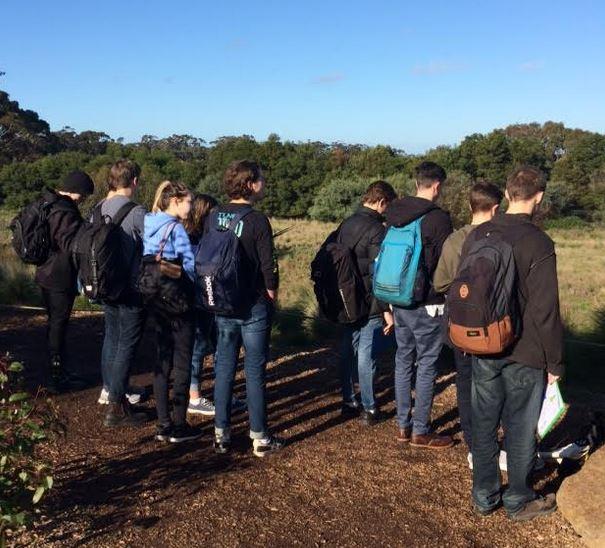
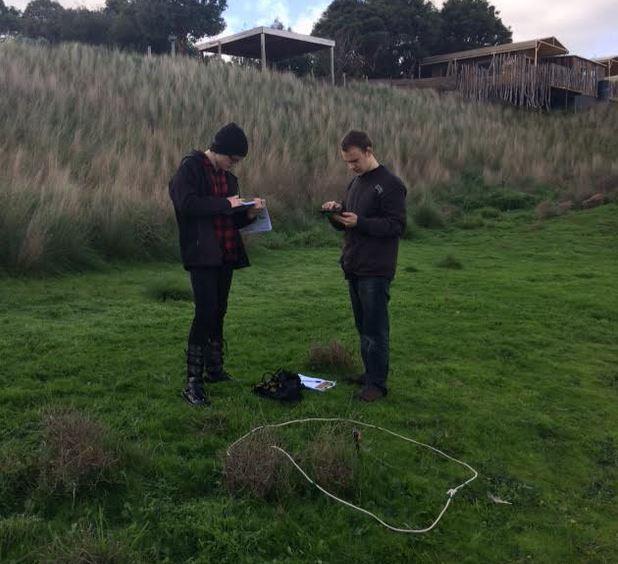
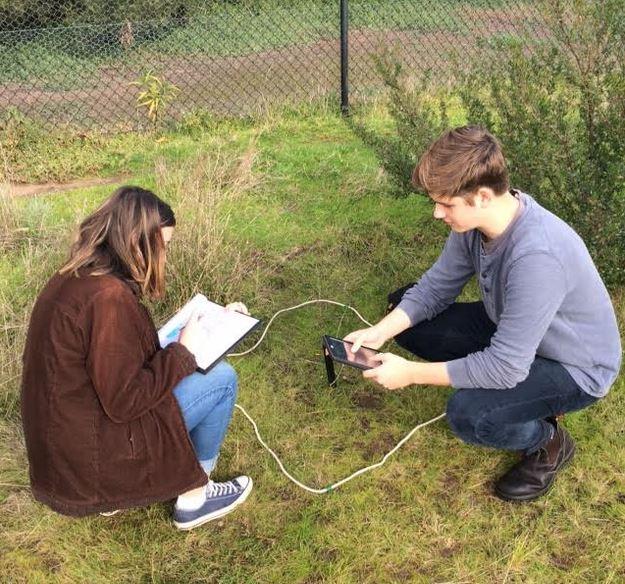
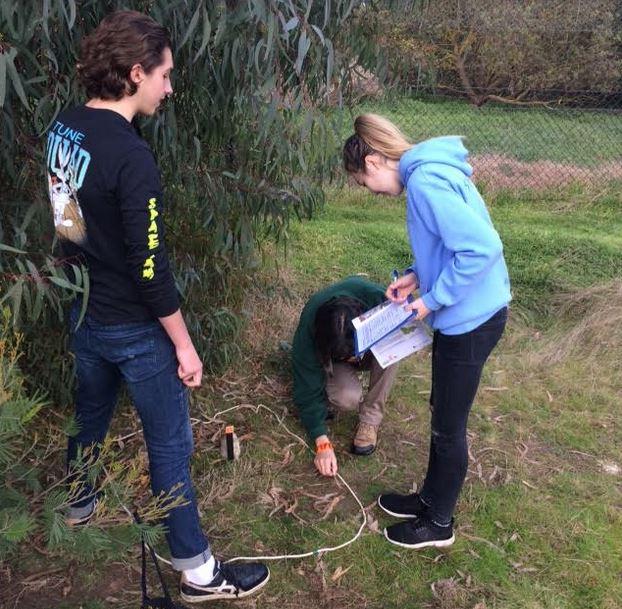
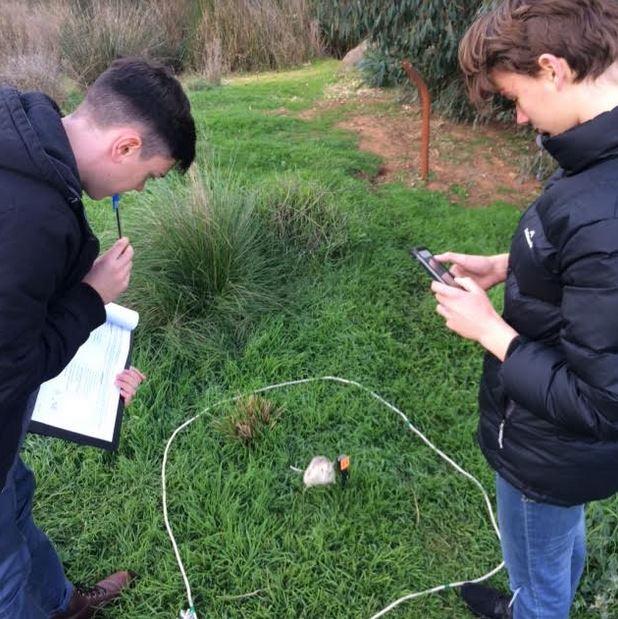
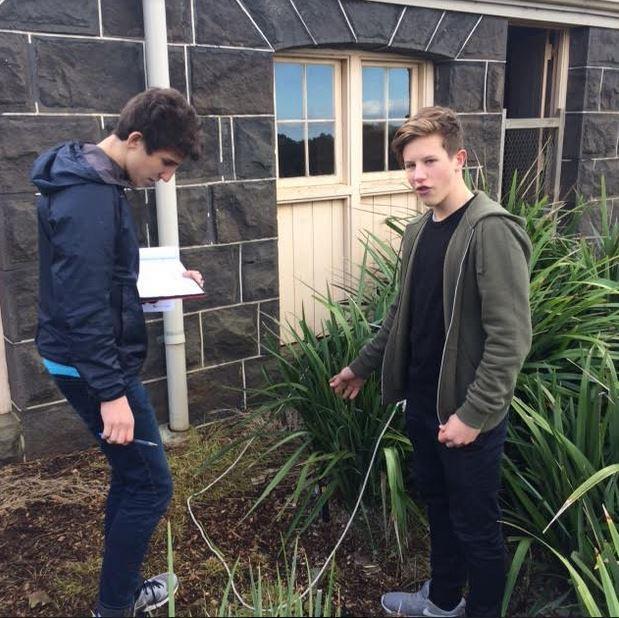
Following this, students visited the bandicoot release site. During this part of the program, they applied key science skills and understandings in a release site by collecting data that can be analysed to make correlations between trapping success rates and the characteristics of habitats that Eastern Barred Bandicoots interact with. This data will be accumulated and shared online to help to build an important picture of bandicoot interaction with a site over time.
During the latter part of the day, students went on a safari tour, which is always a highlight. All the animals were out and about soaking up some winter sunshine. All in all, a most informative day.
Check out the great experiences available at