
Principal's Report
Principal’s Report
Dear Parents and Carers,
What a productive week we have had to start Term 2. Students returned from their holidays refreshed and ready for all the wonderful learning opportunities in store for them this term.
A reminder as we begin the new term, that student safety is our highest priority and the safe and appropriate supervision of students is an important element of our duty of care to students. Before and after school, school grounds are supervised from 8.45am to 9.00am, and from 3.30pm to 3.45pm Parents/carers are requested to ensure that students do not attend school outside of these supervised times unless they are supervised by an adult.
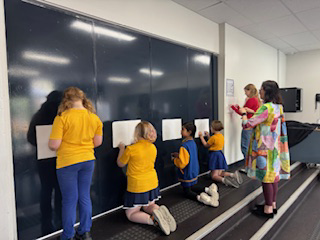
‘Art Therapy.’
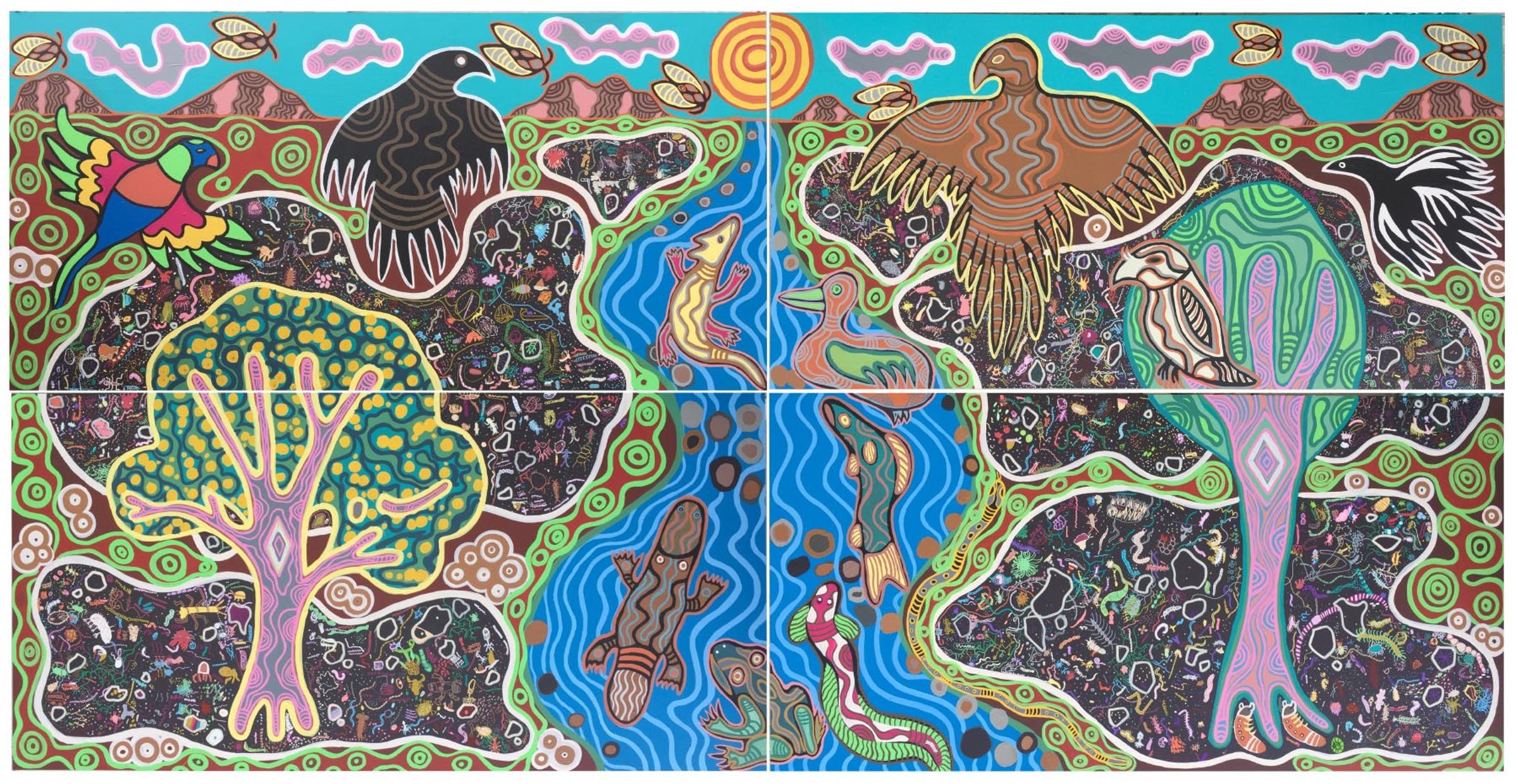
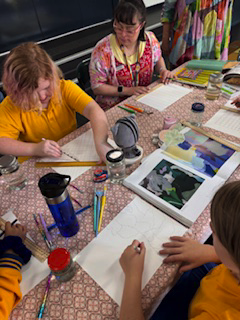
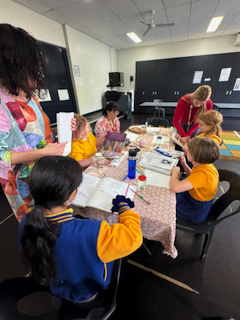
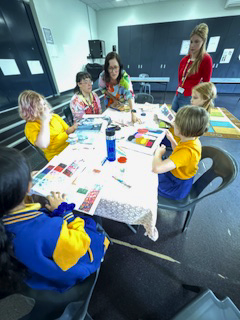
It was a joy to be part of the Art Therapy sessions today, led by Sarah and Chloe, who generously volunteer their time through EdConnect. The students were deeply engaged and clearly loved the experience, and it was wonderful for Joe and me to step out of our offices and join in the learning alongside them. These sessions provide a valuable opportunity for creativity, expression and connection, and we’re excited about the possibility of this work leading into a student-designed mural that will bring even more colour and voice to our school environment.
Child Safety at Merri-bek Primary
Merri-bek Primary School is committed to providing an environment where students are safe and feel safe. We have a zero tolerance for child abuse and are committed to protecting children from harm.
The 11 Child Safe Standards set by the Department of Education are a framework designed to ensure that children are safe and protected while in the care of schools and educational institutions. These standards guide schools in creating environments that prioritise child safety and wellbeing. Here is a brief overview of each standard:
Standard 1: Culturally safe environments – Establish a culturally safe environment in which the diverse and unique identities and experiences of Aboriginal children and young people are respected and valued.
Standard 2: Leadership, governance and culture – Ensure that child safety and wellbeing are embedded in school leadership, governance and culture.
Standard 3: Child and student empowerment – Children and young people are empowered about their rights, participate in decisions affecting them and are taken seriously.
Standard 4: Family engagement – Families and communities are informed and involved in promoting child safety and wellbeing.
Standard 5: Diversity and equity – Equity is upheld and diverse needs are respected in policy and practice.
Standard 6: Suitable staff and volunteers – People working with children and young people are suitable and supported to reflect child safety and wellbeing values in practice.
Standard 7: Child-focused complaints processes – Ensure that processes for complaints and concerns are child focused.
Standard 8: Child safety knowledge, skills and awareness – Staff and volunteers are equipped with the knowledge, skills and awareness to keep children and young people safe through ongoing education and training.
Standard 9: Physical and online environments – Physical and online environments promote safety and wellbeing while minimising the opportunity for children and young people to be harmed.
Standard 10: Review of child safety practices – Implementation of the Child Safe Standards is regularly reviewed and improved.
Standard 11: Implementation of child safety practices – Policies and procedures that document how schools are safe for children, young people and students.
These standards are designed to ensure that every child is safe, supported and protected from harm while in the school setting. They guide schools to continuously develop practices that prioritise child safety and wellbeing.
Our school is committed to providing a safe and supportive environment for all students. For detailed information regarding our approach to child safety, we encourage families to visit our school website. There, you will find important that inform our school operations and guide our practice. Our comprehensive child safety framework outlines our school’s strategies to support student safety and wellbeing.
We value our school community’s voice and welcome any feedback you may have regarding the school policies, or any aspect of our child safety practices. Please do not hesitate to reach out to me.
To ensure the safety and security of our students and staff, all visitors must check in at the office before entering any classrooms. This process helps us maintain a secure learning environment and ensures that all visitors receive the necessary information and assistance. Whether you are a parent, volunteer, or guest please remember to stop by the office to sign in before heading to your destination. Thank you for your cooperation in keeping our school safe!
ANZAC DAY
Tomorrow is ANZAC Day, a day to commemorate Australians and New Zealanders who have served in all wars, conflicts and peacekeeping operations. ANZAC Day as we know it was first observed on 25 April 1916, as people came together to commemorate the landing of Australian and New Zealand forces at Gallipoli, Türkiye, on 25 April 1915.
This important tradition has now become an opportunity to stop and reflect on the sacrifice and dedication of all our veteran and service community, and the families who support them.
It is a significant day for the department, and we proudly recognise our many staff who have served over the years.
Our leaders today led a presentation that involved students learning about the importance of Anzac day and its significance.
We recognise First Nations people who served in conflicts, and we acknowledge their service, sacrifice and ongoing impacts on their families. The annual Victorian Aboriginal Remembrance Service is held during Reconciliation Week and is on Sunday 31 May 2026 at the Shrine of Remembrance. For more details and to register to attend, refer to Victorian Aboriginal Remembrance Service.
Maria Giordano
Principal
Bianca - Assistant Principal’s Report
Dear wonderful Merri-bek Families,
We want to welcome you back for a wonderful and busy Term 2. We hope you have had a wonderful holiday.
Teachers this term are engaging in learning with the broader Network of schools linked to the Victorian Teaching and Learning Model 2.0 from the Department. Teachers will also focus on PBL and Inquiry learning for their students in professional learning.
The 5/6 Camp is coming up and the students in years 5 and 6 are very excited to be going. They are going to Warratah Bay, 4th of May to 6th of May. Warratah Bay is a beach camp with many fun activities for students. The year 6 students are looking forward to making their last camp very memorable and teachers have said it’s a wonderful camp to go on.
Cross Country for year 3-6 is coming up, students are currently practicing and training in PE lessons. Under 10’s is a 2km run and everyone else is 3km. There is a new club before school on Wednesdays at 8.15am run by Costa/Thomas for students who are working towards Cross Country running.
Yrs 3-6 Athletics is also this term, students are all talking about it and feeling very excited to participate. Very exciting to the year 3 students who are having their first turn in participating. Shot Put, Long Jump, Discus, Sprints, High Jump and many more are all part of the program.
ANZAC day is coming up on the weekend, on Friday we held a moments silence in memory of everyone. We also had photo day on Tuesday, we are looking forward to seeing everyone’s photo come back.
Merri-bek is always fun with lots of activities happening, teachers always listen to us and put our thoughts into our learning.
It is has been a great start to Term 2 and we are looking forward to a busy and exciting term.
Kind regards
Bianca (Assistant Principal), Aarav and Rae (School Captains), Ollie and Mariam (School Vice Captains)
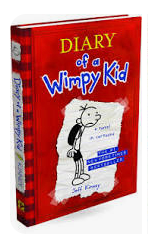
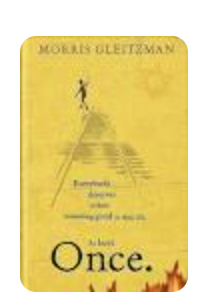
Our favourite books at the moment we are reading are….


Joseph Hess - Assistant Principal
The Department of Education’s guide: Supporting your child’s education provides helpful information for parents and carers to help their child’s learning in literacy and numeracy.
In our next newsletter, we will share information from the Year 3 - 6 guide. Today we are focusing on the The Birth to Year 2 guide.
Developing numeracy skills early gives children an important foundation for their learning and development. It helps prepare them for daily life, including general problem-solving and handling money. Maths includes noticing numbers, shapes, patterns, size, time and measurement. Incorporating maths into everyday experiences is easy and fun. Maths is everywhere – in the playground, at the shops and home. Children need lots of experience in making, counting, drawing and talking about numbers.
Talking about maths
- Use specific terms when asking for items. For example, ask your child to get the ‘one-litre’ milk bottle from the fridge, or the ‘one-kilo’ bag of flour from the cupboard.
- When cooking, talk about different measurements used, such as teaspoons, millilitres, litres, and cups. Discuss ideas about empty and full.
- As you walk, talk and play together describe your child’s movements as they climb ‘over’ the fence, slide ‘between’ the poles, and swing ‘under’ the monkey bars. This helps your child understand language related to spatial awareness.
- Sorting activities support your child to understand concepts such as ‘same’ and ‘different’. Use recycling as an opportunity to sort items to place in the rubbish. For example, paper, plastic, food waste and general waste.
Playing shop
Playing shop helps ground your child’s maths learning in the real world while also developing their social skills. One way to play shop is to create a mini-shop at home. Here are a few tips and activities:
- Collect food and grocery items and label them with prices written on sticky notes, or prices cut out of shopping catalogues.
- Talk about how we pay for items using coins, notes and cards.
- Make paper money or use play money to buy and sell goods from the mini-shop.
- Collect old receipts or price tags and use them in the mini-shop.
- Notice the features of different coins, including their shapes and the animals and people shown. Discuss the differences. Create coin rubbings with pencils and paper.
- Make a play credit card with a string of numbers on it. Make a paper keypad to press numbers that match those on the card.
- Encourage your child to order food items by height (tallest to the shortest) or by cost (least expensive to most expensive).
Introduce kitchen scales to the mini-shop to weigh foods, such as a box of tea bags or a bag of rice, and order items by weight.
Asking questions to investigate
Ask your child questions like these to encourage them to investigate maths:
- What shapes can you see?
- How could we measure the...?
- How will we find half?
- What is the best way to share the...?
- How do I get from … to …?
- Which is closer: the sandpit or the swing?
- How tall can you build a tower before it falls?