This Week At OOPS
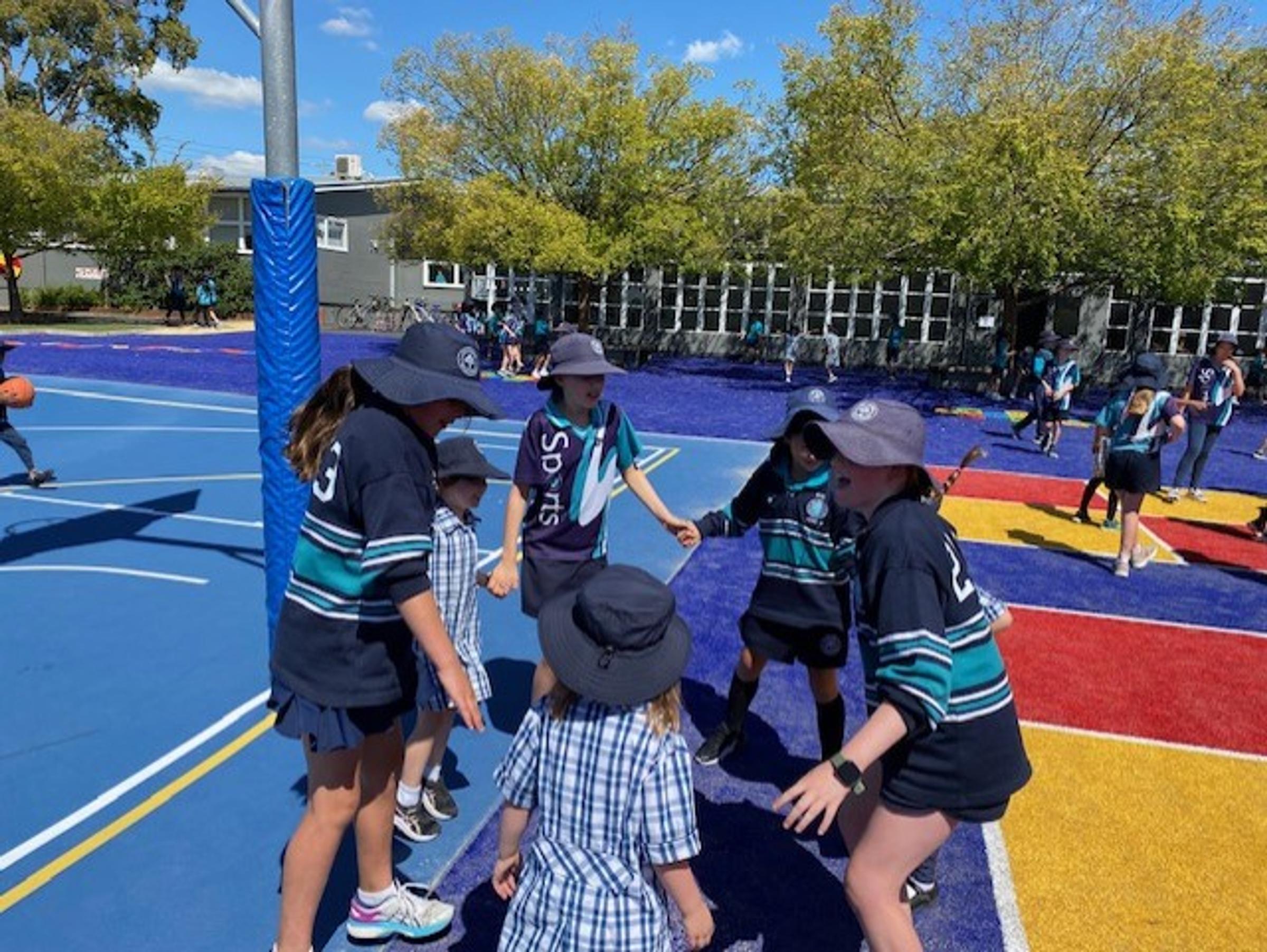
Our Wellbeing Wagon officially kicked off this week, with a big thank you to Bunnings Nunawading and Real Insurance for their generous support in helping make this possible.
The Wellbeing Wagon travels to different areas of the school, bringing engaging resources that encourage connection, cooperation, and positive play. Its purpose is to help students build important social skills such as sharing, turn-taking, communication, and teamwork in a fun and supported way.
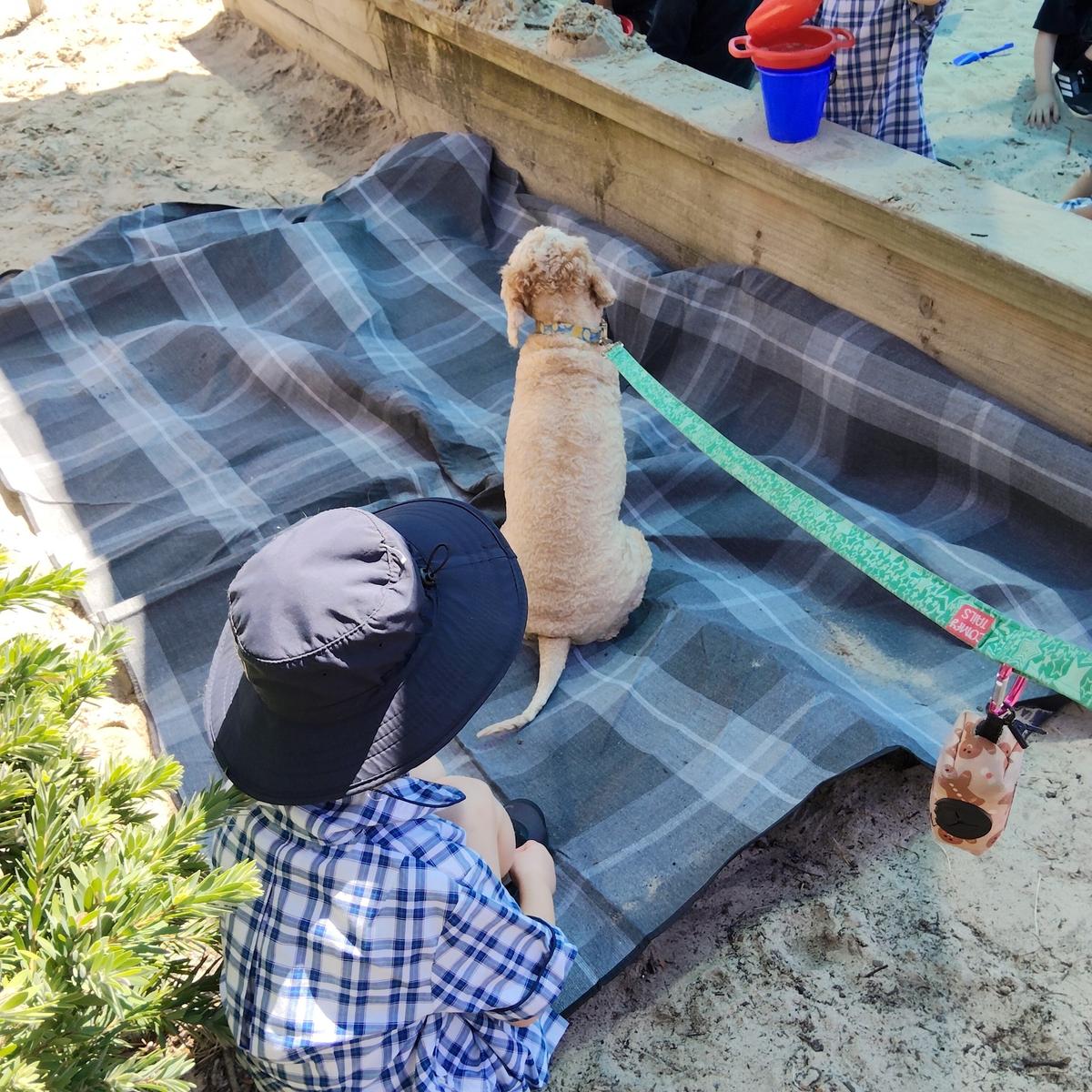
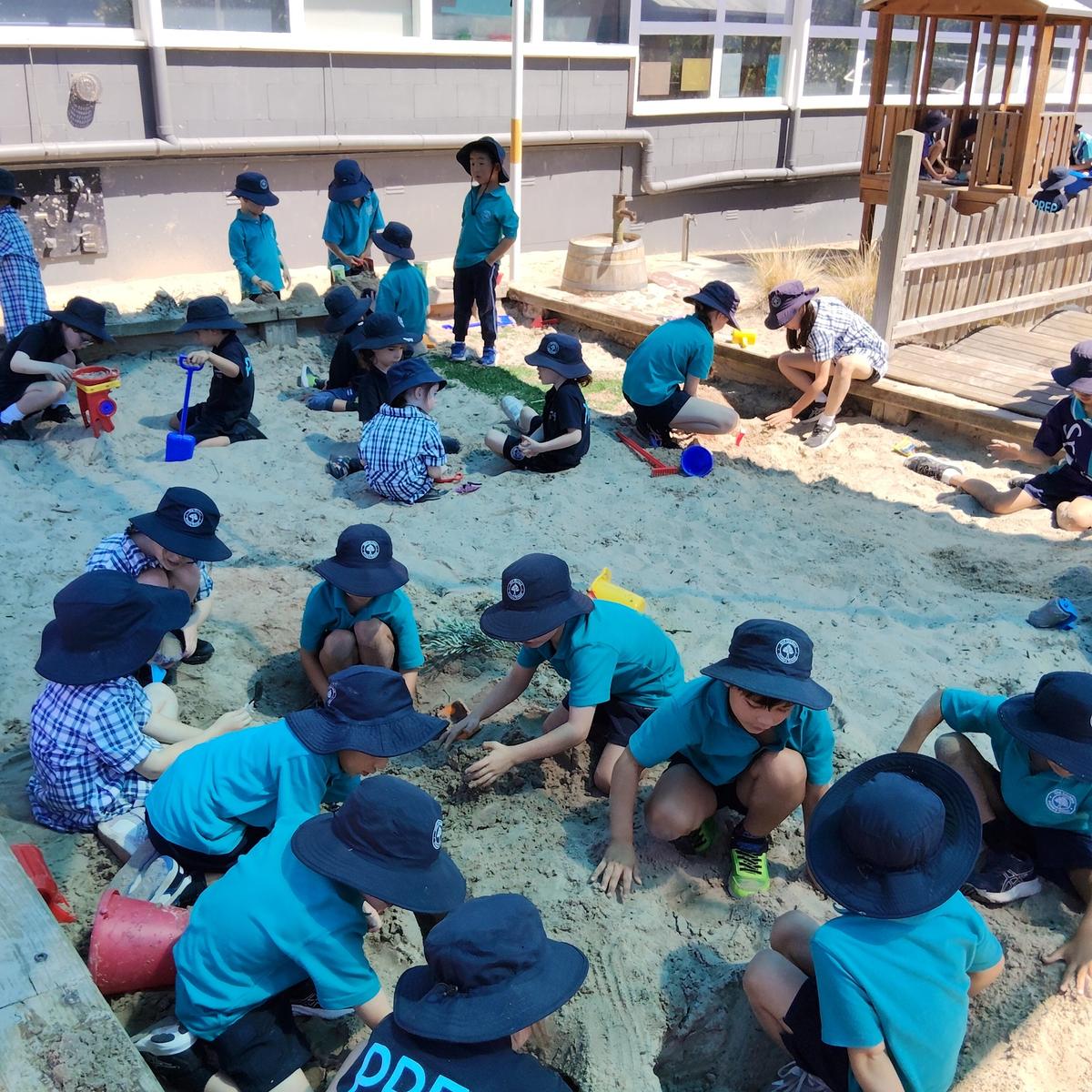
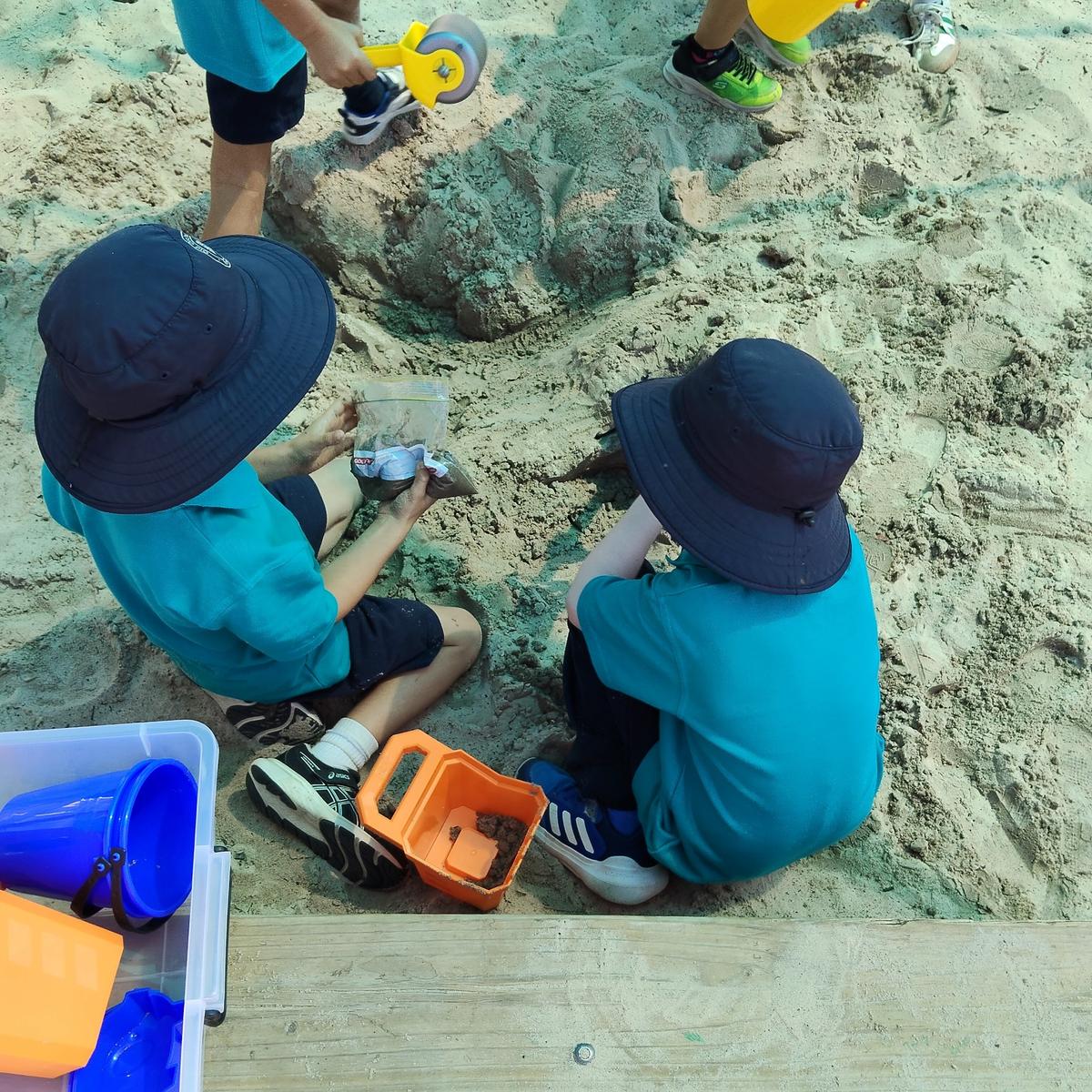
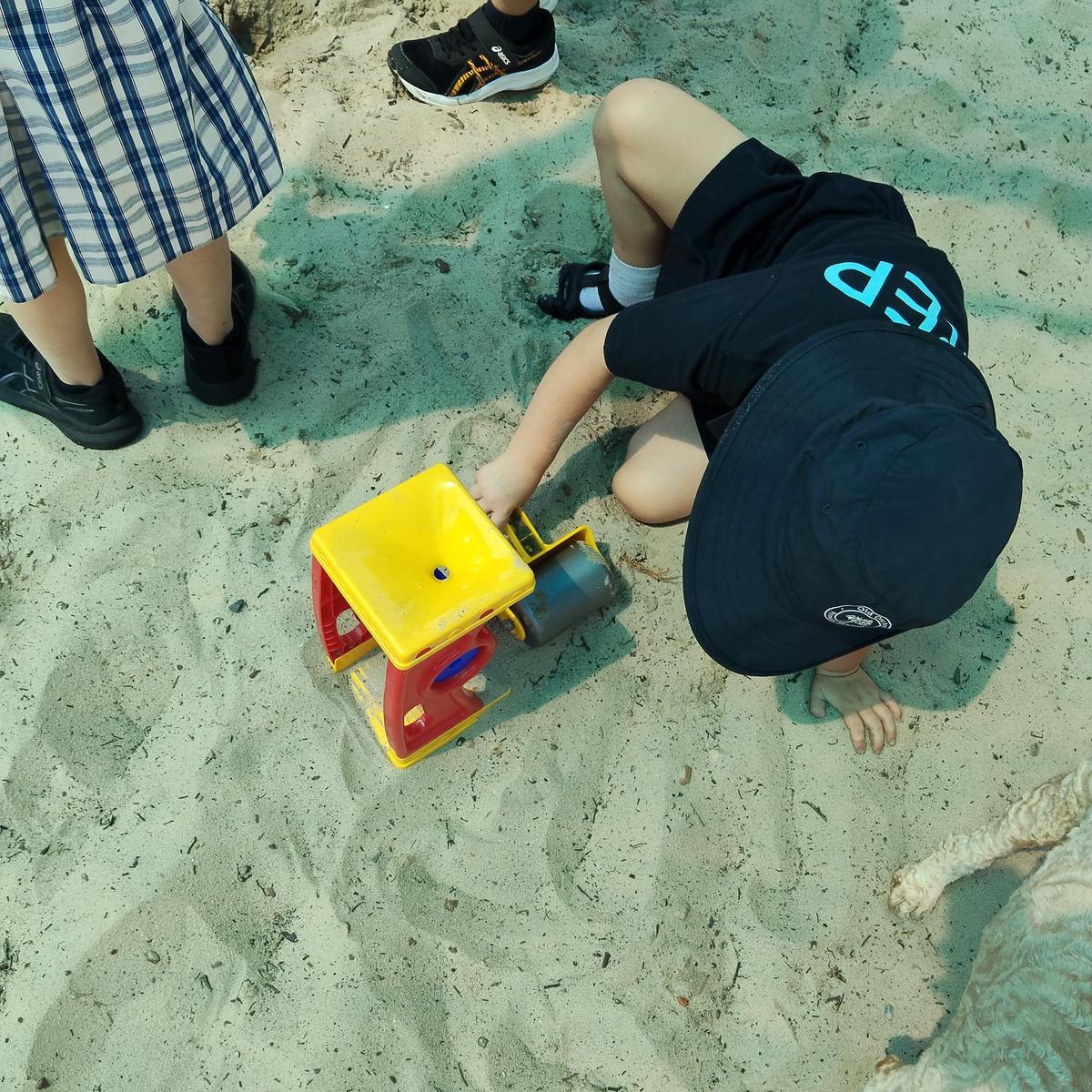
Ginger also helped launch our new sandpit resources and the chillout picnic area, and it has never been busier! It was wonderful to see students show creativity, work together, and form positive connections through their play.
A huge thank you as well to Pip, who has put in an incredible amount of time collecting materials and assembling so many of the new resources.
If you have any questions or feedback about the Wellbeing Wagon, please contact Adam Todd at adam.todd@education.vic.gov.au
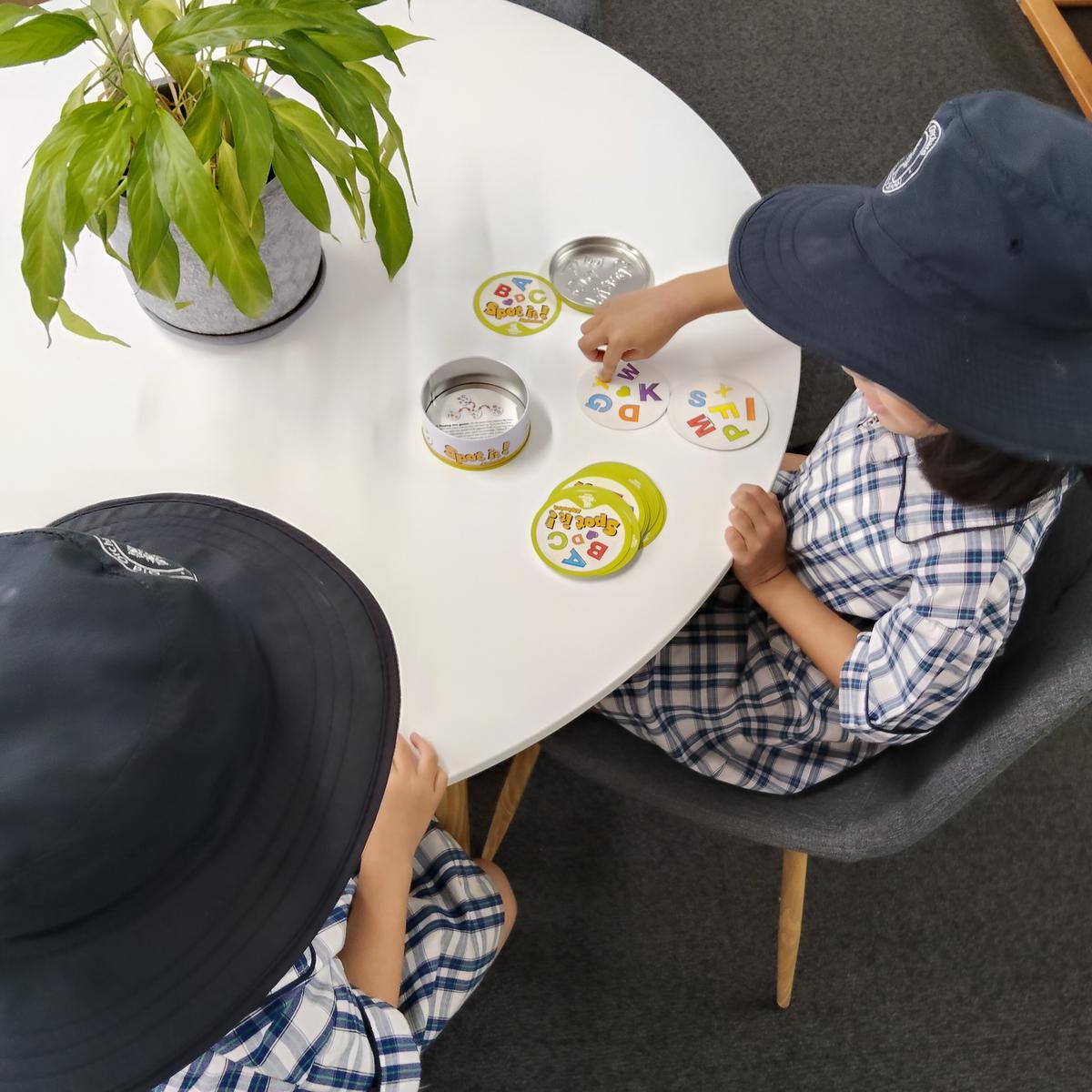
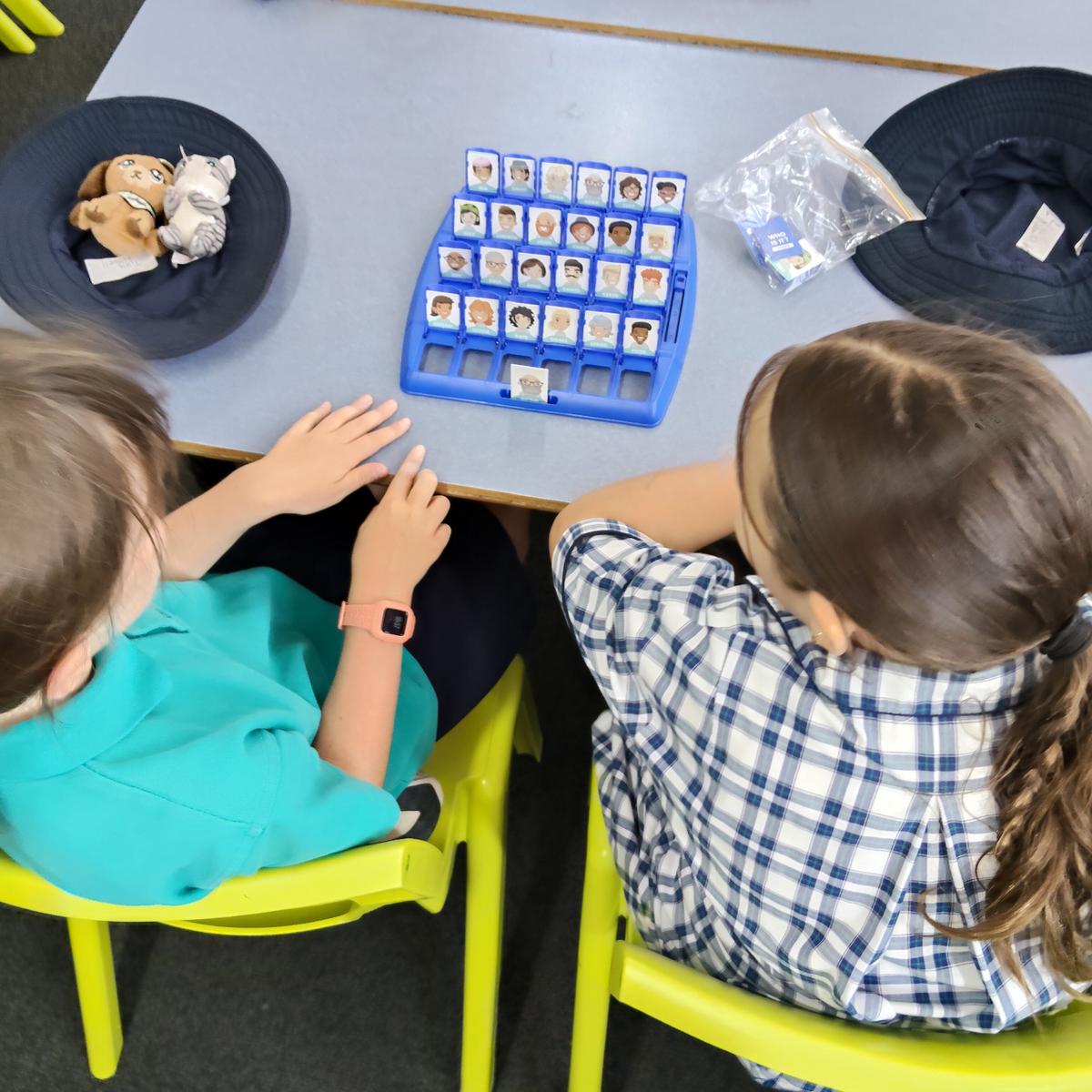
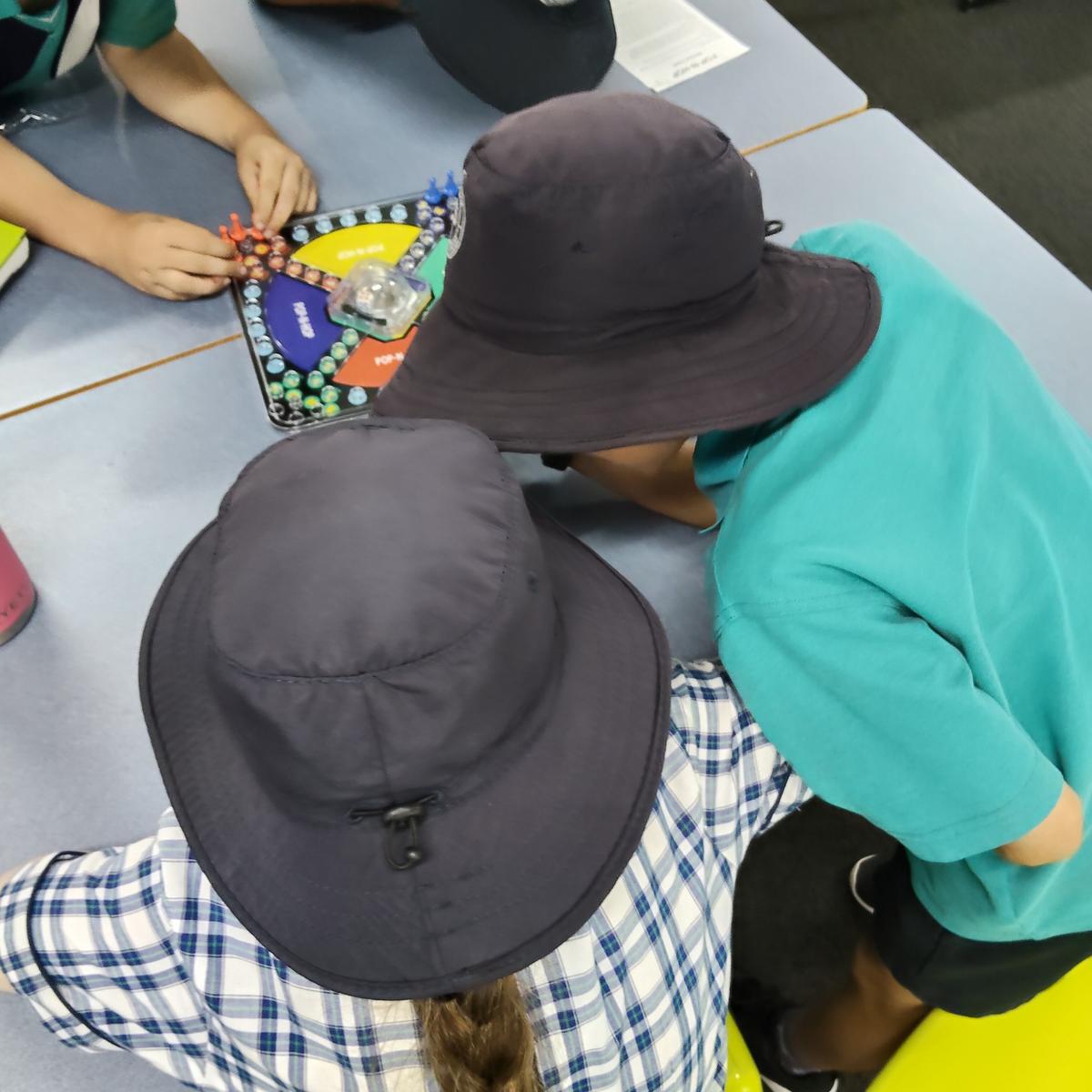
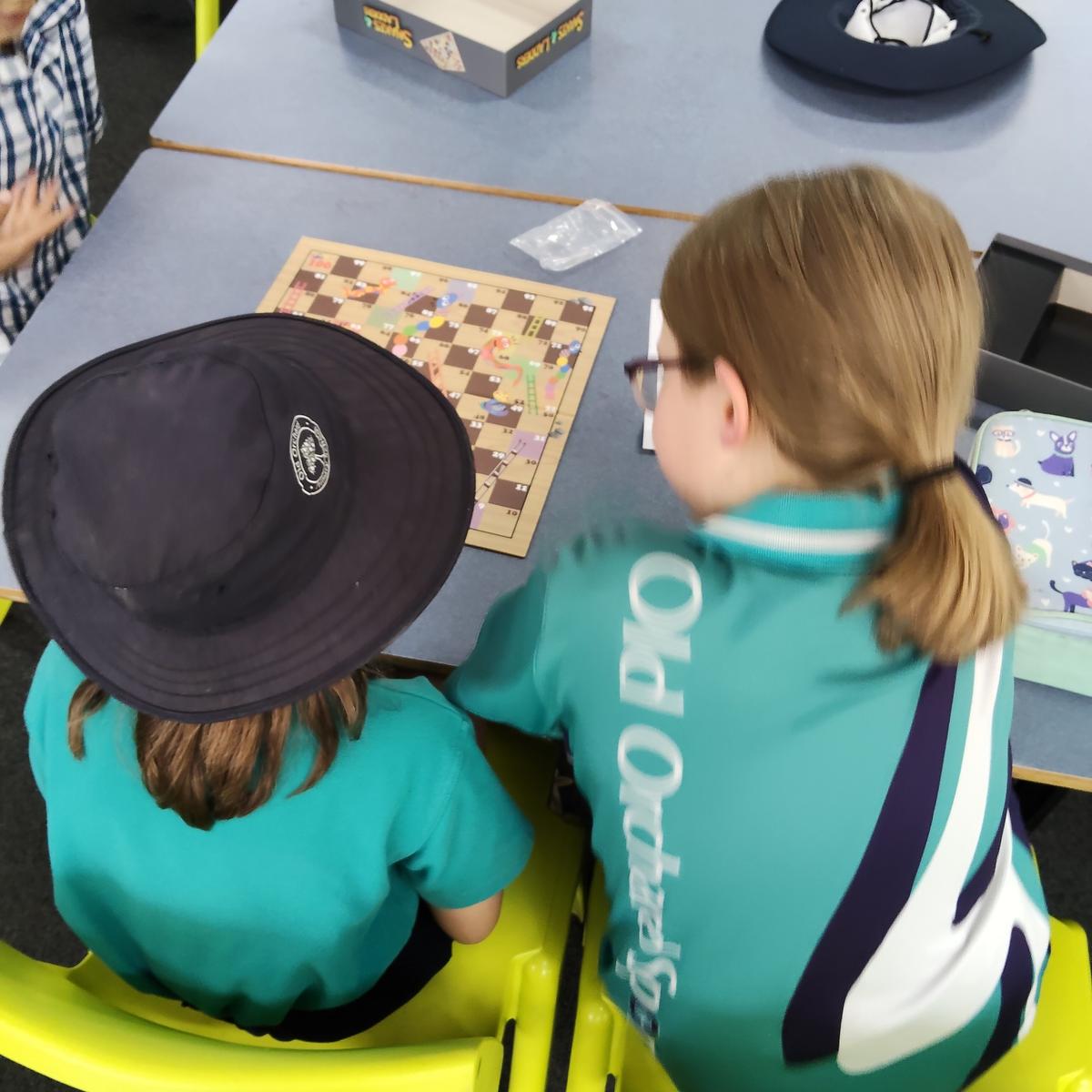
Tuesday lunchtime clubs have been buzzing with activity. In Break 1, the Save the Animals Club, with Jen and Kate, brings students together to explore ways we can improve our school grounds for local wildlife and protect our environment, including picking up rubbish. In Break 2 on Tuesday, the Board Games Club with Adam was a huge success, with more than 25 students choosing to enjoy some friendly competition indoors with Connect 4, Guess Who?, Uno and Snakes and Ladders.
It has been fantastic to see so many students engaged, connected and making the most of these alternative lunchtime options.
English – Supporting Reading at Home
Building strong reading habits at home is one of the best ways to support your child’s learning. Teaching children to read is a shared partnership between home and school. When families and schools work together, children achieve stronger academic results, stay engaged with their learning, demonstrate positive behaviour, and develop stronger social skills.
Recommended daily reading time:
- Prep – Year 2: 20–30 minutes each day (this should include independent reading, reading aloud, and being read to).
- Year 3 – Year 6: 30–60 minutes each day (this includes reading independently and reading aloud). Older primary students still benefit greatly from being read to in addition to the 30-60 minutes of reading.
Reading aloud is especially powerful. It strengthens foundational literacy skills, builds vocabulary, improves memory, and deepens comprehension. It also helps parents notice if their child may be experiencing challenges with decoding words, reading fluently, or using expression. Most importantly, shared reading helps foster a lifelong love of books through connection and bonding.
Why daily reading matters
Academic and cognitive development
Regular reading supports both literacy and numeracy skills. It strengthens memory, concentration, and critical thinking, while also encouraging imagination, creativity, and visualisation skills.
Vocabulary growth
Just 20 minutes of reading each day can expose children to approximately 1.8 million words each year.
Emotional development
Reading helps children develop empathy, emotional intelligence, and resilience as they explore different characters, experiences, and perspectives.
Thank you for continuing to support reading at home — it truly makes a difference!