
Reading Fluency at FPS
Literacy Update

Reading Fluency at FPS
Literacy Update
At Fairfield Primary School, we have five School Improvement Teams (SITs): Literacy, Maths, Wellbeing & SWPBS, Koorie Perspectives, and Sustainability. These teams work collaboratively to enhance student outcomes by strengthening teaching practice, analysing student data, and implementing whole-school priorities. This year, the Literacy SIT has been focusing on the updated English Curriculum 2.0, the explicit teaching and practice of fluency, and the implementation of a consistent Literacy Block across all year levels.
Fluency is one of the six essential components of the “Big 6” in literacy, alongside oral language, phonological awareness, phonics, vocabulary, and comprehension. Hasbrouck and Glaser (2019) define fluency as:
“Reasonably accurate reading, at an appropriate rate, with suitable expression, that leads to accurate and deep comprehension and motivation to read.”
There are three key aspects of reading fluency that can be explicitly taught and assessed:
1. Accuracy
2. Rate
3. Prosody
In the junior years, students focus primarily on building accuracy. As they progress through the school, students set individual fluency goals and practise with their 'Fluency Partners' throughout the week and then present them to their peers at the end of the week. It’s great to see how much students have enjoyed practising their fluency texts and presenting them to their friends.
Together, these practices support students in becoming confident, expressive, and motivated readers, strengthening their overall literacy development across the school.
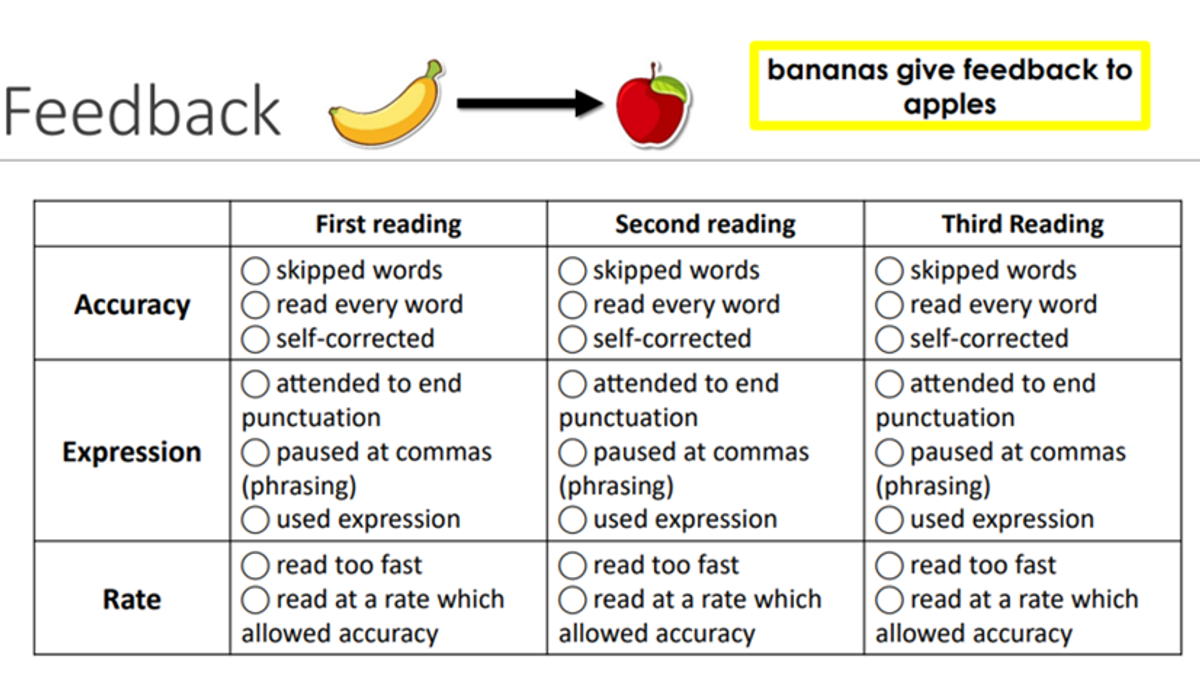
Below is an example of a fluency checklist that students can use with their Fluency partners, along with sample fluency passages from a range of year levels.
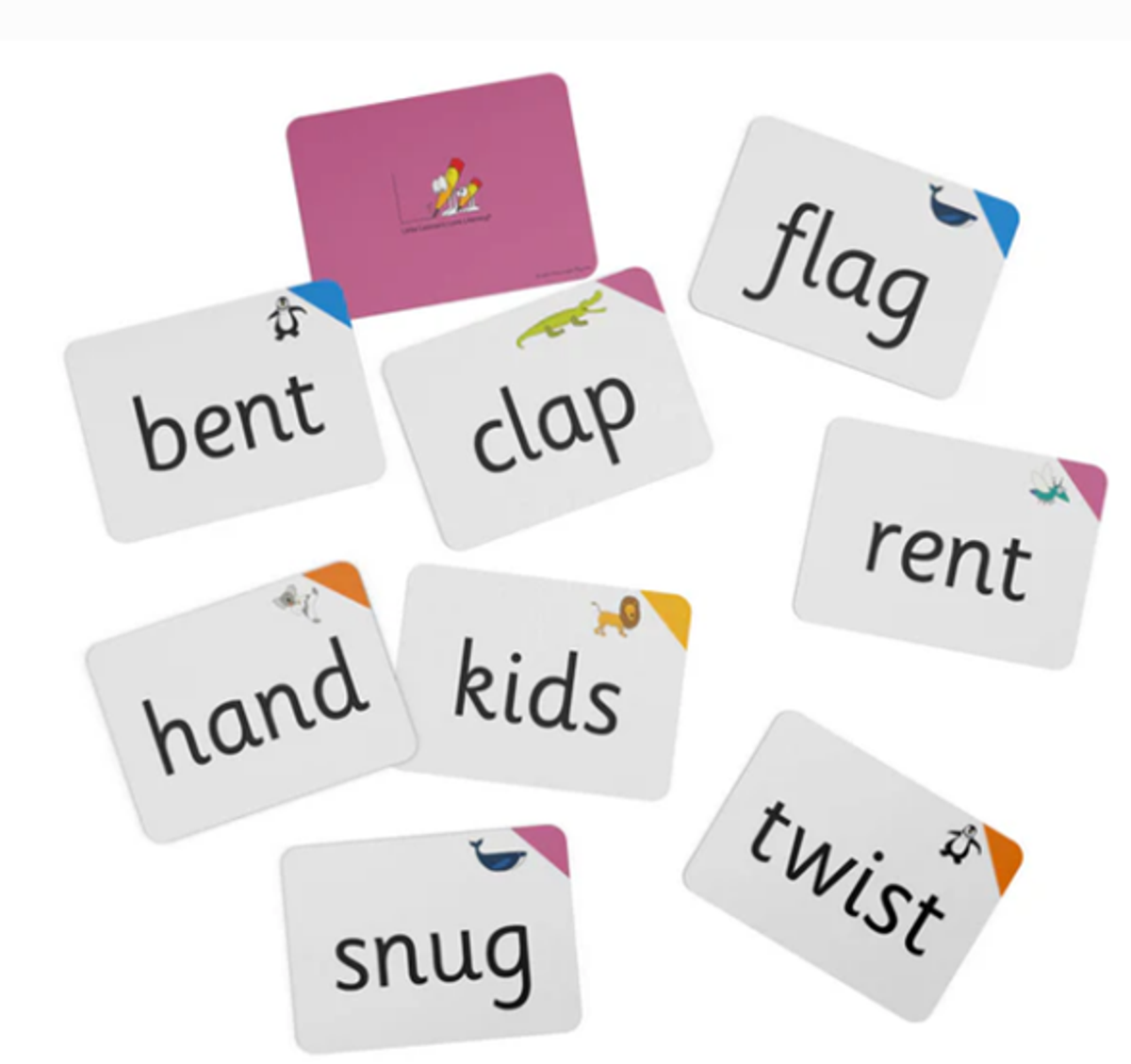
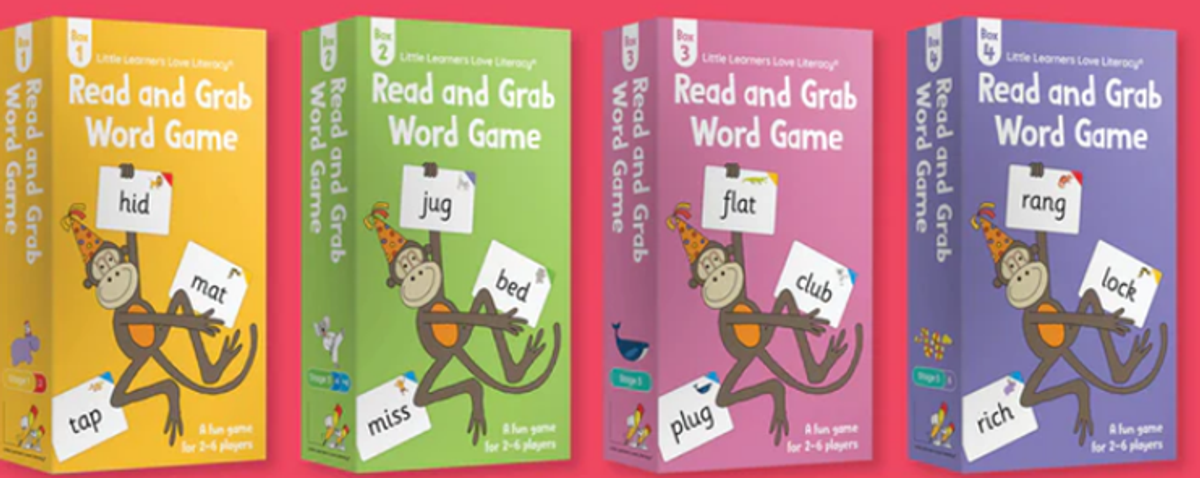
Examples of junior school fluency games:
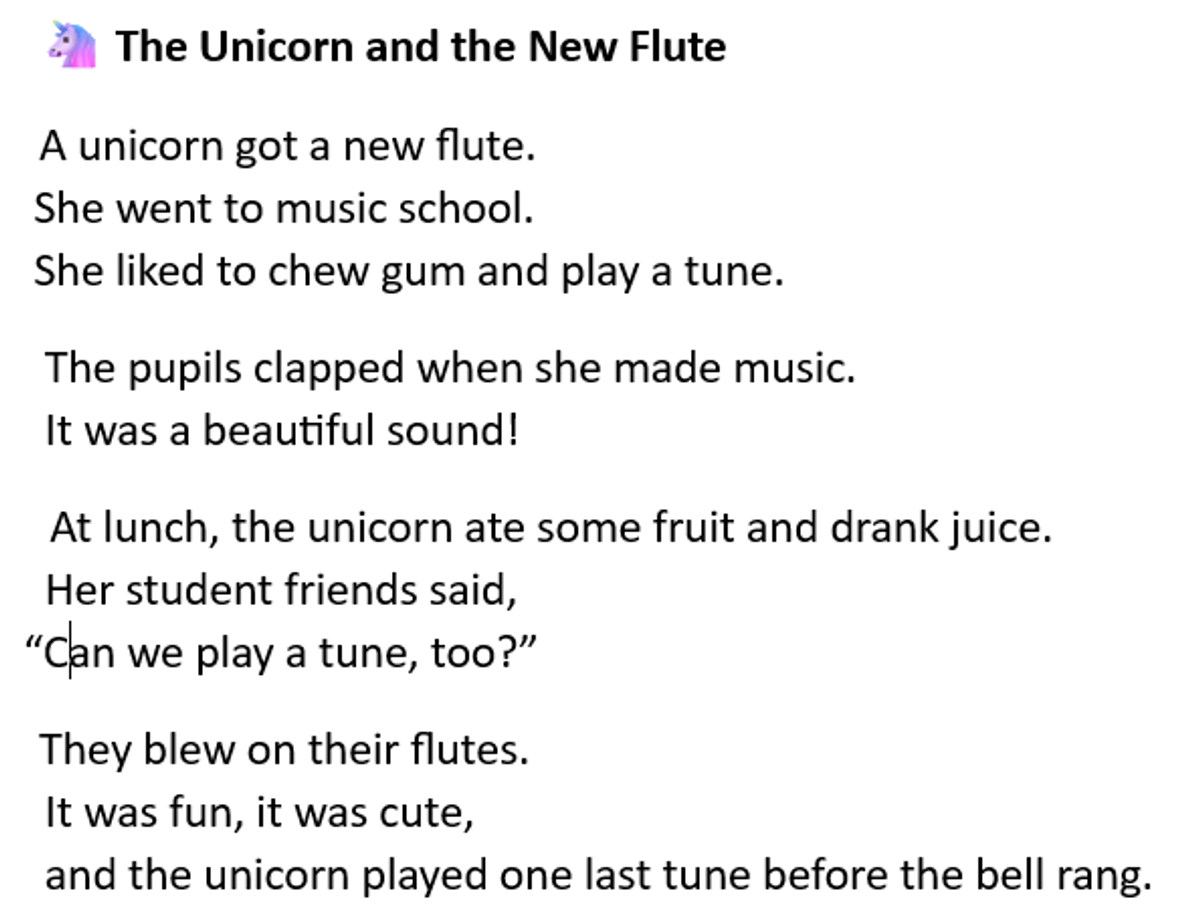
Examples of junior school fluency passages:


Examples of senior school fluency passages:


~ Binh Hoang, Literacy Learning Specialist