
Garden Club
Mr Jorgen Choong

Garden Club
Mr Jorgen Choong
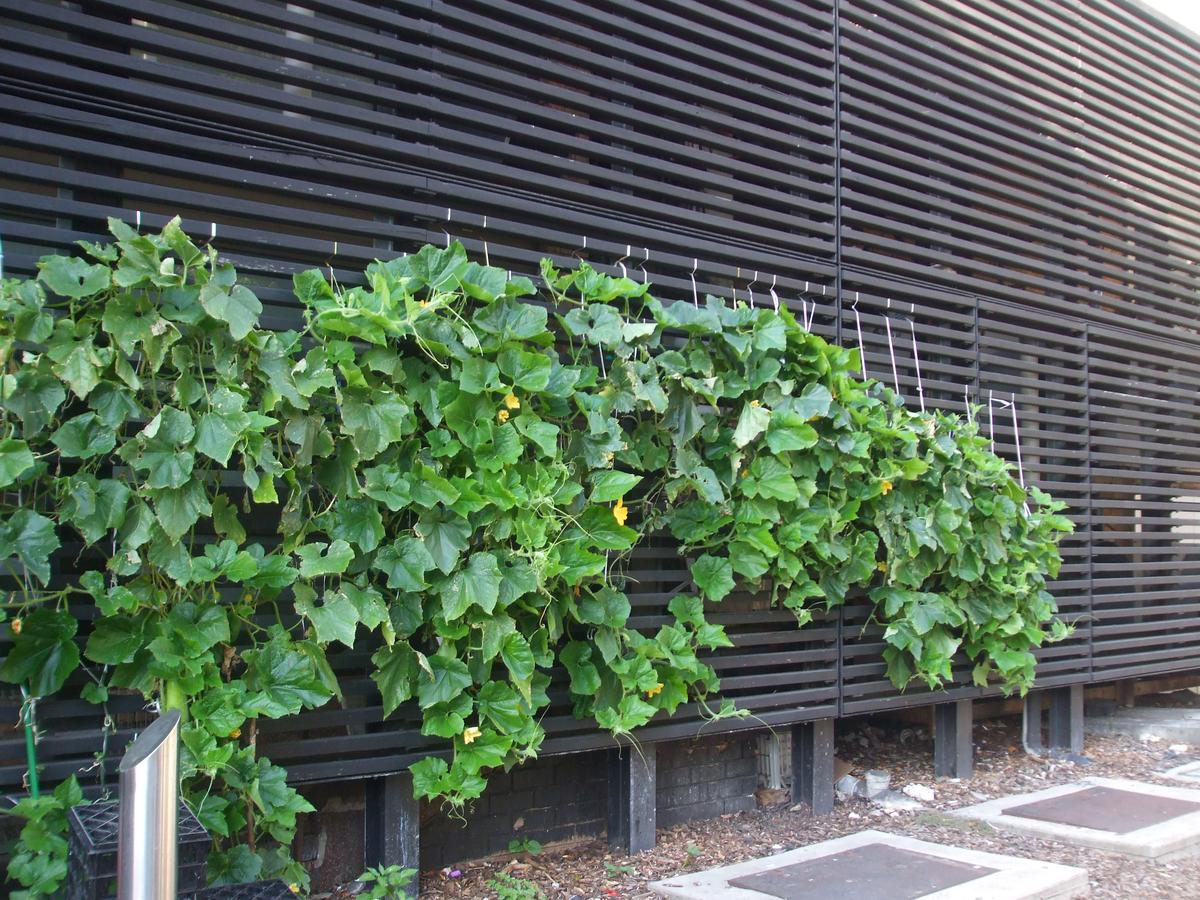
This week's pic of the week is a cucumber vine growing outside Strathfield Plaza.
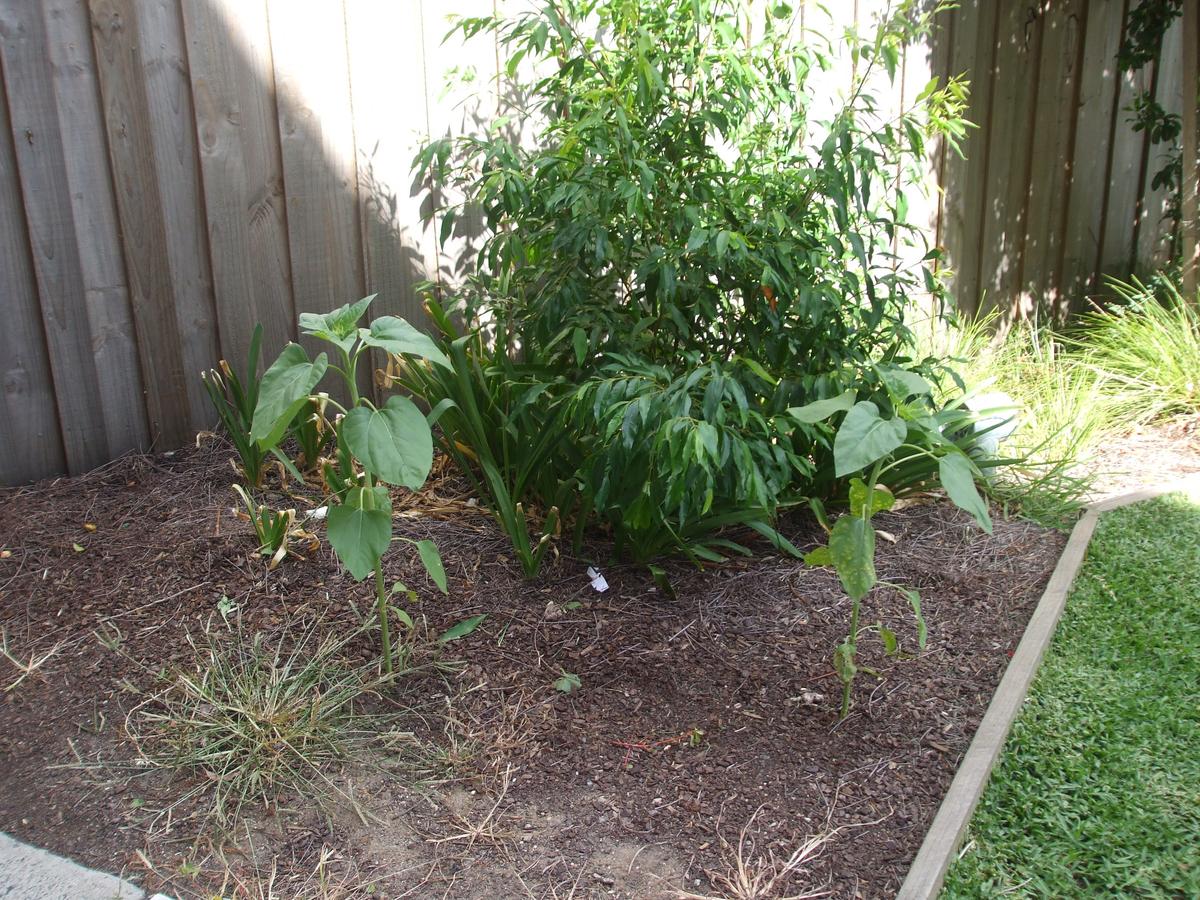
Remember the seeds we shared before the holidays? Well, two of them had a great adventure over the hot summer break. They didn’t become towering skyscrapers, but they grew into strong, happy plants standing 80cm tall (that’s about as high as a first-grader's hip!).
How did they survive the scorching heat? Here is their secret recipe.
1. They Are "Sun-Eaters"
Sunflowers are solar-powered. They don't eat sandwiches, they eat sunlight! To grow their best, they need "Full Sun." This means sunshine hitting their leaves for 6 to 8 hours every day.
Did you know young sunflowers actually move? They twist their heads to follow the sun across the sky, like they are watching a very slow game of tennis. Because our break was so sunny, these plants were at an all-you-can-eat buffet!
2. Thirsty Roots
Standing in the sun wearing a yellow hat makes you thirsty! Sunflowers have roots that act like straws. Even though ours are cute and compact (80cm), they still needed big drinks of water to keep their stems straight.
3. Fluffy Dirt
Sunflowers hate hard, rocky ground. They like their soil loose and fluffy, like a comfy pillow. This helps their roots spread out to find food.
The Verdict
Even though it was super hot, our sunflowers didn't give up. They put on their sunglasses and said, "Bring it on!"
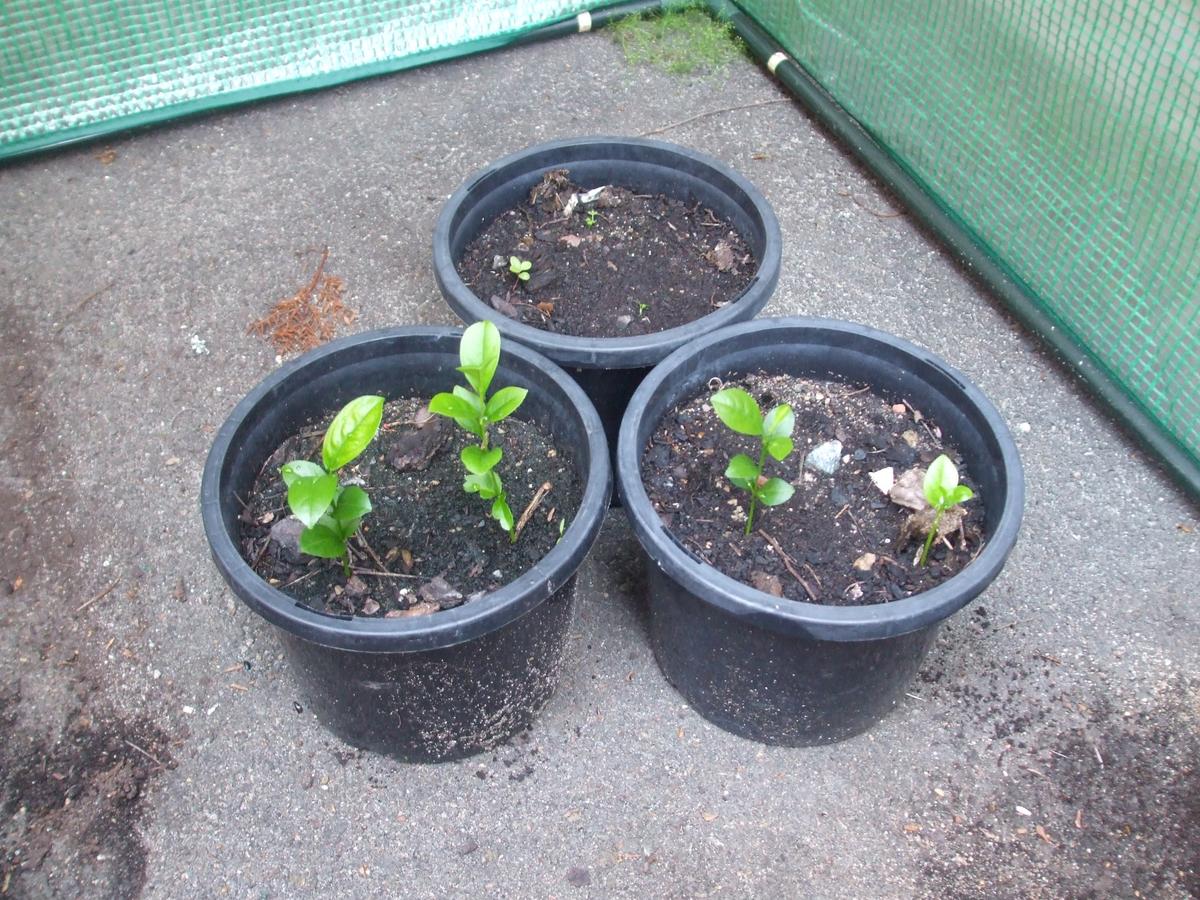
We all know Mrs. Gabbe brings in the juiciest lemons from her garden every winter. They are so delicious that we decided we couldn't just throw the seeds away. We want to grow our very own lemon trees to join our Seville orange tree in the garden!
But there is a catch. Unlike our sunflowers that popped up quickly, lemon seeds are very, very sleepy.
The Great Wait (1 to 2 Months!)
If you plant a bean, it pops up in a few days. But if you plant a lemon seed, you might stare at the dirt for one or even two months before seeing anything!
Is the seed broken? No! It is just germinating. Germination is the scientific word for "waking up and starting to grow."
Why Do They Take So Long?
Lemon seeds are a little bit complicated. Here is why they hit the "snooze" button for so long:
1. The Tough Armor
Lemon seeds have a hard, slippery outer shell. It works like a heavy winter coat. It takes a long time for water to soak through that thick coat to tell the baby plant inside, "Hey! It is time to grow!"
2. They Hate the Cold
Lemons are originally from warm, tropical places. When Mrs. Gabbe brings them in during winter, the seeds think it is time to hibernate. They will not grow until the soil is warm enough. They are waiting for a cozy temperature (about 21°C) before they feel safe to come out.
3. The "Test"
The seed sends out a tiny root first to test the ground. It digs down deep to find water before it sends a green shoot up to find the sun. So, even though you can't see it, the seed is working hard underground!
The Citrus Family Reunion
We have to be very patient. But if we keep the soil damp and warm, those seeds will eventually wake up.
Once they get big enough, we will plant them next to our Seville orange tree. Since lemons and oranges are cousins (they are both part of the "Citrus" family), they will be very happy growing together!
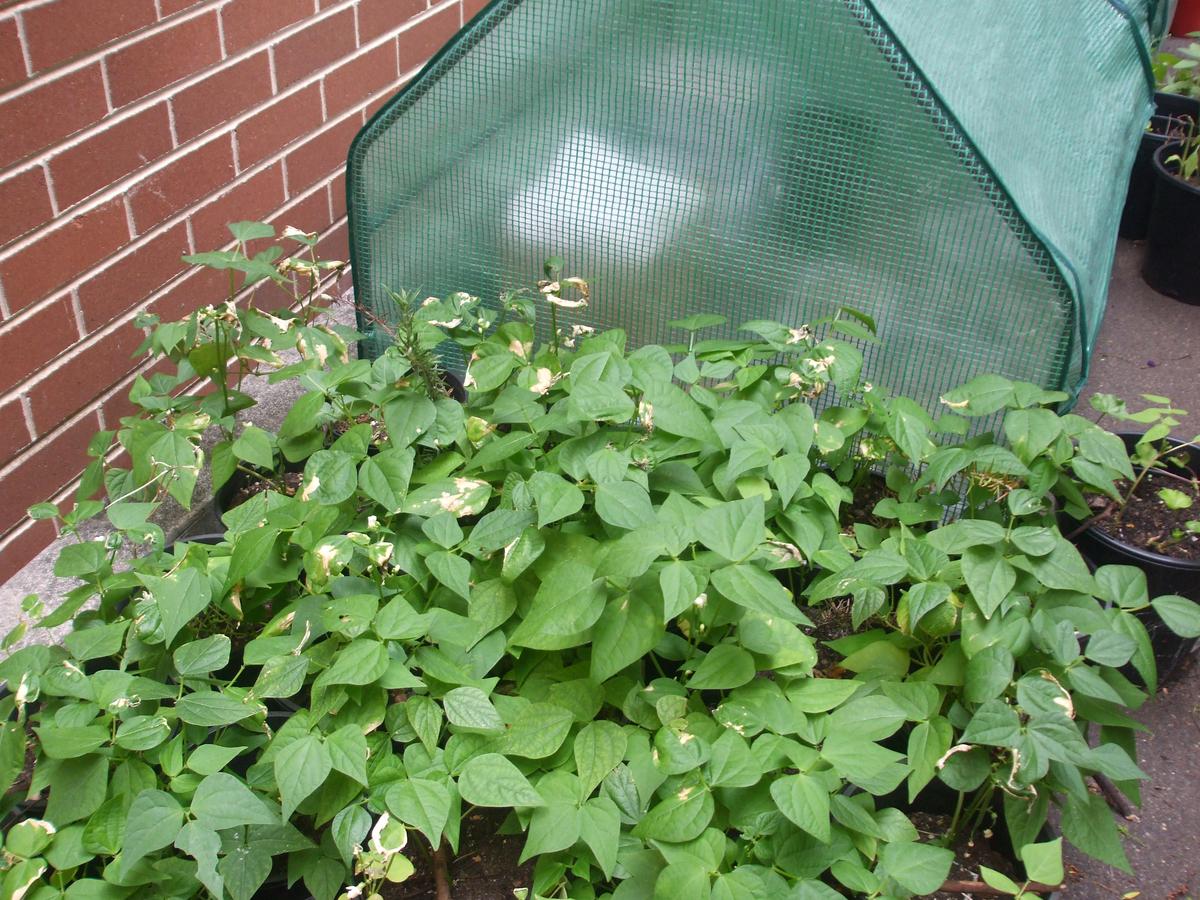
We have big news, Garden Club! Our short beans are making history. They are the very first plants to successfully grow in our brand-new greenhouses.
They have grown tall and strong, and now they are ready for their biggest adventure yet: The Great Outdoors.
The Greenhouse: A "Baby Plant Hotel"
For the last few weeks, these beans lived the good life. The greenhouse was the perfect place for germination (that’s when the seed first cracks open). It was warm, cozy, and safe.
But the greenhouse is only a temporary home. Think of it like a nursery. It is great for babies, but once you get big, you need more room to stretch your legs (or roots)!
Into the Danger Zone!
Now that the beans are moving outside, they have to be brave. The garden is not as safe as the greenhouse. Here are the dangers waiting for them:
Good Luck, Beans!
We have planted them in the ground, and now it is up to them. They have their "greenhouse muscles" ready, but they will need to be tough to survive the wild world of the garden.
Keep an eye out for caterpillars and snails, everyone—we need to protect our first graduates!
Garden Club happens on Tuesday and Thursday mornings, right after the gates open. We meet at the bubblers on the Churchill Avenue side of the school.
Garden Club is completely FREE to join! It's a great opportunity to learn to be a lateral thinker with limited resources, get first pick after a harvest, and see some fascinating creatures.
The information shared here is based on our experiences and knowledge, but we are not gardening experts. Think of it as friendly advice from one garden lover to another. Please remember that all gardening activities should be done with adult supervision and that you're responsible for your own safety and decisions.