Health & Wellness

Anxiety & Returning School
from the Royal Childrens Hospital, Melbourne
Key points
- Anxiety is the body’s response to danger. It causes worry or fear and may trigger physical symptoms like a fast heart rate.
- It is normal for your child to sometimes feel anxious, worried or fearful. If their feelings do not go away and affect daily activities, they may have an anxiety disorder.
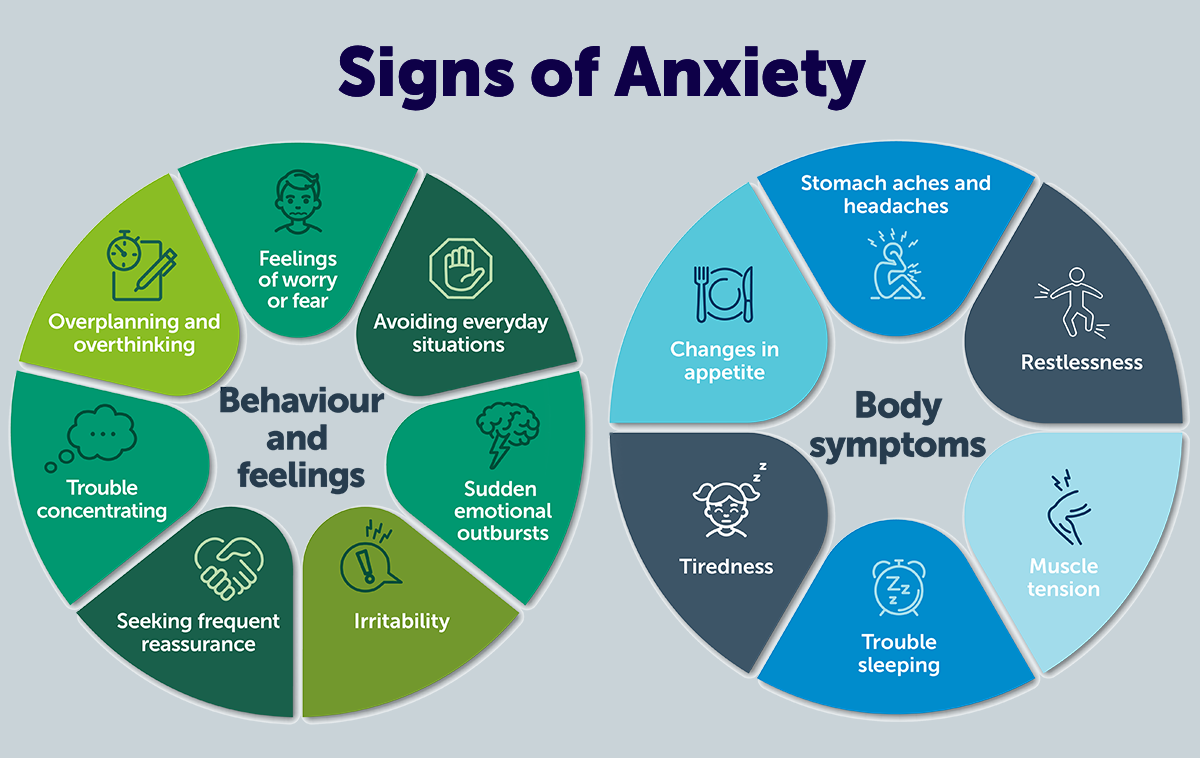
- Anxiety can be hard to recognise in children, as the signs vary and include things such as stomach aches, recurring headaches, tantrums and difficulty sleeping.
- There are simple ways to support your child at home when they feel anxious.
- It is best to speak with a professional if your child has serious and ongoing feelings of anxiety or if they avoid daily activities that make them anxious.
- To seek help, share your child’s feelings and behaviour with their teacher, doctor or another health professional such as a nurse, paediatrician, counsellor or psychologist.
Back-to-school anxiety
- Going to school is a fantastic way for your child to learn and develop life skills. However, it can also be a stressful place for some kids.
Starting, changing, and returning to school are major events for children. It is normal for your child to be nervous about these transition periods – even if they do not usually feel anxious. Planning can help manage any worried feelings they may have.
Helping your child start or return to school
Before school starts:
- Talk with your child about school in a positive and encouraging way.
- Ask your child how they feel about starting or returning to school. Be curious and empathetic, and avoid dismissing their concerns.
- Try to problem-solve any worries your child shares about school.
- Practice new tasks and routines before school starts, such as waking up at a set time, using a lunch box or catching public transport.
- Make sure your child knows who to ask for help at school and reassure them that their school is on their team.
- Once school starts:
- Check in with your child regularly about their feelings and experiences at school.
- Discuss any strong emotions your child shares about school and work through challenges together.
- Address any concerns that arise throughout the year, such as health or learning support needs, bullying, boredom in the classroom, challenges with friendships, and feelings of not belonging.
- If required, speak to their teachers about how your child feels and ways to support them.
- Some children have intense anxiety about school, which leads them to avoid going. School avoidance is a complex issue that often requires professional help to manage. It is not always caused by an anxiety disorder. If you think your child may have a problem avoiding school, speak to their teacher. Schools have support and trained staff members to help children who feel anxious or do not want to attend school. In many cases, schools can connect children to psychologists or counsellors.
You may also want to speak to a doctor or psychologist for advice.
Further information can be found on the RCH Fact Sheet