Junior School
Head of Junior School - Ms Nicola Treacey
Junior School
Head of Junior School - Ms Nicola Treacey

Article by Jane Palfrey, Year 4 Leader
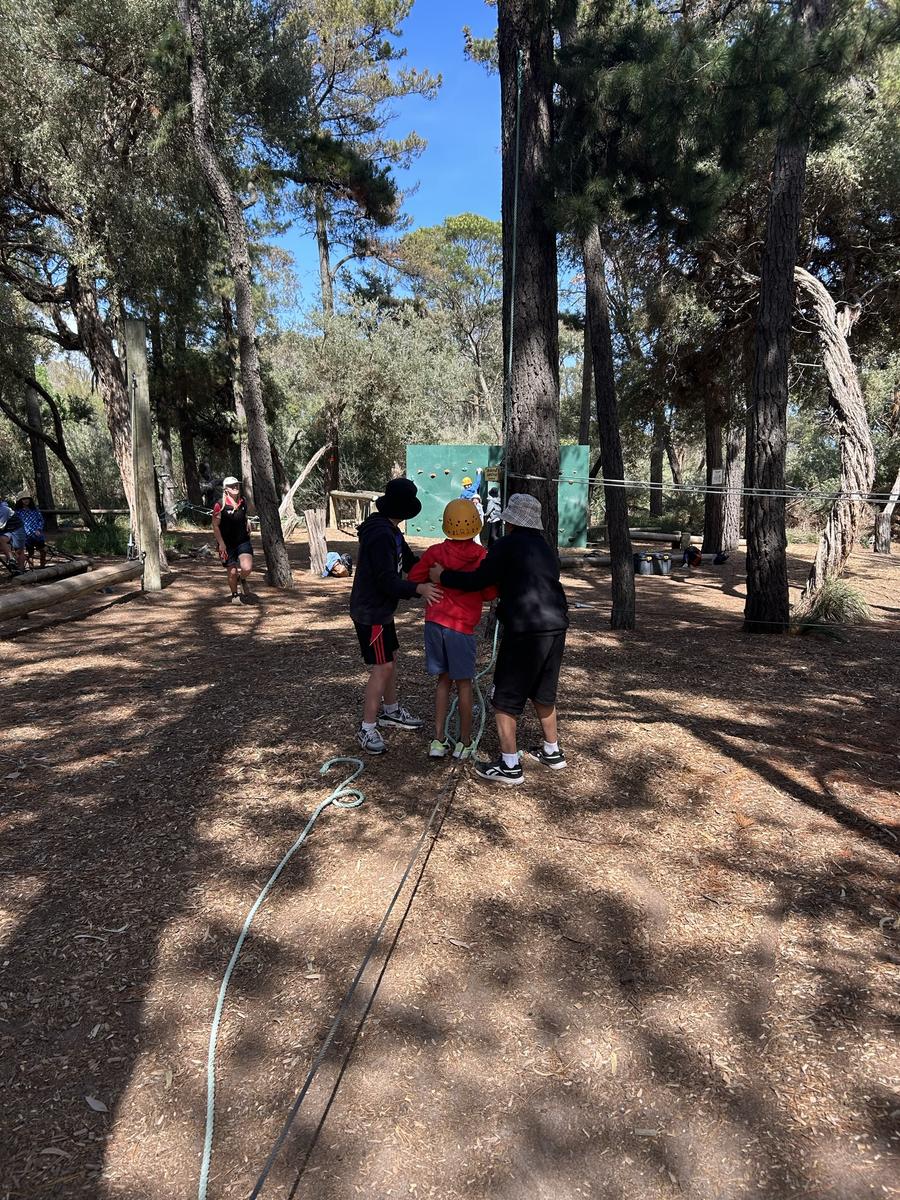
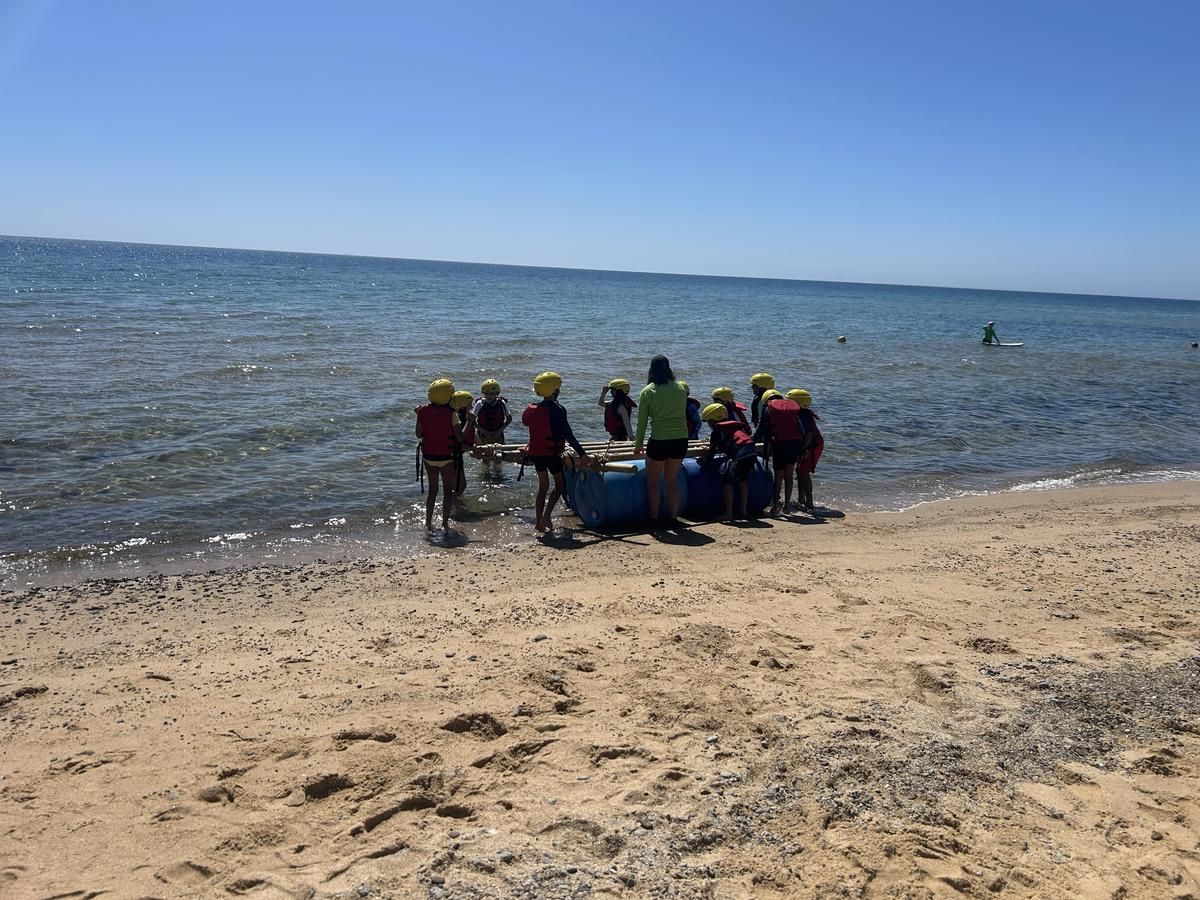
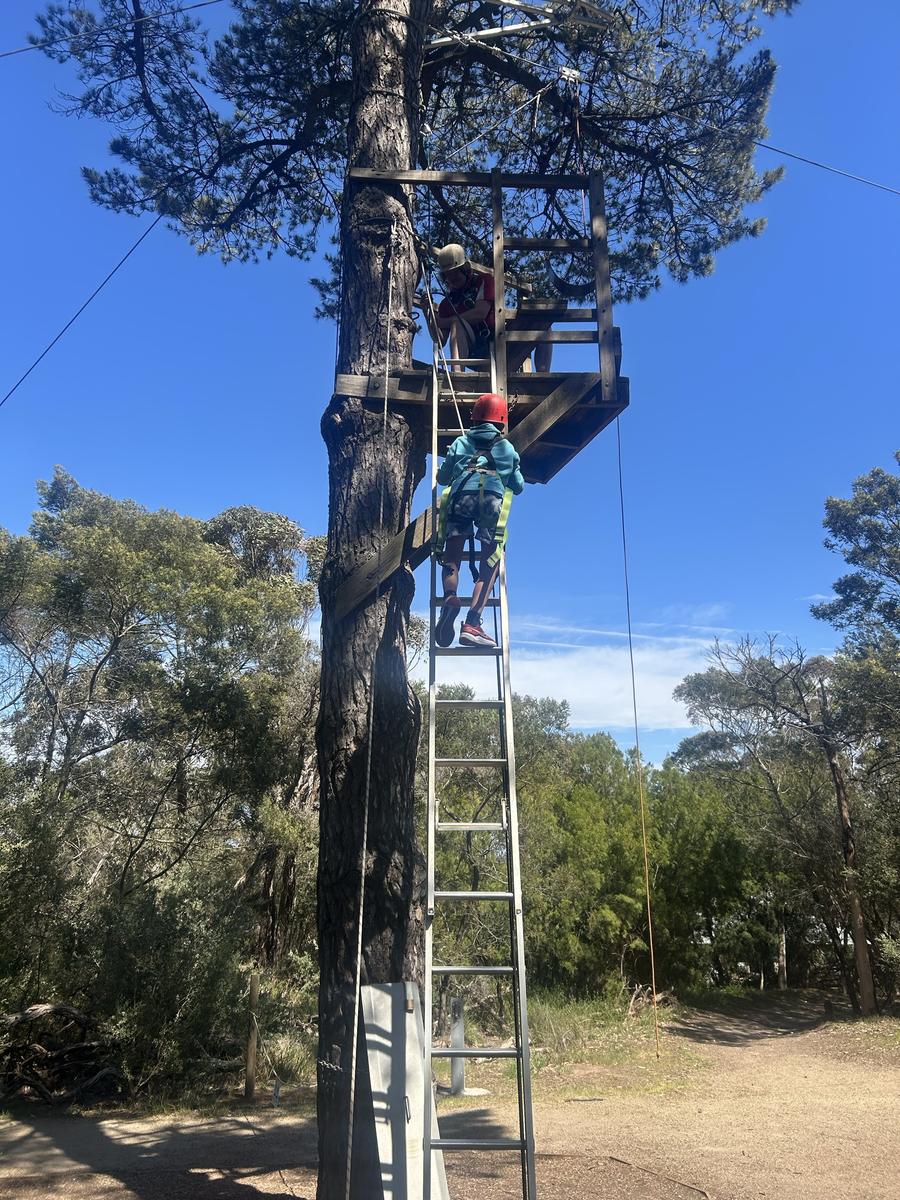
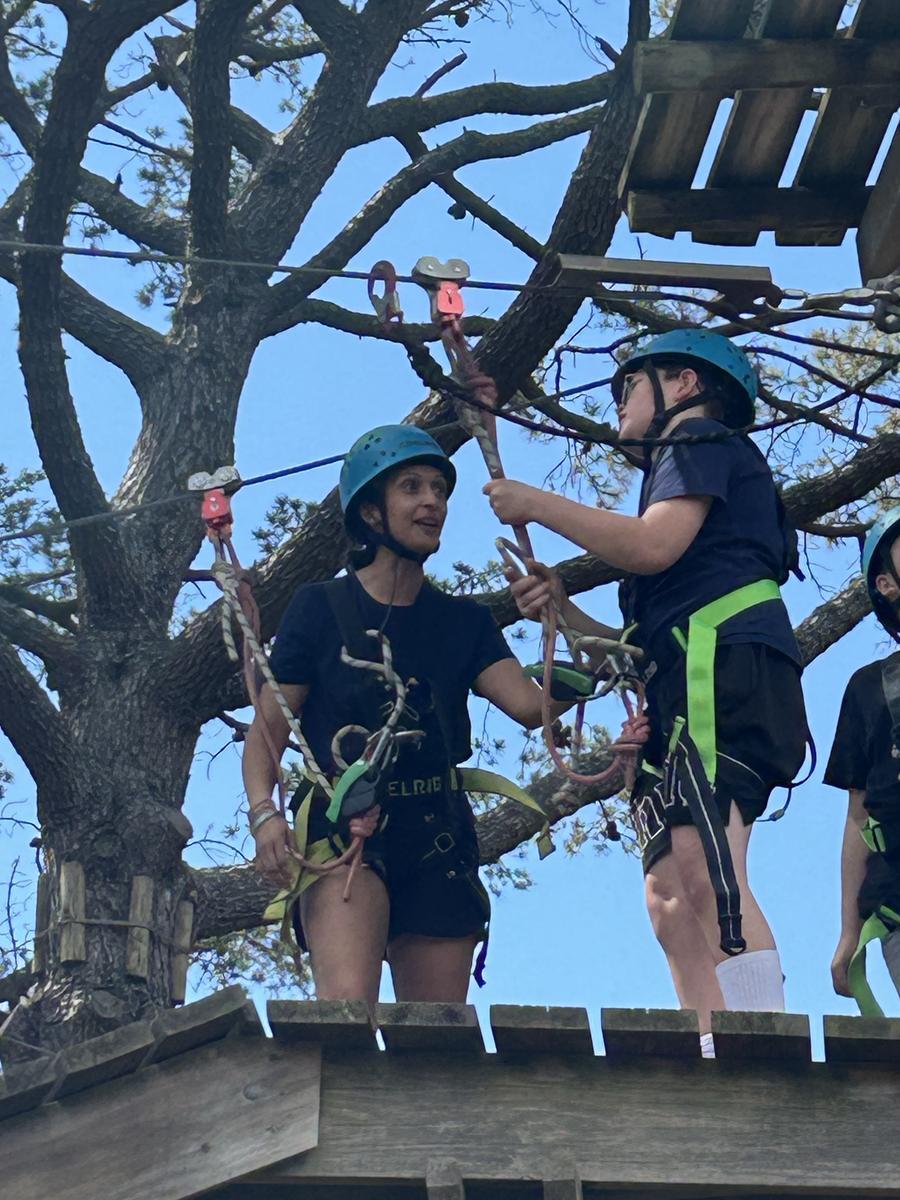
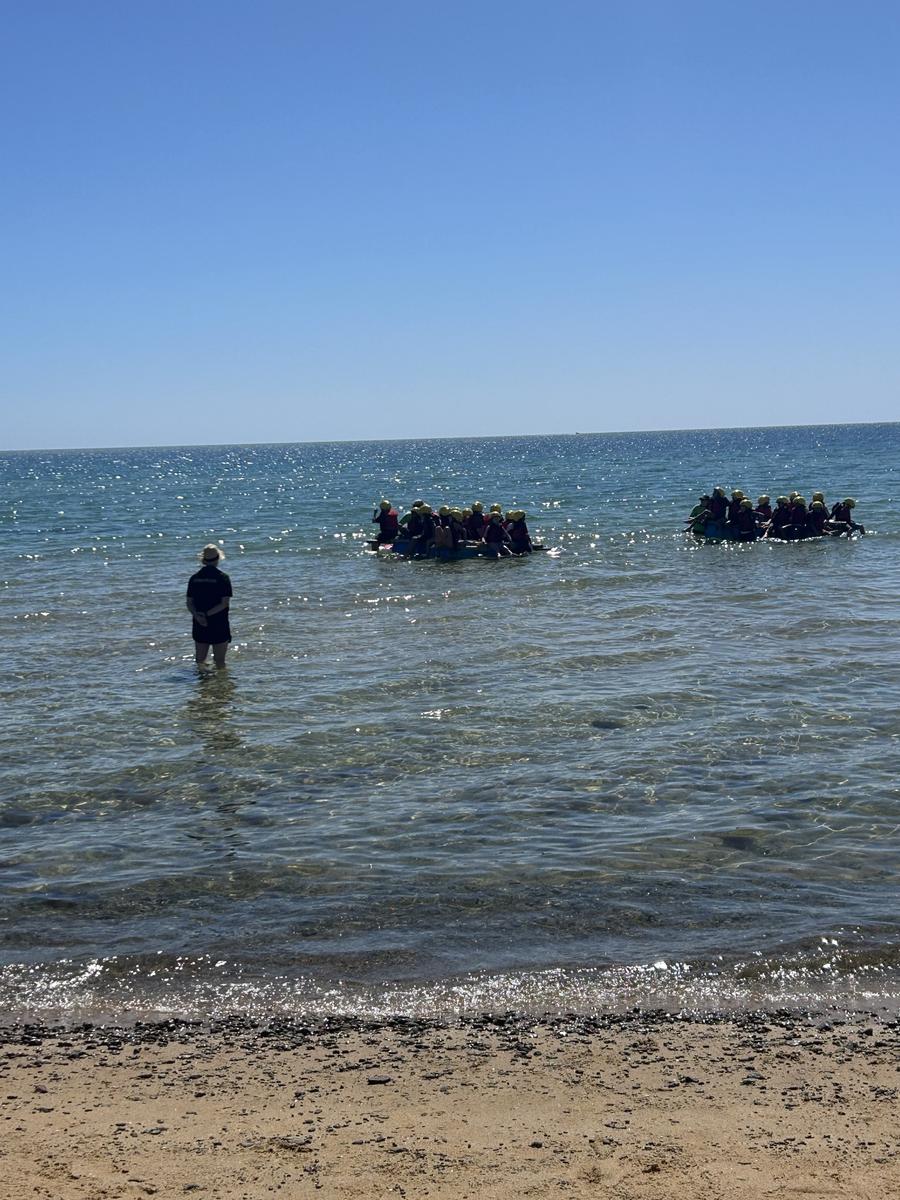
In Week 2 of Term 4, our Year 4 students embarked on an exciting journey to Camp Manyung in Mount Eliza. The buzz of excitement was palpable as students travelled by bus, eagerly anticipating the adventures that awaited.
During the camp, students participated in a variety of engaging activities, including The Flying Fox, Giant Swing, Obstacle Courses, Beach Safety, Raft Building, and Bike Skills. These experiences provided wonderful opportunities for students to developresilience, teamwork, and problem-solving skills while challenging themselves in a supportive environment.
Beyond the adventurous activities, students also contributed to the camp community by helping set up and clean the dining room, wash dishes, and take care of their cabins. These responsibilities fostered a sense of independence and cooperation.
The camp was not only a time for learning new skills but also a chance for students to build friendships and strengthen connections across the cohort, creating memories that will last long after the trip.
Year 4 Camp at Camp Manyung was a fantastic experience for all, combining adventure, learning, and camaraderie in a truly memorable way.
Article by Andria Manoli, Year 1 Level Leader
In Term 3 our Year 1 students took a designer’s lens to the world around them, exploring the central idea: Constructed environments are designed to meet the needs of communities. From the very first lesson, students were invited to notice, wonder and create, building a clear understanding that the spaces we use every day are imagined, planned and built with people in mind.
We launched the inquiry with a campus walk that doubled as a provocation. Clipboards in hand, students jotted “I see, I think” observations about playgrounds, pathways, garden beds and learning spaces. Their questions came quickly: Why was this built like that? Who is this for? What problem does this solve? That curiosity became our engine, as children learned how our buildings were created to suit the needs of our students and staff.
Back in classrooms, the focus shifted from noticing design to doing design. Students examined their learning spaces and asked Why are resources placed here? How does furniture height help different year levels? With these insights, each child drafted a playground for Year 1, considering the needs of students playing on them.
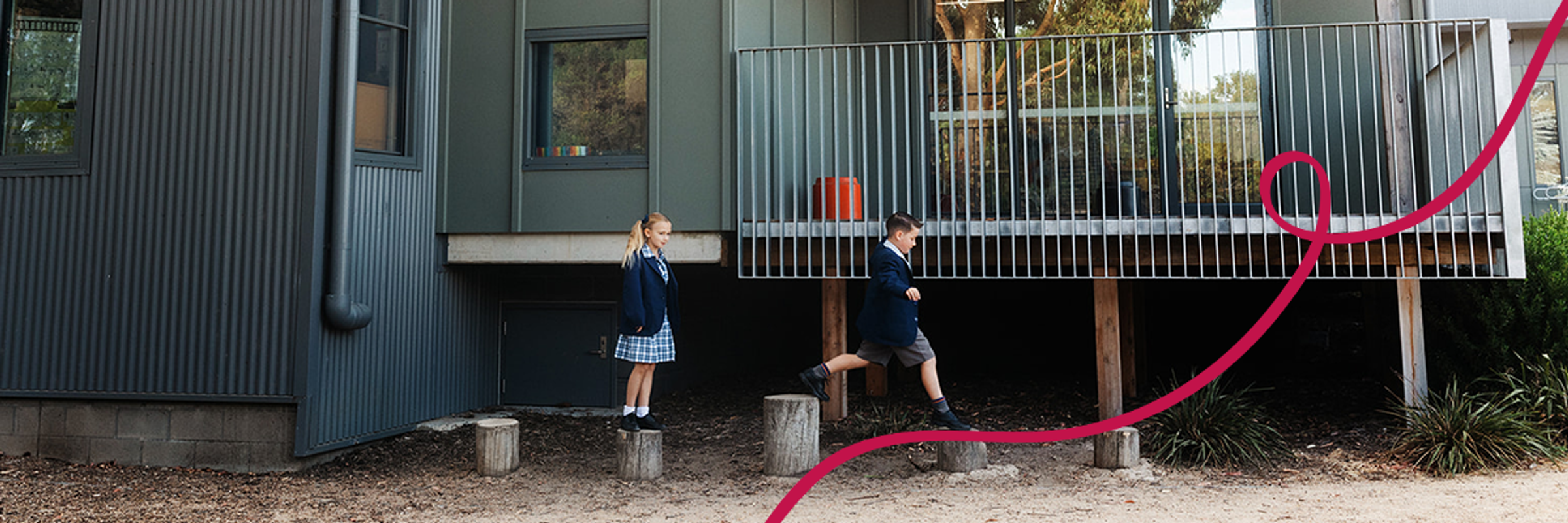
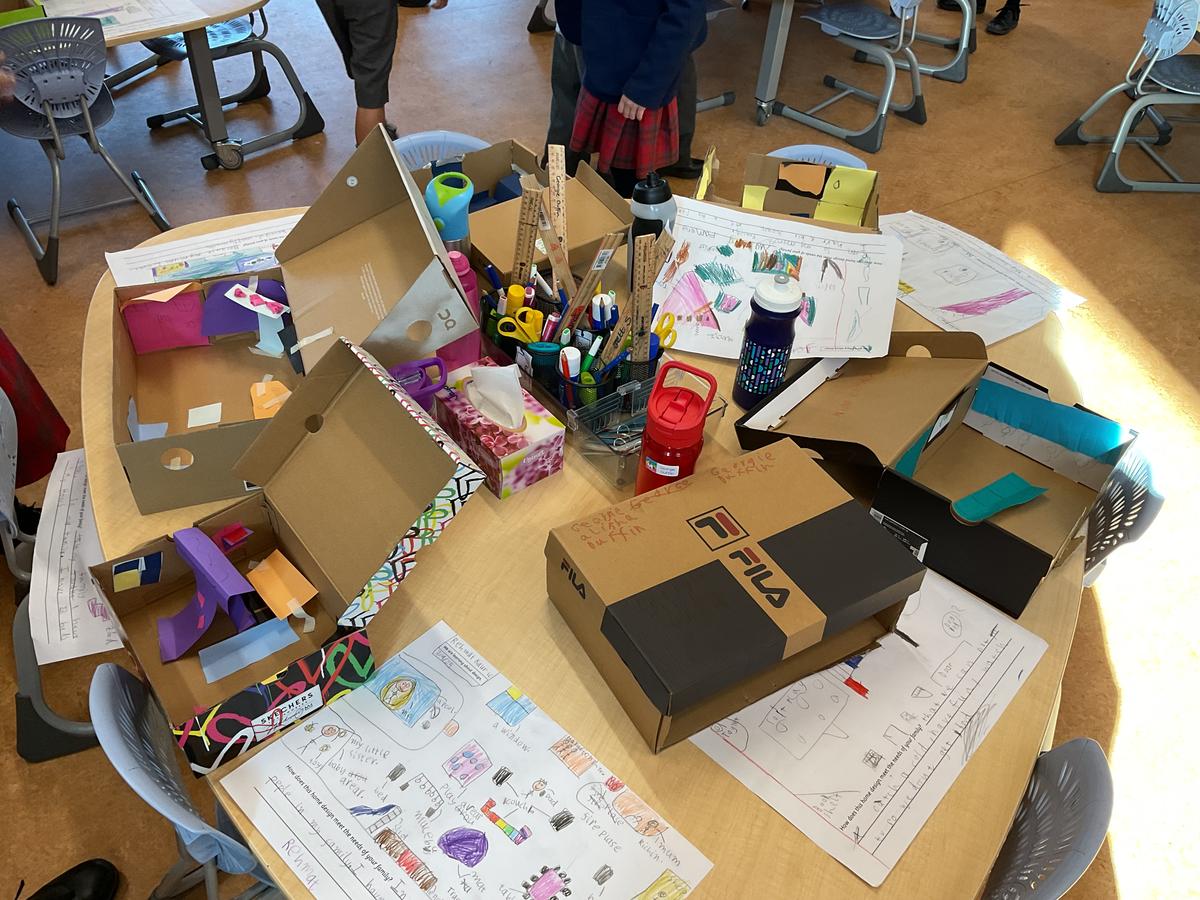
A highlight was a talk from Mrs Fielder, who shared the process of designing the Junior School. She discussed blue sky thinking, and how they began with big ideas and then continued to redesign and consider the needs of the community before building began. She spoke about balancing imagination with practical constraints, and students returned to their plans buzzing with new strategies for problem-solving. That expert insight flowed straight into their summative task of designing a living room that meets the needs of their own family. Before designing, students had to consider the needs of their family and what they would like to change about their space. They then created labelled floor plans, with opportunities to redesign and adjust their design to suit the specific needs of their home.
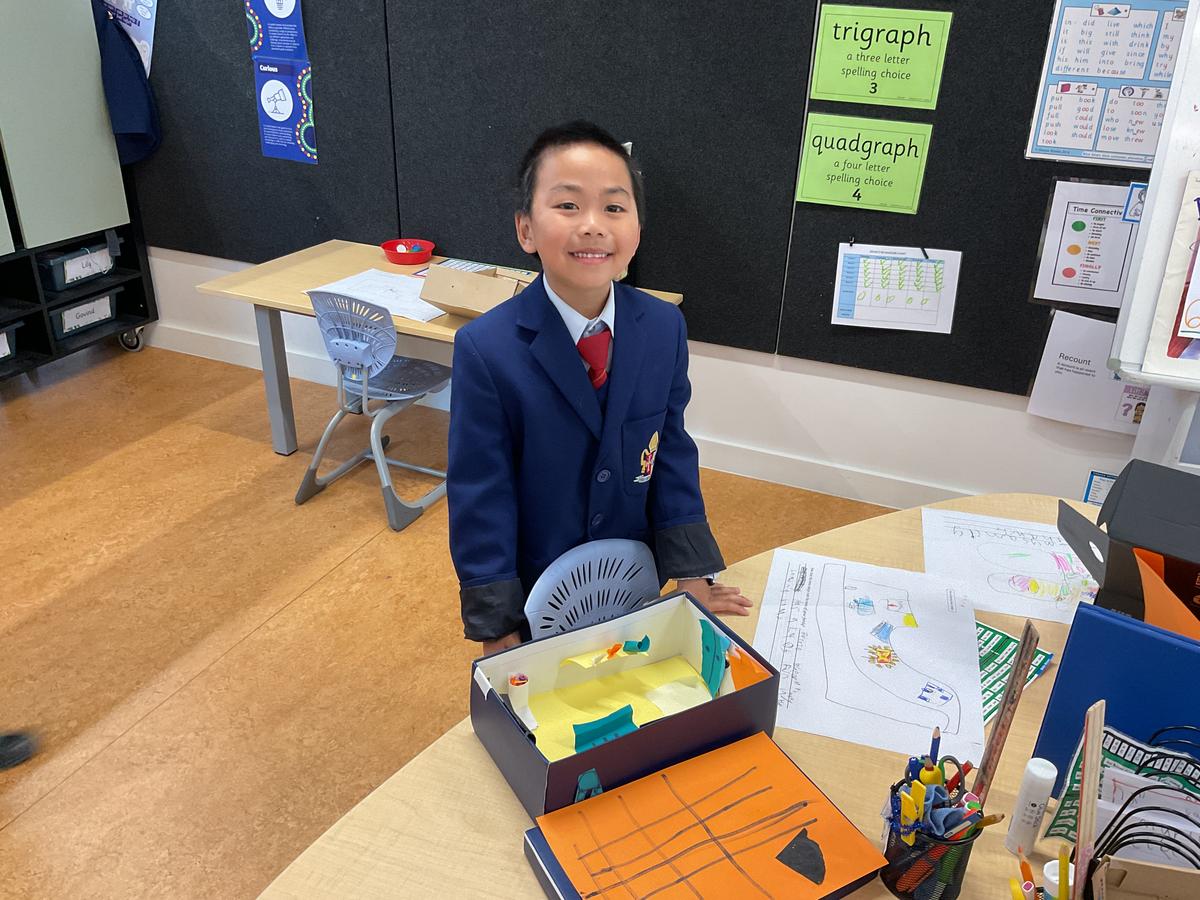
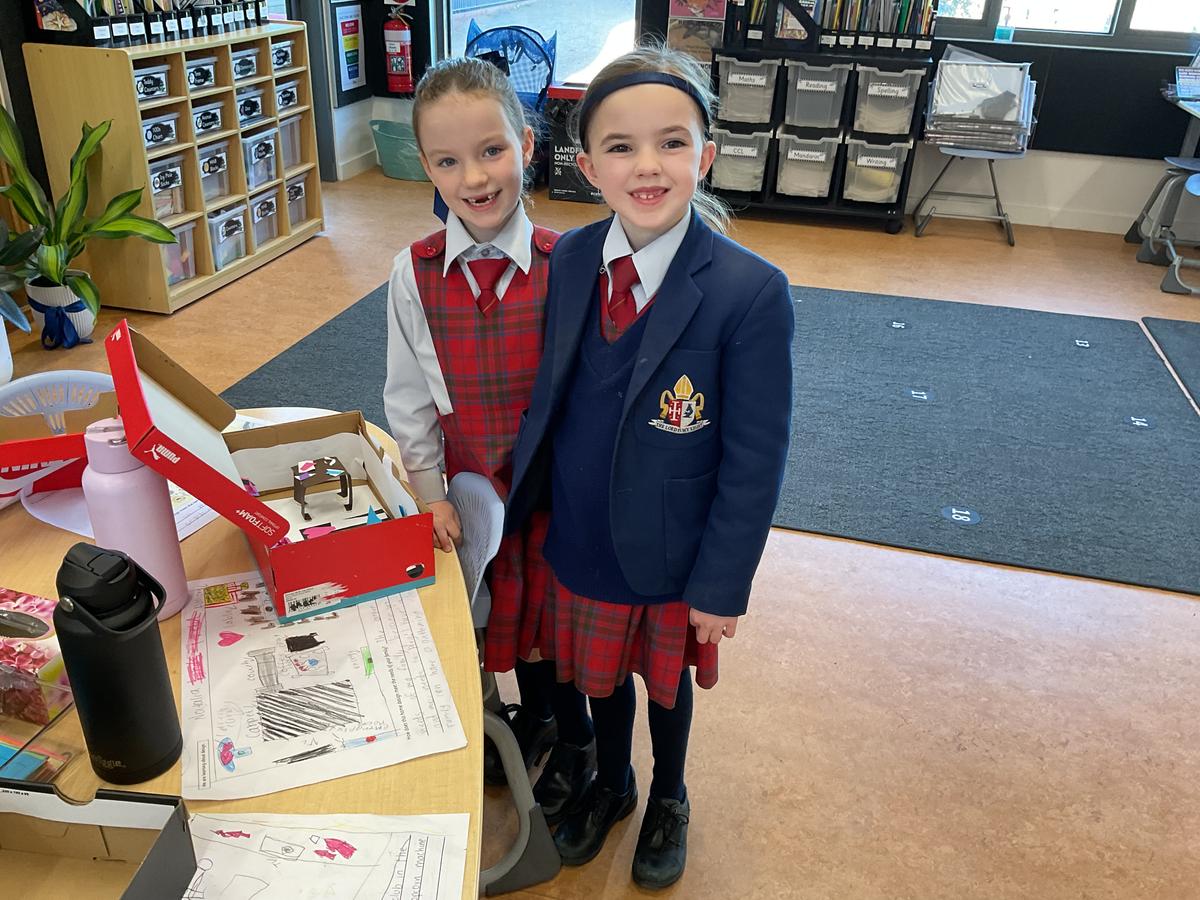
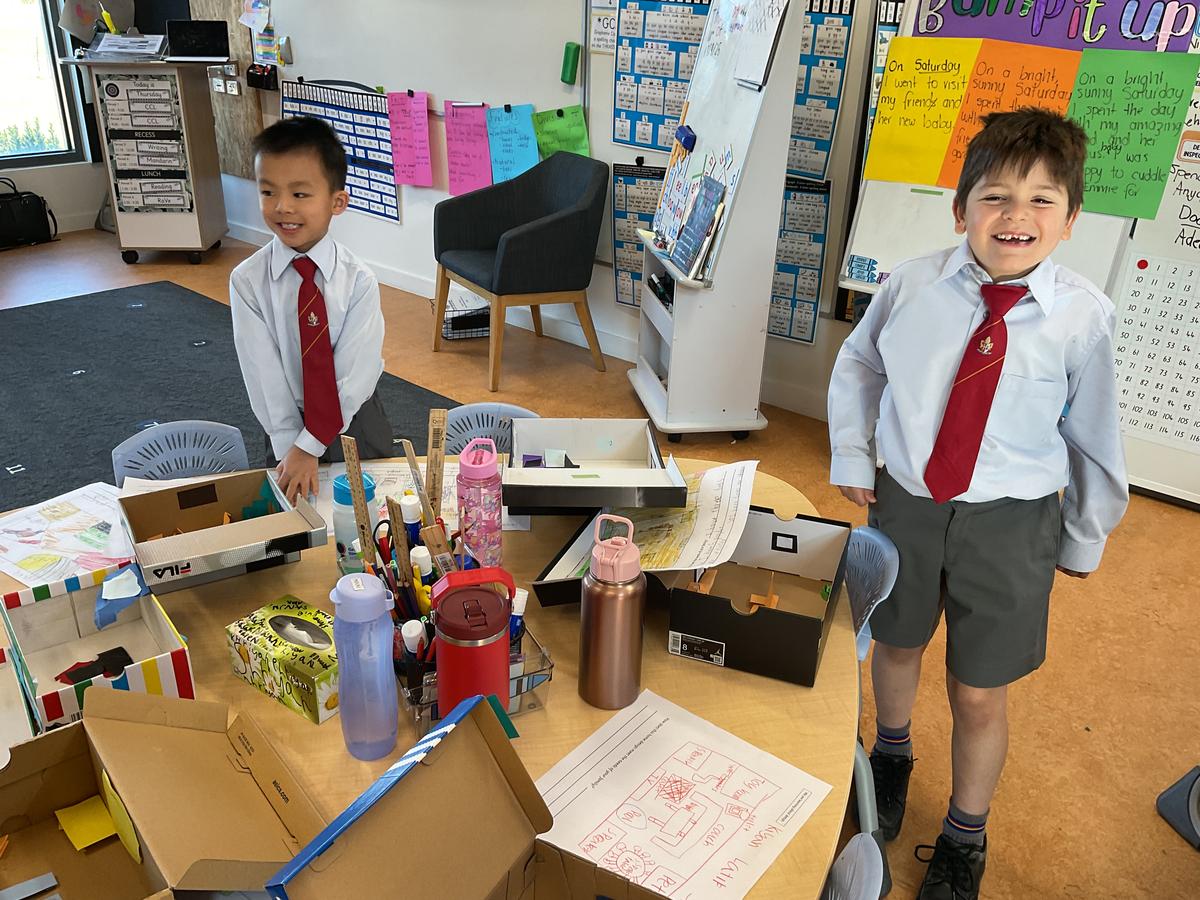
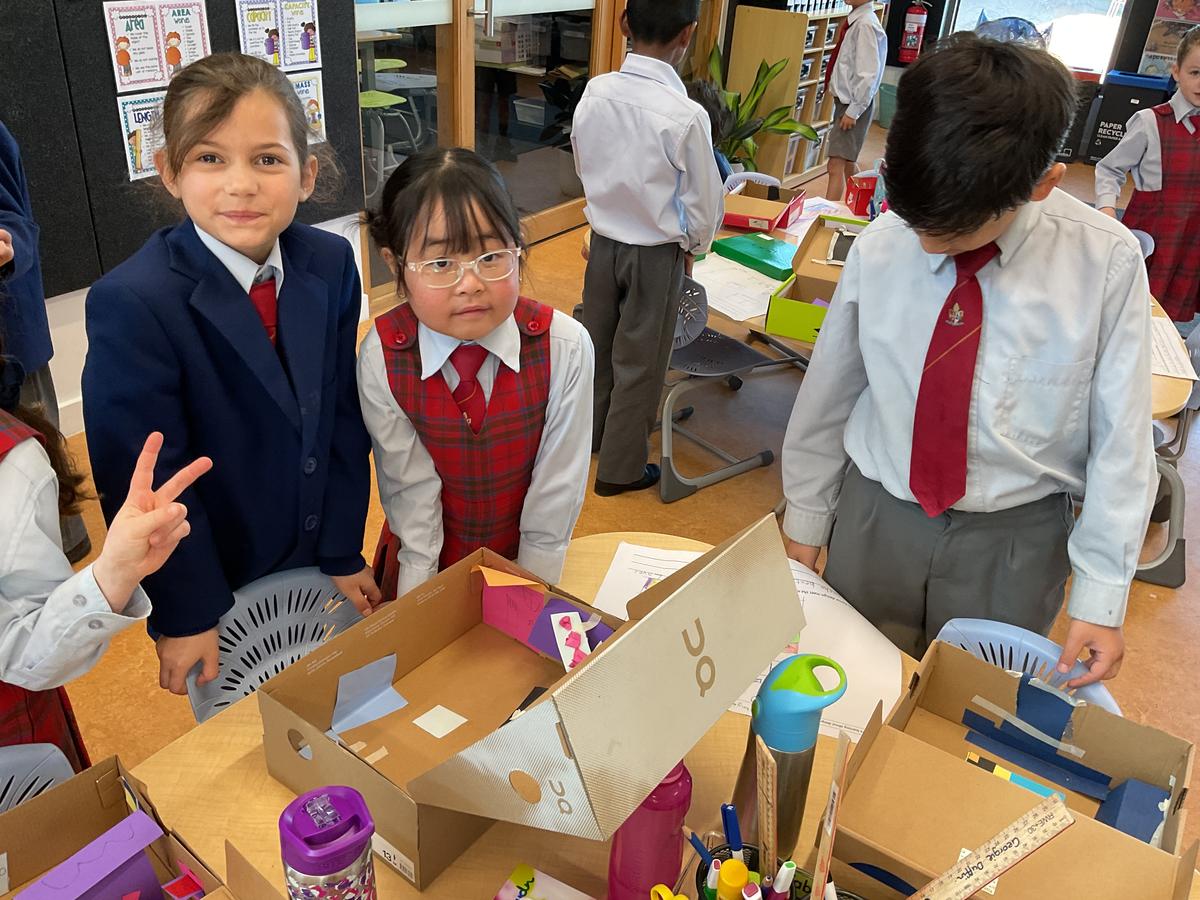
Using a shoebox as the foundation for their model, students brought their ideas to life by creating miniature living spaces complete with furniture, decorations, and personal touches.
The project encouraged creativity, problem solving, and fine motor skills as students experimented with different materials and construction techniques. We closed the unit with a gallery walk around each classroom, where students had an opportunity to view and discuss the constructed builds of the other students and reflect how they may have refined their own design and why. This exciting unit ensured students came away knowing that environments don’t happen by accident, people design them specifically to meet the needs of their community, understanding the two driving questions of our inquiry, 'what is a space like?' and 'why it is that way?'.

Article by Grace Wen, Junior School Language Leader
In Week 2, Prep students enjoyed a wonderful day at Bundoora Park Farm. This excursion was a highlight of our Cross Curricular Learning Unit: 'Living things have similarities and differences', and provided experiencesfor the students to discover the features of plants and animals in both English and Mandarin.
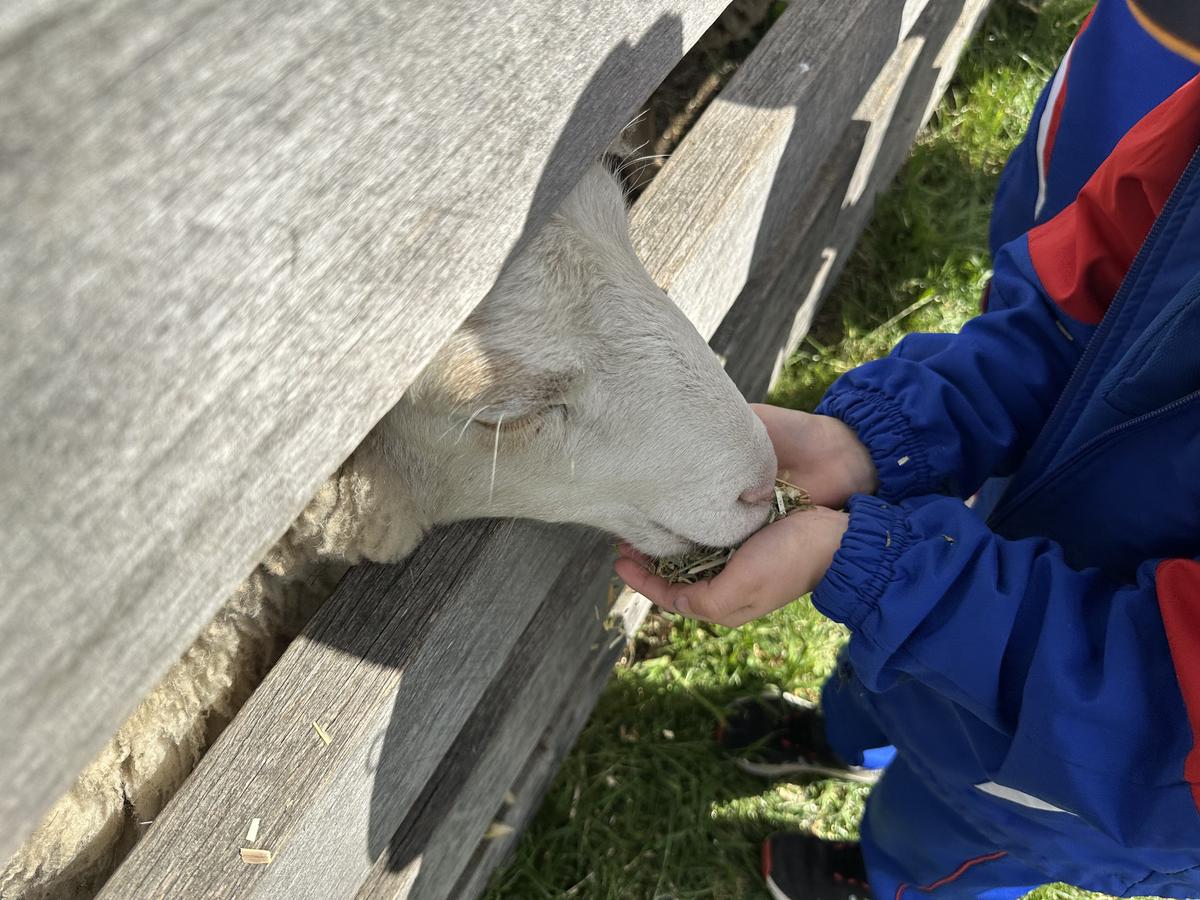
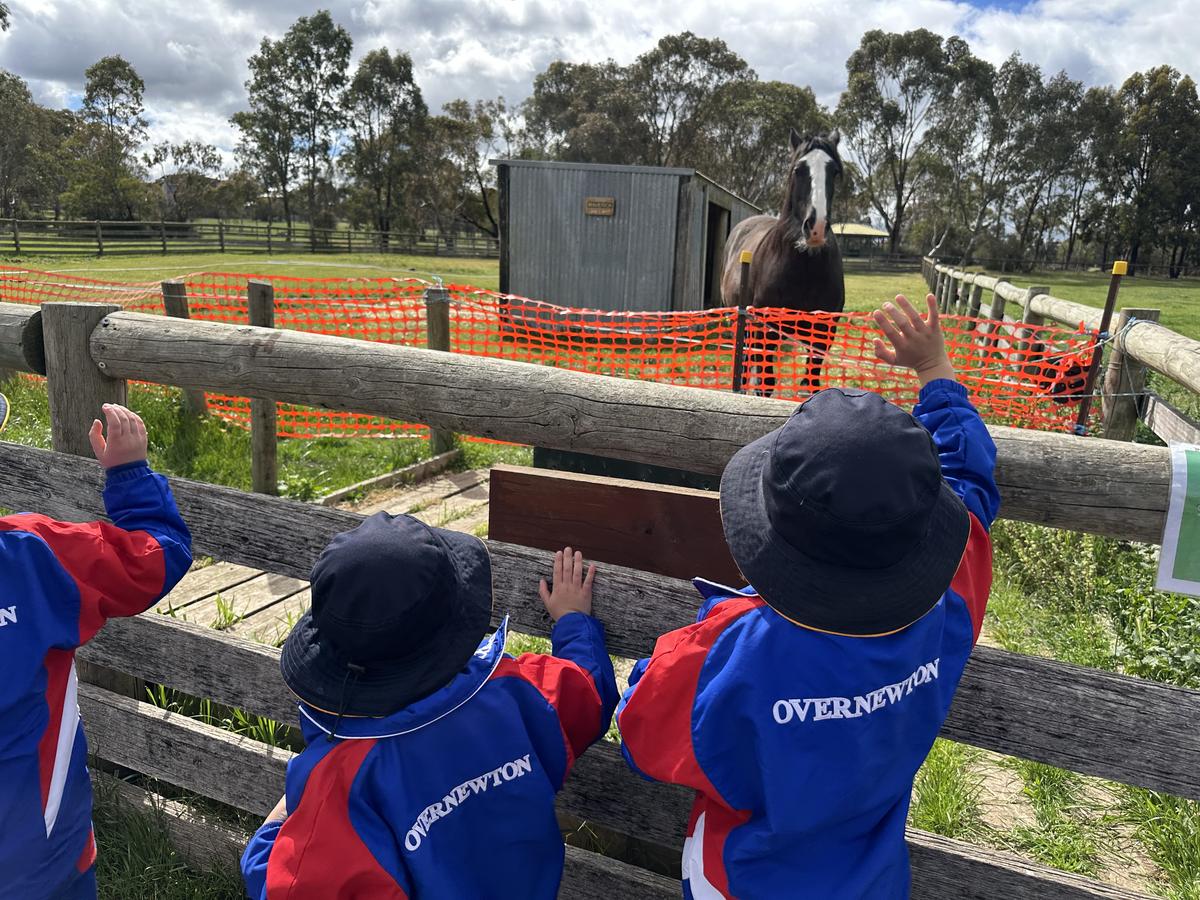
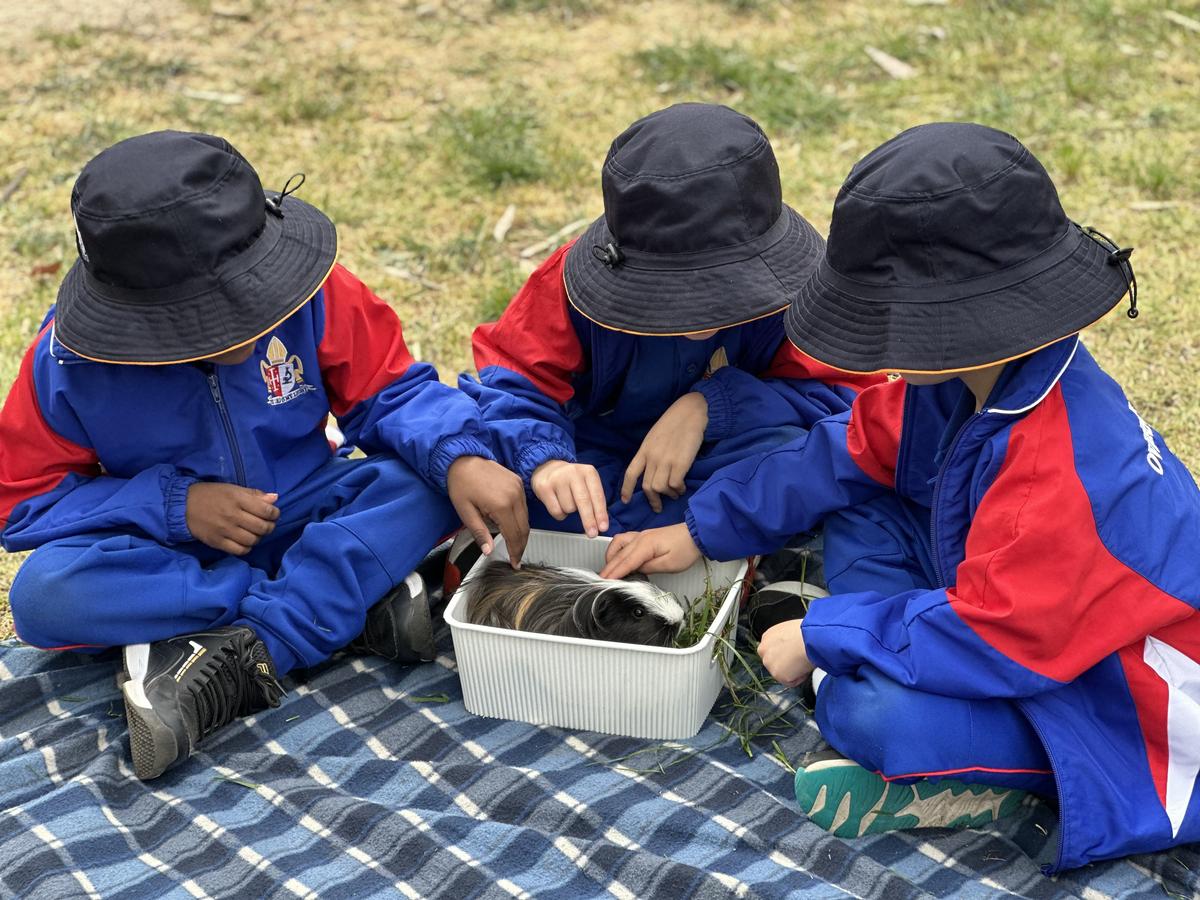
In the classroom at the farm, students took part in an interactive discussion about the needs of animals and created a special craft using authentic sheep wool. During the guided farm tour, students had the opportunity to feed and gently pat friendly animals such as guinea pigs, sheep and goats, while learning about the features and habits of different farm animals.
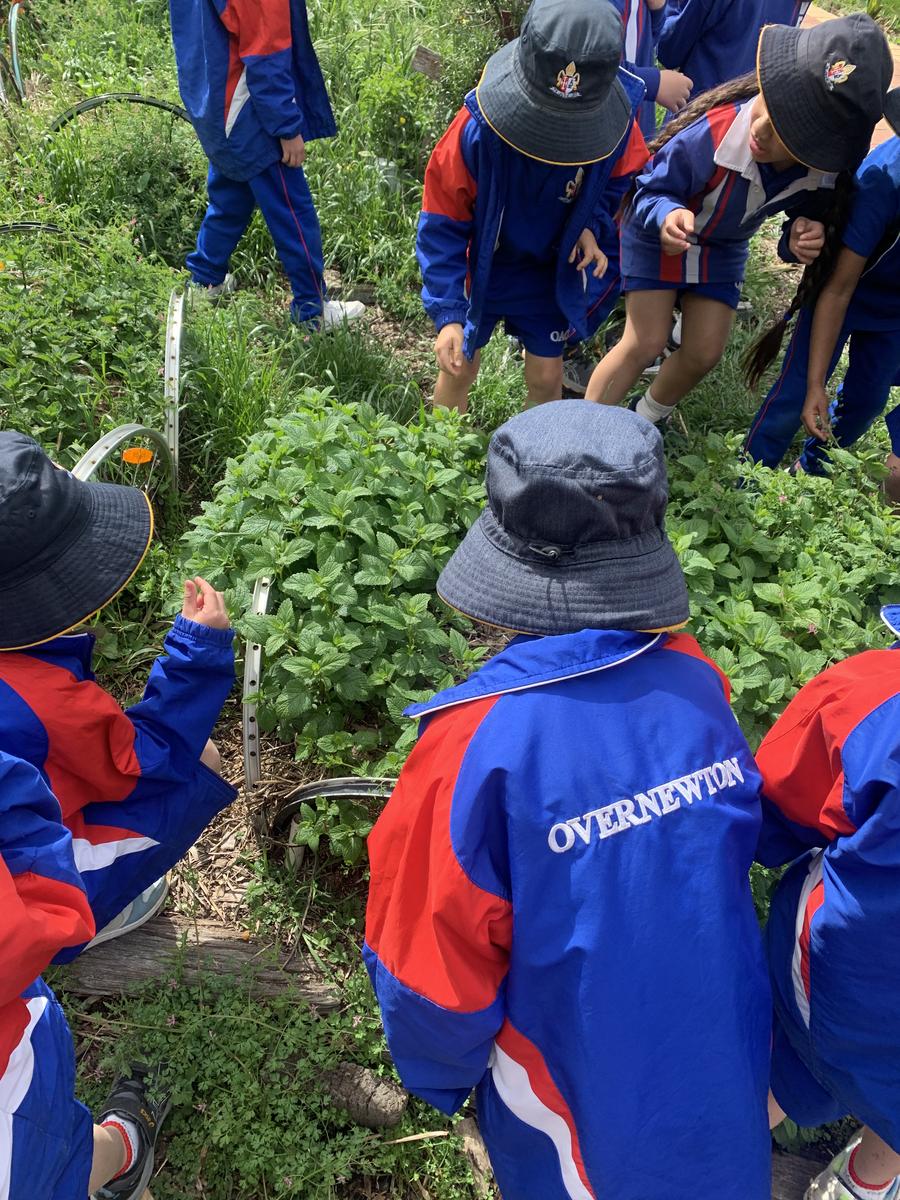
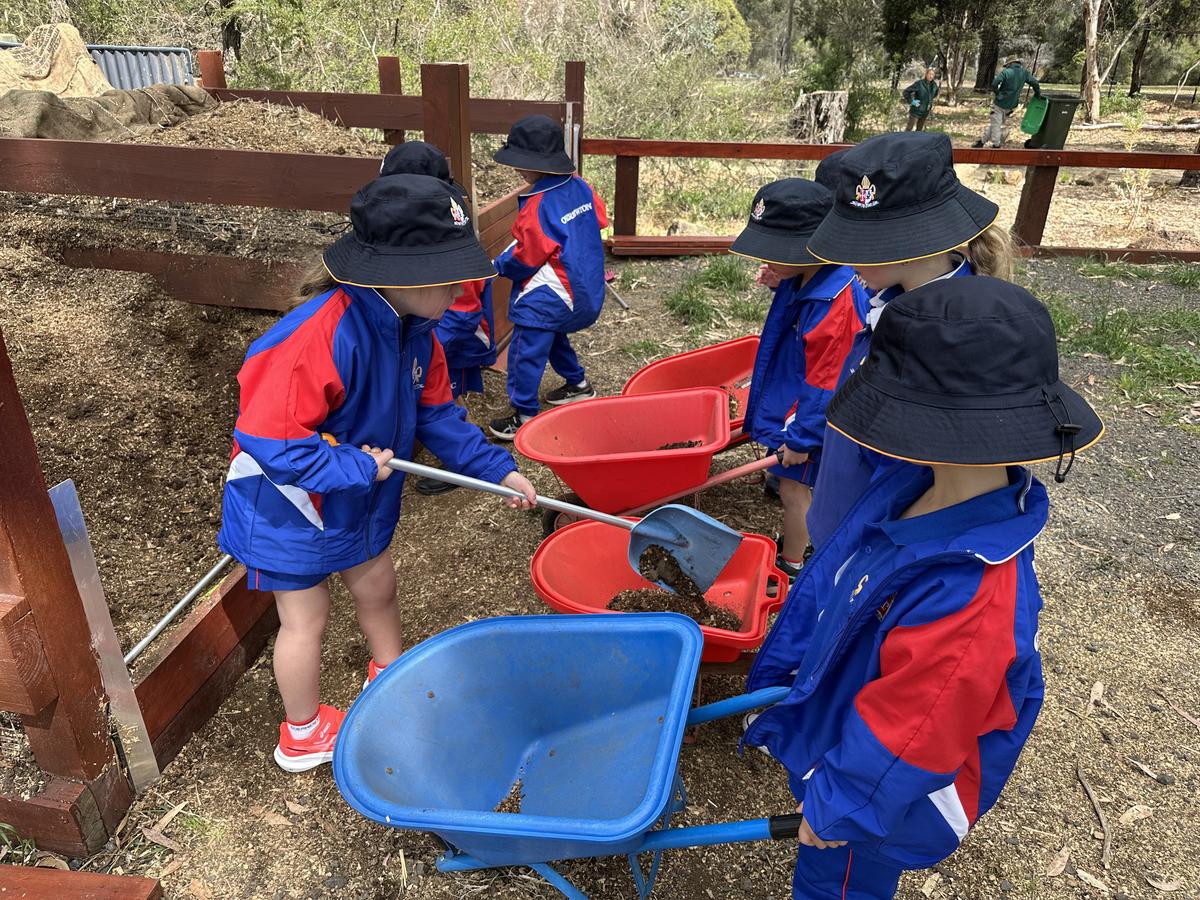
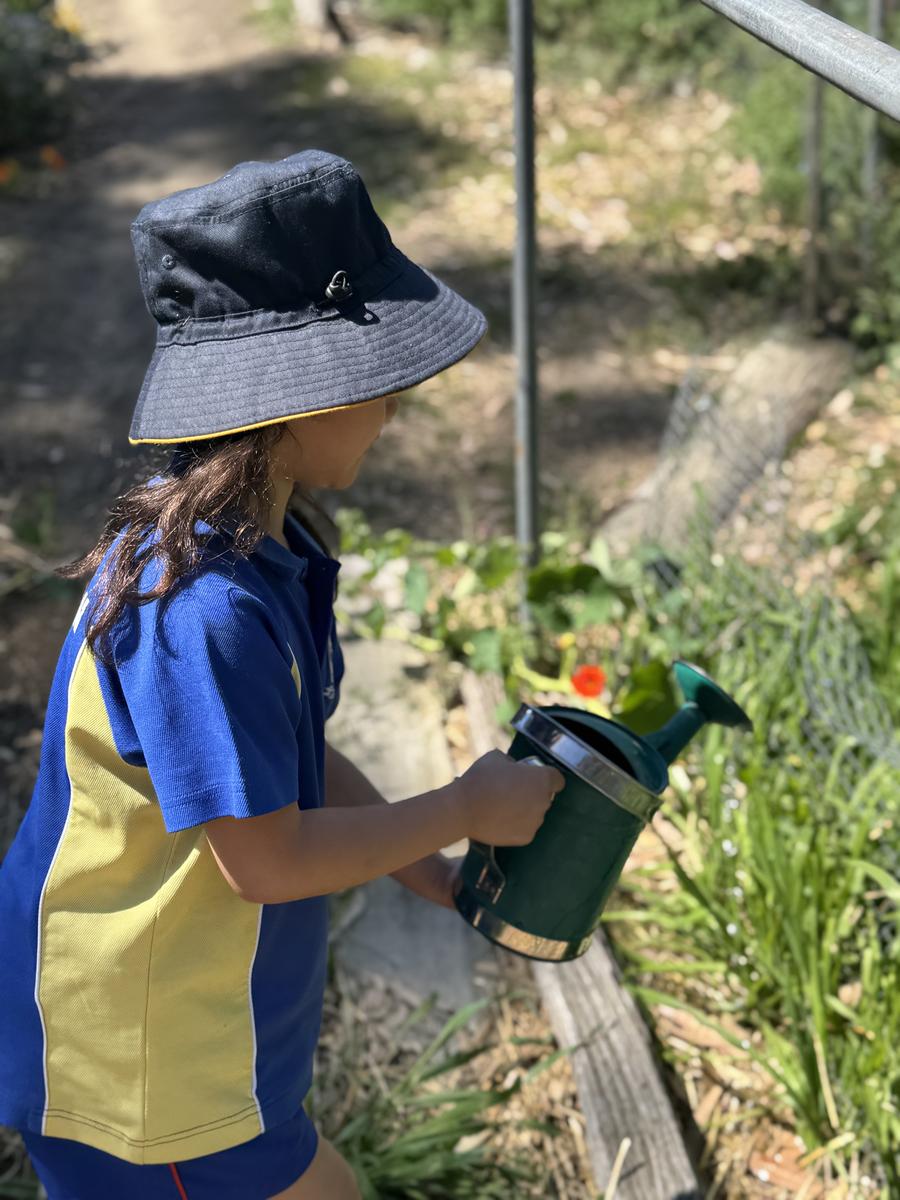
Students also enjoyed a hands-on garden session, learning about composting and planting. One of the most exciting parts of the day was the wildlife ride, viewing emus and kangaroos up close.
It was a wonderful learning experience that deepened students’ understanding of living things and ignited their curiosity about the natural world.