Wellbeing
Standing Together Against Bullying
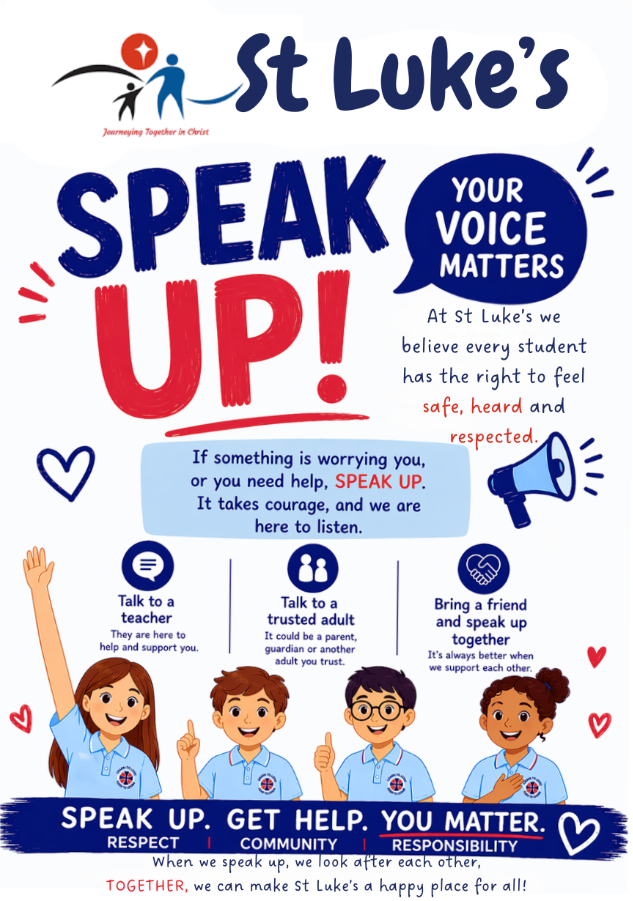
At our school, we believe every student has the right to feel safe, respected, and valued. Bullying—whether it’s physical, verbal, social, or online—can have a lasting impact on wellbeing. That’s why we’re committed to creating a culture of kindness and respect.
Bullying is a serious issue that can affect a child’s wellbeing, confidence, and ability to learn. As a school community, we are committed to fostering a safe, respectful, and inclusive environment—and parents play a vital role in supporting this goal.
What is Bullying?
Bullying is repeated behaviour intended to harm, intimidate, or control another person, where there is often an imbalance of power (e.g. age, physical strength, social status, or access to embarrassing information).
It is not the same as occasional conflict between children. Bullying involves:
- Ongoing behaviour (not a once-off disagreement)
- Intent to cause harm or distress
- Difficulty for the targeted child to defend themselves
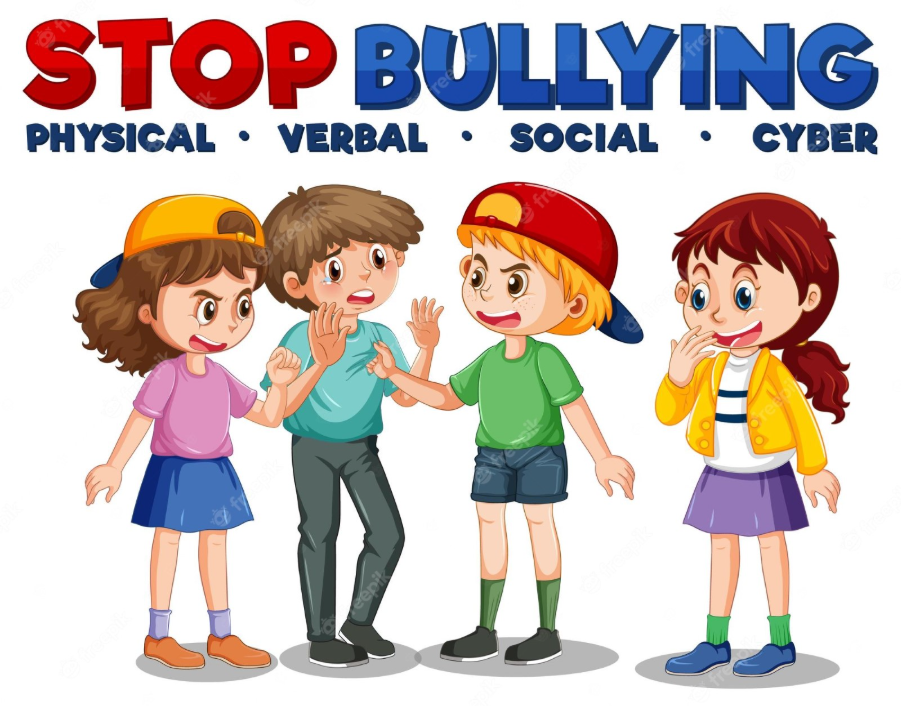
Types of Bullying
Bullying can take many forms. Understanding the different types helps parents recognise the signs early.
1. Physical Bullying
This involves hurting someone’s body or belongings.
- Hitting, kicking, pushing, or tripping
- Damaging or stealing personal items
2. Verbal Bullying
This includes the use of words to hurt someone.
- Name-calling or insults
- Teasing or making threats
- Ridiculing someone’s appearance, culture, or abilities
3. Social (Relational) Bullying
Often more subtle, this targets a child’s relationship or reputation.
- Excluding someone from groups or activities
- Spreading rumors or gossip
- Encouraging others not to be friends with someone
4. Cyberbullying
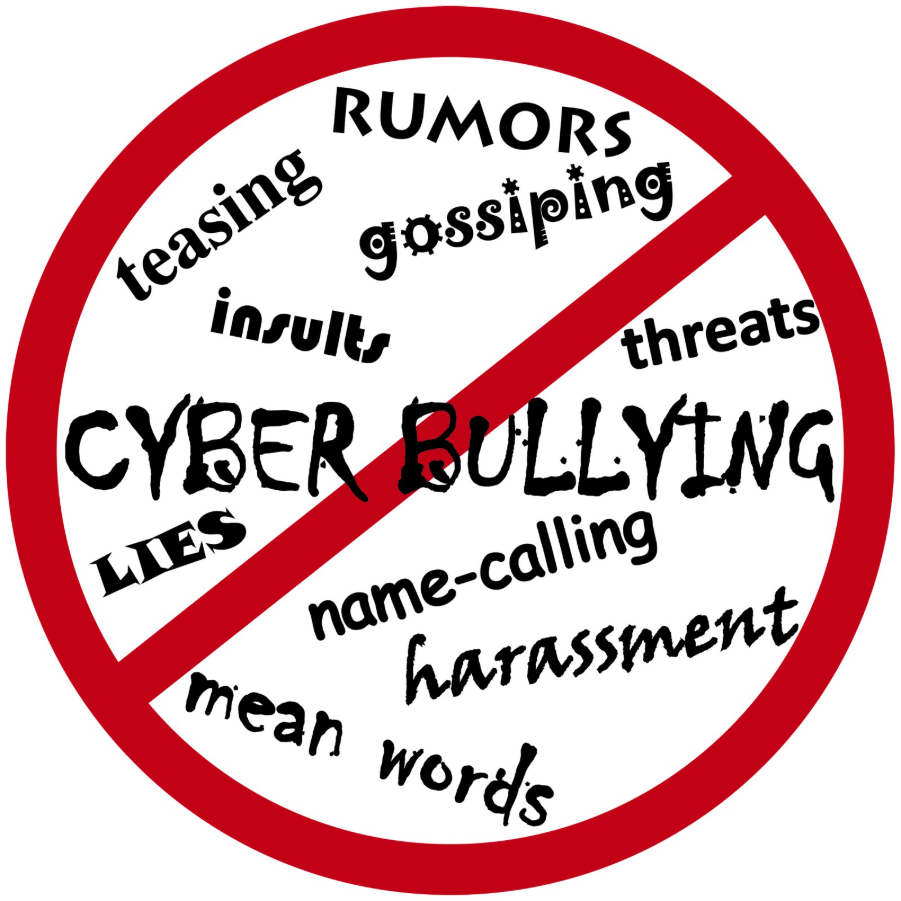
This occurs online or via digital devices and can happen at any time.
- Sending hurtful messages or comments
- Sharing embarrassing photos or videos
- Fake accounts or public shaming on social media or gaming platforms
Families’ role in creating a supportive school culture
We know that children do best when school and home, work together. Research shows that when families are involved and feel part of the process, efforts to improve student behaviour and wellbeing are much more successful. By partnering with us, you help create a safe, respectful and positive school community for everyone.
What can you do to help reduce bullying in our school?
- Talk regularly with your child about their day and any friendships or challenges they may be experiencing.
- Encourage your child to speak up and ask for help if something doesn’t feel right at school.
- If your children are having disagreements at home, guide them to talk things through calmly and find solutions together.
- Help your child build confidence by practising how to speak in a calm, clear and respectful way—for example, making eye contact, using a steady voice, and feeling positive about themselves.
What can I do if I think my child is being bullied at school?
- Gently start a conversation with your child about what might be happening.
- Listen carefully, take their concerns seriously, and reassure them that they’ve done the right thing by telling you.
- Stay calm and supportive—this helps your child feel safe and understood.
- Contact your child’s teacher to share your concerns and work together on possible solutions.
- Encourage your child to seek help at school. You can talk together about who they feel comfortable talking to and how they might ask for support.
What can I do to support my child if they are being cyberbullied?
A helpful way to remember key steps is the acronym I‑CURRB:
- Investigate what your child is doing online so you can better understand their digital world.
- Communicate regularly—talk about what they enjoy online and any concerns they may have.
- Use family safety tools and settings to help manage what your child can access.
- Research your schools and internet provider’s policies on cyberbullying. Many apps and platforms also have their own safety guidelines.
- Report any concerns to the school and/or the relevant online service. If you’re worried about your child’s safety, you can contact local police for advice.
- Block unwanted contact using the safety features available on apps, games and email accounts.
Preventing and addressing bullying is a shared responsibility. By working together — students, parents, and school staff — we can create a safe environment where every child feels valued, respected, and supported.
If you have concerns or would like further guidance, please don’t hesitate to contact me at school.
Donna