
Family Feature

The following article was written especially for our alumni community by our Deputy Principal, Lisa Dumicich. Our sincere hope is that it will encourage and inspire you, no matter where you find yourself on your post-College life journey.
Life Lessons with Lisa: How Resistance Helps Us Grow
I have been thinking lately about what helps us grow, not just physically but spiritually, emotionally and relationally. It is tempting to believe that a good life is one with as little discomfort as possible, but I am increasingly convinced that some resistance is necessary if we are to become strong, wise and mature. That is true for us as adults, and it is also true for the young people we are helping to form.
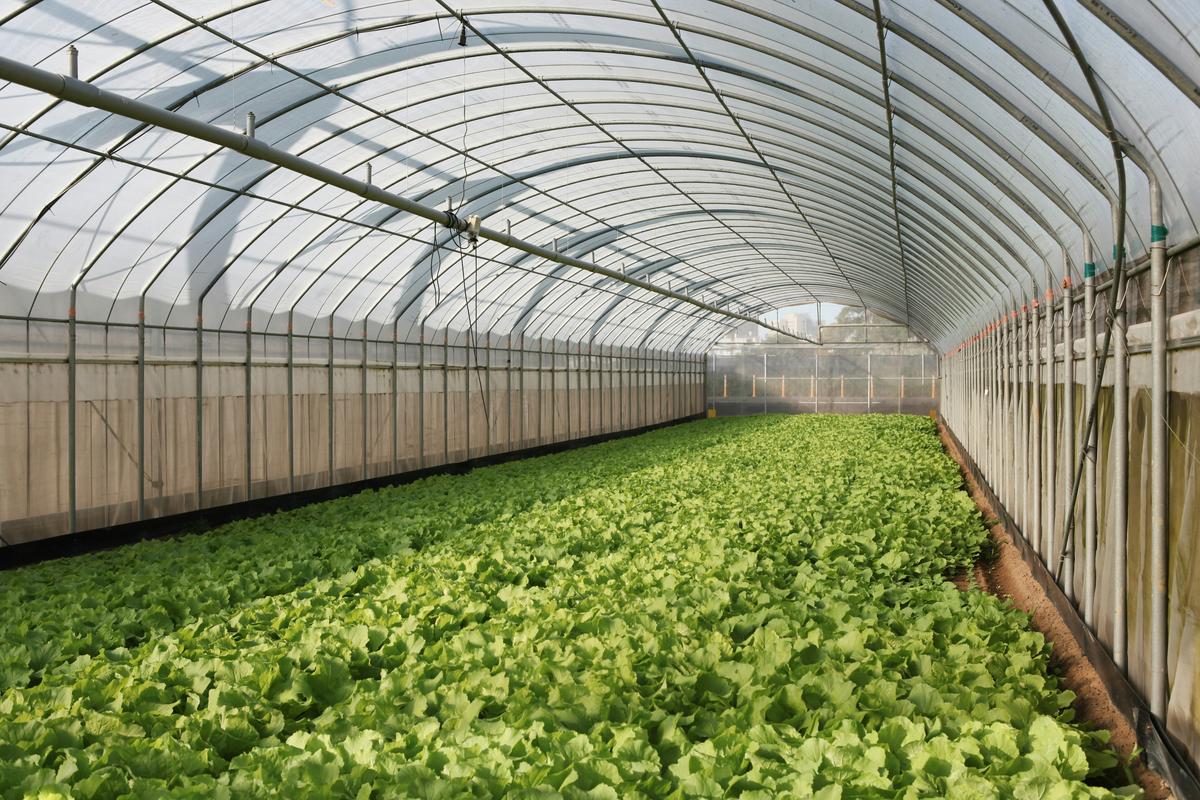
A simple example from nature helps make this clear. Plants grown in the carefully controlled conditions of a hothouse can look green, lush and healthy, yet struggle when they are transplanted outside. Without wind or resistance, their stems do not develop the strength they need to stand firm. To prepare them for life beyond the hothouse, growers introduce gentle air movement so the plants become stronger. We are much the same. We need some resistance, challenge and adversity if we are to grow into people of strength and depth. Scripture reminds us that God disciplines those He loves—not to harm us, but to form us (Hebrews 12:5–11). Comfort may look appealing, but a life devoid of friction does not always produce maturity.
I have noticed the same principle in a very practical way. Recently, I started lifting weights at the gym, and I have been surprised by how much I enjoy it. One thing I have learned is that strength does not grow when the weight is too easy. Muscles develop when they are pushed and brought close to fatigue. That is not always comfortable, but it is purposeful. In the same way, difficult conversations, hard seasons and costly obedience can all help form our character and help us to grow. For Christians, though, resistance is only part of the story. We do not become whole simply by trying harder. We are formed by the Holy Spirit, who works in us and through us. Our growth becomes worship, with God as both its source and its goal.

This idea—that resistance and the Holy Spirit produce growth—has also shaped how I think about parenting and education. After more than 30 years in education, one concern I have is that many parents understandably want to shield their children from discomfort. Of course, we do not want children to be harmed. But sometimes, in trying to remove every consequence, we can also remove opportunities for growth. When children rarely experience the natural outcomes of late work, poor choices, disappointment or conflict, they can struggle to build the inner resources needed for adulthood. Anxiety among young people is also on the rise; this issue is complex, and the increased use of social media certainly plays a part in this increase. But I wonder whether another factor is that many young people have fewer opportunities to practise the uncomfortable skills of being fully human that encourage growth—such as working things out face-to-face, repairing mistakes and learning resilience in community—as we adults try to shield our young people from any potential harm.
So, maybe the challenge is not to remove every difficulty from our own or from our children’s lives, but to walk faithfully through the difficulties that come. We can offer support without taking away responsibility, encouragement without removing consequences, and compassion without avoiding truth. In doing so, we become and help form people who are resilient, wise and grounded in Christ.

Mrs Lisa Dumicich
Deputy Principal