This term we have celebrated many events and days of significance, and raised awareness for great causes.
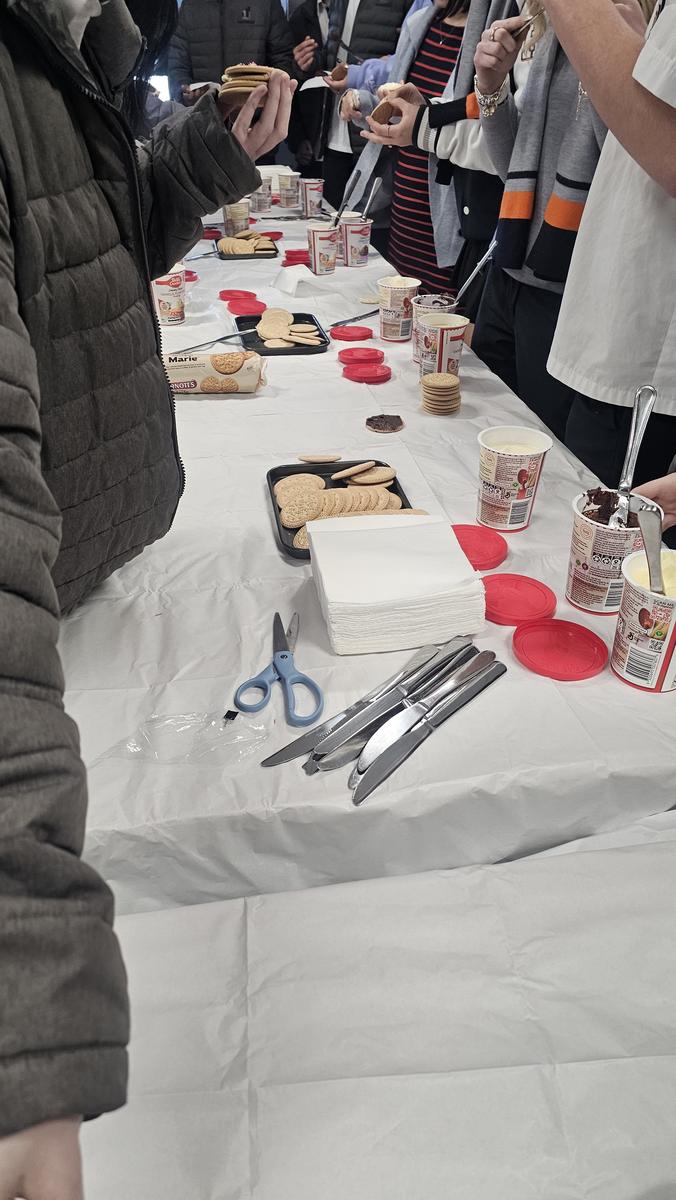
In Week 2 of this term we celebrated NAIDOC week with some traditional tea tasting, cookie decorating and puzzle activities. NAIDOC week gives us the opportunity to celebrate, learn and recognise the history, culture and achievements of Aboriginal and Torres Strait Islander peoples.
During week 6 of this term, we participated in activities each day of the week to offer a kind message and spread positivity around the school for Bullying No Way week.
In week 8 of the term we created a positive message mural to raise awareness for Body Image and Eating Disorders Awareness Week, to encourage support and kindness.
We also celebrated Wear it Purple Day in week 8. Wear it Purple Day is a day of significance in Australia dedicated to supporting, celebrating, and empowering LGBTQIA+ young people. We celebrated through a splash of purple and activities to support this cause.
We celebrated RU OK? Day in week 9 of the term and sported silly socks to help spread awareness. Students and staff decorated cookies and spread positive messages through fortune cookies and checking in on those around them.
R U OK? contributes to suicide prevention efforts by encouraging people to notice and check in with those around them and have a conversation if they recognise any signs of distress or difficulty, and help them find support.
Wellbeing in Term 4
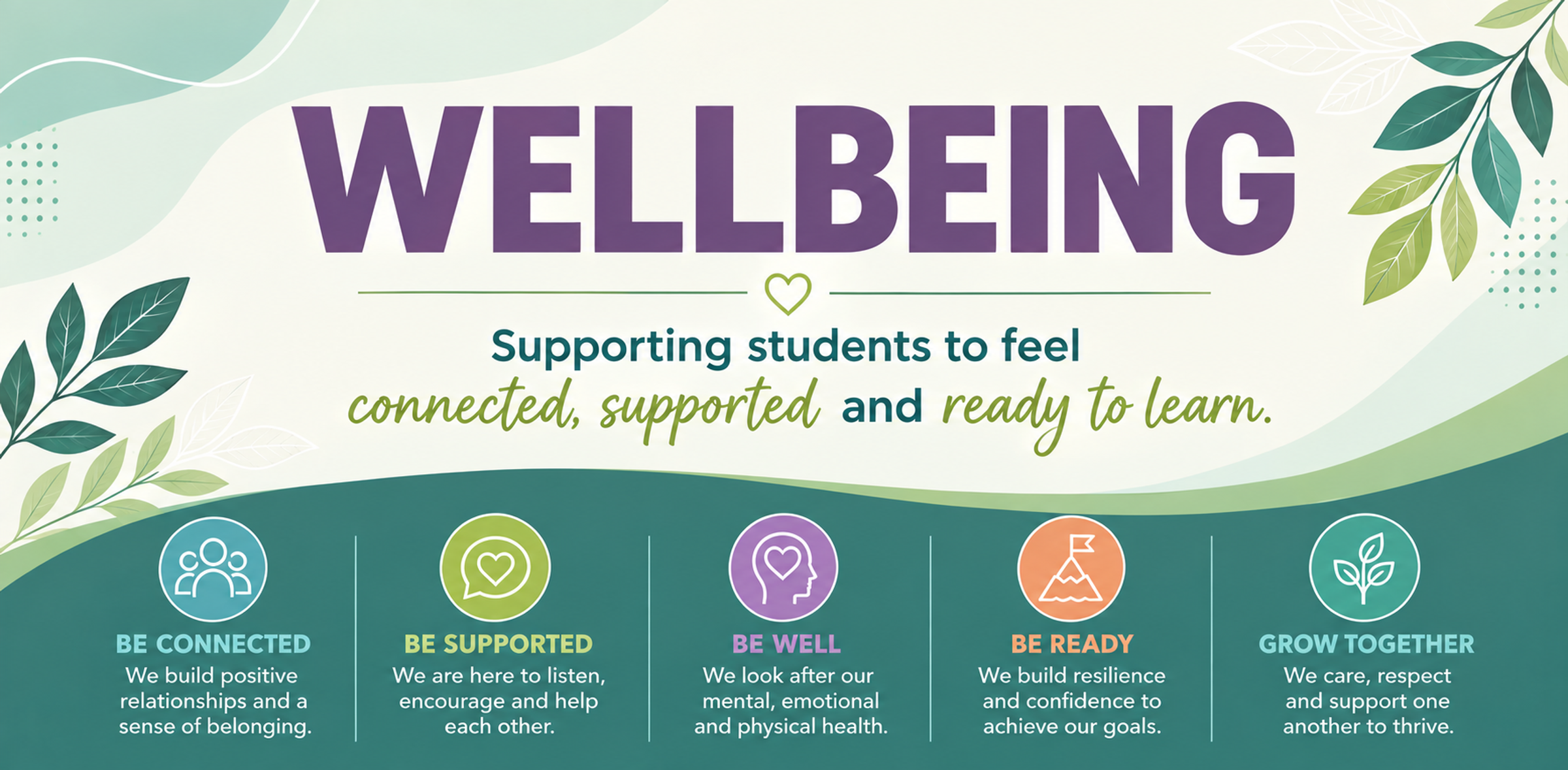
We look forward to celebrating and raising awareness for other causes in term 4. We are starting the term by celebrating Mental health awareness month. During the first 4 weeks of term we will be holding a mindful activity every Monday, check compass for details.
Community Programs and Supports
During the school holidays if you need support or a fun activity to do, check out these programs and services.
It is that time of the year where all formalised learning is coming to an end for Year 12s, trial exams have been undertaken, and they begin to prepare for their final exams. This can sometimes feel overwhelming with the finish line so close, but with good support systems and solid strategies, students can manage it successfully.
During the Term 3 holidays we encourage students to continue with their preparations for their upcoming VCAA exams, but to also be kind to themselves and ensure there is a good balance of study and self-care to maintain their health and wellbeing, and assist with positive academic performance.
Things parents and students can do to help:
Plan and stay flexible: Creating a study plan with clear goals can make study time feel more structured and balanced. Make sure the plan includes regular breaks, time for socialising, and rest. Remember, things don’t always go to plan—so allow extra time for tasks that take longer than expected.
Look after your Wellbeing: Exams are important, but mental health comes first. Negative thoughts like “I’ll never get this” or comparing yourself to others can make stress worse. Try to reframe challenges as opportunities to improve. Keeping healthy routines—like exercise, eating well, and getting enough sleep—helps boost focus and energy.
Use support networks: Studying with friends or peers can help with motivation and understanding tricky topics. Don’t be afraid to reach out for extra help if you need it—Year 12 teachers are happy to book in sessions during the lead up to exams for extra revision. If you are feeling overwhelmed or that your wellbeing is not in a positive space you can reach out to the Wellbeing Team or support services like Headspace.
Most importantly, keep perspective: It’s normal to feel pressure, but exam results don’t define your worth. Every student’s journey looks different, and effort, persistence, and wellbeing matter just as much as grades.
On exam day: Try to keep to your normal routine. Eat well, breathe deeply, and take a moment to centre yourself before the exam starts. Small steps to stay calm can make a big difference!
Local library information for independent study
Library Branch
Address
Phone
Point Cook Library
1-21 Cheetham Street, Point Cook VIC 3030
(03) 8734 8999
Julia Gillard Library
150 Sunset Views Blvd, Target VIC 3029
(03) 8734 8999
Werribee Library
1 Wedge Street, Werribee VIC 3030
(03) 9742 7999
Study Tips from our students
Finding the right study method can take some time and is different for every person. You may need to try some different methods before you find what works for you.
Here are some suggestions from former students that helped them feel confident and organised in their study routines.
Study Space: The space you study in is one of the most important factors to successful studying. Find a space you feel comfortable, put your phone away to limit distractions and ensure the space is clutter free.
Organisation: Knowing what’s ahead and planning accordingly is an important part of life. Creating a study timetable will help you find the time to study for exams and help you get to school on time. Always think about:- how you will get to your exam (e.g. do you need to check public transport schedules?)- date and time of the exam- what items you need to take into the exam (stationary, leave your phone in your locker)
Scribble strategy: This is a technique used while listening and learning. Scribbling with your non-dominant hand can help keep the brain focused and remember content. Have a piece of paper next to you while studying and scribble with your non-dominant hand.
Flash cards: Flash cards are a quick and easy way to break down key terms and concepts, and are a good way to use active recall. You can include visuals or make electronic flash cards using Quizlet to keep forever (useful for your VCE units 1-4).
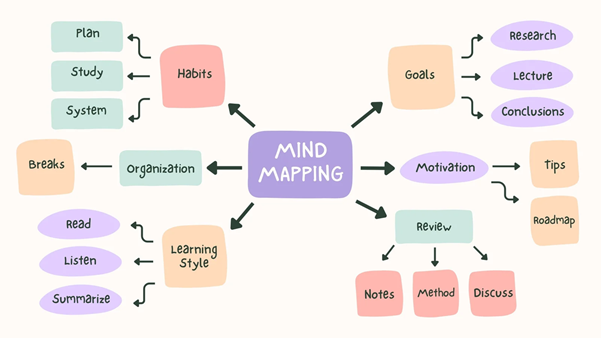
Mindmaps and Blurting Mindmaps: a graphic organiser that helps visualise relationships between concepts and ideas. They help to see how one concept links or leads to another idea. Blurting: Put down all of the information you know about a topic or idea onto a page (usually closed book) and refer back to see what needs improvement. You can also do this method by making a pretend cheat sheet.
Feynman Method: Study groups are a great opportunity if the group stays on task. The Feynman method involves teaching your ideas to someone as if they were a 5 year old child, this means simplifying your content enough to make it easy for you to remember and recall. Someone in your group may pick something they are not familiar with and you can teach it to them.
Body doubling: This involves two people working together on one with the same or different work. The purpose is to hold each other accountable for focus.
Pomodoro Method: To ensure that you’re not burning out due to continuous hours of learning, take breaks frequently. The best ratio is 25 minutes of deep work to a 5 minute break. Every 2 cycles, include a 10 minute break. When deep into your work, place your phone in another room to reduce distractions.
Practice Questions: Practice answering short answer and extended response questions - this can be from SACs, questions answered in class, summary questions from your textbook or past exam questions. Ask your teacher to mark your work (you can utilise period 0, homework club and times you don’t have a scheduled exam)
Study timetable tips: Work in half hour blocks, taking a break between sessions- Choose 1 subject to work on each school night, 2 - 3 subjects closer to the exams- Set goals on what you want to achieve for each subject in each study block- Organise your timetable planning the subjects you will study- In each study block spend time ‘learning’ and sometimes ‘practising’- Recognise which study strategies are most effective for your learning style- Usually these would be made around 2 weeks in advance, but handy to practise for end of year exams and next year.
We would like to wish our Year 12 students and families all the very best for their upcoming exams and the final chapter of their schooling journey!