STEM
Foundation
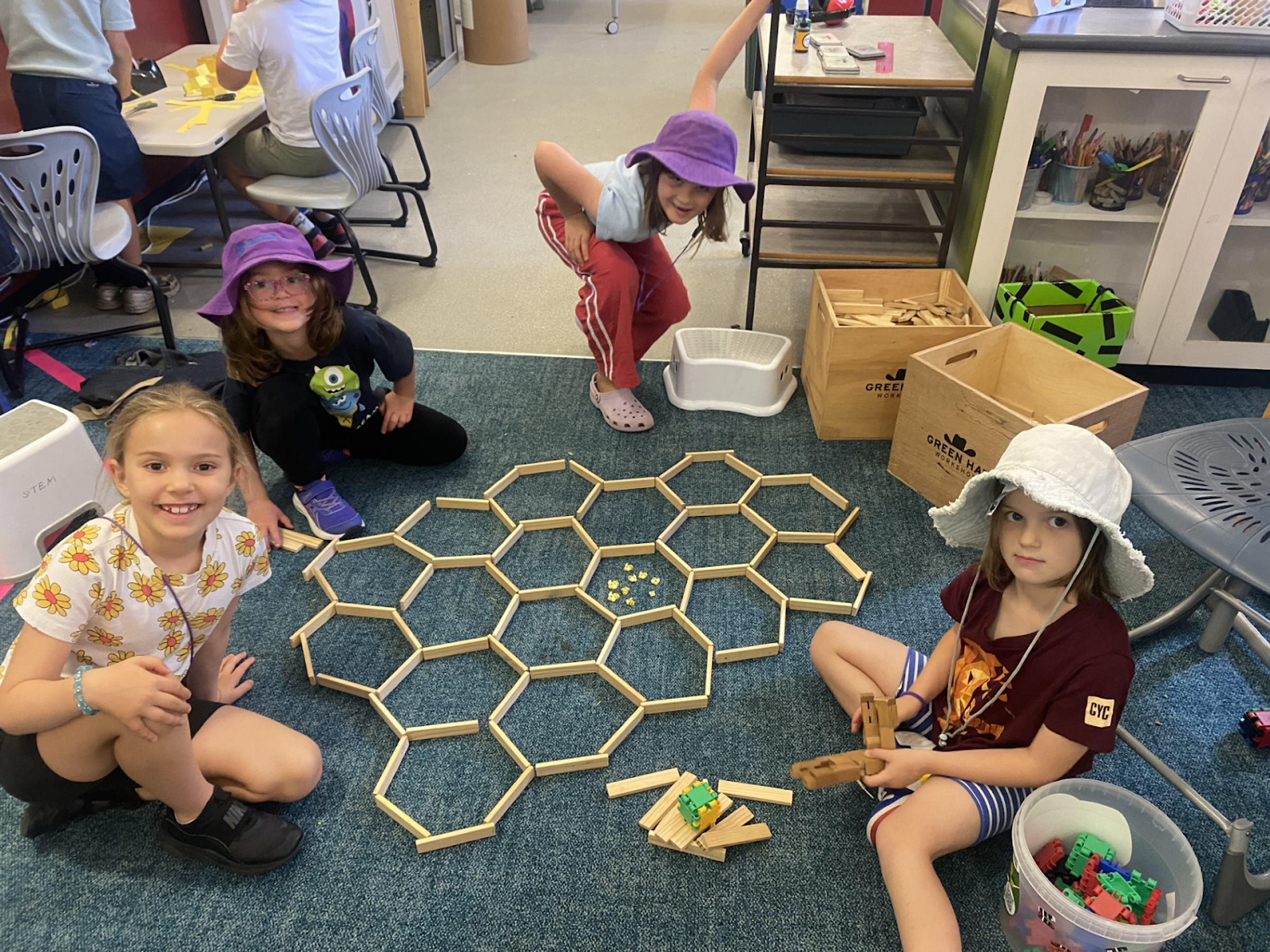
Our Foundation students are continuing their exploration of how things change when we heat them, cool them and now… whip them!
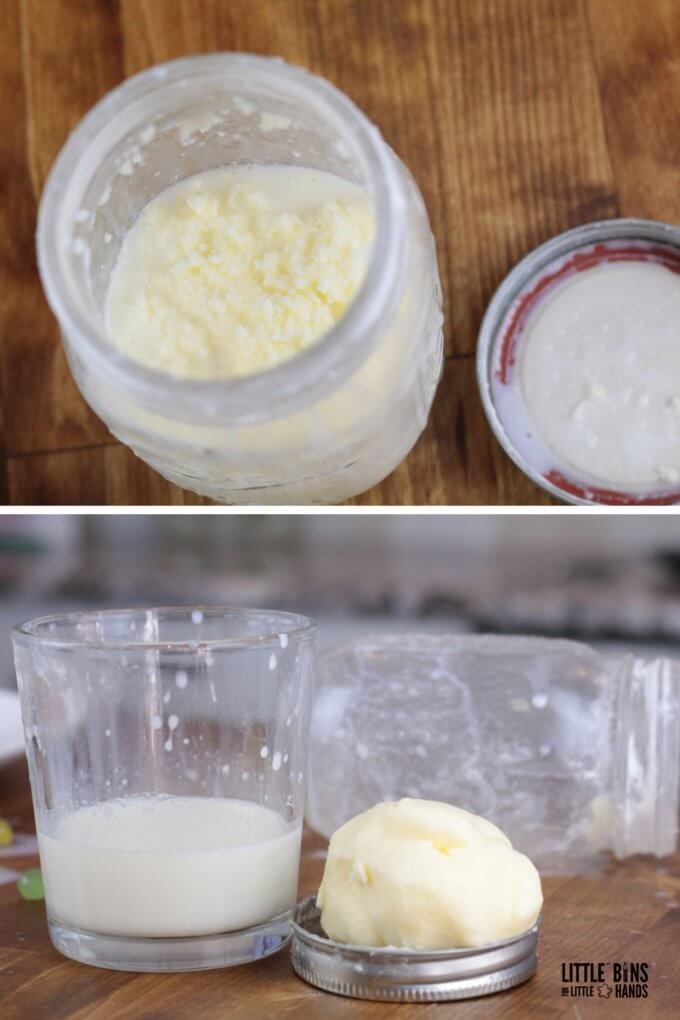
The students learned how butter is made by whipping cream and had a go at making their very own little ball of butter. They placed cream and two marbles into a jar and shook it for about 10 minutes. It was hard work, but the results were worth it! The students identified that this was a change that could not be reversed—and they agreed that their homemade butter tasted pretty good!
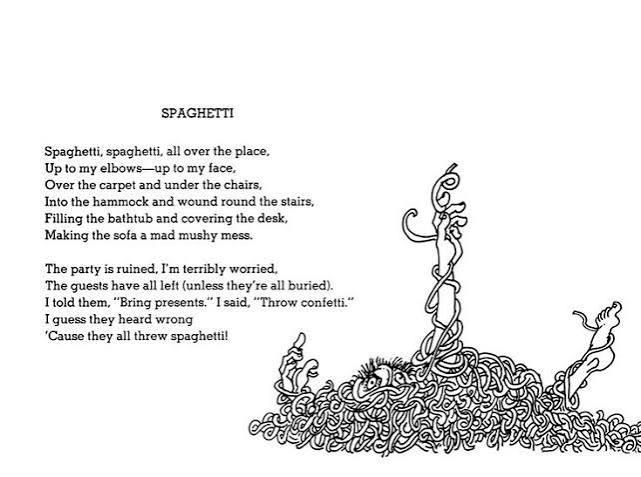
This week, we investigated what happens when uncooked pasta is heated and mixed with water. We created spaghetti pictures inspired by a poem by Shel Silverstein. Our next challenge is to see whether we can dry the spaghetti out again and return it to its original state.
One student even suggested that I bring in my hair straightener to help return the spaghetti to its original form! 😂
Year 1/2
The Year 1/2 students are continuing their unit on scientific enquiry. Recently, we have been focusing on how scientists make careful observations and record what happens during an investigation.
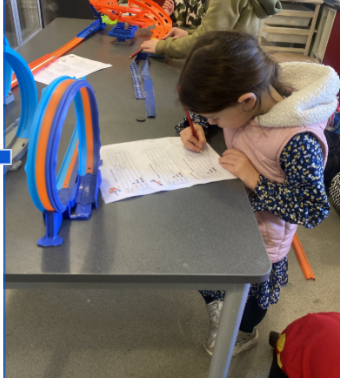
We have conducted a range of fun experiments, including making fizzy ice blocks with baking soda, investigating whether adding weight to Hot Wheels cars makes them travel further or less, and testing different liquids to see whether they react with baking soda and produce a gas, just like vinegar does.
I have been so impressed by the prior knowledge and ideas the students bring to each lesson, as well as the care they are taking when recording their observations. They are already thinking and working like young scientists—and who knows, I might be reading about some of them in New Scientist one day!
Year 3/4
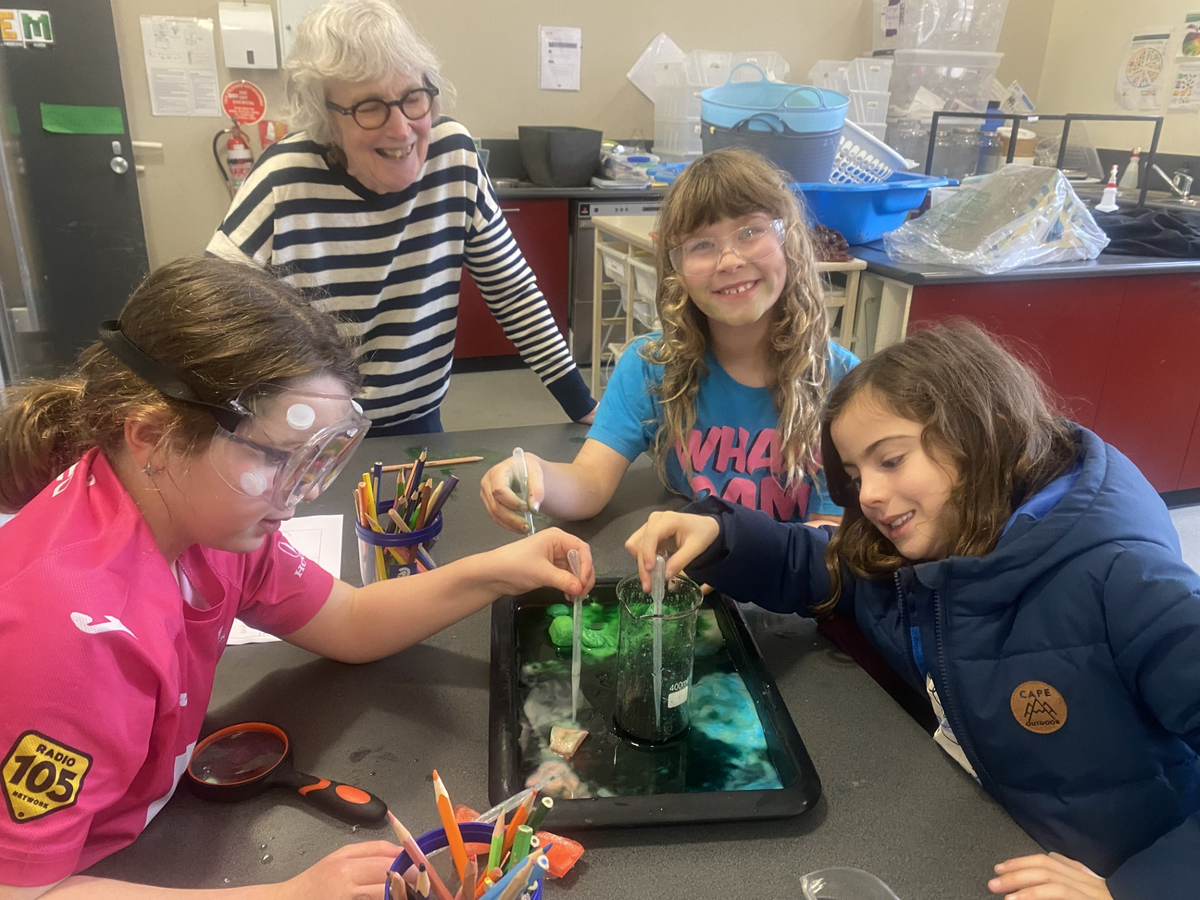
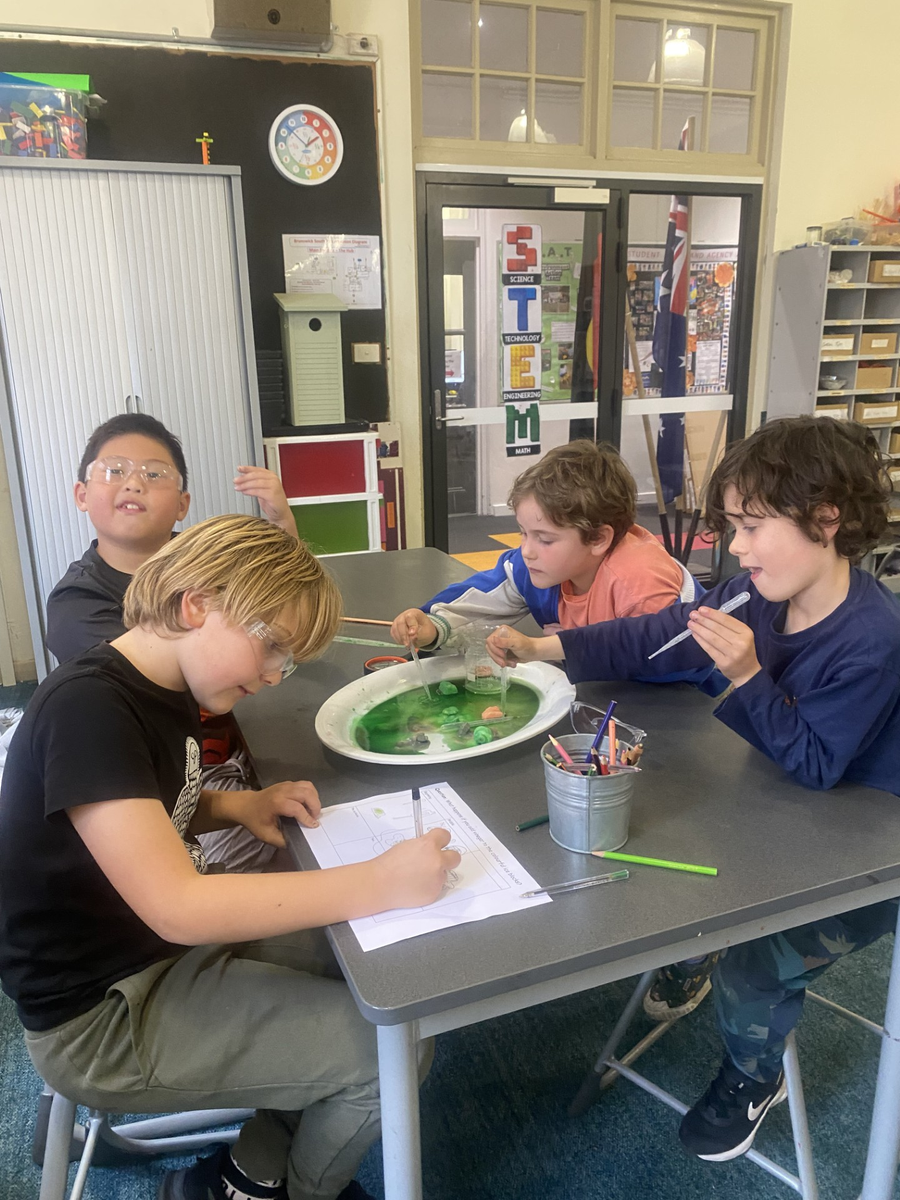
The Year 3/4 students are enjoying exploring different states of matter, with a particular focus on scientific enquiry. They made oobleck using water, food dye and cornflour and had great fun exploring its non-Newtonian properties—discovering that it can behave like a solid when squeezed or pushed, but flow like a liquid when left alone.
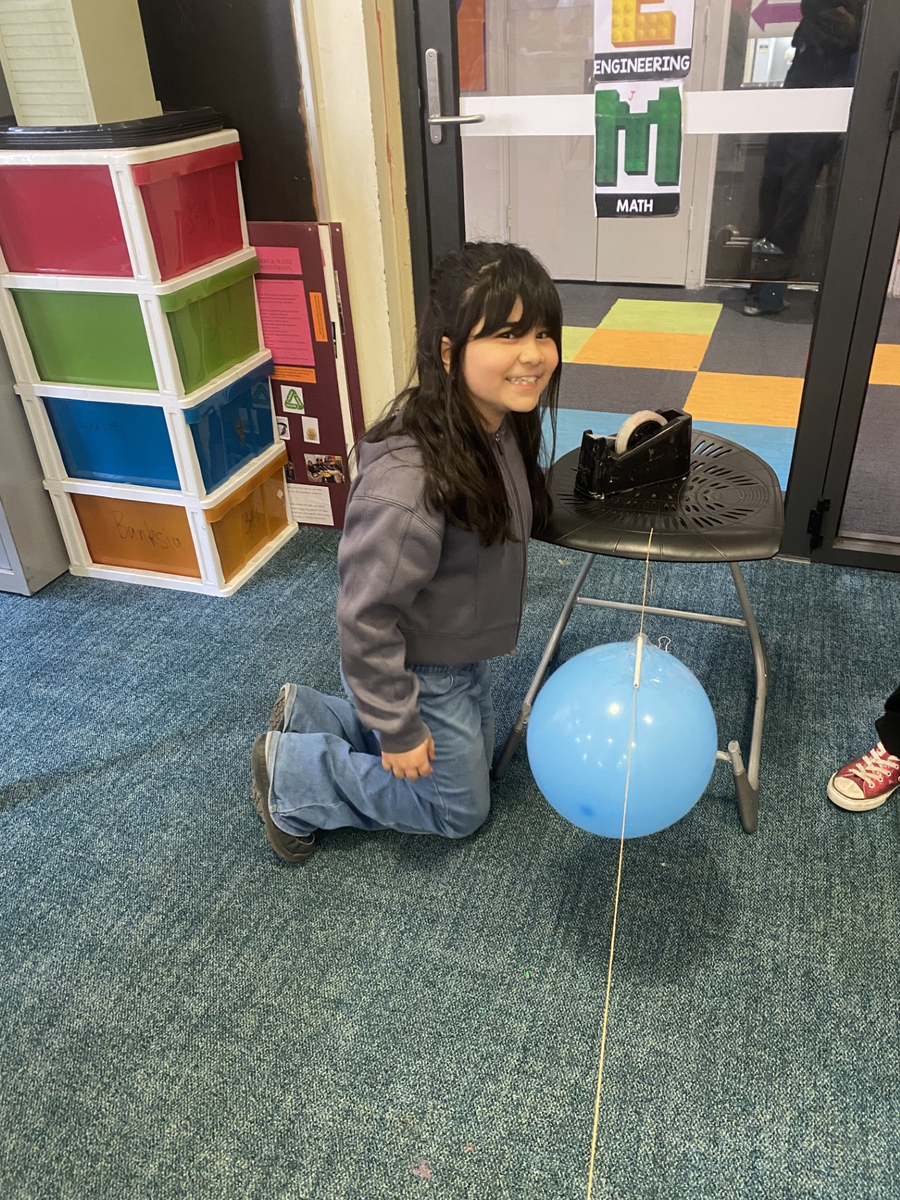
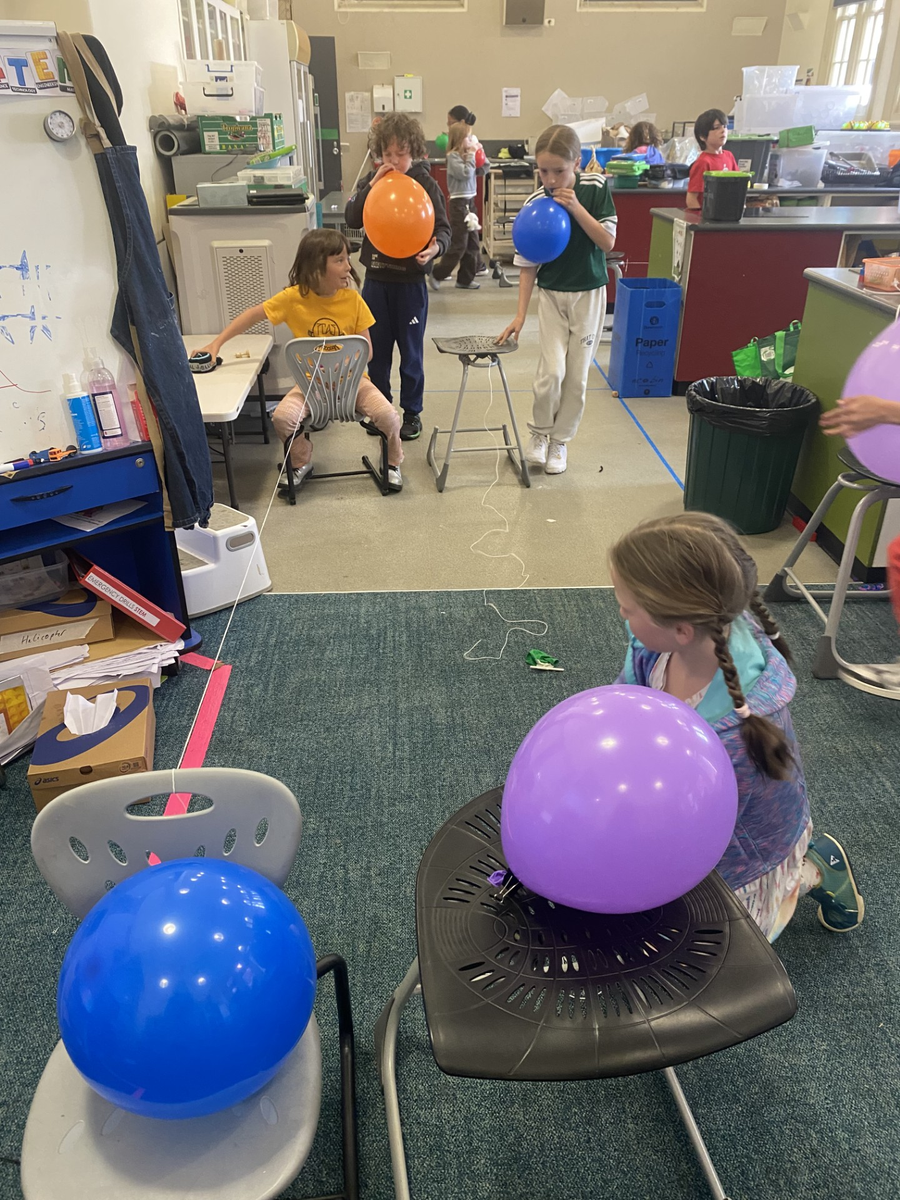
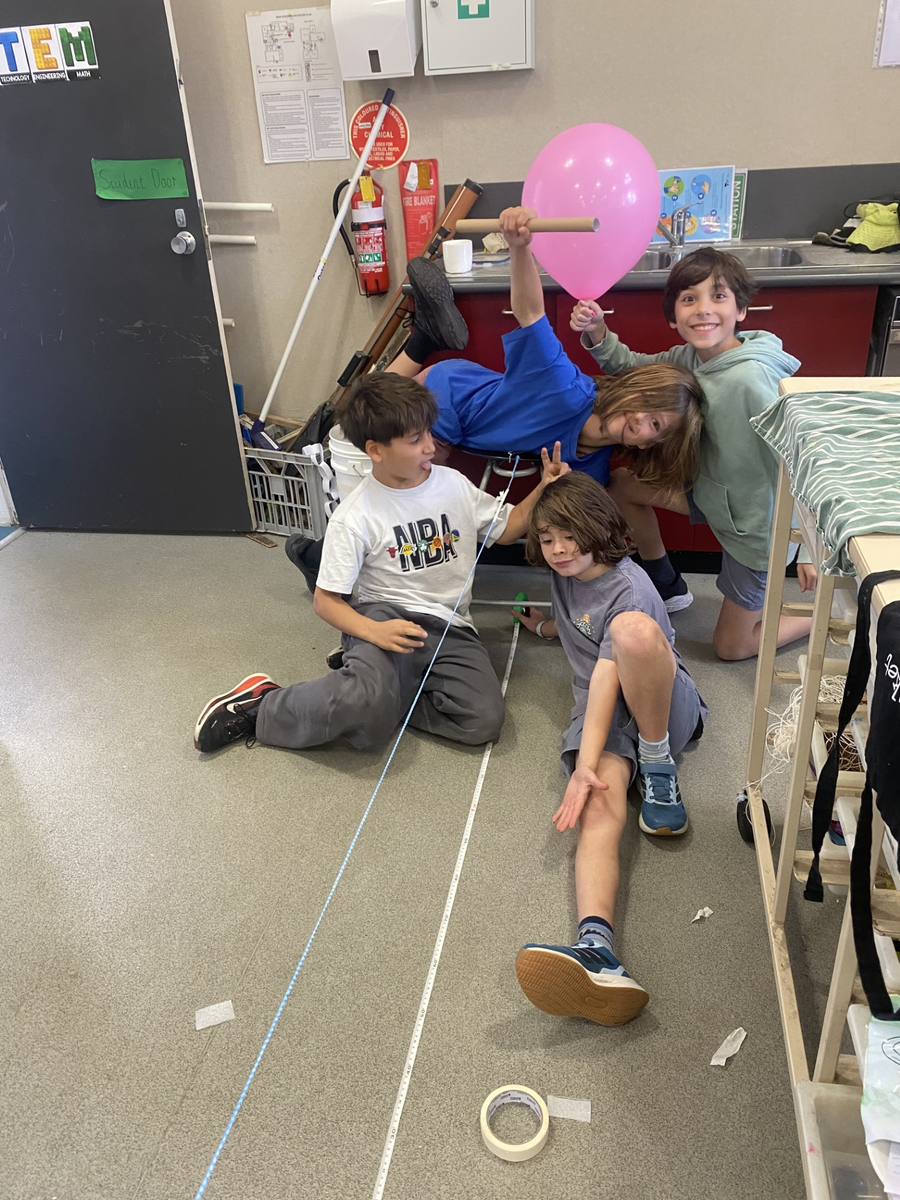
This week, the students investigated the properties of gases. They made balloon rockets and observed how their rockets travelled as they increased the amount of gas (air) inside the balloon. It was a great opportunity to make predictions, test ideas and carefully record their observations.
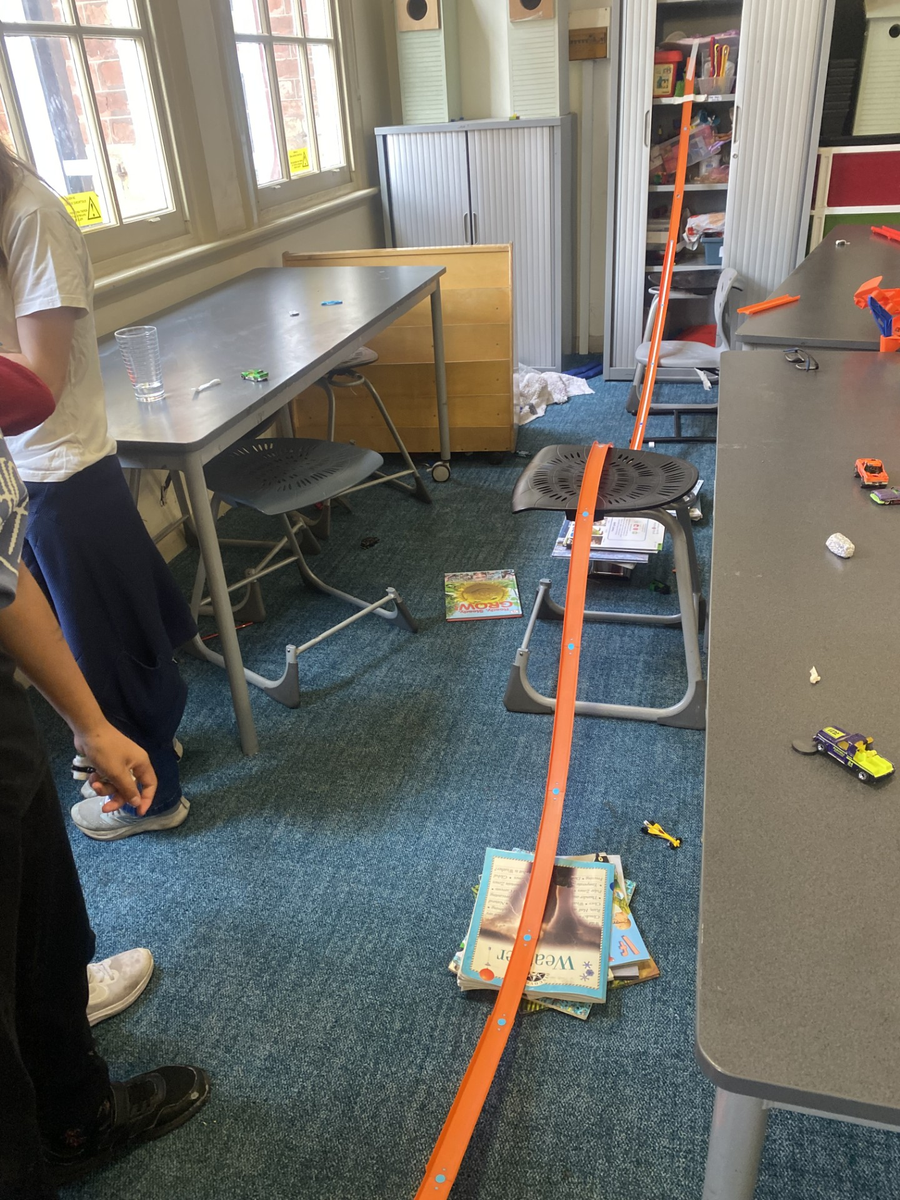
The students have also been experimenting with an array of Hot Wheels tracks. They added weight to their toy cars and investigated whether this affected their momentum as the cars travelled up a slope, across a flat surface and down a slope.
Year 5/6
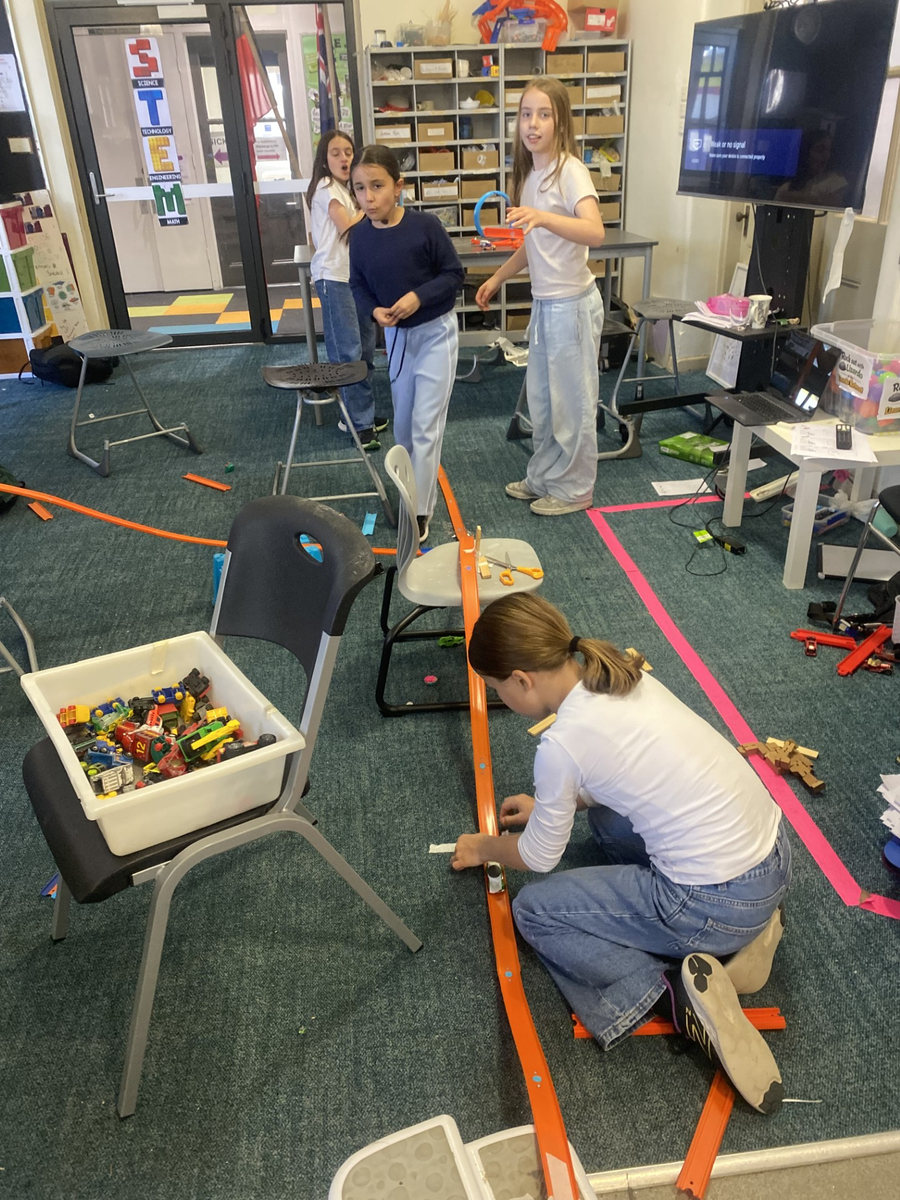
Last week, we ended our unit on motion with a very exciting lesson on momentum. The students were challenged to build a Hot Wheels track with three hills. Their car had to travel from start to finish without any help and build up enough momentum to make it over all three hills. The students thought this was going to be pretty easy at first, but they soon discovered that building a track that worked required a lot more testing and redesigning than they expected!
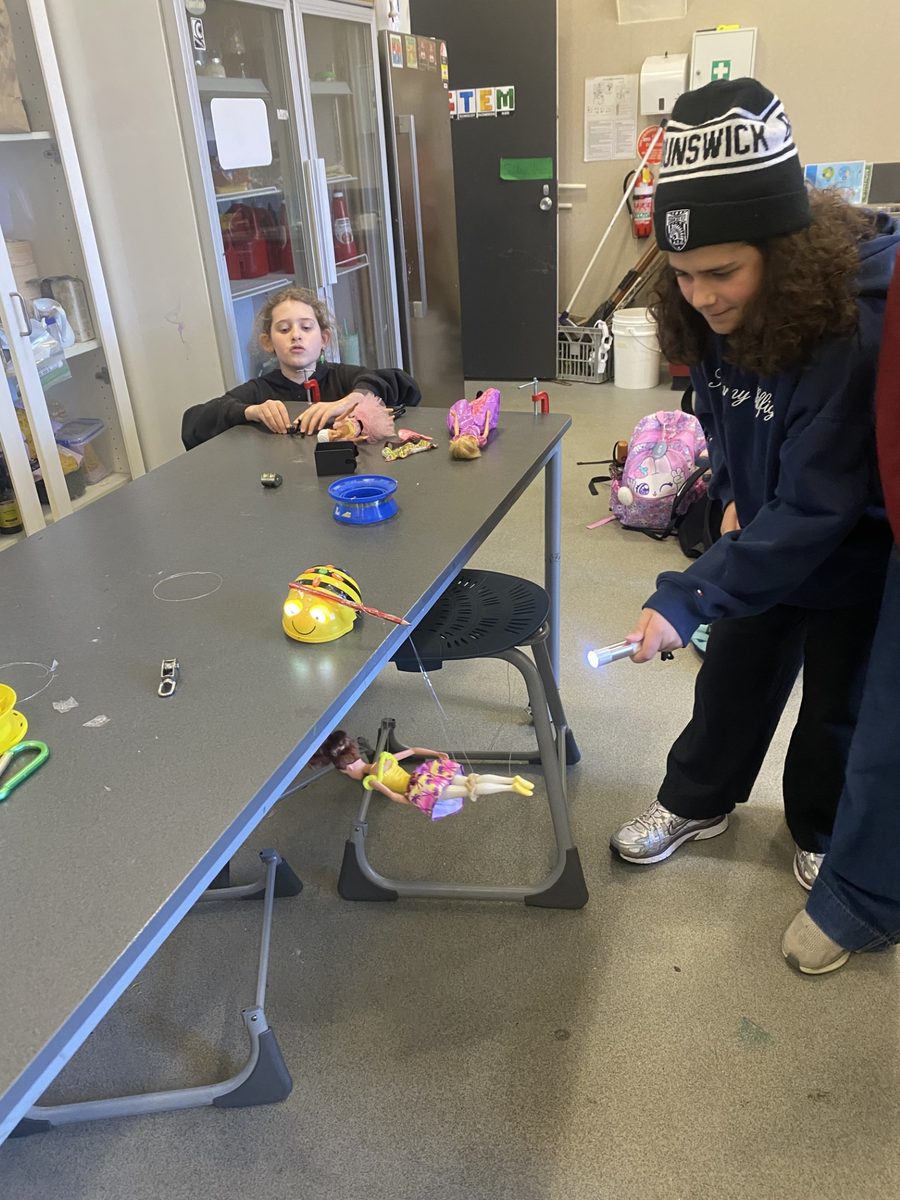
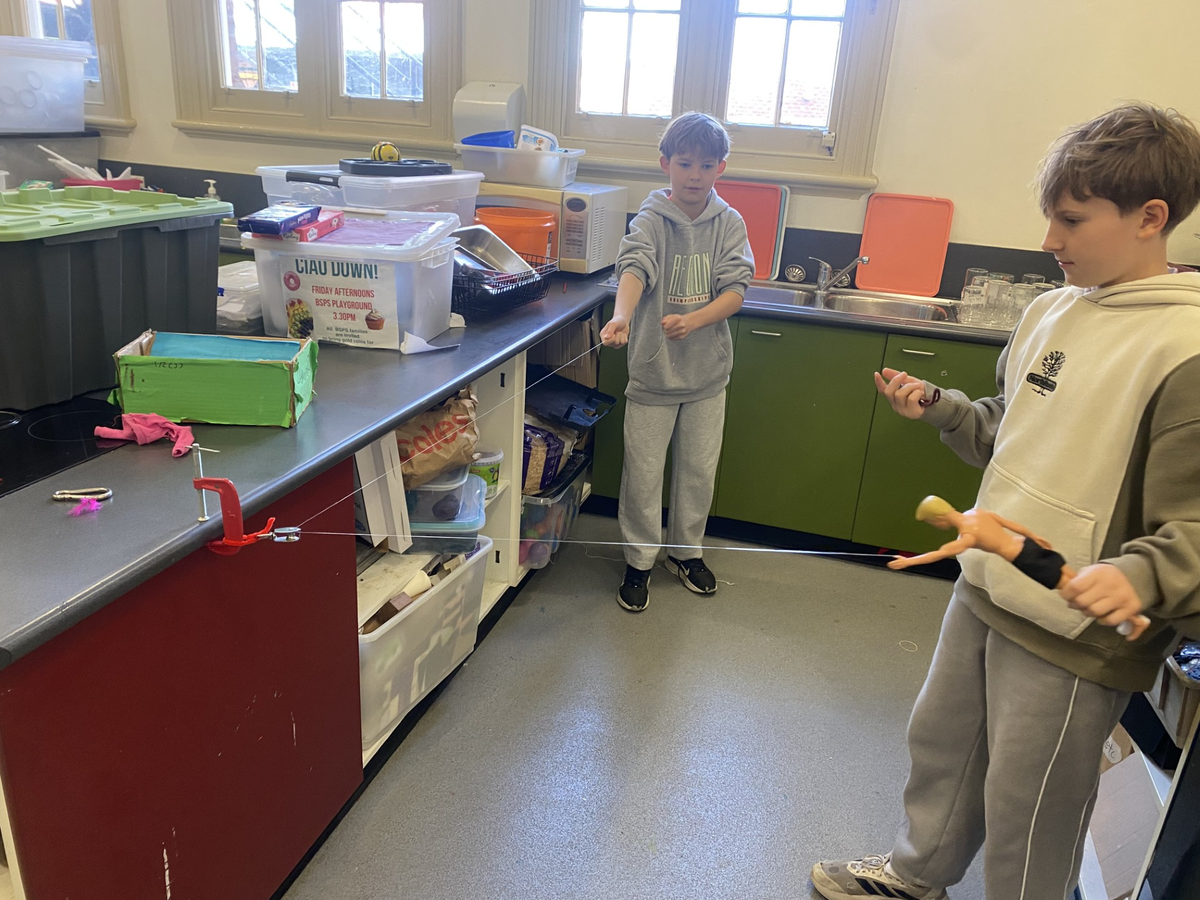
This week, we commenced our new unit on special effects. We started by exploring mechanical special effects and investigating how filmmakers use simple mechanical systems to make characters appear to do the impossible.
The students then set up their own rigging systems using pulleys and fishing line, allowing their Barbies and Star Wars figurines to fly, jump and perform all sorts of impossible stunts! The students were completely enthralled by the challenge and are now looking forward to next term, when they will dive deeper into special effects artistry and create their very own short film!
Citizen Science Club
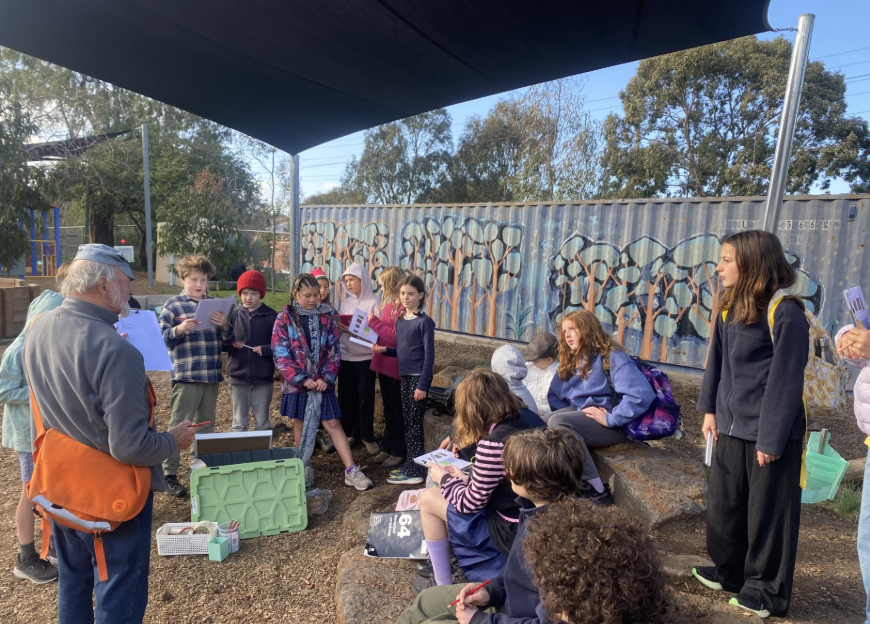
We had our first-ever Citizen Science Club meeting this week! Our members were super excited and raring to go!
We got straight into some important citizen science work, collecting temperature data from four different areas of our school and beginning to record which indigenous plants and trees are flowering.
The data we collect will help us create our very own BSPS Seasonal Calendar, inspired by the seasonal calendars and deep knowledge of First Nations Peoples.
We’re excited to see what our observations reveal about our school environment and whether our efforts to increase biodiversity are working.
How to Help at Home
- Encourage your child to ask questions and wonder how things work.
- Try simple hands-on experiments using everyday materials.
- Spend time outdoors observing plants, animals, weather and the environment.
- Encourage your child to test ideas, make observations and learn from mistakes.
Eileen
STEM Leader