Science Technology Engineering and Maths
Foundation
In STEM this fortnight, Foundation students have continued exploring the Mighty Heroes program, a fun and interactive digital learning experience created by the Australian eSafety Commissioner. Each week, our students meet a new Mighty Hero who helps them learn how to be safe, kind, and responsible online.
Through stories, games, and classroom discussions, students are learning key lessons about online safety:
- Wanda the Echidna teaches us that passwords should be kept private.
- River the Sugar Glider reminds us to be careful when communicating with people online.
- Dusty the Frilled-Neck Lizard helps us remember to always be kind when using technology.
Students have loved creating their own Mighty Hero badges and digital posters, and are beginning to use new words like “digital citizen”, “private information”, and “respect online” in their reflections.
The program is part of our school’s focus on building confident and capable technology users from the very start of their learning journey. If you’d like to learn more about the Mighty Heroes program, you can explore resources for families on the eSafety Commissioner’s website: https://www.esafety.gov.au/parents
Year 1
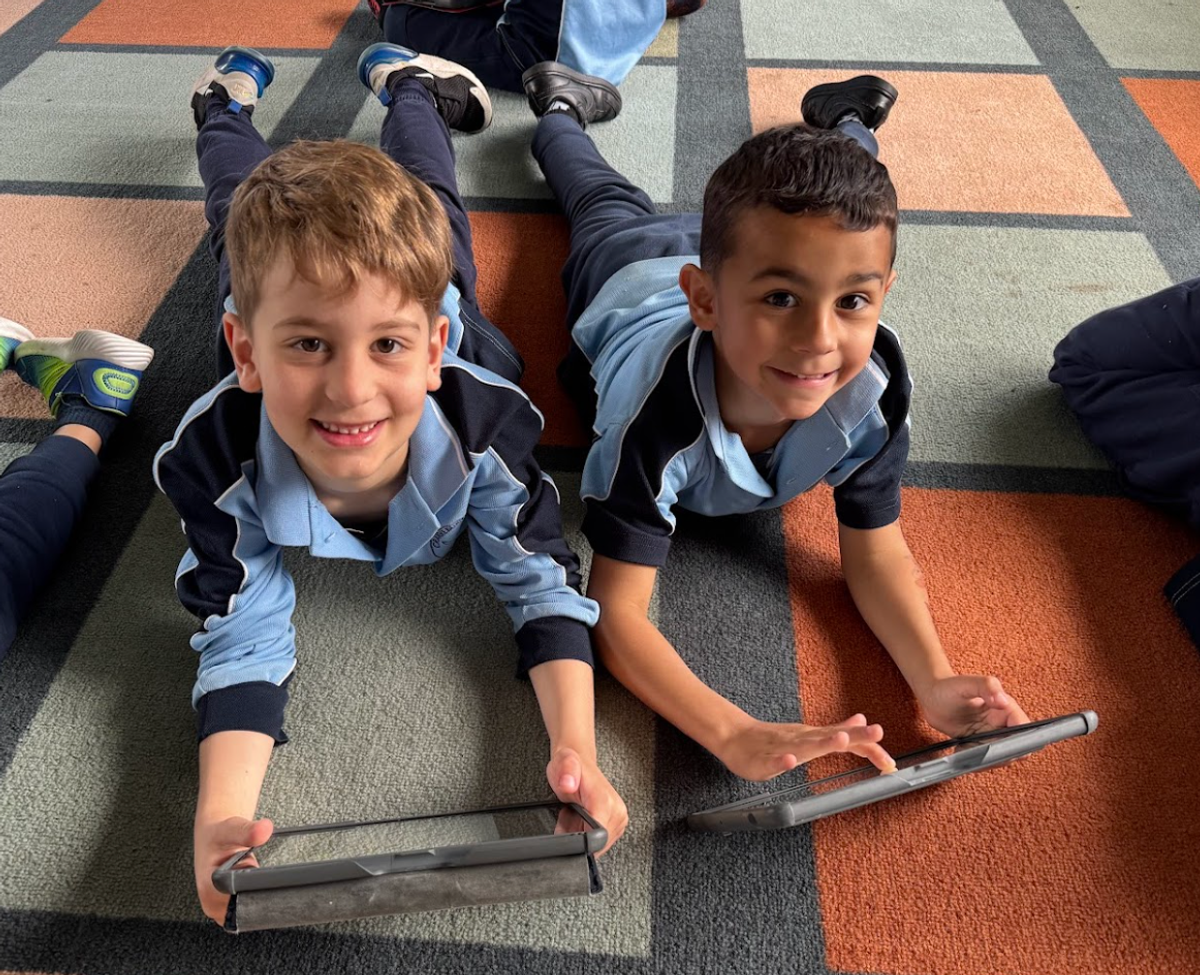
Our Year 1 students have wrapped up their swimming program and are diving straight into STEM learning about digital technology! This term, they are exploring how digital devices work and where they see technology in their everyday lives.
Students have been discussing all the places they find technology, from iPads and TVs to washing machines, traffic lights and classroom computers. They are learning that technology is designed to help people and that different devices have different purposes, inputs, and outputs.
Over the coming weeks, students will continue discovering how computers follow step-by-step instructions (algorithms) and how they can use technology safely and responsibly.
Year 2
Year 2 students are making a splash in STEM, quite literally! Over the next few weeks, students are diving into the pool to develop their swimming and water safety skills, learning the importance of confidence, resilience, and teamwork in the water.
Back in the STEM room, students have begun exploring digital design and creativity. They are learning how to create simple, hand-drawn images that will soon be transformed into digital artworks using computer programs. This process helps students understand how technology can be used to create, share, and communicate ideas in new and exciting ways.
Year 3
Year 3 students are on the final stretch of their Desk Pet Clubhouse Design Challenge! Over the past few weeks, they have been following their design briefs closely, building creative, stable, and welcoming homes for their desk pets.
Students have been testing how different materials hold weight, connect together, and stay balanced, making improvements to strengthen their structures. They’re learning to think like real engineers, planning, building, testing, and refining their ideas.
It’s been fantastic to see teamwork, persistence, and creativity shine through as their projects come together!
Year 4
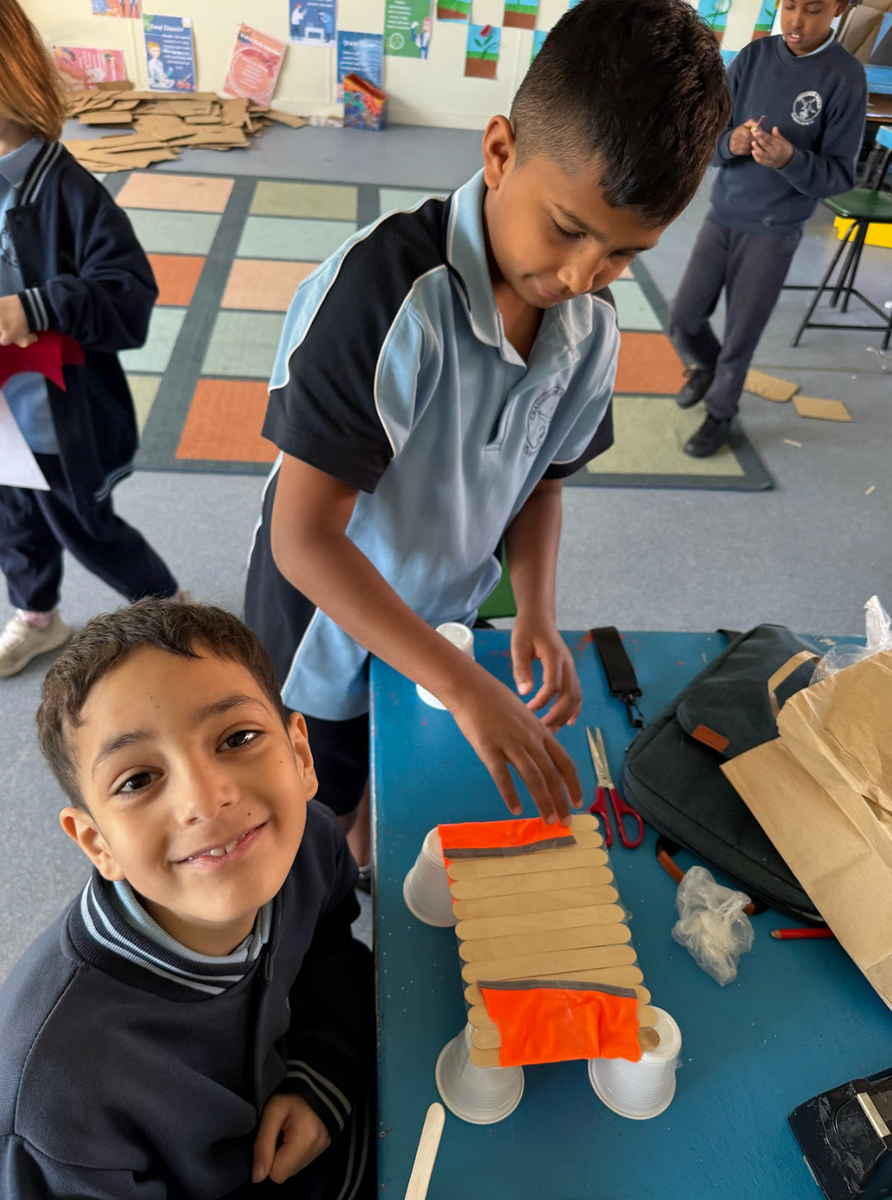
Our Year 4 students are deep in the construction phase of their Makey Makey design projects, combining creativity, coding, and engineering to bring their ideas to life!
This stage is all about problem-solving and hands-on building. Students are using a variety of materials, joining techniques and digital tools to construct interactive games, instruments, and displays that respond to touch and movement.
As they work, students are learning how to make strong joins, plan stable designs, and test their circuits carefully to make sure everything connects and functions properly. There’s a real excitement in the STEM room as students tinker, troubleshoot, and celebrate those, “it finally works!” moments.
Next, we’ll move into the testing and refinement phase, where students evaluate how effectively their design meets their original brief and user needs.
Year 5
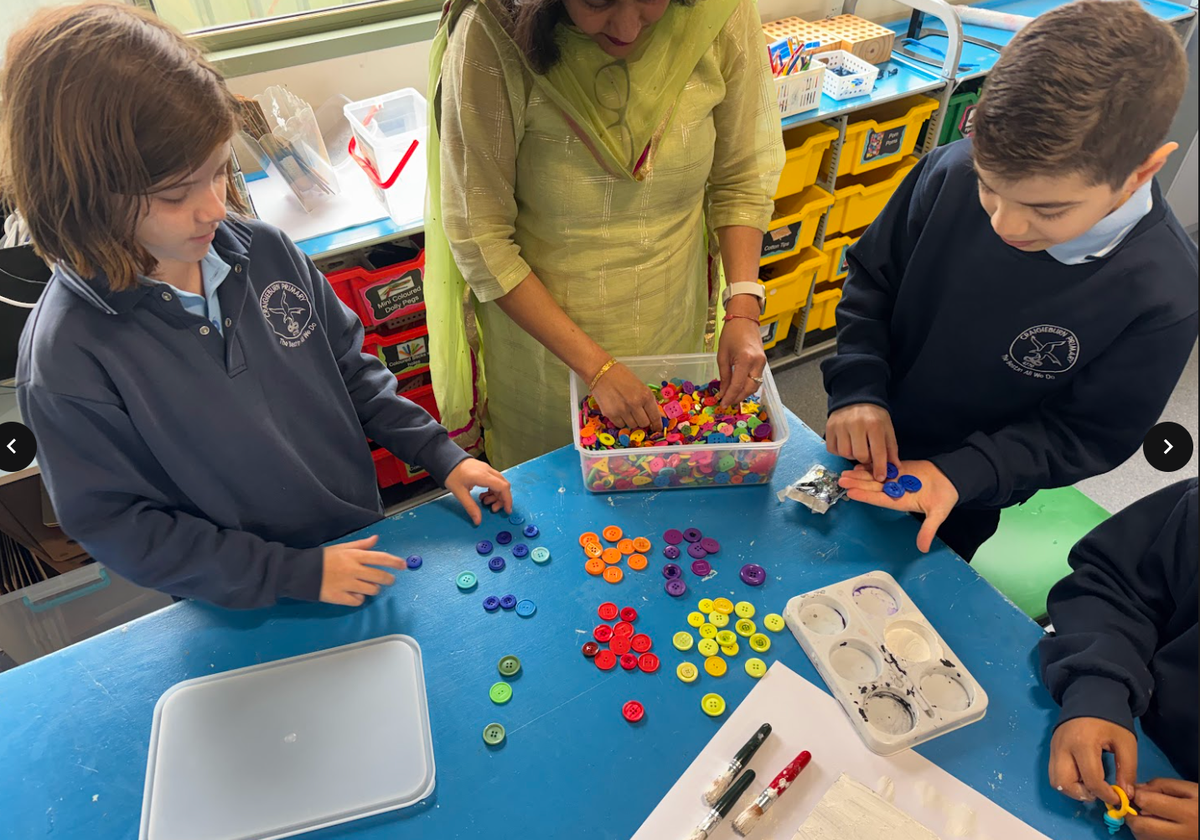
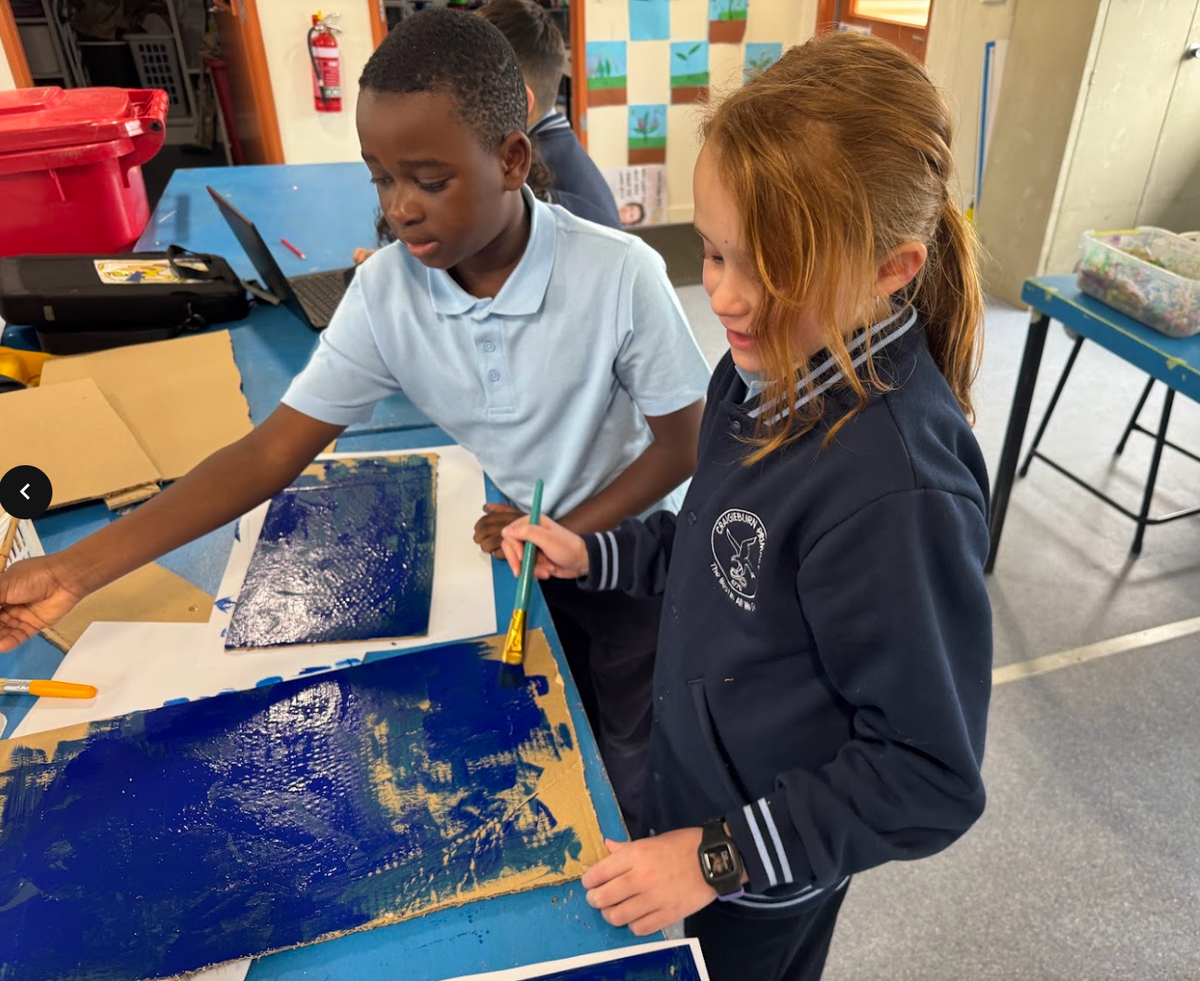
Our Year 5 students are well into the construction phase of their ‘Creating a Better World’ projects, where imagination and innovation meet hands-on problem-solving.
After weeks of planning, designing, and refining their ideas, students are now bringing their creations to life using a variety of materials, tools, and technologies. Each project is inspired by real-world problems, from inclusive playground designs and sustainable transport ideas to sensory toys and water-cleaning devices.
This stage encourages students to apply what they’ve learned about materials, strength, and structure, as well as persistence and collaboration. They’re testing prototypes, adjusting their designs, and exploring how science and technology can make a positive impact on our world.
Next, students will begin evaluating their solutions, considering how well their designs meet their purpose, user needs, and sustainability goals.
Year 6
Our Year 6 students are now entering the final stages of their Minecraft Grand Designs challenge.
After designing and constructing their Minecraft houses within a set budget, students are now tracking their spending and evaluating their builds against the original design brief. They’re analysing how well their choices met the project’s goals for function, style, sustainability and cost-effectiveness.
This phase encourages students to think critically about design decisions and trade-offs, for example, balancing materials, aesthetics, and resources to stay on budget. Through their reflections, they are learning how architects, engineers, and designers evaluate projects in the real world.