Performing Arts
Foundation
Foundation students explored different ways to use their voices through singing. They learned “The Rainbow Snake”, an Aboriginal echo song inspired by the Dreamtime story “The Rainbow Serpent”.
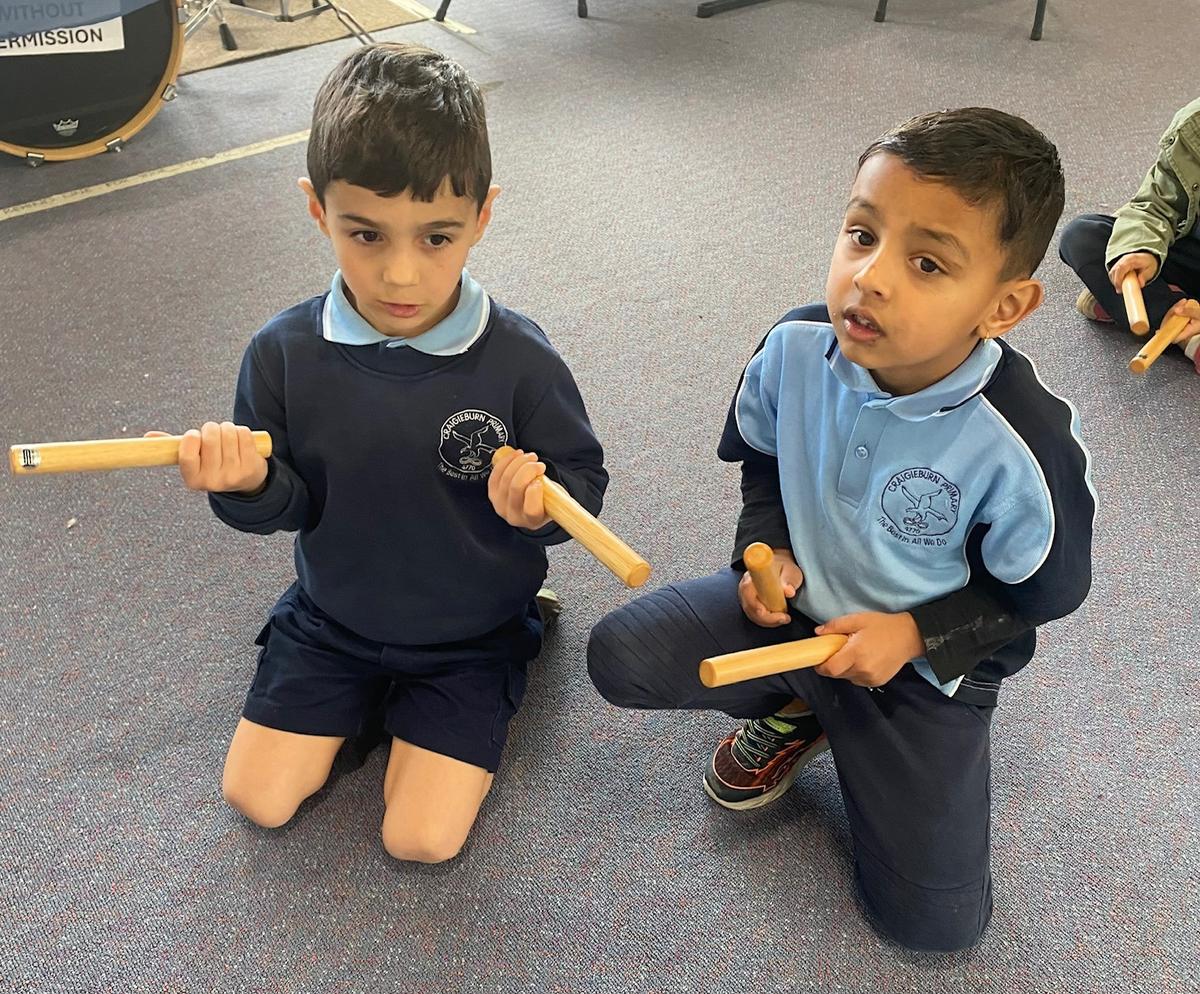
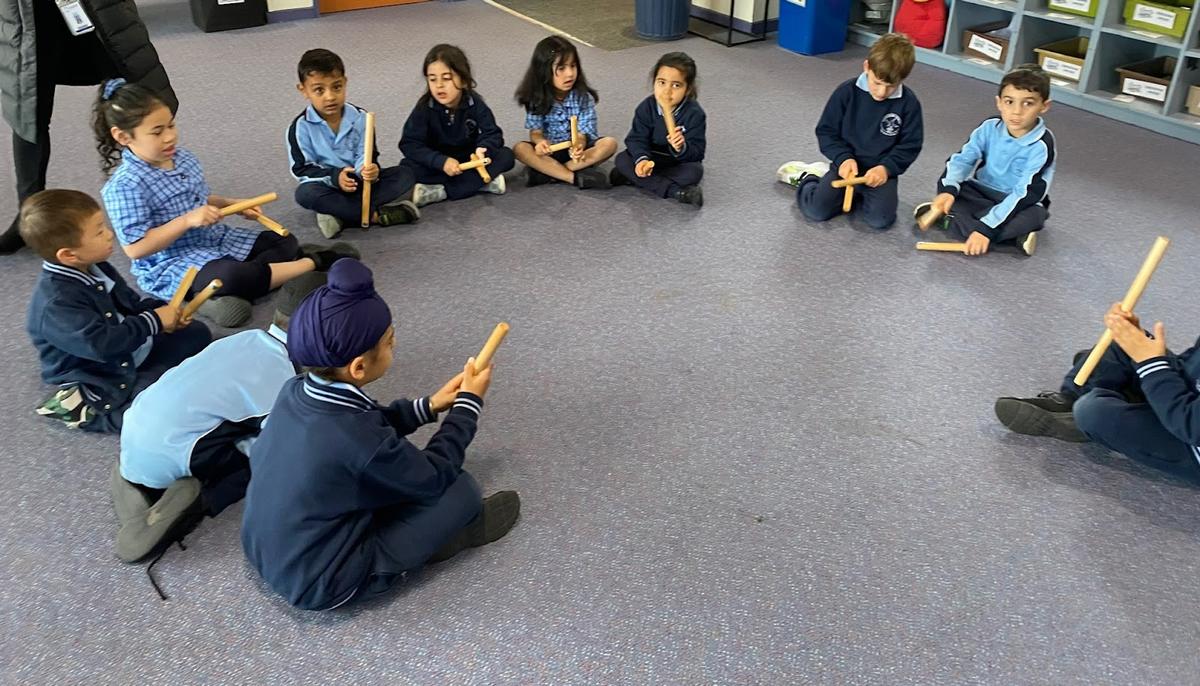
Students practised singing in high, low, loud and soft voices, keeping the beat with tapping rhythm sticks and body percussion. They also learned how music can help tell stories and celebrate different cultures, especially those of Aboriginal culture.
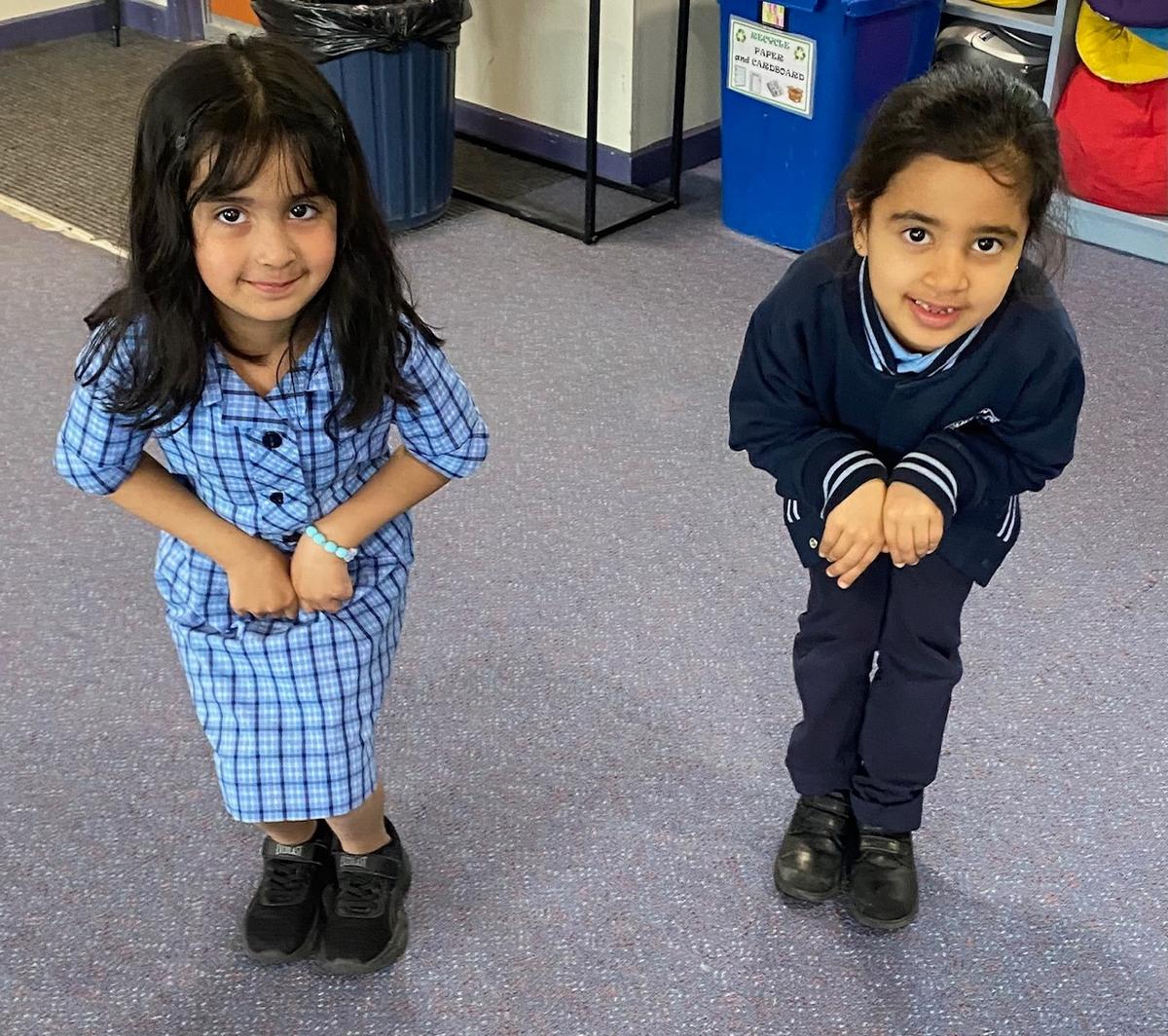
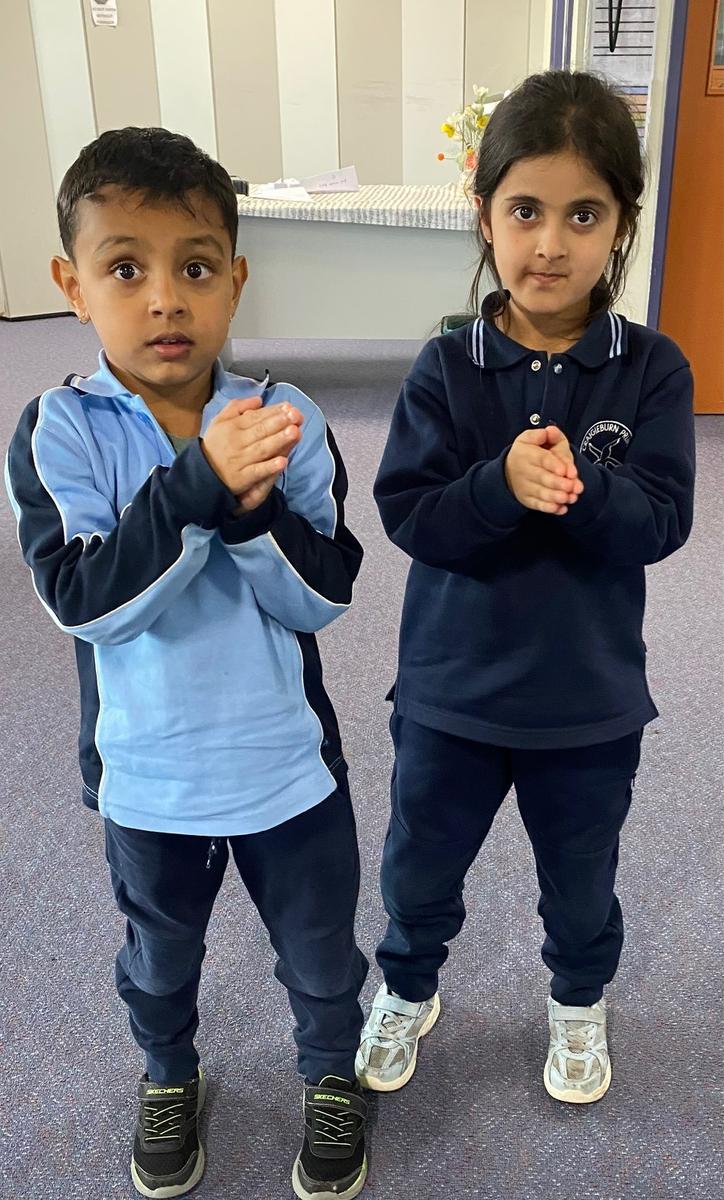
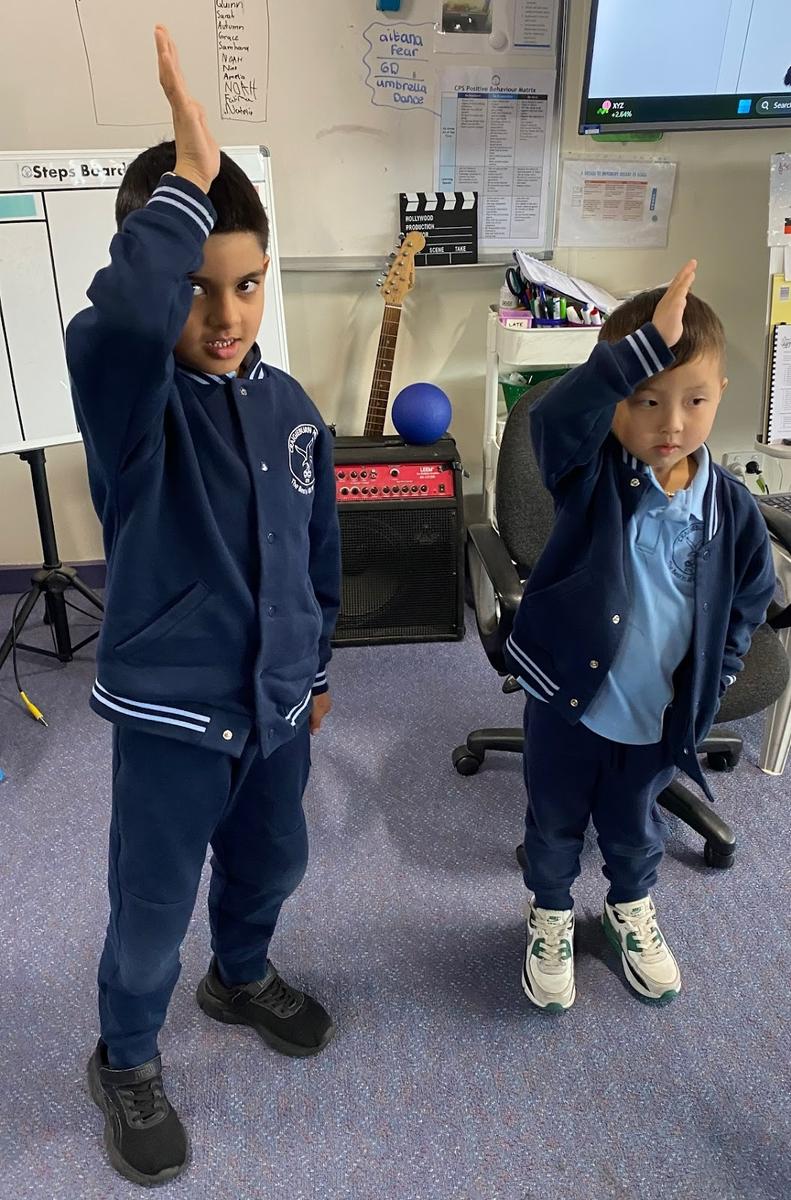
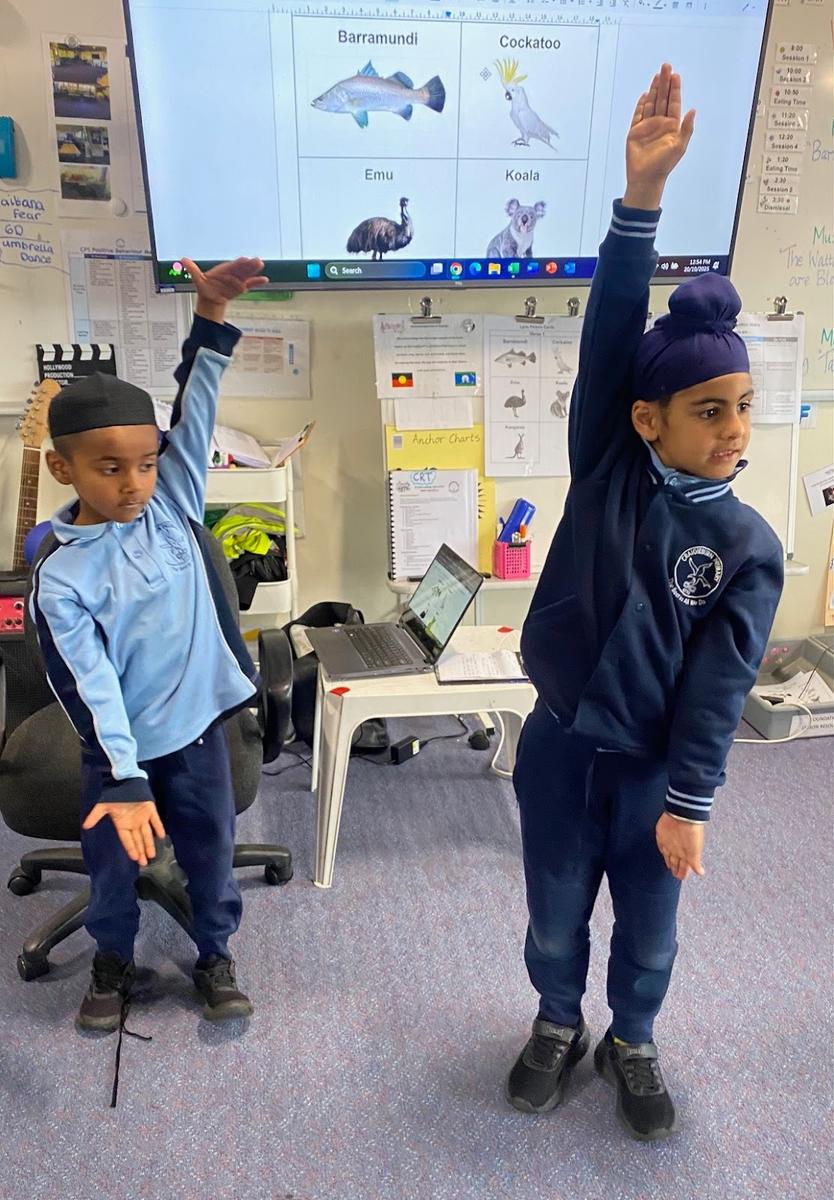
Students continued their Singing Workshop by learning “The Barramundi” Song, a fun and engaging piece featuring many Australian animals. They demonstrated accurate pitch and used expressive actions to match each animal in the song, such as emus, sugar gliders, barramundi and wombats. Students worked in groups to rehearse and perform, building confidence in their singing and movement skills while enjoying the liveliness of the musical experience.
Syed(FA): “We were playing with rhythm sticks.”
Brooklyn (FA): “We were knocking the sticks.”
Annabelle (FA): “We were playing with the sticks while doing the beats.’
Ryan (FC): “We were playing with the sticks while listening to The Rainbow Serpent.”
Zakariya (FA): “We played with the rhythm sticks.”
Manveer (FA): “I liked the barramundi!”
Minha (FB): “I liked the koala.”
Aiza (FB): “I liked the kangaroo actions.”
Yakeen (FB): “I liked to dance like the fish.”
Royan (FB): “I liked the cockatoo.”
Nami (FA): “I liked the fish.”
Students performing actions and using percussion to the song “The Rainbow Snake”
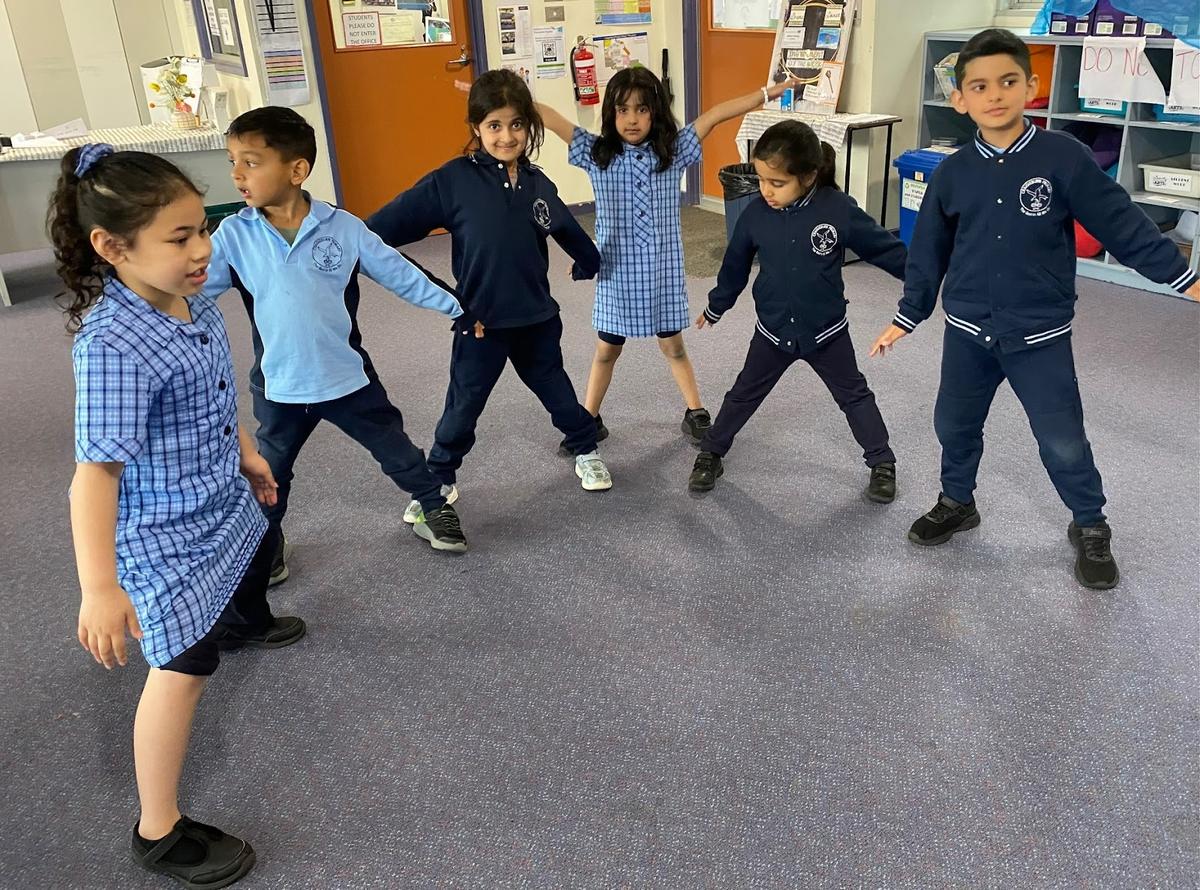
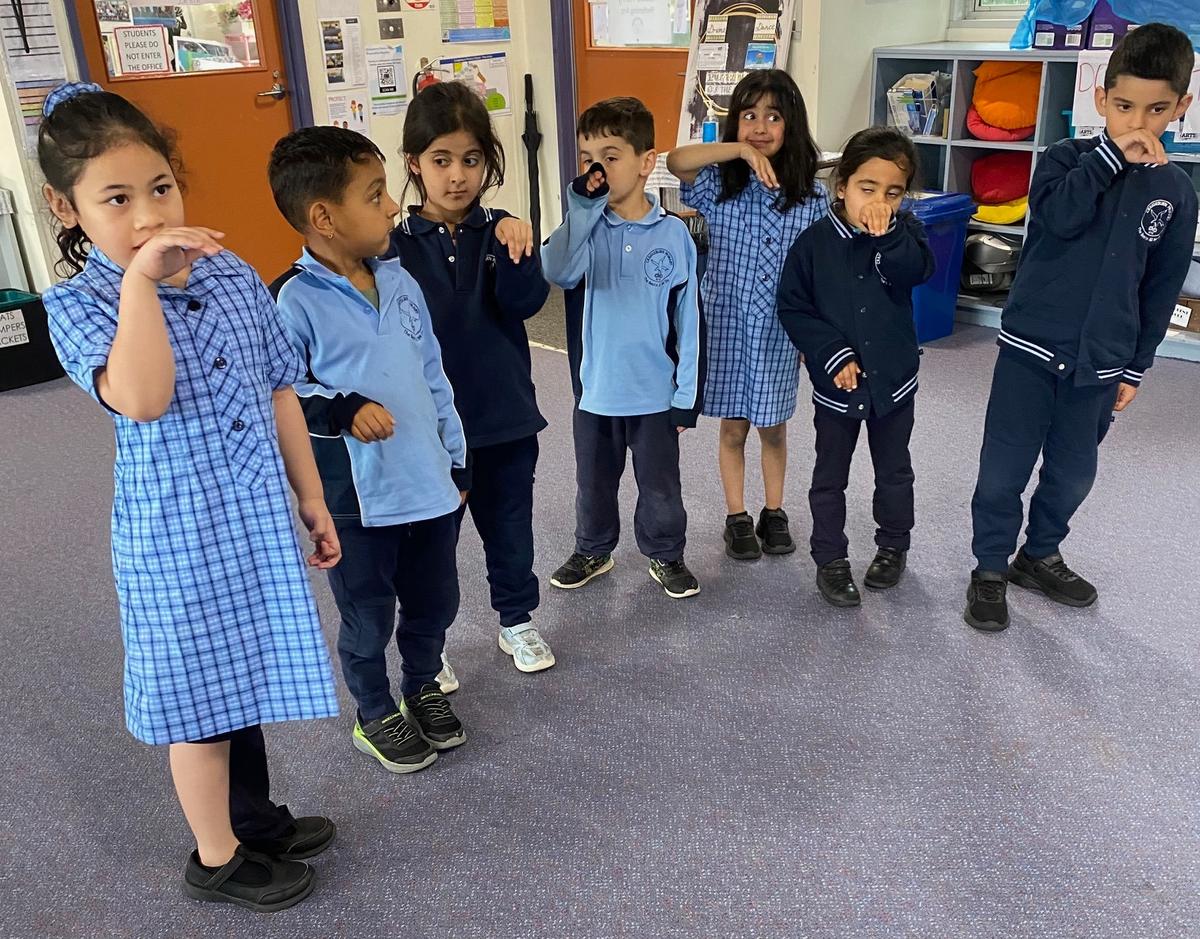
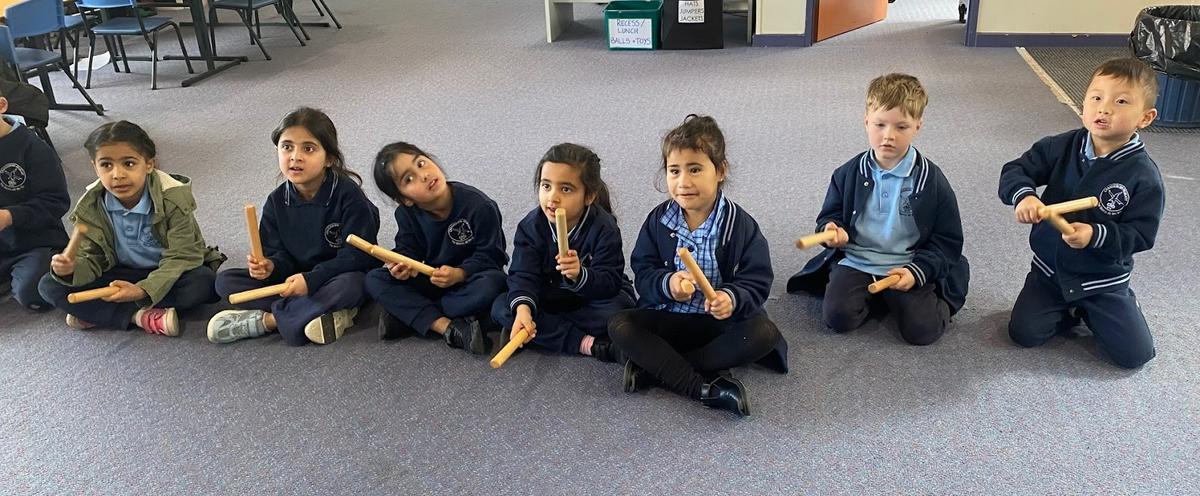
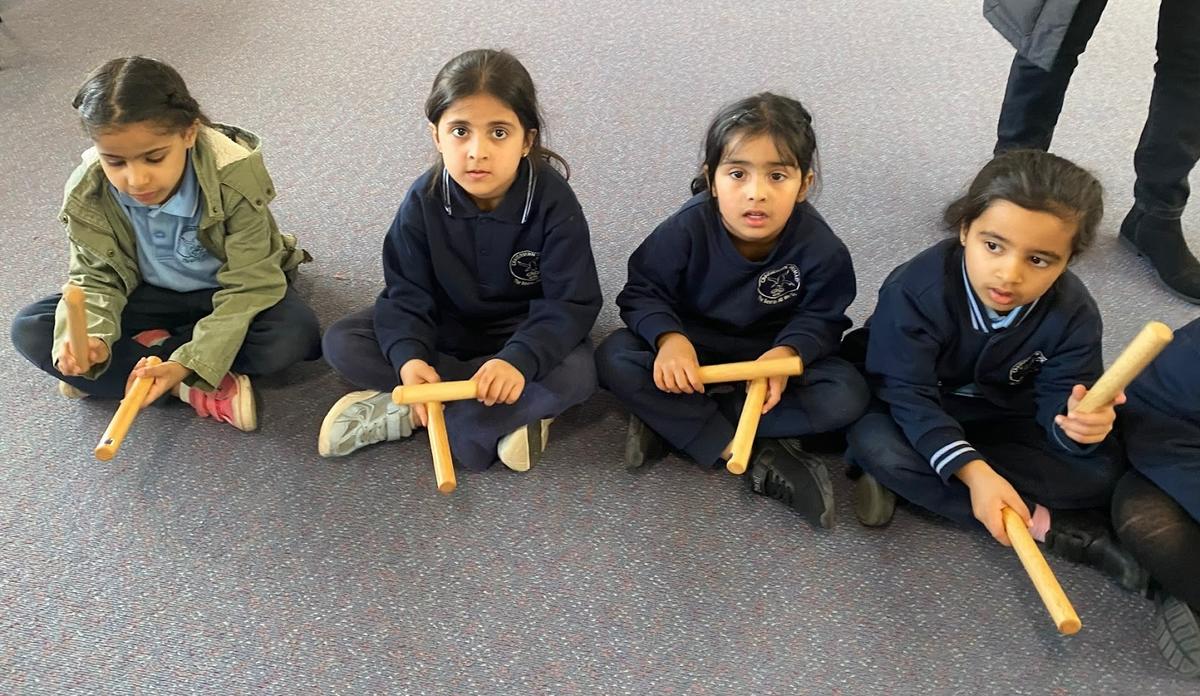
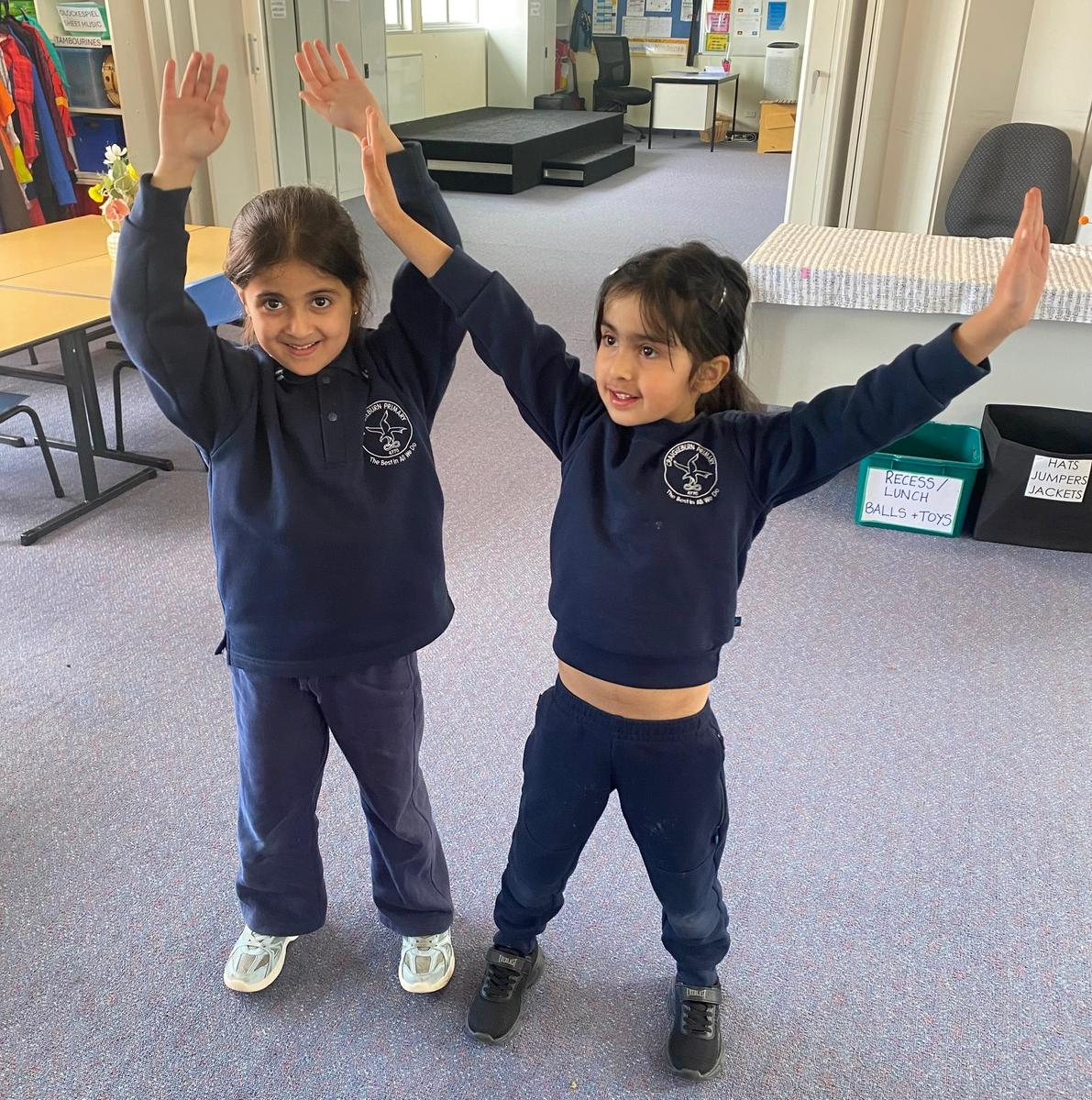
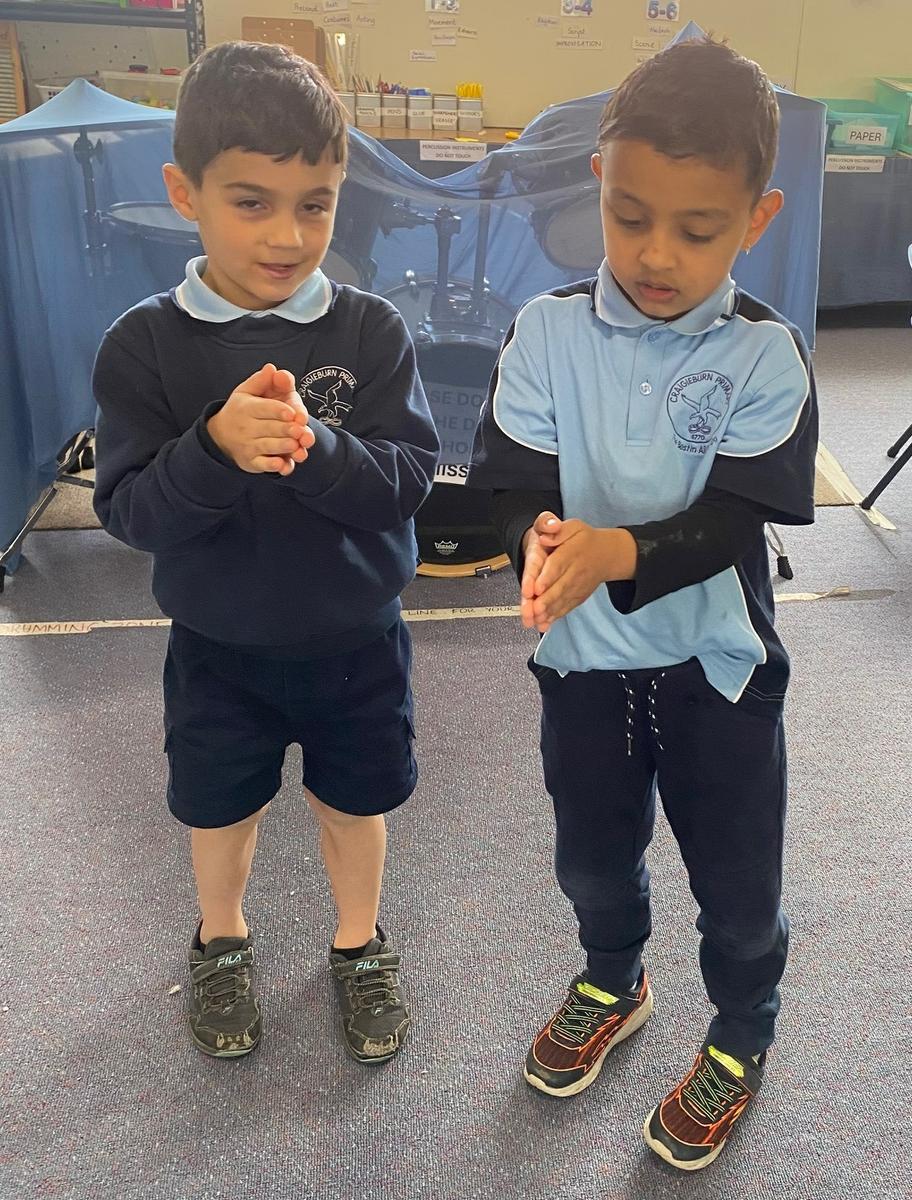
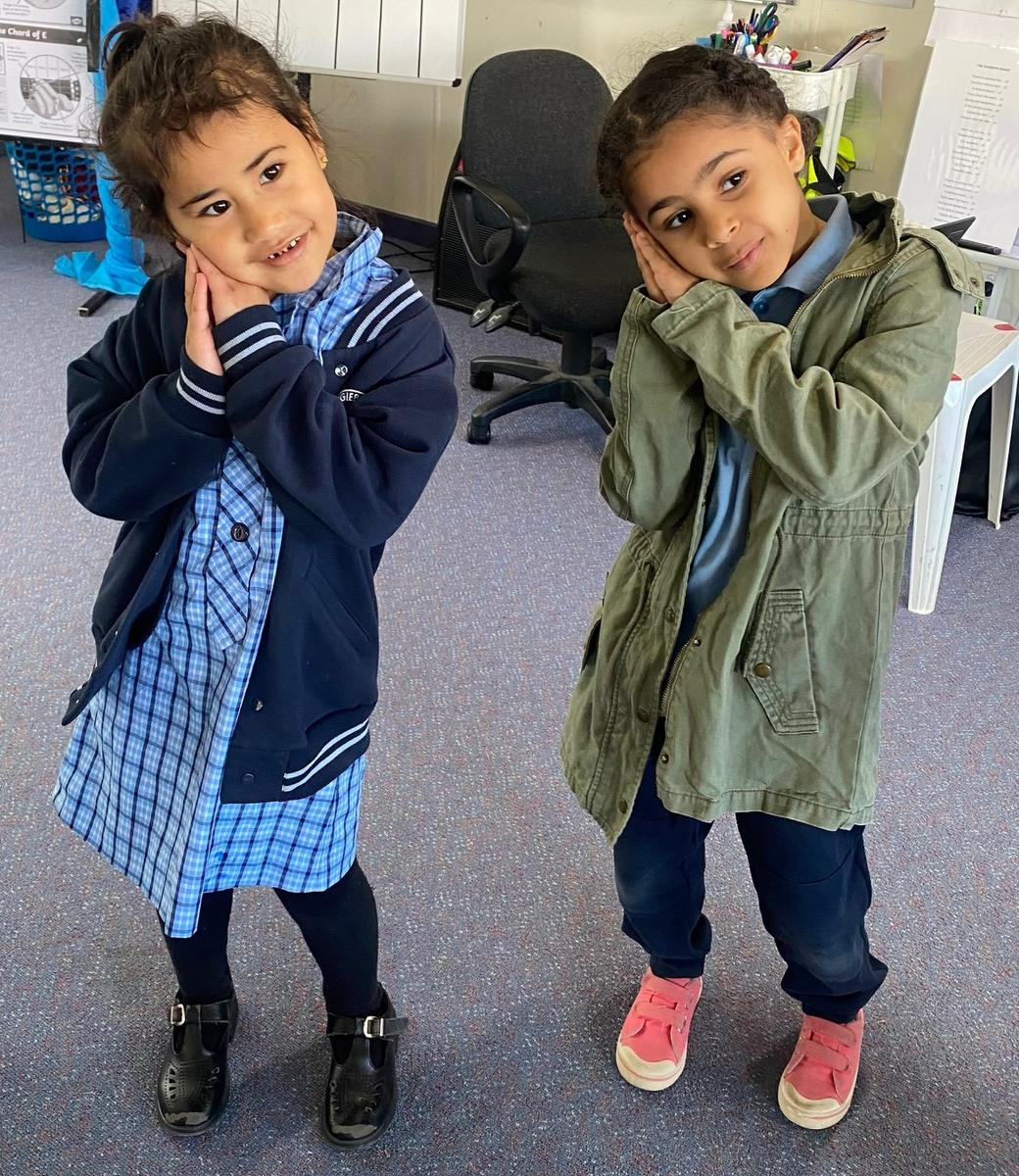
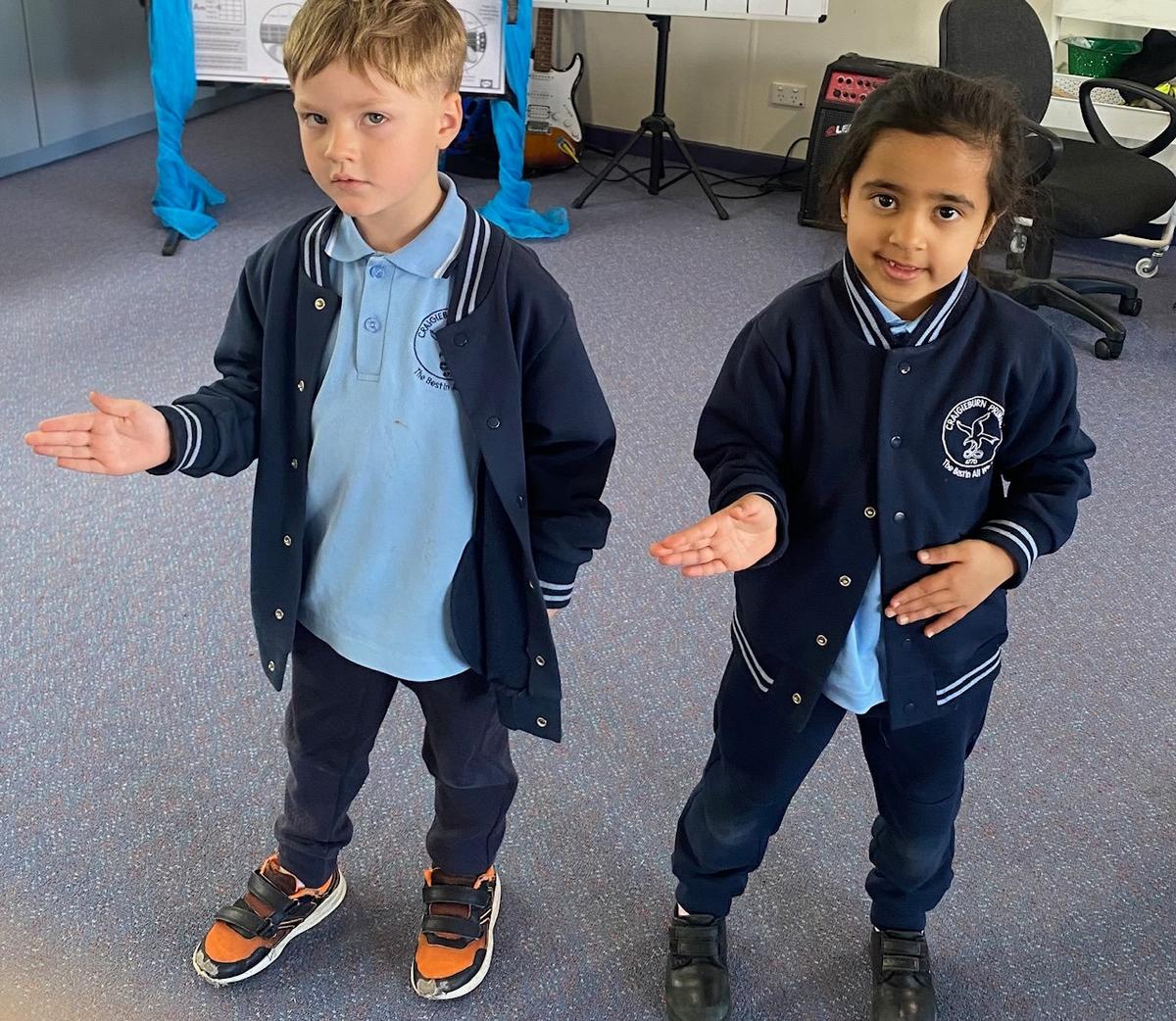
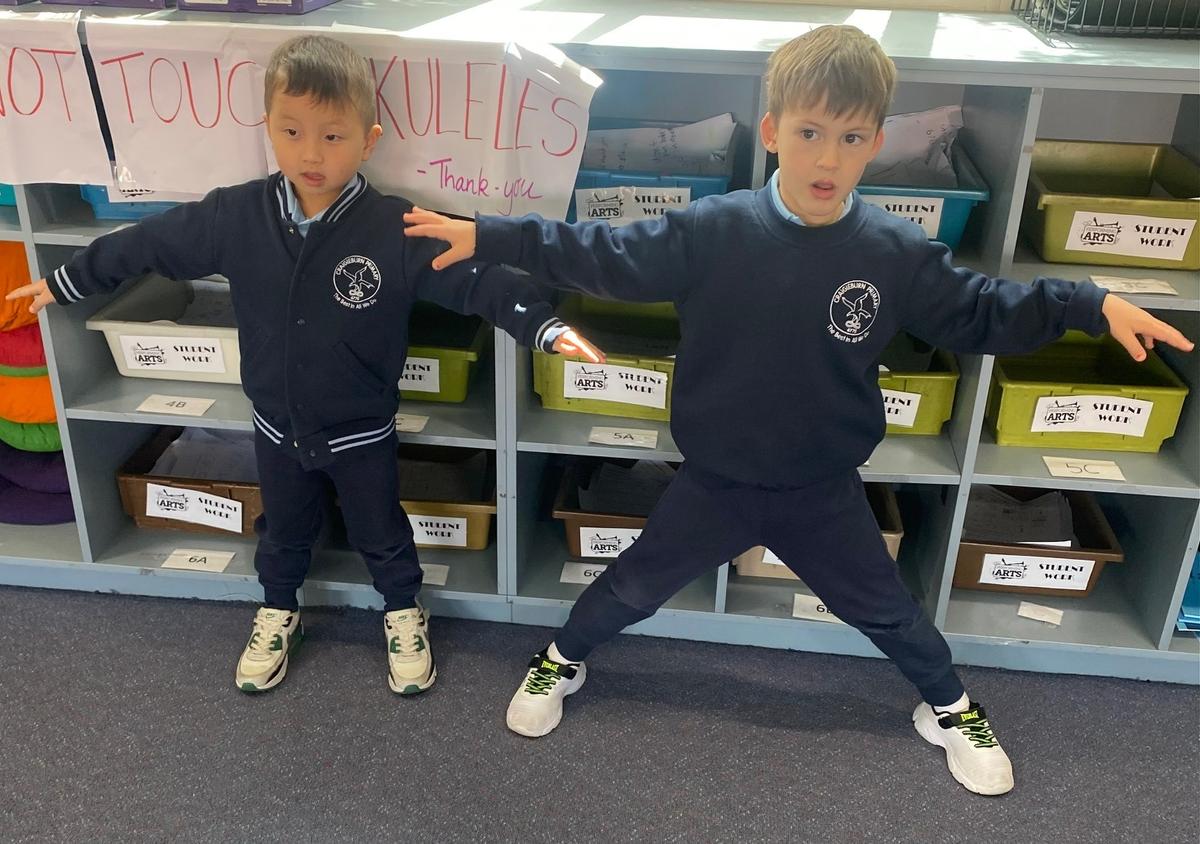
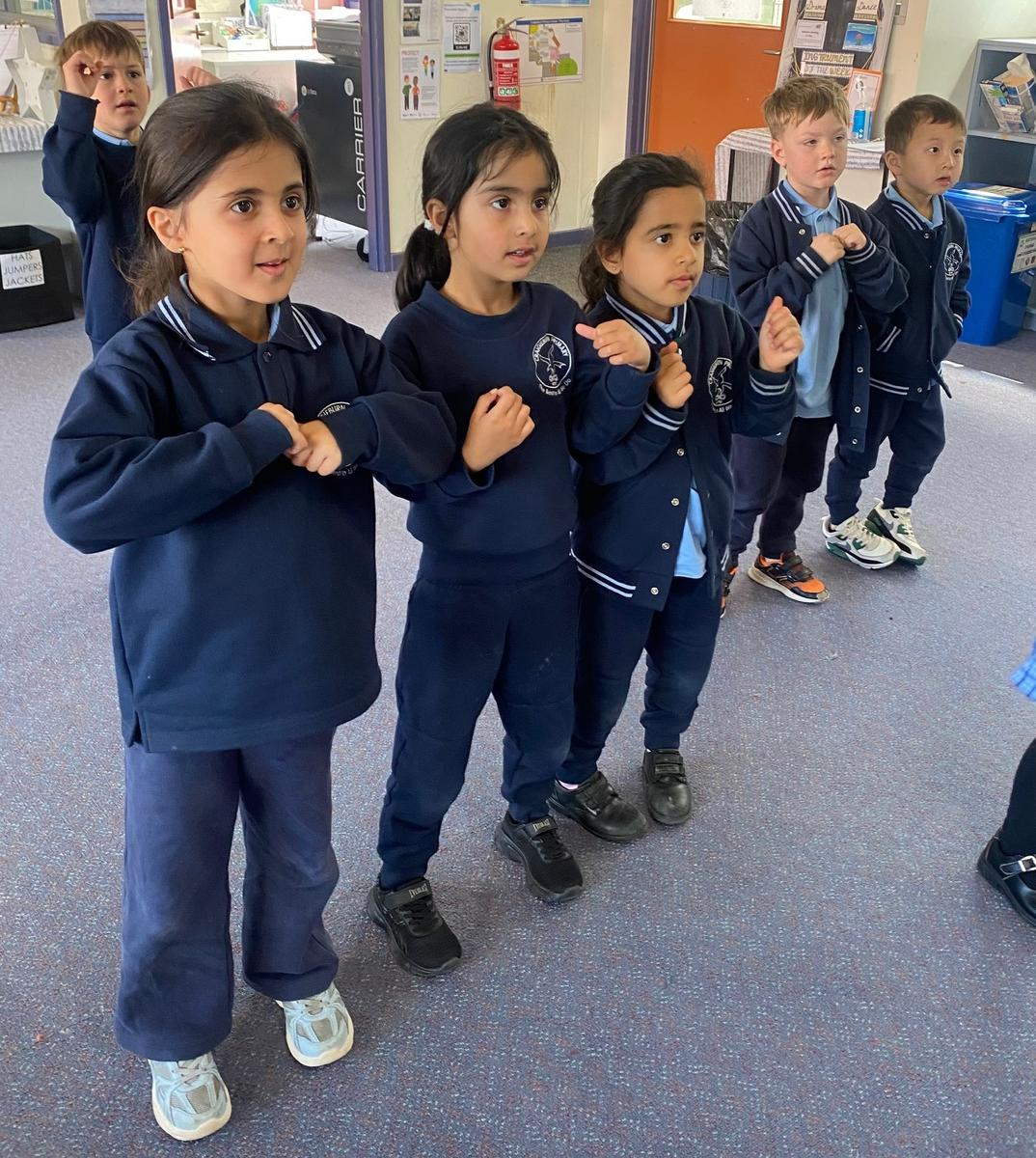
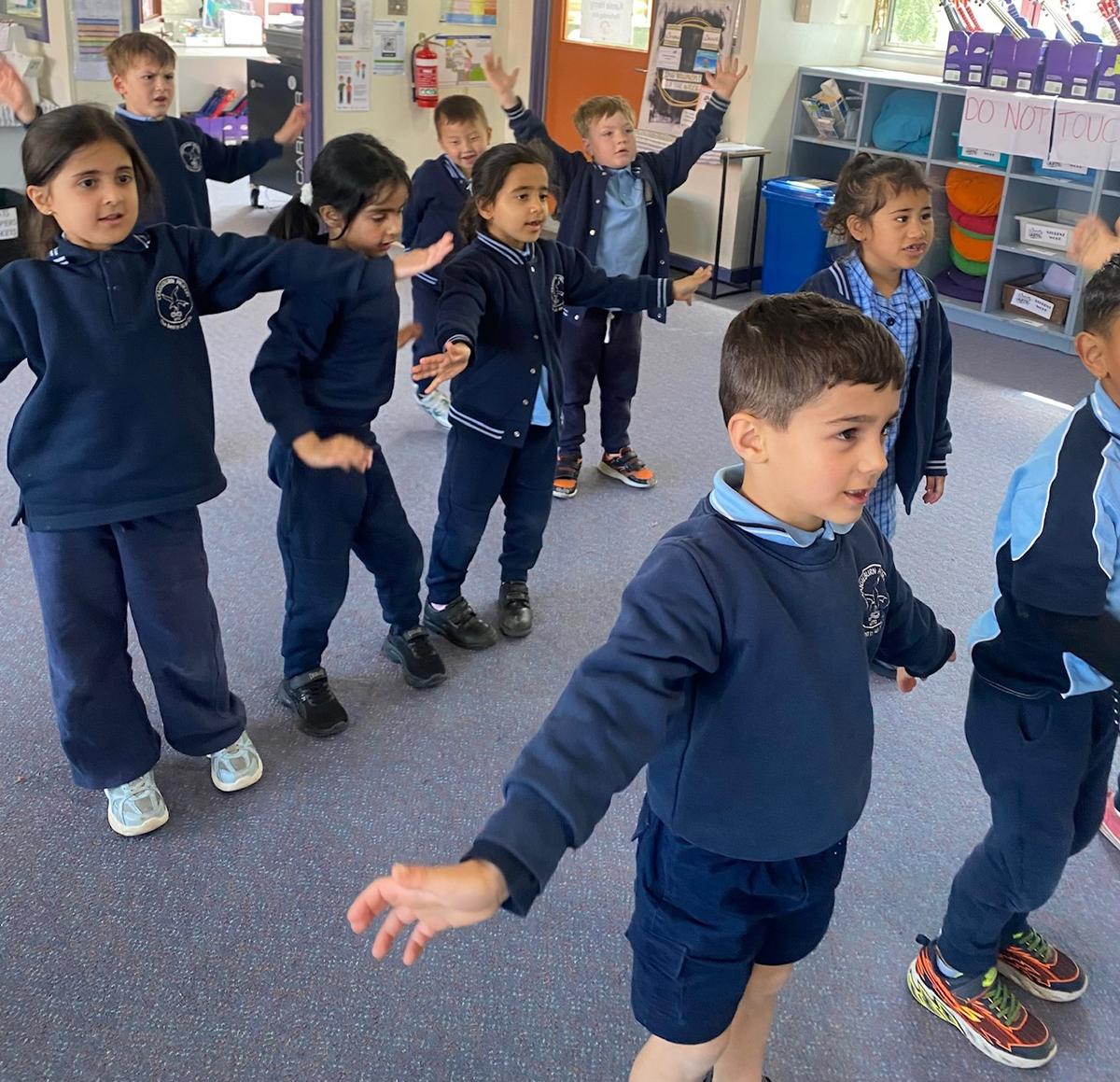
Students performing actions and keeping the beat to the song
Year 1-2
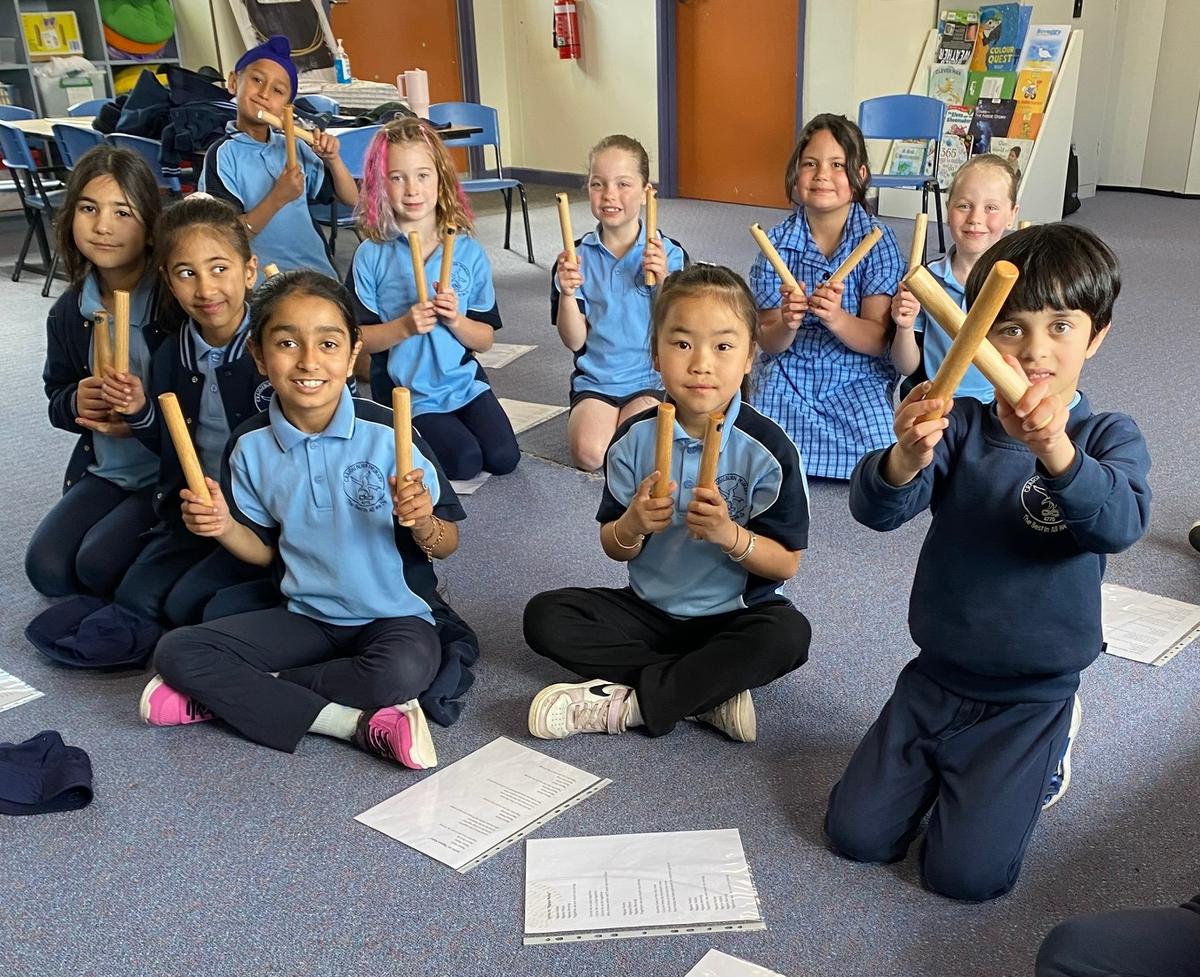
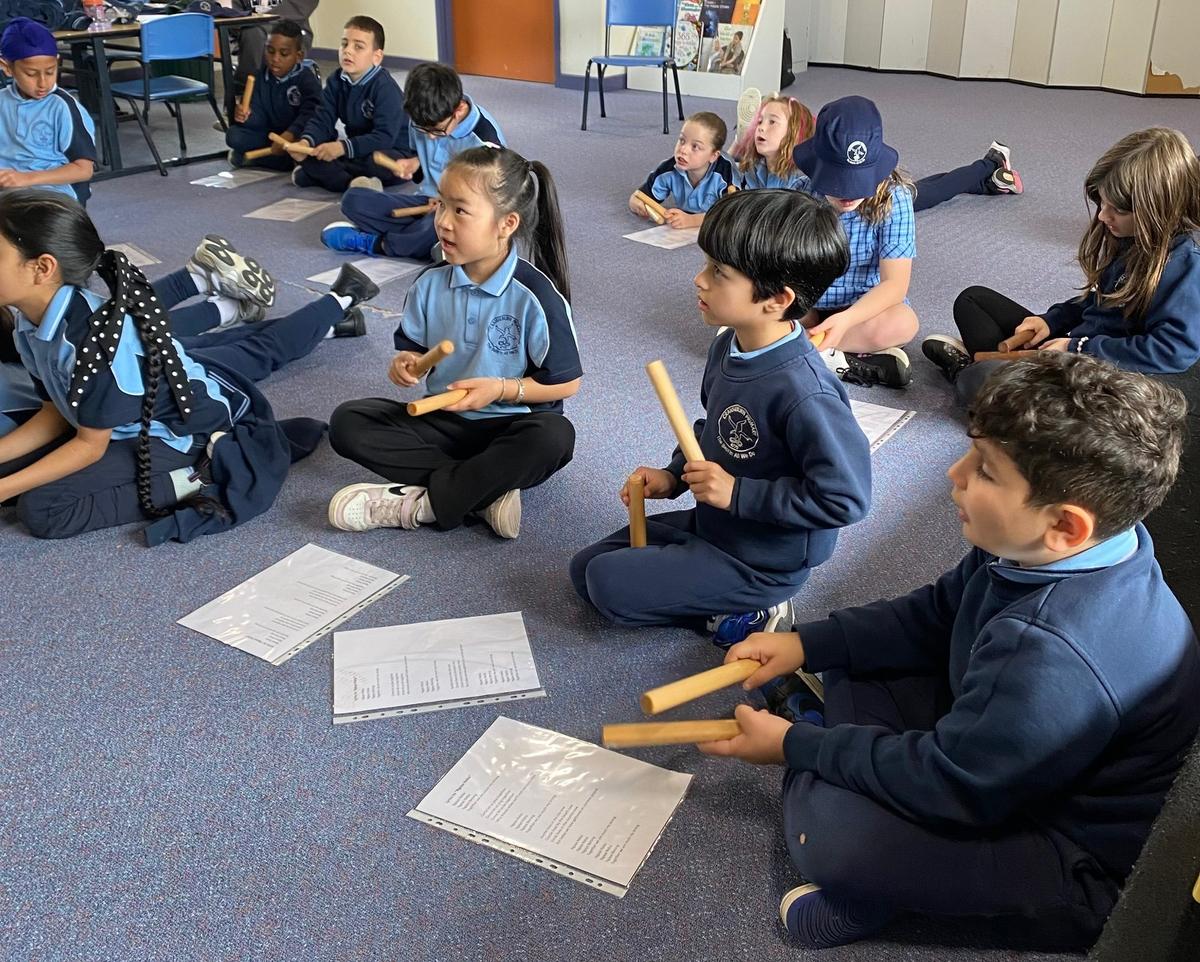
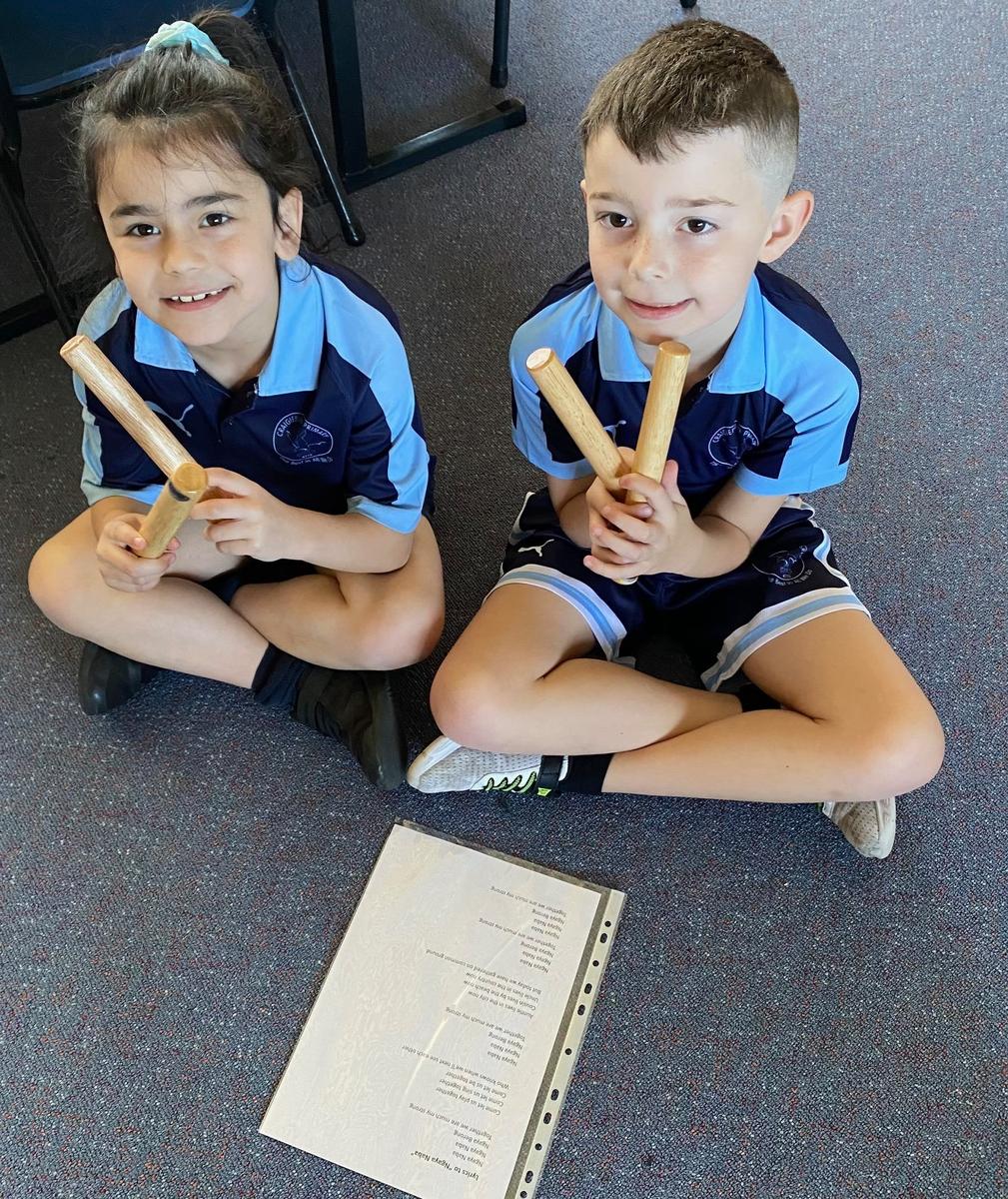
Year 1 and 2 students learned to sing the Aboriginal song “Ngaya Naba”, which celebrates unity, inclusiveness and a sense of belonging within the community, reminding us that together we are much stronger. They practised singing with accurate pitch and respectful performance, exploring how to use clear posture, expressive voices and percussion to match the rhythm of the music.
Students performed the song “The Wattle Trees Are Blooming” with added movement and percussion instruments. After learning about wattle trees and their significance in Australian culture, students added actions to match the lyrics and used tambourines and maracas to enhance the beat. They performed with expression, rhythm and teamwork, creating lively and meaningful performances.
Jessica (2A): “It was good because I like playing with rhythm sticks.”
Tyron (2A): “It was good because we got to sing.”
Carissa (2C): “I liked learning the Aboriginal song.”
Mahrukh (2C): “I liked playing the rhythm sticks to Ngaya Naba.”
Hafsa (1A): “I liked the part when we did the golden balls of cotton wool.”
Sophia (1A): “I liked when we did the whole dance.”
Helena (1A): “We were learning about the blooming trees and I like the golden balls of cotton wool.”
Himmat (1A): “I liked the part when we did the golden balls action.”
Darcie (1A): “Today, we learned a new song The Wattle Trees are Blooming and learned some new actions. We had lots of fun.”
Students learning an Indigenous song and adding percussion accompaniment.
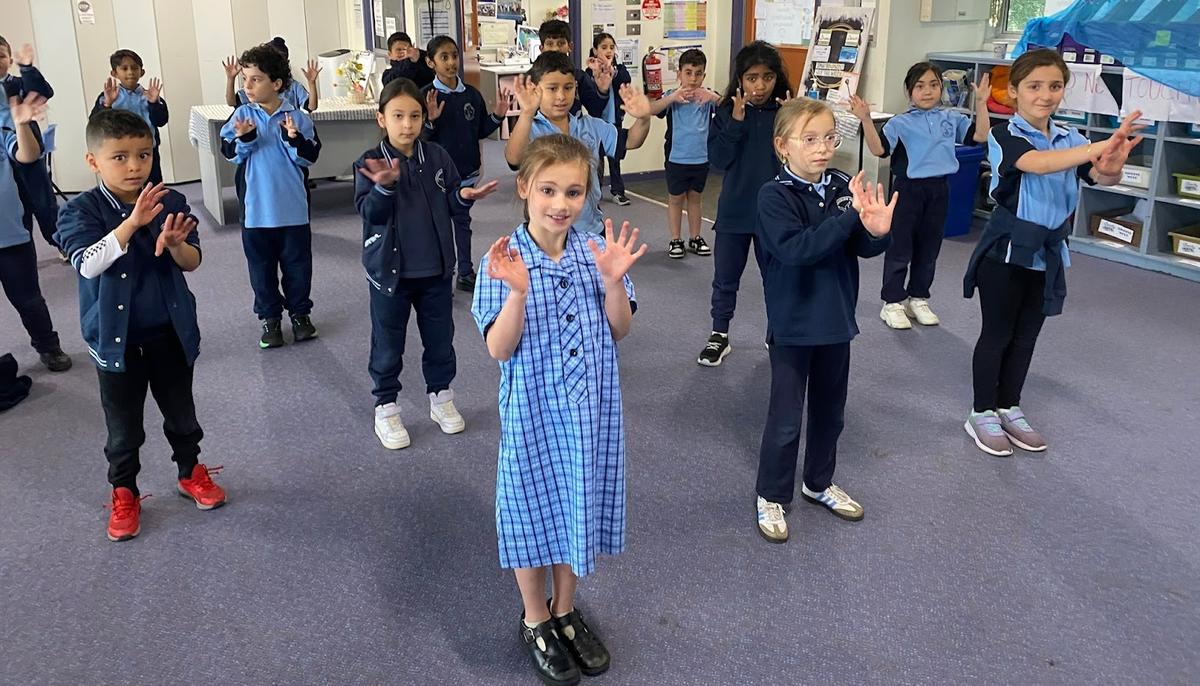
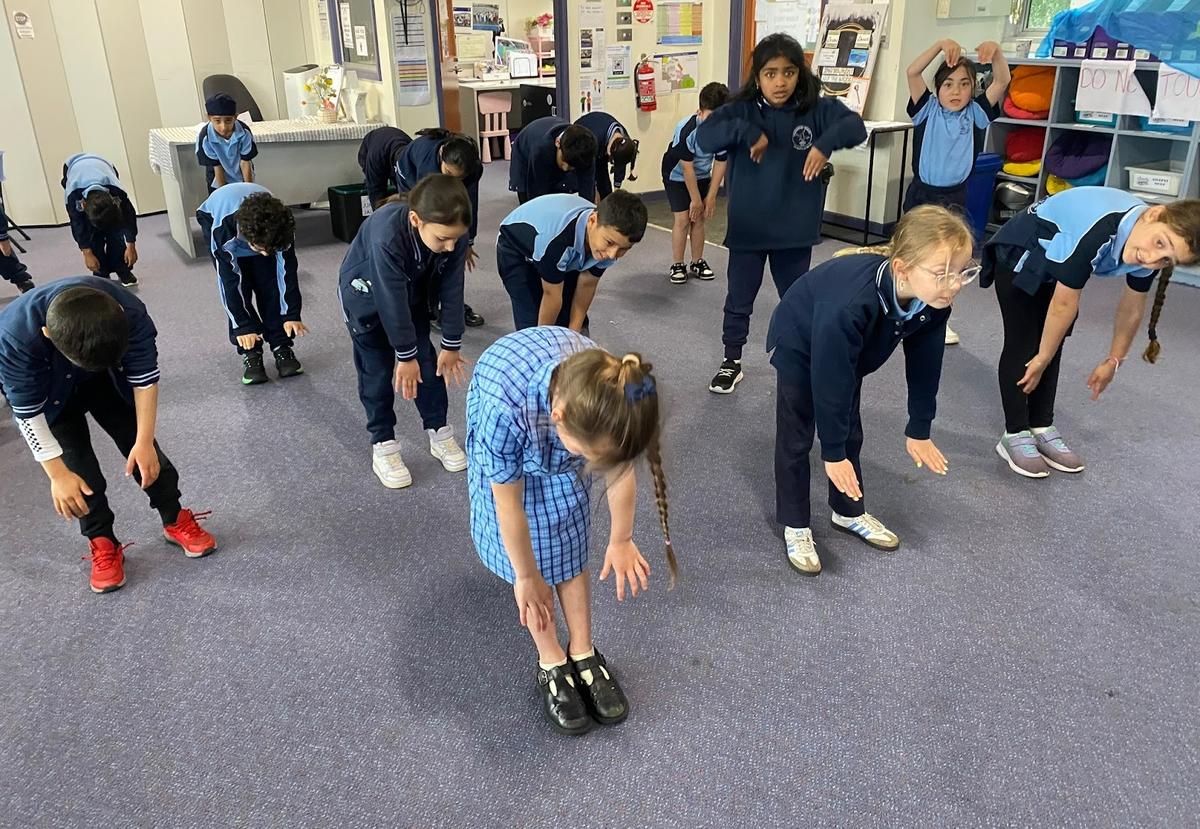
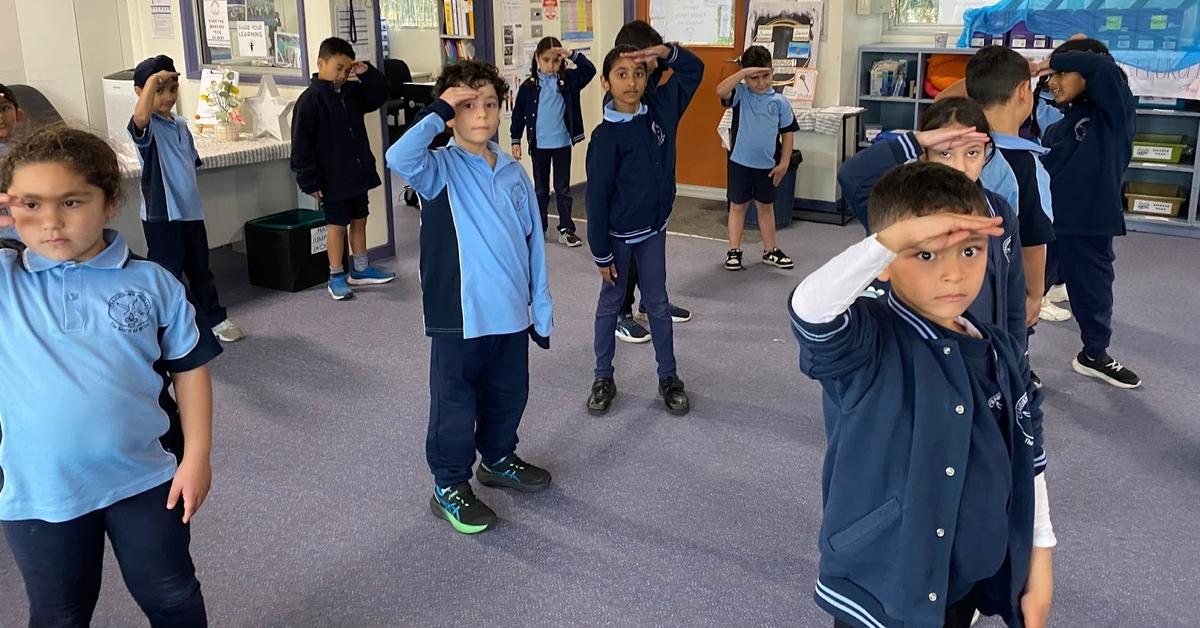
Students choreographing and learning actions to the song “The Wattle Trees are Blooming”
Year 3-4
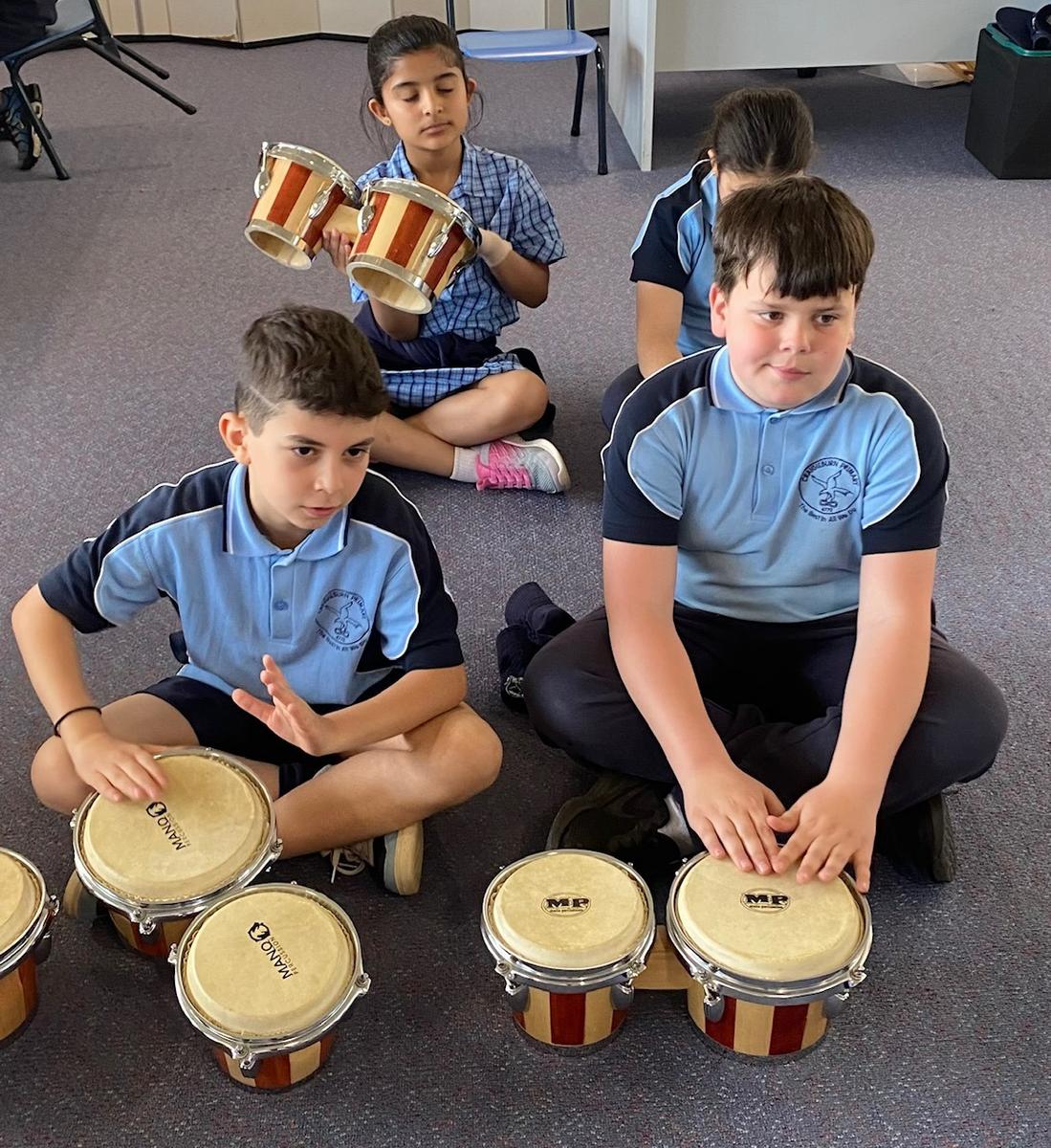
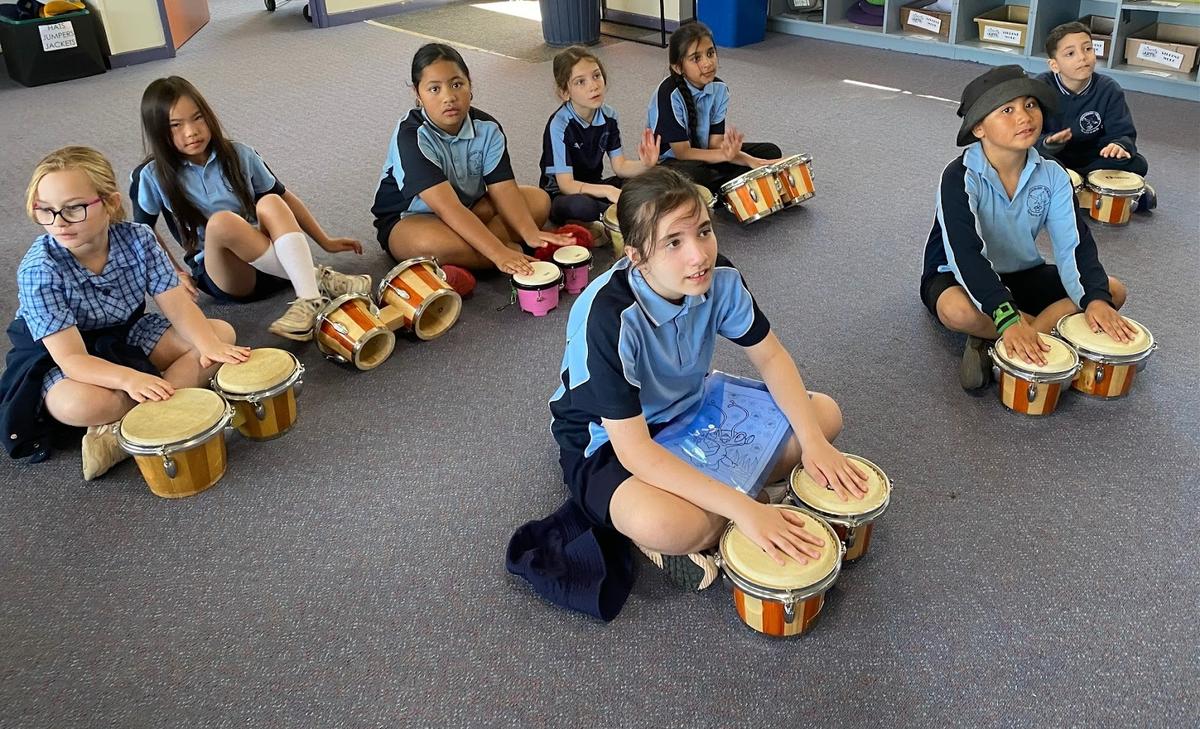
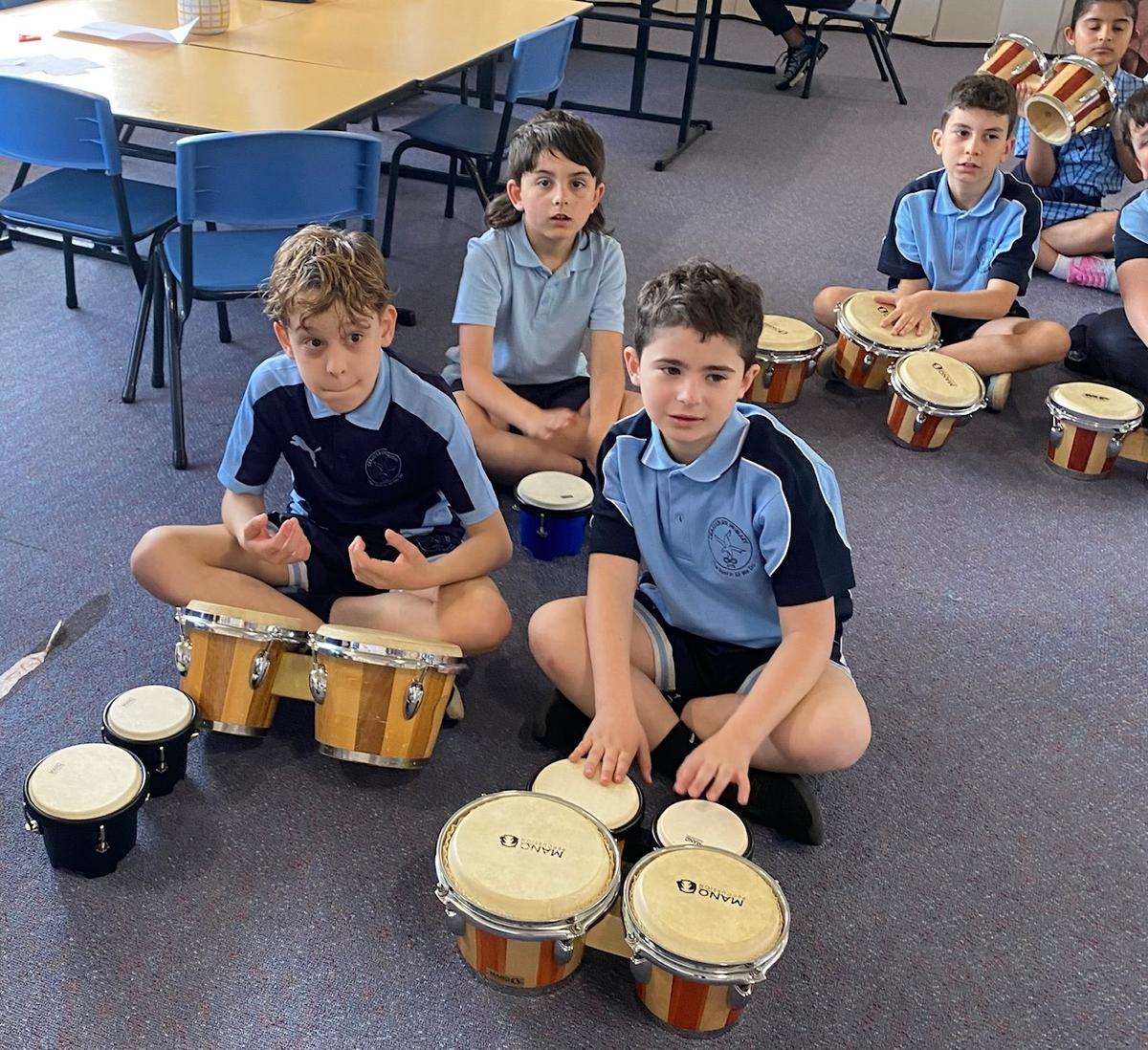
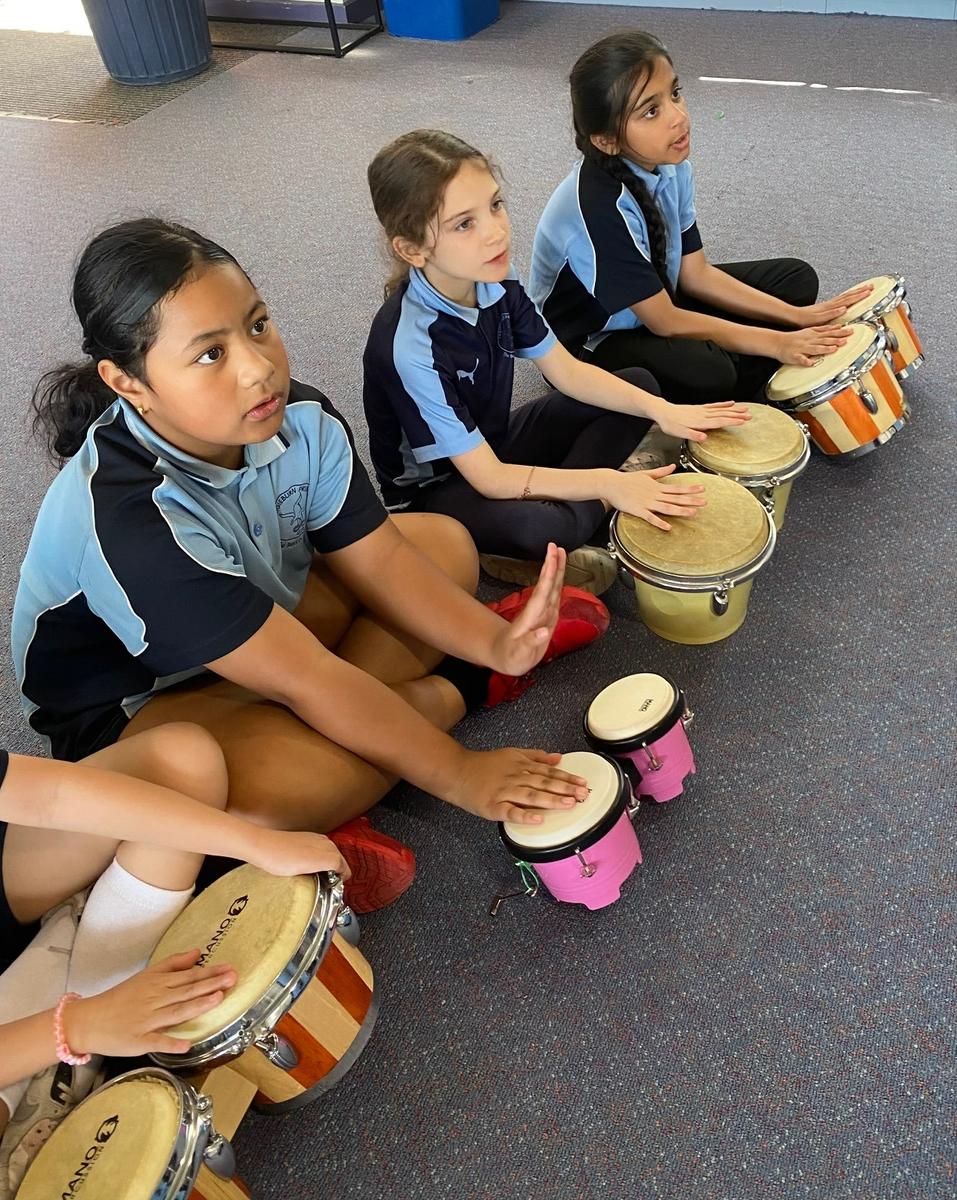
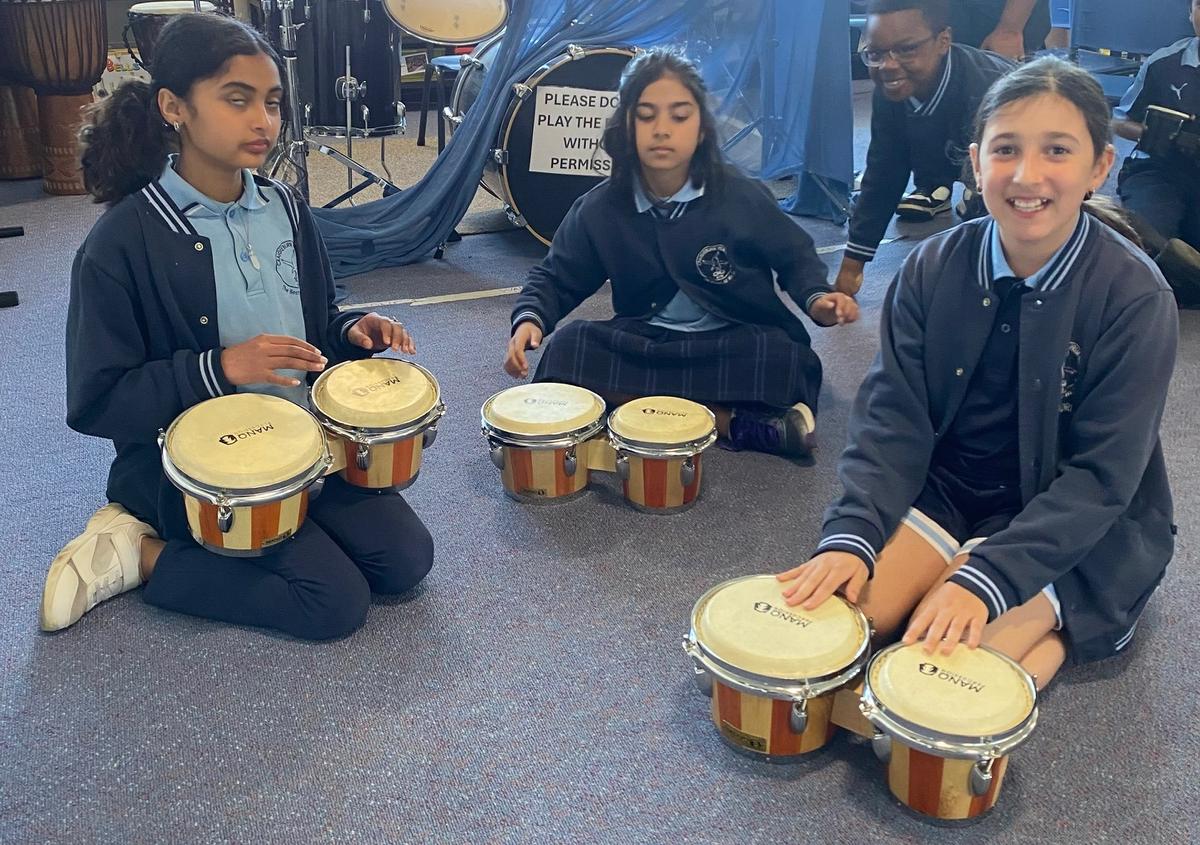
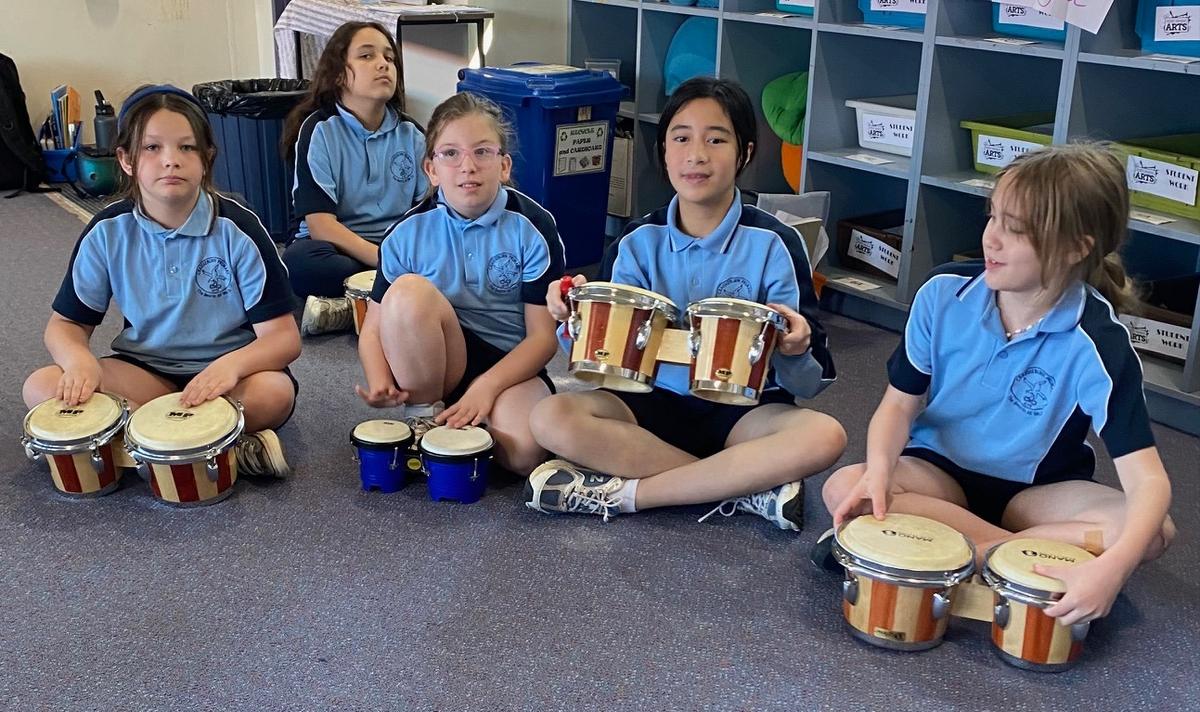
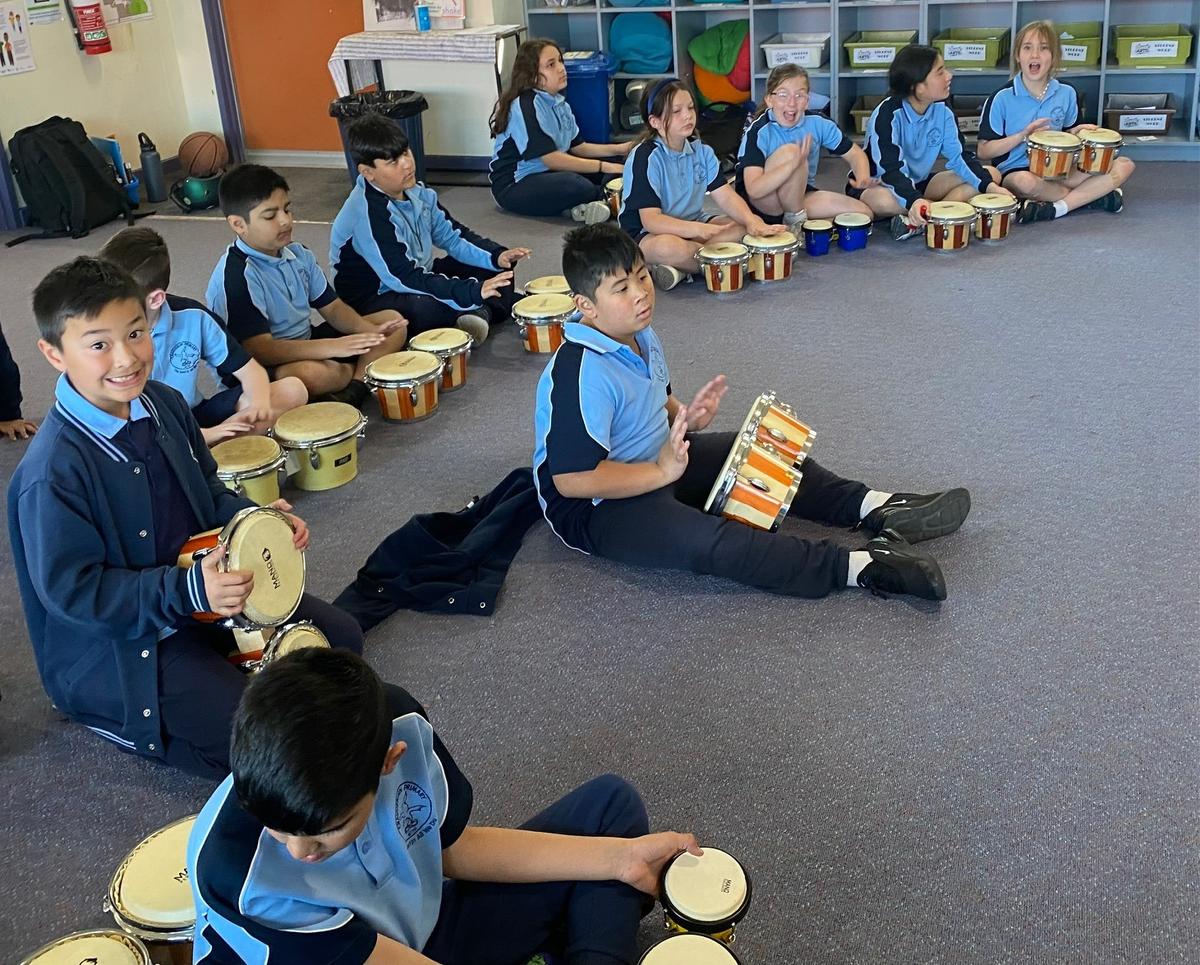
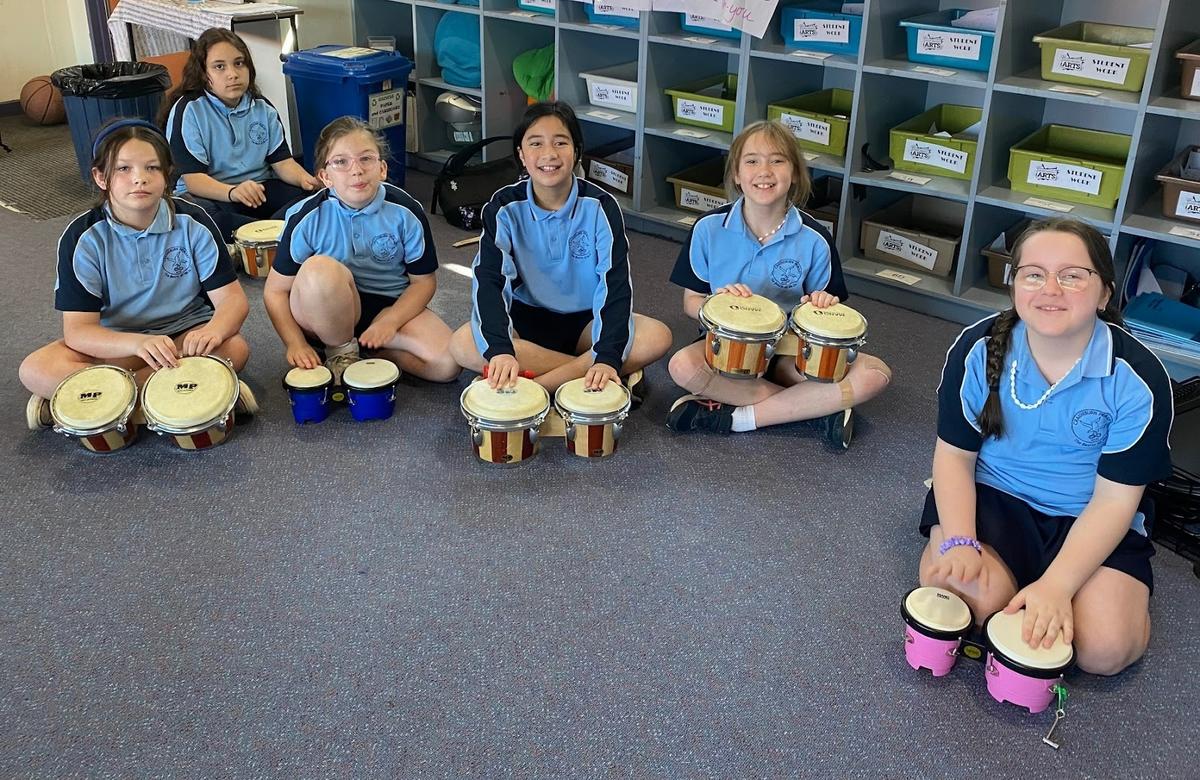
Year 3 and 4 students took part in a Singing Workshop where they learned the Aboriginal version of “I Am Australian” in the Yawuru language, spoken around Broome in Western Australia. Students practised singing with accurate pitch, clear posture and expressive tone while learning about how musical elements such as tempo and dynamics can change the feeling of a song. They also used instruments (bongo drums) to accompany their singing, keeping a steady beat and exploring how percussion can enhance the performance.
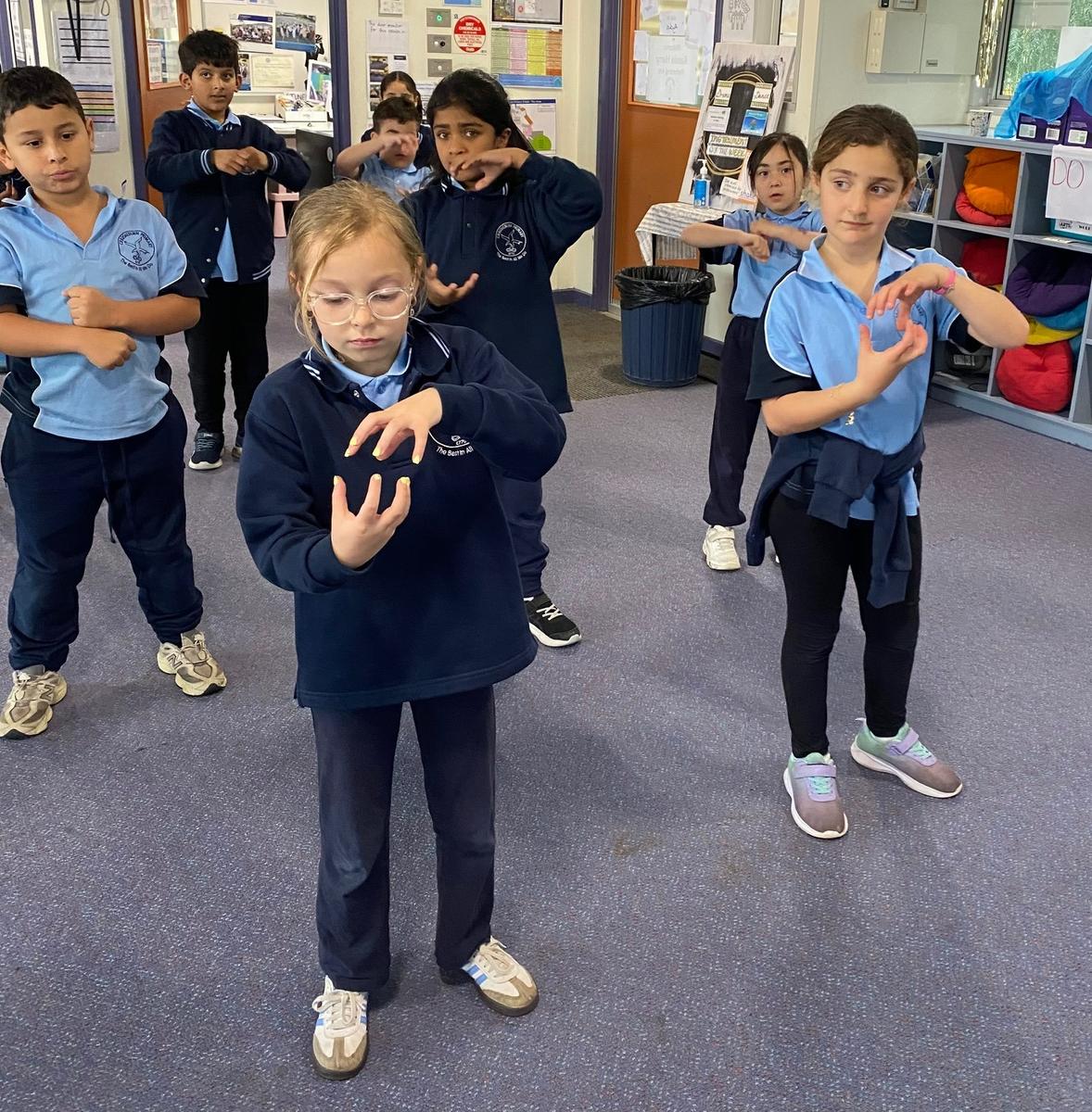
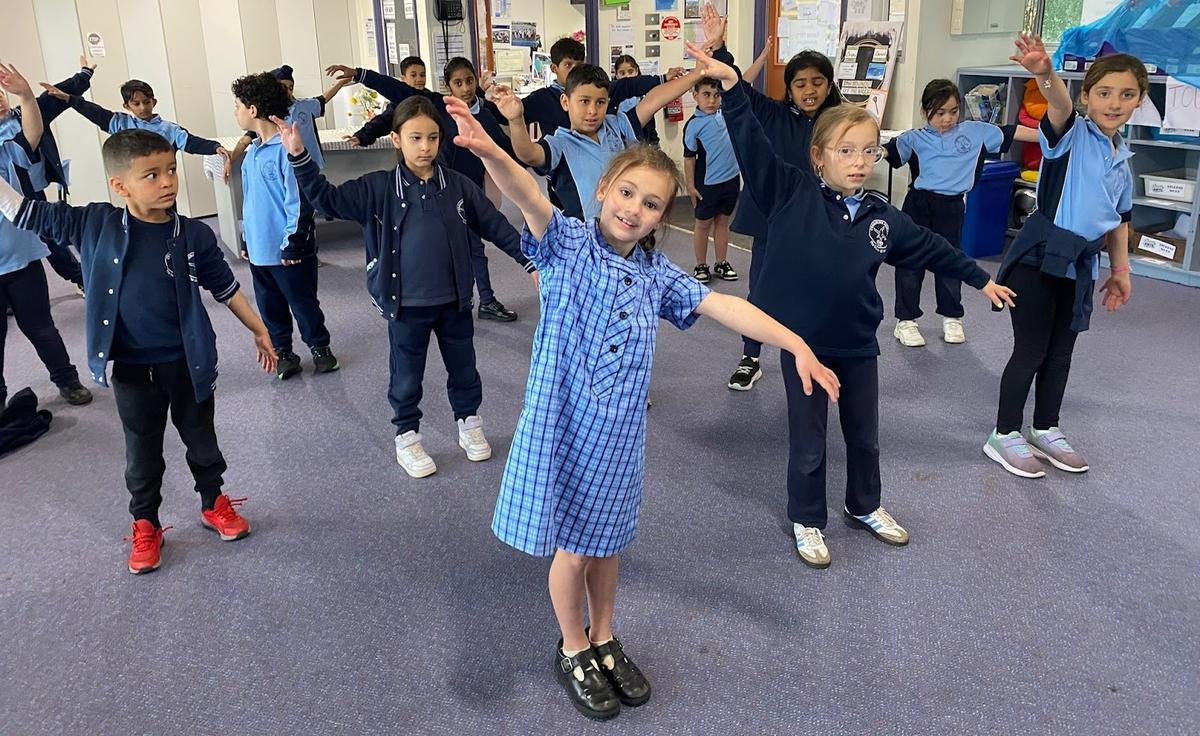
Students learned the Torres Strait Islander song “Taba Naba”, combining singing and movement to create a lively and expressive performance. The song, from Murray Island (Mer) in the Torres Strait, tells of people paddling their canoes in the reef and celebrating unity through music and dance. Students sang with accurate words and pitch while performing traditional dance actions that matched the rhythm of the song. They worked collaboratively to coordinate their singing and movements, developing rhythmic awareness and cultural appreciation through this engaging musical experience.
Hafsa (4B): “We learned how to play bongo drums to a song.”
Patrisiya (4B): “We learned a song in Aboriginal and then English. It was so fun.”
Jobe (4B): “We played the bingo drums and we tried to follow Aboriginal music.”
Abigail (4C): “It was fun learning the Indigenous song using drums to make sound.”
Eliana (4C): “It was cool how to use the bongos and experience playing them.”
Jahnavi (4C): “It was nice to do I Am Australian with the whole class.”
Sifat (3A): “We learned about I Am Australian in another language.”
Isabelle (3A): “We had lots of fun listening to the music and playing along to it.”
Asenat (3A): “I liked the song and the drums.”
Deepti (3C): “It was hard learning a sing in another language but I got the hang of it.”
Grace (3C): “I learned a new song!”
Manasseh 93C): “I just followed along and you get the hang of it. The teacher said I had a nice voice.”
Eliana (4C): “I felt happy but challenged by the song in a different language. But, in the end, I learned the song and the actions to it.”
Lal (4C): “First, learning the words and actions was hard but then we started to remember them. Doing the actions with words to traditional music is fun.”
Josiah (4C): “I thought the actions and the words were easy to remember.”
Ela (4C): “I enjoyed doing the dance and it sounded better with the music with it.”
Abigail (4C): “I felt happy and enjoyed learning the song.”
Students playing a percussion accompaniment to the “I Am Australian”
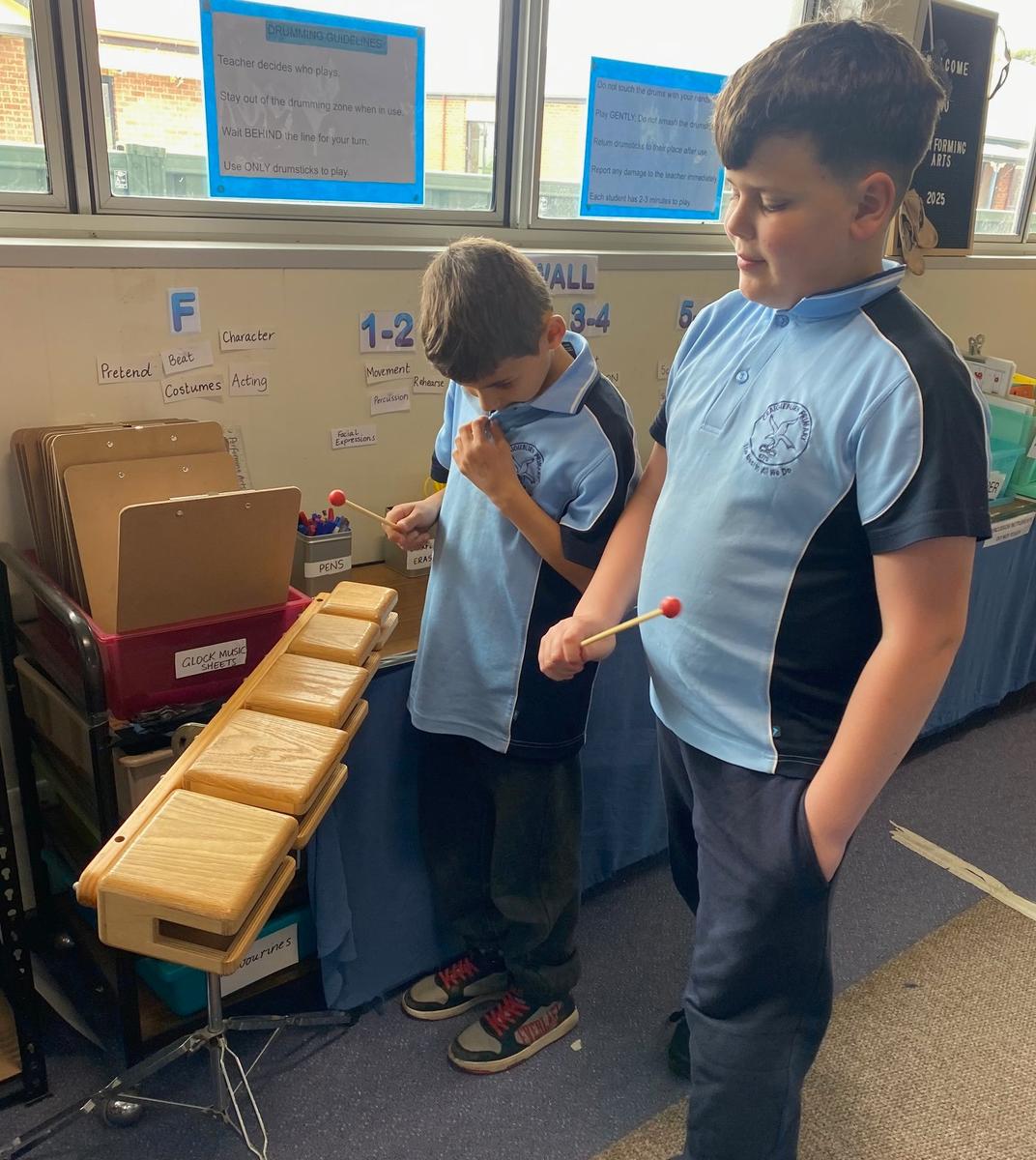
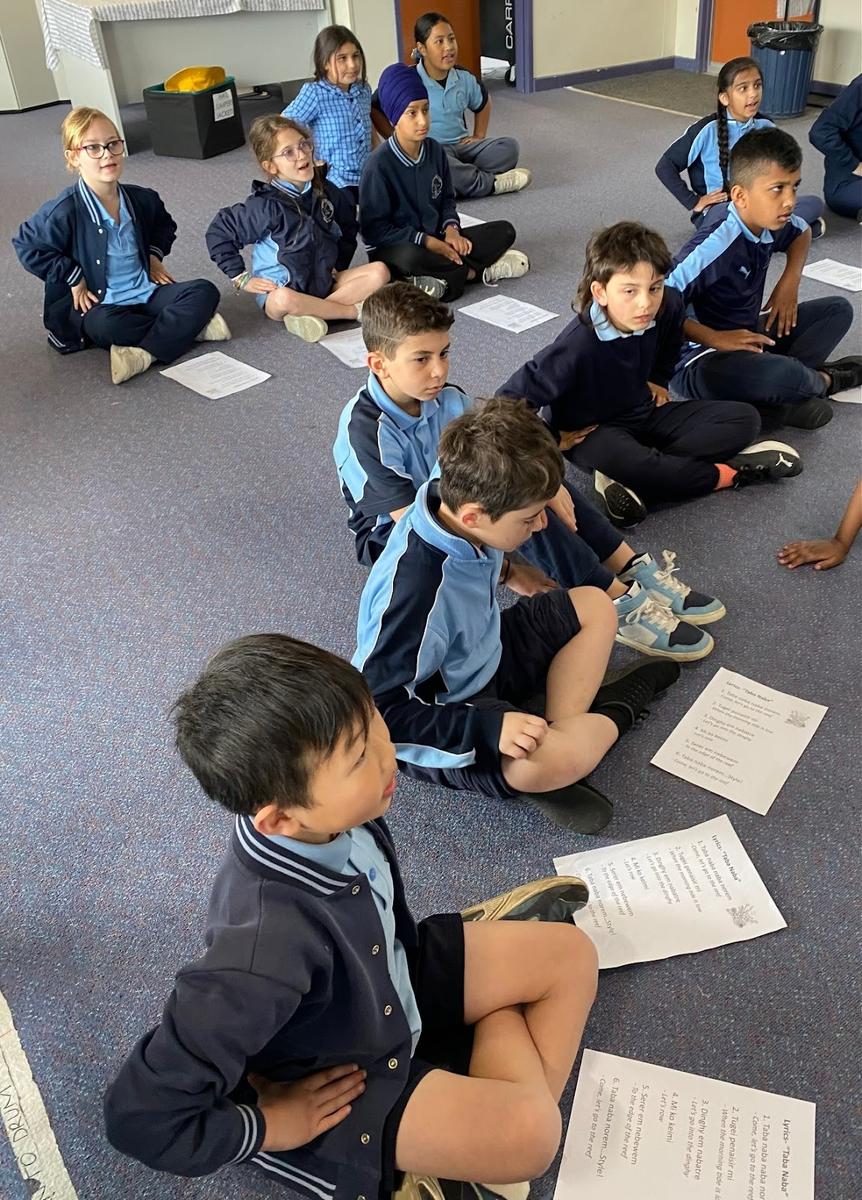
Students learning the lyrics and actions to “Taba Naba”
Year 5-6
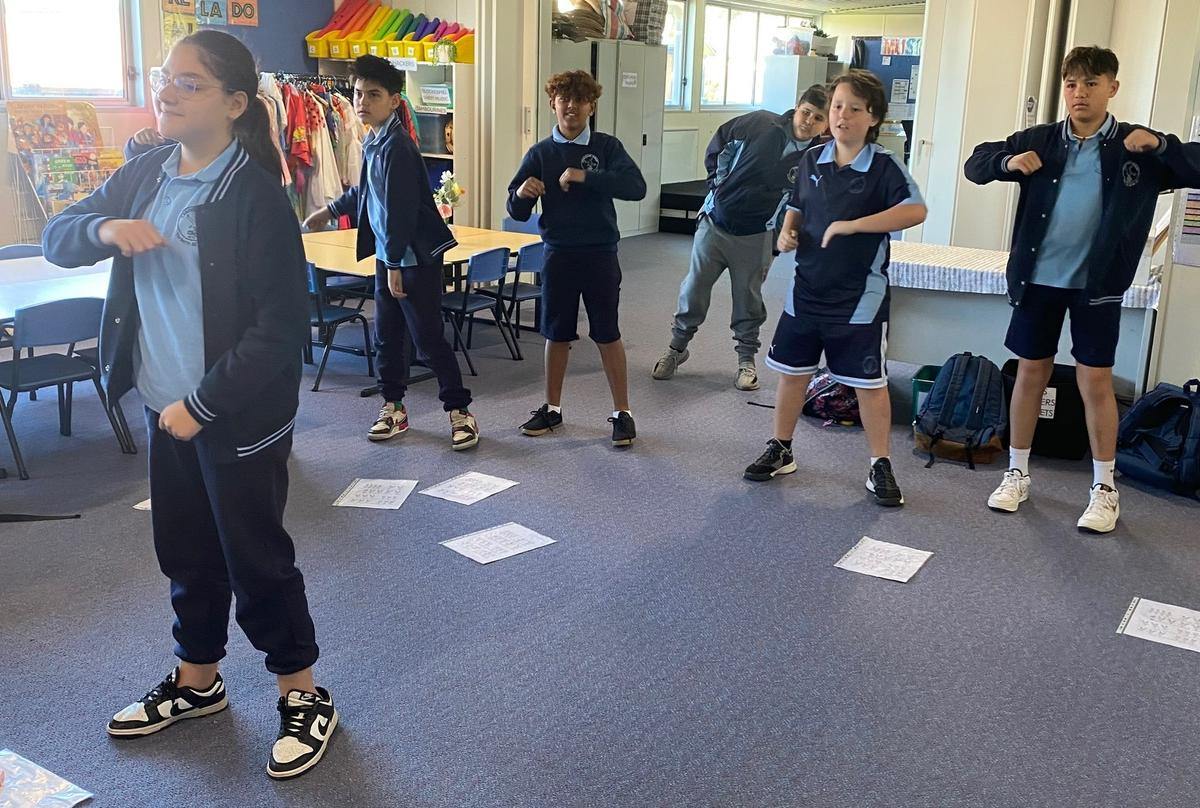
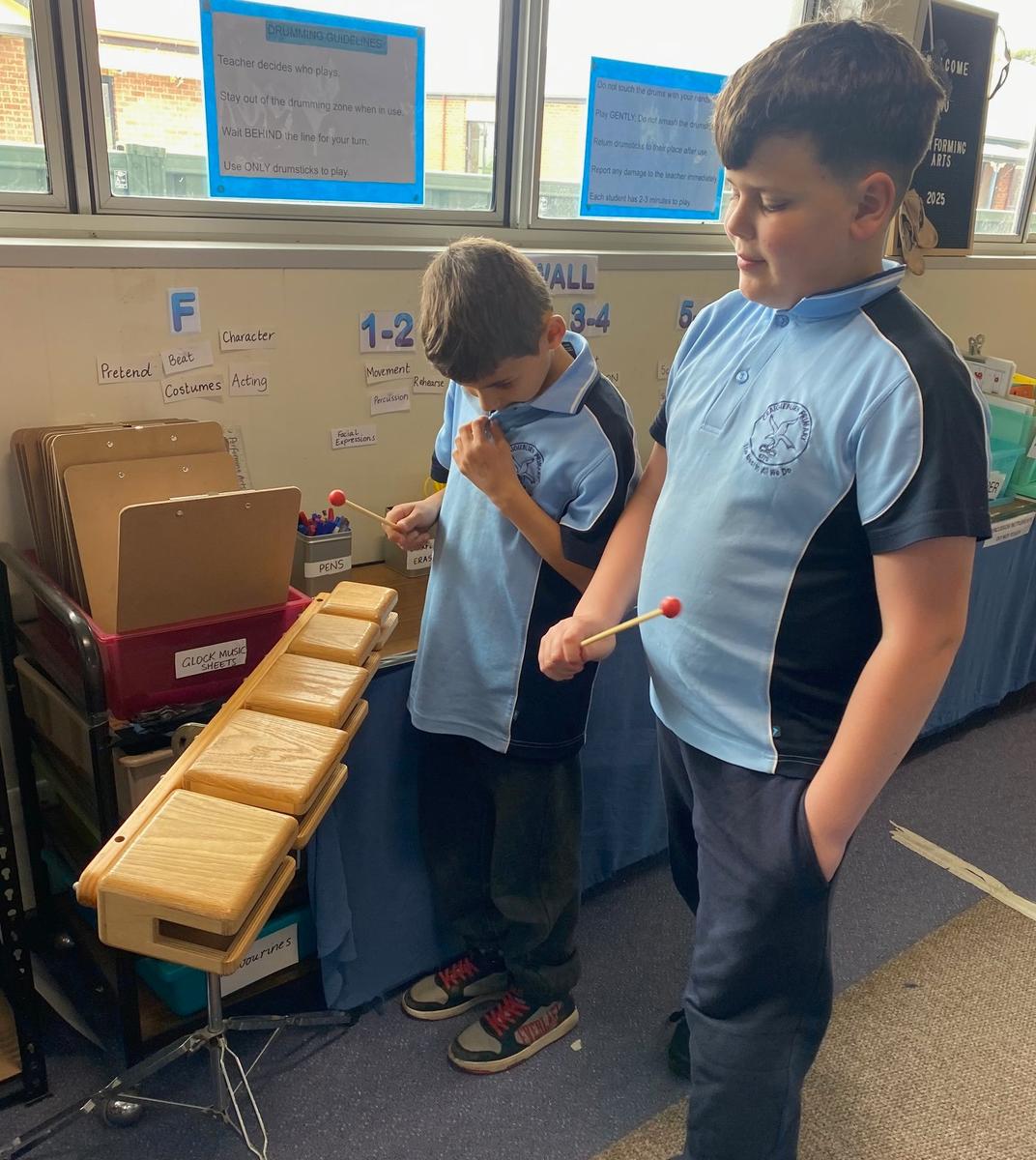
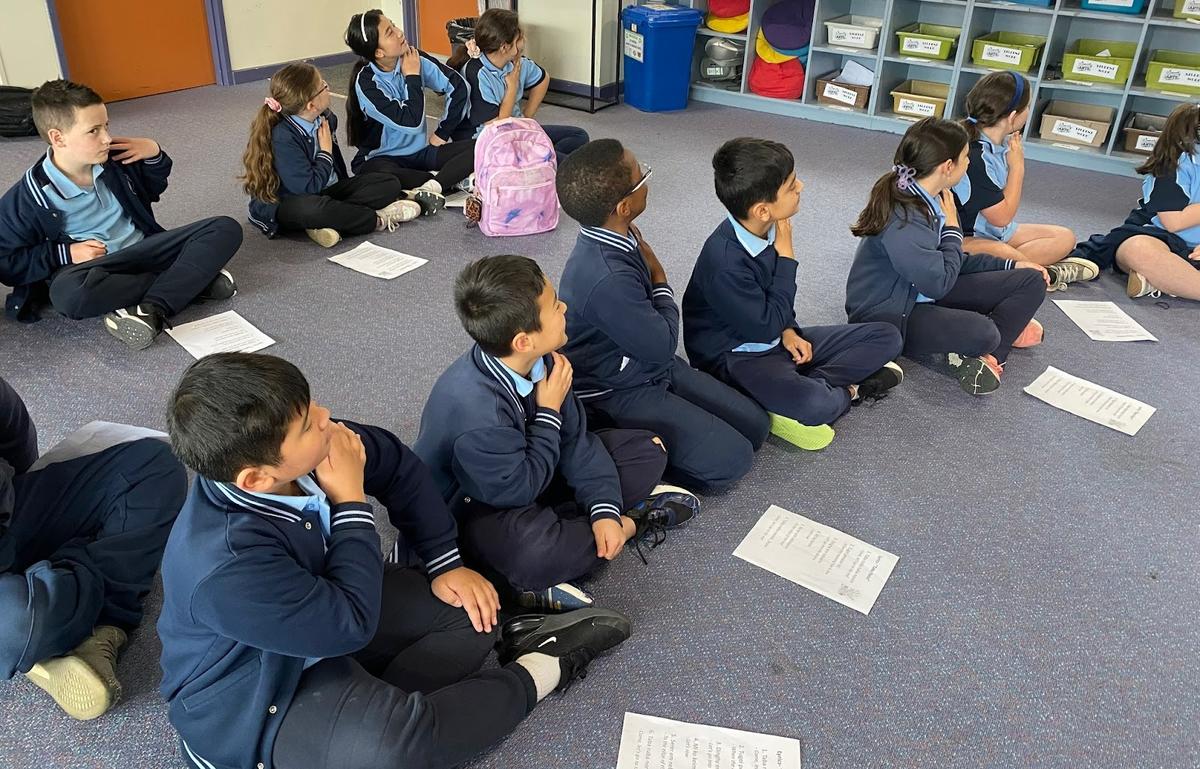
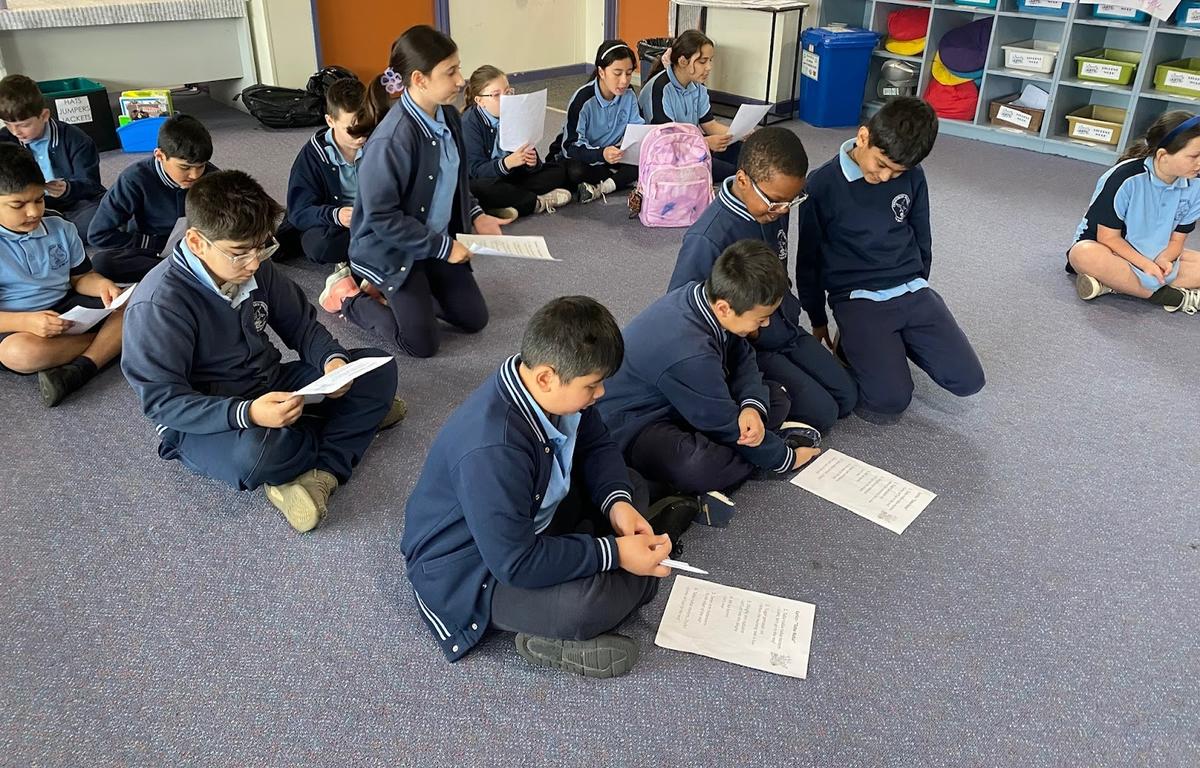
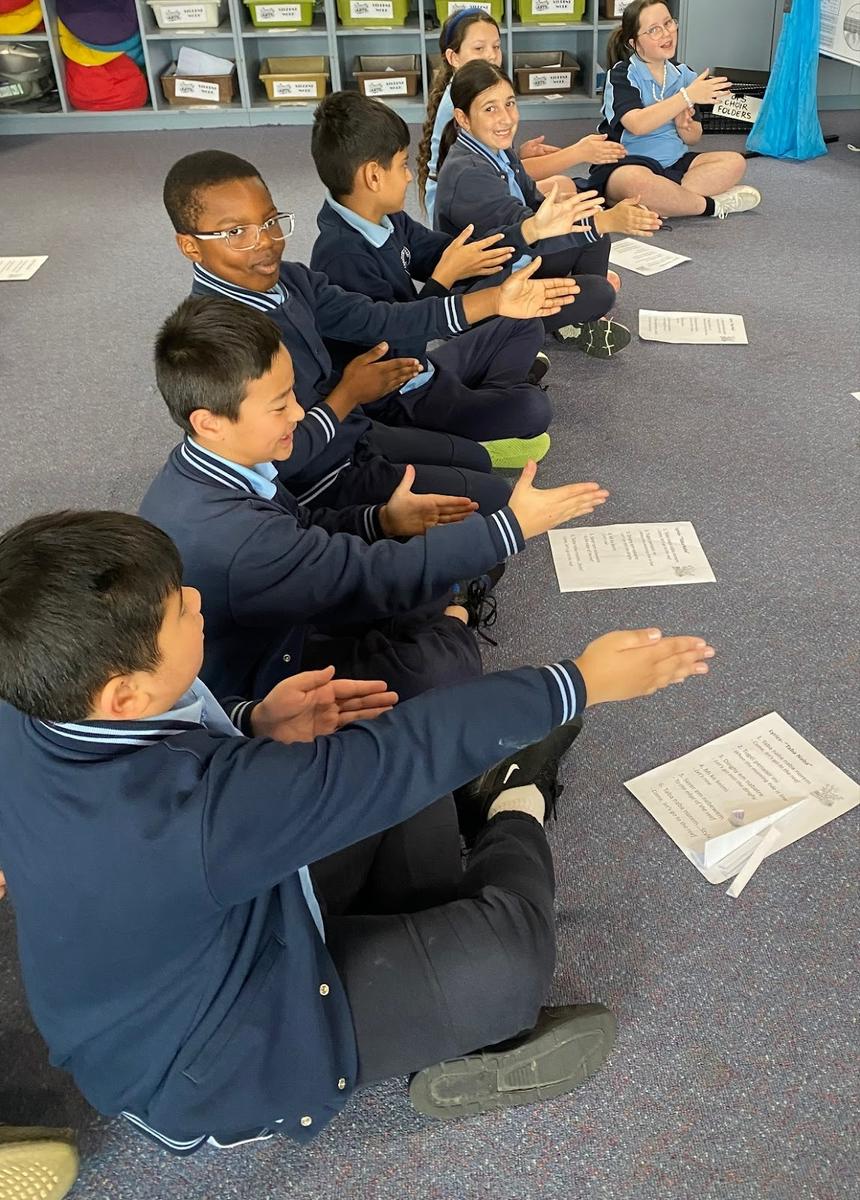
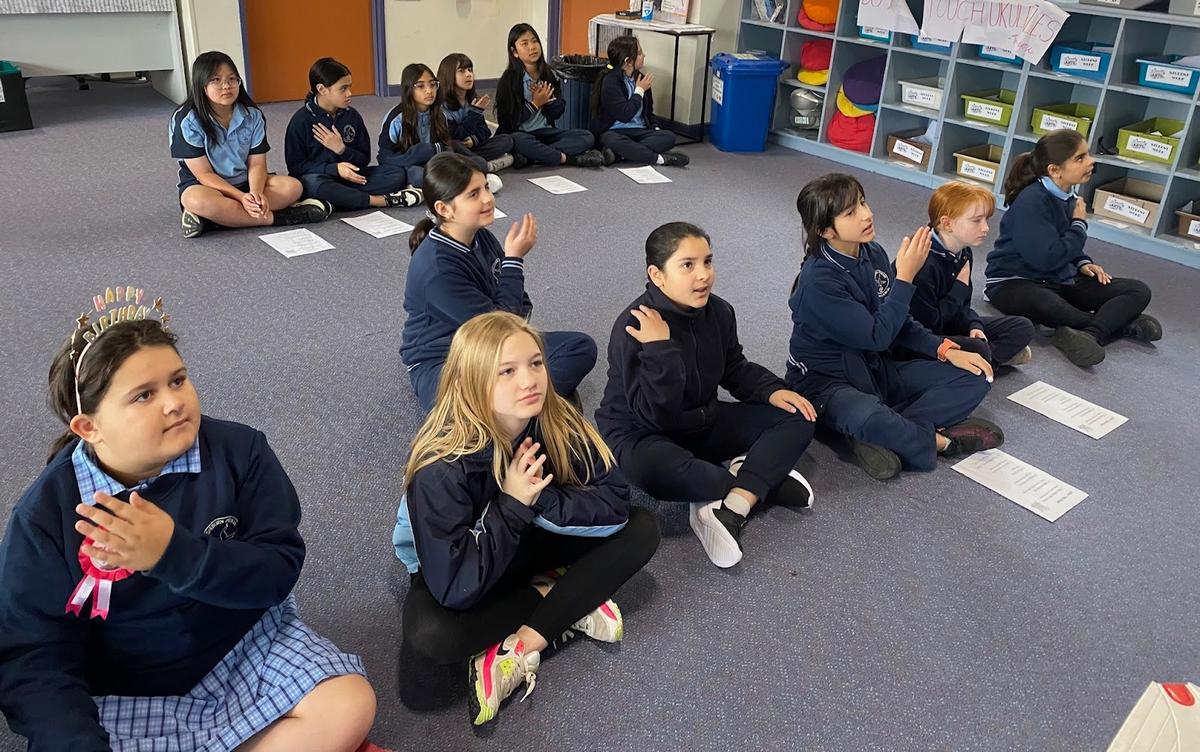
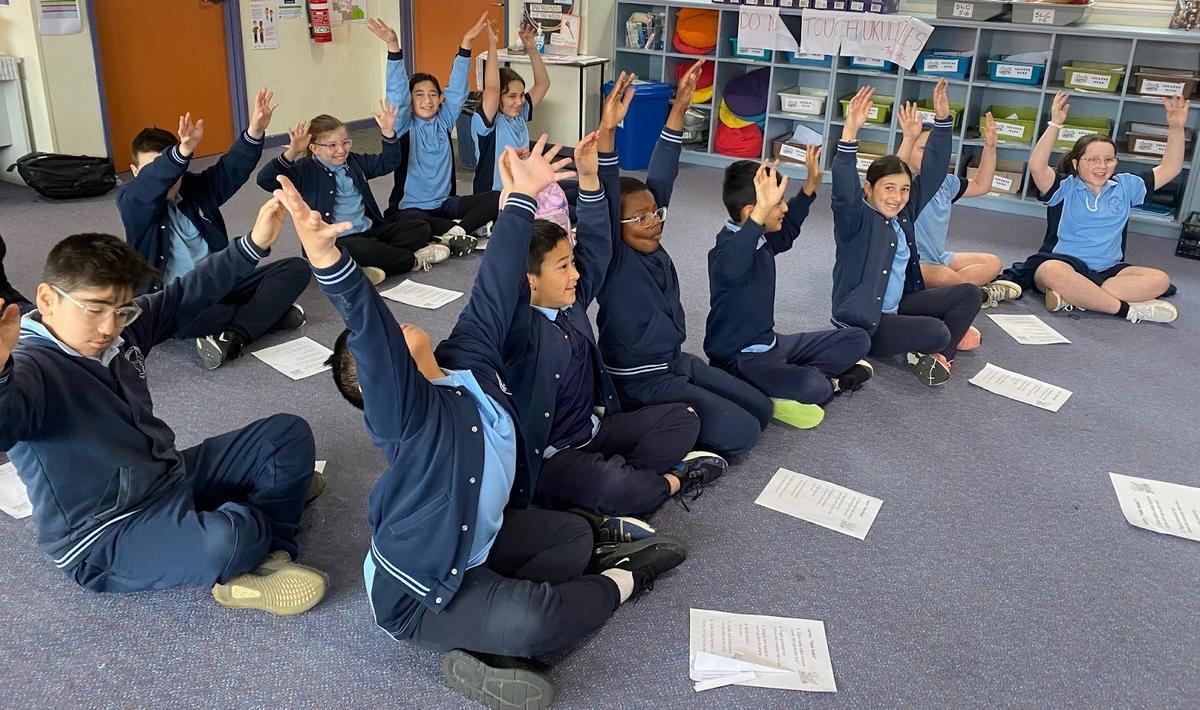
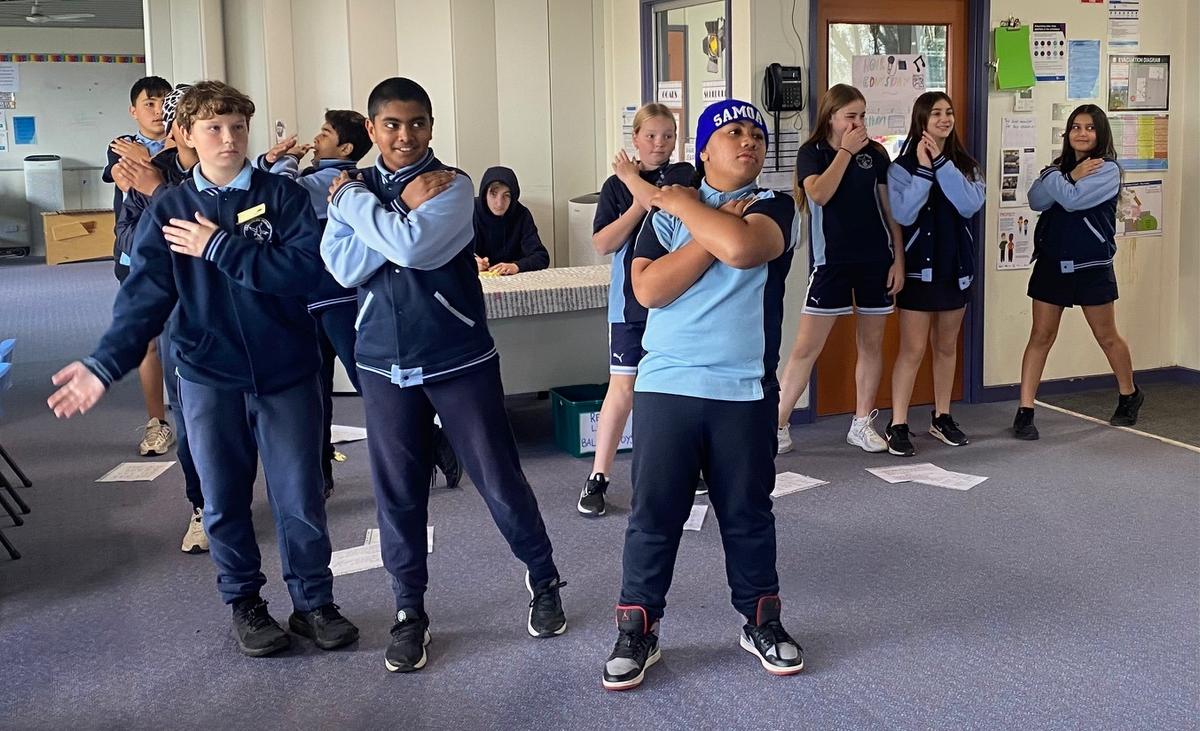
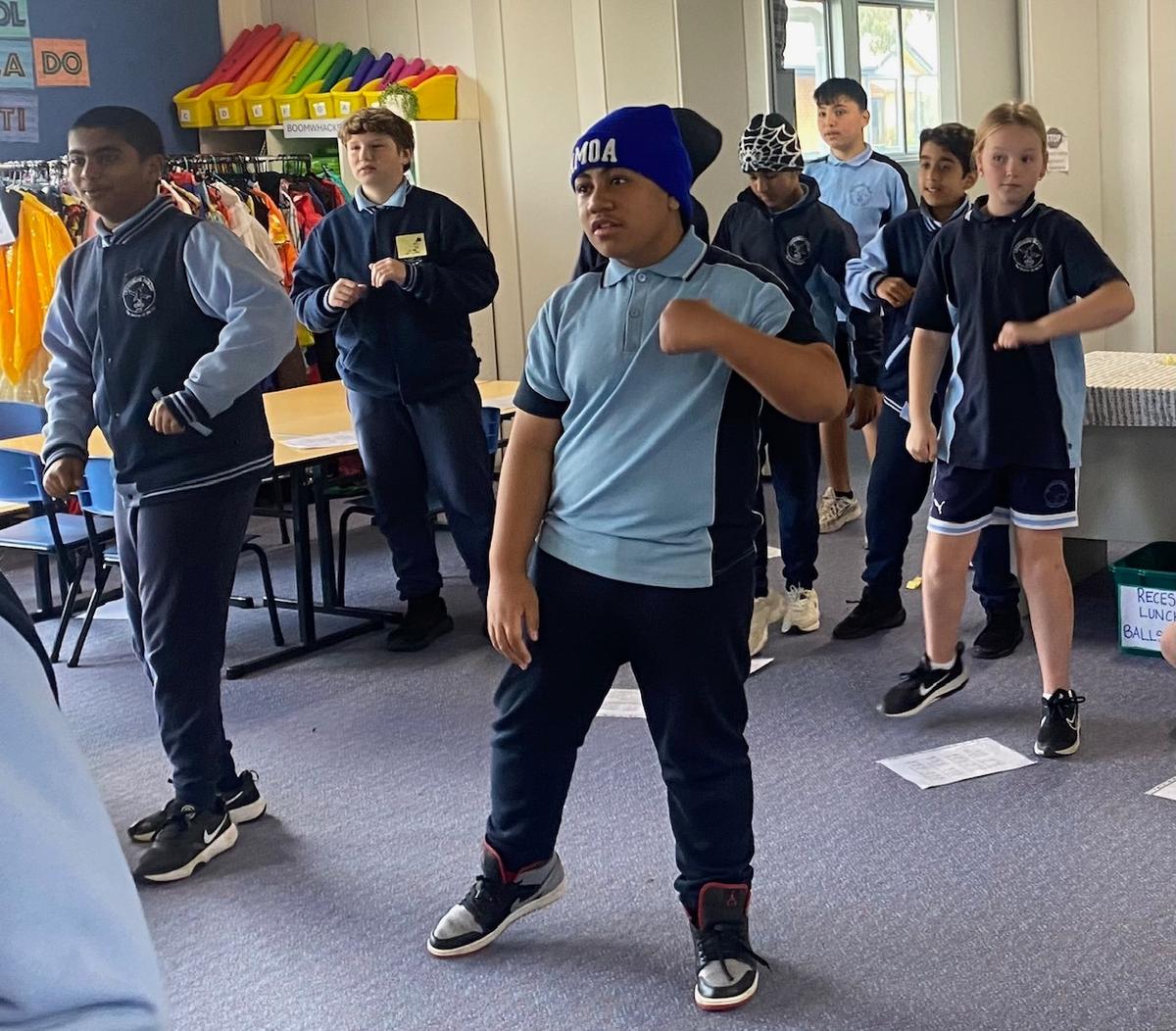
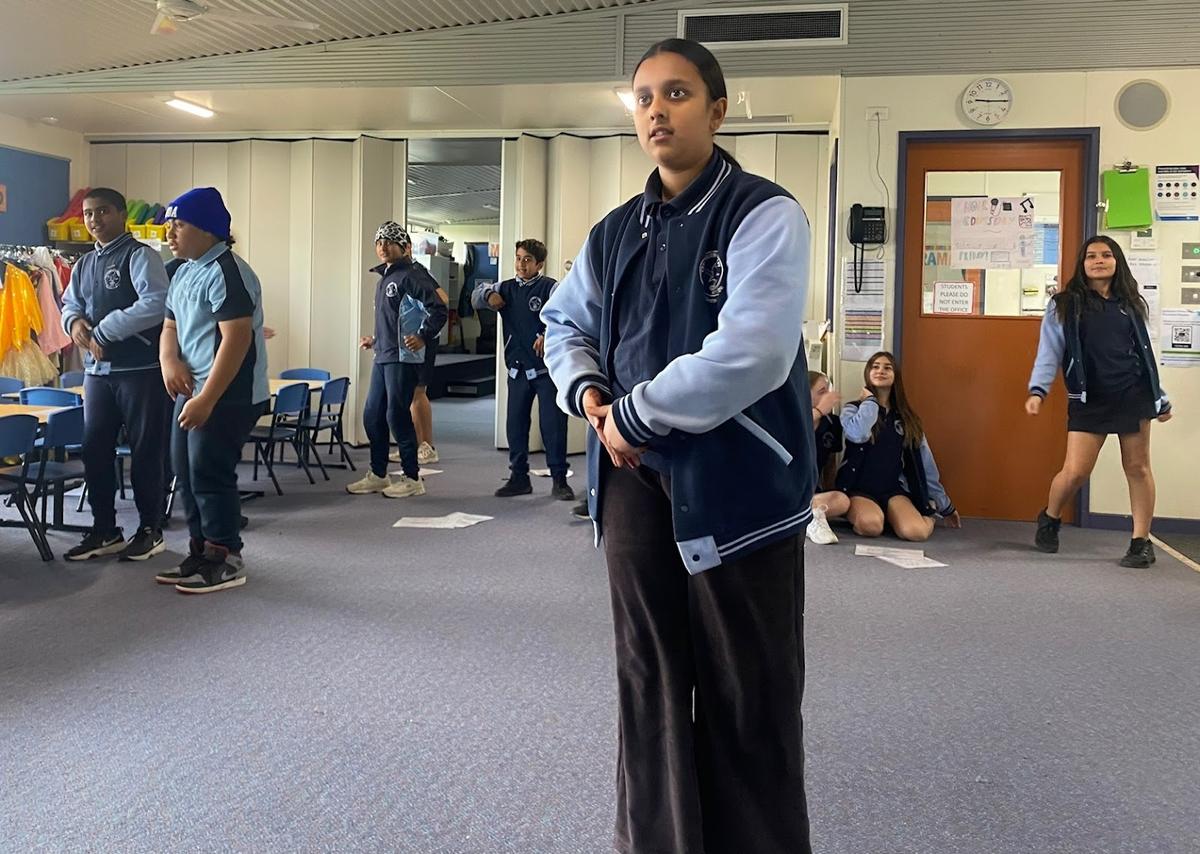
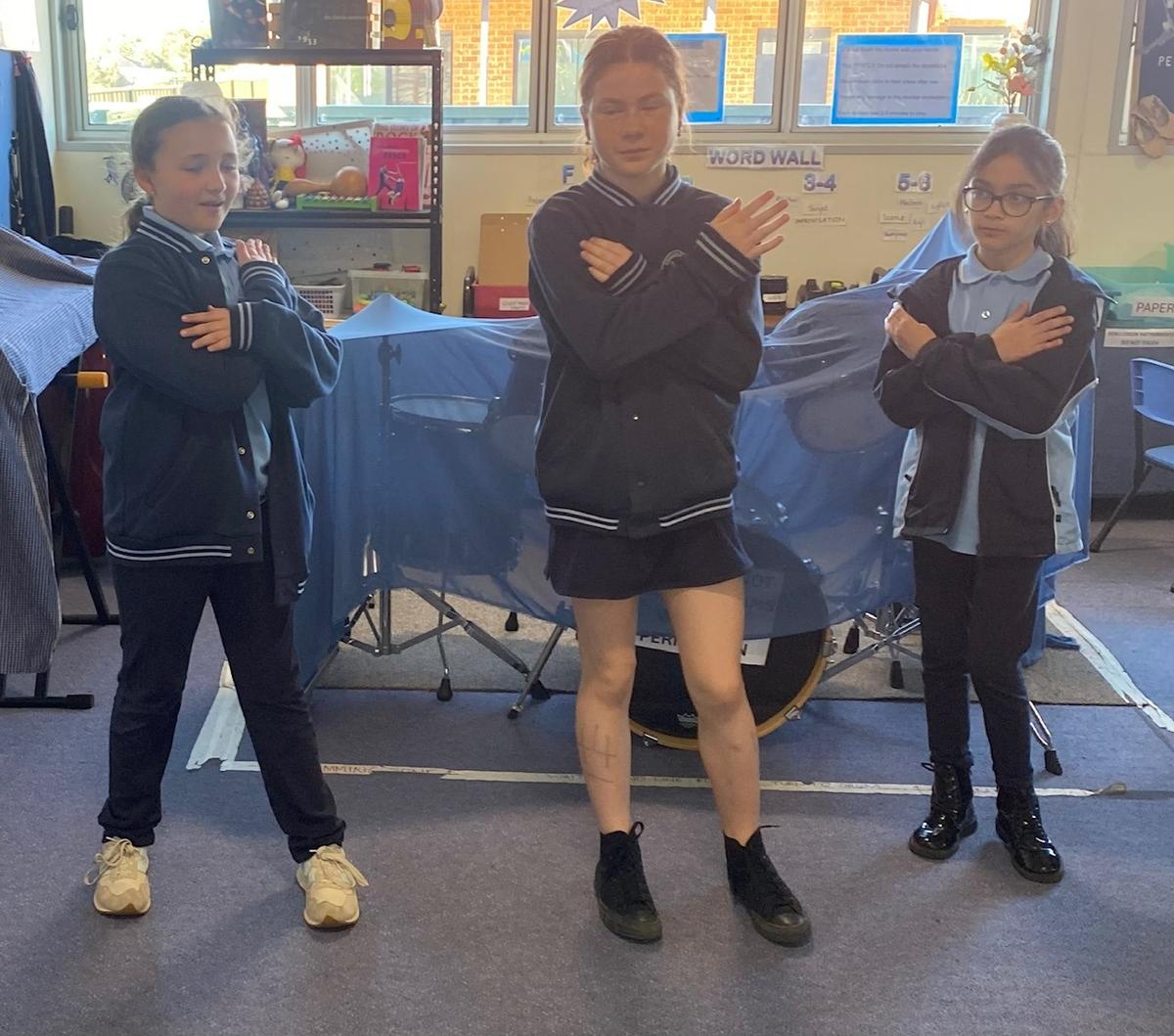
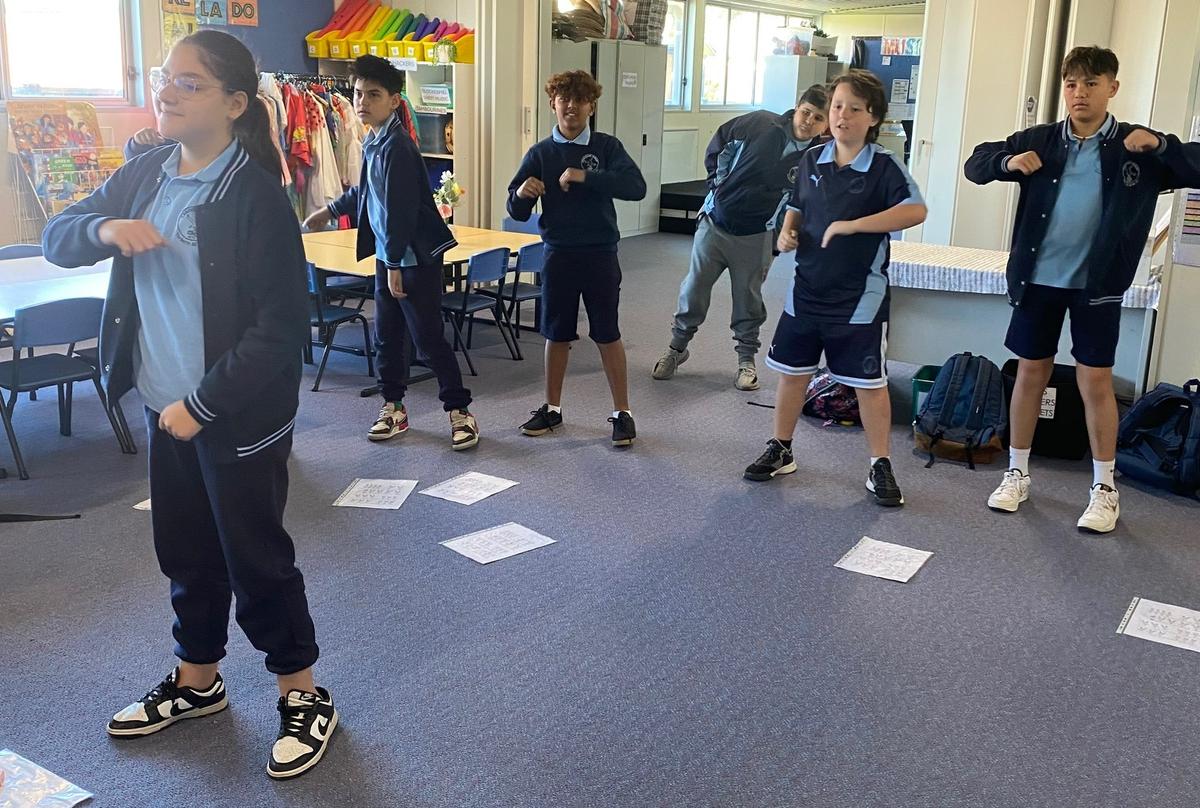
In Week 2, Year 5 and 6 students learned the traditional Torres Strait Islander song “Sesere Eeye”, exploring how movement and expressive singing can bring meaning to music. The song, which tells of a kingfisher bird diving into the water to catch a fish before flying back into the sky, helped students connect with the cultural stories of the Torres Strait Islands. Students did an incredible job singing in another language, demonstrating clear pitch, accurate pronunciation and expressive tone before adding movements that reflected the imagery of the song.
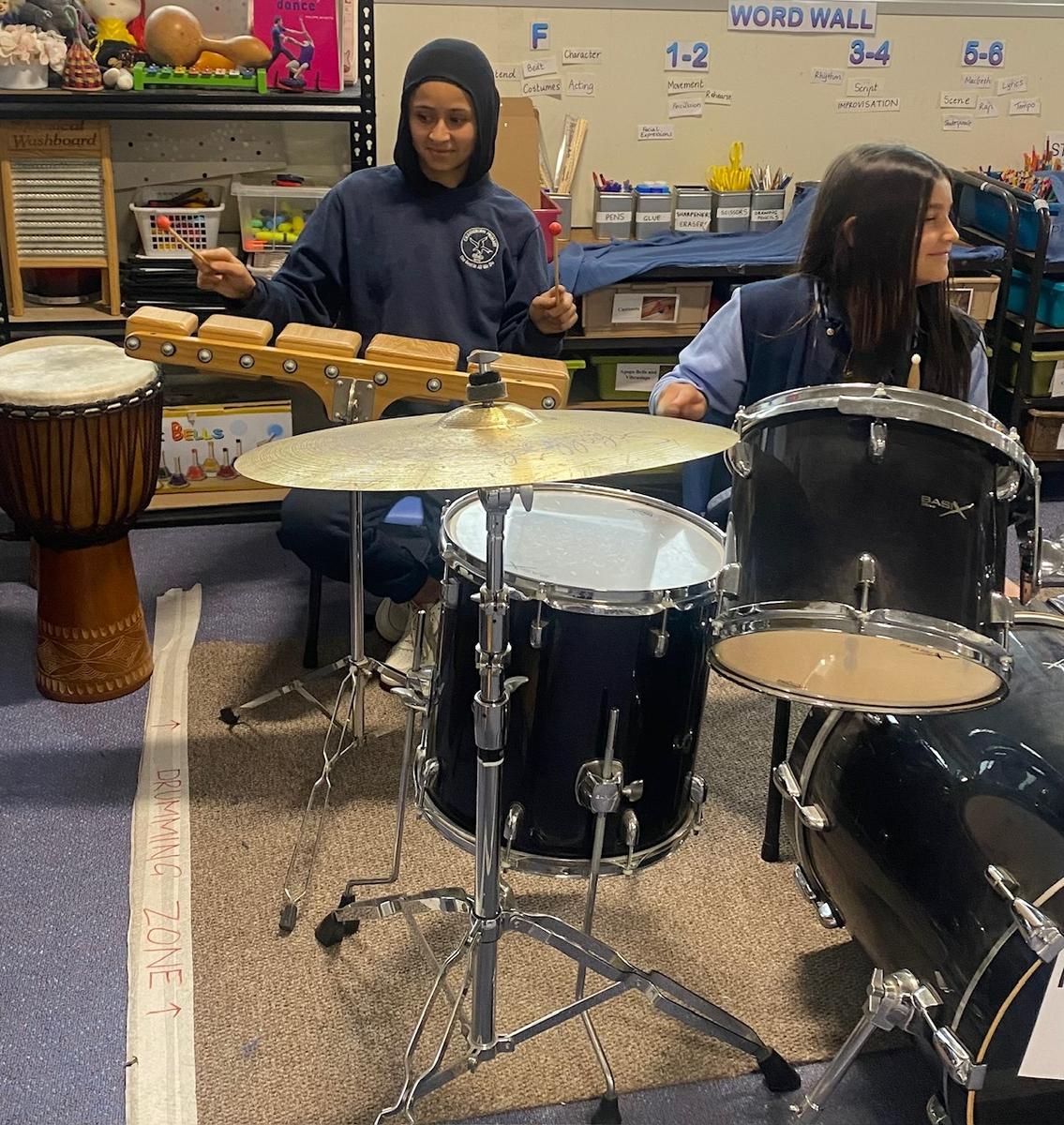
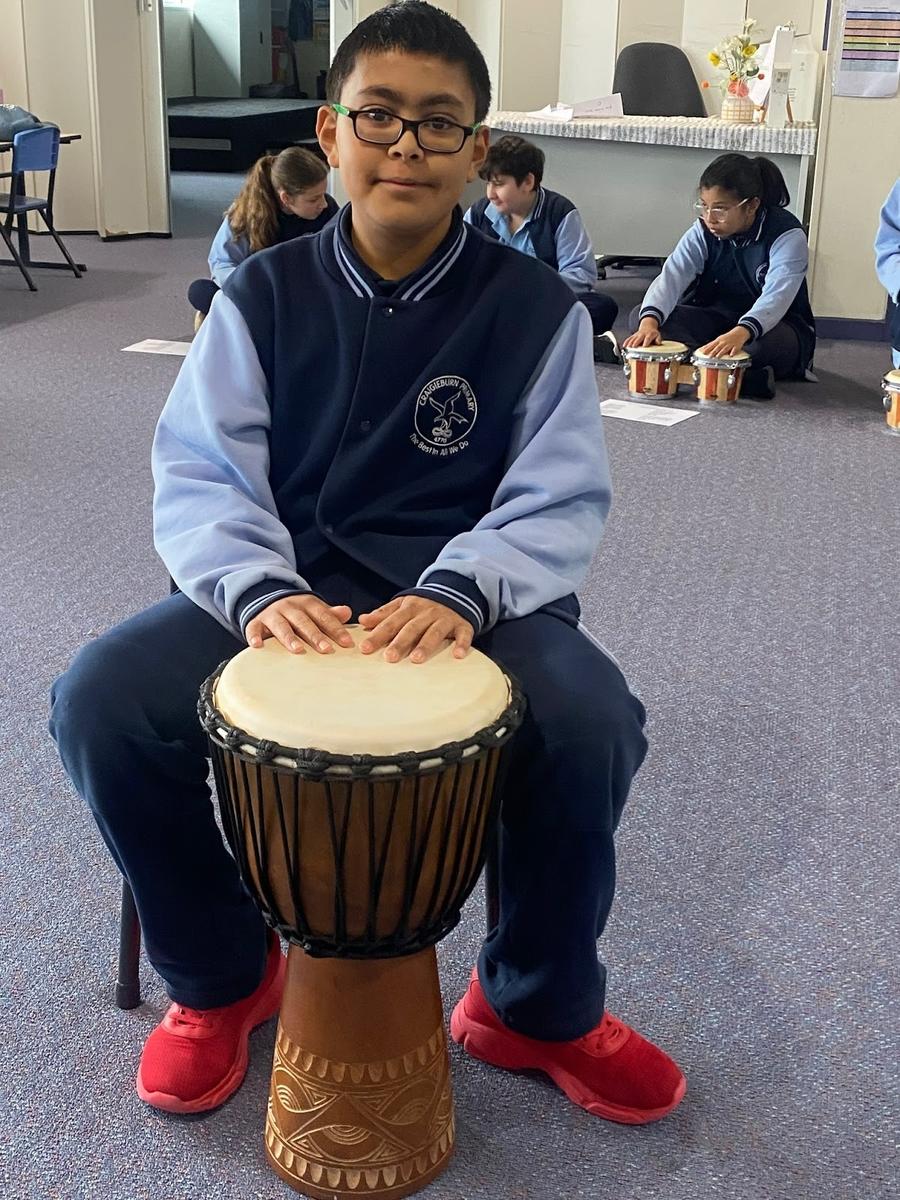
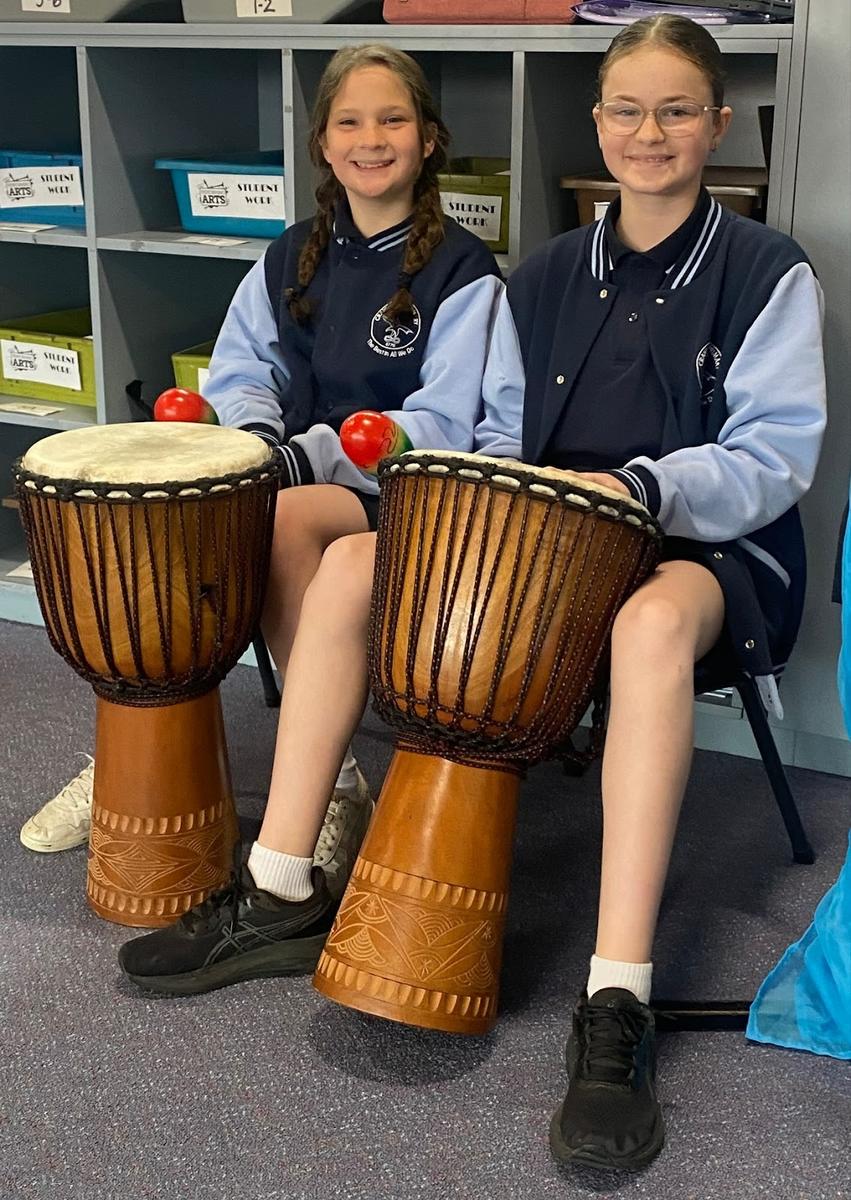
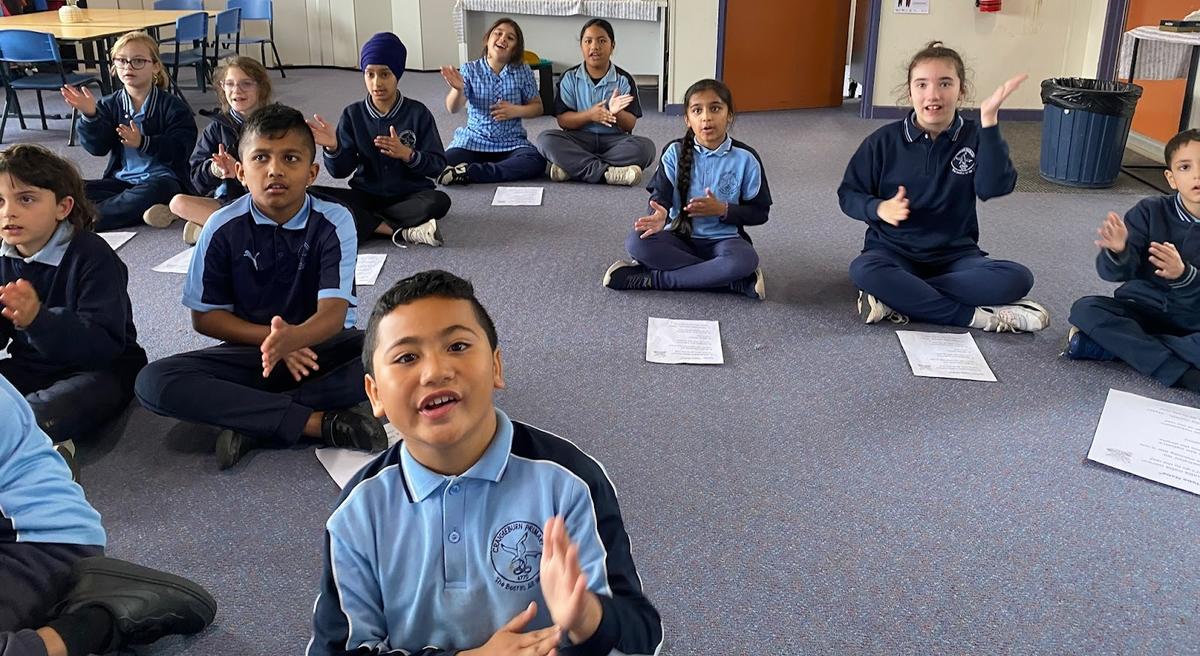
In Week 3, students learned to perform the Indigenous welcome song “Wanjoo”, exploring how percussion can enhance a performance. The song, meaning “Welcome” in the Noongar language of Western Australia, celebrates connection and belonging. Students sang with expressive tone and accurate pronunciation while keeping a steady beat on rhythm sticks, shakers and hand drums. They worked collaboratively to create simple ostinato patterns, combining these with singing in a beautifully balanced performance that honoured the Indigenous culture and community.
Week 2 Quotes:
Bonnie (6D): “We learned a new Torres Strait Islander song and it was nice.”
Alyra (6D): “We learned a different language from the Torres Strait Islands- a song and actions."
Carter (6D): “We are learning a Torres Strait Island song and it was called Sesere Eeye.”
Josh (5C): “It was fun learning a song and dance from a different culture.”
Maddison (5C): “Today was fun learning a song and dance from a different culture.”
Ivan (5D): “It was fun doing the actions.”
Riley (5D): “I liked learning the words and how to say them.”
Week 3 Quotes:
Charlotte and Lucy (6C): “It was fun making rhythm patterns on the djembe to Wanjoo.”
Abigail B (6C): “I kept the rhythm of the song and it was fun doing the beat with instruments.”
Paige (5C): “I enjoyed experimenting with new instruments.”
Jobe (5C): “I liked trying different instruments and it was fun.”
Aleisha (5C): “I enjoyed testing out different percussion instruments and seeing what sound they make.”
Week 2 Images: Students performing actions to the Torres Strait Island song ‘Sesere Eeye’
Week 3 Images: Students adding percussion to the song “Wanjoo”