
Benjamin Lay and 'Good Trouble' & Quaker Quest
Benjamin Lay and 'Good Trouble'
It's easy enough to be inspired by and to love early Quakers such as George Fox or John Woolman: Fox, an apprentice shoemaker at 19 with the courage to challenge the ways of 17th century political and religious leaders, even if it meant being jailed for his beliefs; Woolman, a leading 18th century campaigner against slavery, who refused to wear clothes dyed with chemicals that poisoned the workers who manufactured them, atoned for a childhood act of cruelty to a bird with a lifelong commitment to animal welfare, and - when offered a superior cabin on a voyage to England in recognition of his status - refused the privilege. Despite his education and skill with words, Woolman believed that 'conduct is more convincing than language': truly a Quaker who let his life speak. What's not to love?
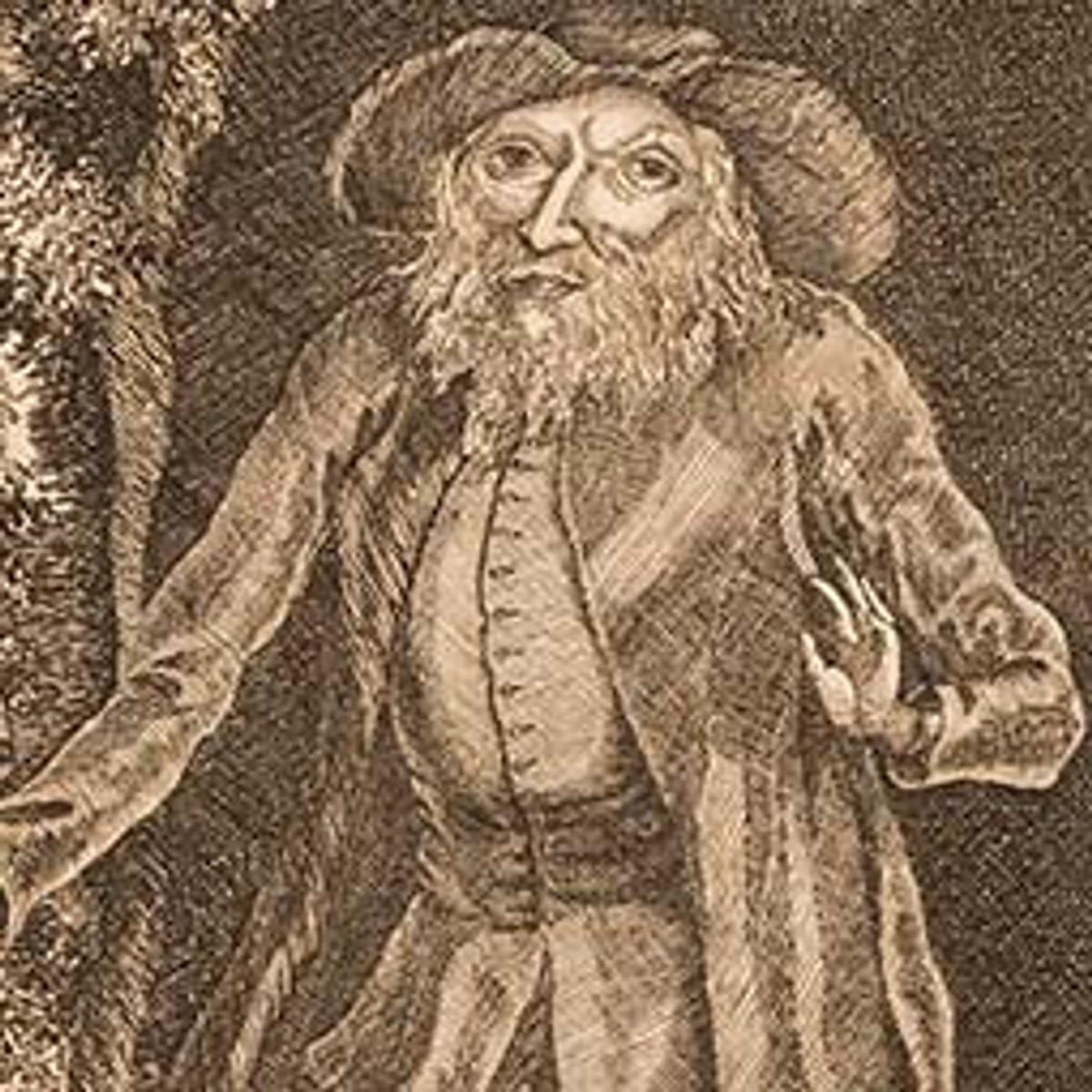
But one of Woolman's contemporaries, Benjamin Lay (1682-1759), was apparently more difficult to love. So much so that many Quakers are only now beginning to know his name, let alone any details about his life. Despite our commitment to inclusion and unity, he was regarded as a troublemaker, and was excluded from Quaker business meetings for being disruptive and for showing no remorse for his actions. While Woolman's journal has long been a literary classic, Lay's book, which was one of the first to denounce slavery, All Slave-keepers That Keep the Innocent in Bondage, Apostates is almost unknown.
Living with severe kyphosis, Lay was what is now called 'a little person', and whatever the limitations of that term, his contemporaries didn't even attempt empathy. The few portraits of Lay portray him as eccentric - almost a figure from fairy tales. Like both Fox and Woolman, Lay spoke truth to power, but he made no attempt to soften the confrontation. As well as campaigning against slavery throughout his life, Lay opposed the death penalty. His experience as an apprentice tanner and glovemaker led to a lifelong campaign against the brutal treatment of animals. He became vegetarian, walked long distances to meeting, foraged and grew his own food. Not strange from a 21st century perspective, but too radical for some Quakers at the time.
Among the unforgettable anecdotes from Lay's long life are the way he expressed his disgust with one meeting by lying down at the exit door and forcing worshippers to walk over him as they left, and a scene where he smashed a family heirloom tea-set in the marketplace to draw attention to the use of slaves on both tea and sugar plantations. There are many ways to let our lives speak, and to speak truth to power, and we work with the talents that we have been given. If Woolman was a quieter Quaker revolutionary, Lay was loud. And perhaps it's only now in an age of media performance that his theatrical activism is being understood, not as egotistical abrasiveness, but as what the US civil rights leader John Lewis called 'good trouble'.
Marcus Rediker's The Fearless Benjamin Lay: The Quaker Dwarf who Became the First Revolutionary Abolitionist (2017) is a very accessible account of his life and is in the Hobart Meeting House Library. There are also short videos about Benjamin Lay on YouTube.
Mark Macleod - Quaker Advisor
Quaker Quest 2025
Who are the Quakers? What do they believe? Are they relevant today?
The Hobart Regional Meeting invites you to satisfy your curiosity and find out at the 2025 Quaker Quest series.
- Wednesday 1 October: Early Quaker History and how Quakers began
- Wednesday 8 October: Quakers and Peace
- Wednesday 15 October: Quakers and Simplicity
- Wednesday 22 October: Quakers and God
Venue: Quaker Meeting House, 5 Boa Vista Rd, North Hobart
Time: Bread and soup available at 6pm for 6.30pm start for the 1-hour session.
All welcome. Come to any one, or all sessions.
Enquiries can be directed to:
Peter Jones: pdpjones@optusnet.net.au
Jen Newton: jennewton@bigpond.com