Foundation Classroom
This term’s first mentor text was What Do You Call Your Grandma? by Ashleigh Barton. This engaging and beautifully illustrated text connected perfectly with our integrated topic as we explored the different names that cultures around the world use for their grandmothers. Students discovered that the word for “grandma” can be very different depending on where someone comes from, and this sparked lots of curiosity and conversation in the classroom. We discussed how language and family traditions are an important part of identity and culture. Students were excited to share the country their own grandparents come from and the special names they use for them at home. This created a strong sense of connection and pride in each student’s background. It was wonderful to see students listening respectfully and showing genuine interest in each other’s family stories.
We also spent time locating all of our grandparents’ countries on a world map. Students were fascinated to see how far some family connections stretch across the globe, while others were much closer to home. We identified if any countries matched those mentioned in the book and discussed how people in different parts of the world may still share similar traditions despite living far apart. This activity helped students develop their understanding of geography in a meaningful and personal way. It also encouraged them to think about how diverse our classroom community truly is. Many students were surprised to find classmates who had connections to the same countries, which led to exciting conversations and shared discoveries.
Students practised finding similarities and differences between children from different cultures, strengthening their understanding of multiculturalism and empathy. Some students connected strongly with Bingwen from China, who shared that his Nai Nai often buys him treats, which reminded them of special moments with their own grandparents. Other students related to characters whose grandparents live in different countries, helping them understand what it can feel like to maintain long-distance family relationships. These discussions allowed students to reflect on their own experiences while appreciating the experiences of others. It was powerful to see students making thoughtful connections between the text and their own lives. One of the most valuable outcomes was the way students began recognising both similarities and differences as something to celebrate rather than something that separates us.
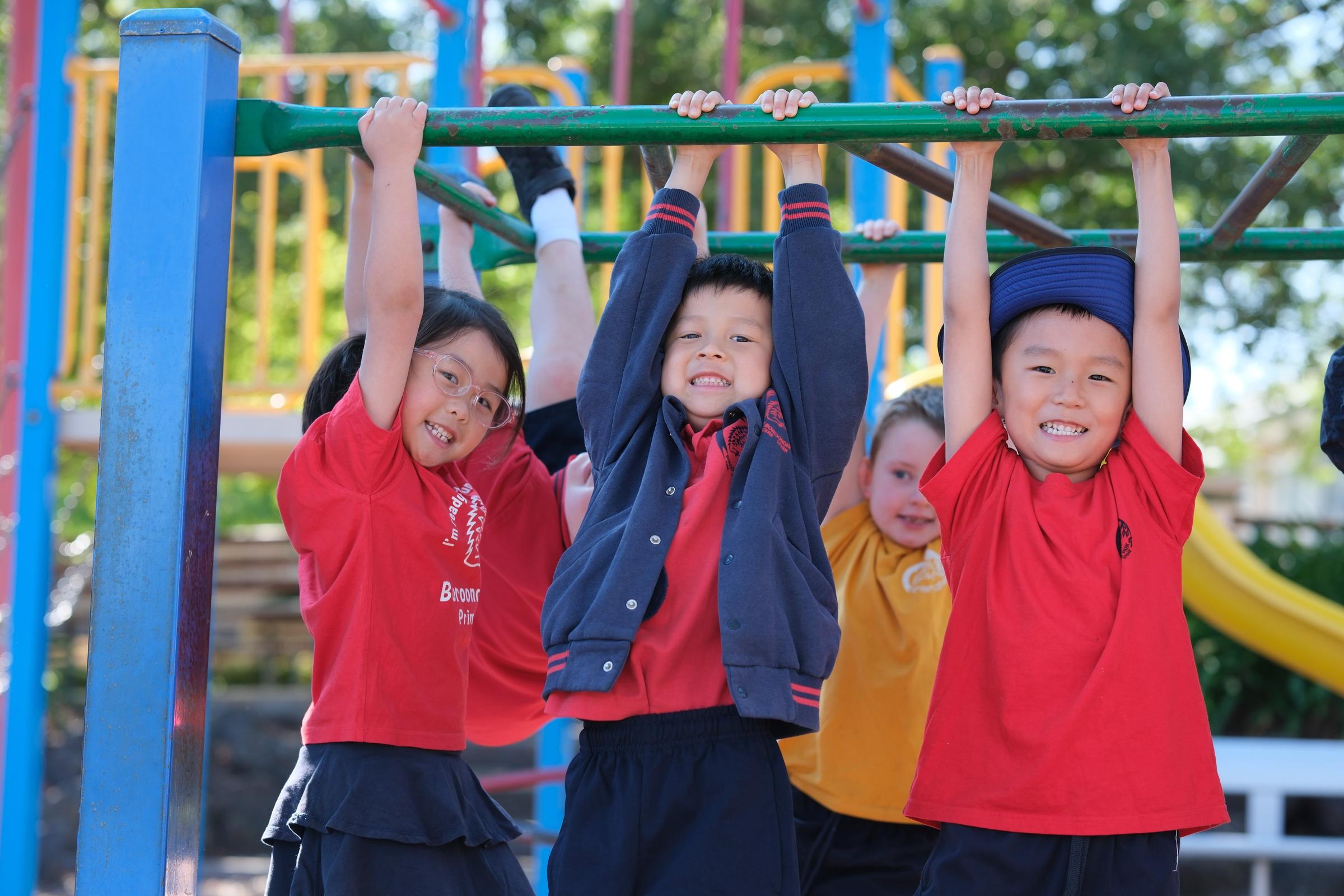
Our second mentor text was This Is How We Do It by Matt Lamothe, which follows the lives of seven children from different countries around the world. Students were fascinated as they explored a typical day in the lives of these children and compared them to their own daily routines. The book encouraged rich discussion about school, home life, food, hobbies, and daily responsibilities across different cultures. One particularly memorable comparison was Daphne from Uganda, who wore a school uniform very similar to the one worn at Boroondara Park Primary School, yet her surrounding landscape and environment looked very different from Australia. This contrast helped students understand how people can share similarities in lifestyle while still living in very different contexts. Students were highly engaged and eager to point out both surprising differences and comforting similarities.
Both texts provided an excellent foundation for our integrated unit on multiculturalism. They supported students in developing respect, curiosity, and appreciation for cultures from around the world. Through discussions, map work, and personal connections, students were able to see themselves as part of a diverse and interconnected global community. These learning experiences have helped foster empathy and understanding, encouraging students to value both their own heritage and the heritage of others. It has been wonderful to see students so engaged in learning about the world beyond their classroom. We look forward to continuing this journey of exploring cultures, stories, and identities throughout the term.
Thank you for another wonderful term of learning! We wish all families a wonderful holiday break.
See you in Term 3!
Heidi and the amazing students of FHR