
From the Archives
From School Archivist, Mrs Marlo Robson
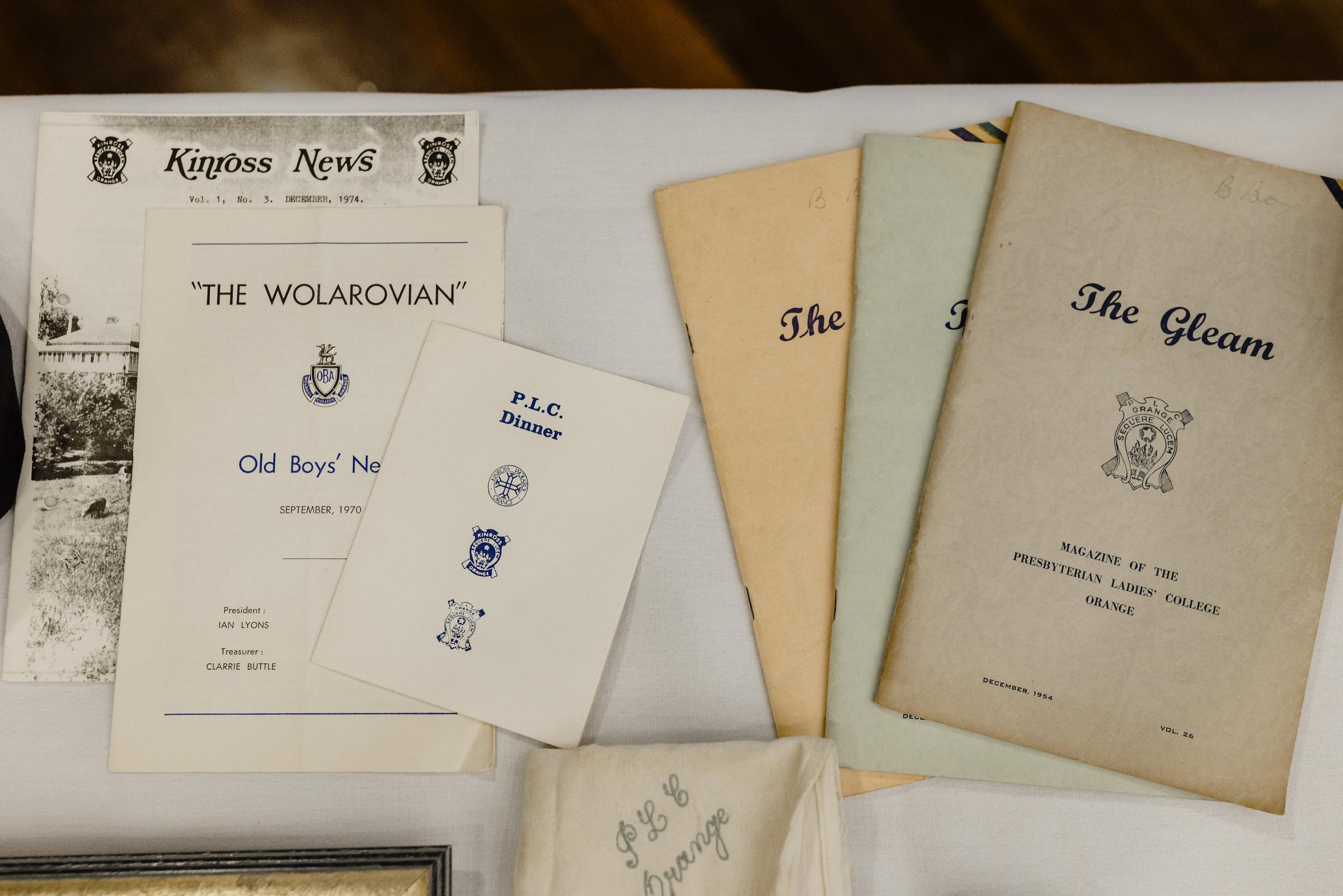
From the Archives
From School Archivist, Mrs Marlo Robson
Gladys Munby taught at PLC during the early years of the School’s foundation, serving as a music teacher in the late 1920s and bringing with her a remarkable international and wartime background.
Munby was a highly trained musician and fluent German speaker. Prior to the First World War, she undertook formal musical studies in Germany, training as a pianist at the Dresden Conservatorium under Miss Rappoldi, a distinguished virtuoso who had studied with Franz Liszt. With the outbreak of war, Munby returned to England and continued her studies at the Royal College of Music, London. Her emerging musical career was subsequently suspended in order to support the war effort.
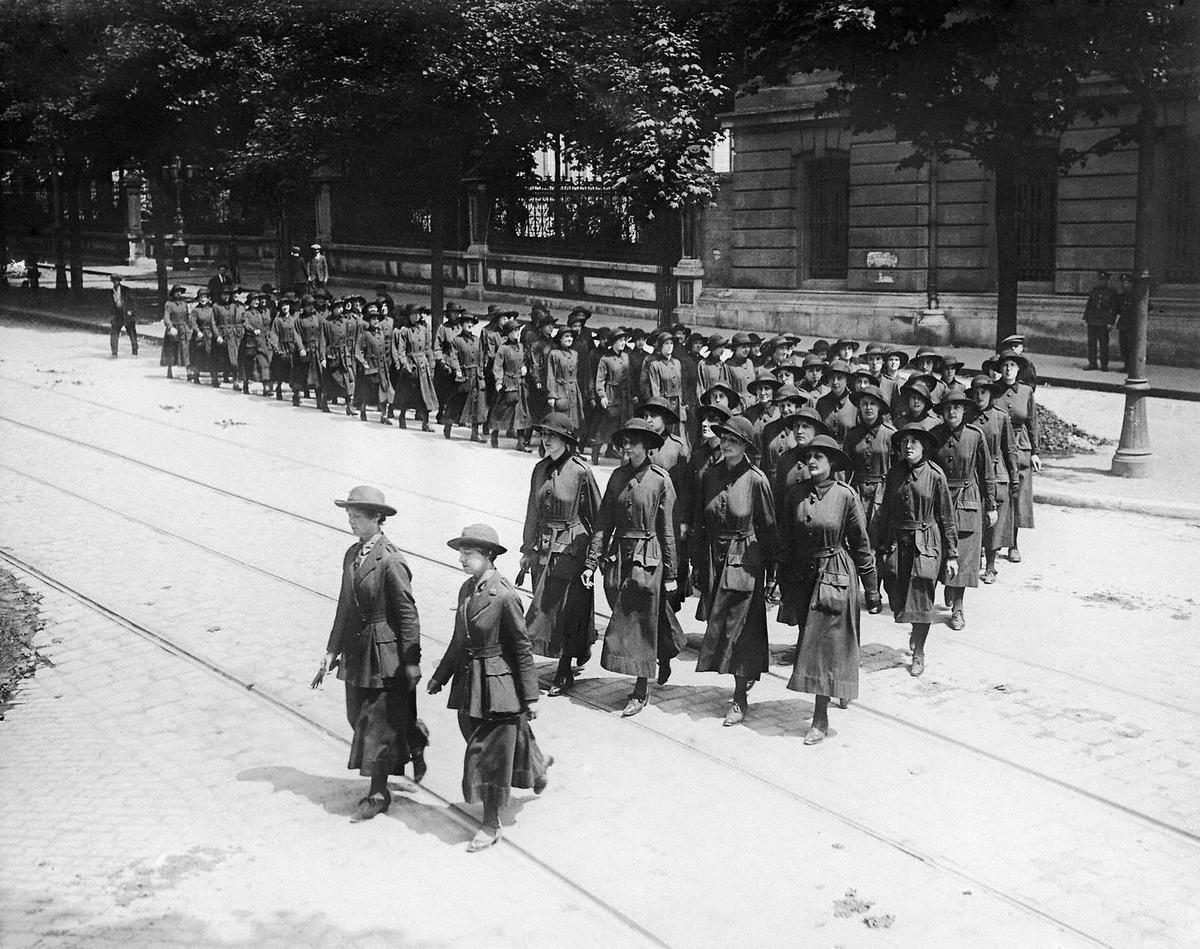
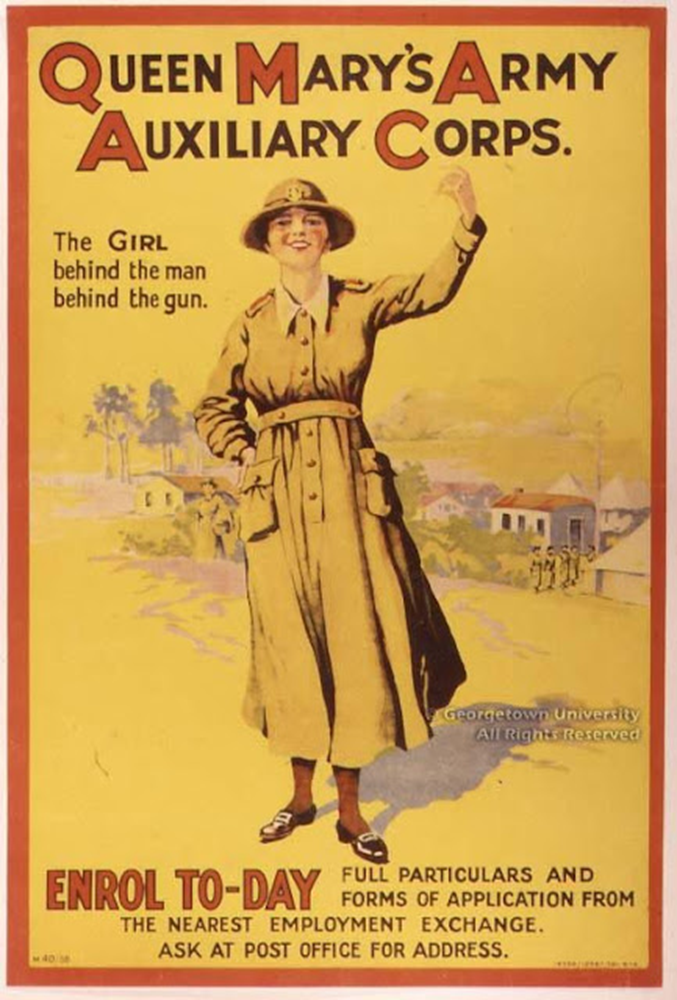
In October 1917, Munby joined the Queen Mary Army Auxiliary Corps (Q.M.A.A.C.) and was attached to the Intelligence Department at St Omer, France. This unit was informally known as the “Hush WAACs.” The Hush WAACs comprised a pioneering group of only seventeen women. They were the first and only women to serve as frontline codebreakers in France during the First World War. Recruited specifically for their German language skills, they were tasked with decoding German wireless transmissions. Munby served in this capacity until November 1918. Her sister, Violet Munby, was also a member of the Hush WAACs.
Following the Armistice, Munby travelled to Australia in 1923, where she worked as a music teacher in Sydney and later PLC Orange. Her work coincided with the early establishment of the School and reflects the breadth of experience brought by early teaching staff.
The success of several of her students in Royal College of Music London examinations indicates that high musical standards were being fostered under her guidance, aligned with recognised external benchmarks. Through this emphasis on disciplined study and examination preparation, Munby contributed to laying firm foundations for musical excellence in the School’s early years, supporting the growth of a serious and enduring music program.
Gladys Munby returned to the United Kingdom in May 1930, her wartime service in intelligence placing her among those whose contributions are remembered on Anzac Day.