STEM
Foundation
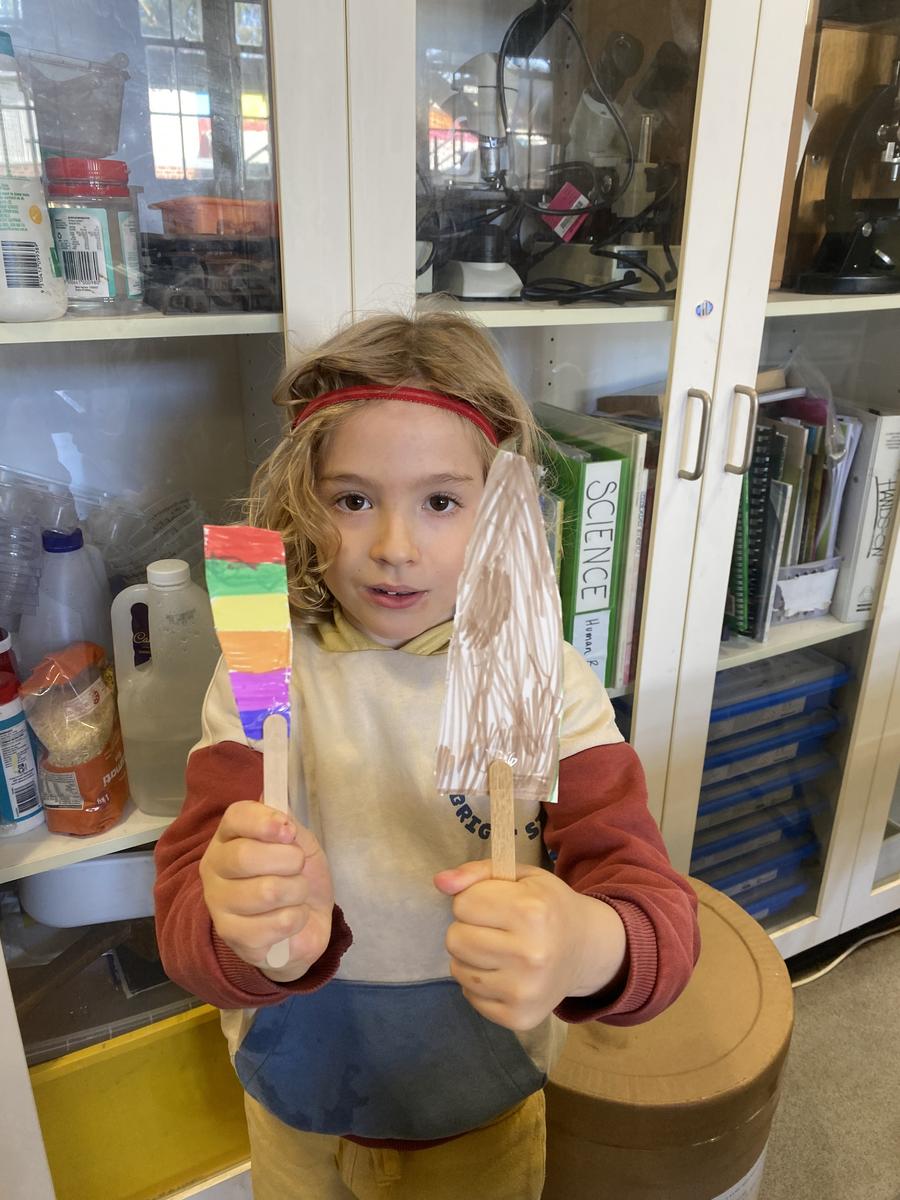
This term, the Foundation students have been exploring the changes that occur to everyday materials when they are heated or cooled. They are learning that heating or cooling a material can change its properties and that some changes are reversible, such as melted chocolate returning to a solid, while others are not.
Last week, the students made icy poles, demonstrating how a liquid can be changed into a solid through freezing. They also placed ice blocks in different locations (including the sun, shade and fridge) to investigate how temperature affects the rate at which they melt.
This week, we melted butter and then cooled it on a bed of ice to turn it back into a solid. We observed that, although it tasted similar to the original butter, it was slightly different and did not return exactly to its original form.
Year 1/2
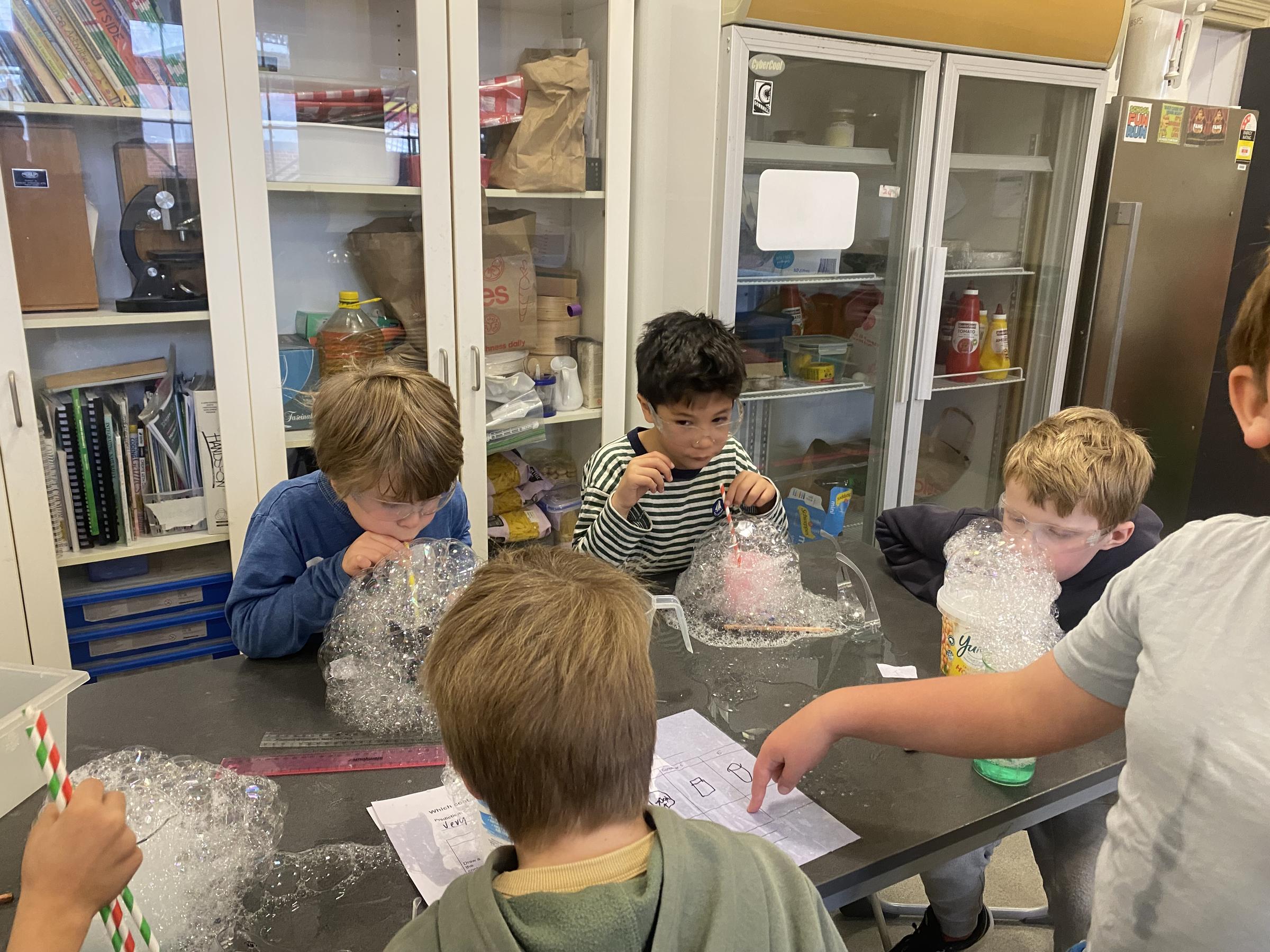
This term, the Year 1/2 students have been participating in a series of scientific experiments designed to develop their understanding of the properties of different materials and introduce them to basic scientific methodology.
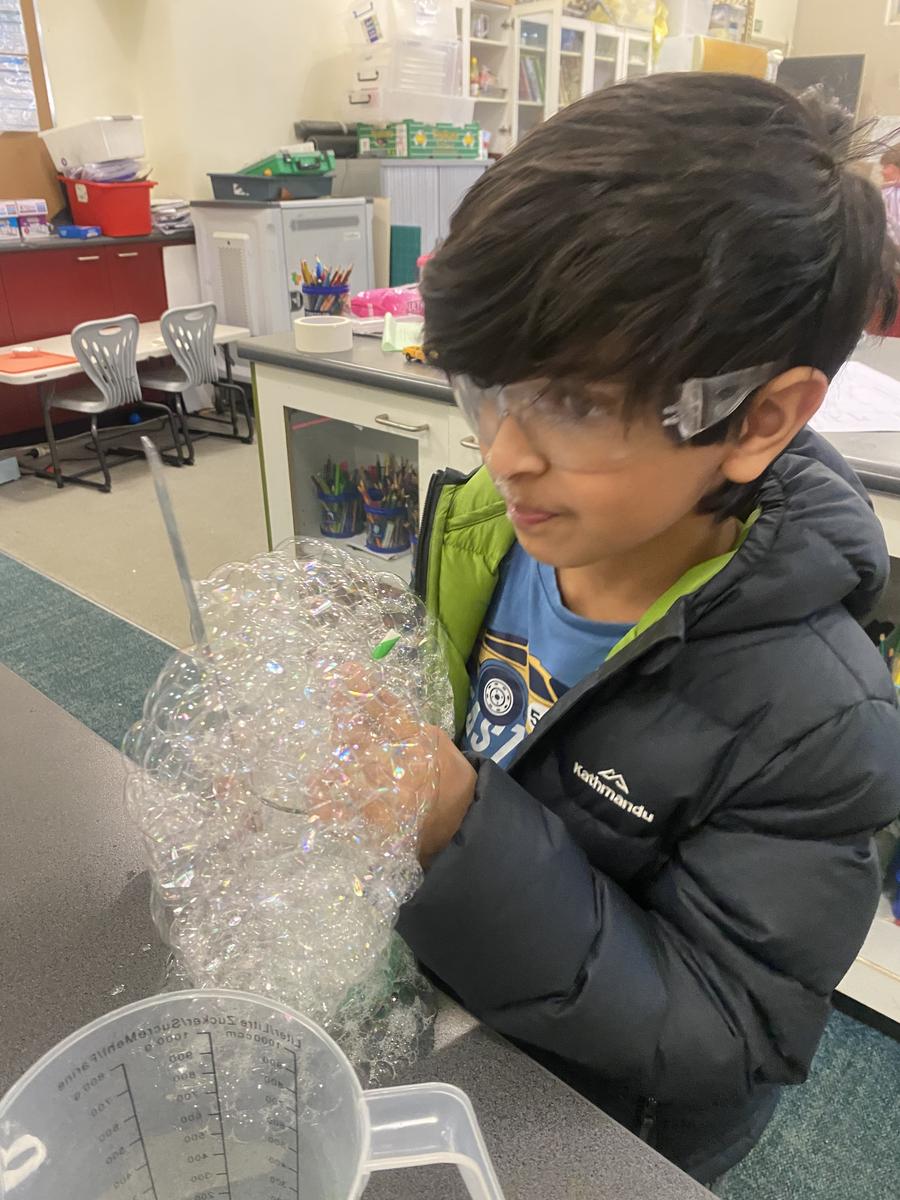
Students have been learning how scientists investigate questions by posing their own questions, making predictions, observing what happens and recording their results using tables, diagrams and pictures.
Over the past few weeks, our focus has been on the importance of conducting a fair test. Students have been learning that when we are investigating whether one thing affects another, we need to keep everything the same except for the one thing we are testing.
Year 3/4
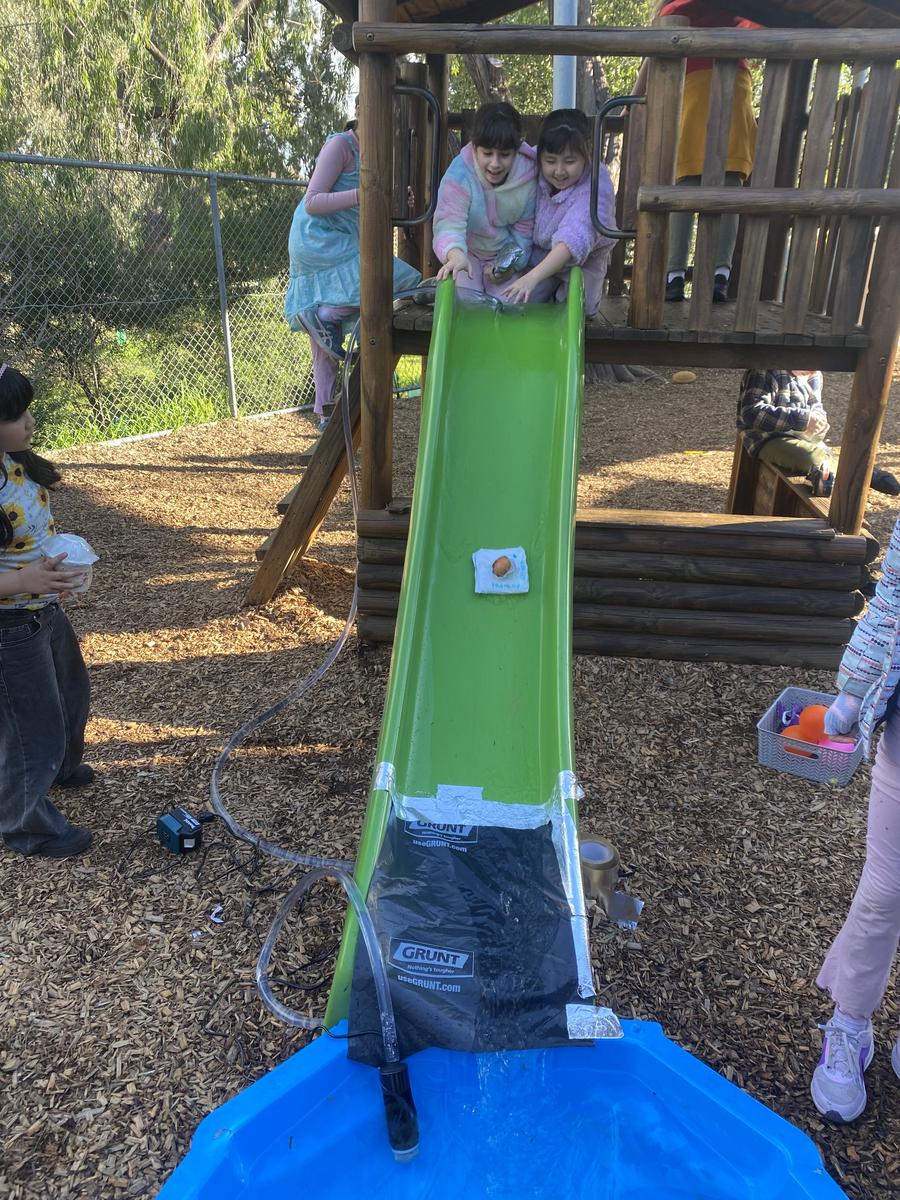
This term, the Year 3/4 students have been completing their engineering and design unit, The Eggletons’ Big Adventures… and Misadventures. Their final challenge was to design a carrier that could safely transport an egg down a waterslide.
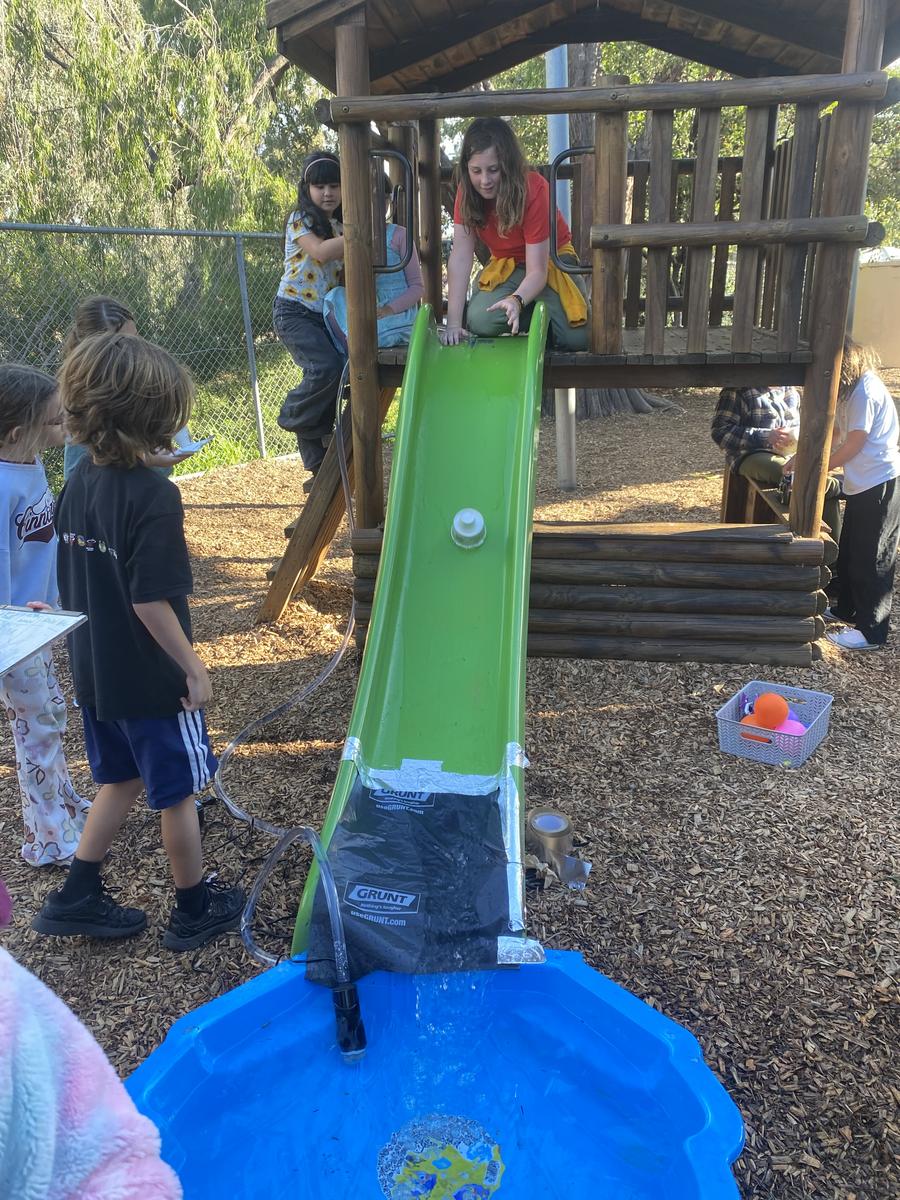
To put their designs to the ultimate test, we set up a waterslide using a pump and baby pool on the slide in the junior playground. The students then sent their eggs down the slide to see whether their carriers could protect them!
All but one group, which achieved an impressive 79.6% survival rate, reached our goal of an 80% or above egg survival rate. We celebrated the successful completion of the challenge by making hollow chocolate eggs using melted chocolate and moulds. All I can say is that engagement was very high that day!
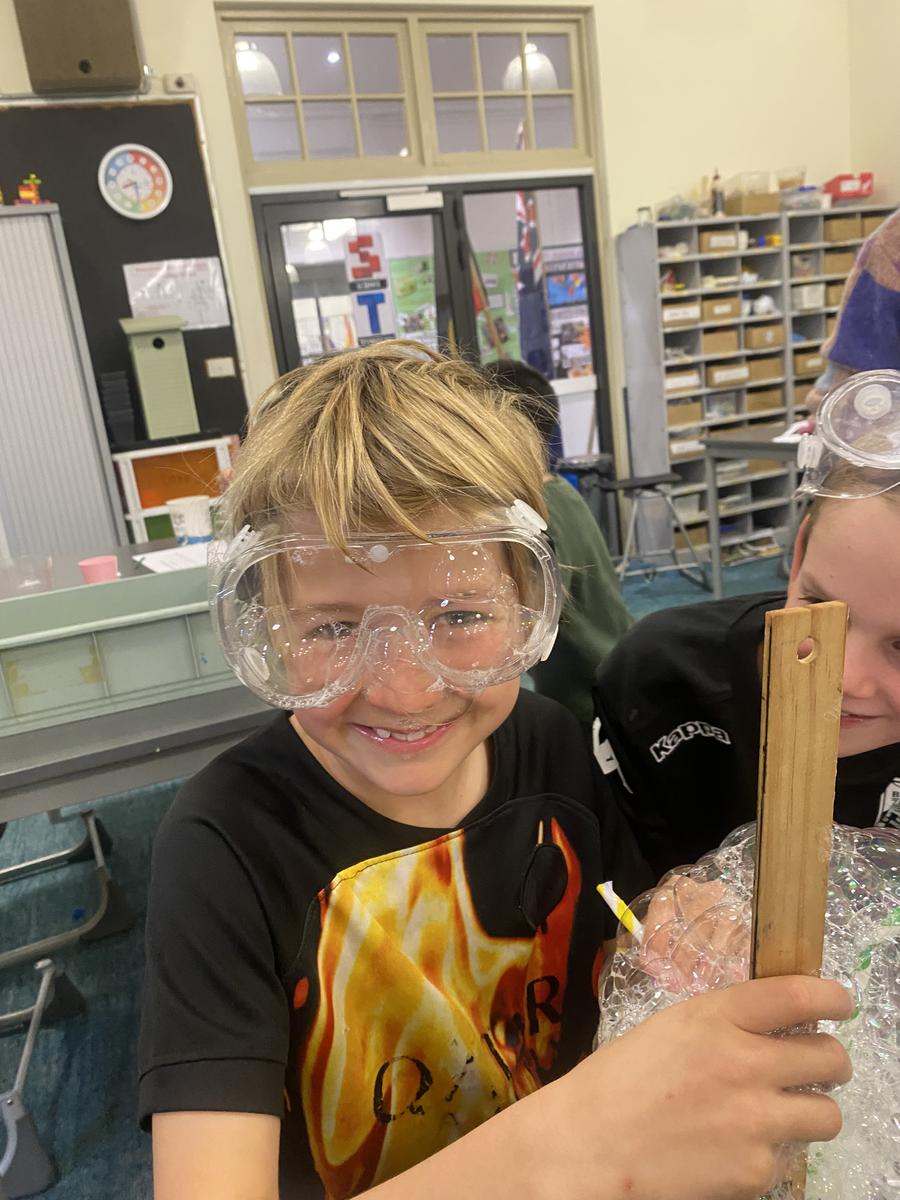
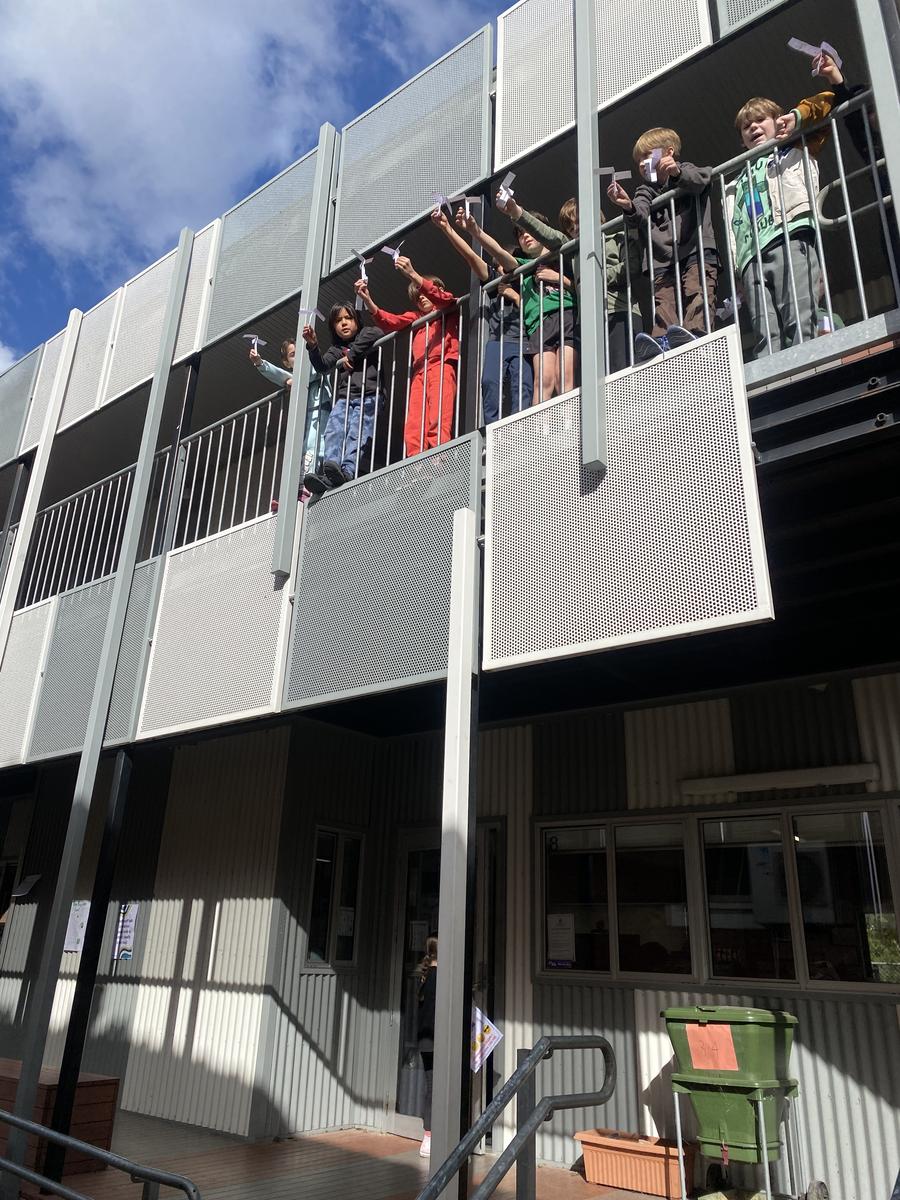
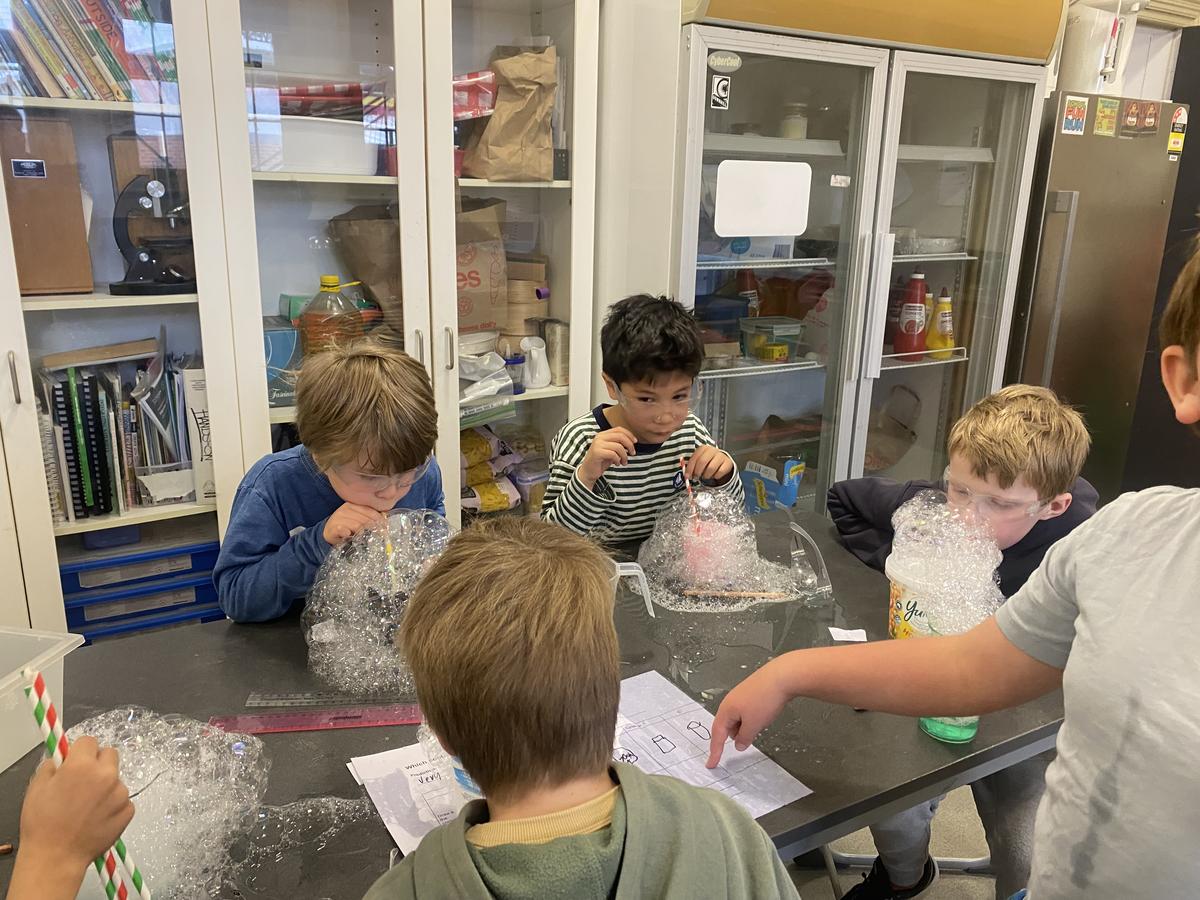
This week, we are beginning our new unit on chemistry and scientific experiments. Students will take part in a range of hands-on investigations exploring the properties of solids, liquids and gases, while developing their understanding of how to conduct fair, reliable scientific experiments.
Year 5/6
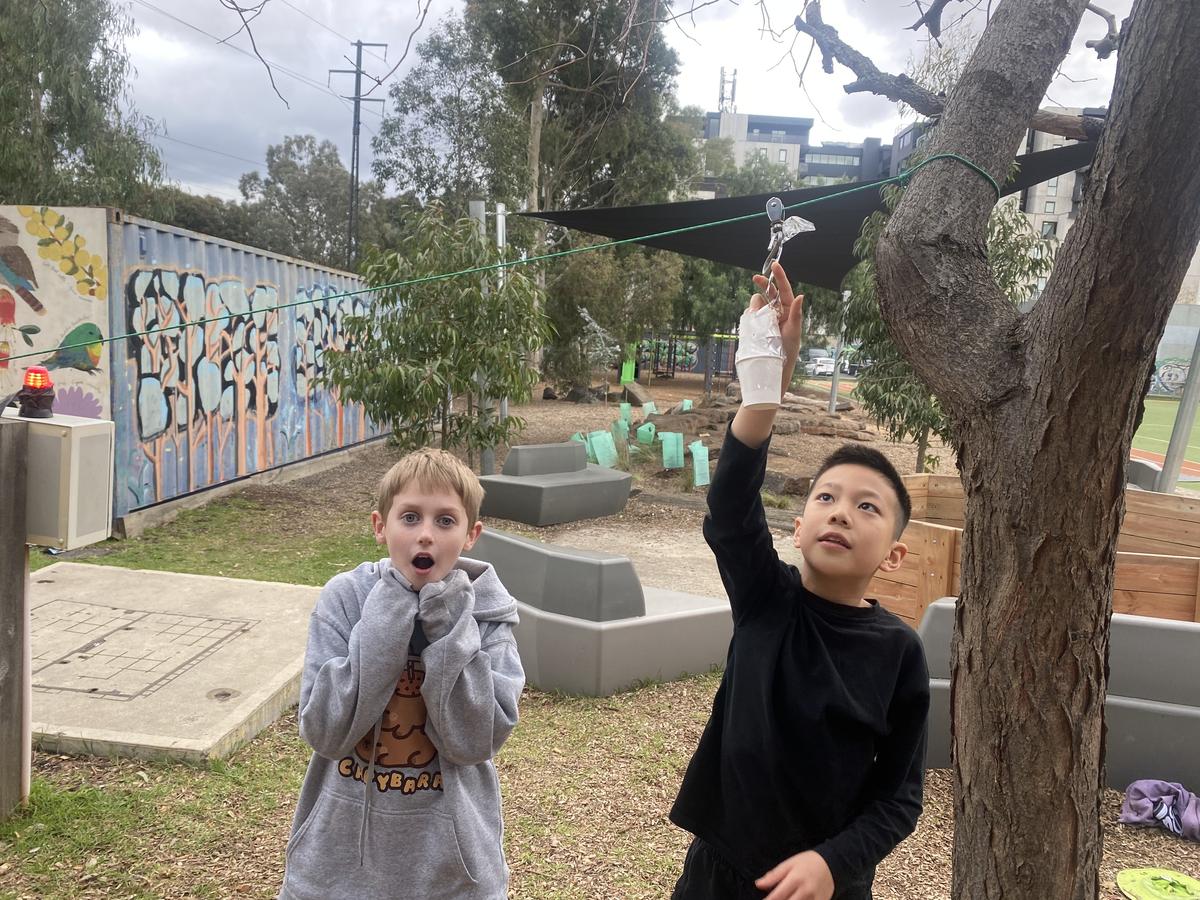
This term, the Year 5/6 students have been exploring Newton’s Laws of Motion.
Last week, we completed our final rocket launches. This activity demonstrated Newton’s Third Law of Motion: for every action, there is an equal and opposite reaction. The rockets were powered by effervescent tablets placed inside old film canisters. As the tablets reacted with water, gases were produced, building up pressure inside the canister until the lid was forced off. The resulting reaction propelled the canister into the air!
This week, we have been investigating how the mass of an object affects the way it accelerates. Students found ways to apply a relatively constant force to objects such as toy cars and trolleys. They then added extra weight to the objects and compared their movement to investigate how increasing mass affects acceleration, speed and distance travelled.
How to support your child's STEM learning at home:
- Encourage your child to ask questions and wonder how things work.
- Try simple hands-on experiments using everyday materials.
- Build, create and solve problems using recycled materials, LEGO or household items.
- Cook together and explore measuring, mixing and changes in materials.
- Spend time outdoors observing plants, animals, weather and the environment.
- Encourage your child to test ideas, make observations and learn from mistakes.