Year 1/2
Reading - Inferring
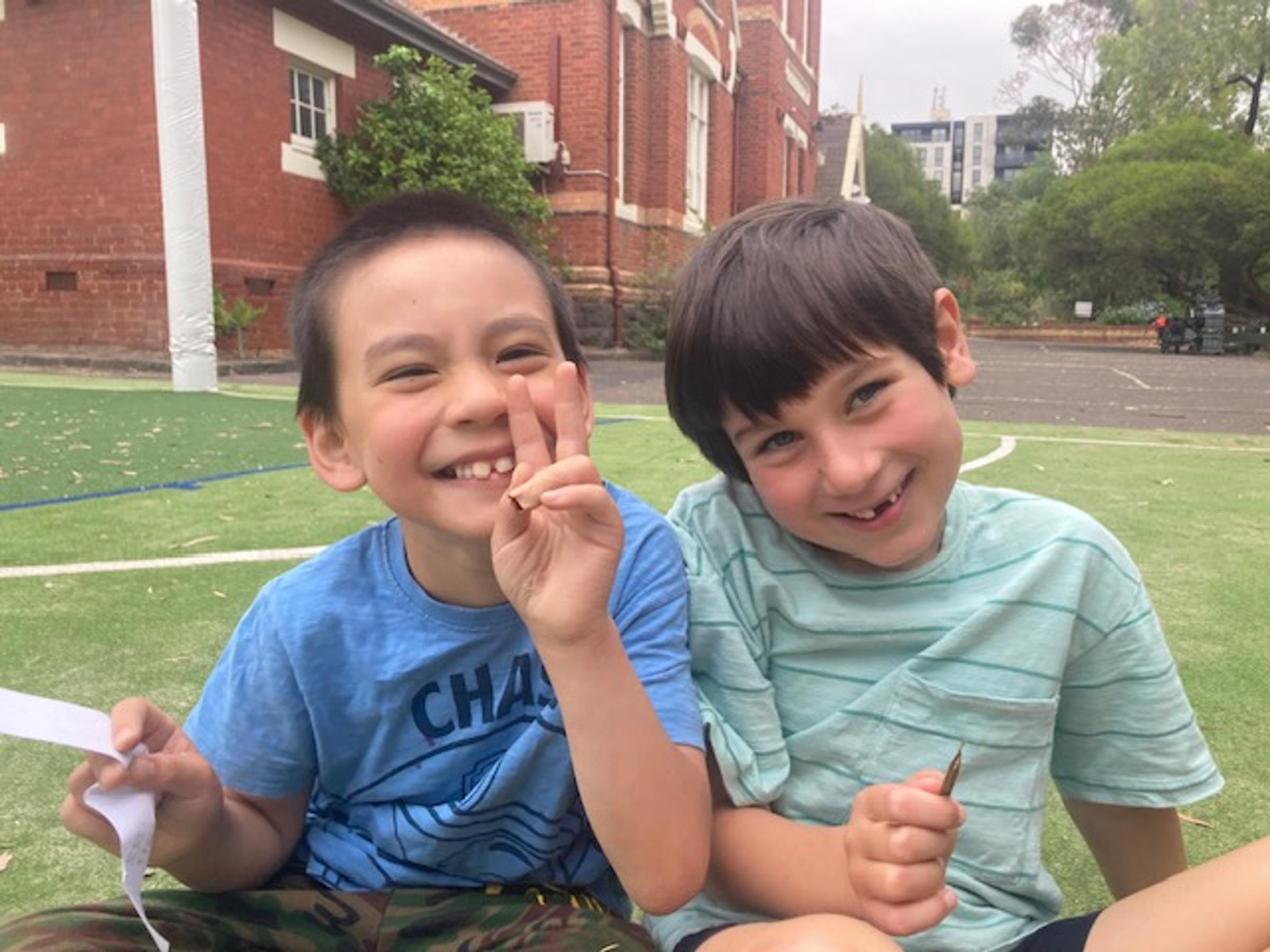
We have been reading stories. Using what we know and what we see in the text we have been inferring what the characters are feeling and thinking.
Writing - Poems
We have been writing poems with repetition, rhyme and rhythm. For example, we adapted the poem Humpty Dumpty, by changing the rhyming words to make a new verse. In Italian, we wrote poesia diamante, a poem with diamond layout and in which each verse is made up by one type of word only.
Maths - Patterns
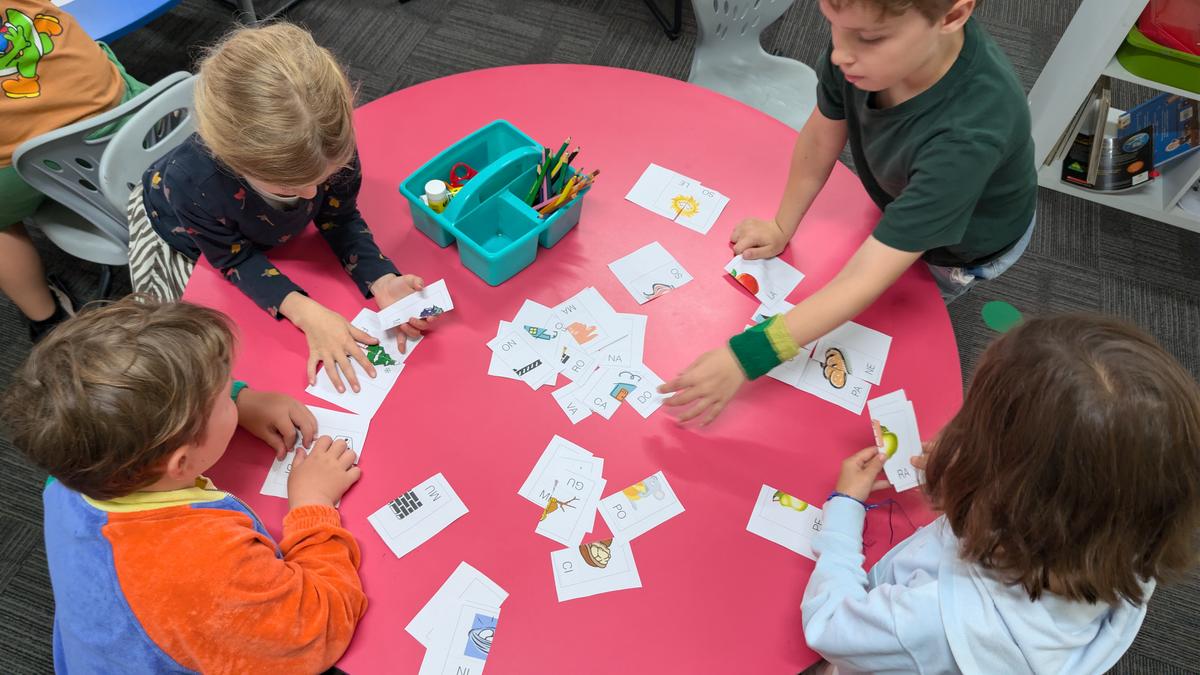
We have been learning about recognising and continuing patterns.
Did you know that a pattern can be
repeating:
red yellow green red yellow green
🐟🦈🐟🦈🐟🦈🐟🦈
or growing and shrinking?
2, 4, 6, 8, 10
Can you find the rule for this pattern?
0, 3, 1, 4, 2, 5, 3
by Hugo, Matteo and Gil
Phonics - Sillabe
We have been learning about the ou and ow spelling patterns.
Wow - Loy
Loud - Quin
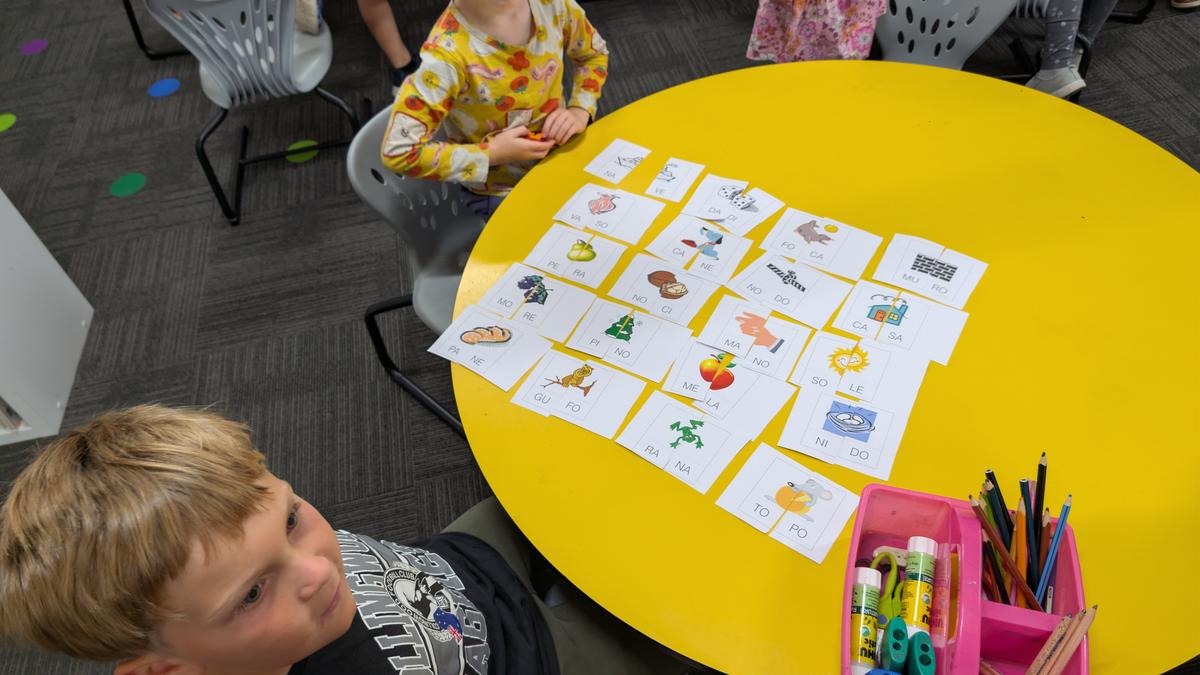
In Italian we have been learning the sci, sce and tra syllables.
Can you find them in the following words?
Scena - Alice
Trasforma - Owen
Pesci - Alessia
The above Newsletter items were proudly written by 1/2A Pulcini
How you can help at home
Reading
To help your child improve their reading comprehension, ask them to make an inference.
- How do you think the character feels?
- How do you know?
- Where is the story happening (the setting)?
- What sentence/picture tells you this?
- Why do you think the author wrote this story? (To teach us about... To make us laugh/think about/feel...)
Writing
You can help your child with two main aspects of writing.
- Handwriting and letter formation. Practise writing capital and lowercase letters in a lined exercise book.
- Sentence structure. Practise writing 1 sentence per day and expand it with new and interesting words. A great way to do this is by having your child write a comment in their reading journal every night.
For example:
Instead of: The book was funny.
Try: The book was hilarious because Pig the Star tried lots of unique outfits.
Maths
You can practise multiplication with your child by practising skip counting by 2s, 5s or 10s at home. You can also help them learn their times tables. For division, talk to your child about sharing items (lollies, pencils, lego pieces, etc.) into equal groups.