Culture & Inclusion
Head of Special Education Services (HoSE)

🍎 Fuelling Success:
The Importance of Diet for Neurodivergent Students
Good nutrition plays a powerful role in supporting the learning, behaviour, and wellbeing of neurodivergent students. Balanced, consistent meals help students regulate emotions, maintain focus, and fully engage in the classroom.
🧠 Brain & Focus
Protein (chicken, fish, eggs, lentils), healthy fats (avocados, nuts, seeds, olive oil), and complex carbohydrates (oats, quinoa, sweet potatoes, brown rice), provide steady energy for concentration, memory, and problem-solving. Limiting high-sugar foods can help reduce energy crashes and impulsivity.
😊 Emotional Regulation
Key nutrients such as iron (red meat, shellfish, sardines, lentils, spinach), zinc (red meat, poultry, pumpkin seeds, dairy), omega-3s (tuna, chia seeds, walnuts) and B vitamins (meat, fish, eggs, dairy, leafy greens), support mood stability and self-regulation, which are essential for positive classroom participation.
👃 Sensory Needs
Some students experience strong sensory preferences around food textures, smells, or colours. Respectful, gradual exposure and family collaboration can support balanced nutrition.
⏰ Routine Matters
Regular meals and snacks provide structure, reduce anxiety, and prevent dips in energy that can impact behaviour and learning.
Partnering with families and promoting positive food experiences at school supports inclusion, wellbeing, and improved learning outcomes for all students.

Cultural Committee
The Cultural Committee met last Tuesday to continue our important work across the school. A key focus of the meeting was our Reconciliation Action Plan (RAP), with valuable discussion around next steps and future actions.

Our First Nations Reading Tutors will participate in training around the process, and reading sessions will be commencing shortly. We are pleased to see this initiative continuing to support our students.
The committee is also exploring ways to further develop cultural capability among staff, ensuring we continue to grow our understanding and strengthen inclusive practices across our school community.
Caring for Our First Nations Garden
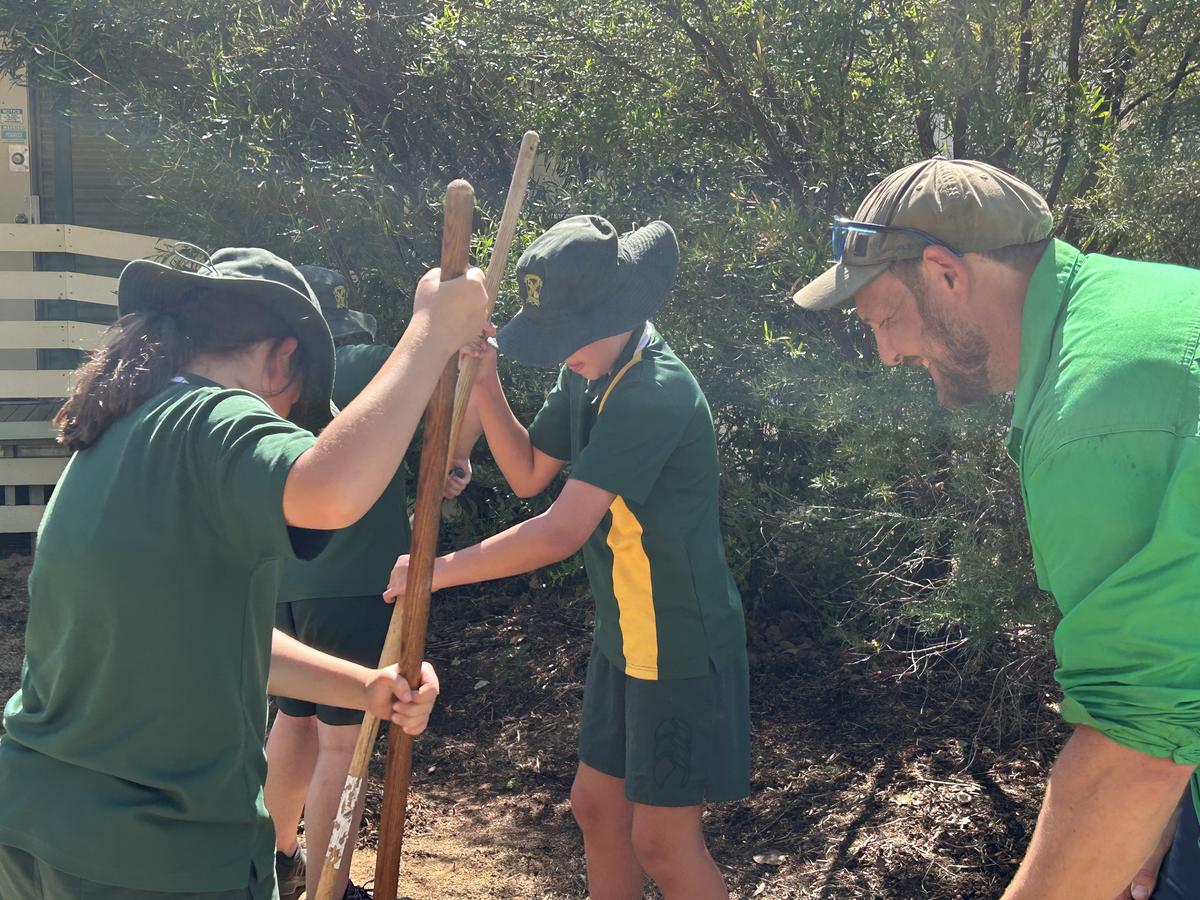
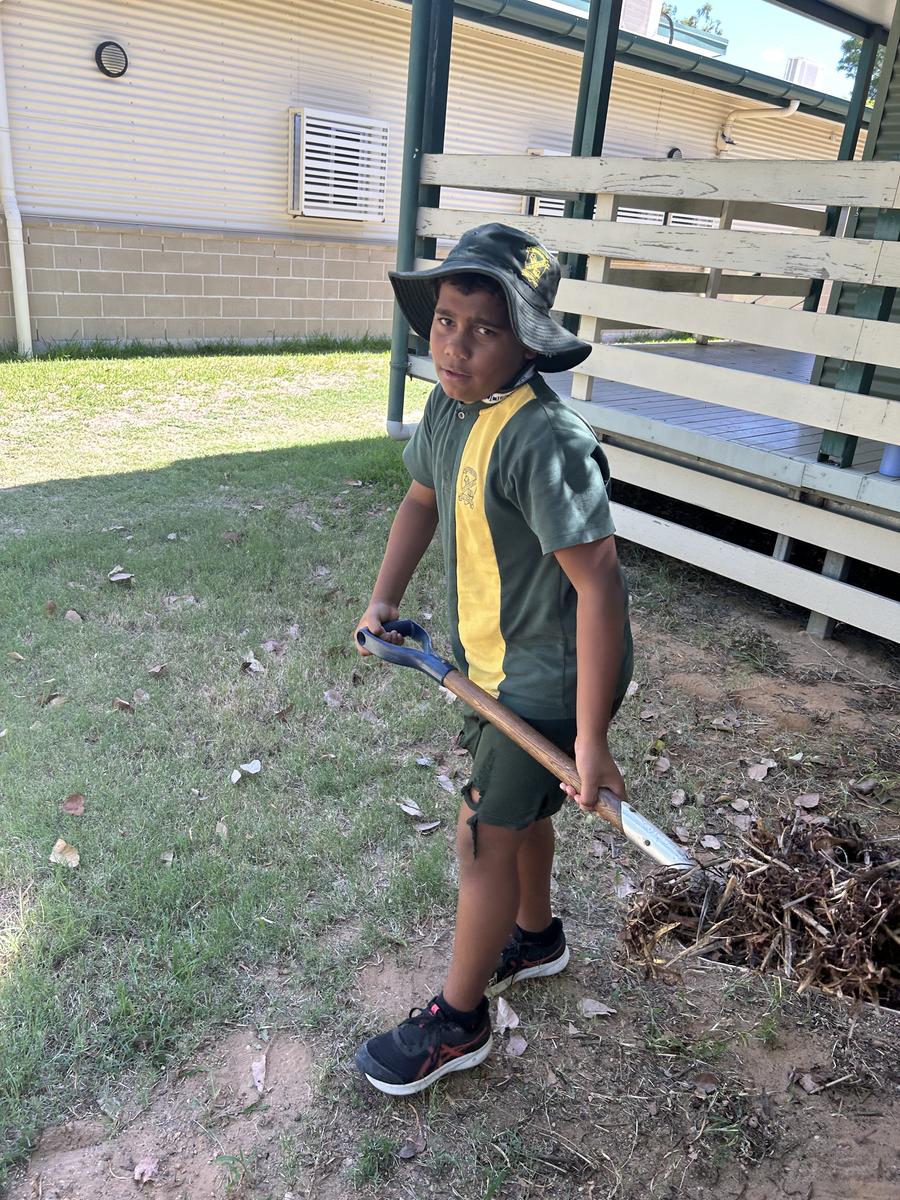
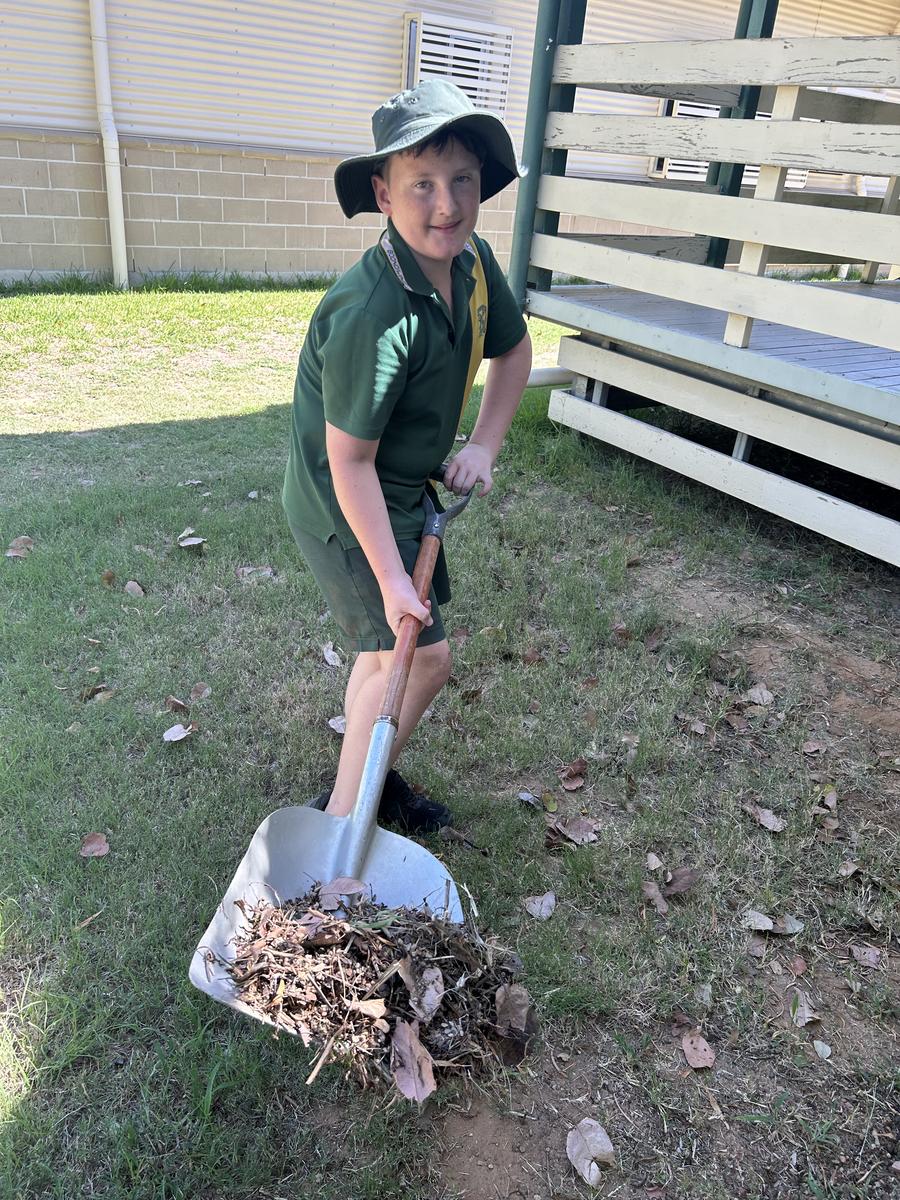
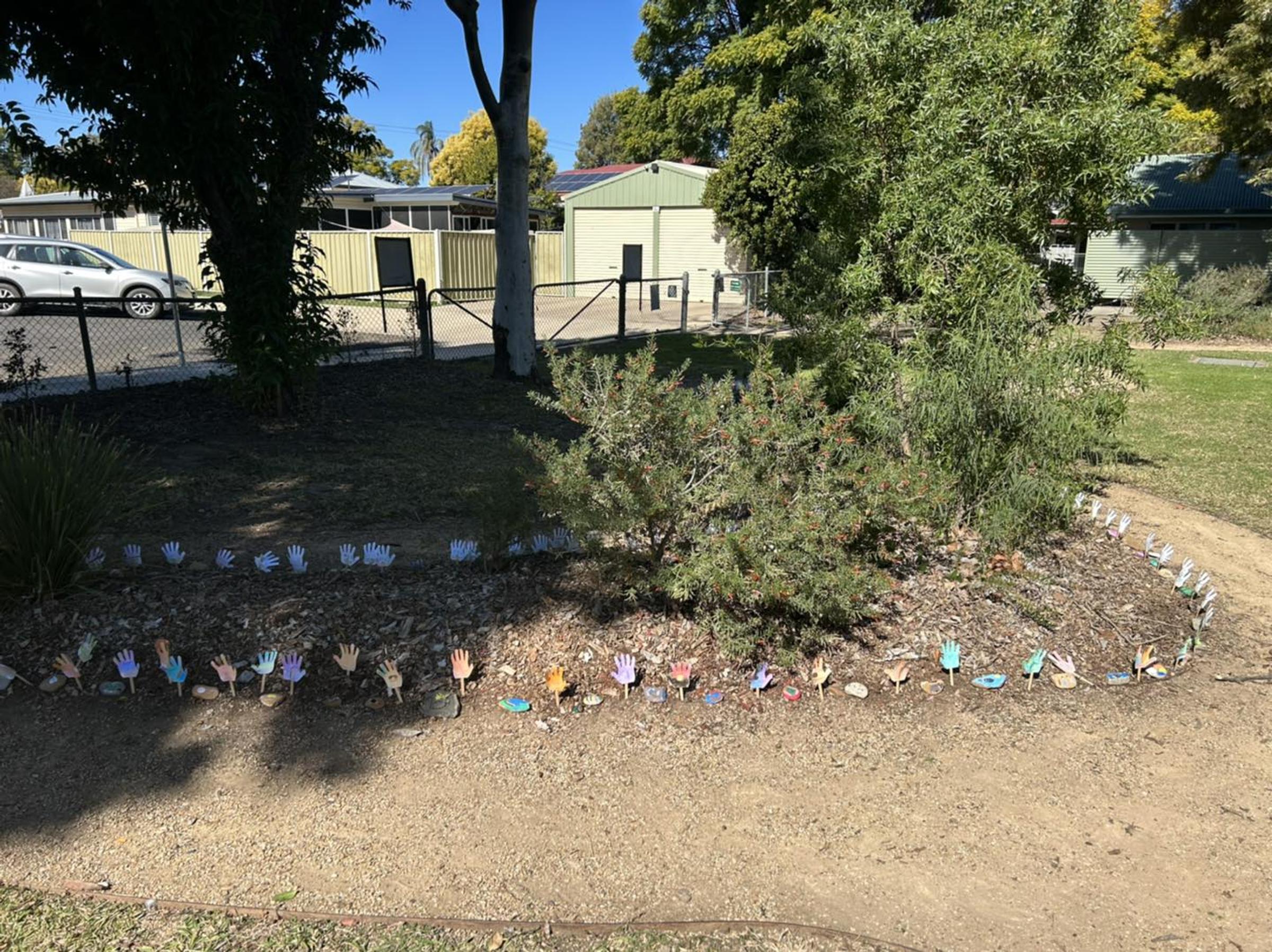
Our First Nations Garden continues to be a special place of learning, connection, and pride within our school. Students regularly help maintain the garden through cleaning, weeding, watering, and caring for the plants, showing responsibility and respect for this important space.
Through hands-on gardening, students are learning about caring for Country, teamwork, and the importance of looking after shared spaces. These regular maintenance sessions help students develop practical skills while deepening their understanding of First Nations perspectives and sustainability.
We are proud of the students’ ongoing commitment to caring for the garden and thank the staff who support and guide them in this meaningful work. The First Nations Garden remains a valued part of our school environment and a place where learning, respect, and community come together.