
Positive Behaviour for Learning
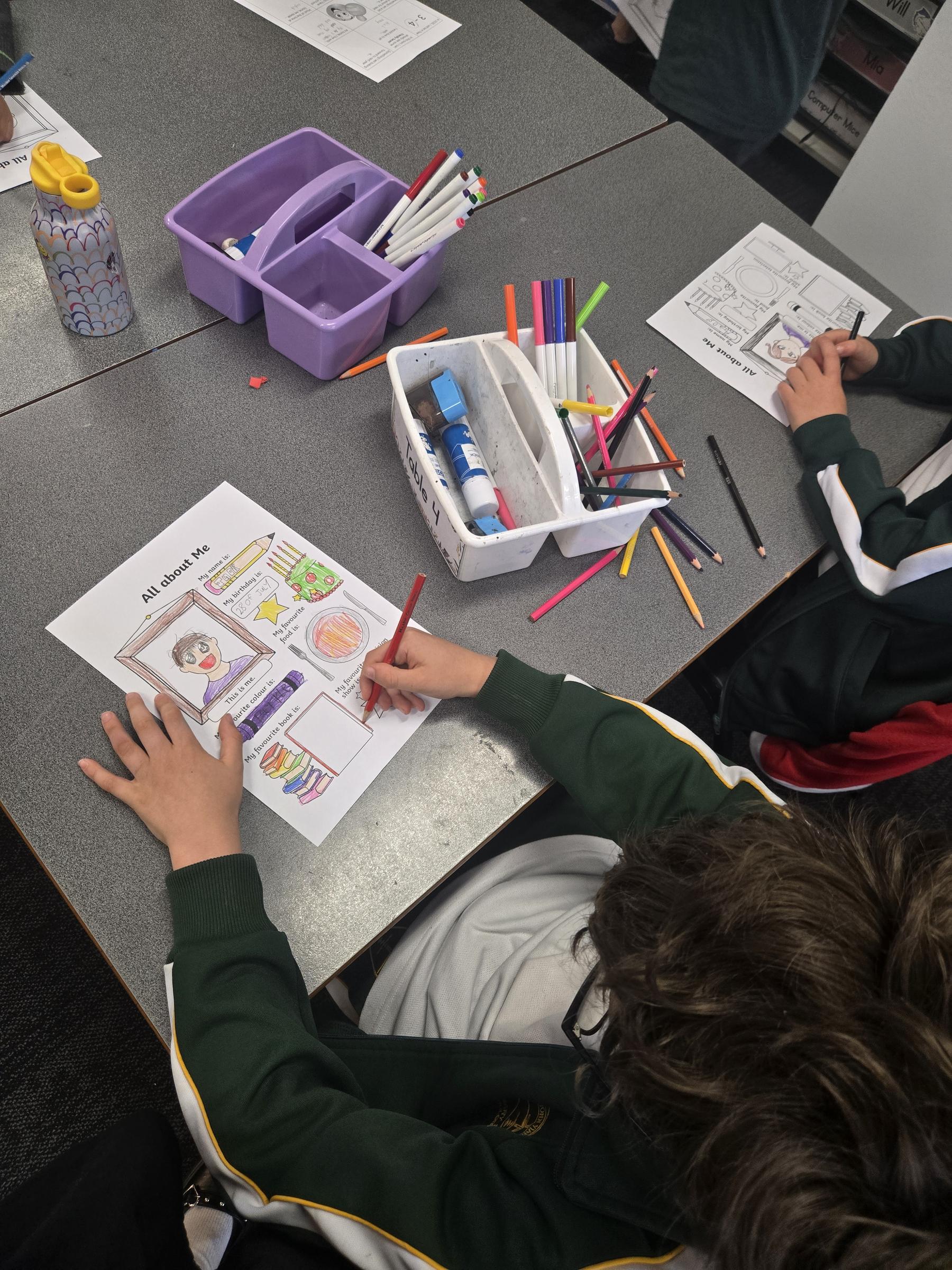
Next week are are learning to 'Understand what resilience means and learn about strategies that help me to become resilient.'

- Use a positive mindset
- Try my best
- Use strategies to solve problems
- Use strategies to regulate myself
- Accept the consequences of my behaviour
- Persist when things are hard
- Learn from my mistakes
- Give and receive feedback
- Display flexible thinking
- Bounce back when things don’t go my way
When something happens that upsets your child, don't be in a rush to move them through it, as uncomfortable as that sounds. Acknowledge that it feels horrible, that the situation doesn't feel fair. Don't try and sugar coat it, sometimes things really are just so disappointing. Let them talk, cry or whatever they need, just be there for them for as long as it takes. Don't try to fix anything, just sit and listen.
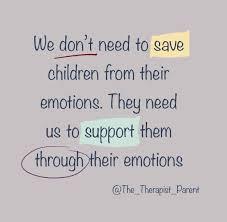
Be careful not to dismiss their feelings as "silly" or not a big deal. This only causes them to feel like their feelings aren't important and that you don't "get it". This makes them feel more isolated, taking them into a downward spiral of difficult and damaging emotions.
It is so important that our kids know that even if they "fail" at something, that your love will never change. If they are disappointed because they didn't make it through an audition or a test that they tried hard to do well in, then make sure you shift the focus to the effort and the bravery that it took in the first place. They need to know that you see more than the end result and it is their character that matters.
From the Child Mind Institute