Literacy at St Thomas
Launch into Learning
Literacy at St Thomas
Launch into Learning
At St Thomas, we teach English in a systematic and consistent way. This means that all children experience the same high level of expert teaching, every day. Our approach to phonics and early reading is explicit and structured. Helping every child learn how sounds, letters, and words work together, along with the grammatical structure of the English language.
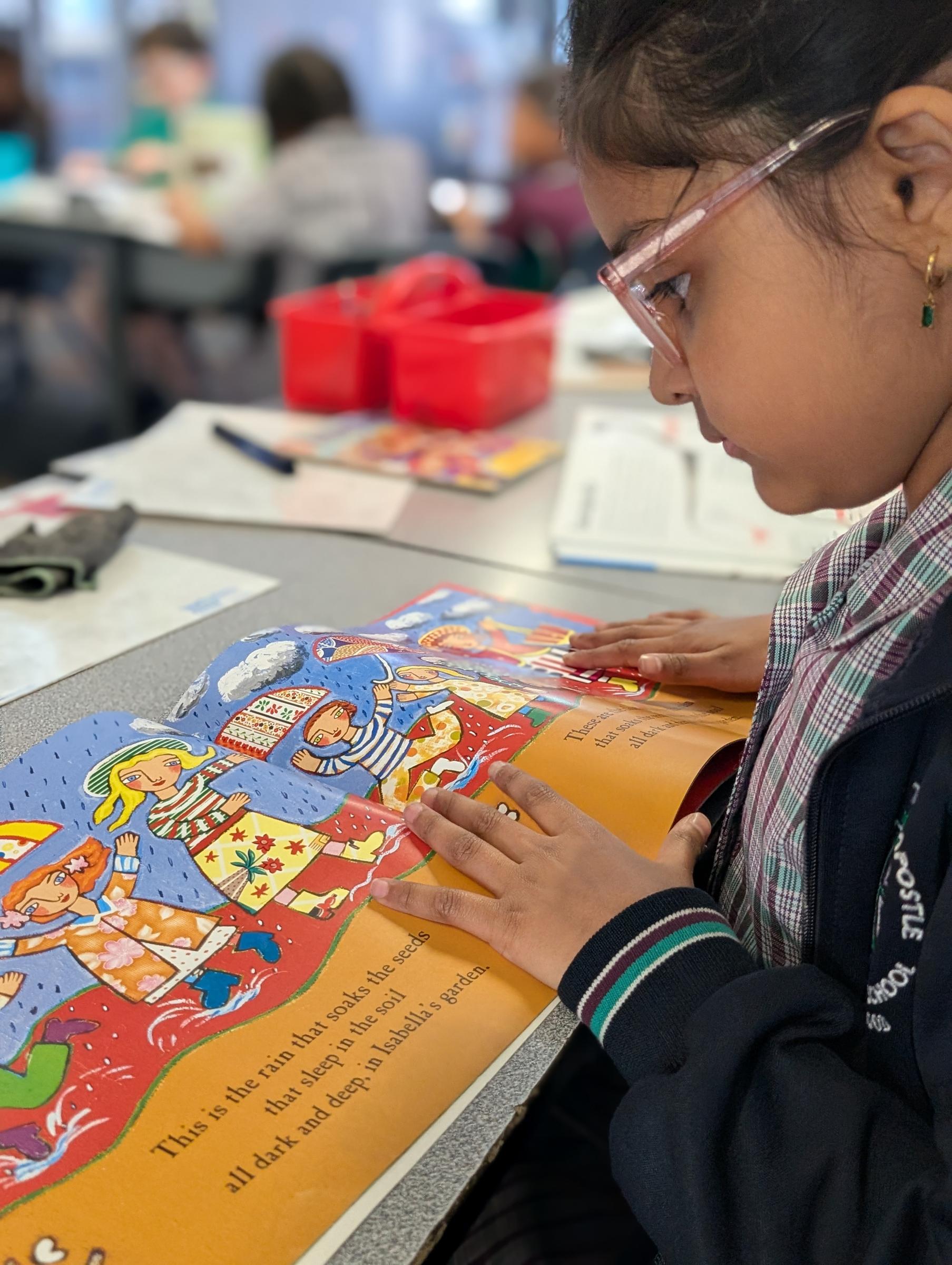
We carefully select high-quality fiction and non-fiction books to use as mentor texts. These books show children how stories and information texts are structured — how sentences are formed, how ideas flow, and how authors choose words. Reading these rich texts help children develop a wide vocabulary and learn new words across many topics. This strong foundation in reading also supports them as they begin to write their own sentences and stories.
Every day, children are encouraged to use oral language, to talk and share ideas with their teachers and classmates. Lessons include regular opportunities for children to talk with a partner, explain their thinking aloud, and say the sentences they might later write. This daily practice builds confidence and helps children link speaking, reading, and writing.
Through this consistent and supportive approach, our Foundation students slowly and confidently build their skills as readers, writers, and thinkers.
At St Thomas the Apostle, we teach phonics in a systematic way to help children learn how to decode words when they read. This means teaching sounds and letters in a clear order, step by step, so every child builds strong reading skills.
Children learn to:
Writing is taught in a clear and structured way at our school. Teachers show students how to write, step by step. Lessons focus on one skill at a time, such as writing sentences, using punctuation, or organising ideas.
Teachers model good writing and explain what a successful piece of writing looks like. Students practise together with the teacher and then independently. Students are given regular feedback so they know what they are doing well and what to improve.
Students also revisit and practise writing skills many times. This helps them remember what they have learned and use these skills confidently in different subjects.
This approach helps students become confident, capable writers who can communicate their ideas clearly.
Reading together is one of the most powerful ways to support your child’s learning and love of books. When you read to and with your child, you help them build vocabulary, understand how stories are structured, and develop comprehension skills.
Talking about the story is just as important as reading it. Ask your child to describe what is happening, share what they think a character might do next, or explain their favourite part. These conversations help them make meaning from what they read and strengthen their understanding of language.
Reading books in a language other than English is also highly encouraged if that is more suited to your family.
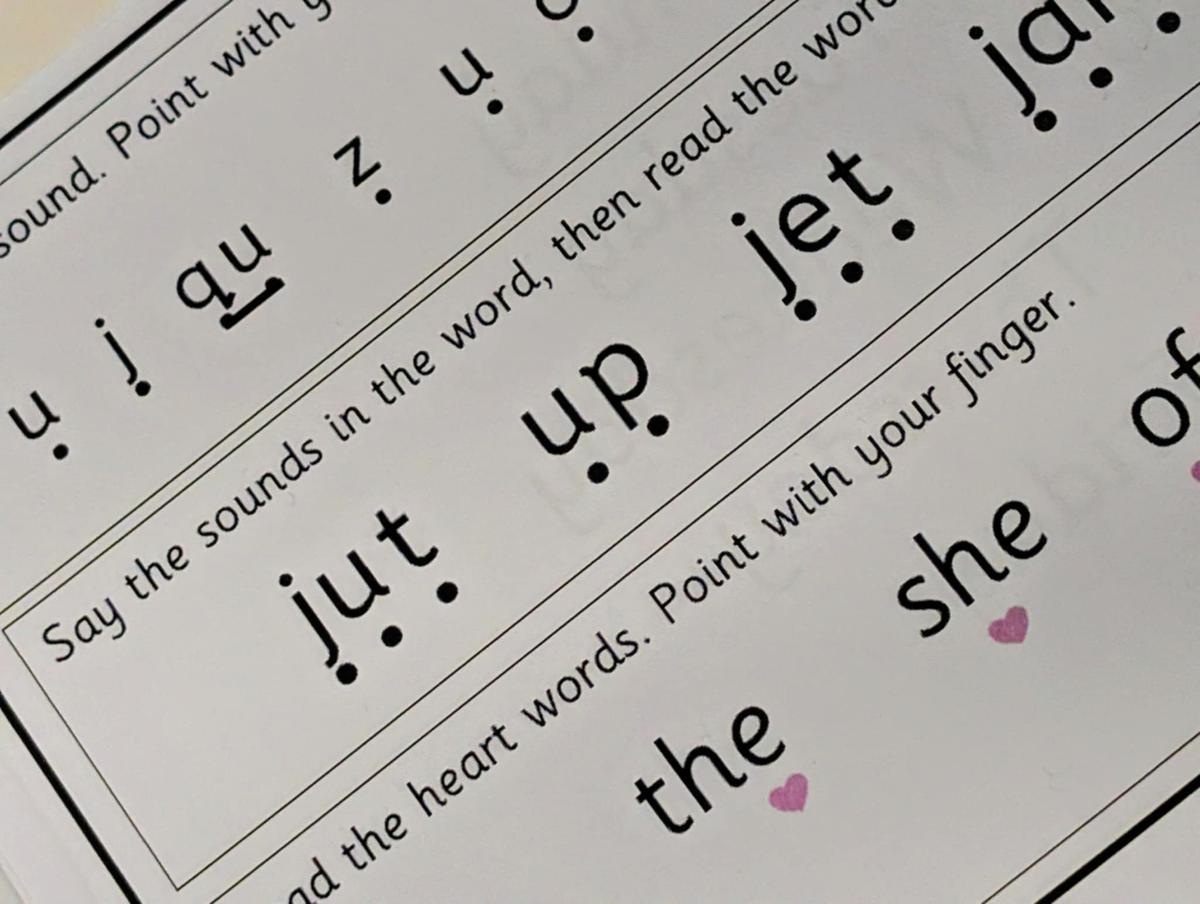
At home, it is also important to complete the phonics practice and word-building sheets. These activities help children learn how to decode words — to see how sounds and letters work together. This builds the foundation for confident, fluent reading and writing. These sheets are sent home every week in Foundation and Grade 1.