
Guling - School Update
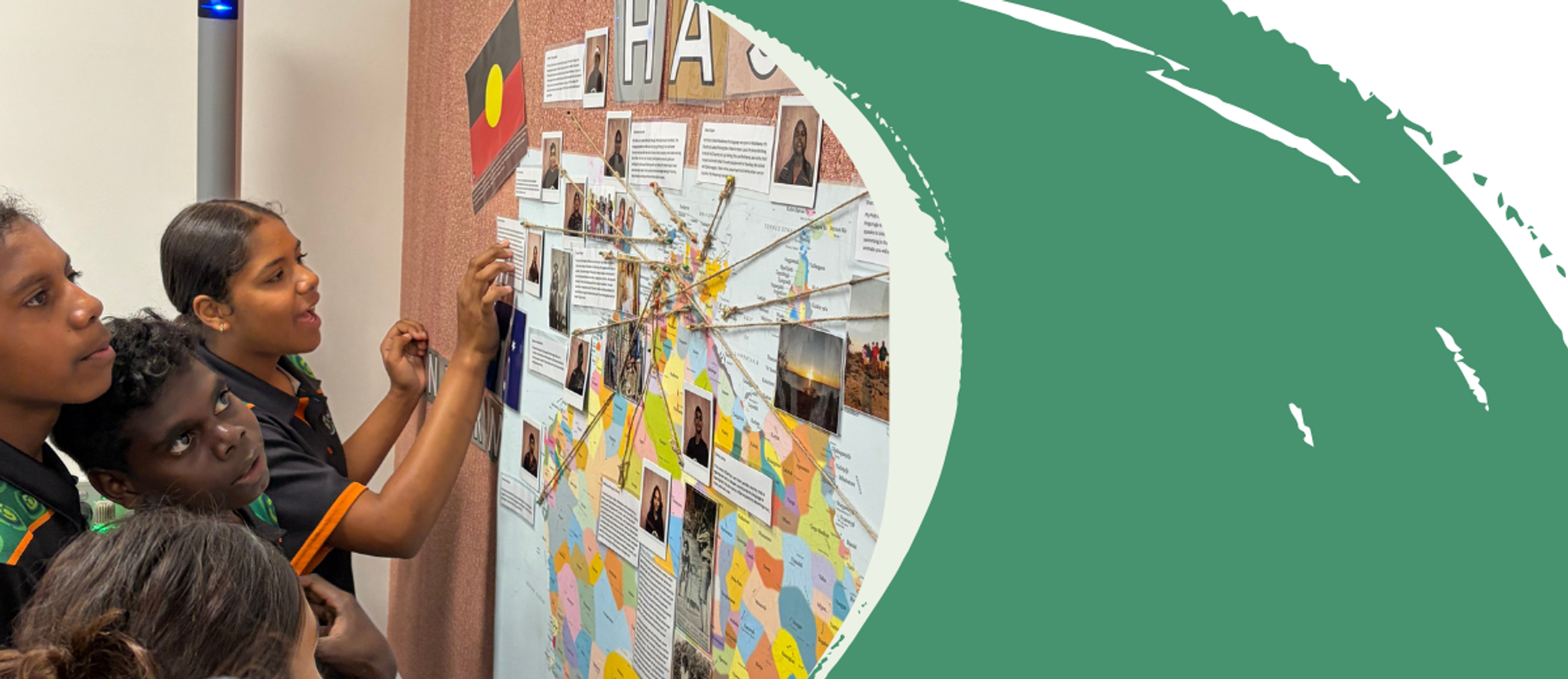
Building Consistency, Confidence and Growth at MITS
I continue to be encouraged by the progress across classrooms as our shared approach to teaching and learning becomes more consistent and embedded. A key focus has been building structure and predictability so students know what to expect in lessons and can engage with confidence. Our instructional model — with clear teacher explanation, opportunities to learn with others, and time for independent practice — is helping students settle more quickly, stay focused for longer, and understand how learning unfolds across a lesson. Many students can now clearly explain what they are learning at each stage and why it matters, which is a powerful sign of growing independence and agency.
Alongside this, the MITS Marking Guide is giving students clear, positive language to understand their progress and set goals for improvement. Recently, a student stopped me to excitedly share how they earned a “Going Strong” mark during explicit teaching, kept working independently to improve their work, and then achieved a “Deadly” by pushing themselves further. What stood out most was not just their pride, but how clearly they could articulate the different phases of the lesson and what they had done to improve.
Moments like this highlight how powerful learning becomes when expectations are clear and progress is visible. Together with our ongoing work to authentically embed First Nations perspectives, strengthen writing and prioritise wellbeing and student voice, these shared approaches are helping students feel a stronger sense of belonging and ownership of their learning.
I would like to congratulate our Year 7 students in particular on completing their first term at MITS — learning off Country, building independence, making new friends and being away from home is no small achievement. As the term closes, I hope students enjoy time back on Country and with family, and we look forward to welcoming everyone back refreshed and ready for an exciting Term 2.
Head of School
Michael Barnhoorn
Year 7 - Our Deadly Scientists
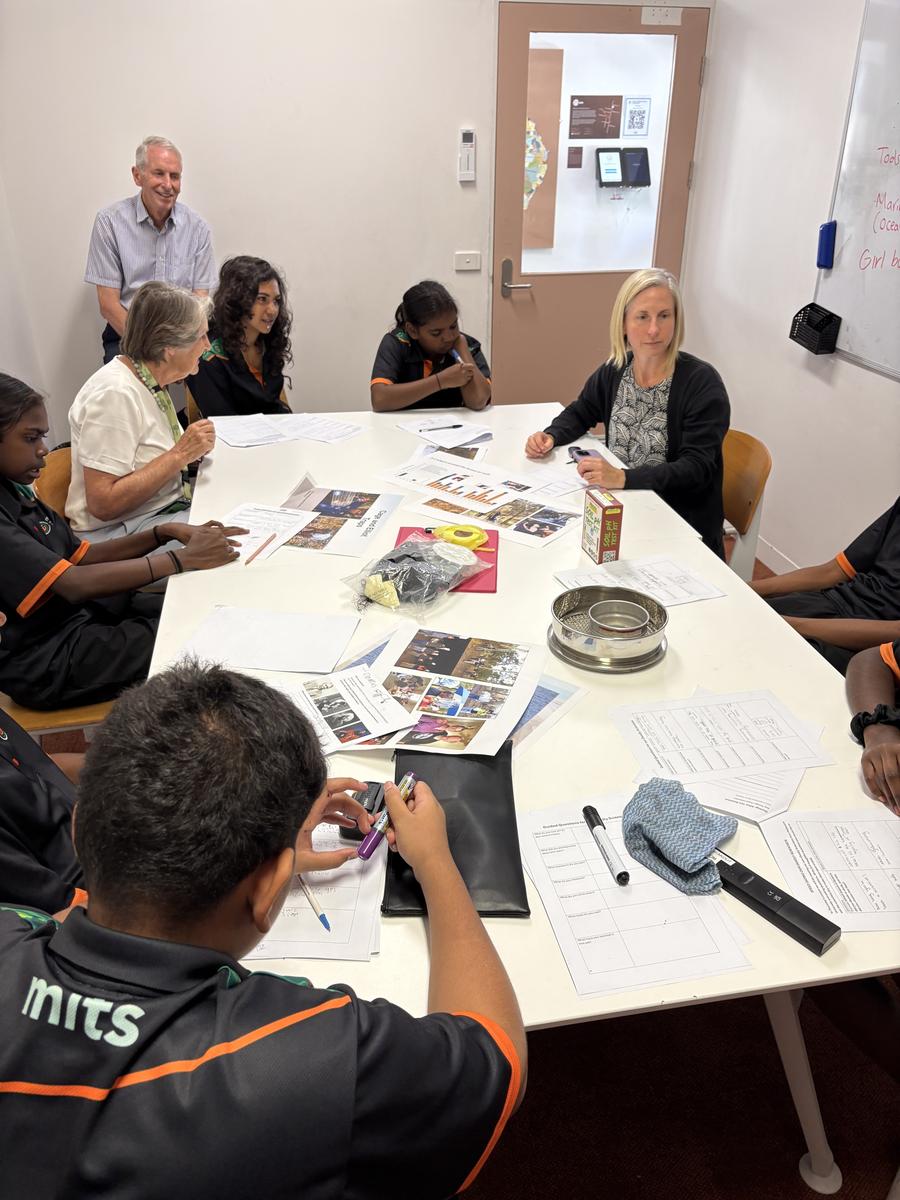
This term in Year 7 Science, students began by exploring what Science is and who scientists are, recognising that First Nations peoples are the original scientists. We compared knowledge systems from both worlds and examined how different scientists have shaped the world we live in today. Students also had the opportunity to learn from the Deadly Scientists from University of Melbourne, who shared valuable First Nations perspectives.
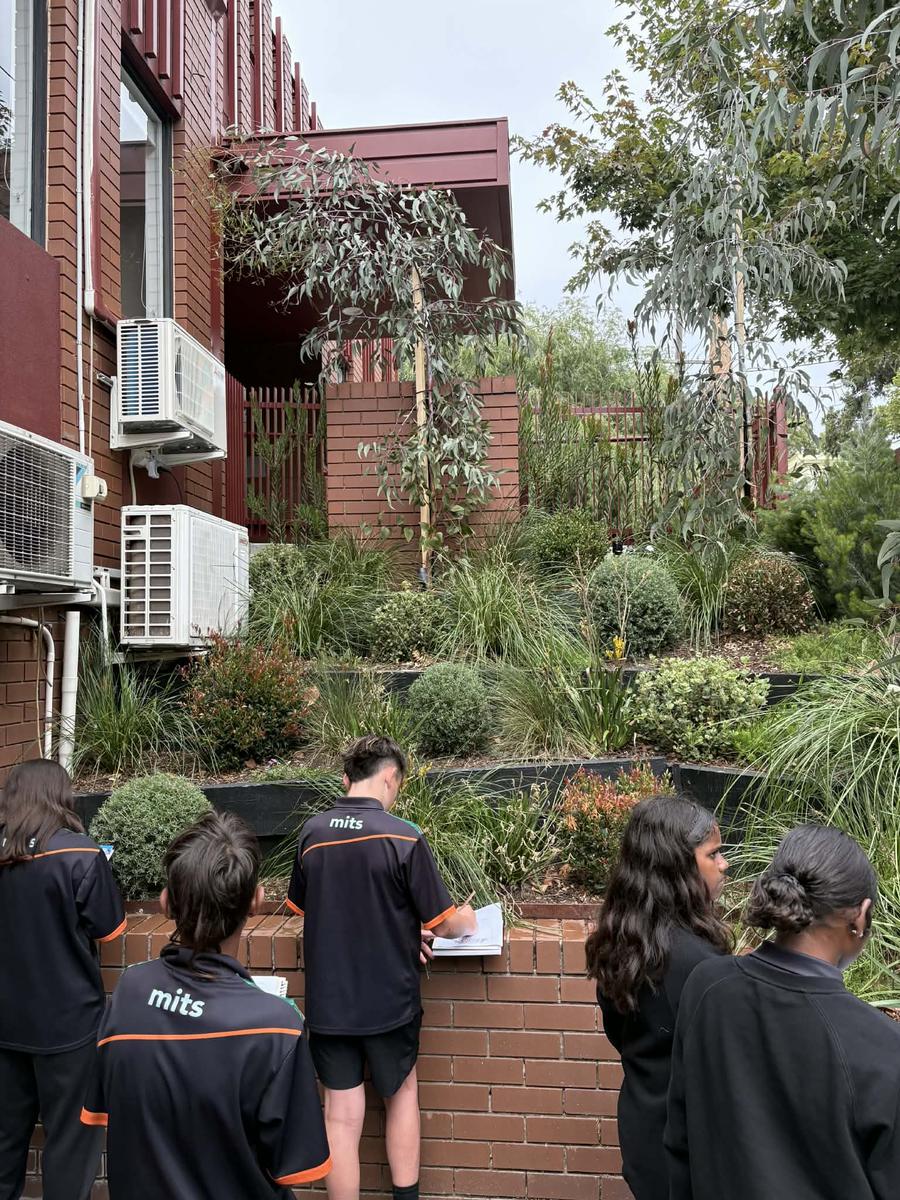
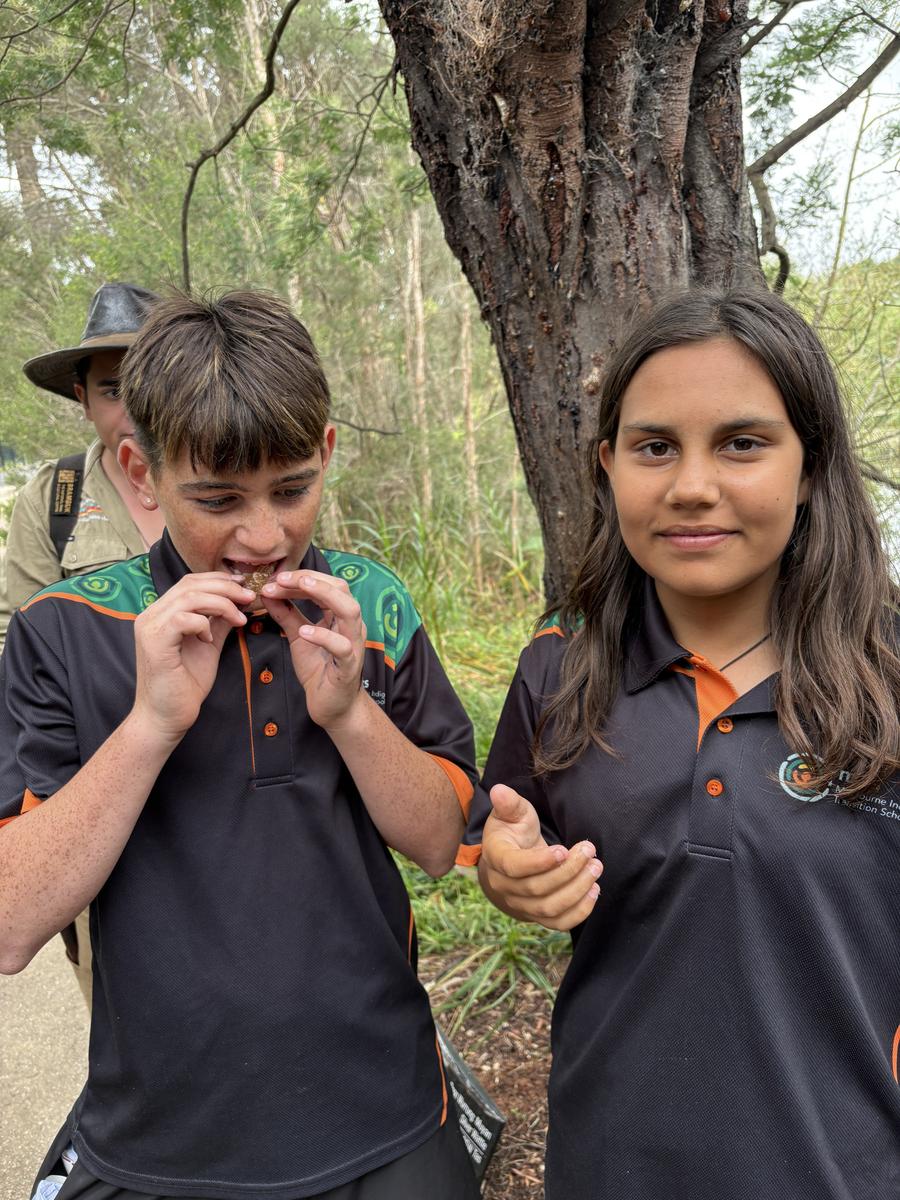
Students then investigated plant and animal adaptations, creating detailed drawings in our school garden while learning both English and Indigenous names for plants and their features. They also examined animal skulls to understand how adaptations support survival.
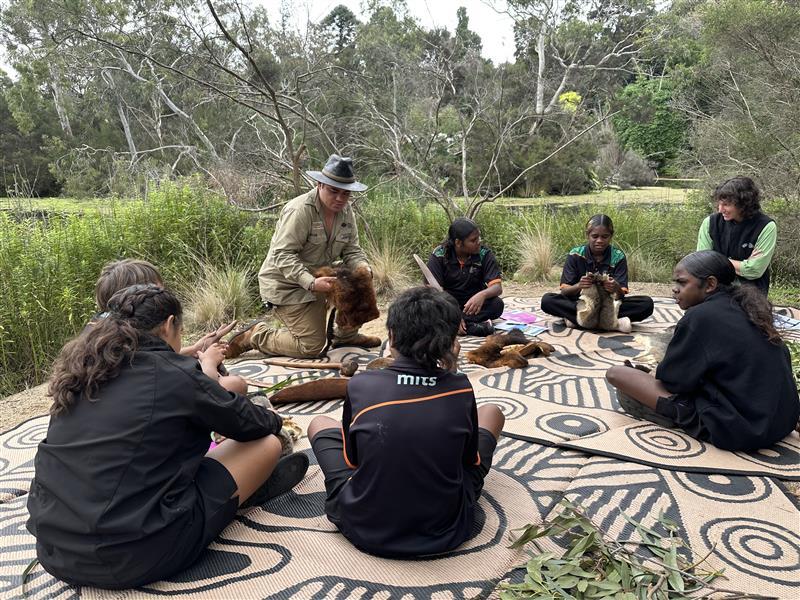
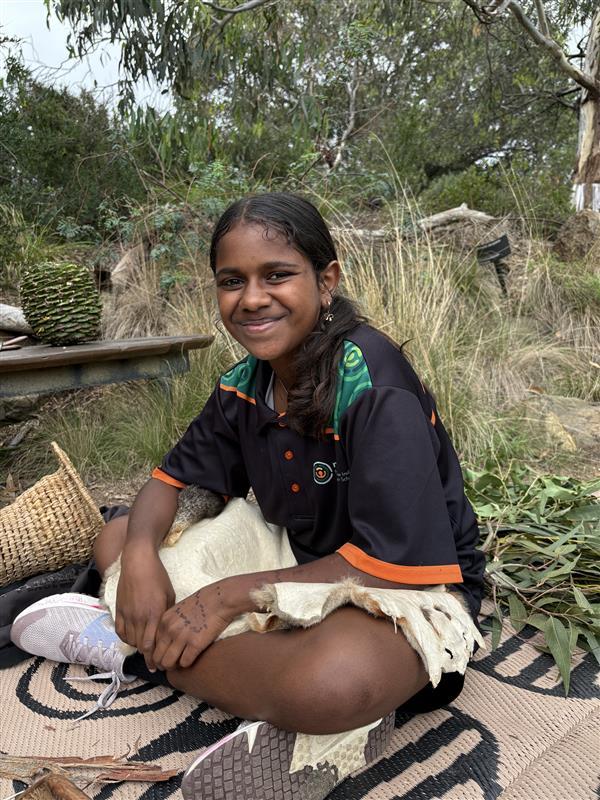
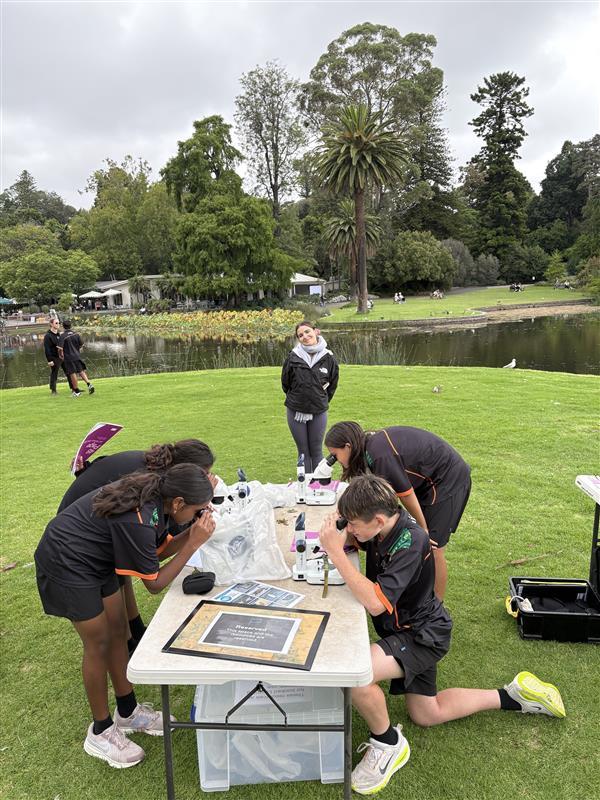
A highlight of the term was our excursion to the Royal Botanic Gardens Victoria, where Jakobi shared his First Nations knowledge. Students used microscopes and binoculars to explore the park’s biodiversity. As Betty said, “It was my favourite day of the year so far.”
Year 8 Science - Cells and Body Systems
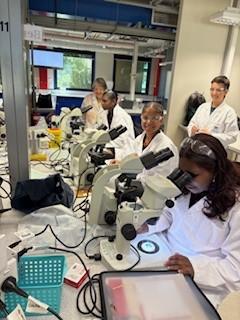
This term in Year 8 Science, students explored the fascinating world of cells and body systems, working alongside the inspiring team at Deadly Scientists. A major highlight was our excursion to University of Melbourne, where students used high quality microscopes to observe their own cheek cells and bacteria up close, an unforgettable hands on experience.
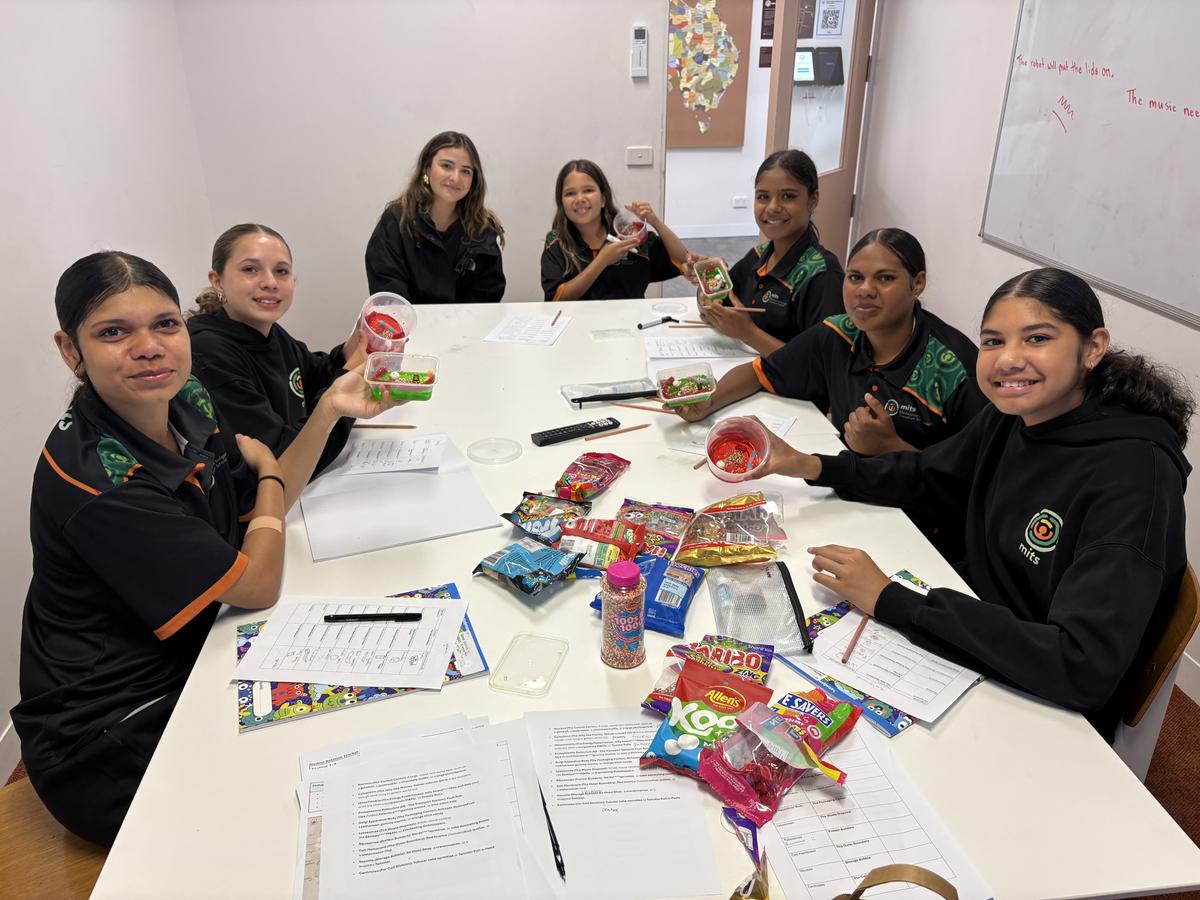
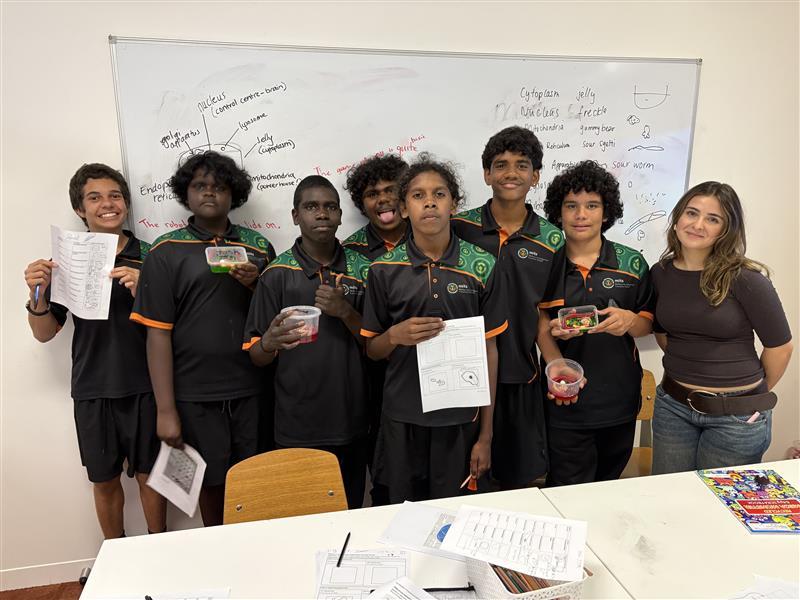
Back in the classroom, students demonstrated their creativity by constructing plant and animal cells using jelly and lollies, helping them better understand cell structure and function. As Channeliah shared, “Using jelly and lollies made it fun and easier to see how all the parts of a cell fit together.”
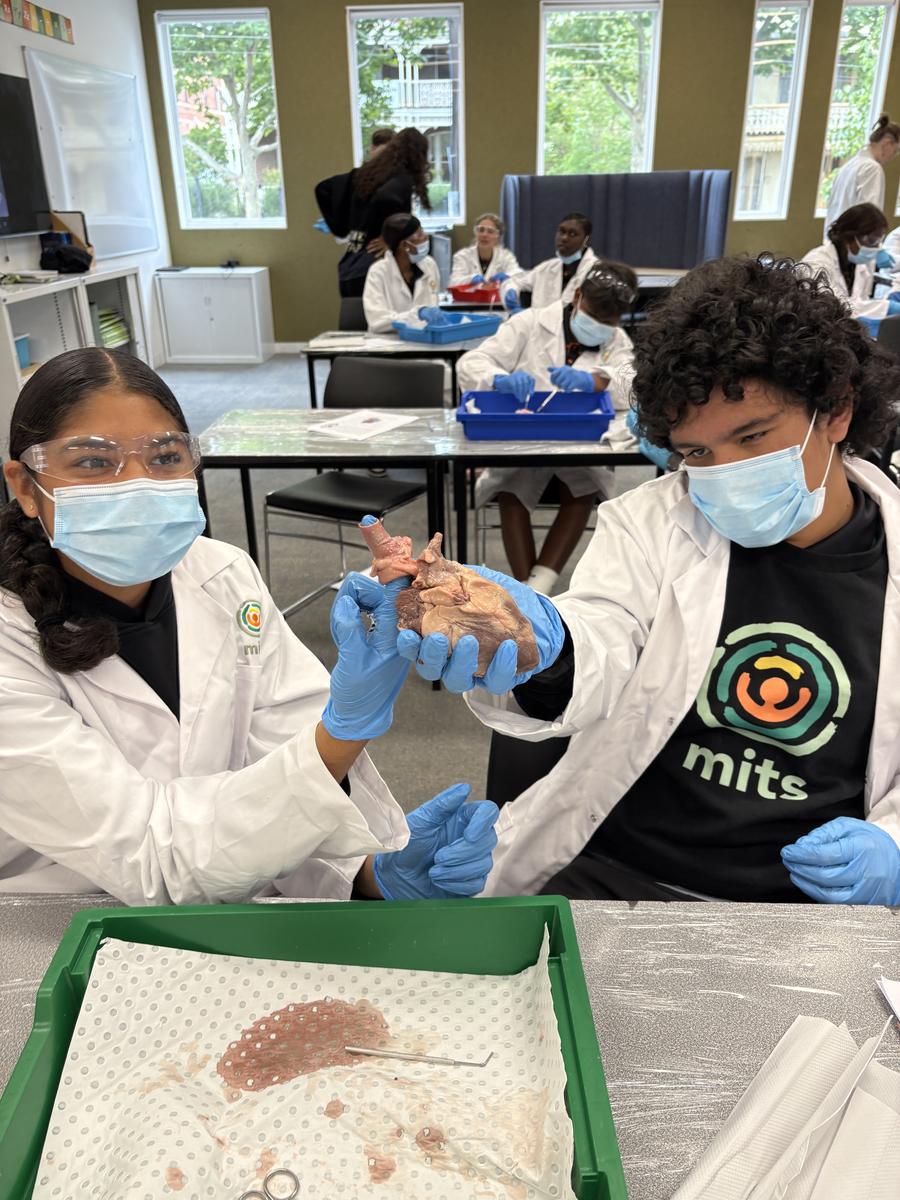
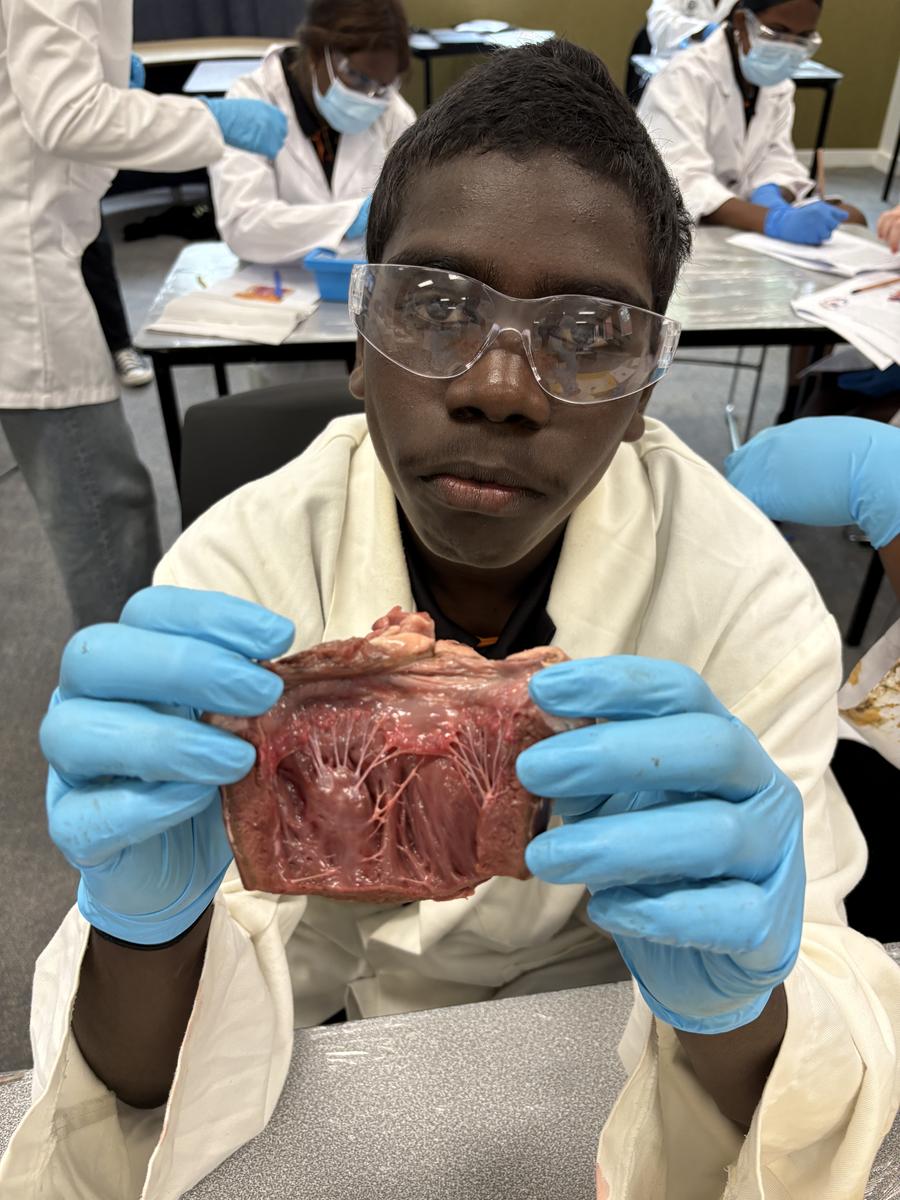
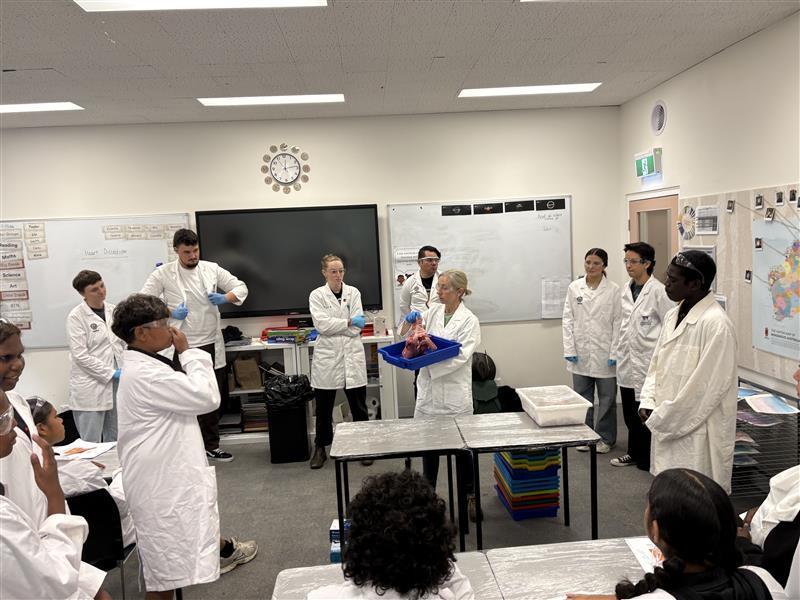
Our studies then moved into body systems, including a hands on dissection of a sheep’s heart. Zyianne reflected, “It was interesting to see how the heart actually works and how it pumps blood and oxygen through our body.”
Students also explored how digestion differs across species. Jonah noted, “Learning about koalas and vultures showed me how their digestive systems are different to ours.”
By Sasha and Caity