Wellbeing
Amanda Wilson | Assistant Principal
Wellbeing
Amanda Wilson | Assistant Principal
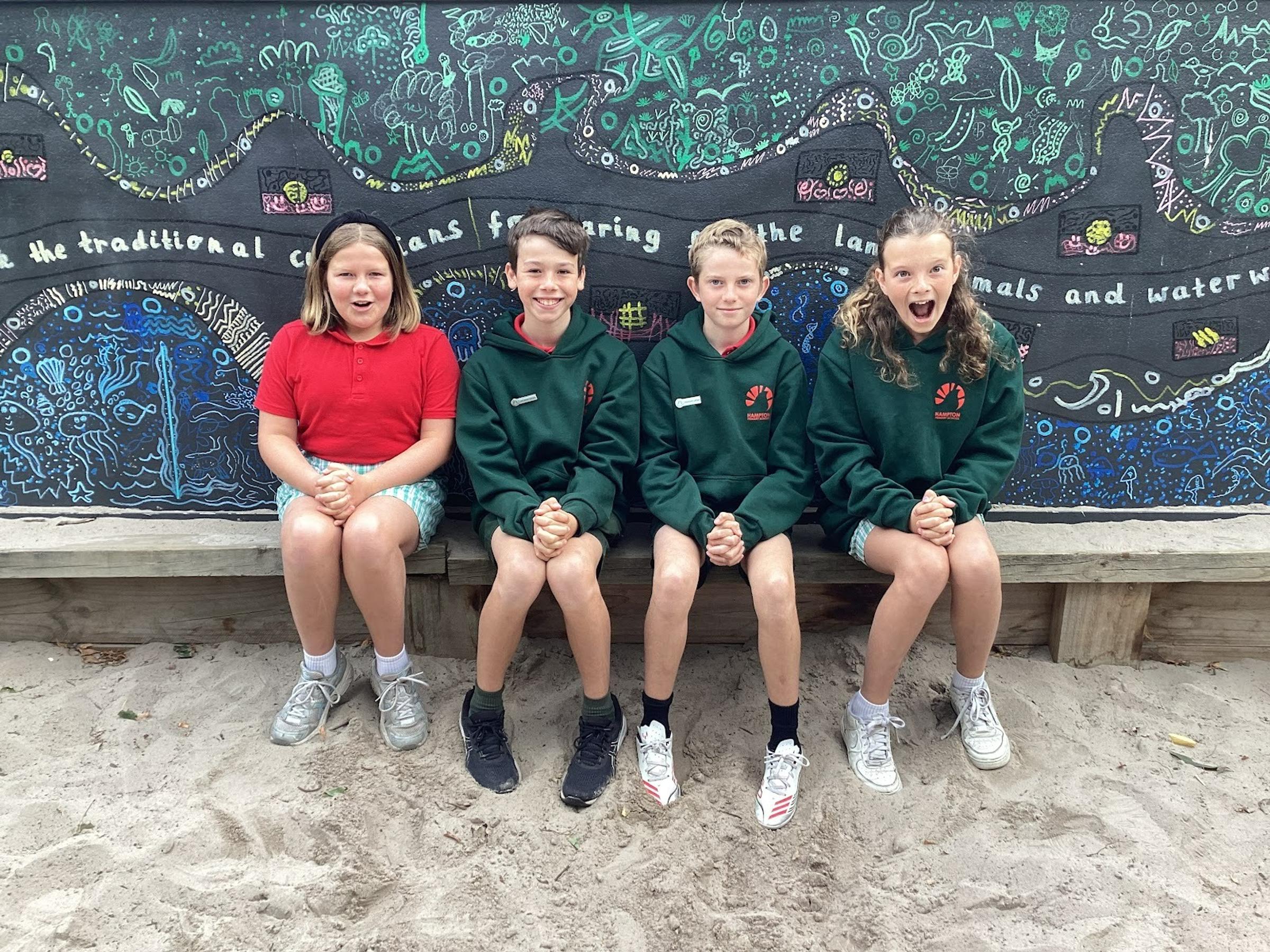
We are excited to introduce our new Student Wellbeing Captains. These students will play an important role in promoting a positive and inclusive school community. Some of their responsibilities include raising awareness of important wellbeing events, such as Neurodiversity Week, and running lunchtime clubs that encourage connection, creativity, and fun. We look forward to seeing their leadership inspire our school community and make wellbeing a part of every student’s day.
About Isla:
I’m Isla, I’m 11 and one of the 2026 Wellbeing Captains. I like reading and netball. To me, wellbeing is making sure everyone feels safe, happy and supported at school. To me it’s caring about kids, students, staff, and parents. Mentally and physically. I wanted to be a wellbeing captain because it allowed me to care about people and put some of my ideas into action.
About Oliver:
Hi, I am Oliver. This year, I am excited to have the role of Wellbeing Captain. As Wellbeing Captain, I want to help create a positive and supportive environment where all students feel safe, included, and happy to be at school. Throughout the year, I hope to organize activities that promote kindness and friendship. I am dedicated to helping every student feel heard and know there is always someone to talk to. I look forward to working with students and staff to encourage wellbeing in the entire school.
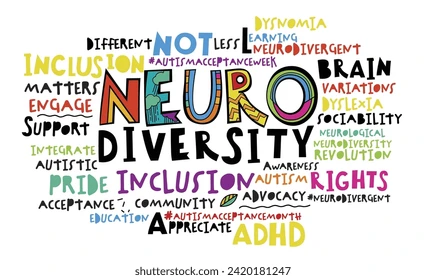
This week our school is excited to celebrate Neurodiversity Diversity Week, a time to recognise and value the many different ways our brains think, learn, and experience the world. Neurodiversity reminds us that every brain is unique, and these differences are something to be understood, respected, and celebrated.
Everyone thinks, moves, processes information, and communicates in unique ways and these differences make our community richer and stronger. At Hampton Primary School our vision is for all students to flourish. Inclusion is a high priority and we work to change the environment to suit the needs of the child and not the other way around.
As part of the celebrations, each classroom will receive a special book to spark discussion and understanding about different ways of thinking and learning:
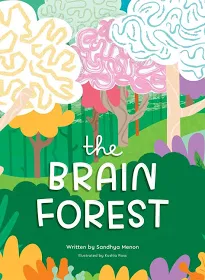
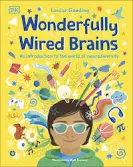
Throughout the week, classrooms will engage in activities and discussions inspired by these books, helping students reflect on their own strengths and celebrate the differences in their peers. We hope these conversations will continue beyond the classroom, respect, and inclusivity in our school community.
Neurodiversity Diversity Week is a wonderful opportunity for our students to learn empathy, celebrate difference, and understand that thinking differently is something to be proud of!
Let’s celebrate the amazing diversity of minds in our school community!
https://www.neurodiversityweek.com/
Understanding Neurodiversity
Neurodiversity is about creating a world where neurological differences are recognised and respected, just like any other human variation.
Our brains are all wired differently, which means we think, move, process information, and communicate in unique ways. The term “neurodiversity” is often used to describe alternative thinking styles, including Dyslexia, DCD (Dyspraxia), Dyscalculia, Autism, and ADHD. But beyond labels, neurodiversity is about recognising and valuing those who think differently. Schools, universities, and organisations alike can all benefit from diverse thinkers.
Research suggests that around 15–20% of the population has a neurological difference. Instead of framing these differences as deficits or disorders, neurodiversity encourages a balanced perspective—acknowledging both an individual’s unique strengths and the challenges they may face. Many of these challenges arise not from the individual themselves, but from environments and systems designed for the majority population, highlighting the importance of inclusive design and understanding.
How to embrace neurodiversity in family life
You can embrace neurodiversity as part of everyday family life. You don’t have to be neurodivergent yourselves. Here are some ideas: