Photo Gallery & Classroom Learning
K - Yr 6

Photo Gallery & Classroom Learning
K - Yr 6
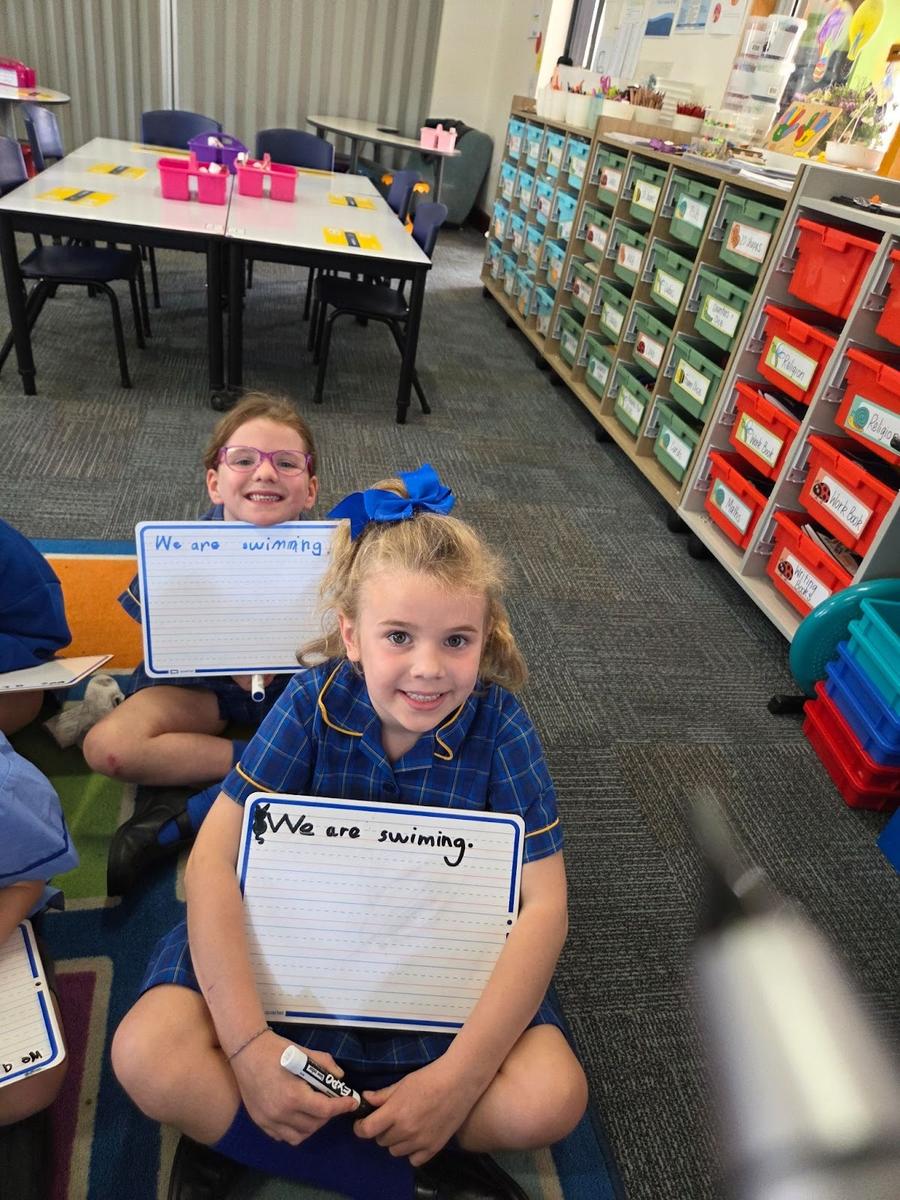
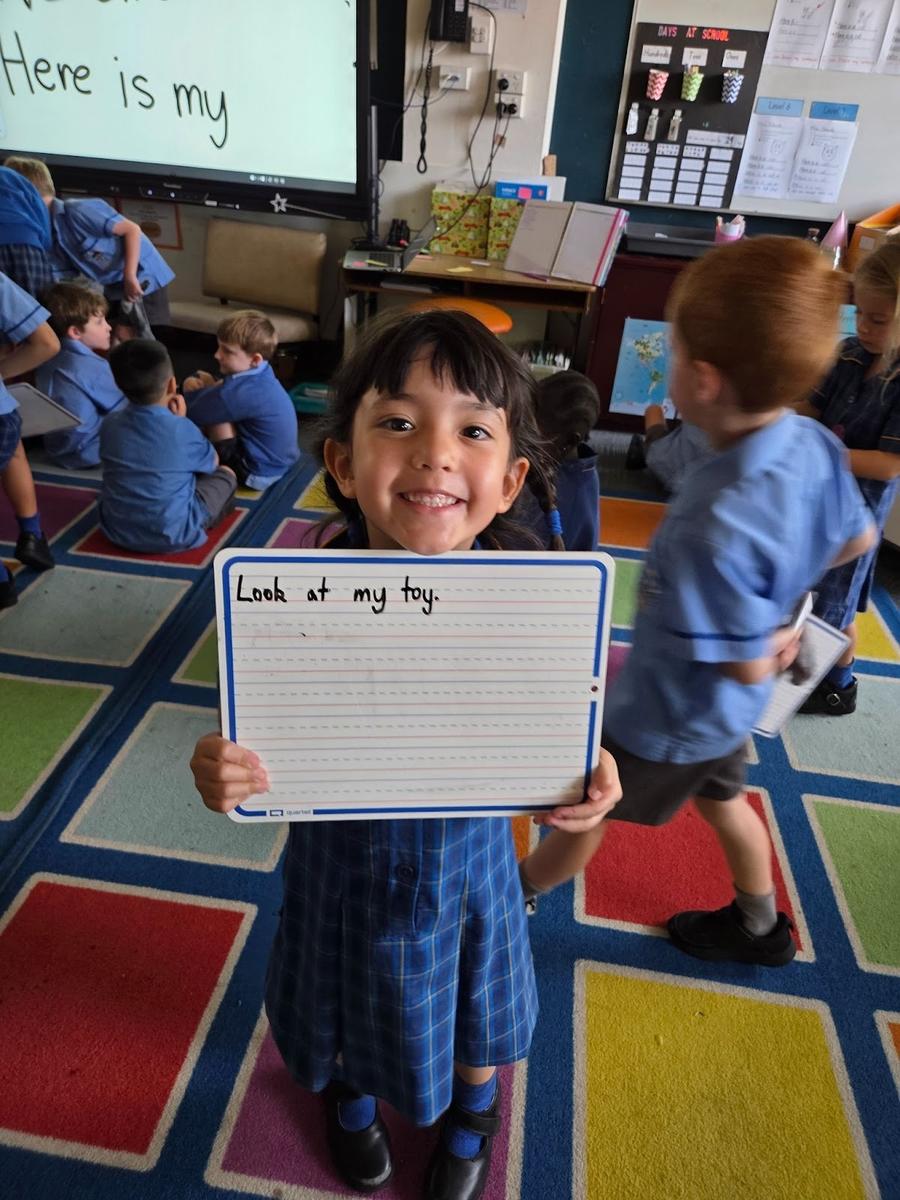
English
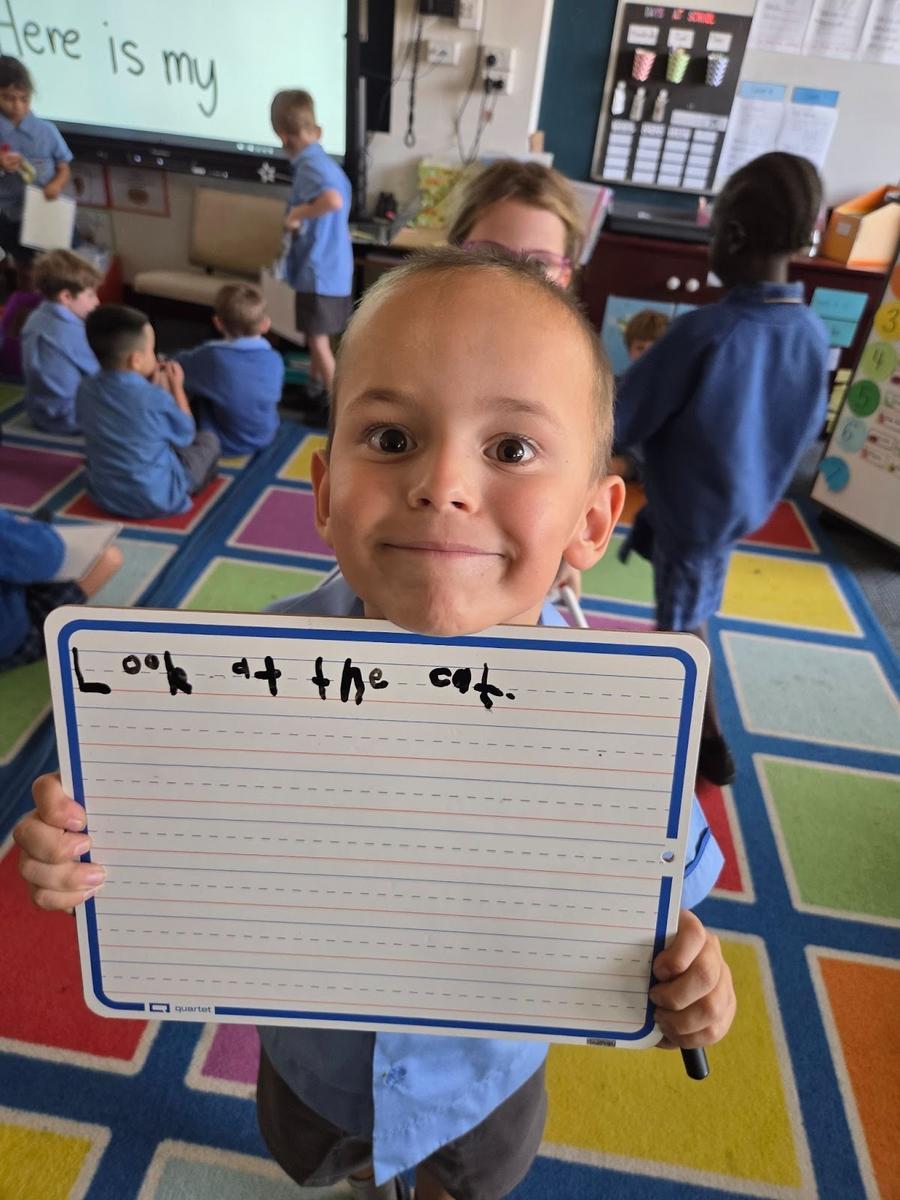
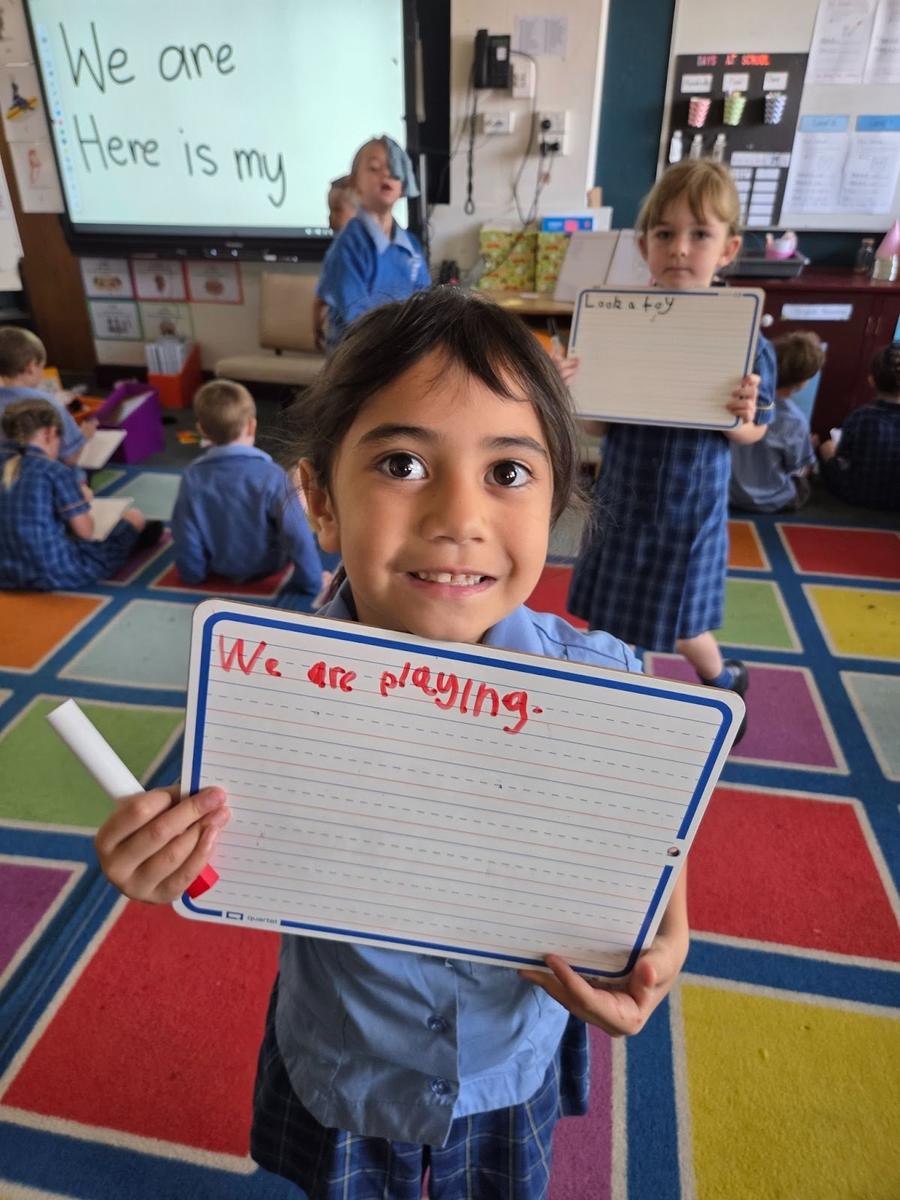
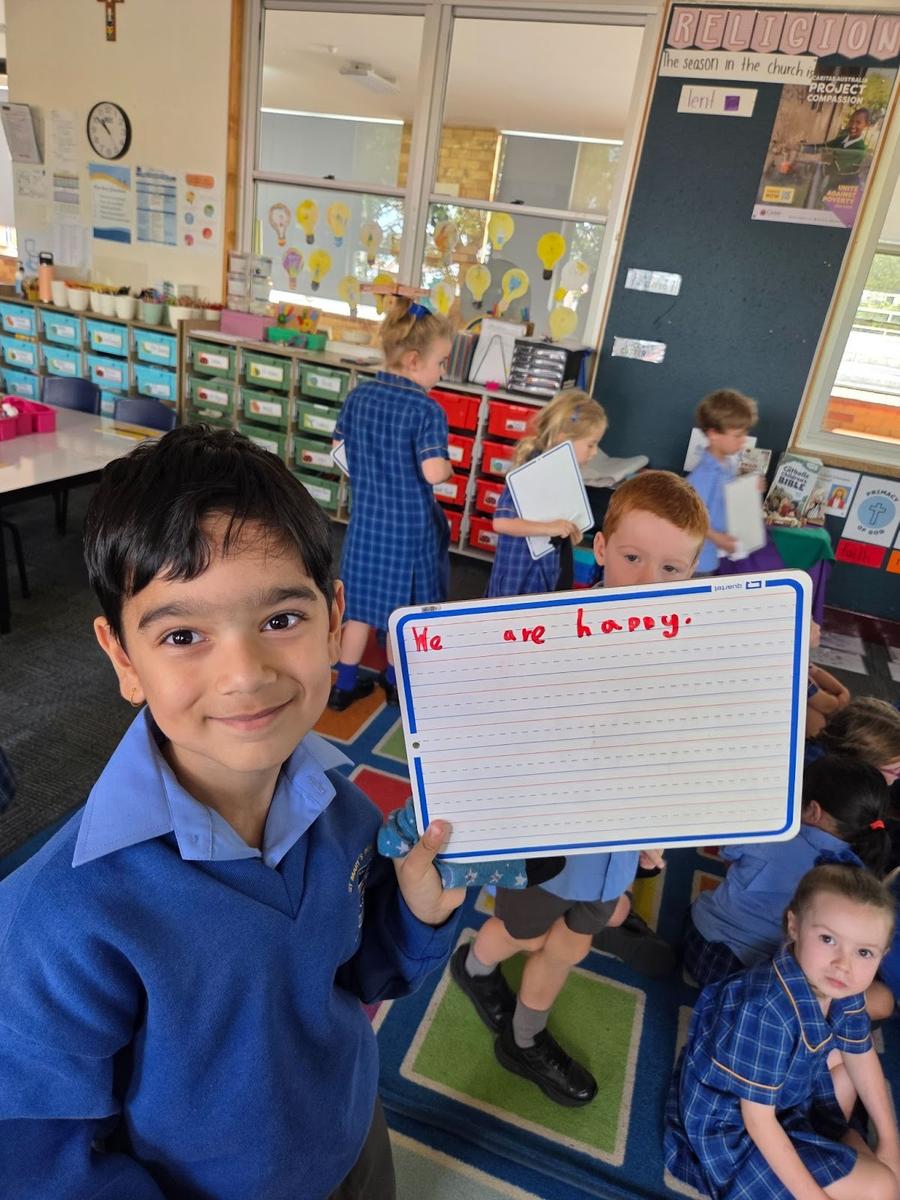
We are learning to:
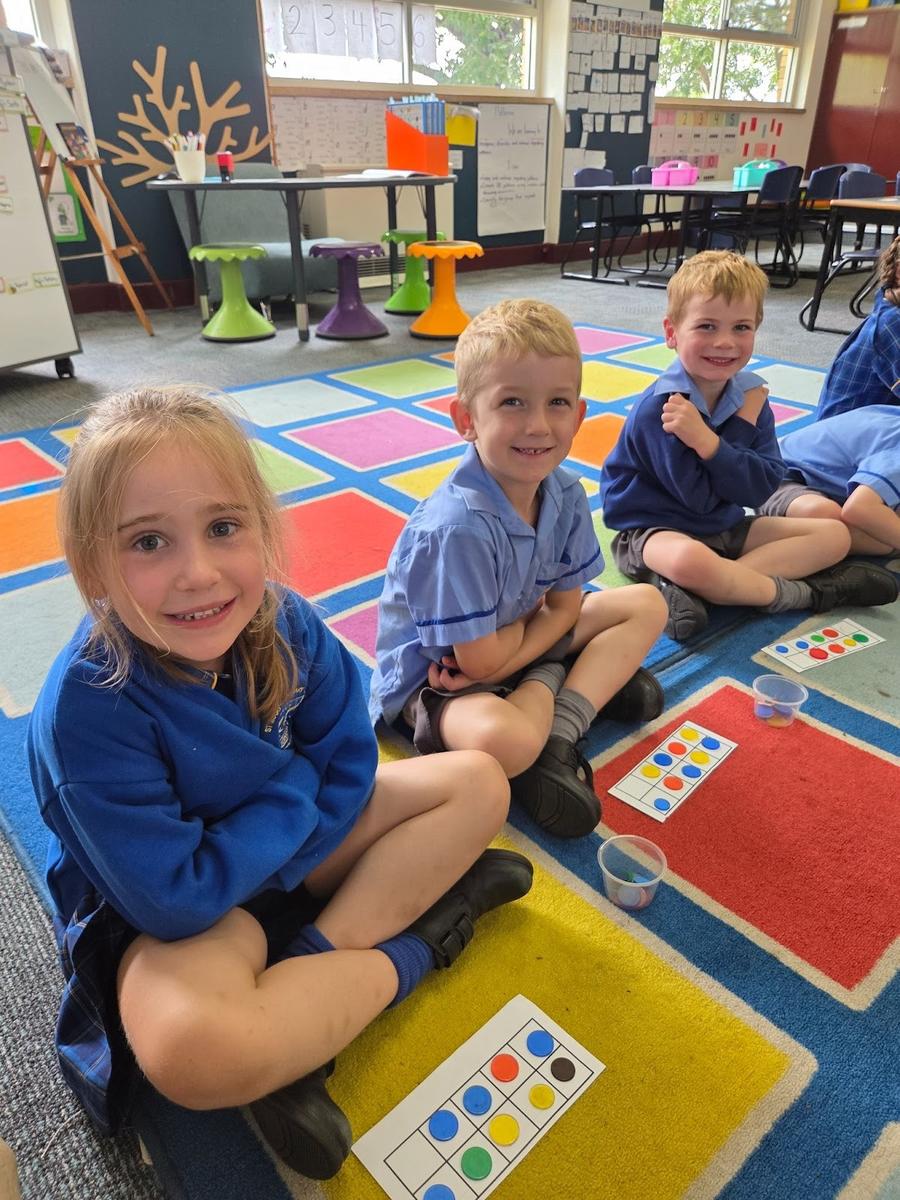
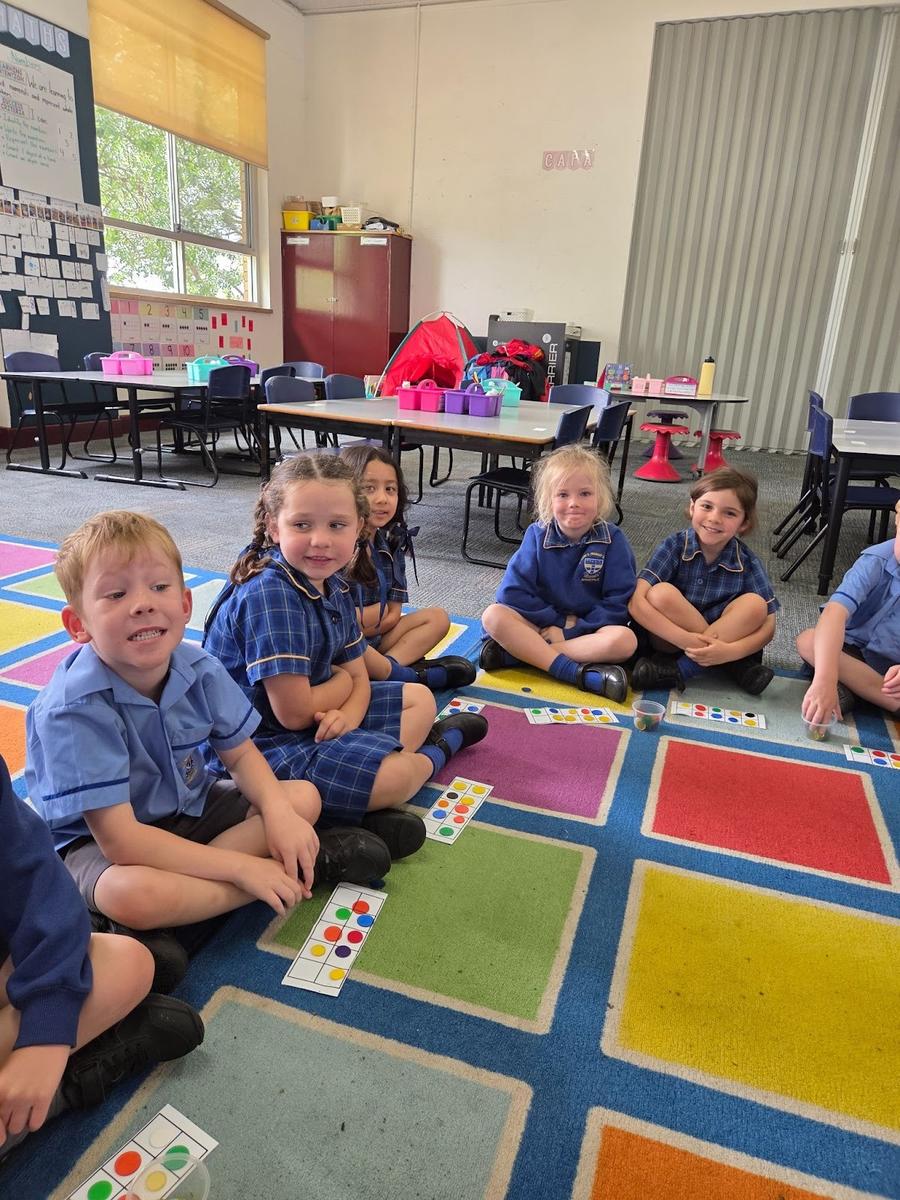
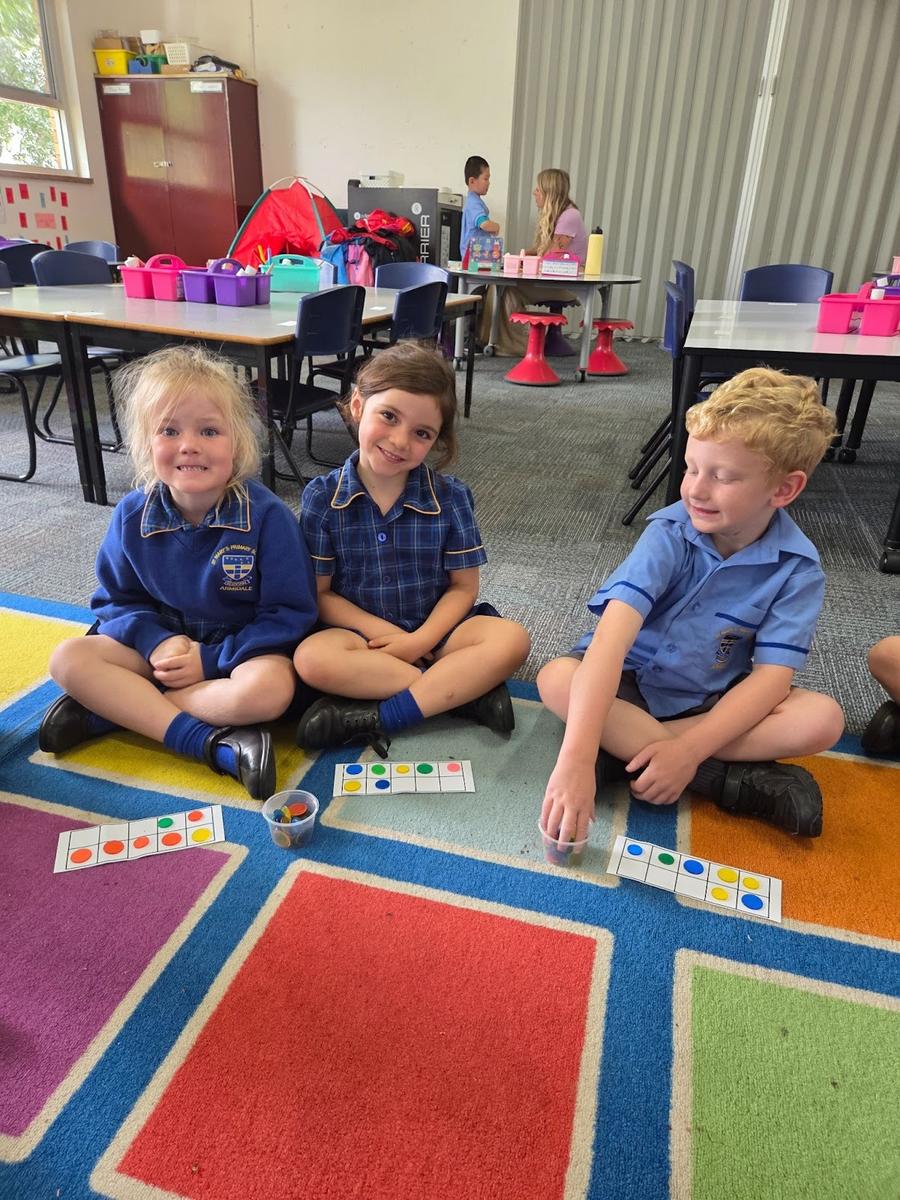
Maths
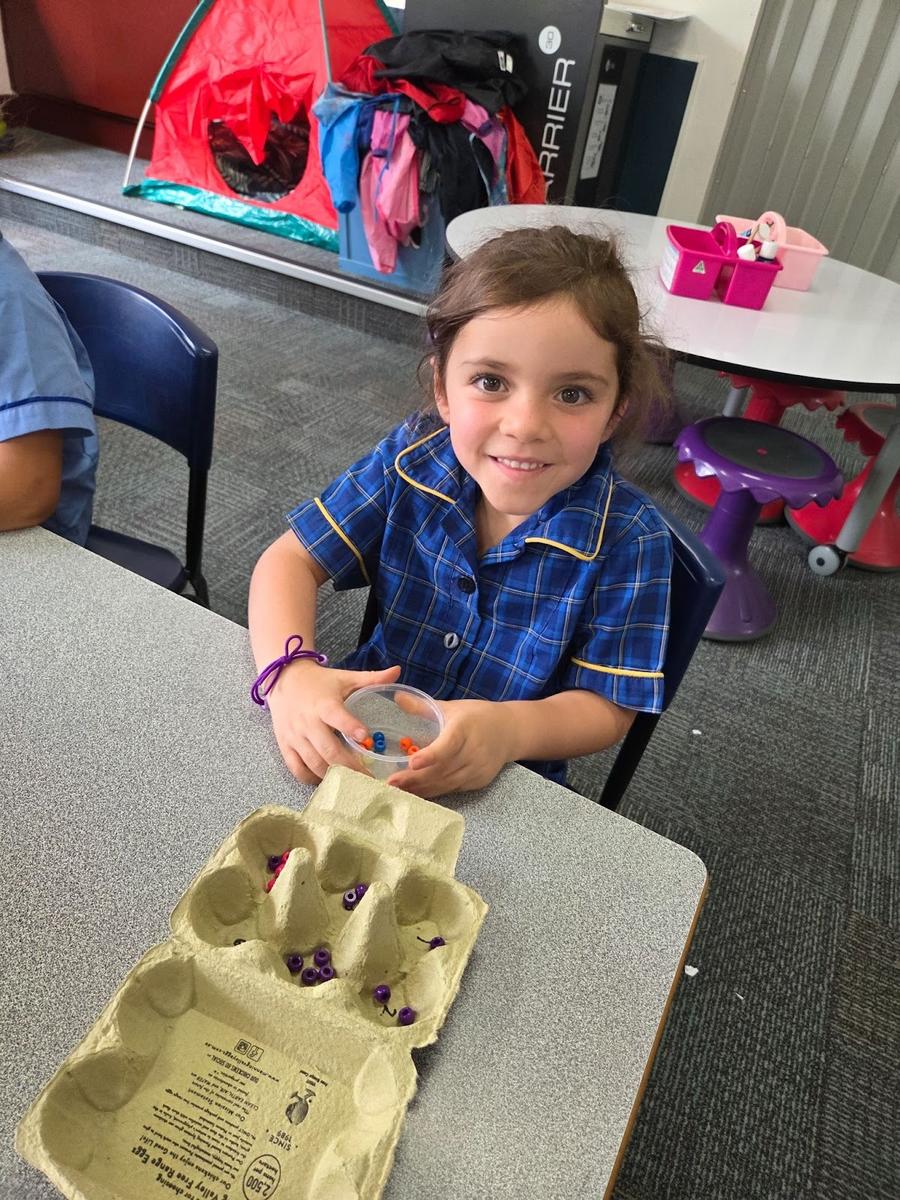
We are learning to:
Religion
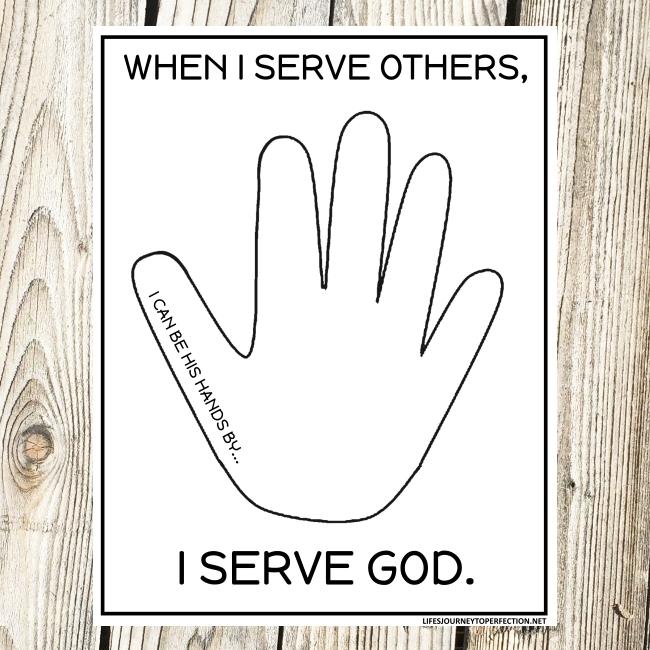
We have been learning how to serve others.
Golf
We are learning to:
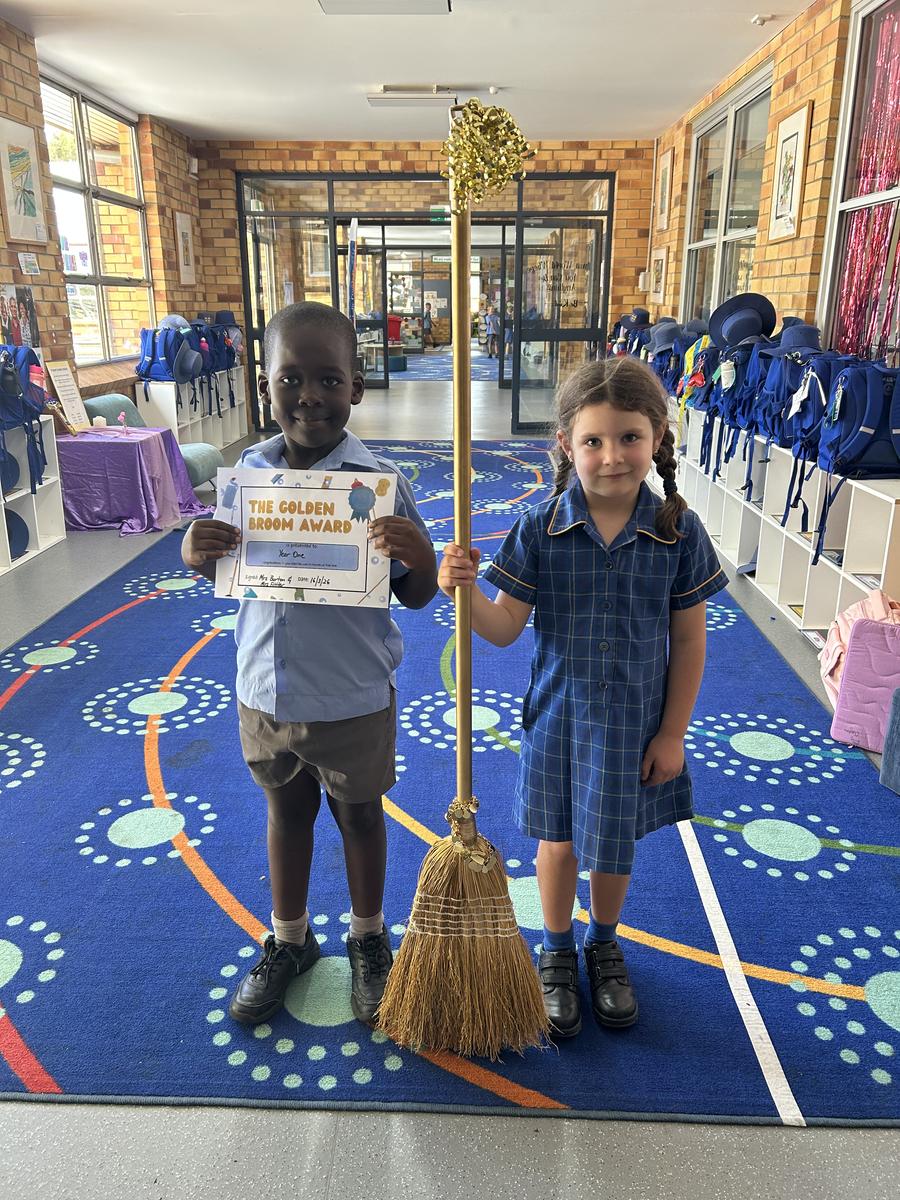
Golden Broom!!- We were all very exciting at our Monday morning assembly when Year 1 was announced as the winners of the Golden Broom. This honour is rewarded for the children's efforts in keeping their learning and lunch spaces clean and tidy throughout Week 7.
Religion - Year 1 are learning about the events of Holy Week in the lead up to Easter. We are in full-swing of our Easter Assembly practise and hope a lot of our parents can join us on Thursday, 2nd April at 10:20am to watch our performance.
Religion
Response to the Images of God in the Bible.
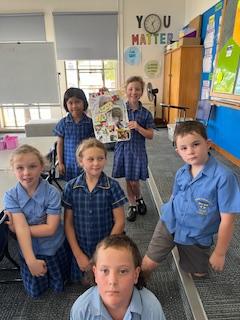
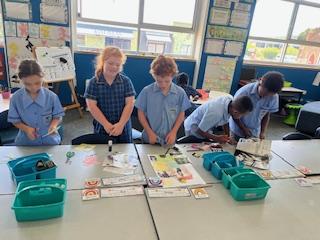
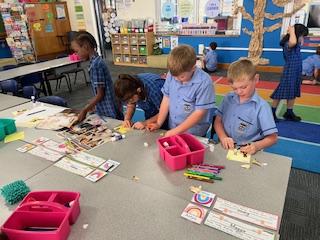
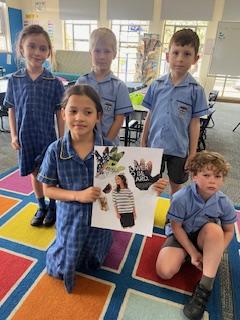
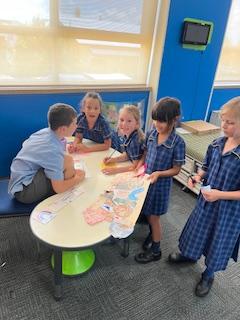
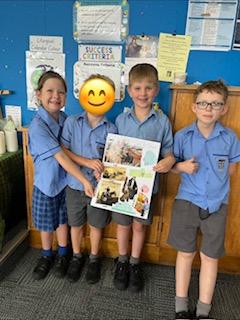
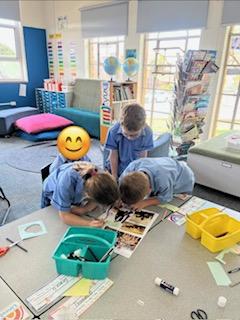
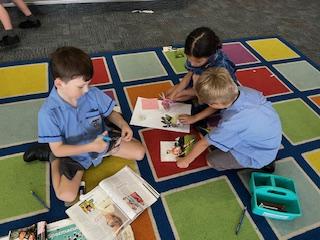
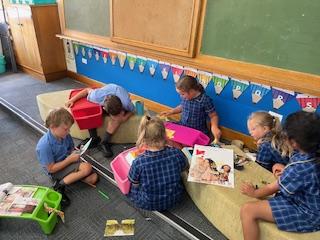
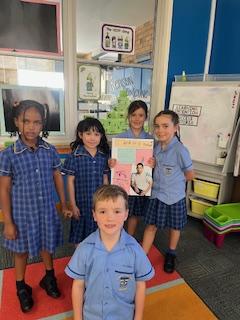
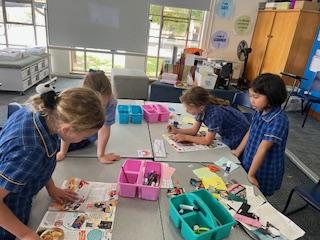
Response to the story of 'Zacchaeus'.
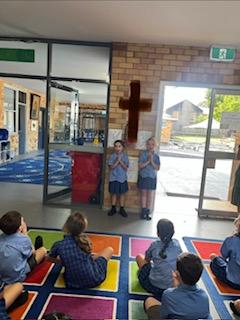
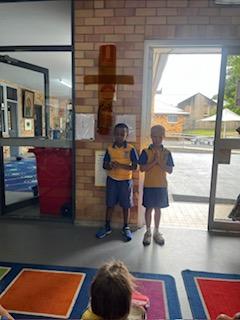
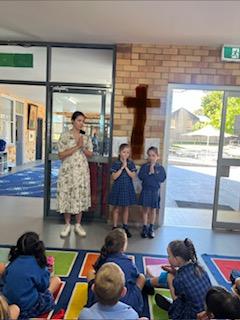
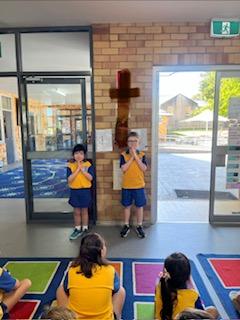
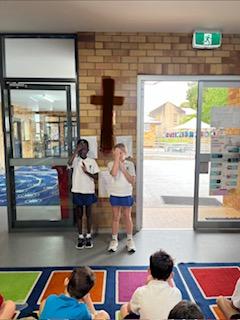
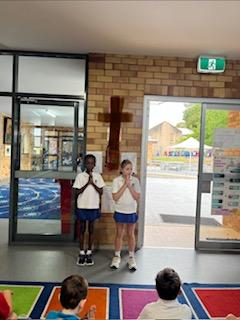
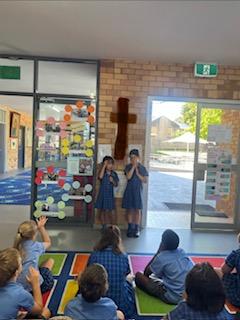
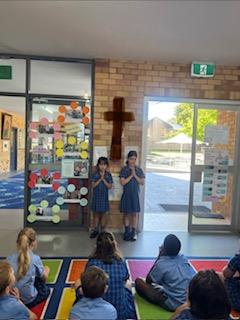
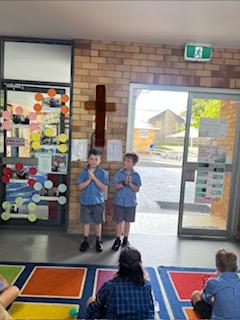
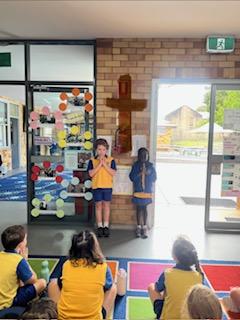
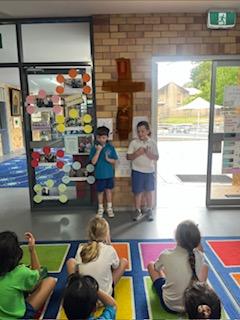
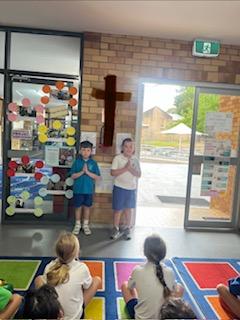
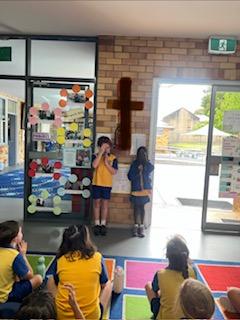
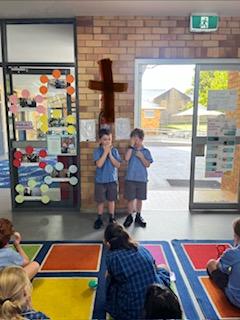
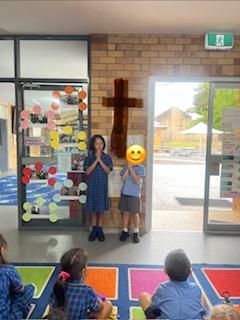
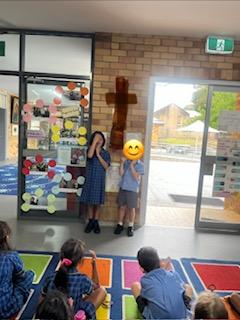
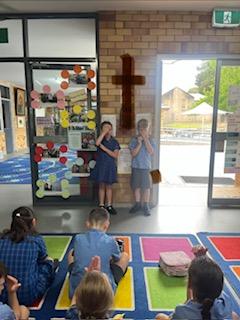
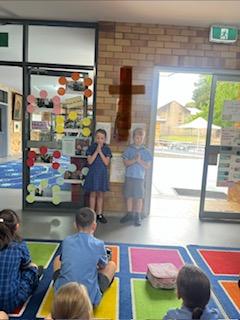
Students lead prayer, which is a part of our daily routine.
English
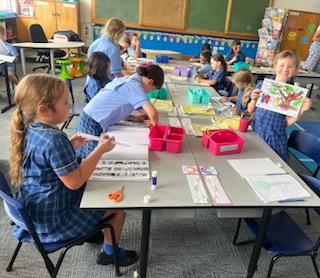
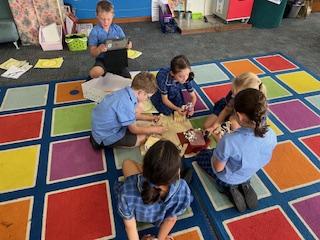
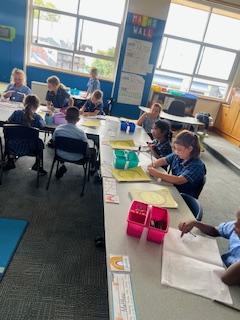
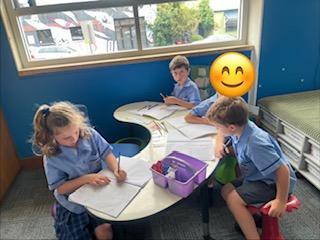
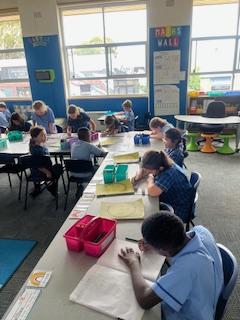
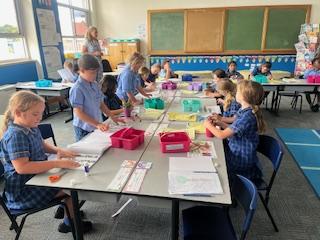
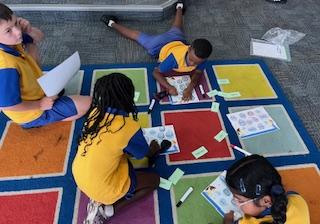
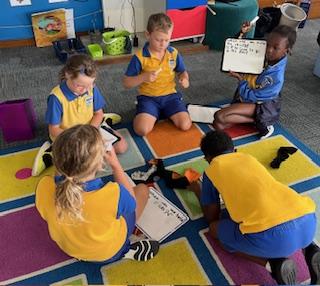
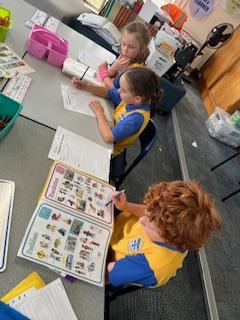
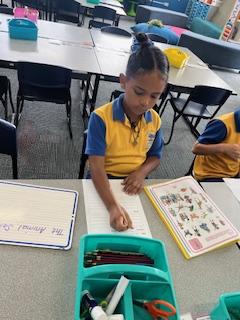
Learning in their rotation groups.
Maths
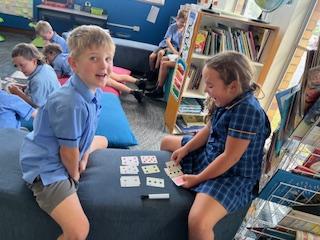
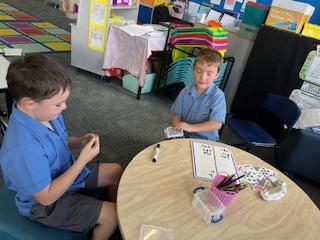
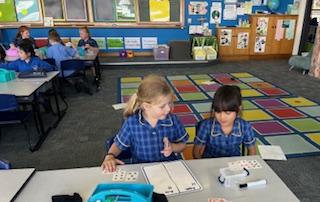
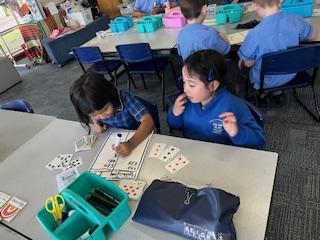
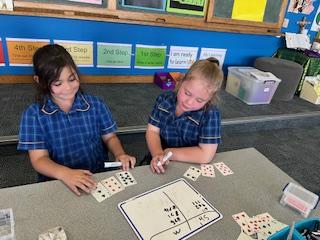
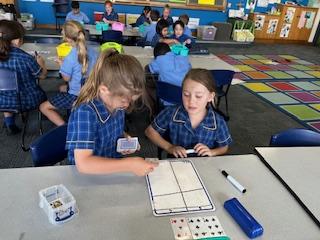
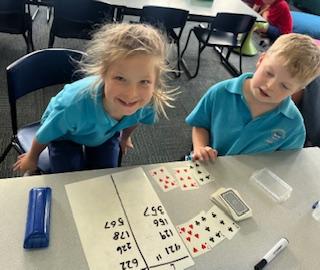
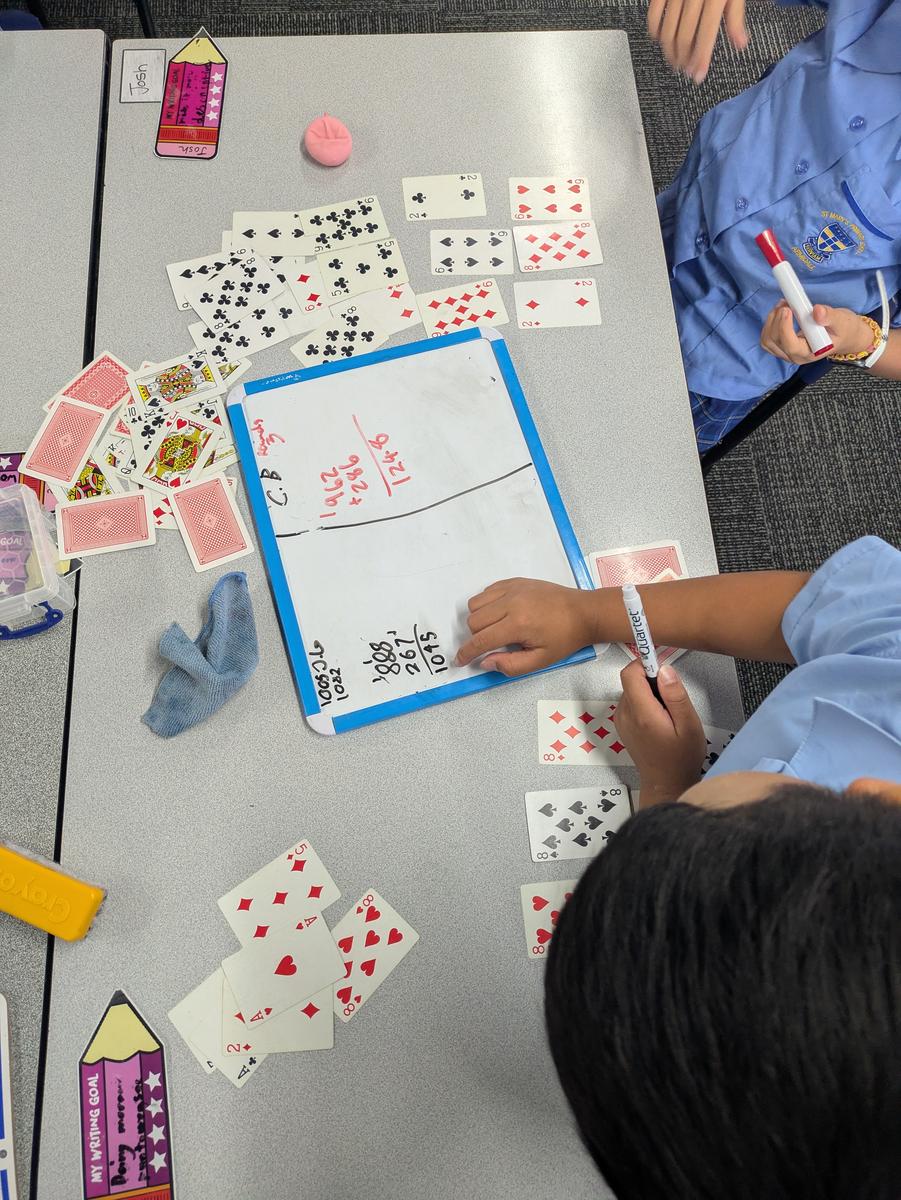
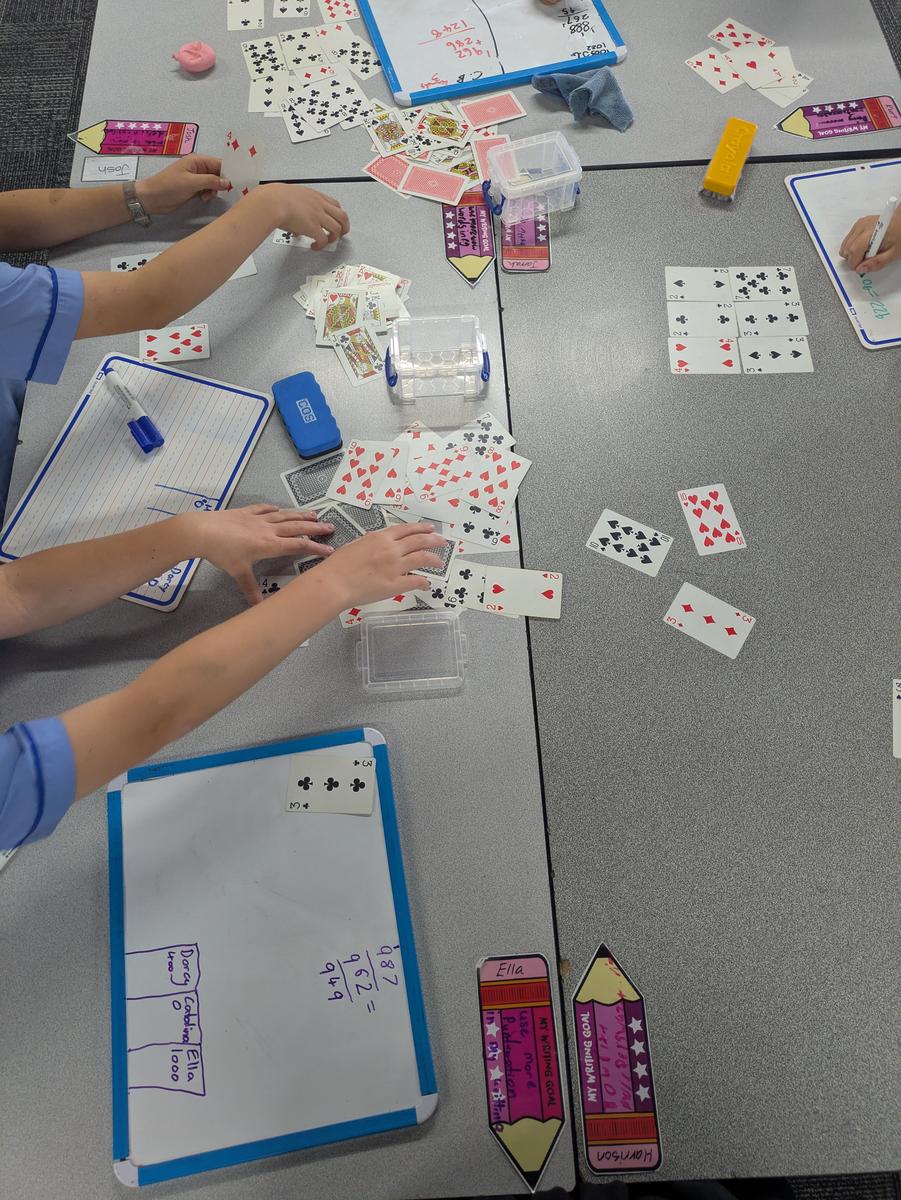
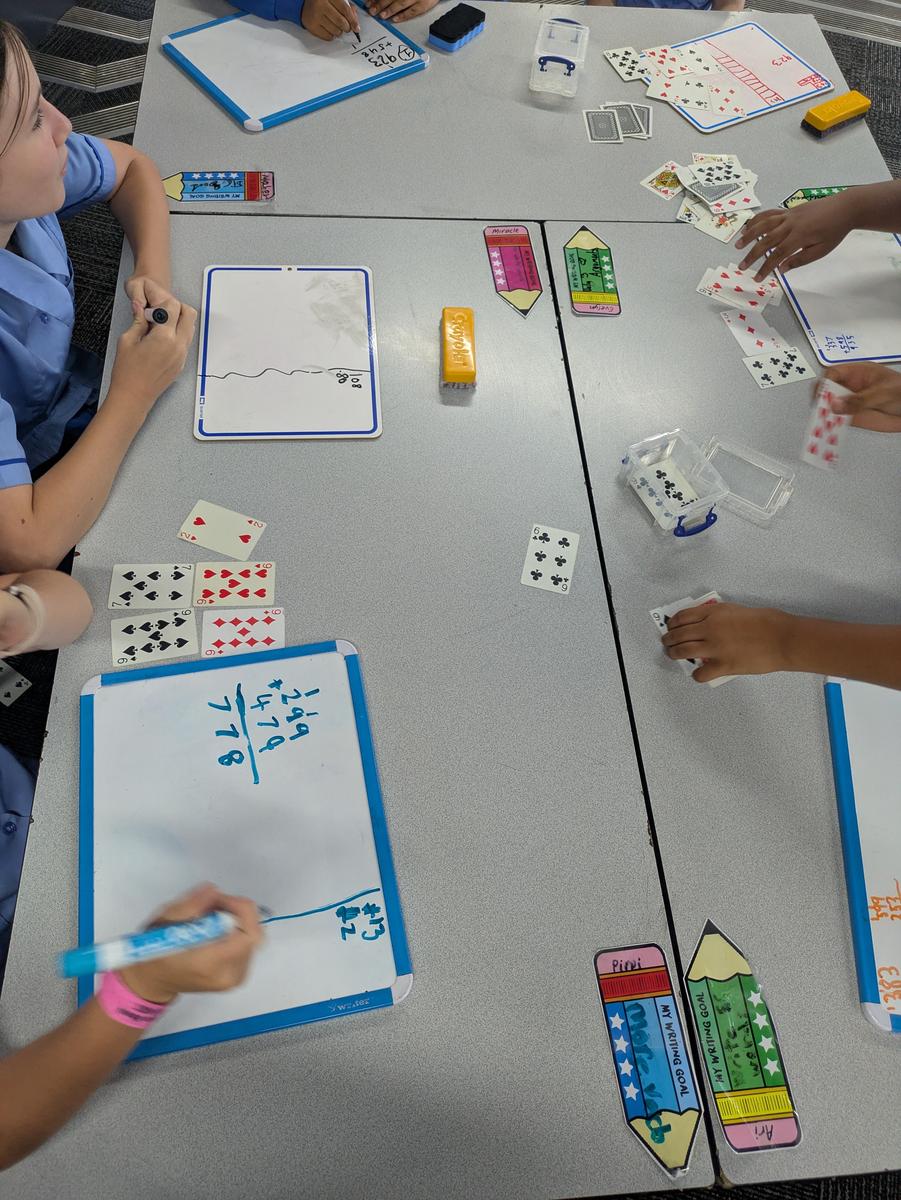
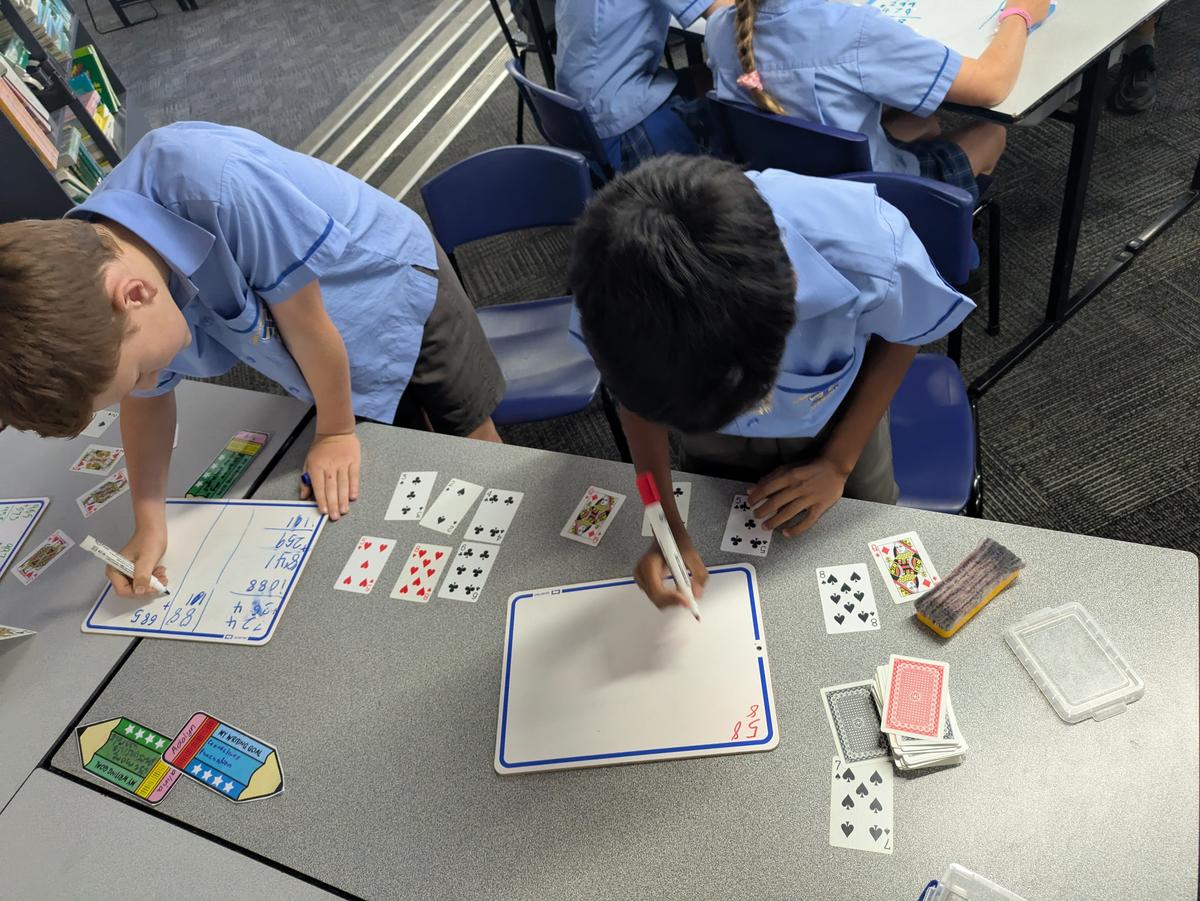
Learning through Math games.
Science
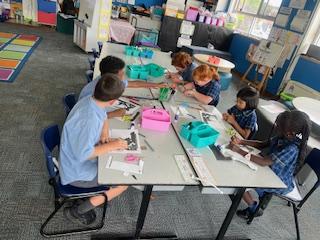
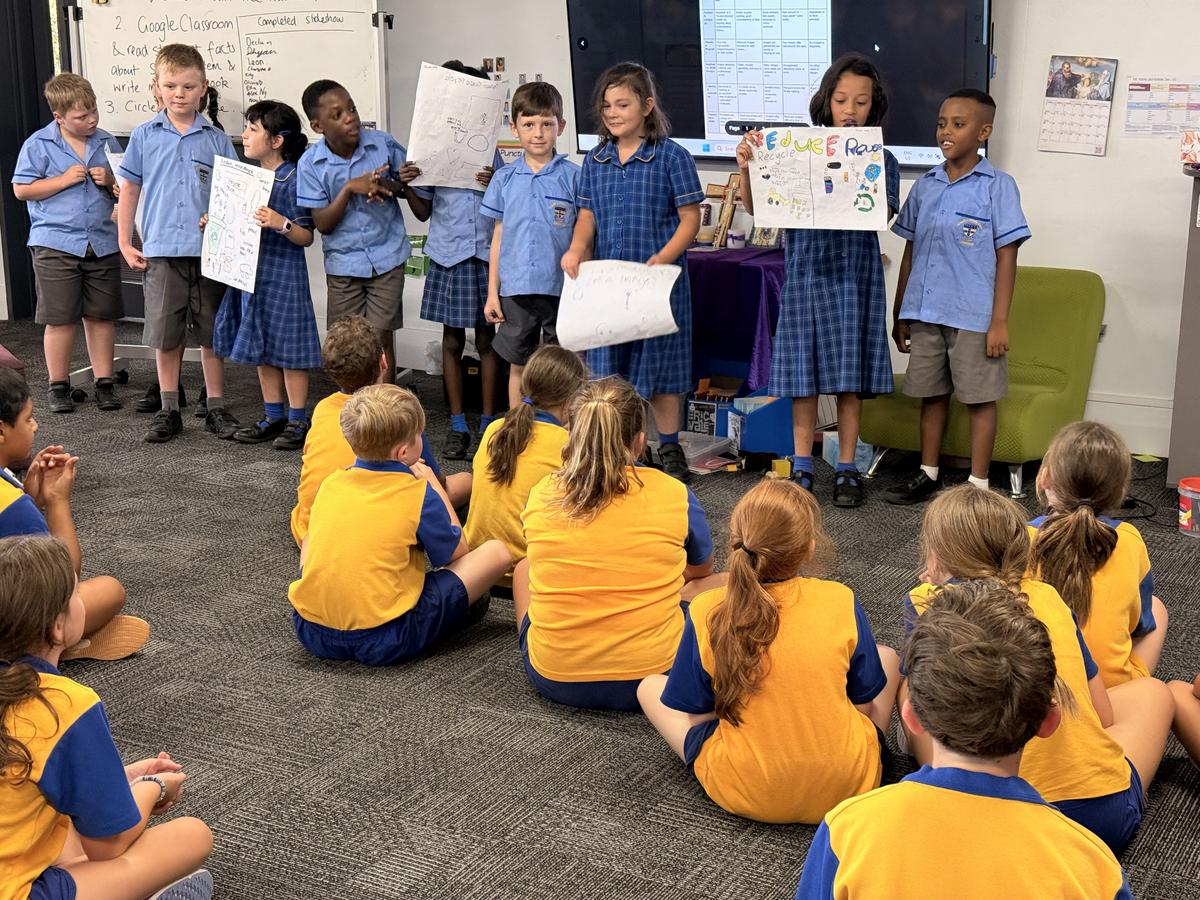
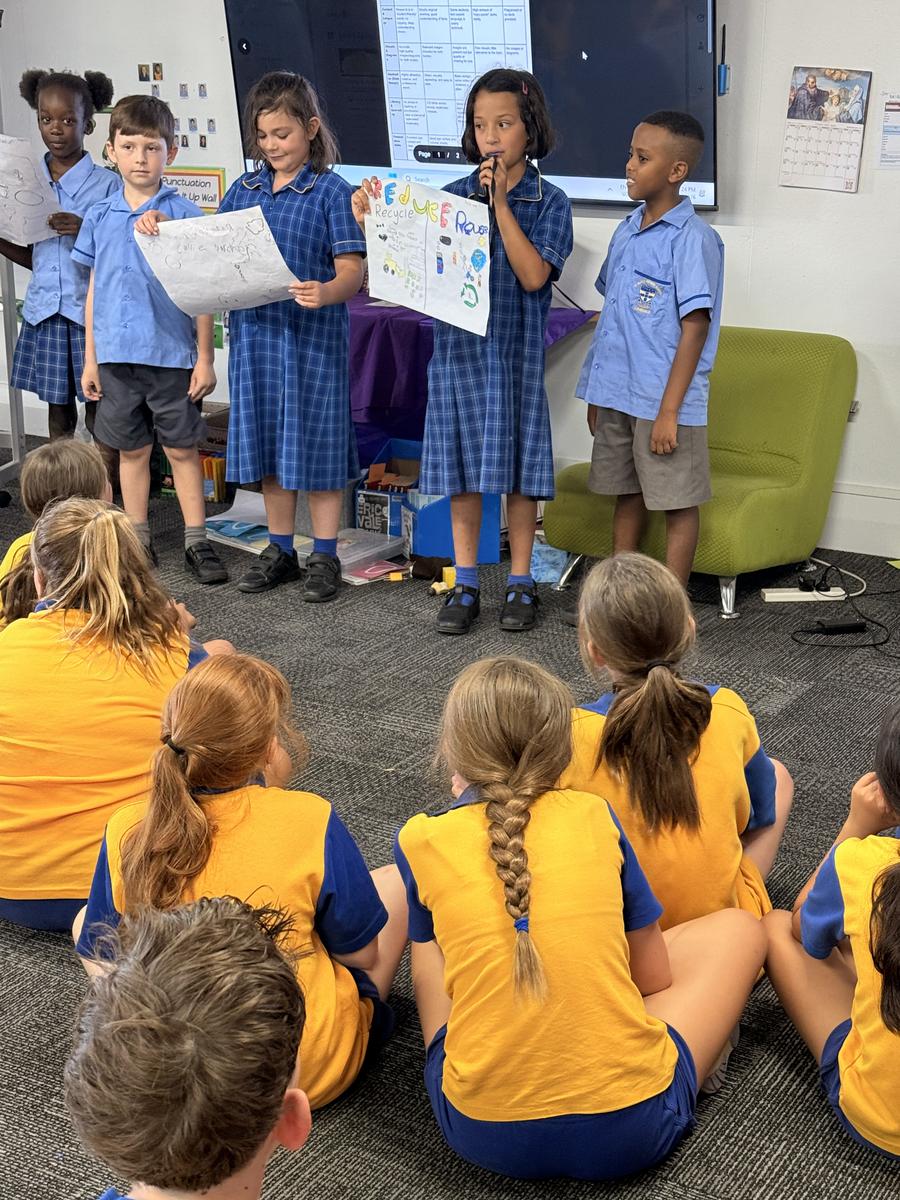
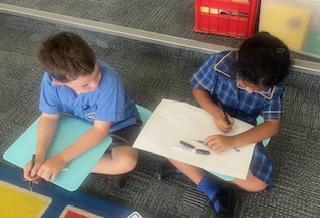
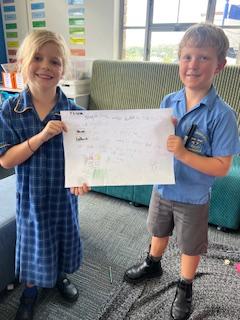
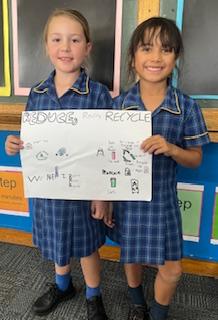
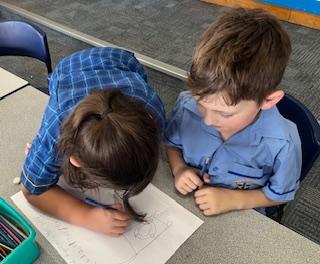
Students worked in pairs to create their 'Reduce, Reuse and Recycle' posters.
Creative Arts
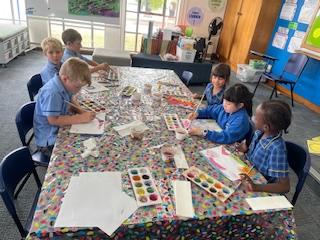
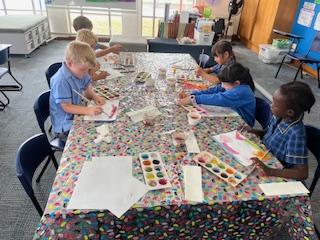
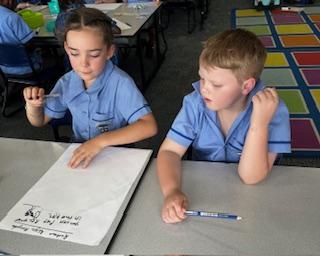
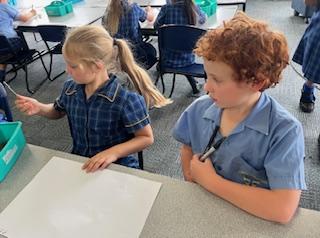
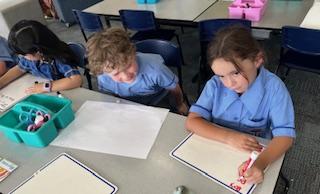
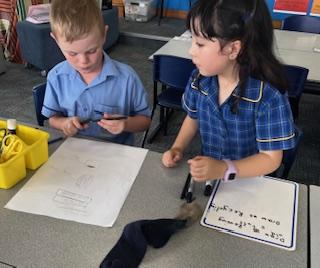
Students begin their piece for the St Mary's Art Show. Watch this space.
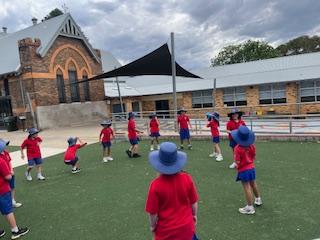
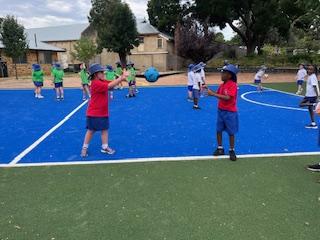
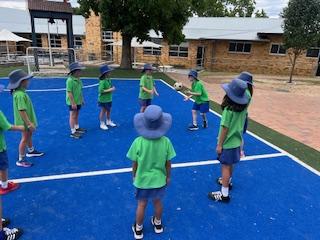
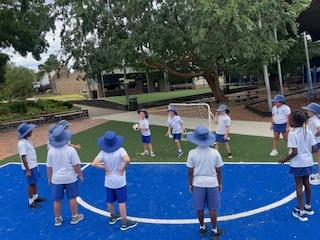
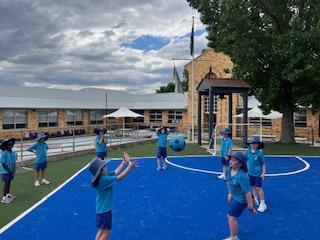
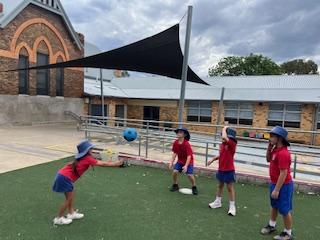
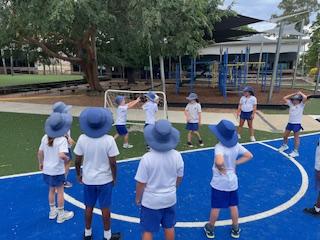
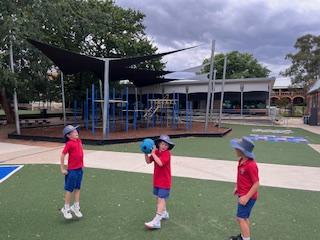
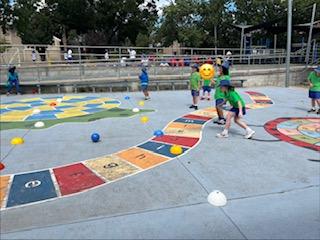
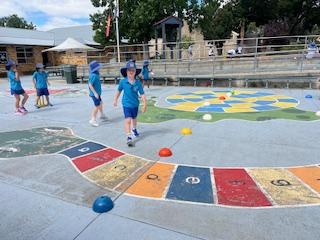
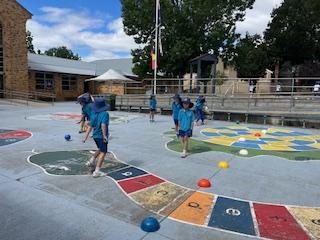
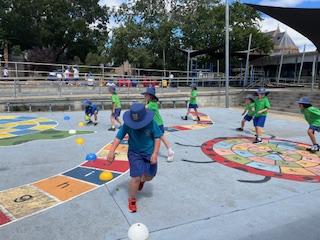
Sports
Awards
I am Safe, I am a Learner, and I am Valued, Respected and Cared for
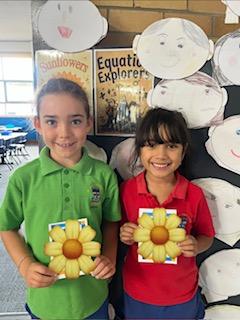
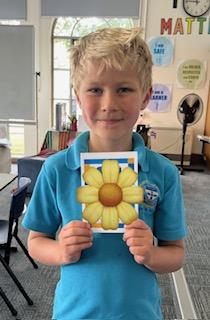
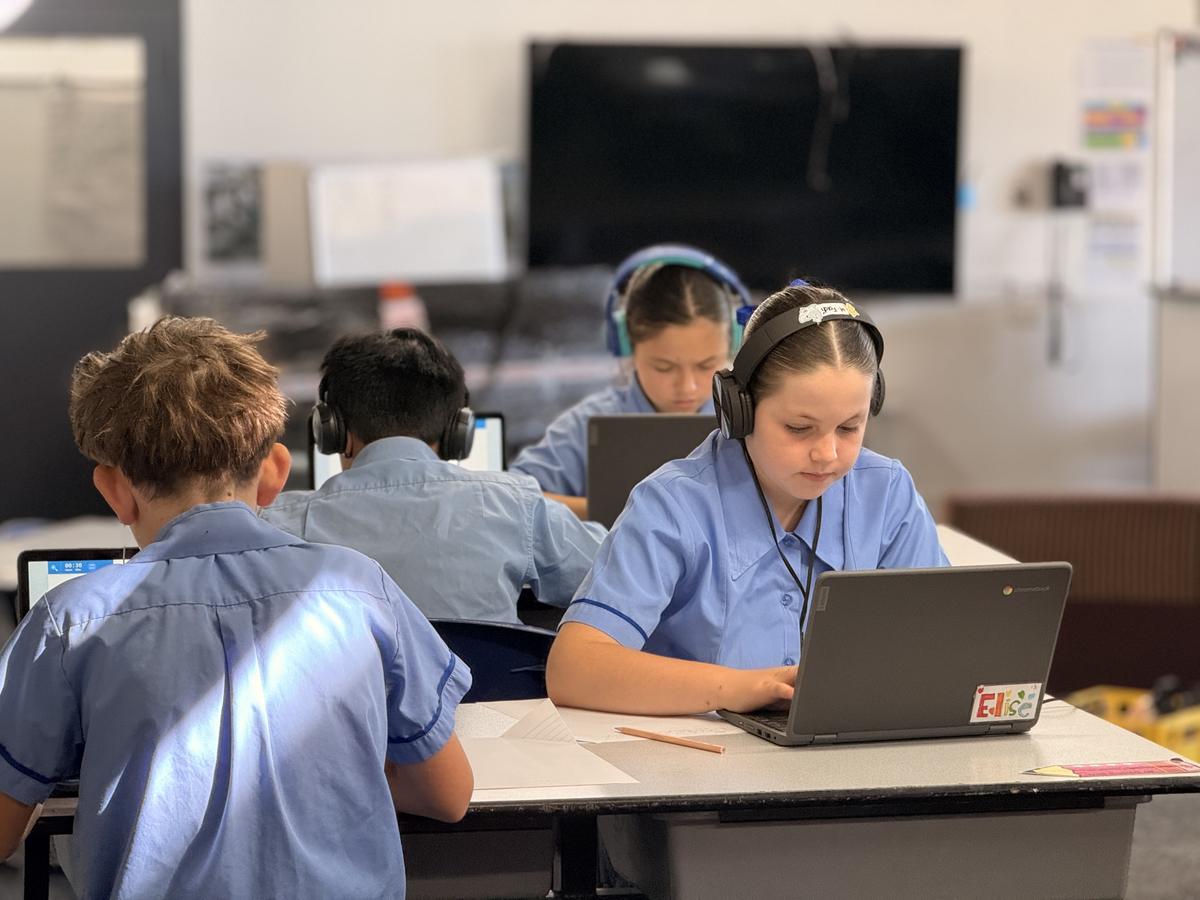
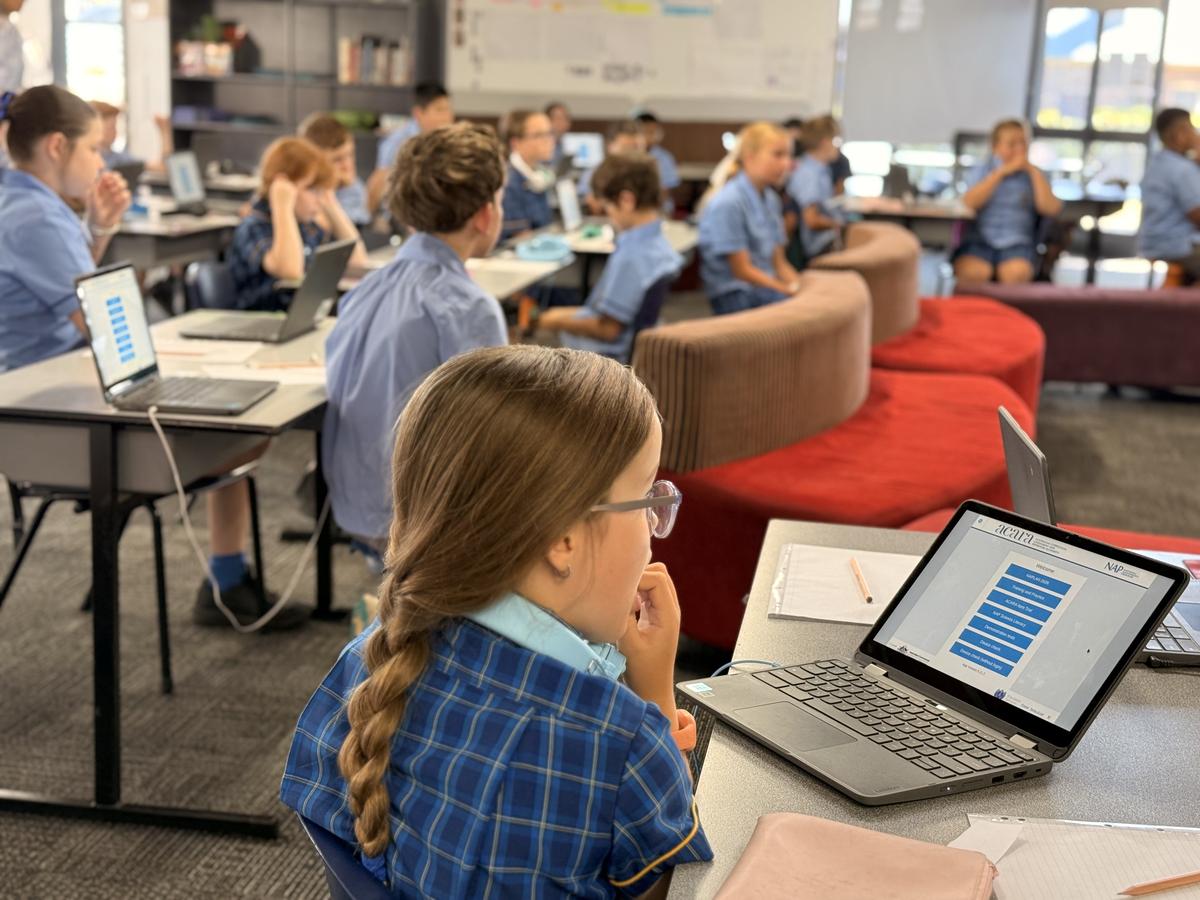
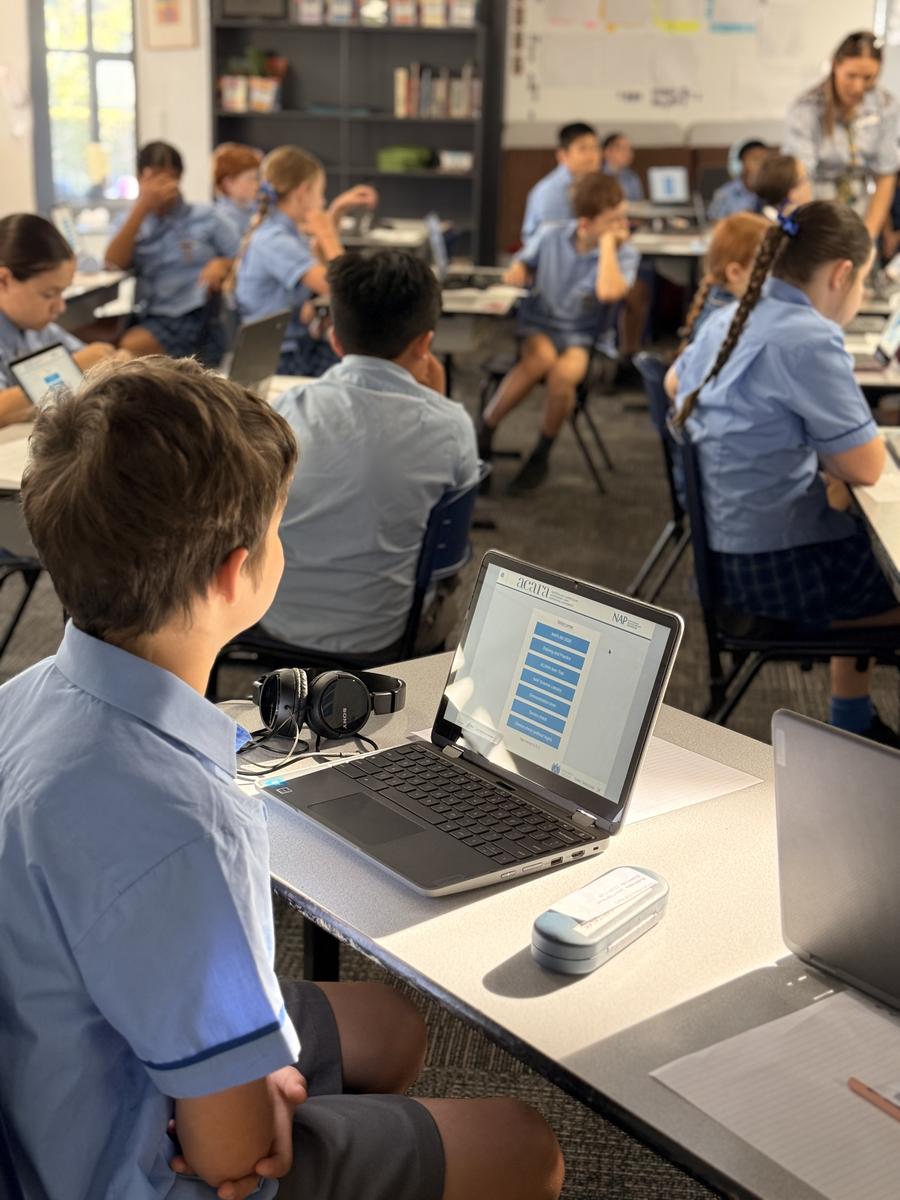
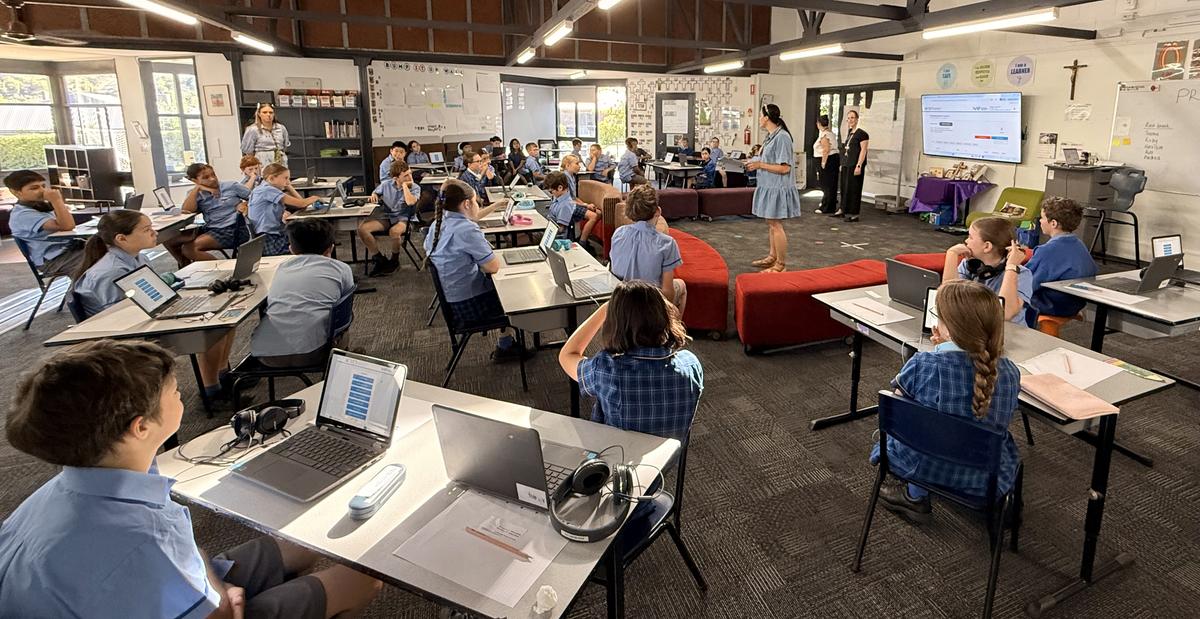
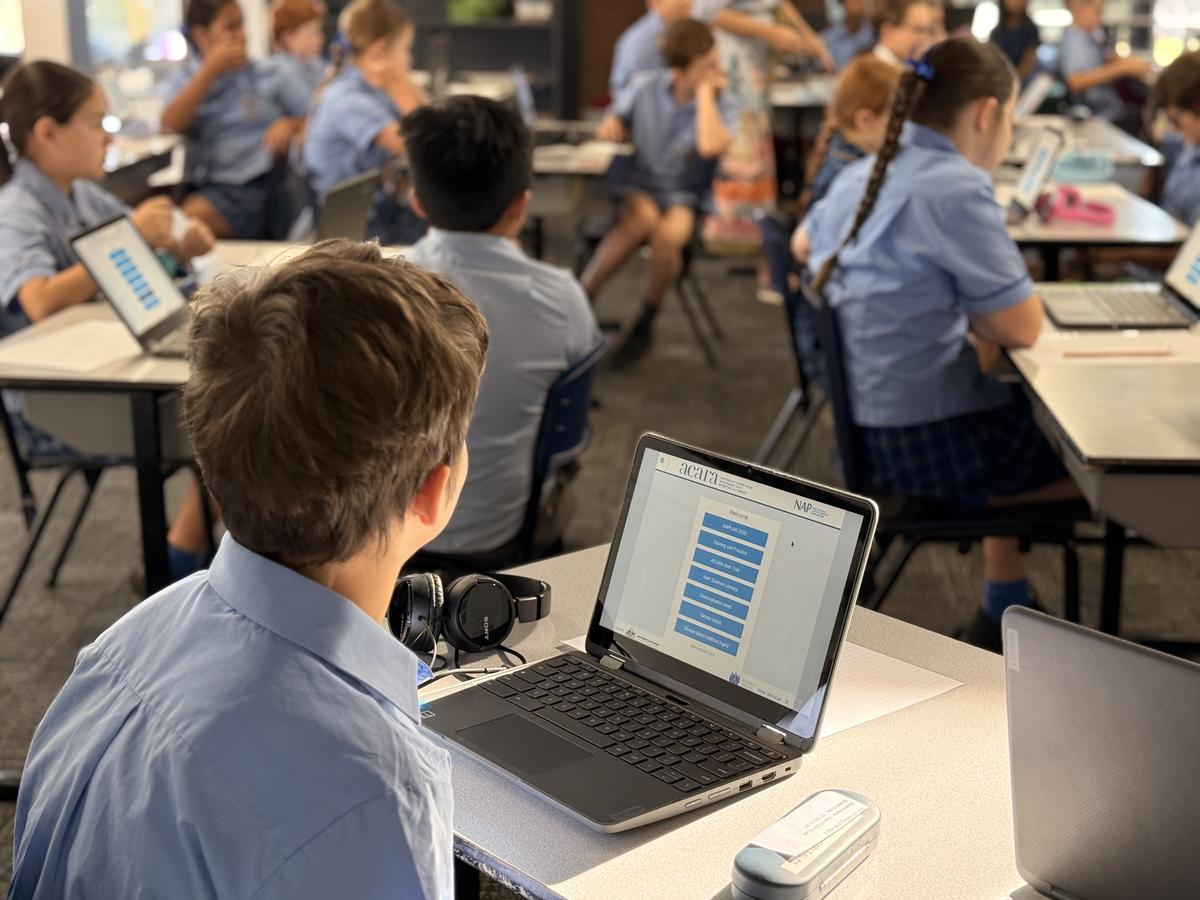
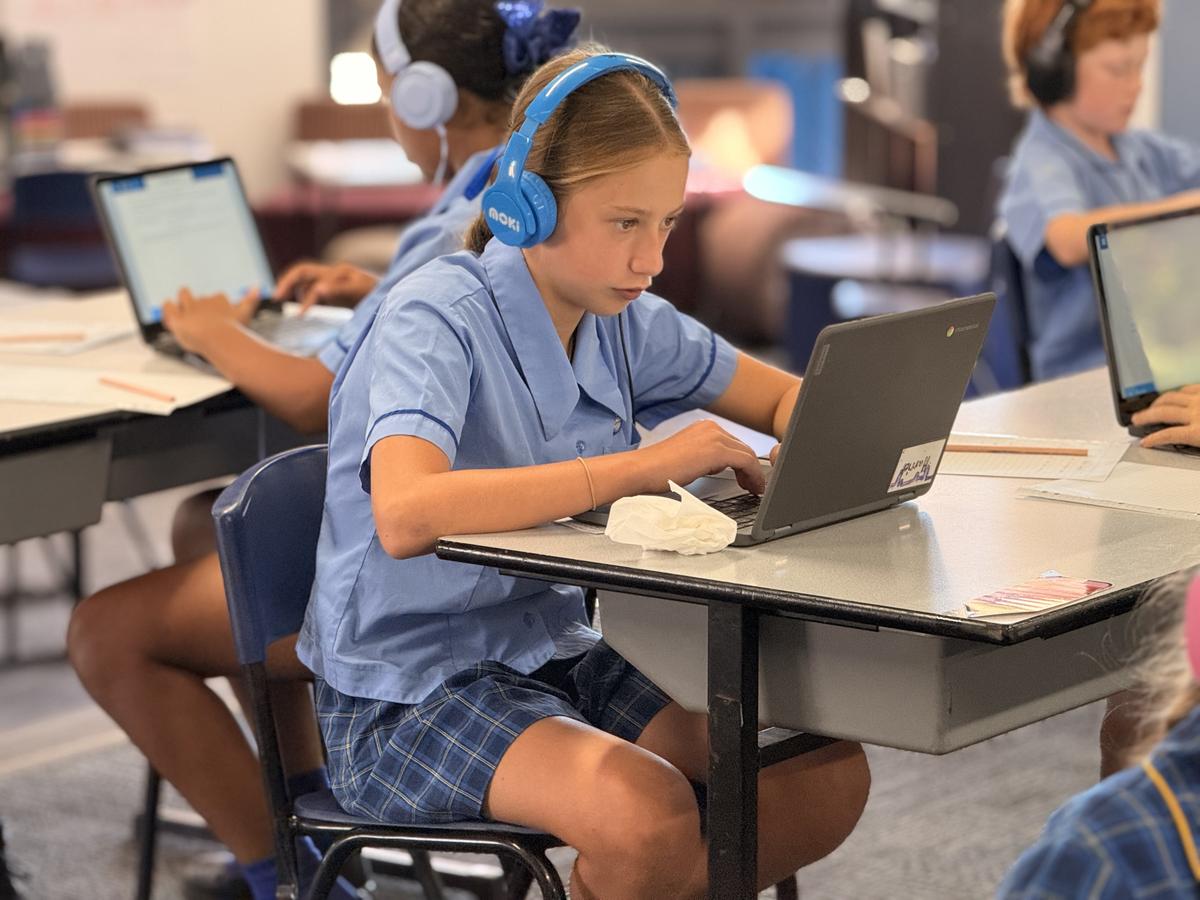
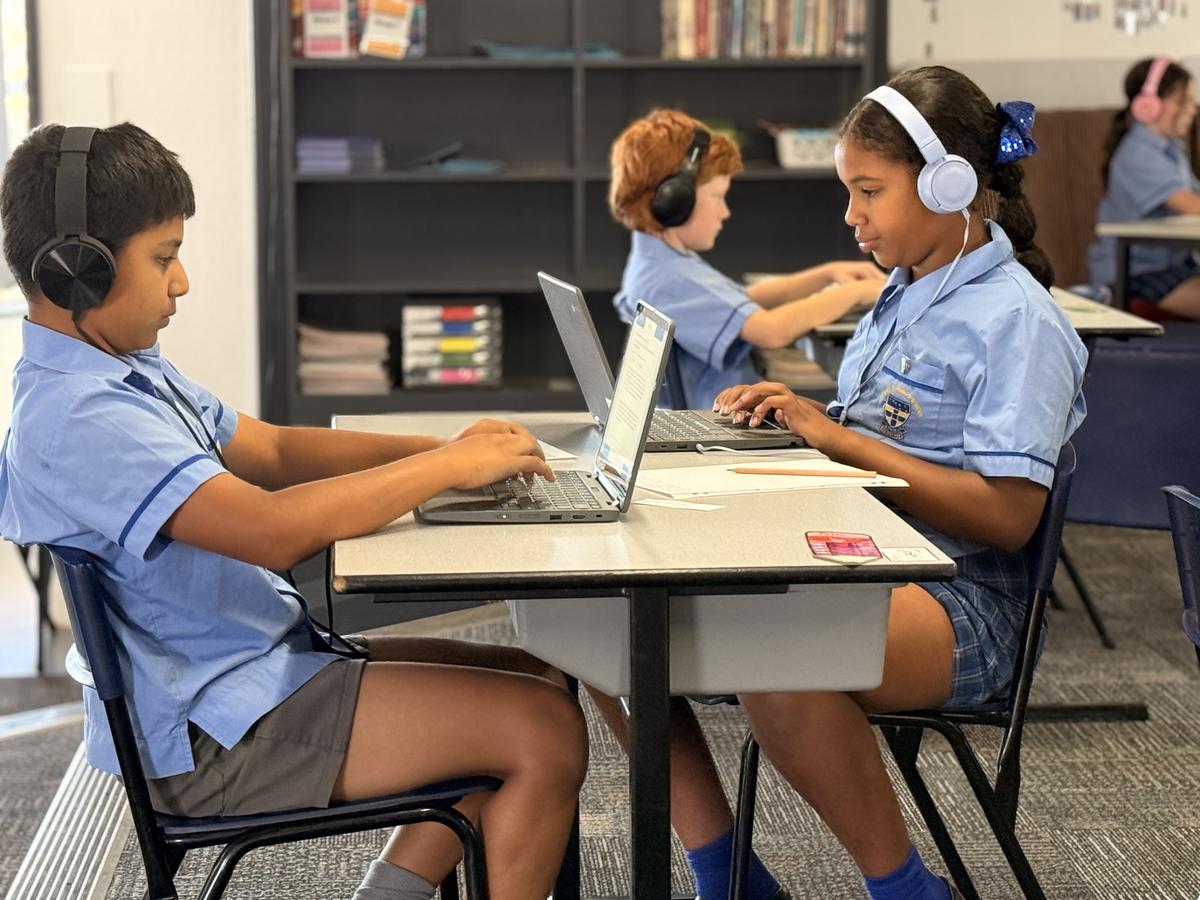
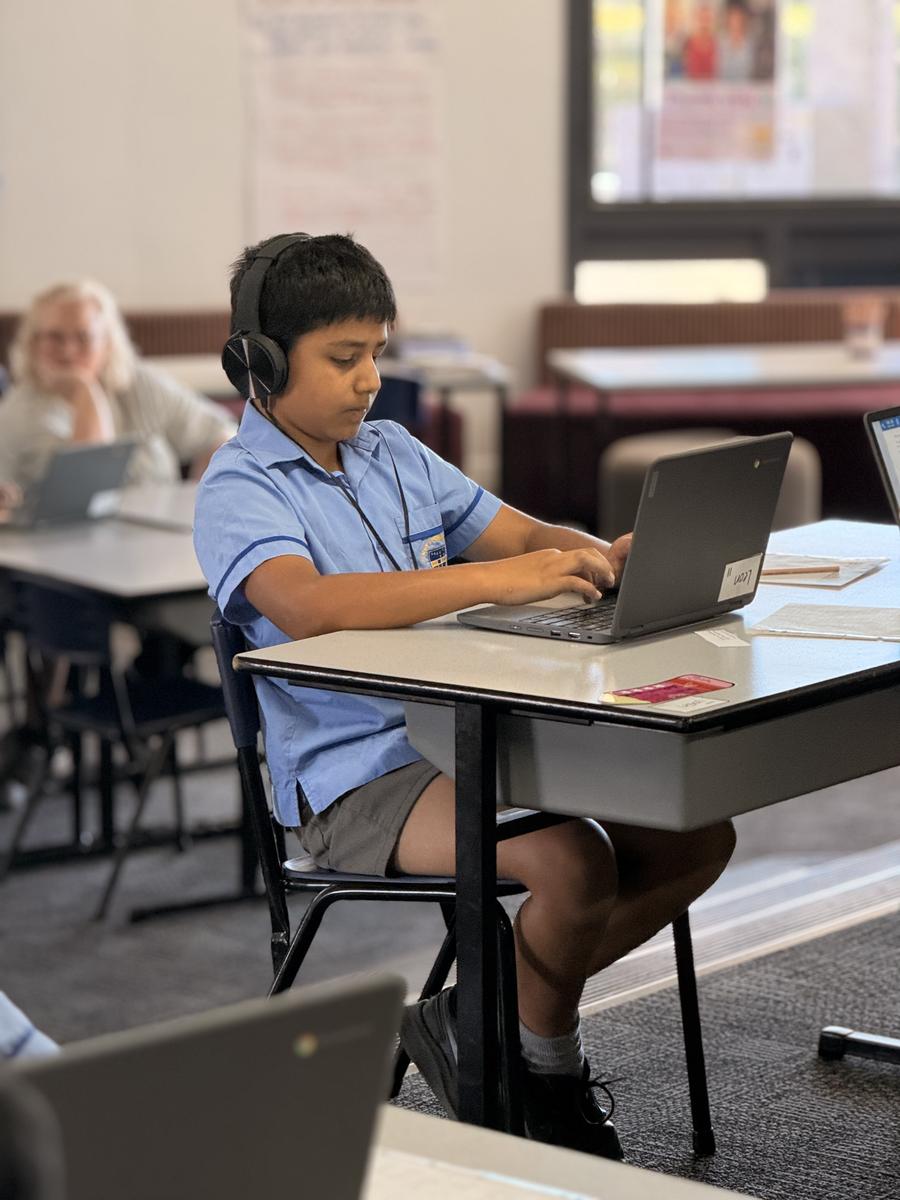
NAPLAN testing commenced last week and continued through to this week! While there were a few nerves, our students put in their best effort into all their tests. Over the two week period students sat a NAPLAN exam for Writing, Reading, Conventions of Language, and Maths. We are very proud of Year 3 for sitting their very first NAPLAN.
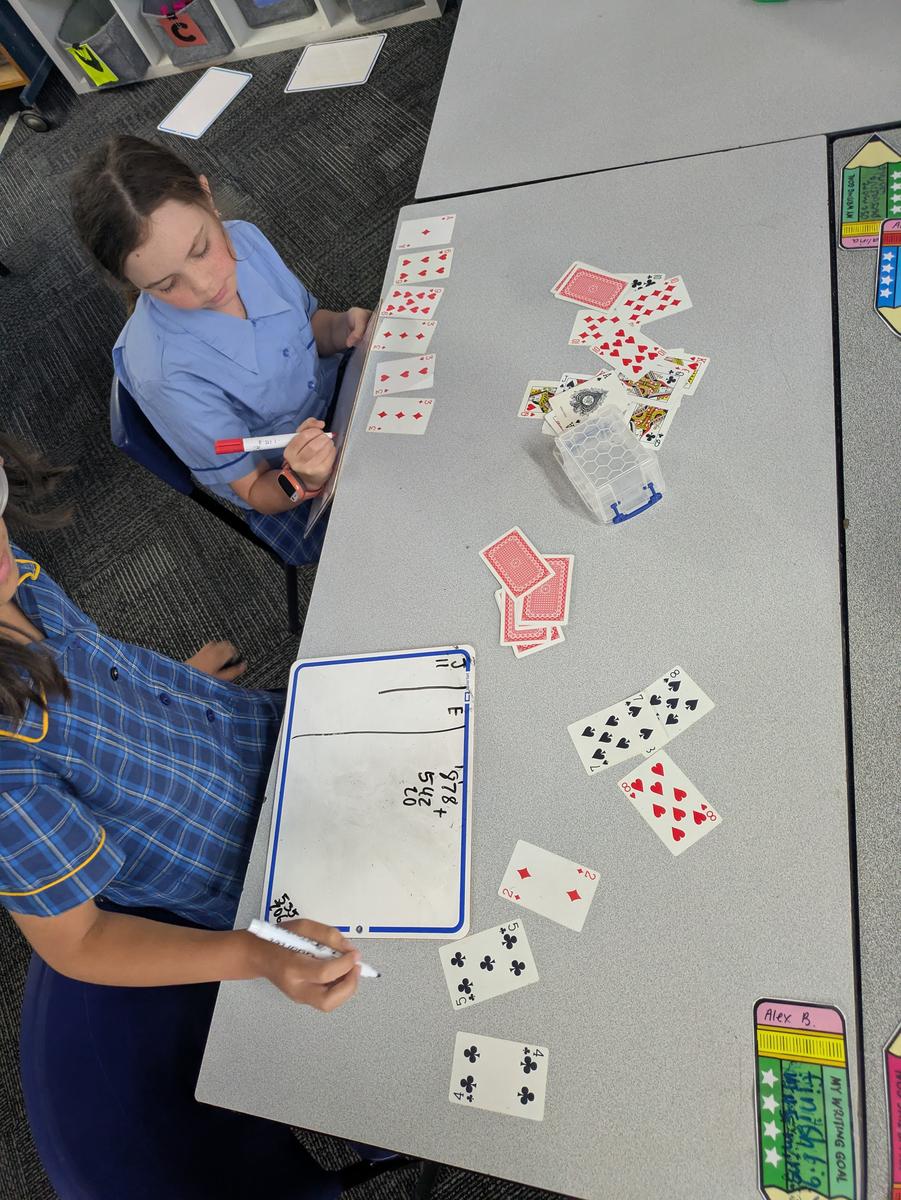
In Mathematics we are focusing on Addition & Inverse Operations, below are some
Tips for parents:
Continual reinforcement of the concept of addition in the real world is extremely beneficial to student learning and understanding. Adding totals at the supermarket, in the shed or collating minutes on a device are all examples of practicing the skill.
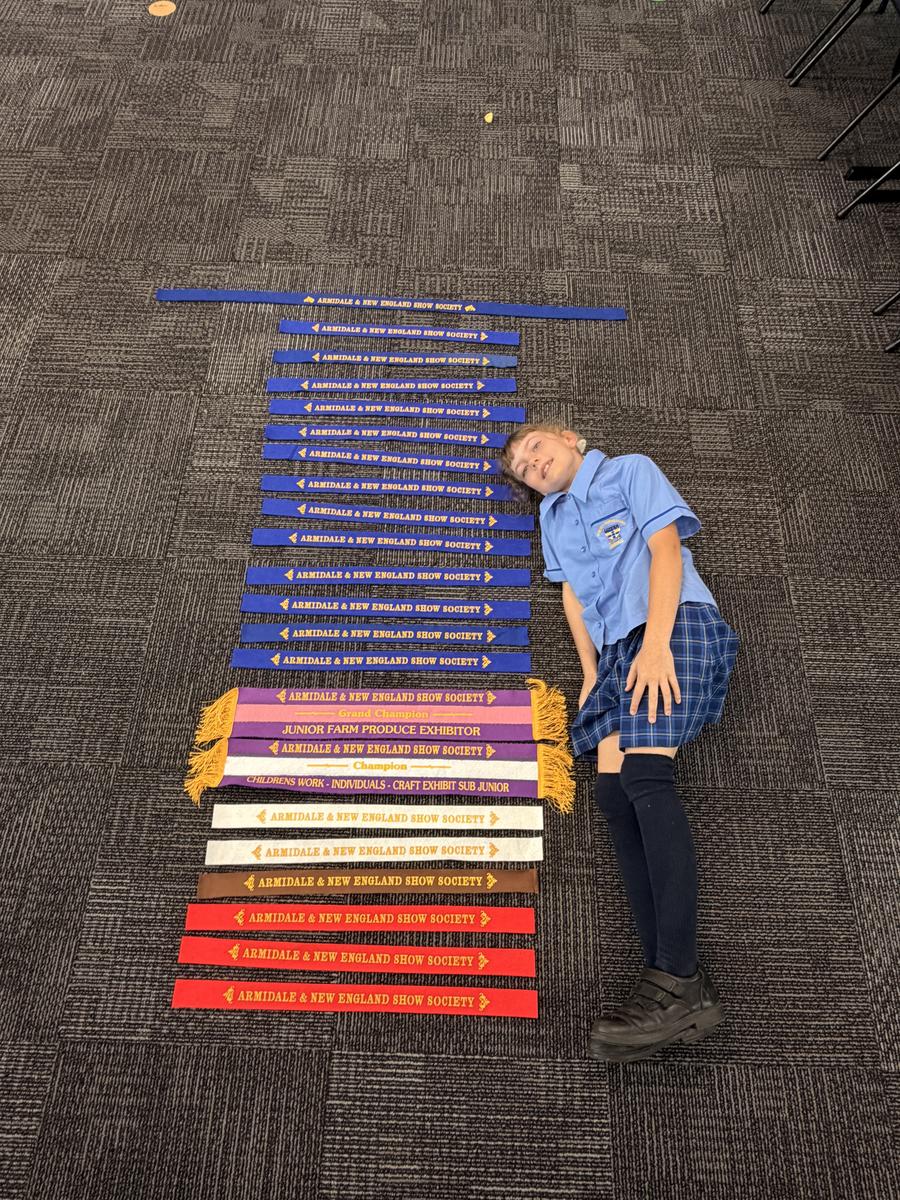
Lily wins big at the 150th Armidale Show!
After a busy weekend, Lily returned to school on Monday with a bag full of ribbons from her efforts at the Armidale Show! She shared with the class that she placed in a variety of categories, including receiving Grand Champion in the ‘Junior Farm Produce’ category. Lily now has 22 new ribbons to add to her collection. Congratulations, Lily!
Mathematics: Addition and Subtraction
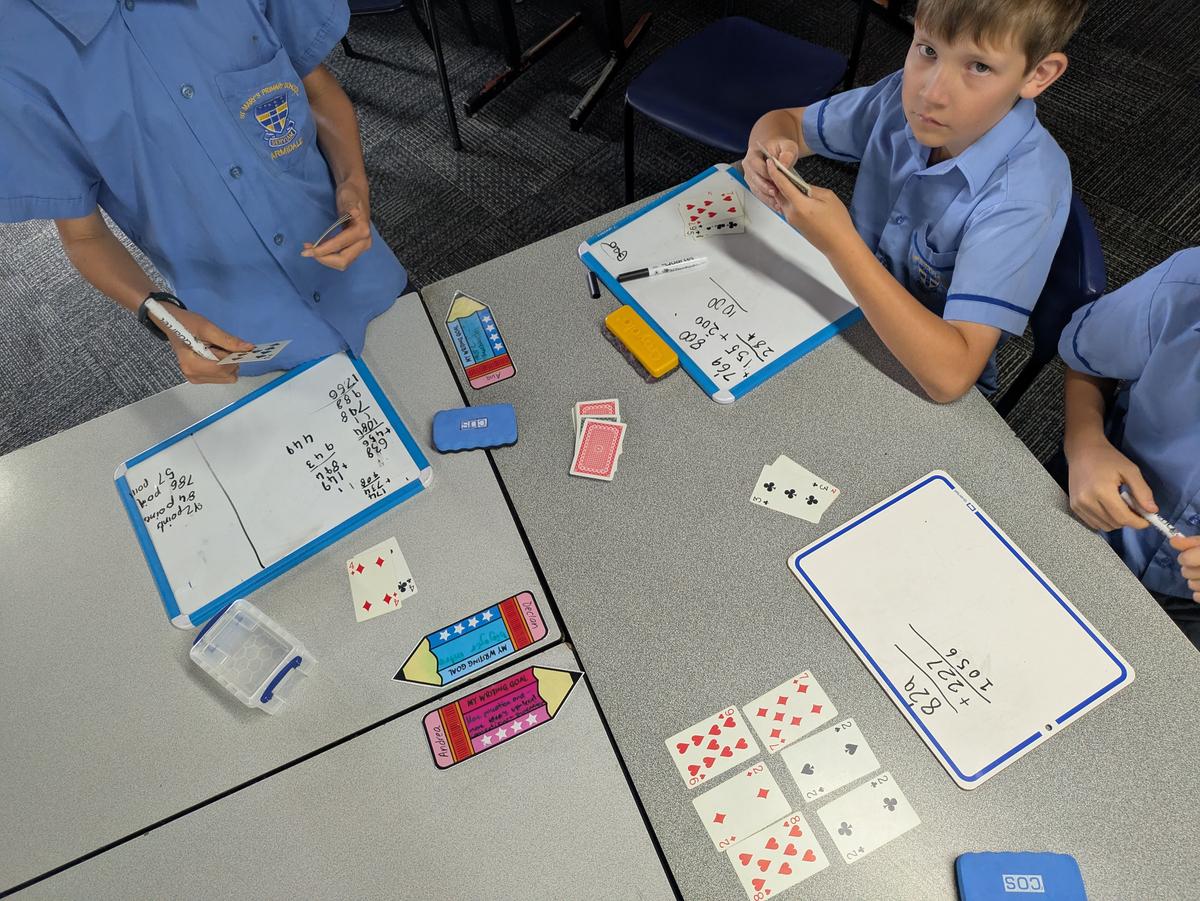
In year 4 we are learning about Addition and ubtaction strategies over the last 3 weeks before the Easter holidays. Addition is useful for many activities of everyday life, like setting the table, making change at the supermarket, and playing some games. Addition and subtraction prepare children for learning about other math topics, including multiplication and division, in school.
Mathematics - Tips for Parents - Addition and Subtraction
In Year 4, your child will learn to solve addition and subtraction problems involving numbers up to four digits. They will use lots of different methods, including using objects, diagrams, and formal written methods.
How to help at home...
There are lots of ways you can help your child to understand addition and subtraction. Here are just a few ideas to support your child’s learning:
It’s important at this stage that your child is used to estimating. Look for everyday opportunities for your child to estimate. For example, use estimation to work out totals when you’re shopping.
I have $25. We need to buy a birthday present that costs $5.50, lunch that will cost $8.75, and the bus journey will cost $6.50. Will I have enough? Ask your child to estimate the answer to check.
$6 + $9 + $7 = $22. So, your child should know that you probably have enough money.
By Year 4, your child should understand that addition and subtraction are inverse operations. For example, if they have calculated 1242 + 3452 = 4694, they could check the answer by working out that 4694 – 1242 = 3452.
Shopping can provide great opportunities to practise checking answers using inverse operations. For example, ask your child to use the inverse to check if the bill is right.
The total is $56 and we bought two items costing $23 and $33.
We can check by taking $23 from the total. That should give us $33.
Look for opportunities for your child to practise their rounding skills. It’s important that they can round to the nearest 10, 100, and 1000.
If you’re buying something, ask your child to round it to the nearest pound. The next time you’re driving on a motorway and you see the distances in miles, ask your child to round them to the nearest 10 or 100. When you’re cooking, round up or down to the nearest 10 grams. The opportunities are endless!
Encourage your child to explore a range of methods for solving addition and subtraction problems.
Methods could include partitioning numbers into parts to add or subtract. For example:
2143 + 625 = ?
To solve this, you could partition 2143 into 2000, 100, 40, and 3, and then partition 625 into 600, 20, and 5.
The next step is to add the numbers together. First, add the ones: 5 + 3 = 8.
Then, add the tens: 40 + 20 = 60.
Then, add the hundreds: 600 + 100 = 700.
And you also have the 2000.
Then, you can add all of these together: 8 + 60 + 700 + 2000 = 2768.
Your child may also draw pictures to represent how they have added or subtracted numbers. Number lines and number grids are useful for solving problems, as are formal written methods like column addition and subtraction.
Your child will understand subtraction as ‘difference’ as well as ‘taking away’. A good method that sees subtraction as difference is placing groups of objects into two rows to compare them and find the difference. This is particularly good for more tactile learners.
Your child may also find the difference between two numbers by counting up or counting back. For example, 27 – 18 could be interpreted as, ‘What is the difference between 27 and 18?’ Your child may count back from 27 to 18 to find the difference of 9 or count up from 18 to 27 to find the difference of 9.
Practising lots of methods not only means your child can more easily check their work – it means they can always pick the best method for any particular question. When your child has solved a problem, encourage them to use a different strategy to check their answer, and ask why they have chosen that particular method.
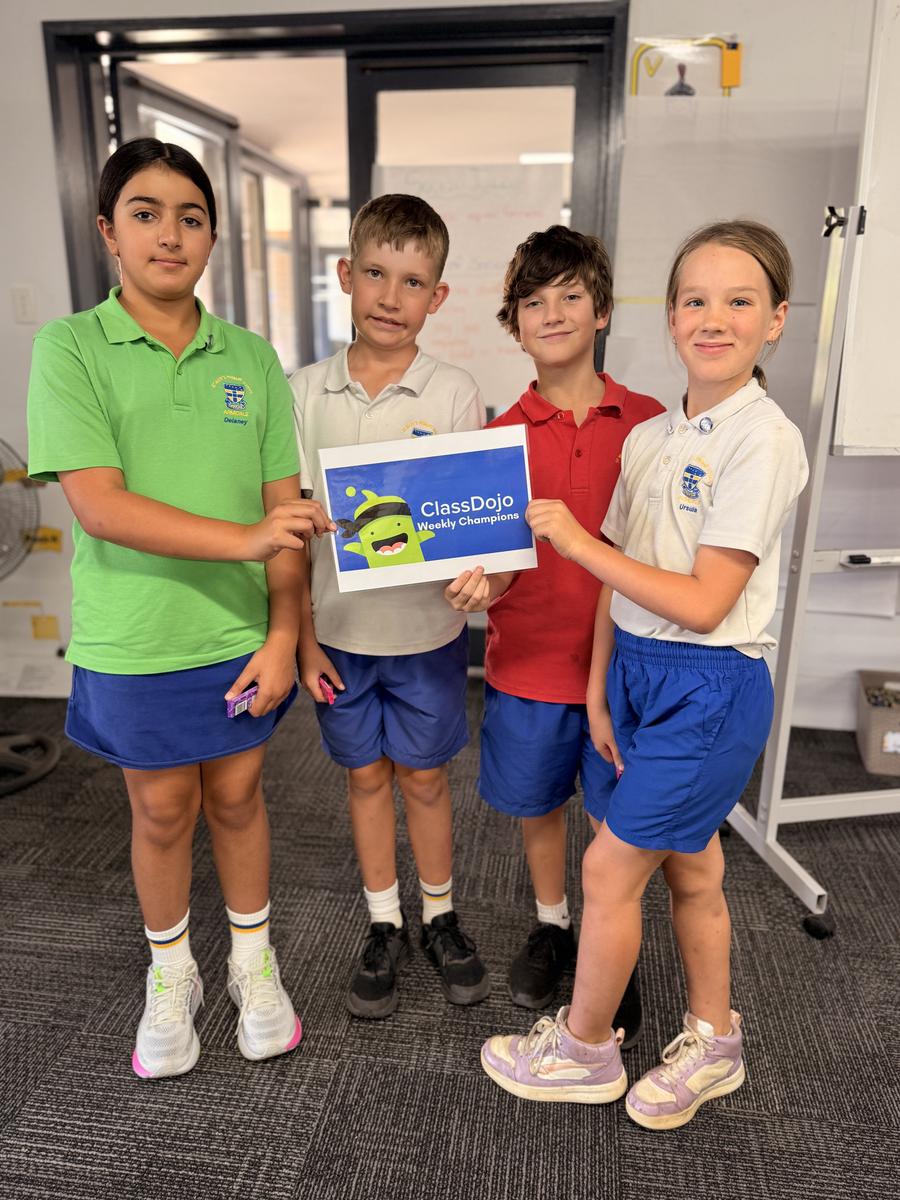
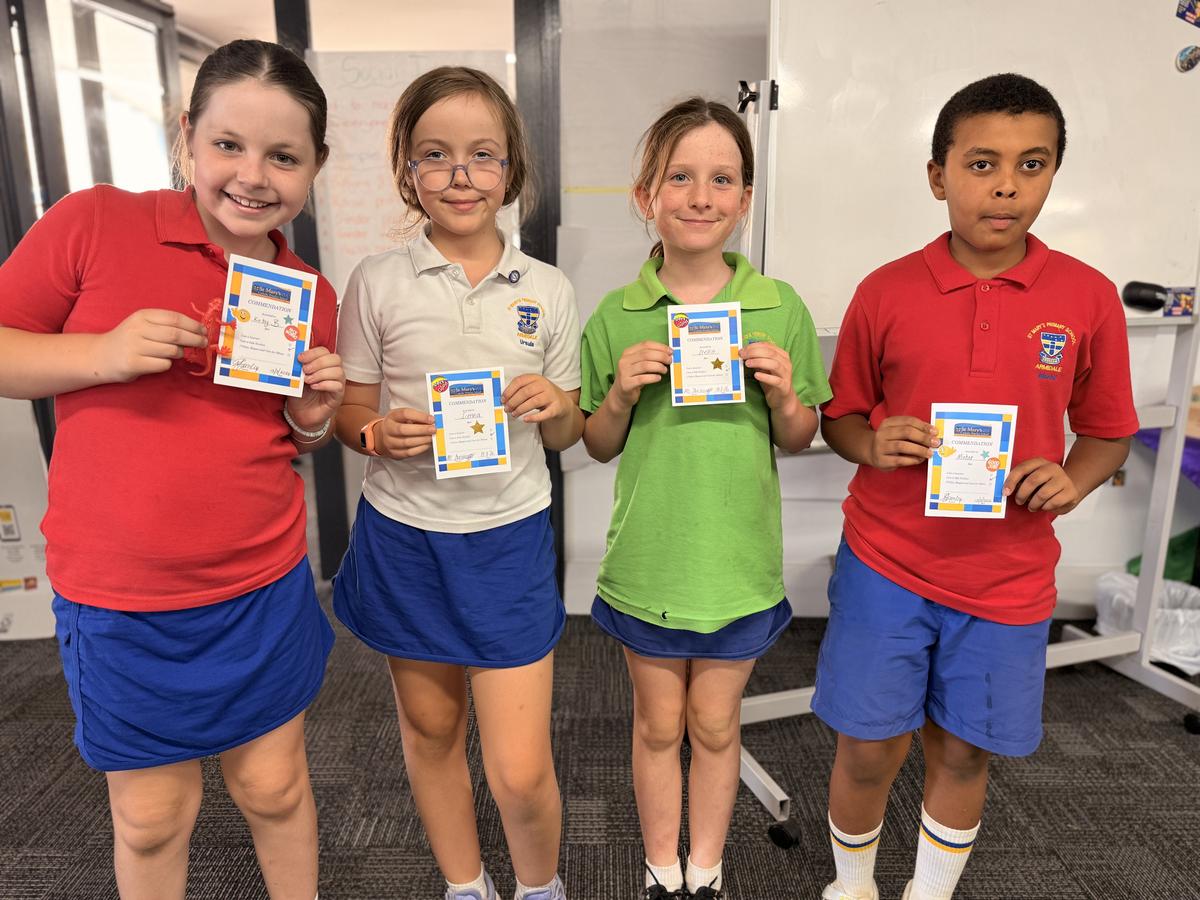
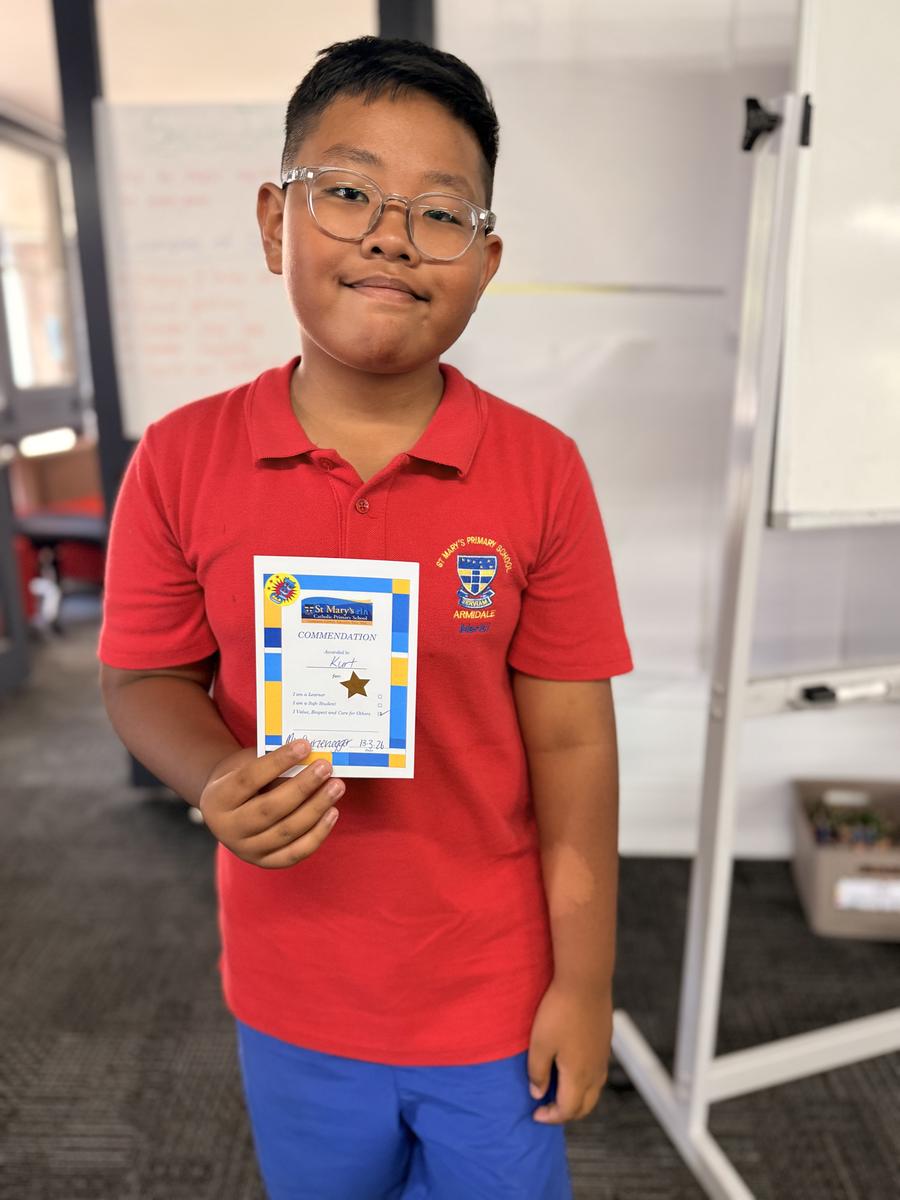
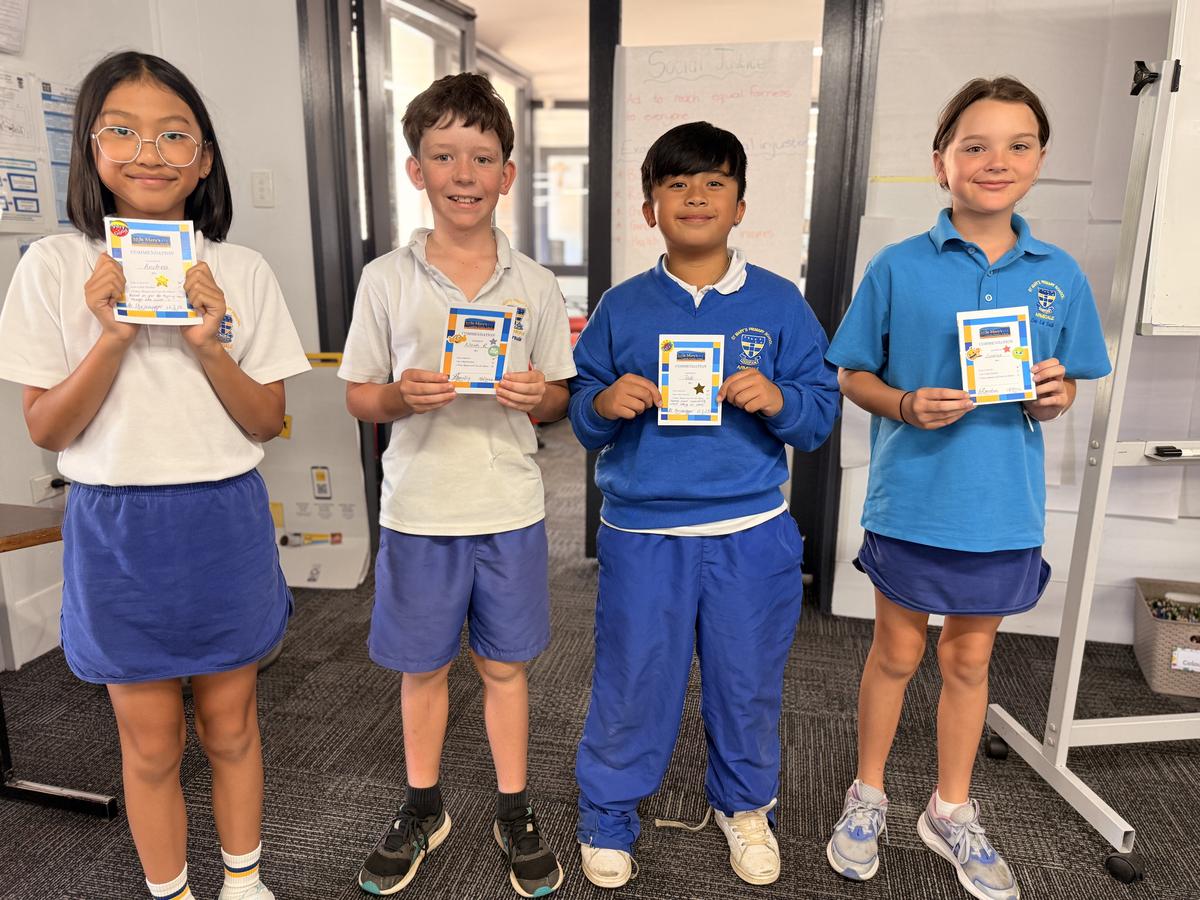
Commendation & Weekly Classroom DoJo Recipients
Students are commended for being a standout Learner, being Safe, or showing Respect and kindness toward others.
Mathematics
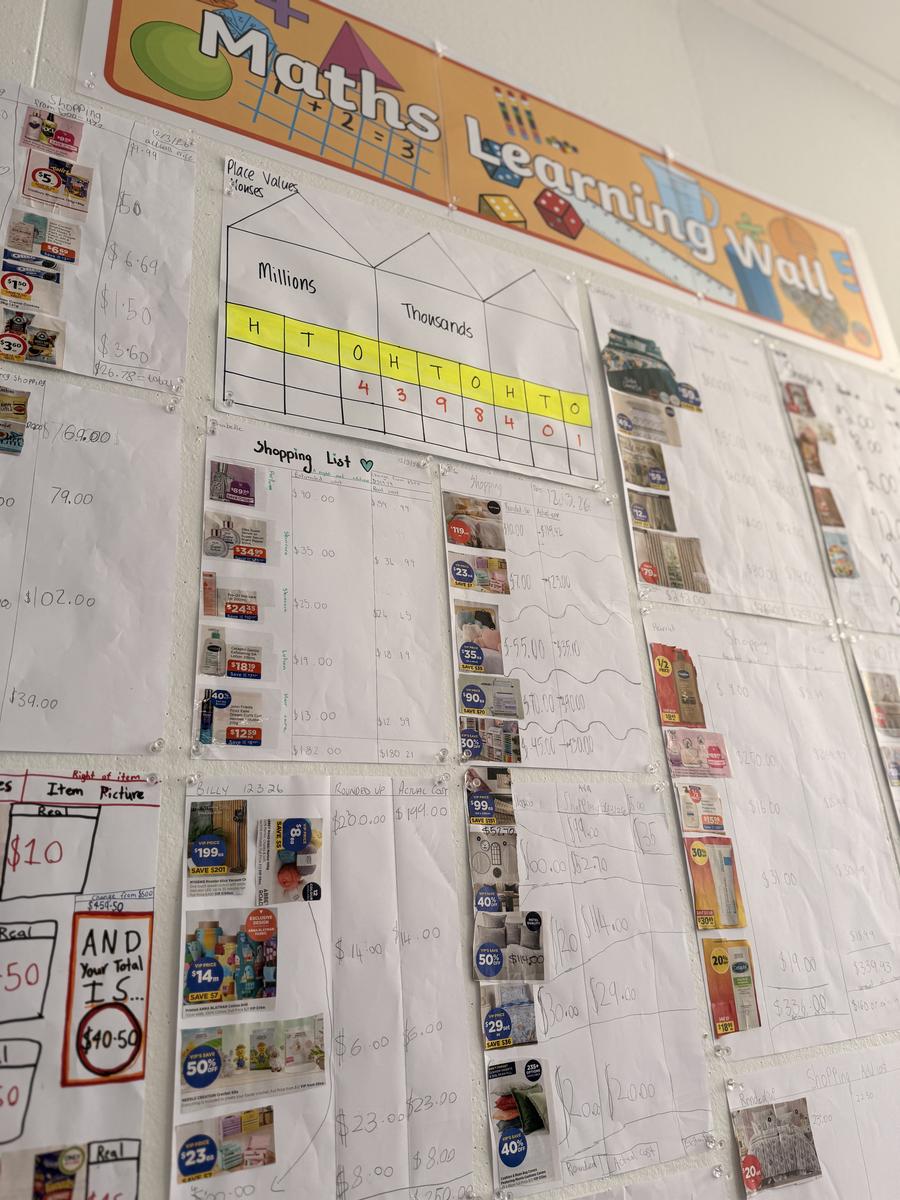
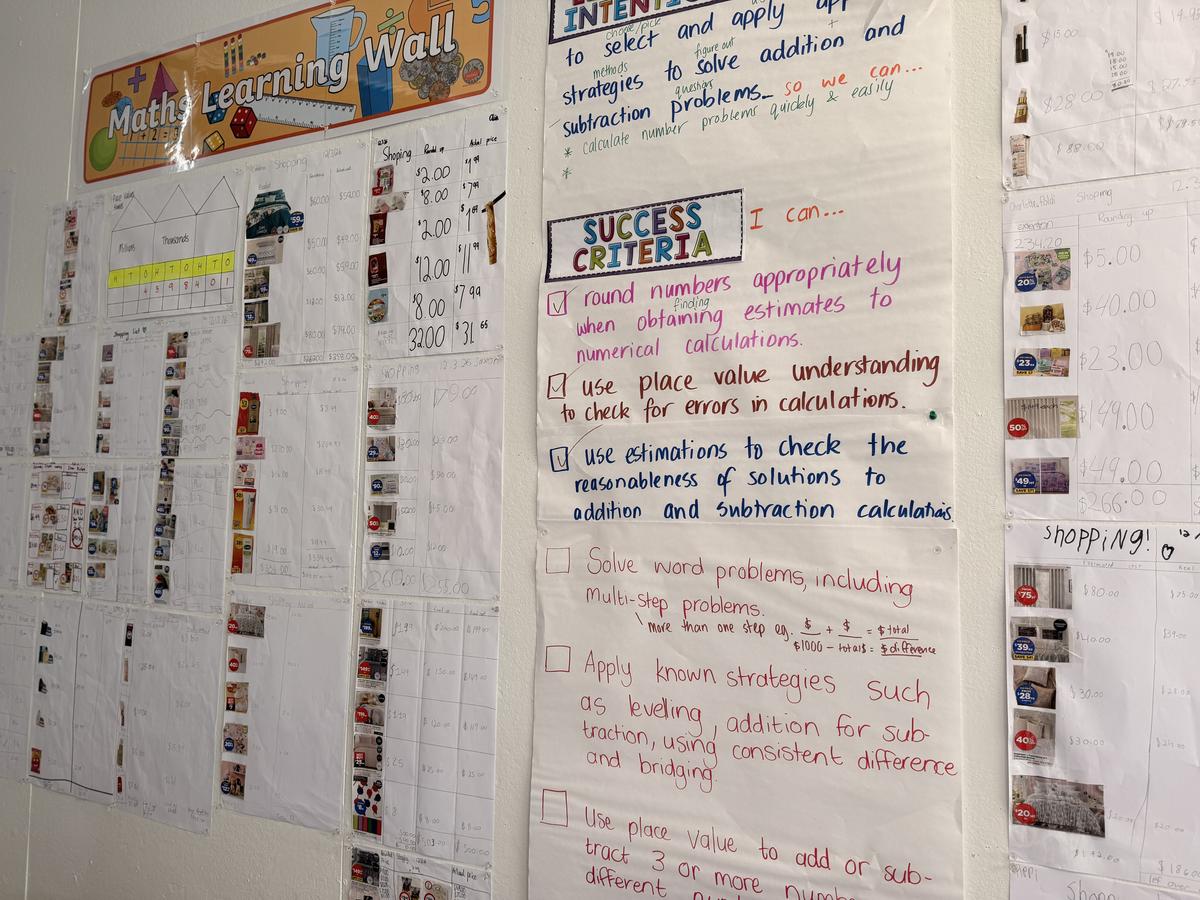
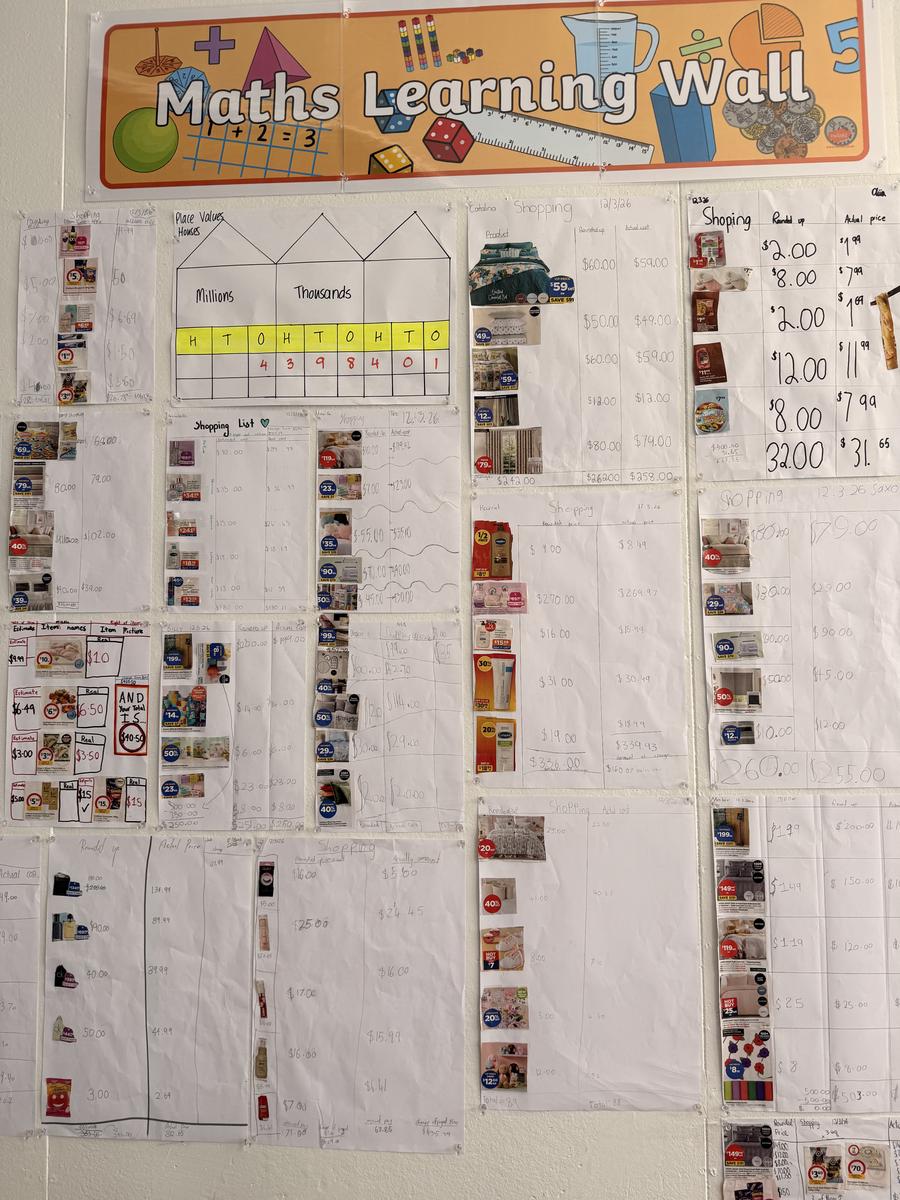
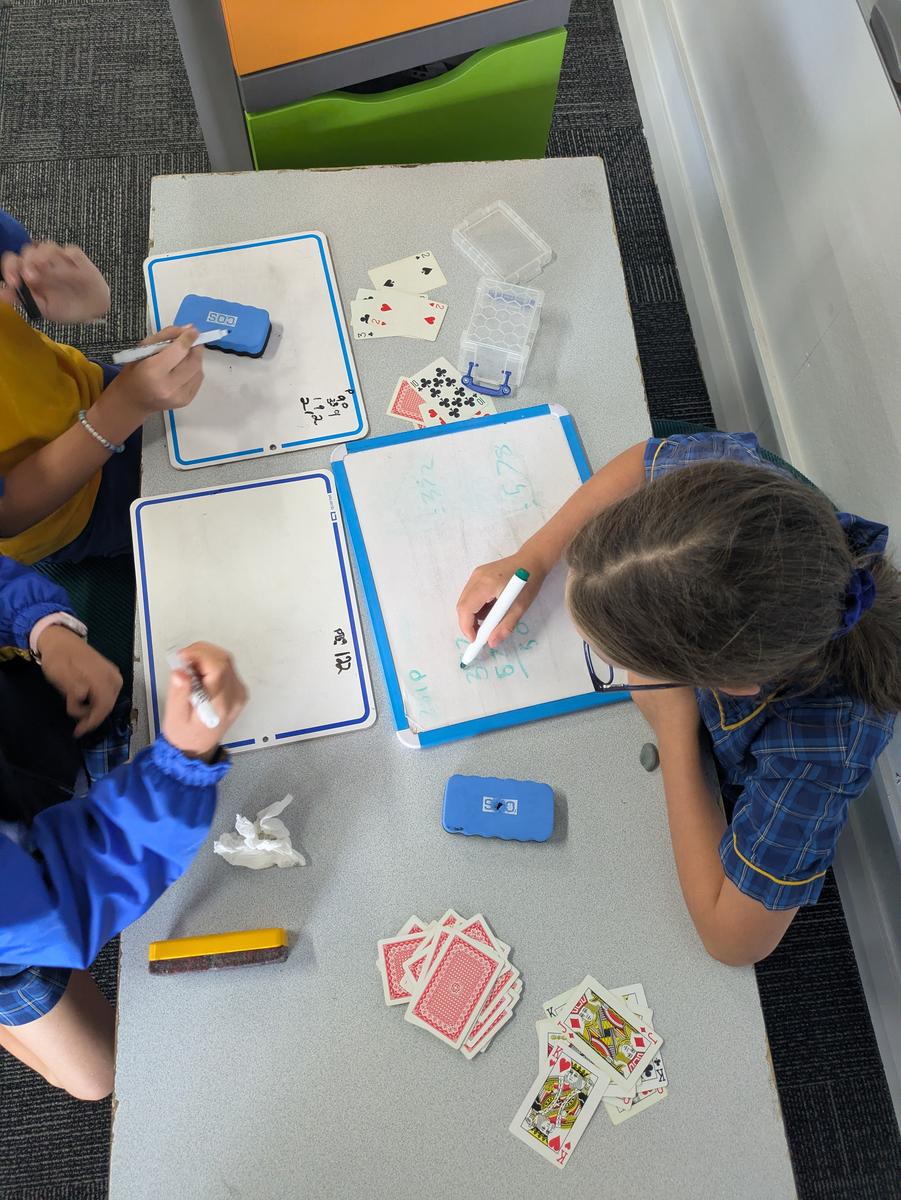
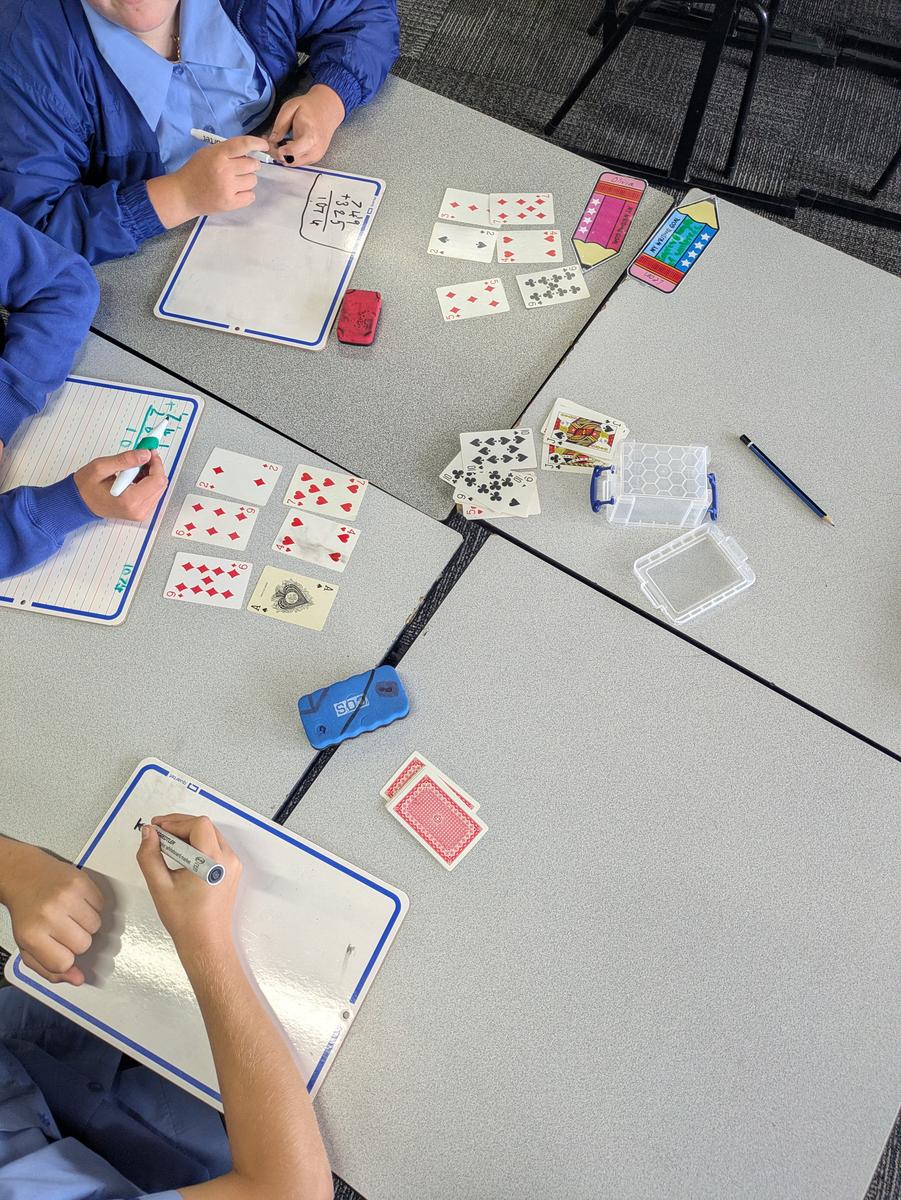
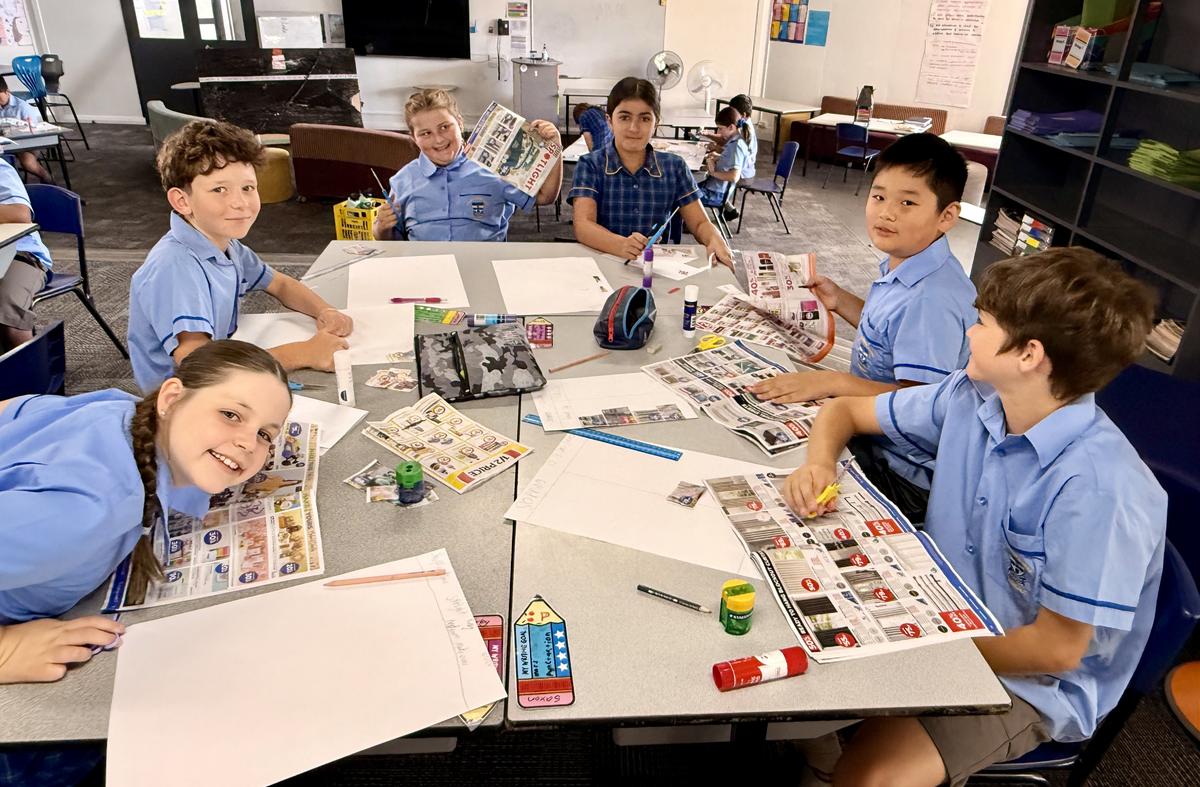
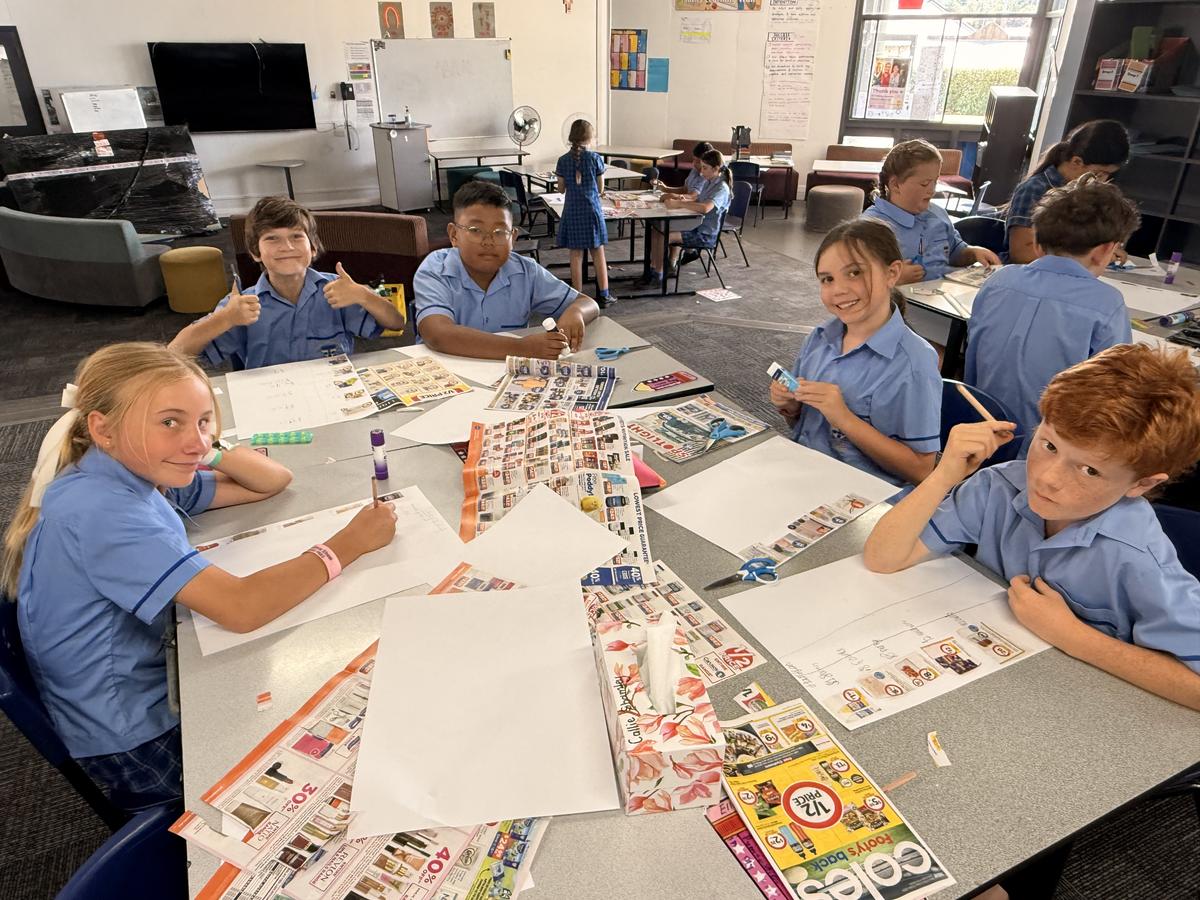
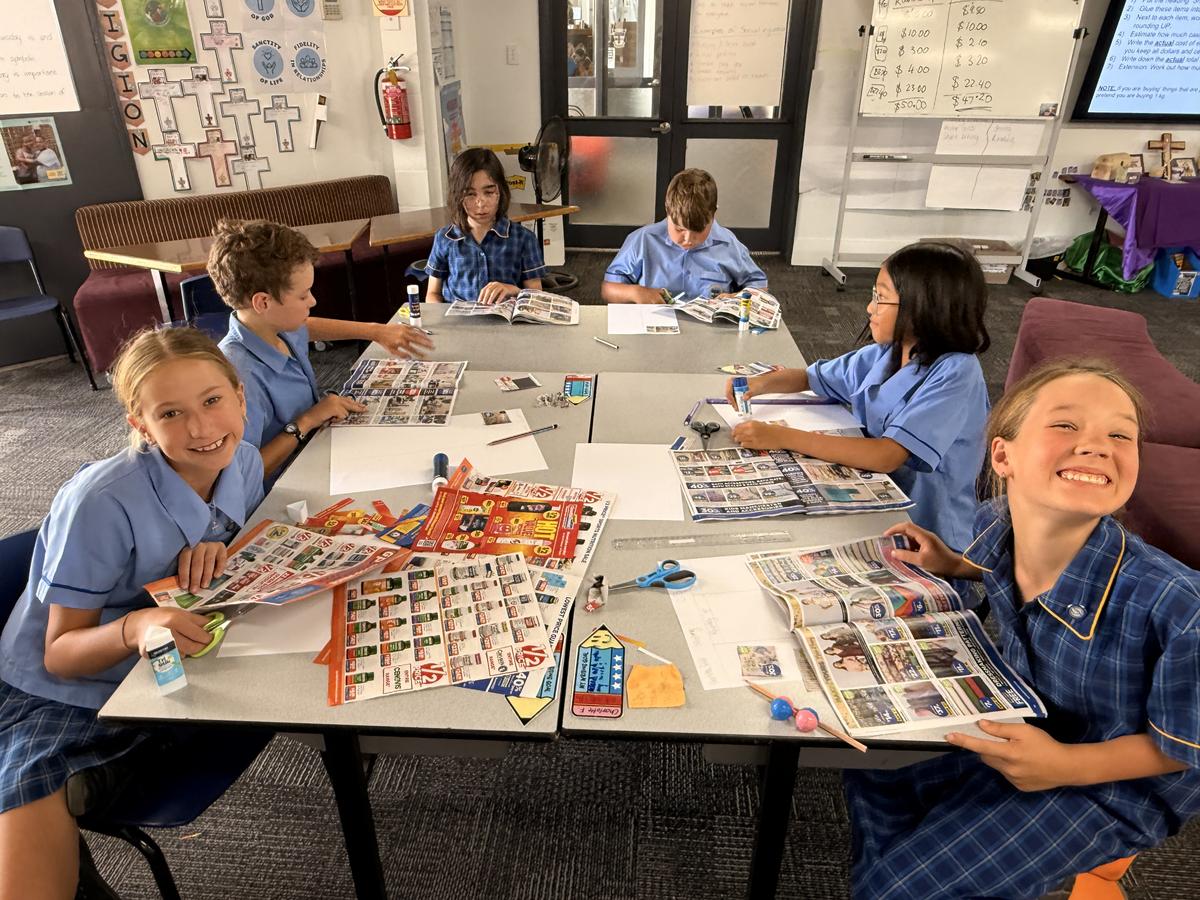
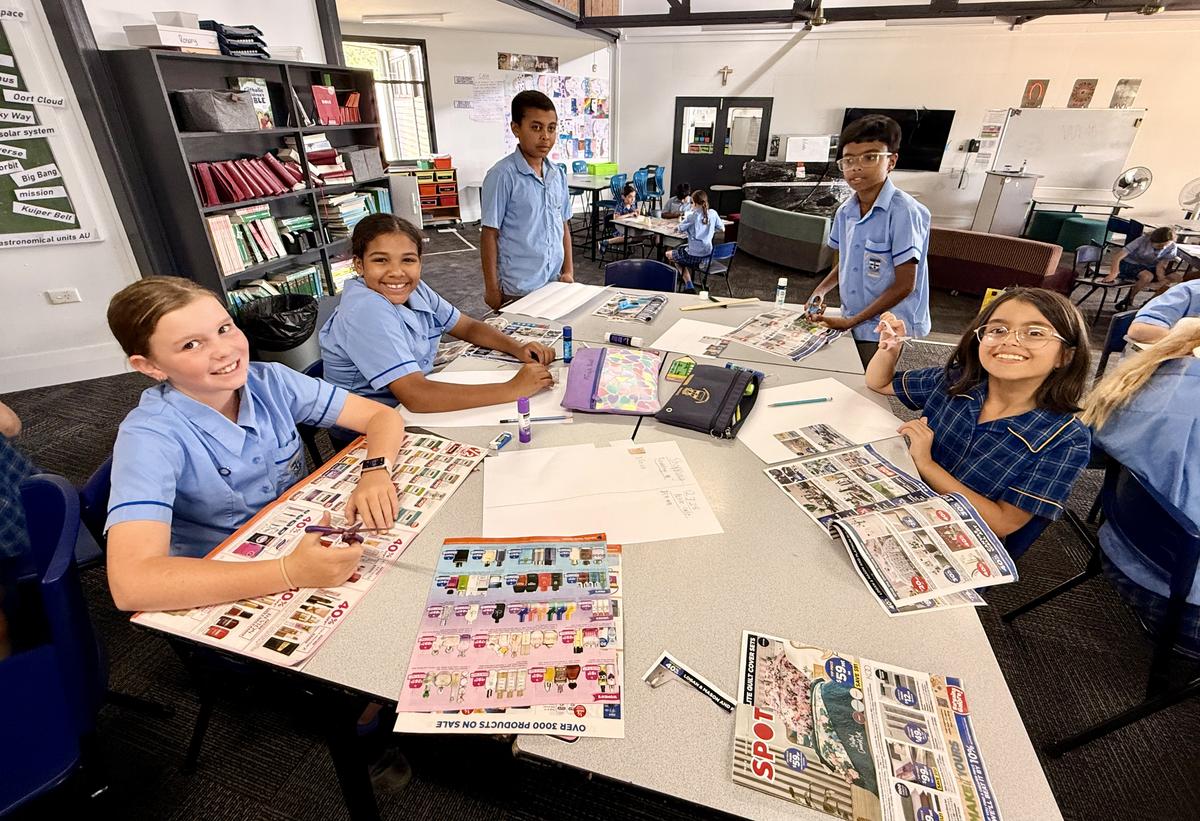
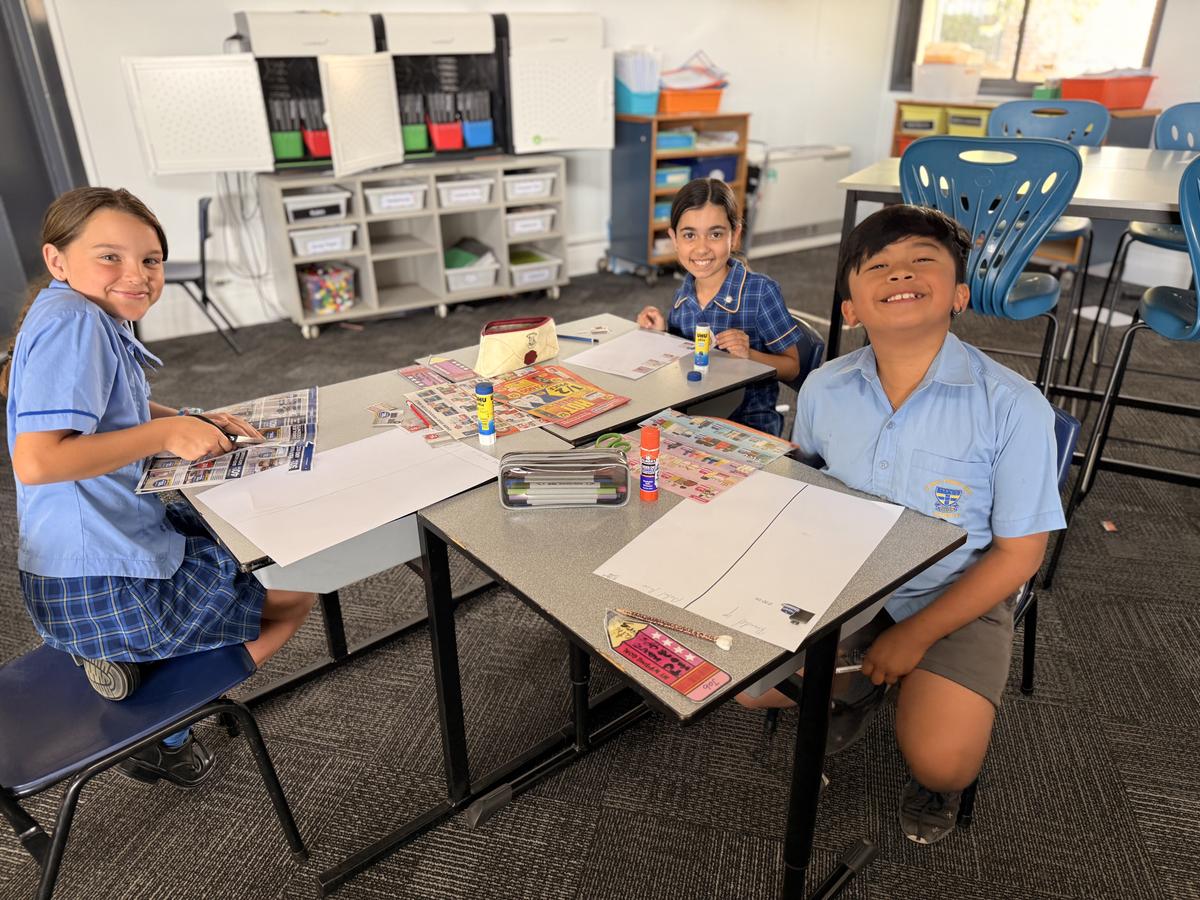
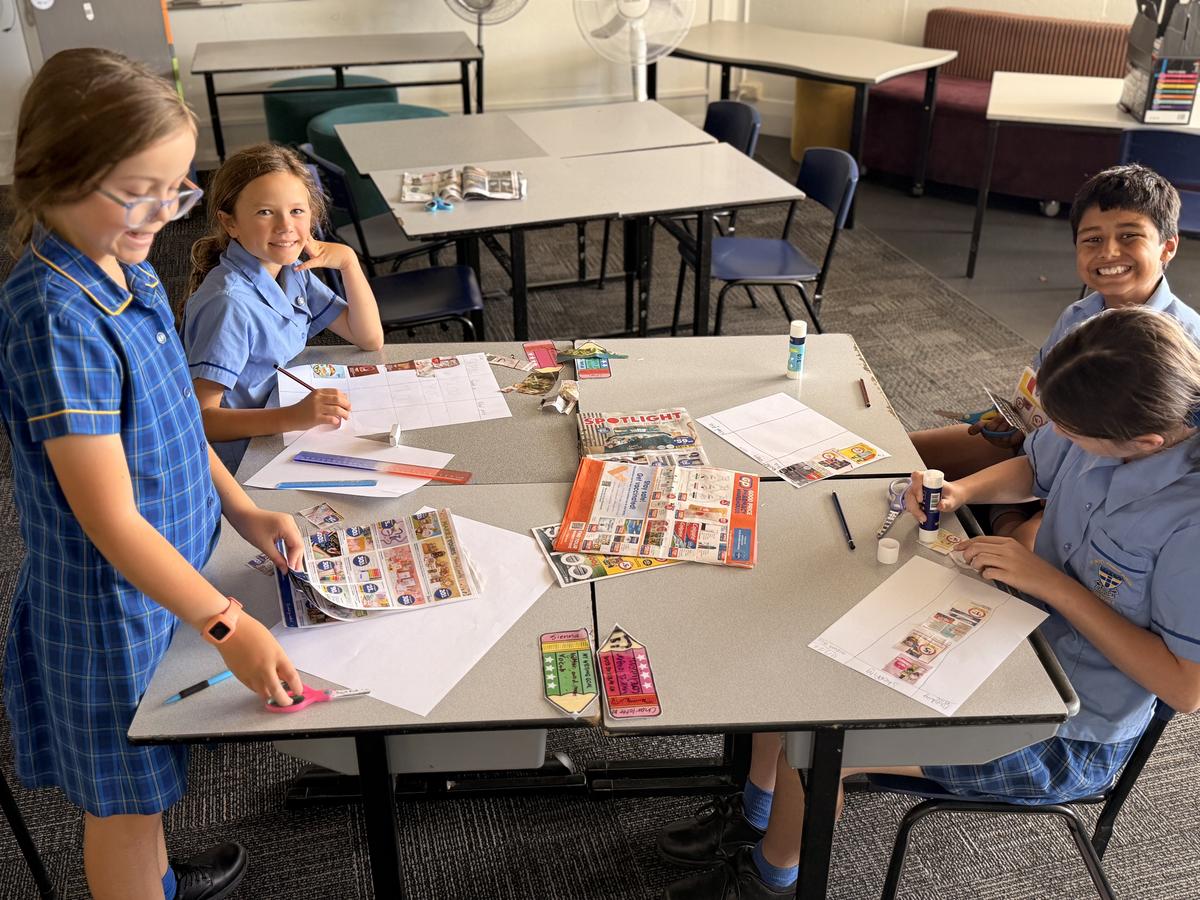
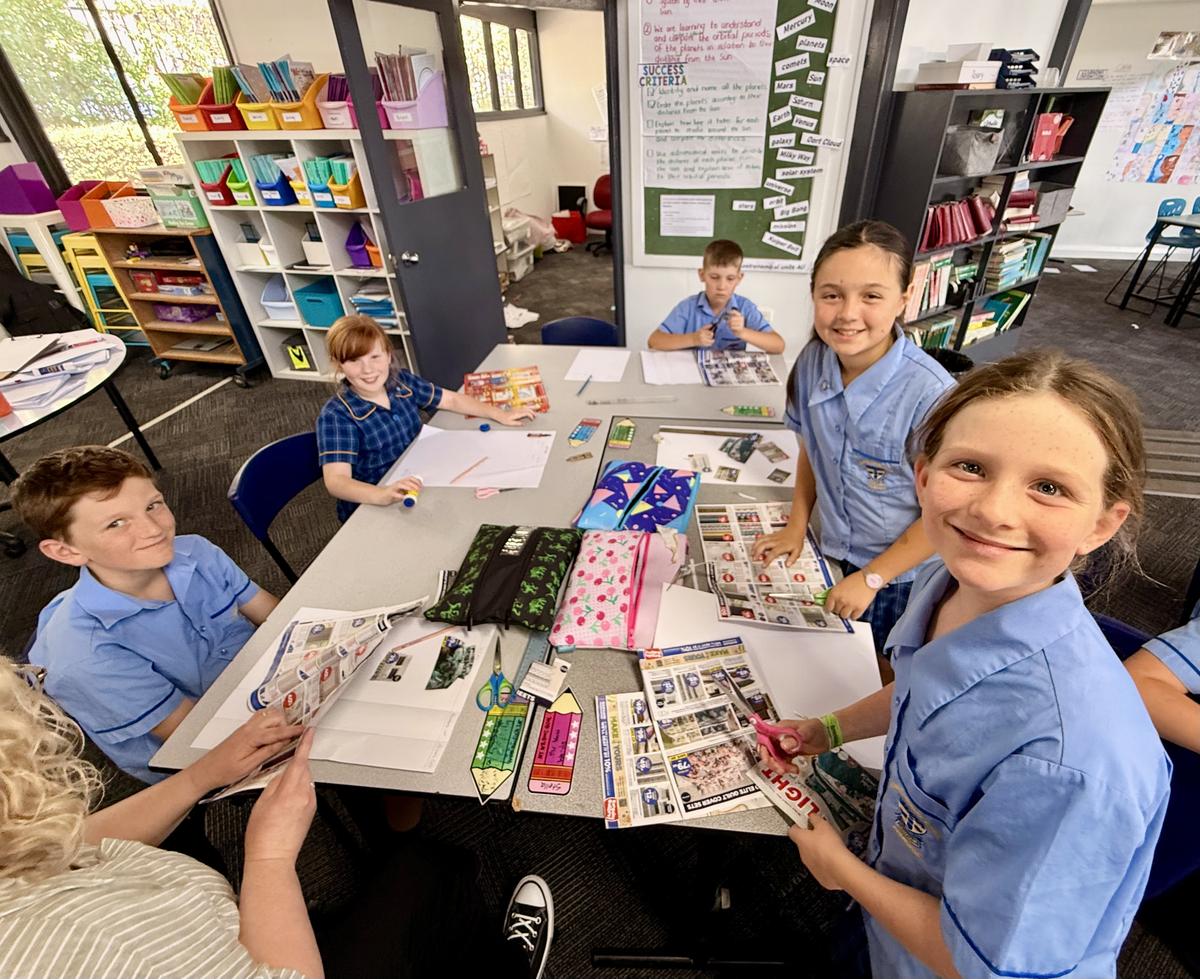
We continue to build on our "number sense" by learning to round numbers and use estimation. Students have been using catalogues from well-known stores to put their learning into practice by rounding to the nearest dollar and estimating the total cost of their five chosen items.
How to Help at Home:
You can support your child’s learning with these quick activities:
Science:
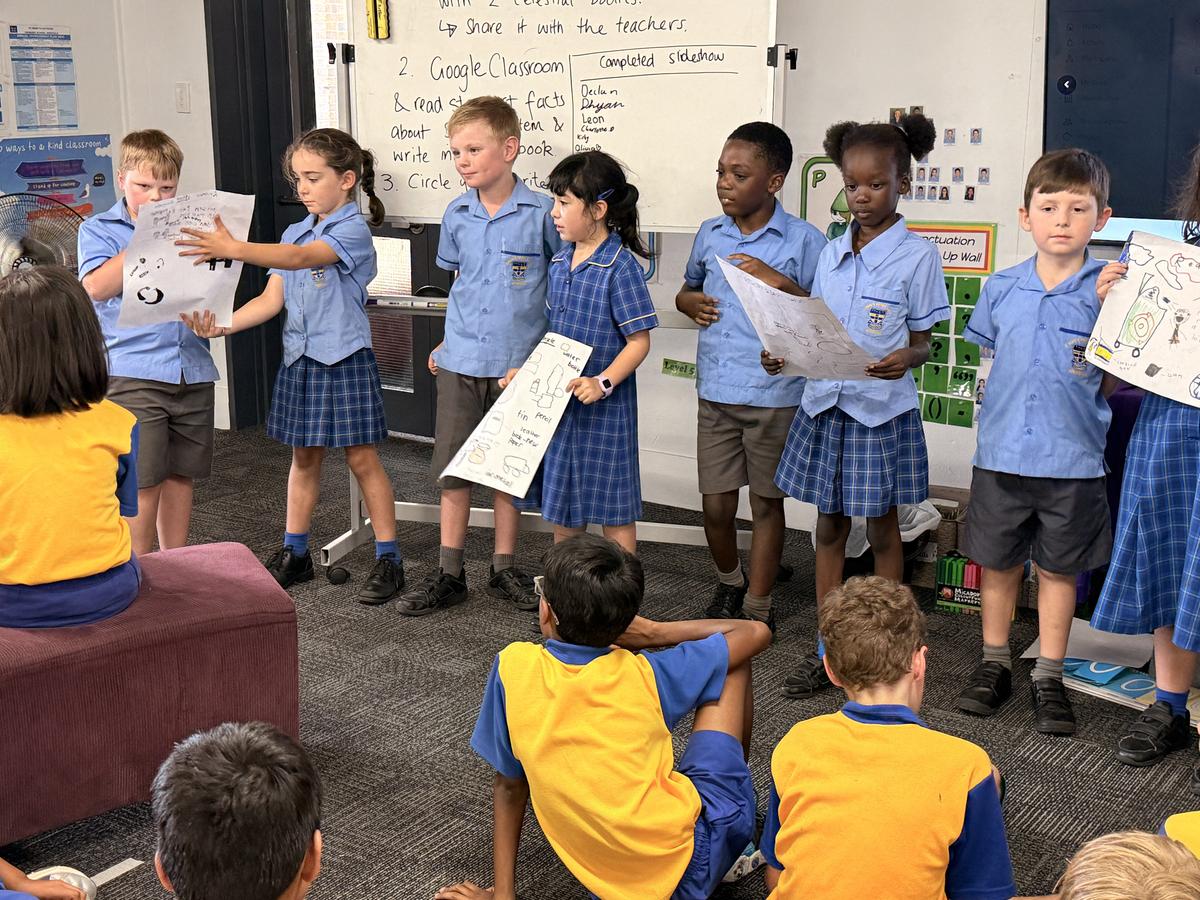
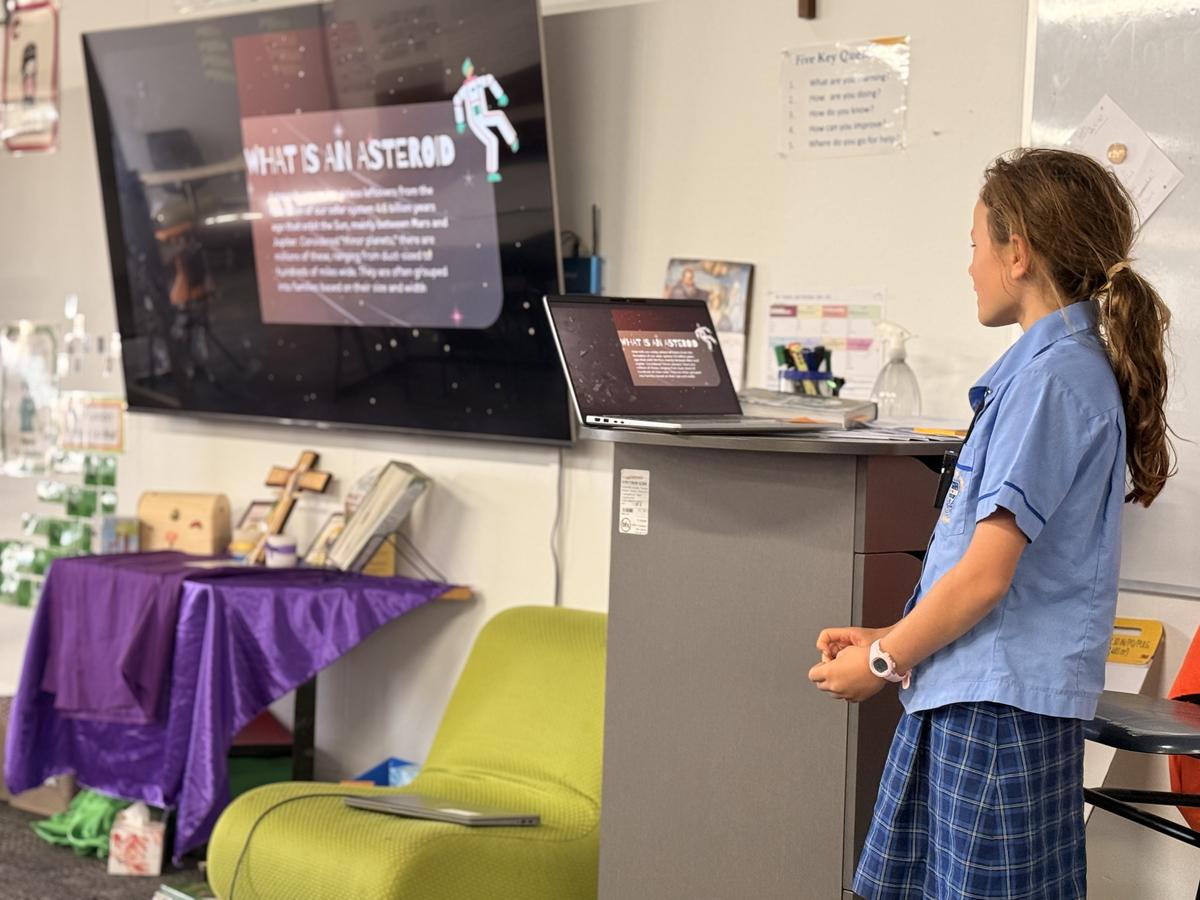
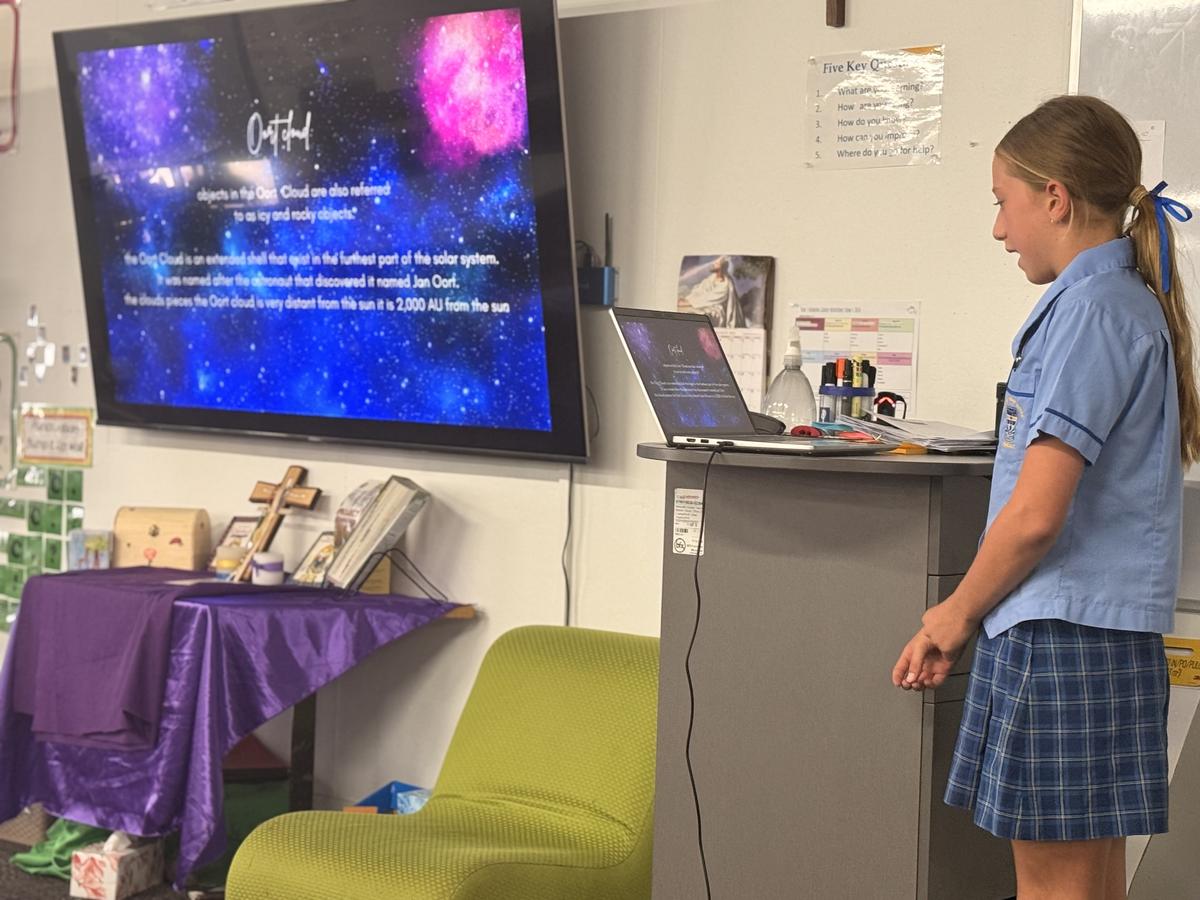
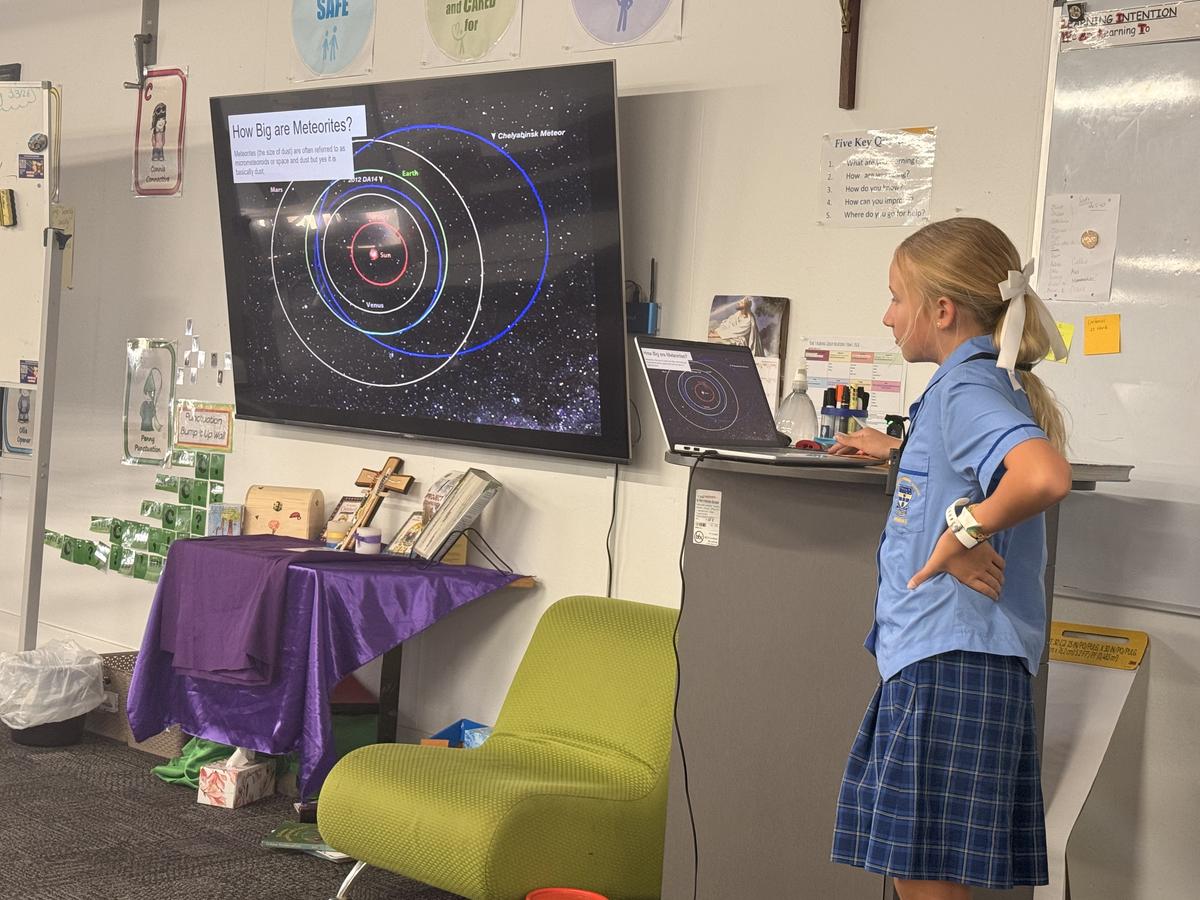
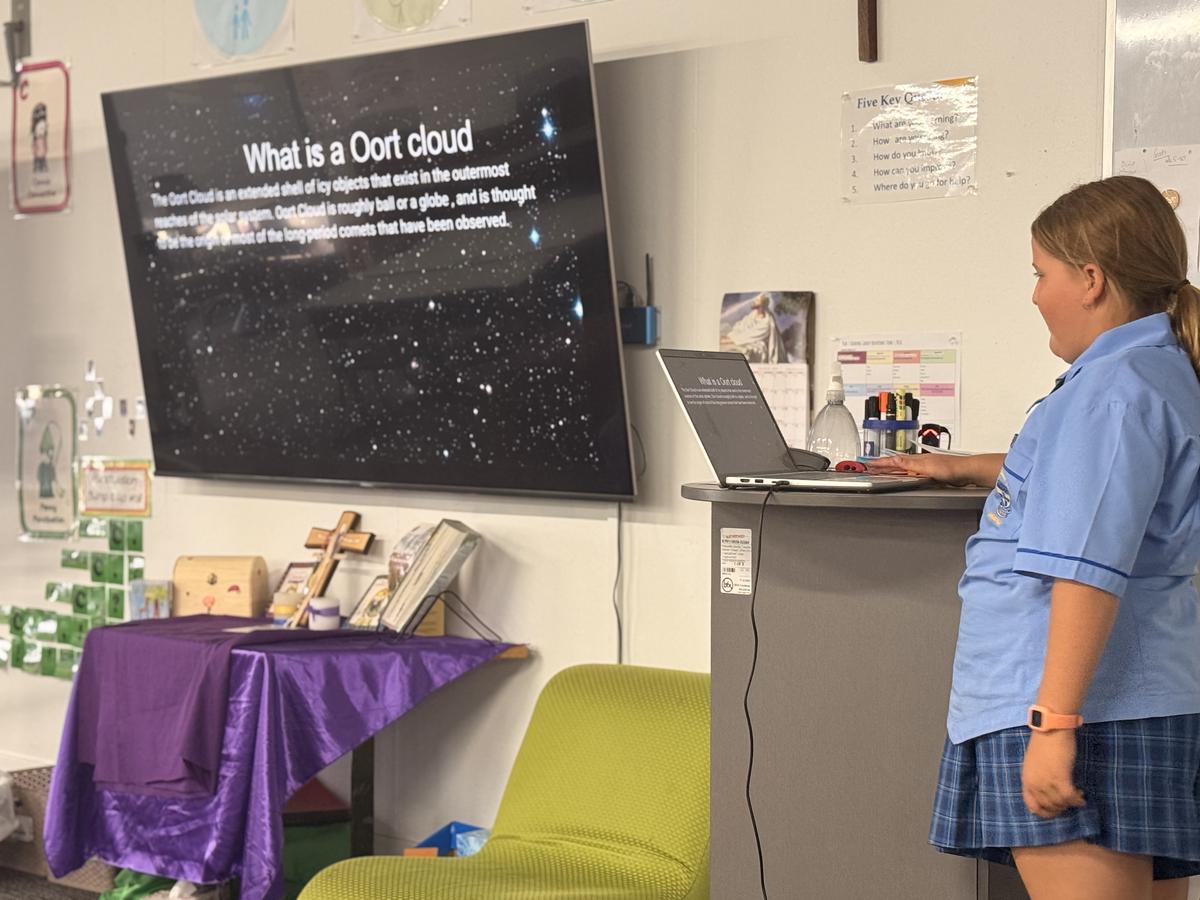
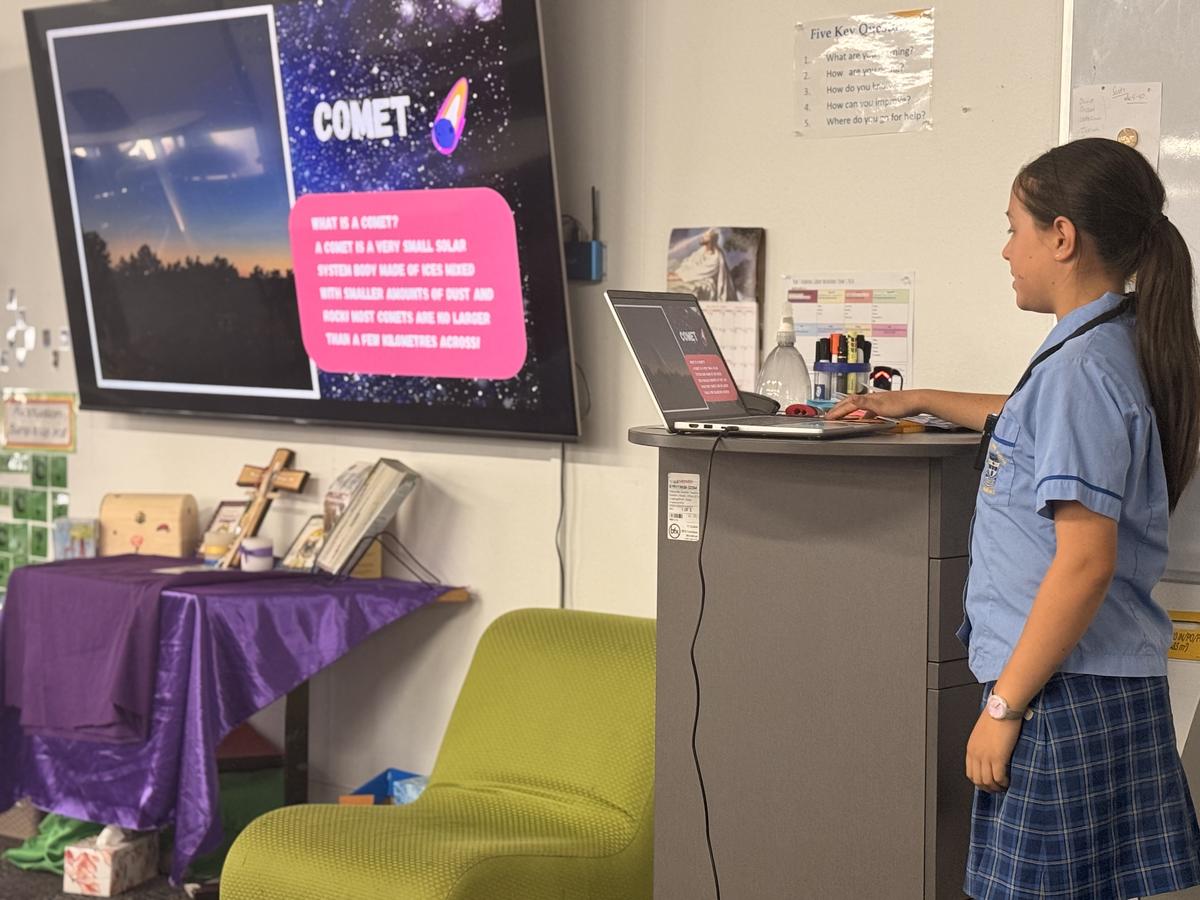
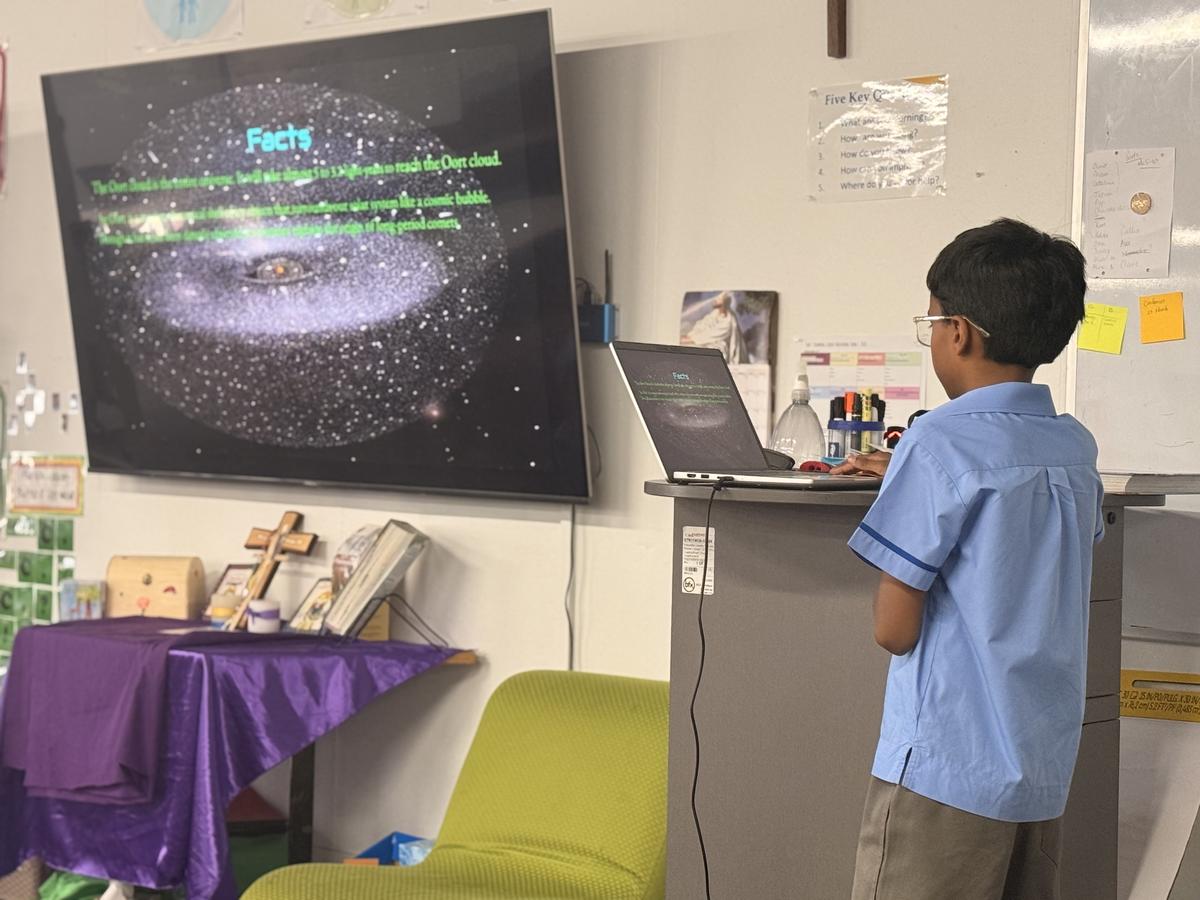
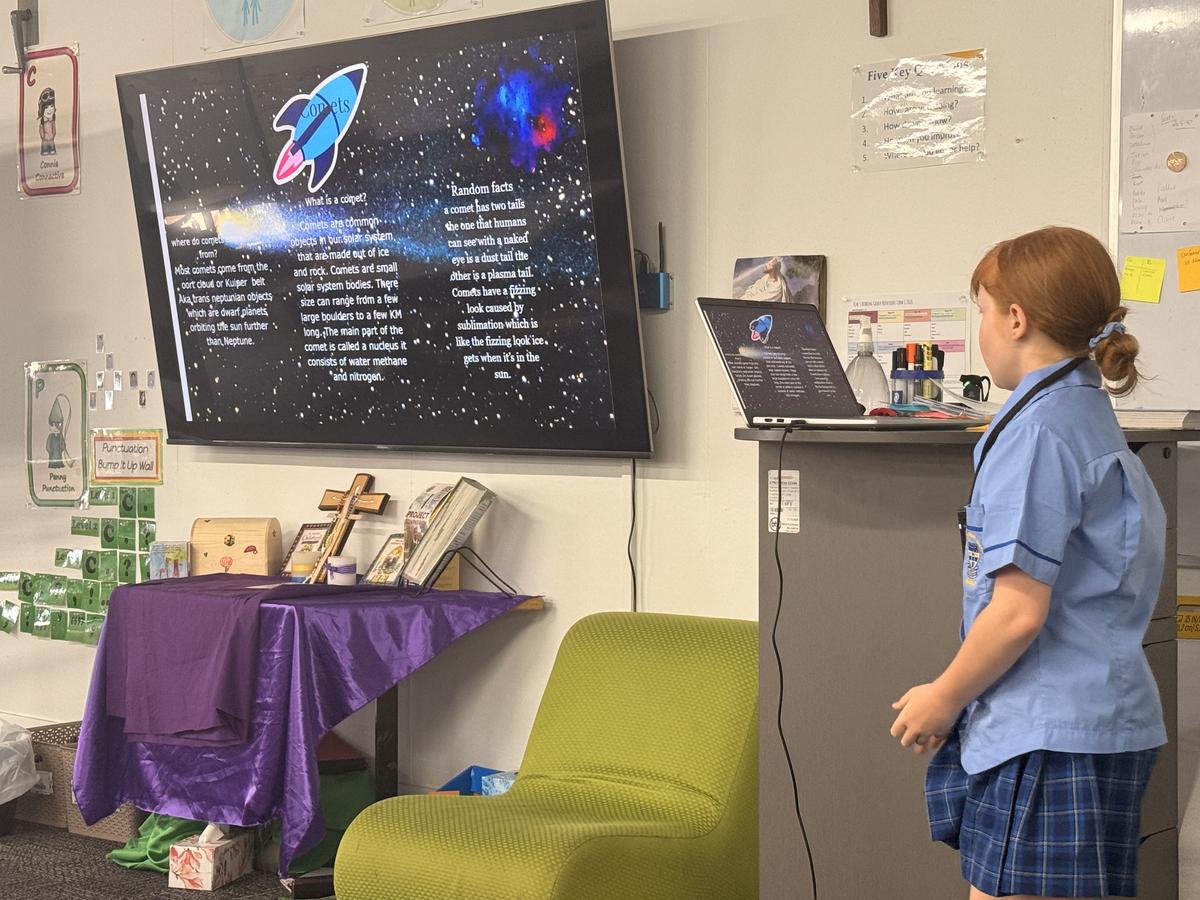
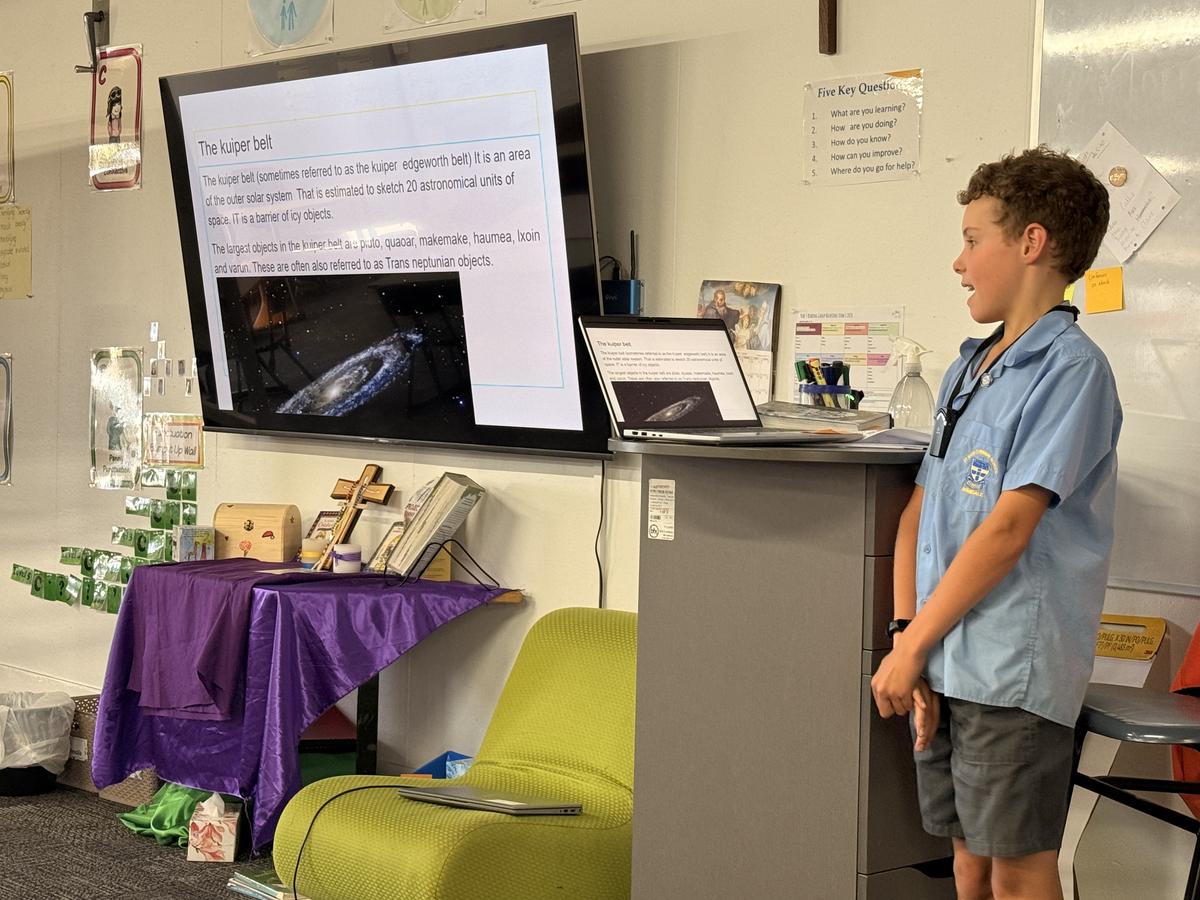
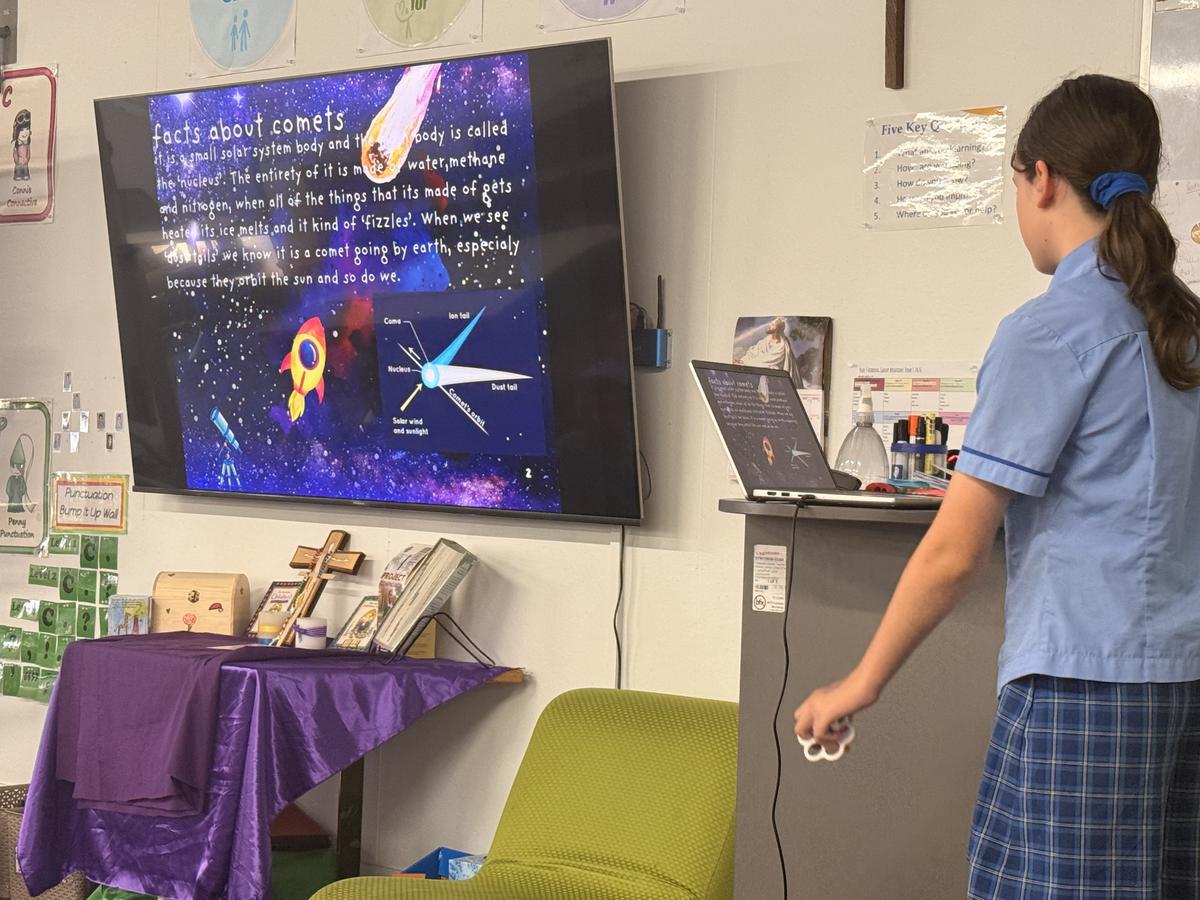
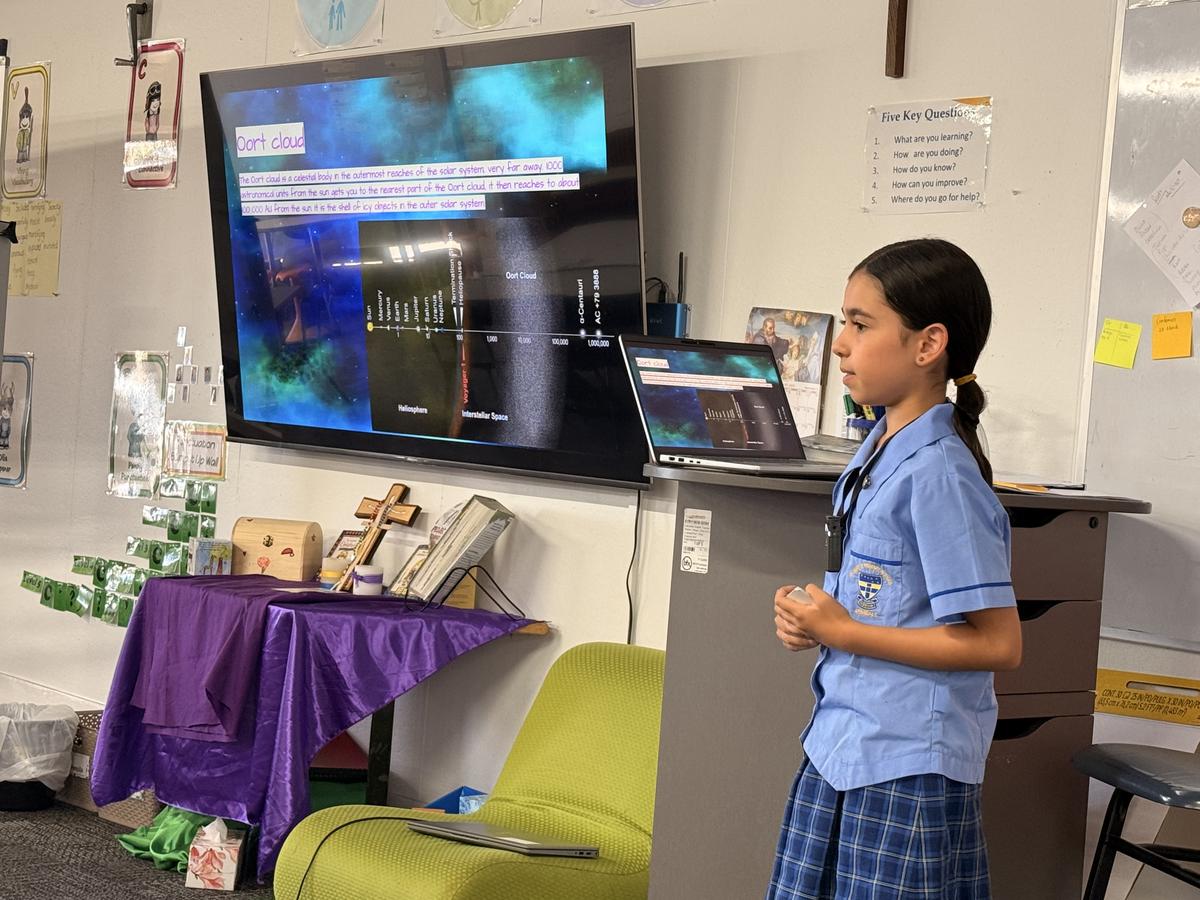
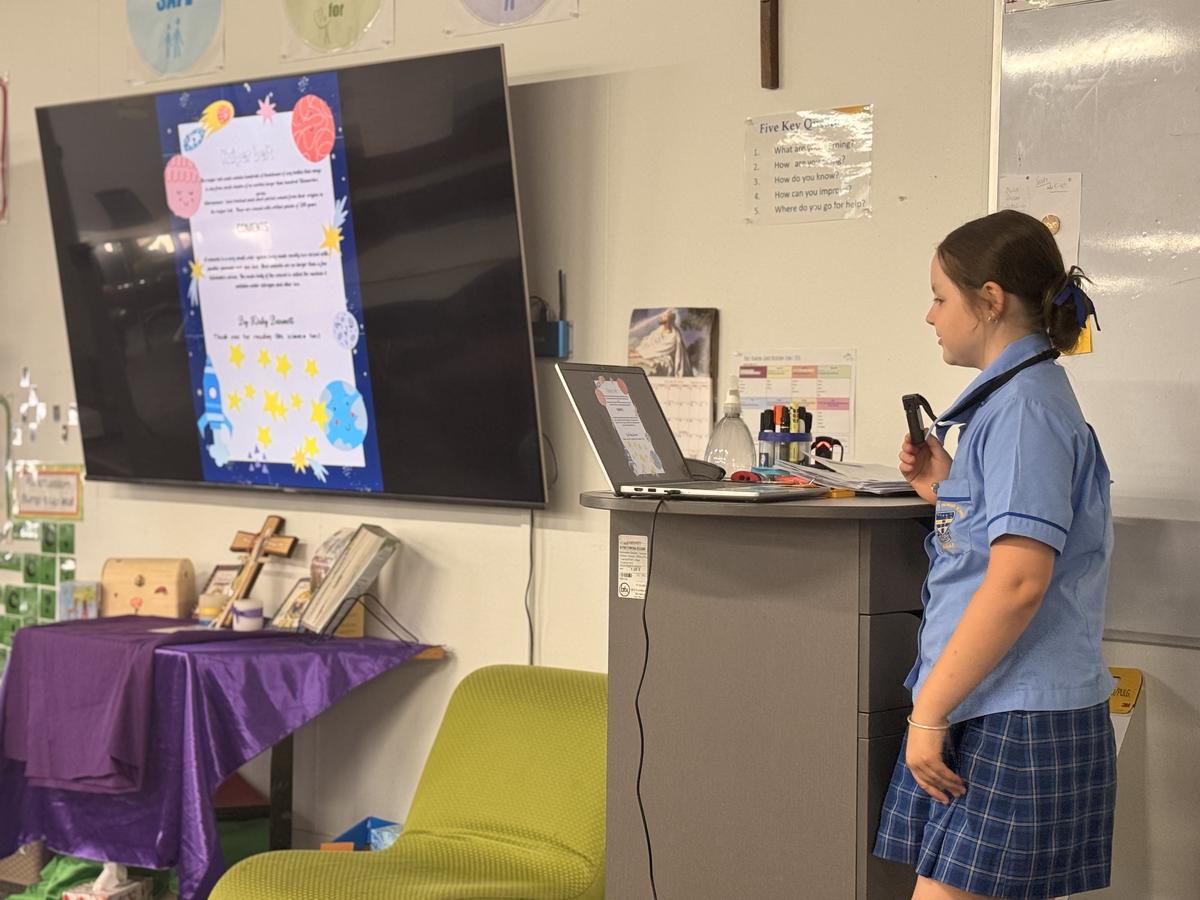
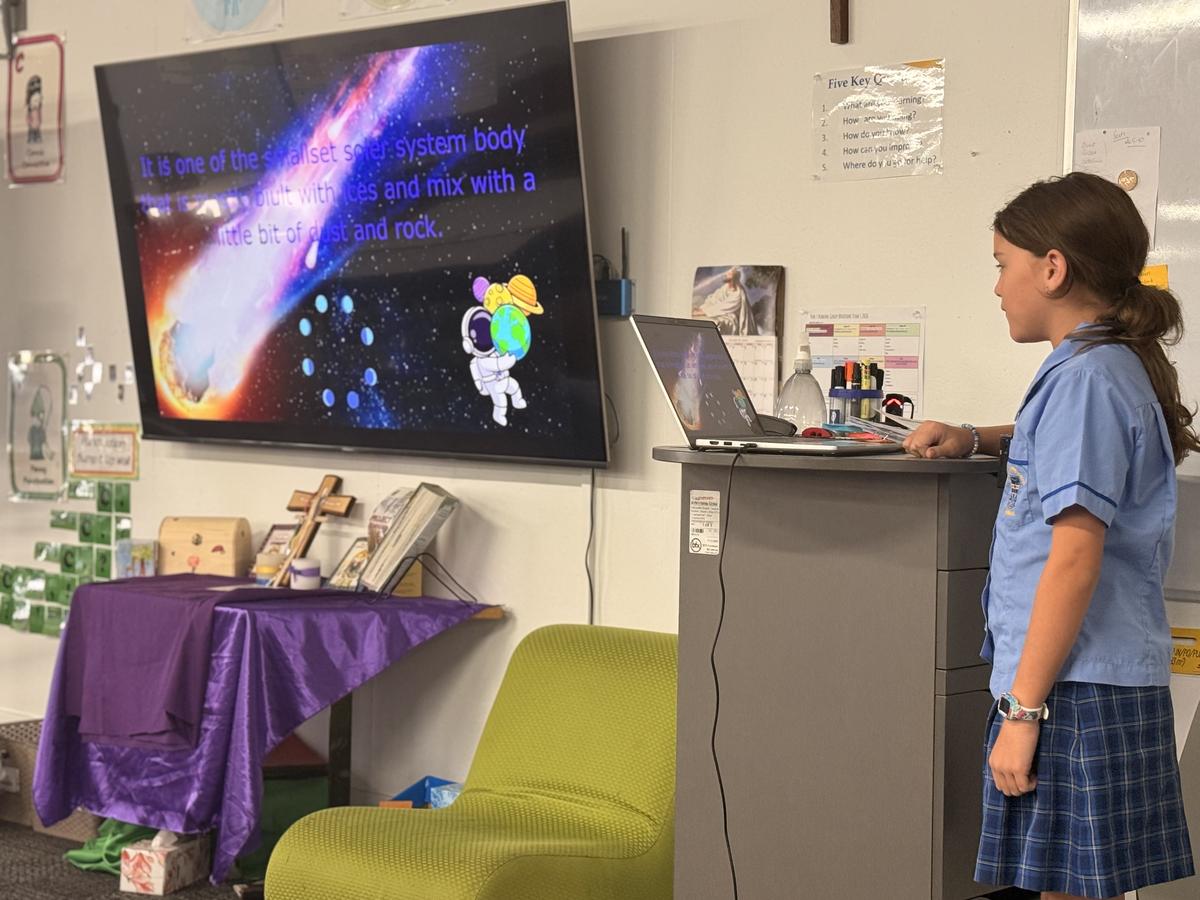
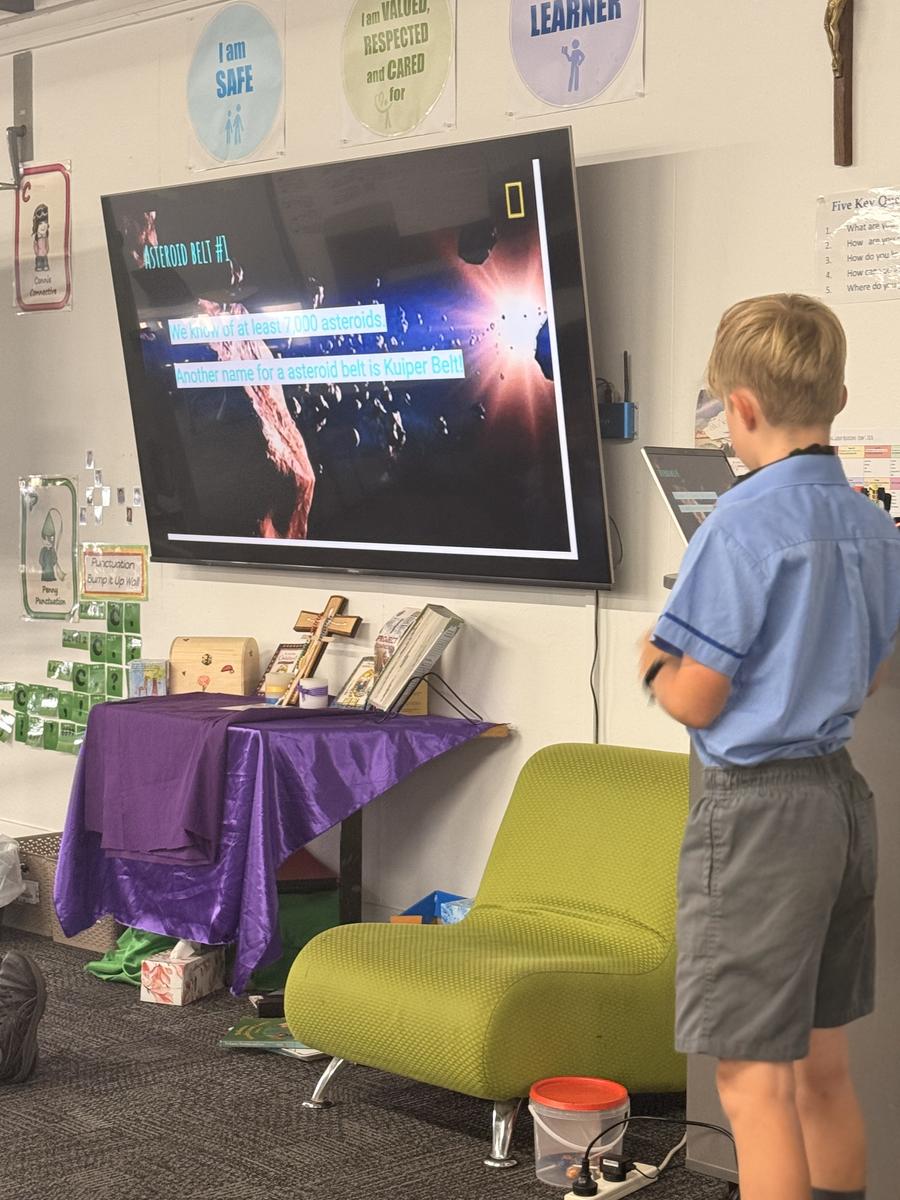
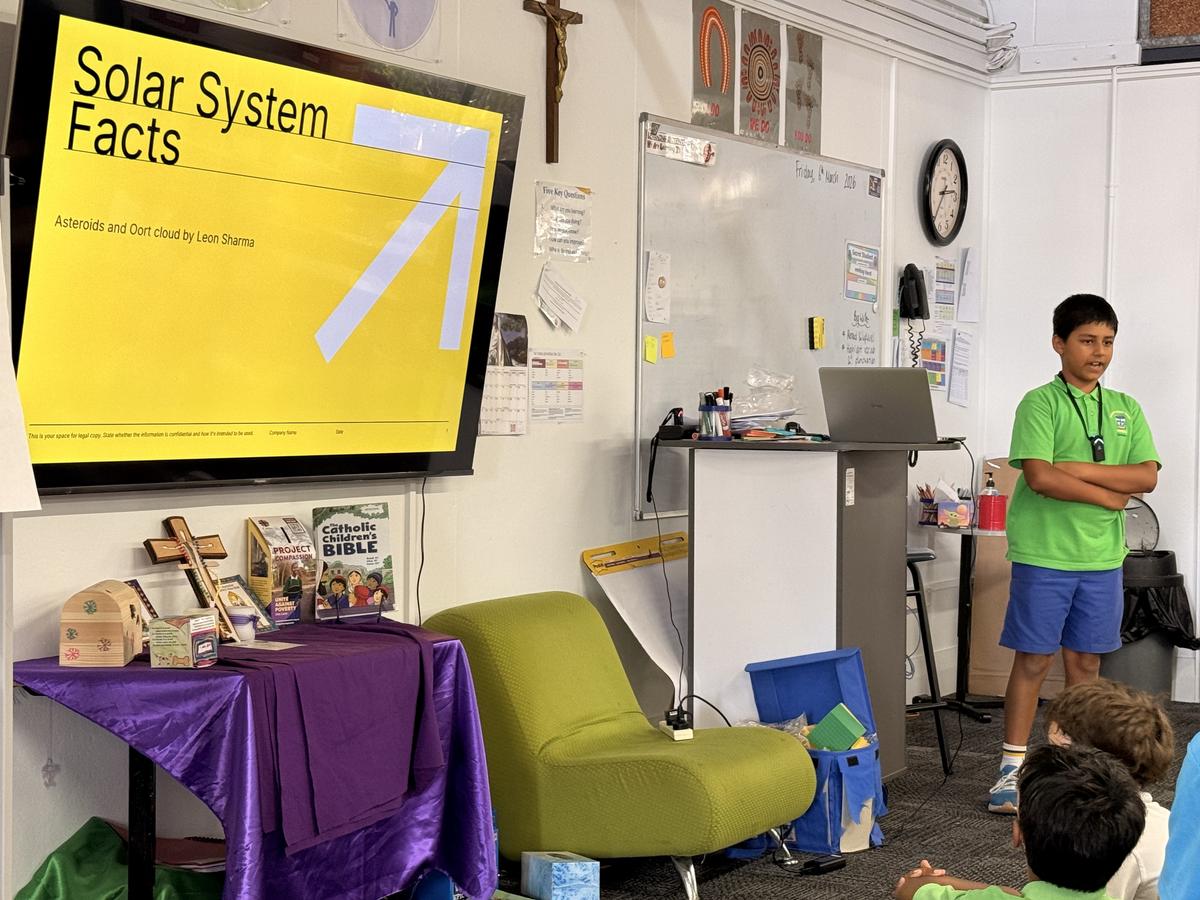
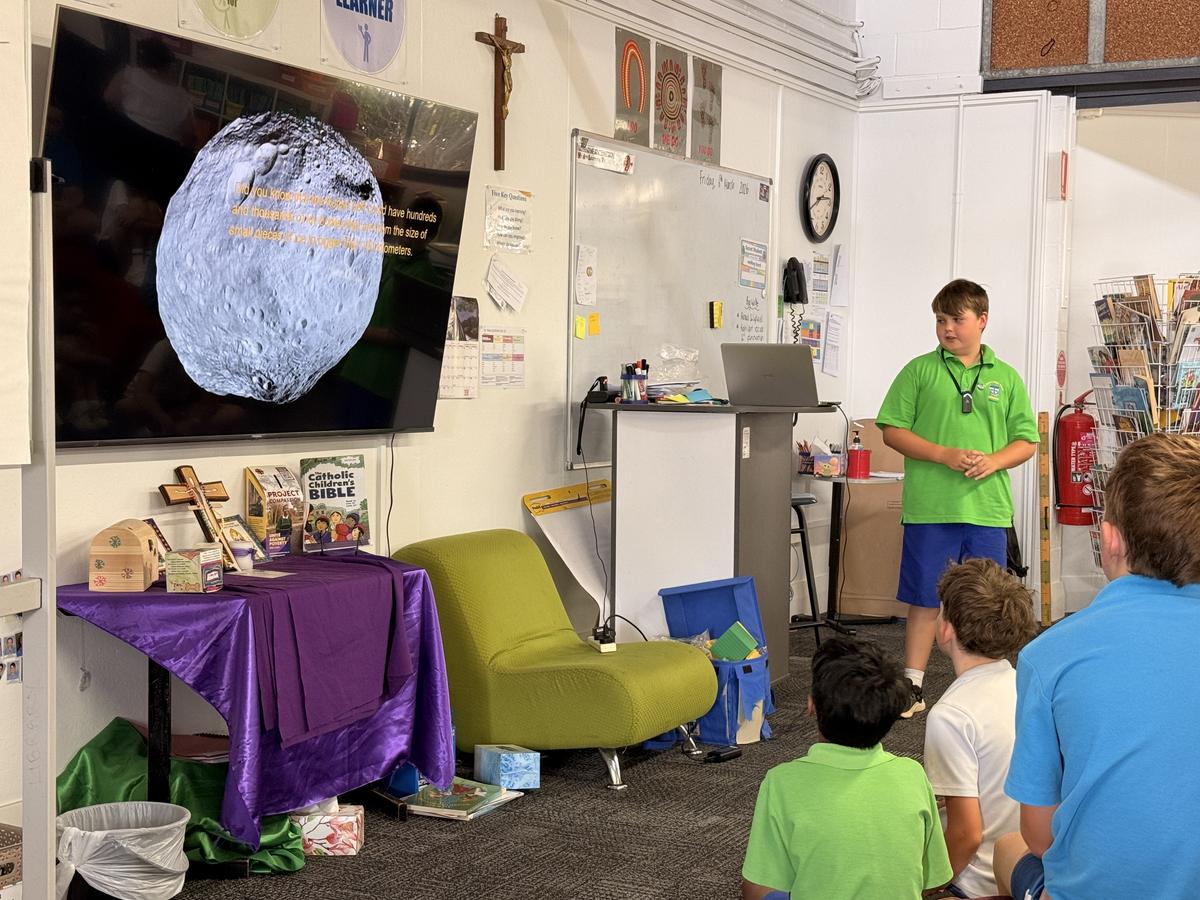
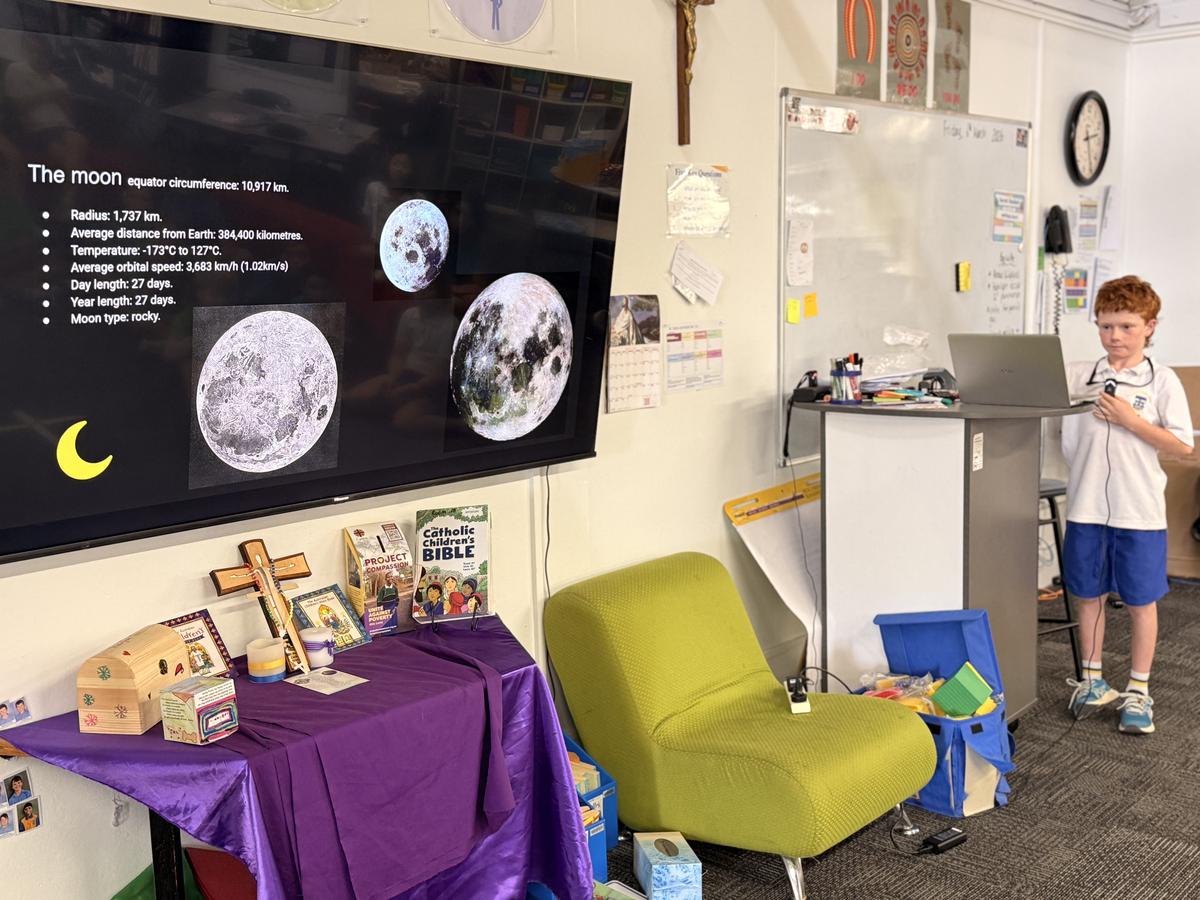
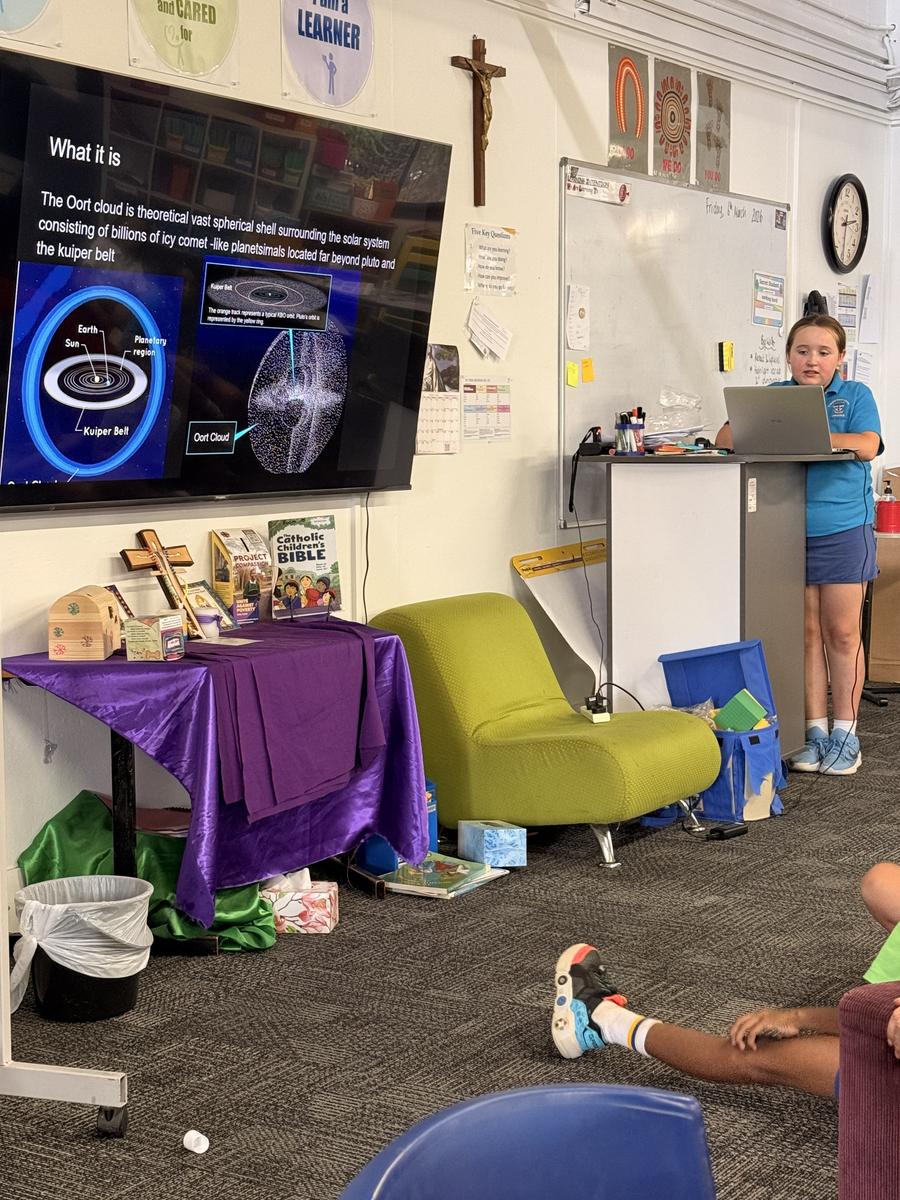
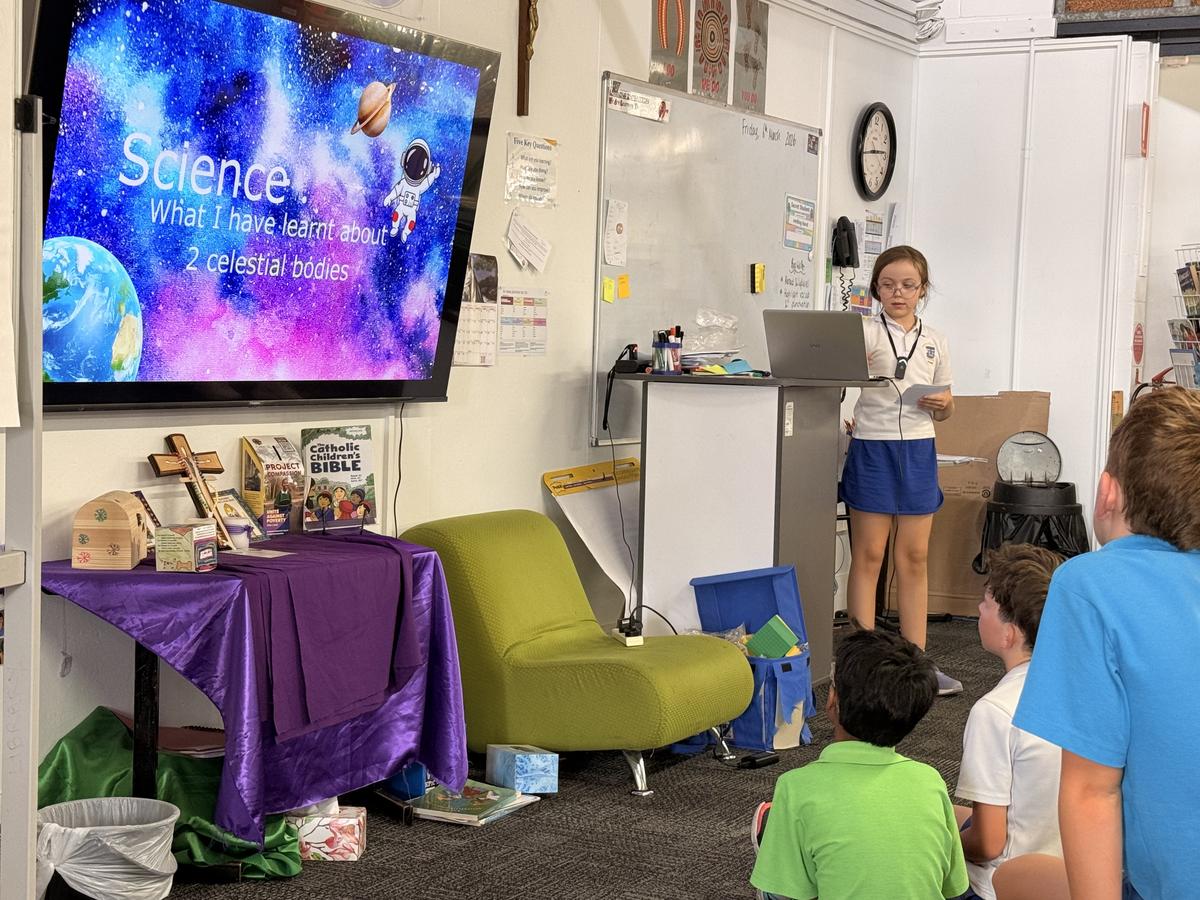
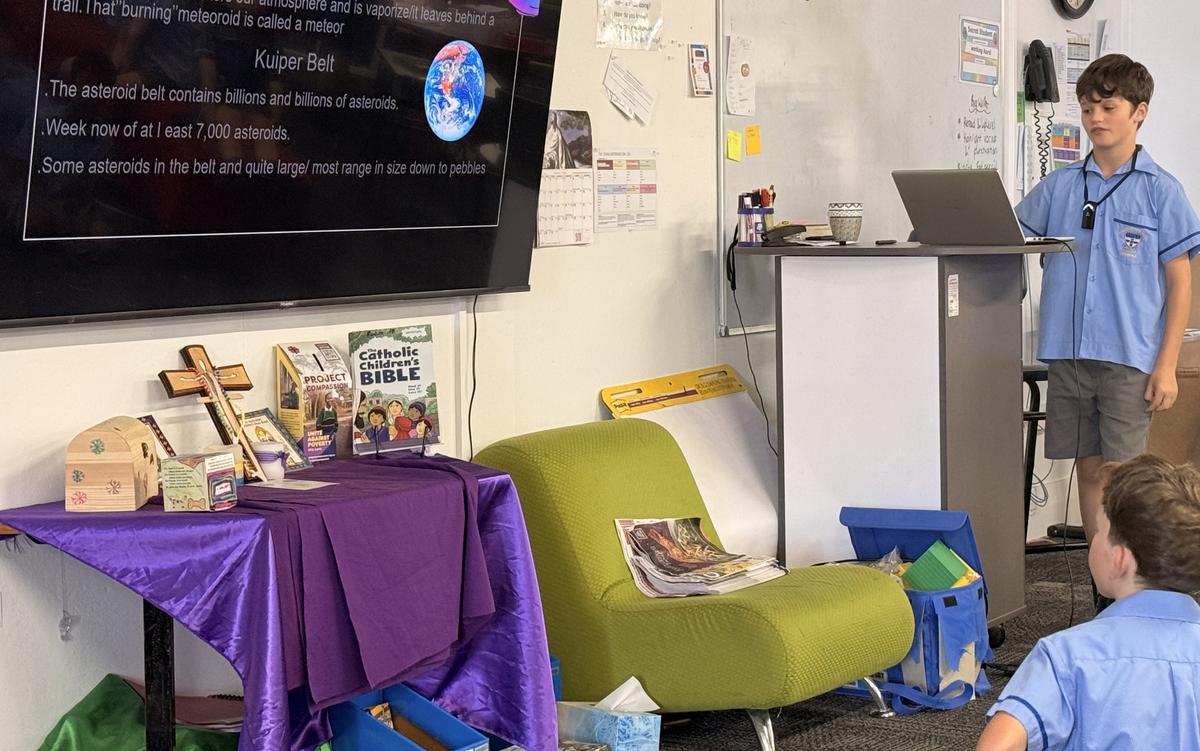
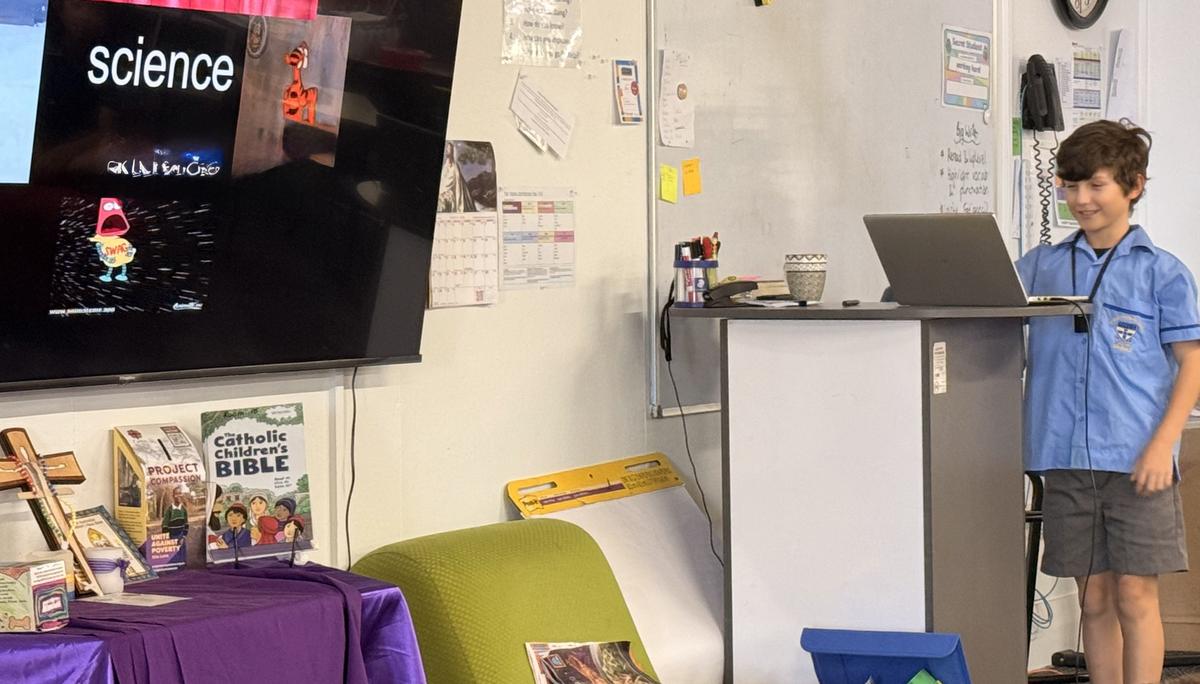
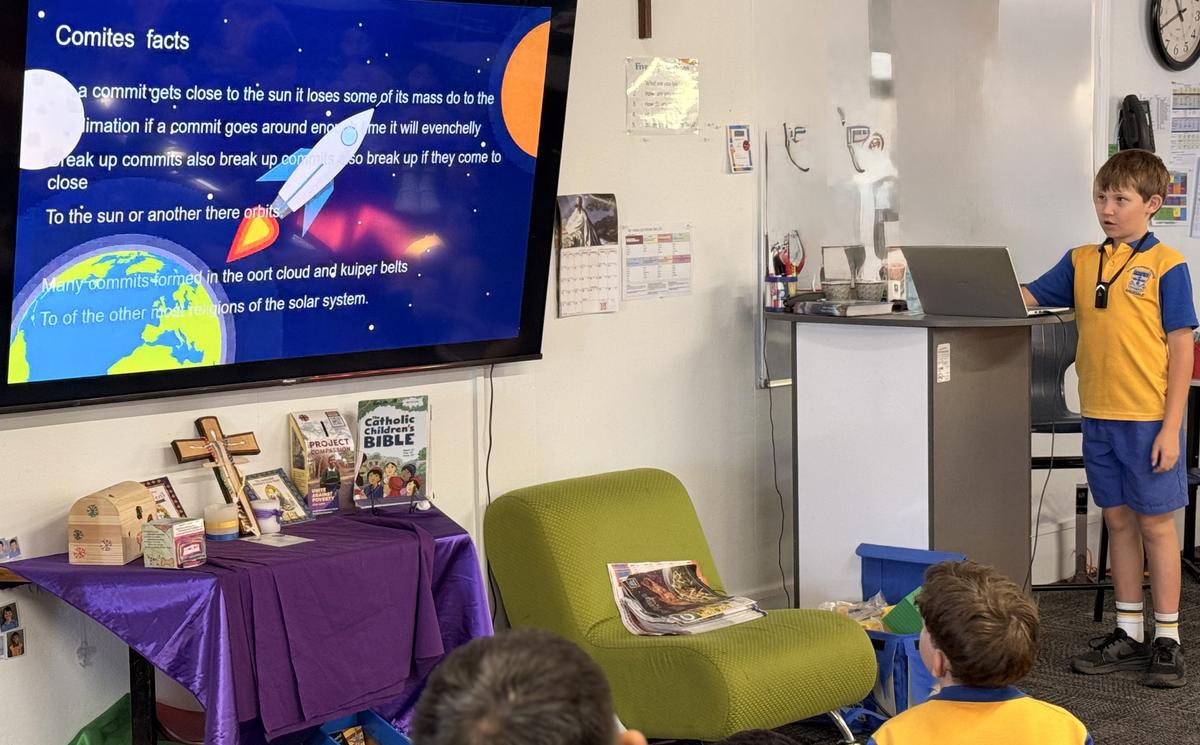
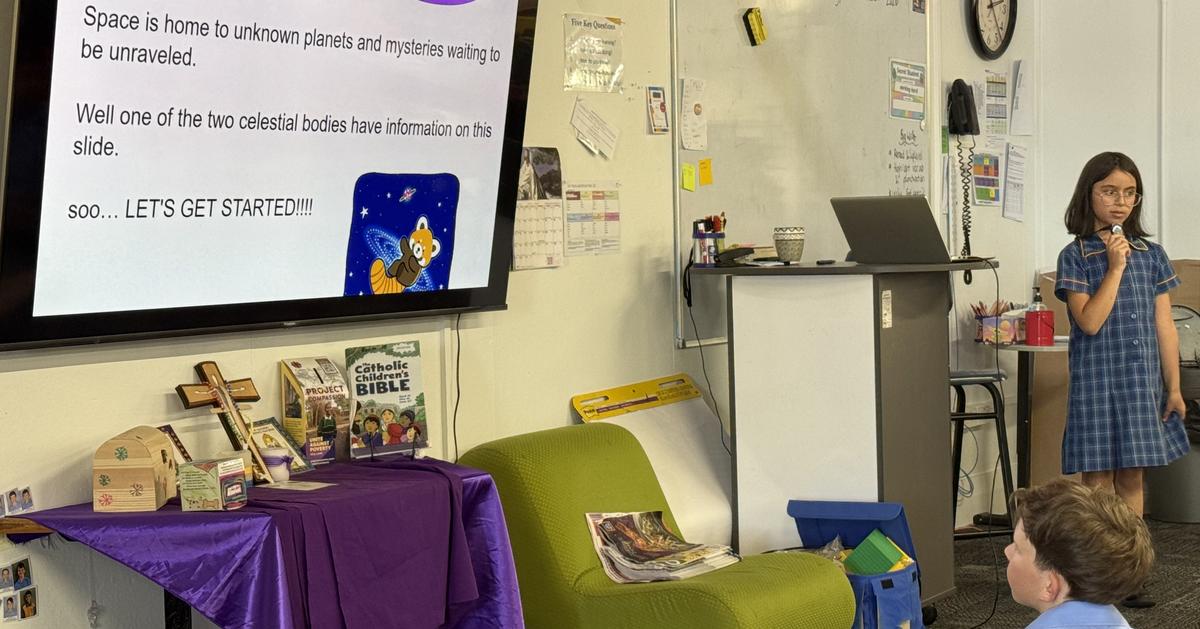
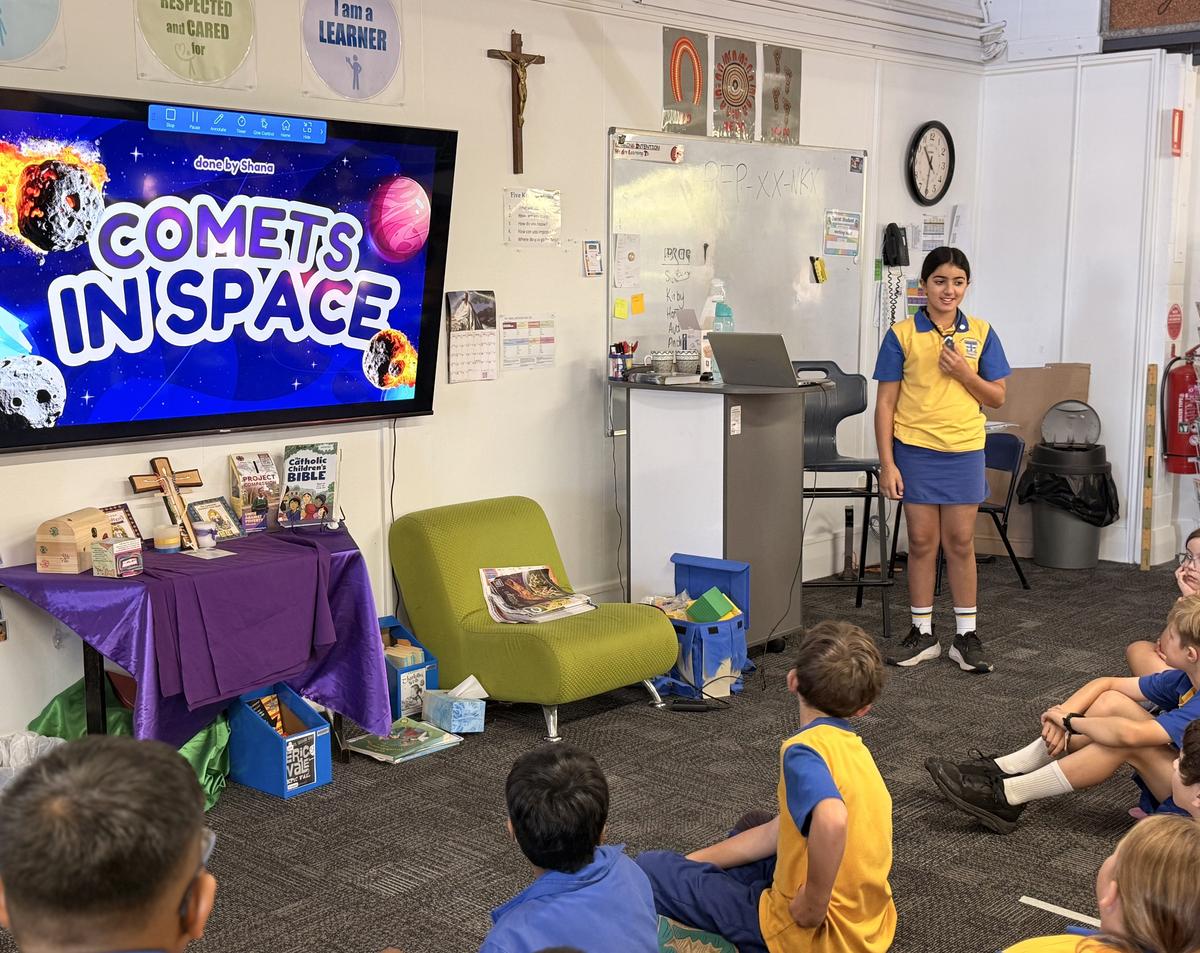
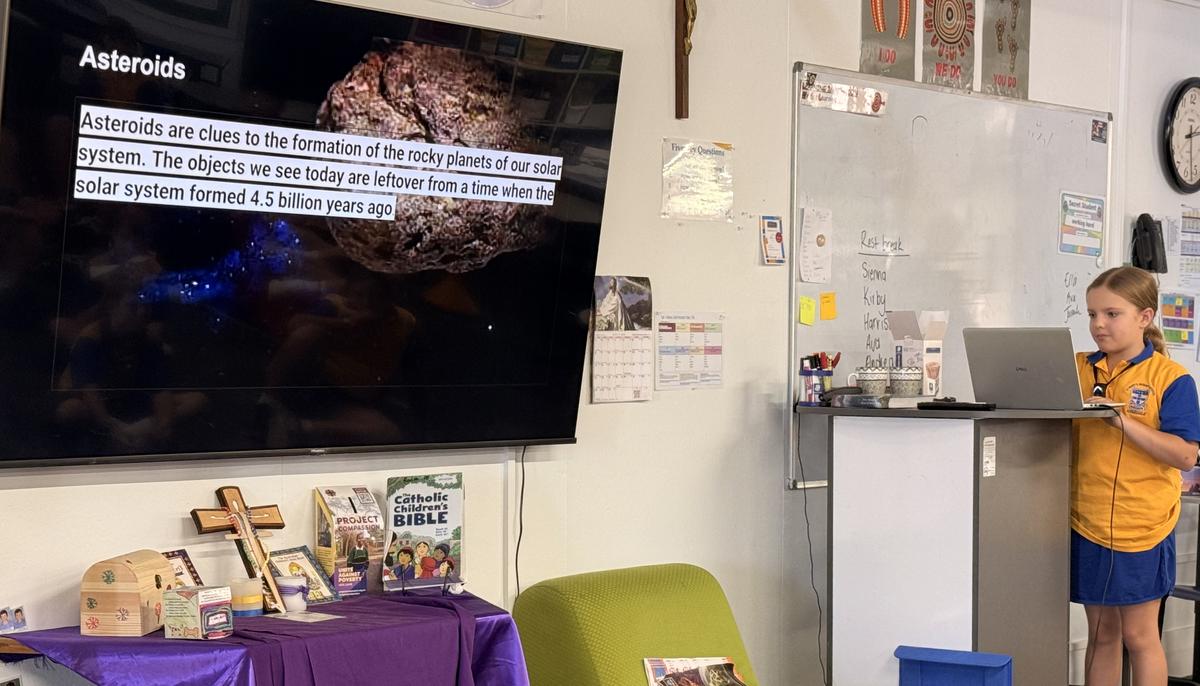
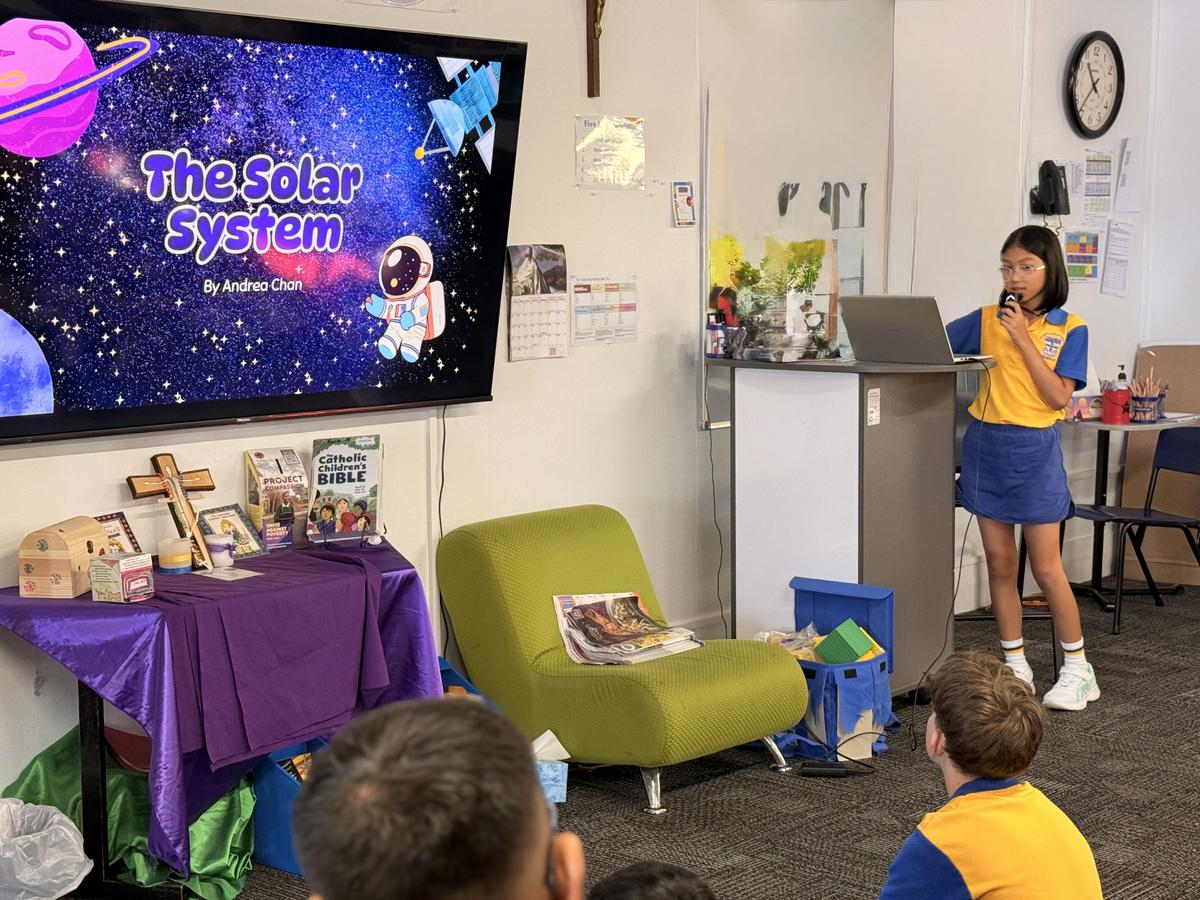
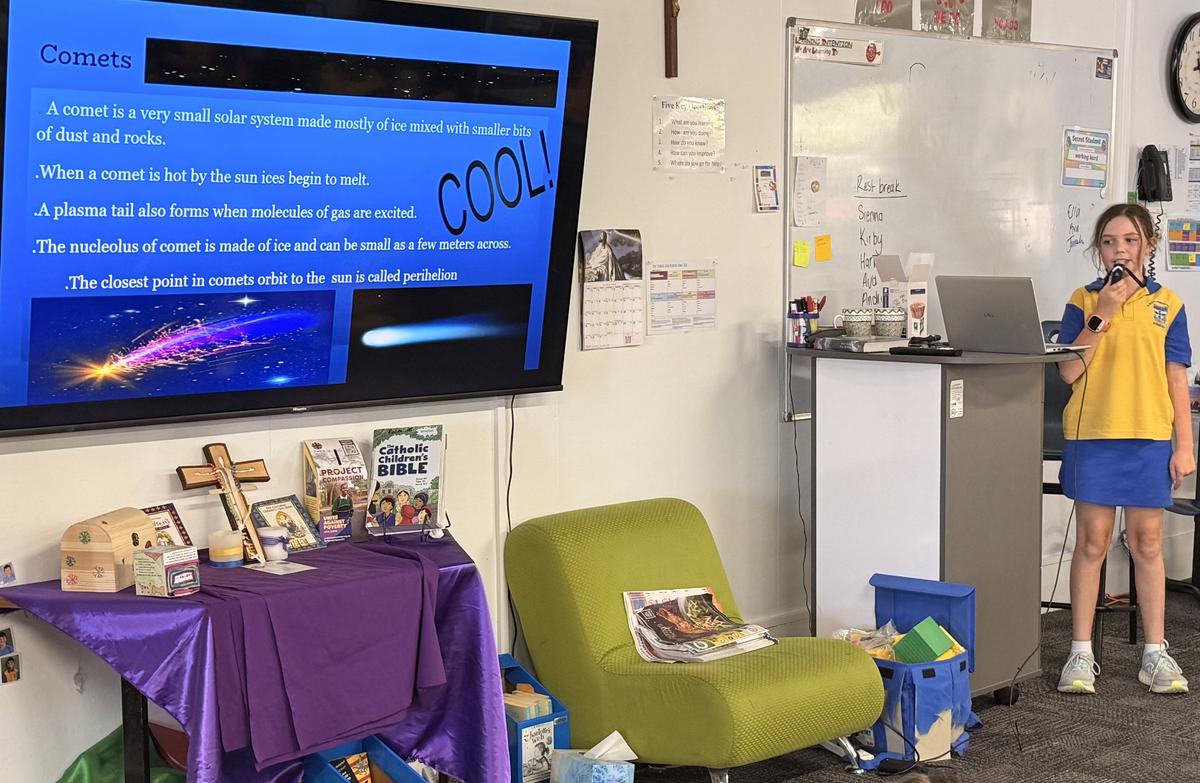
As we wrap up our fascinating journey through Earth and Space, our students are preparing to transition into the study of History. To demonstrate their understanding of the cosmos, students recently undertook a research project on two celestial bodies, culminating in a PowerPoint presentation delivered to their peers. Beyond the scientific facts, this project served as a fantastic opportunity for students to refine their public speaking. Developing these communication skills is a vital part of our curriculum, as it helps children build confidence, overcome shyness, and learn to articulate their thoughts clearly.
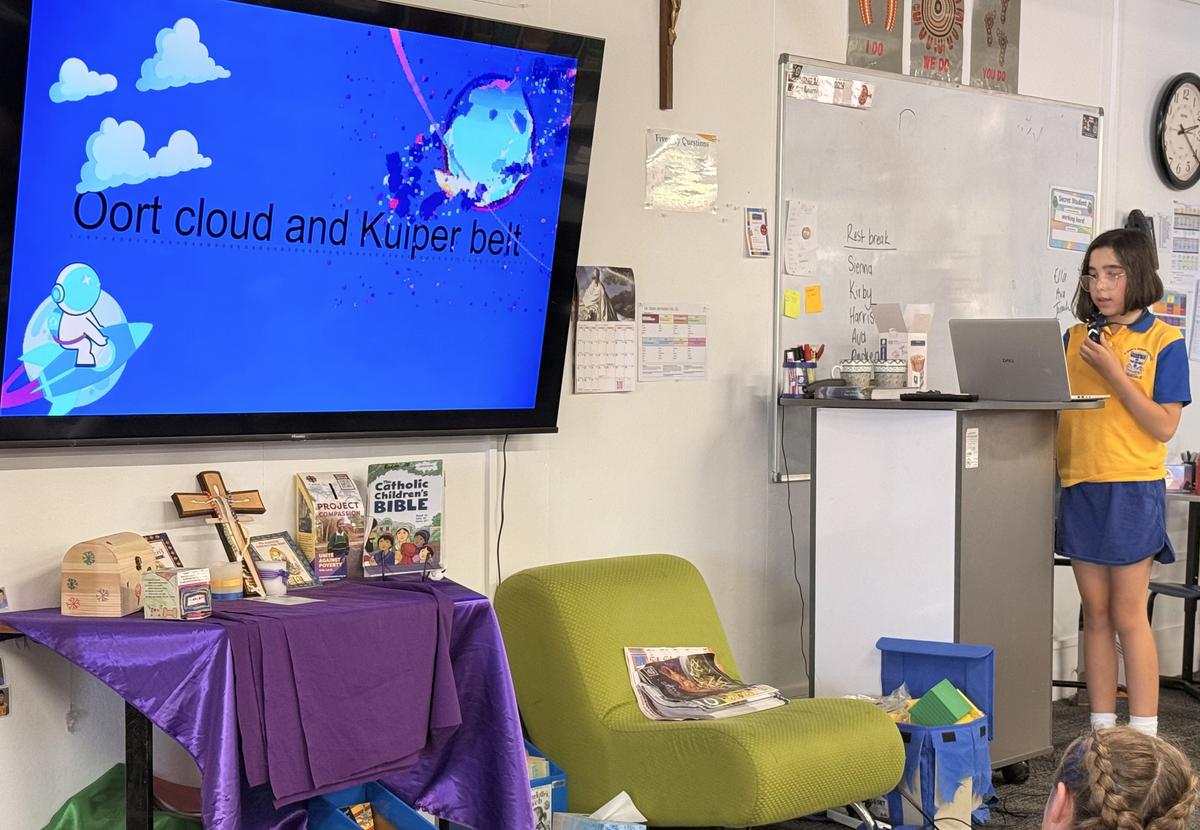
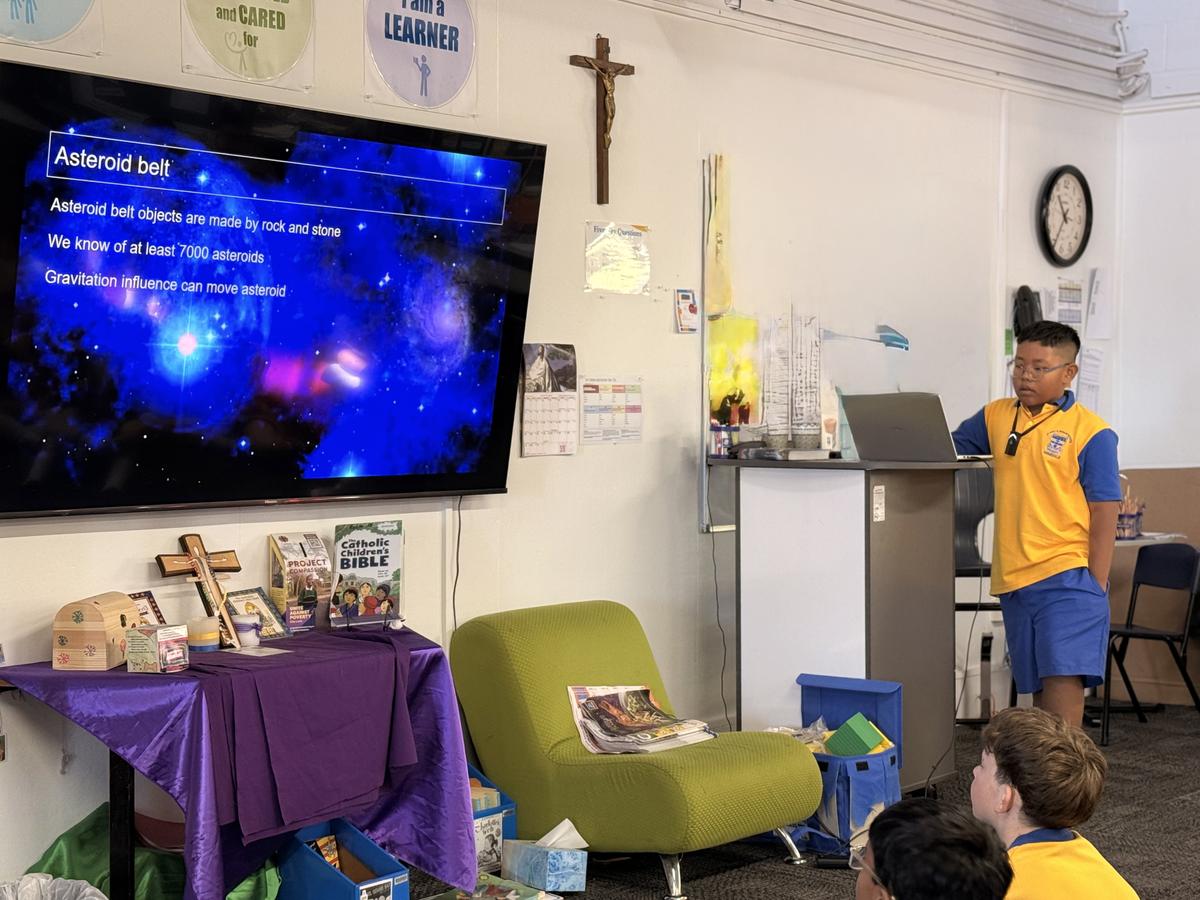
Religion:
Our students have spent the last few weeks reflecting on the Passion of Jesus through guided reflection and creative journaling. By exploring the powerful imagery in Matthew’s Gospel, such as the darkness and the shaking of the earth, they’ve gained a deeper understanding of the significance of the Cross. We will be putting their faith into action, students will compose their own Christian Mission Statements, finding ways to live out the message of Matthew 25 in our school community today.
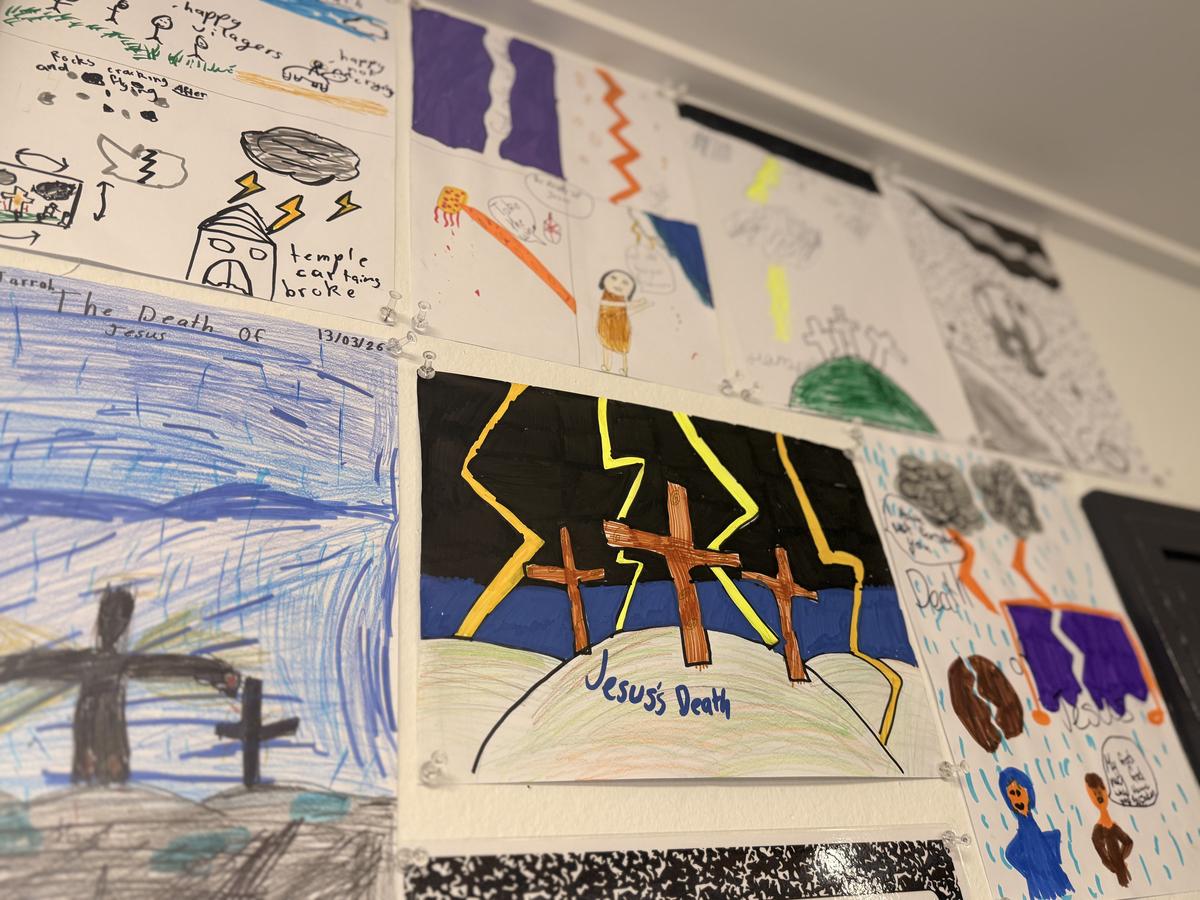
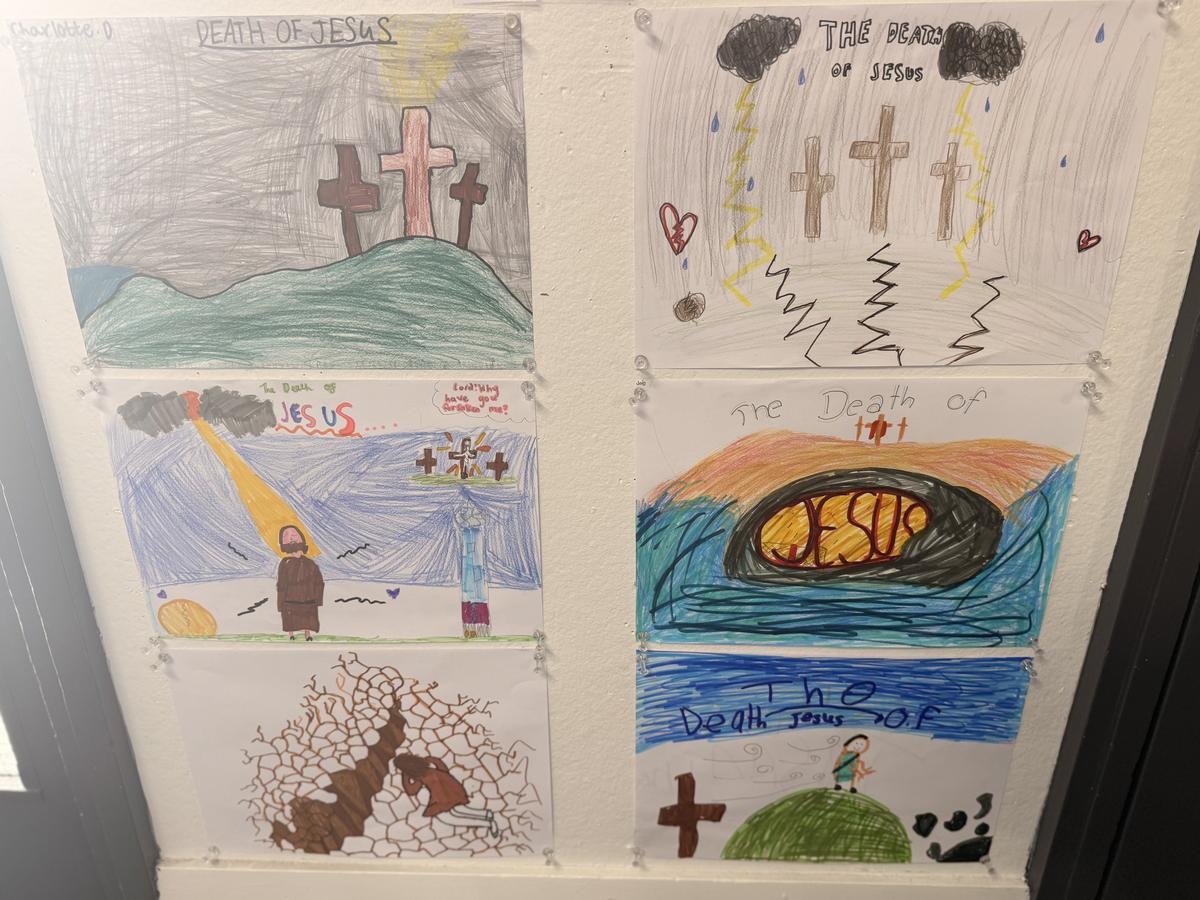
CAPA - Creative Arts
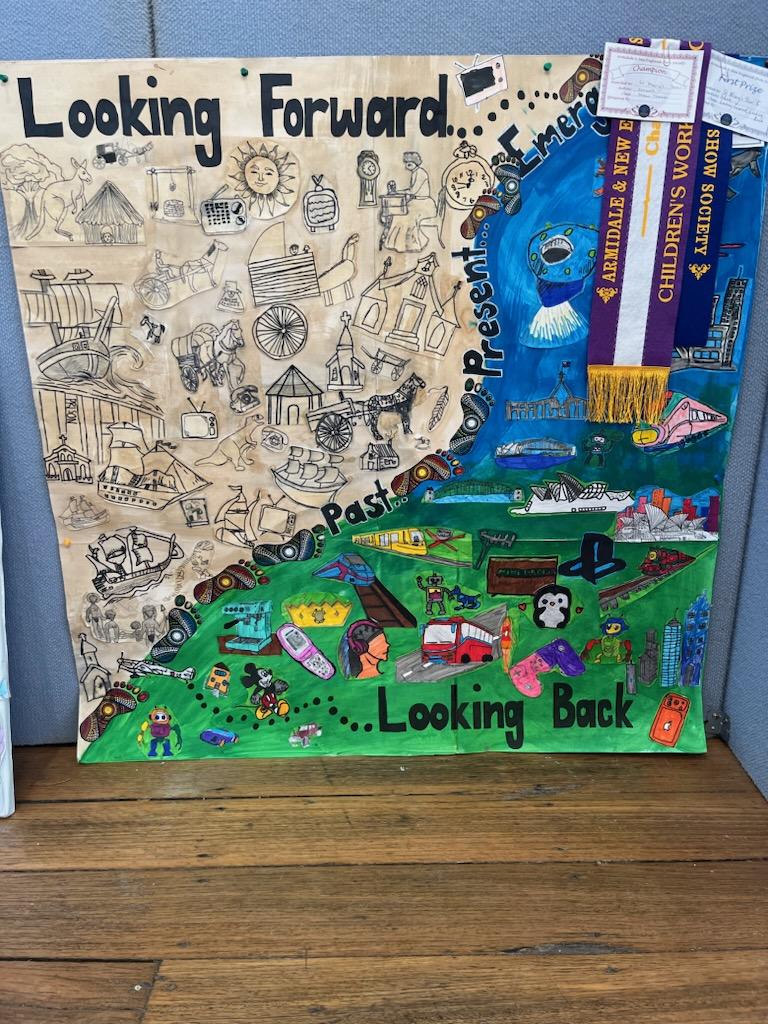
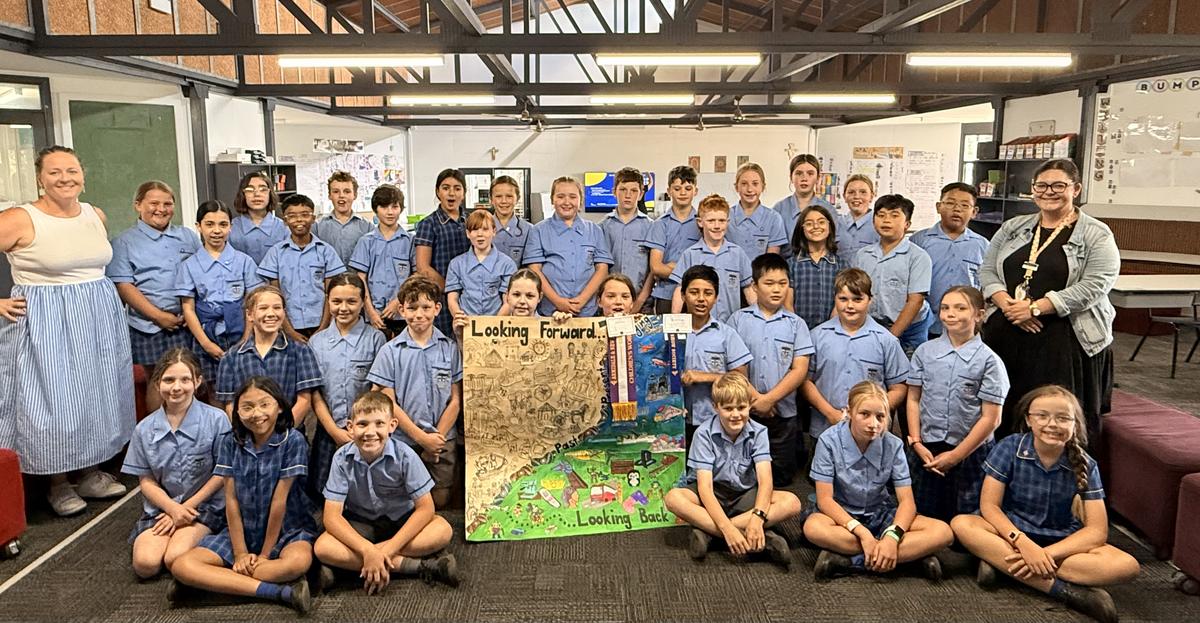
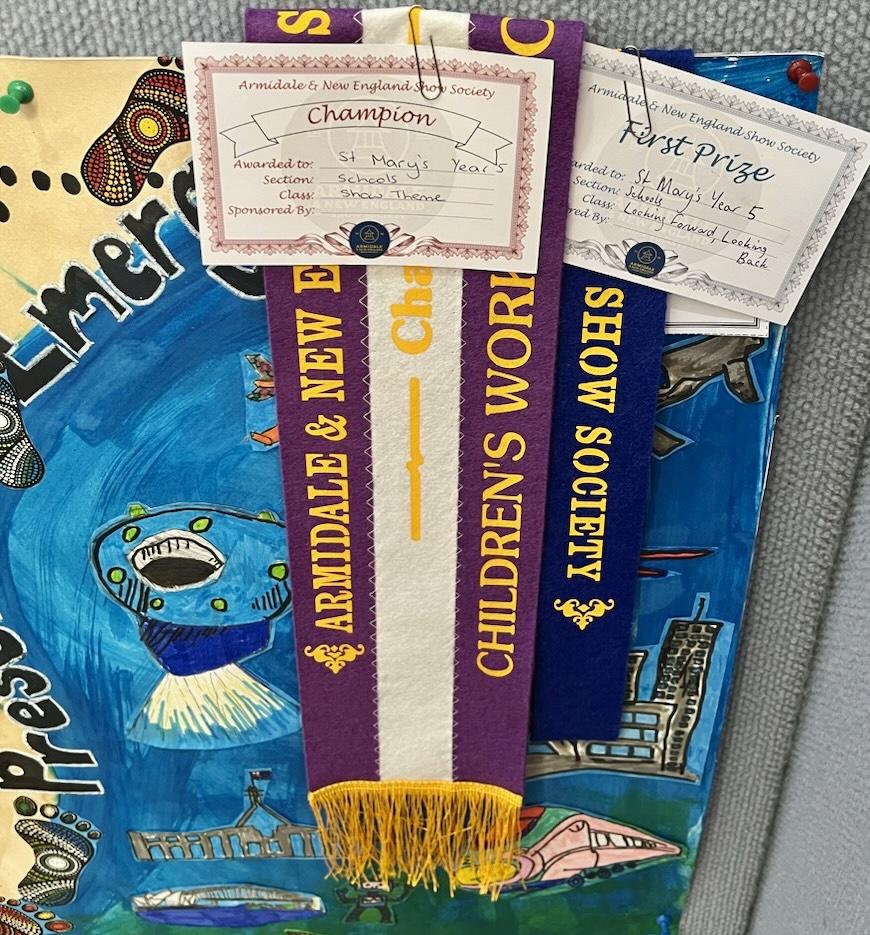
We are bursting with pride to announce that our Year 5 students took home the top honors at the recent Armidale Show. Their collaborative art piece didn’t just win 1st Place—it was also crowned 'Champion'! Congratulations to all our talented young artists for their incredible teamwork and creativity.
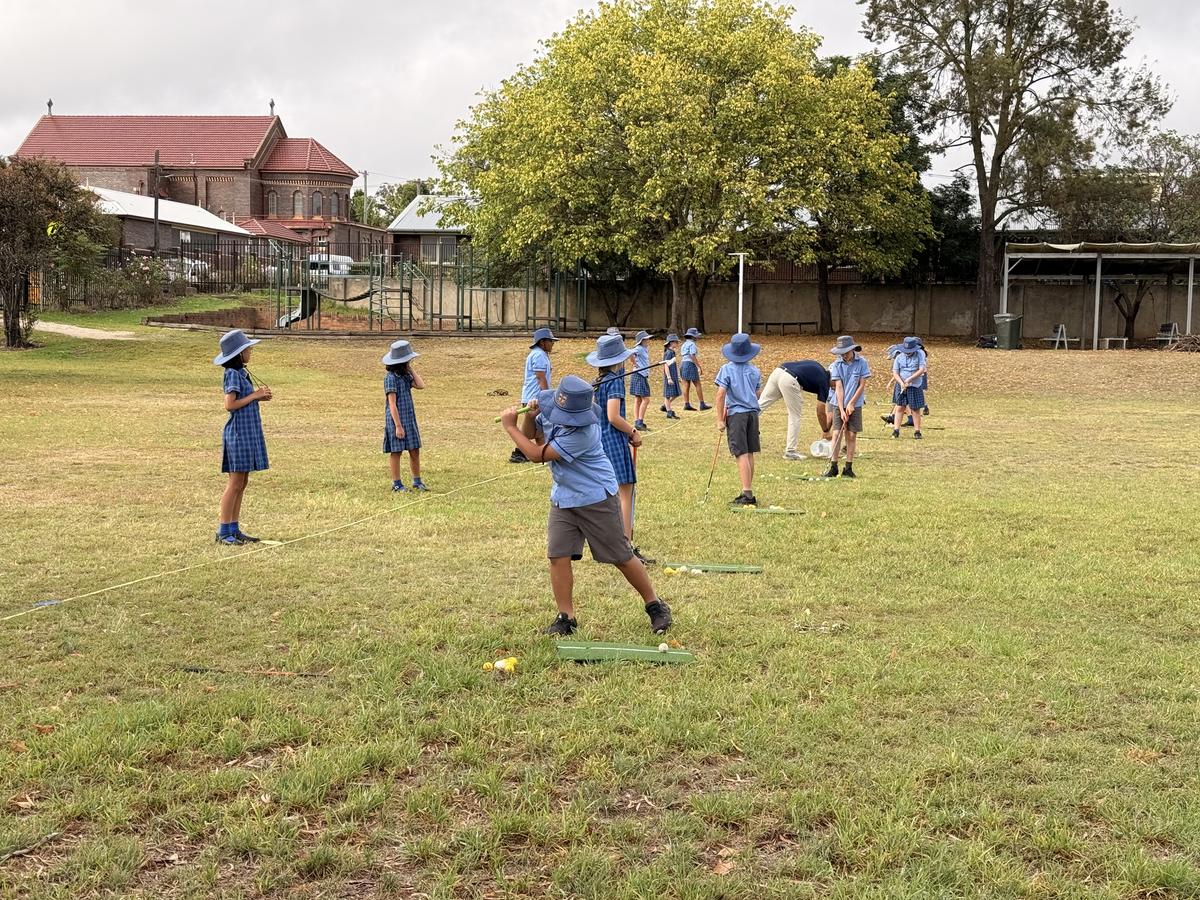
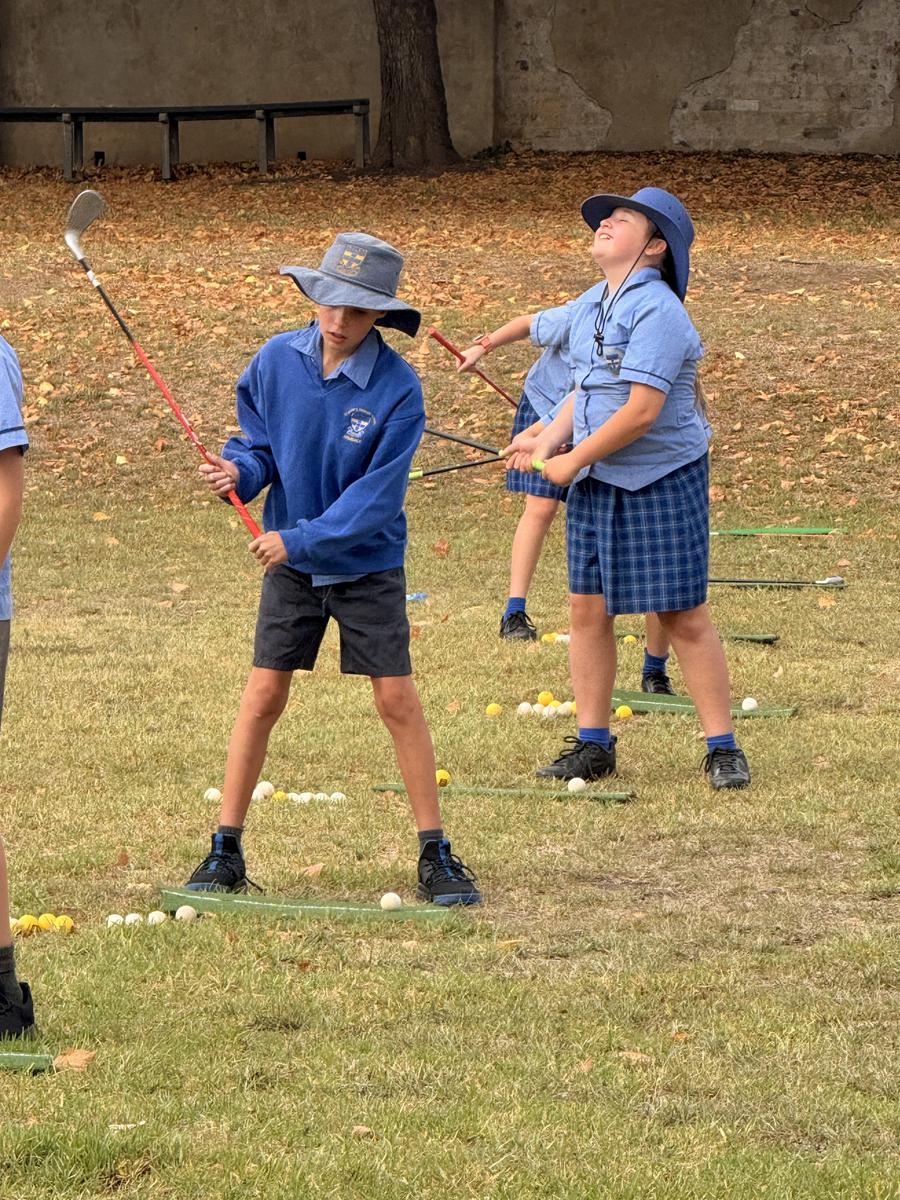
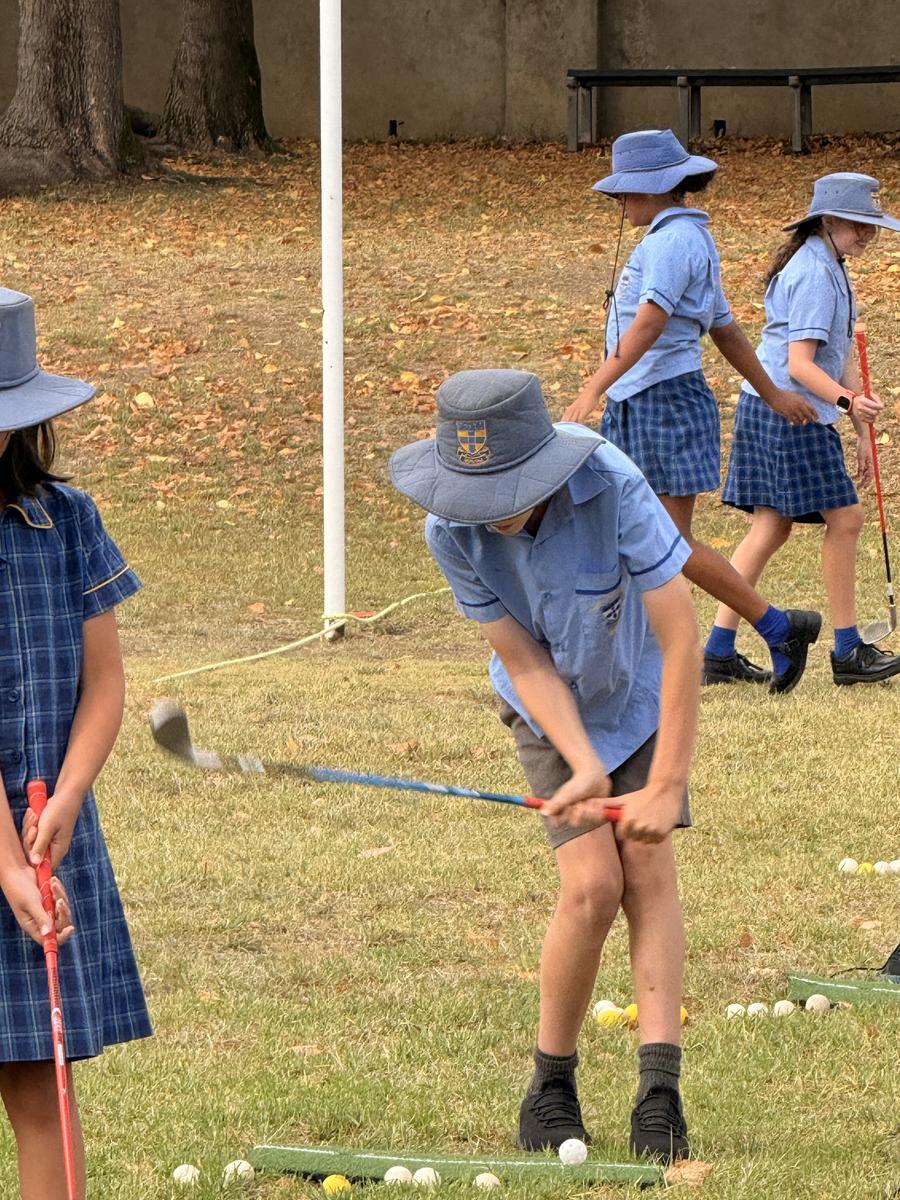
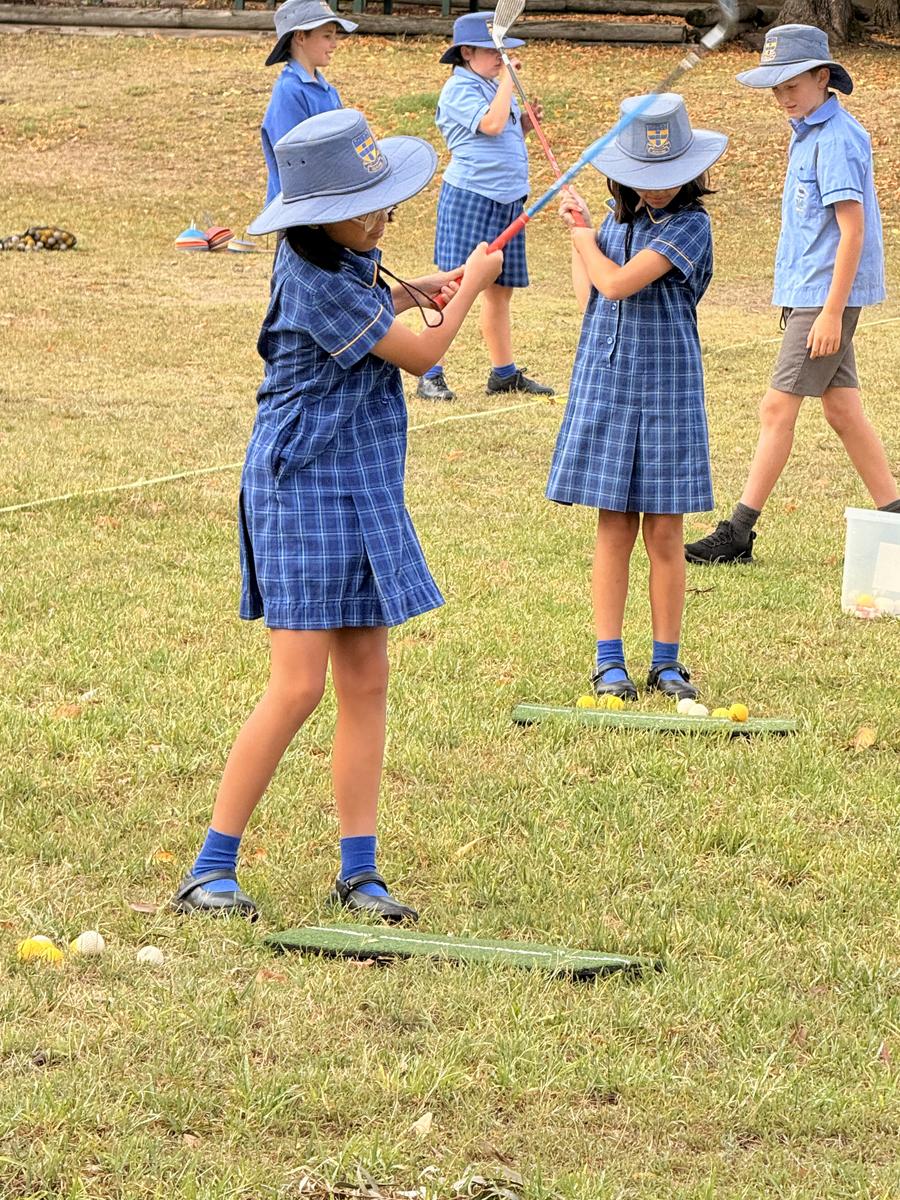
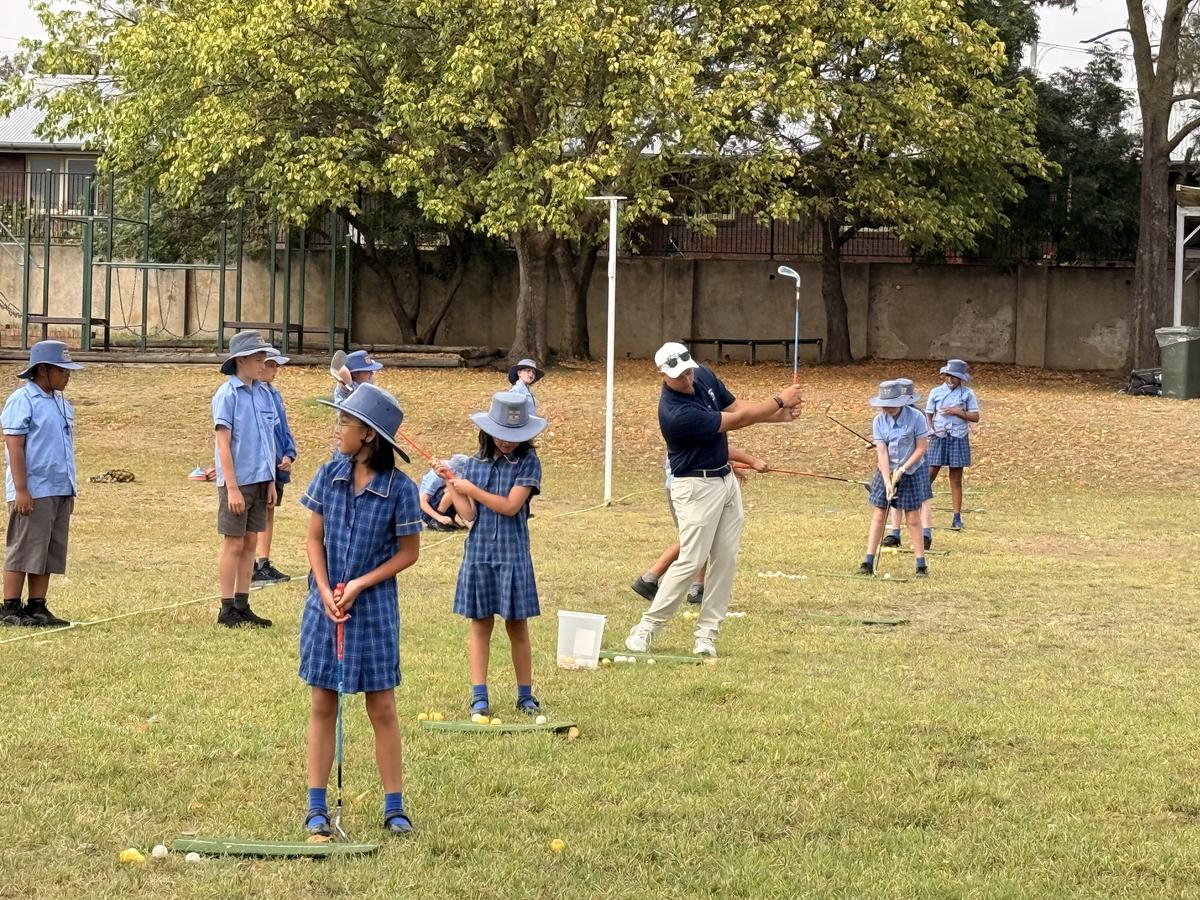
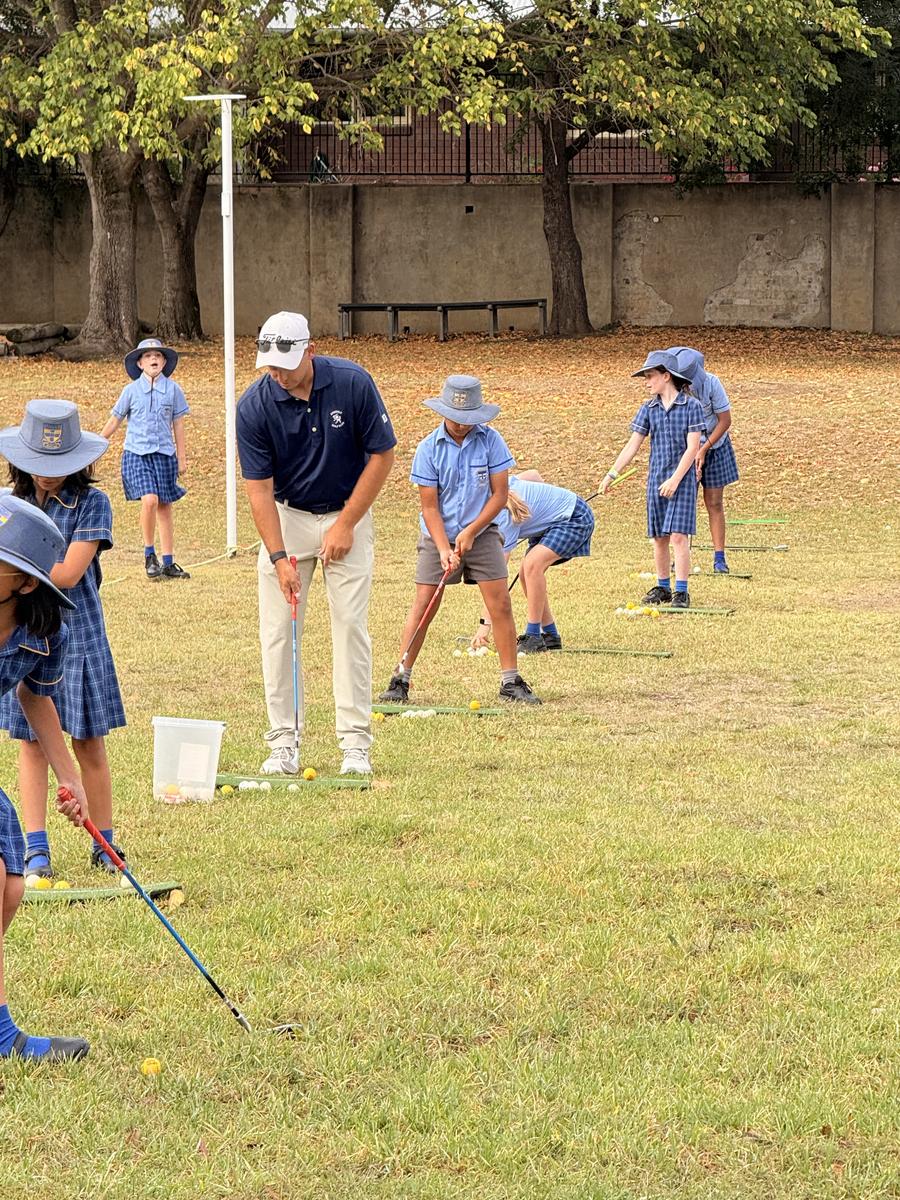
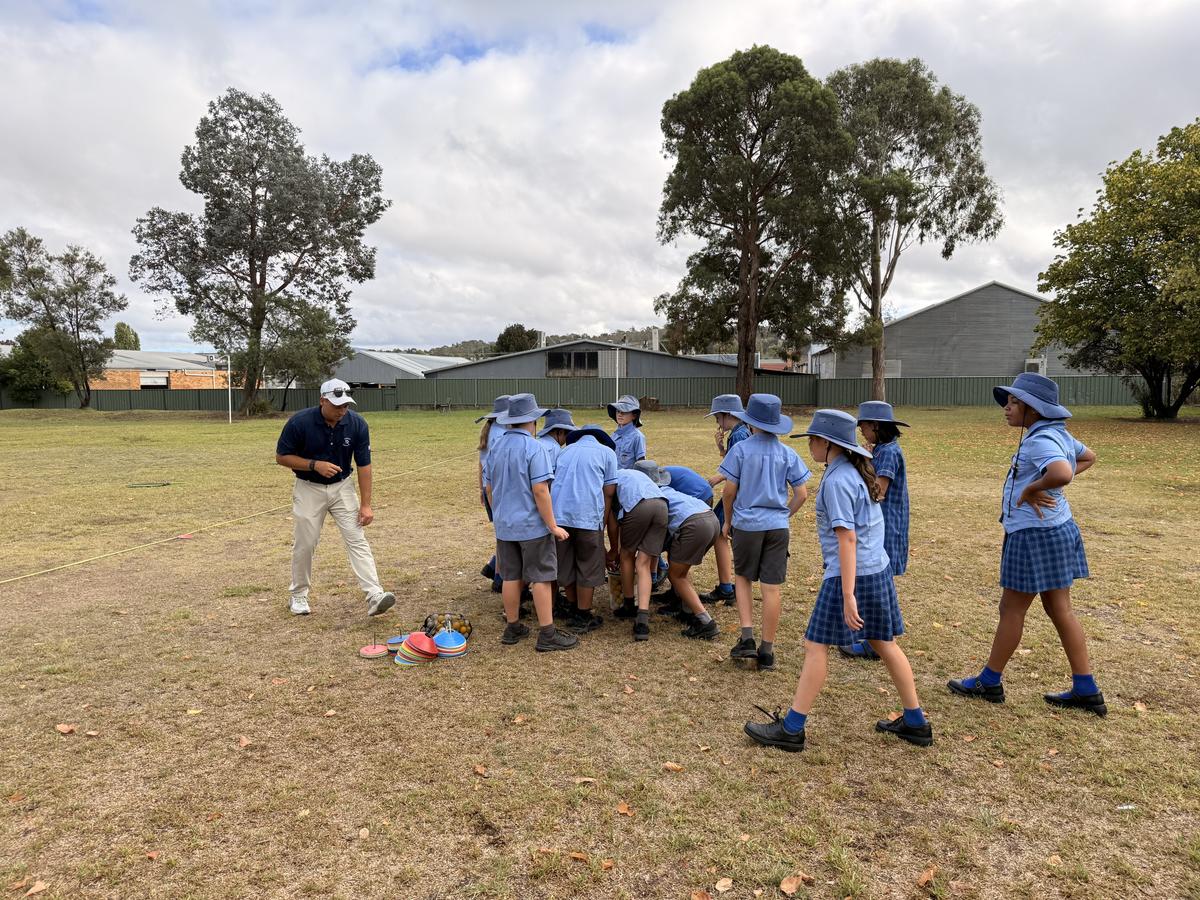
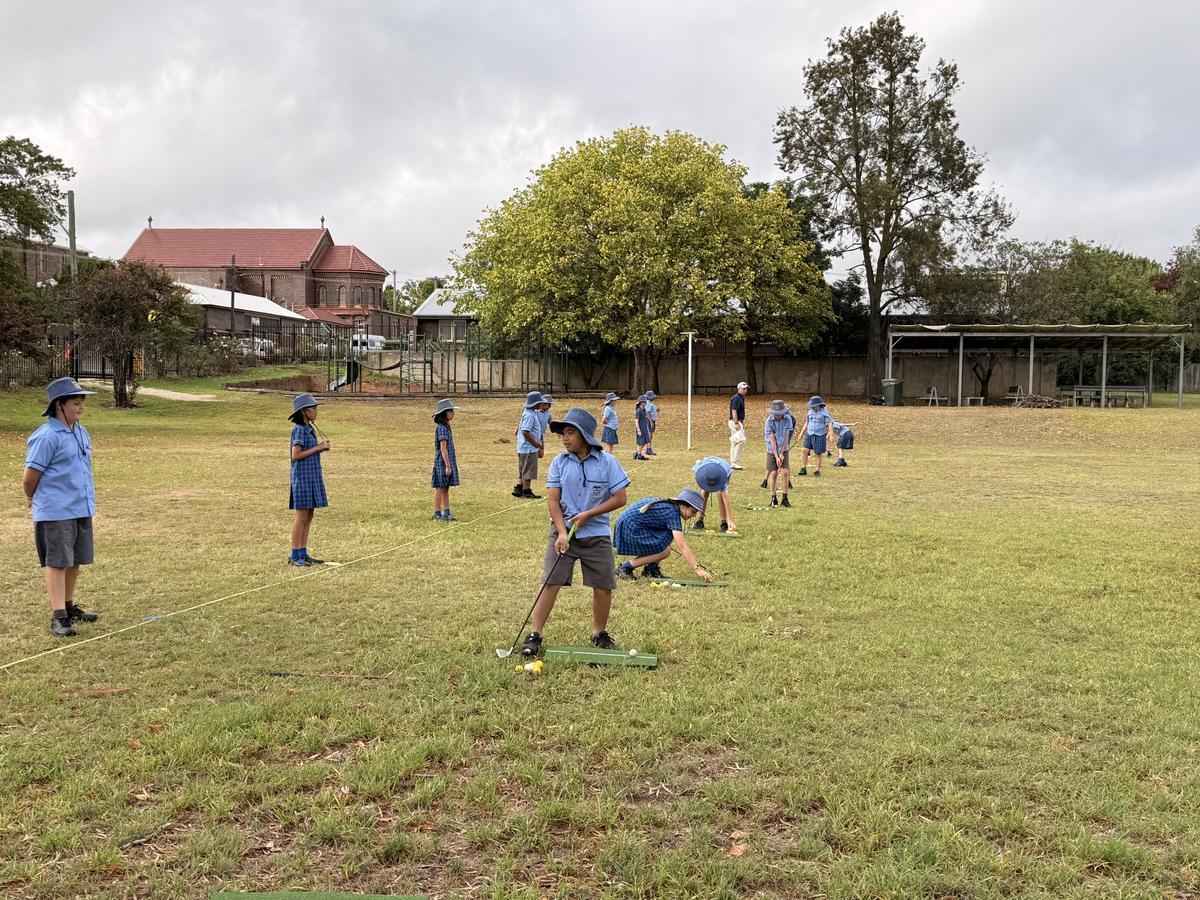
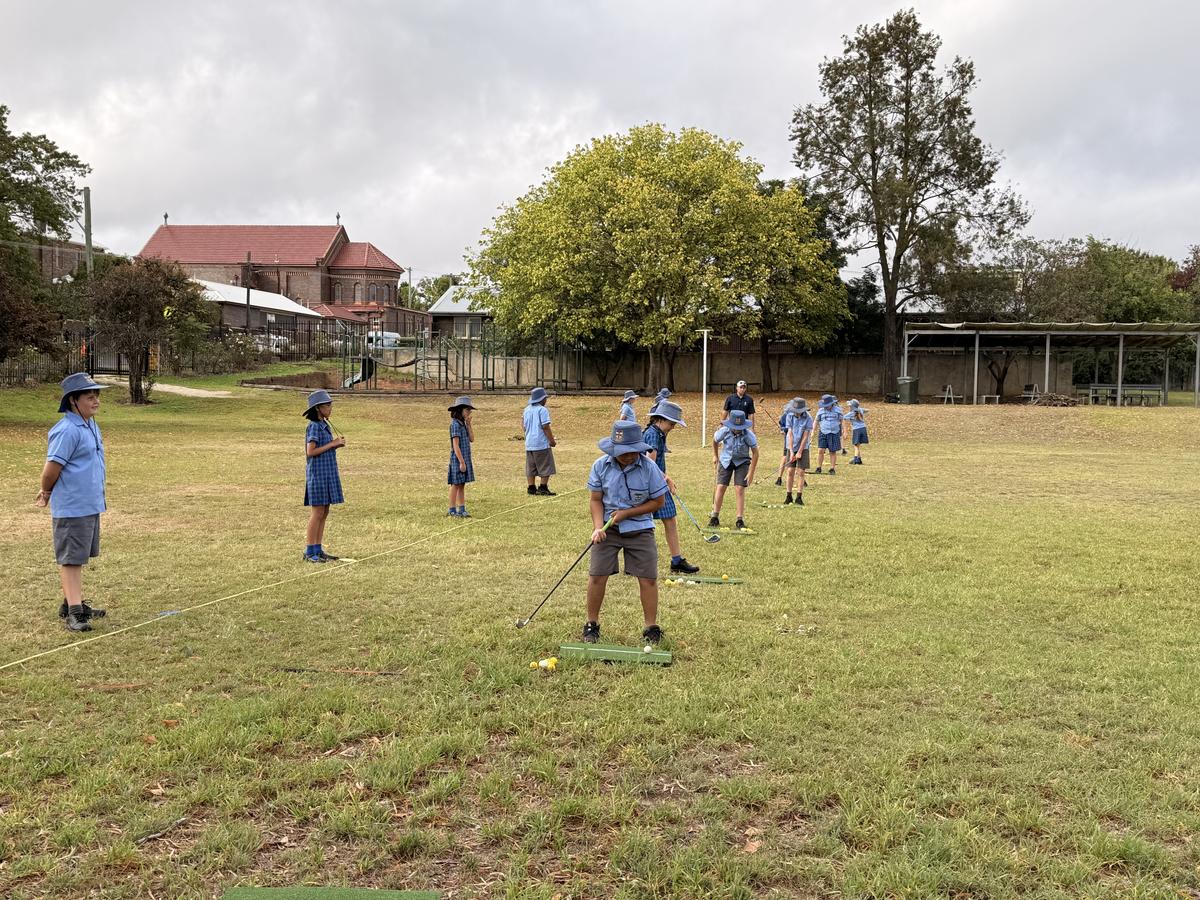
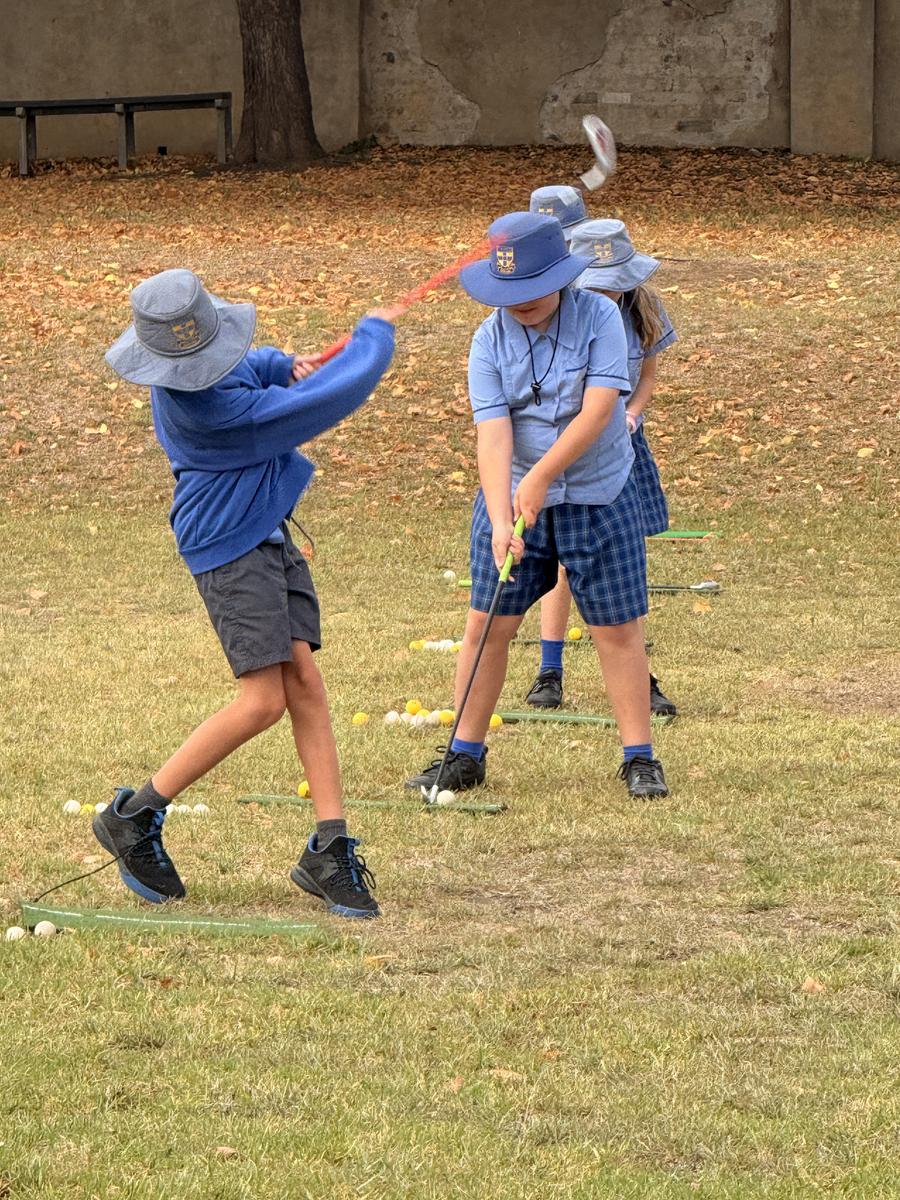
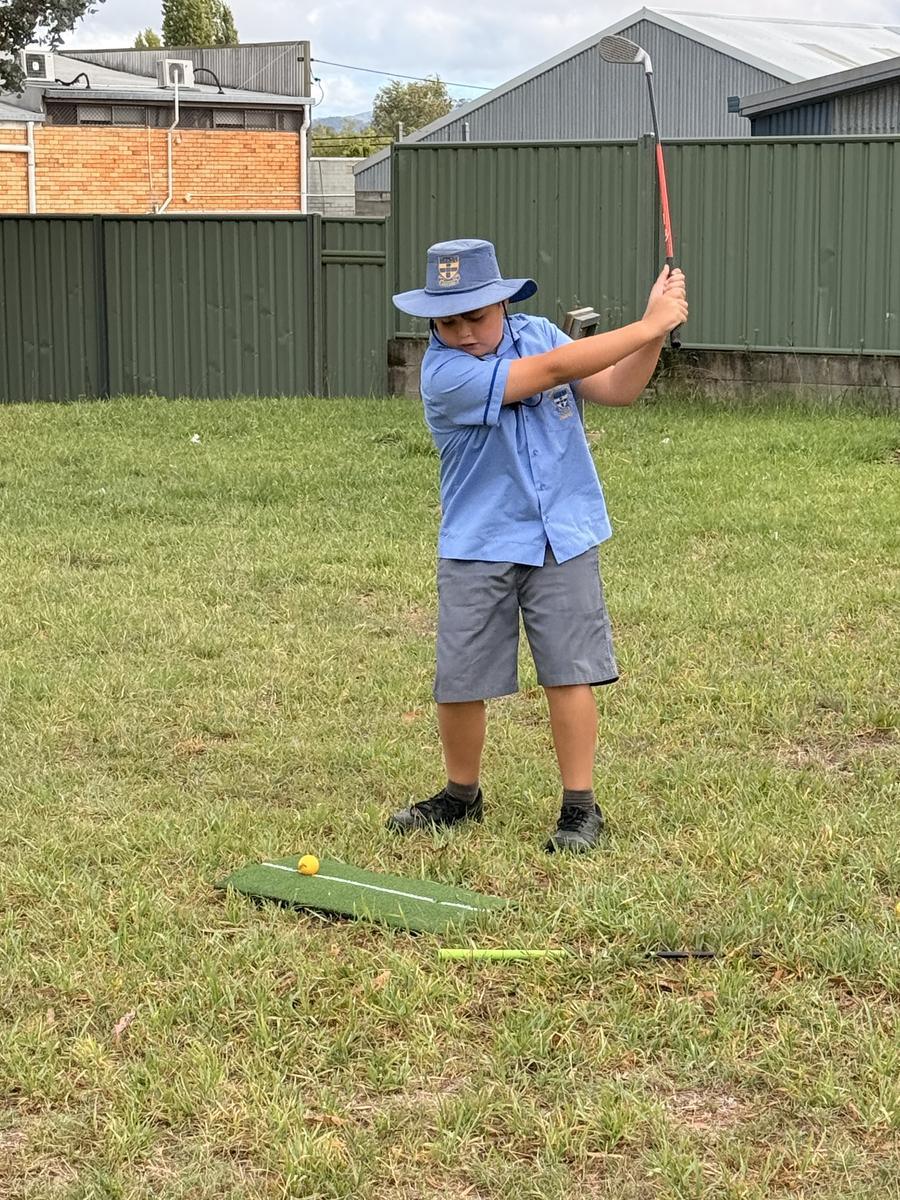
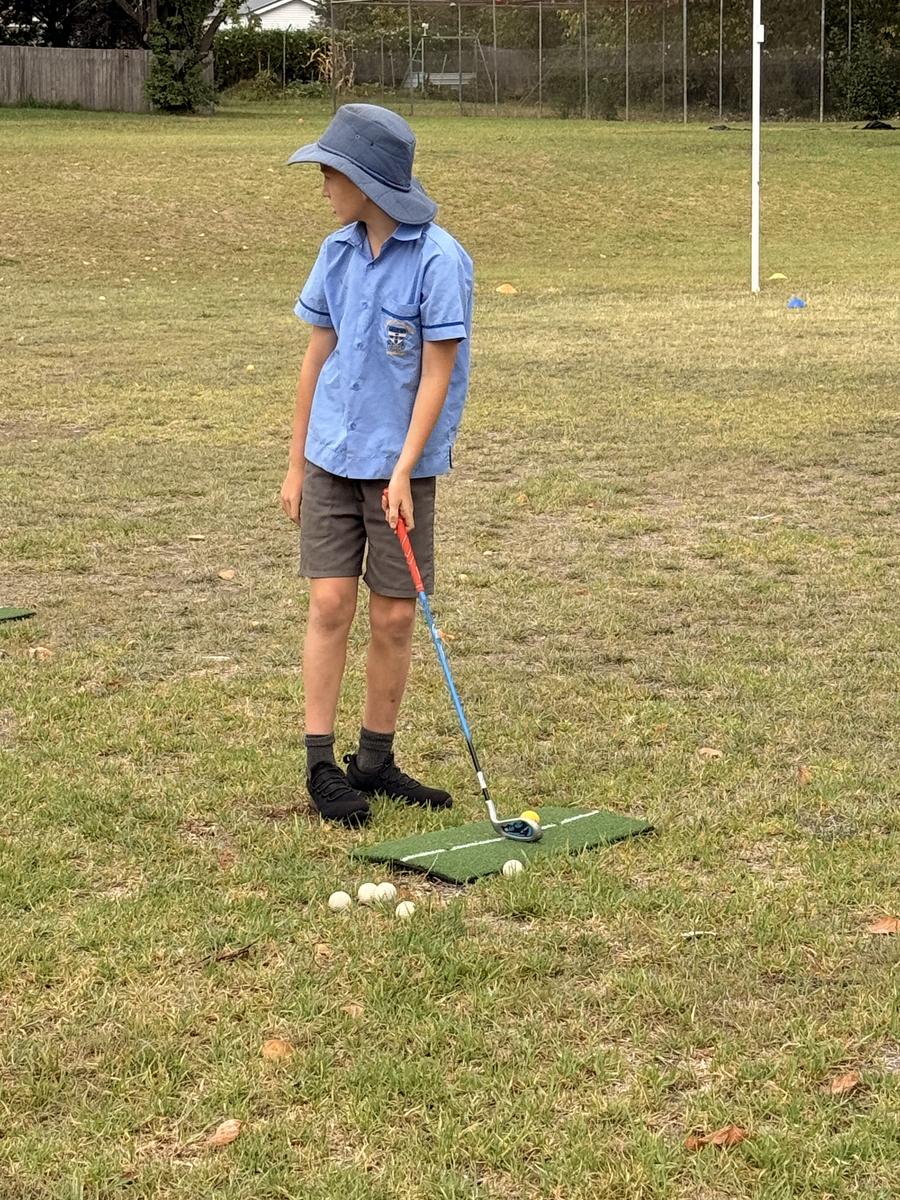
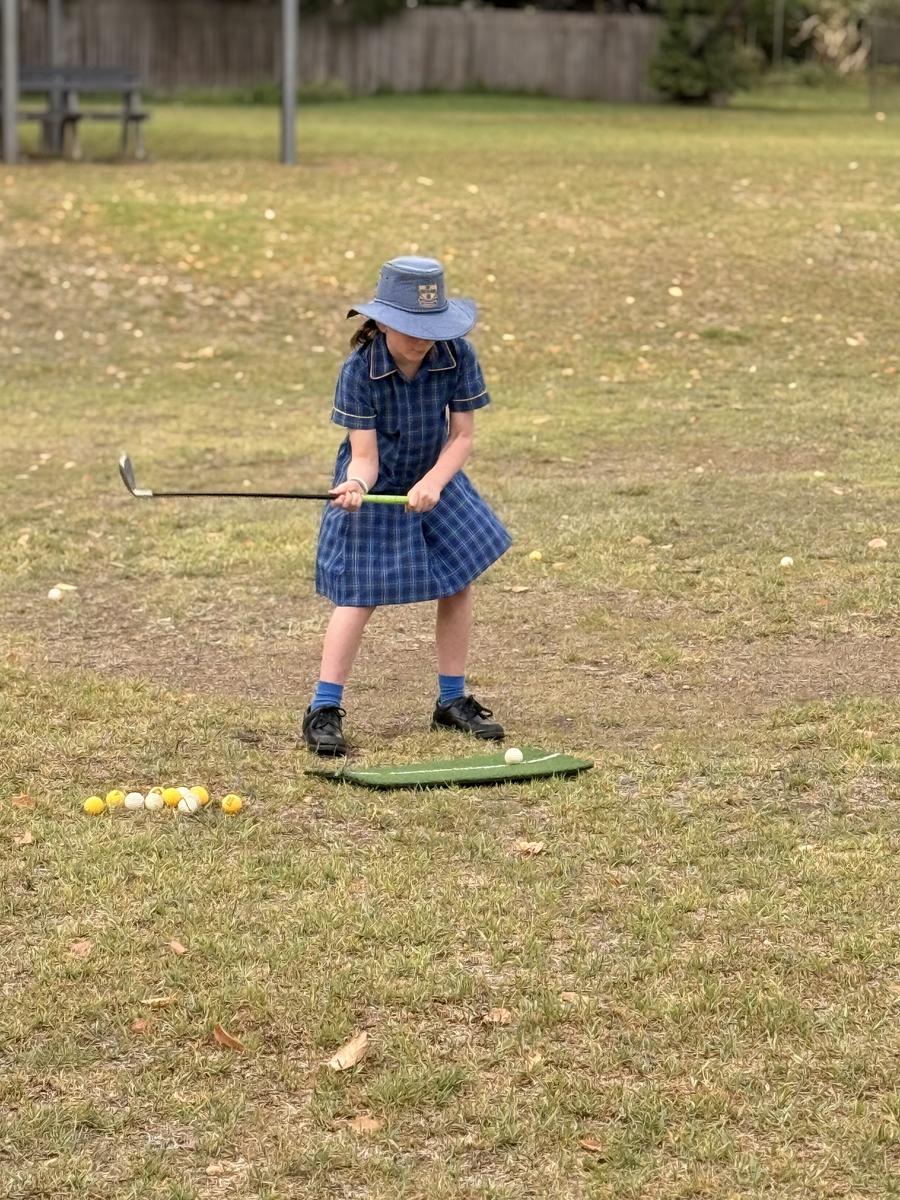
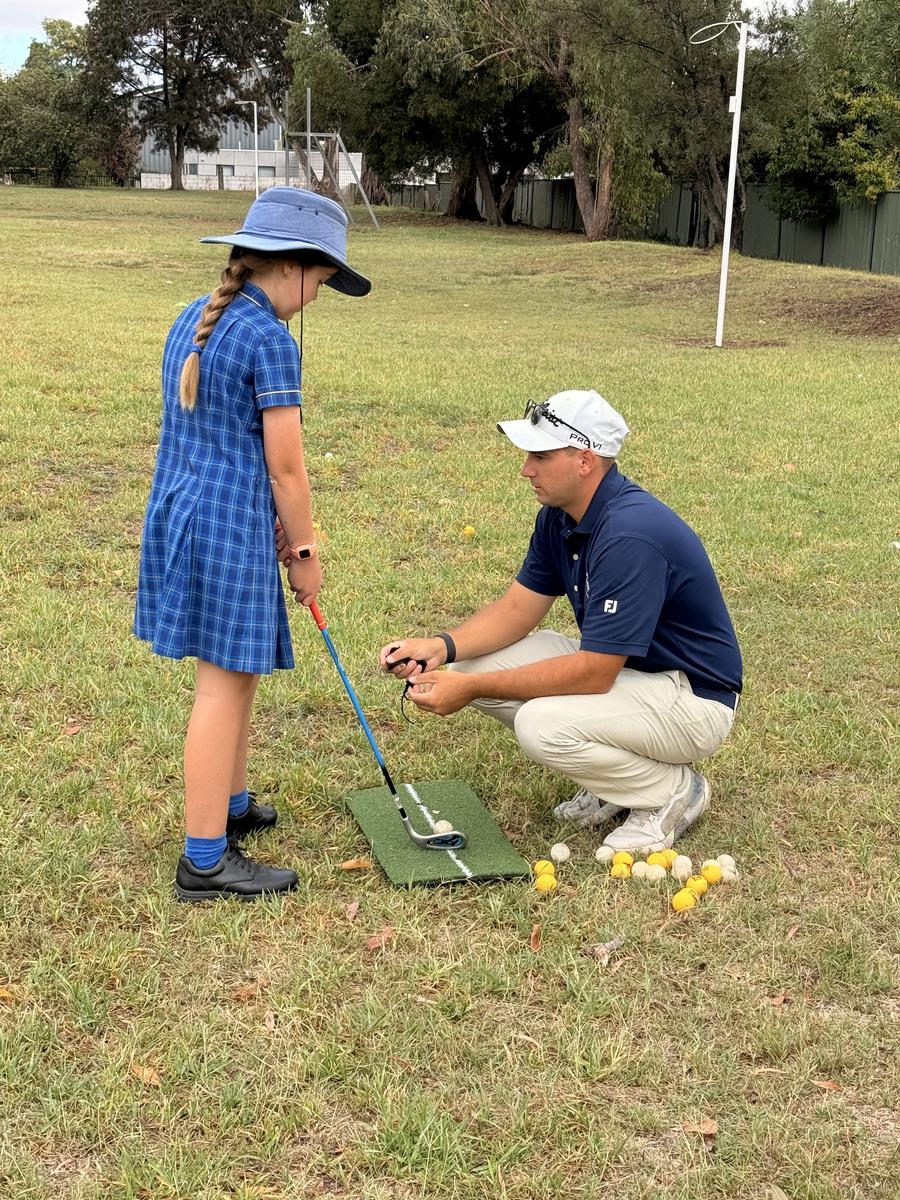
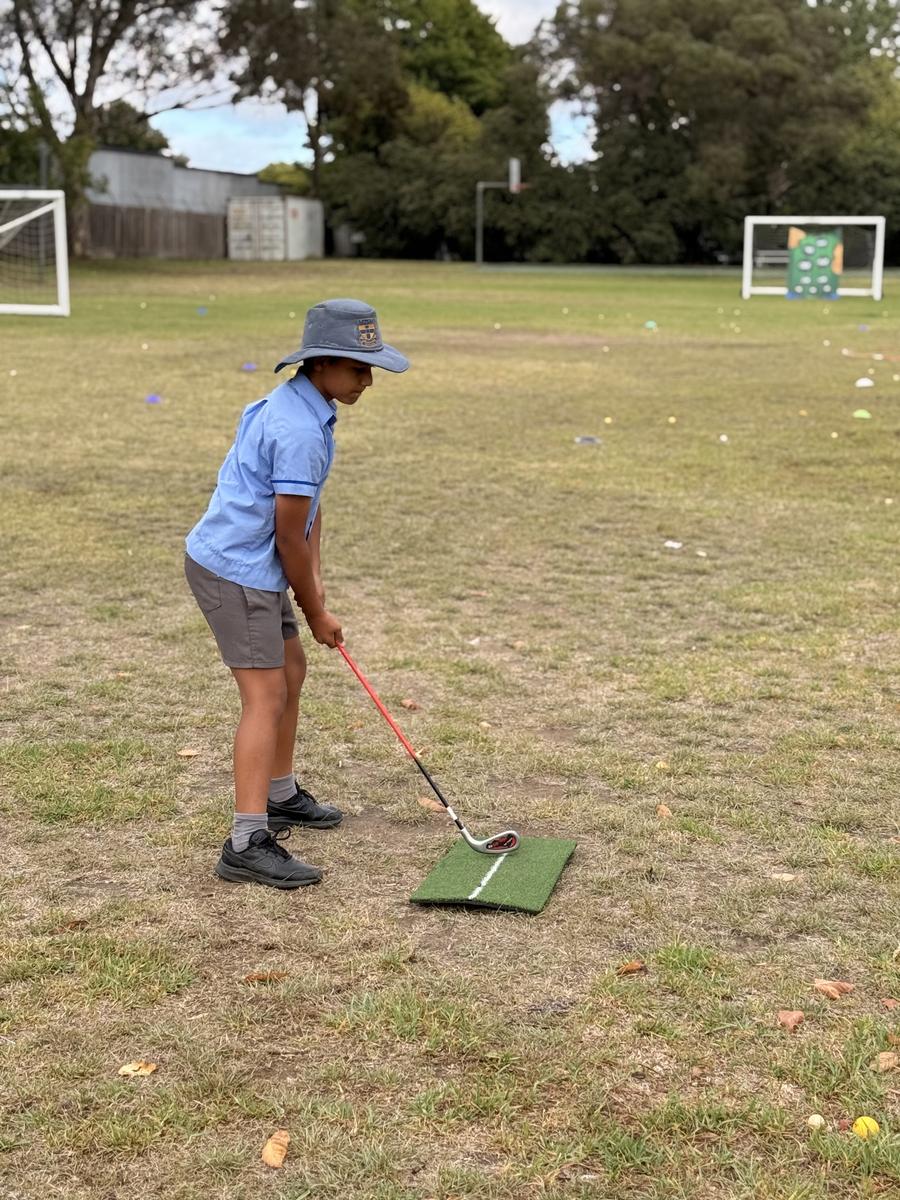
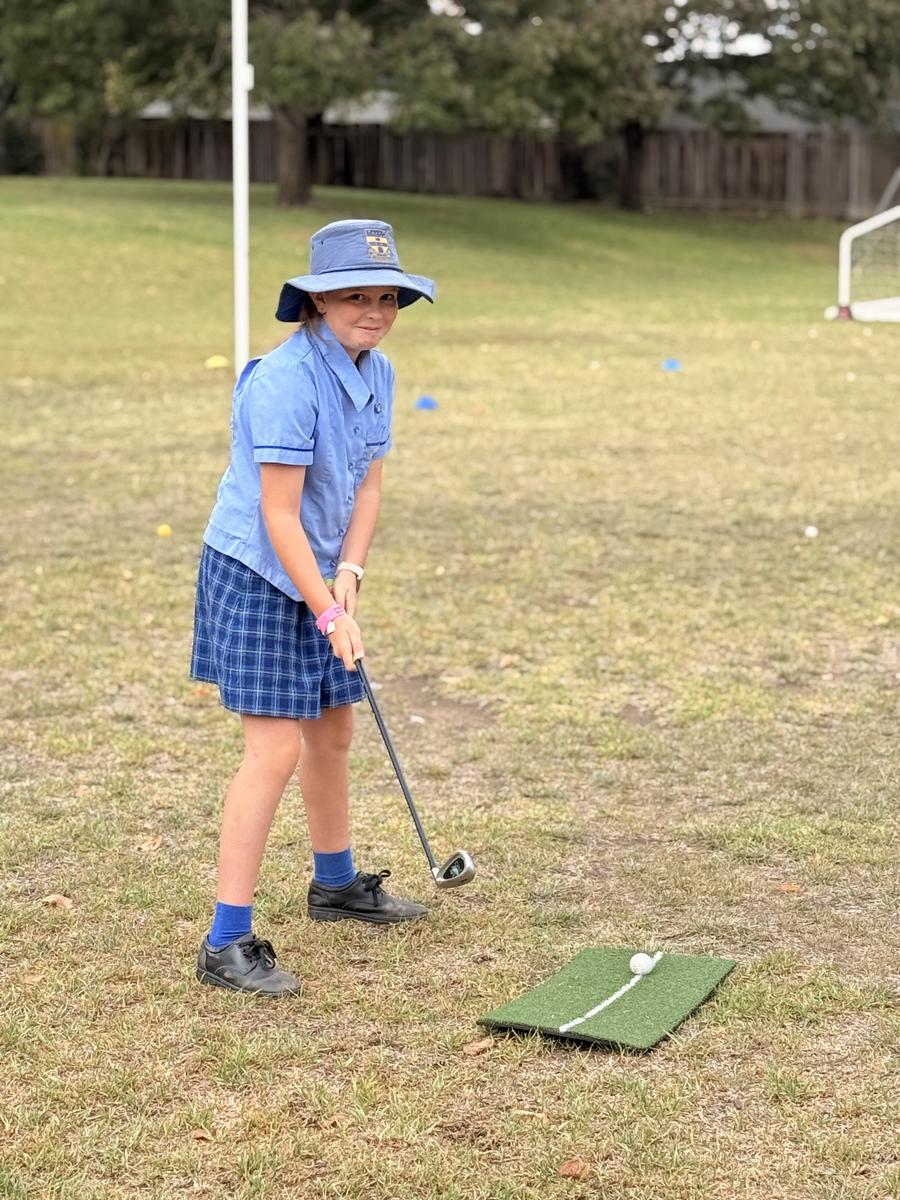
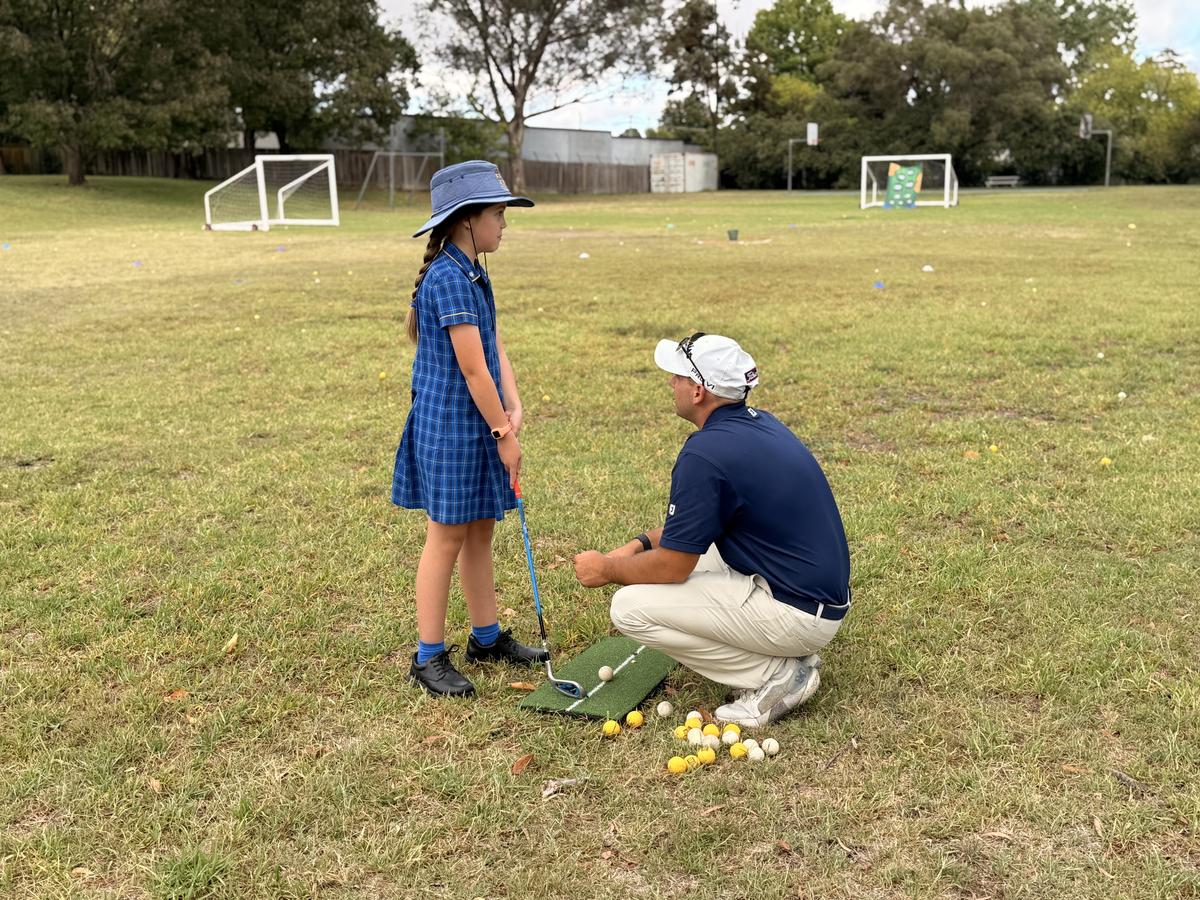
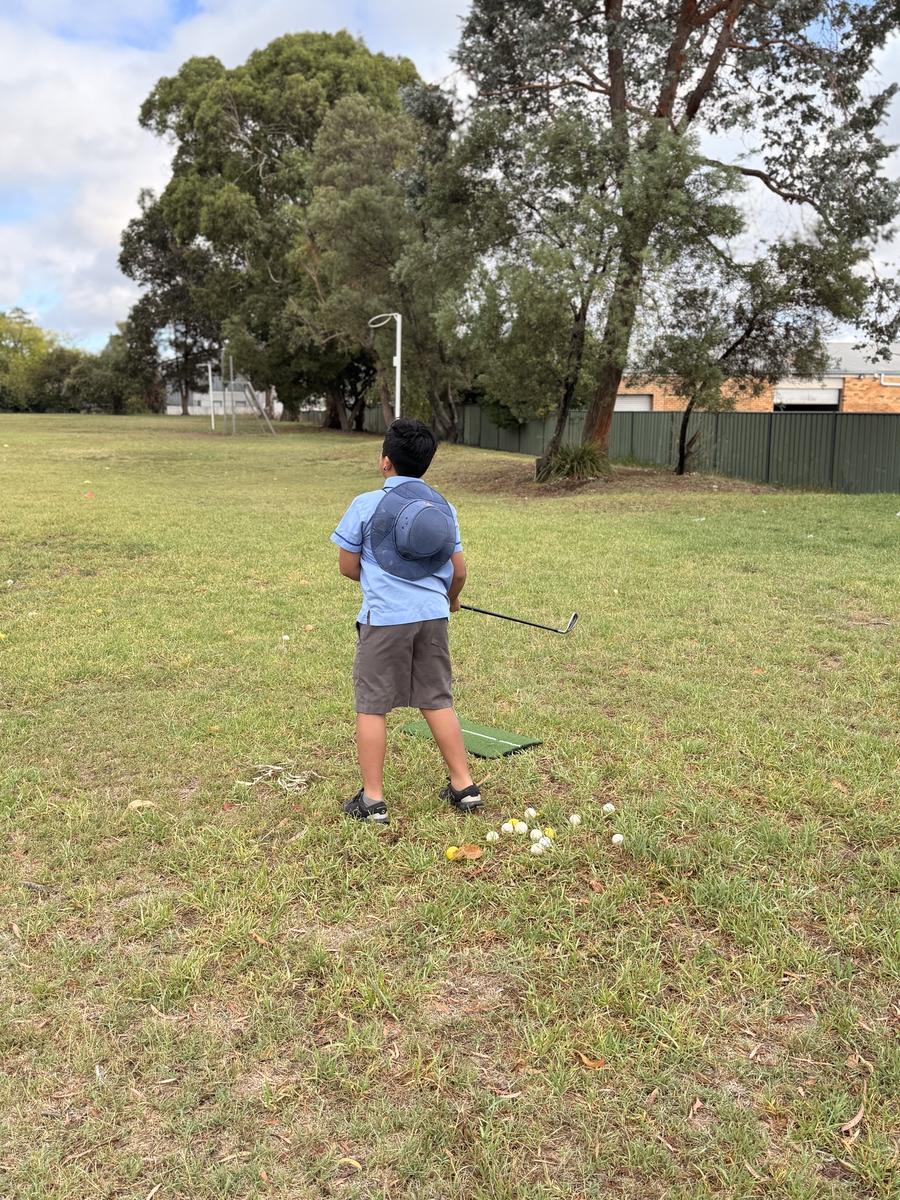
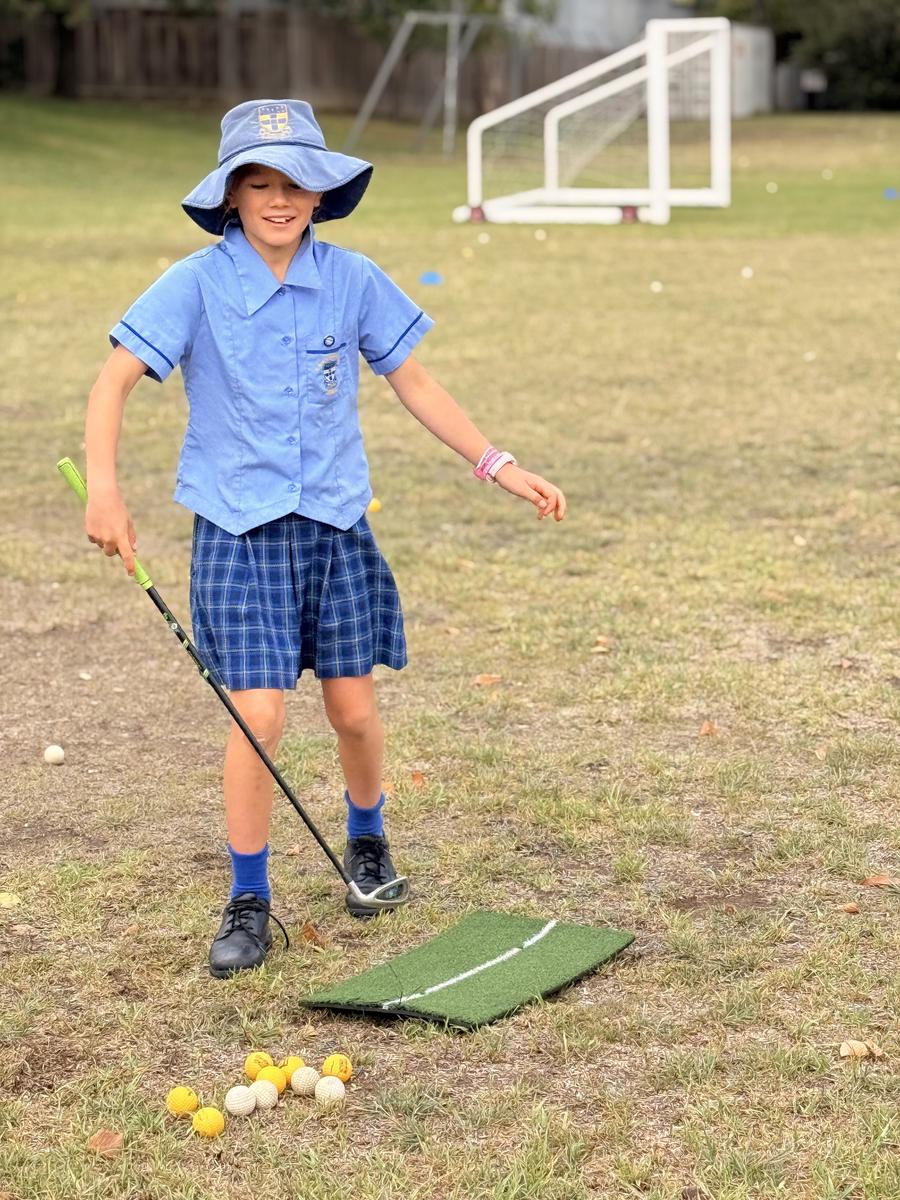
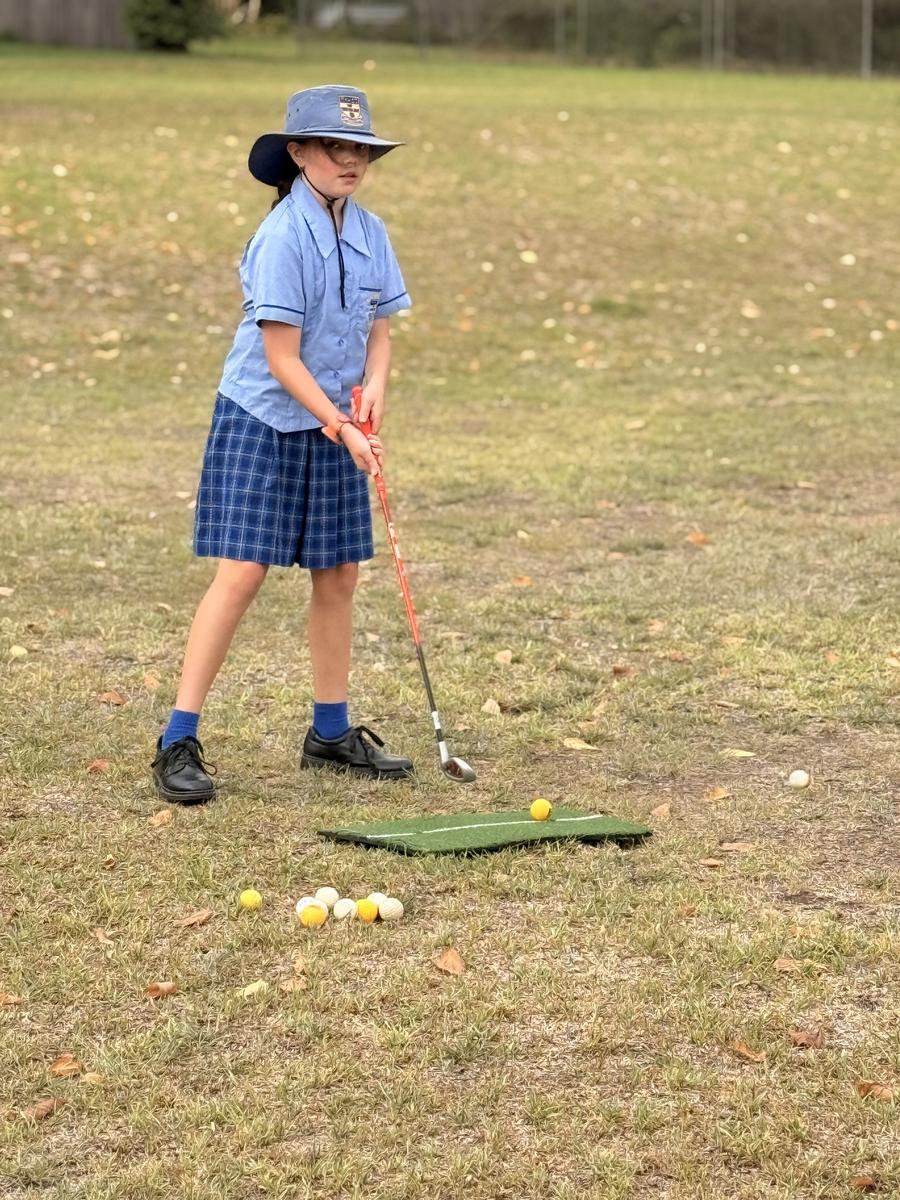
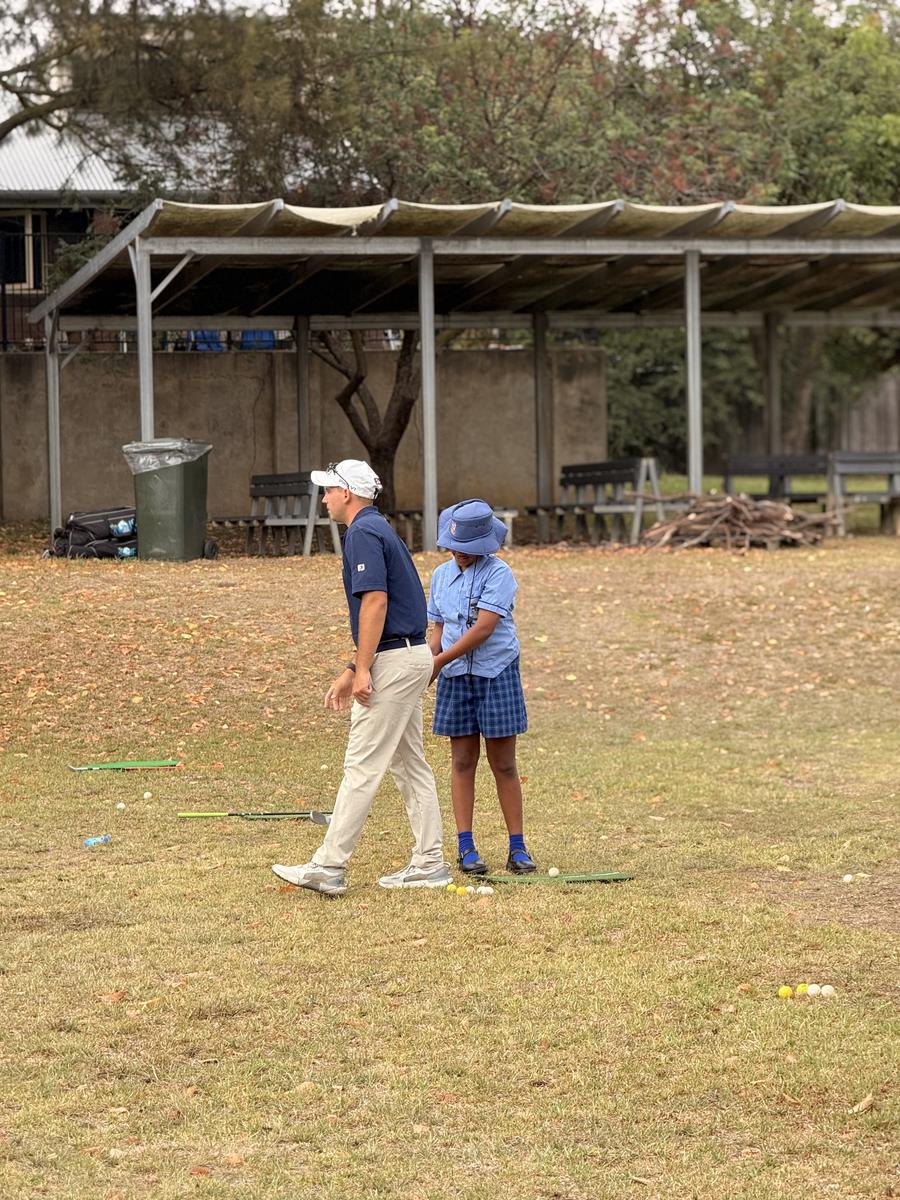
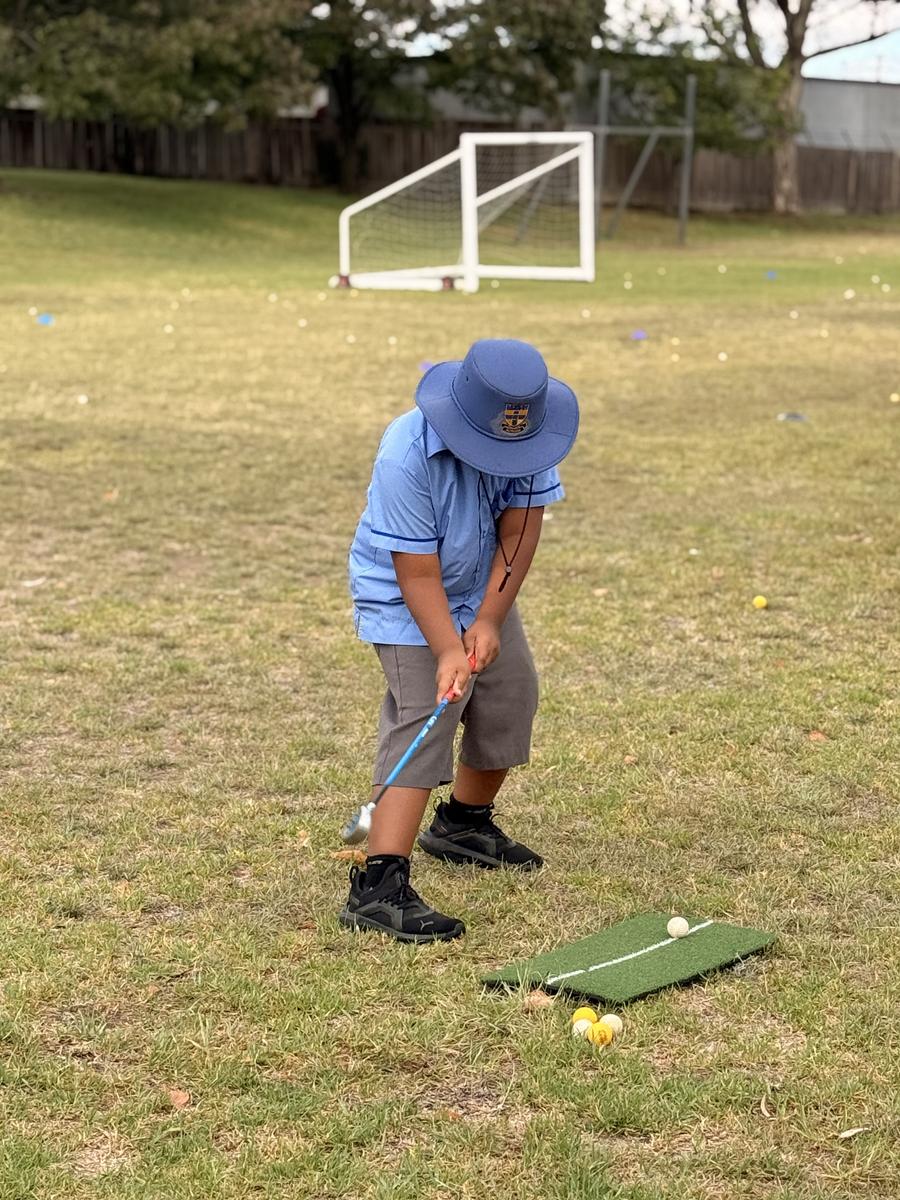
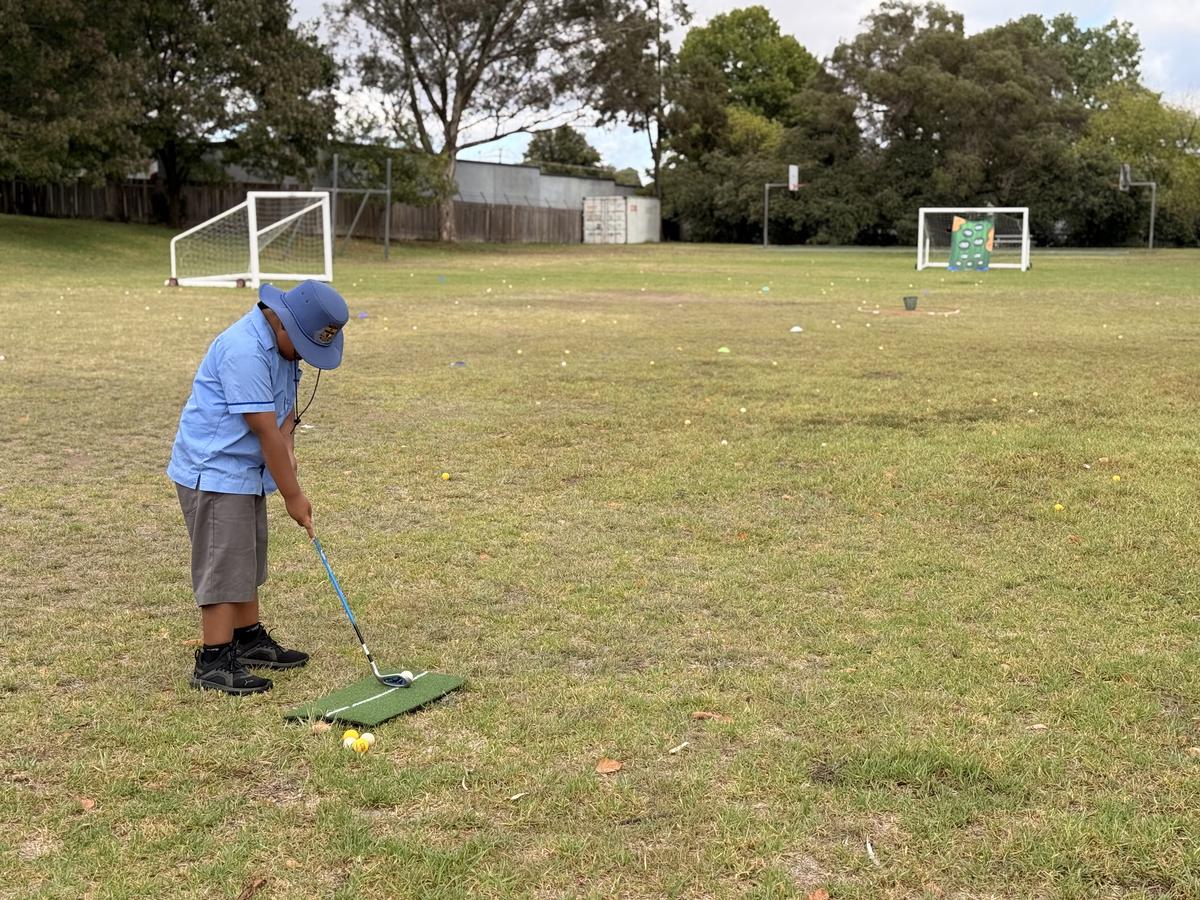
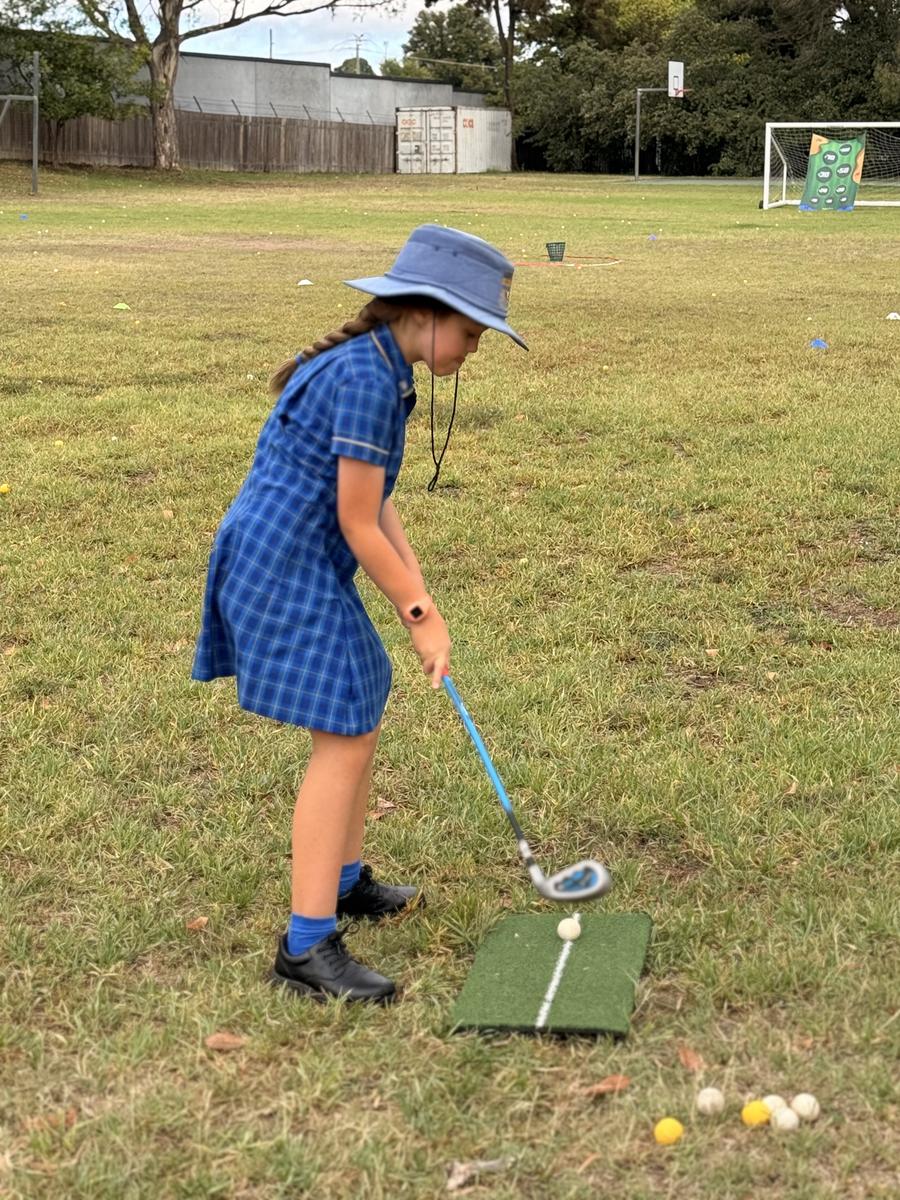
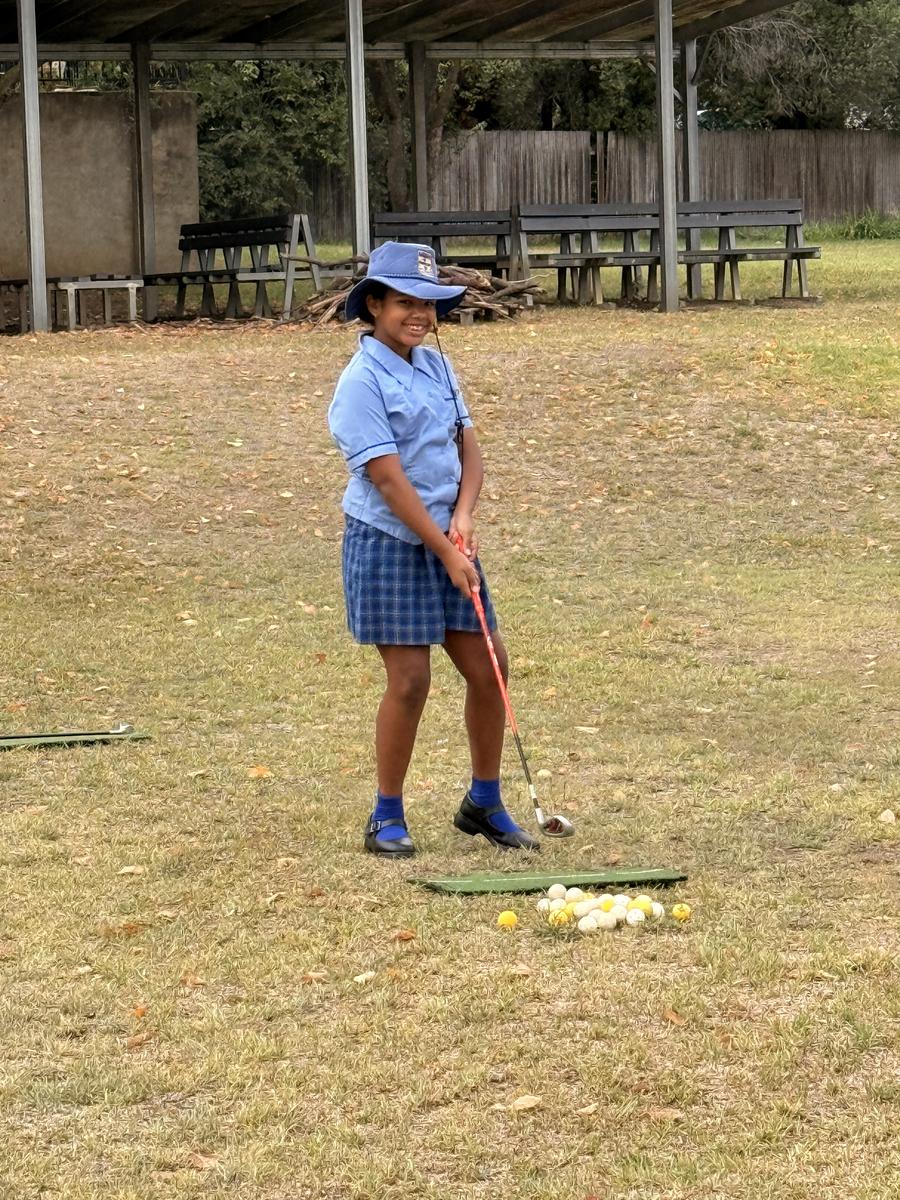
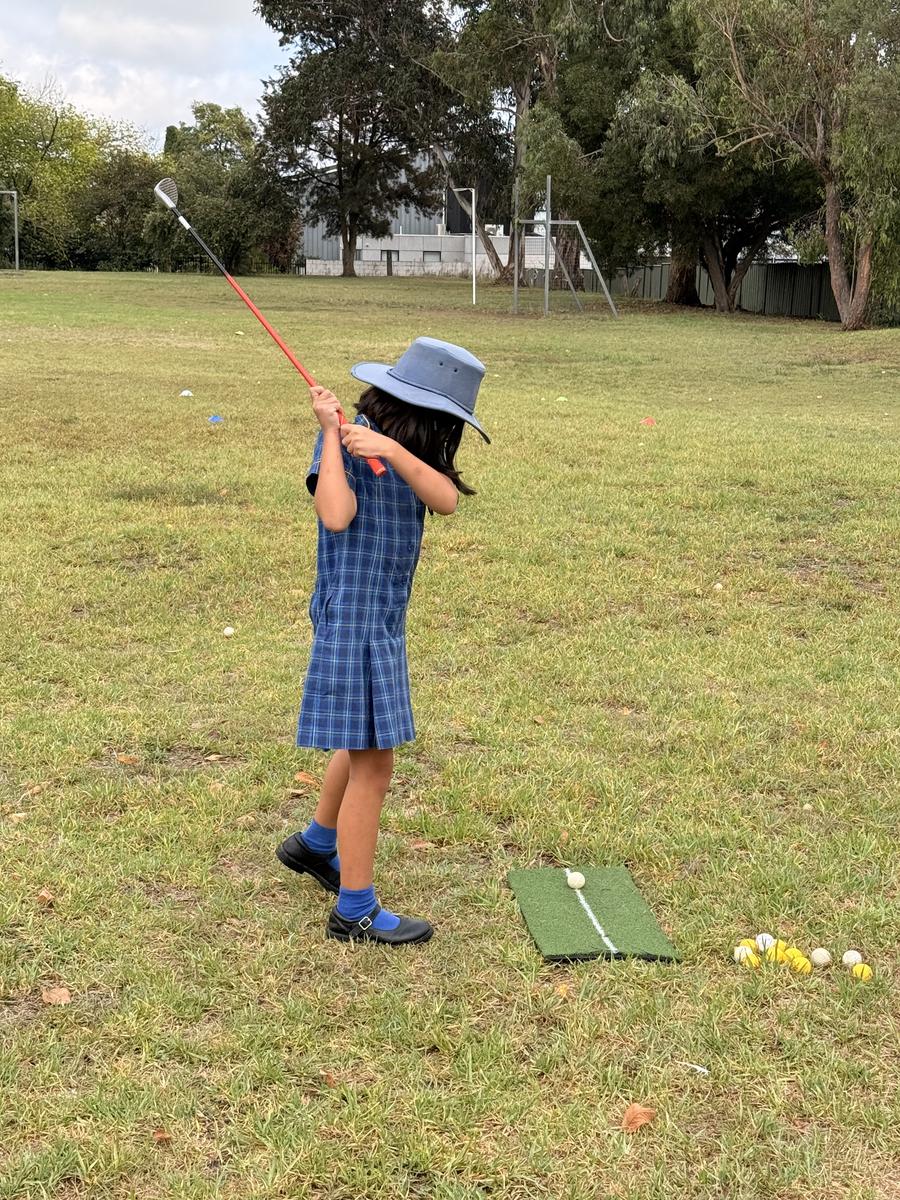
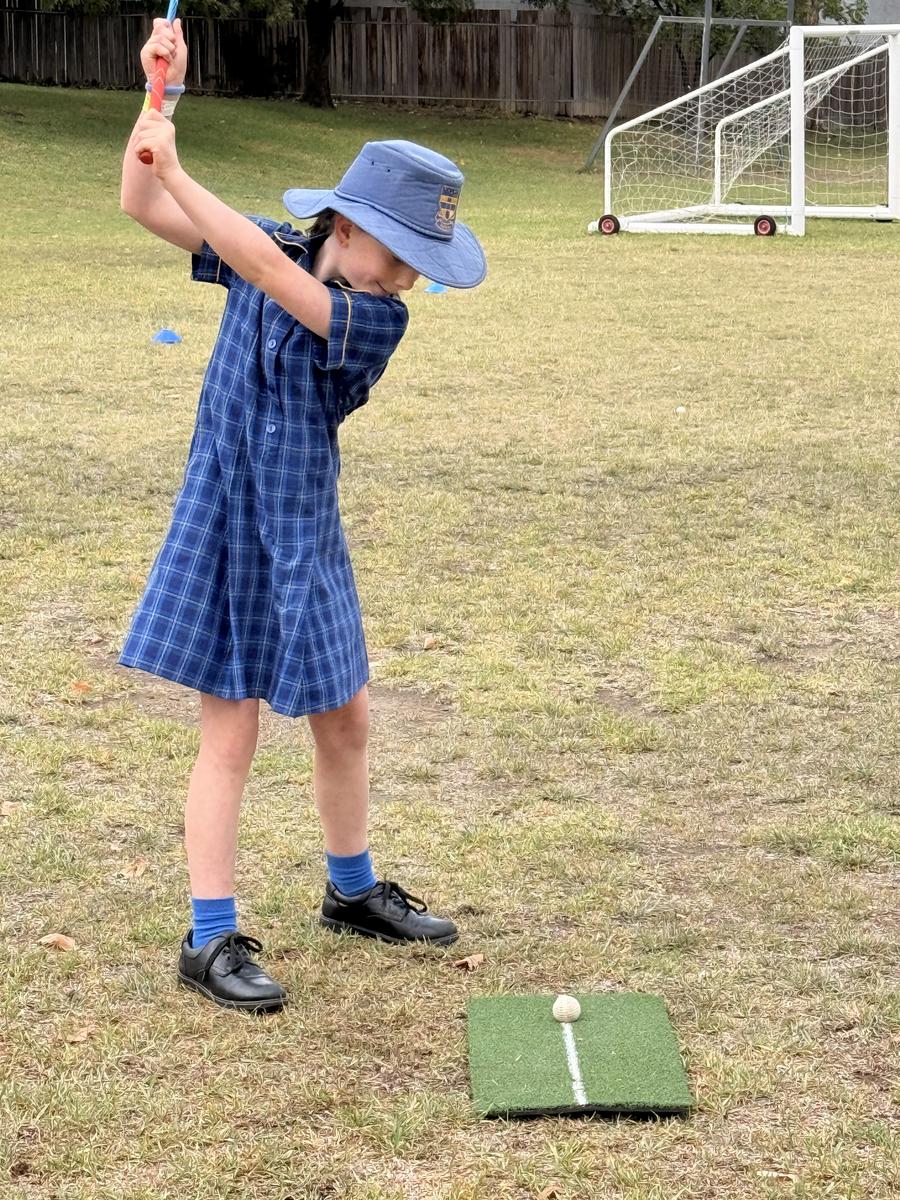
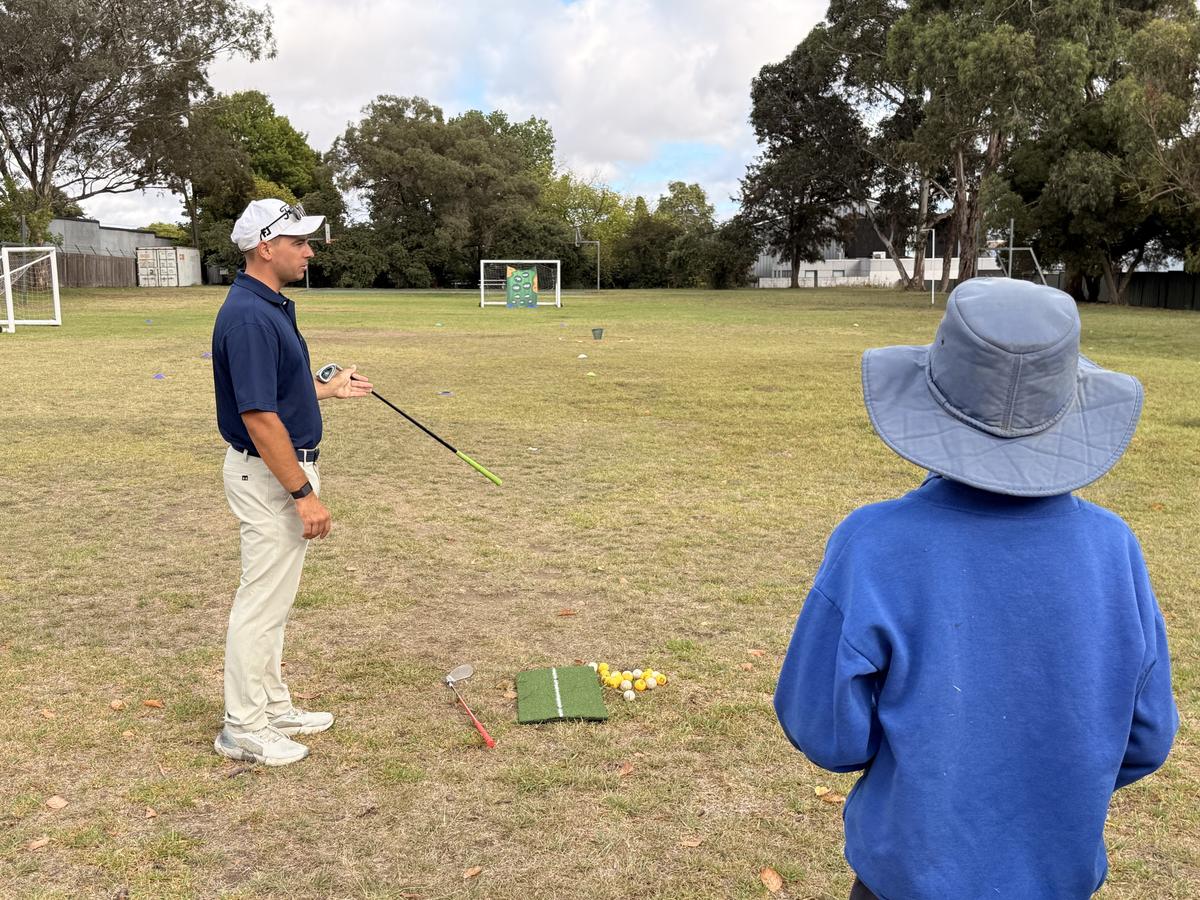
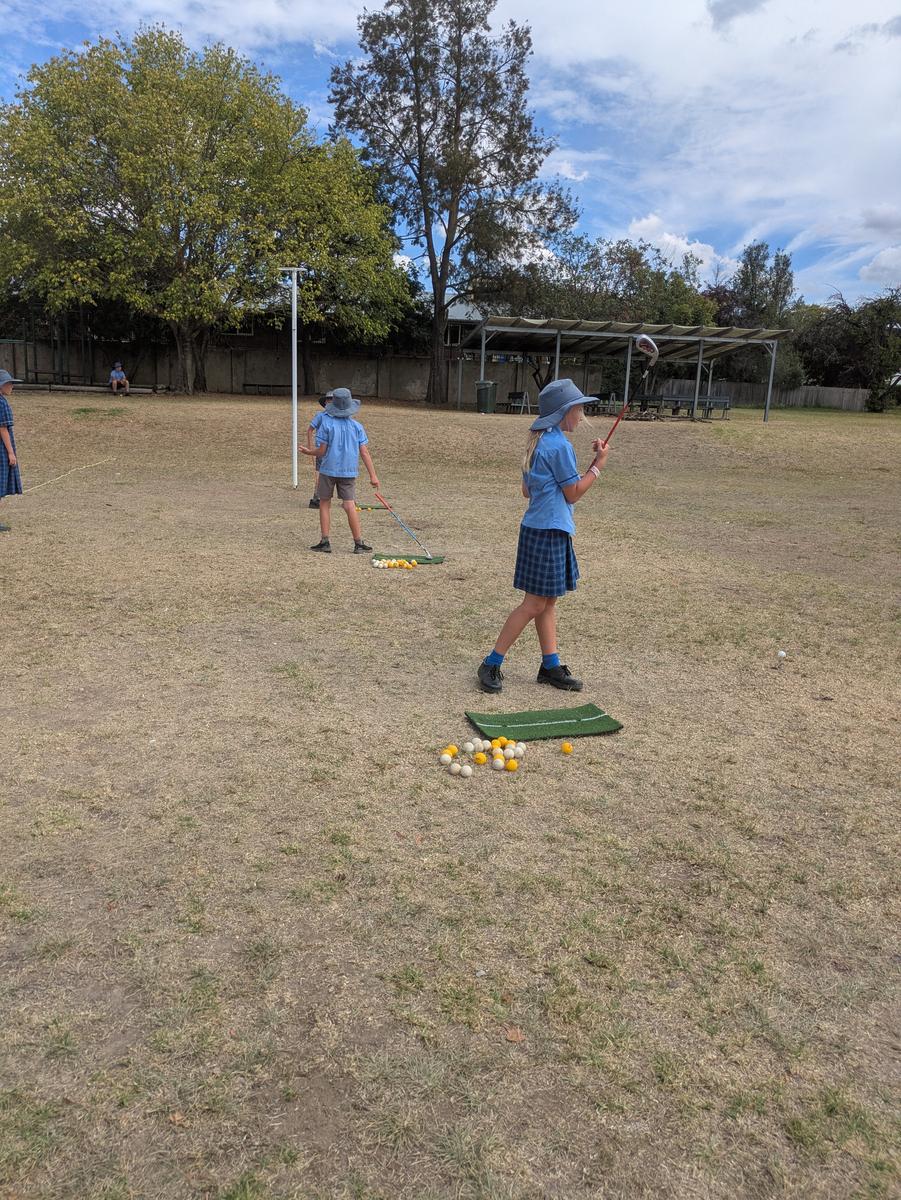
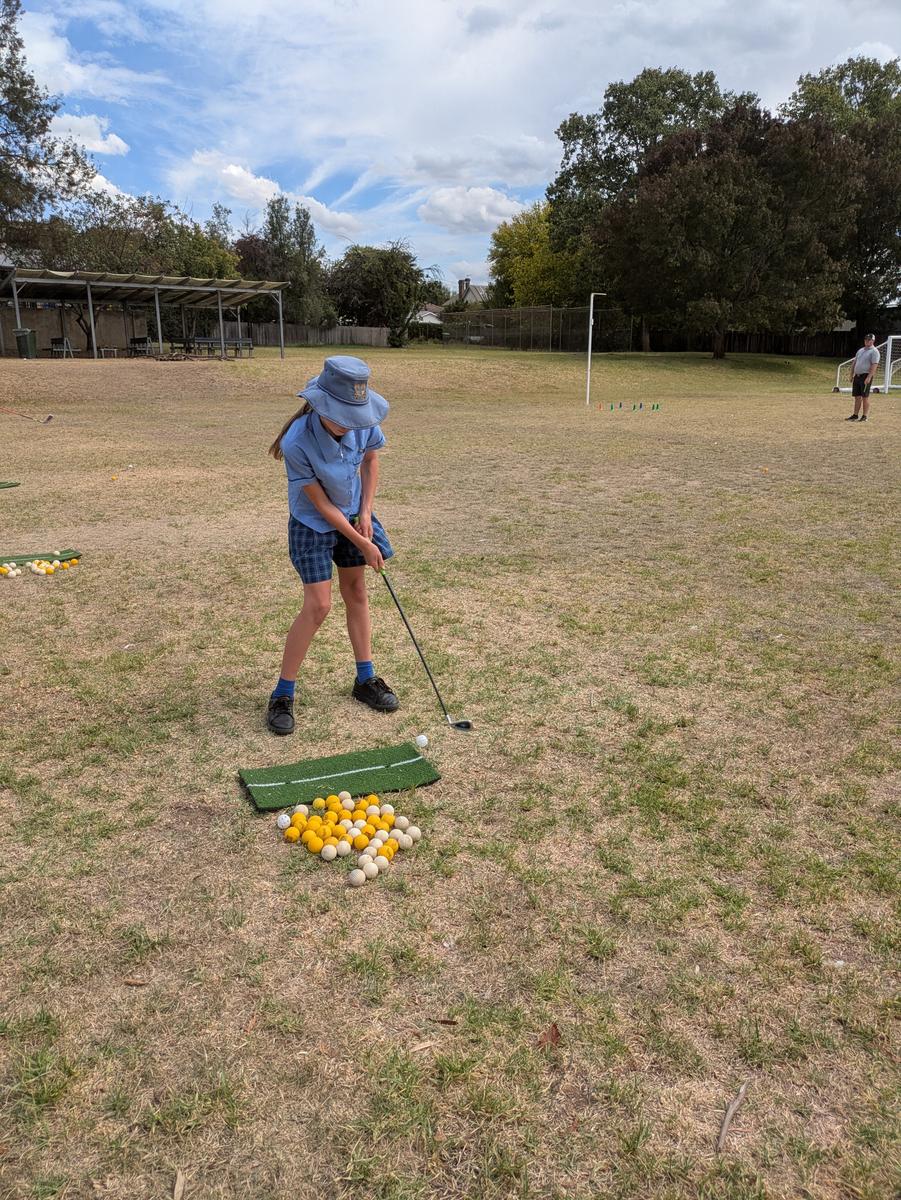
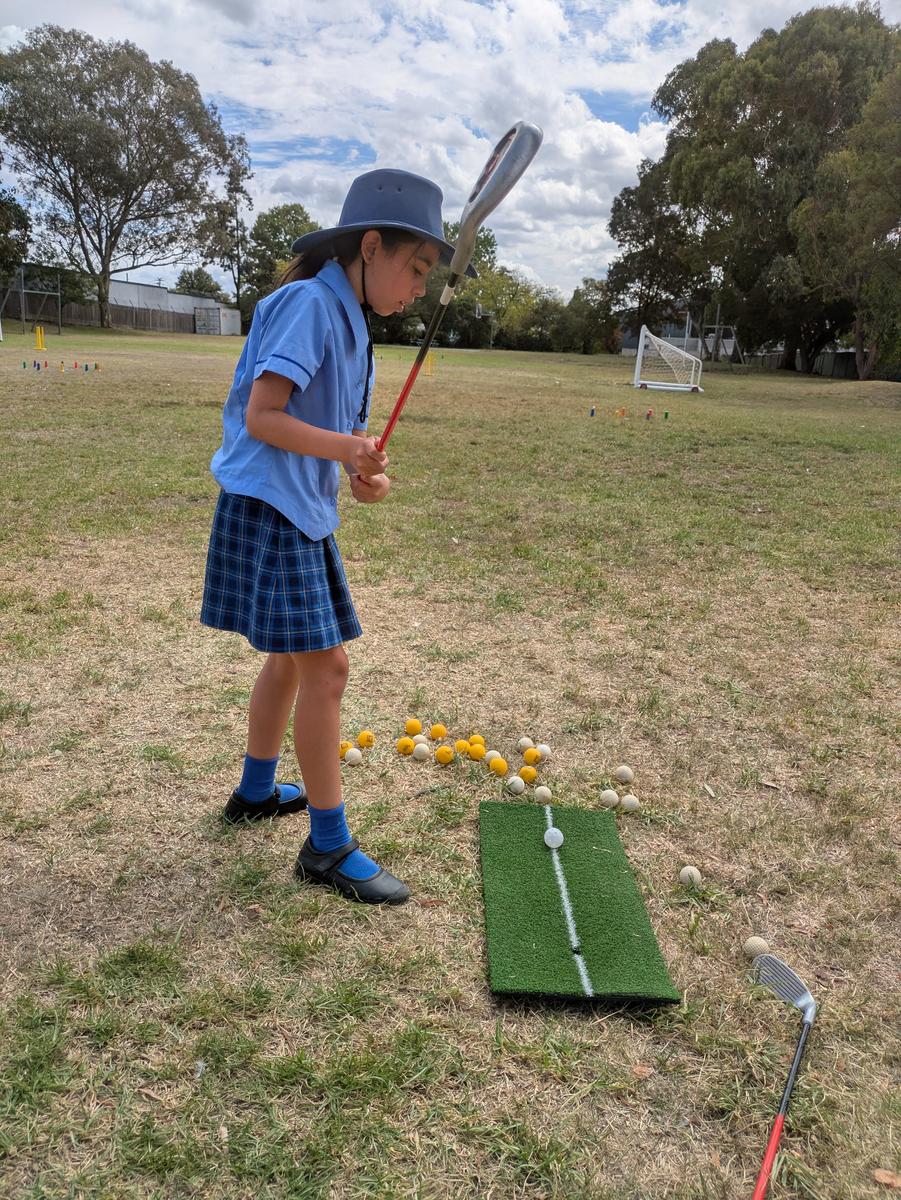
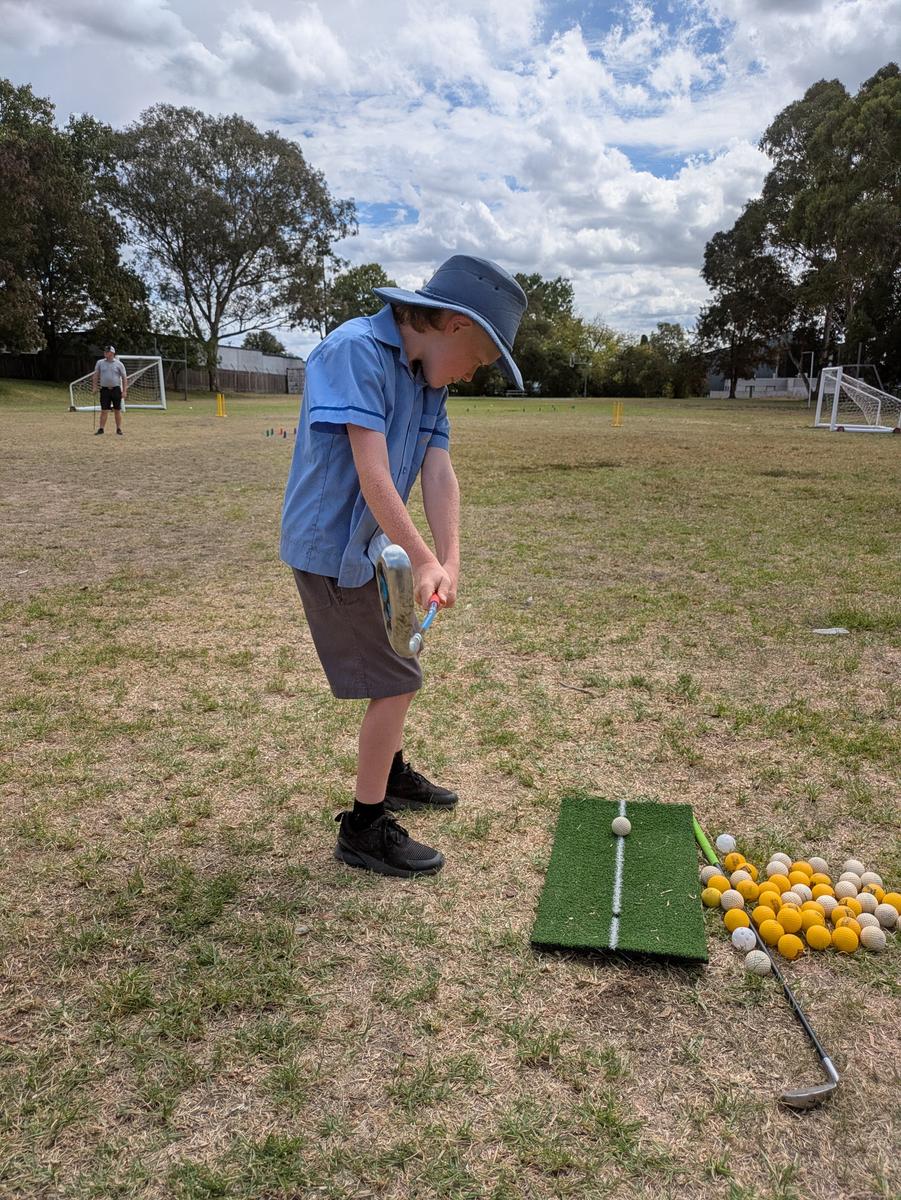
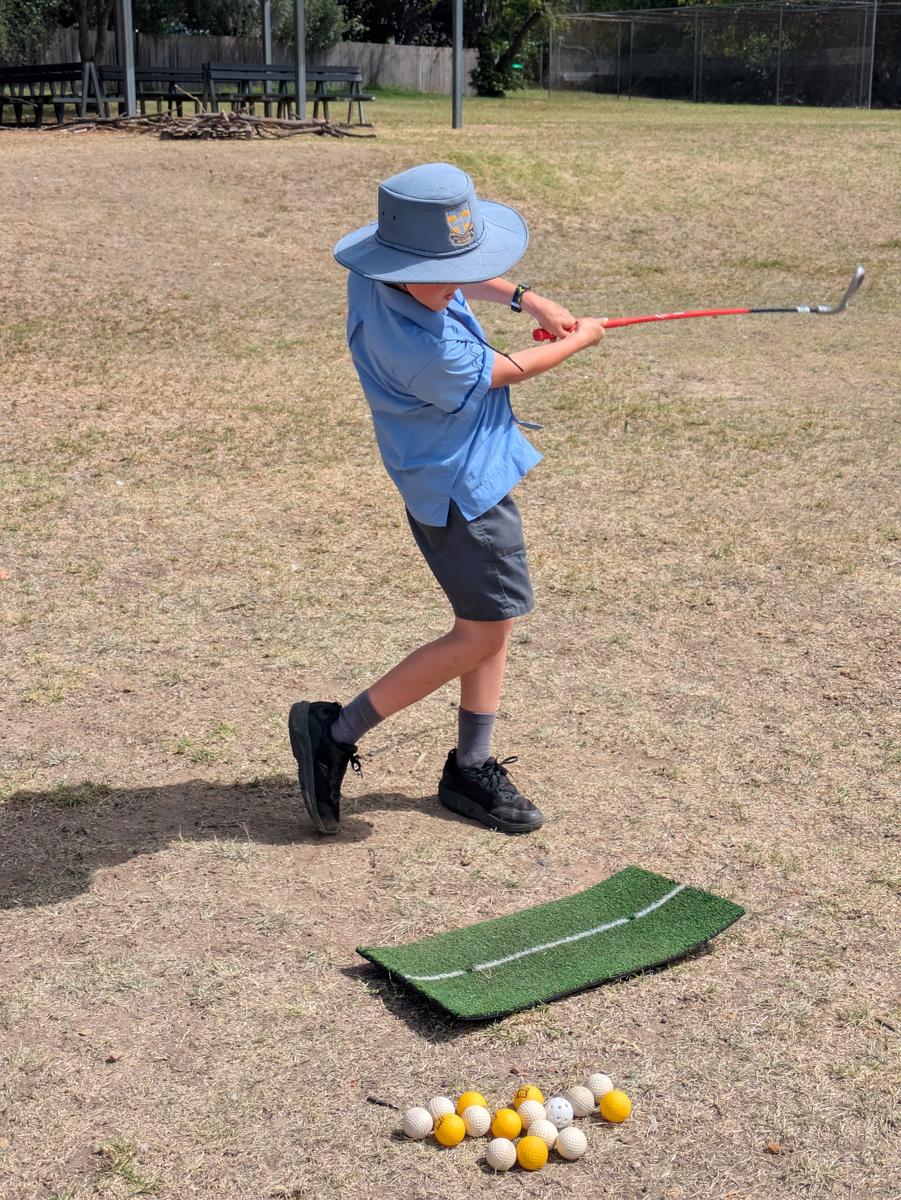
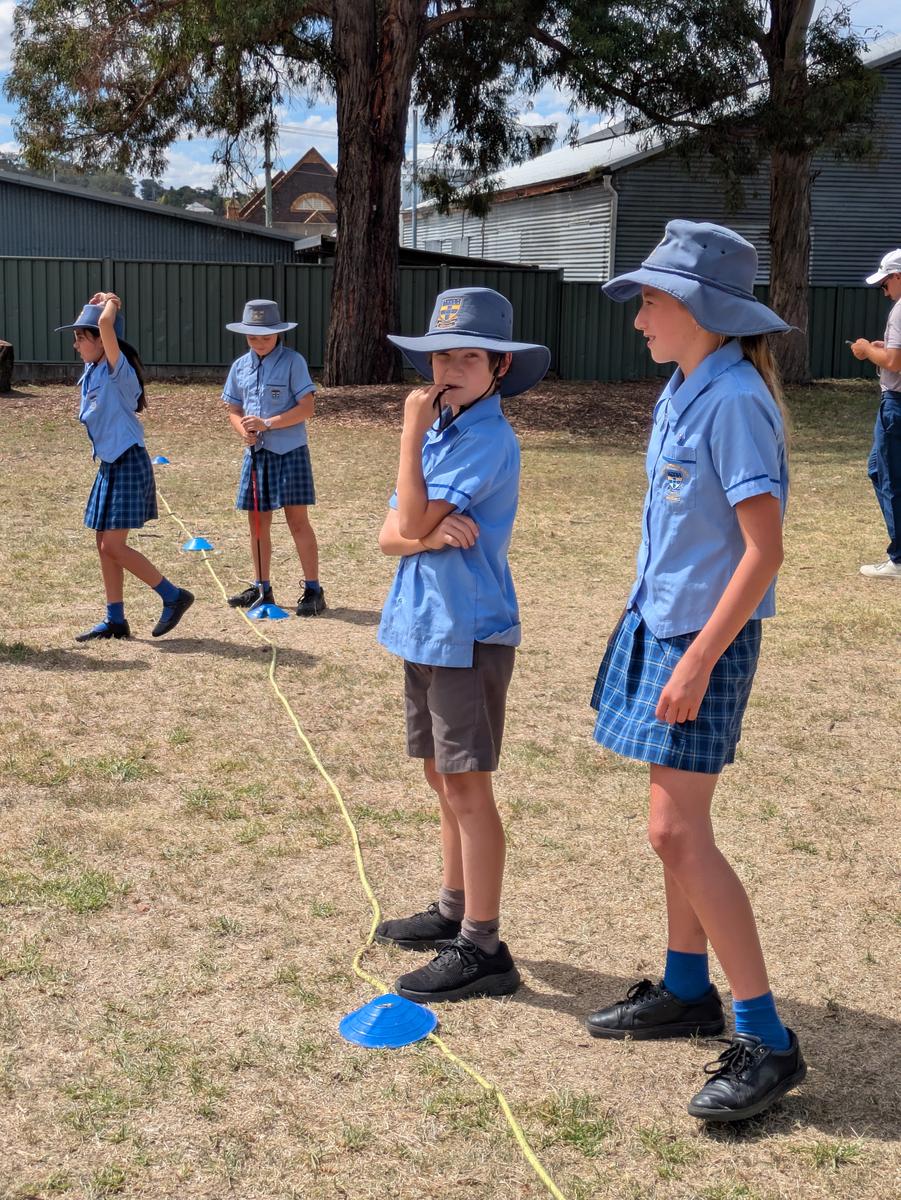
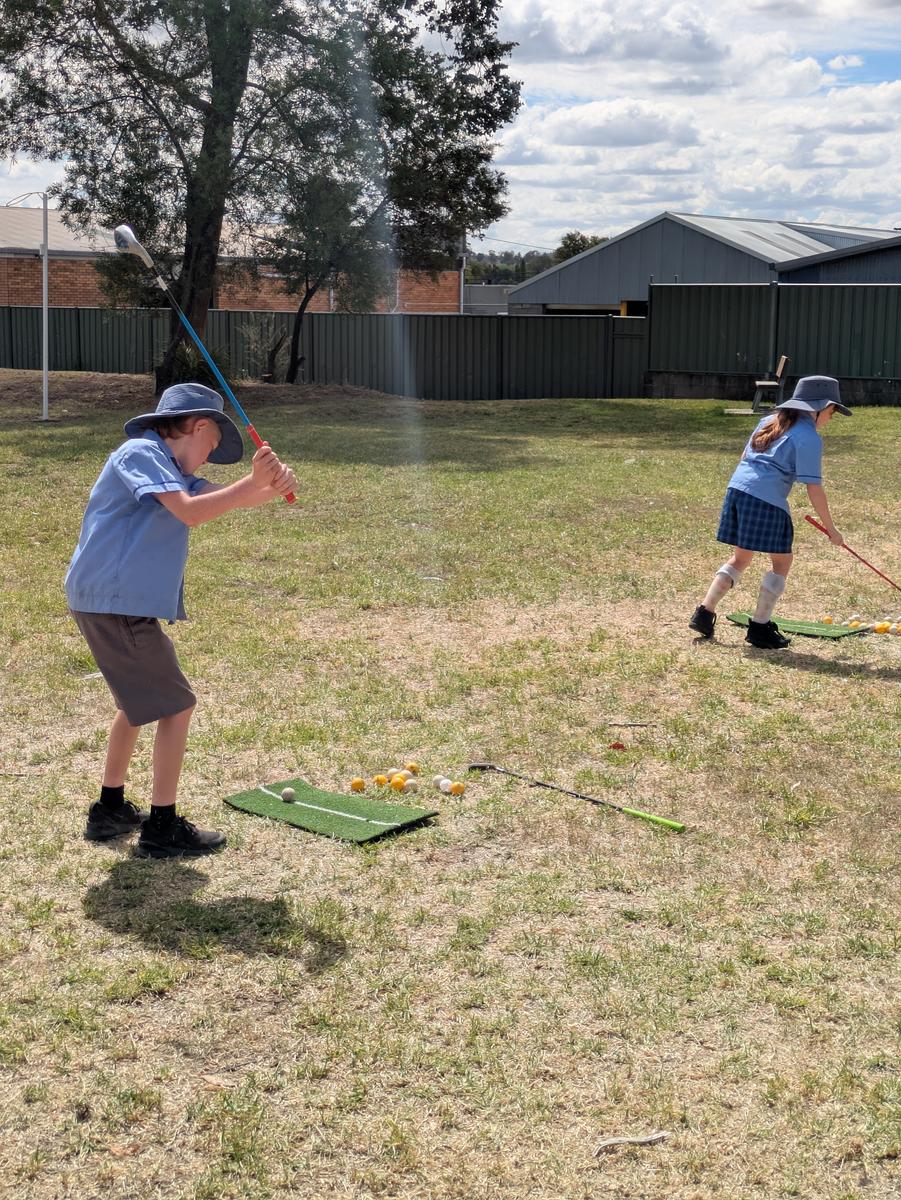
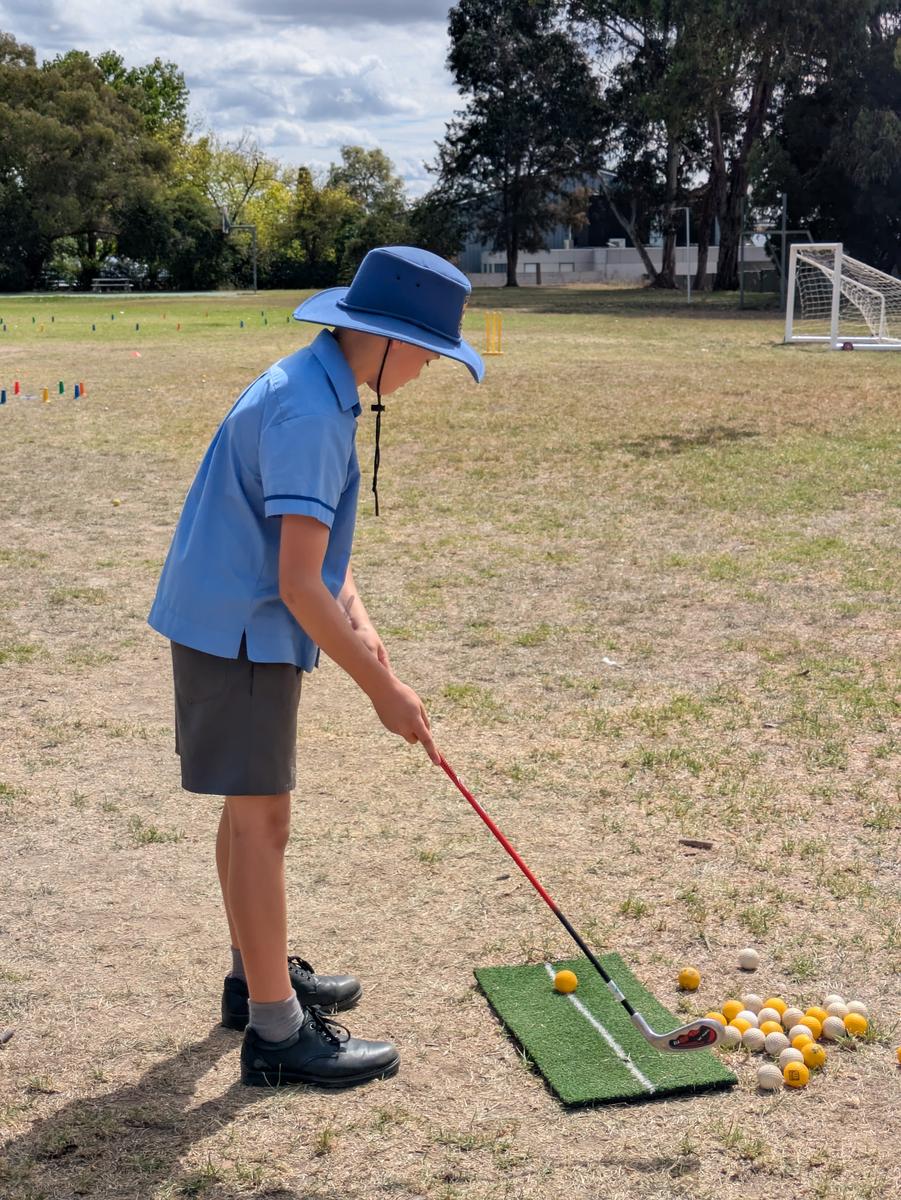
Golf Clinics
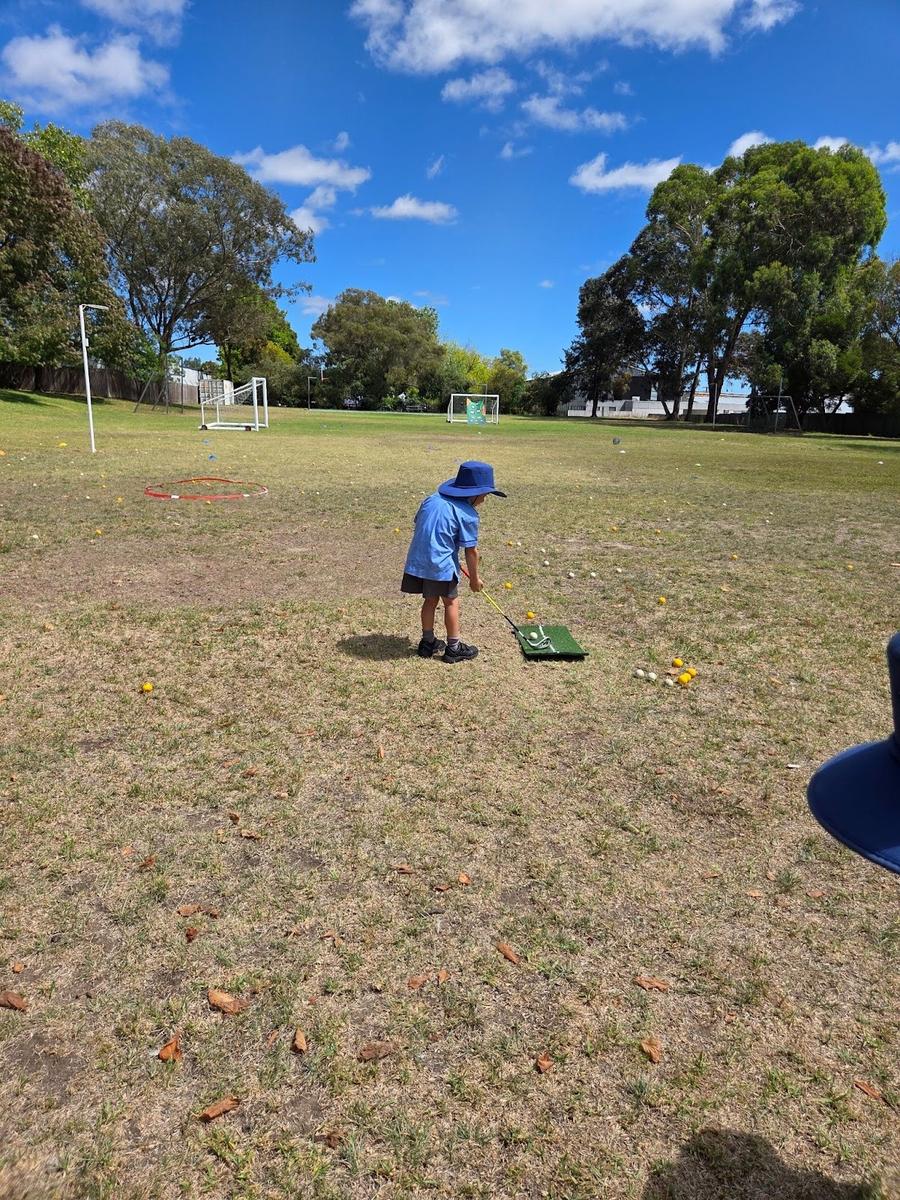
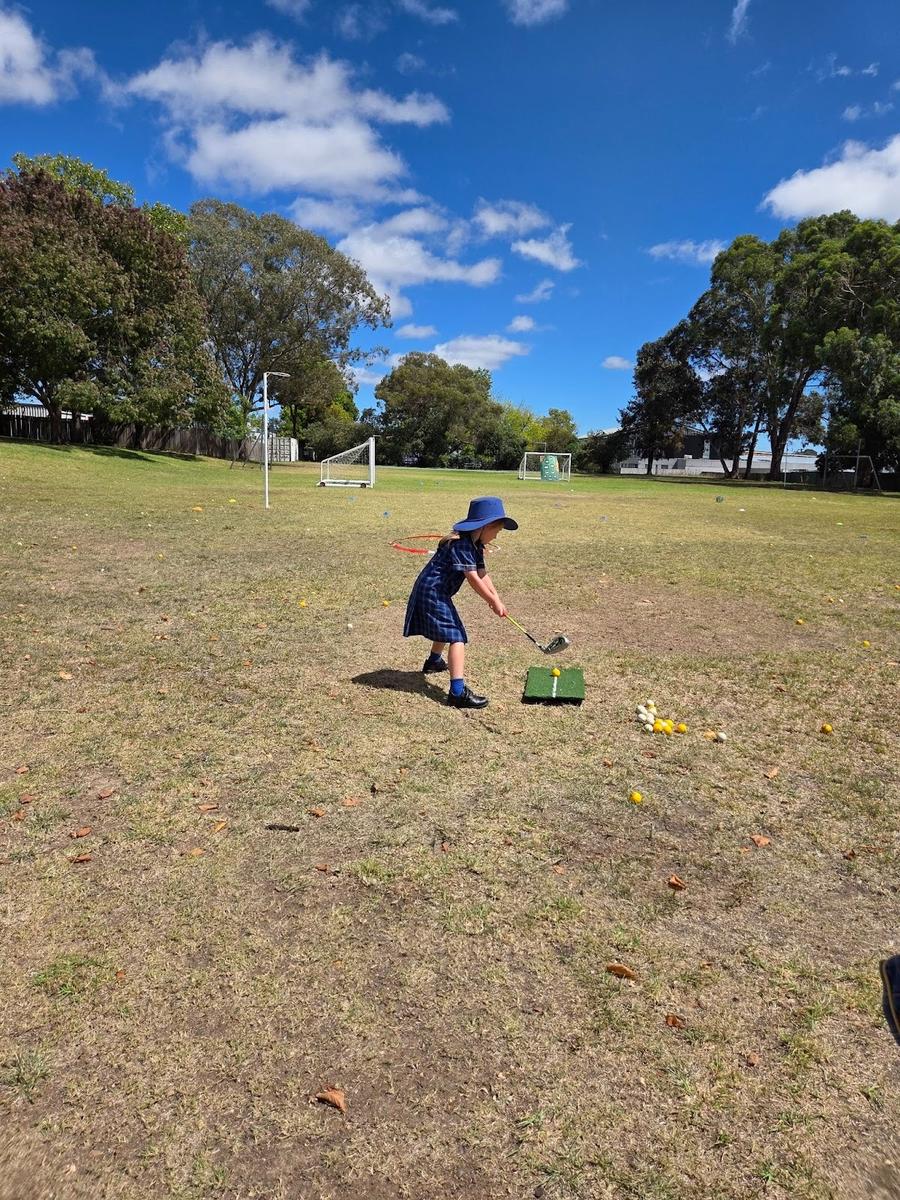
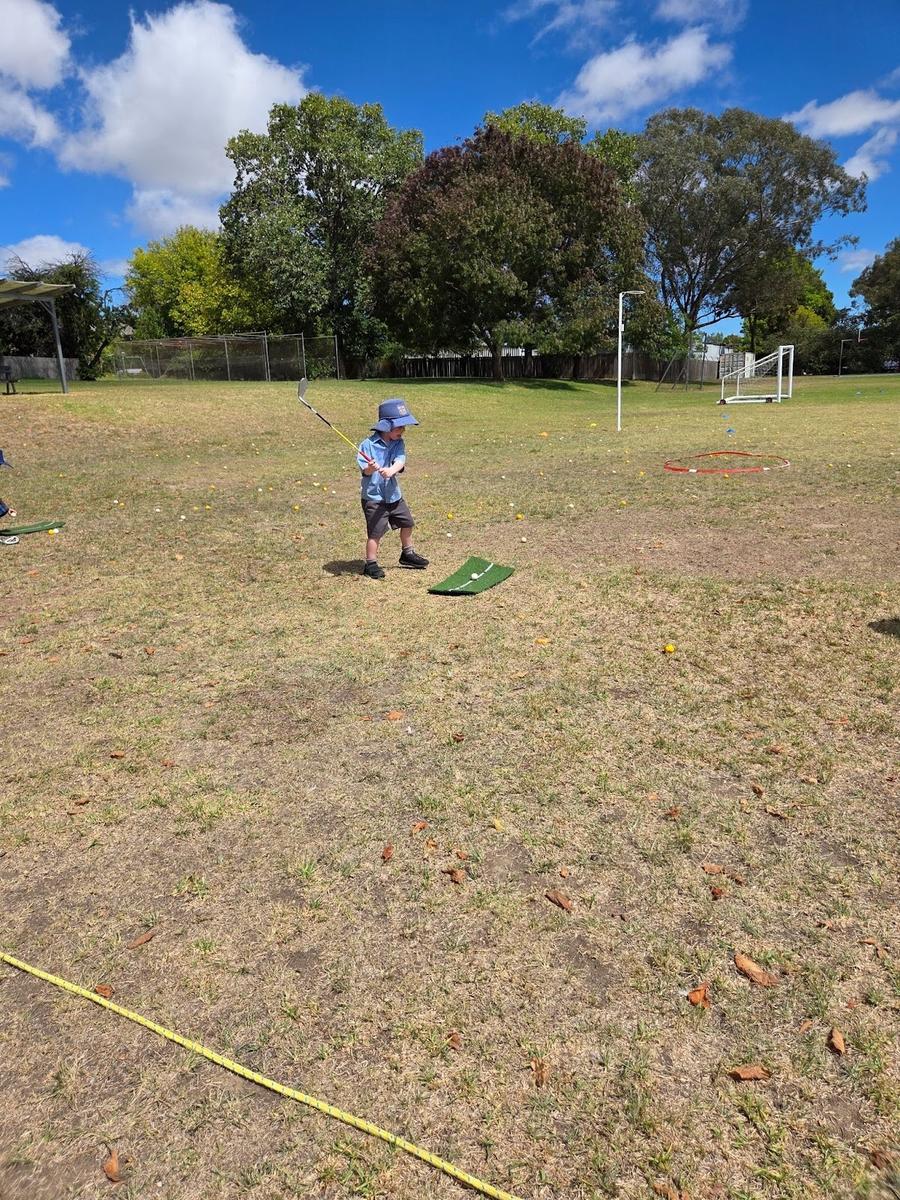
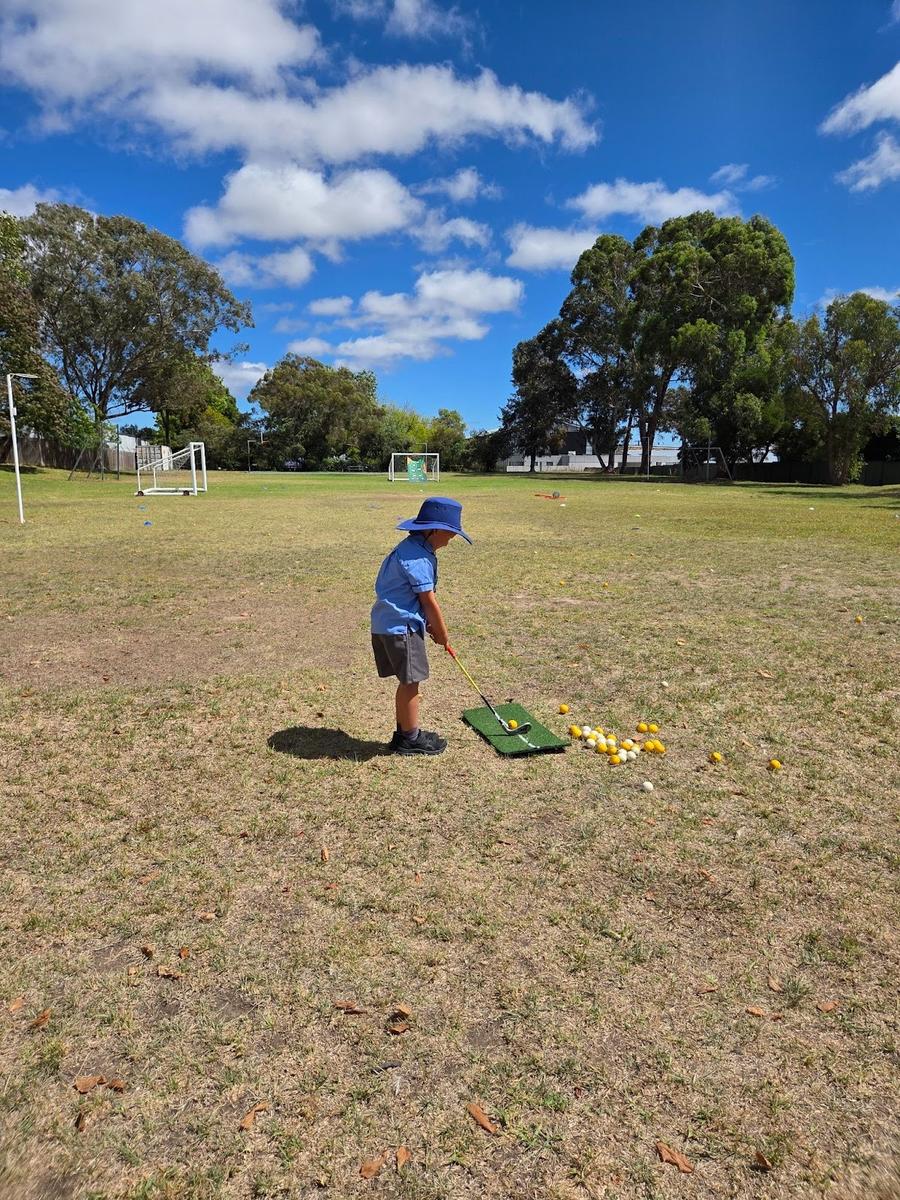
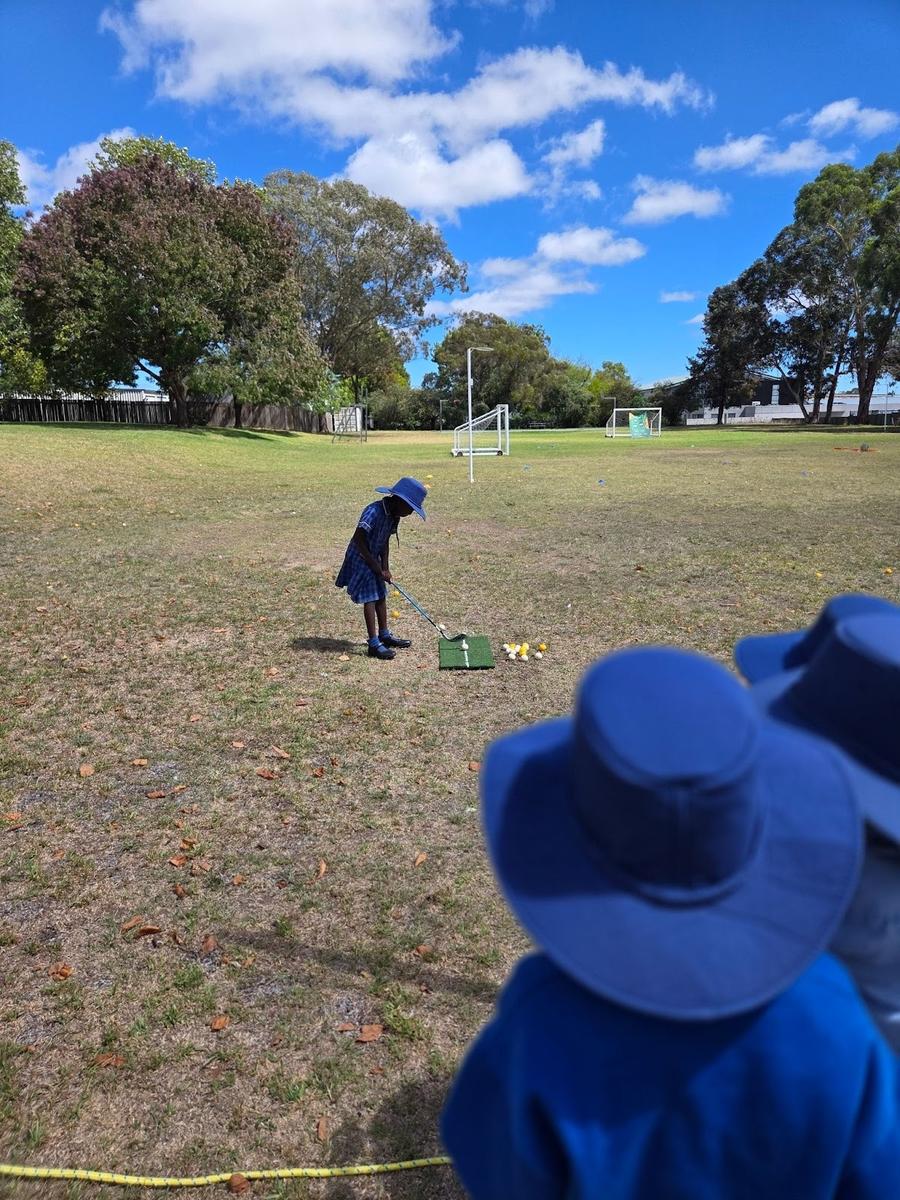
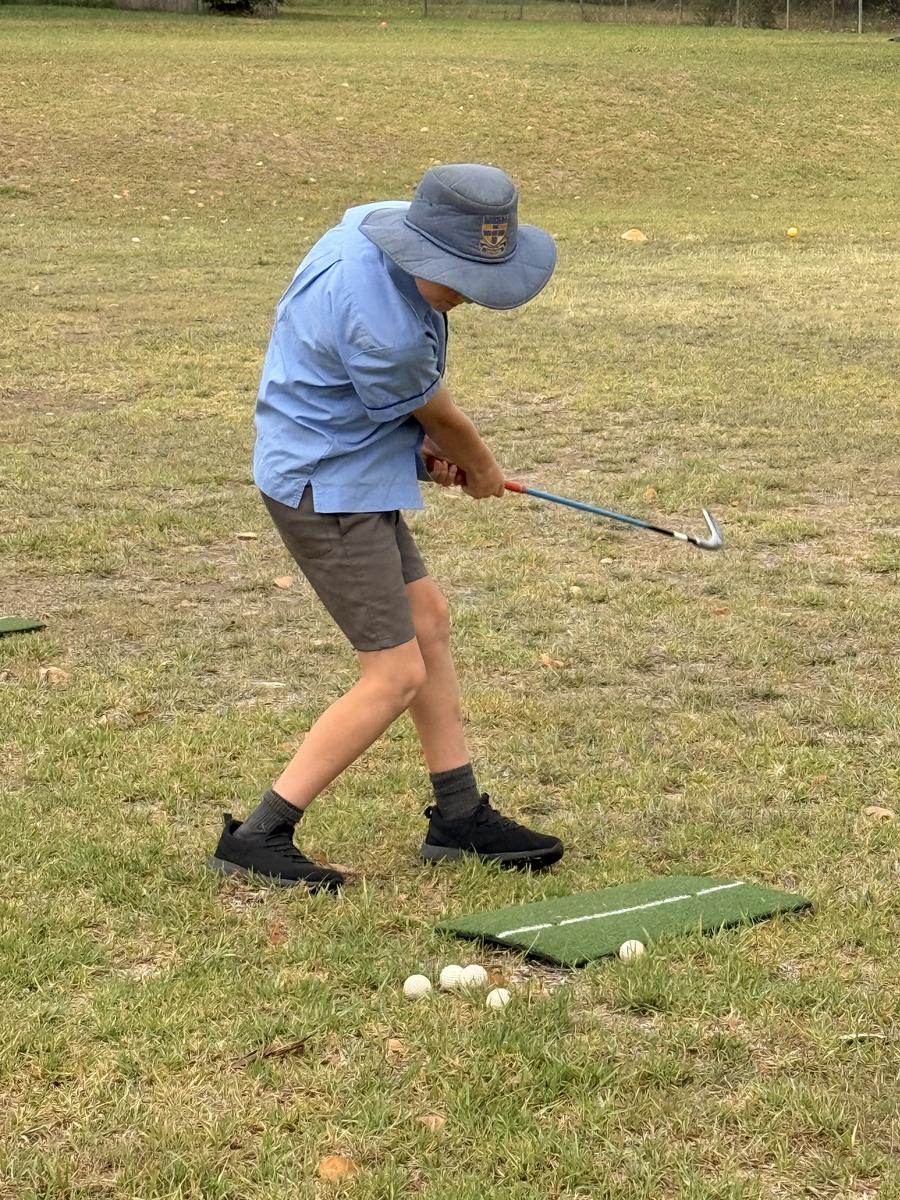
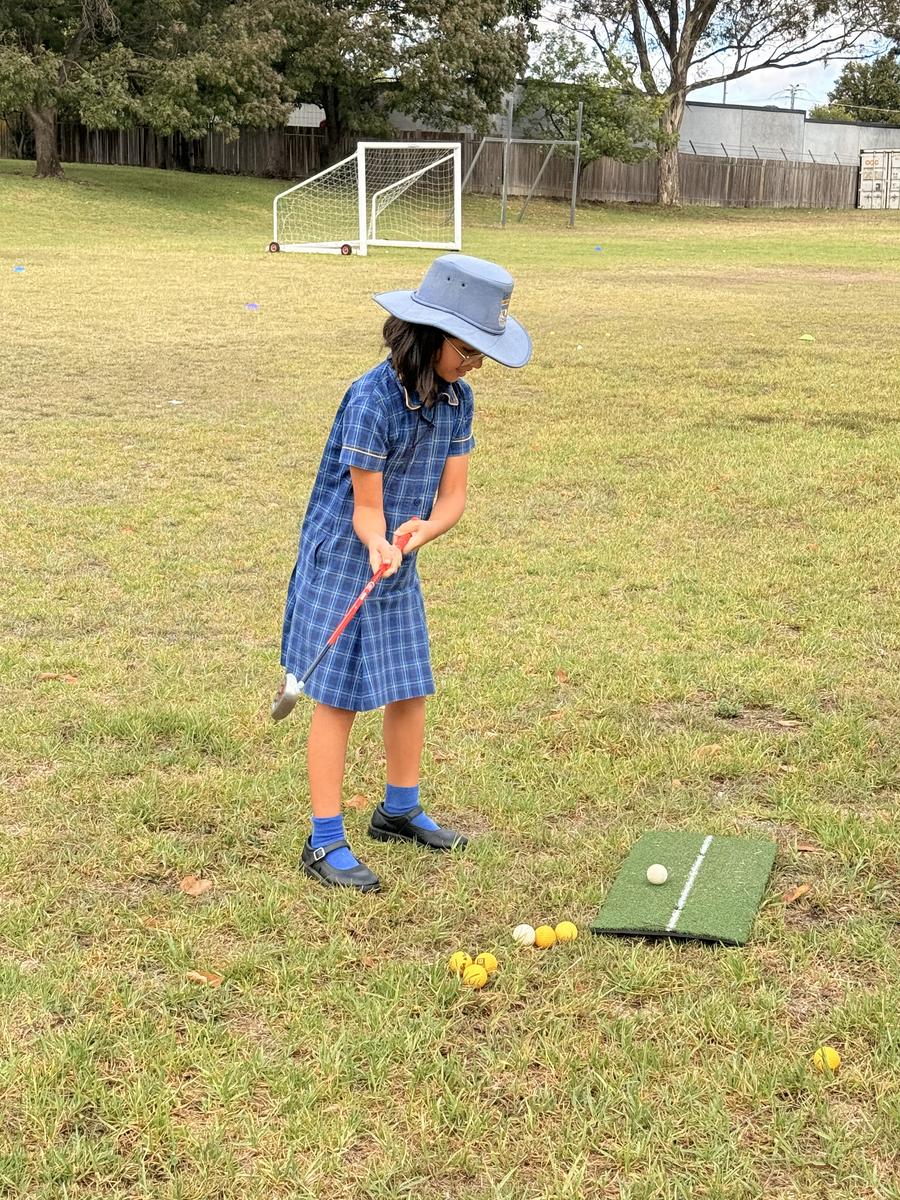
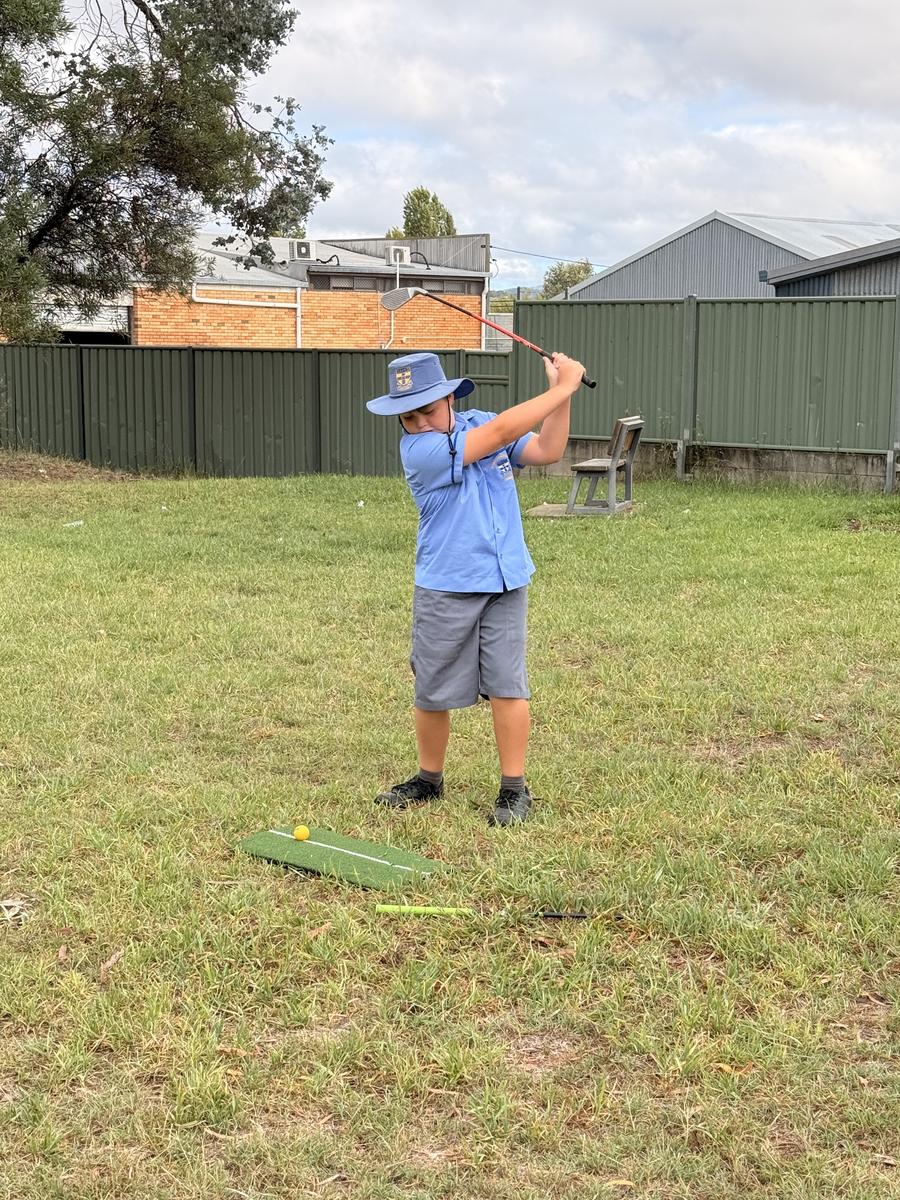
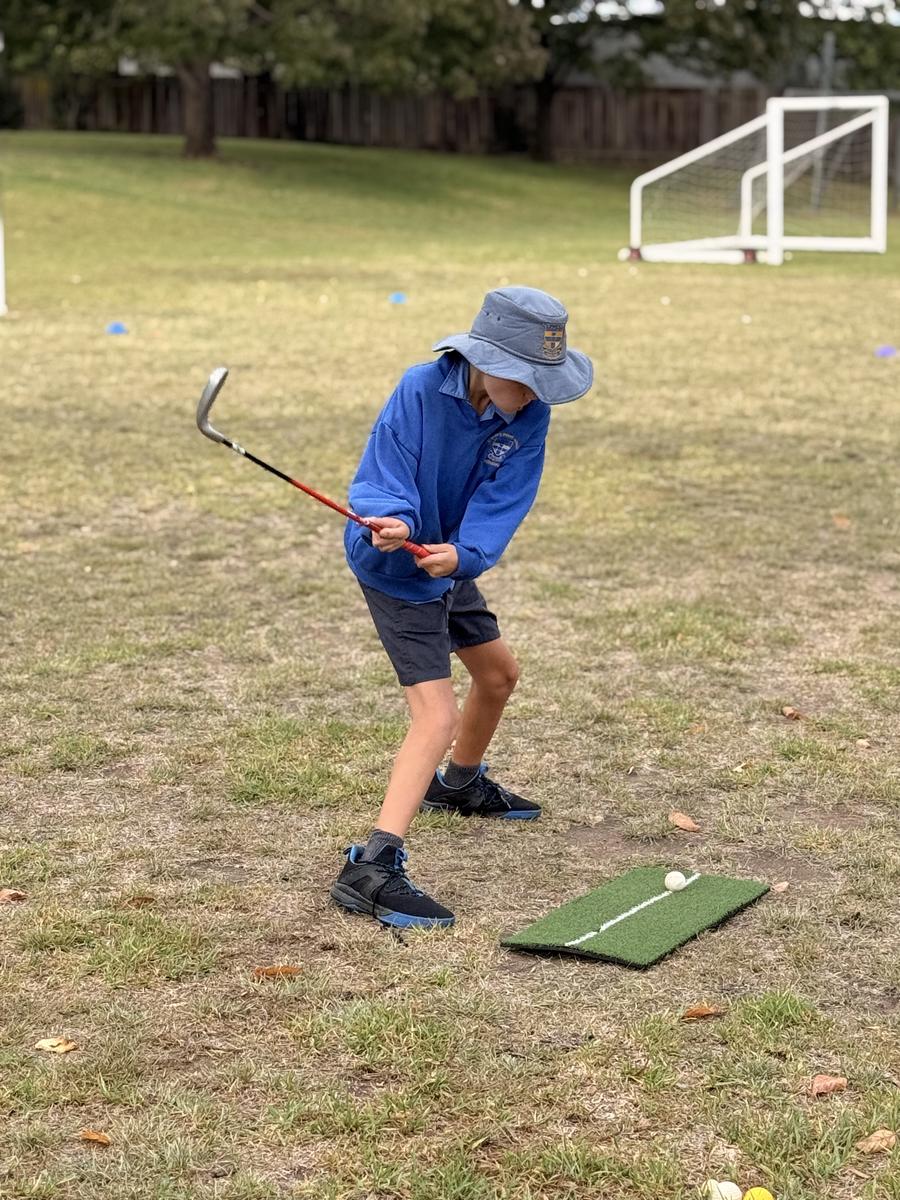
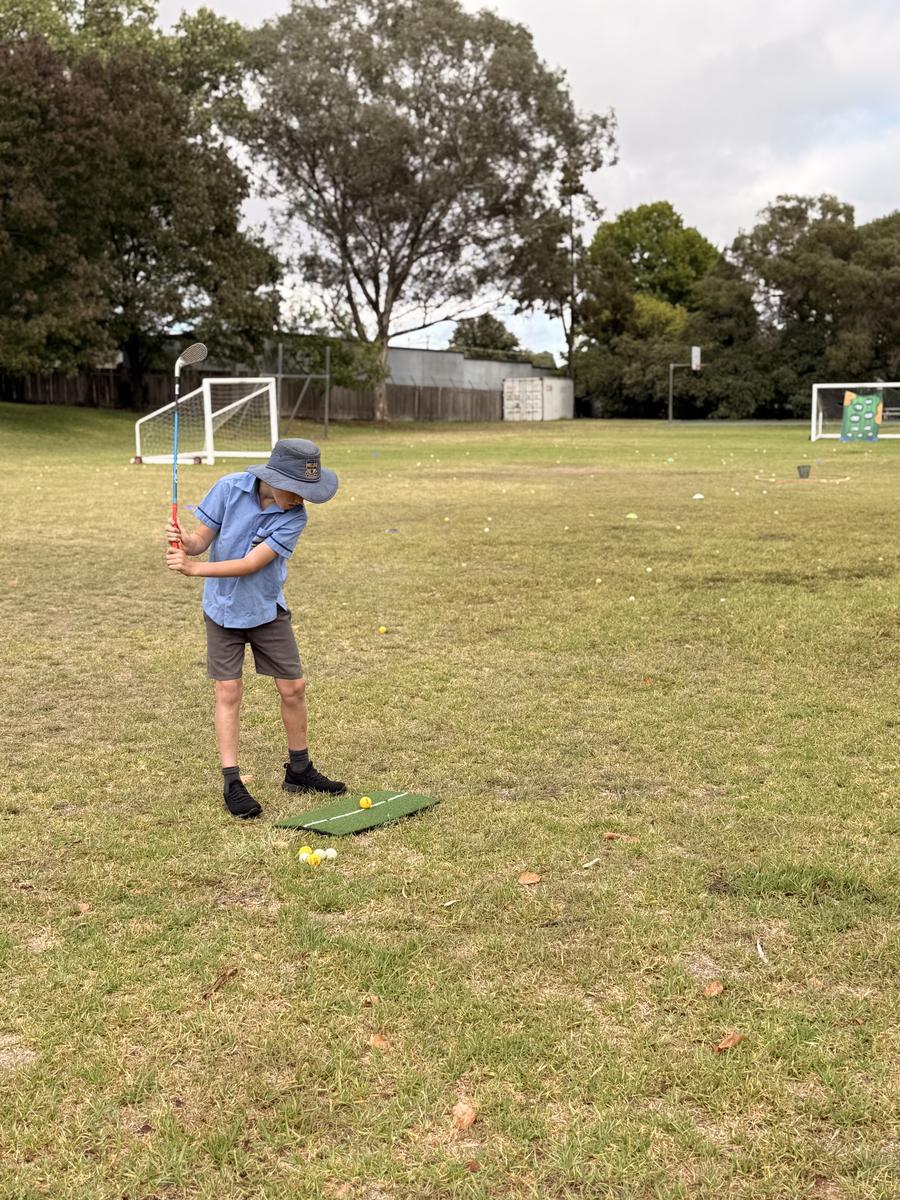
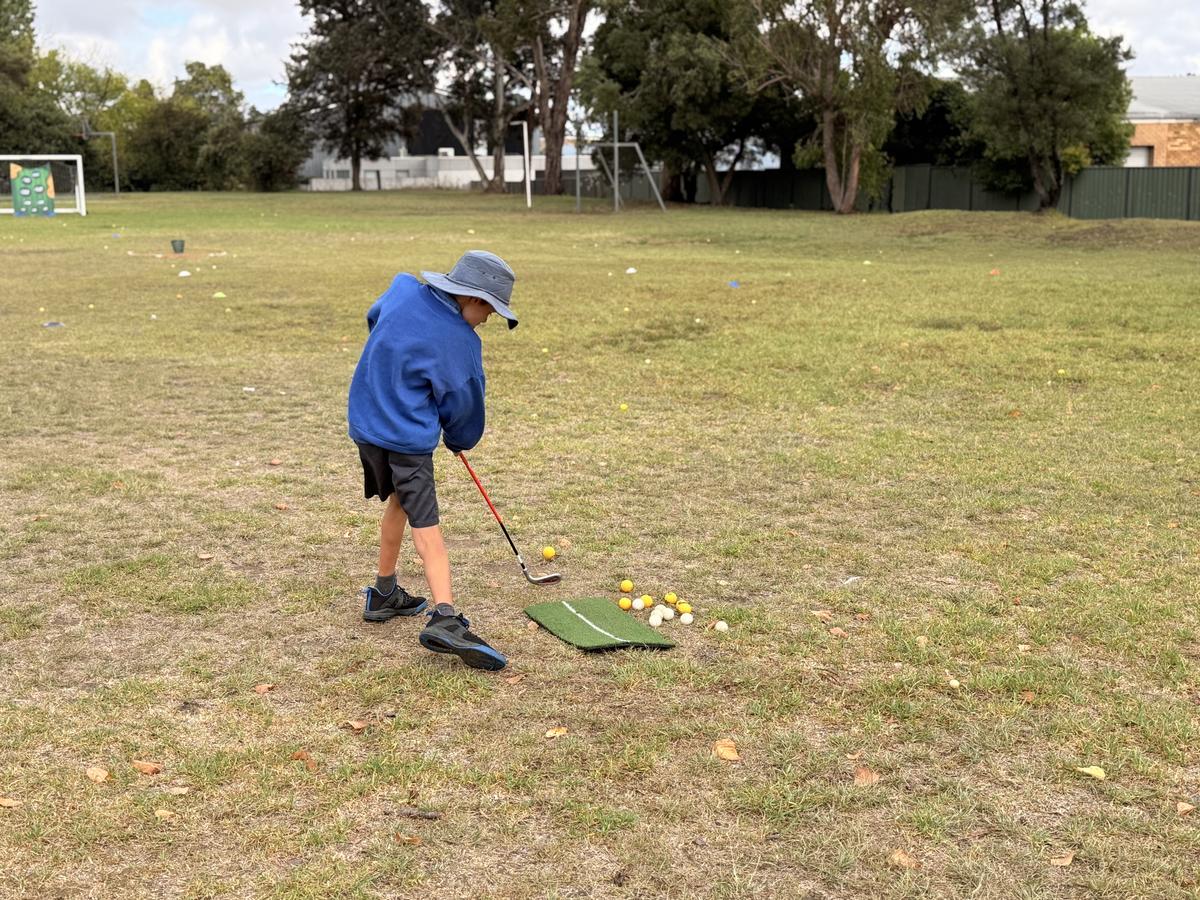
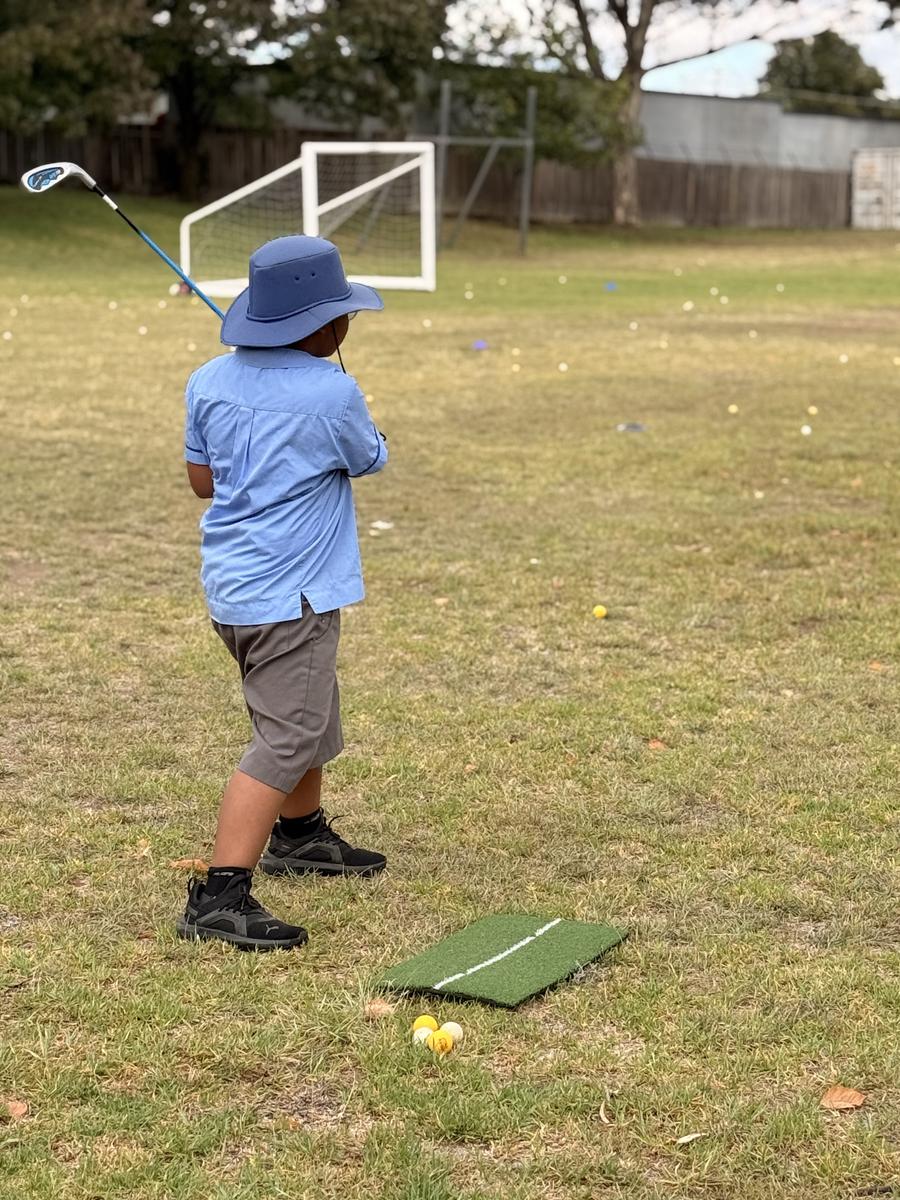
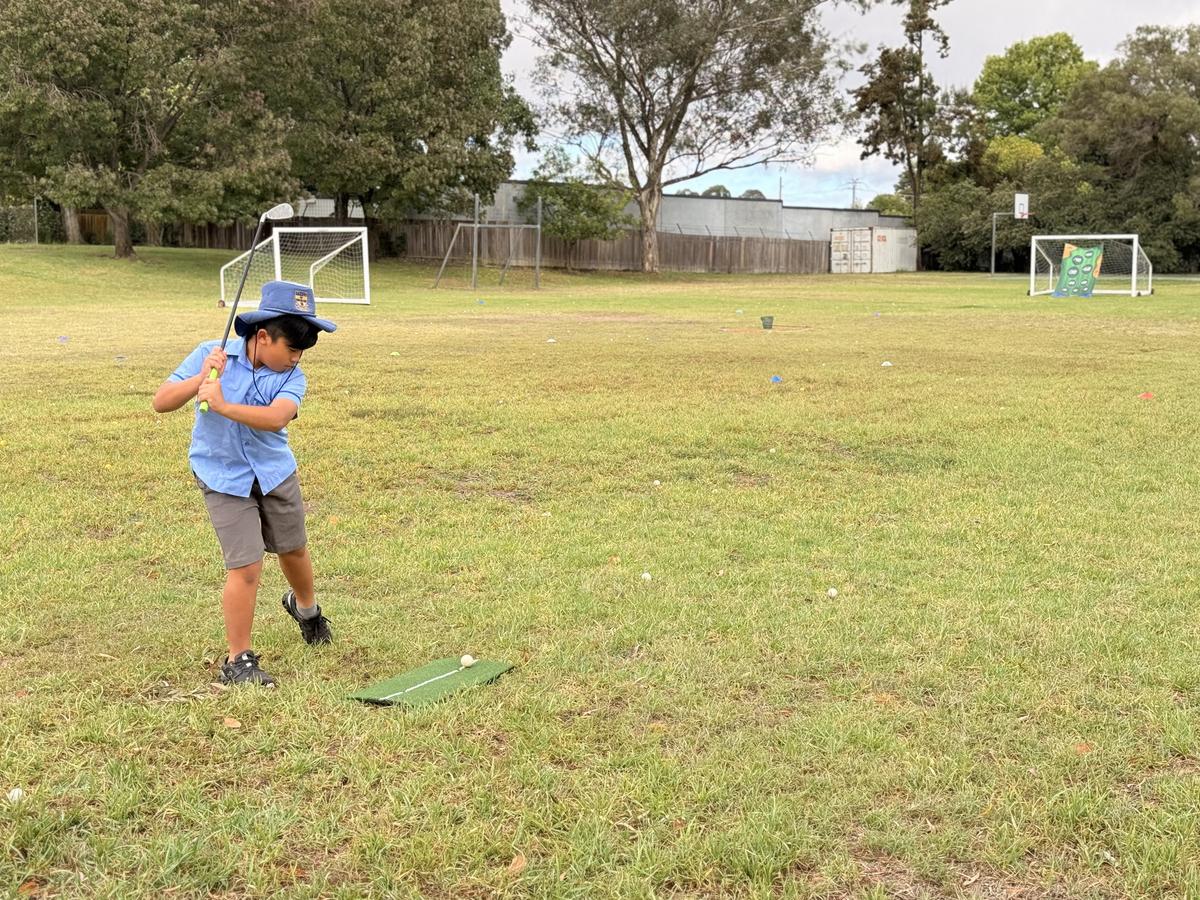
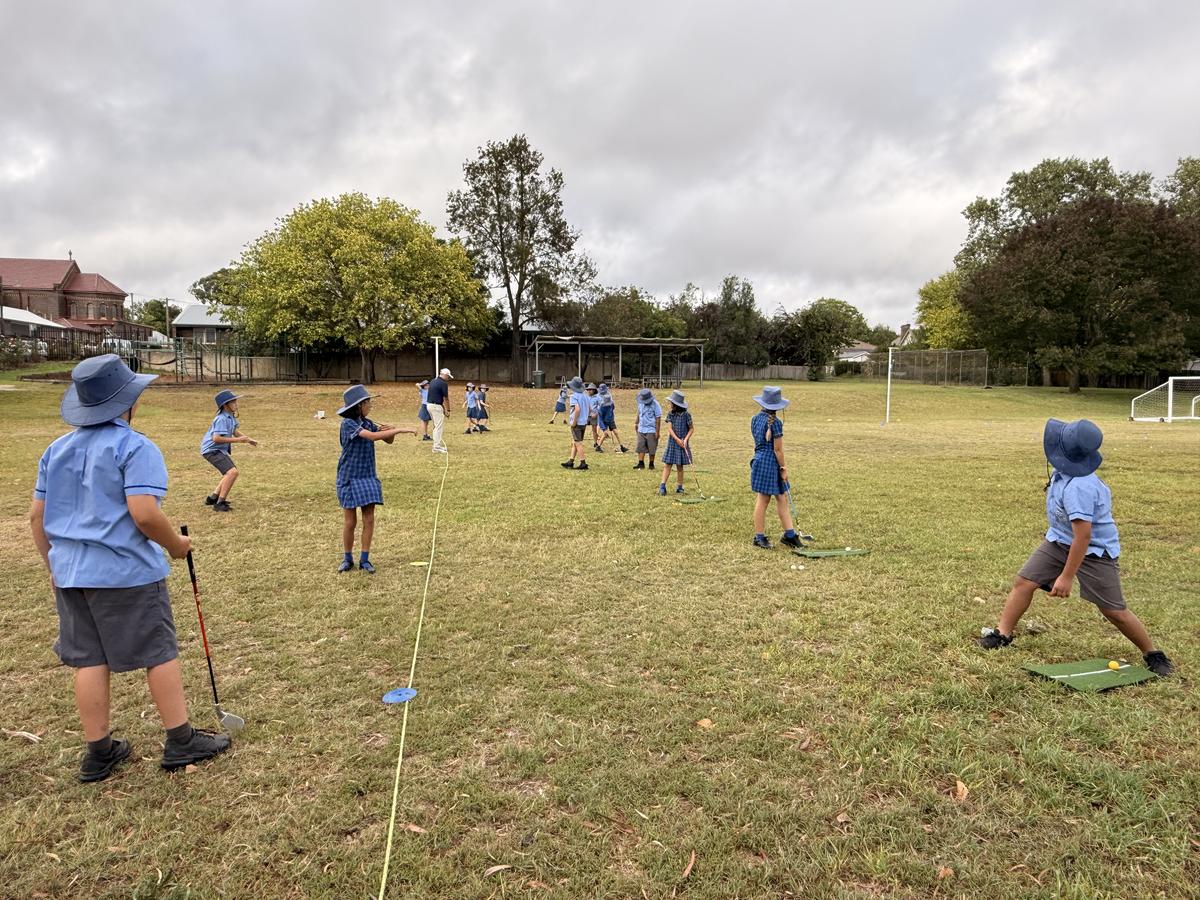
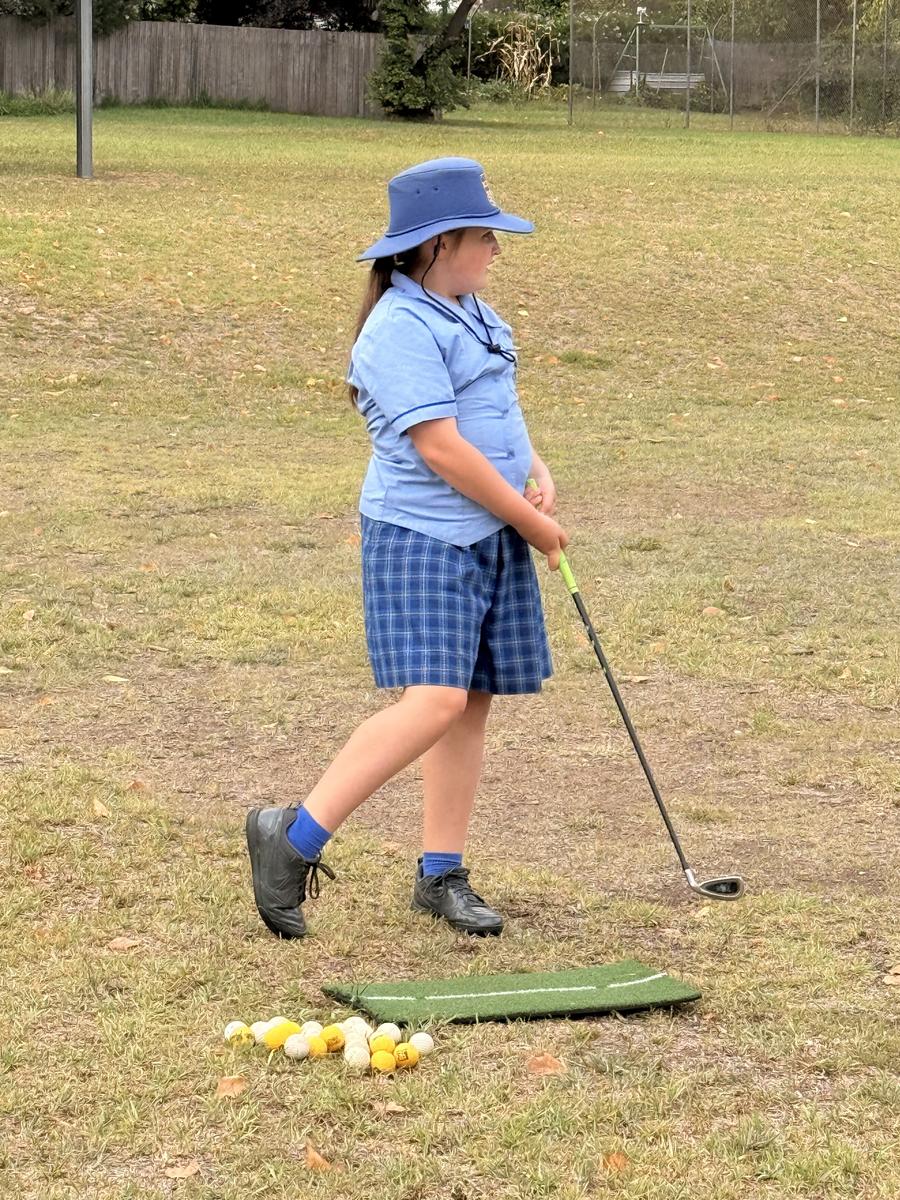
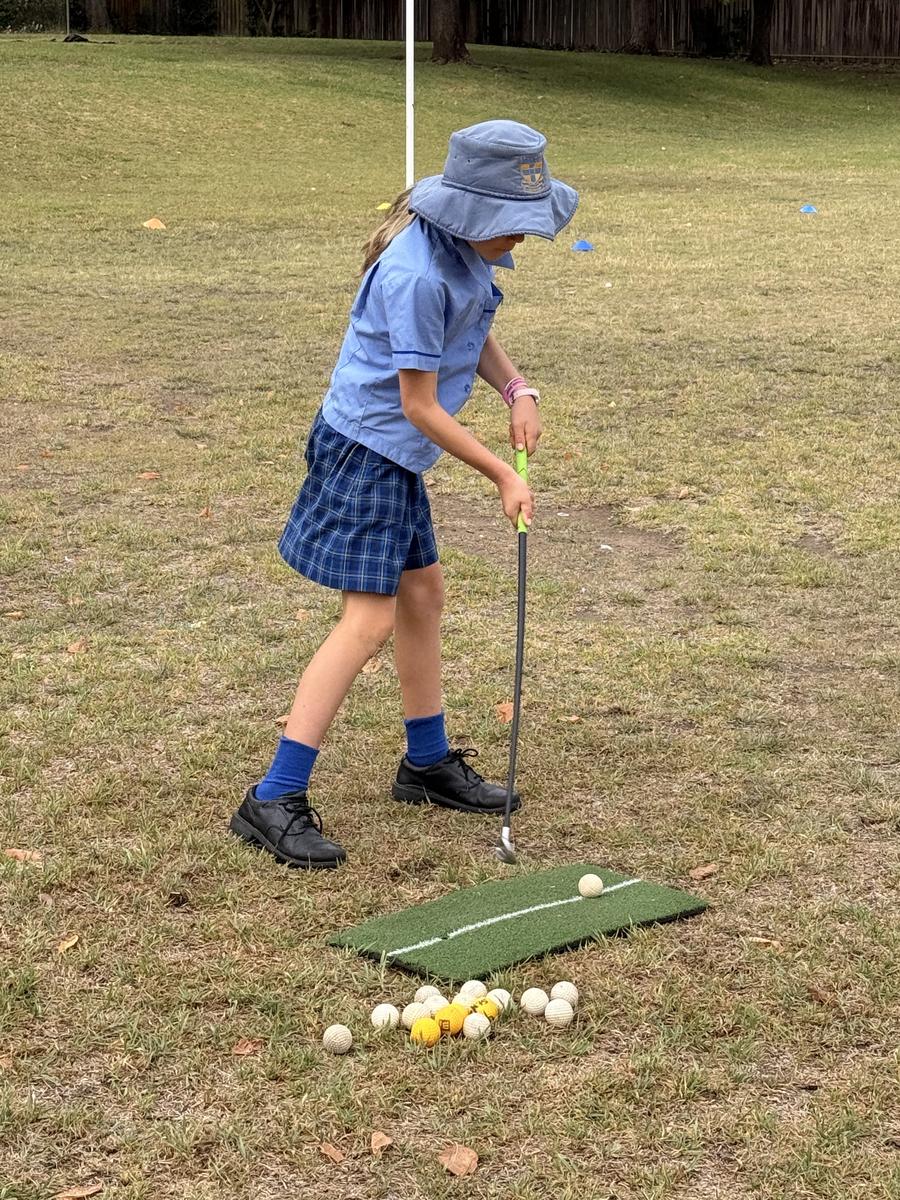
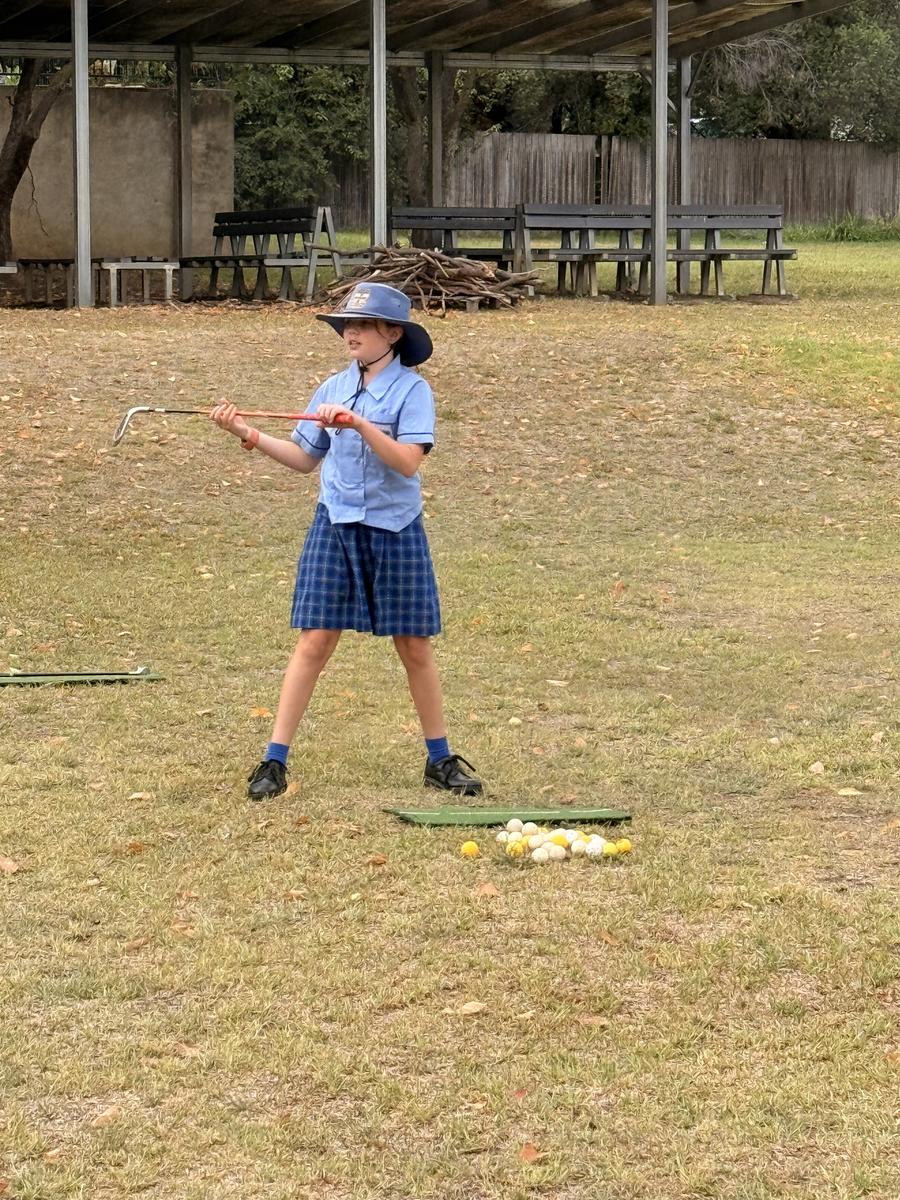
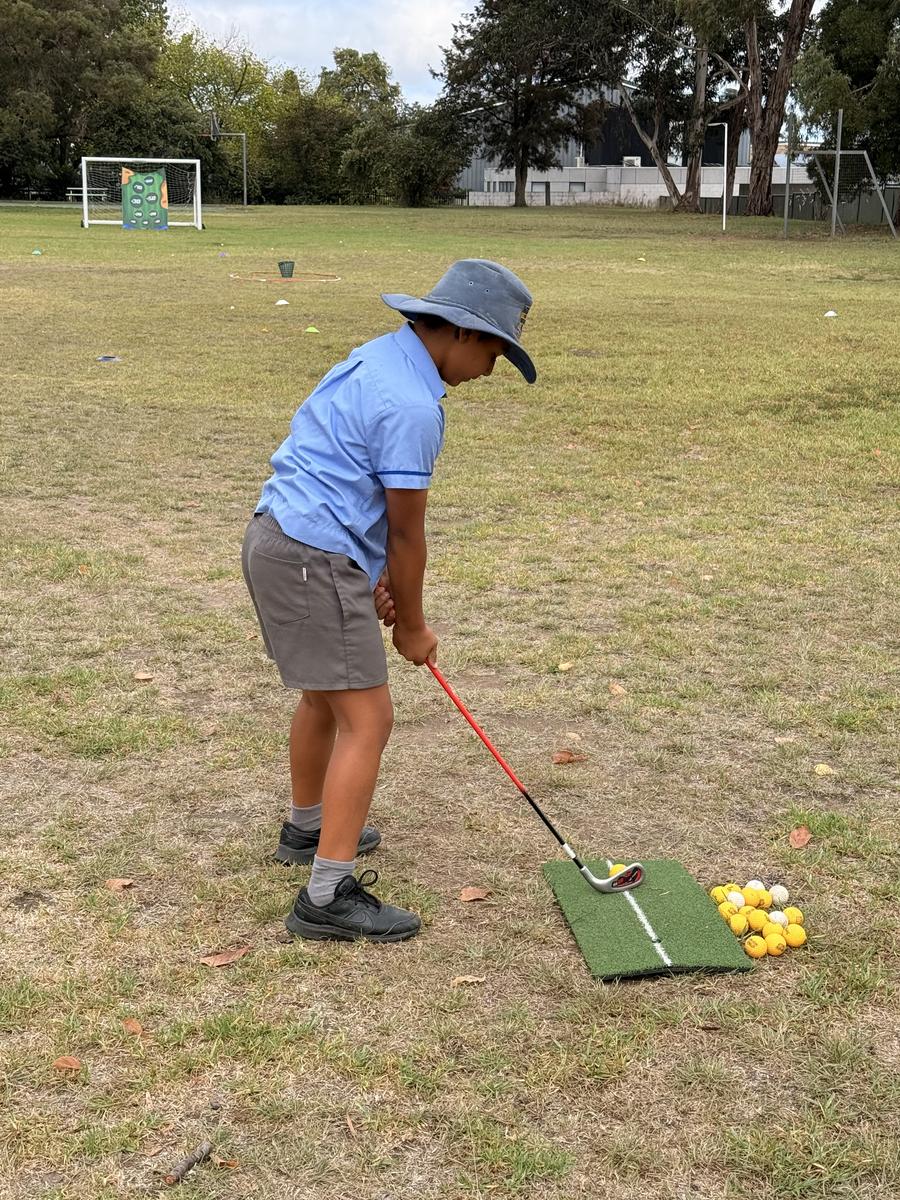
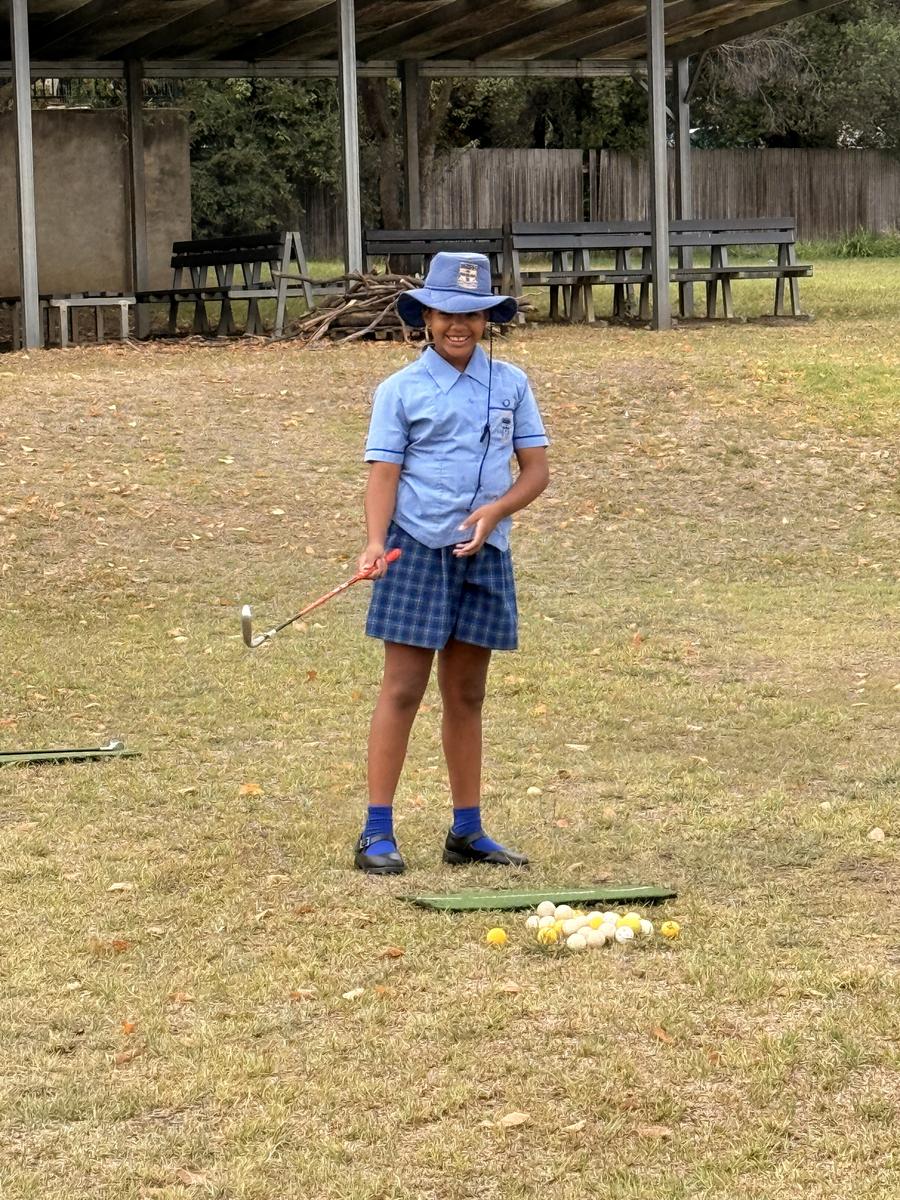
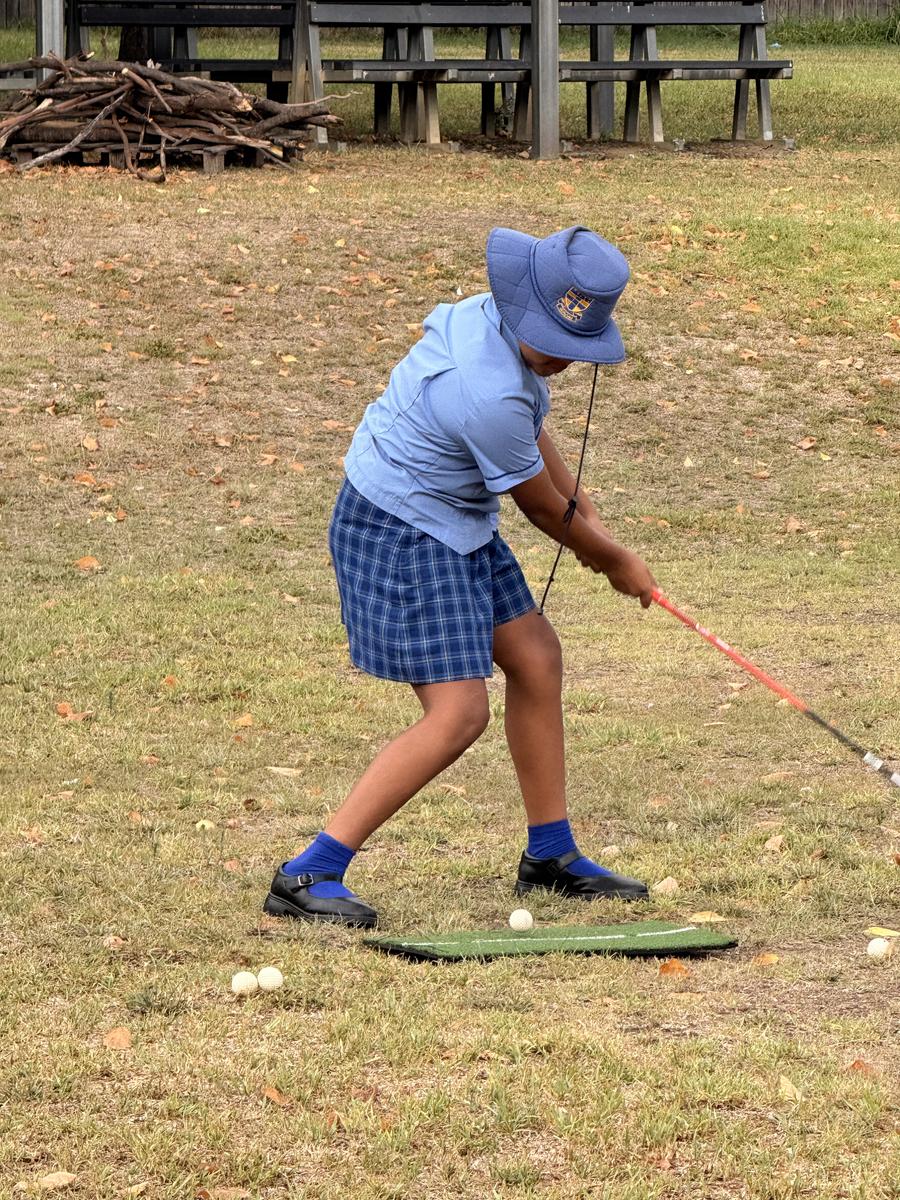
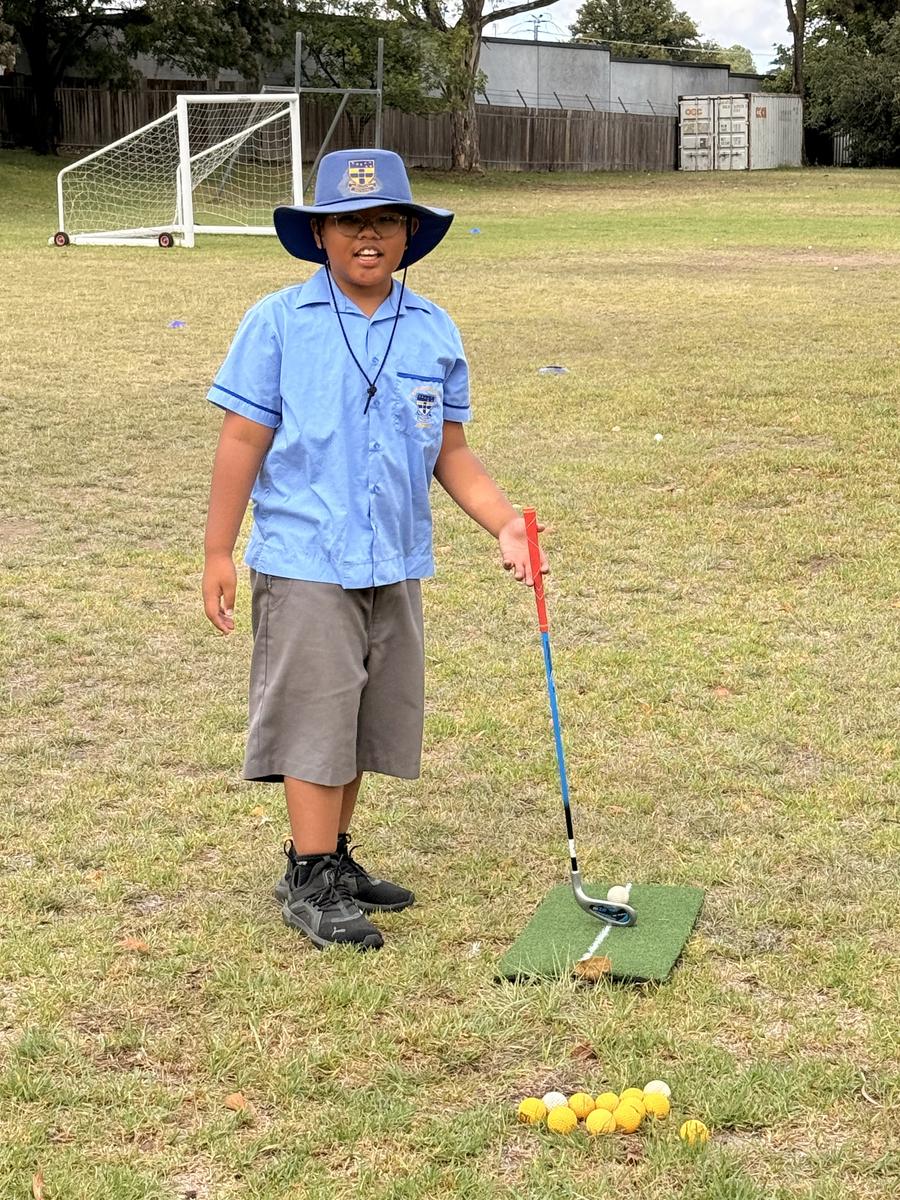
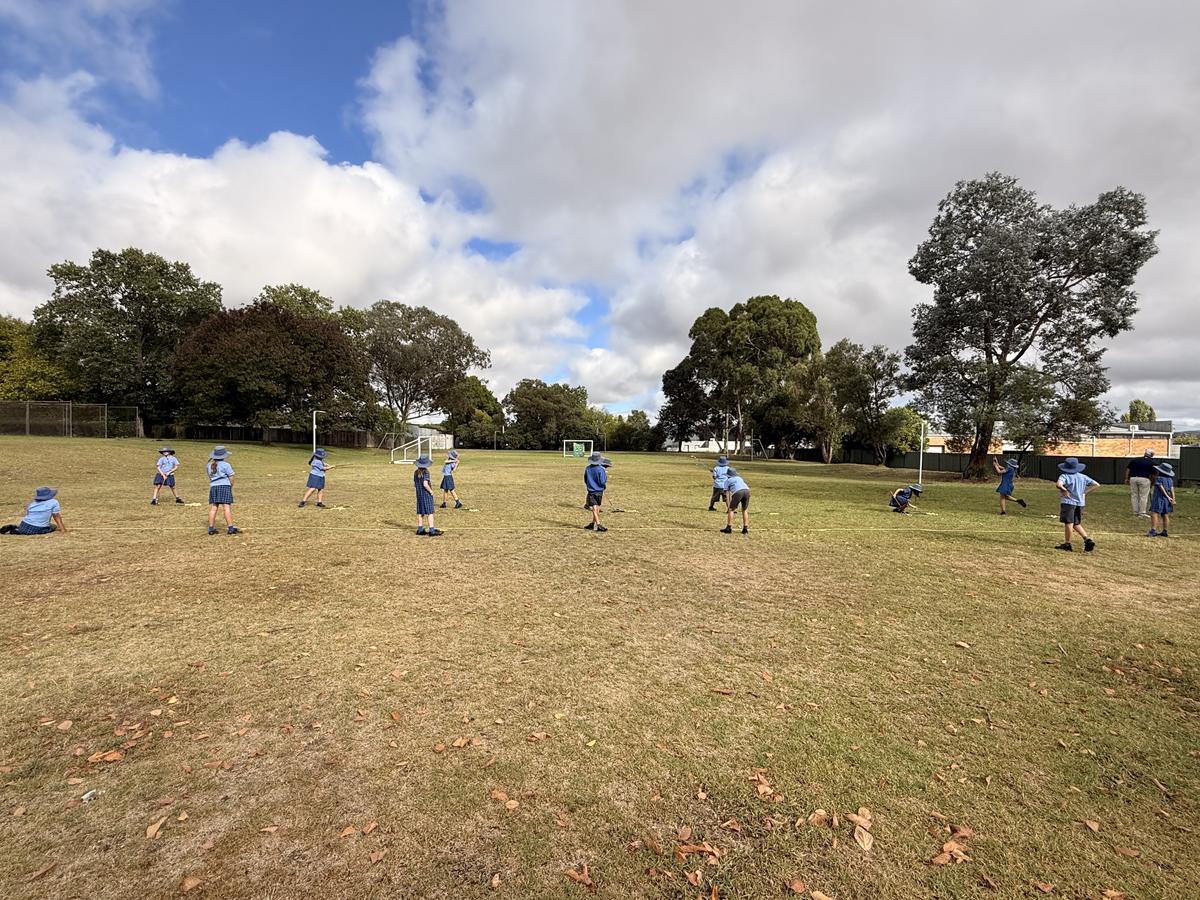
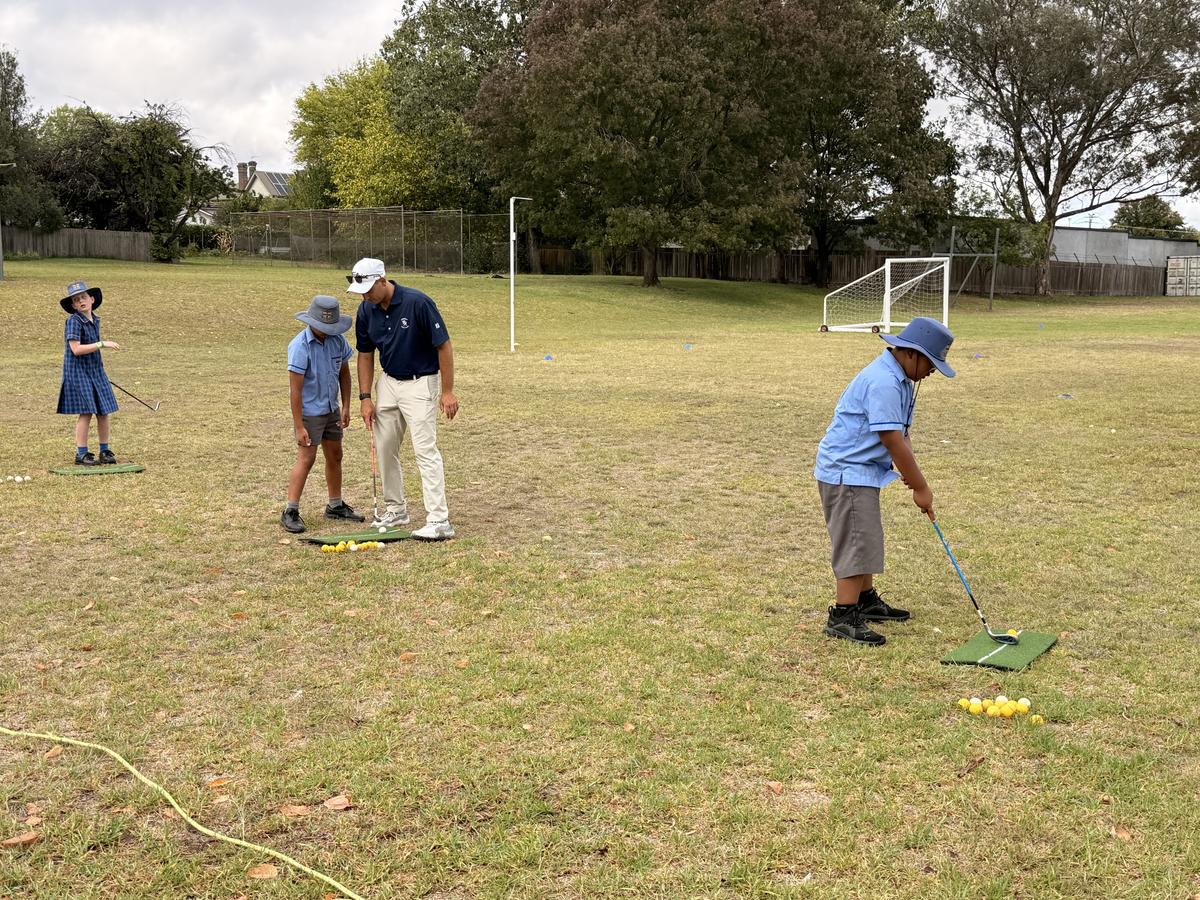
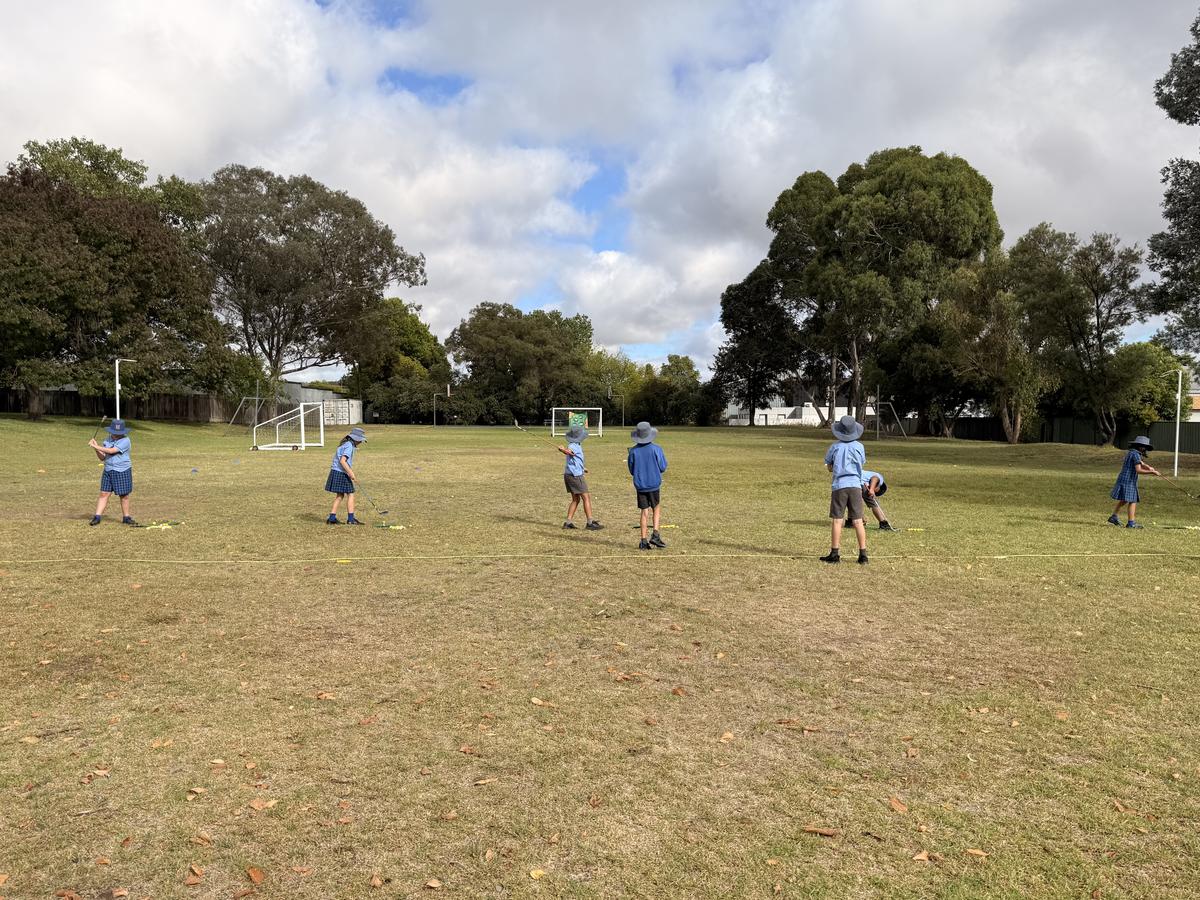
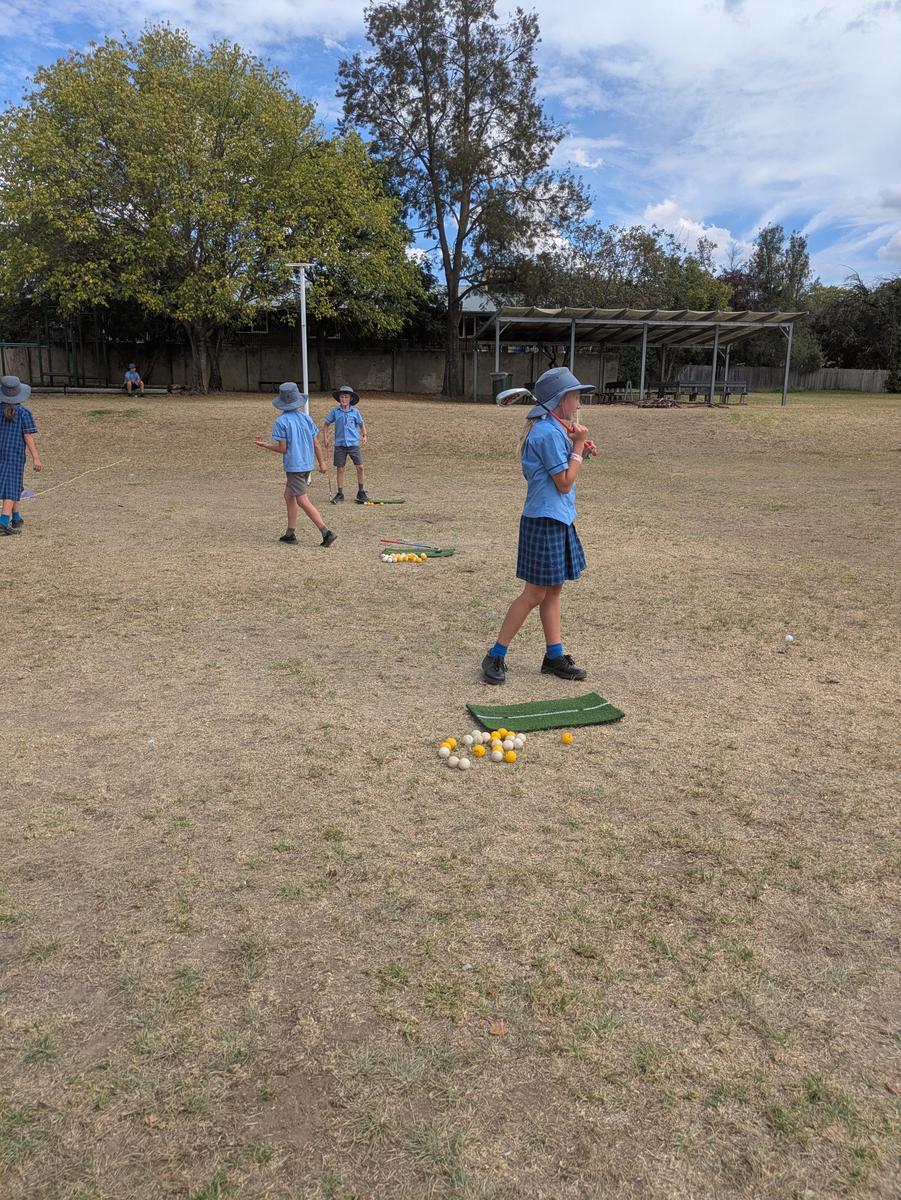
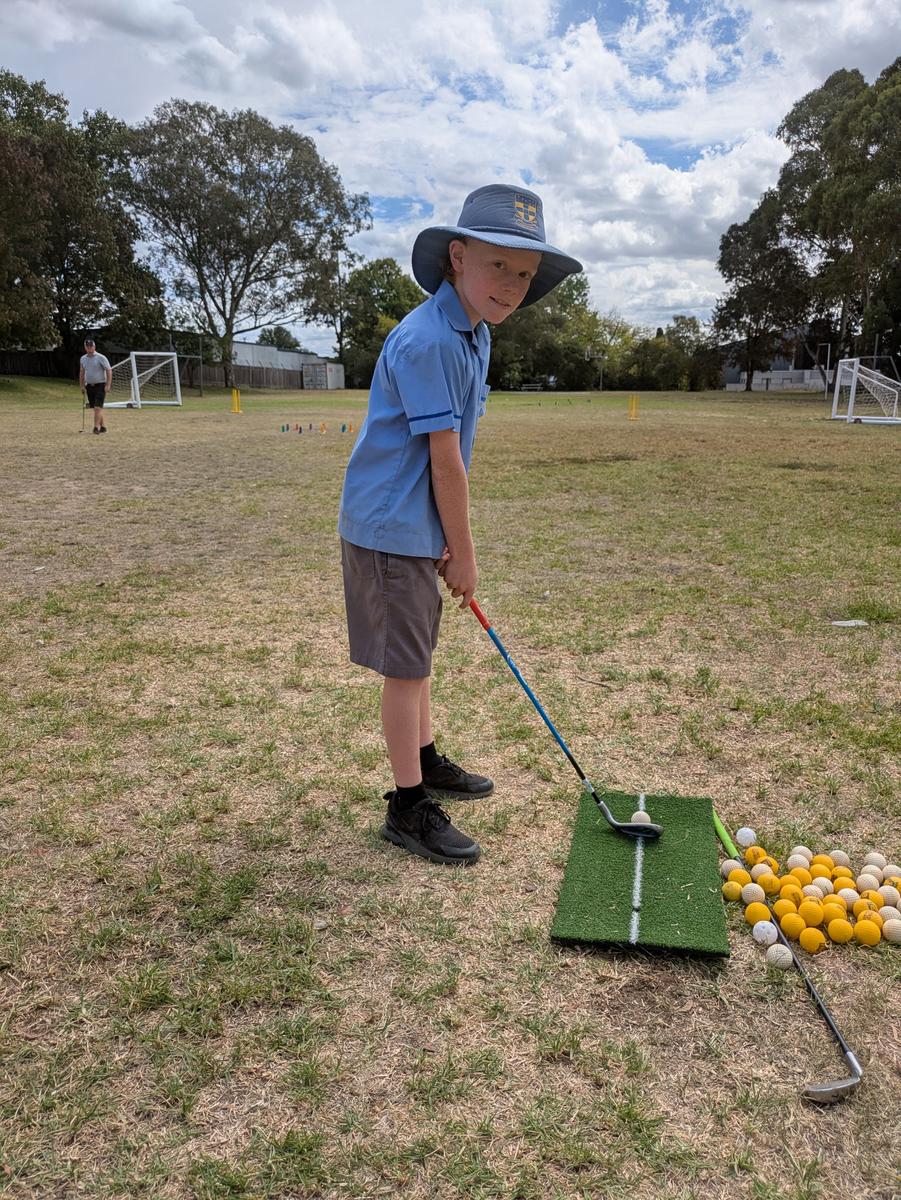
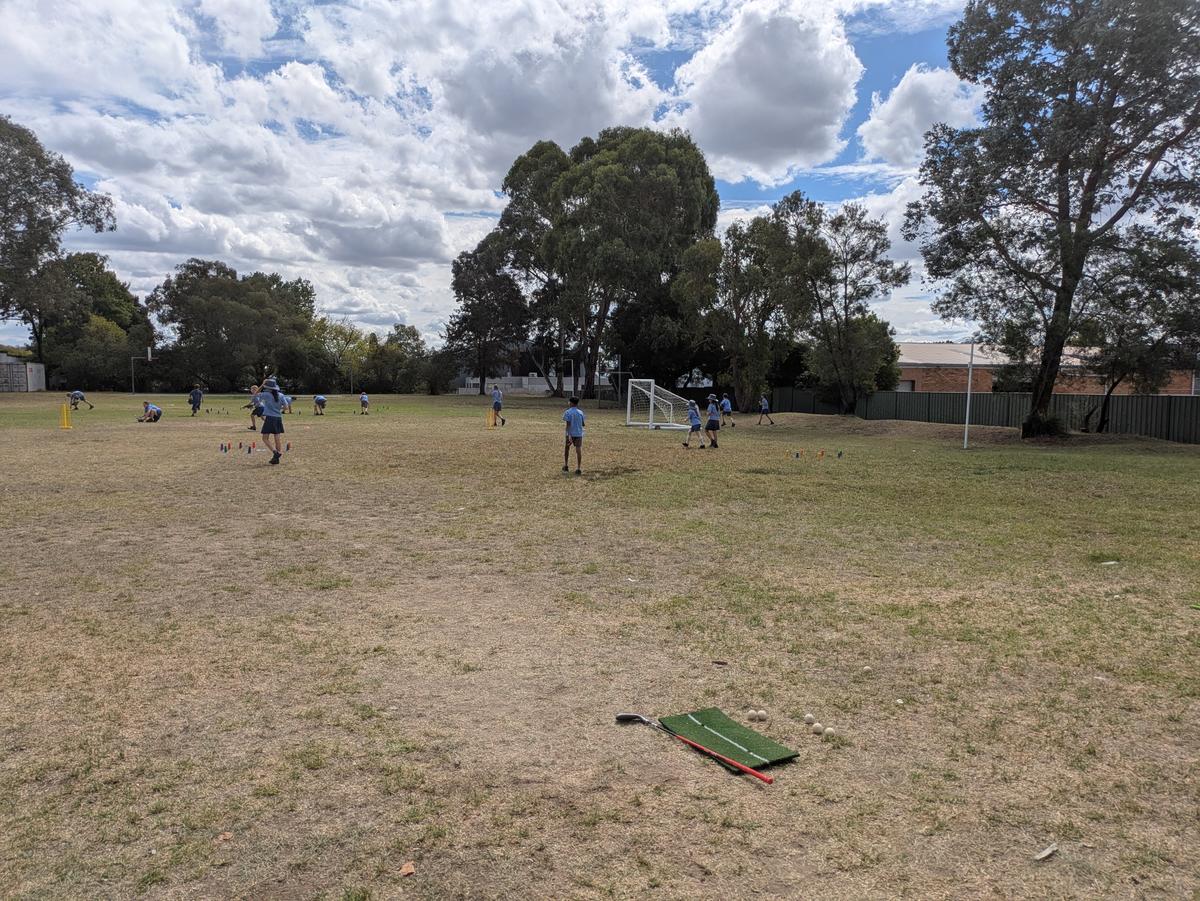
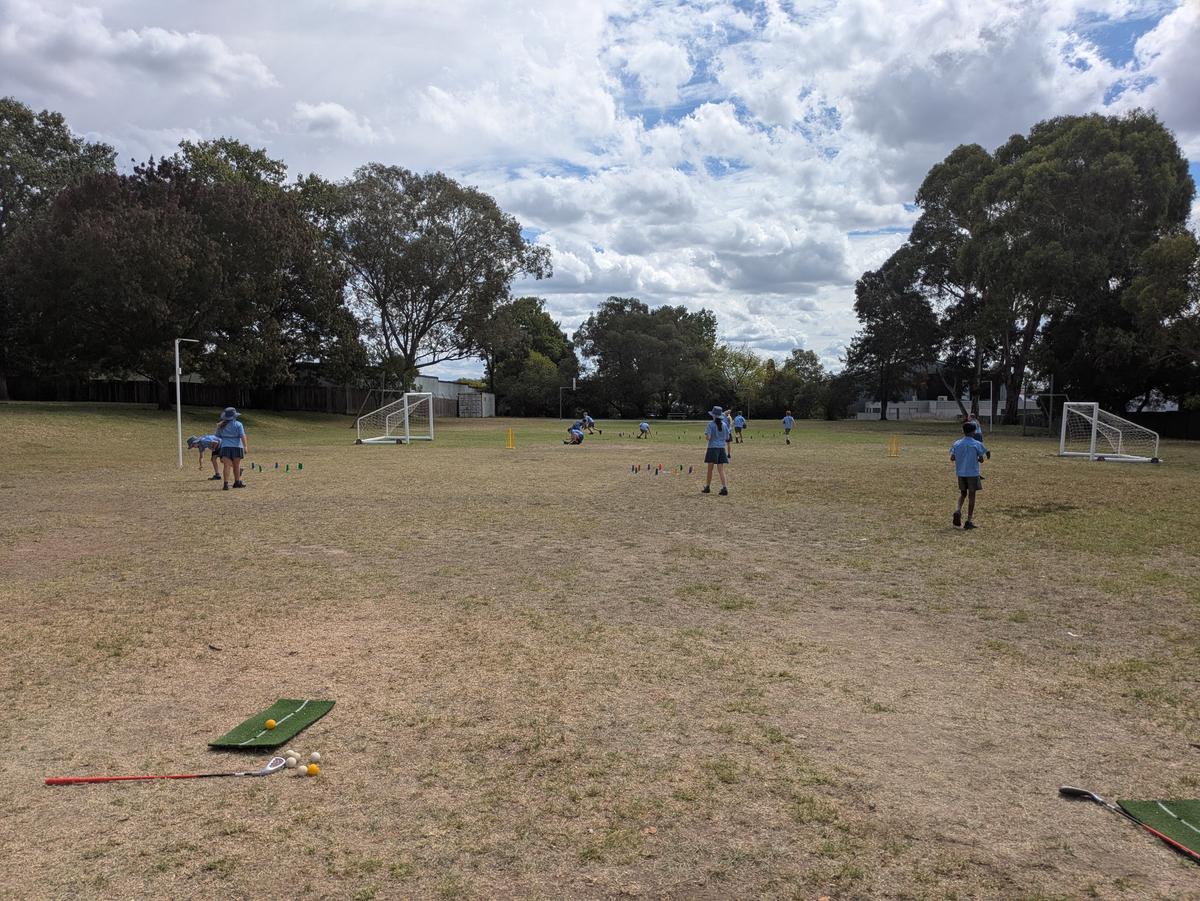
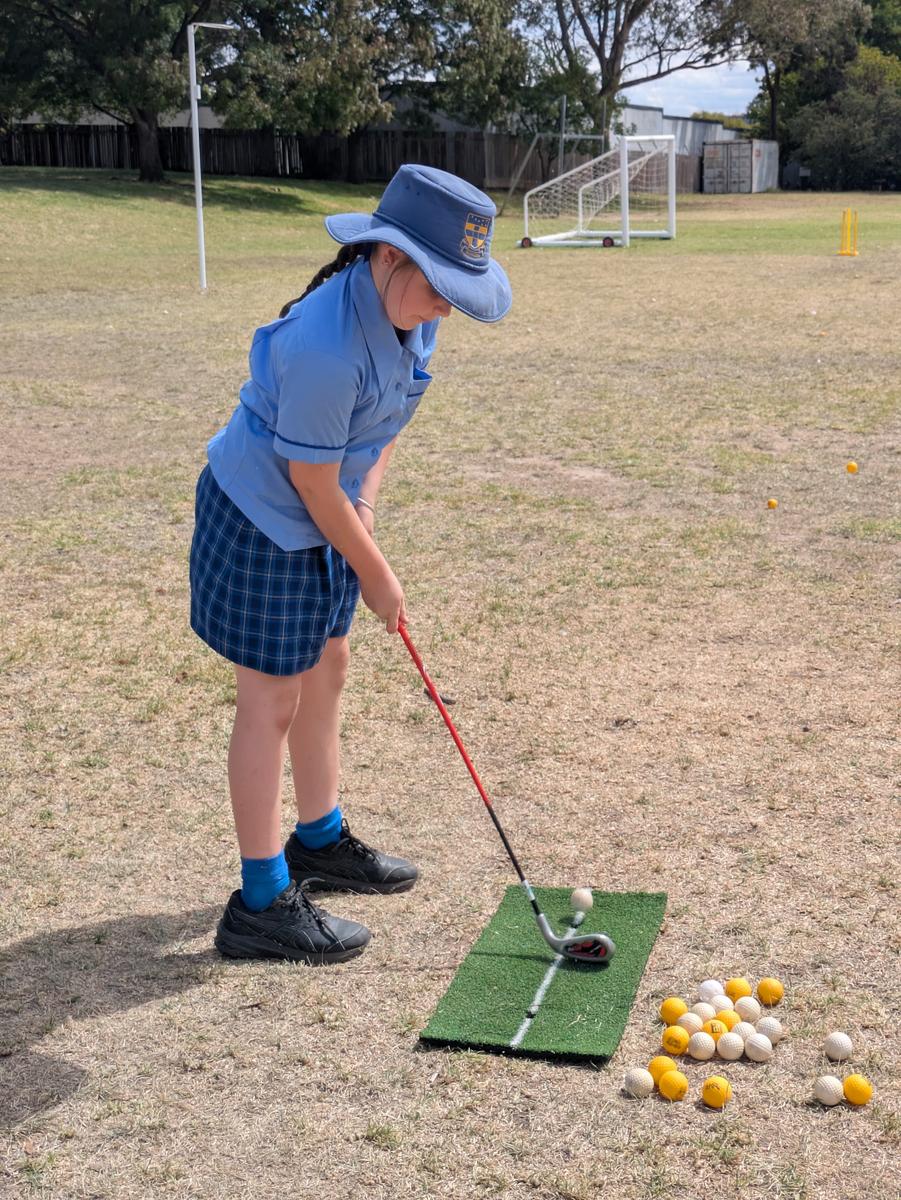
Golf Clinics continued this week and Year 5 certainly have some rather talented golfers!
Year 5 Gold photos:
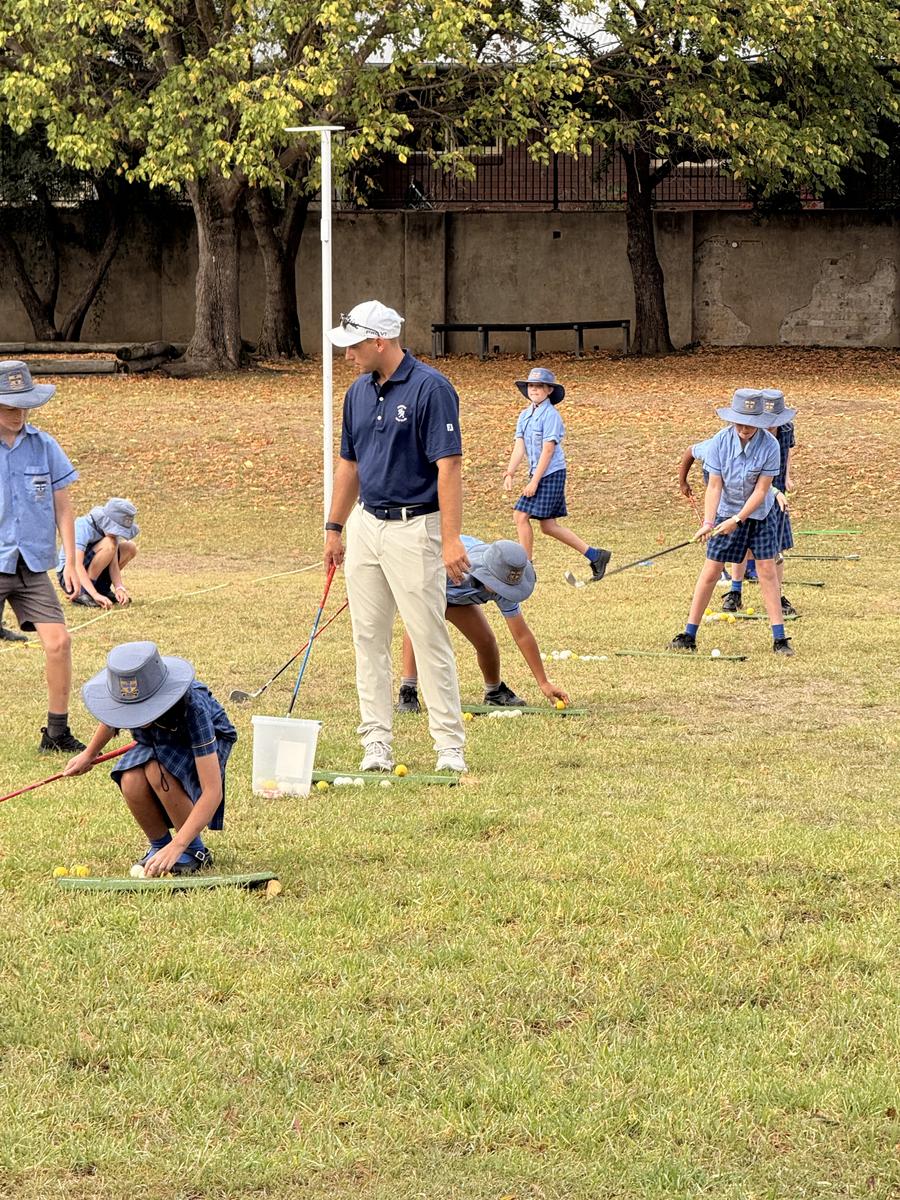
Year 5 Blue photos:
NAPLAN
Each year, students in Years 5 across Australia participate in NAPLAN (the National Assessment Program – Literacy and Numeracy). Think of NAPLAN as a national "health check" for student learning. It helps us ensure that young Australians are developing the essential skills they need—not just for school, but for a successful life in the broader community.
How does NAPLAN help my child?
The results provide a helpful snapshot of how your child is progressing over time. It allows you and your child's teachers to see their growth individually, as part of our school, and compared to national standards. This helps us celebrate their strengths and identify areas where they might need a little extra support. Please note, while NAPLAN is a valuable tool, it is just one part of our school’s broader assessment process.
NAPLAN focuses on four foundational areas:
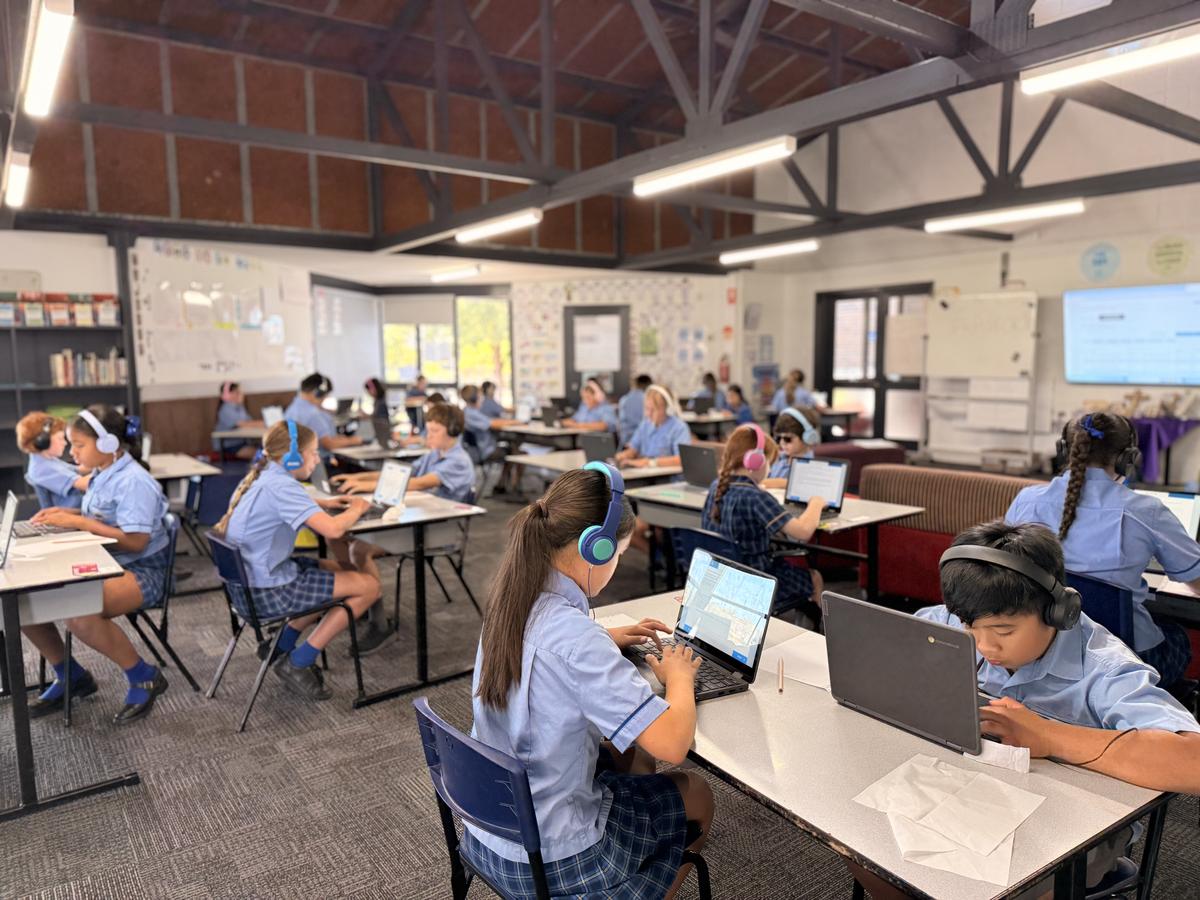
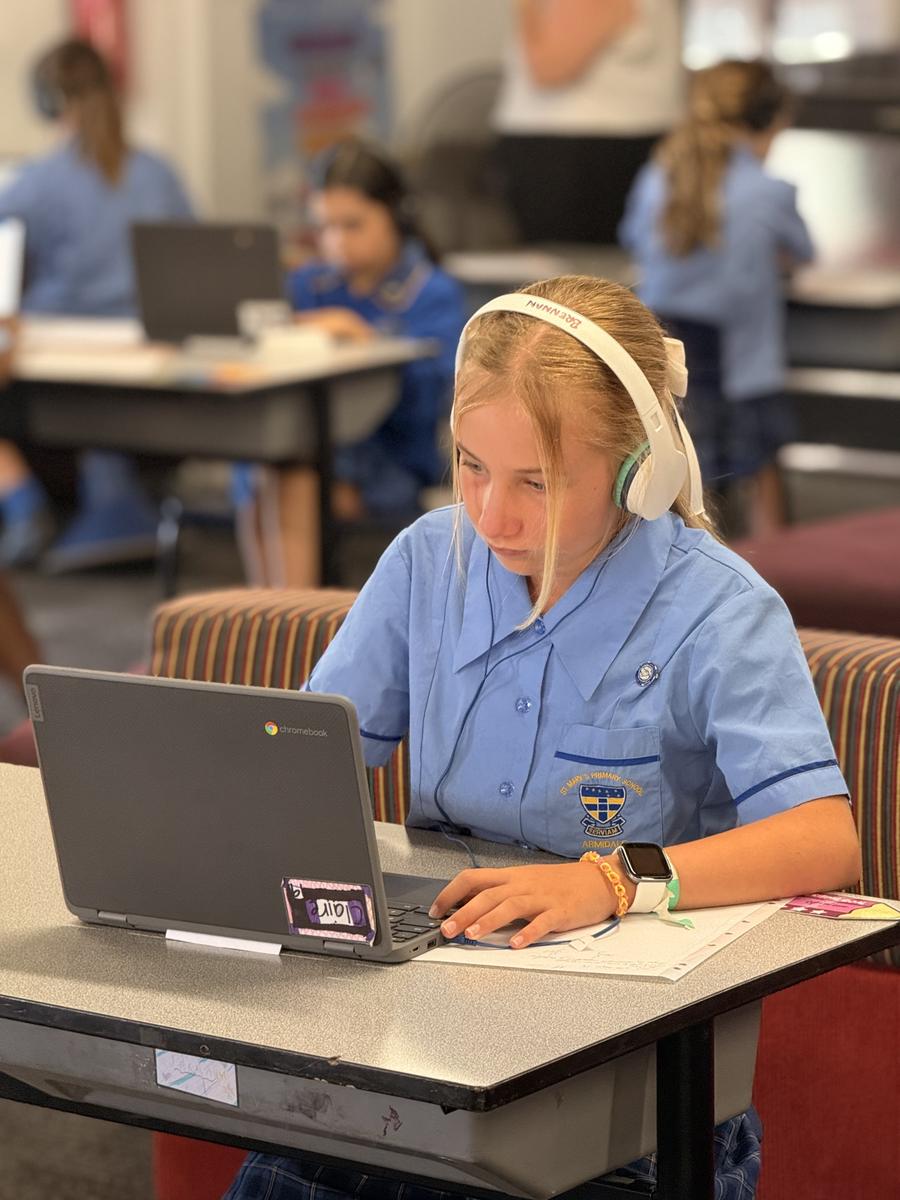
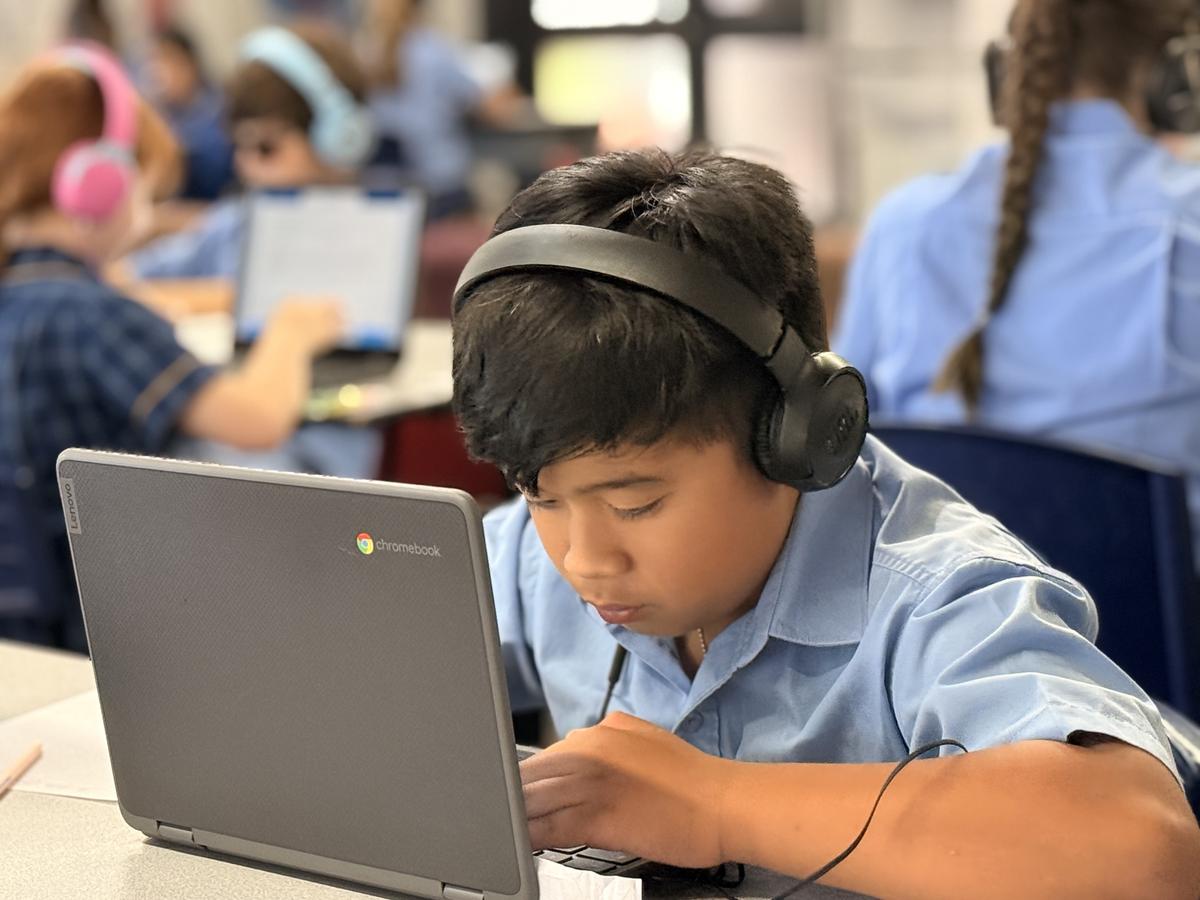
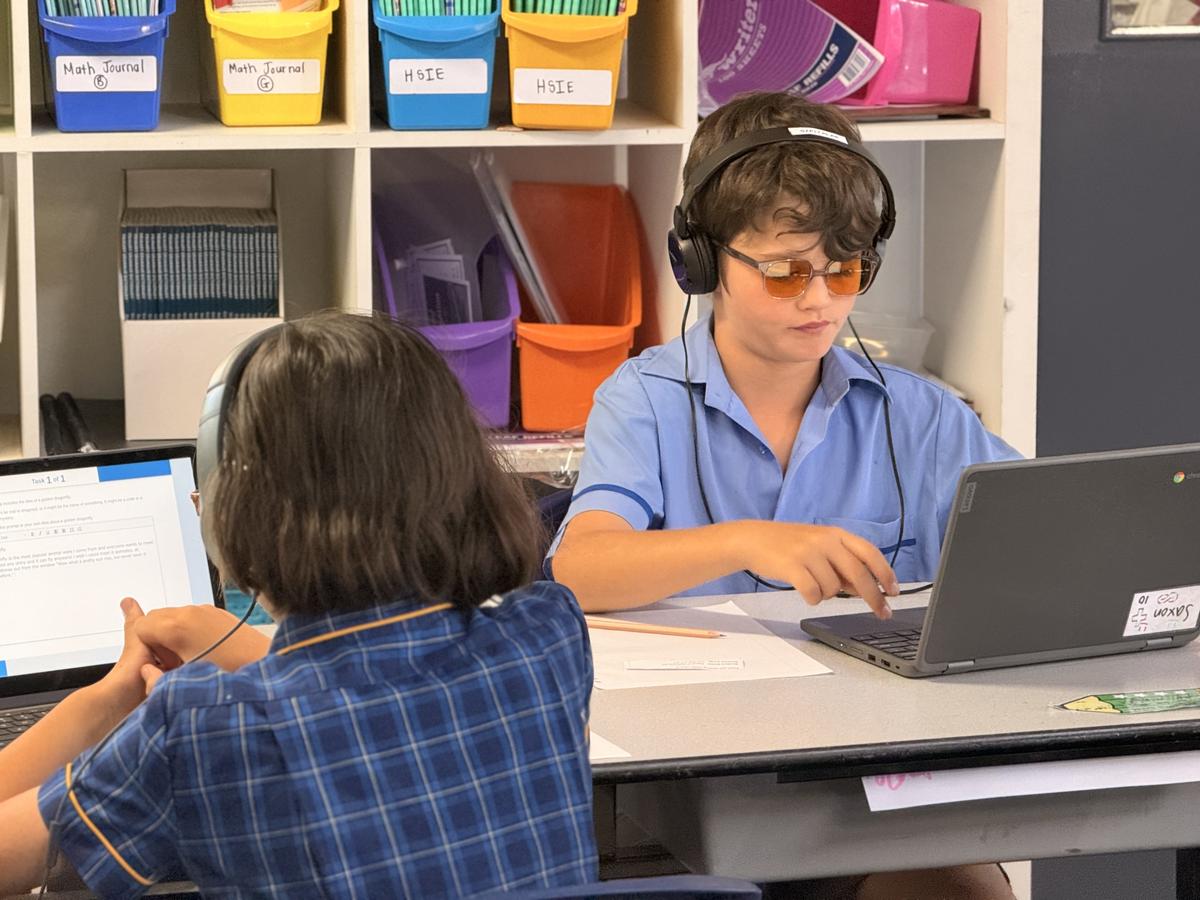
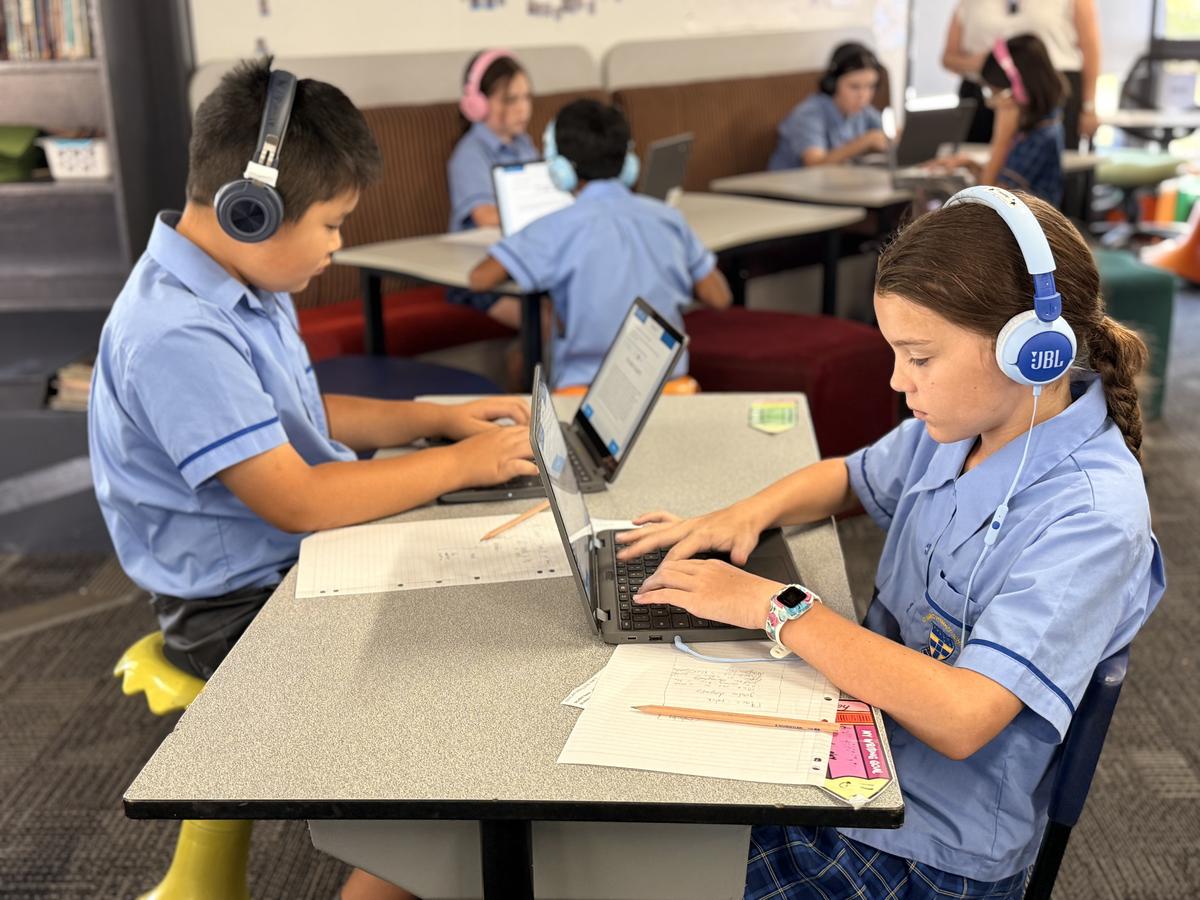
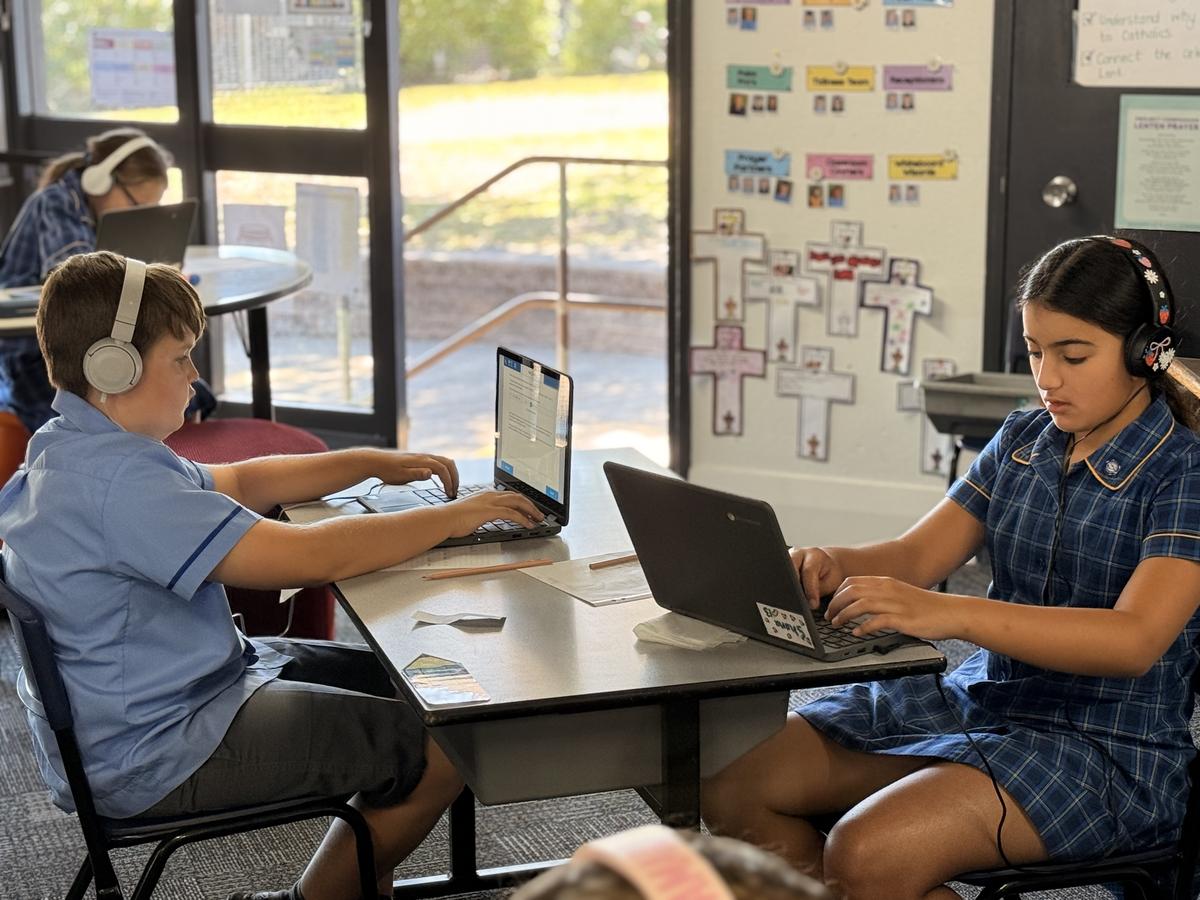
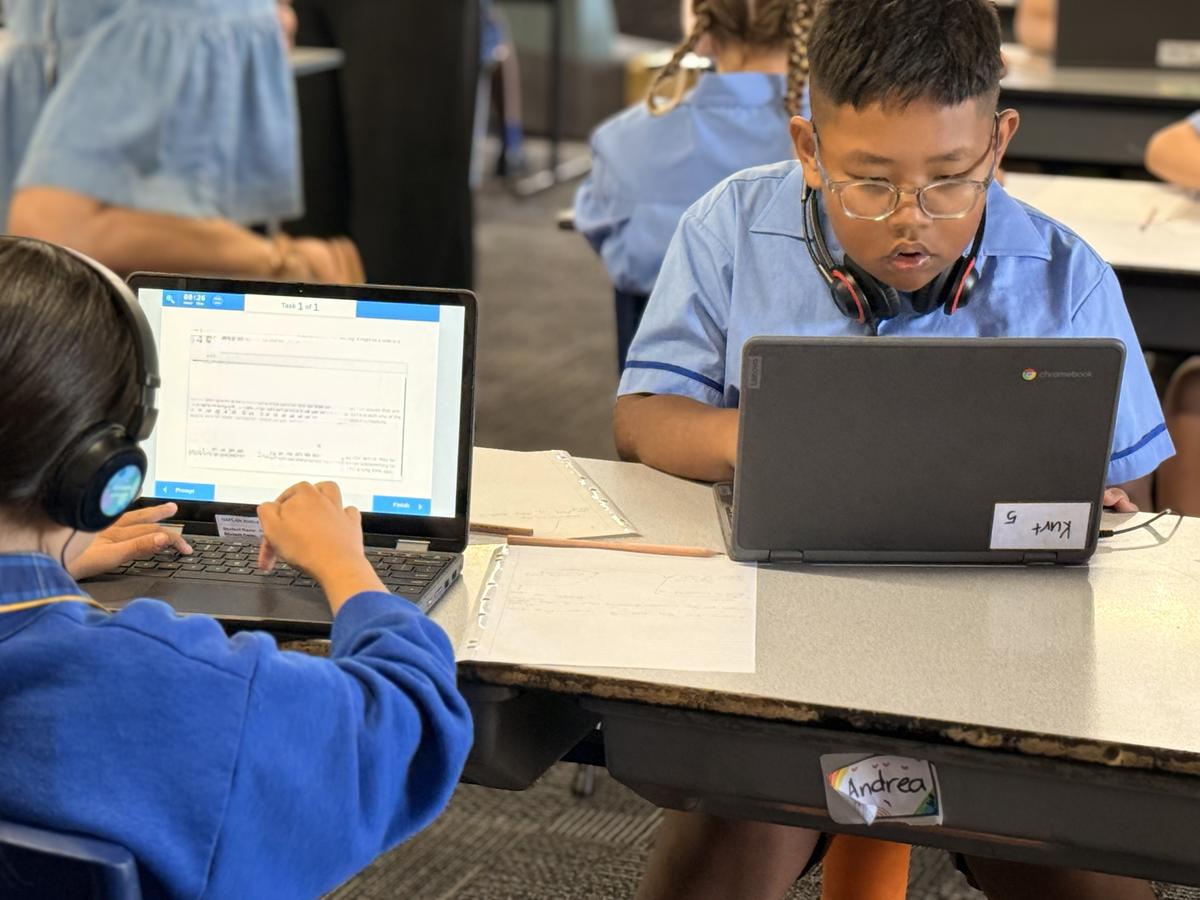
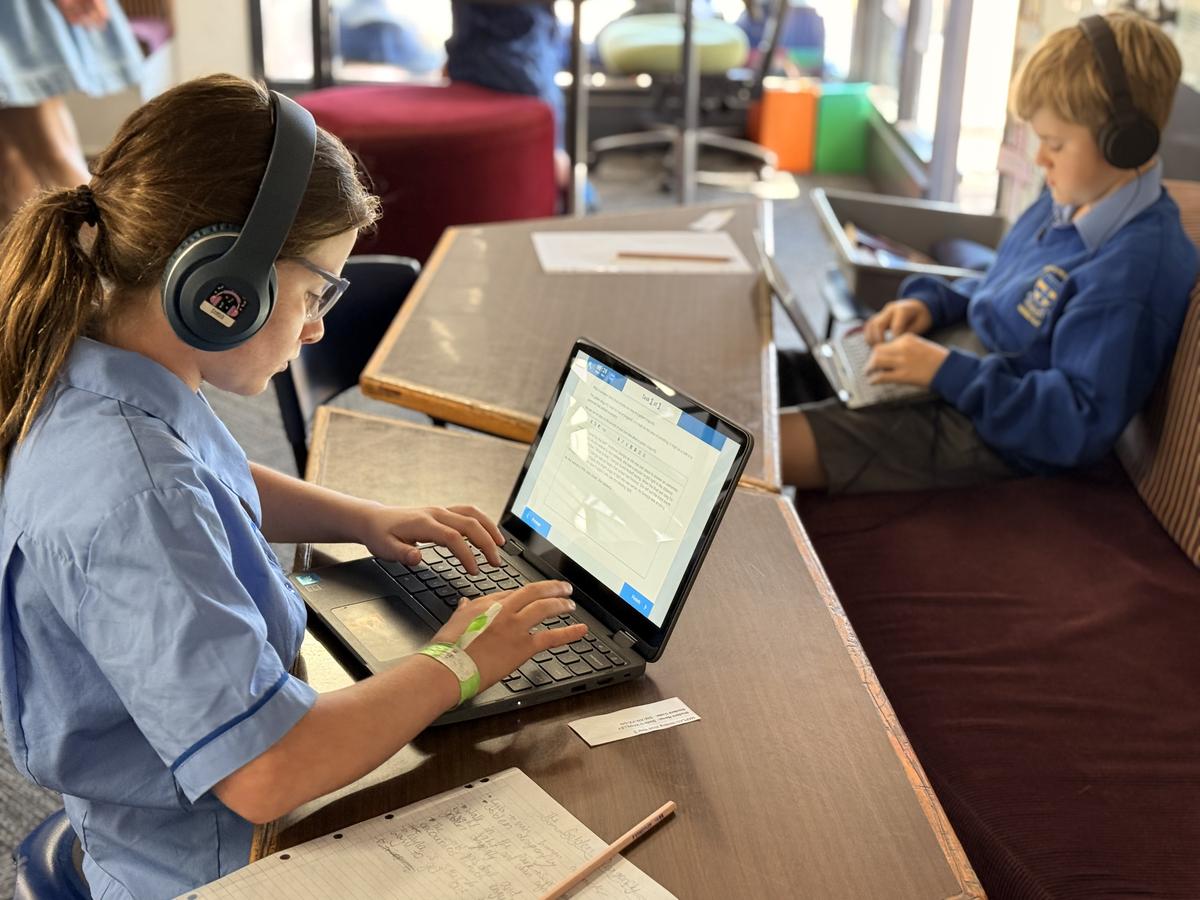
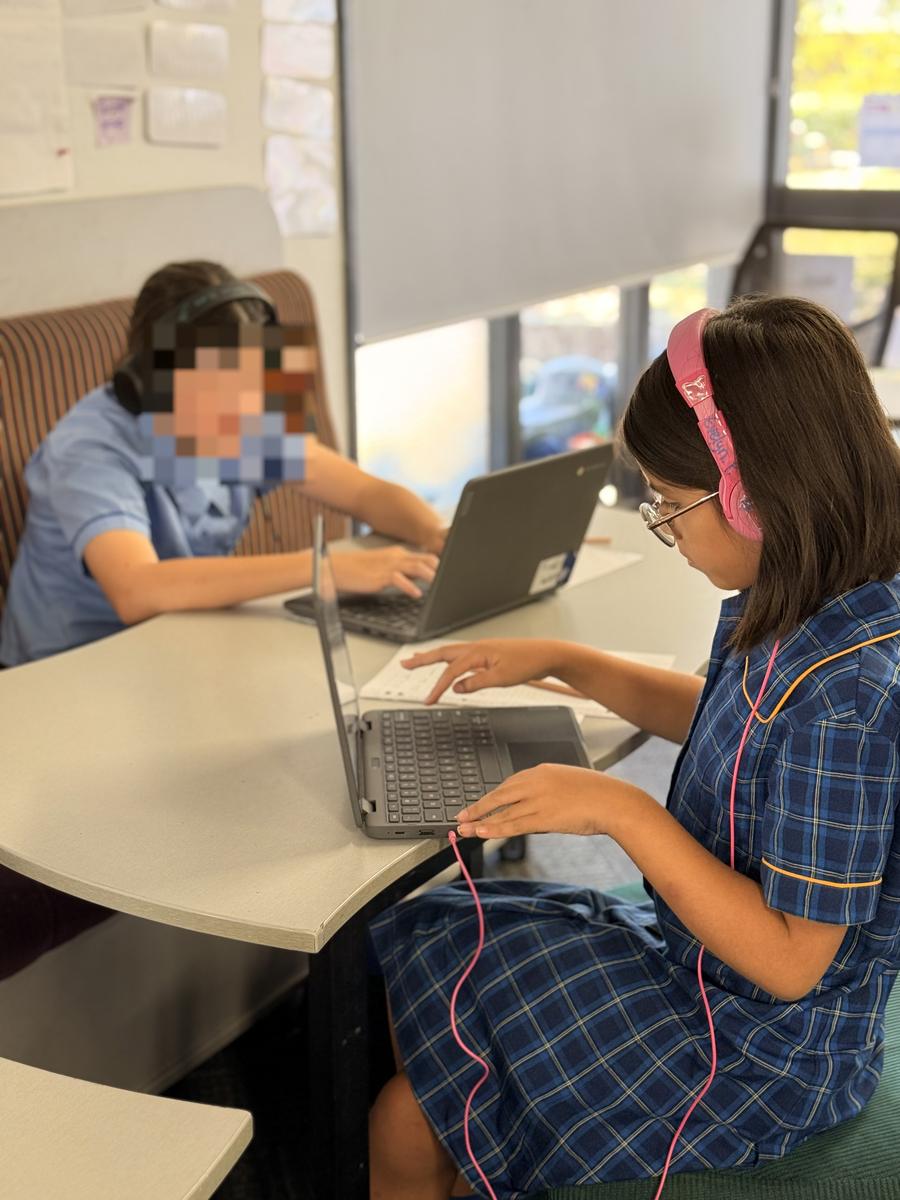
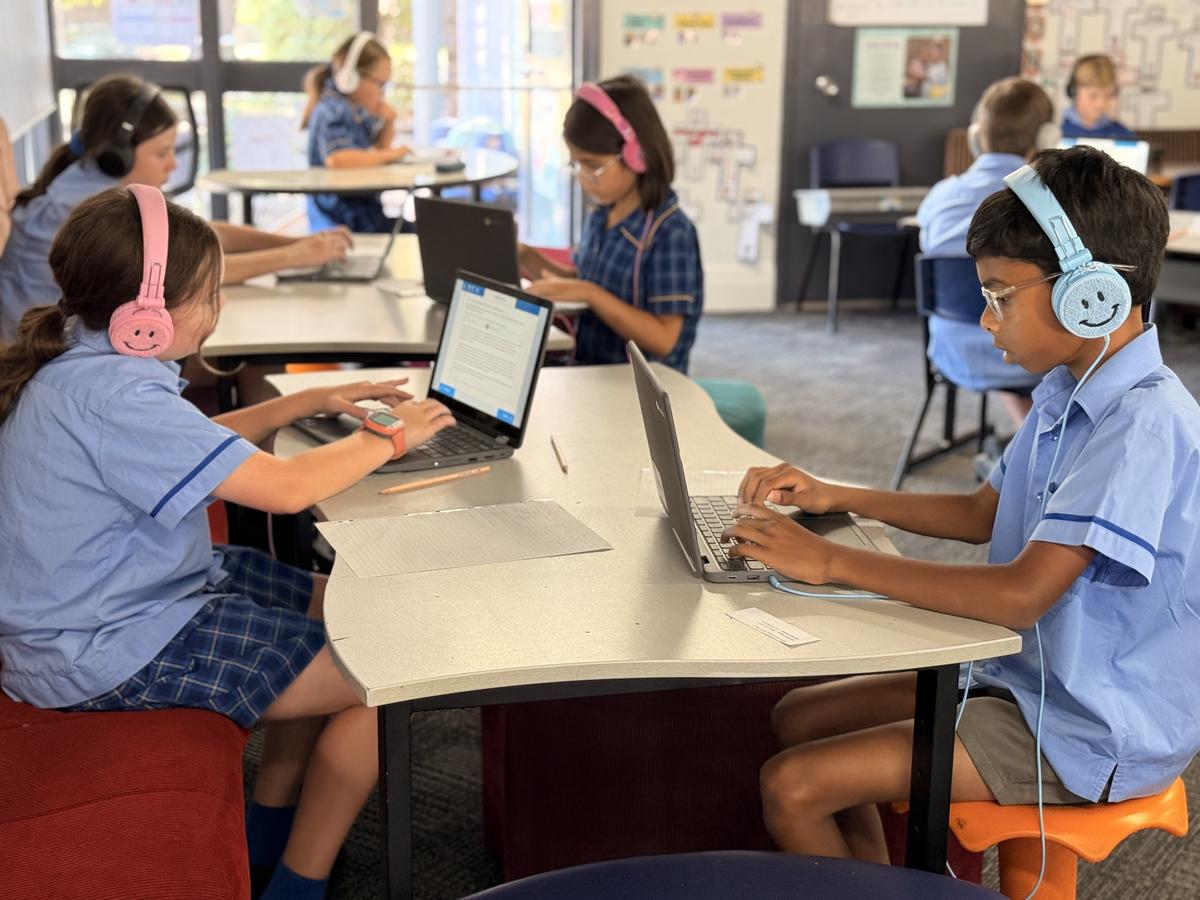
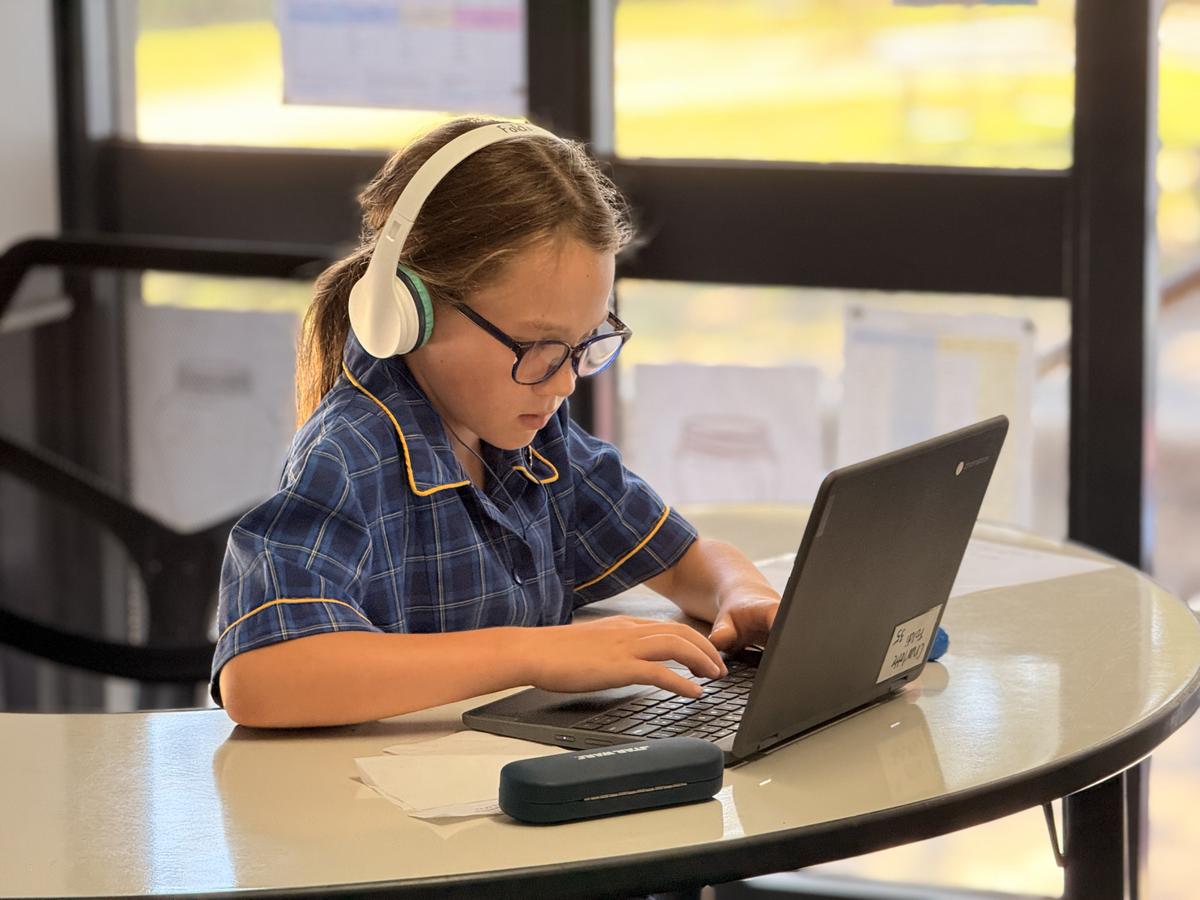
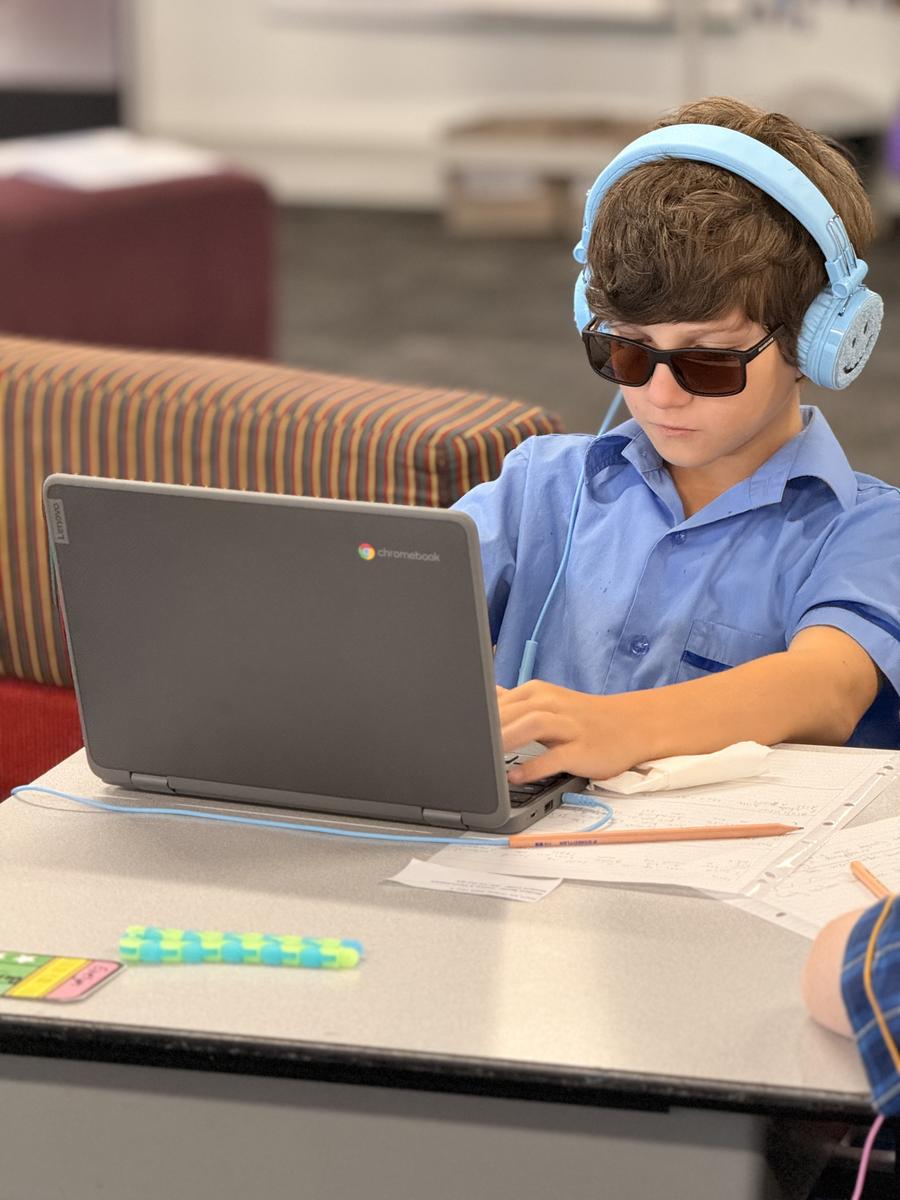
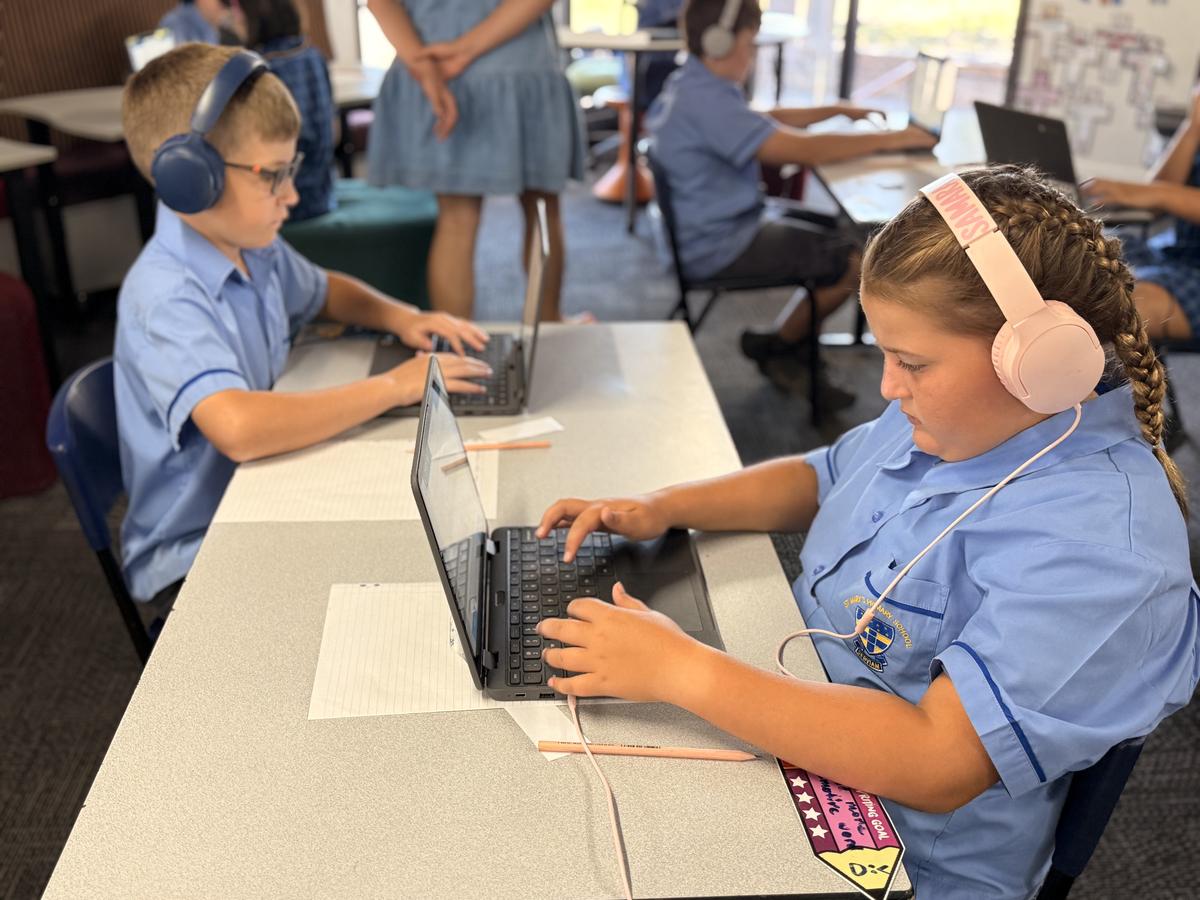
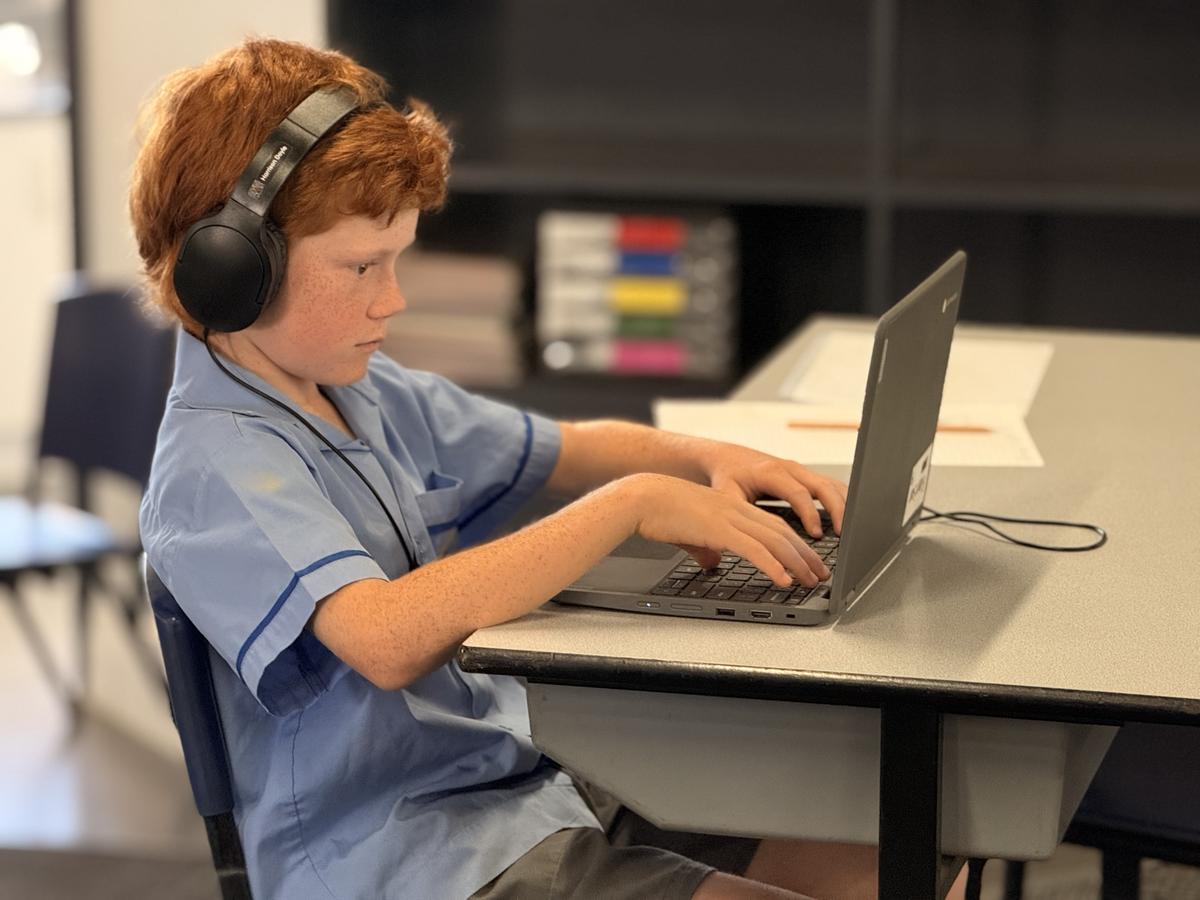
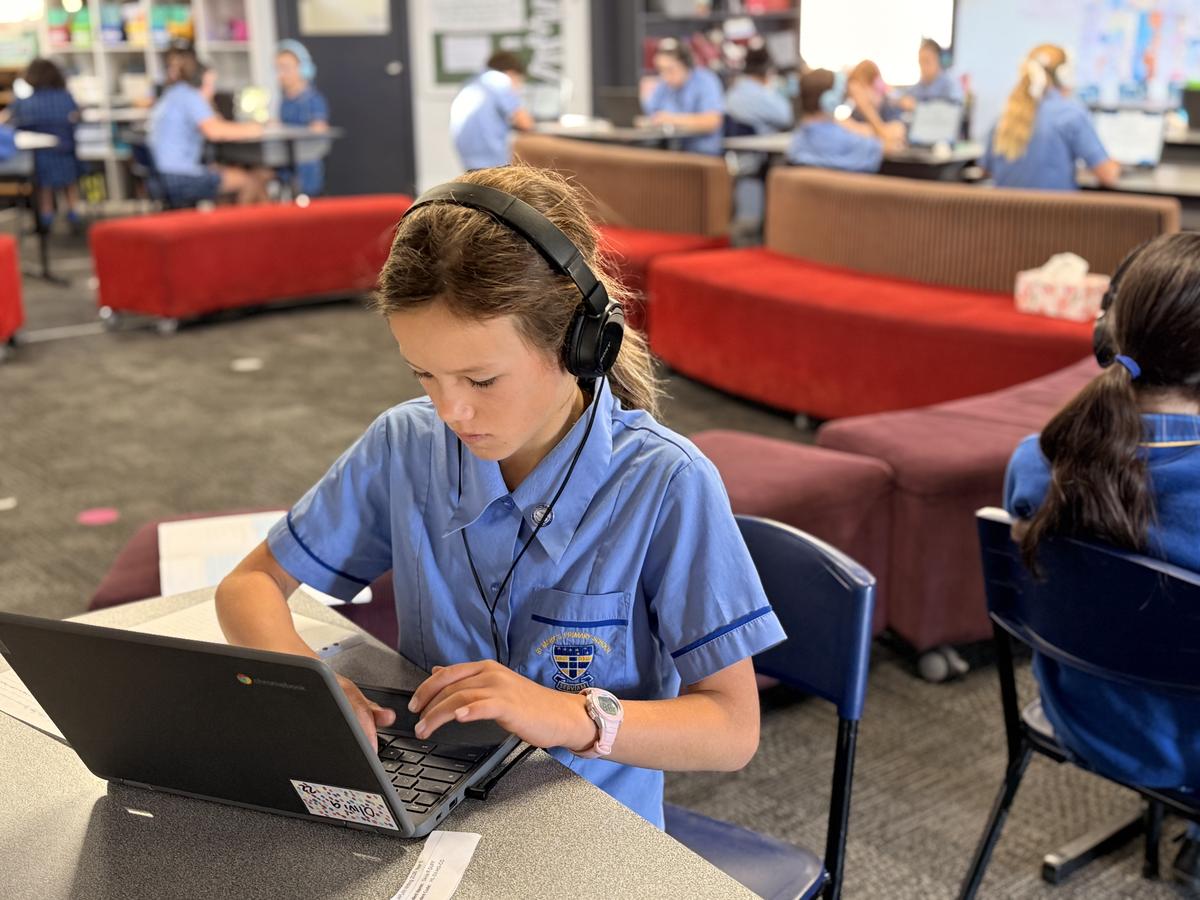
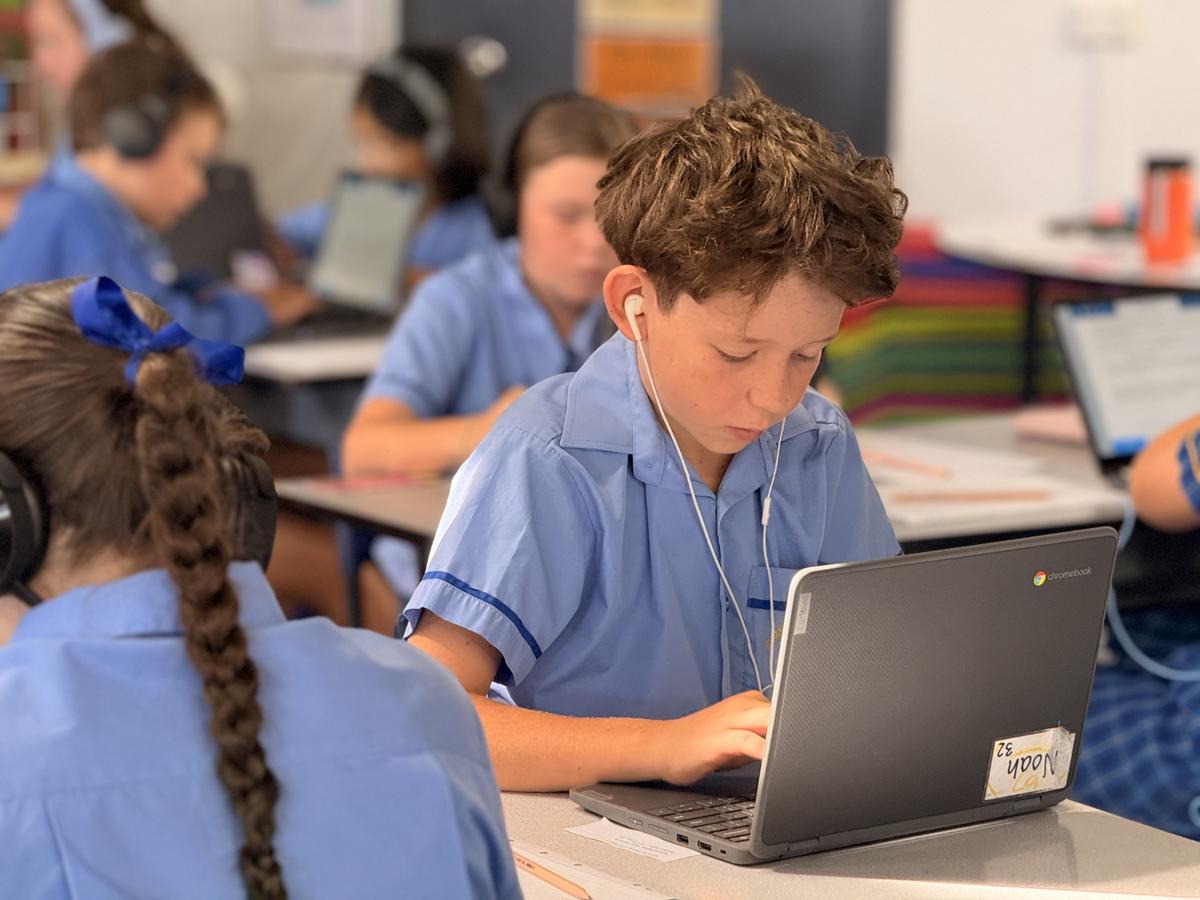
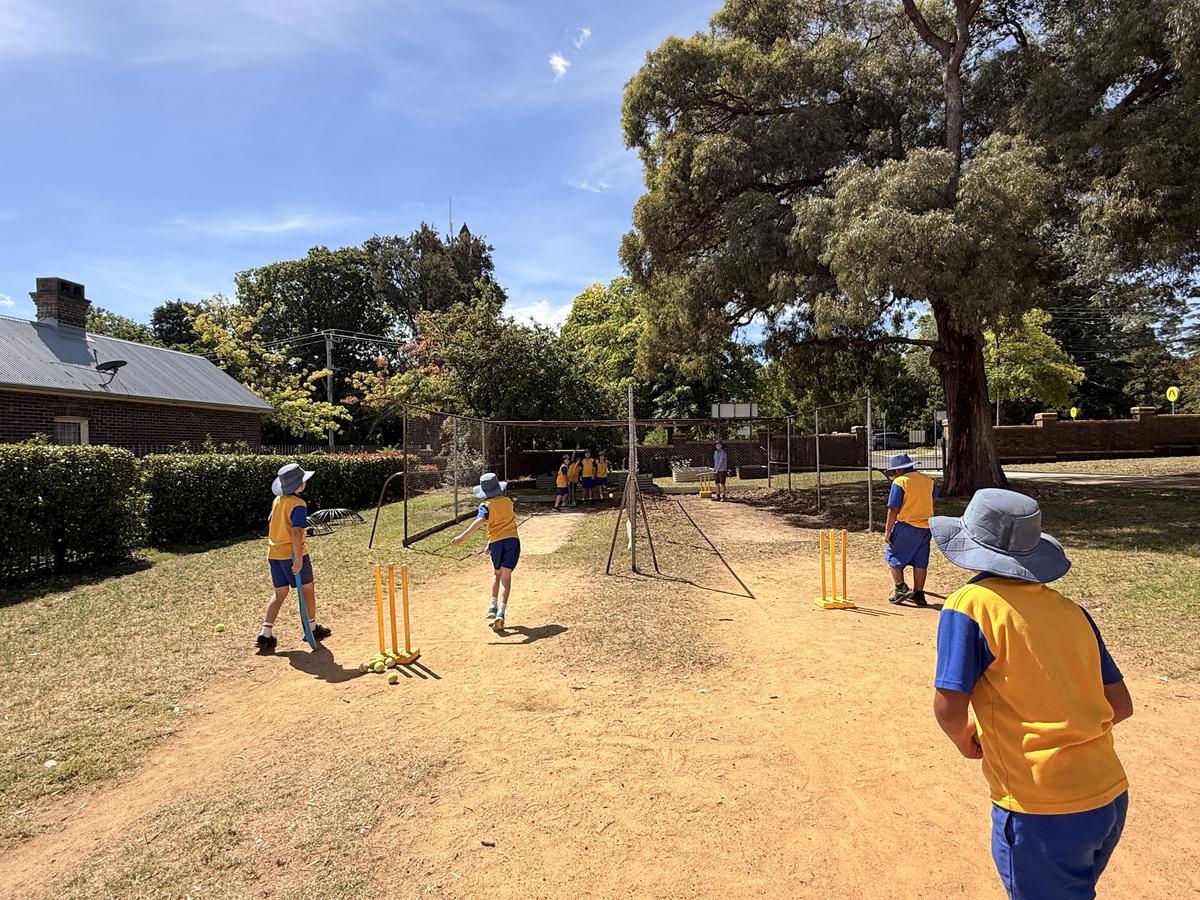
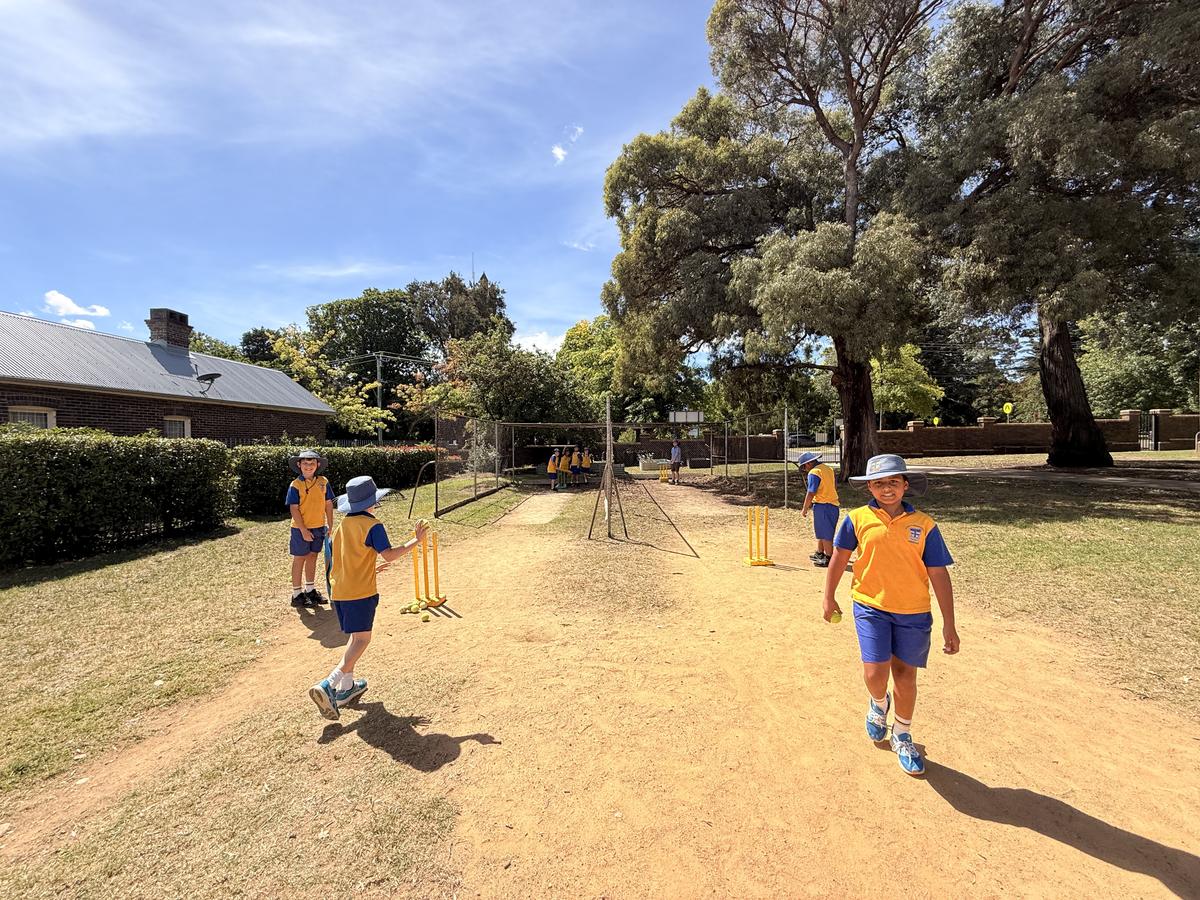
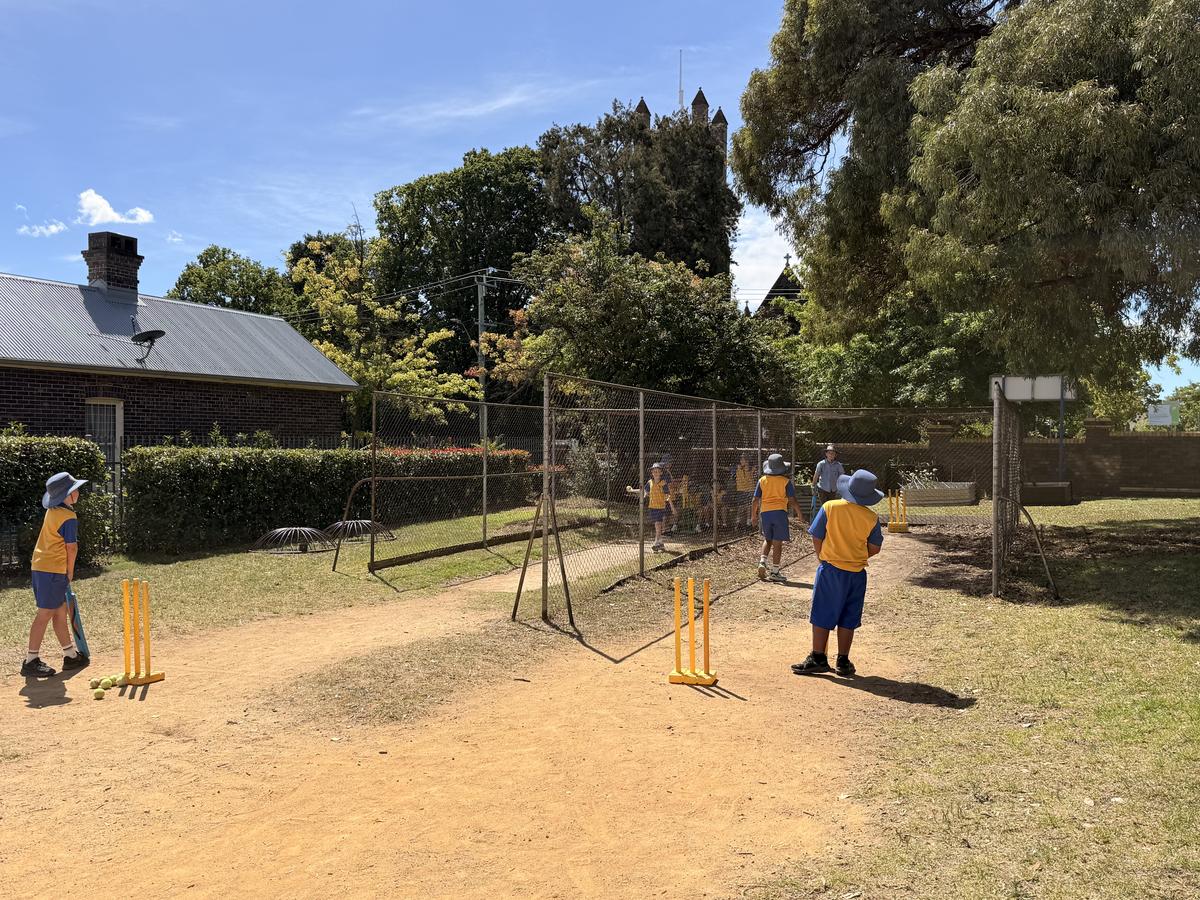
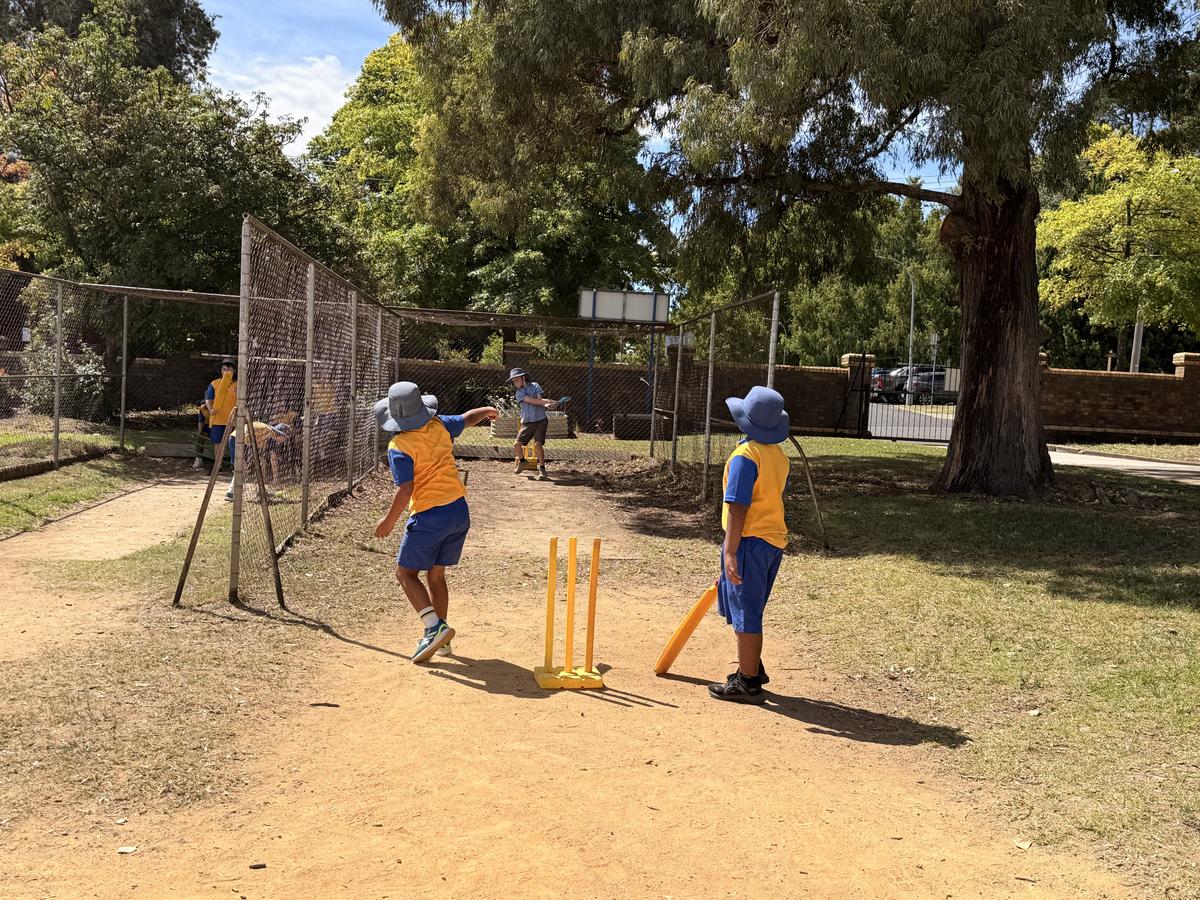
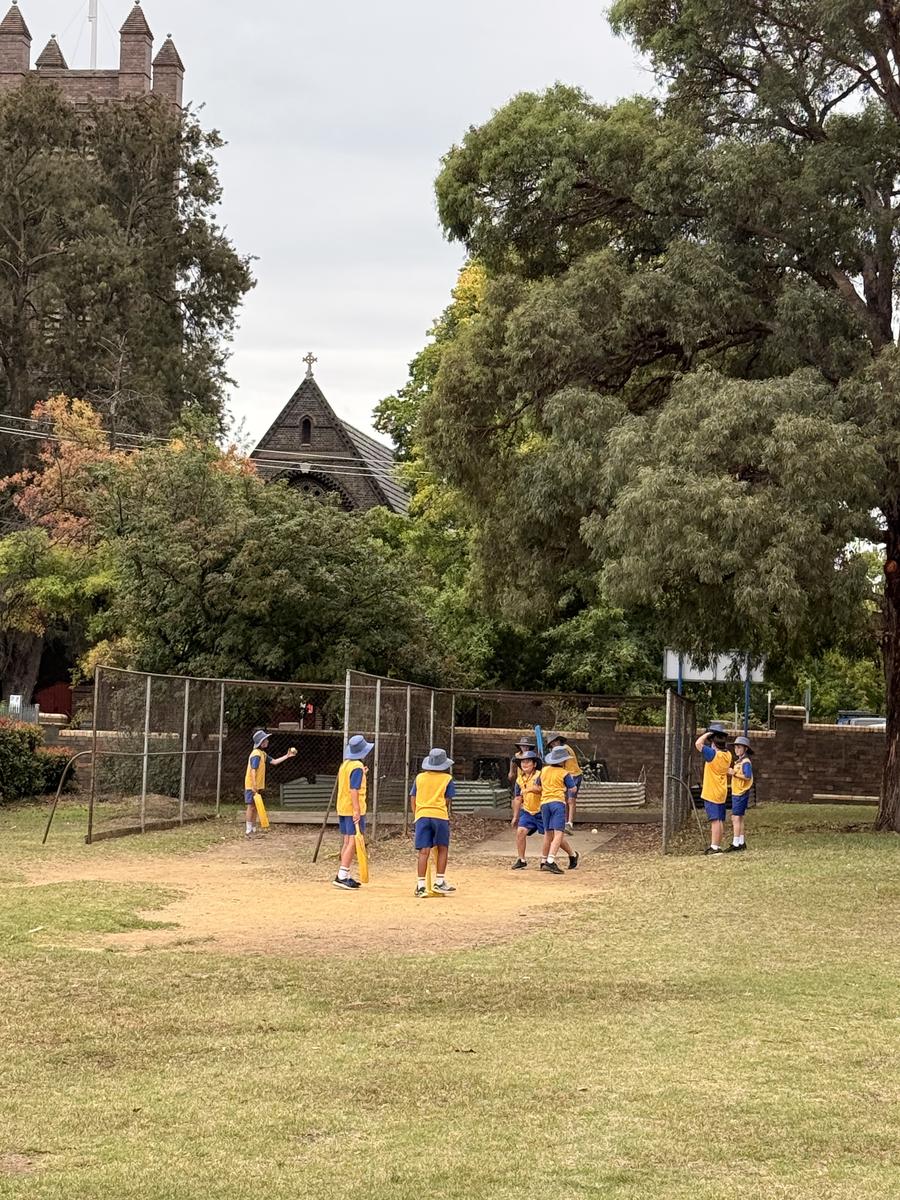
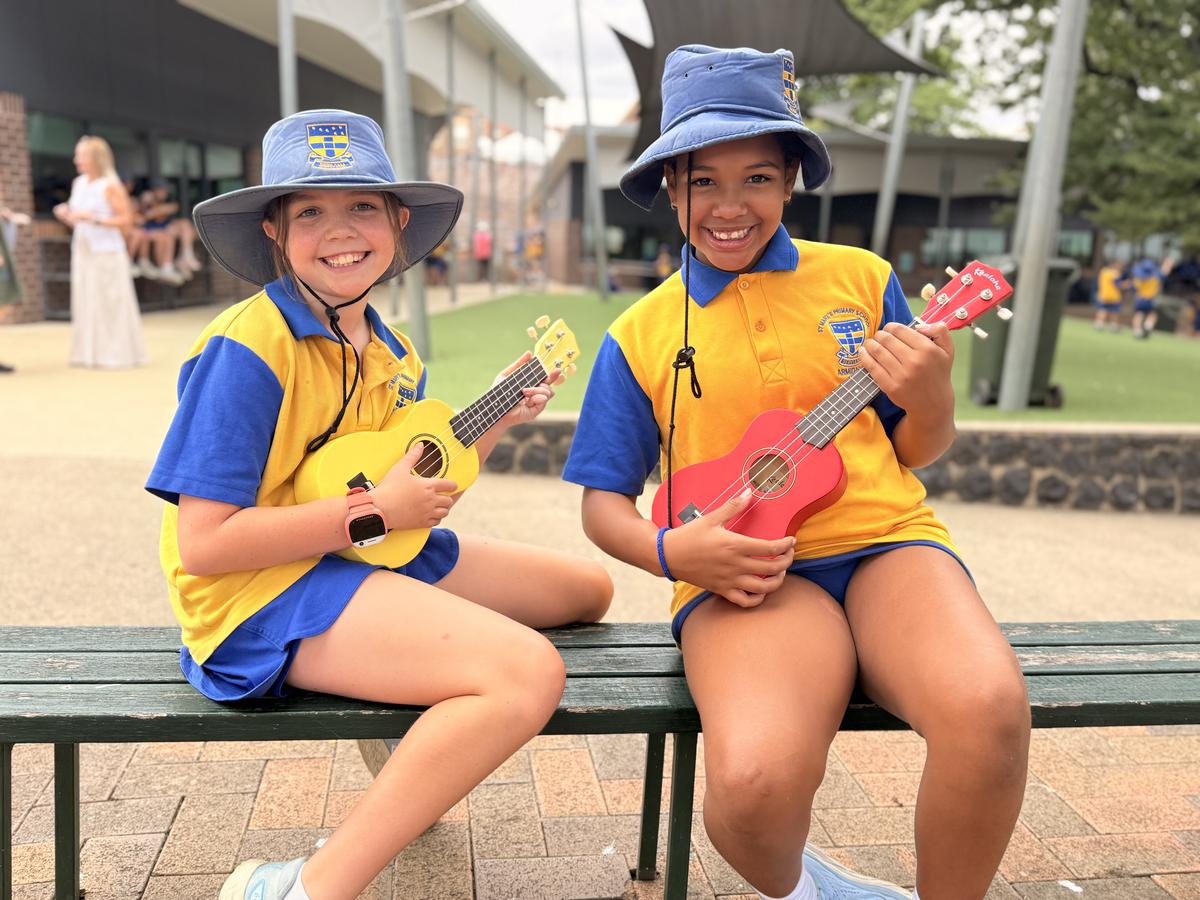
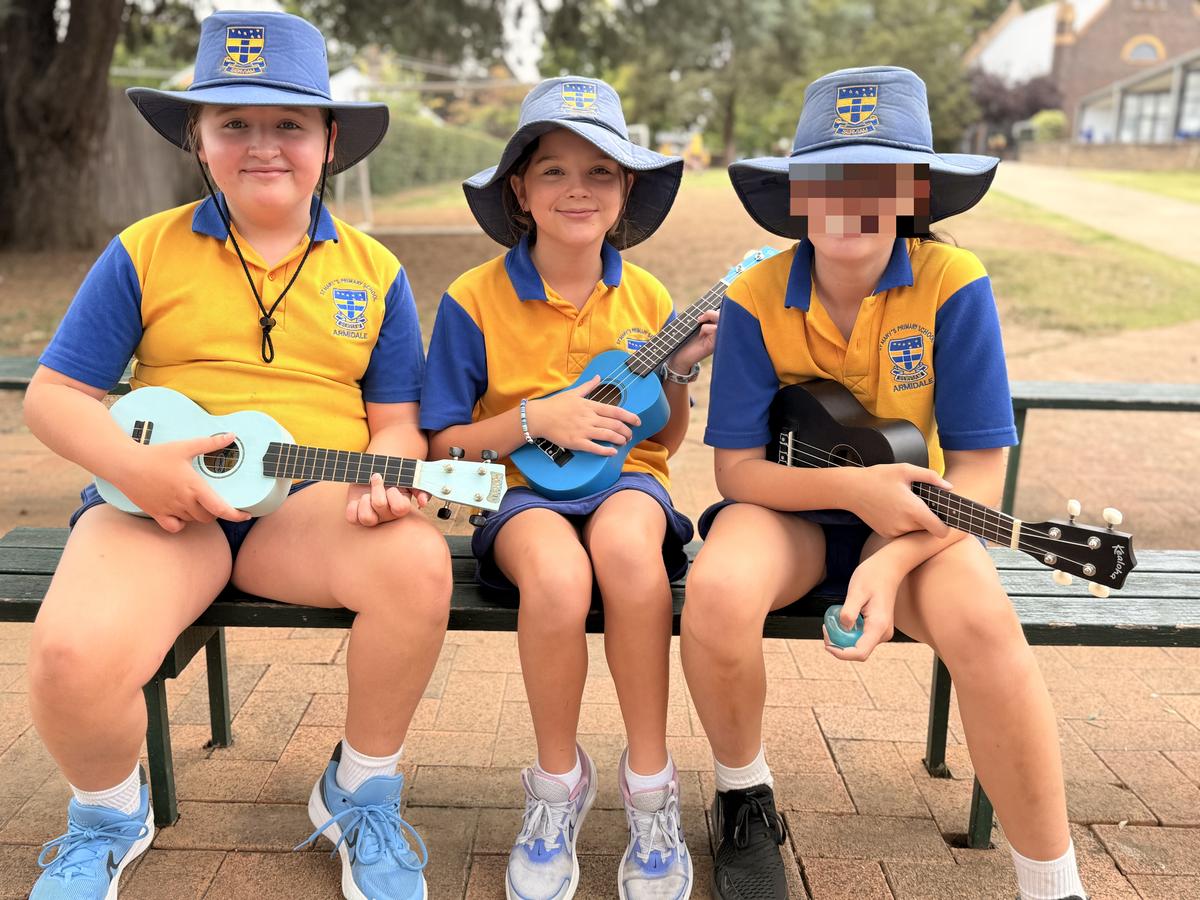
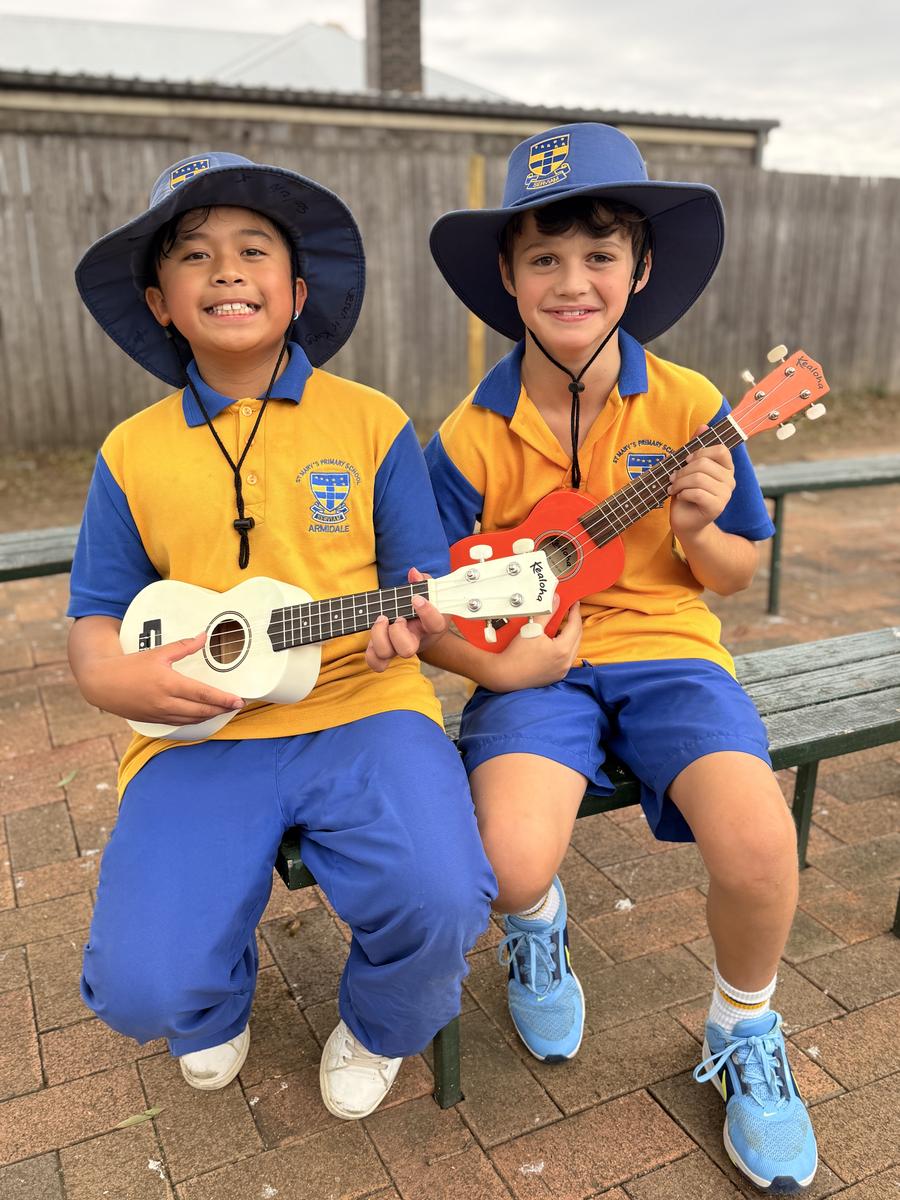
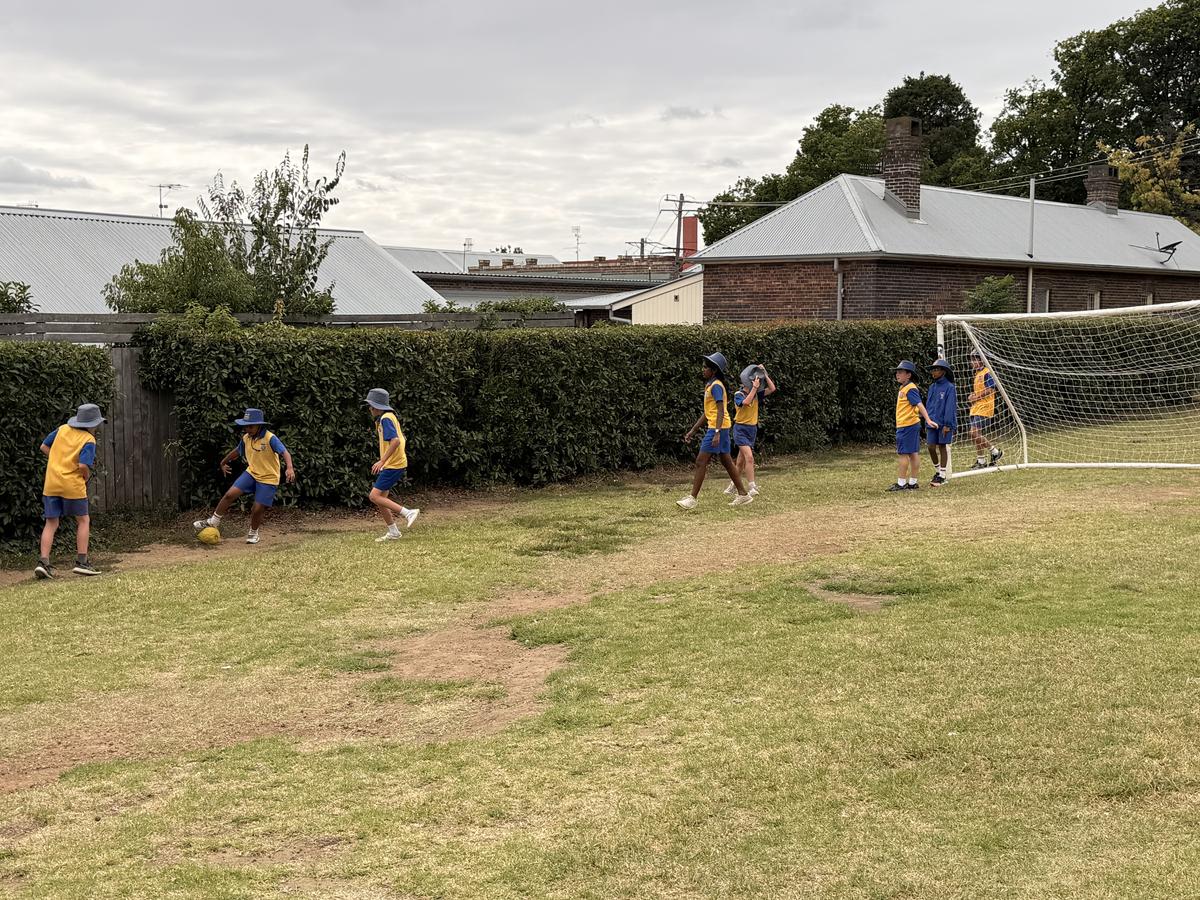
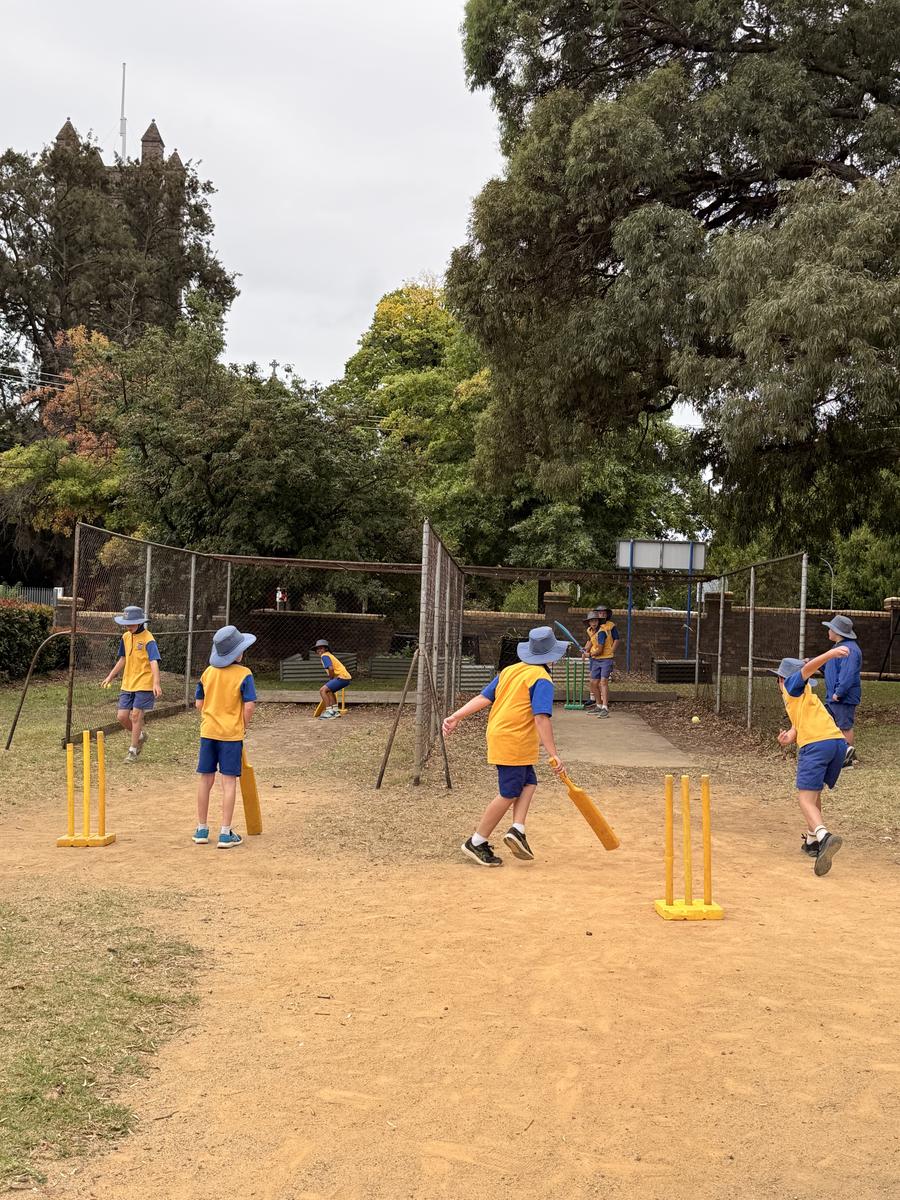
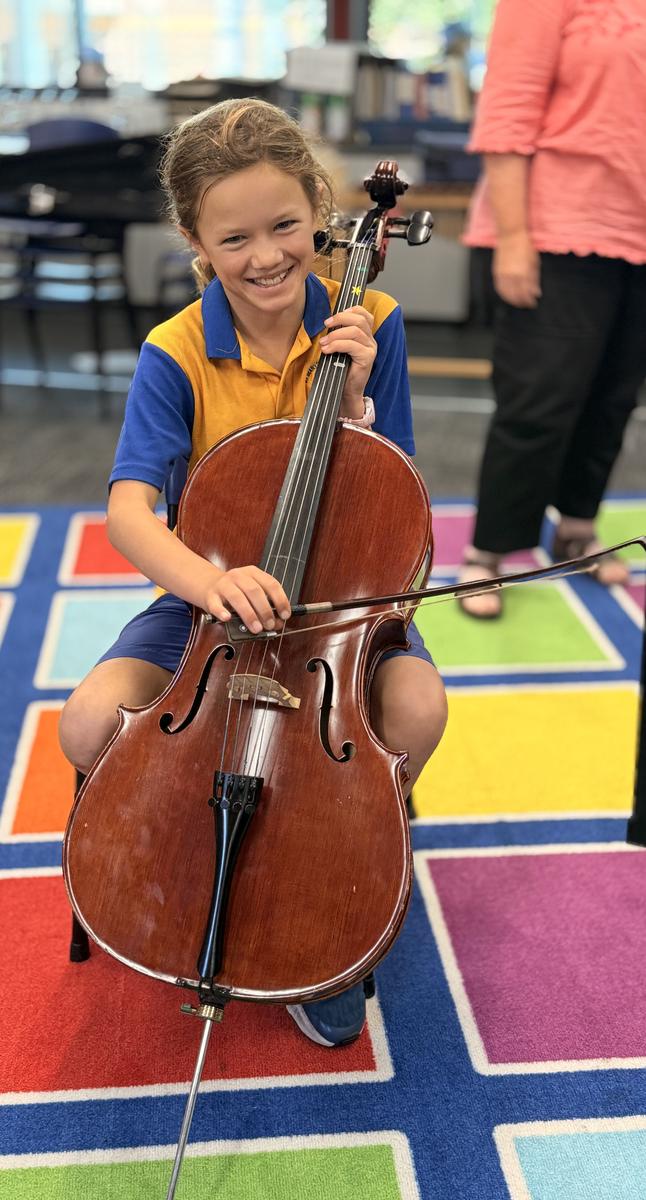
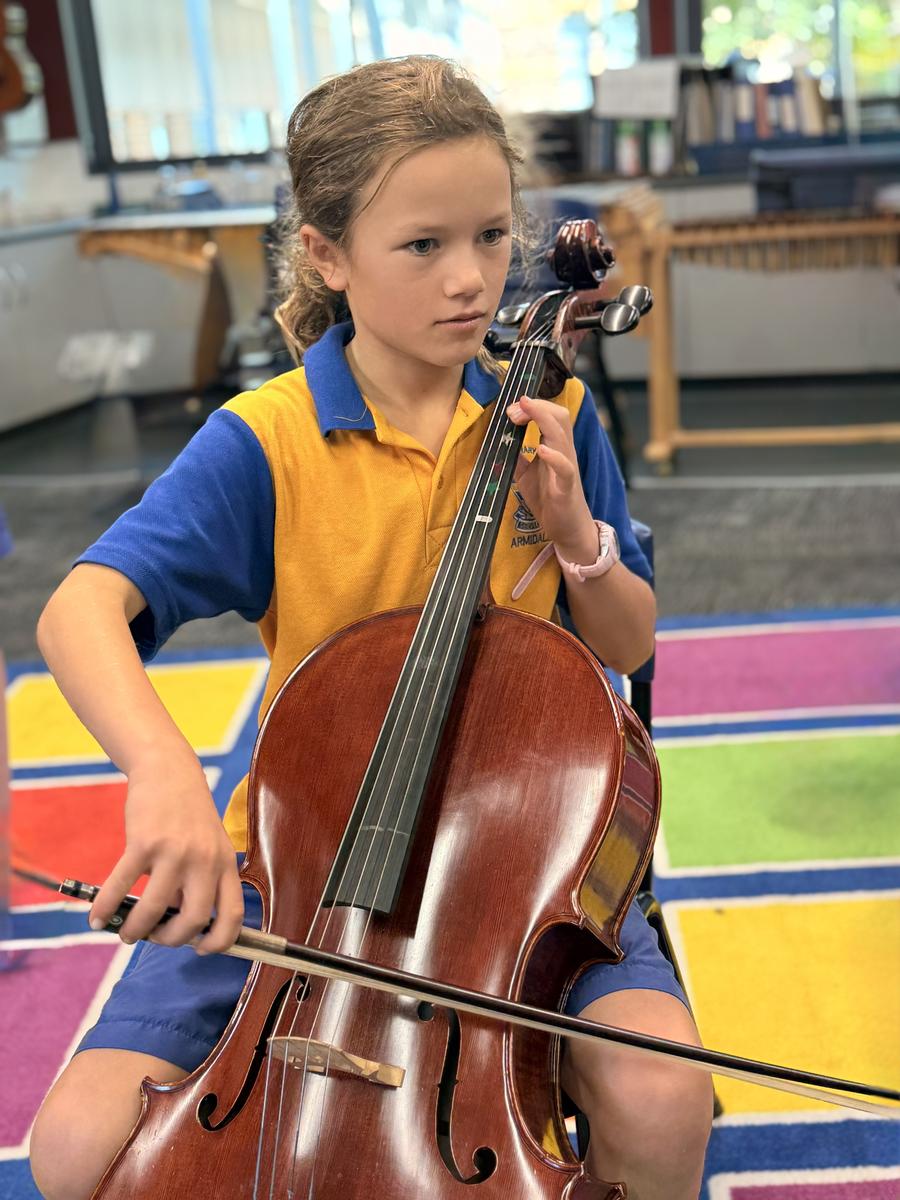
Break time snaps -
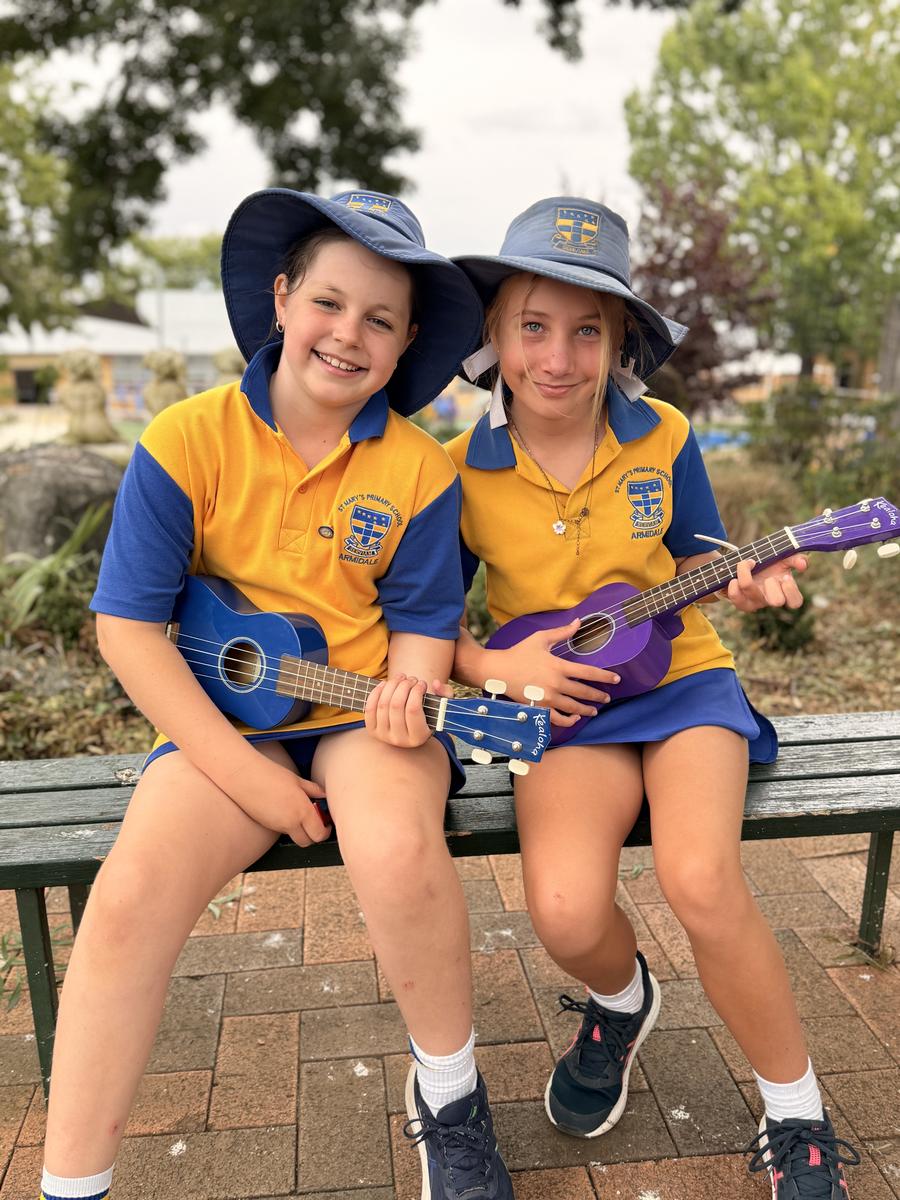
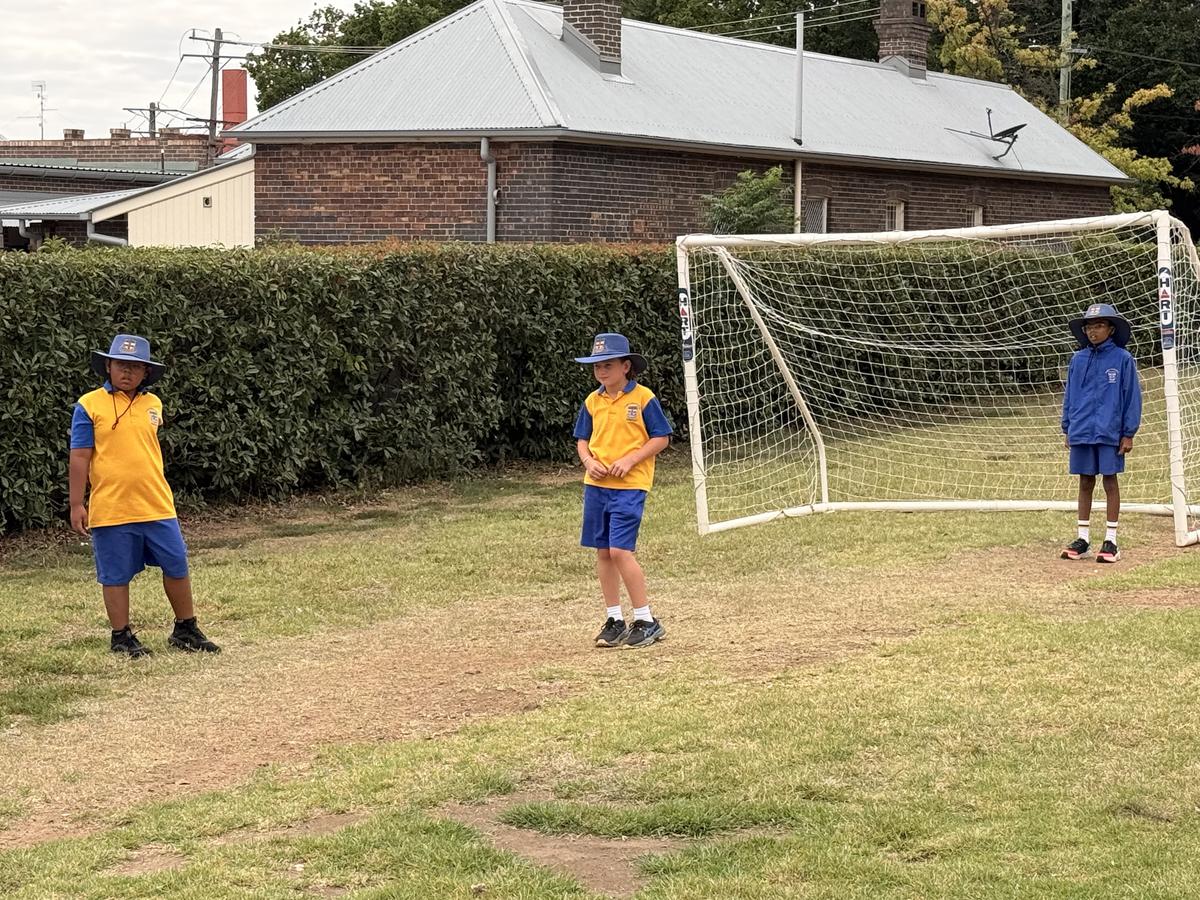
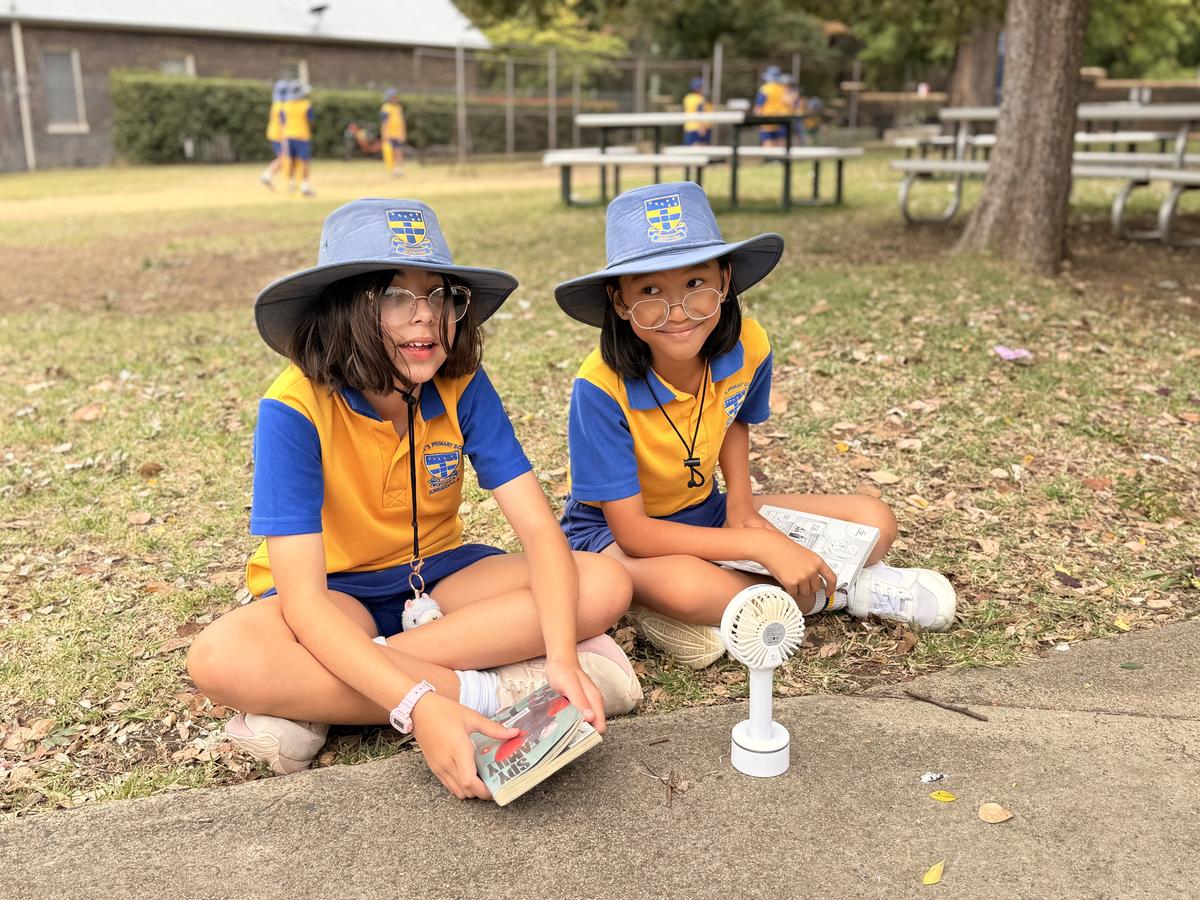
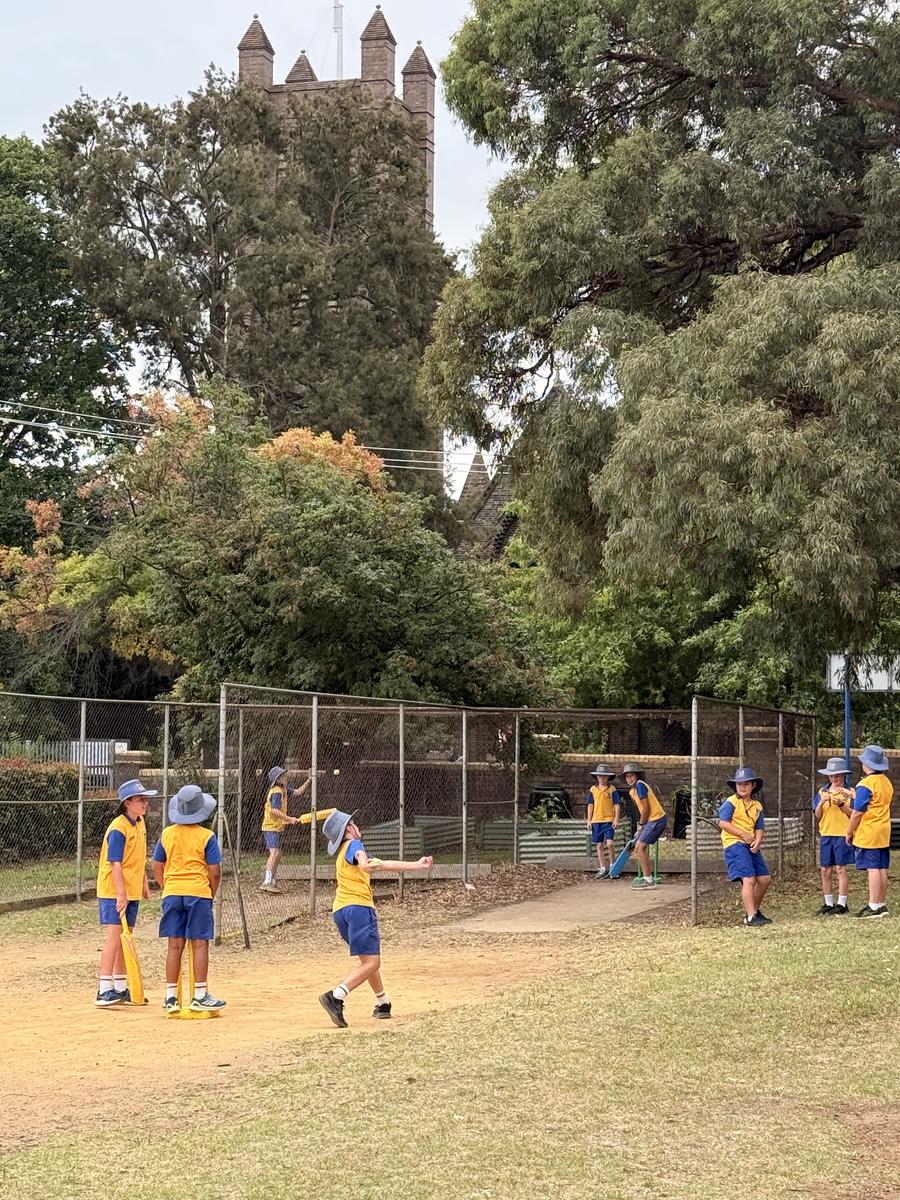
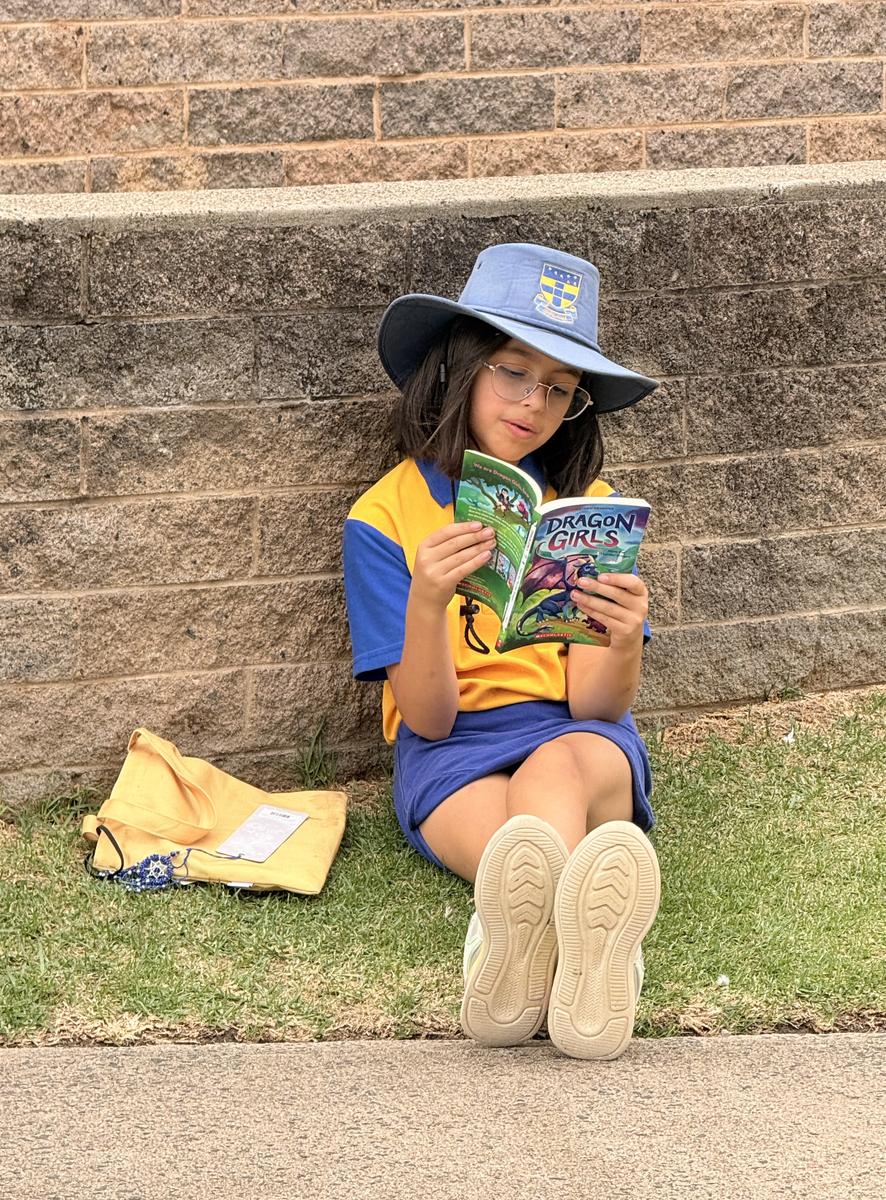
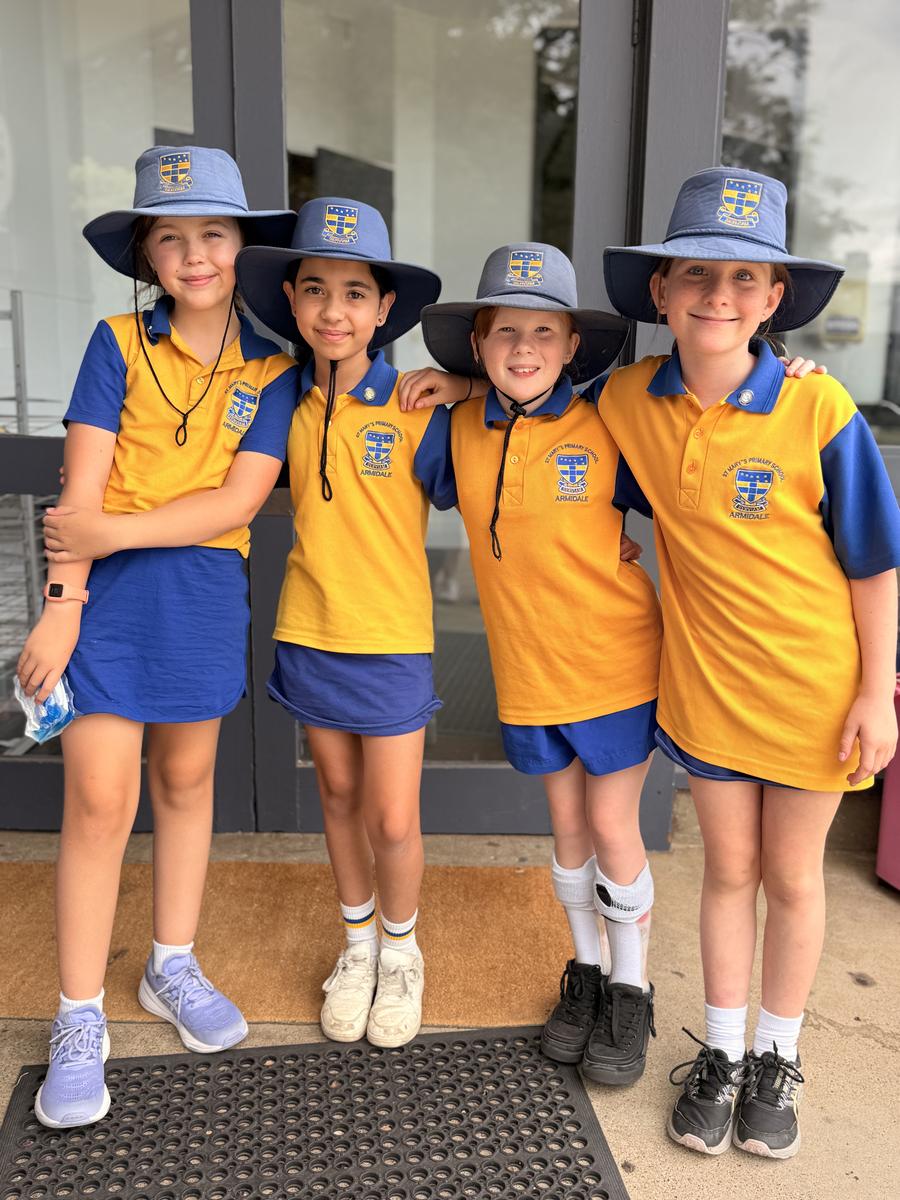
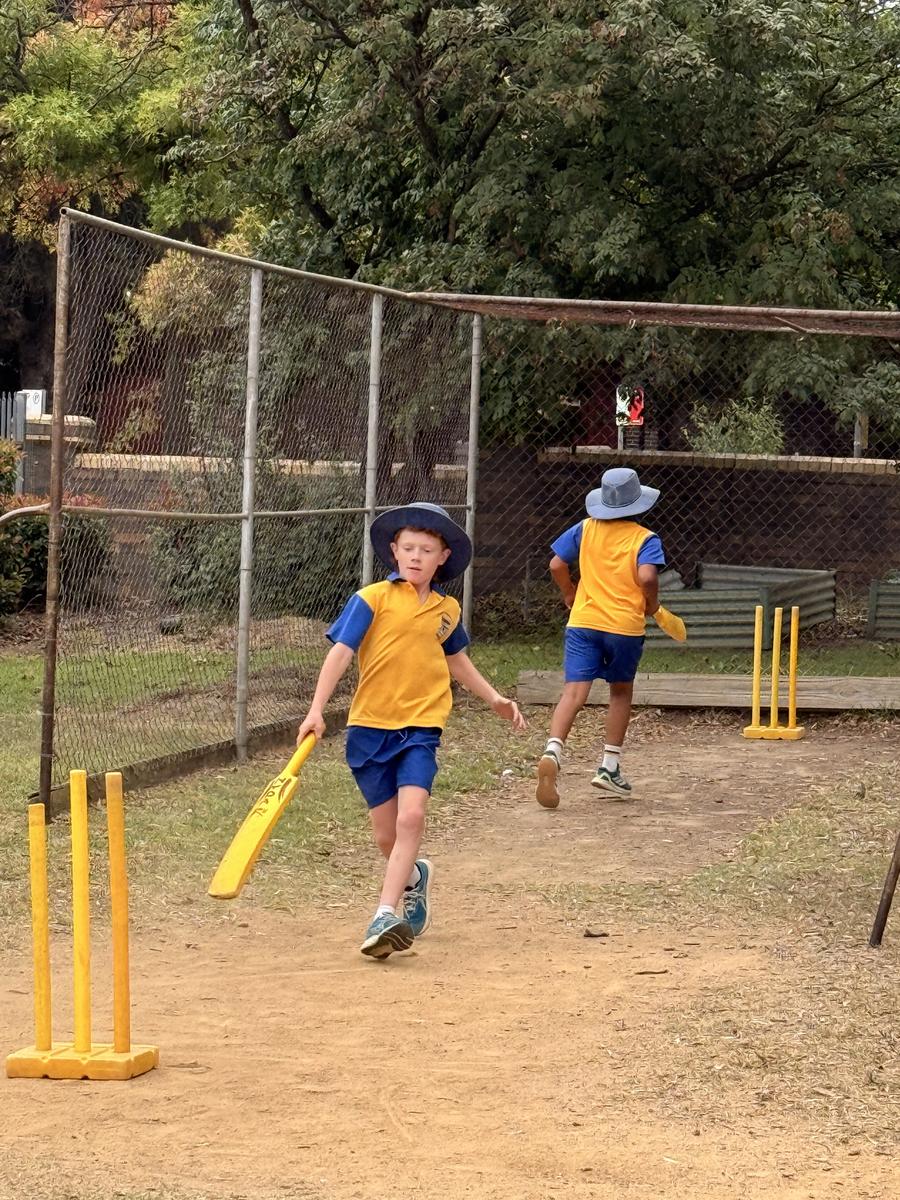
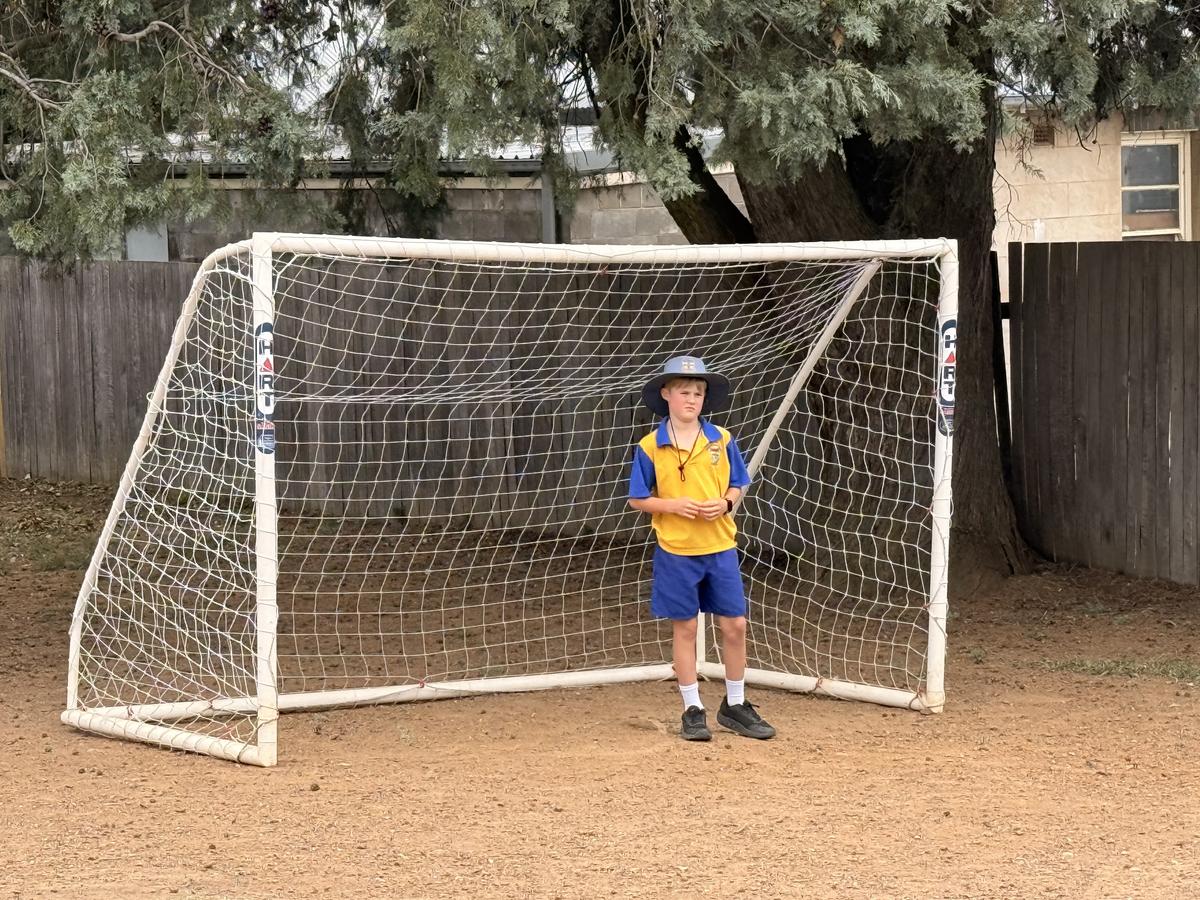
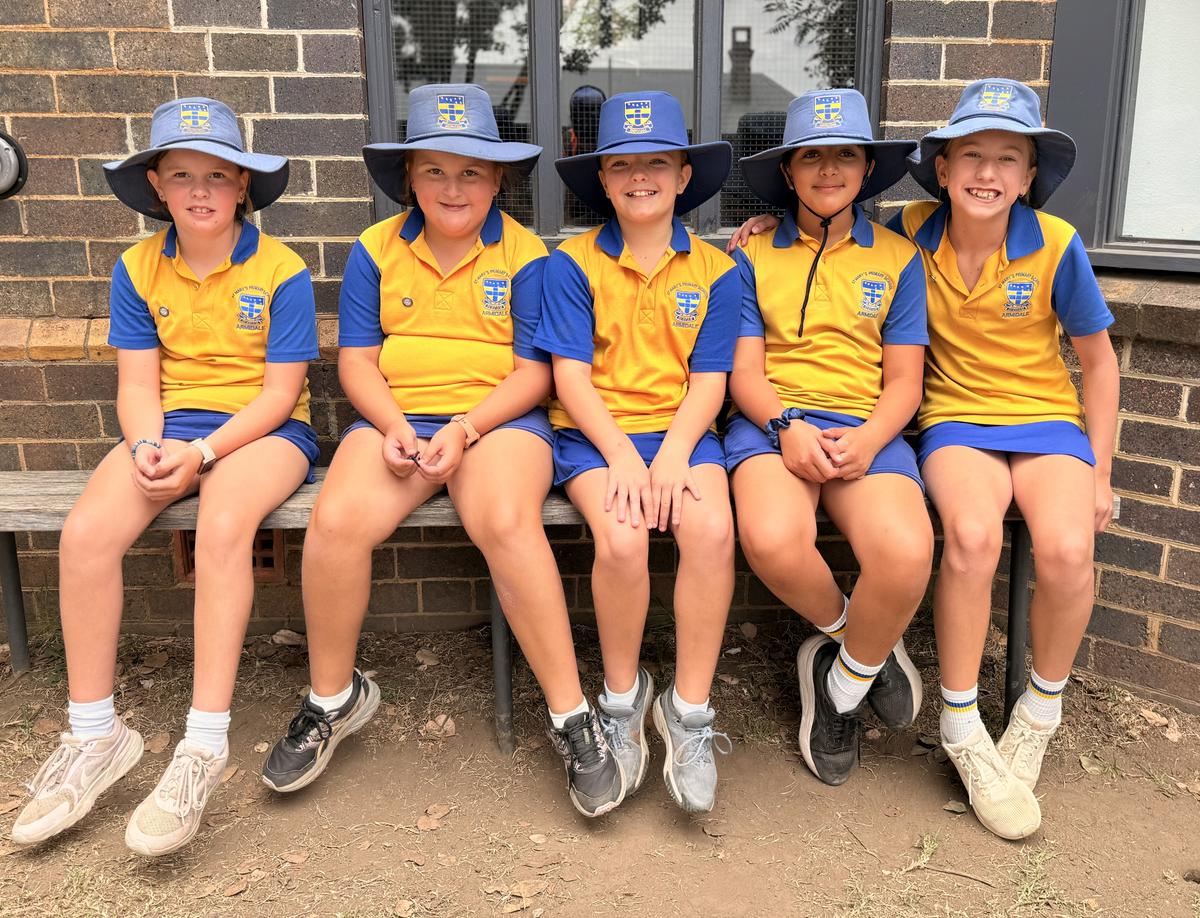
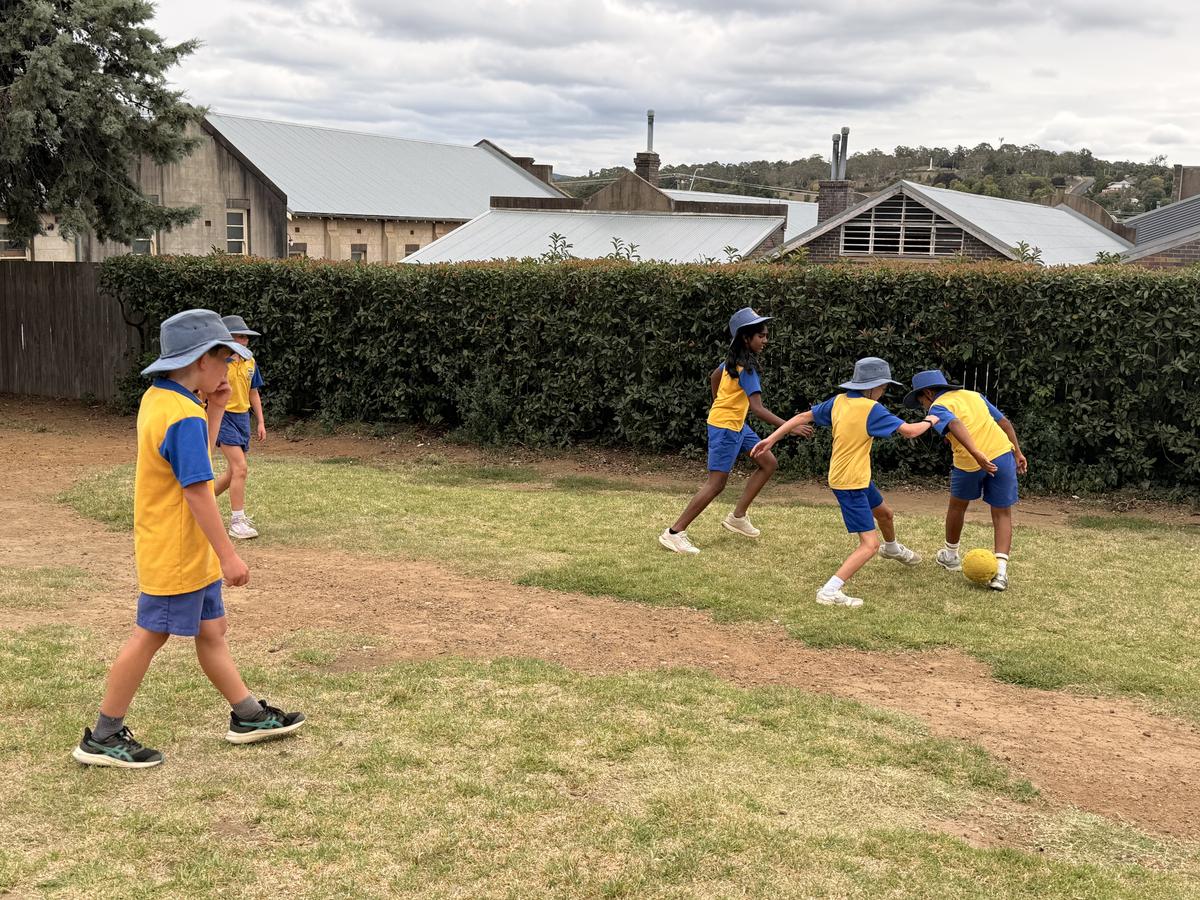
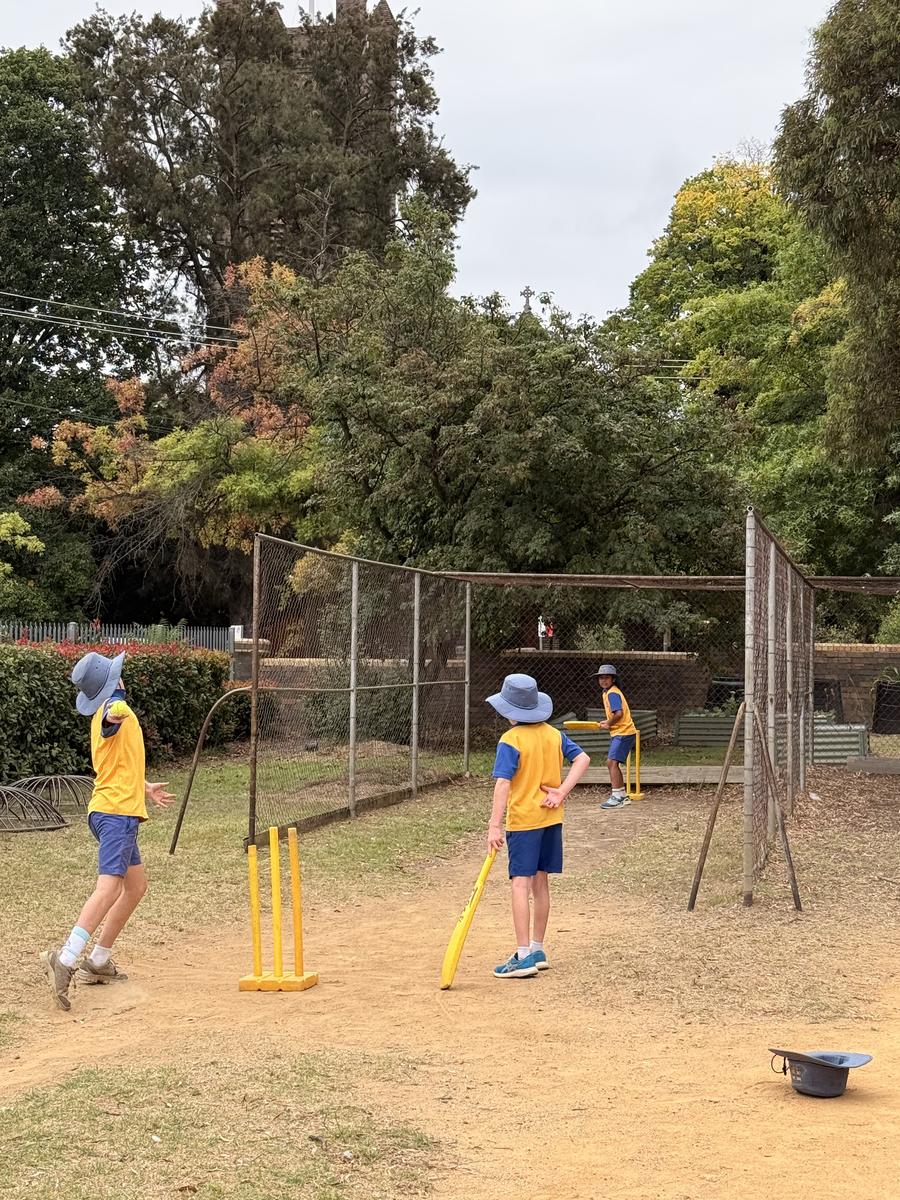
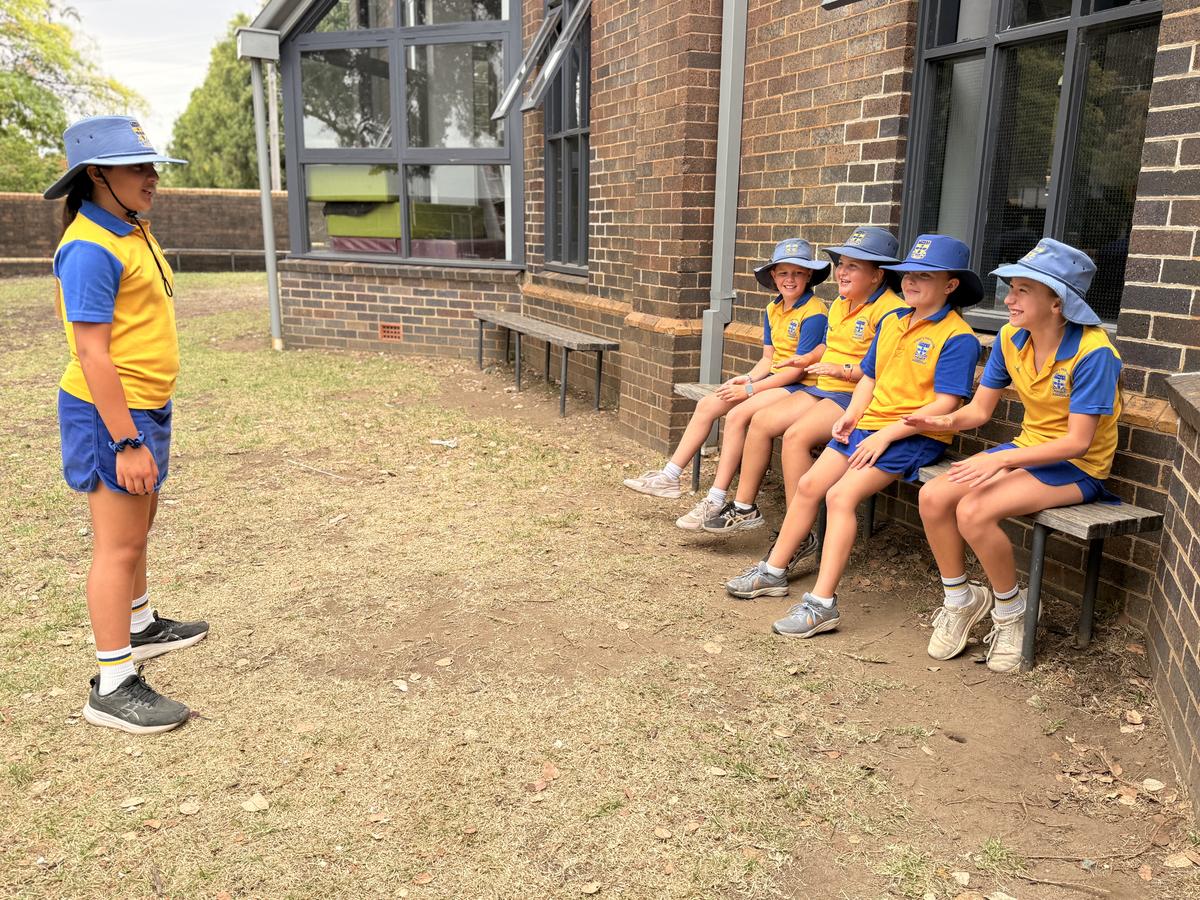
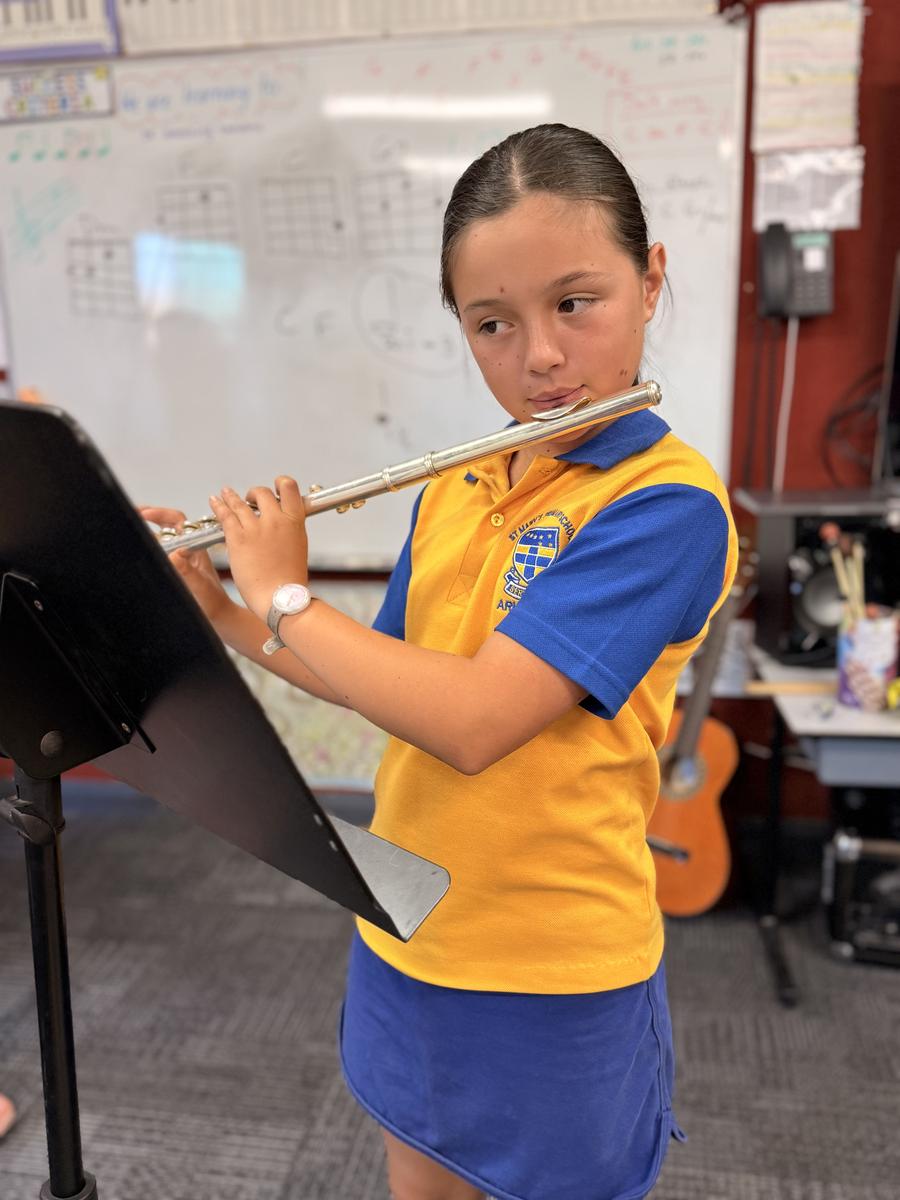
Whether they are strumming a ukulele, diving into a book, or chasing a soccer ball, our students make the most of their break times. Every day, our school comes alive with a diverse mix of music, sport, and quiet connection, reflecting the unique interests of every child.
An interview With a new student
Interviewer: What’s your name?
The new student: My name is Kheanna.
Interviewer: Good to meet you Kheanna, what has brought you to Armidale?
The new student: I came to Armidale because my dad has found work here.
Interviewer: Are you or your parents from a different country?
The new student: My parents and I lived on the island of Ifugao in the Philippines.
Interviewer: Are there any special foods in the Philippines that we don’t eat here in Australia?
The new student: The special foods are Balut and Adobo.
Interviewer: Is English the main language in the Philippines or are there others?
The new student: Yes there is another language, Tagalog and it is the main language in the Philippines.
Interviewer: What is your favourite subject at school Kheanna?
The new student: My favourite subject is English.
Interviewer: How long have you been in Australia?
The new student: I have been in Australia for three months.
Interviewer: Do you have any hobbies or certain foods you like?
The new student: My favourite hobbies are playing,reading and listening to music. My favourite food is roasted chicken.
Interviewer: Do you have any subjects that you dislike?
The new student: Yes, I do not like Math like division.
Interviewer: Well good to meet you, thank you for doing the interview.
By Luke and Kheanna
Diocesan Hockey 6 March 2026
Dio Hockey went amazingly. We started off the day by getting our bibs and heading onto the field. We did all different types of passes before starting some drills. We did 3 man weaves and some dribbling drills. Once we had done each of them for about an hour we had morning tea.
After morning tea we got started with some games. We got sorted into our teams and started playing. We continued to play games until lunch. Once we had finished lunch we went on to do possibles and probables. After that game was done they called out the people who made it and we all went home.
Overall it was an amazing day and everyone had a great time.
By Abigail and Molly
Year 6 O'Connor Catholic College STEP Day Term 1 - March 10th
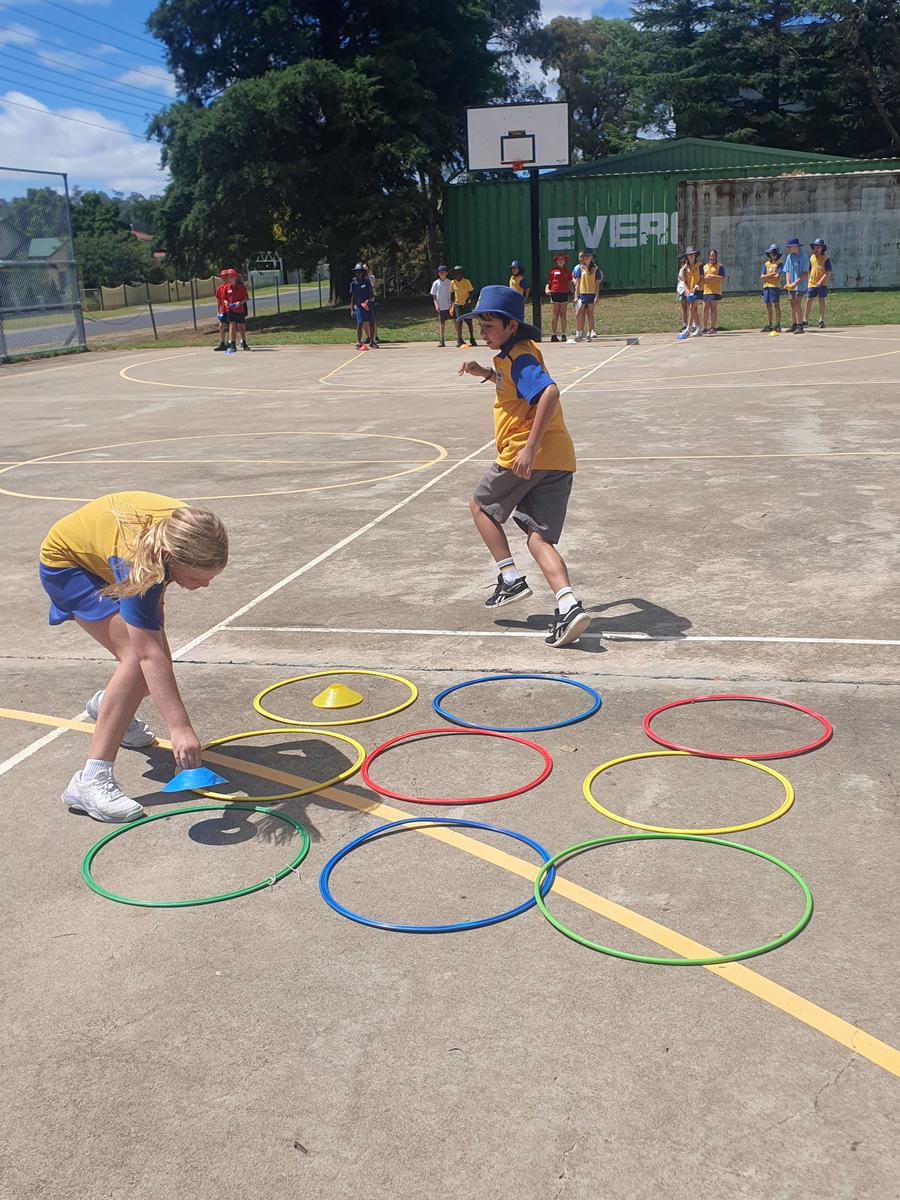
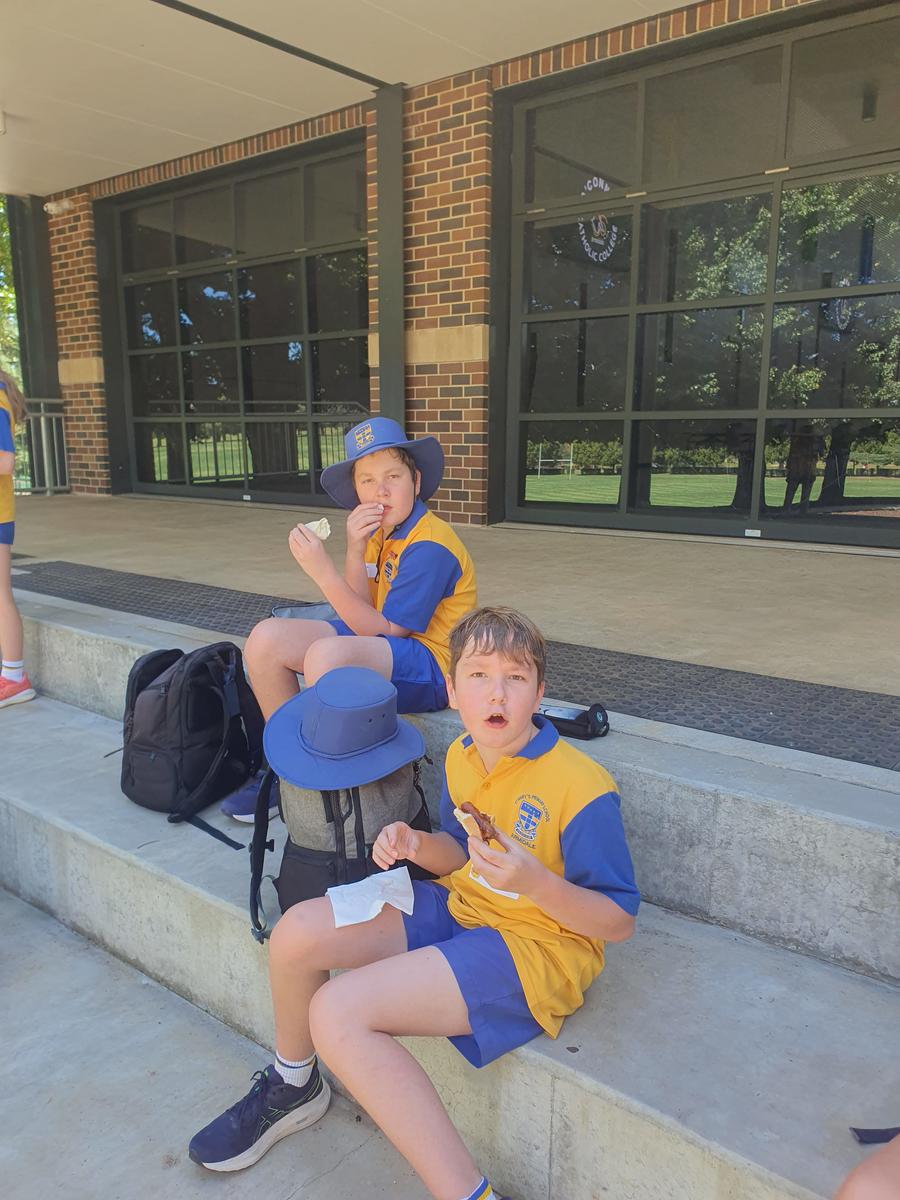
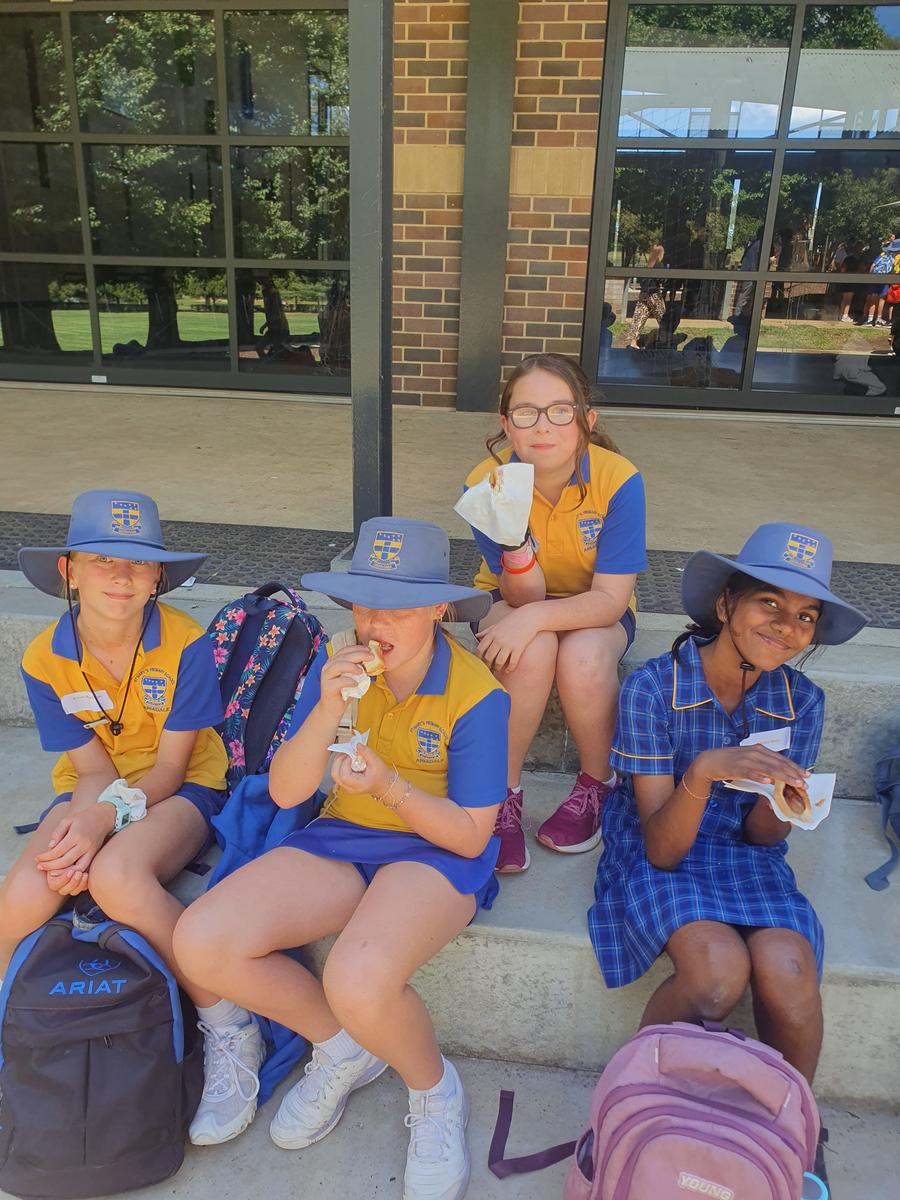
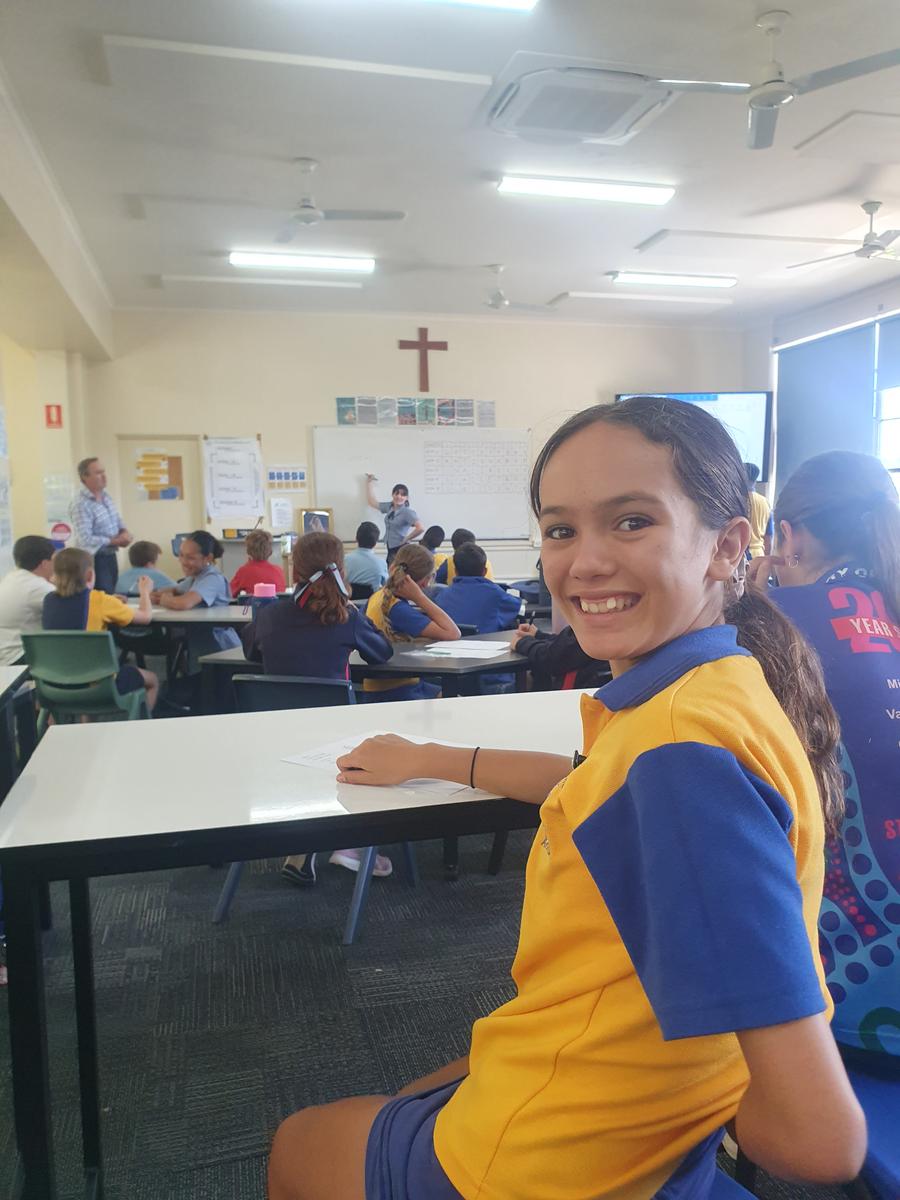
At 9:20am on Tuesday on the 10th of March the Year 6 students of multiple schools attended the O'Connor Catholic College (OCCC) for STEP day. First they met on the front lawn to get their name tags and to see what groups they were in. The groups included Benilde the blue team, Ursula the red team, La Salle the green team and Merici yellow team. The Lasallian Youth Leaders (LYL) were today's helpers and also the School captain James Everett who helped us get from A-B.
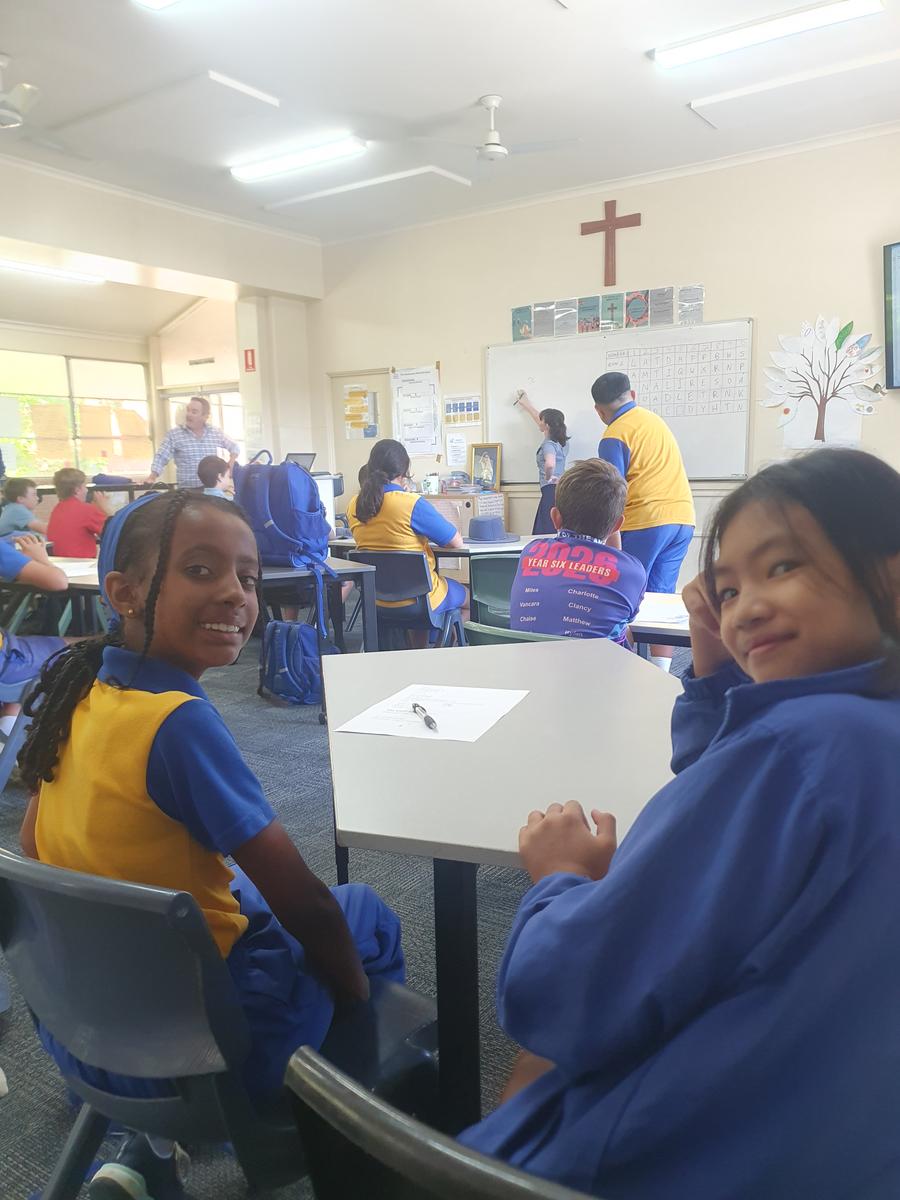
Maths: In Mathematics we had Mr Harris, he taught us a little bit about algebra, a bit about how to crack codes for safes even though every guess would be correct. Also on the whiteboard , Mr Harris had letters and rows to help crack the code. Row 1, Row 2, etc. For the answer, we had 5 questions which were pretty easy. Our LYLs were , Madeleine, Marisa and Richard.
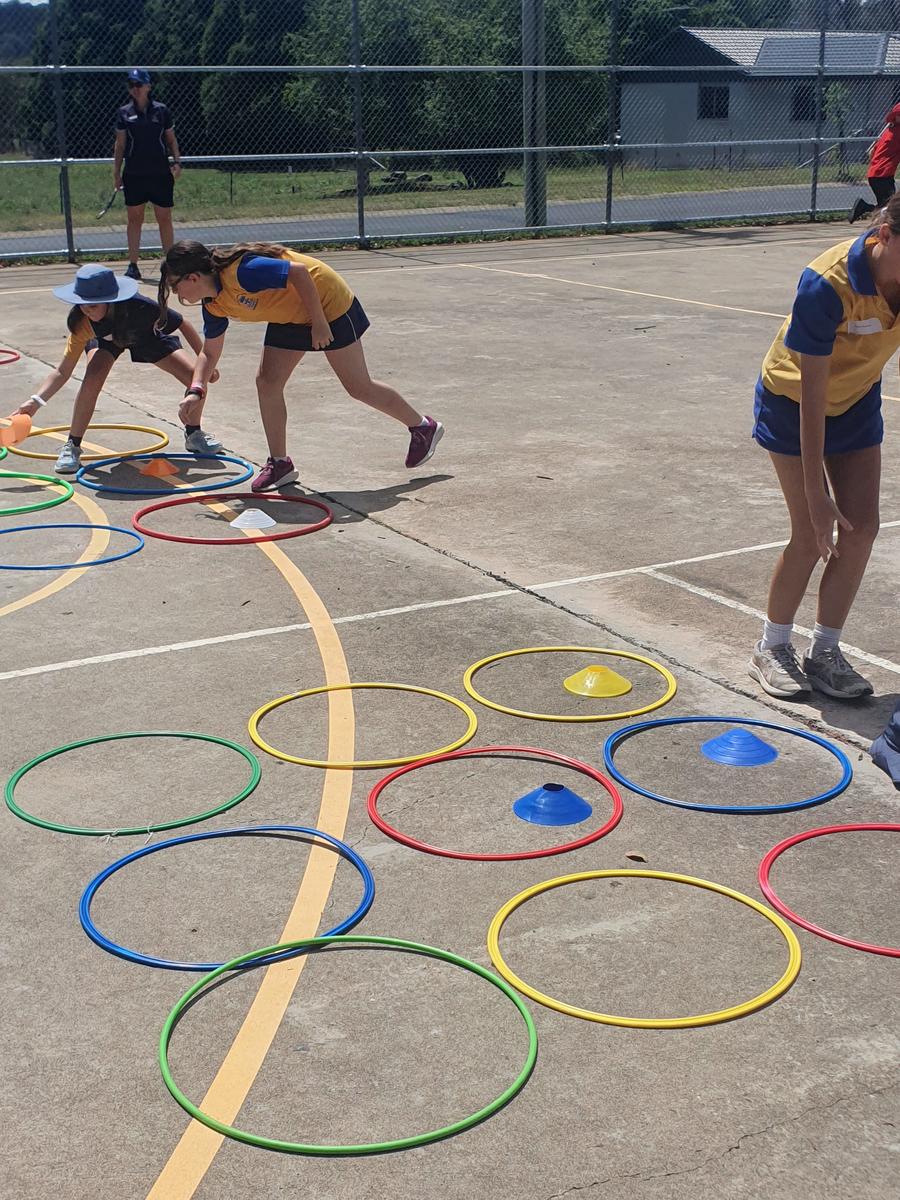
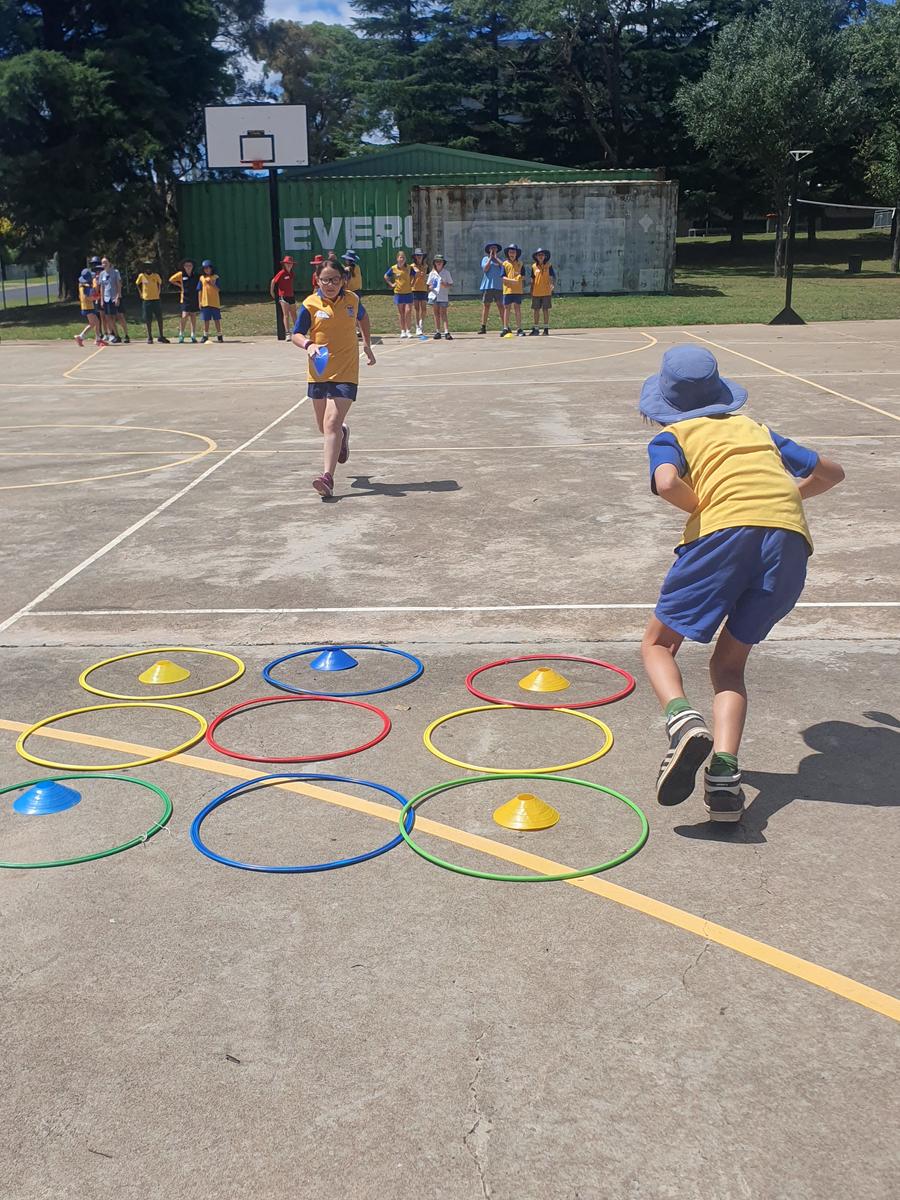
PE: Ms Clydesdale, The PE Instructor, ran the first PE. step day session for potential Year 7 students. First, we played a game of Bullrush Build-up, Then transitioned to different types of bullrush, like octopus tag and Pool Noodle tag. Another game we played was the Tic-Tac-Toe relay. In the second round, we had to shoot some hoops to determine the winning team. Our LYLs were Charli and Summer.
HSIE : In History we had Ms Leggatt who was teaching us about the 7 continents AKA Australia, Europe, Asia, South America, North America and Africa. She also gave us little pieces of paper with something on it eg if we had Great Barrier Reef we would go to Australia etc. Our LYLs were Meredith and Faith.
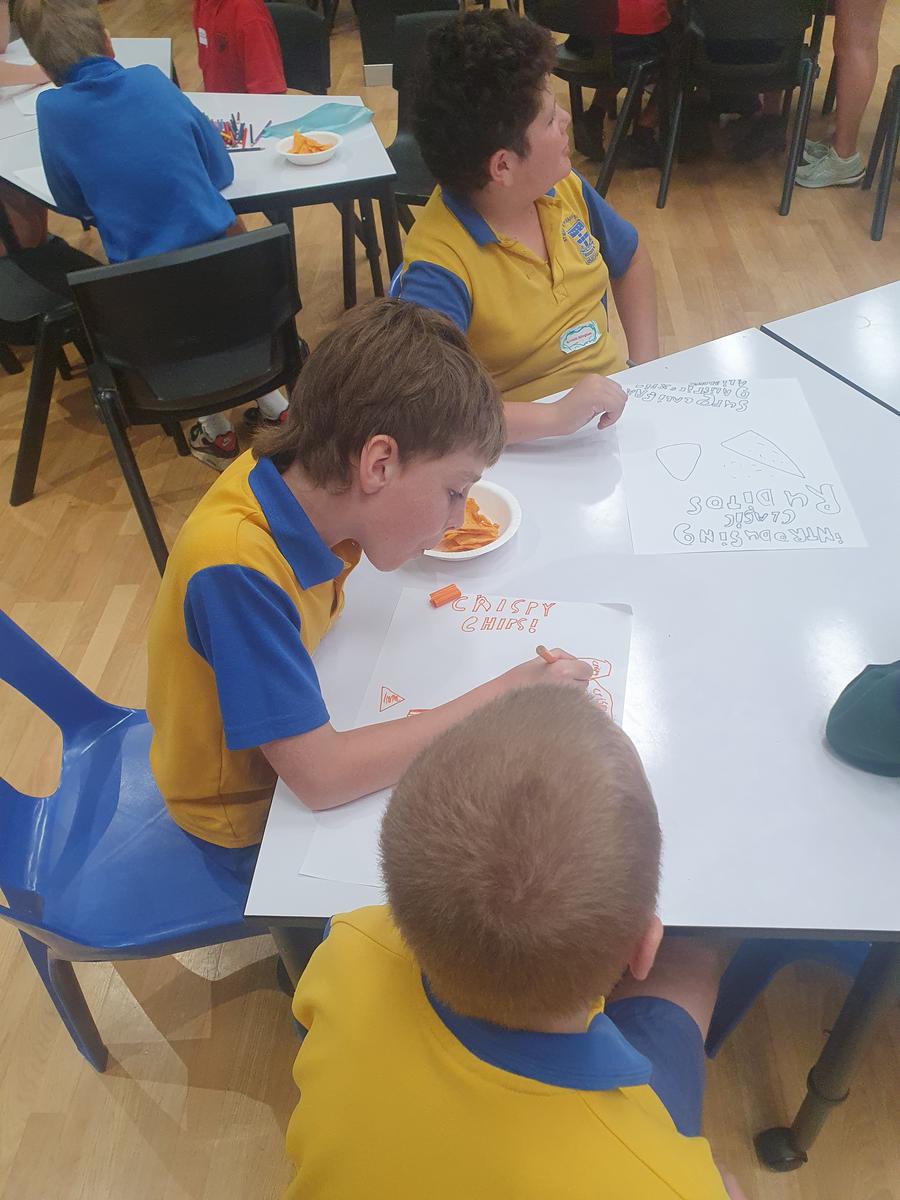
English: For English, we had Ms Armfield. During English we had a little brain break where we had to think of wow words for red or something like that. Then Ms Armfield made us make an advertisement for doritos and asked us to eat them, smell them, inspect them and make a poster to get her to purchase them.
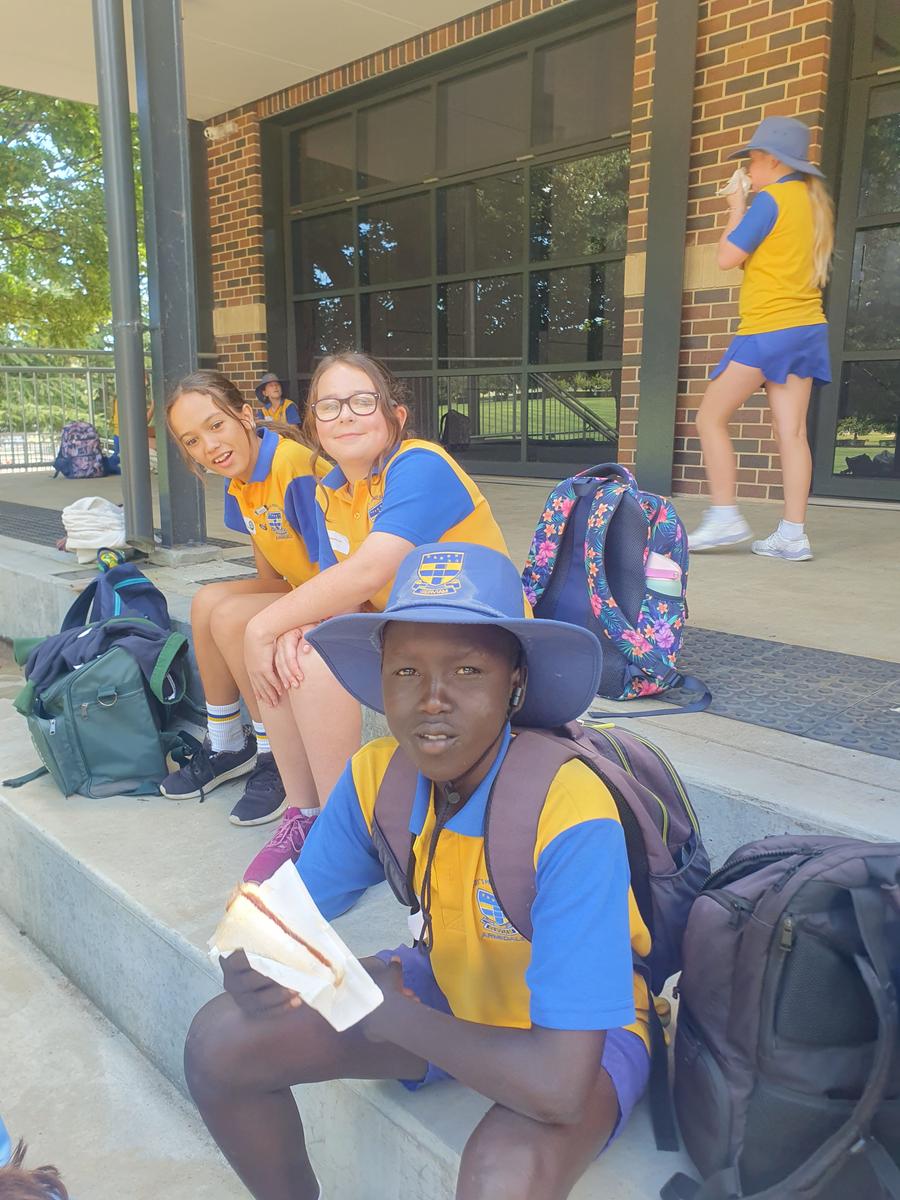
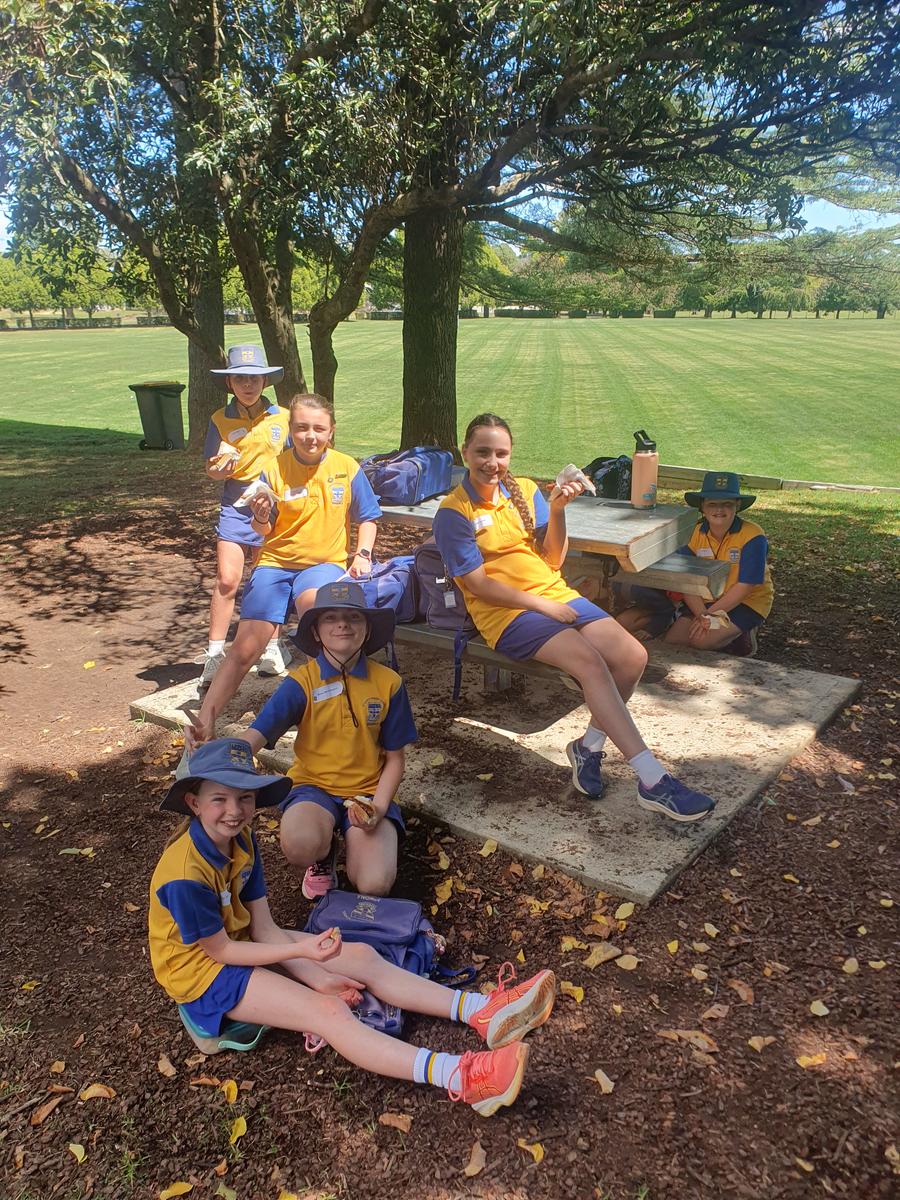
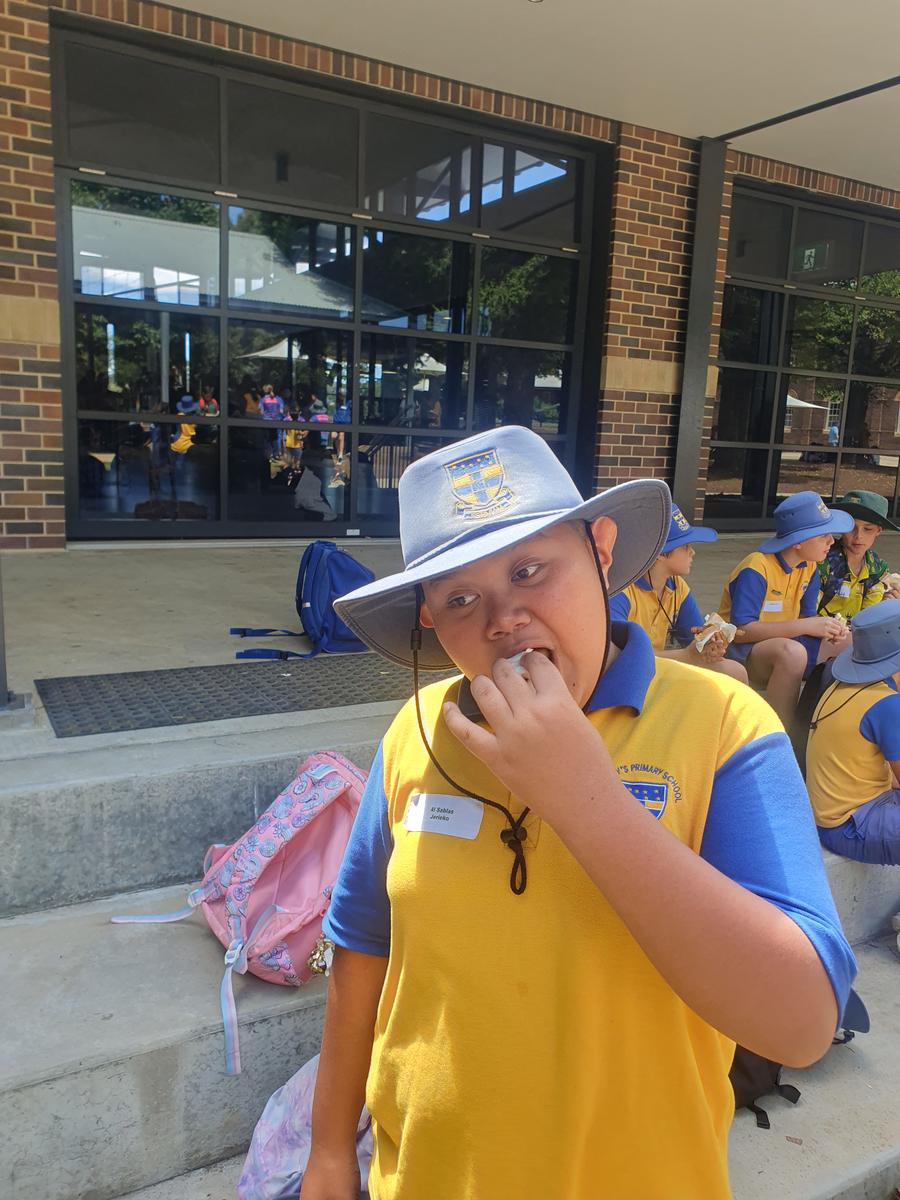
At the first lunch, The LYLs bought juice boxes, grapes, apples and mixed packets of chips, and at the second lunch the LYLs made us sausage sandwiches and one person ate 8 of them. At the end we had to dance for our sausages and put music on for us to groove and move.
When all of the rotations ended we all met up in a little room between the gym and drama class then Mr Gibney OCCC’s Principal and led us to the front lawn to go back to school or home. That was Year 6’s fun day at OCCC.
By Korbyn and Madeline
Bunya Nuts
In Weeks 7 and 8, Year 6 Blue have been harvesting the school’s bunya nuts. Bunya nuts are as old as the dinosaurs, their harvest often led to large gatherings of Aboriginal people before the arrival of Europeans and they are edible. Year 6 Blue have been working to create presentations for the other classes at St Mary’s to share what they have learnt about this native food source. We have provided bunya nuts to O’Connor, Newling Public School and Ben Venue Public School. Leonardo and Nasharee took some to Mrs Walters at the Catholic Schools Office to share out amongst the schools she visits as part of her work with Indigenous Students. If one of these nuts makes it to your house you could plant it (but leave plenty of space) or have a taste.
Year 6 Leaders
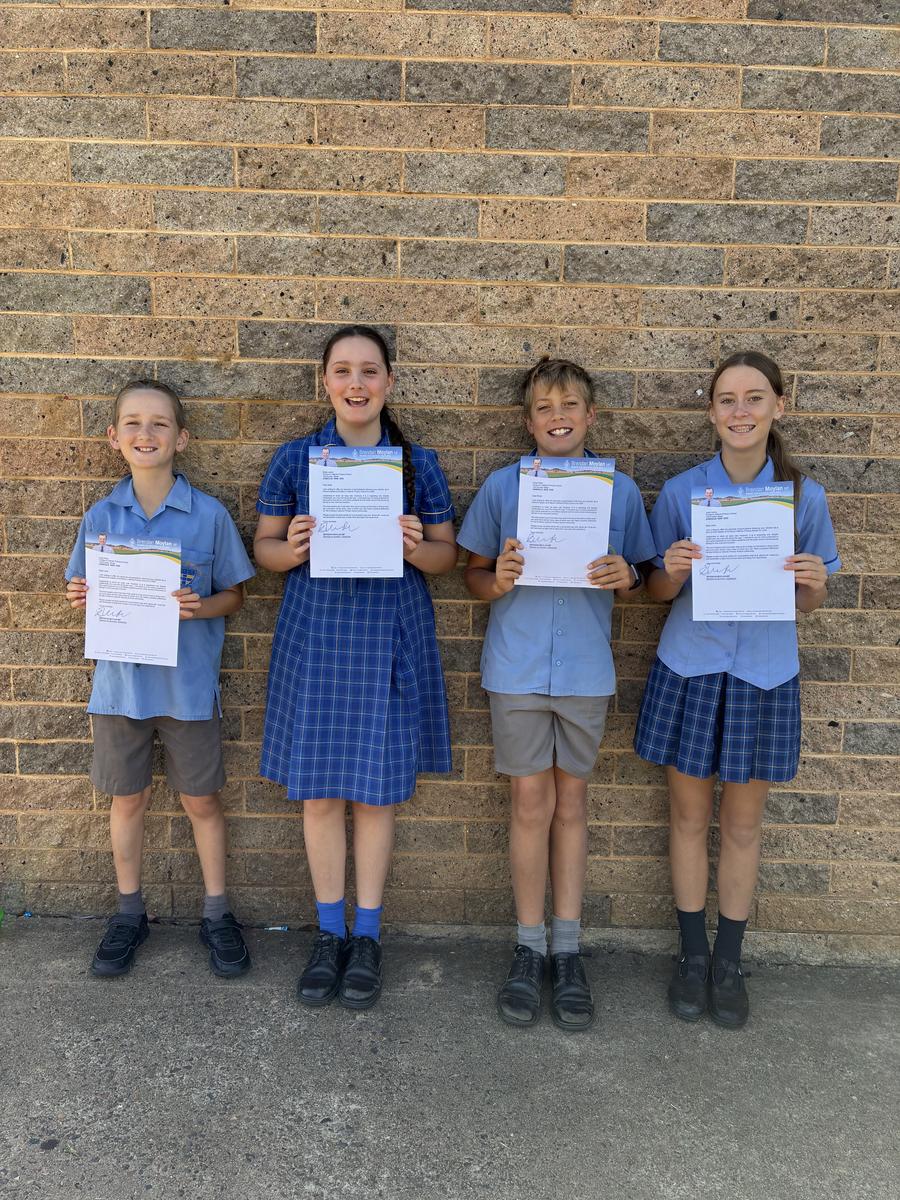
Our Student Leaders received a letter from Mr Brendan Moylan MP congratulating them on their leadership role.