Specialist Overview of Learning
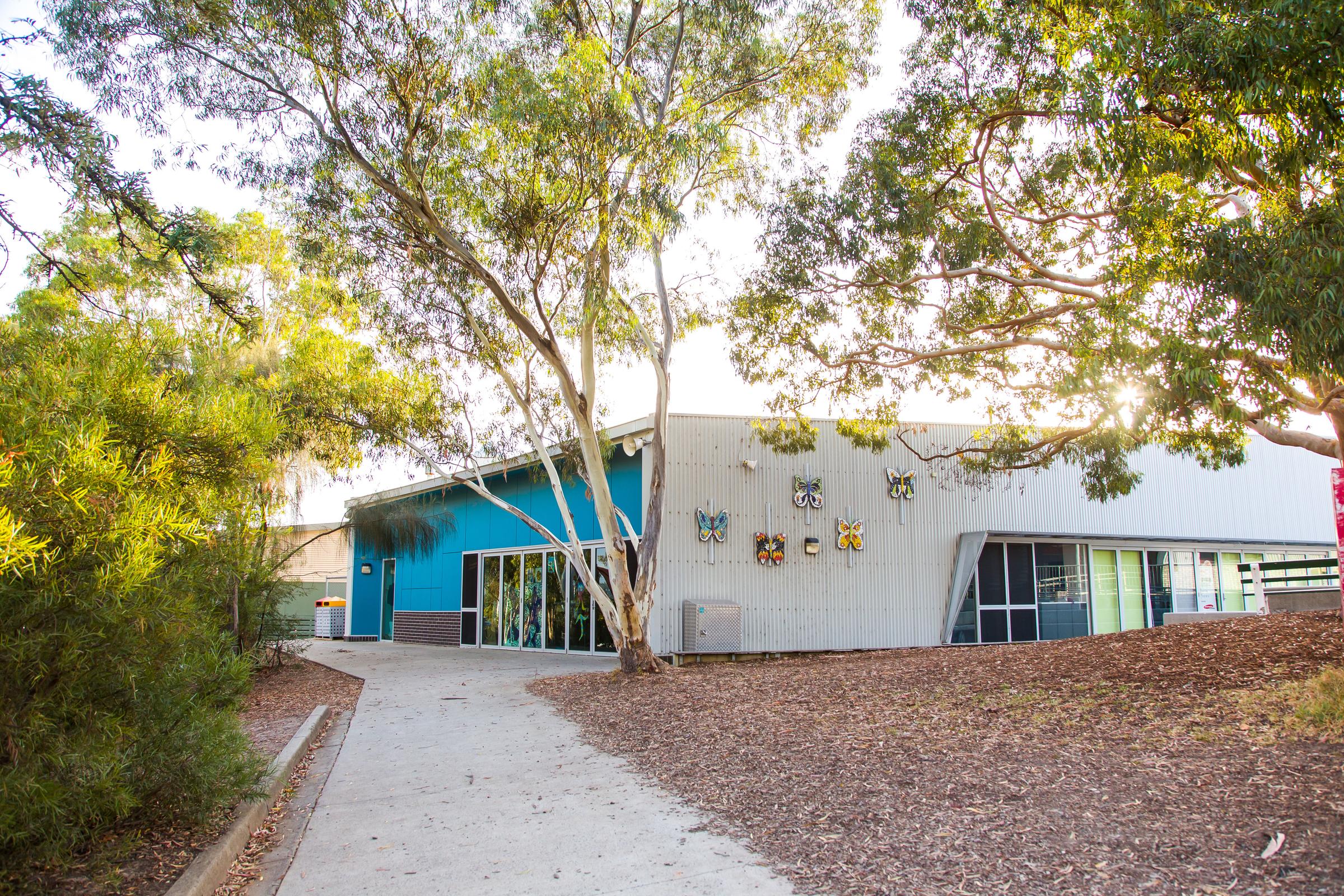
Art
Prep: Students will explore mosaics and art in nature! They will begin by creating mosaic tiles with paper and paint, using these to craft a ‘Welcome / Wominjeka’ banner for our admin building. They will also experiment with nature mosaics, learning how different textures and materials can come together to form beautiful designs. Students will sculpt clay tree faces, bringing trees to life with unique personalities. They will discover the cultural significance of Yarning Sticks, with each child creating a talking stick that reflects their individuality and creativity.
Year 1/2: Students will engage in nature-inspired art, using natural materials to create unique artworks. Activities will include scavenger hunts to collect and preserve materials, crafting self-portraits from found objects, and exploring traditional First Nations techniques for making natural paints and pigments. In the mosaic unit, students will experiment with different techniques, including chalk mosaics, paper-based pixel mosaics, and digital pixel art. They will have the opportunity to design and create their own mosaic tiles, developing skills in composition, colour, and pattern. These activities will encourage creativity, problem-solving, and an appreciation for both traditional and modern artistic methods.
Year 3/4: Students will explore nature-inspired art, working with natural materials to create unique and meaningful pieces. They will design nature mandalas and experiment with ephemeral art, using found objects to create temporary installations. Inspired by Nils-Udo’s large-scale nature sculptures, students will construct forest-style nests, including a collaborative nest within the school. They will also learn about the Tjanpi Desert Weavers, crafting animals from natural materials, wool, and twine. In the mosaic unit, students will develop their skills by designing and creating mosaic coasters and contributing to a communal mosaic piece, reinforcing teamwork and artistic expression. These projects will encourage creativity, collaboration, and a deeper connection to both nature and traditional art forms.
Year 5/6: Students will explore mosaic techniques, starting with Post-it note mosaics to understand pattern and composition. They will then work with tiles, stones, glass, and recycled materials to create their own unique mosaic pieces, applying traditional methods in a hands-on project. Students will be encouraged to rethink how they use objects when creating mosaics—for example, using CDs to add iridescence to their pieces. In nature-inspired art, students will study the work of Ugo Rondinone, creating rock totems and building their own interpretations using papier-mâché. They will also contribute to the school environment by painting rocks with bright, bold colours, as Rondinone does. They will finish by learning about Australian Indigenous totems, decorating cardboard tubes with personal designs inspired by traditional and contemporary styles. These projects will encourage creativity, cultural appreciation, and hands-on exploration of diverse artistic techniques.
Lauren Zahra / Evelyn Stavridis
Auslan
The focus of Auslan lessons this year is to provide a structured and inclusive learning experience for students across all year levels, while incorporating the AES (Auslan Education Services) Program. This approach is designed to break down barriers and help students connect with the Deaf and Hard of Hearing community through an immersive learning process. The interactive videos filmed by Deaf and Hard of Hearing individuals are a great tool for creating authentic learning experiences used in real-life situations. Following these videos, guided classroom activities enable the teacher to reinforce learning and offer support based on each student's level of understanding. The program adapts to the needs of each year level, ensuring the activities are appropriately challenging and aligned with the students' learning progress.
Prep: Students will be introduced to the Auslan alphabet, colours, family members, school and some everyday expressions and signs. Students will practise their knowledge through songs, games and stories.
Year 1 to 6: Students will revise and consolidate foundational Auslan topics; the alphabet, colours, numbers, family, animals, everyday expressions and some describing terms. Activating a student’s prior knowledge is a great way to solidify the basics of Auslan before moving on to more complex concepts.
Loren Seagrave (Prep) / Evelyn Stavridis (Years 1 to 6)
PE (Physical Education)
Prep: Students will be introduced to Physical Education through a variety of games, dance and team building activities. Later in the term, we will begin implementing rotational activities based around the Perceptual Motor Program (PMP), as well as locomotor skills. This will help ensure all students have had time to develop their gross motor skills before moving into our specific movement skills starting in Term Two.
Years 1/2: Students will refine their throwing and catching skills. They will practise the specific techniques for both, and then implement that knowledge into game play situations. Students will also focus on teamwork, fair play and the importance of rules in games and sport.
Years 3/4: Students will focus on the rules and the correct techniques of Track and Field events in the lead up to our House Athletics Day on March 4th. They will work together to record, measure and give peer feedback in field events including long jump and shot put. In the second half of the term, students will focus on their balance, strength and flexibility, completing a variety of gymnastics-based activities.
Years 5/6: Students will focus on perfecting their techniques in Track and Field events before our House Athletics Day on March 4th. They will provide and receive constructive feedback from peers to analyse ways they can improve their performances. In the second half of the term, students will focus on T-Ball in preparation for Interschool Sport.
Amber Vincent / Evan Butler
Performing Arts
Prep: Students will begin an exciting journey in Performing Arts as they are introduced to the vibrant world of Drama, Music, and Dance. Through hands-on exploration, they will experiment with using their voices, facial expressions, movement, and instruments to bring stories to life as they go on a 'Bear Hunt' and respond to other literary texts through performance. Prep students will learn a song and dance performance in preparation for the Term One final assembly.
Years 1/2: Students will explore different elements of Drama, Music, and Dance as they experiment with vocal dynamics, expressive movement and characterisation through pretend play and improvisation. Students will use their imagination to explore musical ideas using instruments and body percussion as they respond to different literary texts and prompts.
Years 3/4: Students will dive into improvisation, focusing on creativity, collaboration, and confidence. Students will learn about the "Yes, and" technique in improvised Drama, and will use this to build on ideas and create fun, imaginative scenes. Through games and activities, students will explore characters, settings, and emotions while developing their performance skills.
Years 5/6: Students will explore improvisation. They will develop creativity, teamwork, and confidence through a variety of warm-up games, hands-on practise, and mini-performances. Students will learn about the "Yes, and" technique, which encourages building on each other’s ideas when improvising drama.
Bec Zappia / Michael Rochford
STEM (Science, Technology, Engineering, Mathematics)
This term in STEM, all year levels will be focusing on biological sciences – the study of living things. All students will participate in ‘hands-on’ investigations and group work to build their inquiry skills.
Prep: How do animals stay alive? Students will identify what animals (including humans) need to stay alive. They will investigate how they can use their senses to gather information to help them survive. Students will distinguish between needs and wants.
Years 1/2: How do small animals behave and adapt to survive? Students will observe the features and behaviours of small animals. They will learn how adaptations help these animals survive in their habitats. Students will investigate how small animals move, feed and protect themselves.
Years 3/4: How do we classify and group living things? Students will explore features of living things and ways they can be grouped together on the basis of observable features. They will learn how living things are distinguished from non-living things.
Years 5/6: What are micro-organisms and how do they help us? Students will develop an understanding of the role of micro-organisms in food and medicine. They will investigate the conditions micro-organisms need to grow.
Sandy Brewerton
Bands
Welcome to the 2025 RGLPS Band Program.
I am so pleased to announce that all students have graduated from their 2024 band and will move up to the next band level this year.
Please refer to the schedule below for this year’s rehearsal days.
| 2025 | |||
| Band | Day | Arrival time | Start date |
| Senior | Mondays | 7.30am | 3/2/25 |
| Intermediate | Tuesdays | 7.30am | 4/2/25 |
| Junior | Wednesdays | 7.30am | 5/2/25 |
| Training | Thursdays | 7.30am | TBC |
Small group Instrument lessons will commence as follows:
| Instrument | Day | Start date |
| Flute/Clarinet | Thursdays | 6/2/25 |
| Trumpet/Trombone/Euphonium | TBC | TBC |
| Electric bass | Tuesdays | 4/2/25 |
| Percussion | Wednesdays | 5/2/25 |
| Saxophone | Mondays | 3/2/25 |
Michael Rochford