
Garden Club
Mr Jorgen Choong

Garden Club
Mr Jorgen Choong
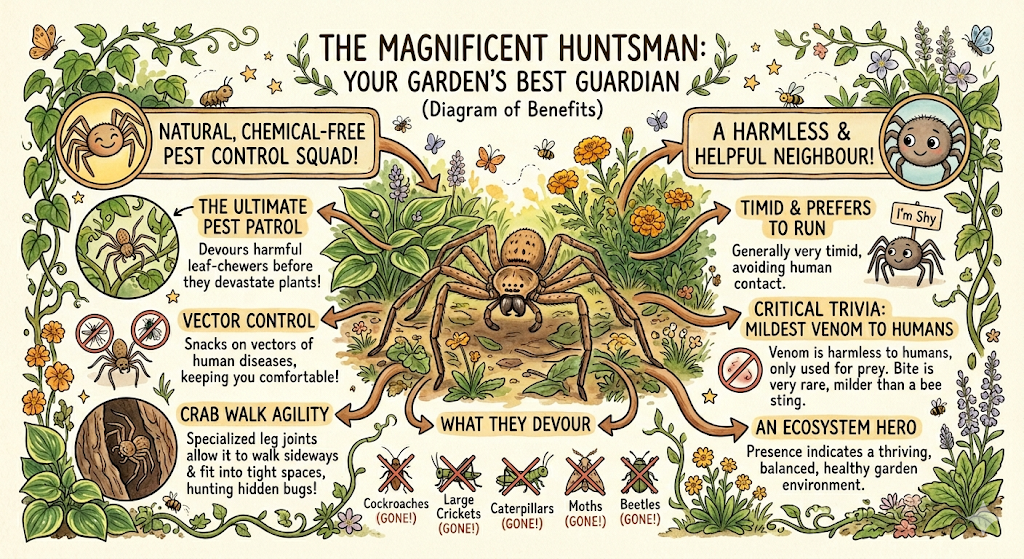
The massive size and lightning-fast speed of the Huntsman spider might give many gardeners a sudden fright, but these impressive creatures are some of the most valuable allies you can have in your backyard.
Unlike your typical garden spiders that sit patiently in woven webs, Huntsman are active, nomadic hunters. They rely on sheer strength and incredible stealth to stalk, chase, and pounce on their prey. By constantly patrolling your plants and soil on foot, they act as a highly effective, completely chemical-free pest control squad that keeps your garden's ecosystem perfectly balanced.
Their diet makes them absolute VIPs for any plant lover. Because of their impressive size, Huntsman regularly tackle the larger, more destructive pests that smaller spiders cannot handle, such as grasshoppers, crickets, and large beetles that love to chew through your prized foliage. They also do a fantastic job of hunting down caterpillars and moths before they can decimate your crops, while simultaneously keeping the local mosquito and fly populations in check. Essentially, having a Huntsman around means you have a free, full-time exterminator on the payroll.
If your newsletter readers are still a bit sceptical about sharing their space with these giant arachnids, you can reassure them that Huntsman are incredibly peaceful neighbours. They are notoriously timid creatures that would much rather sprint away into a dark crevice than confront a human. While they do possess mild venom to subdue their insect prey, they rarely bite humans unless they are severely provoked or a mother is fiercely guarding her egg sac. Even if a rare bite does occur, the venom is not dangerous to humans and typically results in nothing more than minor, localized pain like a bee sting.
To add a bit of fascinating trivia for your subscribers, you can highlight the Huntsman's unique anatomy and mind-boggling speed. These spiders can clock in at speeds of up to a meter per second, making them the ultimate stealth predators of the undergrowth. Furthermore, their legs feature a specialized, crab-like joint structure that allows them to walk sideways and forwards with equal ease. This unique agility lets them flatten their bodies and slide effortlessly under loose tree bark or rock crevices to hunt down hidden pests. Ultimately, seeing a Huntsman in your garden is a wonderful sign that your local ecosystem is thriving, healthy, and working exactly as nature intended.
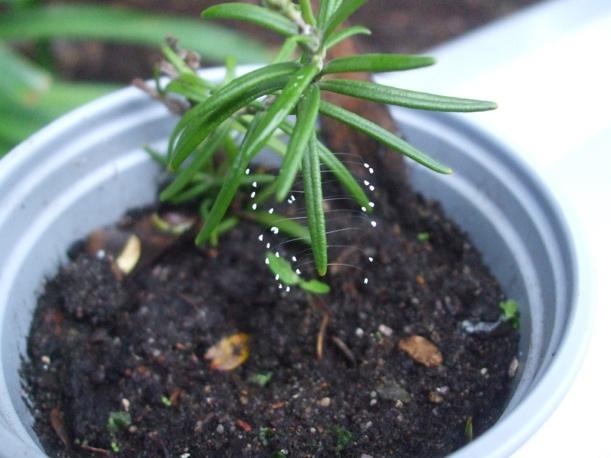
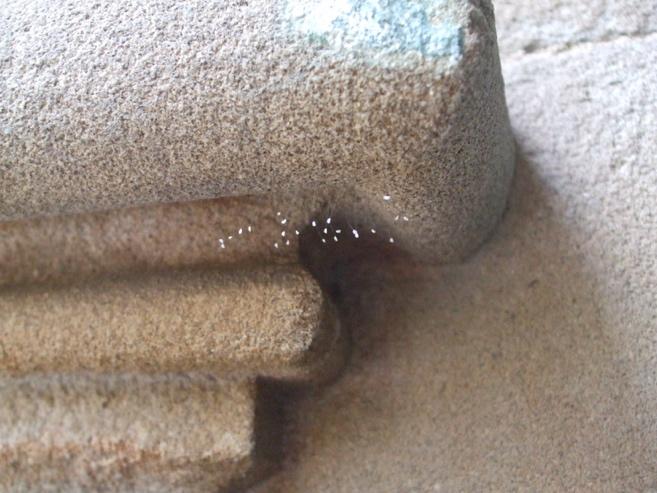
Last week I published a photo of butterfly eggs, but they were lacewing eggs. I decided to do some research and found some good benefits to the garden. We have found more of these eggs on the Rosemary bush, the old Church’s sandstone entry way and the Greenhouse Garden.
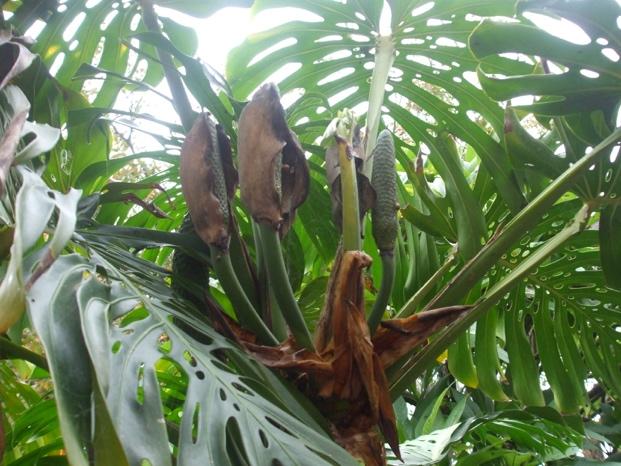
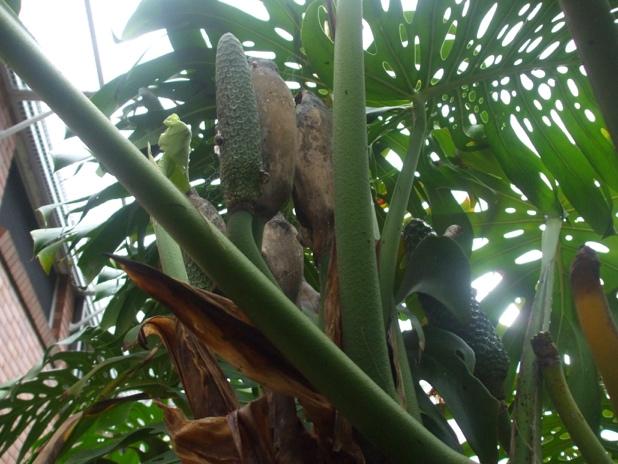
This Monstera has fruited. One ripened fruit was fallen, and the fruit flies are enjoying it. However, there are a few still waiting to be ripened.
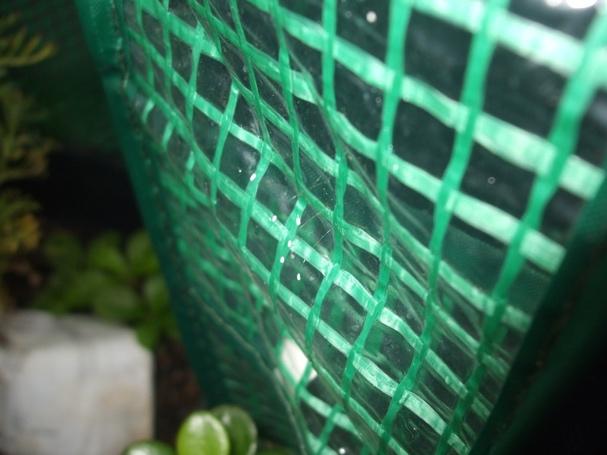
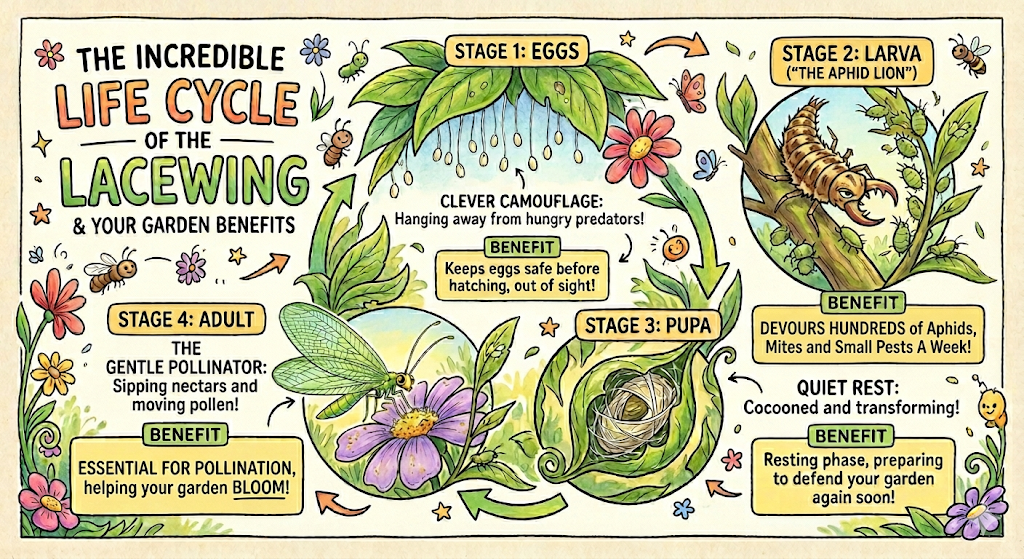
Meet these green lacewing eggs, they were found on our Rosemary bush during our routine cuttings. As adults, they look like delicate, fairy-winged hipsters who spend their days sipping nectar, dusting themselves in pollen, and living their best gentle lives. But don’t let the Sunday-brunch exterior fool you. Their babies, the larvae are straight out of a monster movie. Often called "aphid lions," these tiny terrors roam your plants with giant, sickle-shaped jaws, drinking the juices of your garden's worst enemies like a refreshing smoothie.
A single lacewing toddler can easily crush hundreds of aphids, thrips, and mites in a week, making them the ultimate, built-in security team for your prized plants.
However, raising these little backyard beasts isn't all sunshine and rainbows; they come with some seriously chaotic challenges.
For starters, lacewing larvae are aggressively antisocial and highly cannibalistic. If they run out of pests to eat, or if they just happen to bump into their own siblings, they will instantly turn on each other like a dramatic reality TV show. They also have zero loyalty to the "good guy" team, meaning a hungry larva will happily snack on a helpful ladybug just as fast as an aphid. Plus, because the adult lacewings are clumsy flyers and basically look like delicious flying popcorn to birds and bats, keeping them around requires you to plant a massive buffet of flowers just to convince them not to pack their bags and flee the neighbourhood.
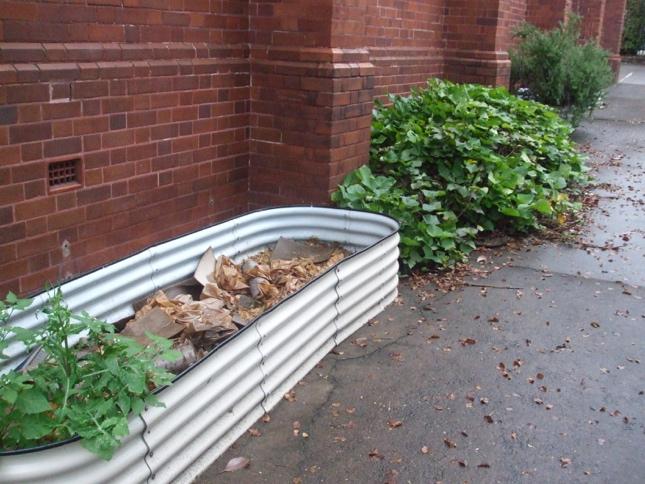
The time has come for a massive reshuffle in the garden! We are officially rotating our sweet potato patch from its old home into the patch next to it. The goal? To dig up the current subterranean treasure, harvest them, and get them on the scales to see if we’ve officially broken our previous weight records. But the fun part isn't just what's coming out of the ground. It is the mad-scientist concoction, we are brewing up to go into the empty bed.
To prep this patch for the next generation of sweet potato royalty, we are building the ultimate organic buffet. We are talking shredded paper, cardboard, leaf litter, twigs, sticks, and dead flowers. To spice things up, we are tossing in charcoal ash, coffee grinds (to keep the dirt caffeinated), premium worm castings, and if the local bunnies cooperate, some highly coveted, golden-standard rabbit poo. It basically looks like a recipe for a witch's brew, but to a sweet potato, this is a five-star Michelin meal.
The massive engineering project like this requires some serious structural integrity. To prevent a catastrophic dirt-sliding against the old Church wall, we had to build a heavy-duty, reinforced buffer with bricks. Think of it as our patch's personal retaining wall/bunting system. Once this is finalized and the secret compost smoothie is packed in, this super-charged bed will welcome our new sweet potato. They will grow, they will thrive, and down the road, we will repeat this entire chaotic, beautiful cycle all over again!
Garden Club happens on Tuesday and Thursday mornings, right after the gates open. We meet at the bubblers on the Churchill Avenue side of the school.
Garden Club is completely FREE to join! It's a great opportunity to learn to be a lateral thinker with limited resources, get first pick after a harvest, and see some fascinating creatures.
The information shared here is based on our experiences and knowledge, but we are not gardening experts. Think of it as friendly advice from one garden lover to another. Please remember that all gardening activities should be done with adult supervision and that you're responsible for your own safety and decisions.