Year 3/4
Literacy
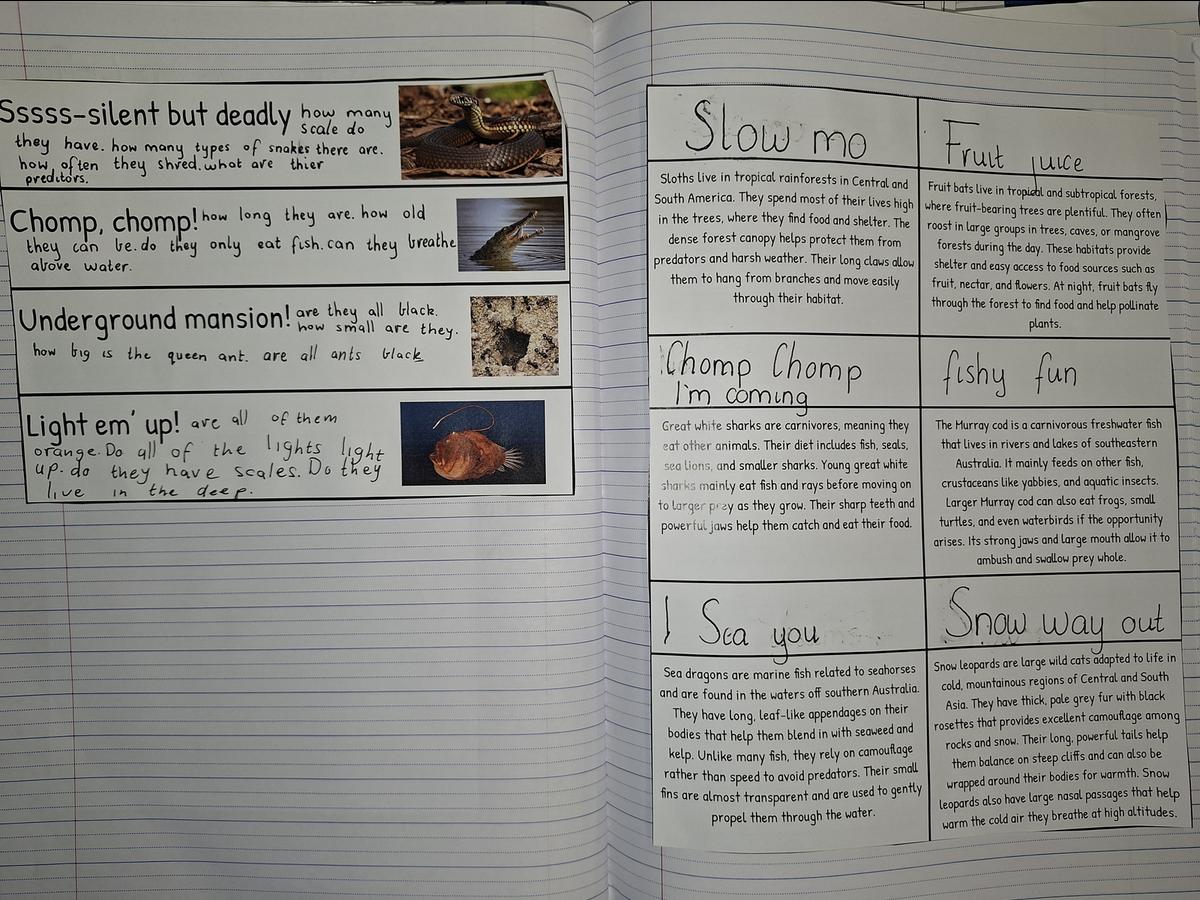
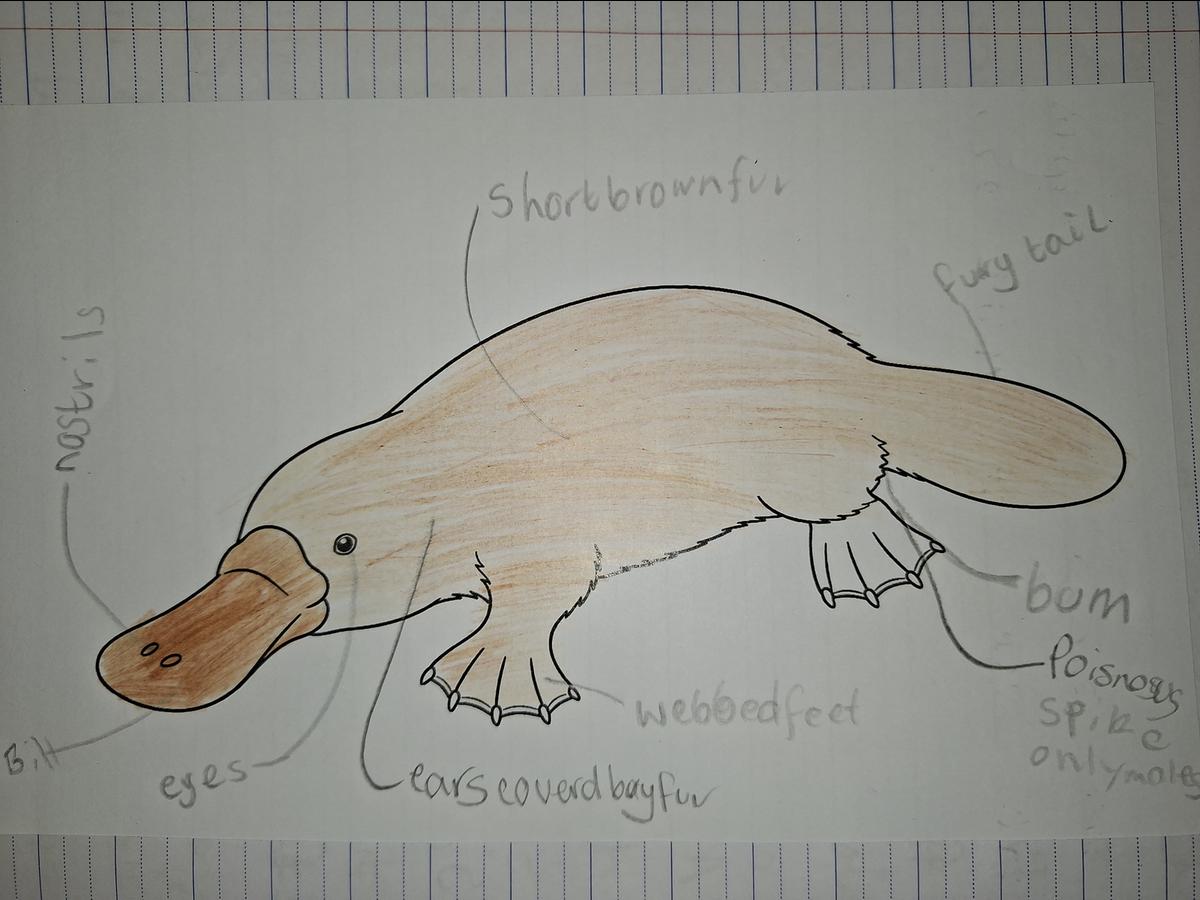
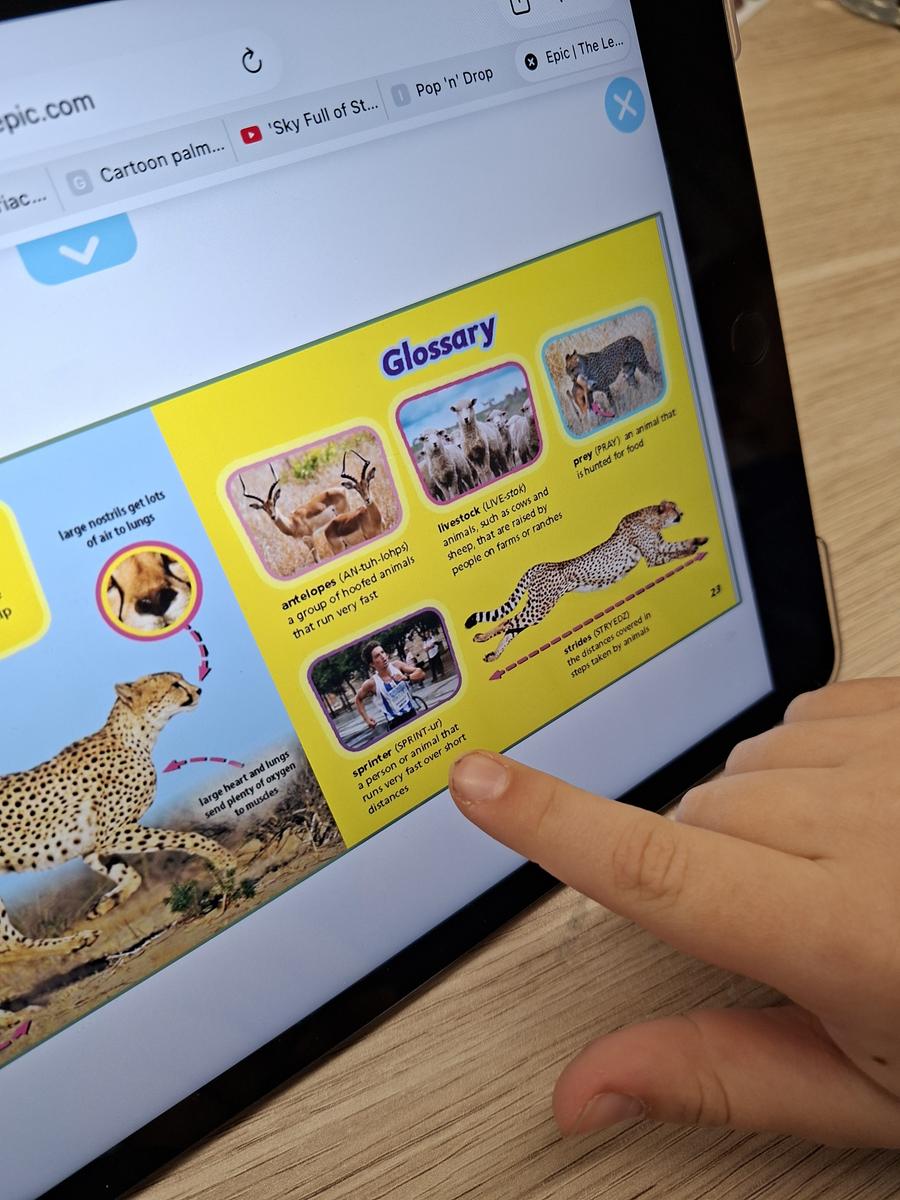
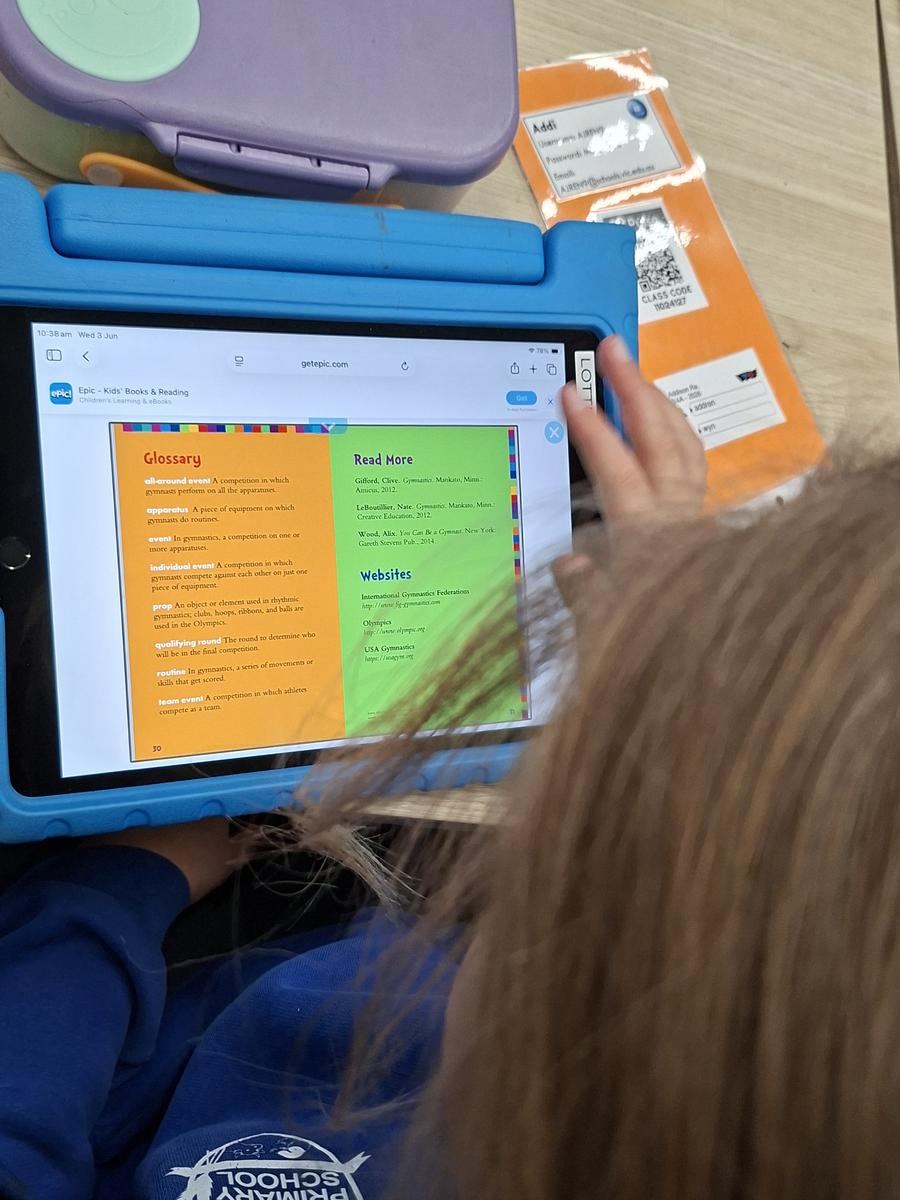
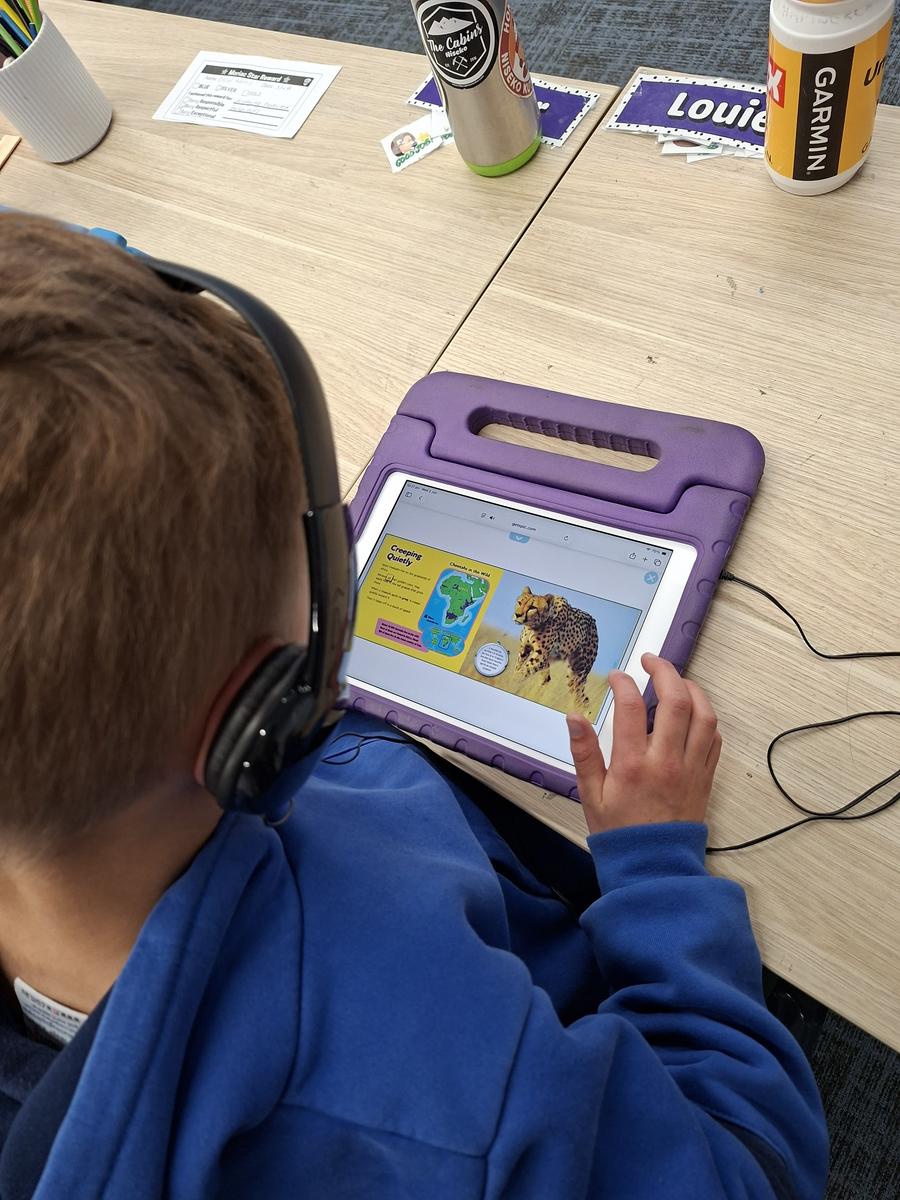
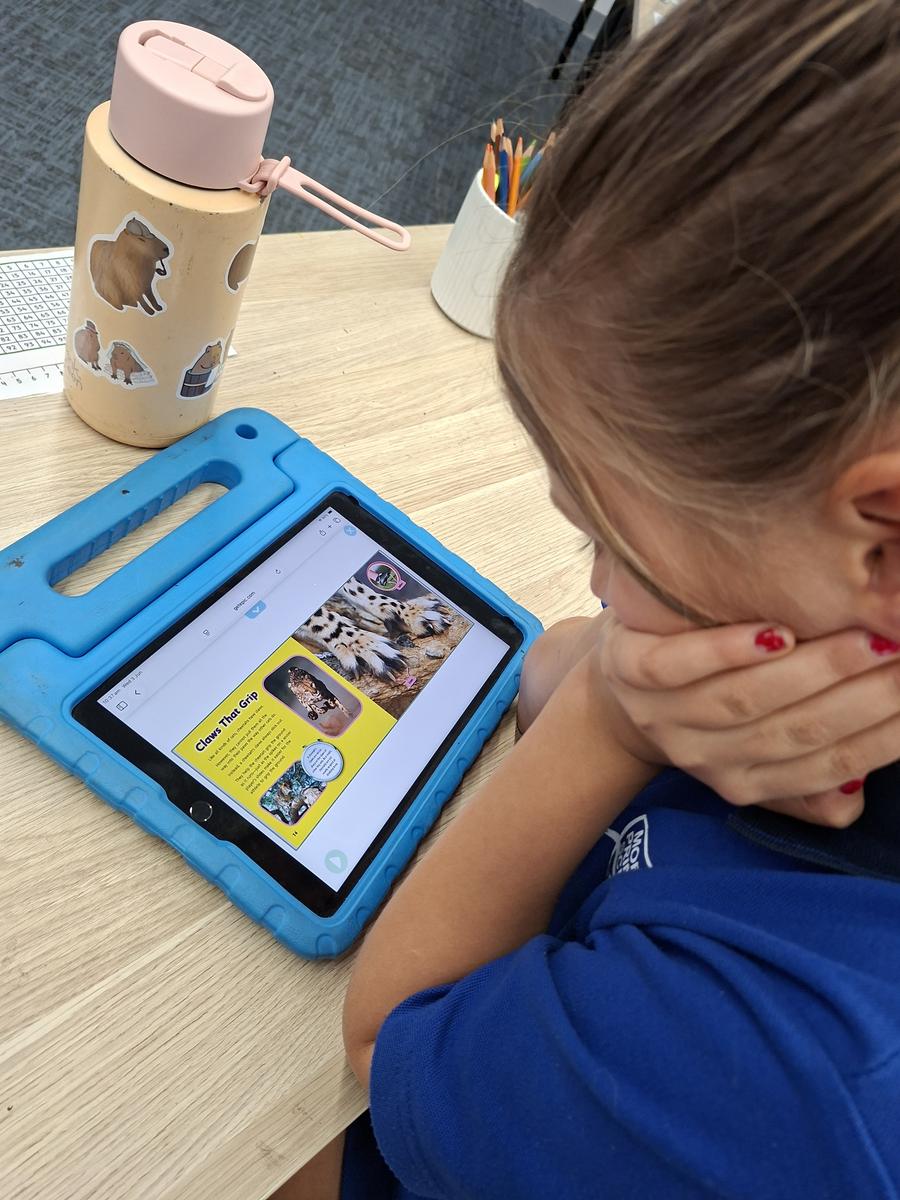
This term, students have been developing their understanding of non-fiction texts by exploring a variety of text features and structures. Students have learned how to use a contents page and index to locate information efficiently and have practised skimming and scanning texts to find and record key facts quickly. They have examined the purpose of headings and subheadings and learned how labelled diagrams help readers understand information. Students have practised organising information under relevant subheadings and identifying the most suitable headings for information passages. They have explored a range of digital non-fiction texts on Epic, to build their knowledge and comprehension skills. These activities have strengthened their ability to navigate a variety of non-fiction texts while developing confidence as readers and researchers.
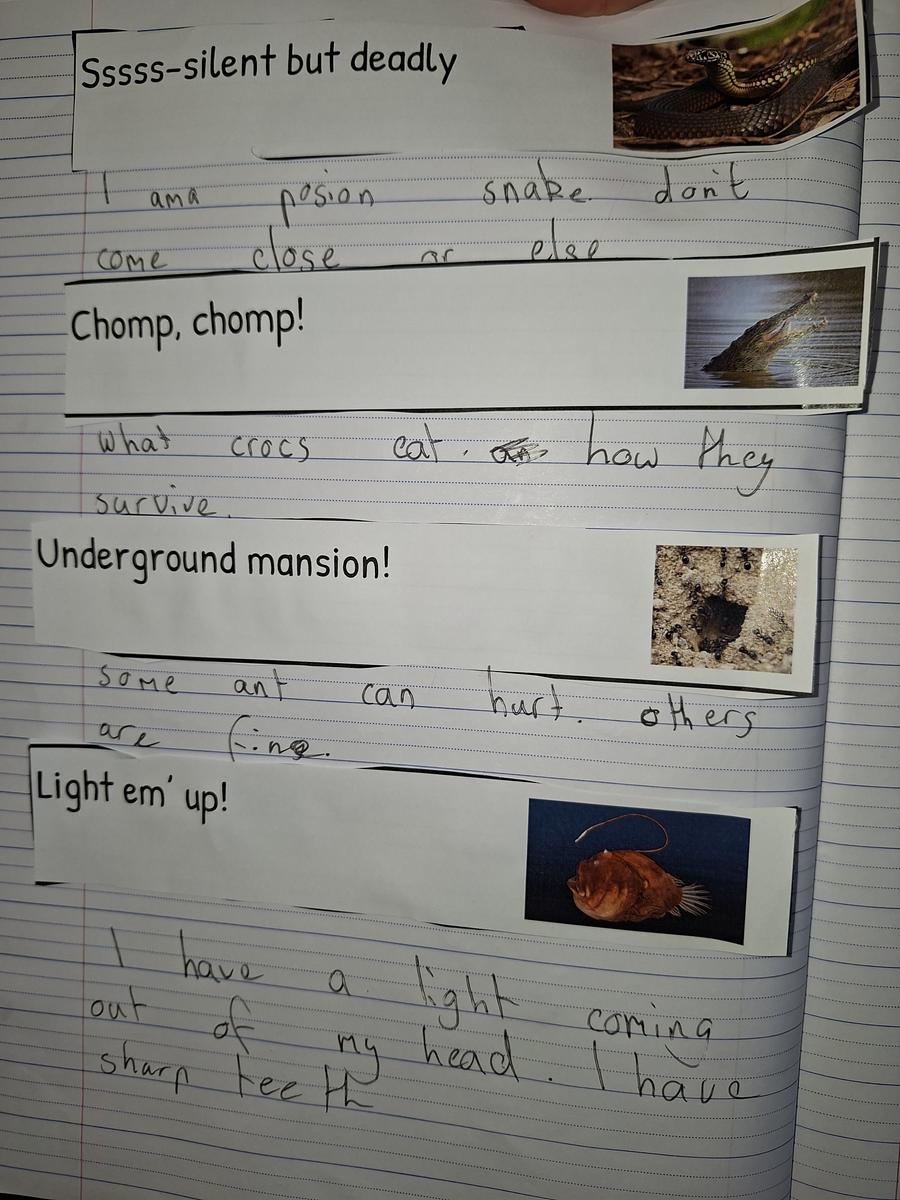
As part of their learning, students have begun researching an Australian animal, using note-taking strategies to record important facts in their own words. They are using their research to construct informative paragraphs and create an engaging information poster that includes a range of non-fiction text features.
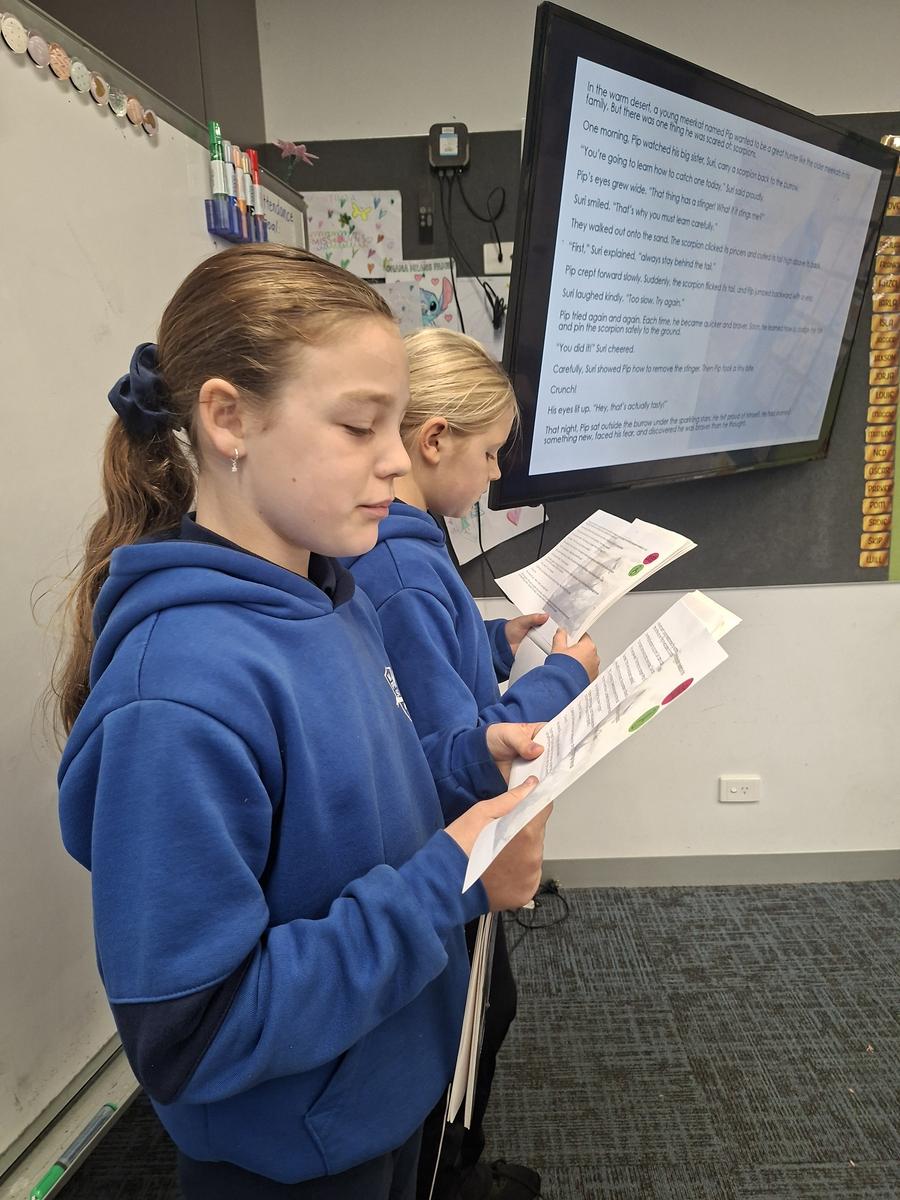
Students continue to participate in regular fluency reading sessions, focusing on reading with appropriate expression and pace, particularly when reading dialogue.
Numeracy
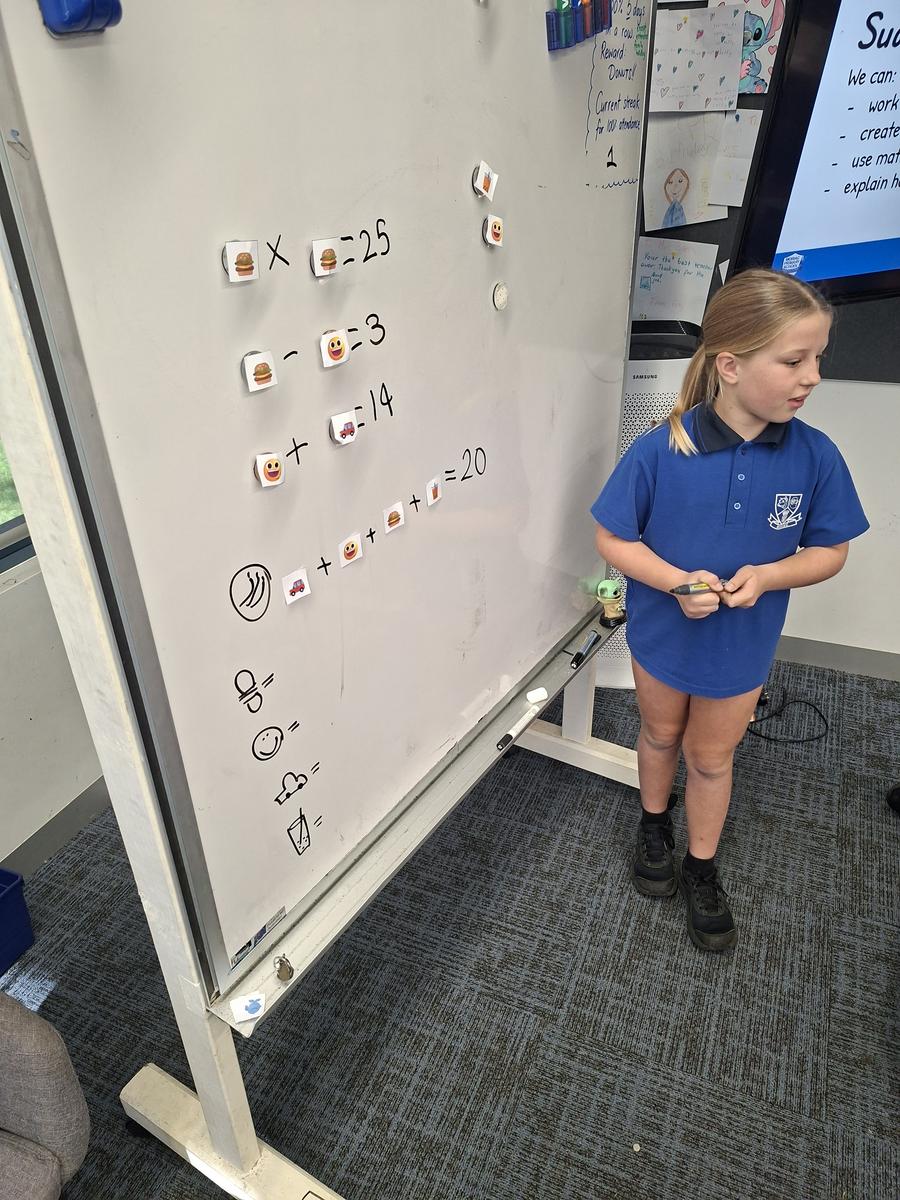
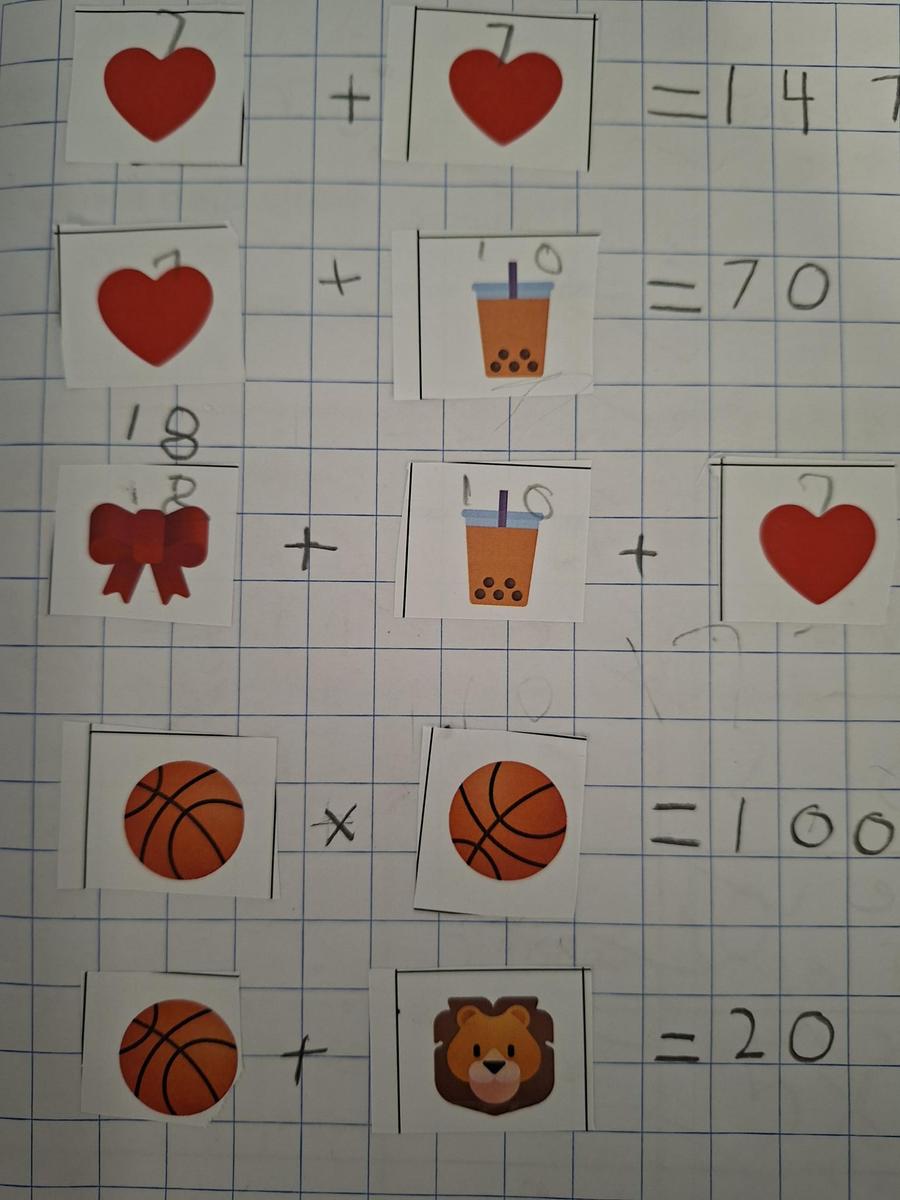
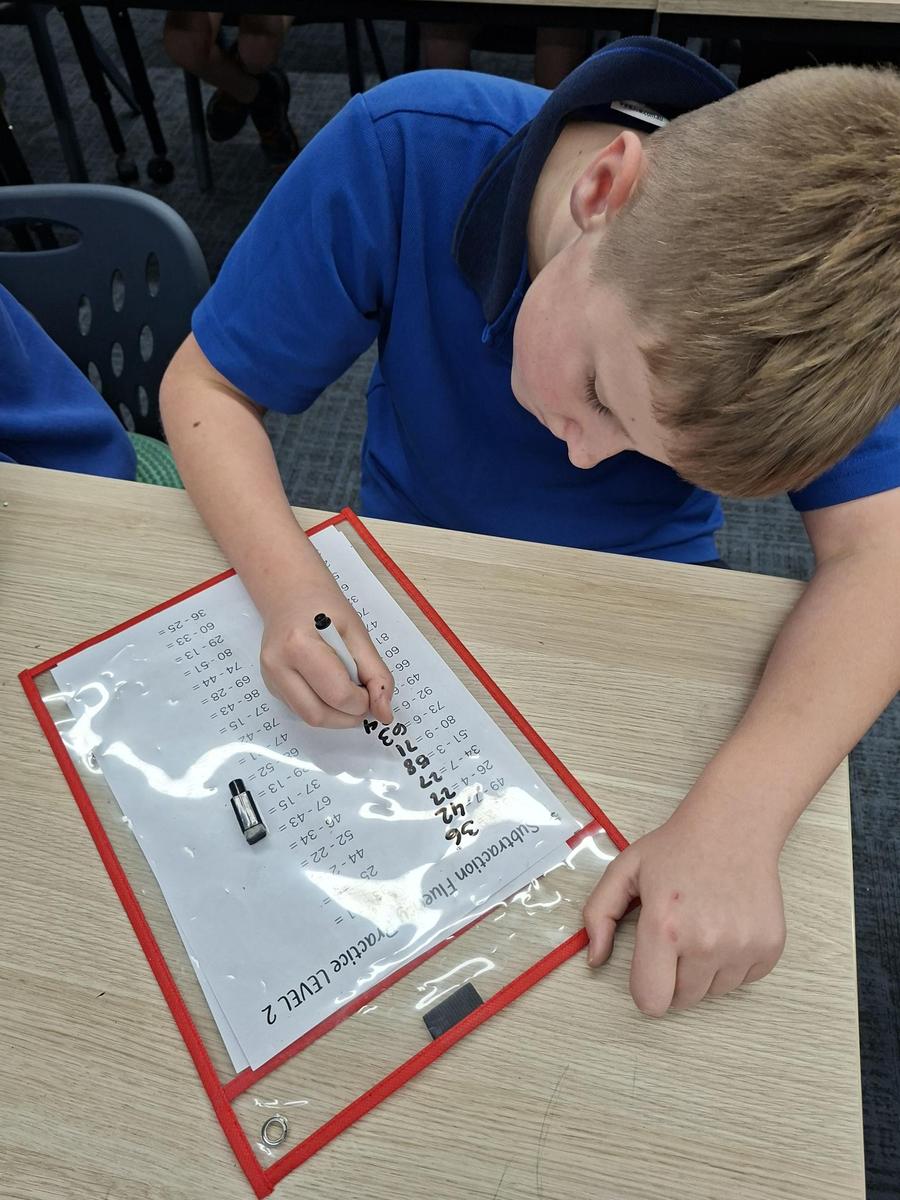
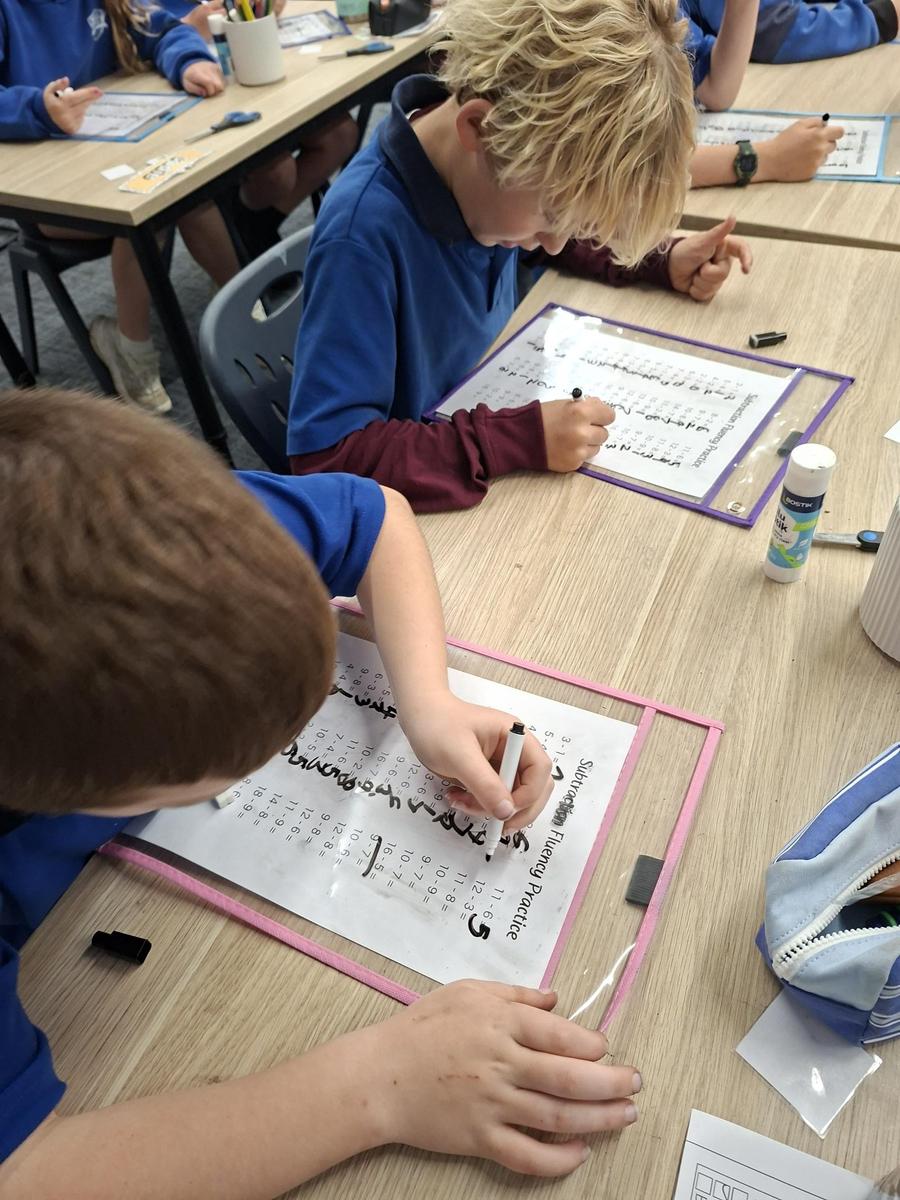
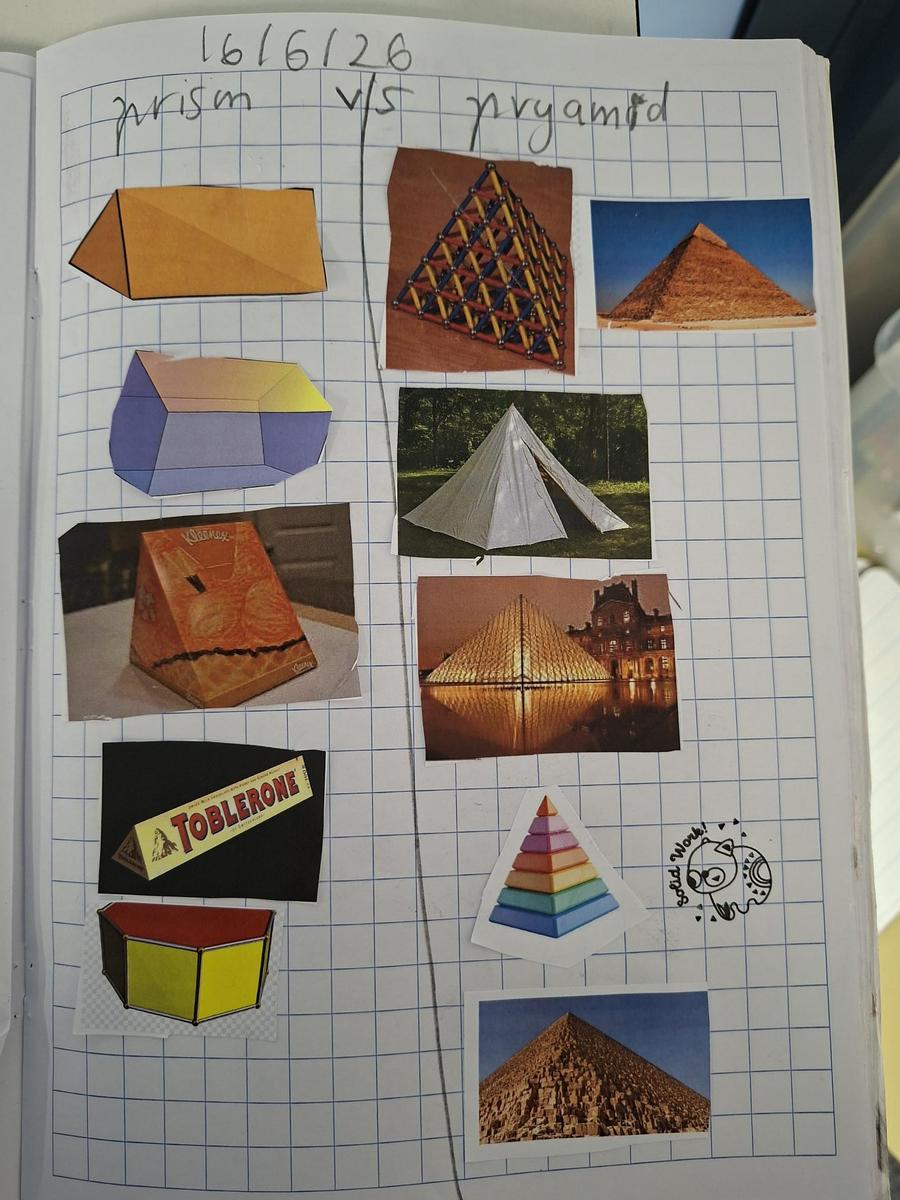
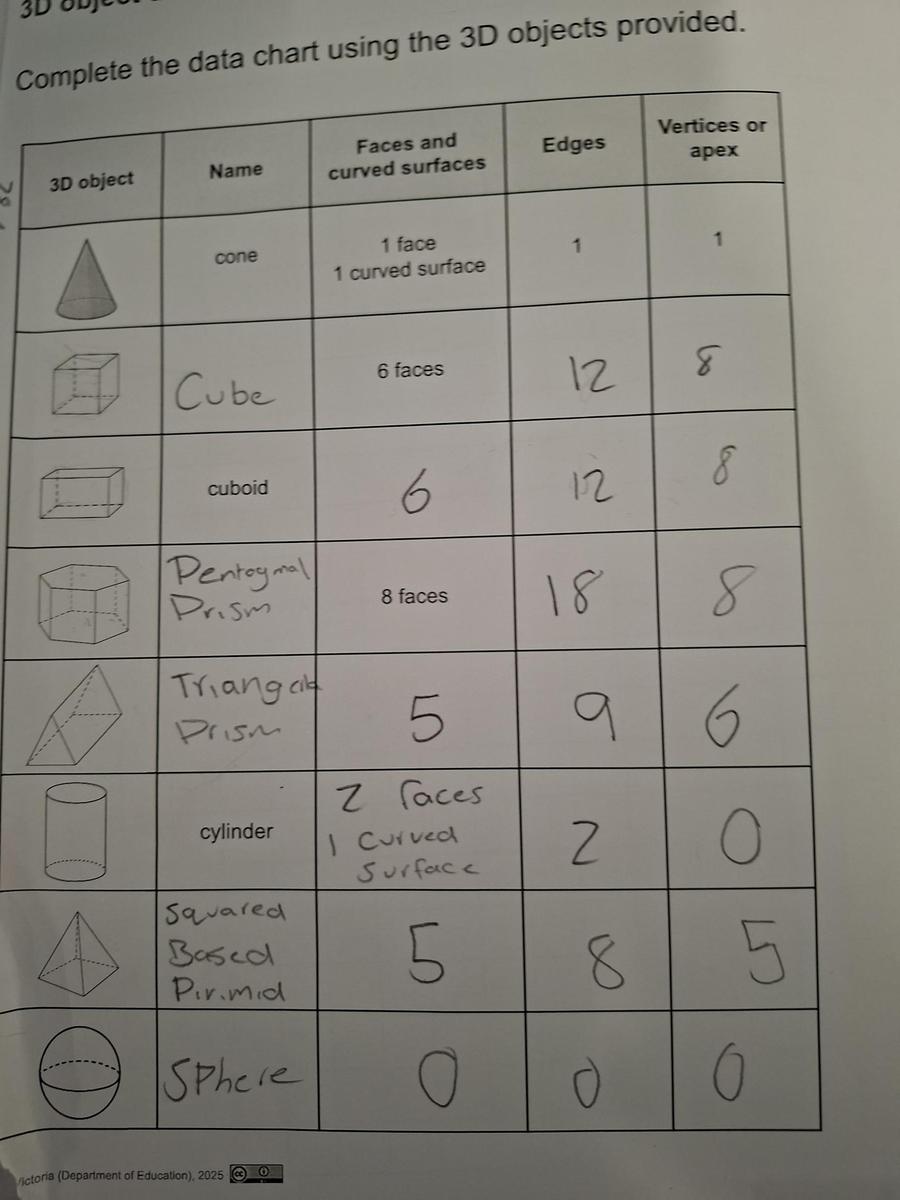
In Mathematics, students have continued to strengthen their number knowledge by practising and recalling multiplication facts and exploring the relationship between multiplication and division through inverse operations. They have solved number sentences involving unknown values across all four operations and developed strategies to explain their mathematical thinking. Students have recently begun their learning about shape, investigating the features and properties of 3D objects. They have identified 3D objects in the environment and compared their geometric properties, including faces, edges and vertices.
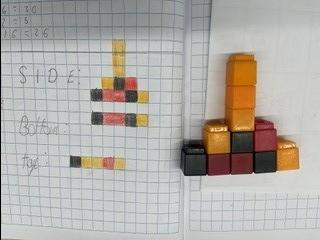
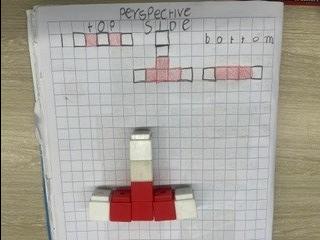
Students have also been learning about perspective and how the position of an object can change depending on the viewpoint. Students explored 3D objects and identified what they look like when viewed from the front, side, top, and back. They created and constructed their own 3D objects before drawing them from different perspectives, developing their spatial reasoning and visualisation skills. Through these activities, students strengthened their understanding of the properties of 3D objects and how different views can represent the same object in different ways.
Humanities
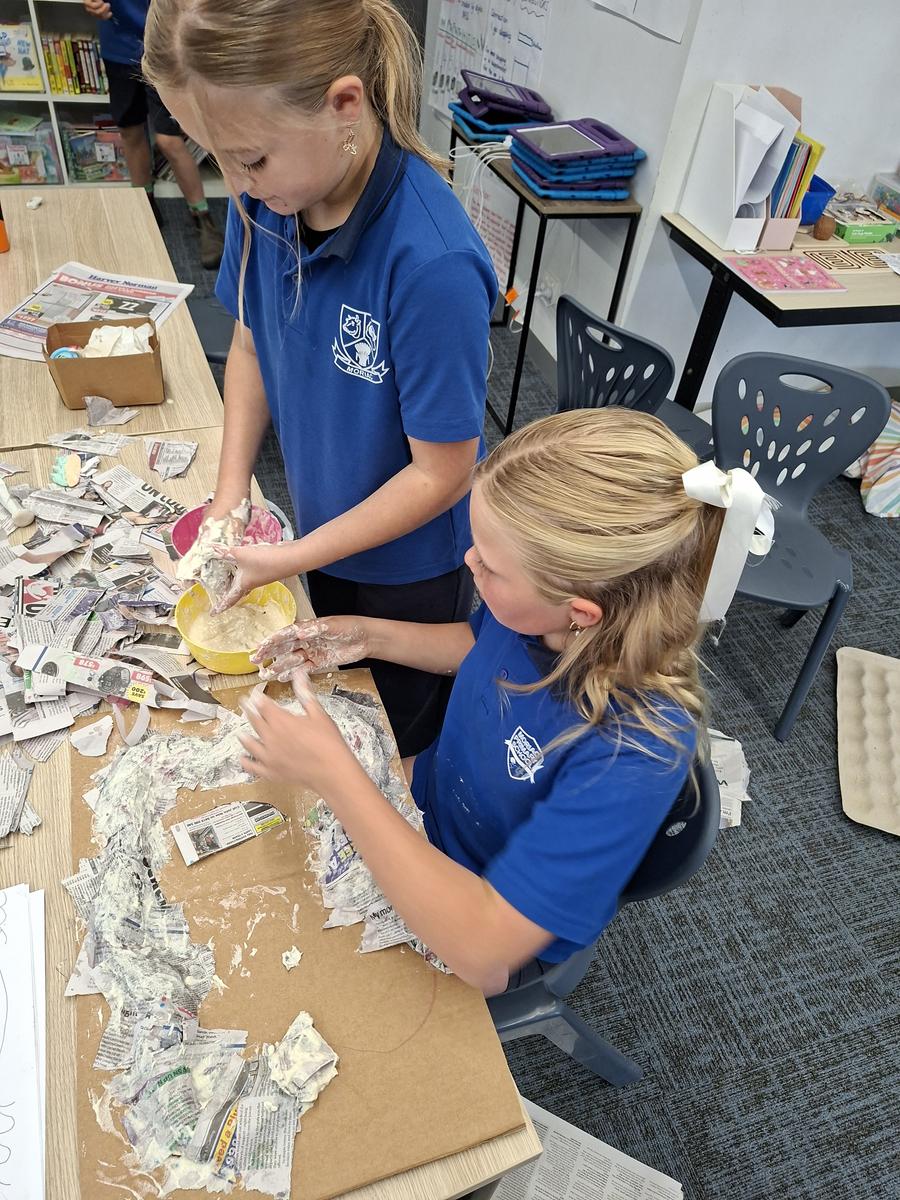
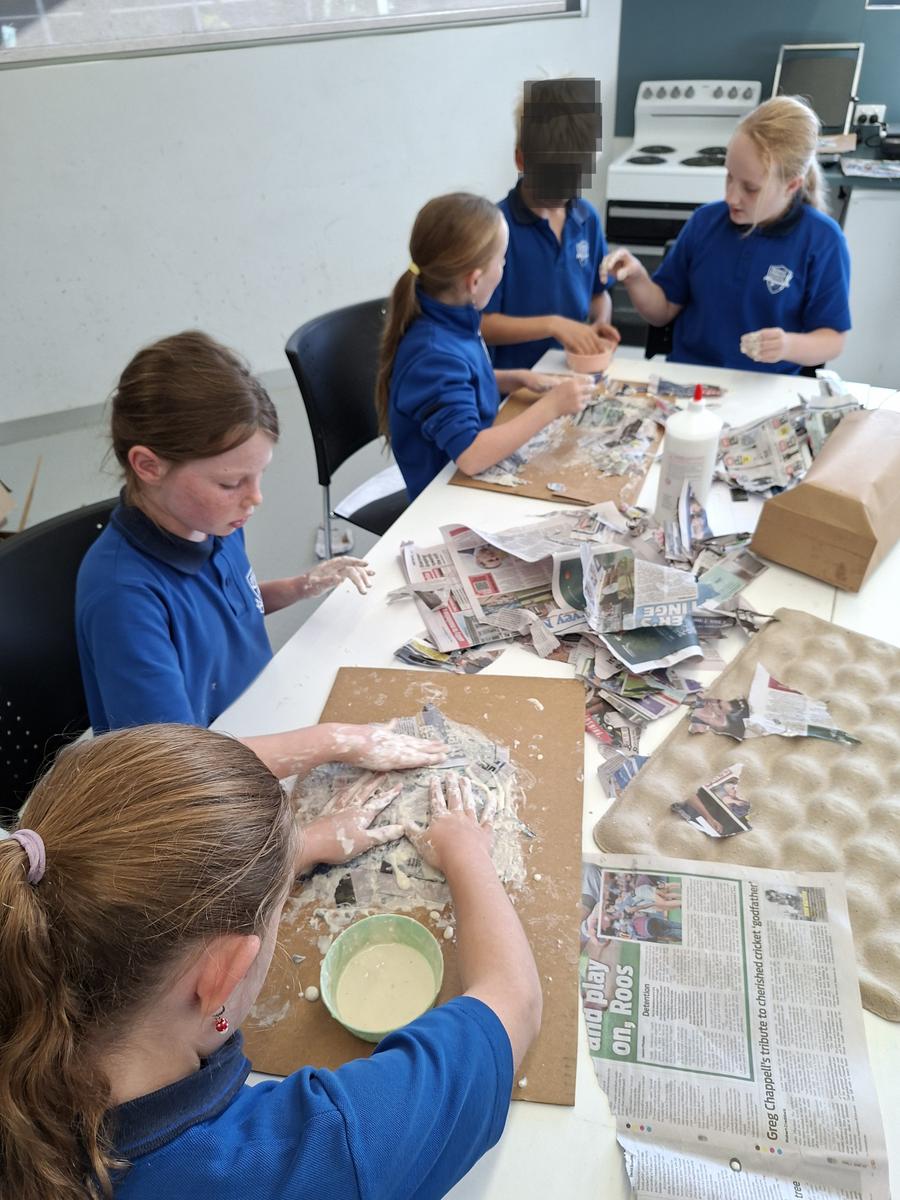
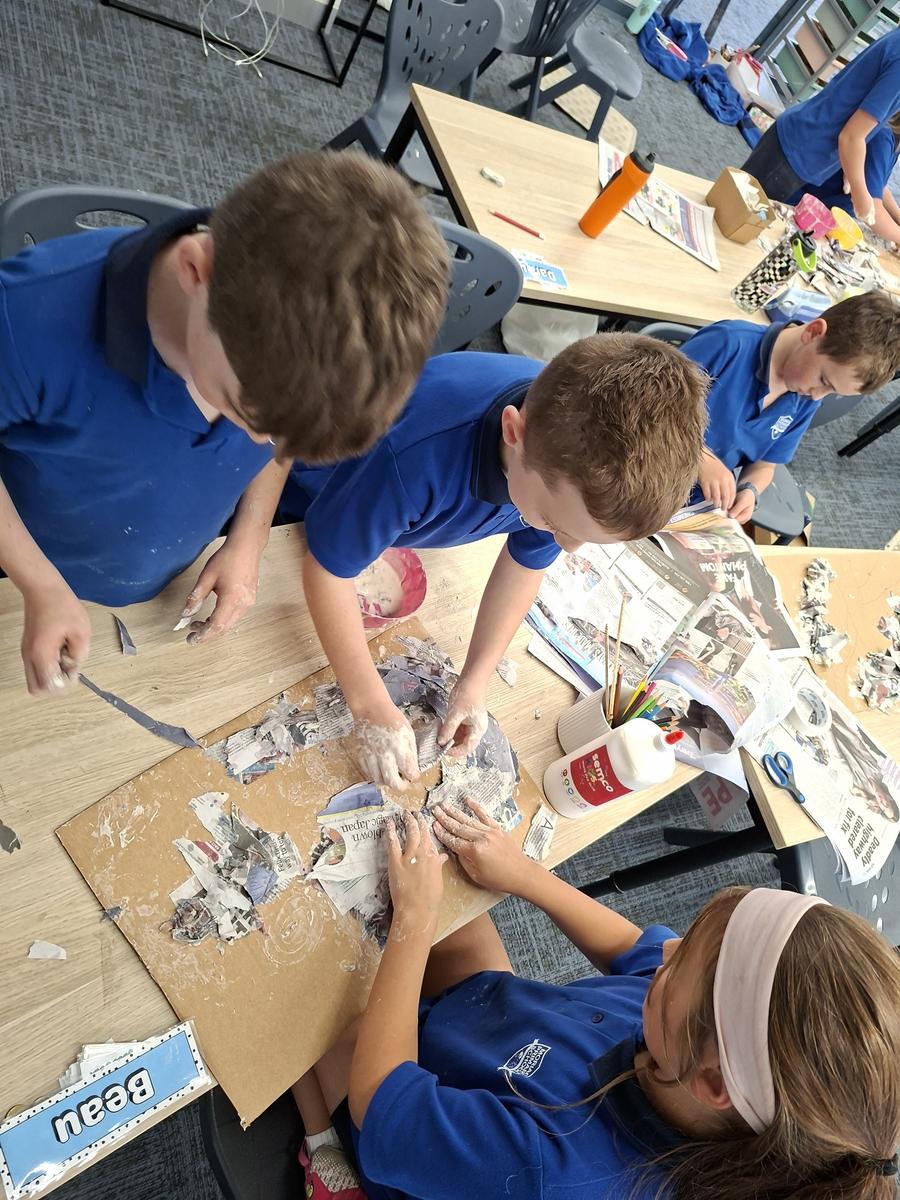
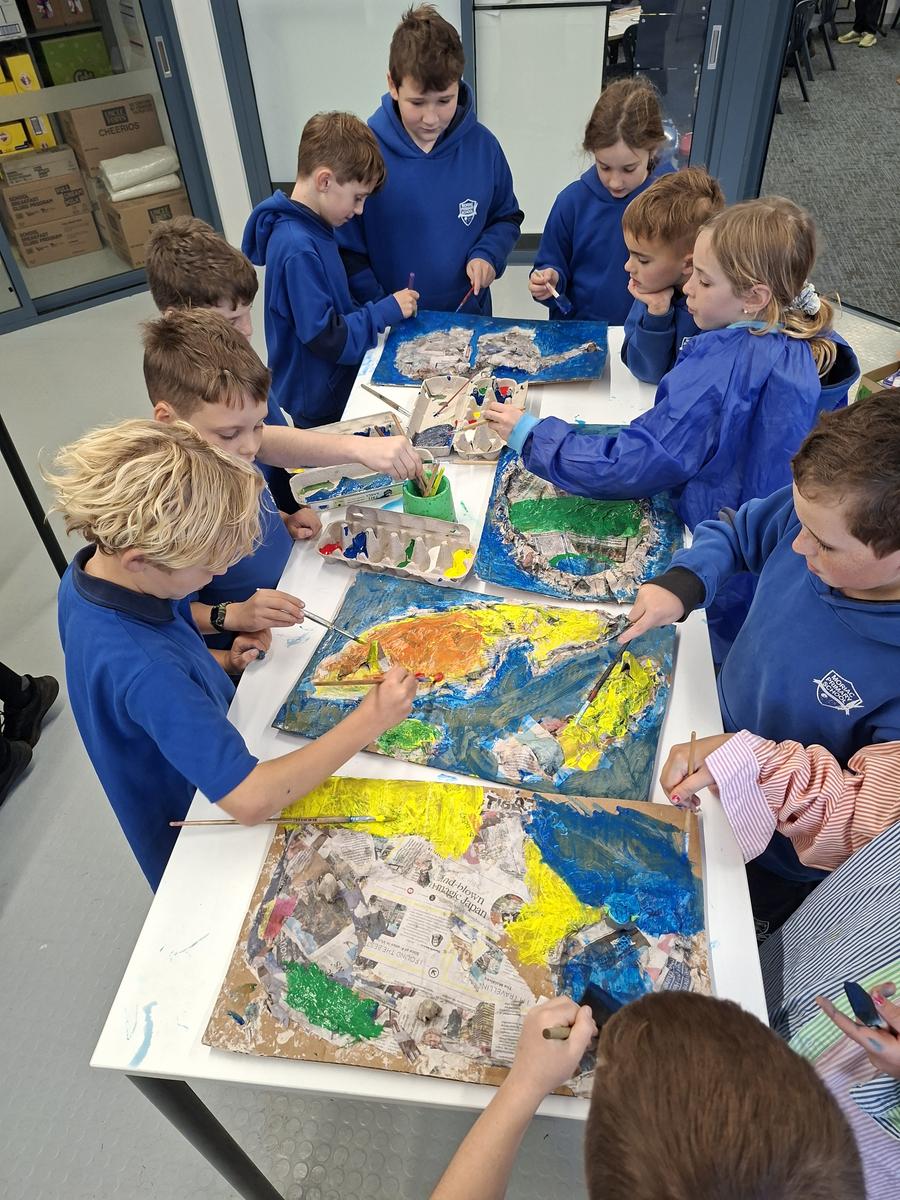
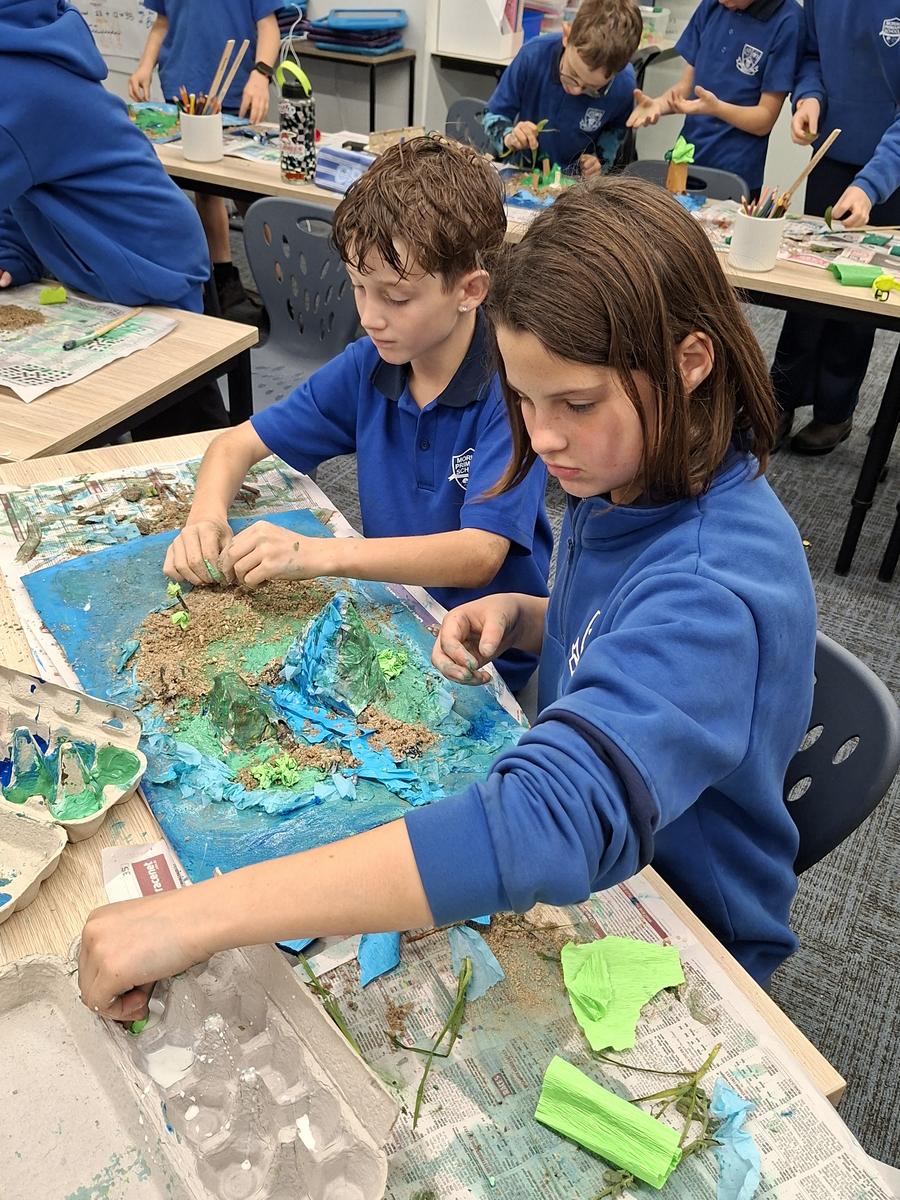
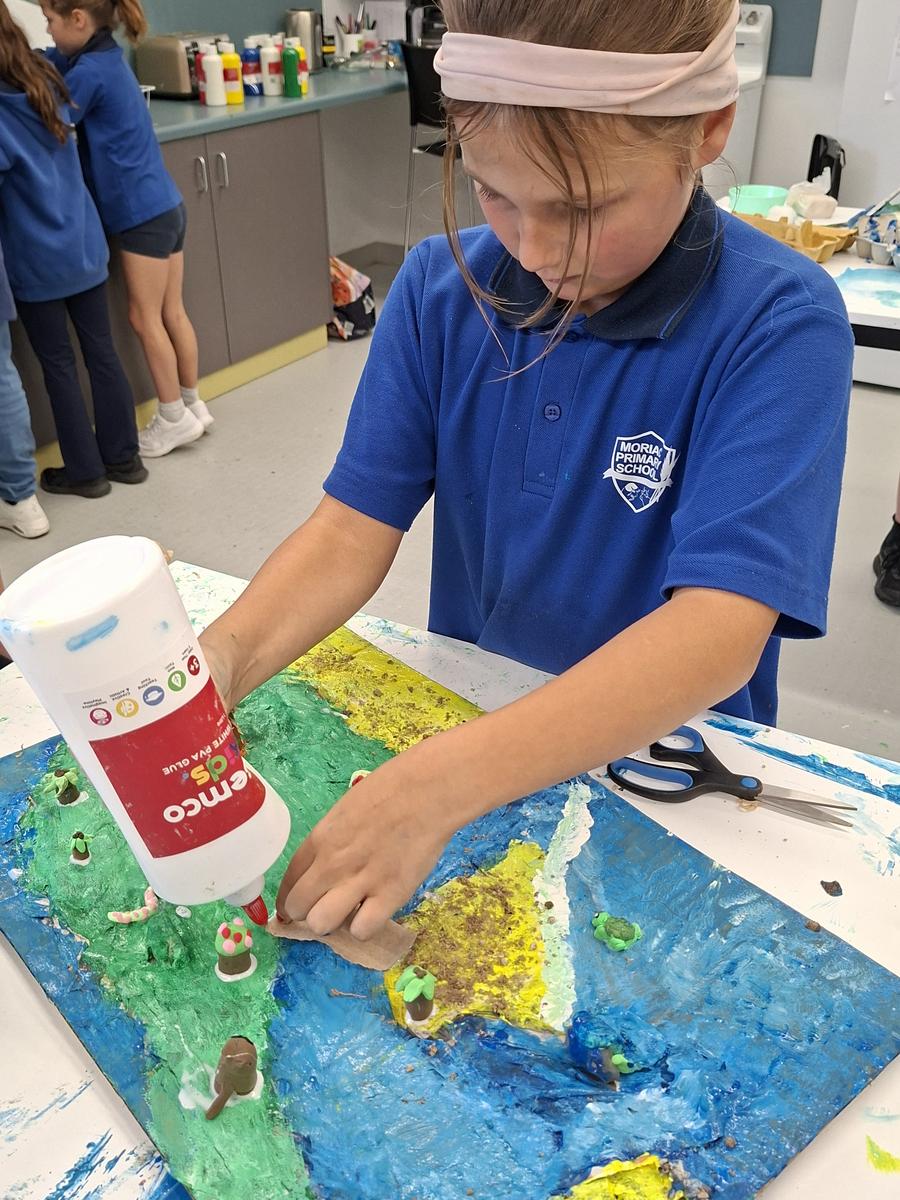
Students have been busily working collaboratively in groups to design and create their own unique islands. Using paper mâché, paint, cardboard and natural materials collected from the environment, they carefully constructed islands that reflected different biomes, landscapes and habitats. Students demonstrated teamwork, creativity and problem-solving skills as they planned and built their islands together. As part of the project, they were required to give their island an identity. They designed their country's flag with meaningful colours and symbols and composed a national anthem celebrating their island's values, and unique characteristics. This engaging project encouraged students to think creatively while developing their understanding of geography, citizenship and national identity.
Students were very excited to be able to share all their hard work with friends and family on Thursday. We hope you enjoyed the afternoon. We thank you for your ongoing support with your child's learning.
Wellbeing
In Wellbeing, students have been completing a range of learner activities focused on our school values and building positive relationships with others. Through games, discussions and role-play scenarios, students explored effective problem-solving skills for peer situations. They identified different actions they could take when faced with a problem, such as telling a teacher, talking to a friend, thinking of an alternative solution, ignoring the behaviour, asking the person to stop, or walking away. Students also considered the possible consequences of each action and practised using the ‘Roads and Roundabouts’ problem-solving model to help them make safe, respectful and responsible choices when dealing with challenges at school.
Reminders
NEXT WEEK: Swimming! Please remind your child to wear their bathers underneath their uniform, bring a bag with a towel, underwear and goggles/ cap (if preferred- not a prerequisite). We will be leaving at 11:30 and back by lunchtime, so no changes to snacks and lunch.
CAMP COMING UP NEXT TERM: In September, 3/4s are venturing to Creswick for our camp. If your child has not experienced staying away from home, perhaps start practising with family or friends over the next couple of months.
As always, if you need any assistance, please don't hesitate to reach out.
We wish all our families a safe and restful holiday.
Thanks!
-Kerri, Ryan & Kylie