
Wellbeing
Fiona Dandie & Robert Pain
Wellbeing
Fiona Dandie & Robert Pain
Holiday wellbeing means balancing festive fun with self-care by managing stress through mindfulness, healthy habits (sleep, nutrition, movement), setting boundaries, staying connected, and focusing on gratitude to enjoy the season without burnout, especially with extra tips for sun safety in summer.

Key Strategies for Holiday Wellbeing
Sun Safety (Summer Holidays): Slip on protective clothing, Slop on sunscreen, Slap on a hat, Seek shade, Slide on sunglasses.

Celebrating Growth in All Its Forms
As we come to the end of the school year, it’s a time to pause and reflect on progress. While reports are one way we measure learning, they don’t tell the whole story — especially for students with disabilities.
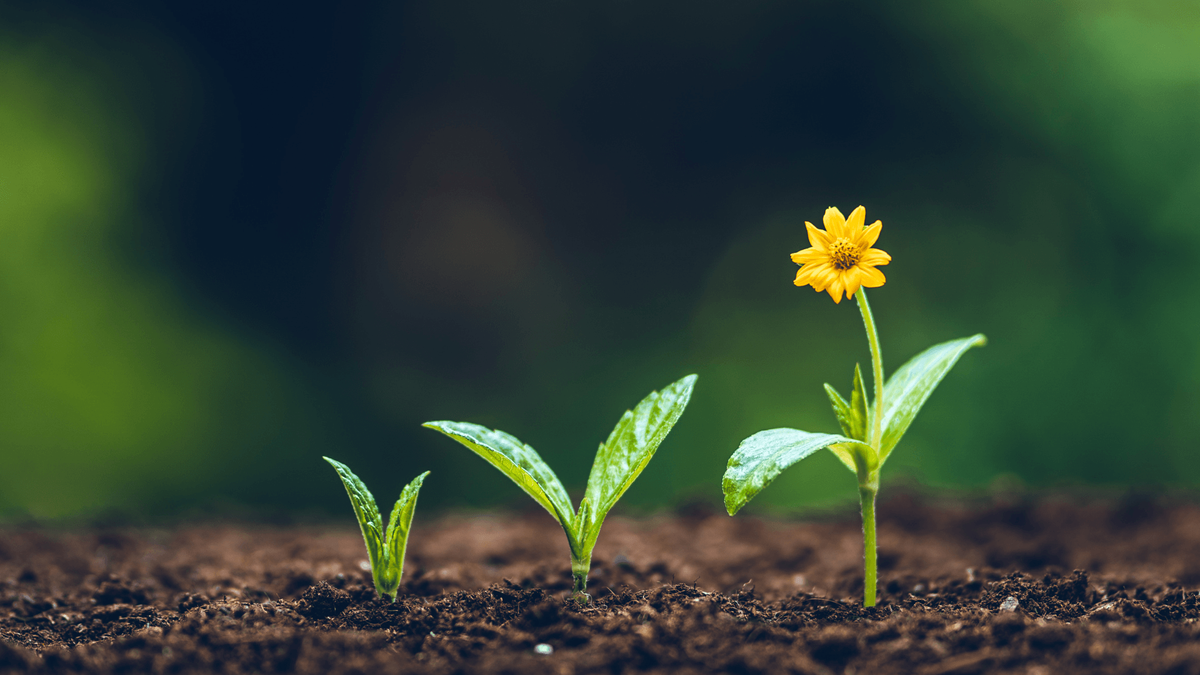
This year, we have seen many important kinds of growth, including:
persistence and resilience when learning felt challenging
Alongside this growth, we have seen many strengths shine in our students, such as:

These strengths don’t exist despite challenges; they often develop from them.
With the proper supports, adjustments, and trusting relationships in place, students can demonstrate what they can do in ways that work for them.
Inclusive classrooms help all children understand that:
Progress looks different for each person
As a school community, we are proud to celebrate every kind of growth this year, big or small, visible or quiet. Each step forward matters, and every child deserves to finish the year feeling seen, capable and valued.
A Family Reflection Prompt
As you head into the holidays, you might like to talk with your child about:
One thing that helped them when learning felt hard
These conversations can help children recognise their own growth and finish the year on a positive, hopeful note.

Looking Ahead to Next Year
As the school begins preparing for the year ahead, we carry forward what we have learned about each child — their strengths, interests and the supports that help them thrive. Transition planning, sharing information and building new relationships are all part of ensuring students feel safe, supported and ready to learn in their new class. We look forward to continuing to work together with families to build inclusive environments where every child can grow in their own way.
