Classroom News
Foundation
Decoding
As we begin Term 2, we have started to introduce new phonemes to our students. These will be our Set 2 phonemes and they will allow students to decode and encode a greater number of words. Last week students explored the letters Gg (making the /g/ sound) and Oo (making the short vowel /o/ sound). This week, we will learn Bb and Hh. Students will explore the cued articulation for /b/ and /h/, practise the verbal pathways for each letter, and rehearse writing both uppercase and lowercase forms on their whiteboards.
Students continue to build and strengthen their Heart Word knowledge by practising these during our Fluency Pairs. It’s been wonderful to see their confidence grow when reading these words and in turn, being able to grab them from our Heart Word wall to assist them in their writing.
Content Knowledge
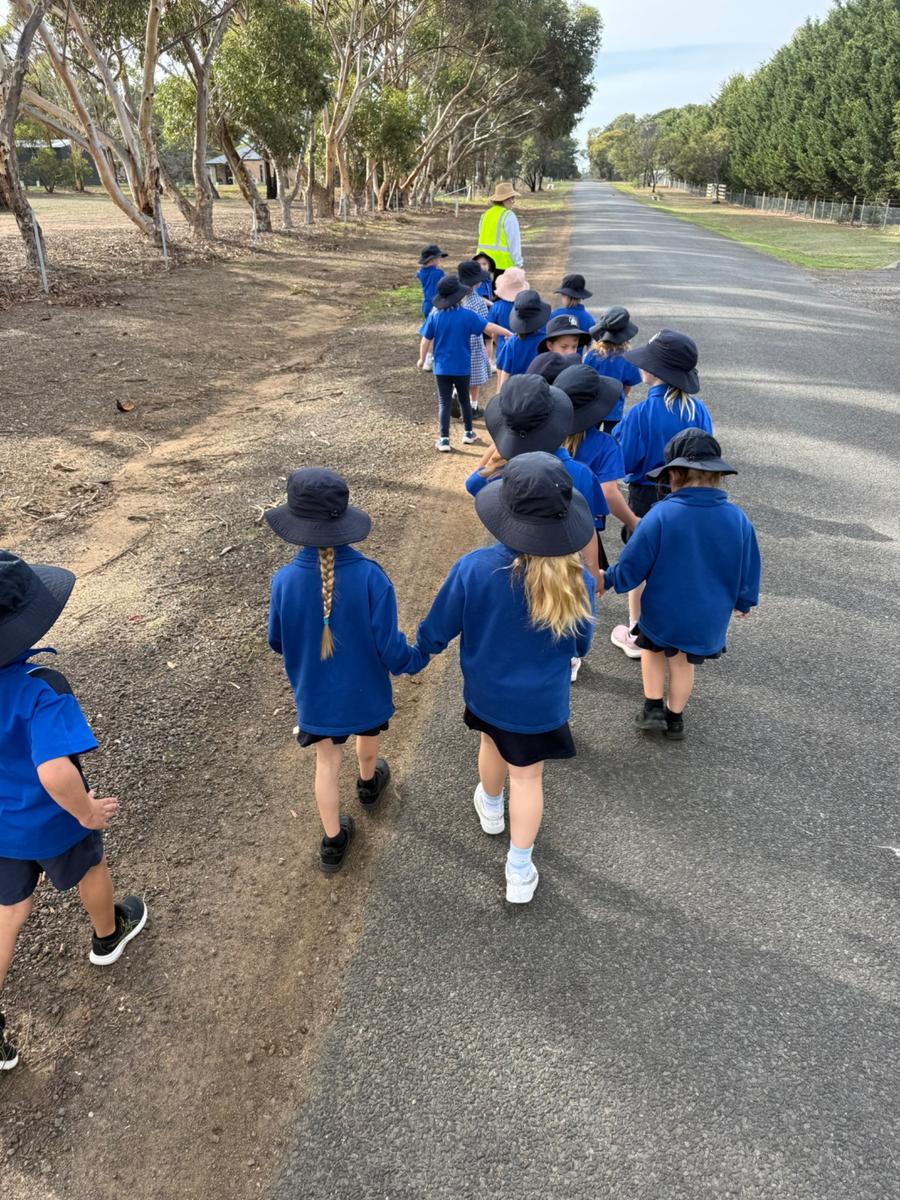
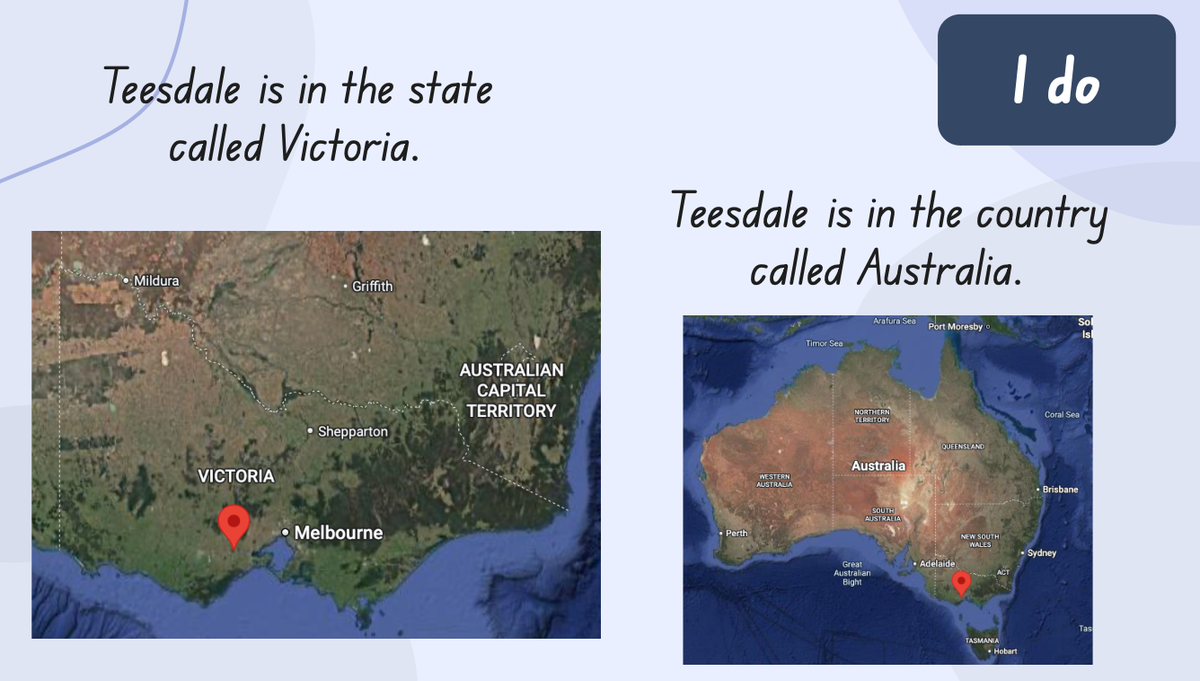
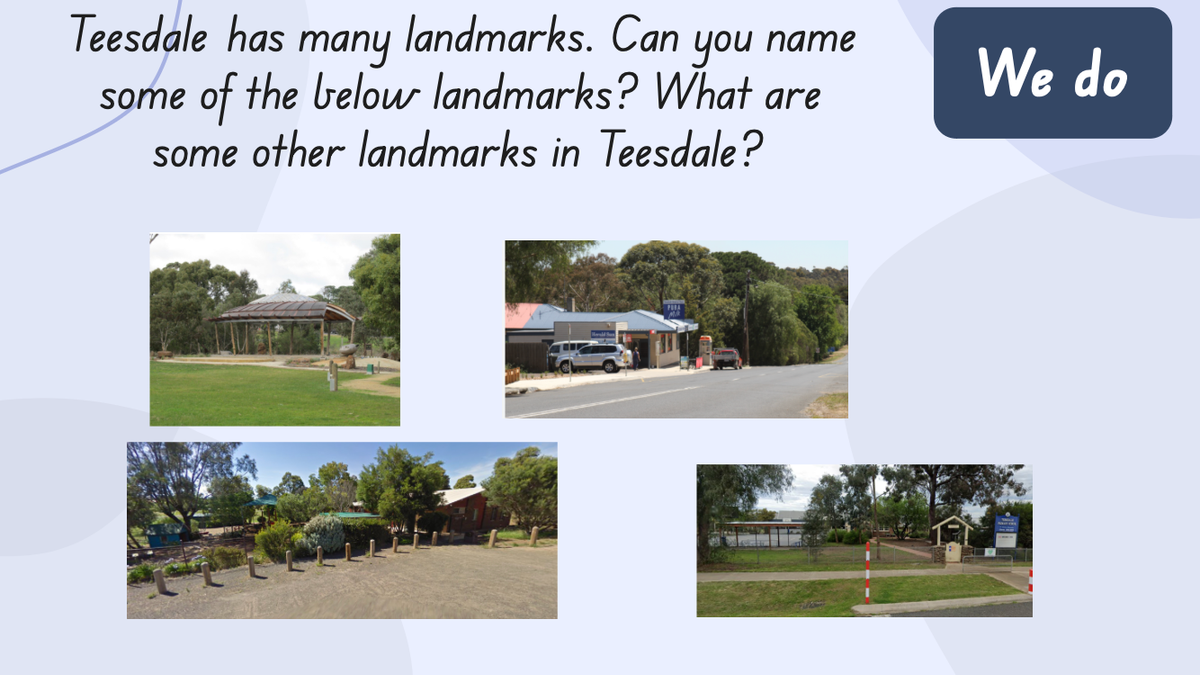
We began our new topic this term, focusing on “My Place, My Country, My World”. Students have started small and with something they are familiar with, Teesdale. We discussed known landmarks in Teesdale, went for a walk to identify why our school houses are Sutherland, Barker and Tolson and even explored Google Earth to see what Teesdale looks like from a birds eye view and where our students live in relation to school.
This week we are deepening our understanding of Australia. Students will explore well‑known Australian landmarks, learn about our unique native animals, and build their knowledge of ANZAC Day. During Discoveries, they will have opportunities to create their own landmark models, engage in hands‑on learning, and further investigate the significance of ANZAC Day.
Text Construction
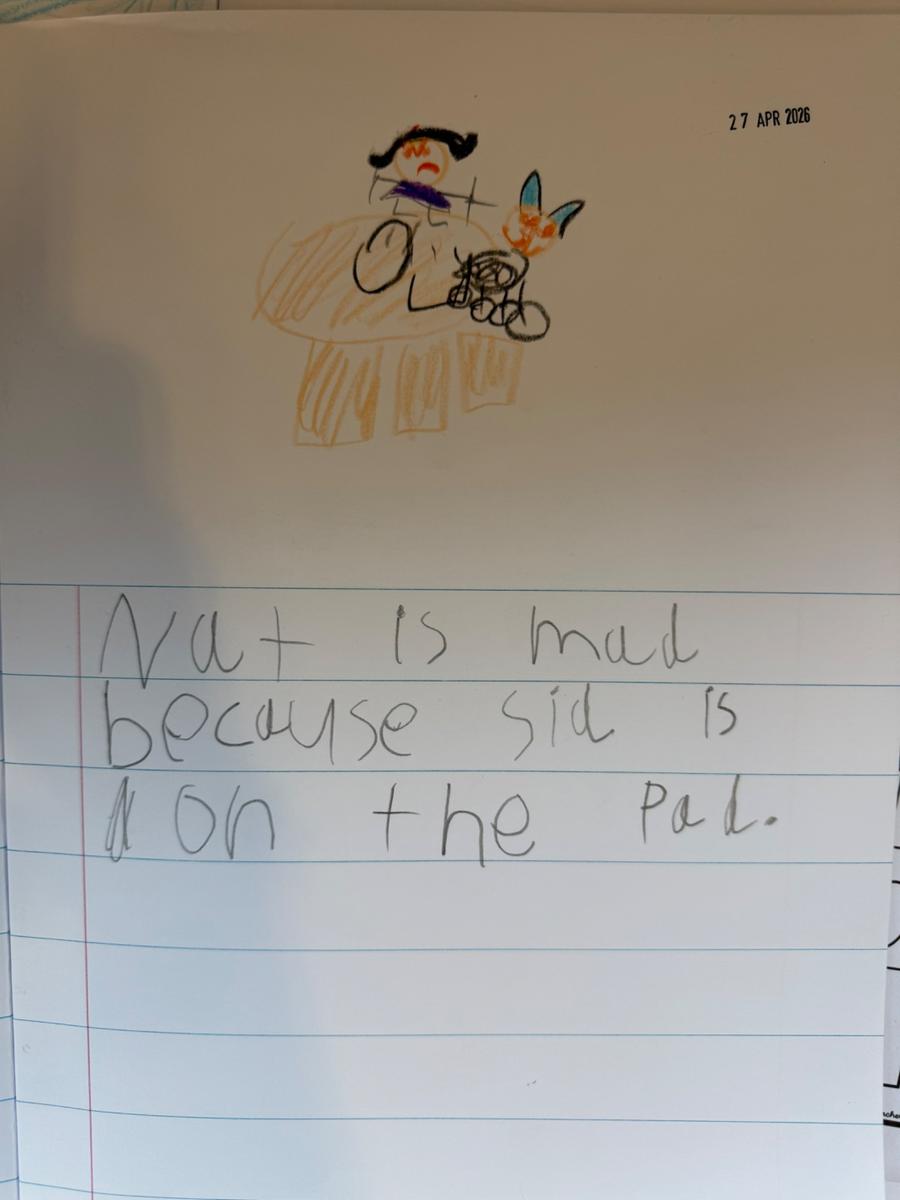
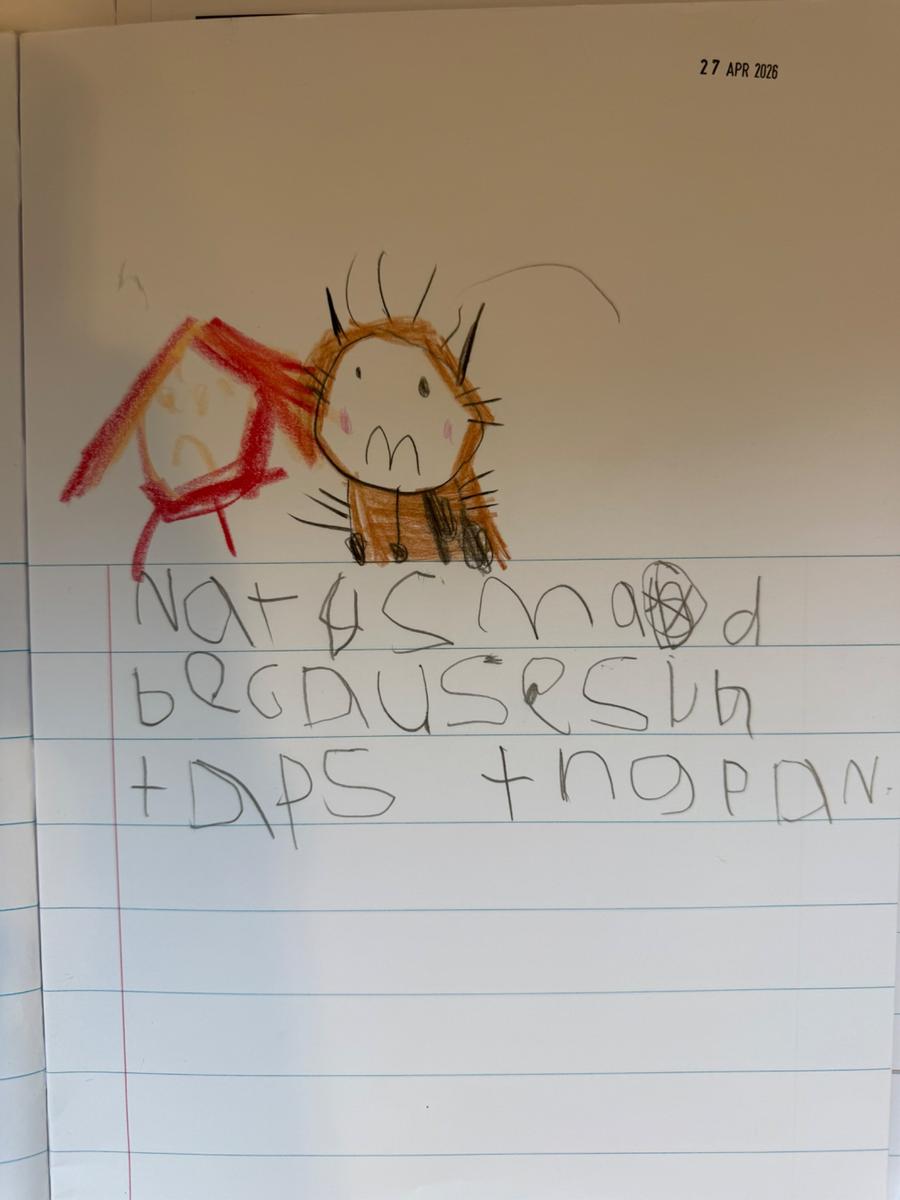
During Text Construction, students have been introduced to their first conjunction — because. We have explored how because joins two ideas and helps explain a reason. Using familiar decodable texts as prompts, students have practised completing sentence starters and have co‑constructed sentences as a class before creating their own independent sentences using this conjunction. Students have been excited to write in their new books that now have solid lines, encouraging them to form letters in relation to the solid line. We will continue to create sentences using this conjunction and will introduce the conjunction but in the coming weeks.
Mathematics
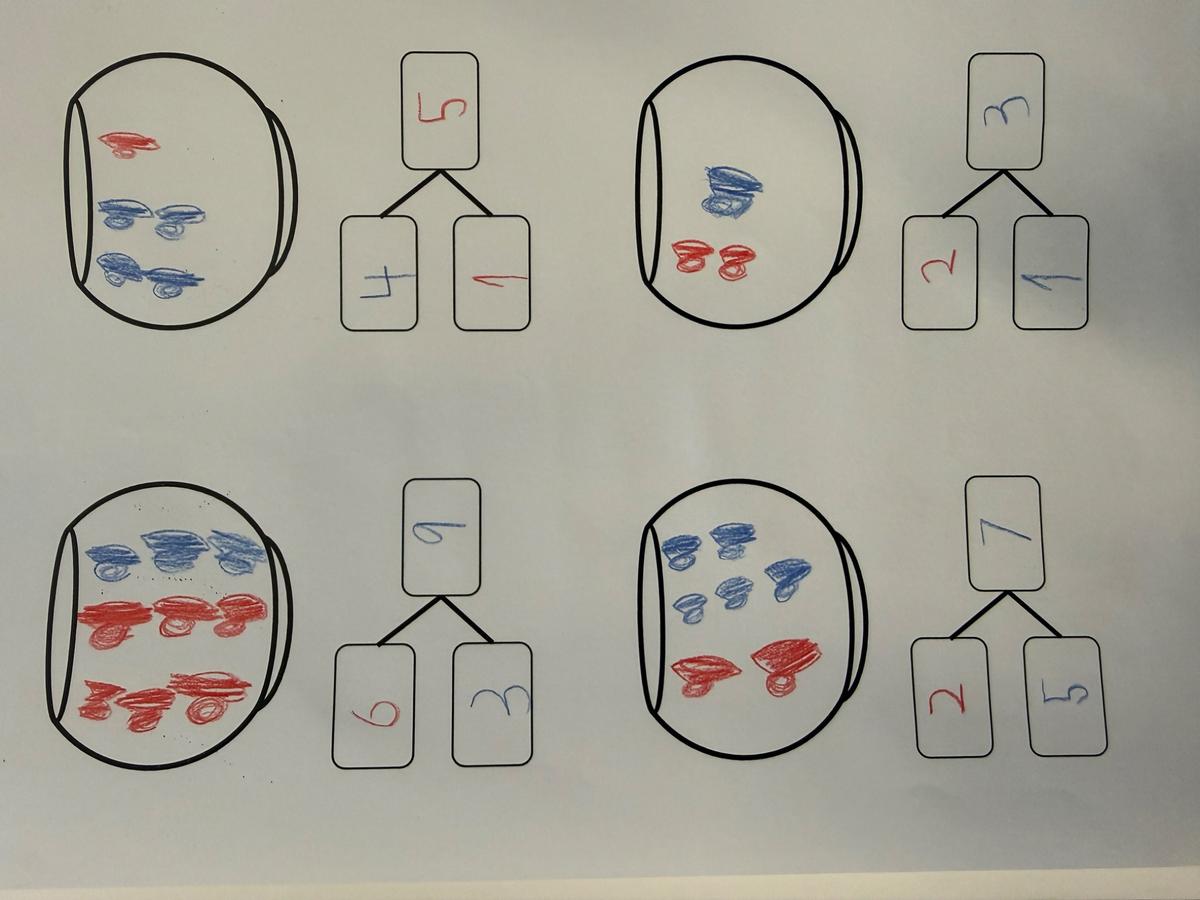
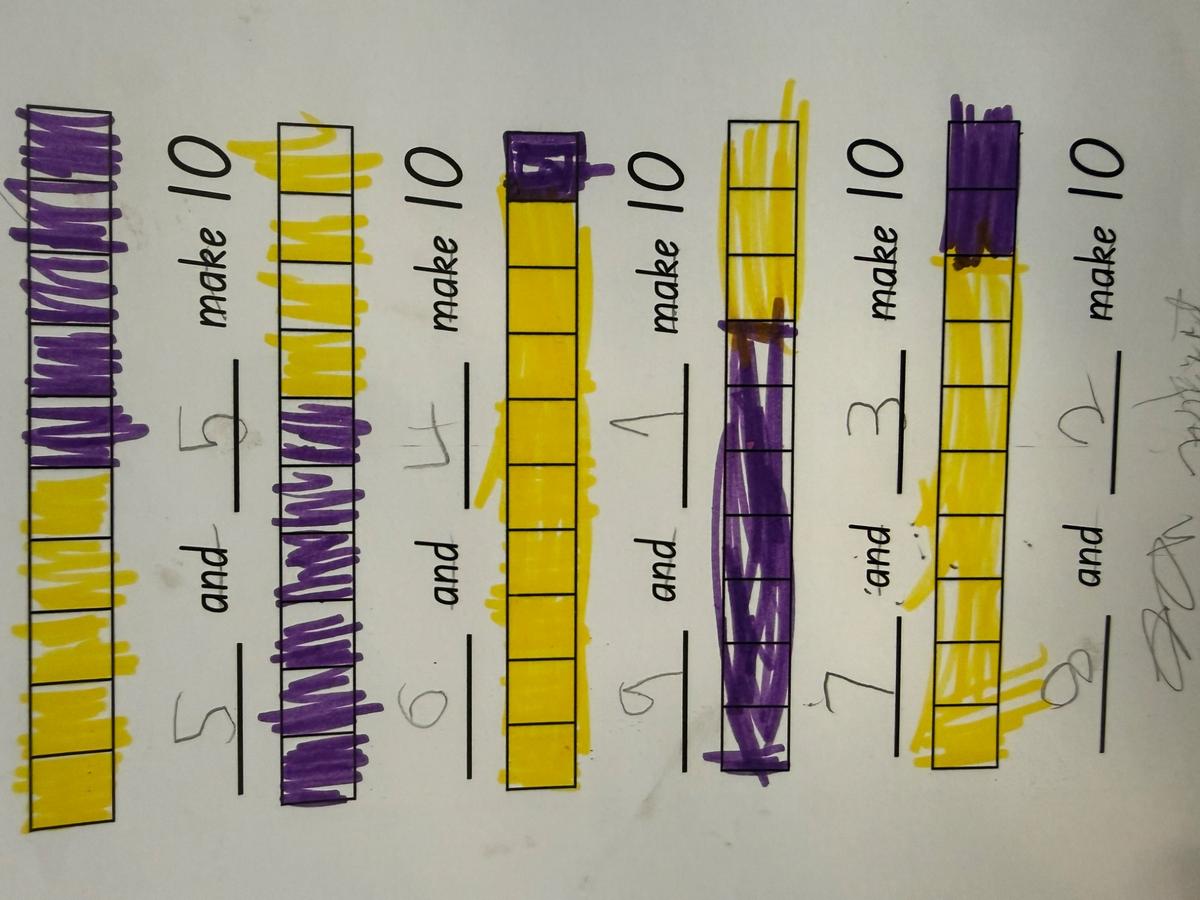
In Mathematics, students have been introduced to the idea that numbers are made up of parts. We have explored numbers to 6 and completed hands‑on activities to show how each number can be broken into parts using the language part–part–whole — for example, “2 and 3 make 5.” This week, students will build on this understanding as we extend our learning to numbers up to 10. At this stage, we do not introduce the symbols + or – because our focus is on developing a deep understanding that numbers are composed of parts, rather than on formal addition or subtraction. This foundational skill strengthens early number sense and sets students up for success when we begin working with addition and subtraction later in the year.
Junior School
Literacy
Junior School students are starting a new Content Knowledge unit called Continents, Countries and Maps. This unit explores Earth’s physical features, including land, water, plants, animals, and weather, and how they vary across different regions. It also examines how people live differently around the world and how tools like maps help us understand and navigate our planet.
Last week, students learned about the different types and uses of maps. In the coming weeks, we will be learning about the continents of the world, starting with North America.
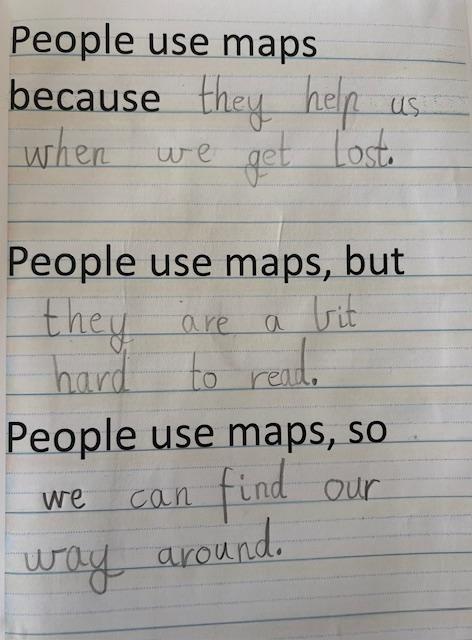
In Text Construction, we have been learning to use capital letters for proper nouns and at the start of sentences, as well as other forms of punctuation such as full stops and question marks. We have also been using the conjunctions because, but, and so in our sentences in relation to our Content Knowledge topic.
Numeracy
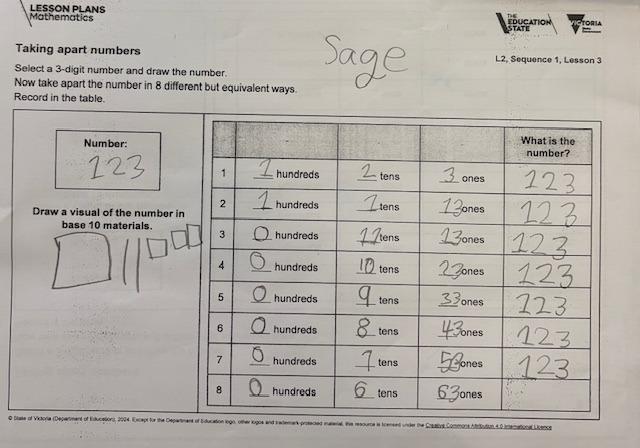
In Numeracy, Junior School students have been learning about Place Value. They have been reading and recording three-digit numbers and representing them using base-10 materials. They have also been renaming numbers in different but equivalent ways; for example, 123 can be 1 hundred, 2 tens and 3 ones, or it can be 10 tens and 23 ones.
Middle School
Literacy
Students have begun Term 2 immersed in The Wild Robot by Peter Brown. Across Weeks 1 and 2, they are strengthening their reading comprehension by identifying literal and inferred meaning, answering discussion questions, and tracking how the main character, Roz, changes across the story. To support this learning, students are also reading a range of information texts about robots, exploring what robots are, how they function, and how they are used in real life. These nonfiction texts help students build background knowledge and make deeper connections to the novel.
In Writing, students are developing strong sentence‑building skills through daily practice. They are working on accurate spelling, expanding simple sentences, and using subordinating conjunctions to create more complex ideas. Students are also learning how to plan and structure clear paragraphs using models and organisers.
Numeracy
Our focus in Mathematics is fractions. Students are learning to identify equal parts of a whole, name and represent fractions, and explain the role of the numerator and denominator. During Week 2, learning extends to counting forwards and backwards in fractions, comparing and ordering fractions, and finding fractions of collections. Students use hands‑on materials, visual models, and number lines to support their understanding and explain their thinking using precise mathematical language.
Discoveries
Students continue to enjoy a broad range of learning experiences across our Discovery subjects. In House Sport, the focus is on teamwork, cooperation, and positive participation in group games. In Performing Arts, students are exploring the elements of music as they create and respond to soundscapes. In Digital Technologies, students will begin learning about coding, developing early programming skills such as giving clear instructions, recognising patterns, and understanding how sequences control digital outcomes. In Indigenous Studies, students are learning about Aboriginal and Torres Strait Islander ANZACs, building their understanding of the experiences and contributions of Indigenous servicemen and women through discussion, stories, and creative tasks.
Senior School
This term, our senior students have been engaged in a rich and varied learning program across Literacy and Numeracy.
Content Knowledge
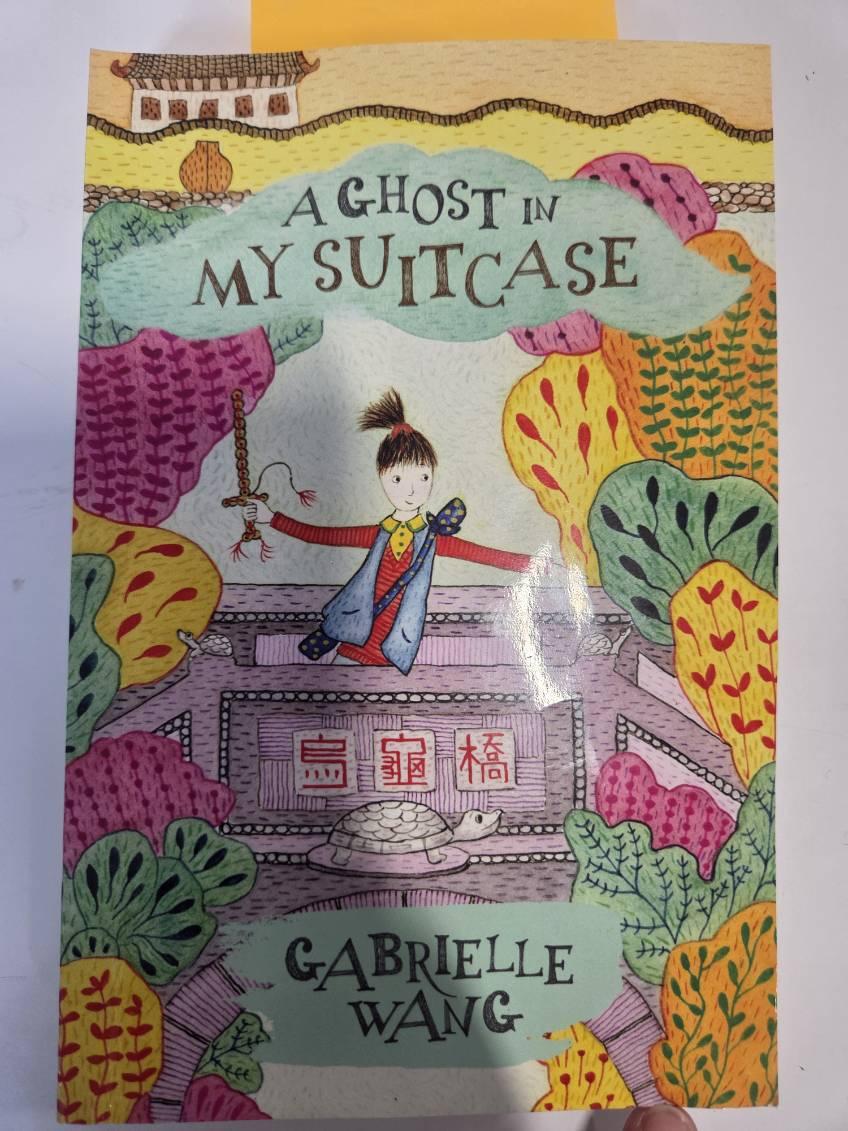
Students have been exploring the novel 'A Ghost in my Suitcase', deepening their understanding of character, setting and themes, while also making comparisons between Australian and Chinese culture.
Text Construction
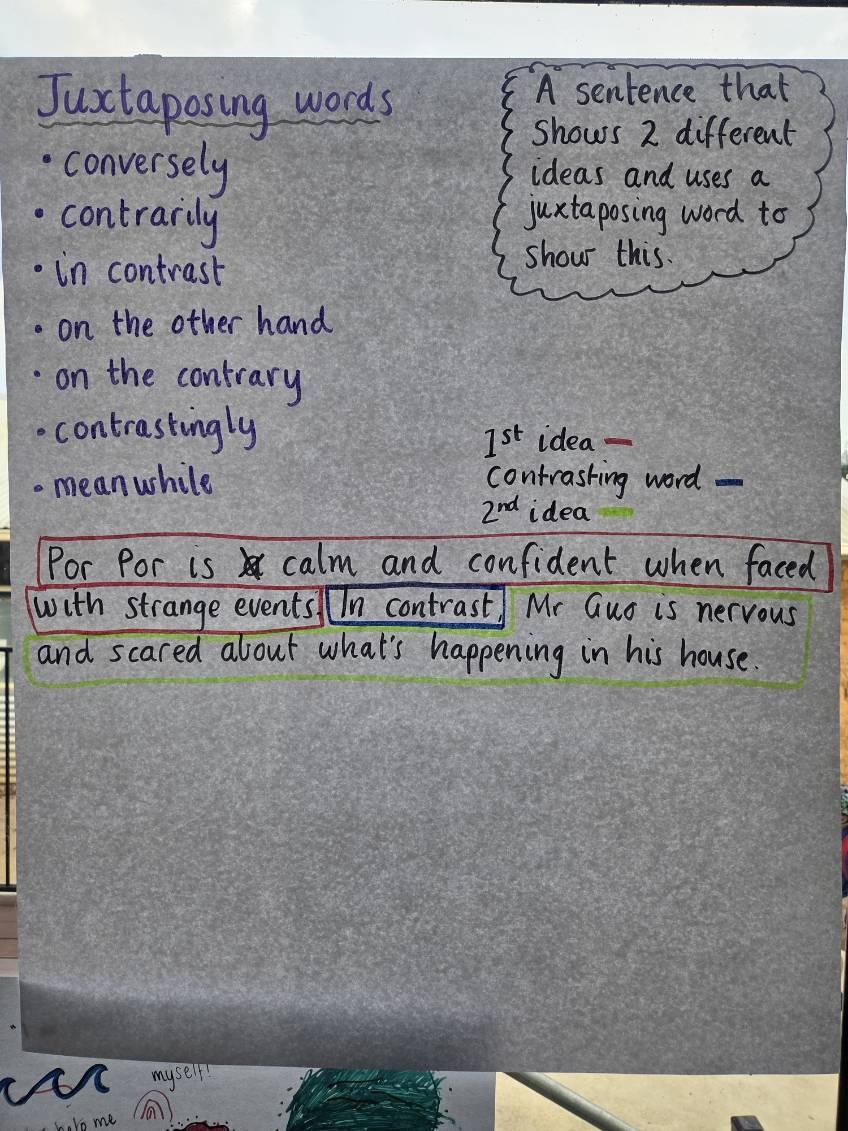
Students have been focusing on sentence-level construction, building more complex and engaging sentences through the use of conjunctions such as because, but and so, as well as experimenting with juxtaposition to add depth and contrast to their ideas.
Numeracy
Students investigated 3D shapes, identifying and describing their key features, including faces, edges, and vertices. They also explored nets of 3D objects to give them a stronger understanding of how shapes are constructed.
Visual Art
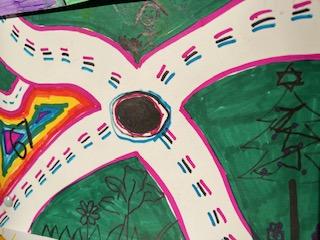
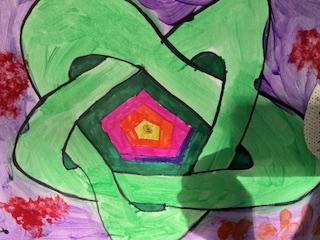
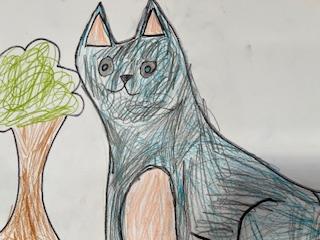
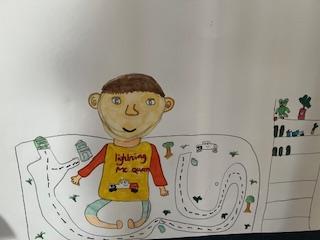
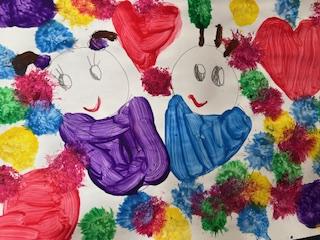
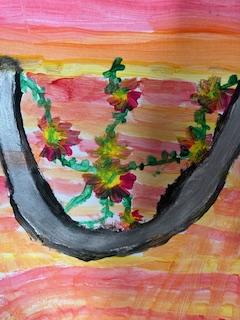
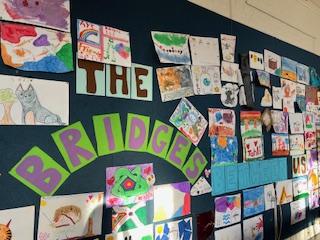
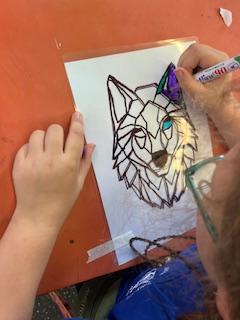
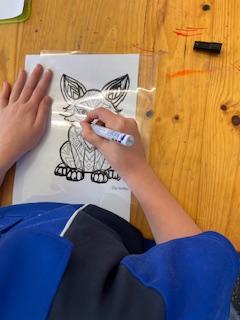
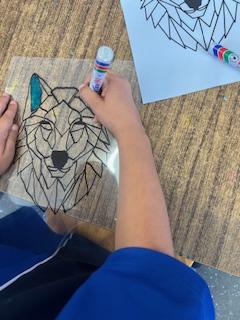
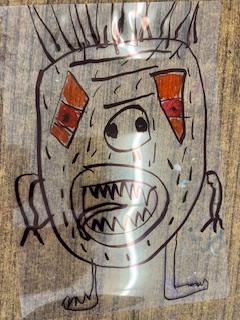
Seniors have started the term learning about geometric and organic shapes, they have identified different sorts of shapes around the school and are working on a geometric design that will be displayed in their classroom. At the end of term 1 we completed “The Bridges Between Us” unit. Junior and senior students have shared their “positive connection” art work on the gallery wall in the art room. Juniors have kicked off the term with colour, we have had some wonderful discussions around the use of colour in visual art. They are developing their paper skills as they build a rainbow snake using primary and secondary colours. We have had a fantastic start to the term, well done everyone!
Karen Biscan
We Are a SunSmart School
Our Sun Protection Policy has recently been updated to ensure it connects with our accreditation as a Sun Smart School. As part of this update, we will be monitoring the UV levels to determine when hats need to be worn. Hats will continue to be required from mid-August to the end of April, and whenever UV levels reach 3 and above. We have begun to share this improvement with students through our Morning Message and recommend students have access to their hat each day at school.