
Year 1 News
Learning Celebrations
Literacy
Over the past two weeks in our Phonics sessions, students have been focusing on the GPCs ‘ck’, ‘th’ and ‘wh’. GPC stands for grapheme–phoneme correspondence, which means the relationship between letters and the sounds they represent. Understanding these patterns helps students read and spell words more confidently.
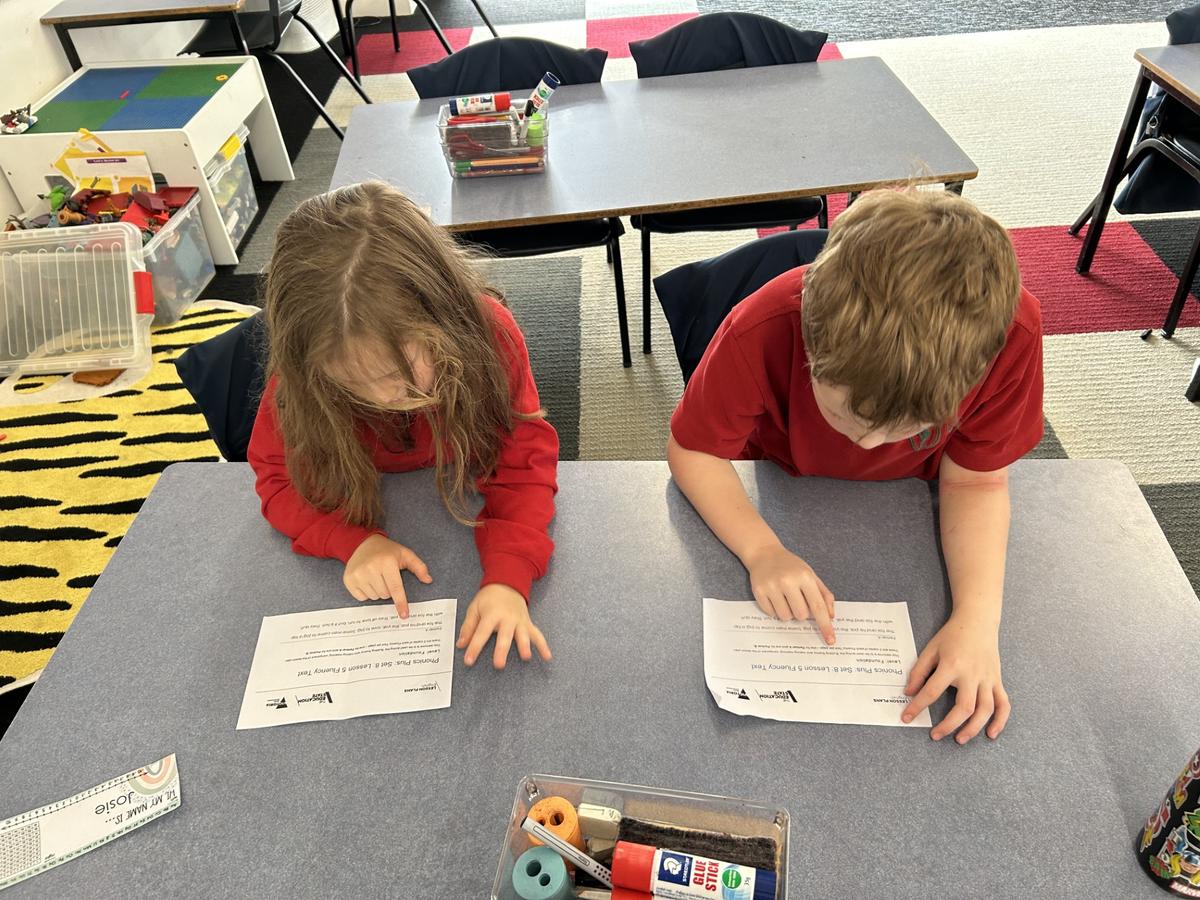
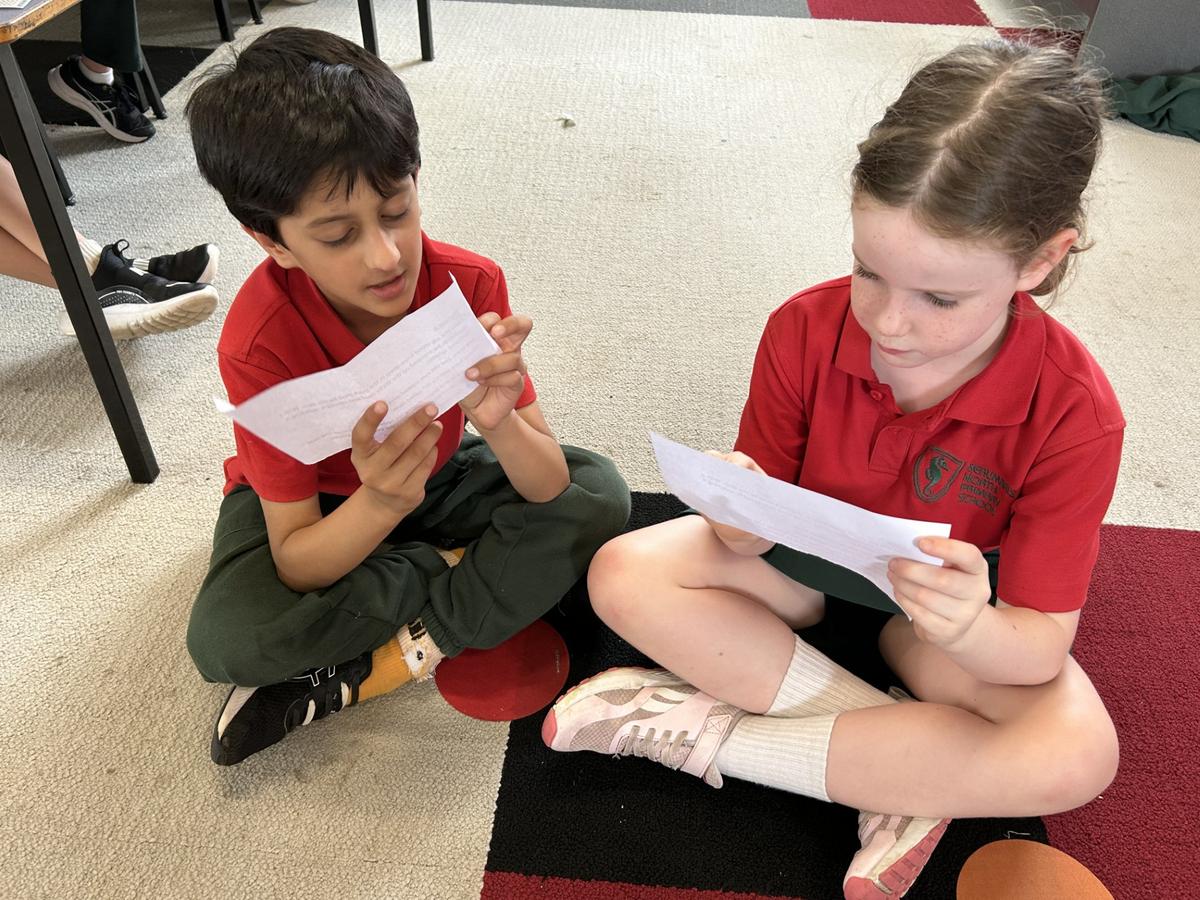
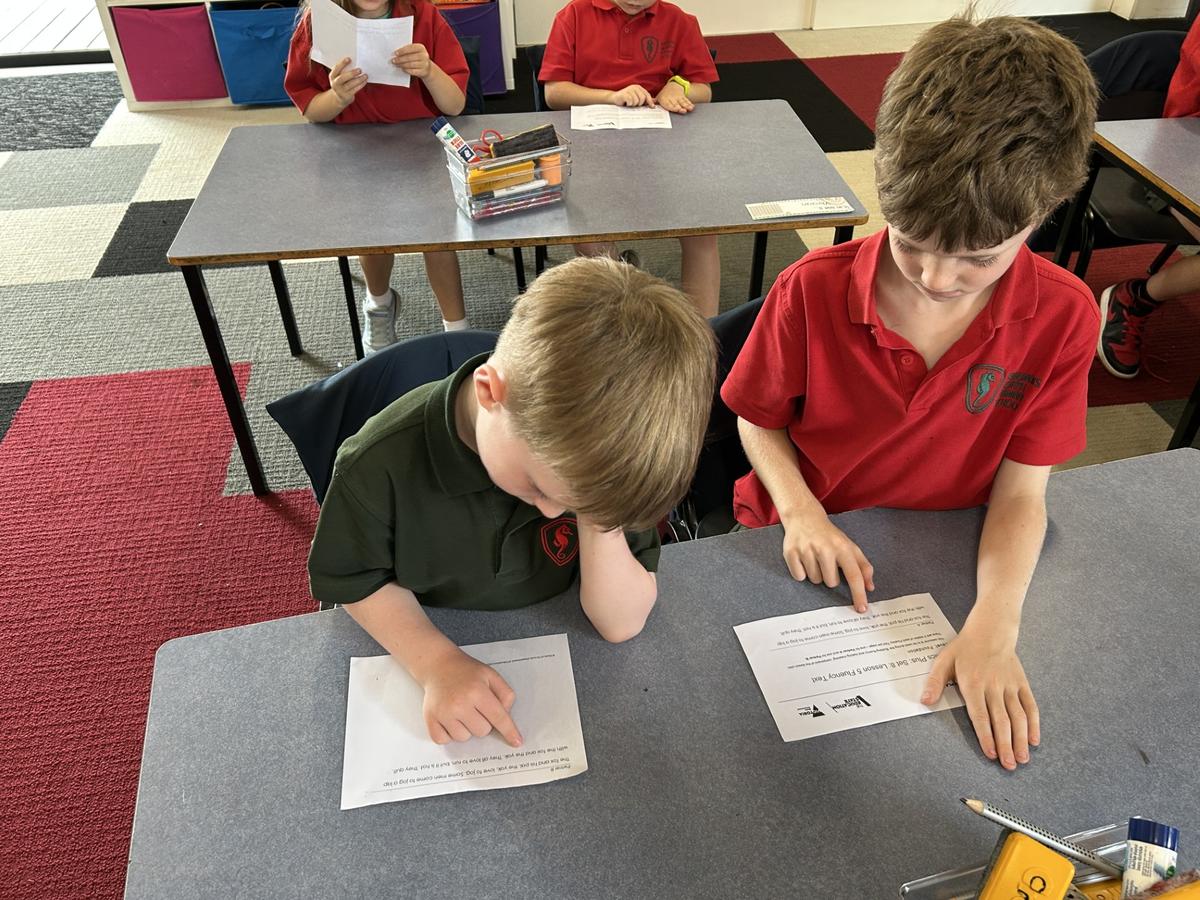
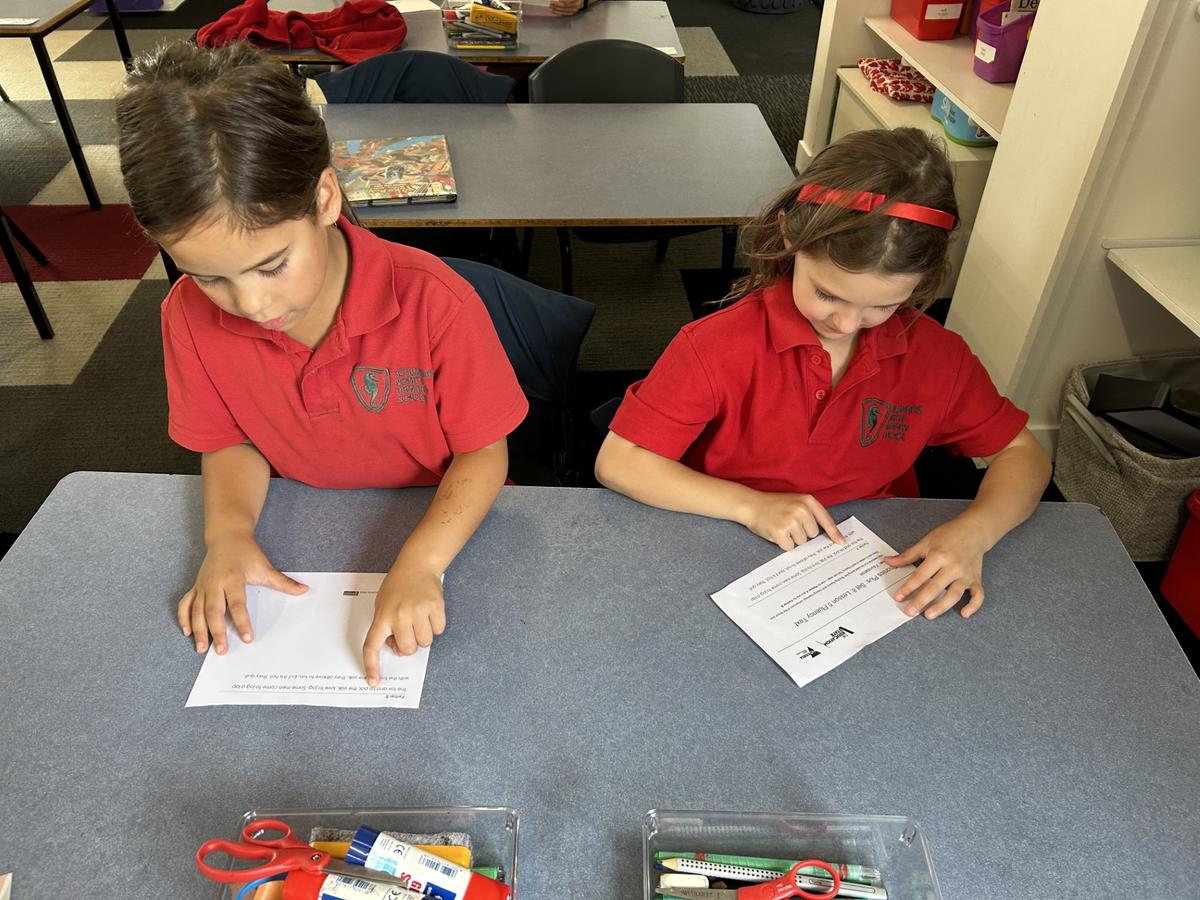
Students have been manipulating letter tiles and practising reading and spelling simple words that include these patterns. We have also been exploring rhyming words (words that have the same ending sound) such as vest–chest, wept–kept and guide–bride, and alliteration where words begin with the same sound such as rain–rider, sit–sing and pen–puck. These activities help students develop their awareness of sounds in words, which is an important early reading skill.
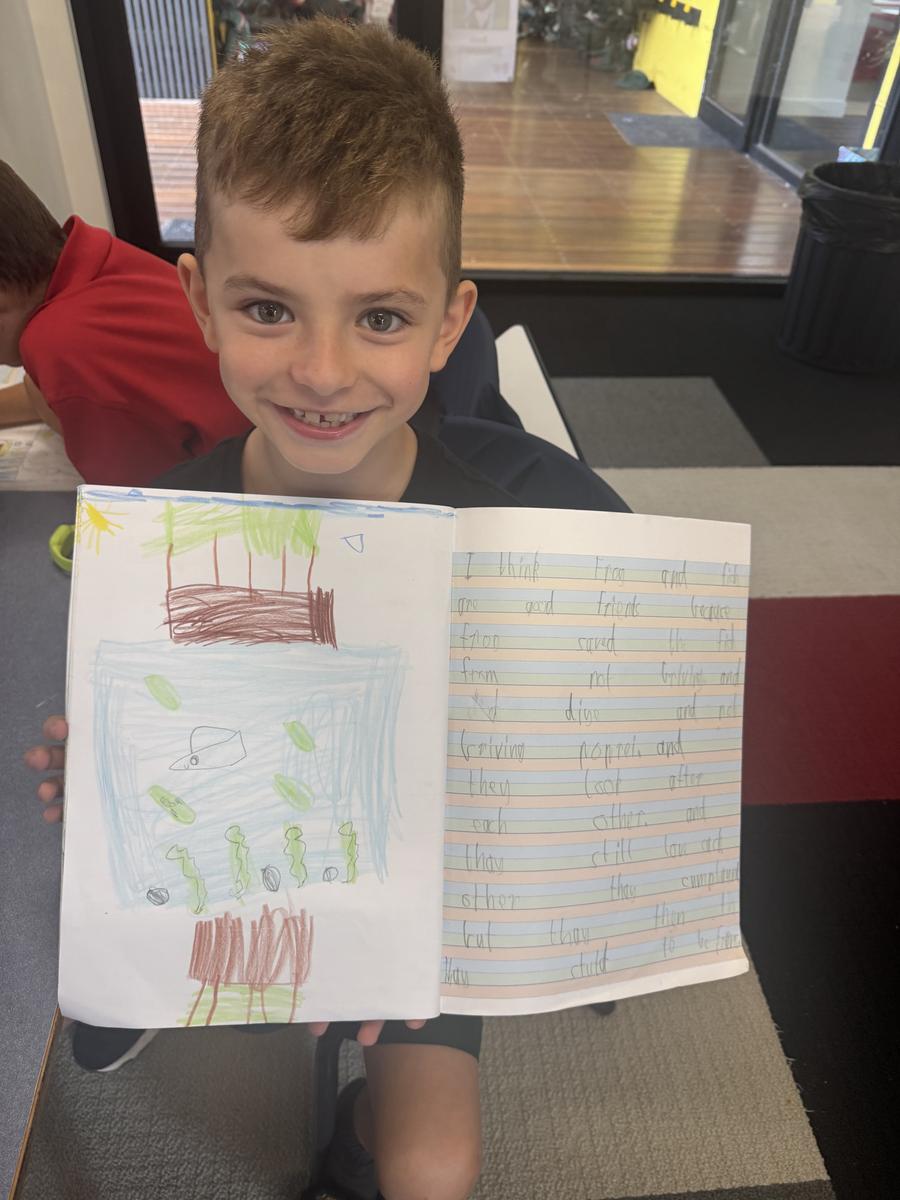
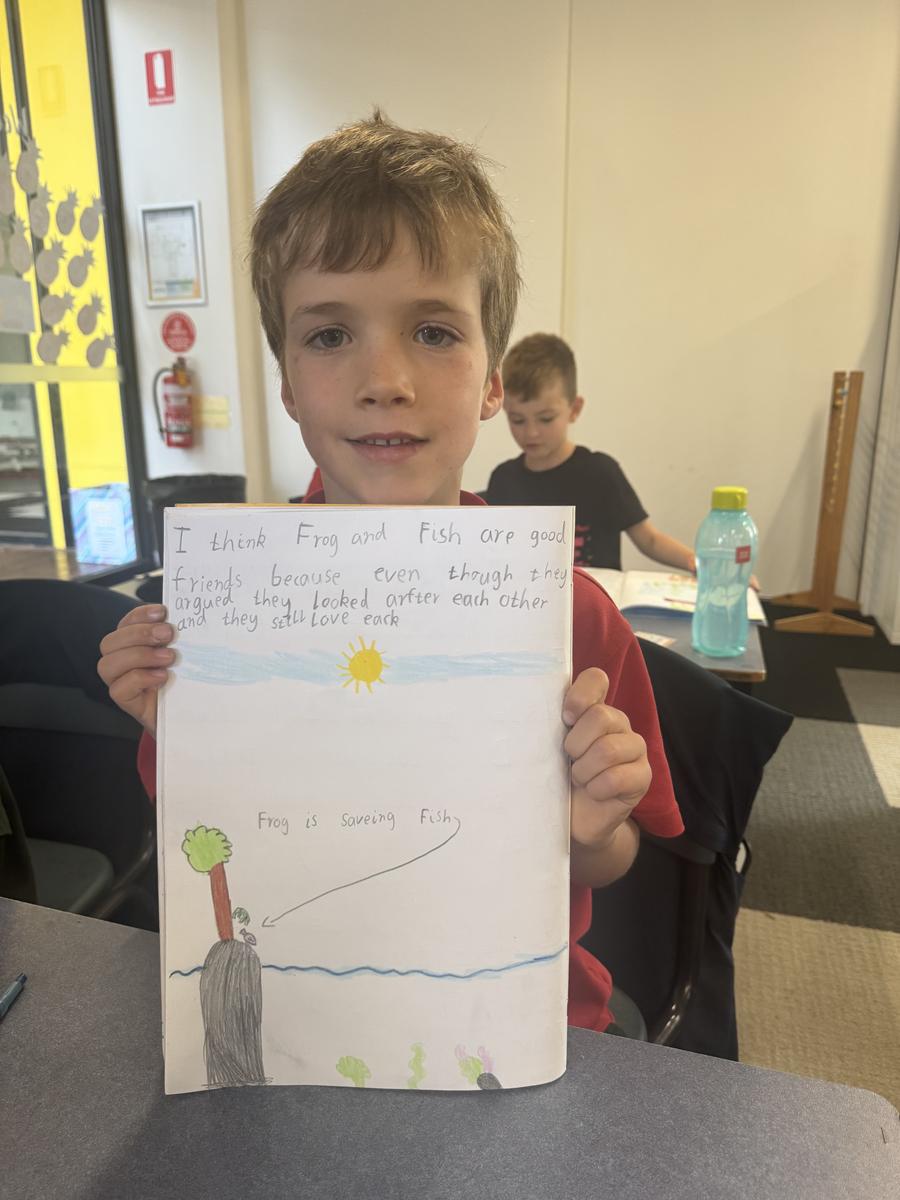
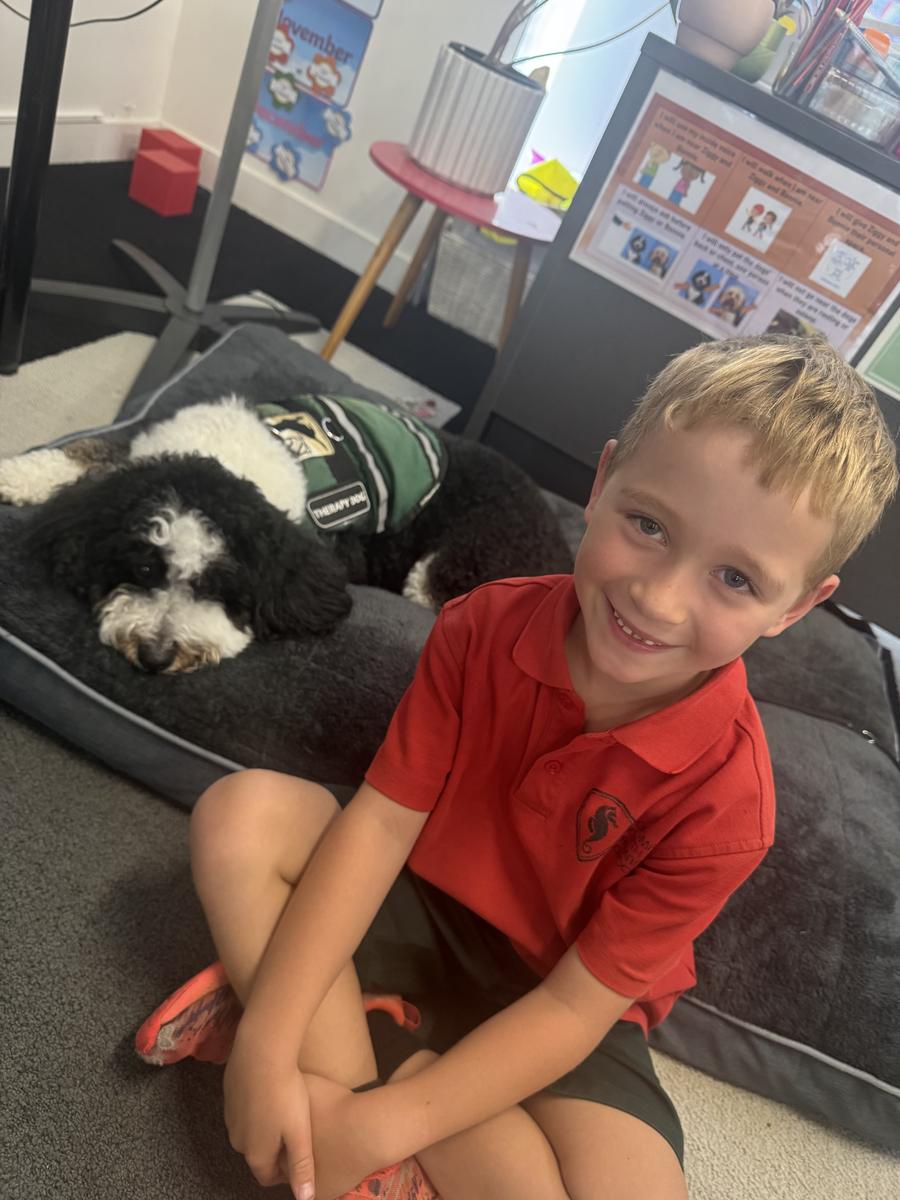
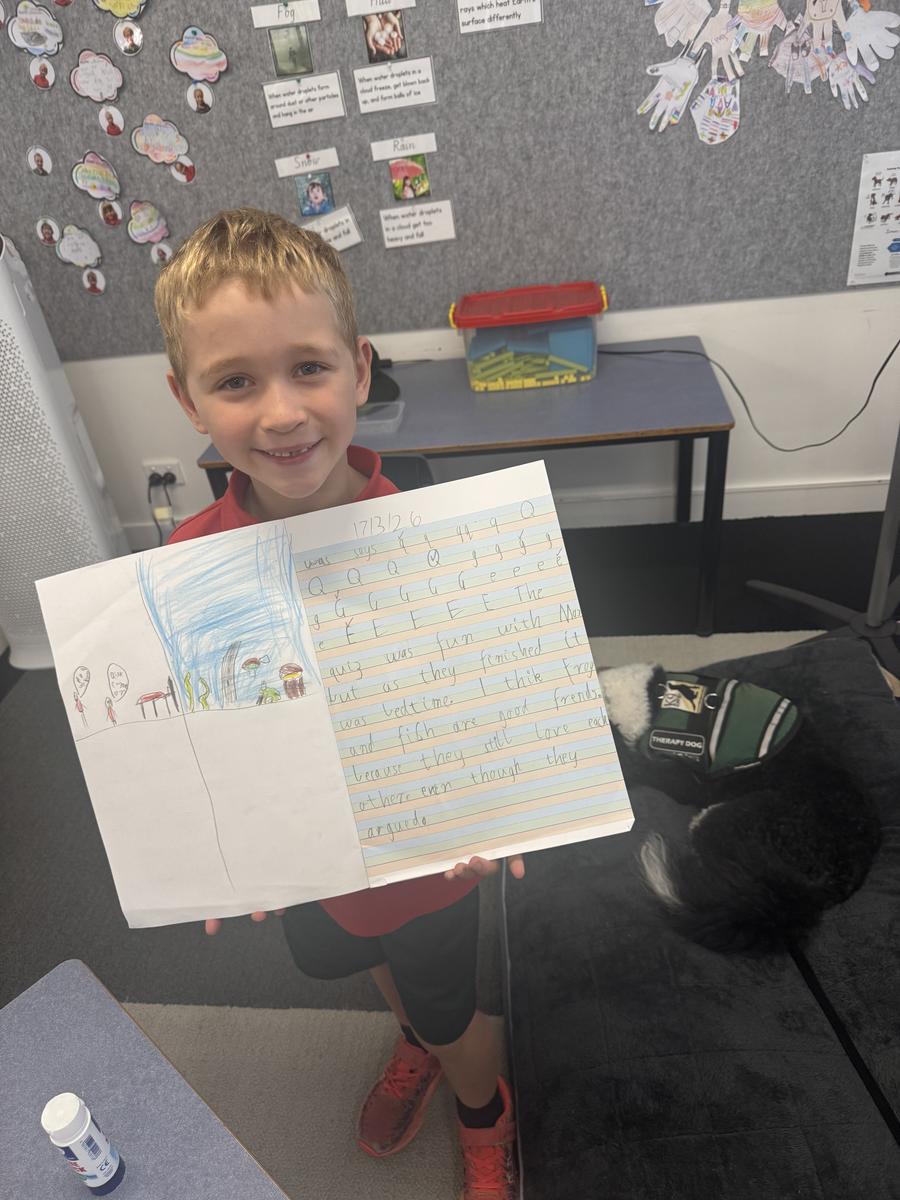
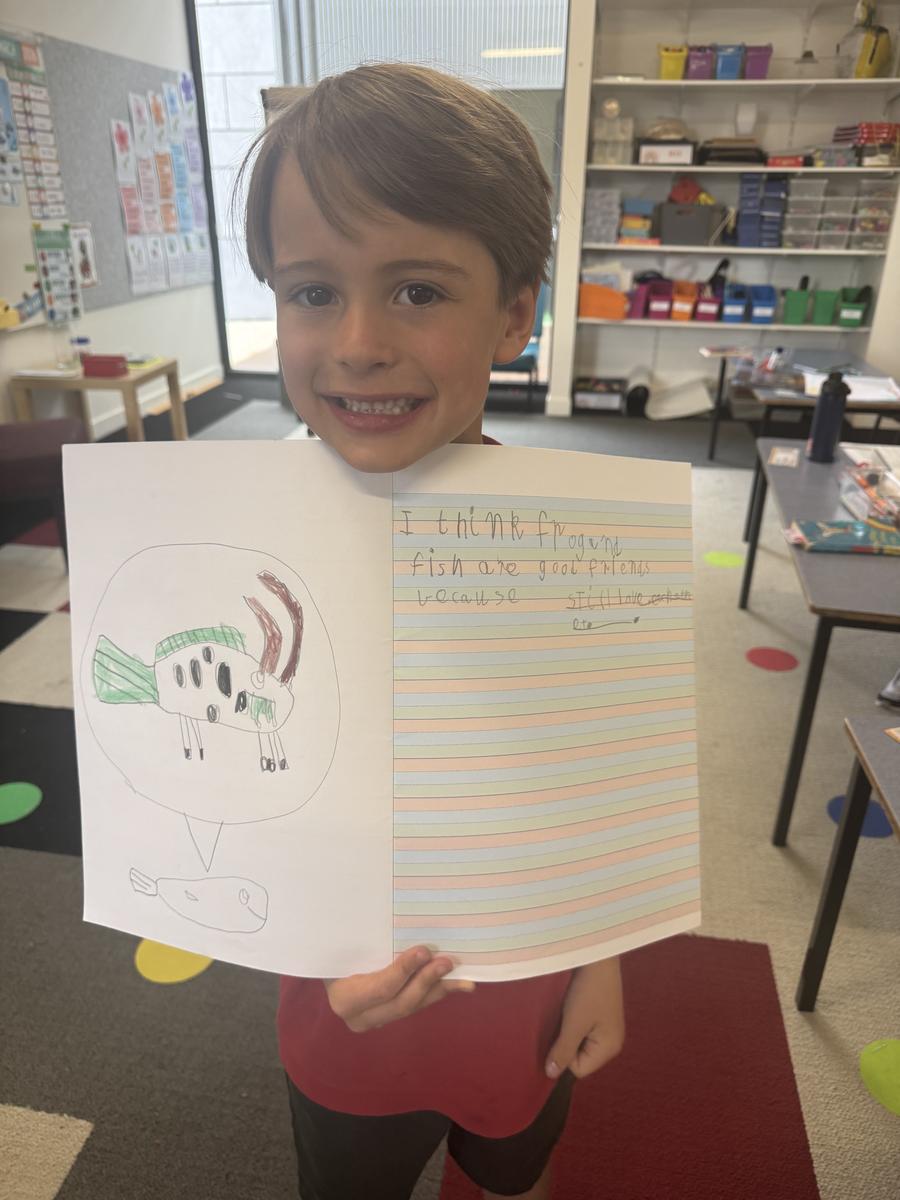
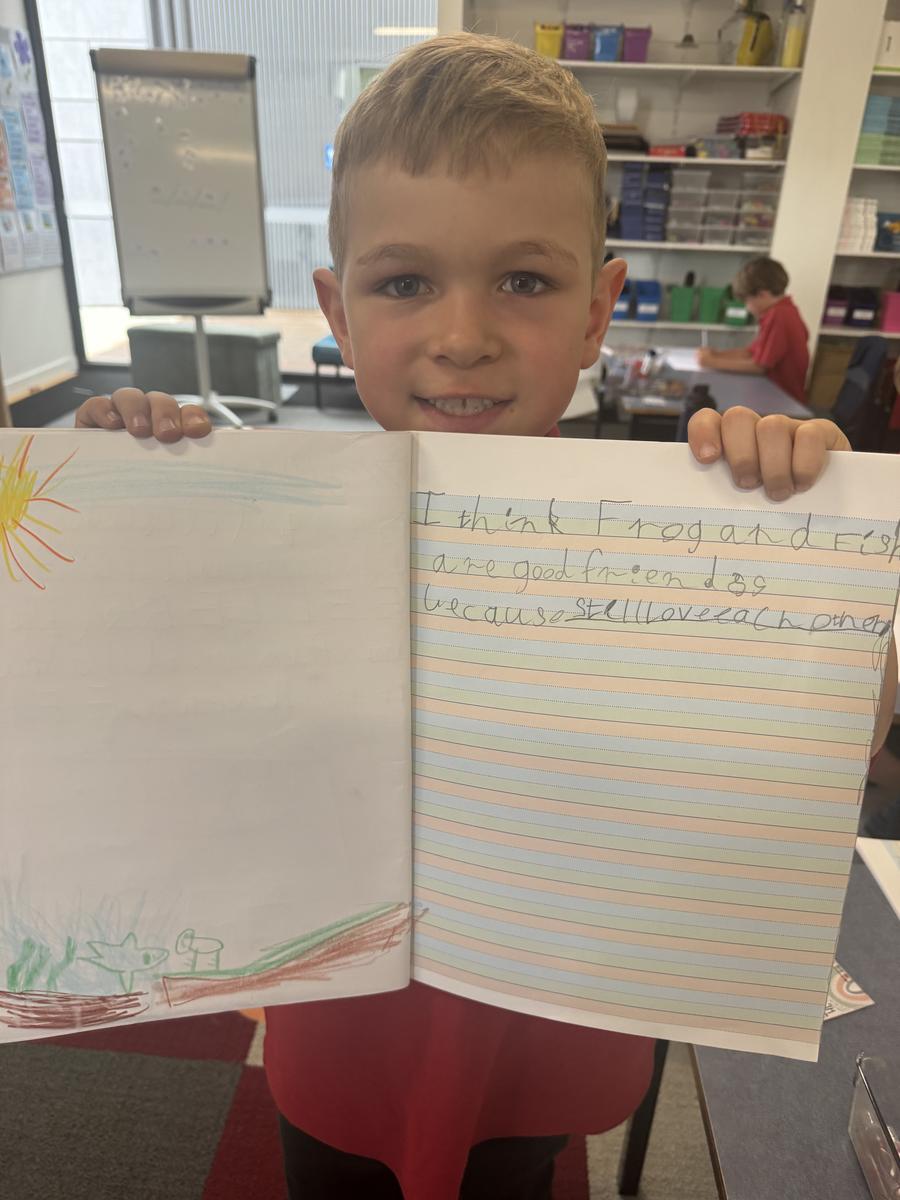
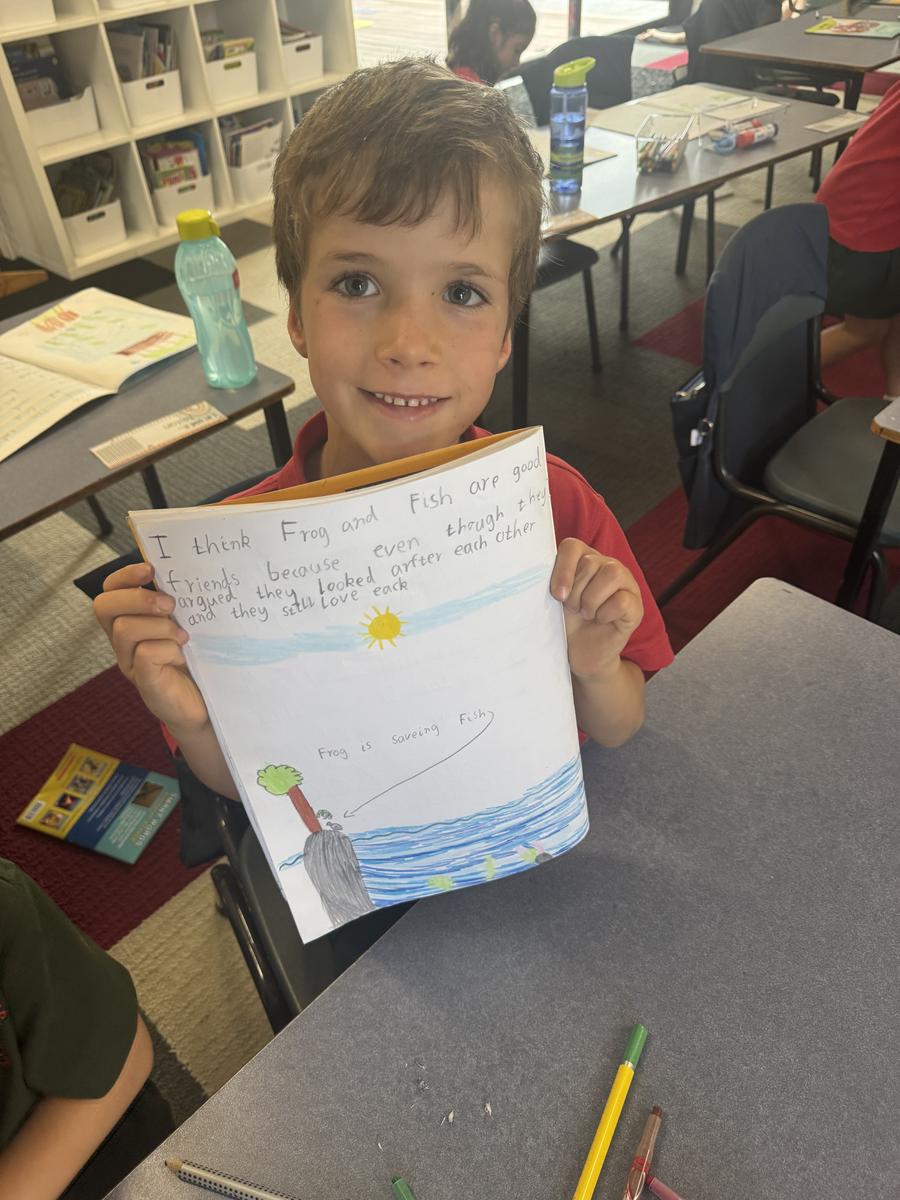
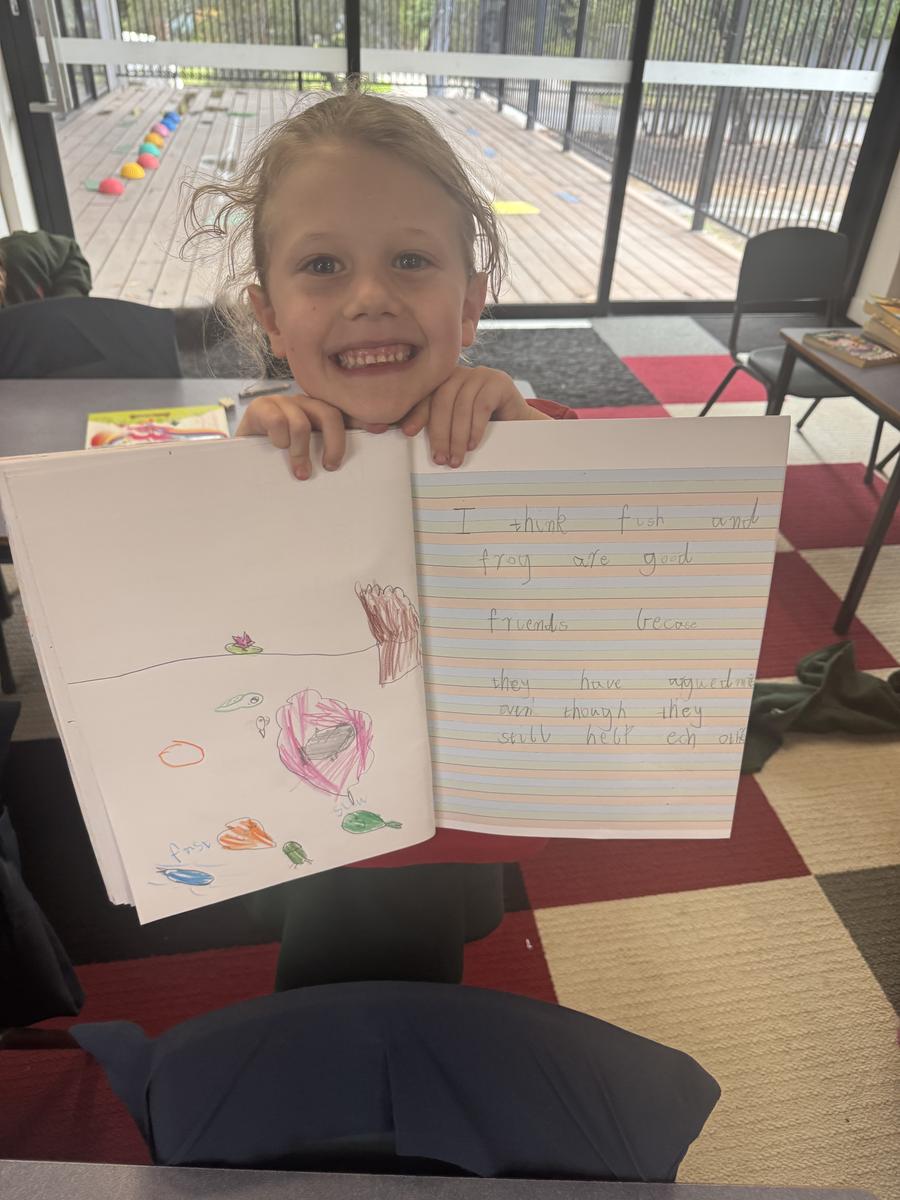
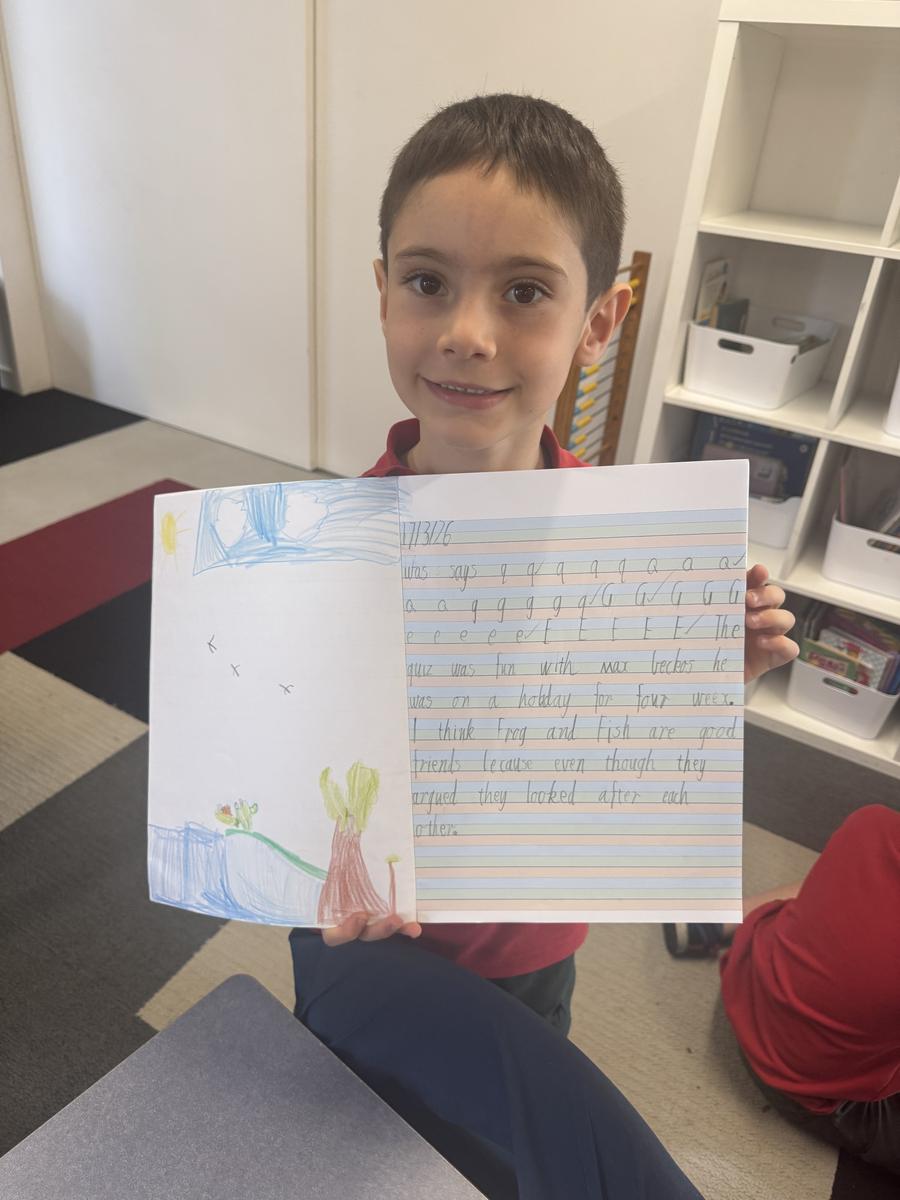
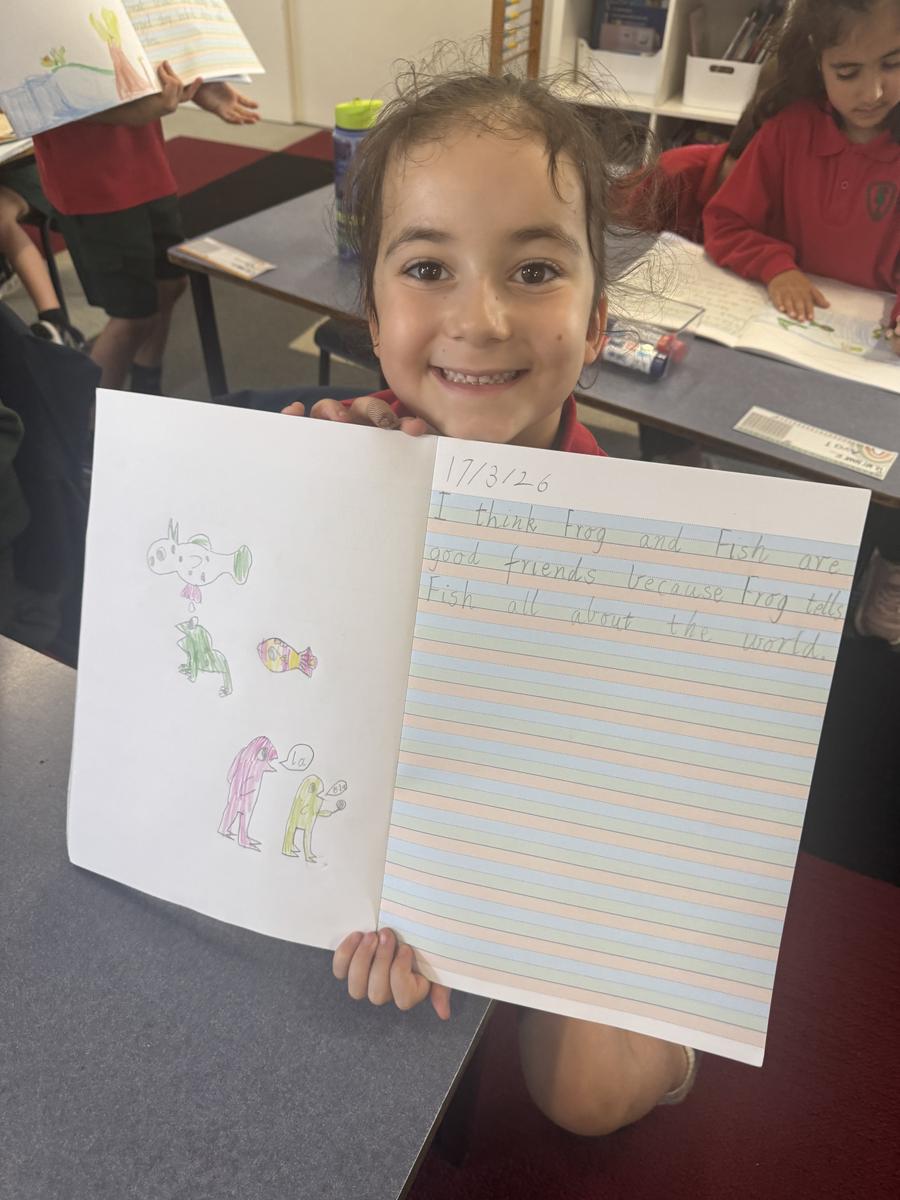
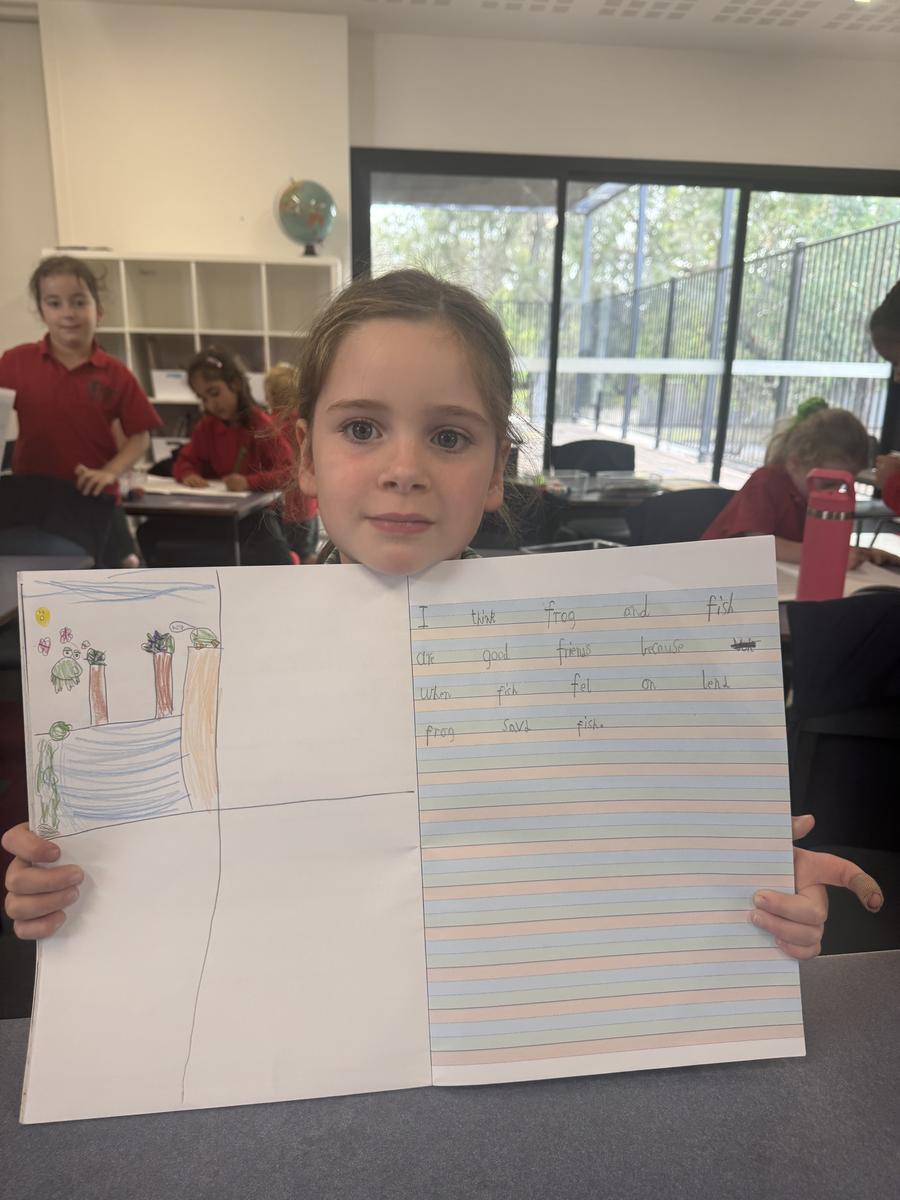
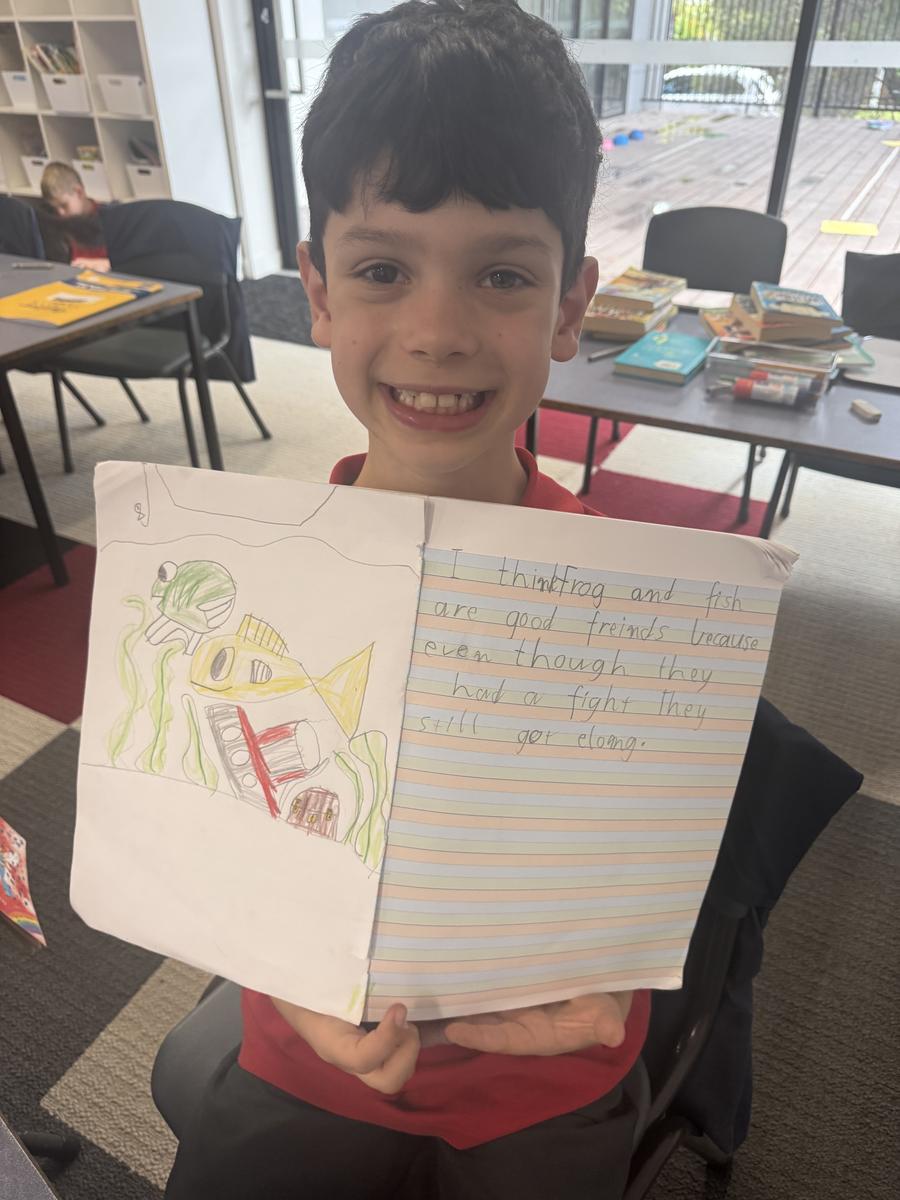
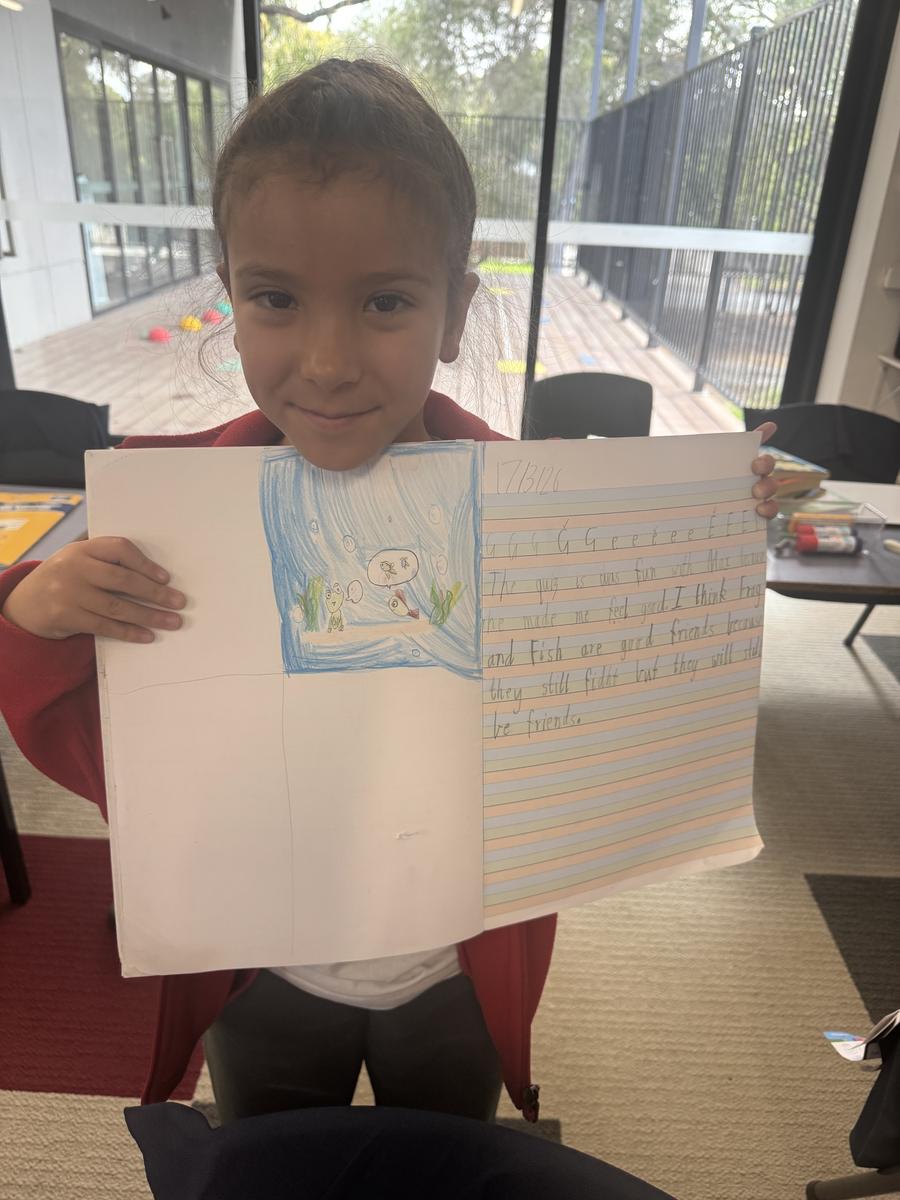
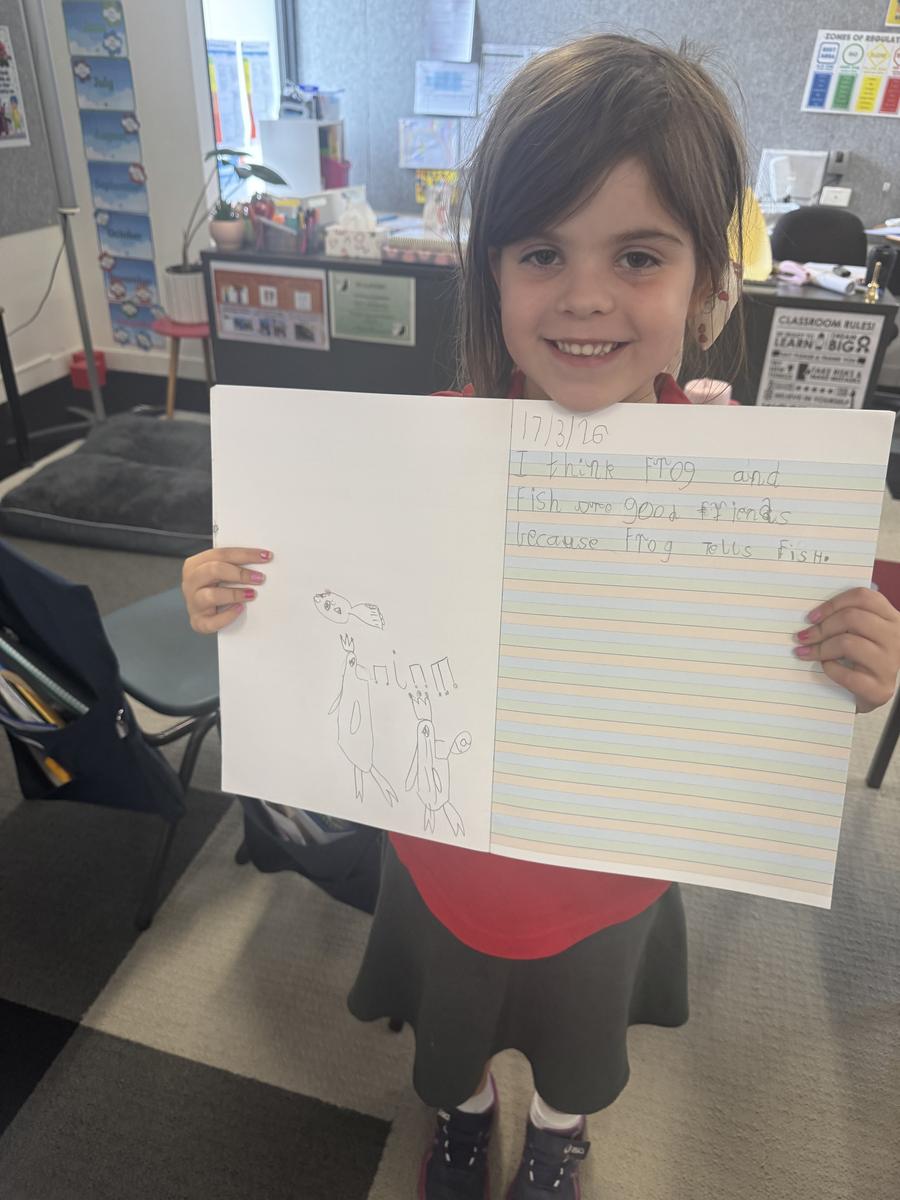
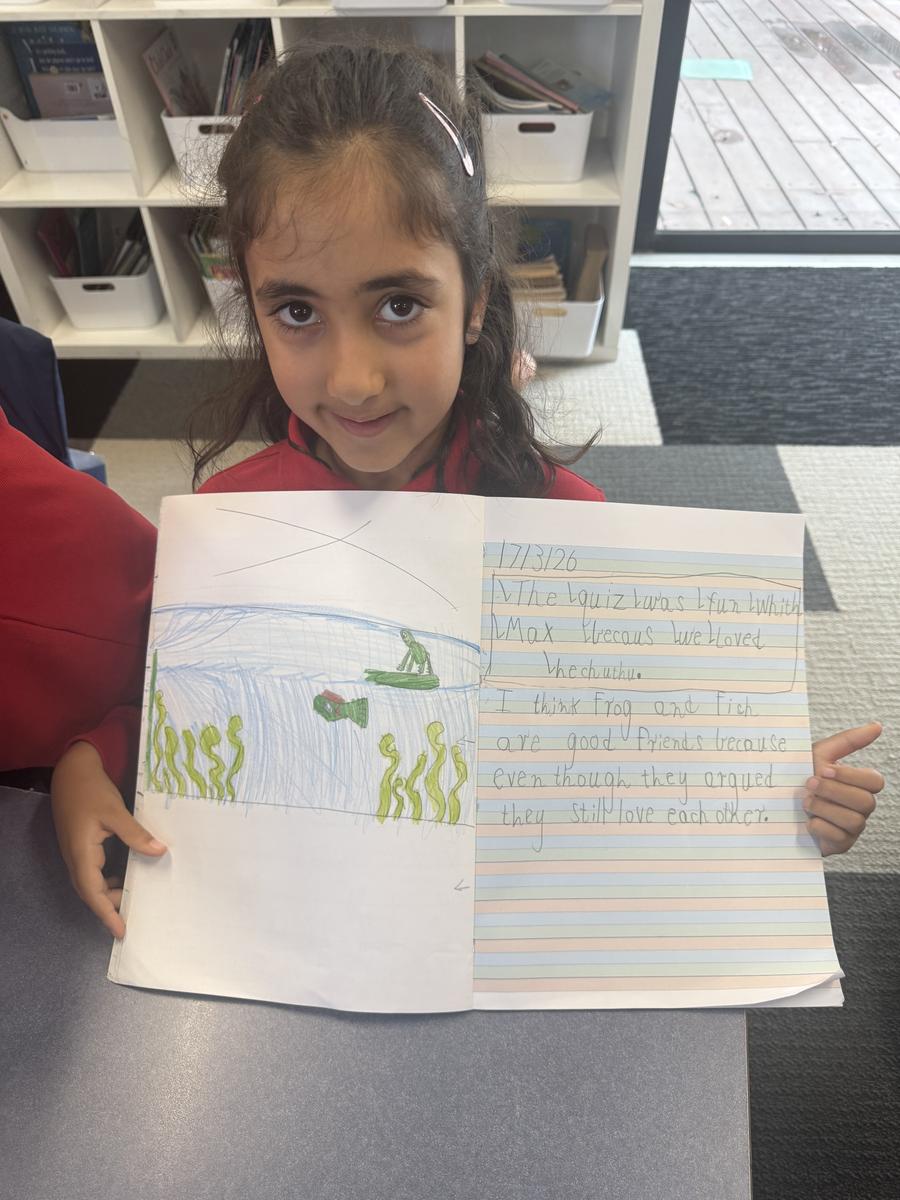
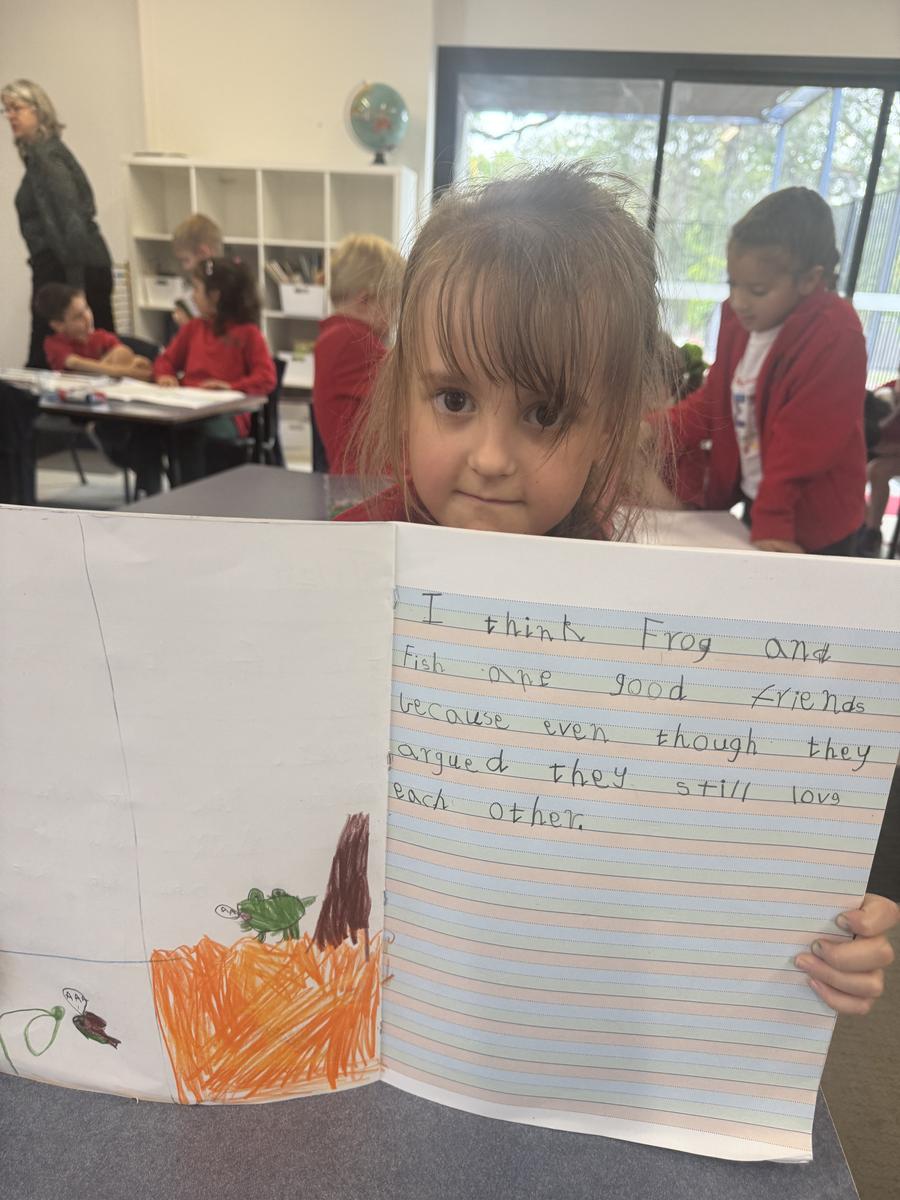
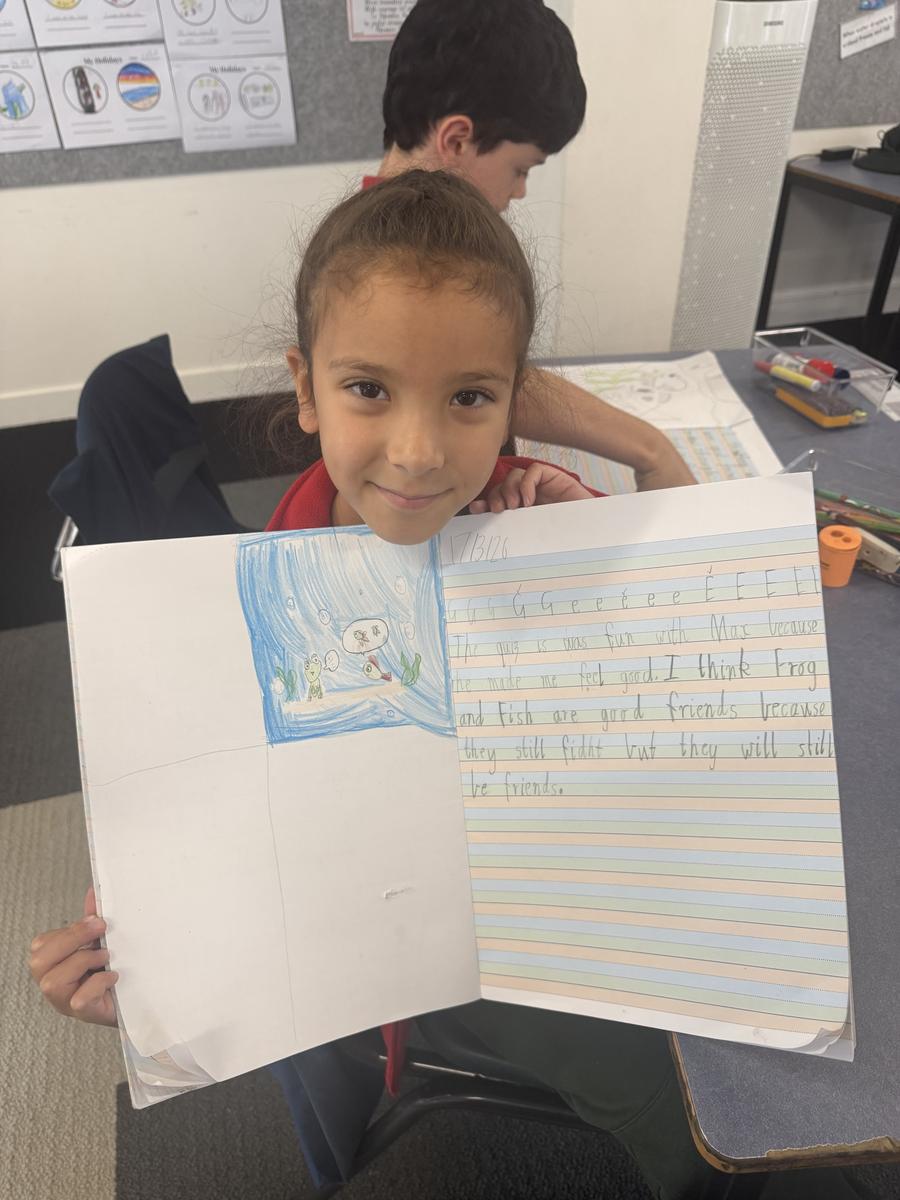
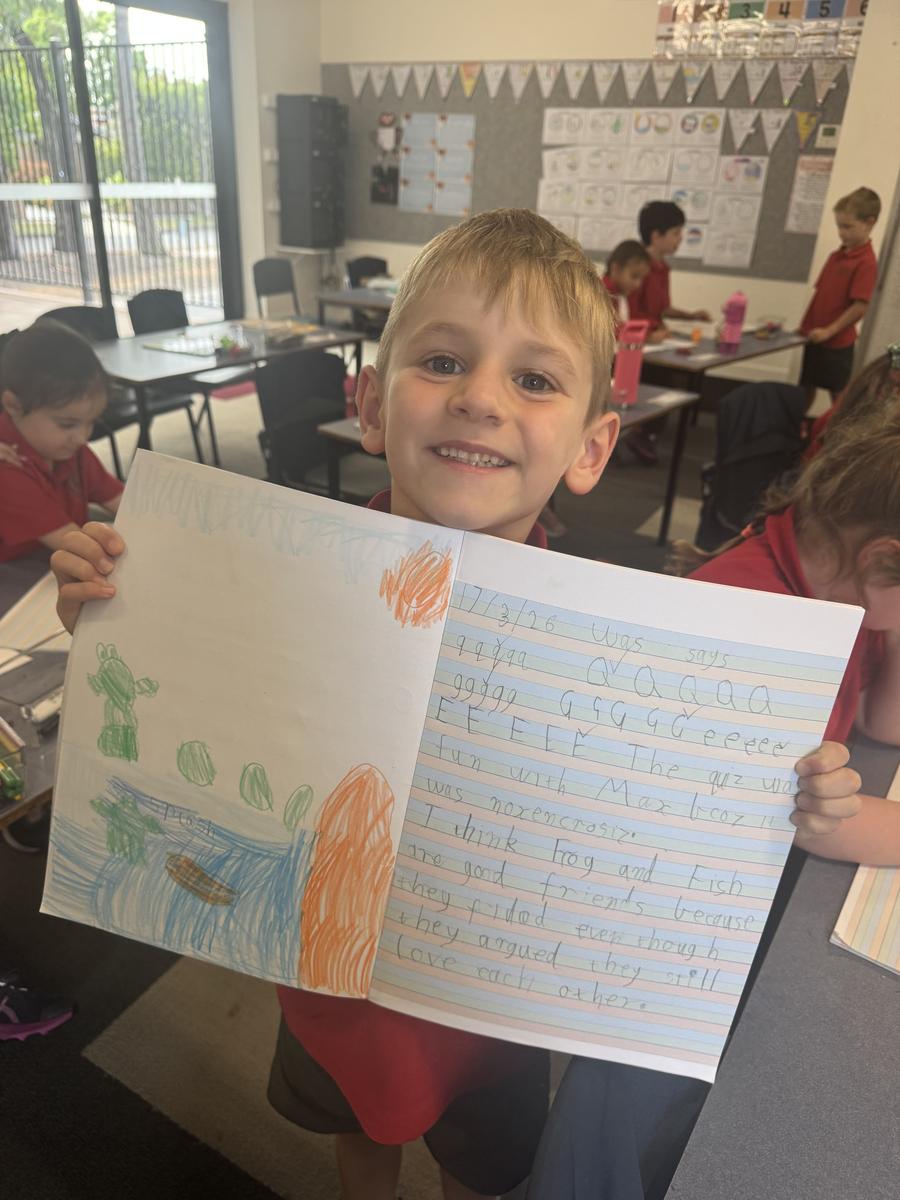
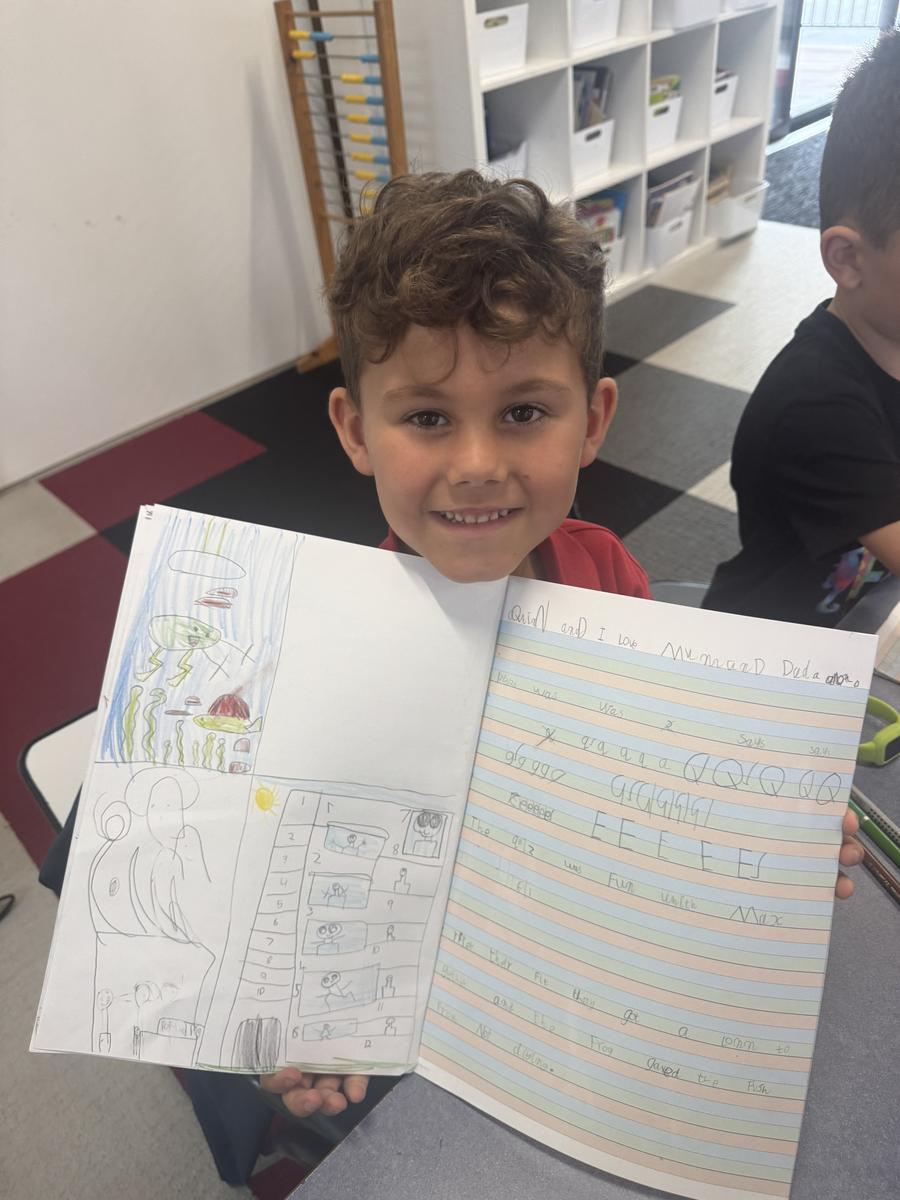
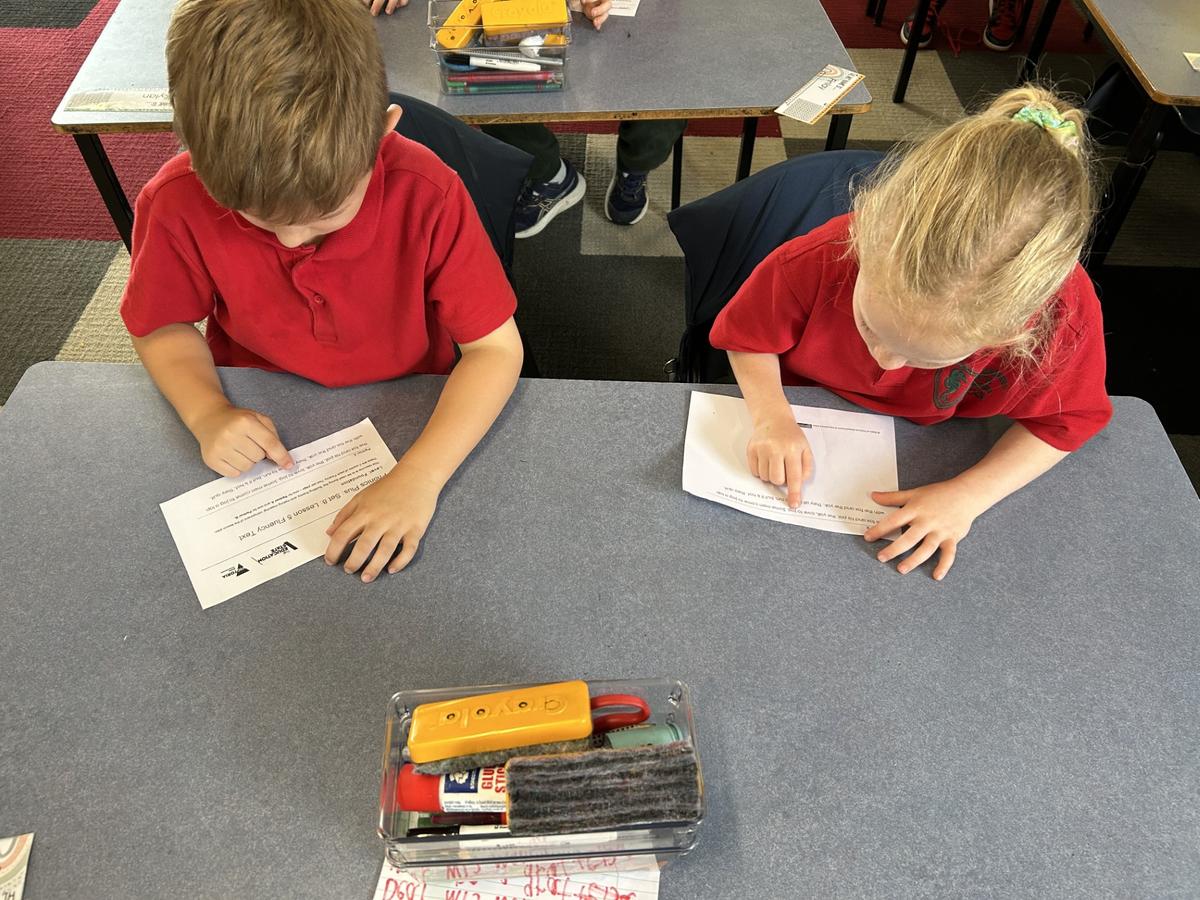
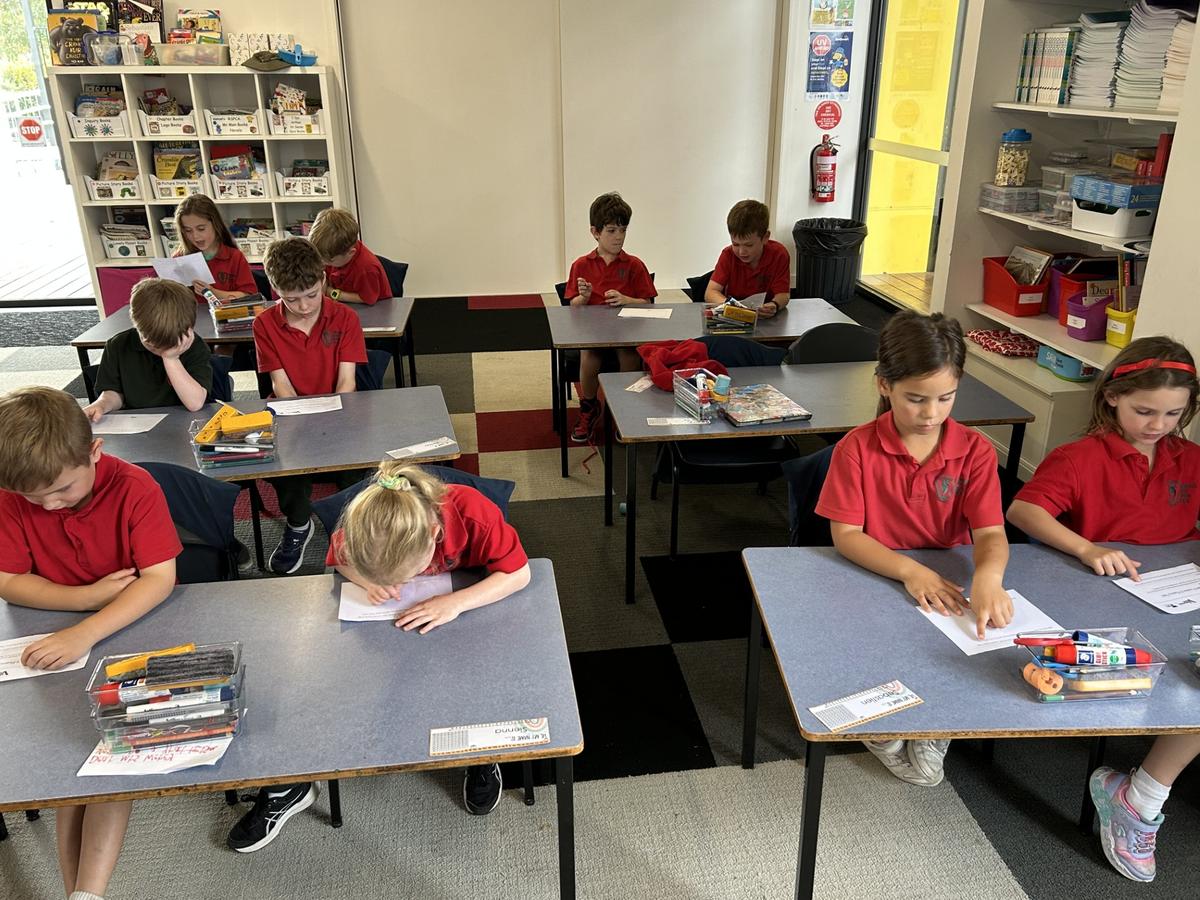
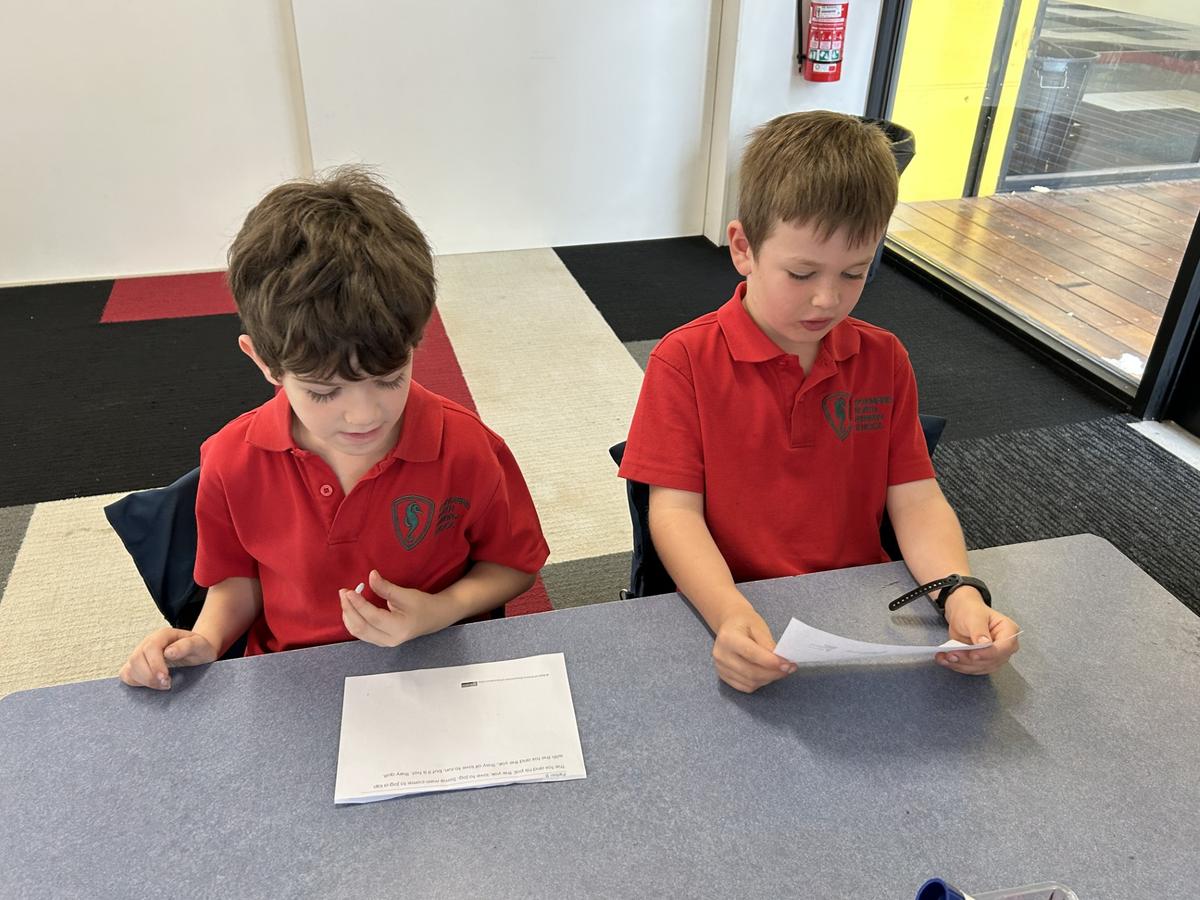
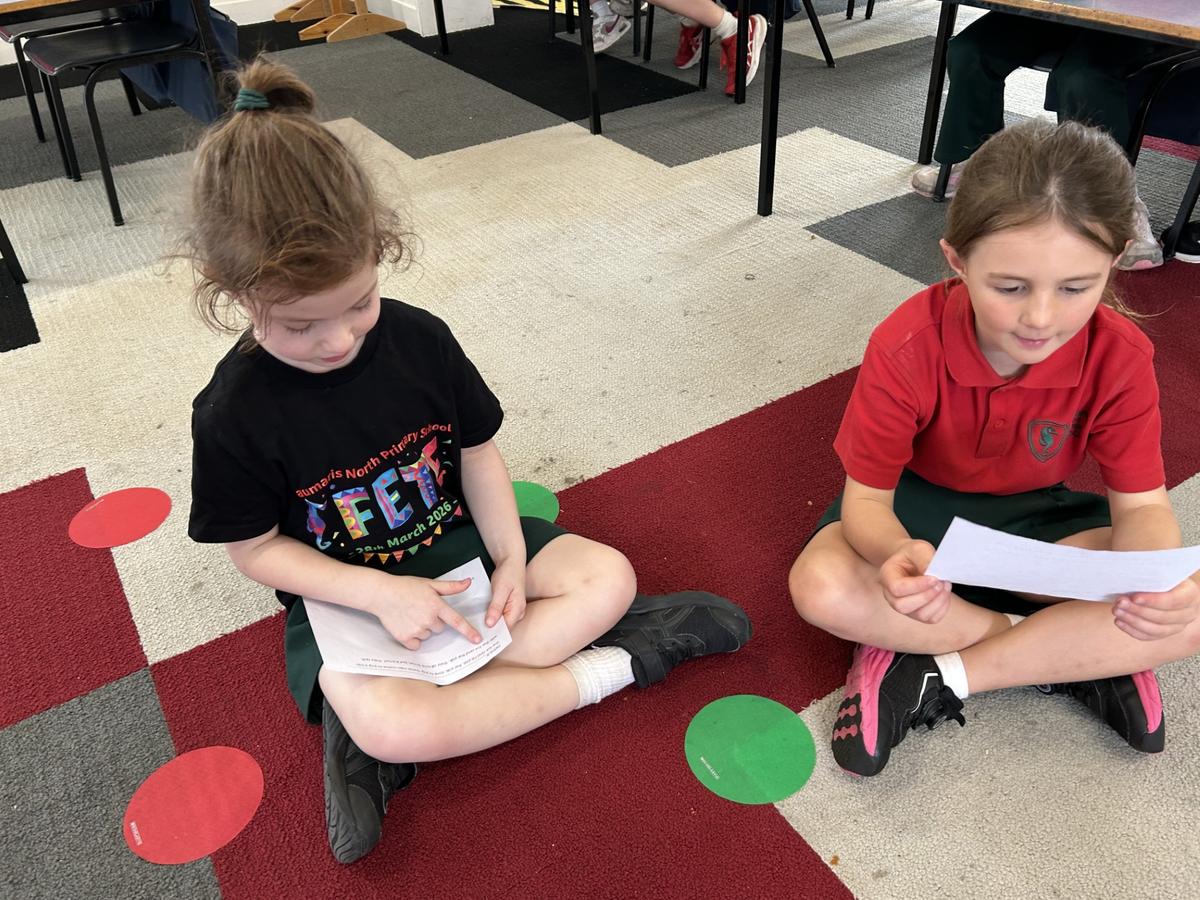
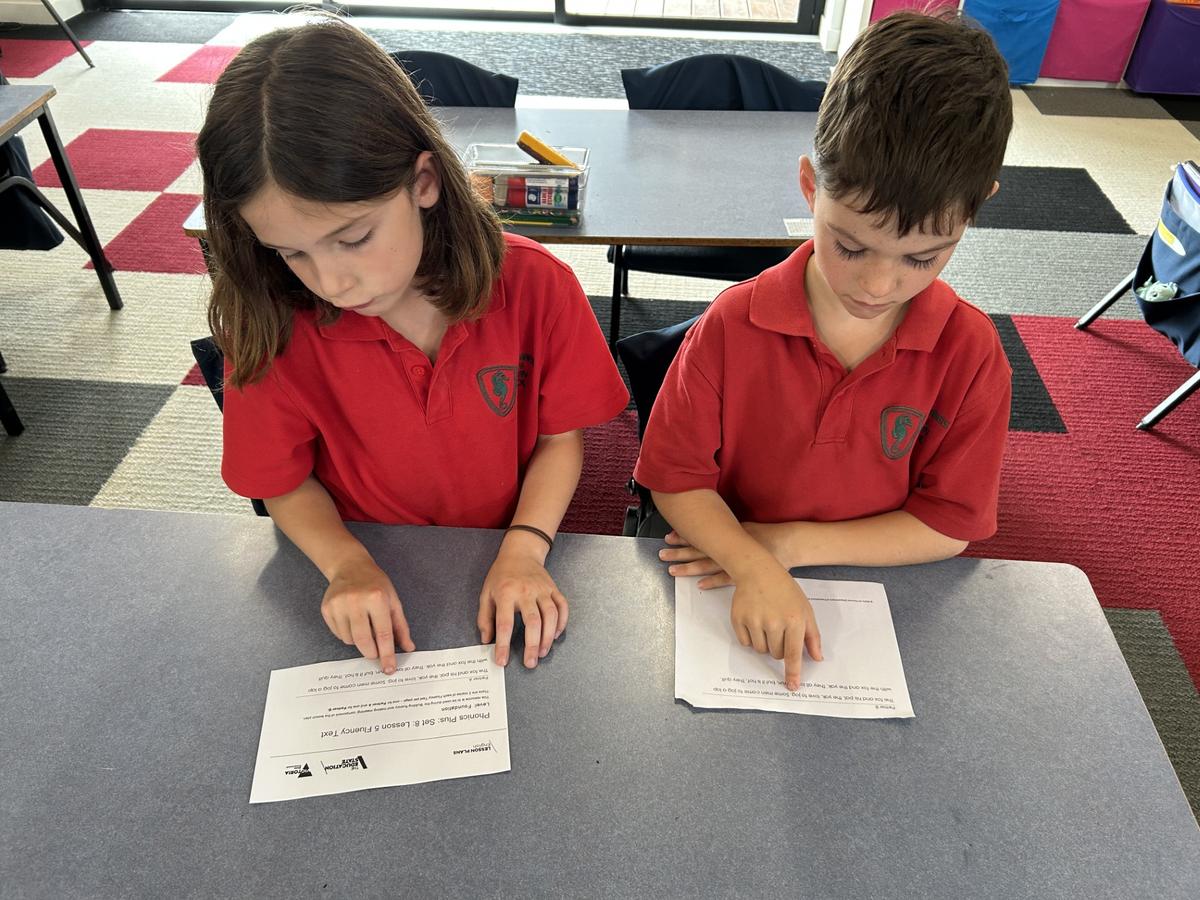
Students have also been revising lowercase and capital letters, focusing on correct letter formation, sizing and direction. It has been wonderful to see them applying these skills when writing simple dictation sentences. We have also been working on reading fluency, encouraging students to read with expression and confidence. This is a time the students particularly enjoy, as they track the text and follow along while their partner reads.
Text Study
The students have completed the text Edward the Emu, learning how Edward would come to the realisation that he was in fact special just as he was. The students too realised that each of them is unique in their own way.
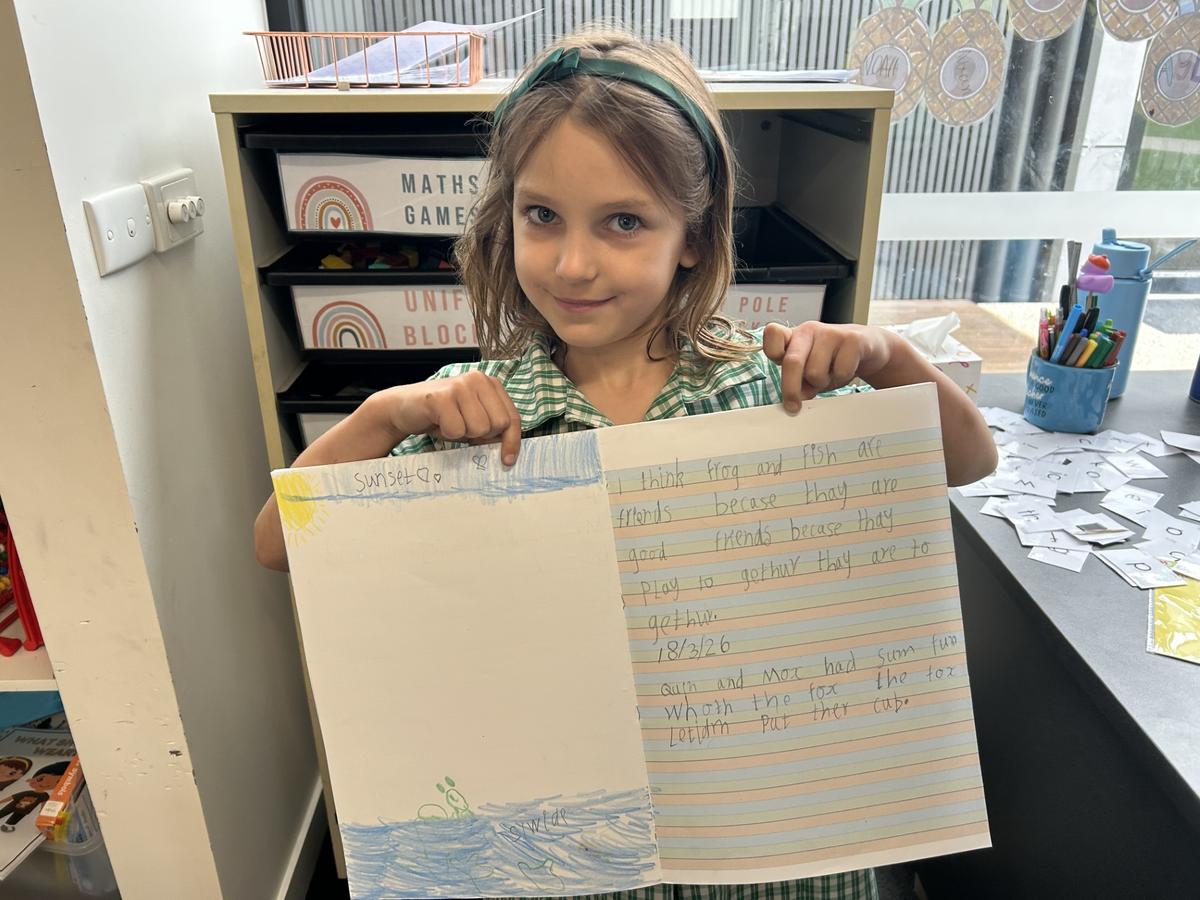
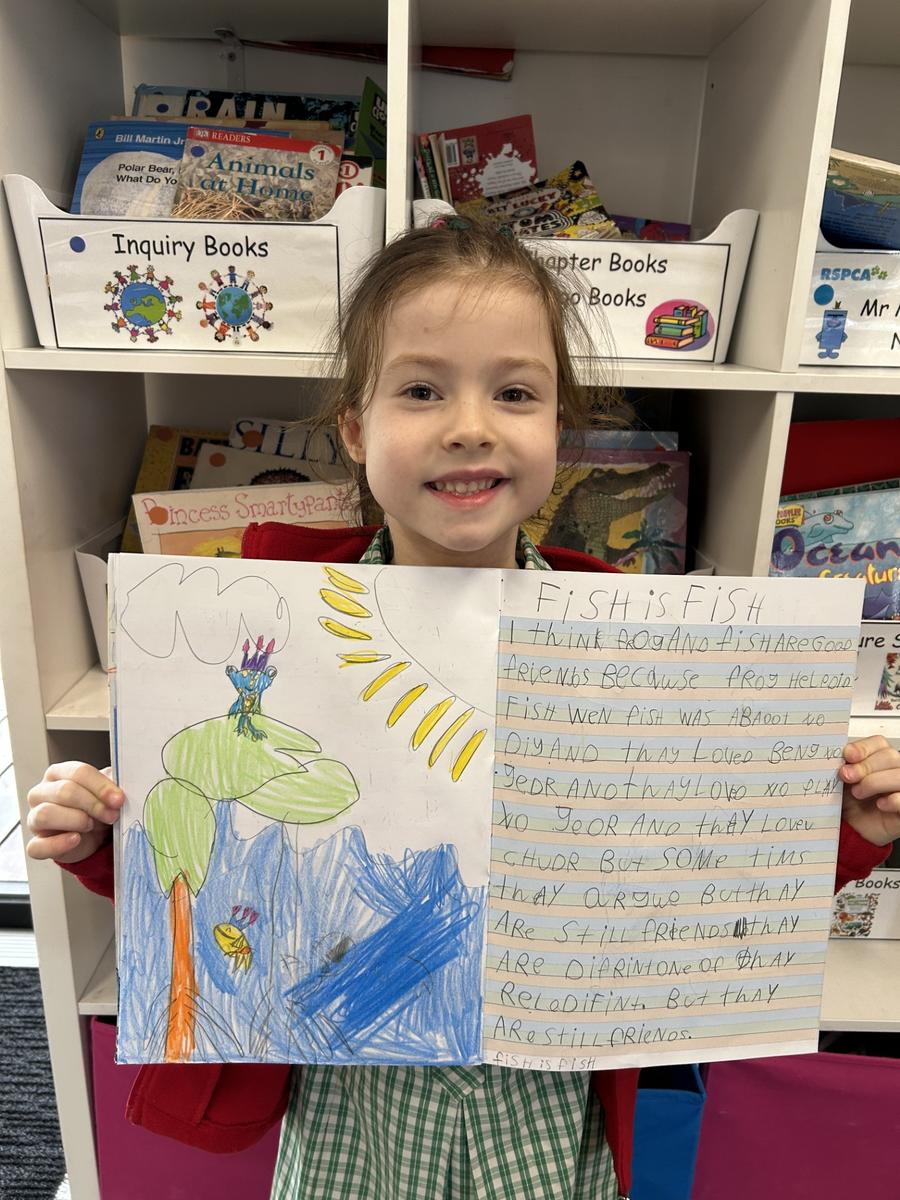
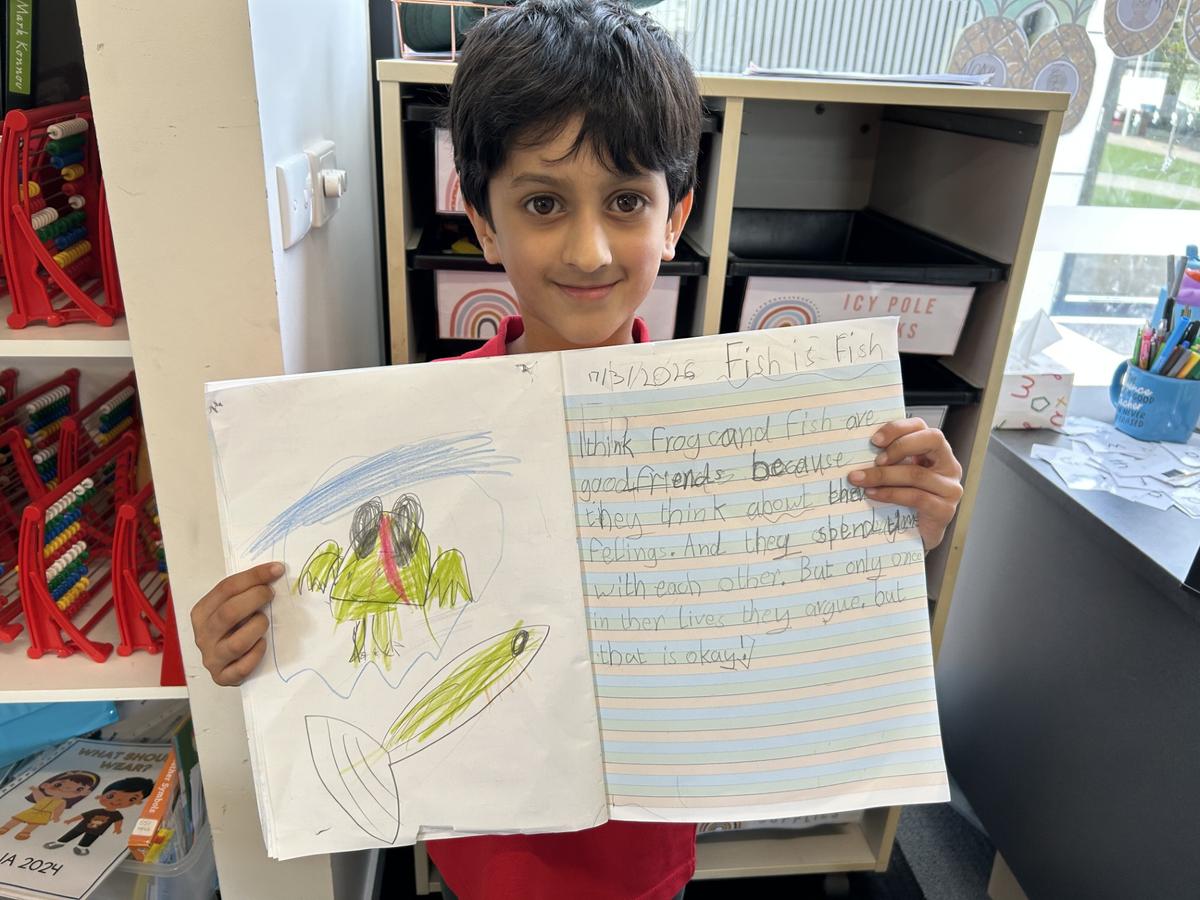
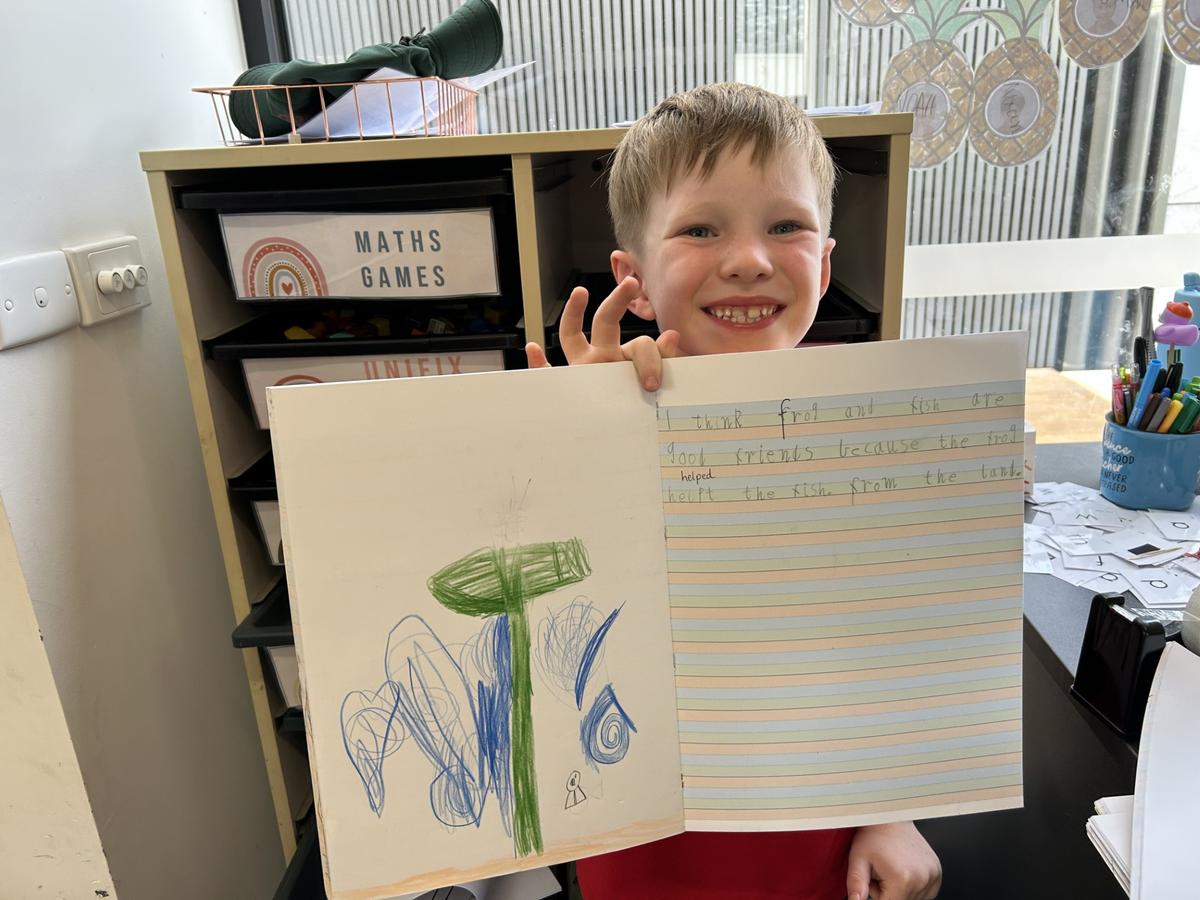
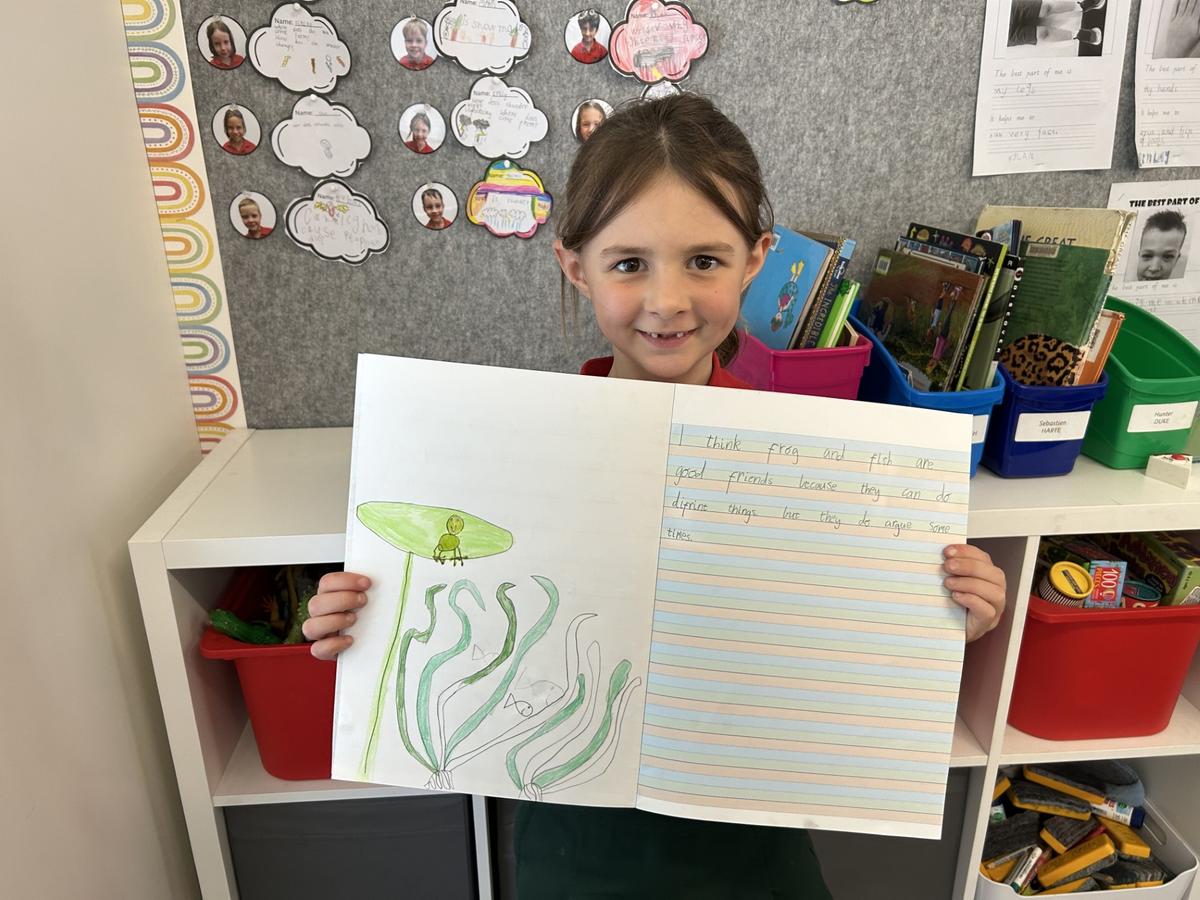
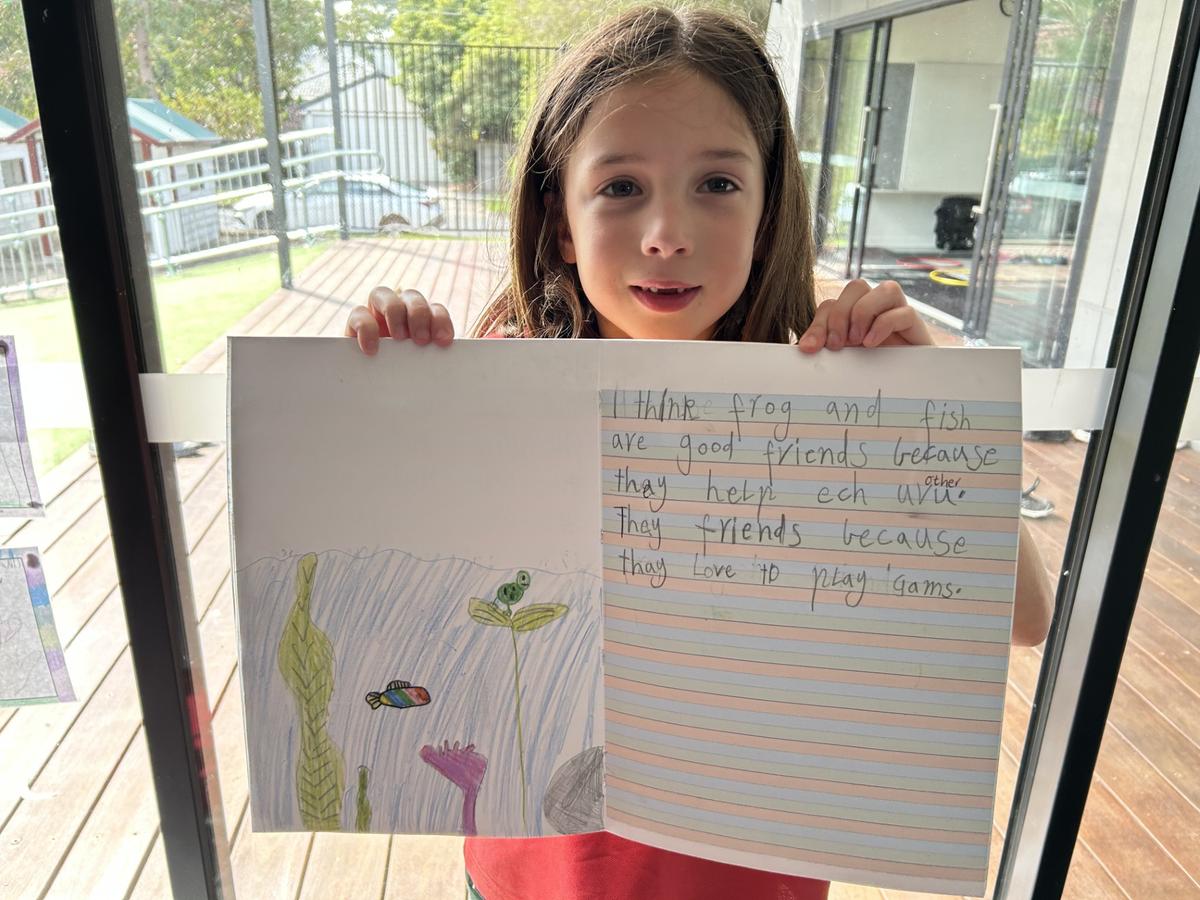
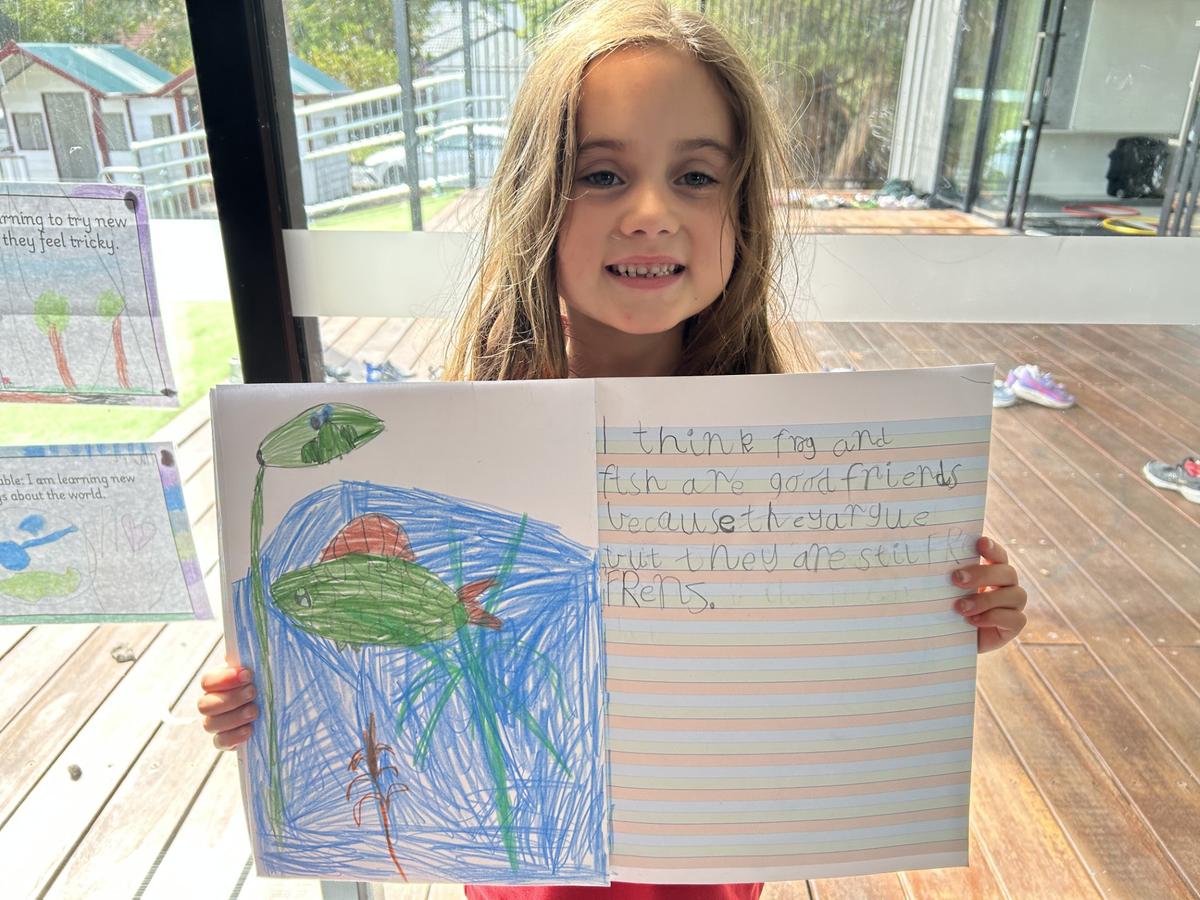
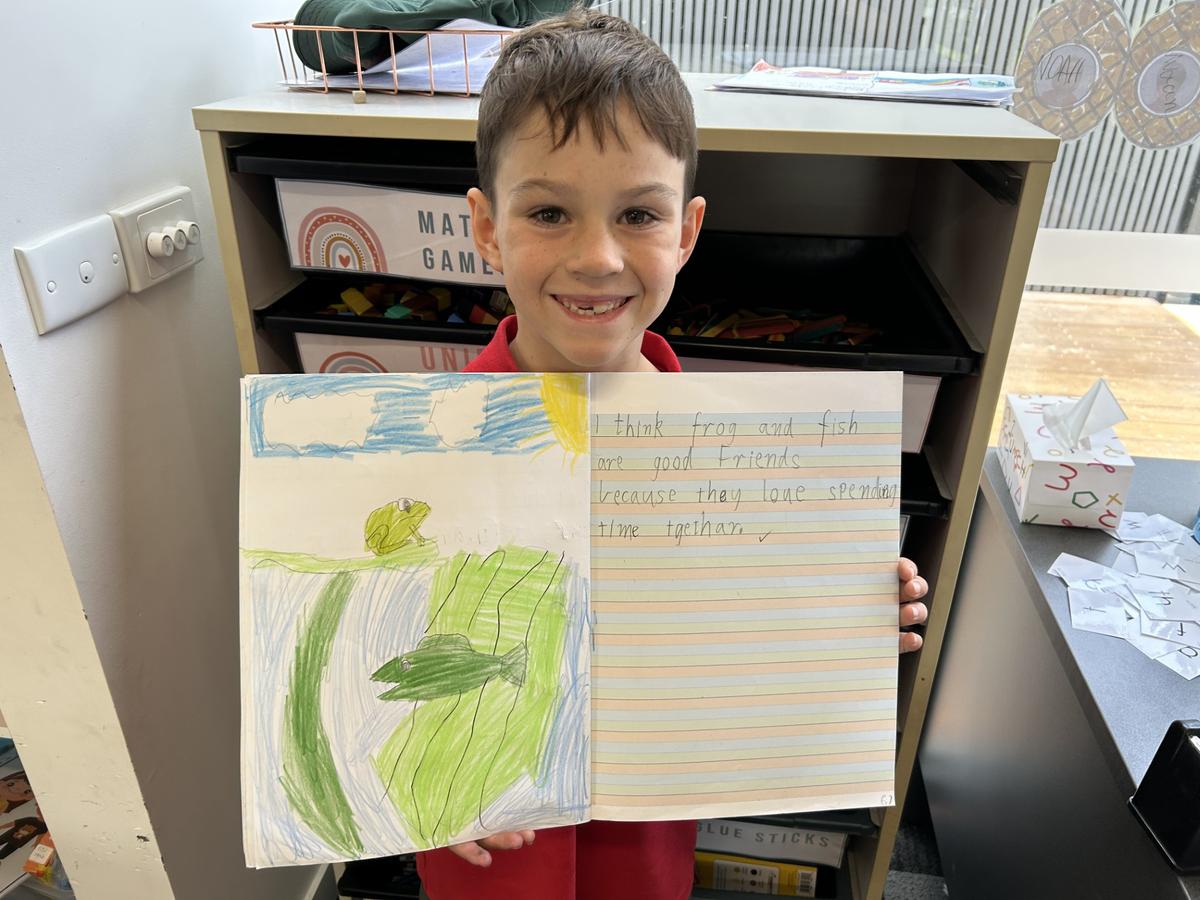
This week we have introduced the book Fish Is Fish by Leo Lionni (2012).
This beautiful story explores themes of friendship, curiosity, and perspective. Through the journey of Fish and Frog, students are learning that everyone experiences and understands the world in different ways, and that our own experiences help shape how we see things.
Over the next two weeks, we are looking forward to exploring this text more deeply through a range of discussions and learning activities, helping students think about different viewpoints and the importance of understanding others’ perspectives.
Maths
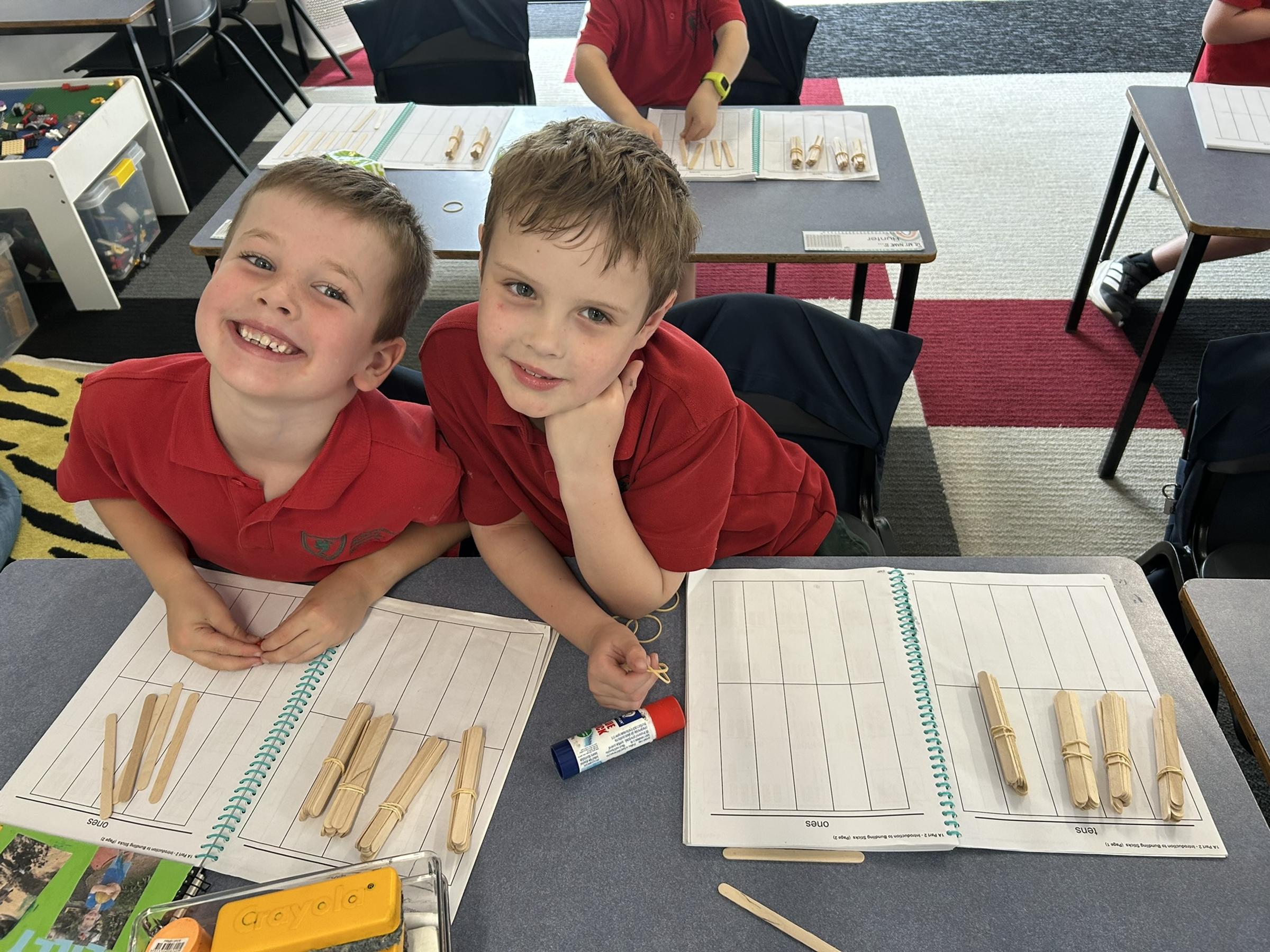
In Year One, students have continued participating in a daily review of previously taught concepts, as well as pre-loading ideas for upcoming topics. During these reviews, we have been focusing on identifying the number before and after and counting on by holding a number and using our fingers to continue the count.
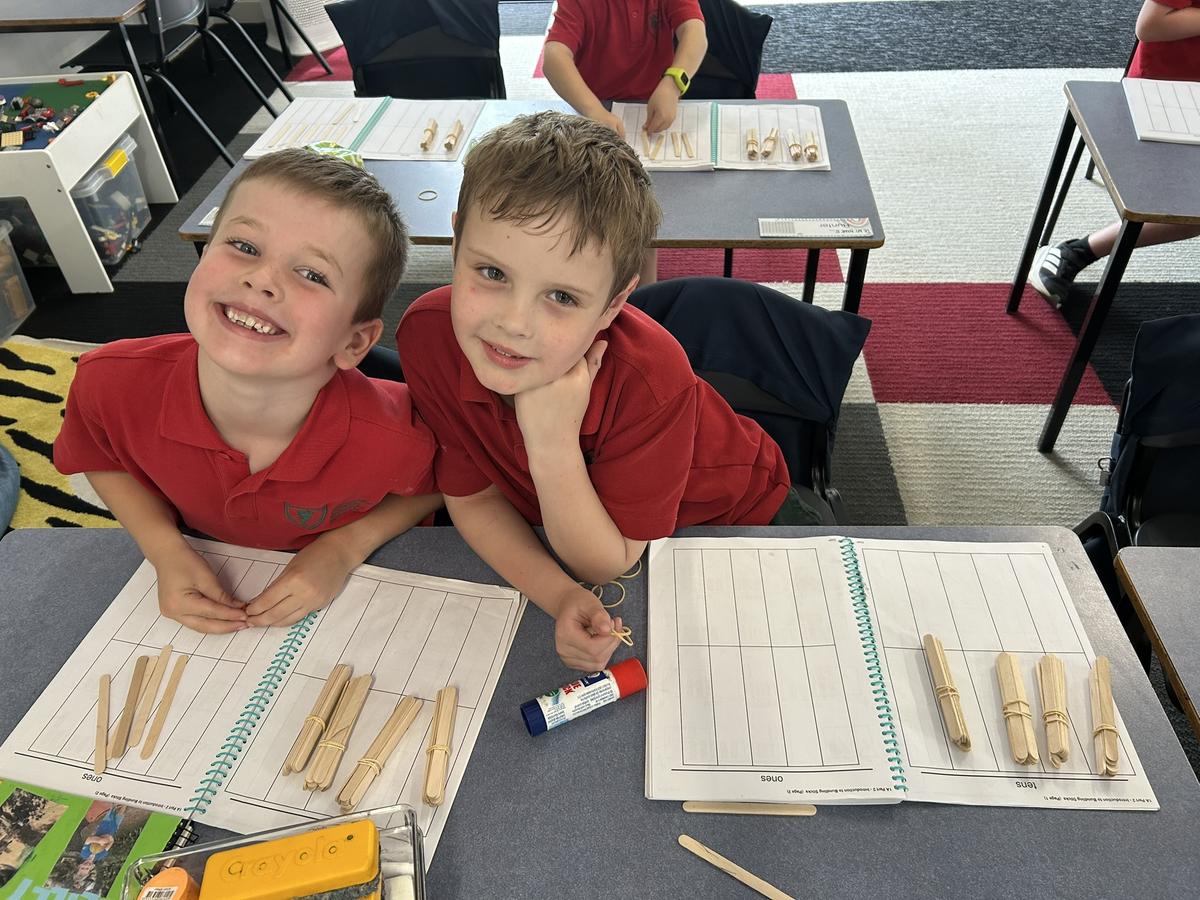
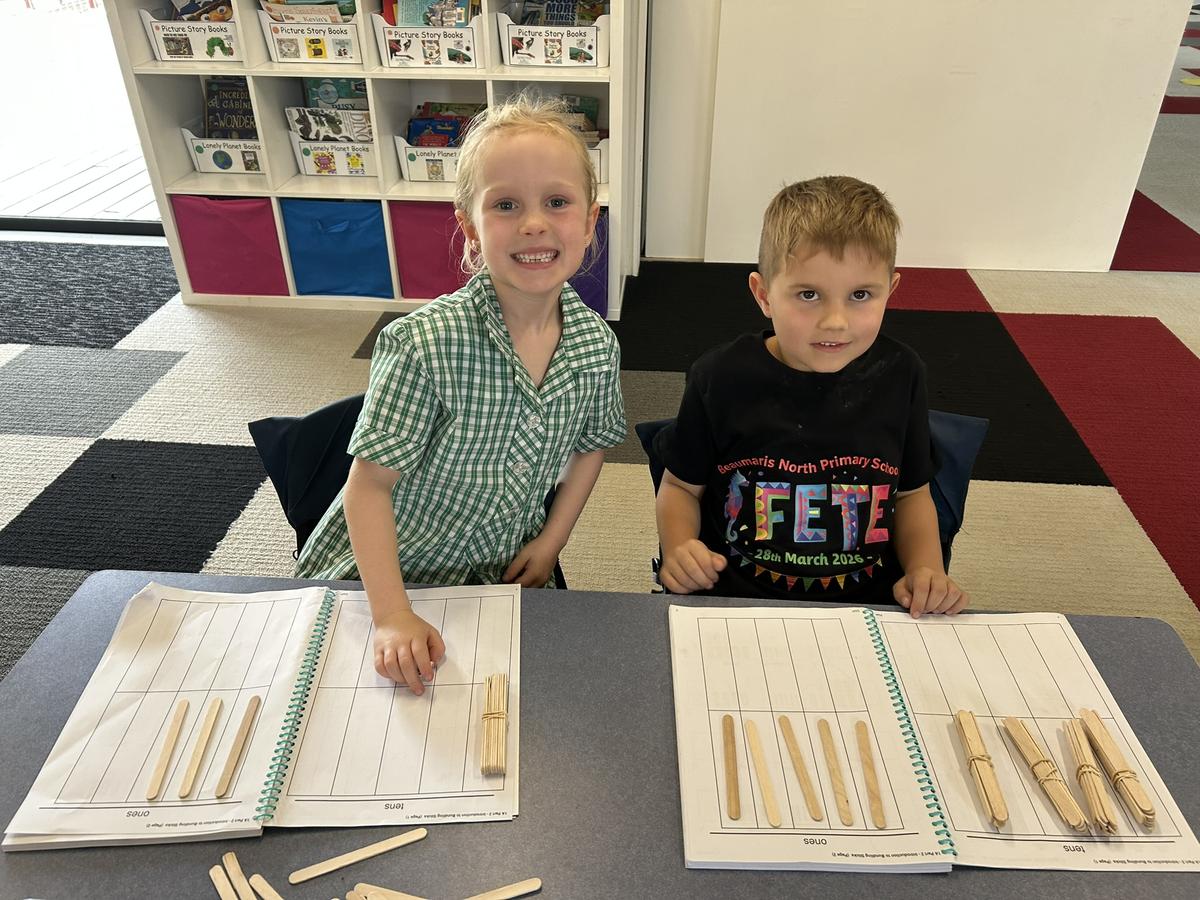
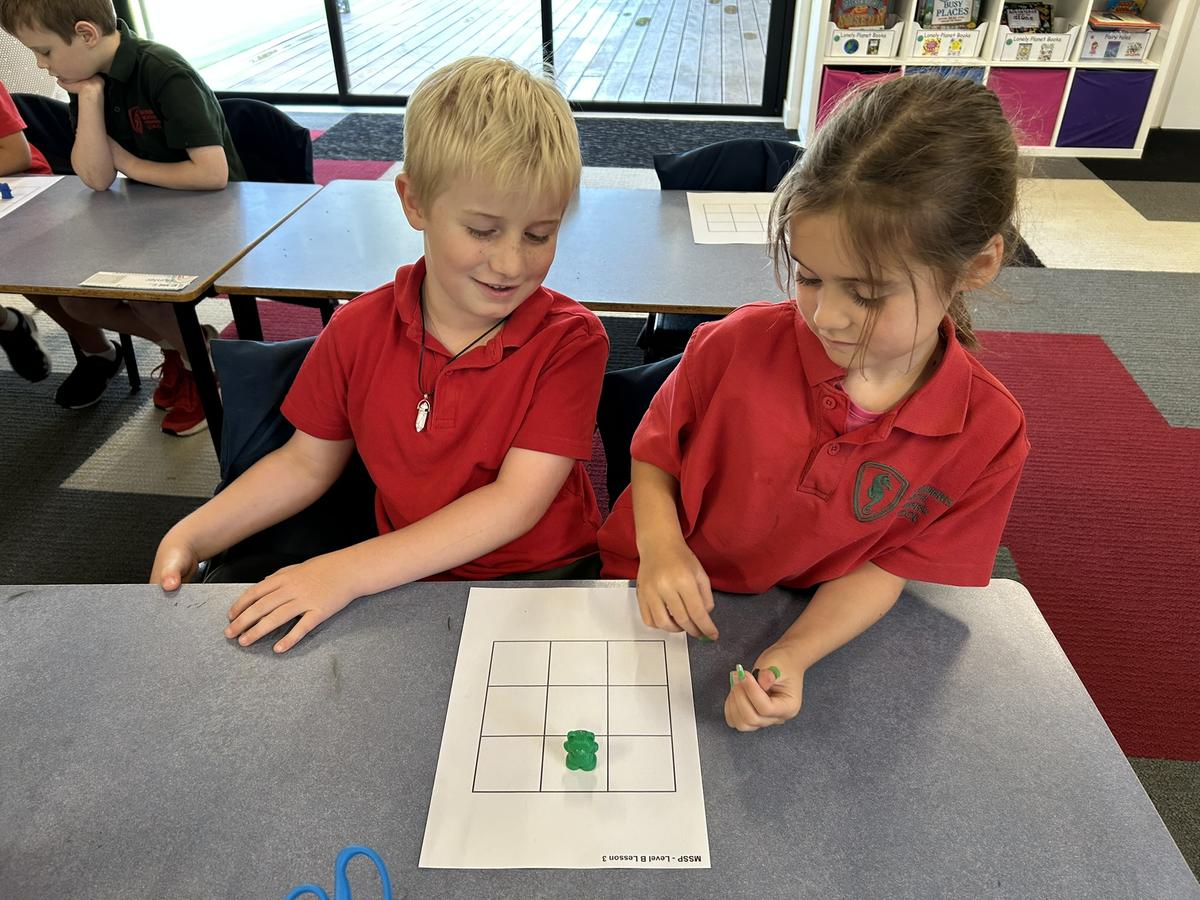
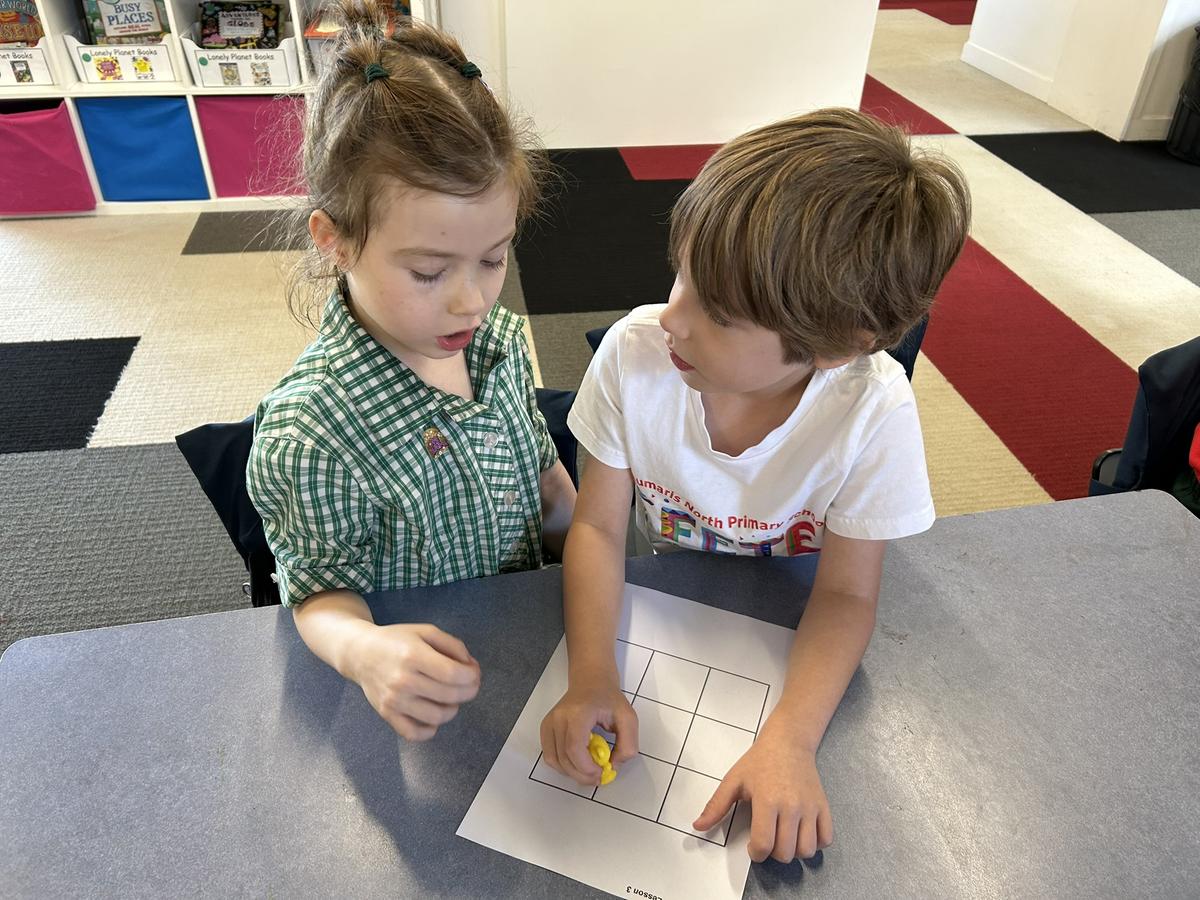
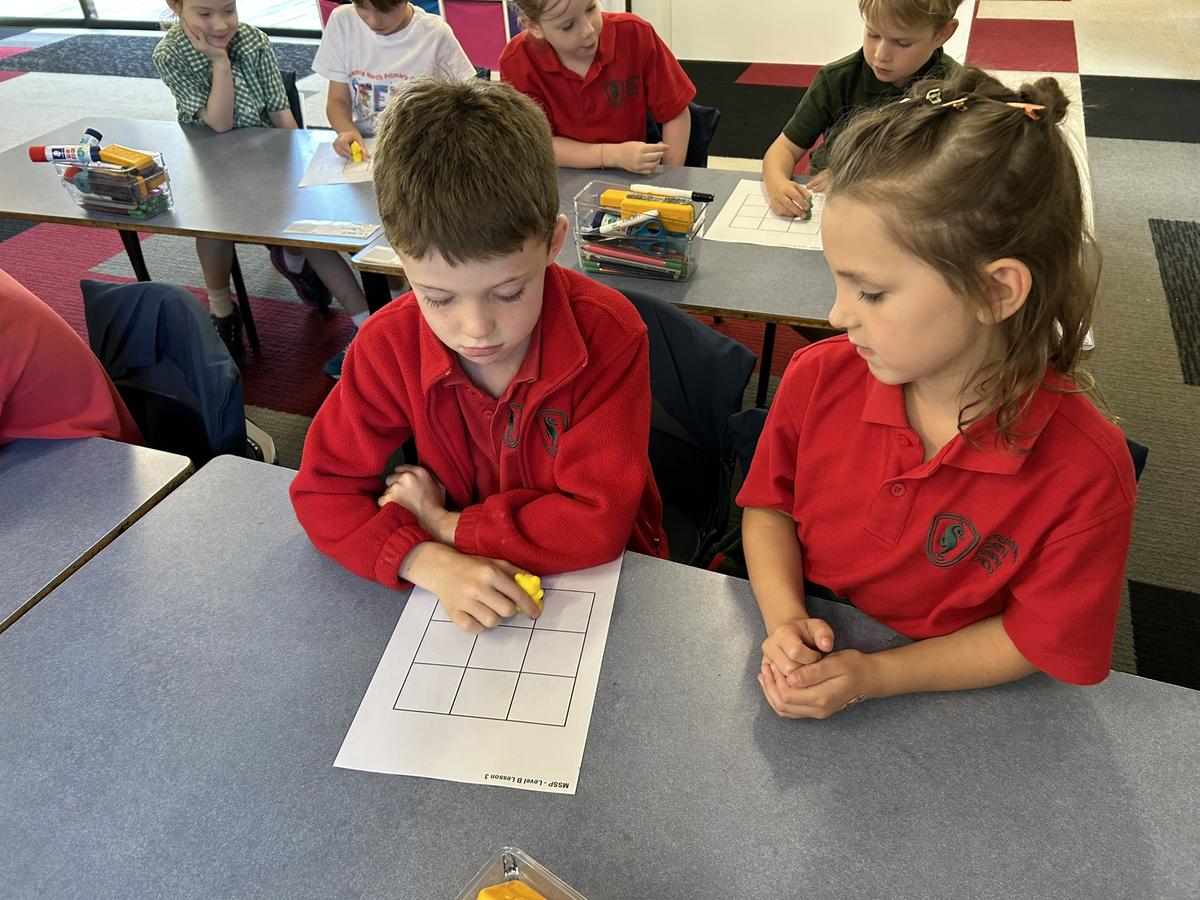
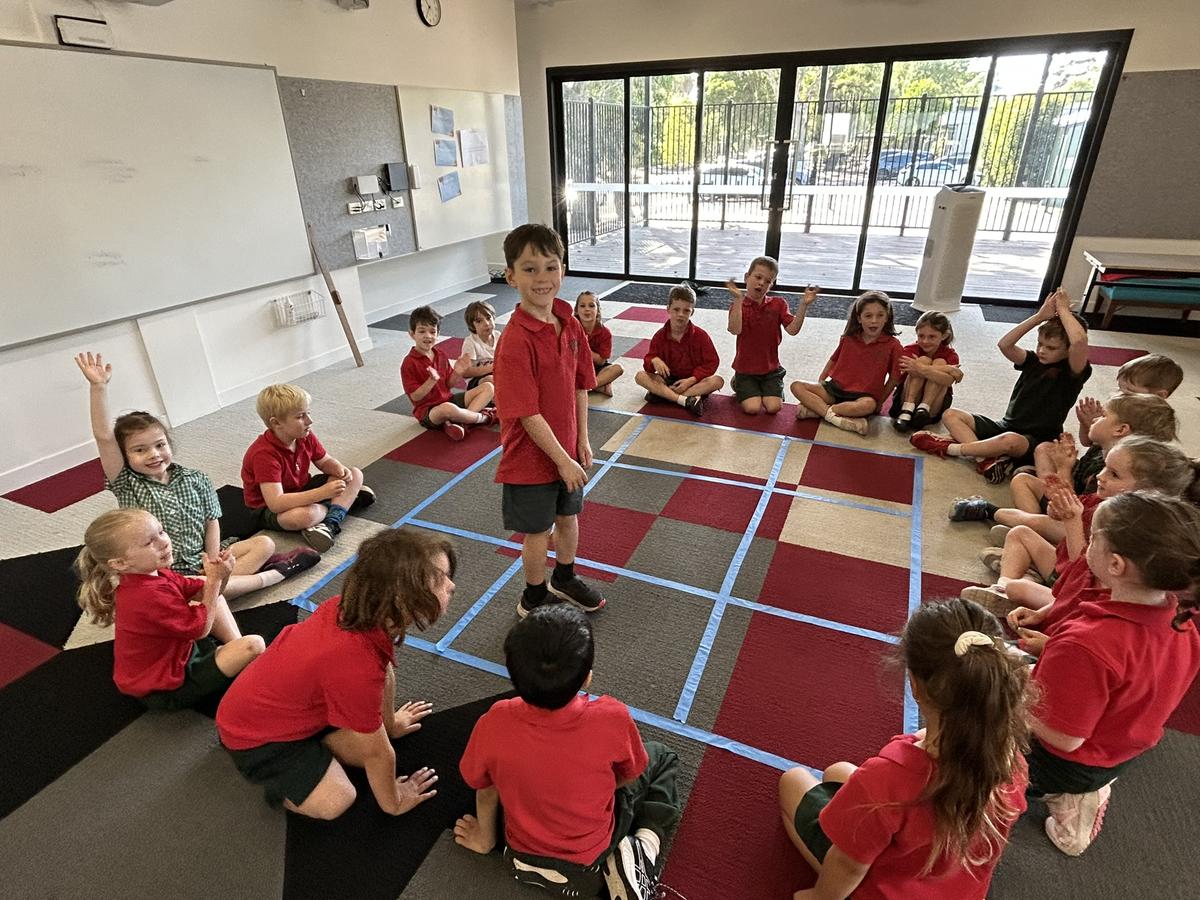
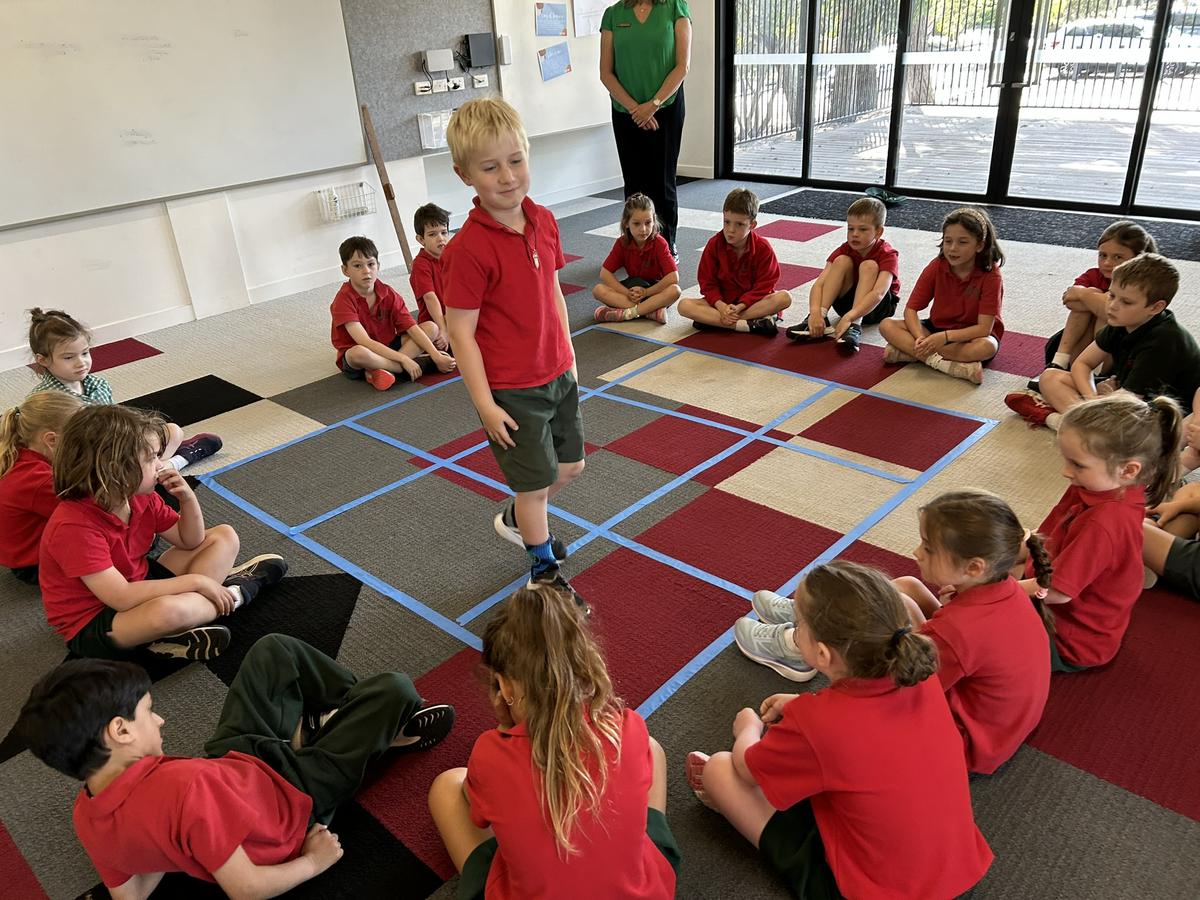
Students have been practising this concept during our daily maths fluency sessions. In these sessions, they are given two minutes to complete as many simple addition equations as possible. It has been wonderful to see how focused and engaged the students have been, with many challenging themselves to complete more equations than they did the day before.
We have also introduced number bonds, discussing how a number can be made up of two parts that form a whole. Students have used blocks to help build and visualise these number bonds, which has supported them in developing confidence with addition facts. They have also practised creating two addition equations from a given number bond. It has been fantastic to see students eager to challenge themselves further by solving for missing numbers within a number bond.
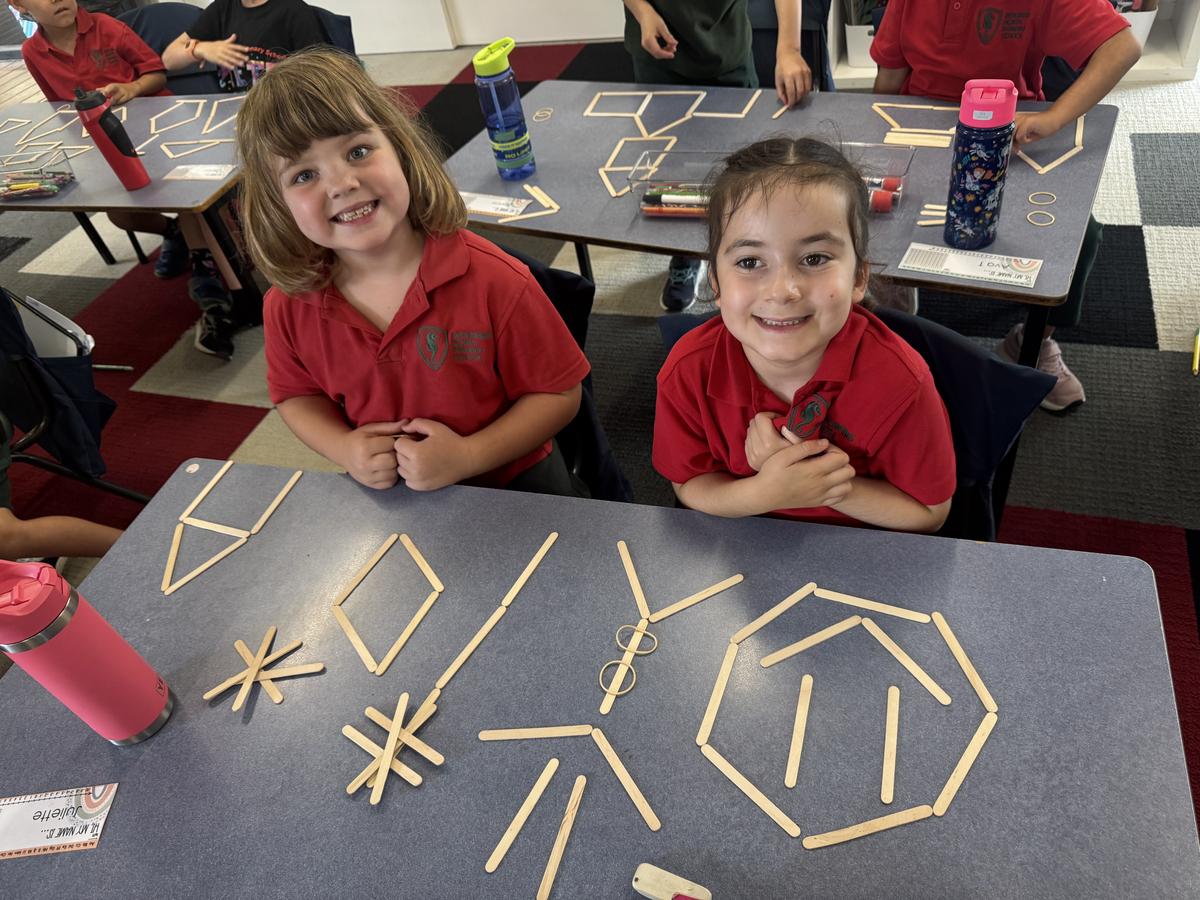
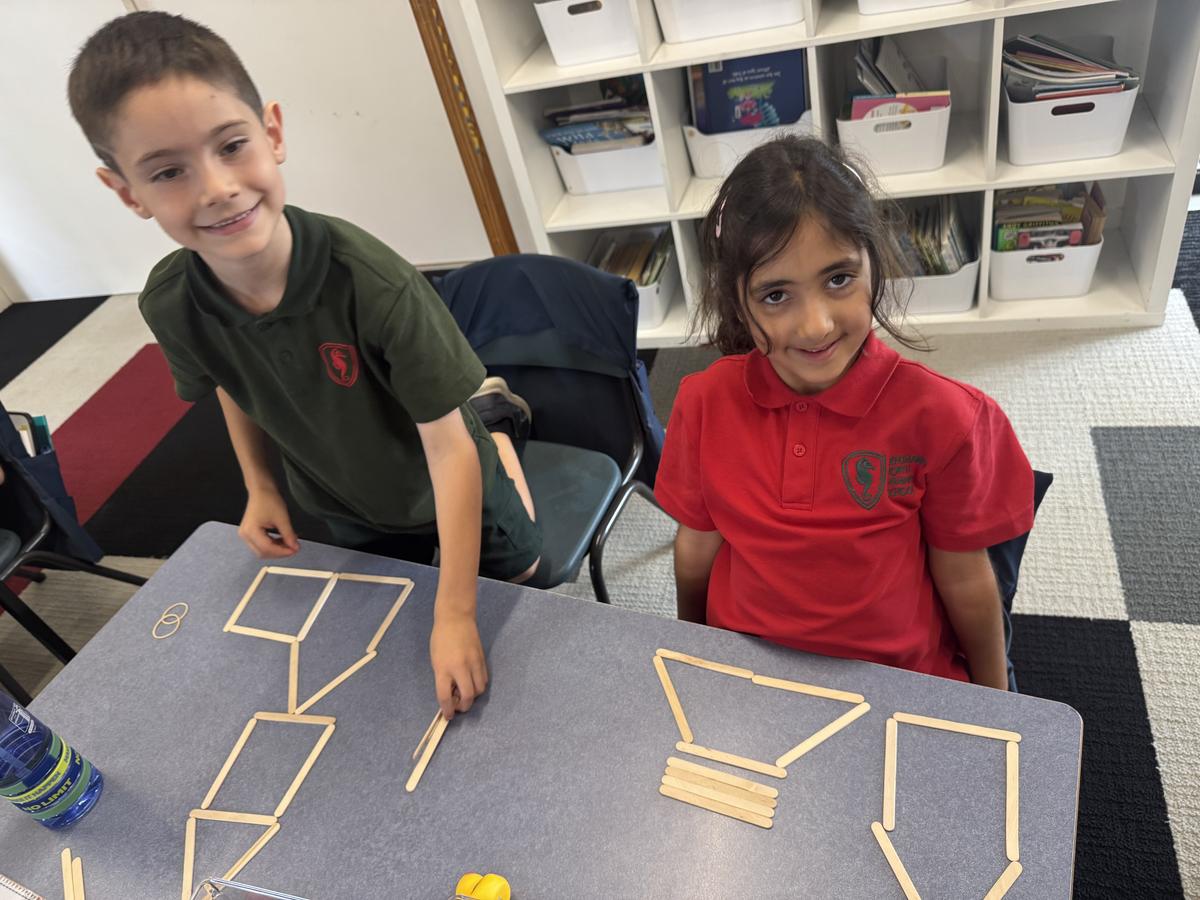
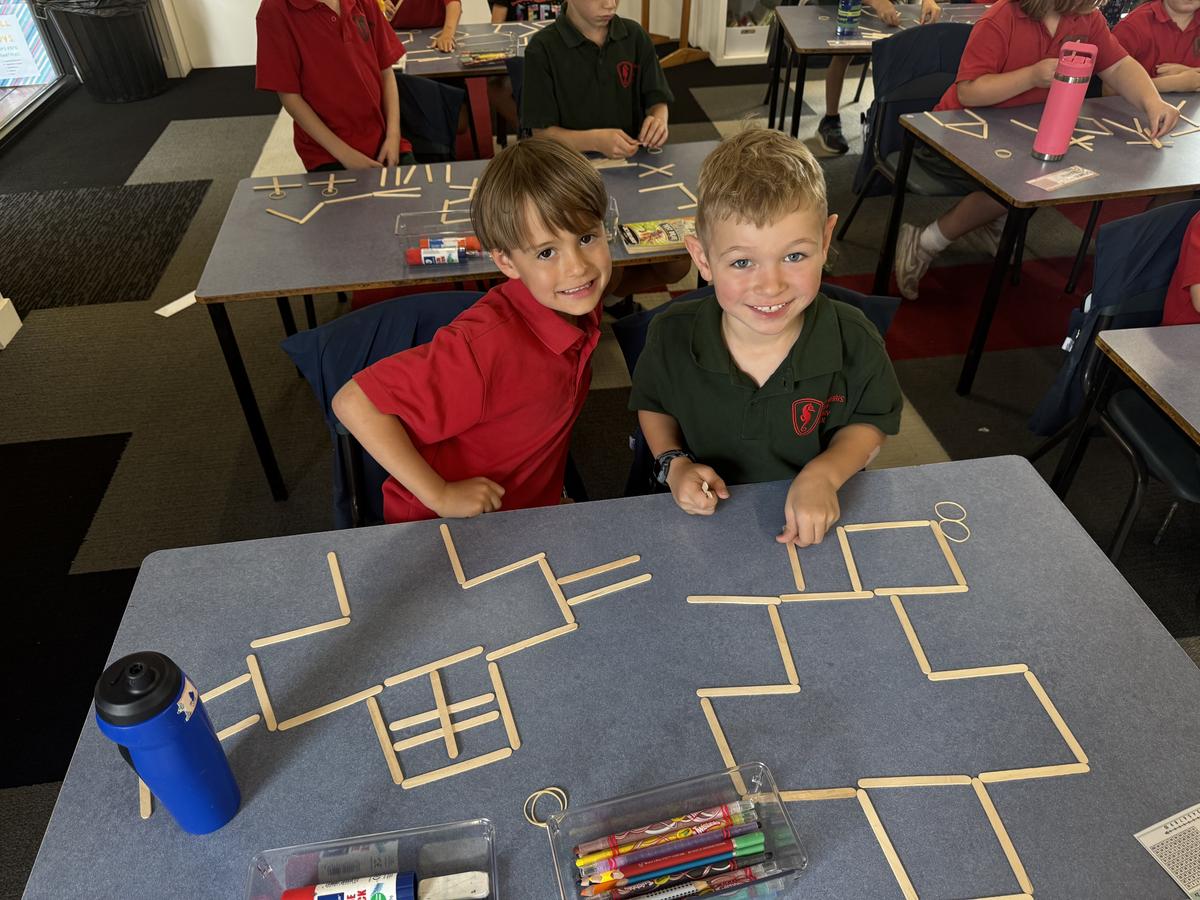
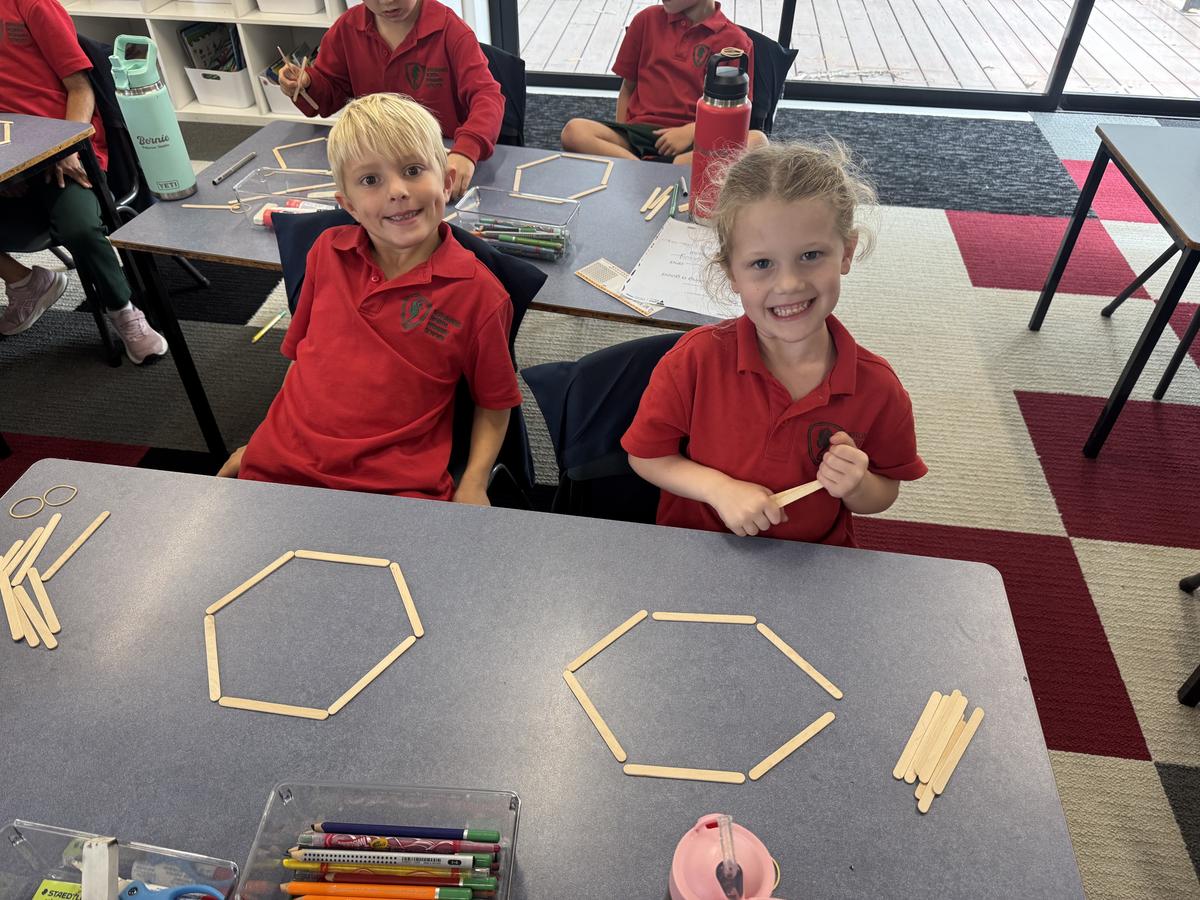
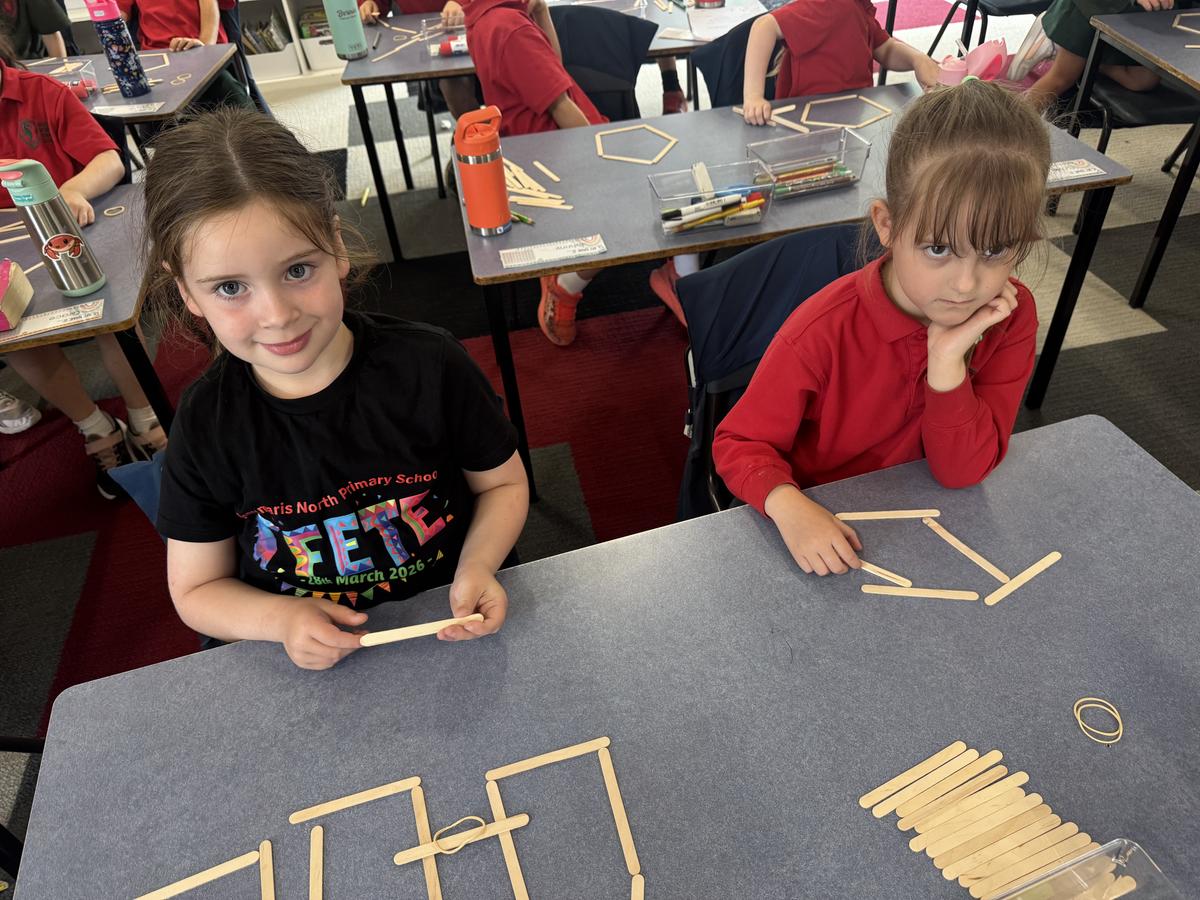
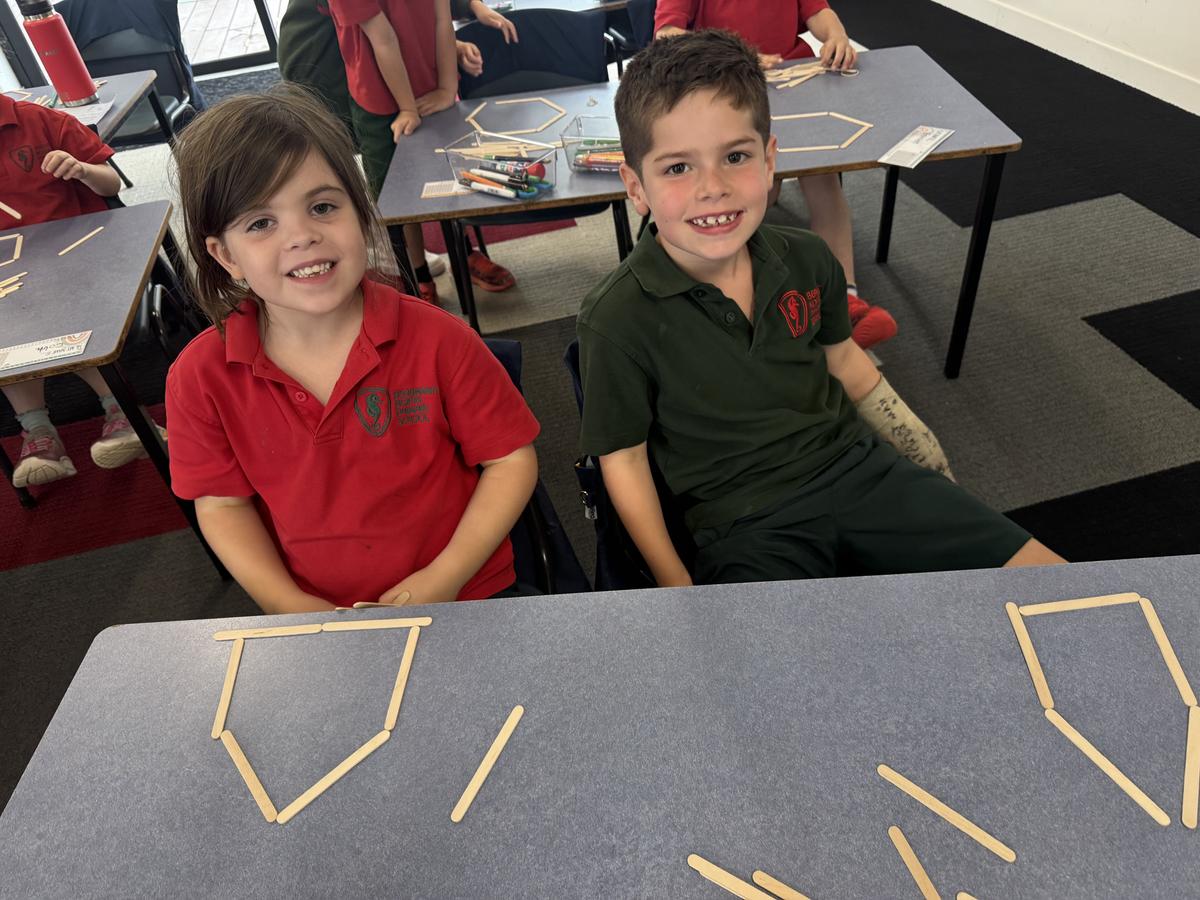
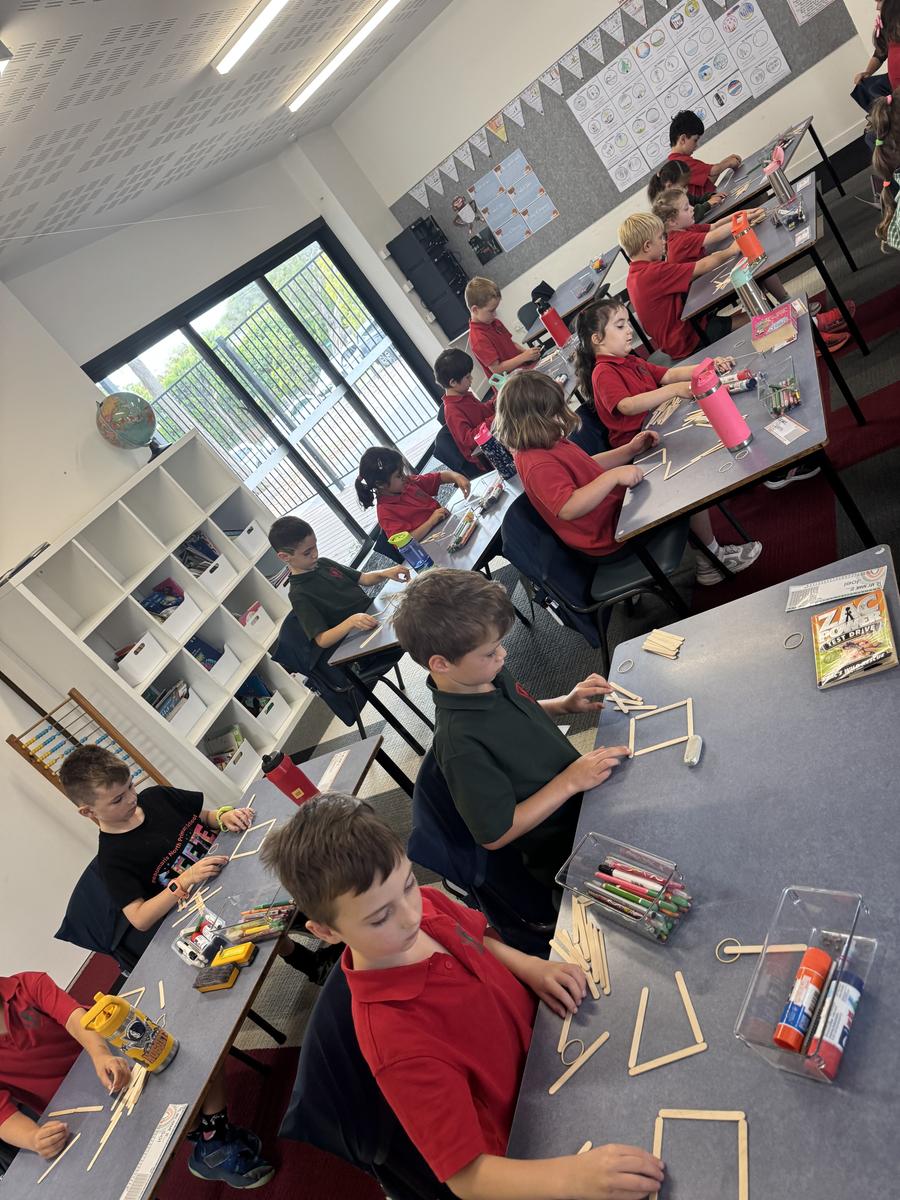
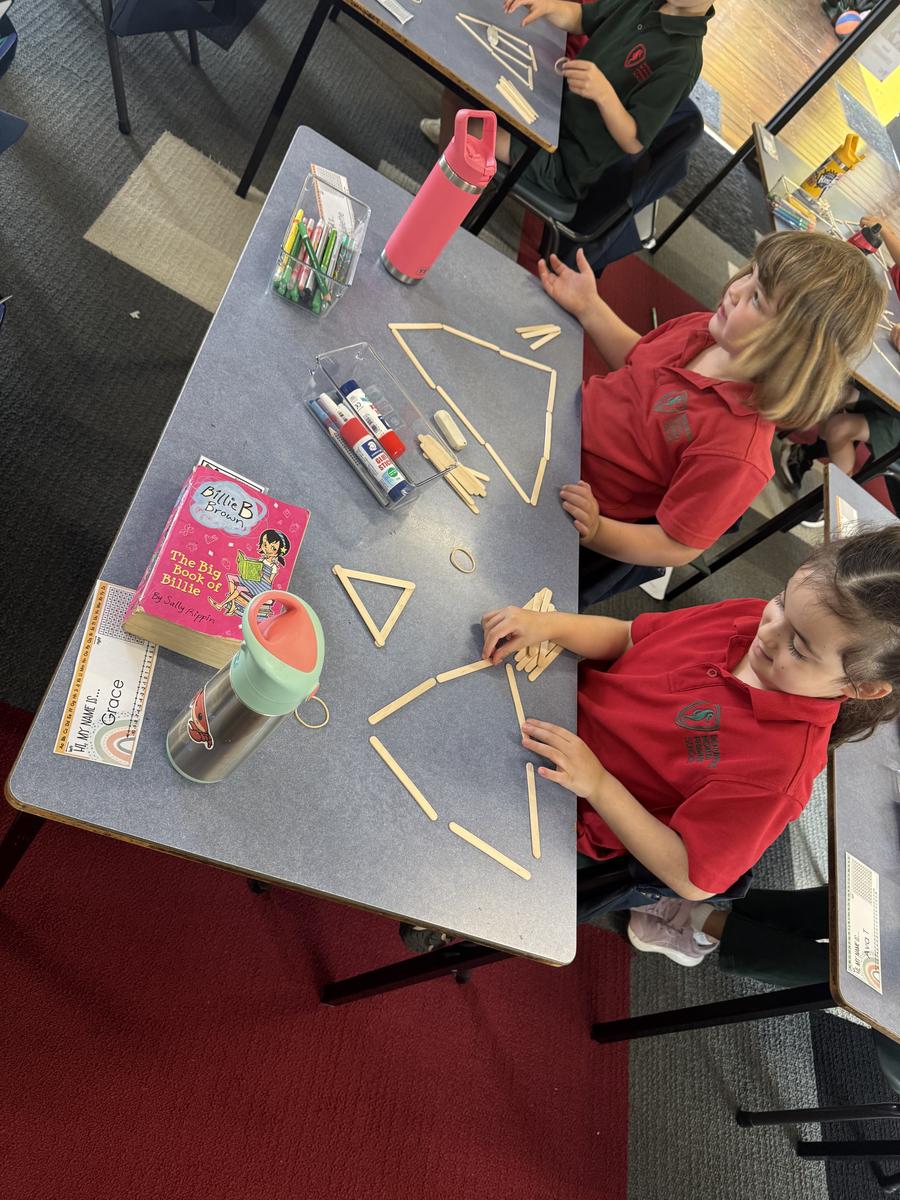
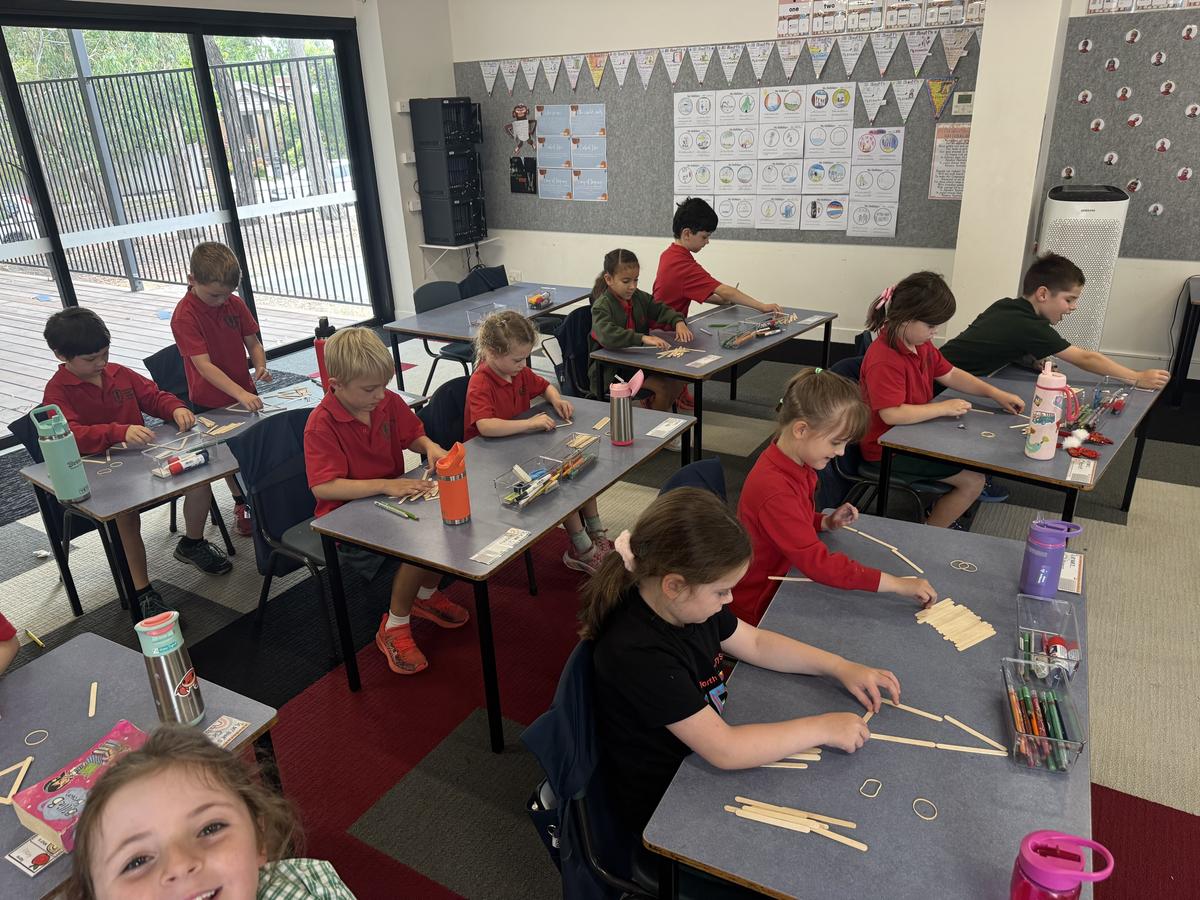
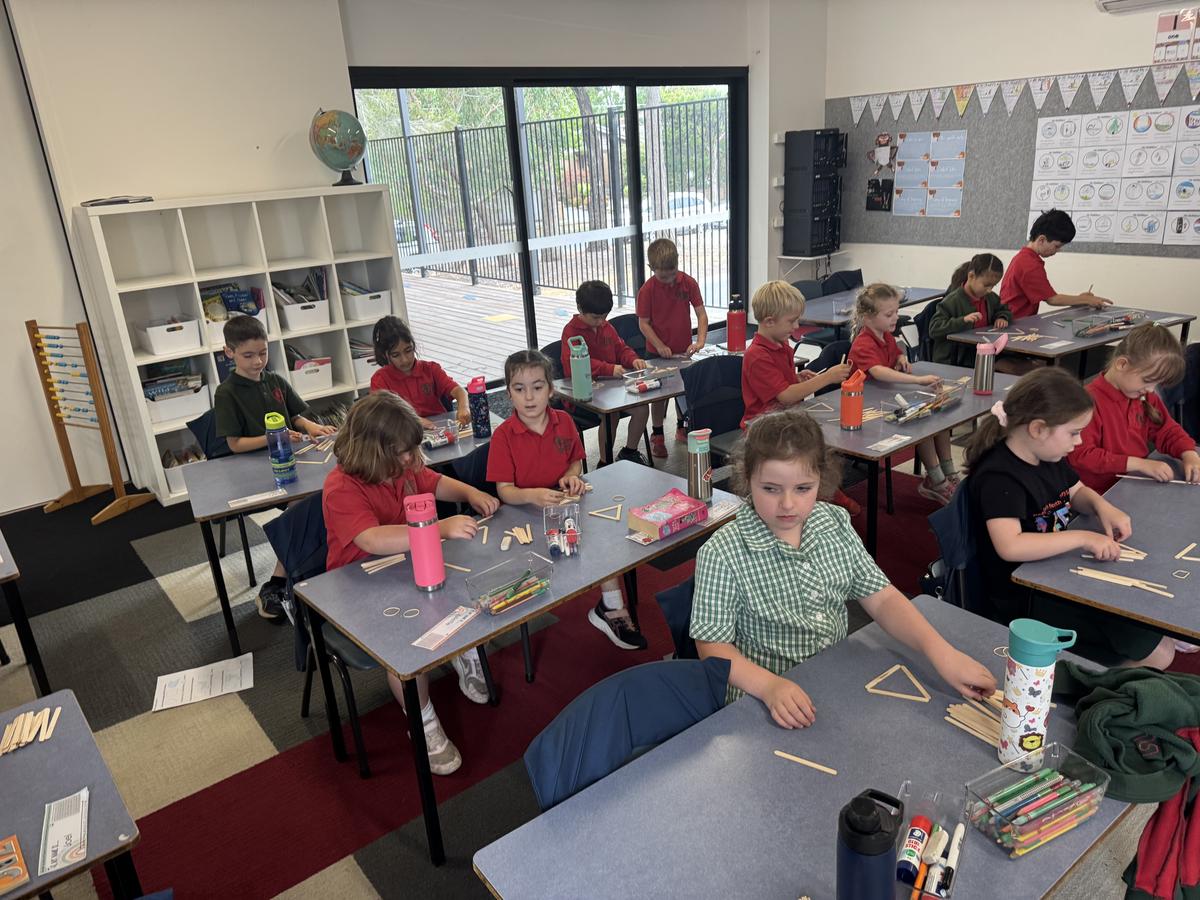
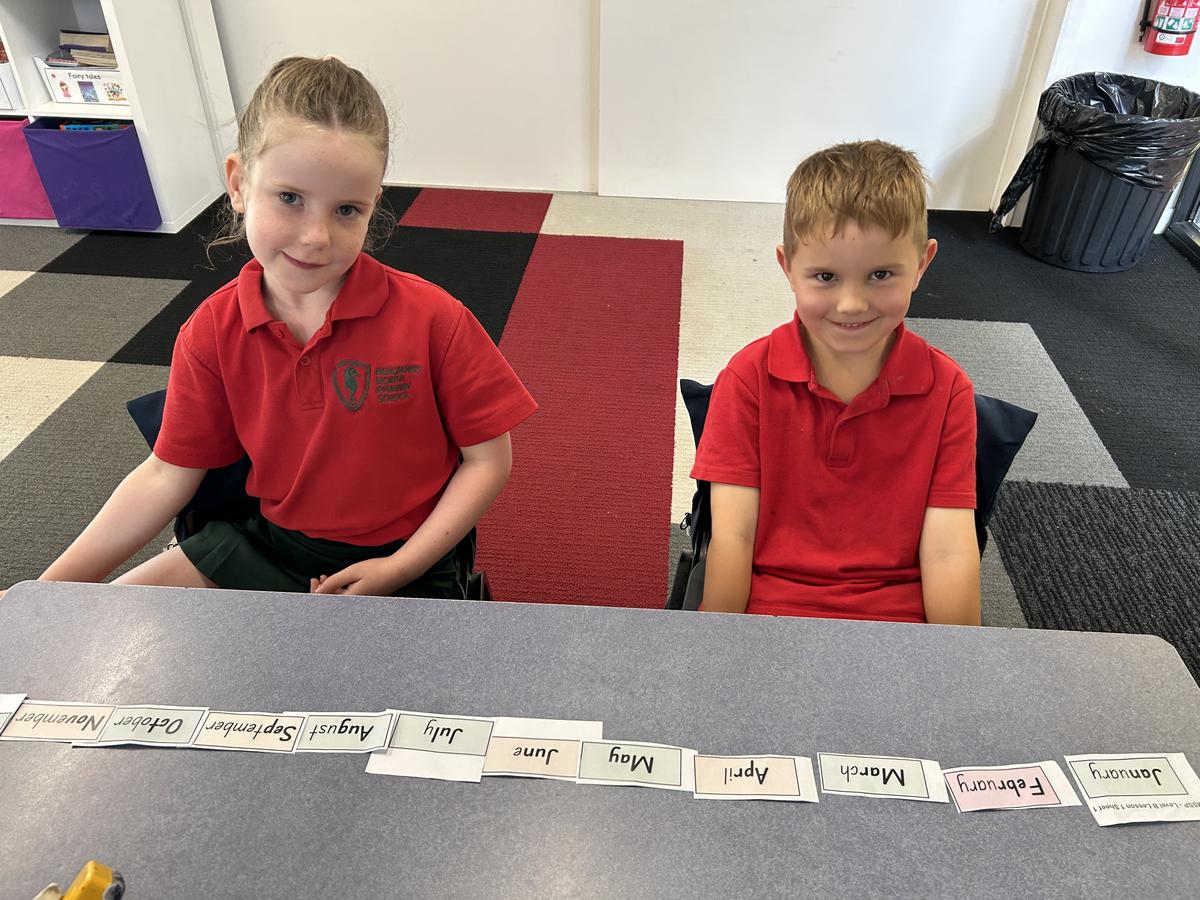
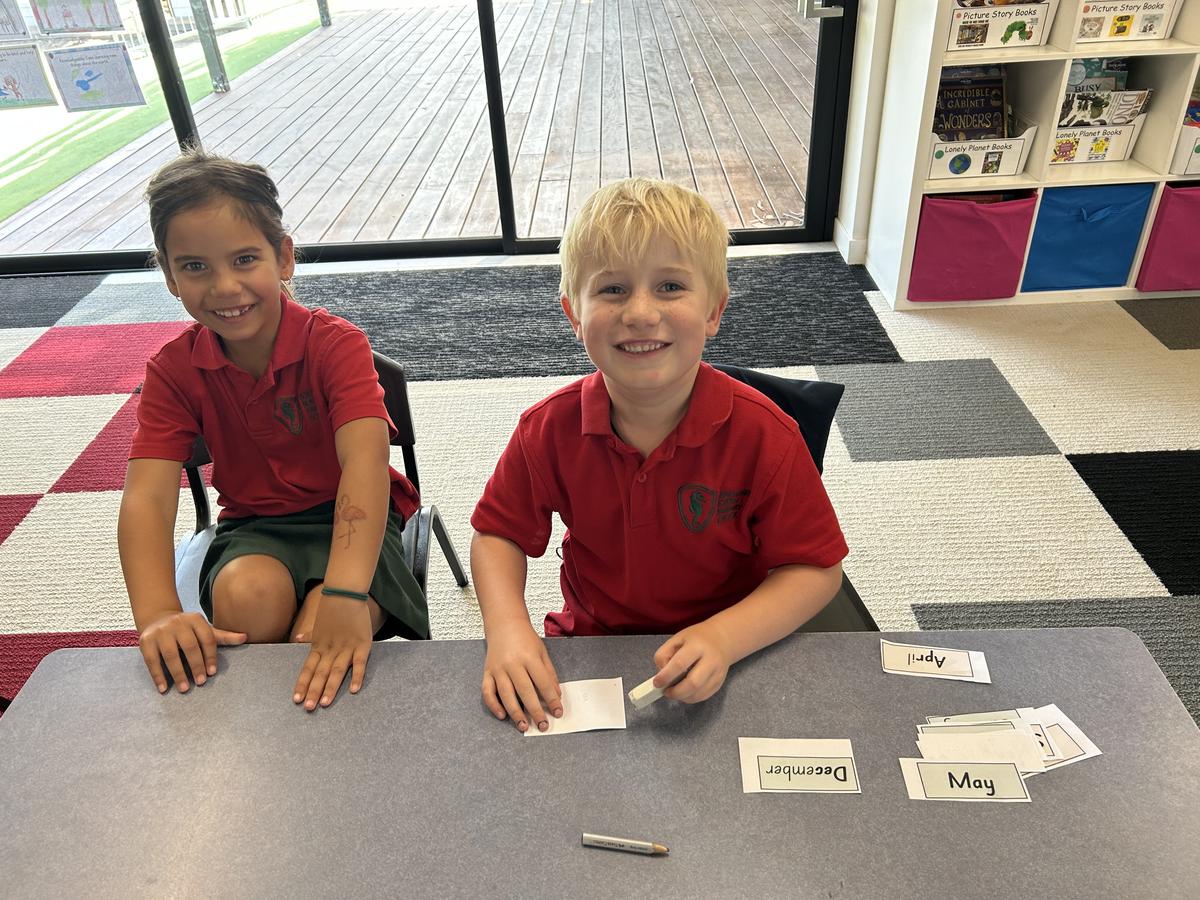
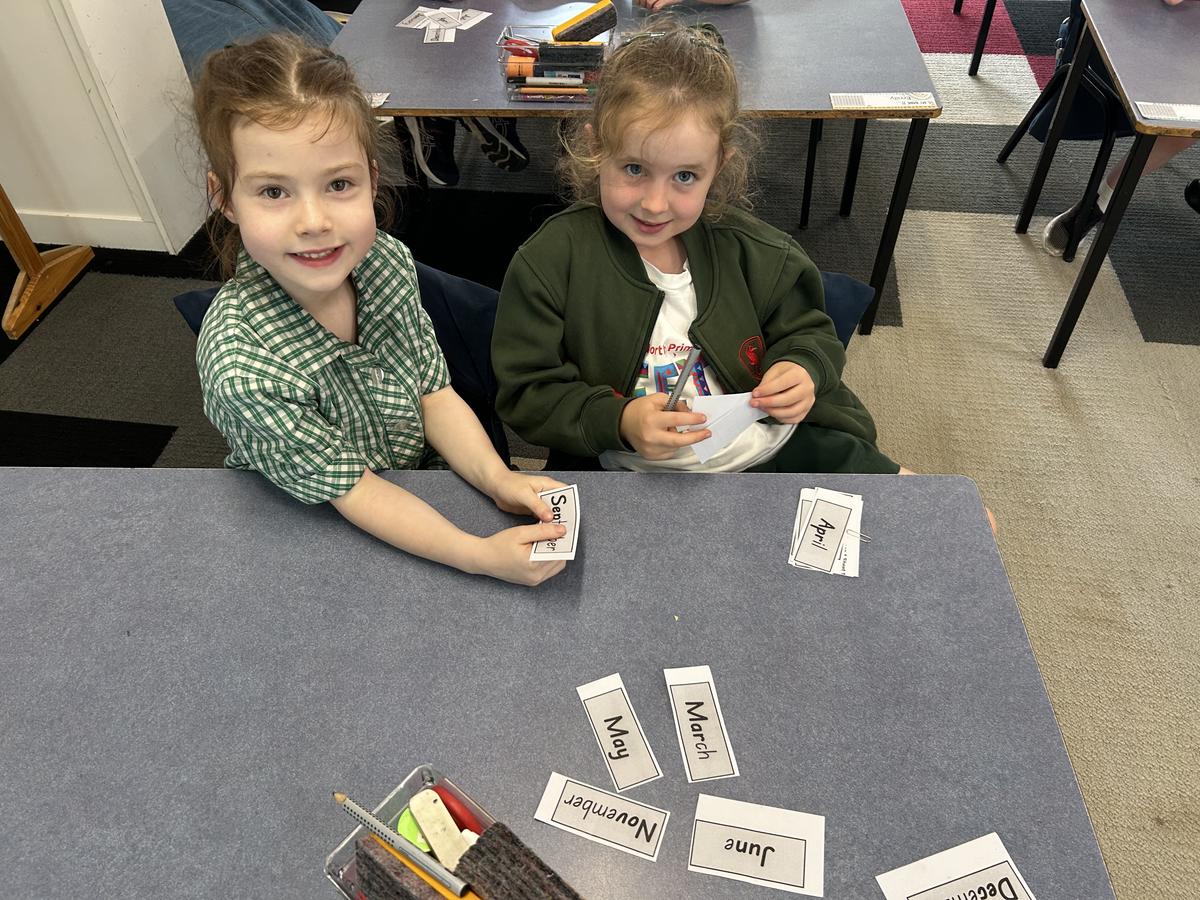
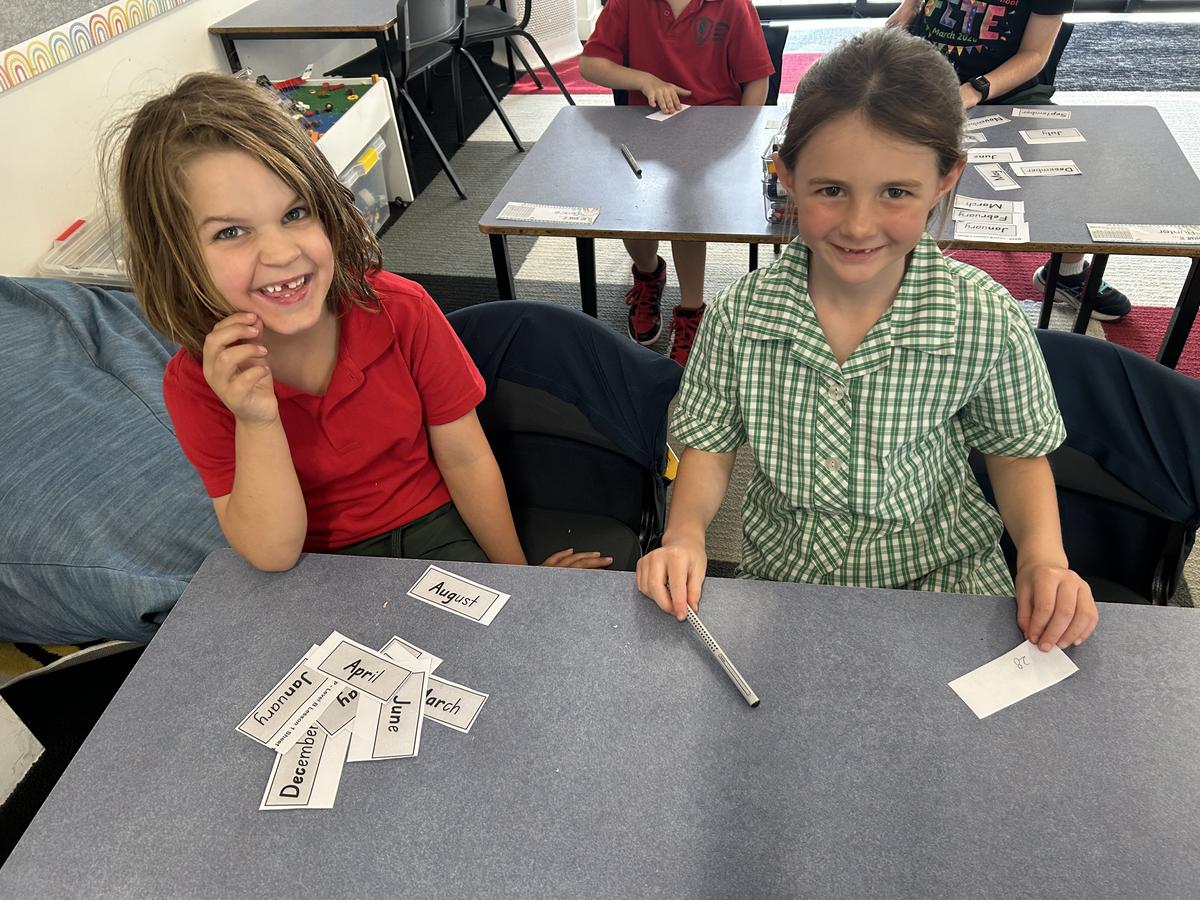
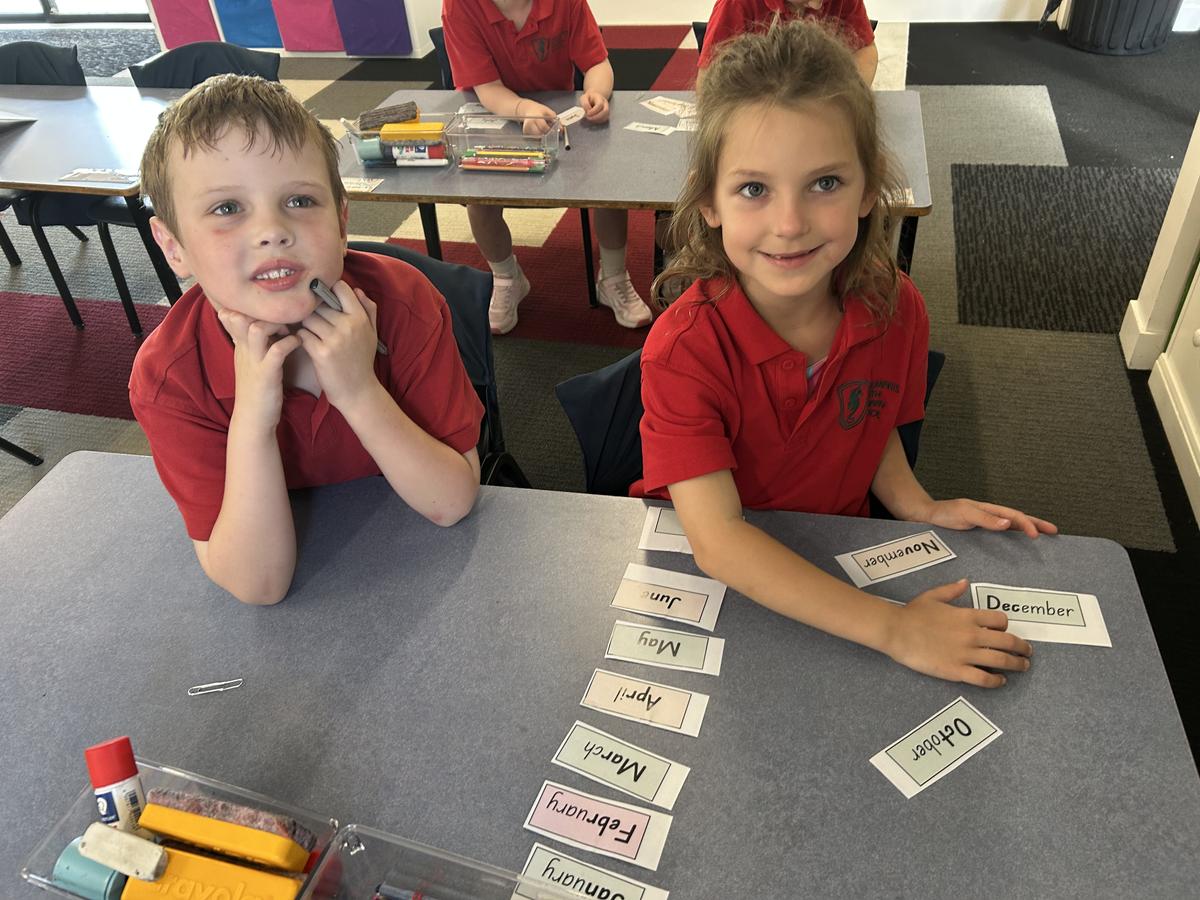
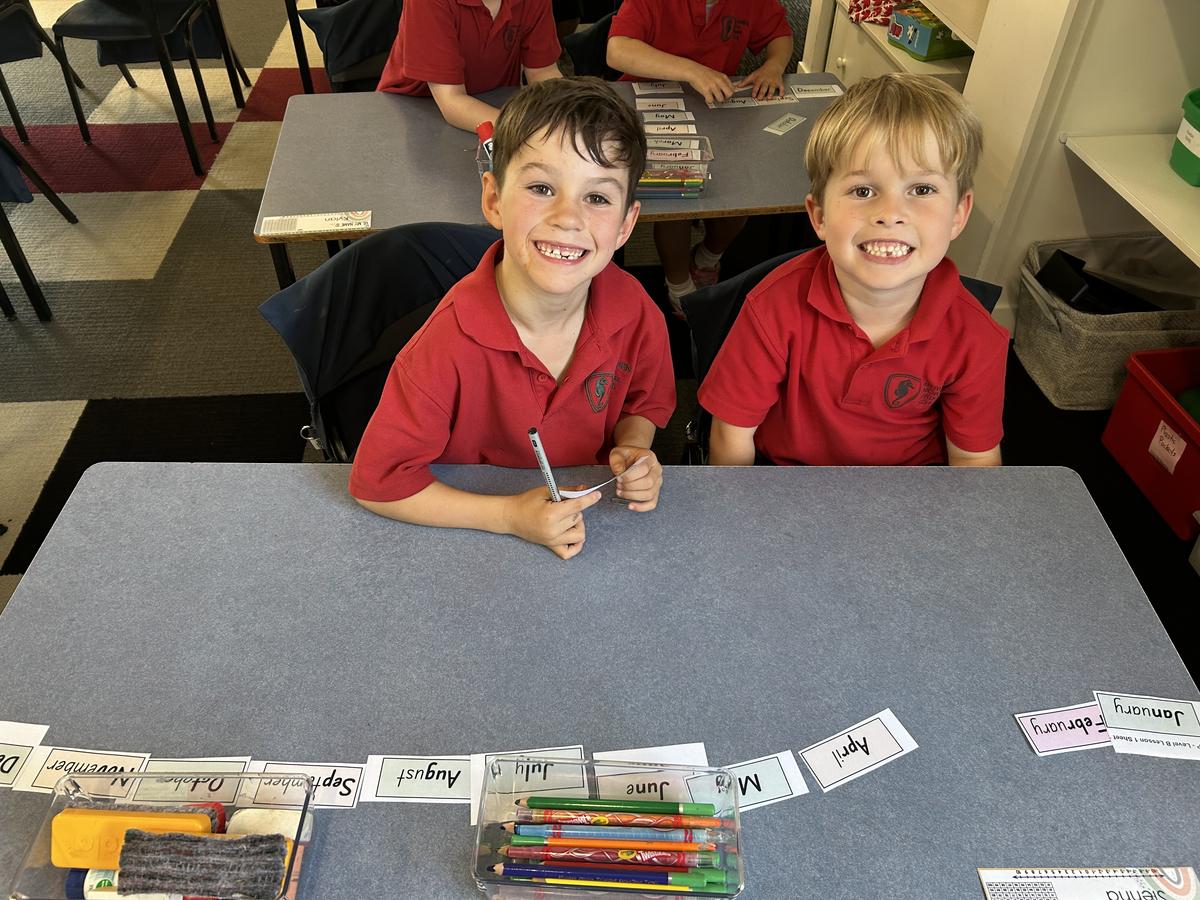
In addition, we have continued to build on students’ understanding of time. We began by revising how many days are in each month and have now extended this knowledge by introducing calendars. Students have been practising reading calendars to identify which date falls on a particular day, as well as determining how many Mondays, Fridays, and other days occur in a month.
It has been wonderful to see the students growing in confidence and enthusiasm as they develop their mathematical understanding.
Social Skills
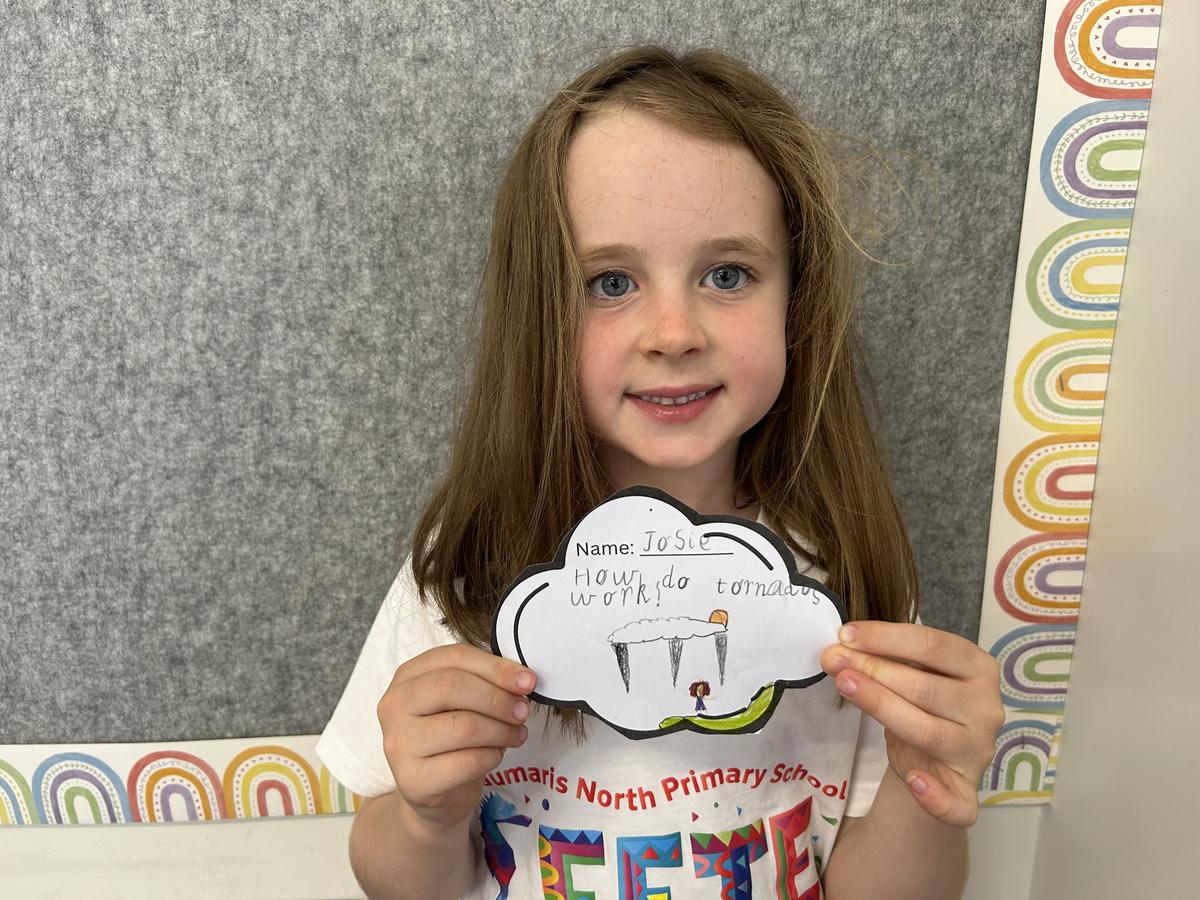
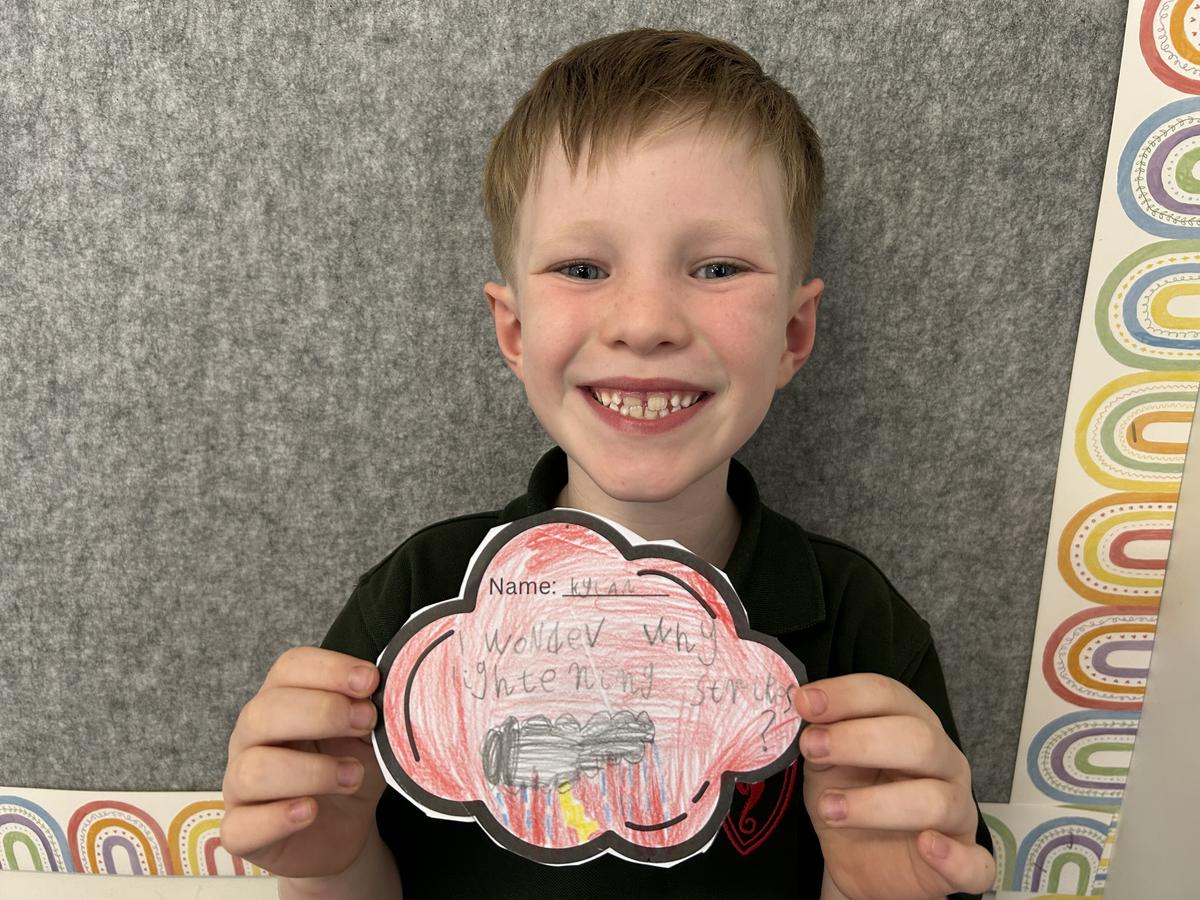
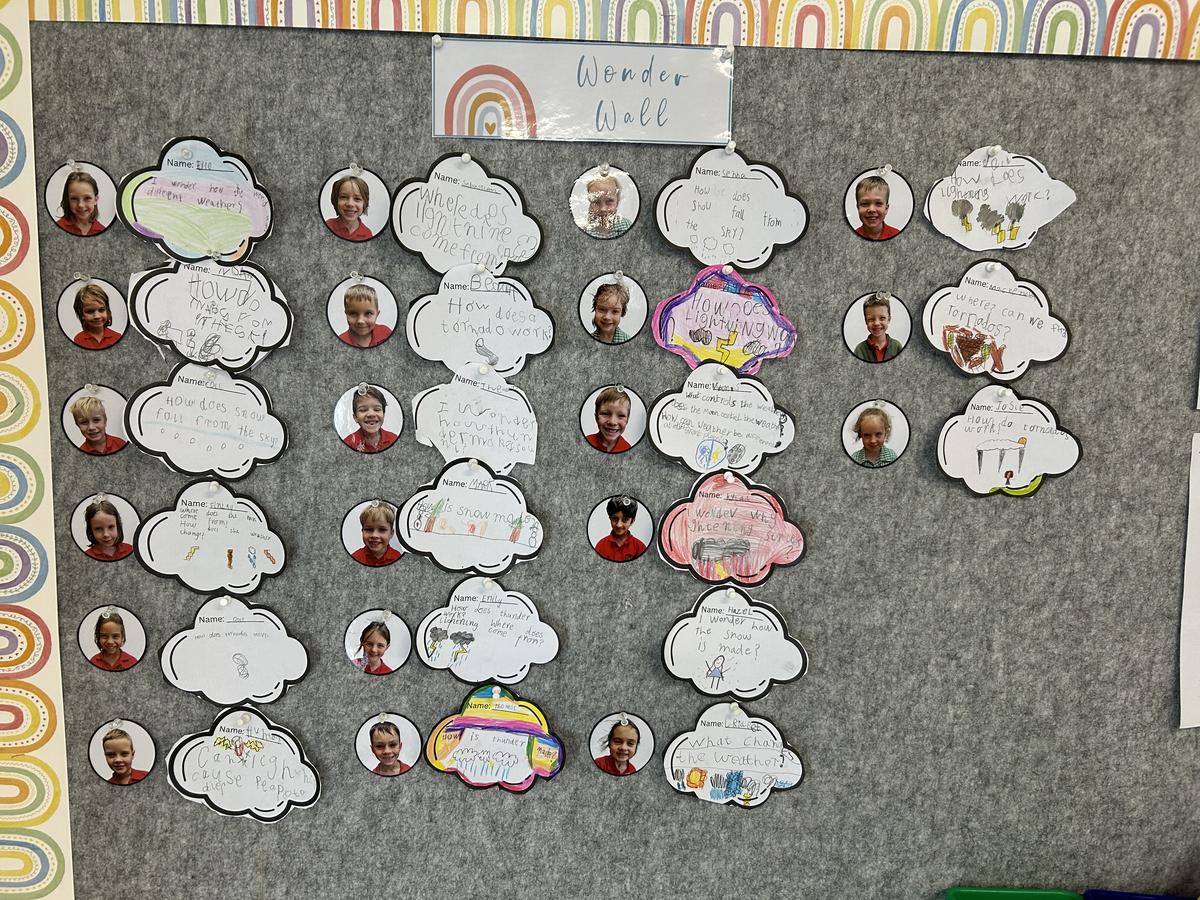
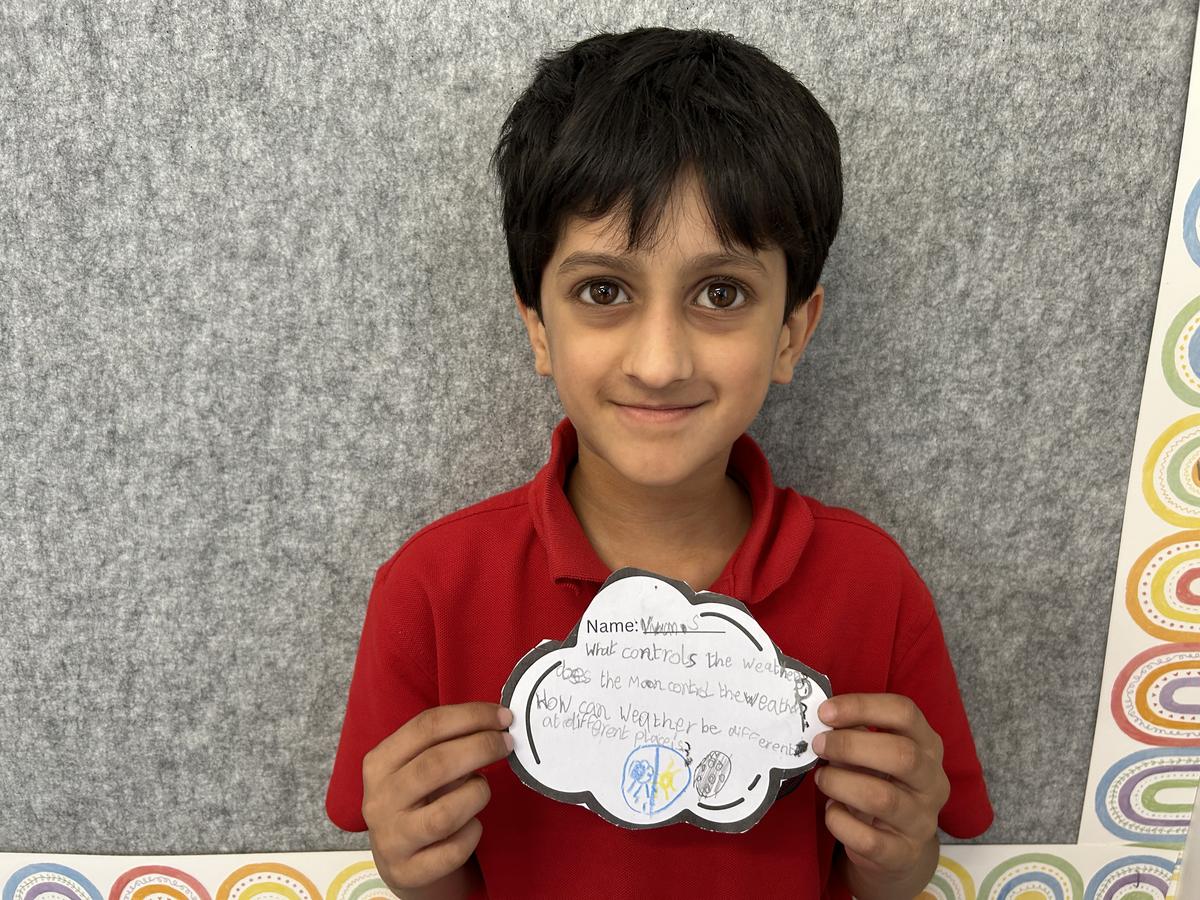
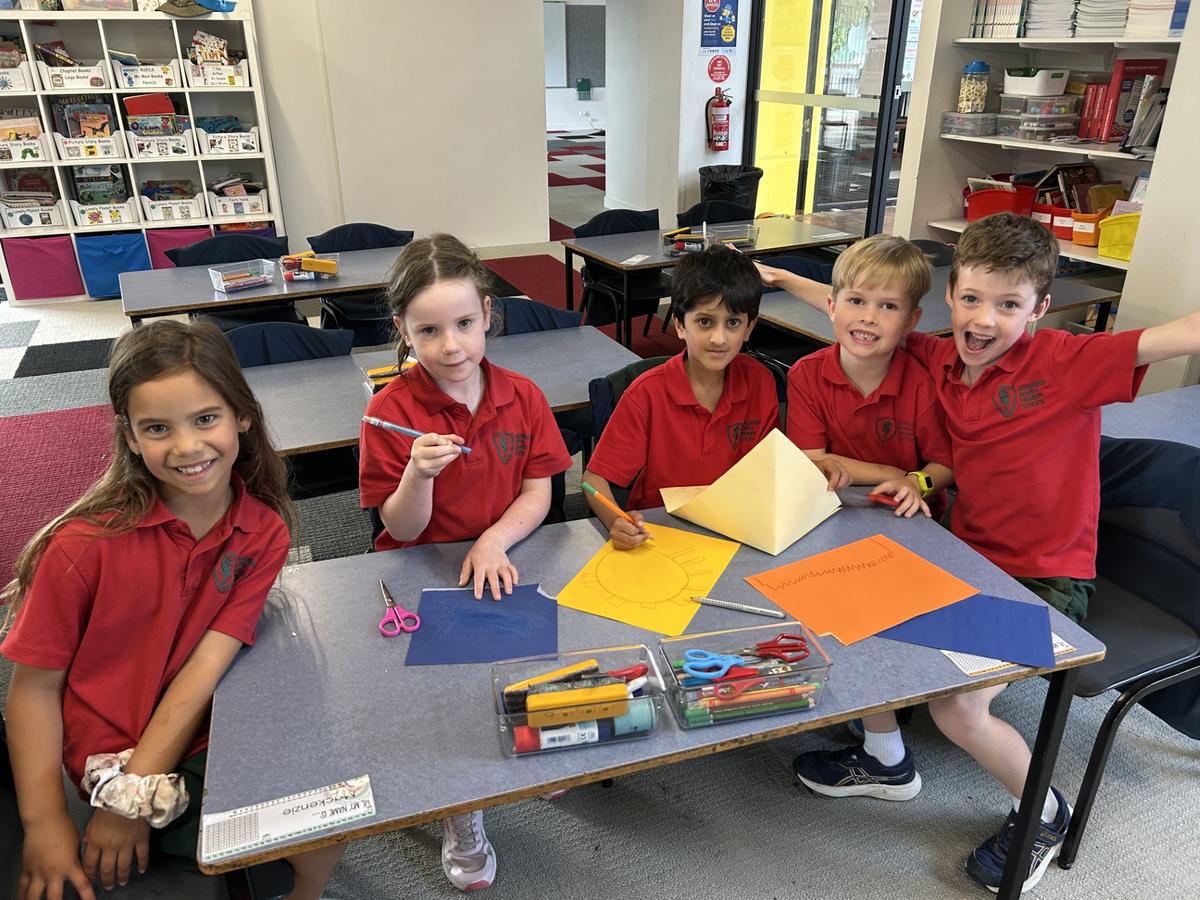
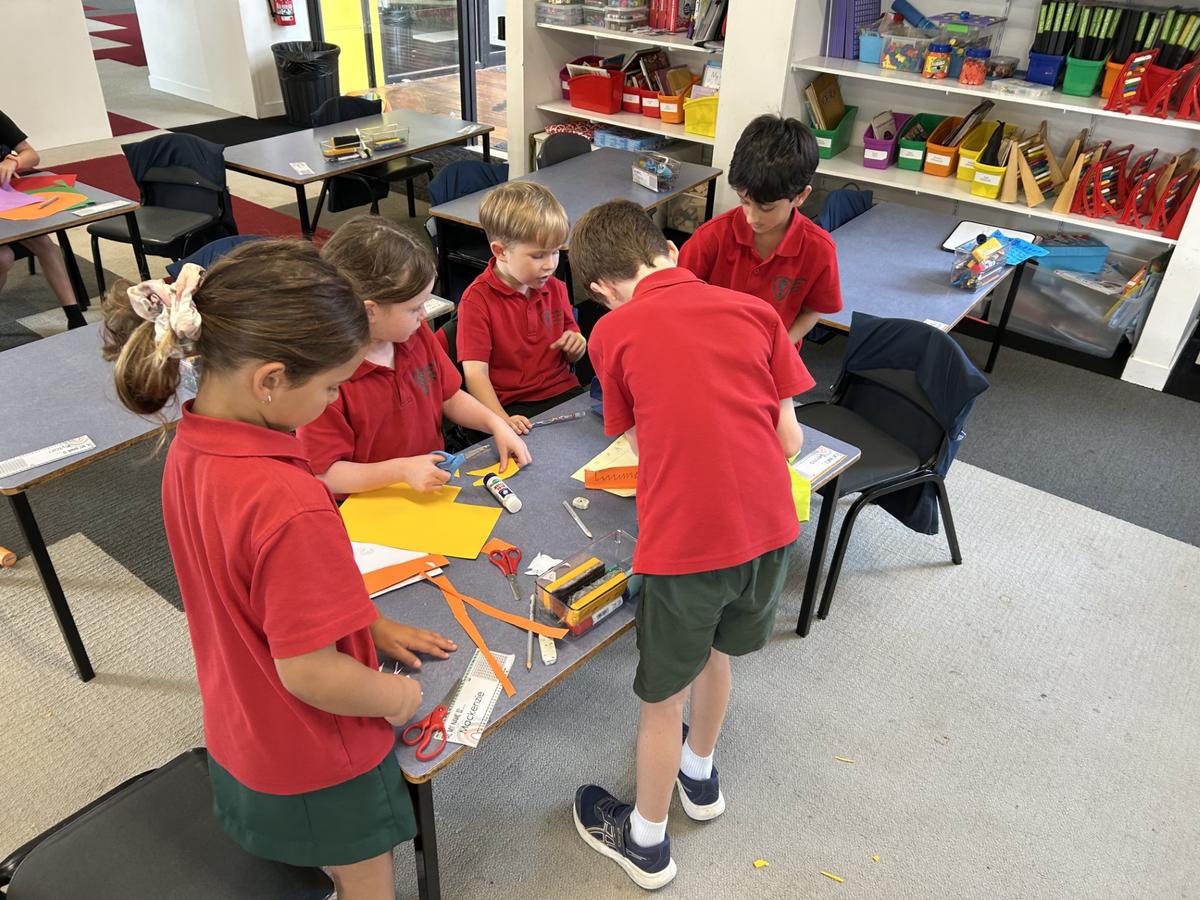
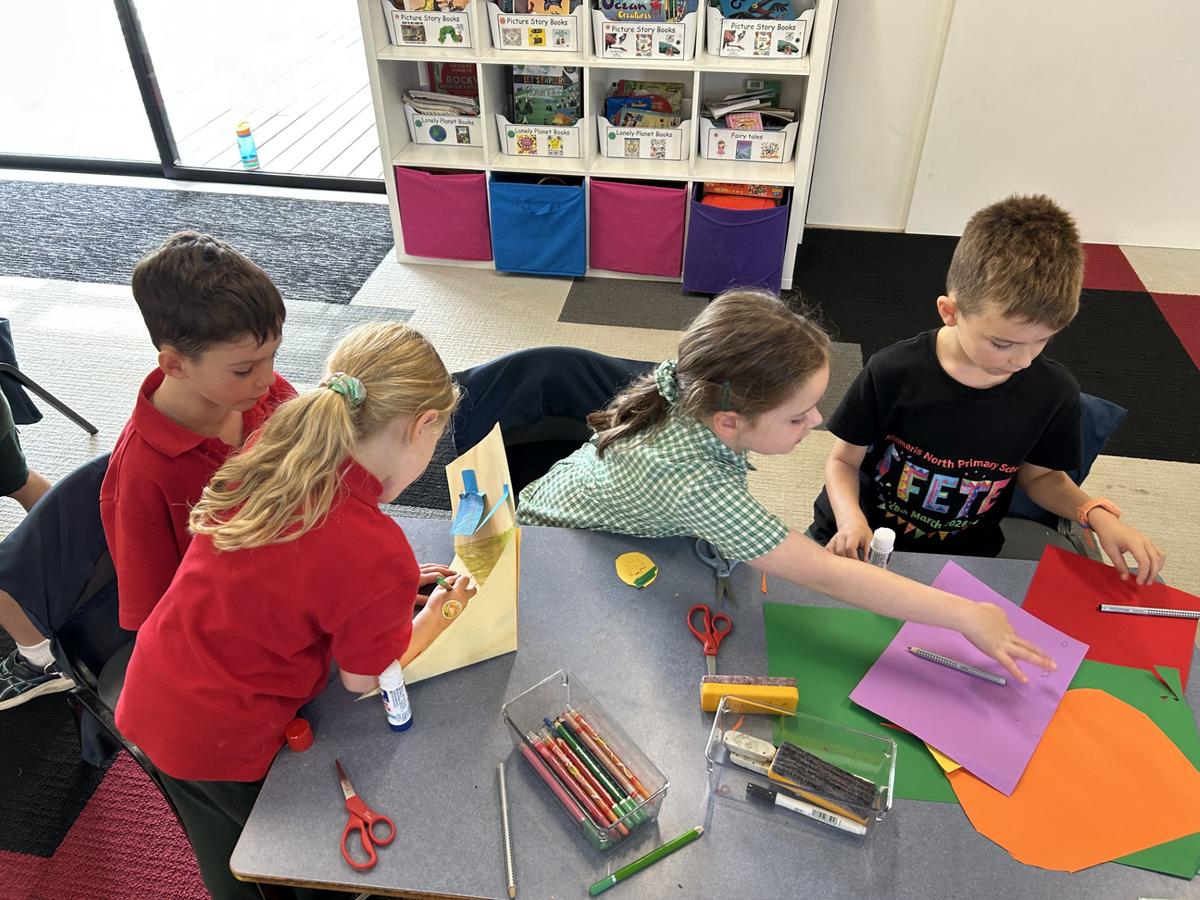
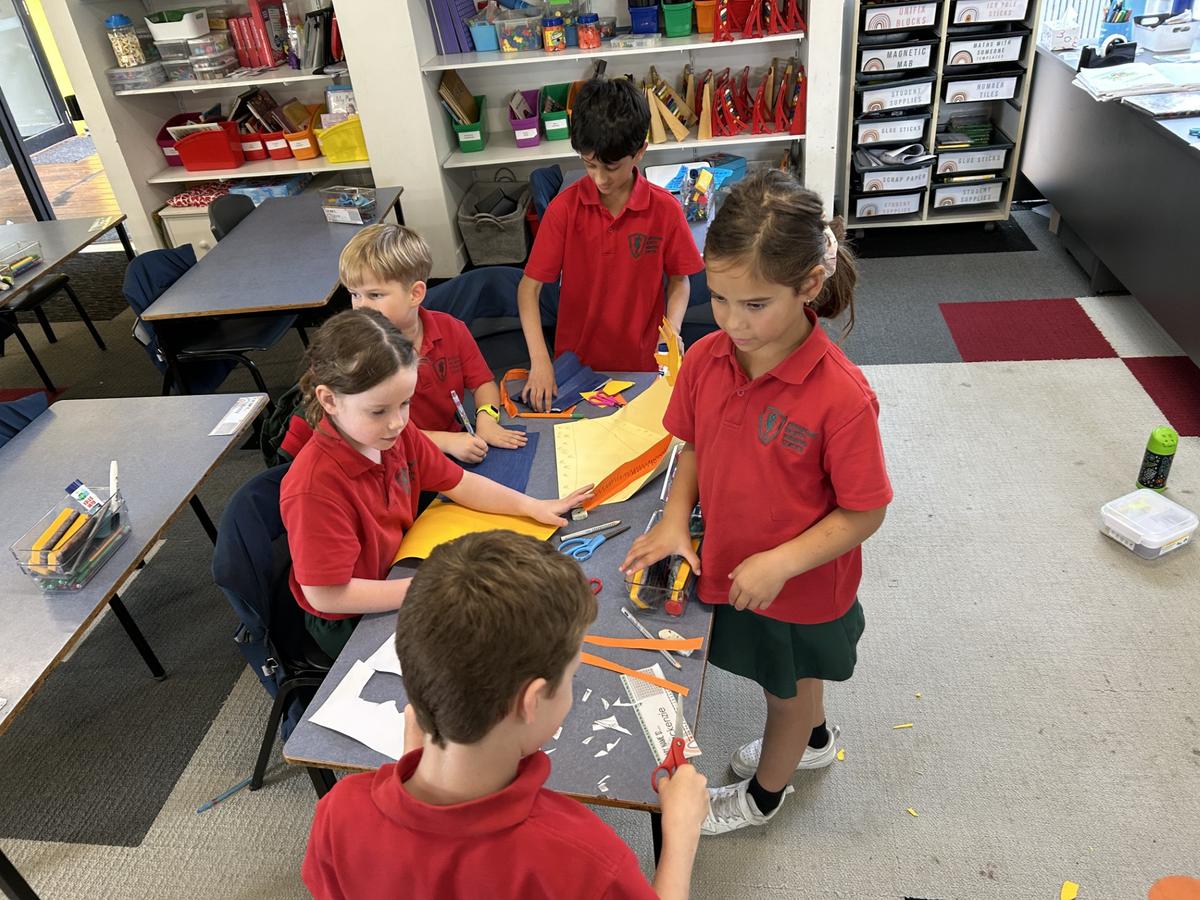
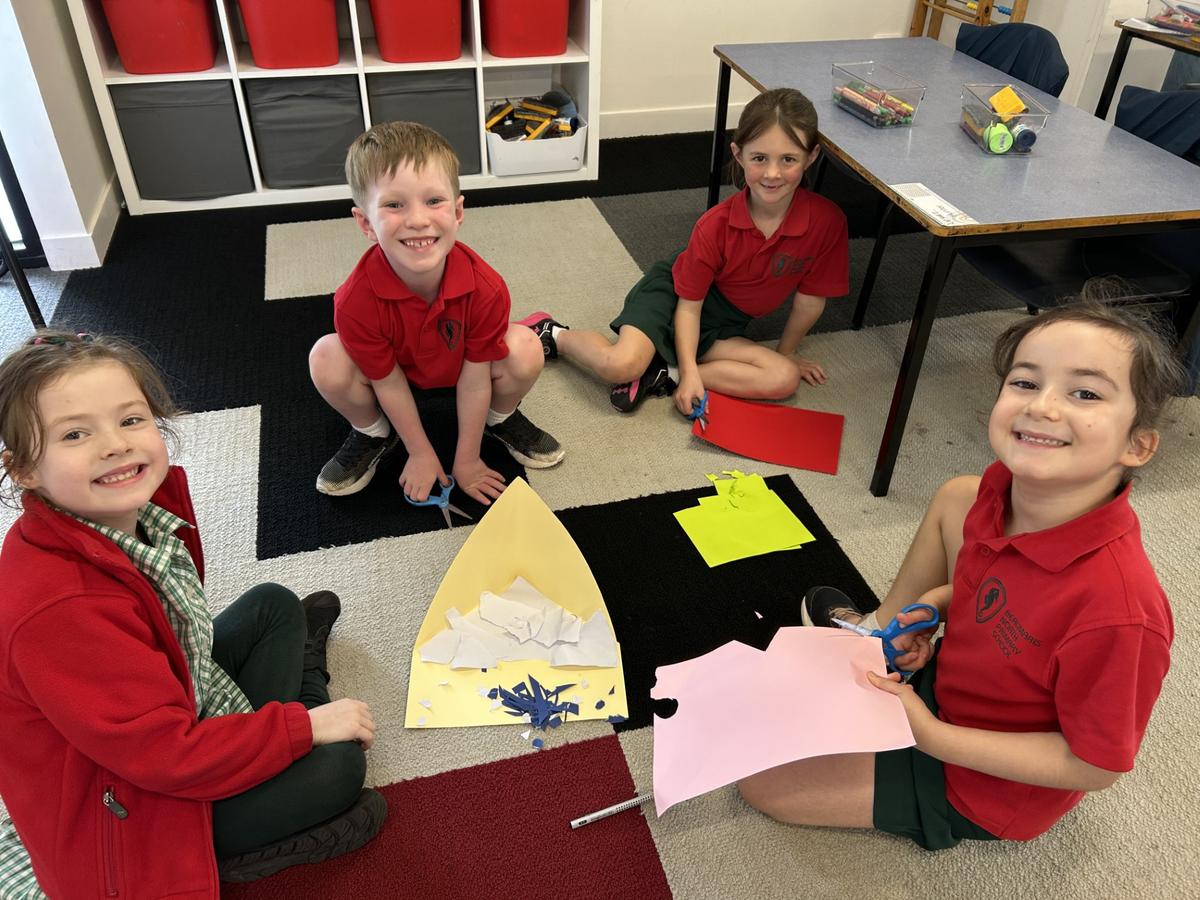
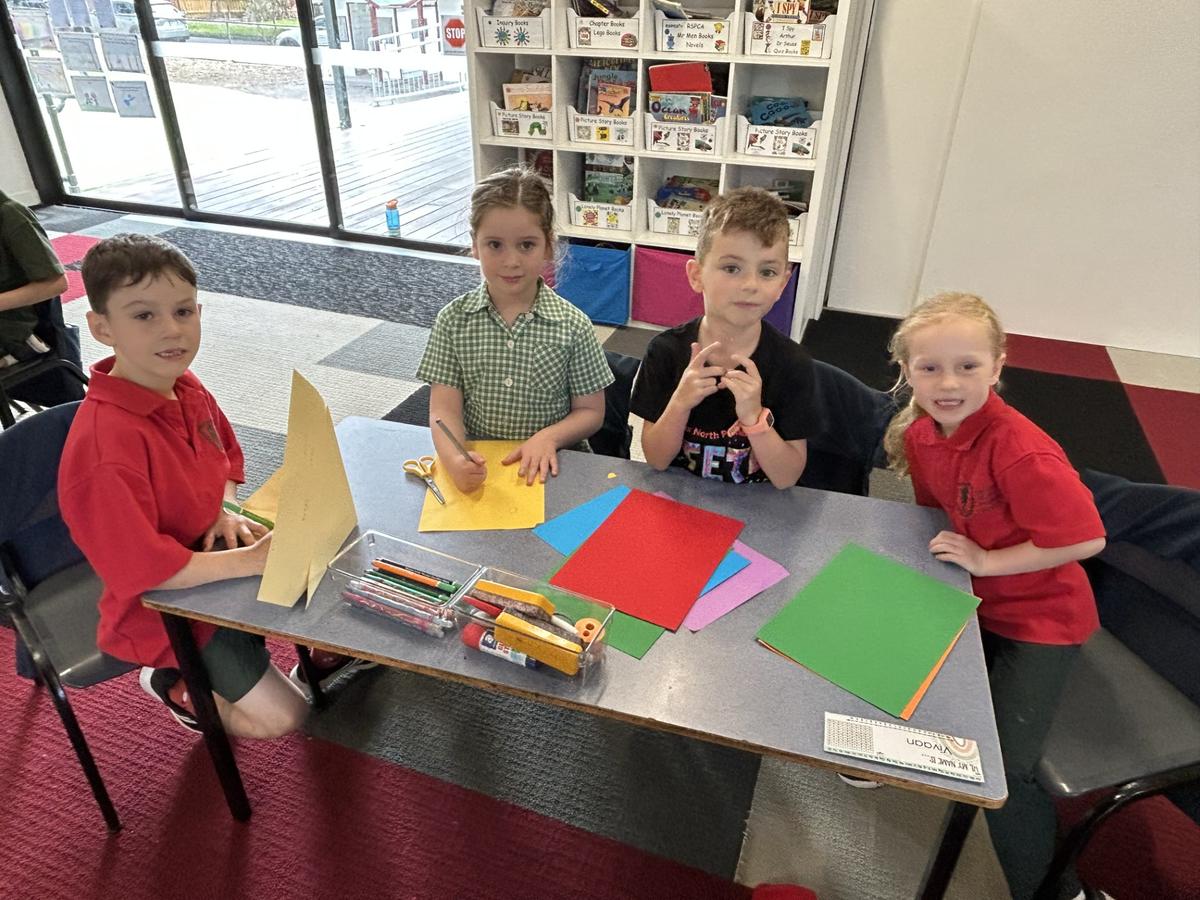
In Year 1, students have been actively participating in a range of social skills activities designed to support positive interactions and build confidence in the classroom. Through structured games, group construction activities, role-play and group discussions, students are learning how to take turns, listen to others, use kind words, and work cooperatively and inclusively with their peers.
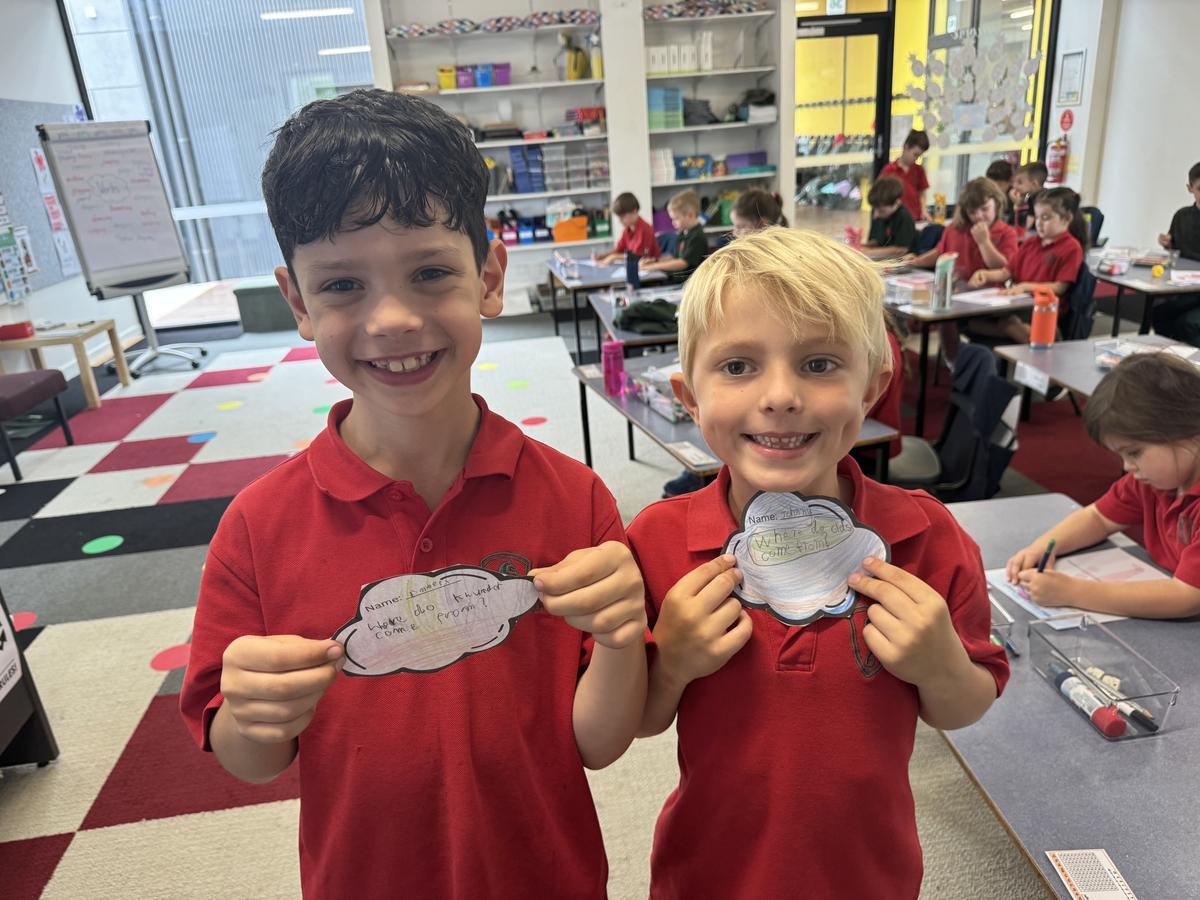
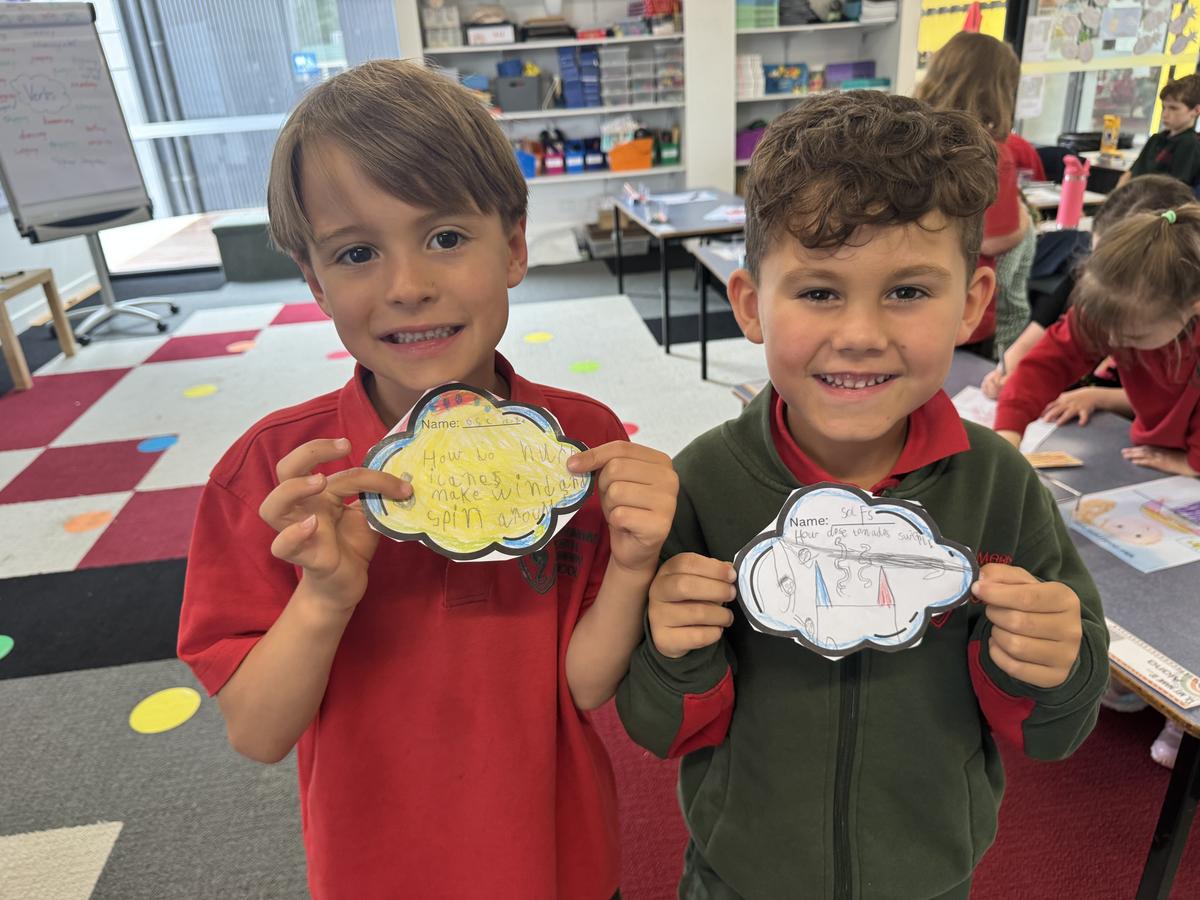
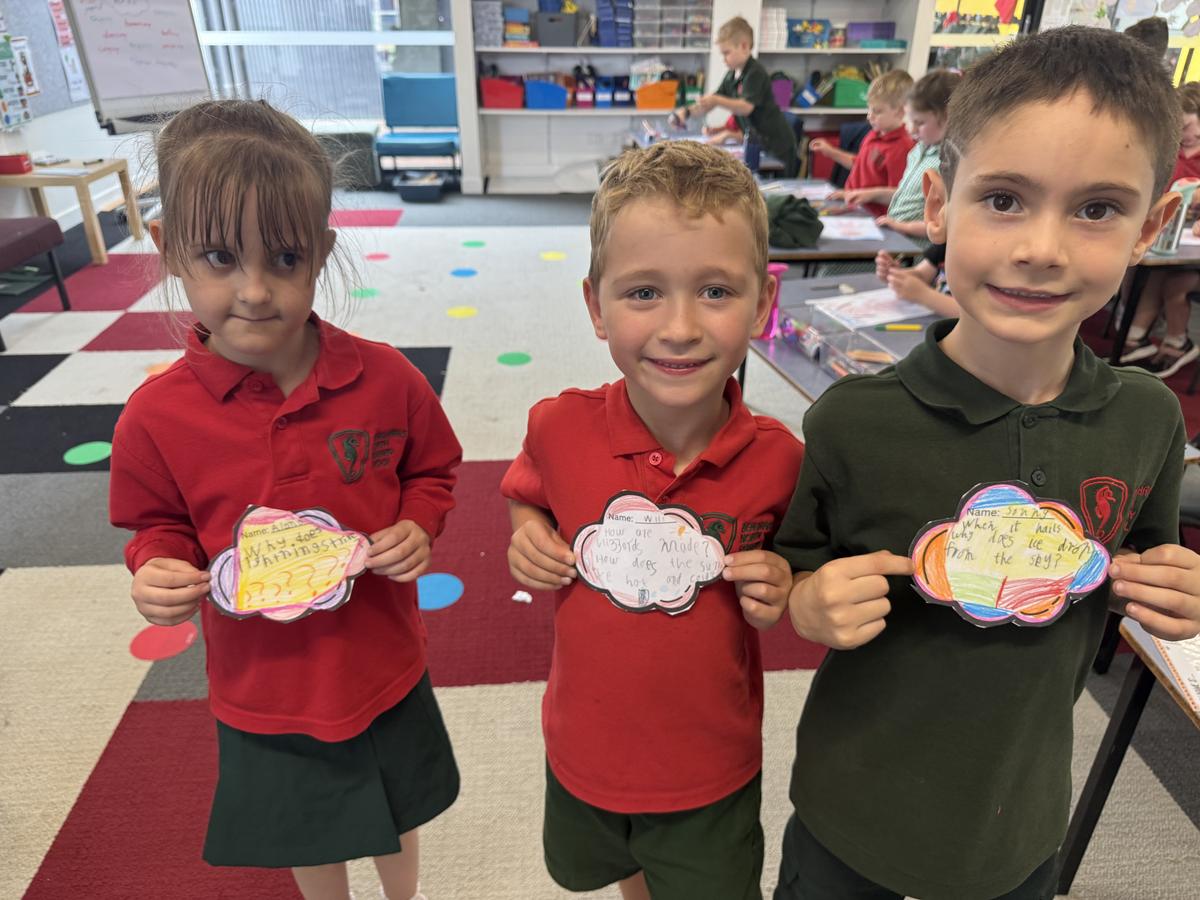
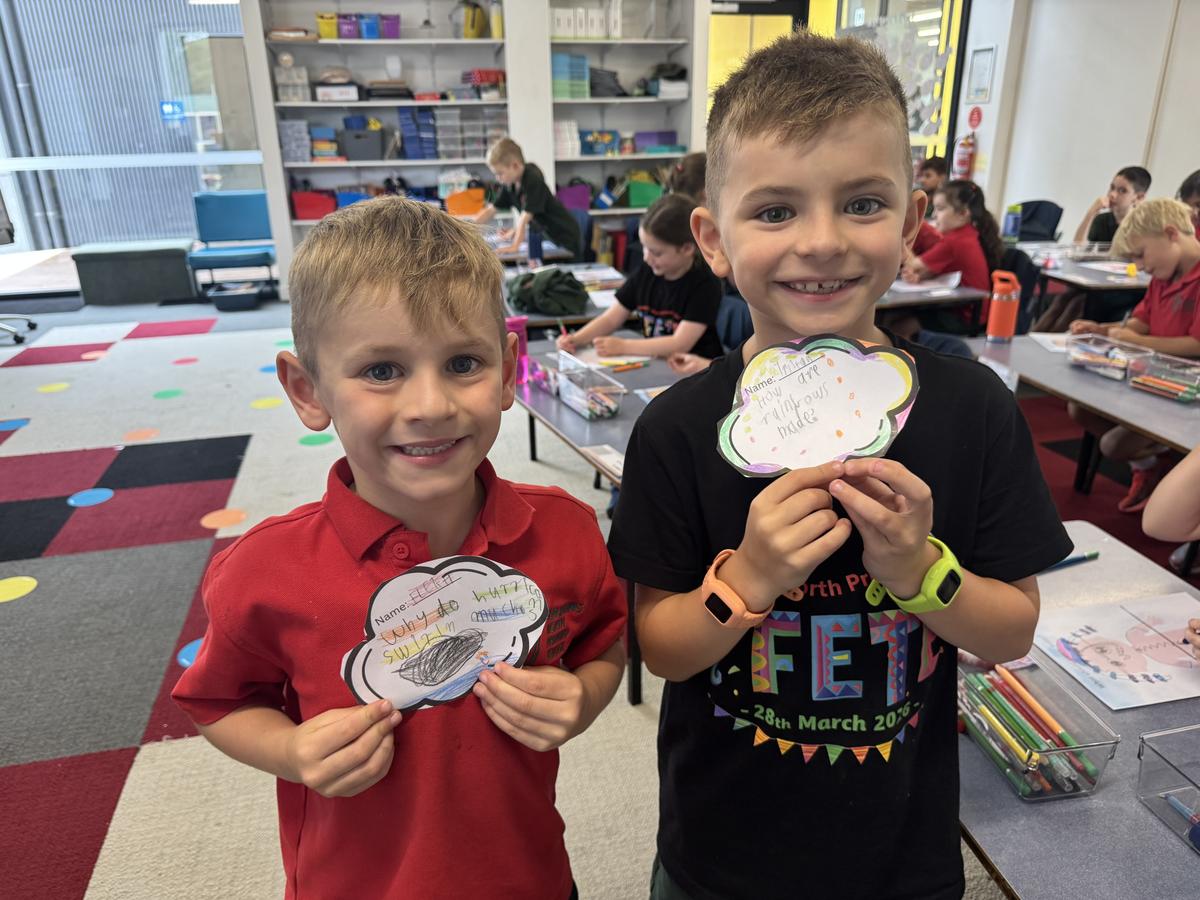
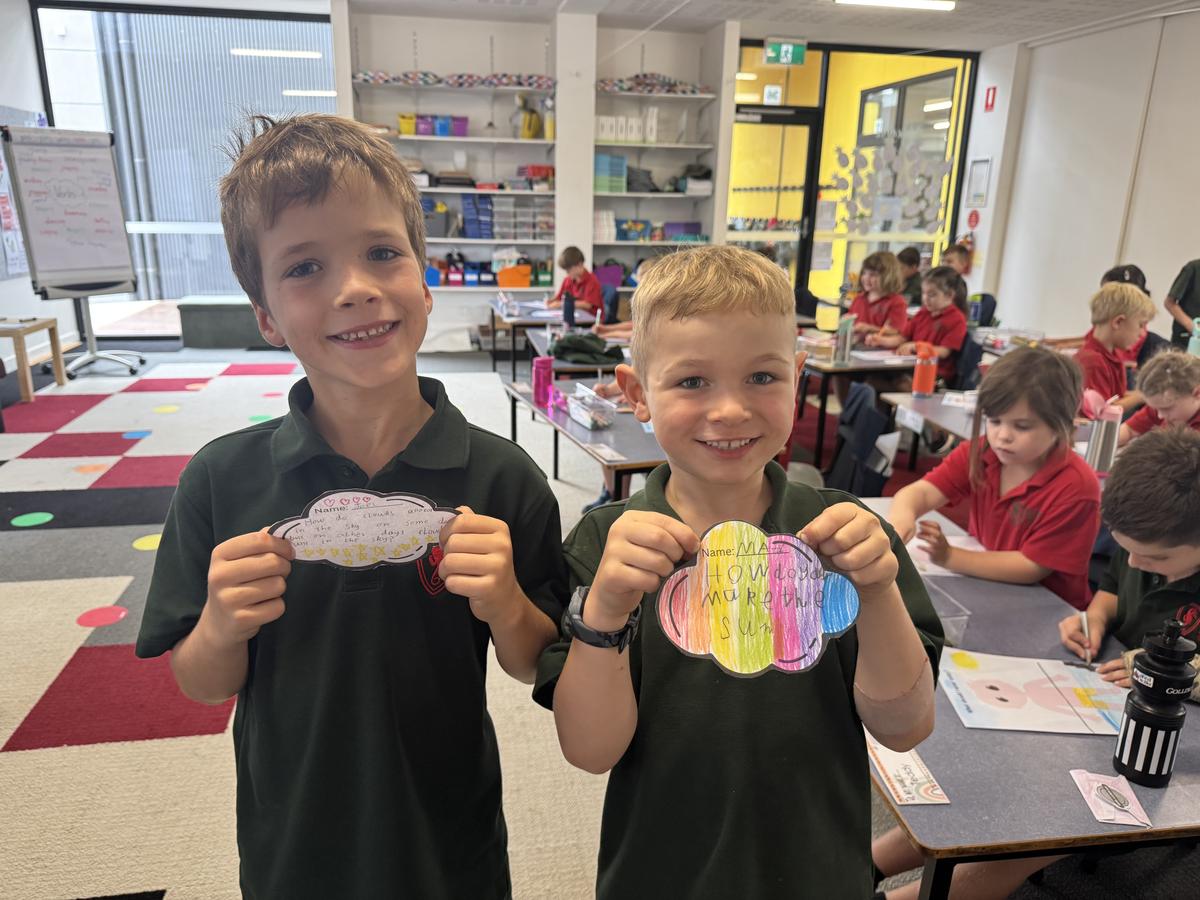
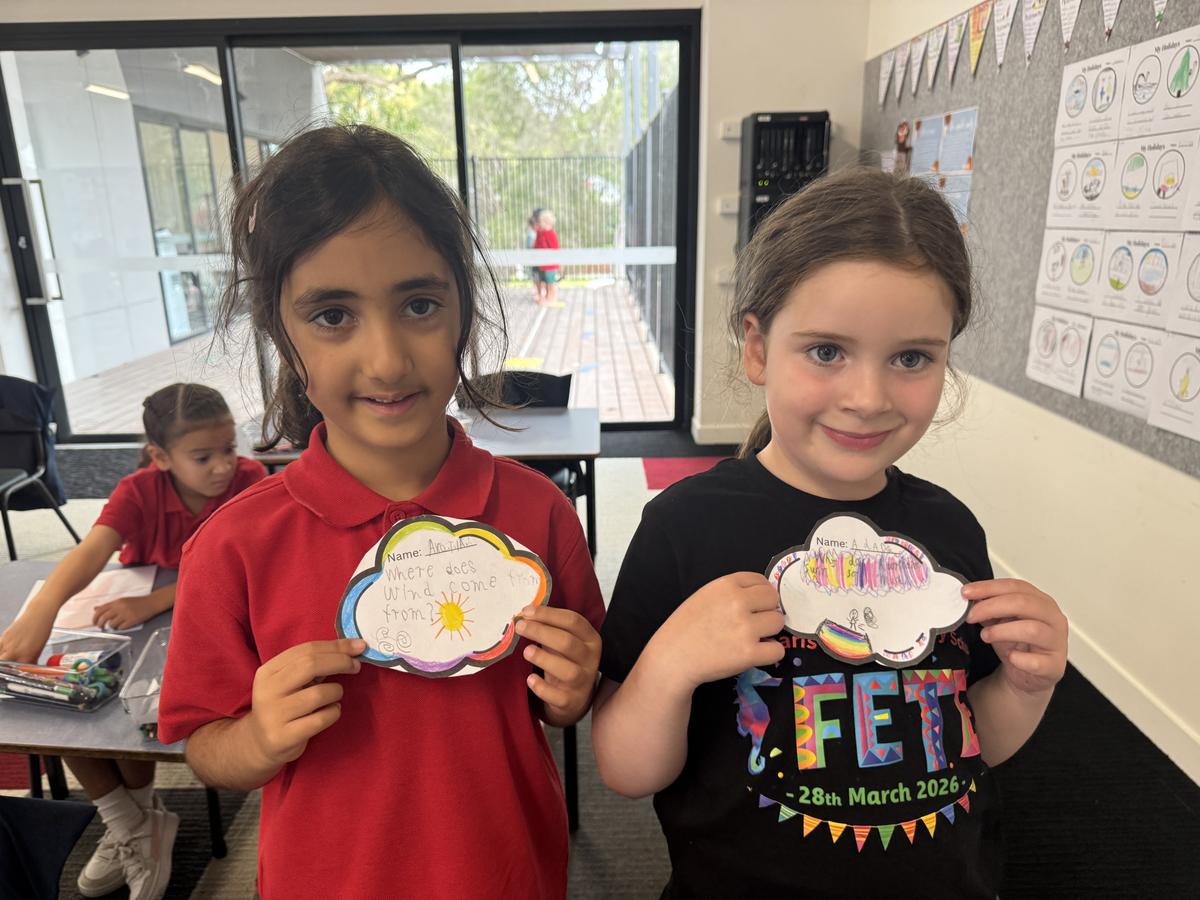
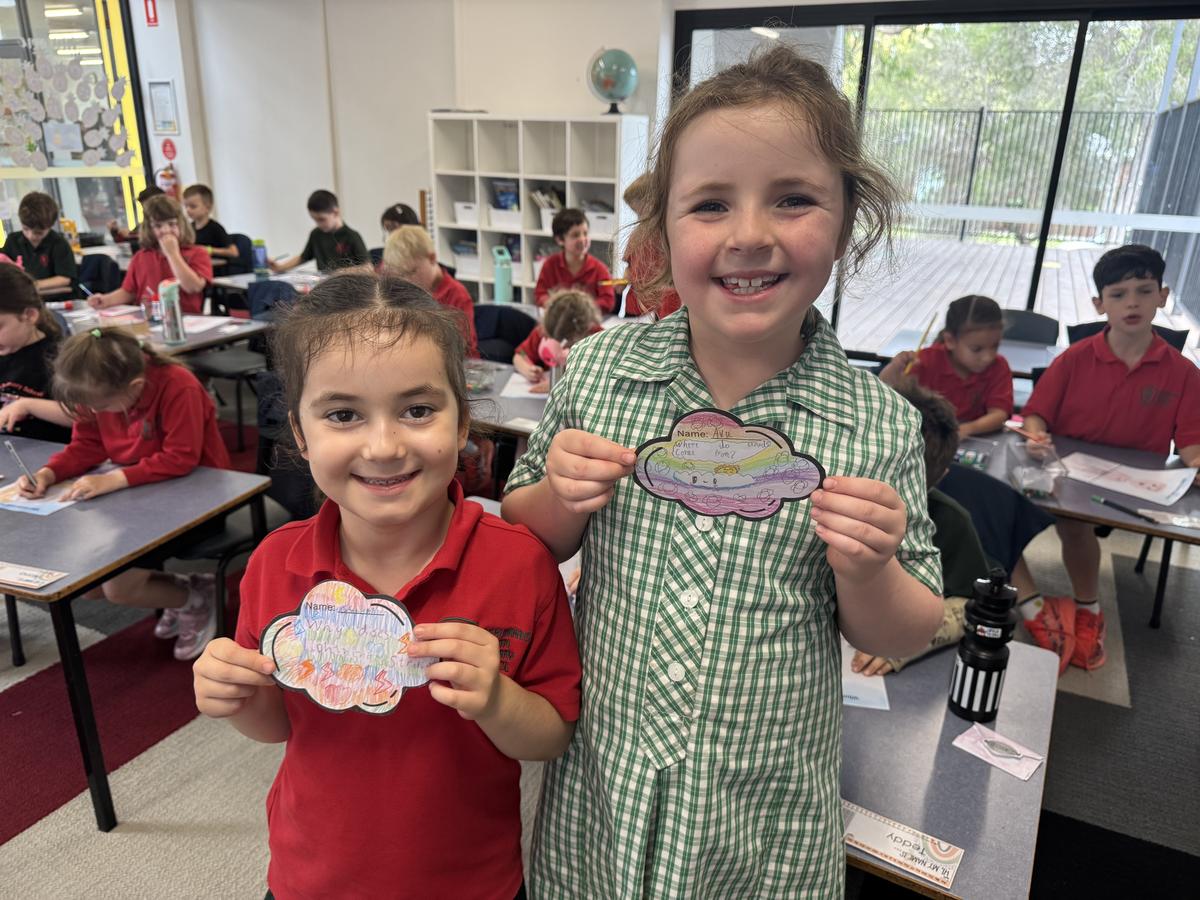
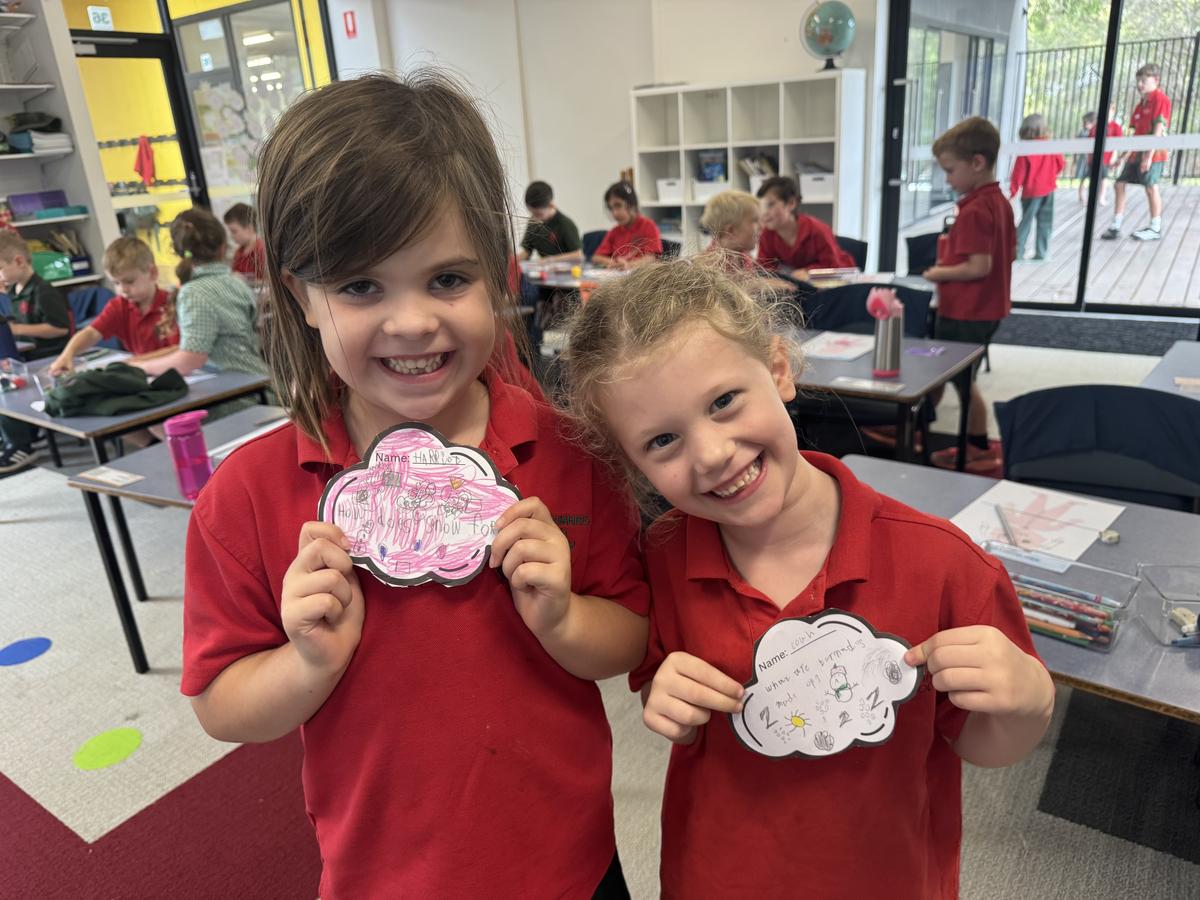
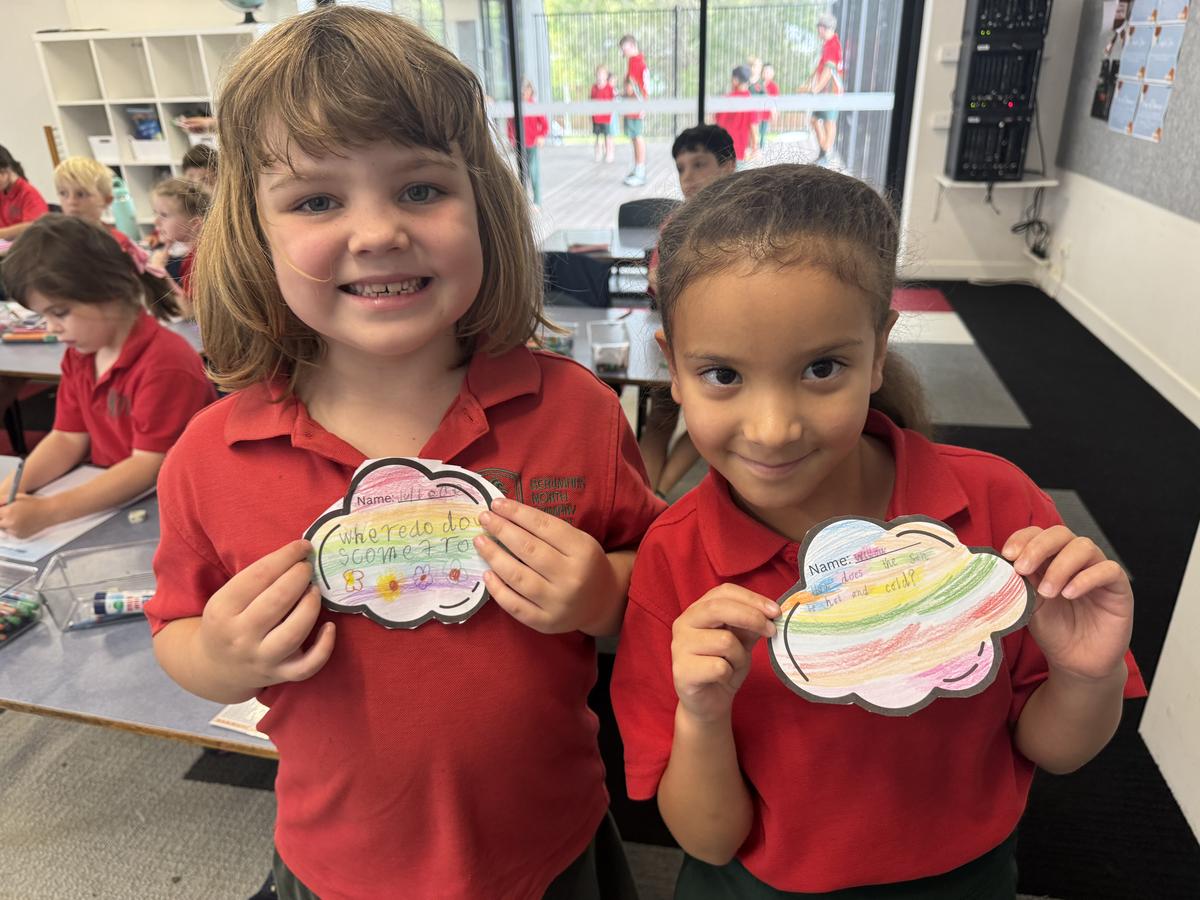
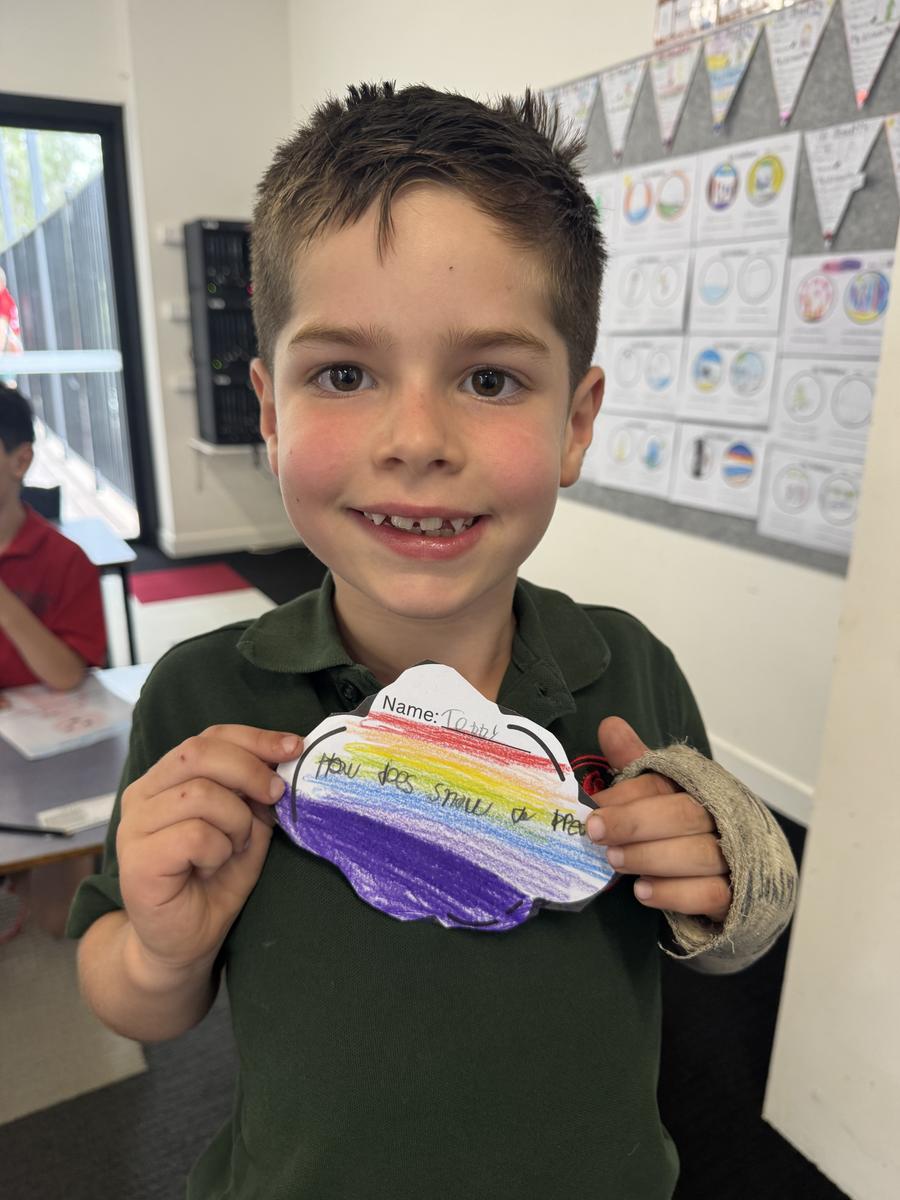
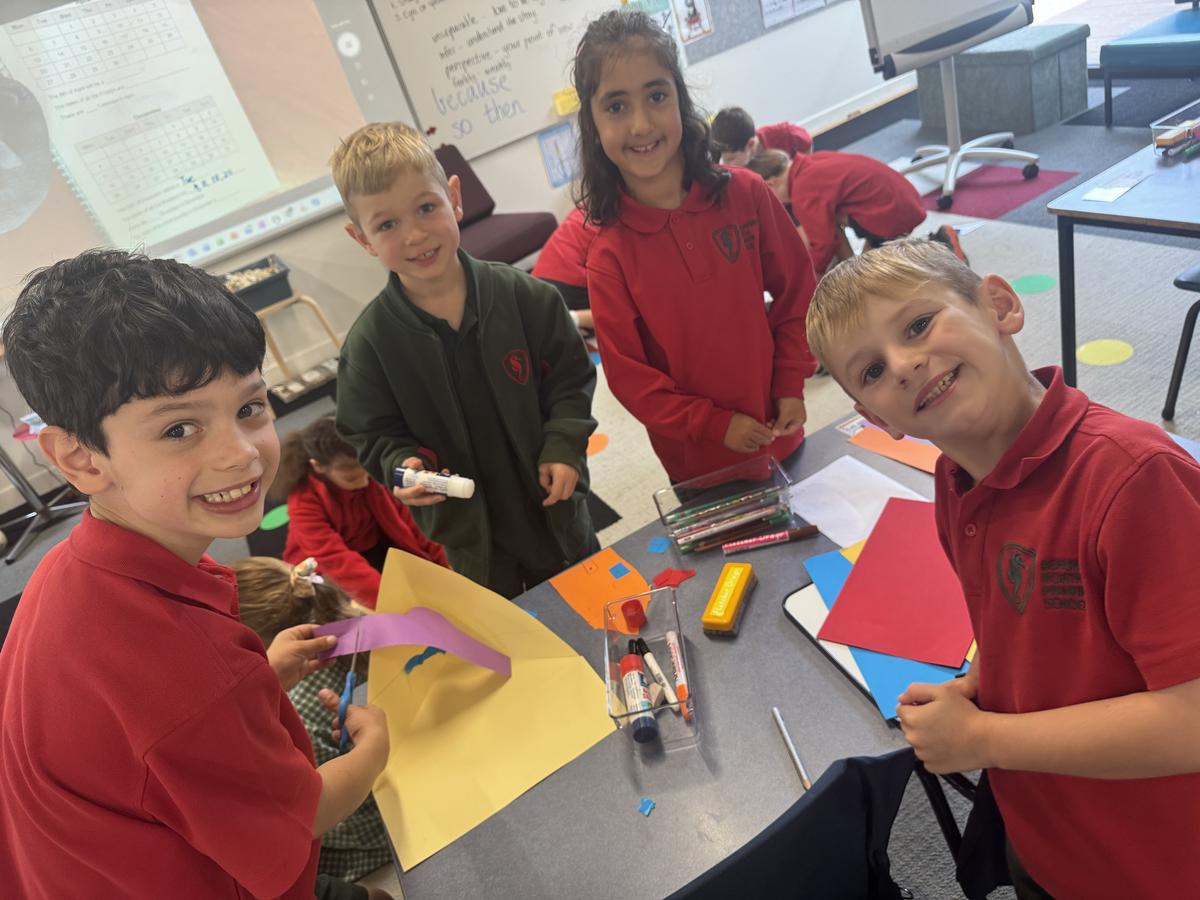
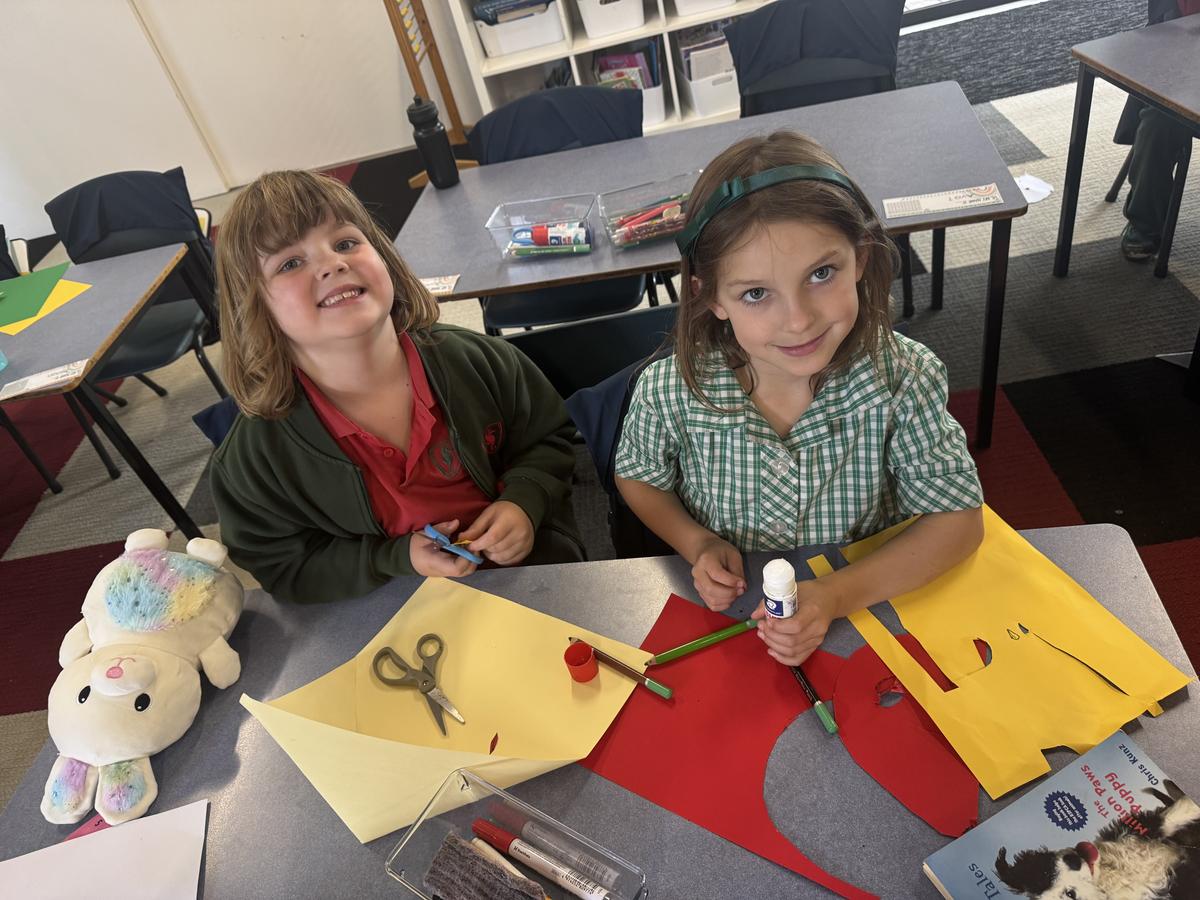
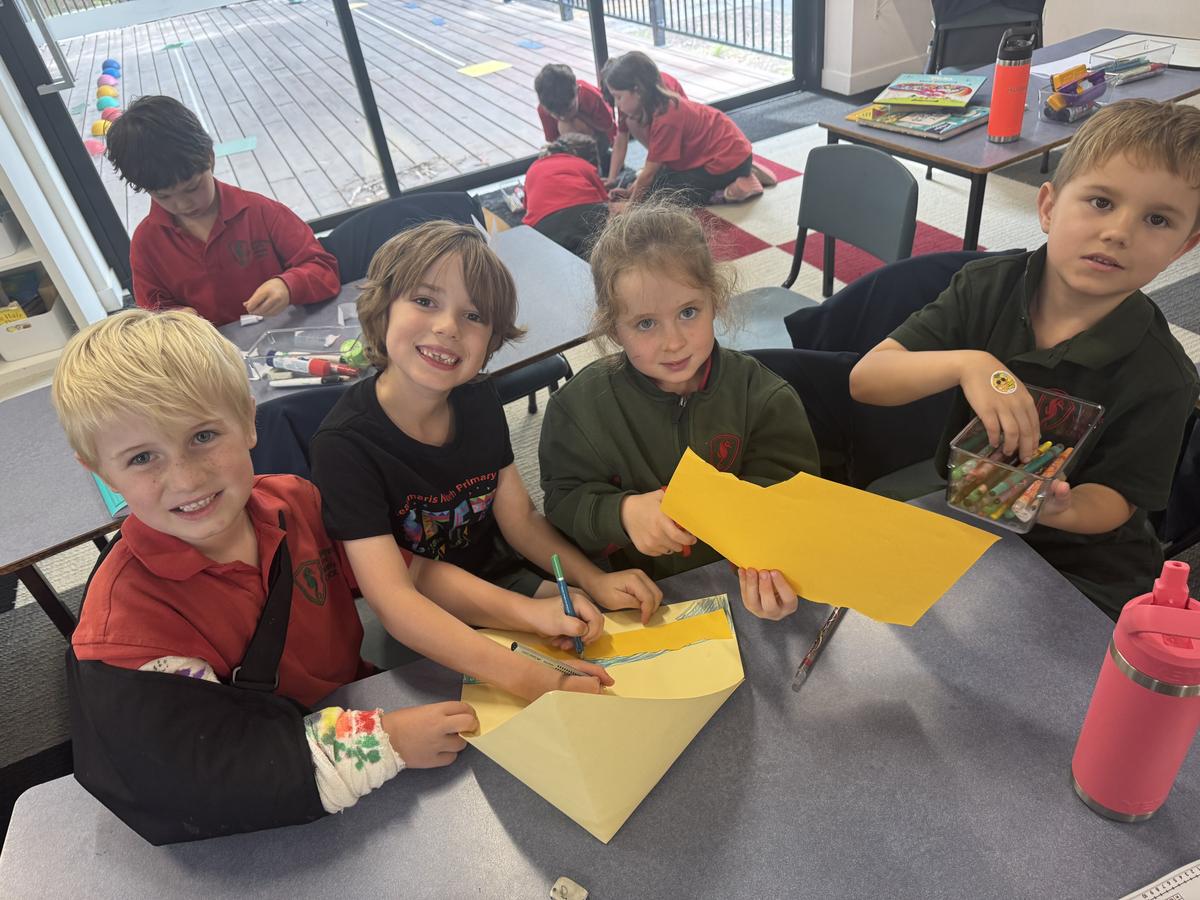
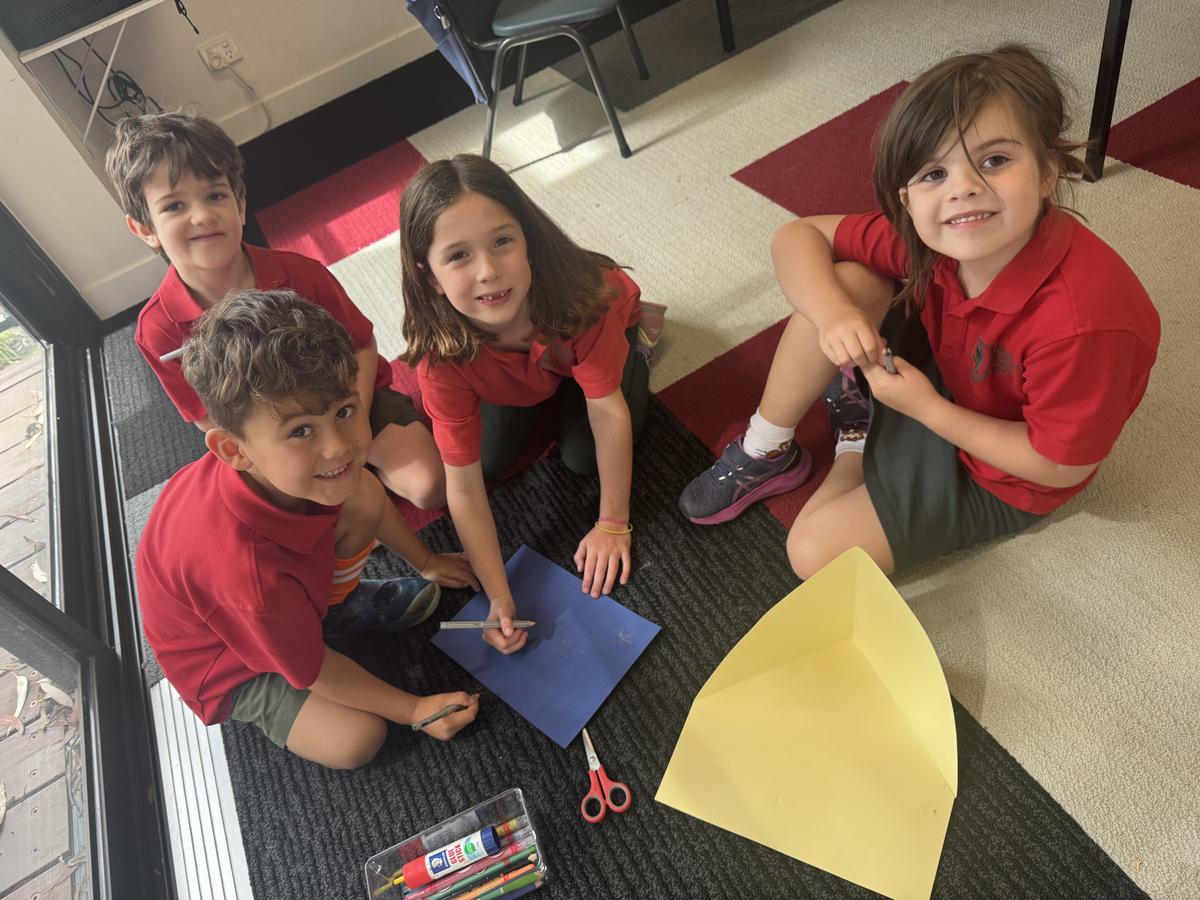
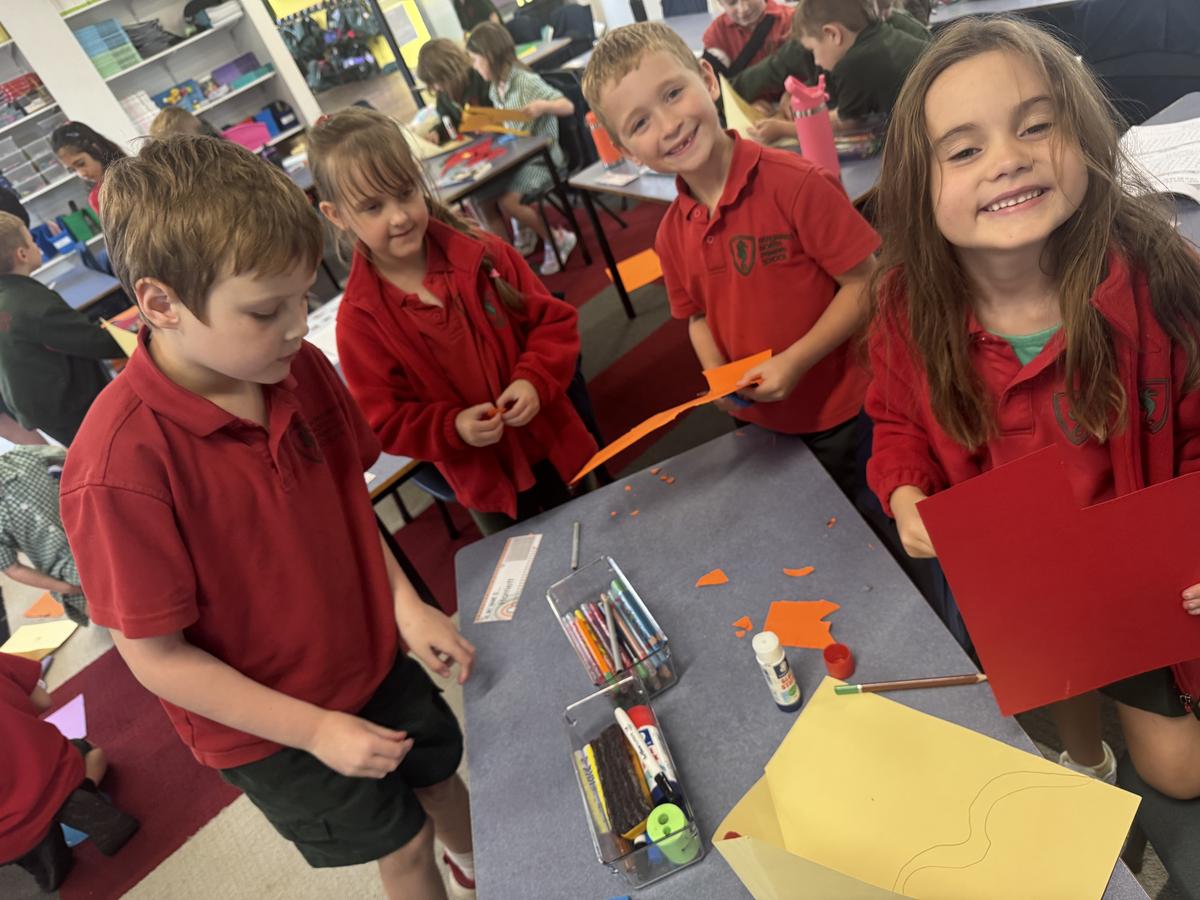
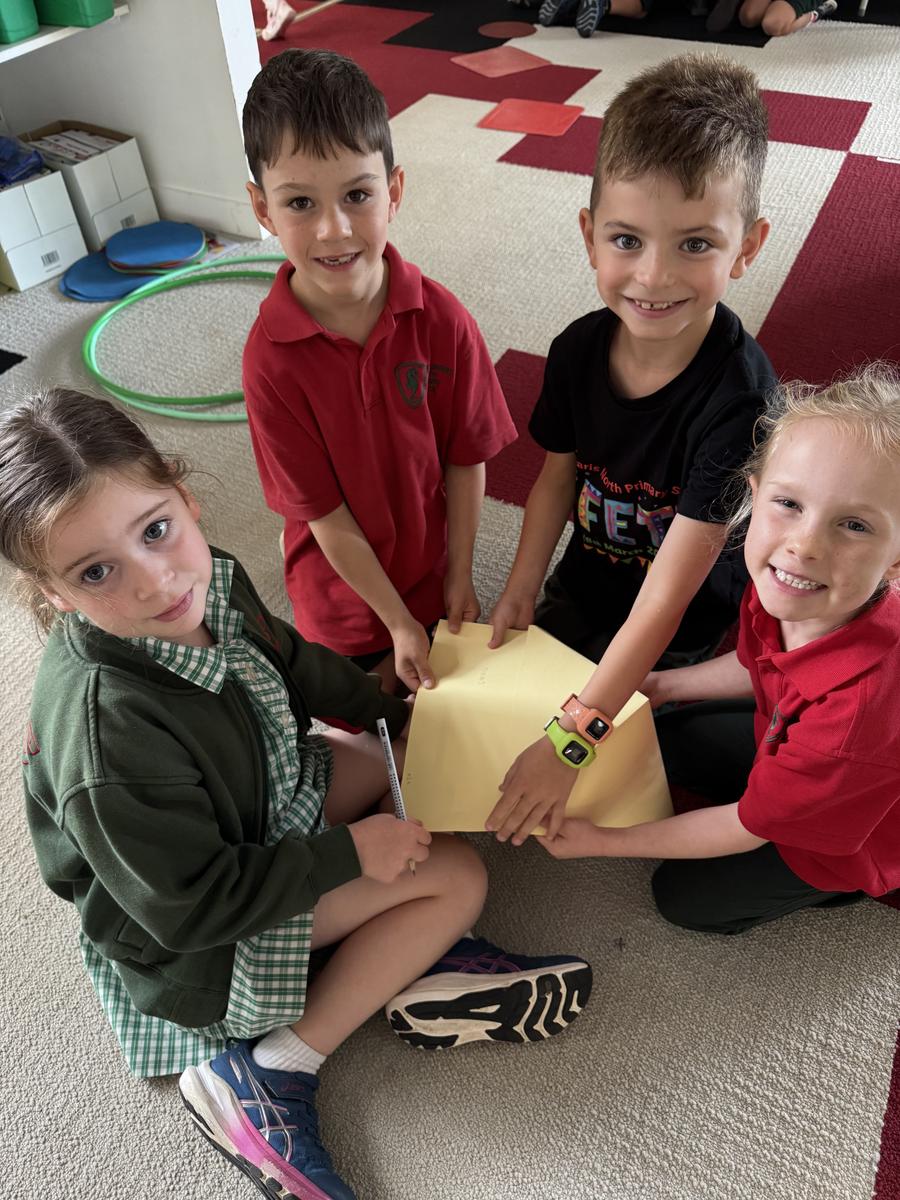
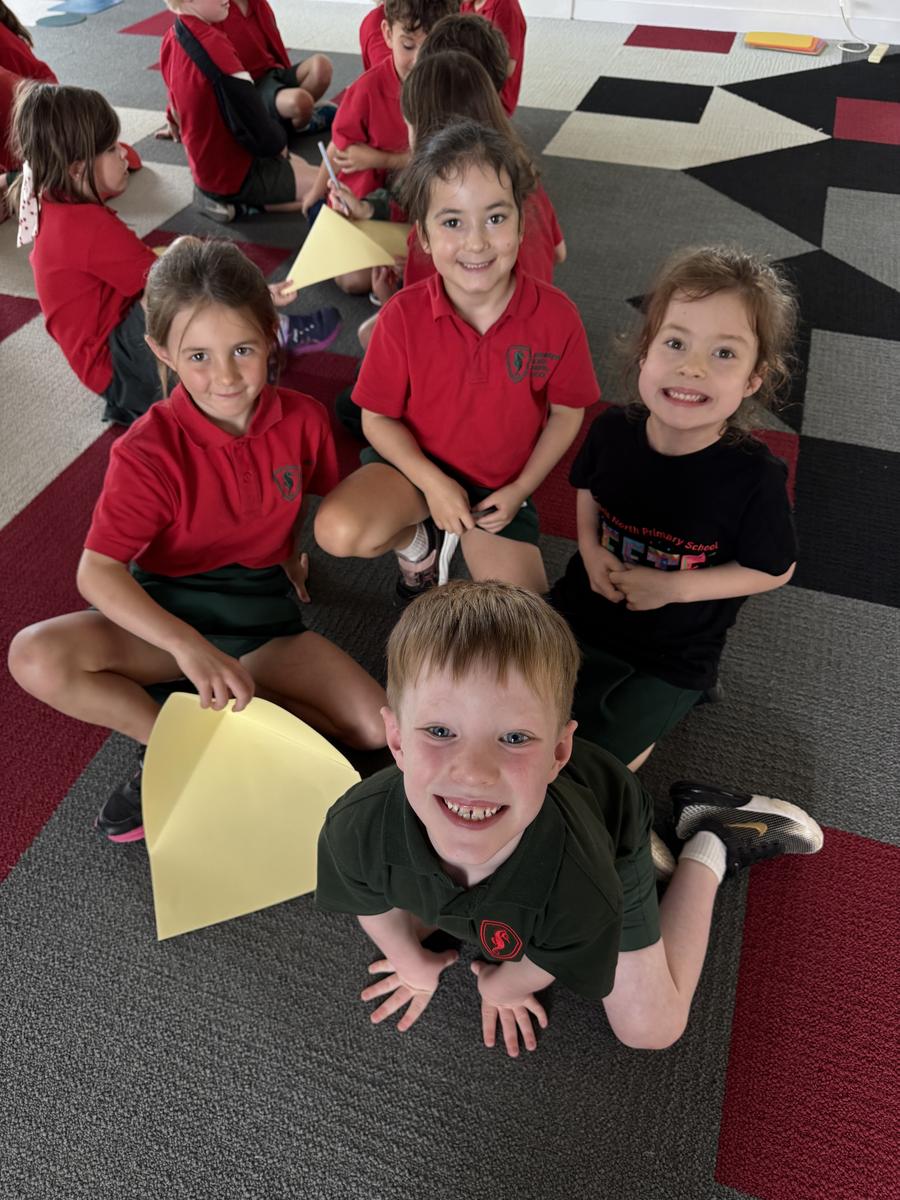
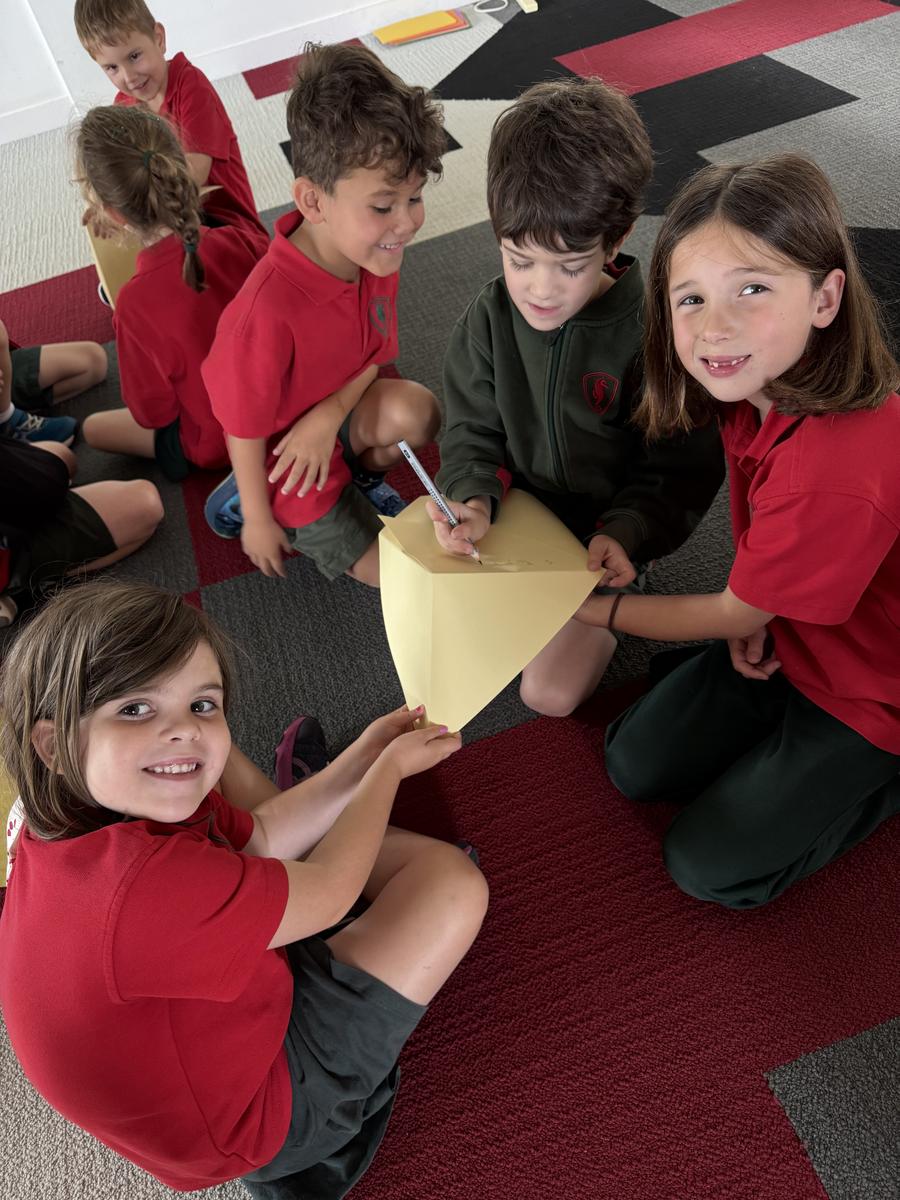
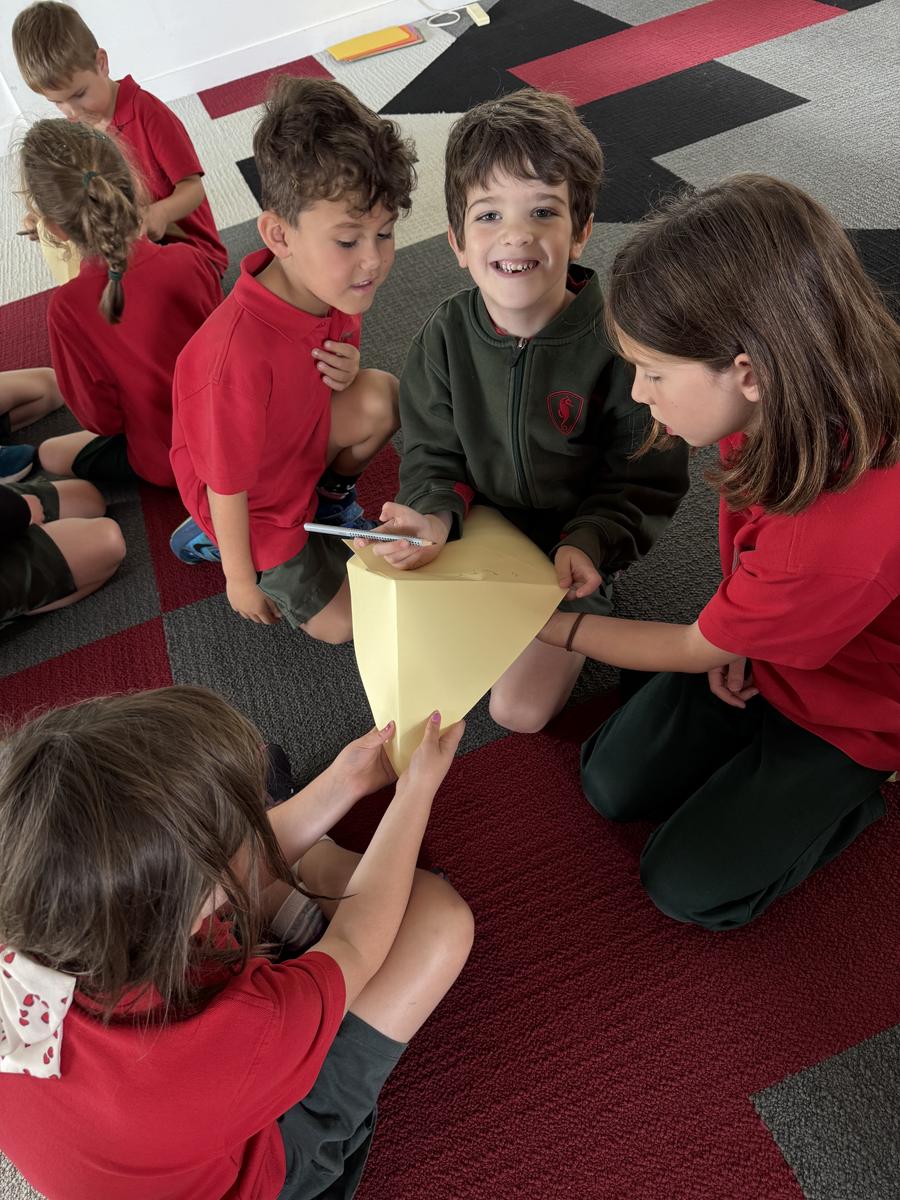
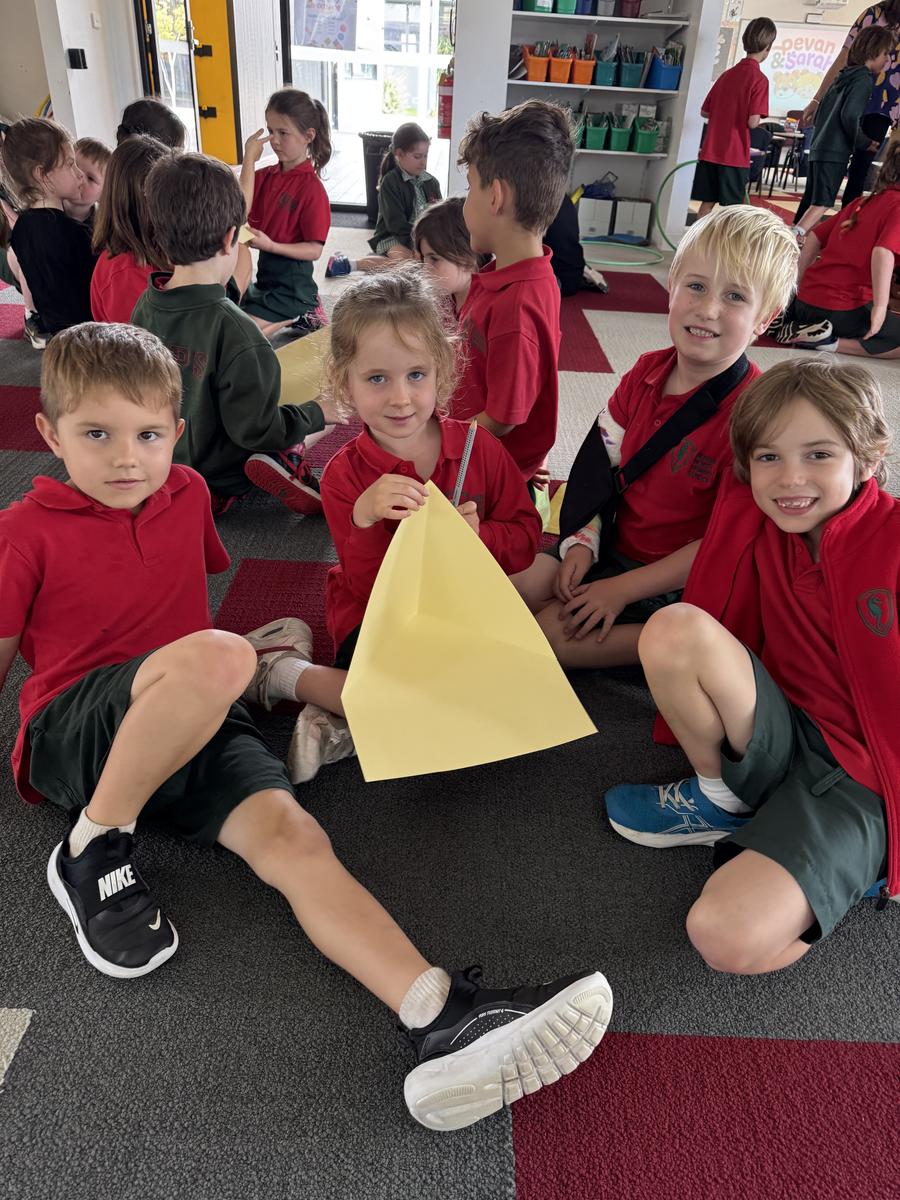
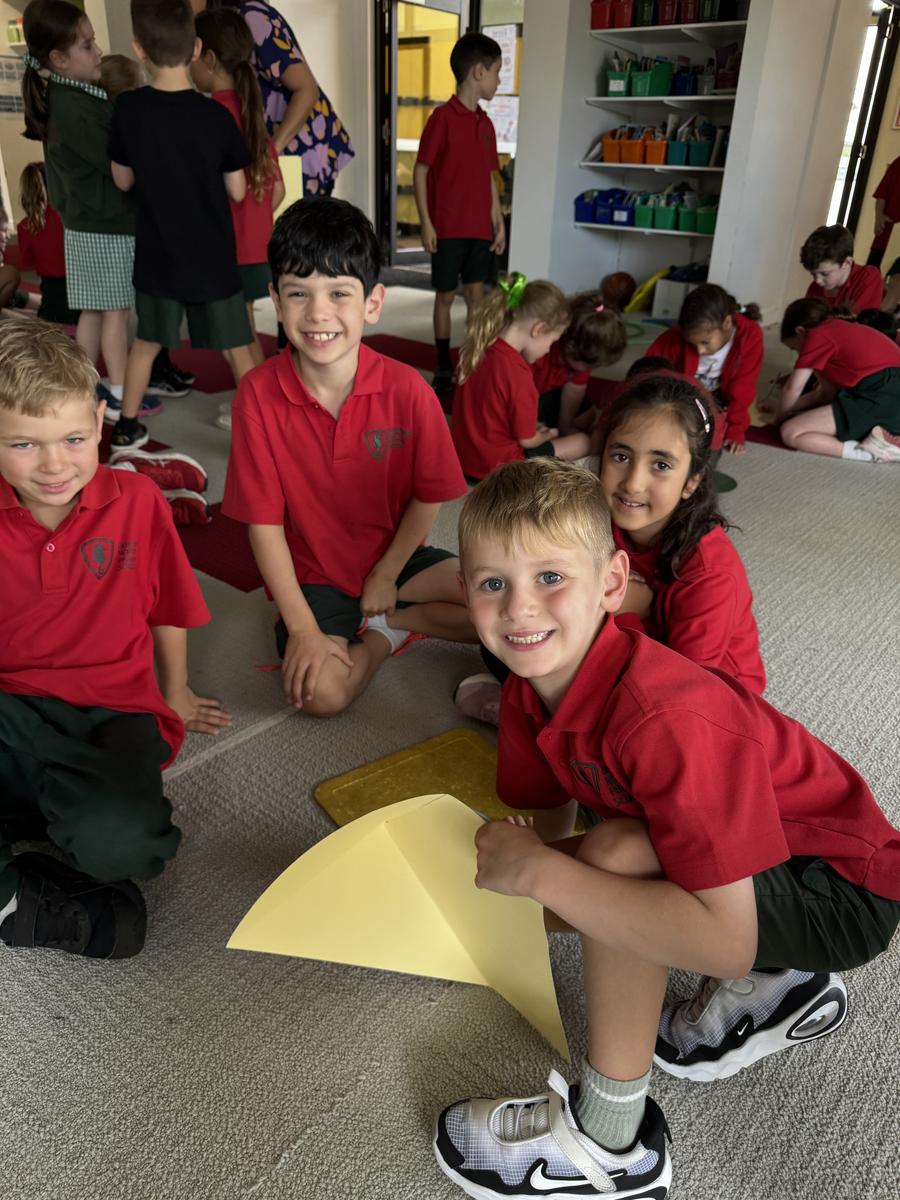
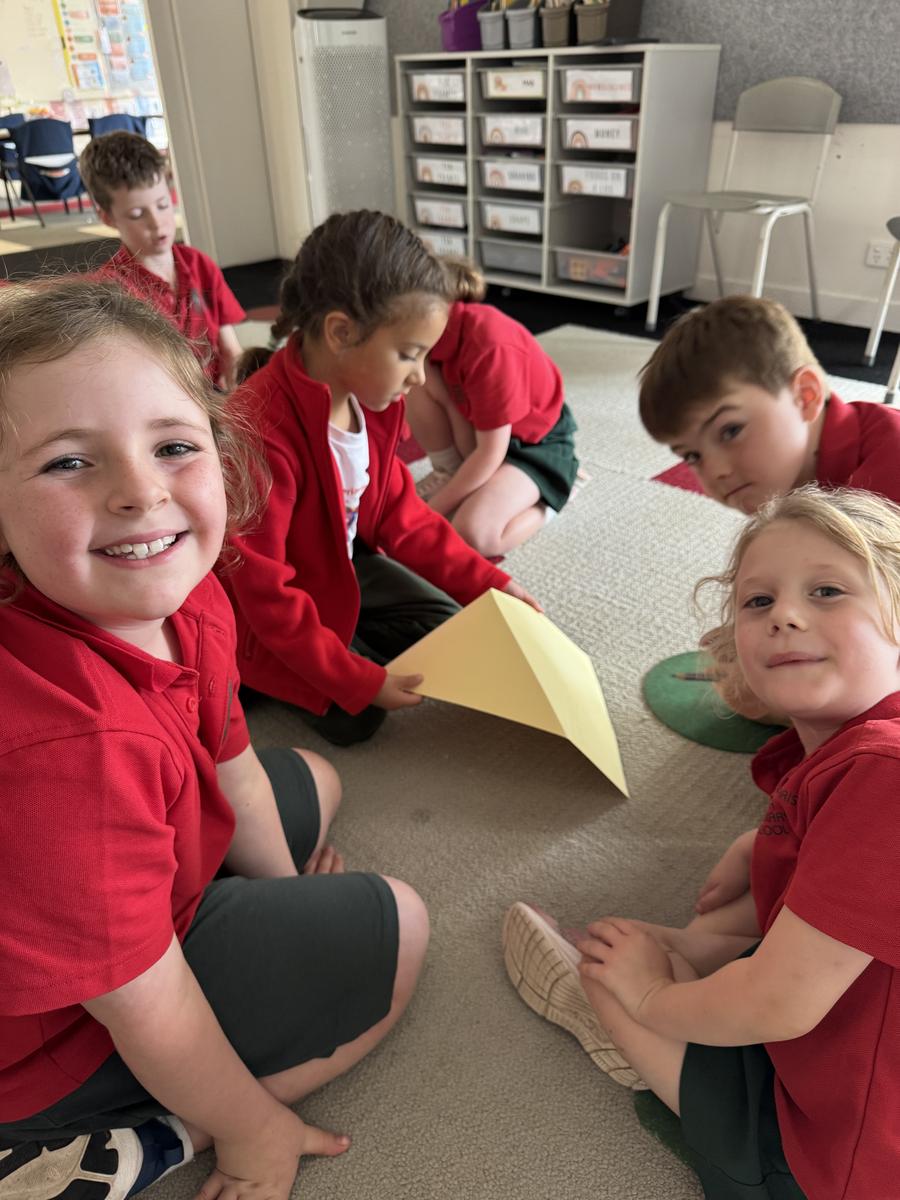
We have also been focusing on recognising emotions and practising strategies to manage feelings, such as asking for help or taking a break when needed. These activities help students develop respectful relationships and create a safe, supportive learning environment where everyone can feel included and valued.
Future Learning
Literacy
Phonics Plus
Introduction of new Grapheme-Phoneme Correspondences (GPC’s):
We will focus on teaching double consonant grapheme–phoneme correspondences (GPCs): ‘ll’, ‘ss’, ‘ff’, and ‘zz’. Students will practise decoding and spelling words such as hill, toss, cuff, and jazz.
There will also be a continued focus on developing reading fluency, handwriting skills, and learning high-frequency words.
Students will continue to explore rhyme, alliteration, and syllables, and practise manipulating sounds in words by changing the beginning, middle, or ending sounds. For example: buzz → fuzz → fizz → tizz → whizz → whiff.
Students who are ready will be extended by reading and writing longer words and sentences that include these spelling patterns, as well as applying their phonics knowledge when composing their own simple texts.
Grammar and Punctuation
Expanding simple sentences with ‘when’, ‘who’ and ‘where’
Expanding simple sentences with adjectives
Commas separating adjectives
Maths
Comparing 2-digit numbers
Place Value facts for 2-digit numbers
Crossing decades
2D shapes