Philosophy
Hello curious people,
At least - I hope that you're curious about philosophy at NPS! It is my absolute pleasure and privilege to be running the philosophy specialist program this year. Of course, I will miss the amazing impact that I was able to support students to have on our school (from the toilets, to the gardens, to podcasts for everyone to listen to, and more), but ultimately I felt that philosophy was going to be more impactful and serve as the basis for more positive change.
Philosophy in a primary school setting is all about developing a "Community of Inquiry" in each class in which we can build:
- the thinking skills needed for life (and for philosophy), especially critical thinking, creative thinking, and empathetic thinking; and
students' capacity to engage in meaningful dialogue.
Students develop these things through facilitated discussions in which they reflect on their opinions, share their reasons for their opinions, build their capacity to articulate their thinking, listen to different opinions with respect and curiosity, revisit their own opinions, and collectively build a deeper understanding of a concept. We usually begin the session with a stimulus, like a story.
You might like to read about some of the benefits:
- https://theconversation.com/philosophy-for-children-boosts-their-progress-at-school-44261
- https://theconversation.com/want-to-improve-naplan-scores-teach-children-philosophy-64536
- https://p4c.com/about-p4c/benefits-of-p4c/
As parents and carers, this article might resonate with you or it might at least help you to understand why we are doing philosophy at NPS: https://ethics.org.au/want-your-kids-to-make-good-decisions-heres-what-they-need-to-learn/?
So, what have we don't so far in term 1?
Philosophy with the 1/2s
This term, we have been exploring the concept of friendship. We started with a story about a very lonely person who happened to sit on a park bench where a person who had a bucket over their head was sitting. The 'bucket head' person didn't speak; they just sat there quietly. The lonely person called Ronald kept returning, day after day, and found himself opening up, chatting freely, and enjoying the company of this person who had a bucket over their head and didn't speak. When one day, after many weeks, the 'bucket head' person wasn't there, Ronald became worried. He returned each day hoping to see 'bucket head', but after a week, he decided to go to the police about this missing person, his friend. The police asked for his friend's name, what his friend looked like (eyes, skin, hair), how old he was, but Ronald knew none of the answers, and the police exclaimed that this missing person was just a stranger, not a friend. (What do you think?)
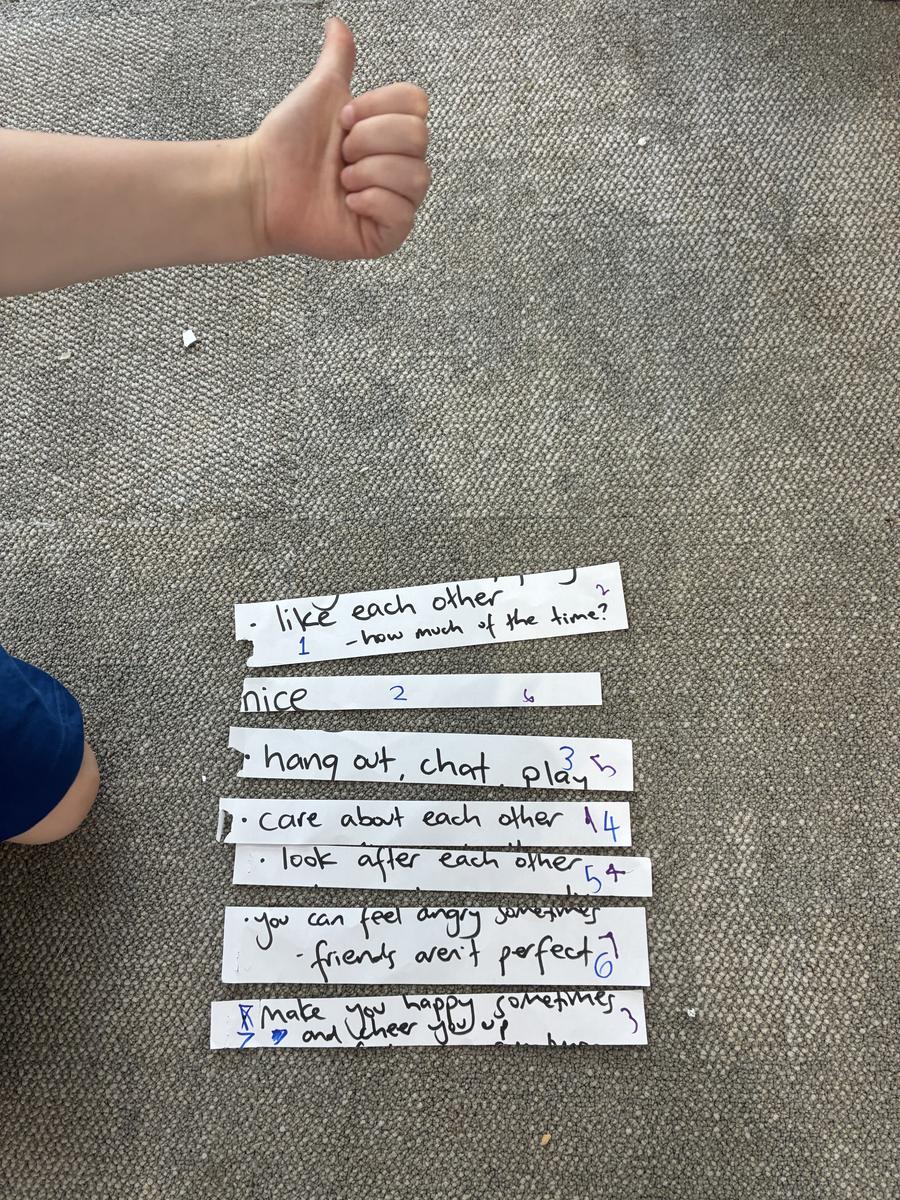
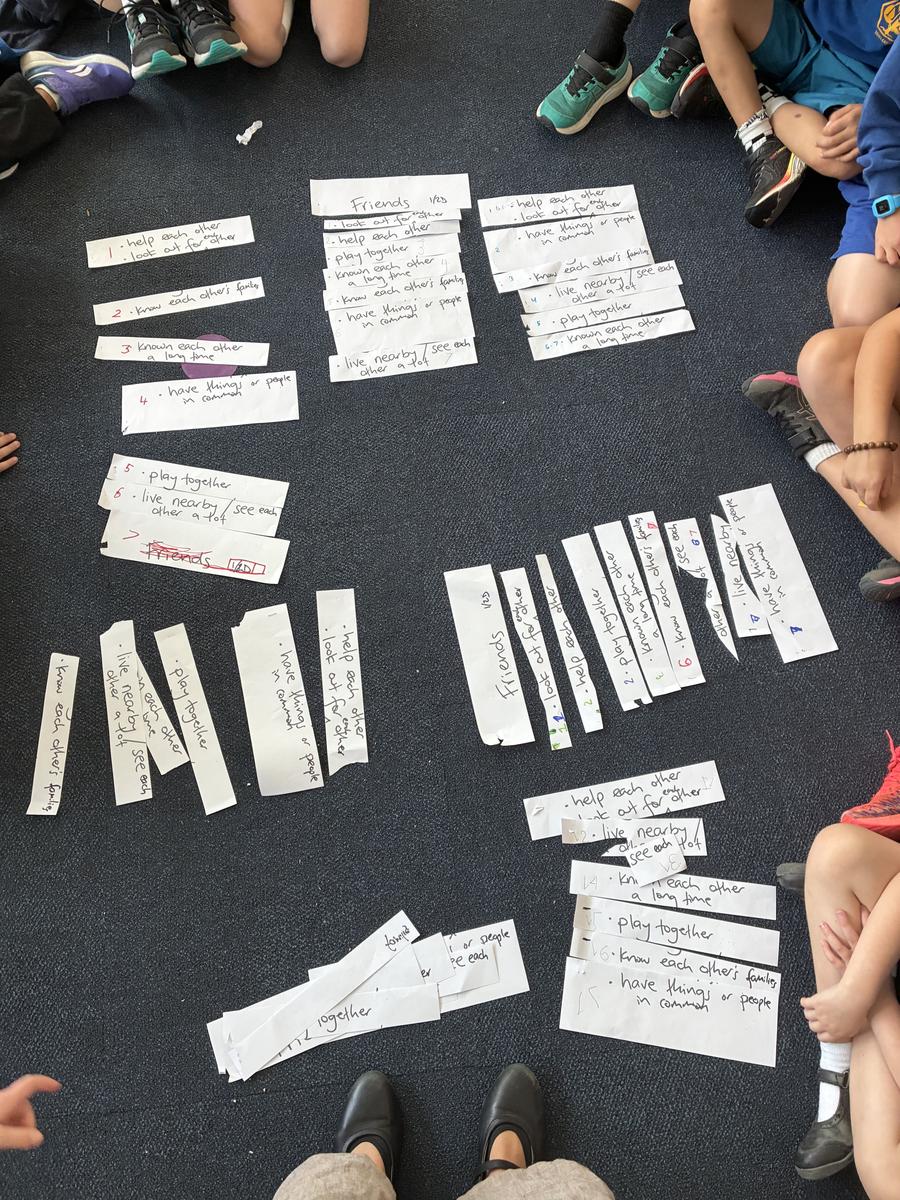
From there, we have read other stories (The Giving Tree and The Invisible Boy), played "would you rather" games, and used concept games (like sorting their own class's criteria for friendship in order from most to least important) to explore the concept of friendship.
Philosophy with the 3/4s
The 3/4s haven't had one clear concept this term, but all of the sessions have loosely revolved around humans and the land or nature and will lead into a more explicit exploration of a concept next term.
So, this term we have:
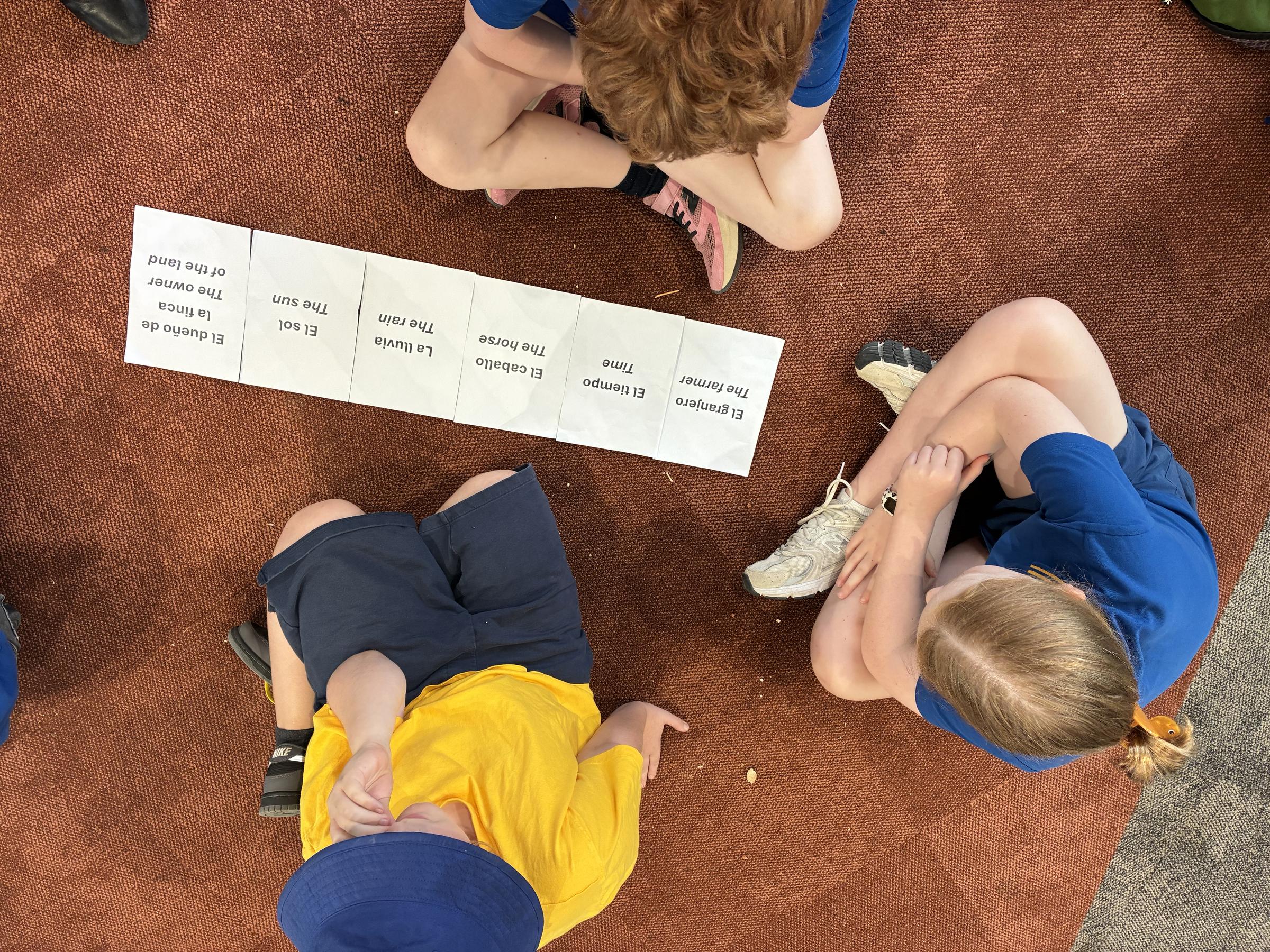
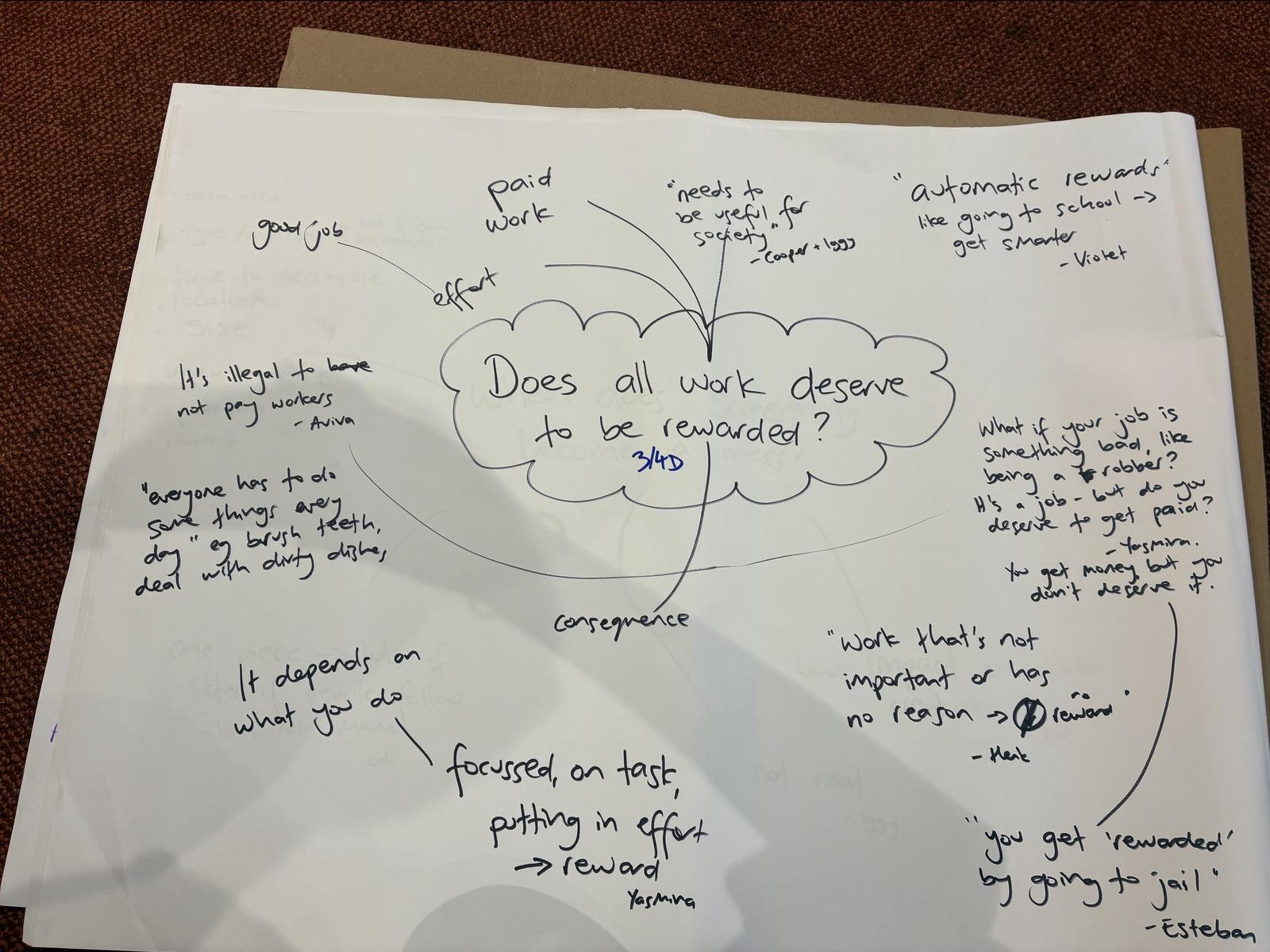
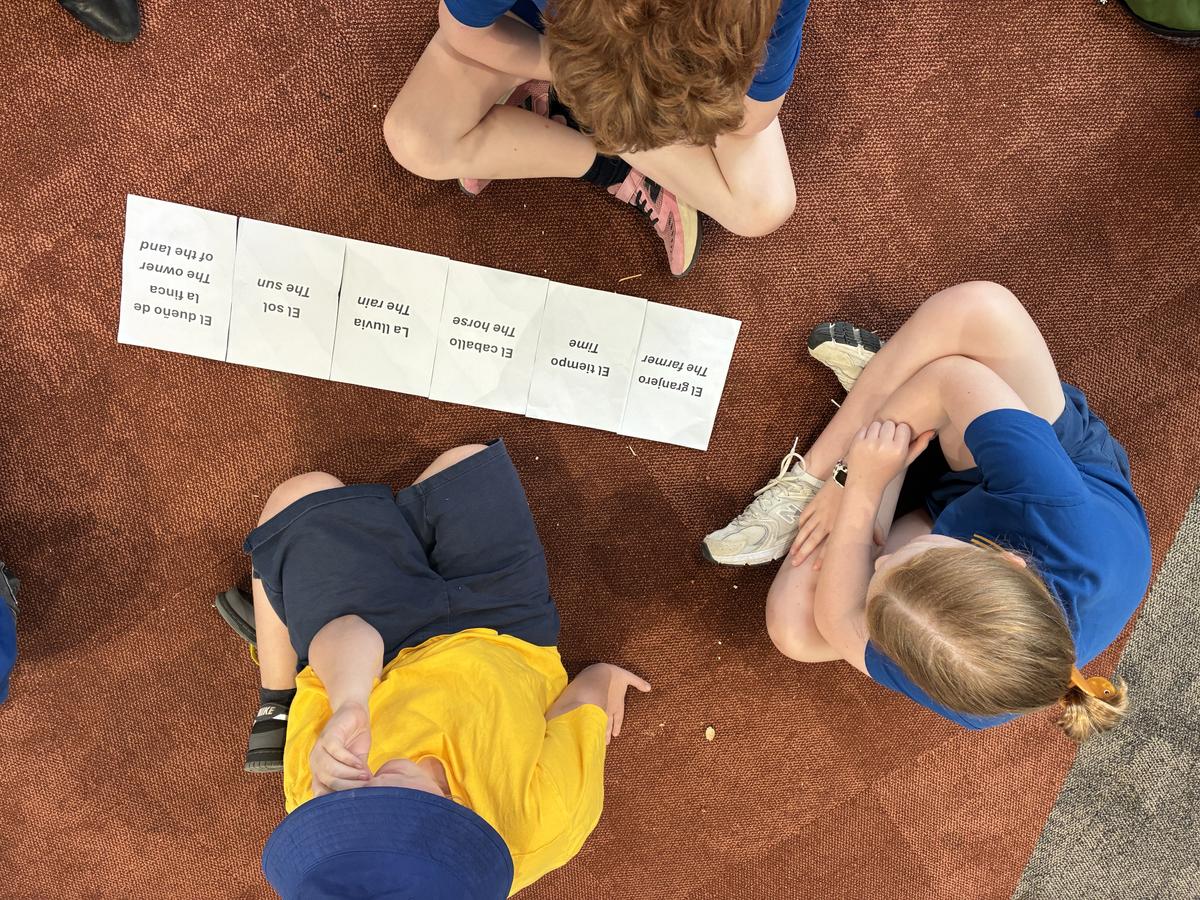
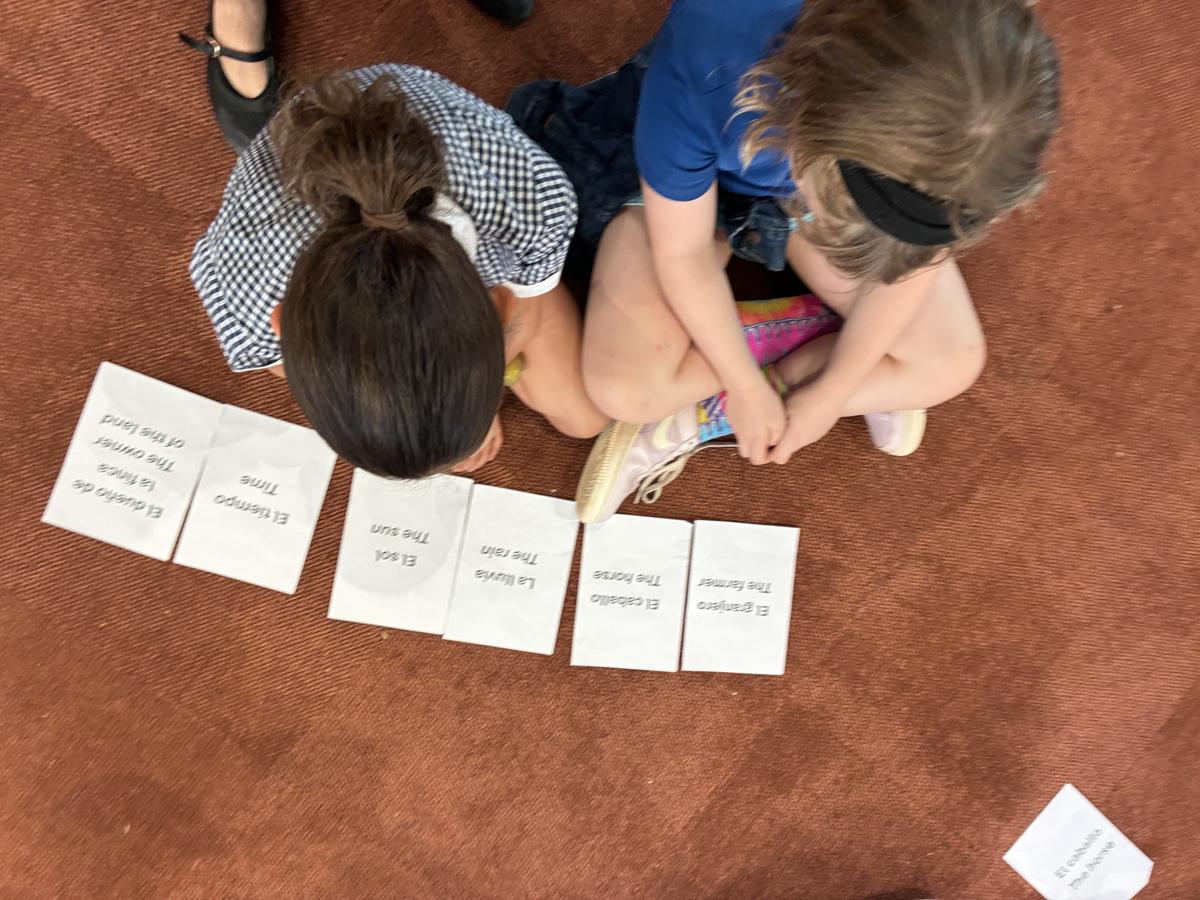
- read a very short philosophical story about a farmer and landowner each try to claim the credit for the best harvest in years and seek a reward for it, while the horse who pulled the plough, the rain and the sun all listened and thought that they themselves deserved the credit. Meanwhile, no one noticed time as he went quietly by. In groups, students put character cards in order from who deserved the most credit to who deserved the least (ensuring that they had reasons for their opinions), and we discussed this as a group. The discussions were fascinating!
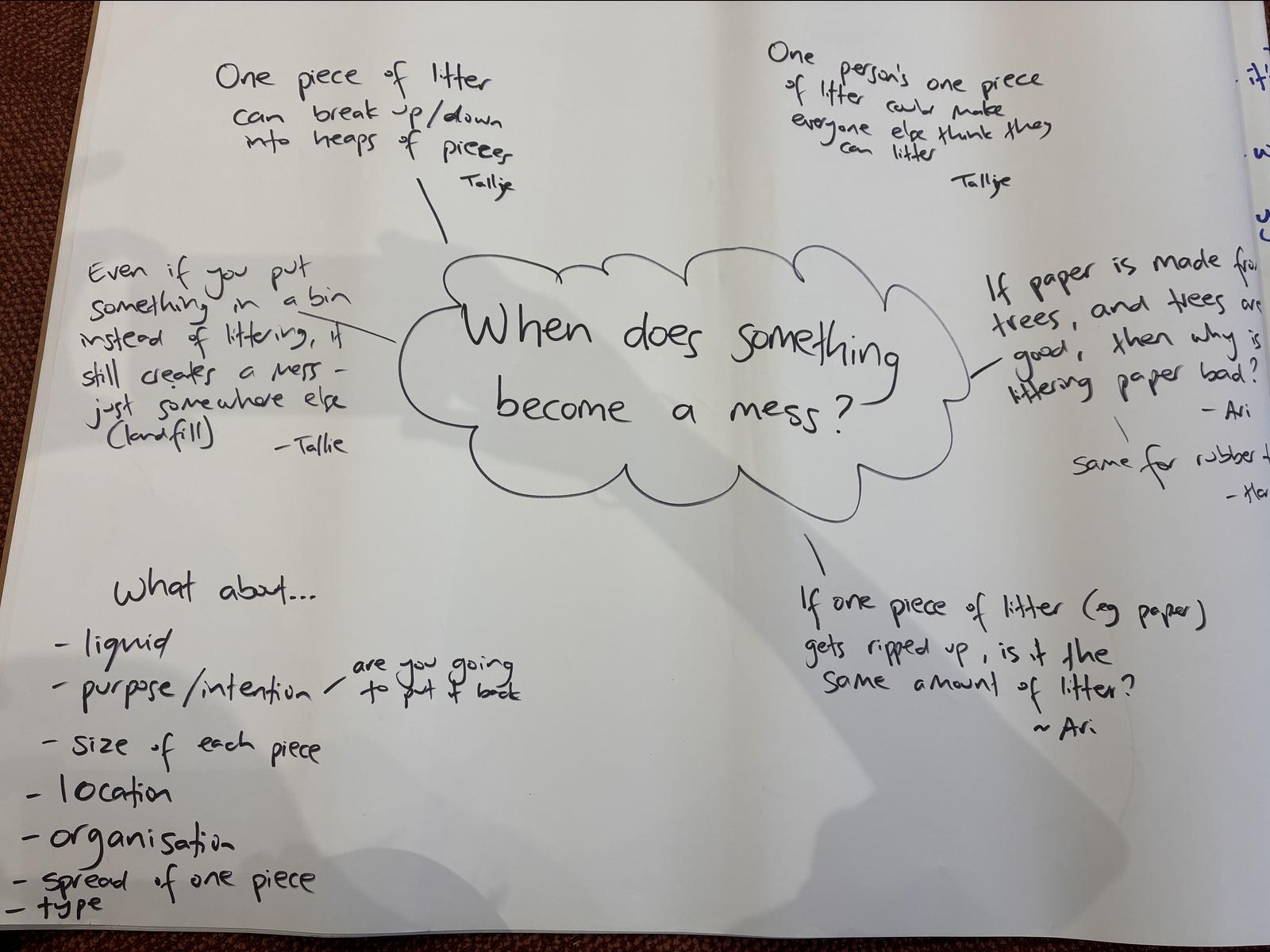
- explored the sorites paradox (without explicitly using this term) through an activity that looked at litter on a beach, litter in the classroom, and then other ways. If one piece of litter doesn't make a mess, then you would reason that one more doesn't make a mess, and so on. Students found this very frustrating and challenging (but in a positive way) and also very amusing - I was starting to drive some of the students crazy! Read more about the sorites paradox here and have a chat over dinner: https://plato.stanford.edu/entries/sorites-paradox/
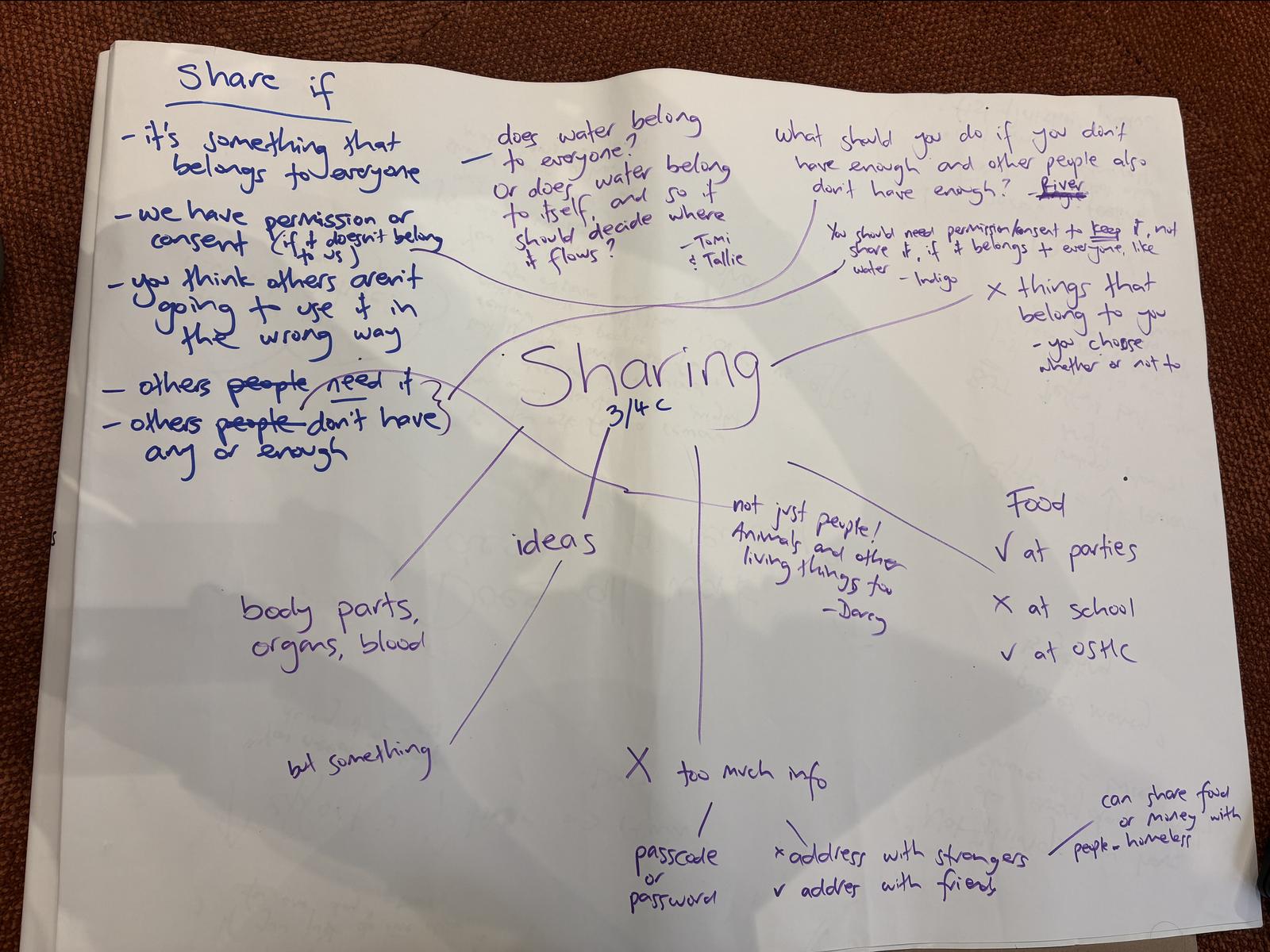
- read a philosophy story called The Water Catcher, in which a small fishing village suddenly has no water left in their river upon which they depend to survive. One of the fisher people travels upstream where they discover that a farming town has created a dam in the river, and now they will have an even easier life with plenty of food to eat and even more that they can sell. In this way, we have started to explore the concept of sharing and we are starting to go down the path of exploring our relationship with nature - something that we'll get into more next term. Again, the discussions have been fascinating.
Philosophy with the 5/6s
Due to interschool sports, we've only had a few sessions of each specialist class for the 5/6s this term, which I'm sad about because I'm enjoying very animated and interesting dialogue with them.
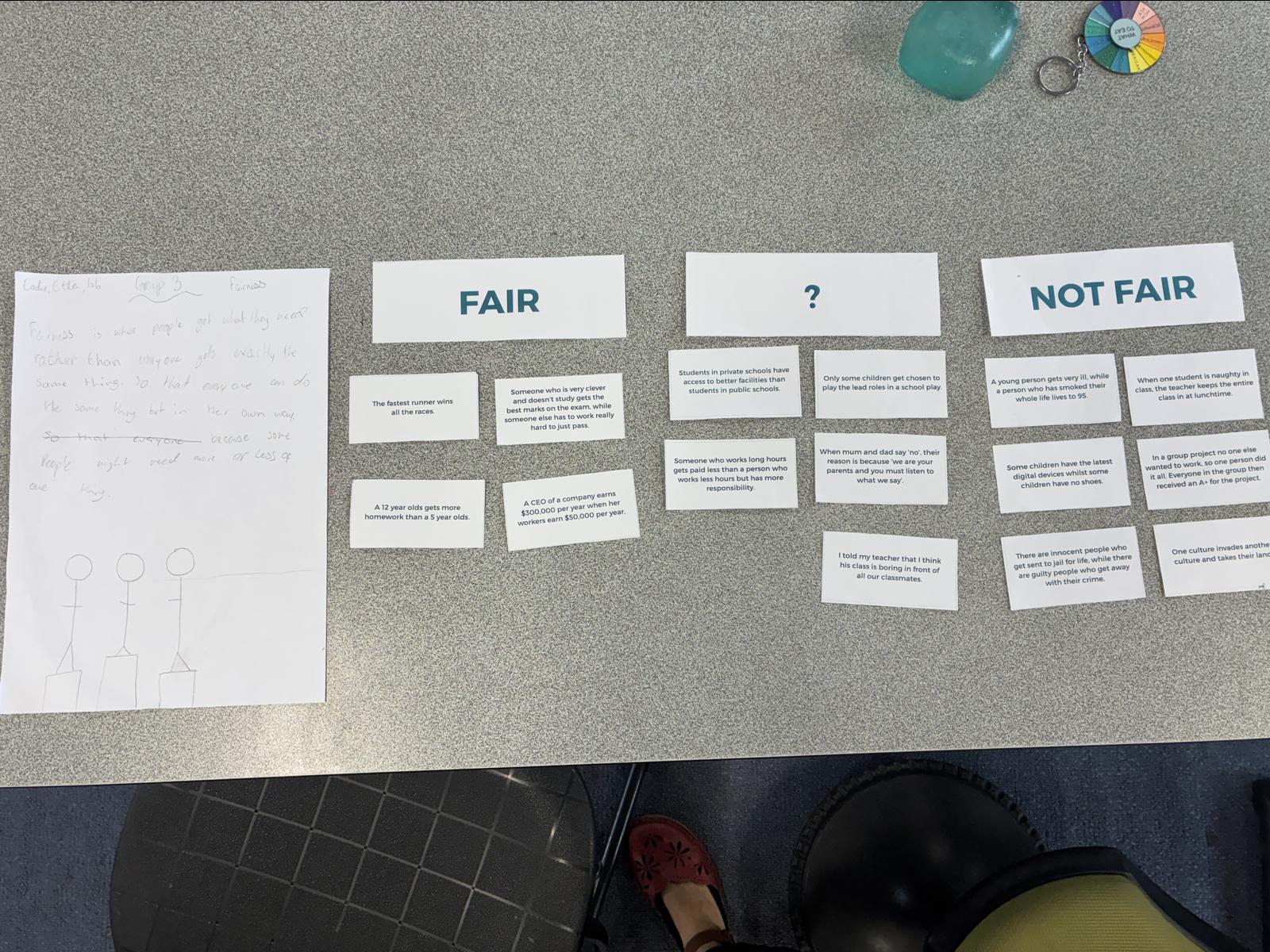
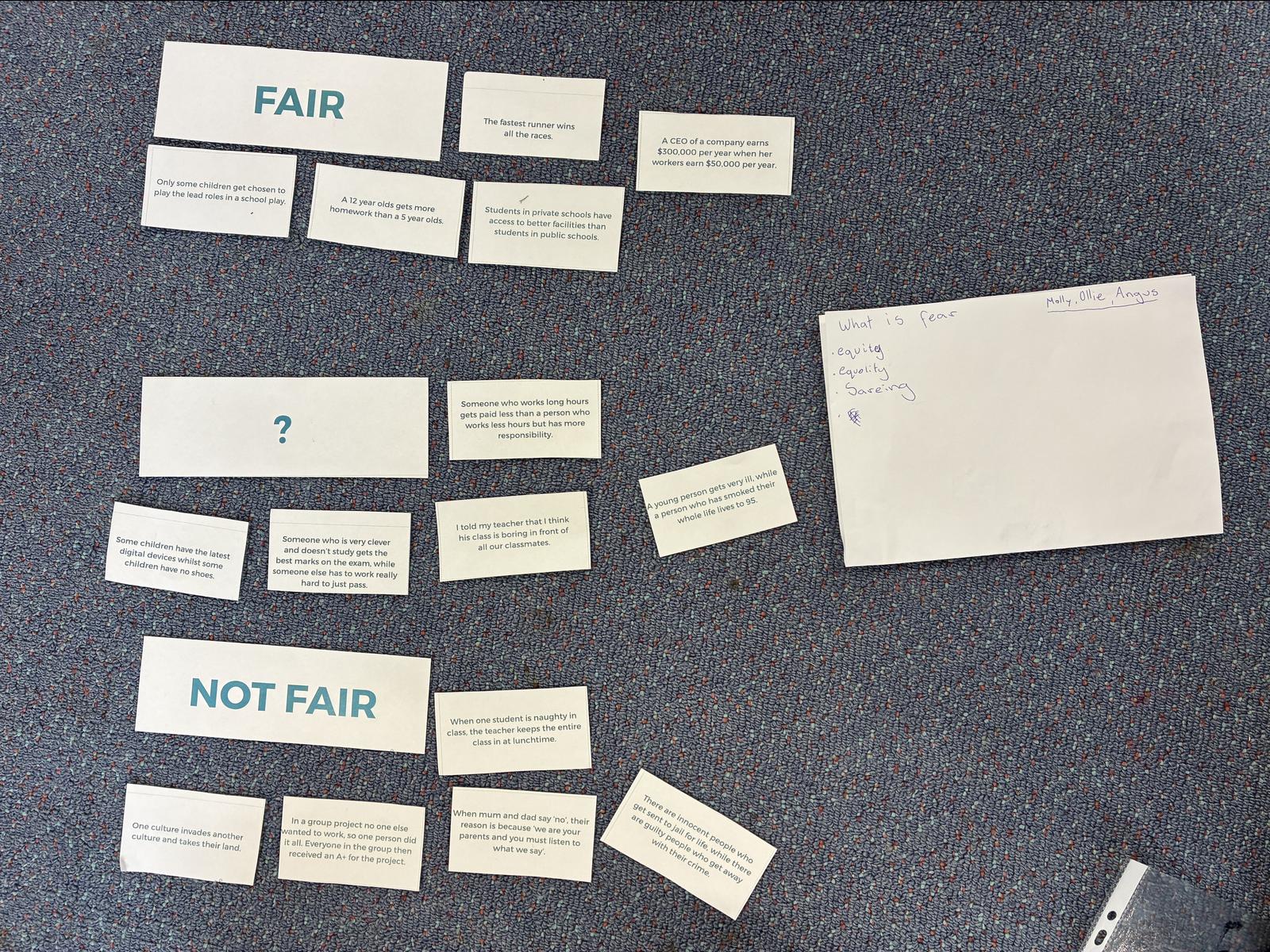
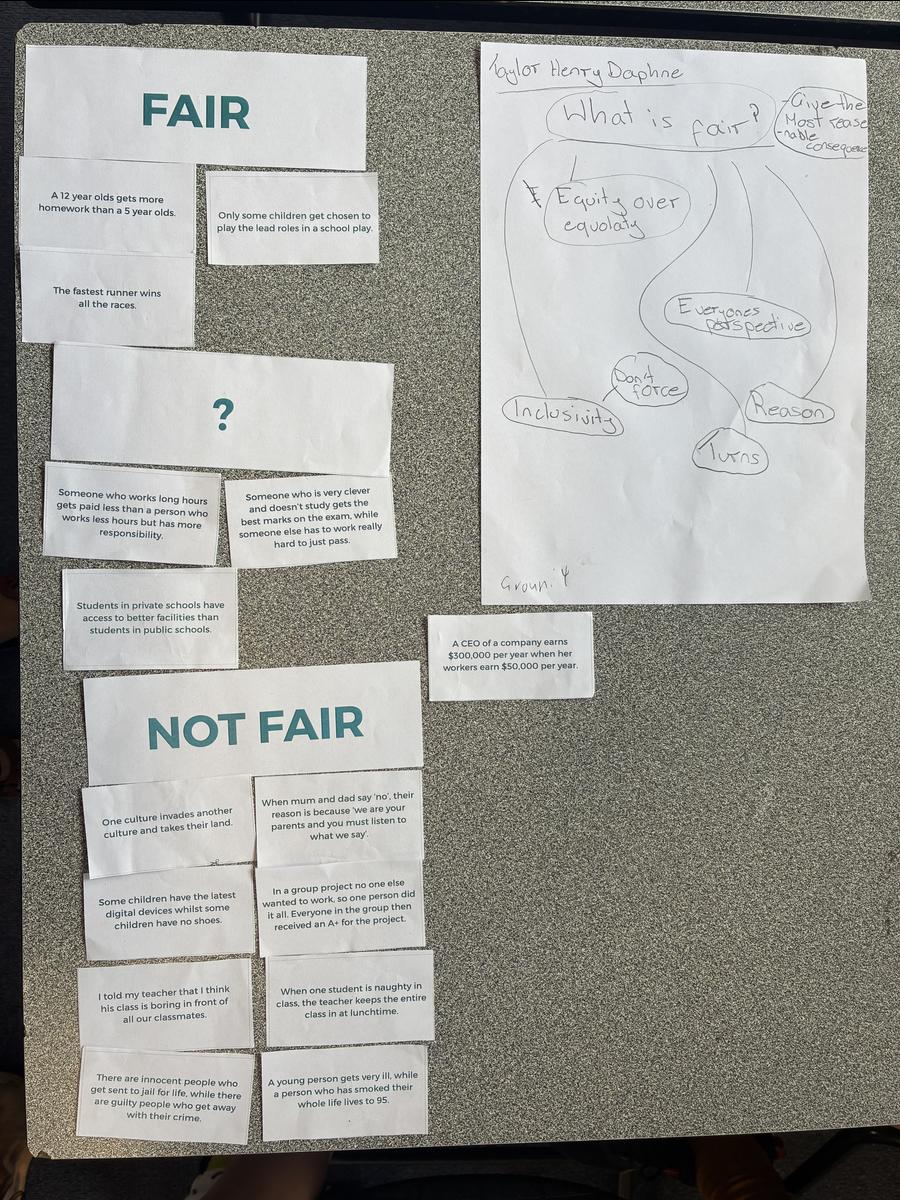
Do you often hear your child exclaim "That's not fair!" even if it actually is fair, but they're just disappointed or frustrated? When life doesn't feel fair, how does it feel? Is it possible for home life, school, and life in general to always be fair? No? Then should we not even bother to try to make it fair? No again. That's roughly how the term began - this term we have been exploring the concept of fairness.
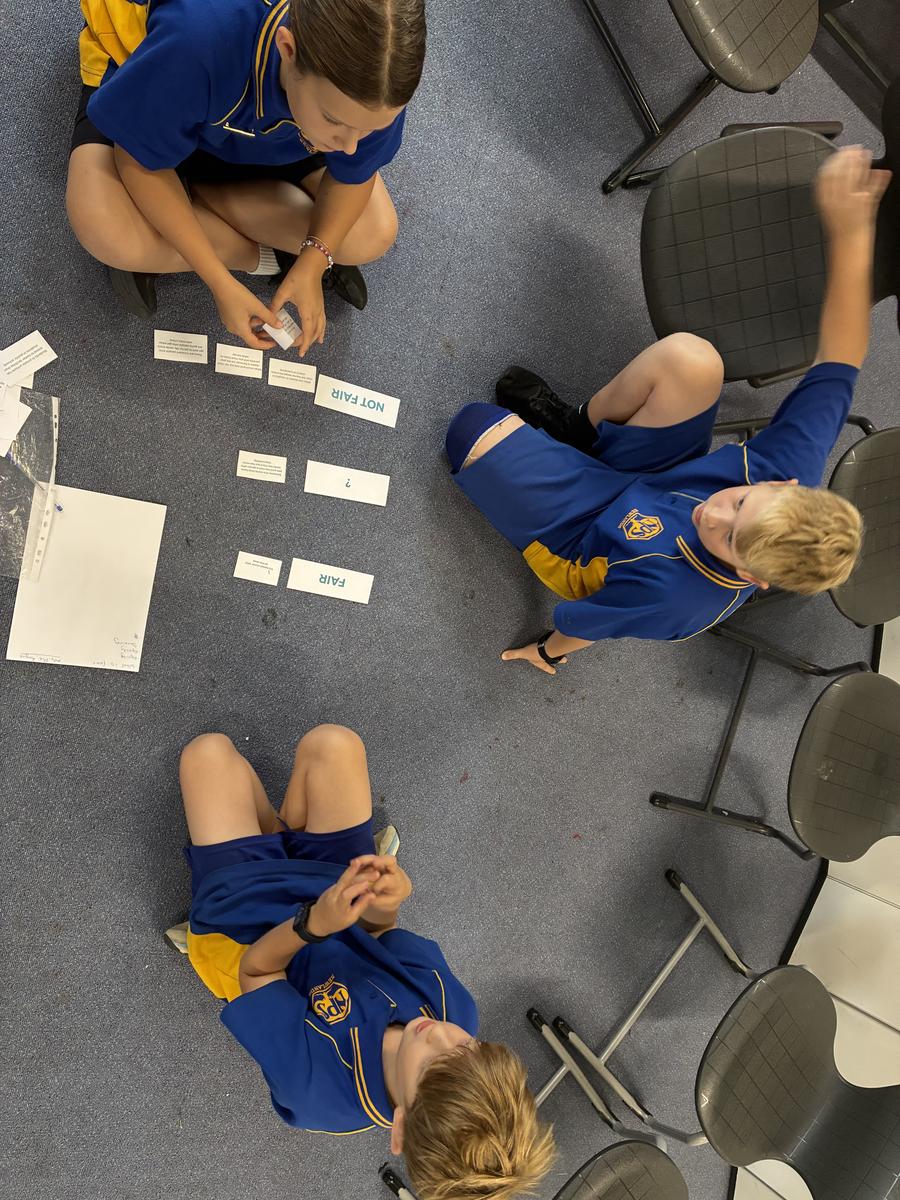
After developing definitions of fairness in small groups, we created our initial draft of our class definition. Students then returned to their small groups to sort scenarios into categories: fair, not fair, unsure. Students had such rich conversations as they discussed the scenarios. We are now in the process of having whole class discussions about the scenarios that ended up being labelled "fair" by one group and "not fair" by another group, or landed in the "unsure" category for a few. As we do this, we are referring back to our definition of fair and starting to alter it.
This exploration of fairness (including equity versus equality) will allow us to later explore concepts of democracy, forms of decision making, leadership, and power, as the year goes on. In this way, we will enrich the thinking and actions of our current and future student leaders here at NPS.