Wellbeing
Dimi

Wellbeing
Dimi
At PVNPS, we believe children should feel safe, respected and confident to speak up. Child Safe Standard 3 focuses on student empowerment — ensuring students understand their rights, feel heard, and know how to seek help if something doesn’t feel right.
Why this matters
When students feel safe to share their ideas, ask for help and raise concerns, they are better protected. If children do not understand their rights or feel confident speaking up, important concerns may go unnoticed.
Empowering students helps ensure they:
Know their rights and how to stay safe
Feel confident asking for help
Understand how to raise concerns or complaints
Feel listened to and respected by adults
Build positive friendships and peer support networks
When students feel supported and valued, they are far more likely to speak up if something is wrong.
What we are already doing
We support student voice, safety and participation in many ways across our school:
Teaching students about their rights and safety
Students learn about respectful relationships, rights and safety through the Resilience, Rights and Respectful Relationships (RRRR) curriculum.
Emotional literacy and wellbeing lessons are taught through The Resilience Project.
Our Ready to Learn / Start-Up program helps establish positive classroom cultures and expectations at the beginning of the year.
Age-appropriate sexual abuse prevention education is included through the RRRR curriculum.
Year 5/6 students participate in puberty and sexual health awareness workshops.
Encouraging student voice and participation
Regular class meetings allow students to share ideas, raise concerns and contribute to classroom decisions.
Our Junior School Council (JSC) provides opportunities for students to contribute to school initiatives.
A JSC feedback station allows students to share suggestions and ideas.
Students help lead assemblies, events and extra-curricular activities, encouraging leadership and active participation.
Building strong friendships and peer support
Whole-school emotional literacy lessons help students build positive relationships.
Gratitude and acknowledgement activities celebrate kindness and positive behaviour between peers.
Students can participate in lunchtime social clubs, sports garage activities and social groups.
House events and challenges help build a sense of belonging and teamwork.
Supporting student wellbeing
Safety plans are developed with families for students who may need additional support.
Gender support plans are developed collaboratively with families and staff where needed.
A whole-school “Helping Hand” session teaches students how and when to seek help.
A consistent attendance monitoring process helps us identify and support students who may be struggling.
All staff complete mandatory reporting training each year.
What we are continuing to improve
Student voice and empowerment are always evolving, and we are continuing to strengthen this work by:
Ensuring student-friendly help-seeking information is displayed in all classrooms and learning spaces.
Gathering regular student feedback and wellbeing surveys to better understand student experiences.
Establishing student wellbeing focus groups to explore areas such as:
Feeling safe at school
Knowing who to go to for help
Confidence in raising concerns
Our Commitment
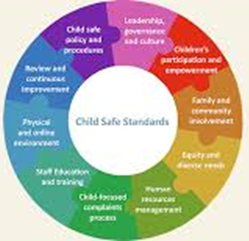
We want every student to know that their voice matters. By creating a safe and supportive environment where children feel heard and respected, we help ensure that all students feel confident to seek help and participate in decisions that affect them.
If you would like to learn more about our Child Safety work, please feel free to contact the school. Working together with families helps us keep every child safe.

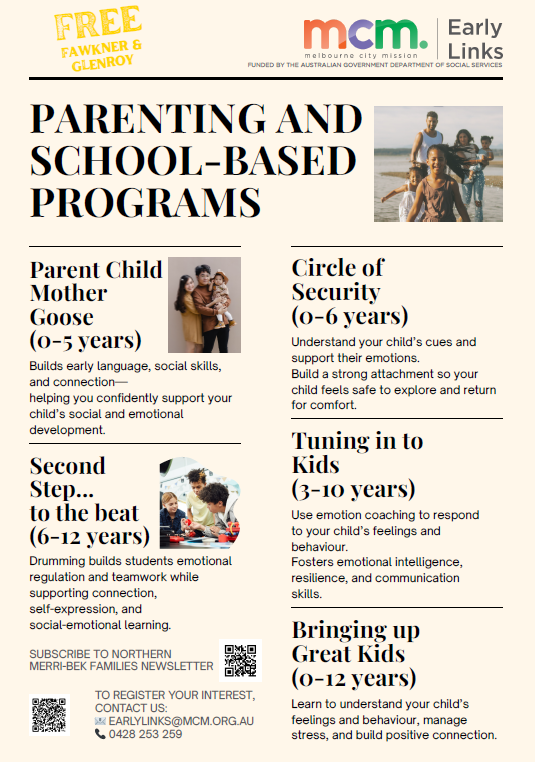
For more information on evidence based programs available visit the website:
https://www.mcm.org.au/services/child-and-family-services/parenting-support