
Year 2
Measurement and Geometry
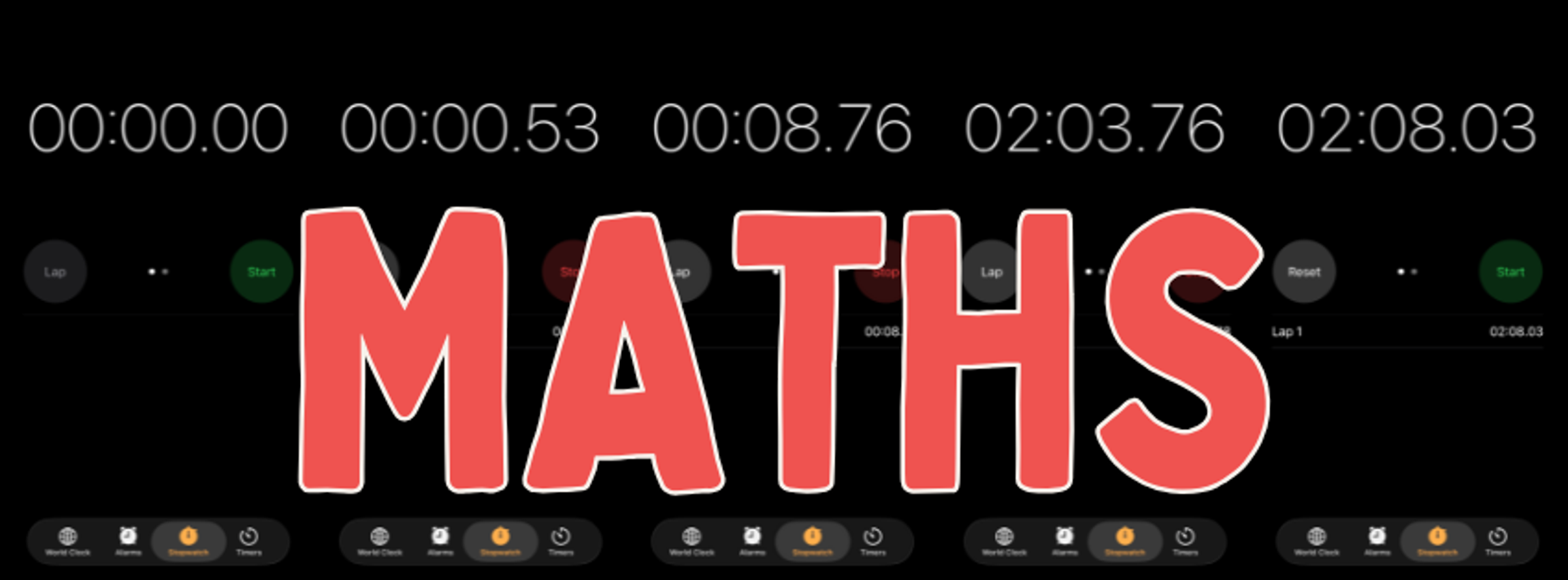
Year 2
Measurement and Geometry
Learning Intention
To explore the time activities take us to complete, through estimation and measurement.
Learning Experience Overview
Estimation is an important life skill. When children learn to estimate, we are giving them essential, practical ways to operate in many mathematical and everyday situations. Children’s abilities to estimate, along with their estimation strategies, allow them to develop their mathematical thinking and problem-solving. By estimating, children learn to consider a problem's reasonable solutions before getting an exact answer, fostering critical thinking. Understanding how long tasks actually take is vital for planning, especially when children have a lot to get done. This helps them learn time management, and that different tasks require different amounts of effort. They use time estimation to make quick decisions, such as estimating how long it will take to get to school or how long they can play before dinner. We don’t always need to calculate the precise number or measurement; sometimes, it’s simply not necessary. But by estimating, and then measuring accurately, children build their understanding of seconds, minutes and hours as units of time, of different duration.
Language
Estimate, measure, seconds, minutes, hours, timer, stopwatch, duration, short, long, longer than, shorter than, shortest, longest, compare, before, after.
To begin with, we came together to break down the meaning of our Learning Intention, and the specific language used. We asked the students to consider how estimation and measurement differ, and how and why they can be used.
The benefits of working with a partner were explored, and how it could be difficult otherwise, to perform the task and accurately measure, at the same time.
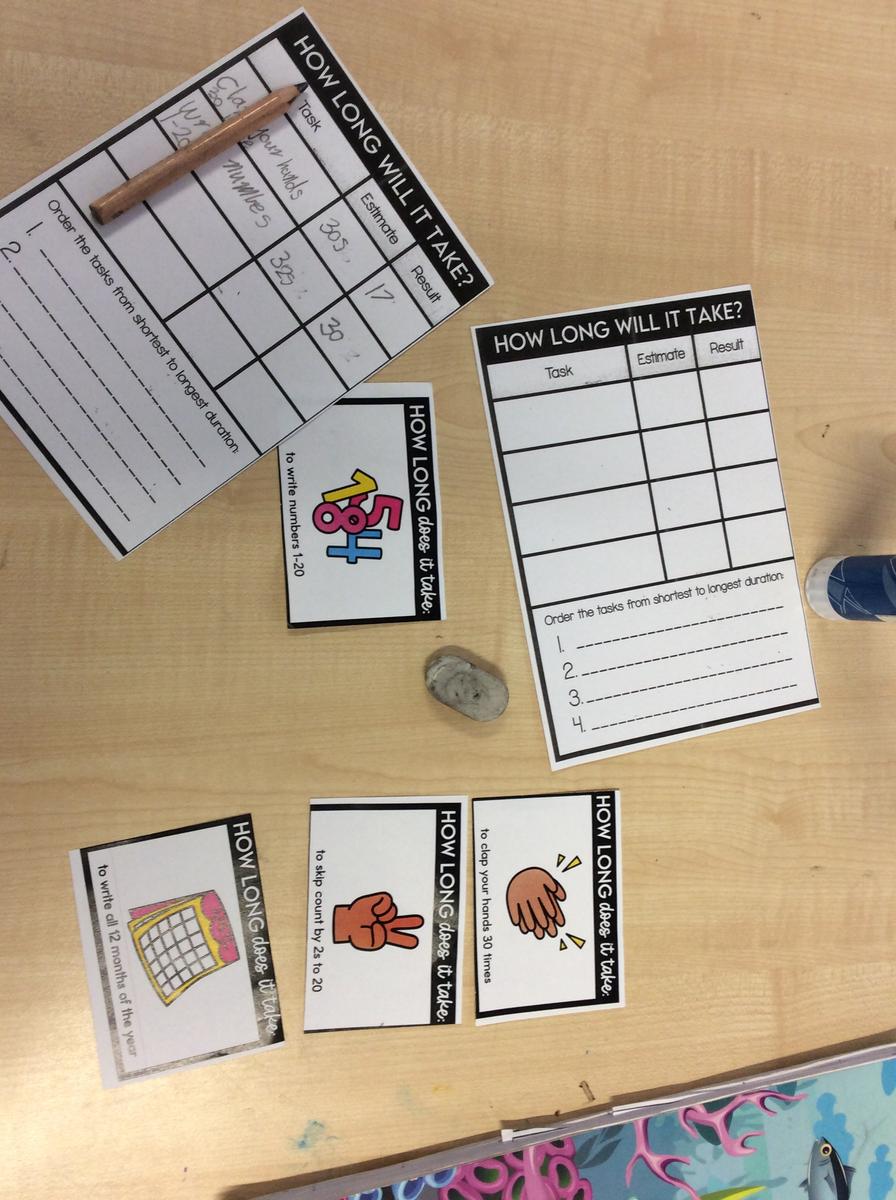
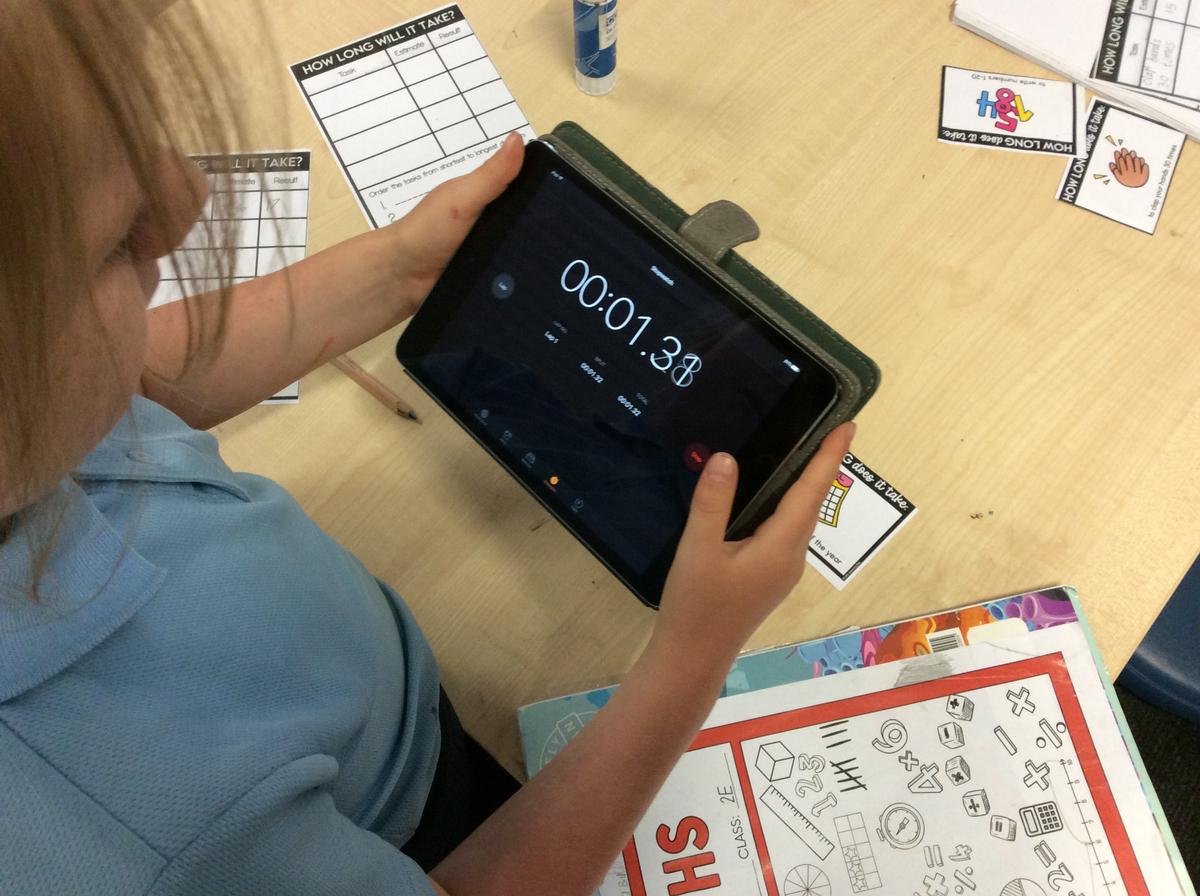
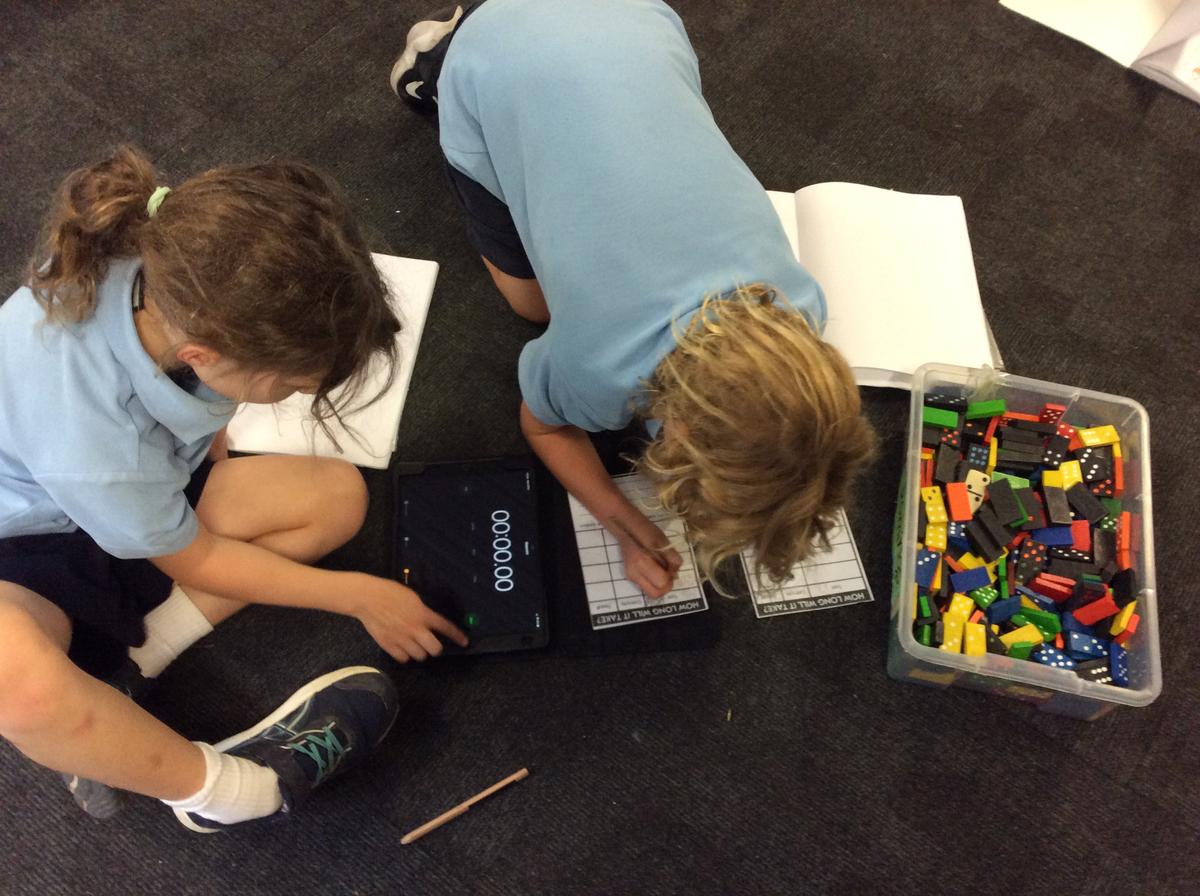
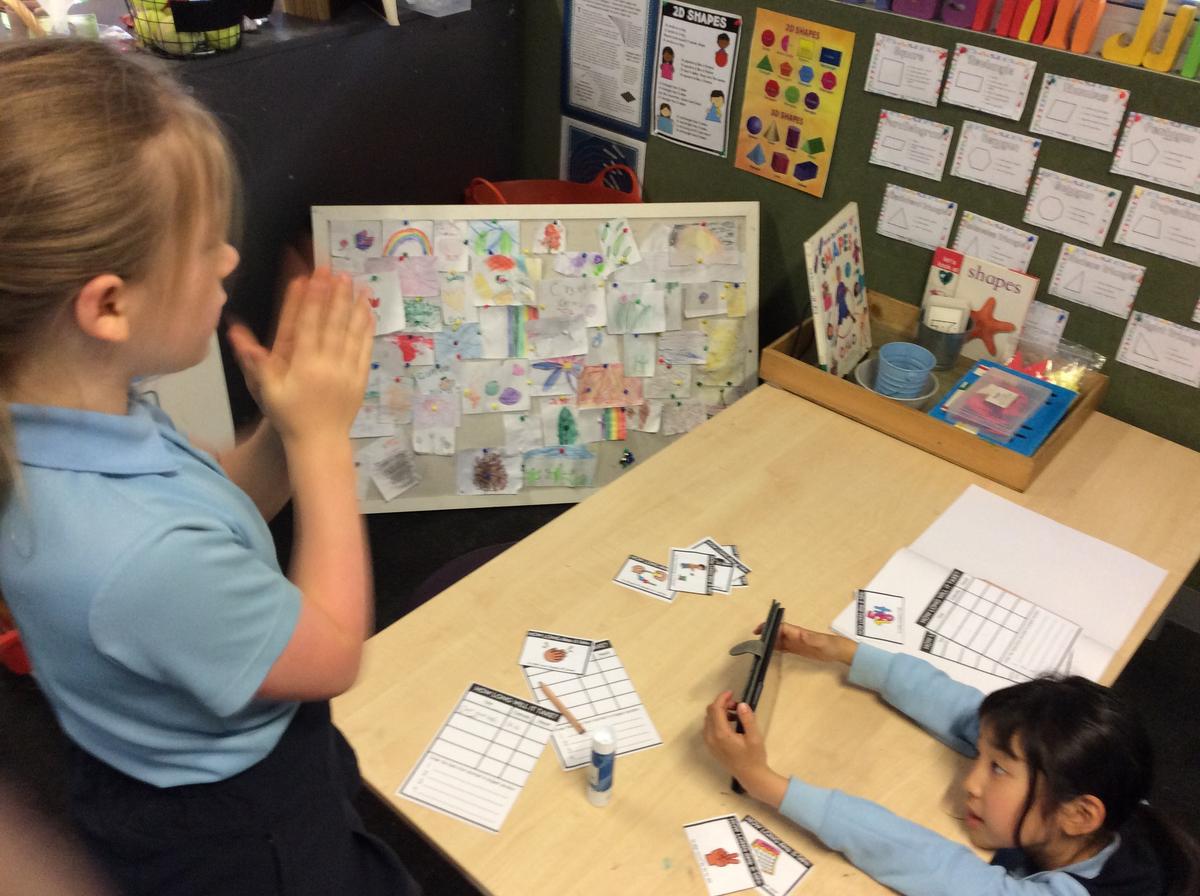
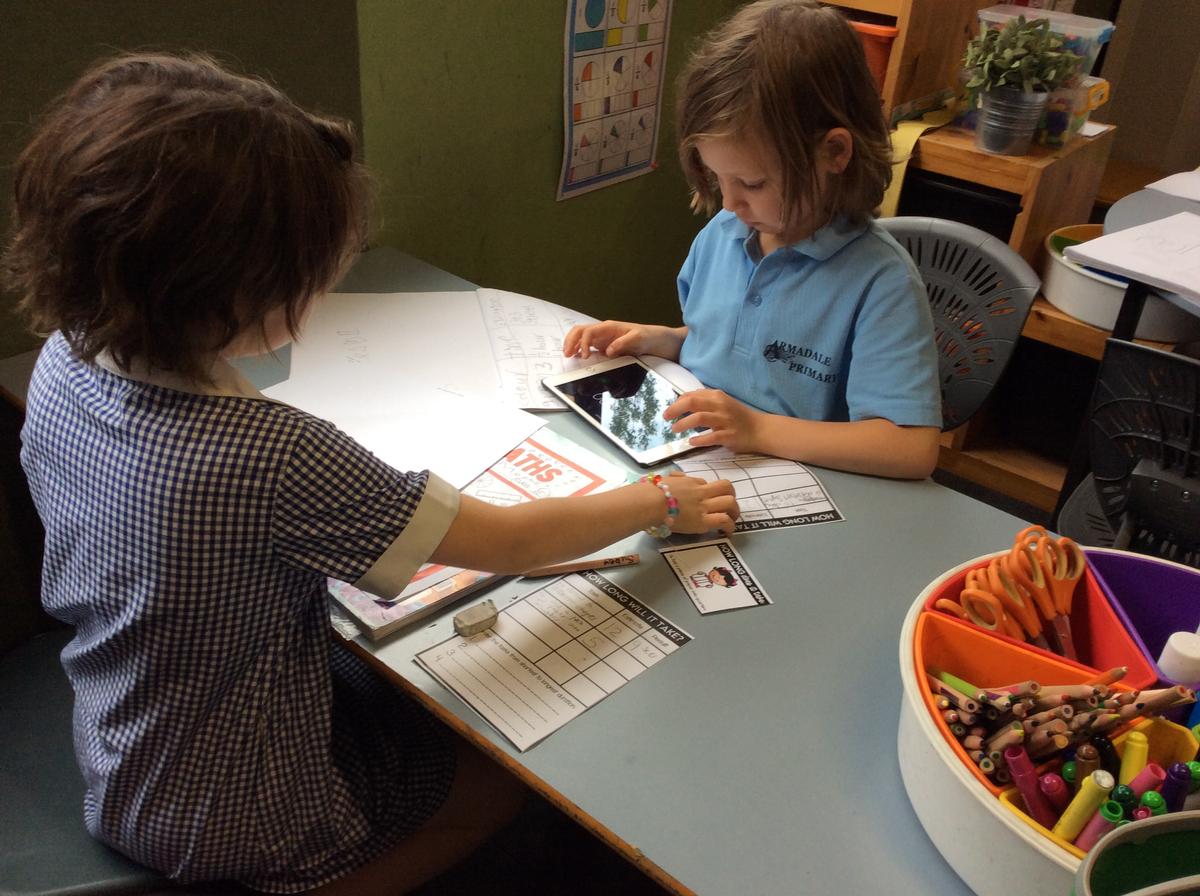
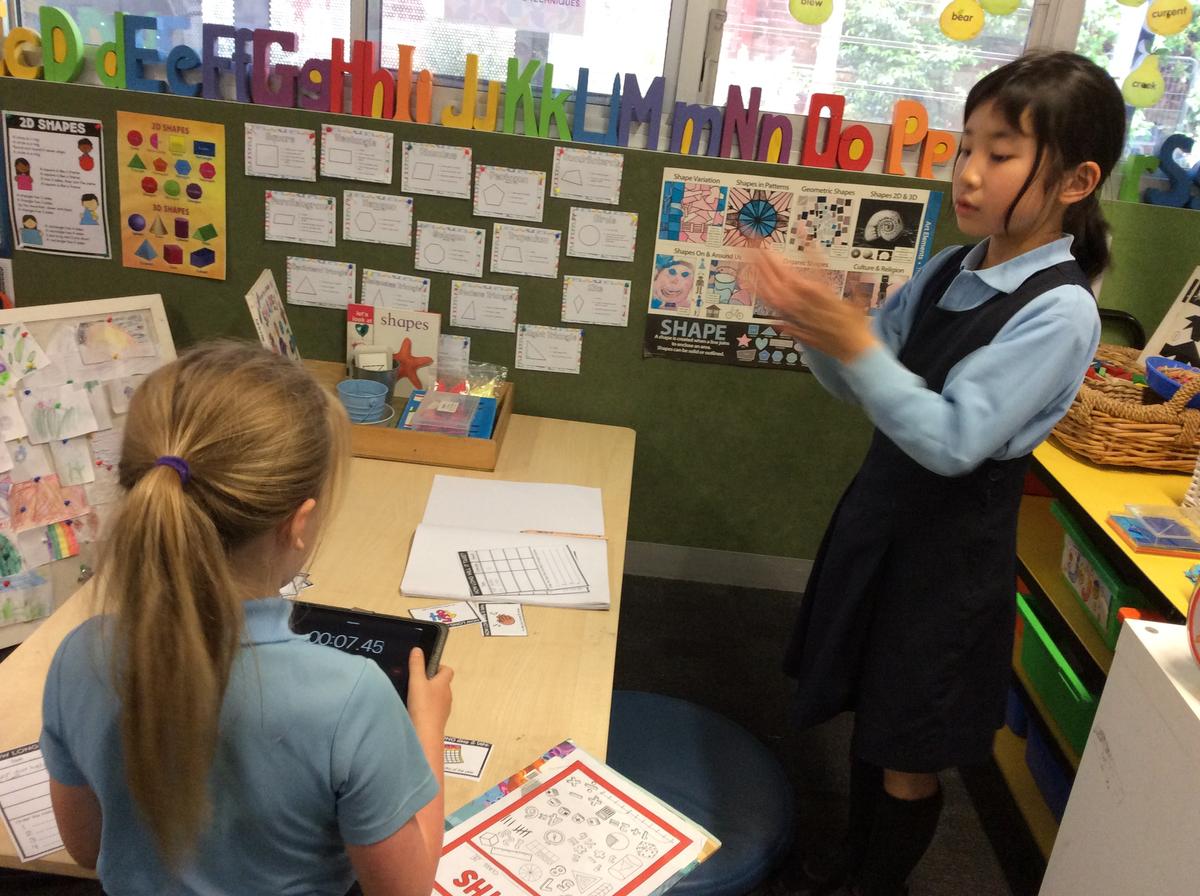
A task was modelled using one of the ‘How Long does it take?’ task cards, with a student as the partner enacting the task and the teacher on an iPad as the timer-keeper. Then the roles were reversed.
Deliberate problems were also modelled, and their solutions were discussed.
HOW LONG does it take to:
- Link 10 paper clips together?
- Do 10 jumping jacks?
- Place 20 dominoes in a straight line?
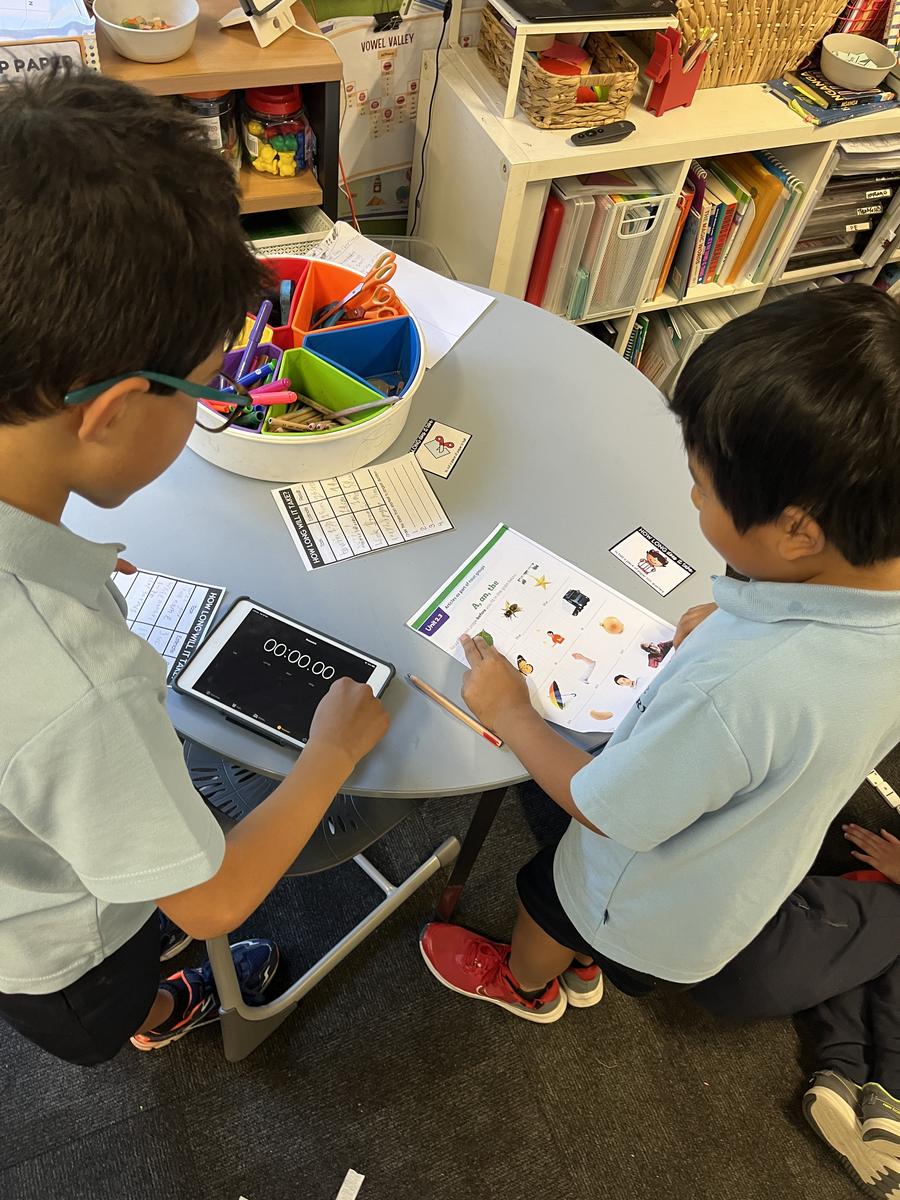
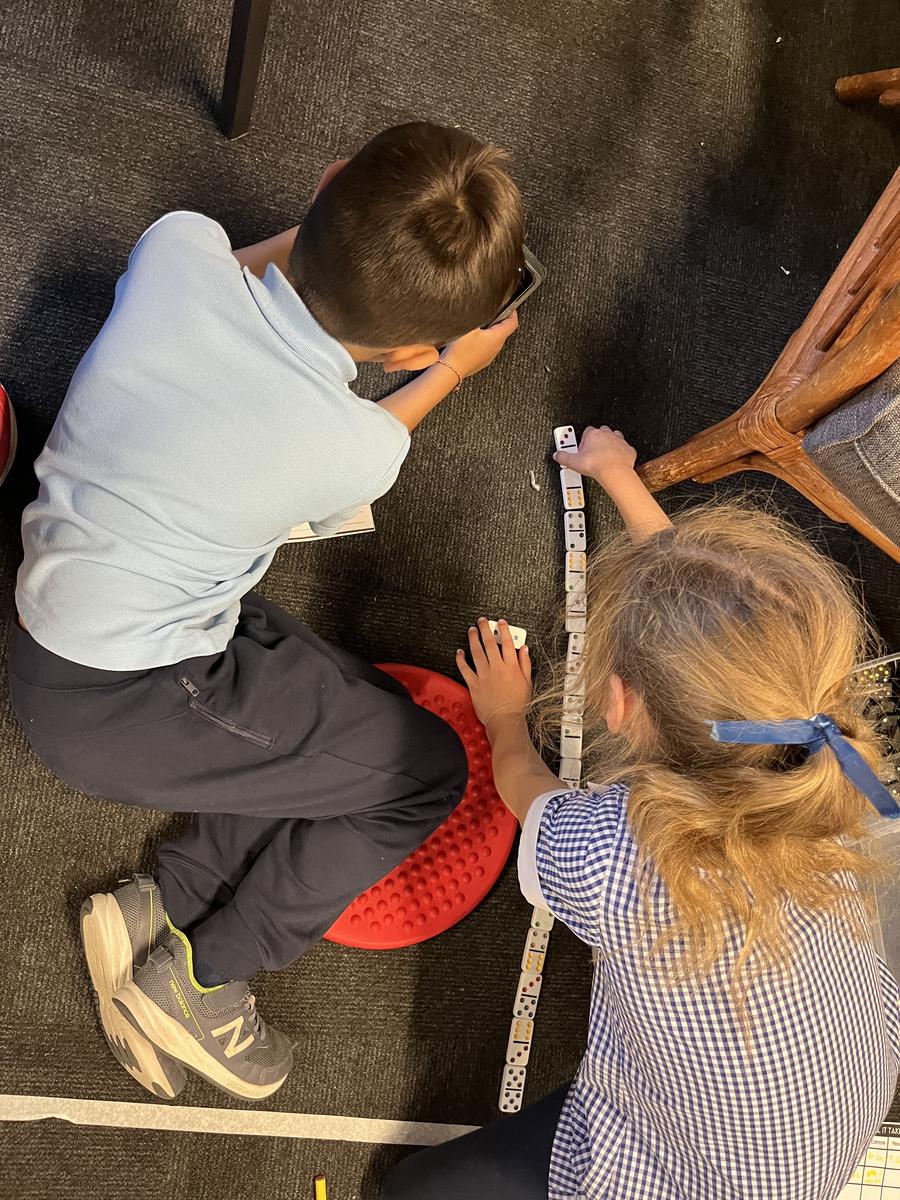
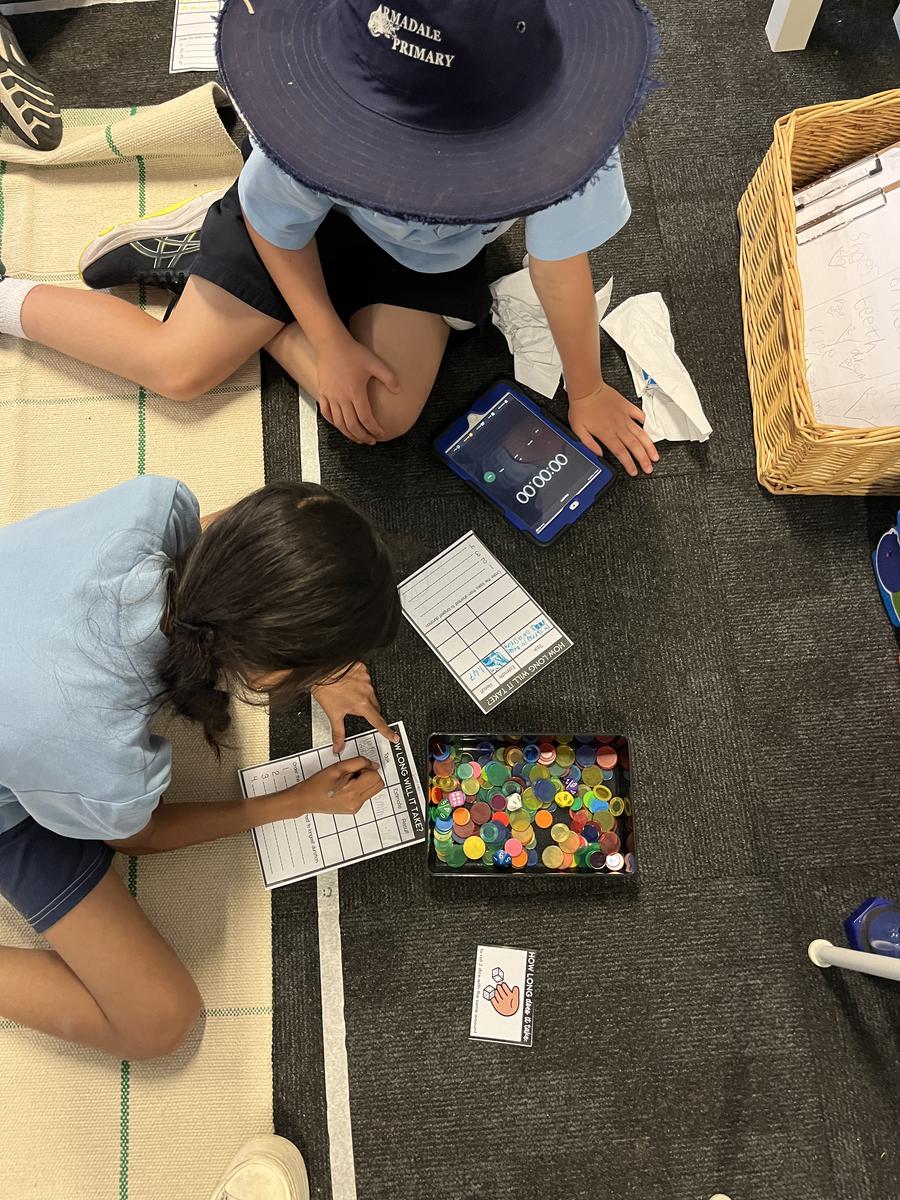
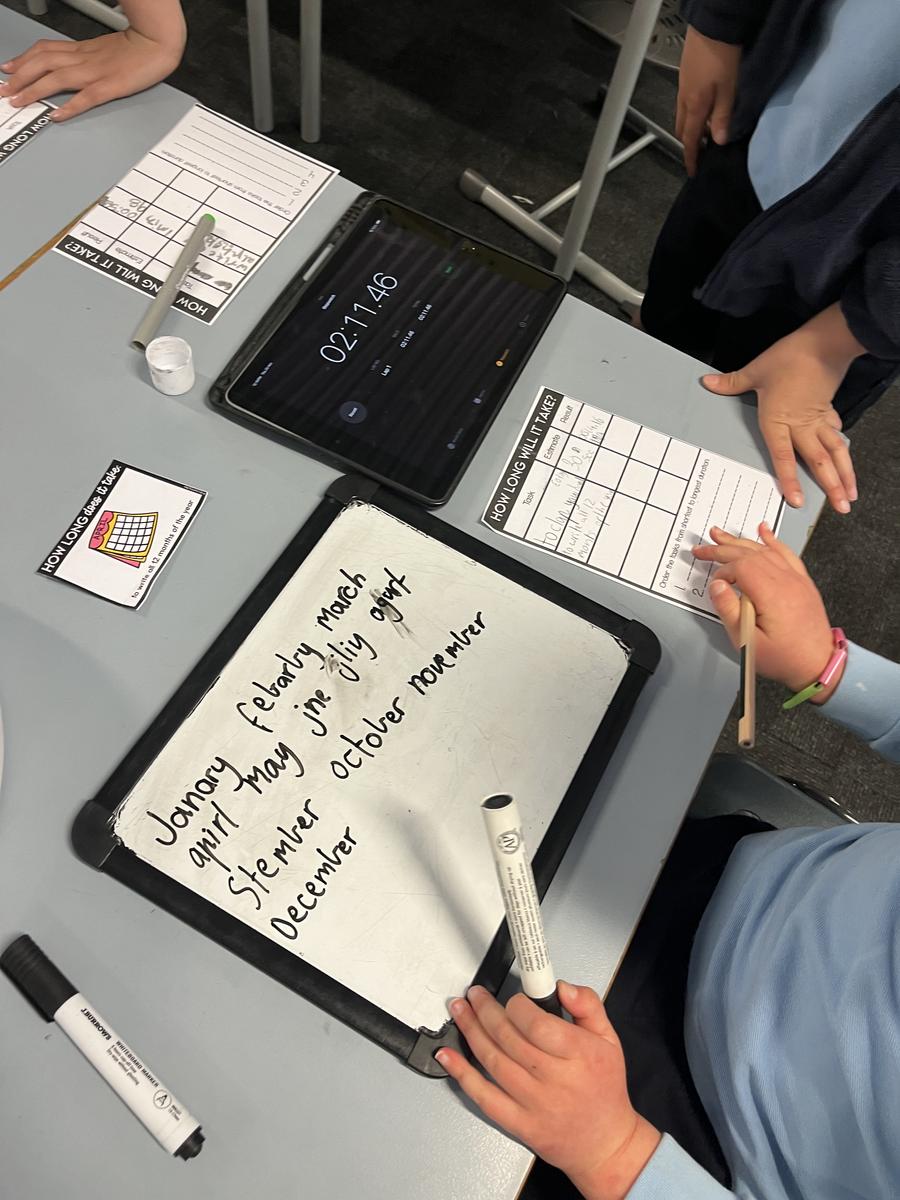
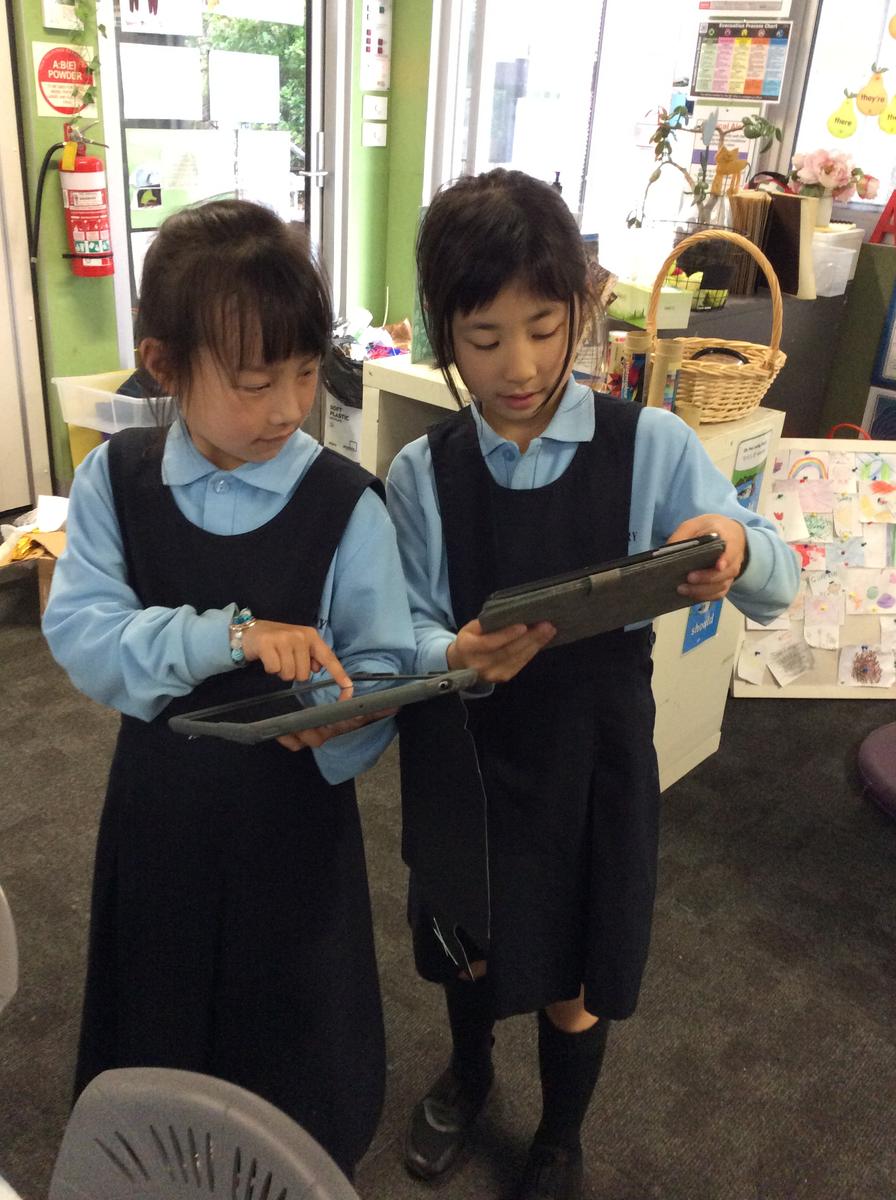
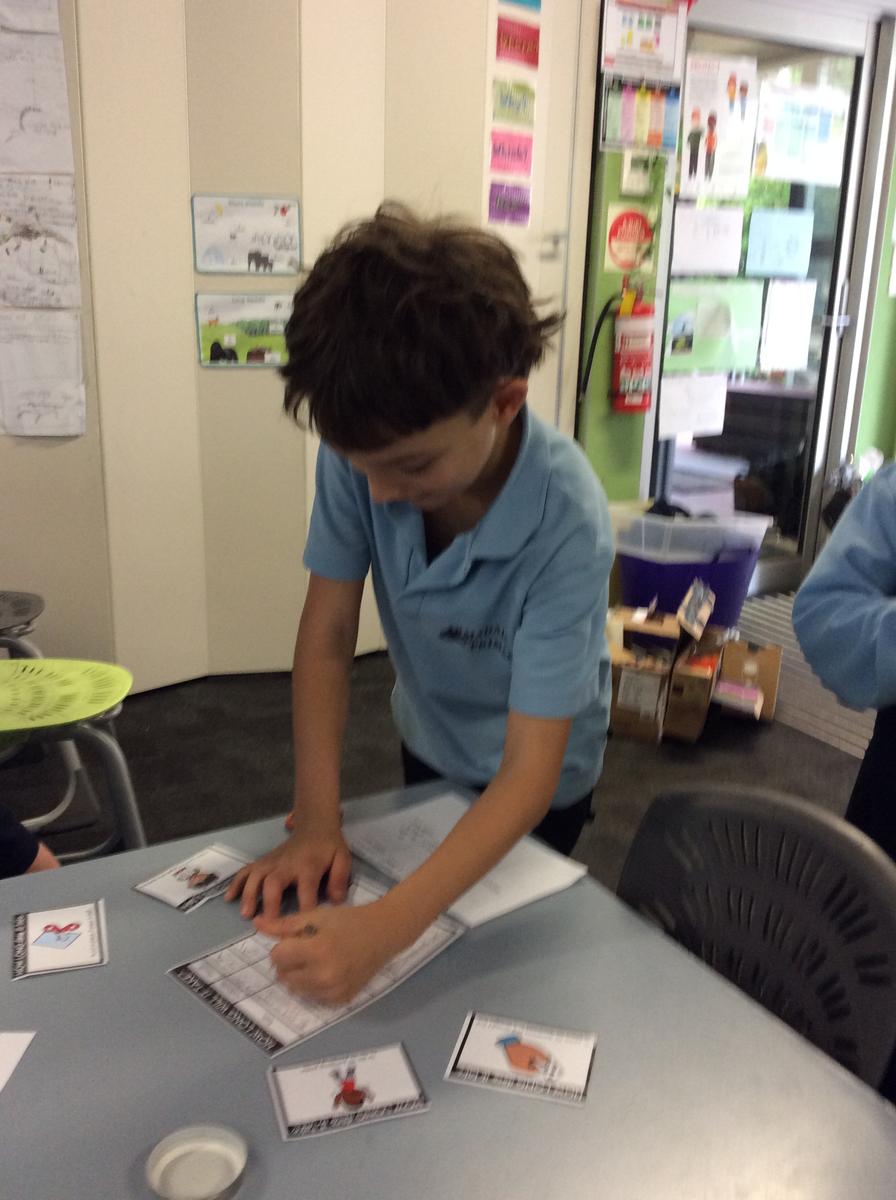
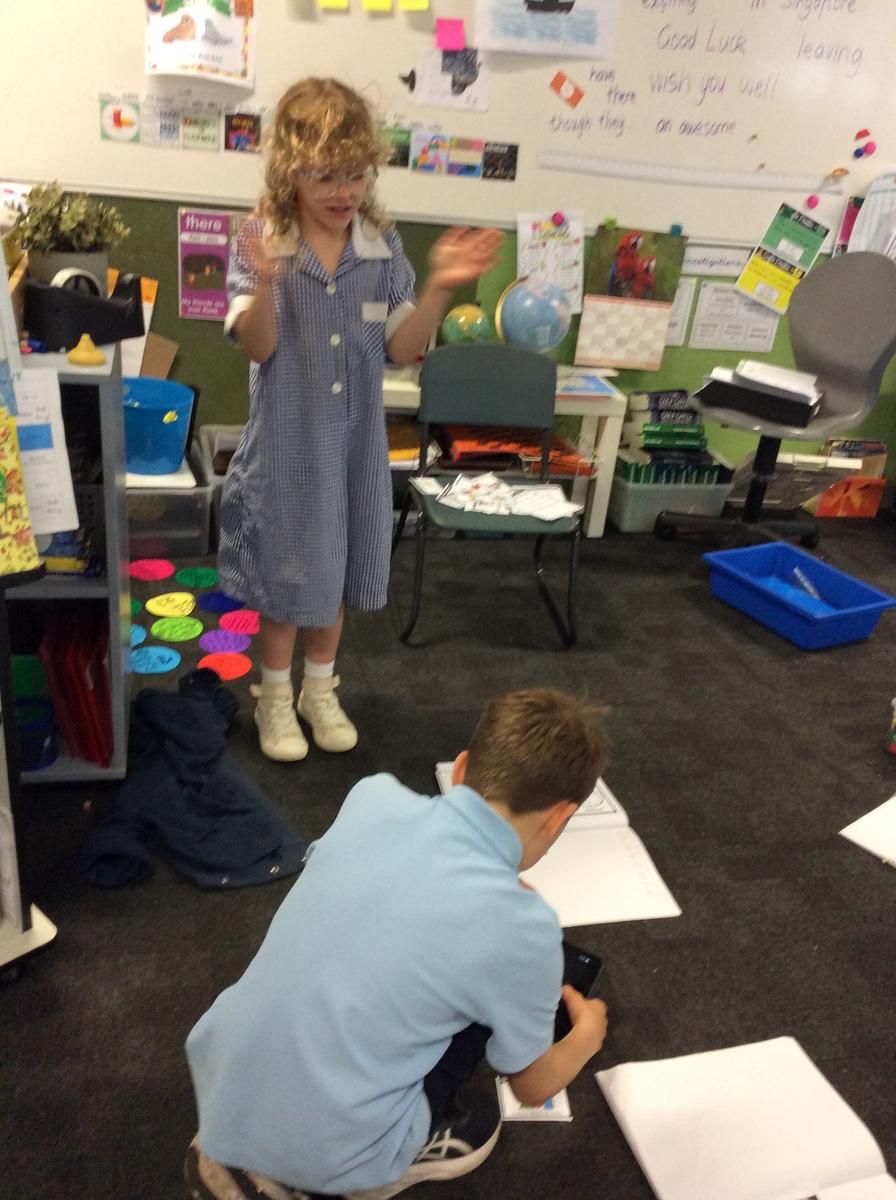
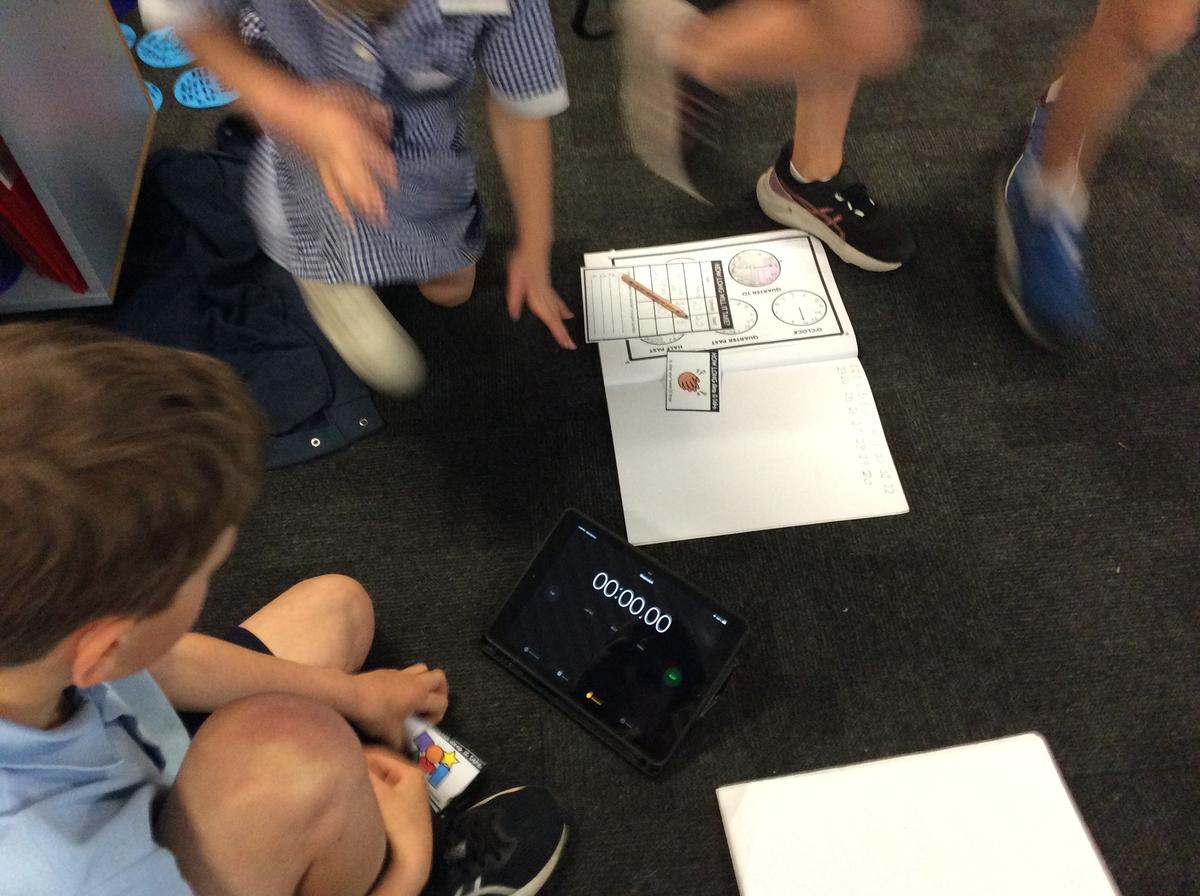
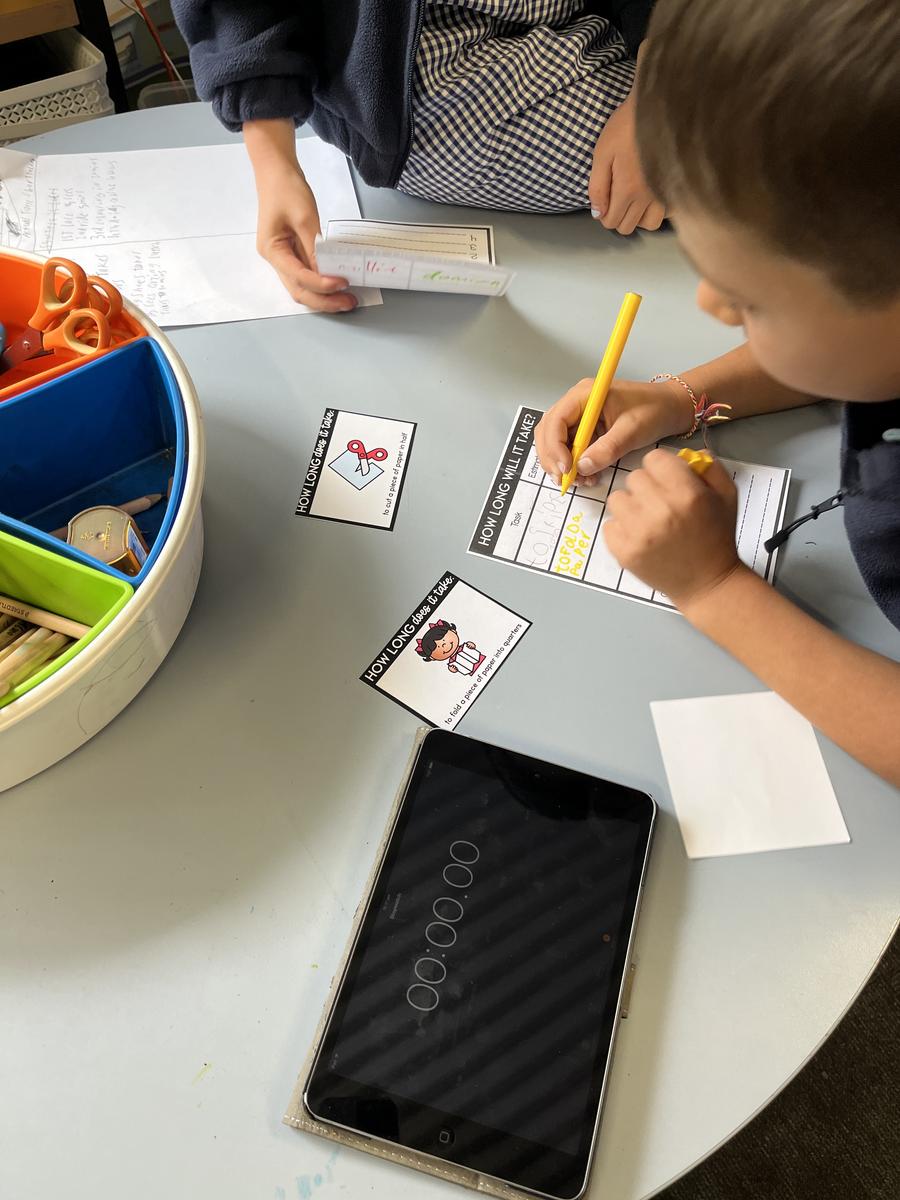
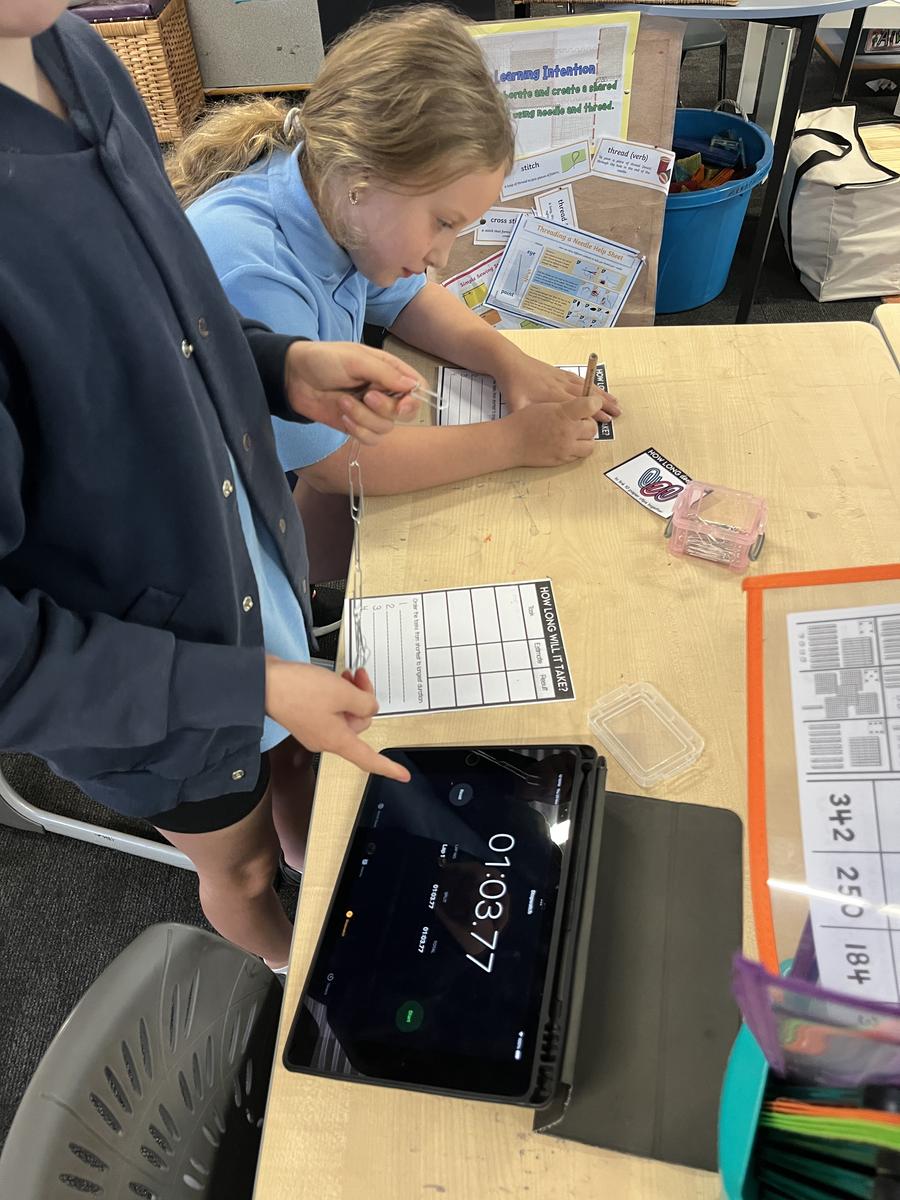
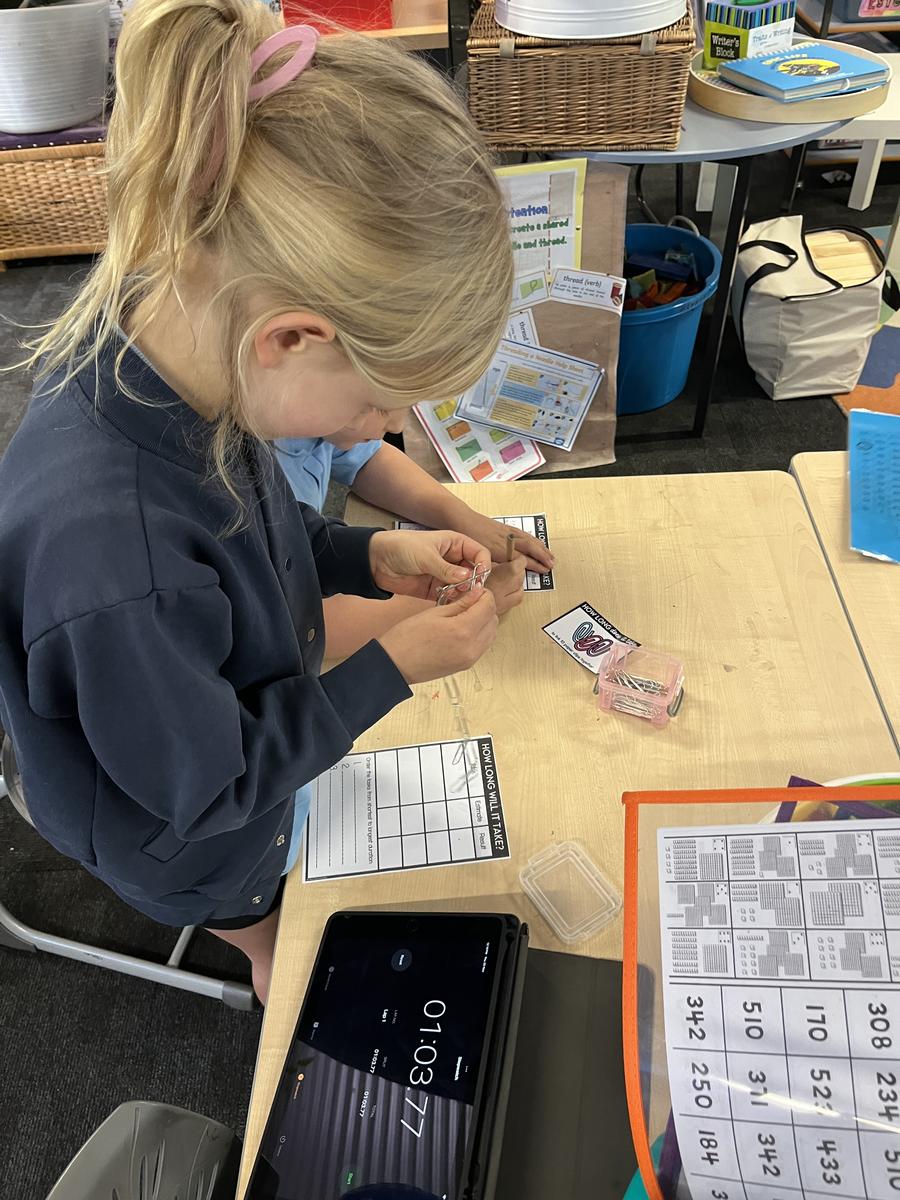
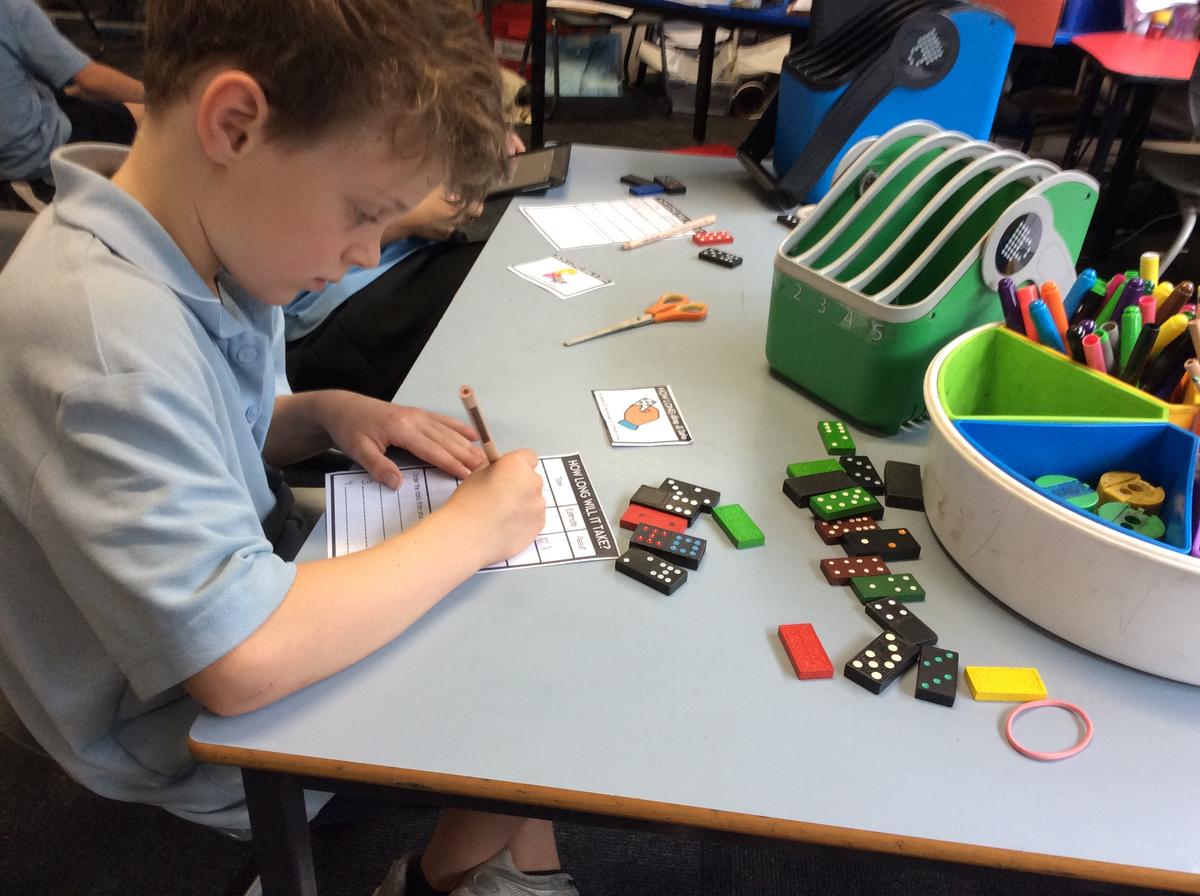
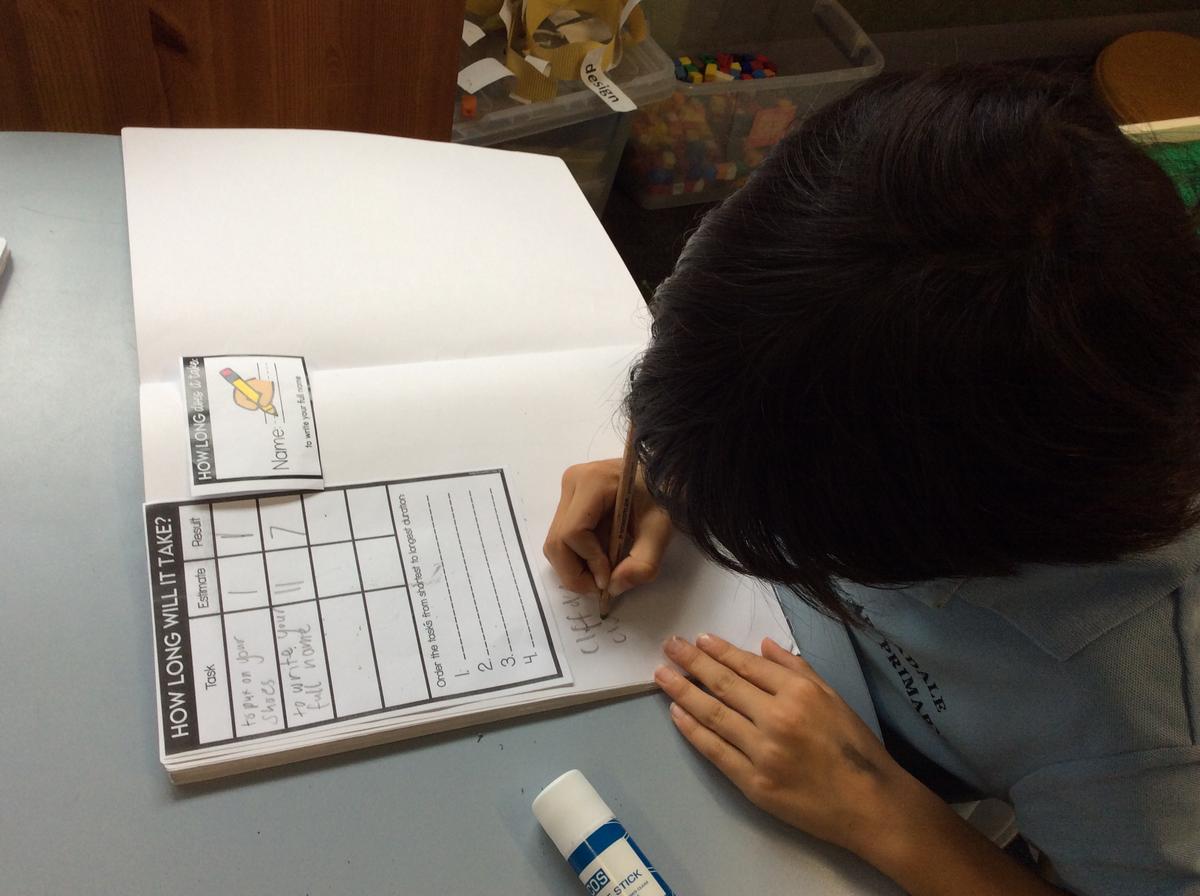
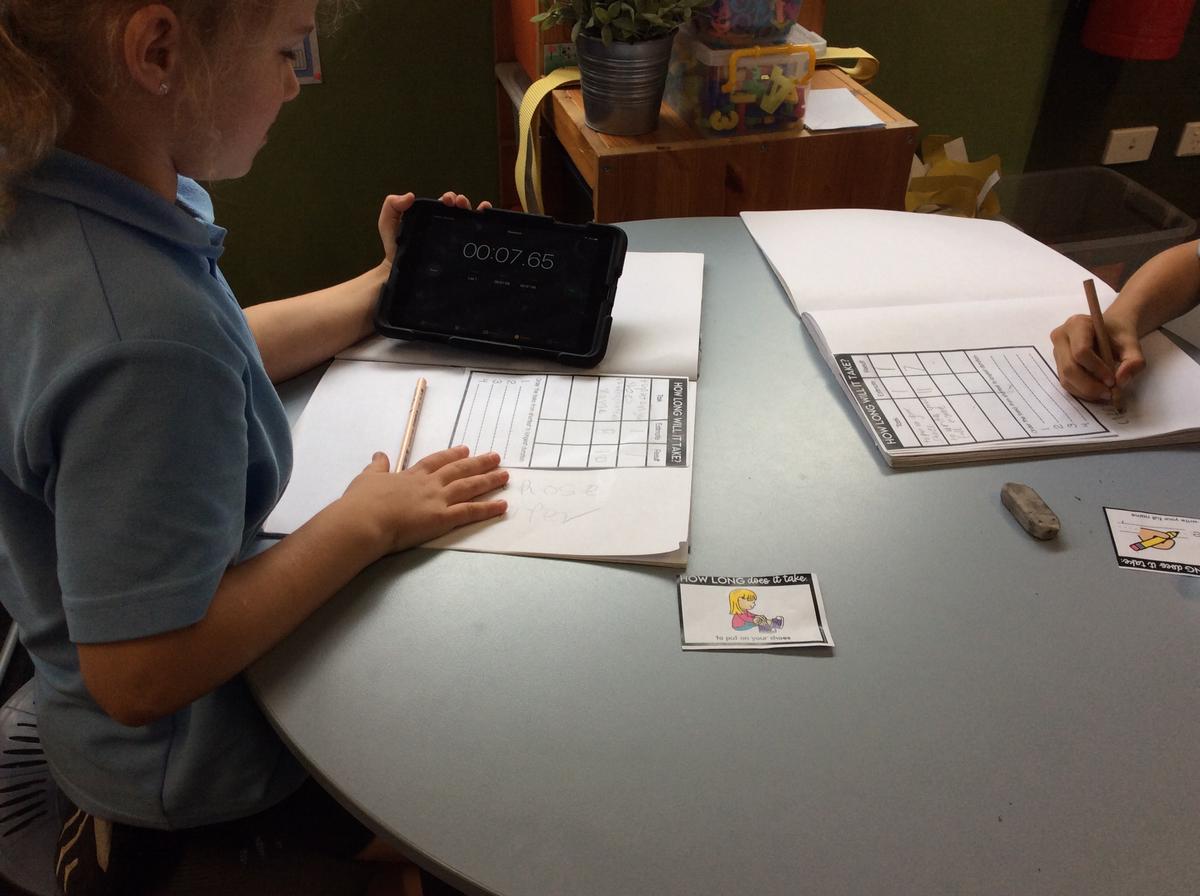
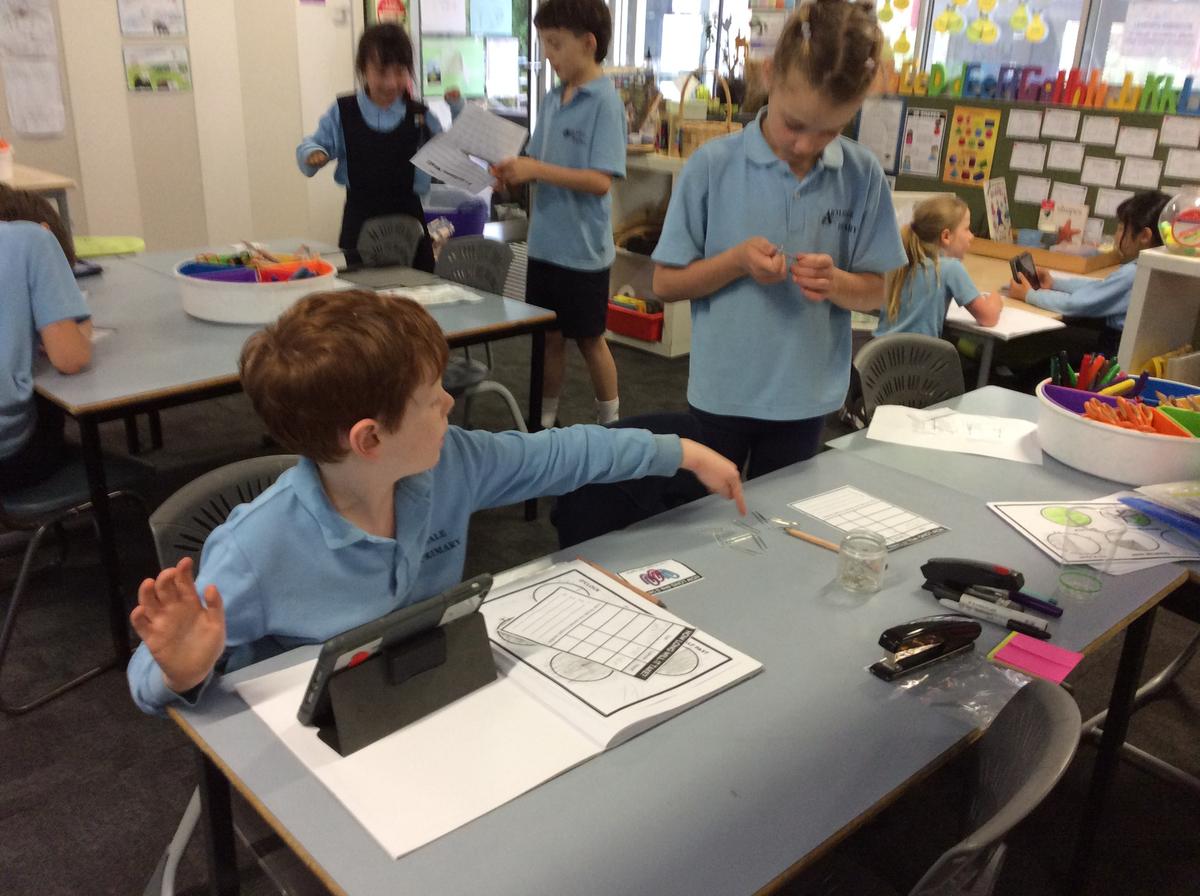
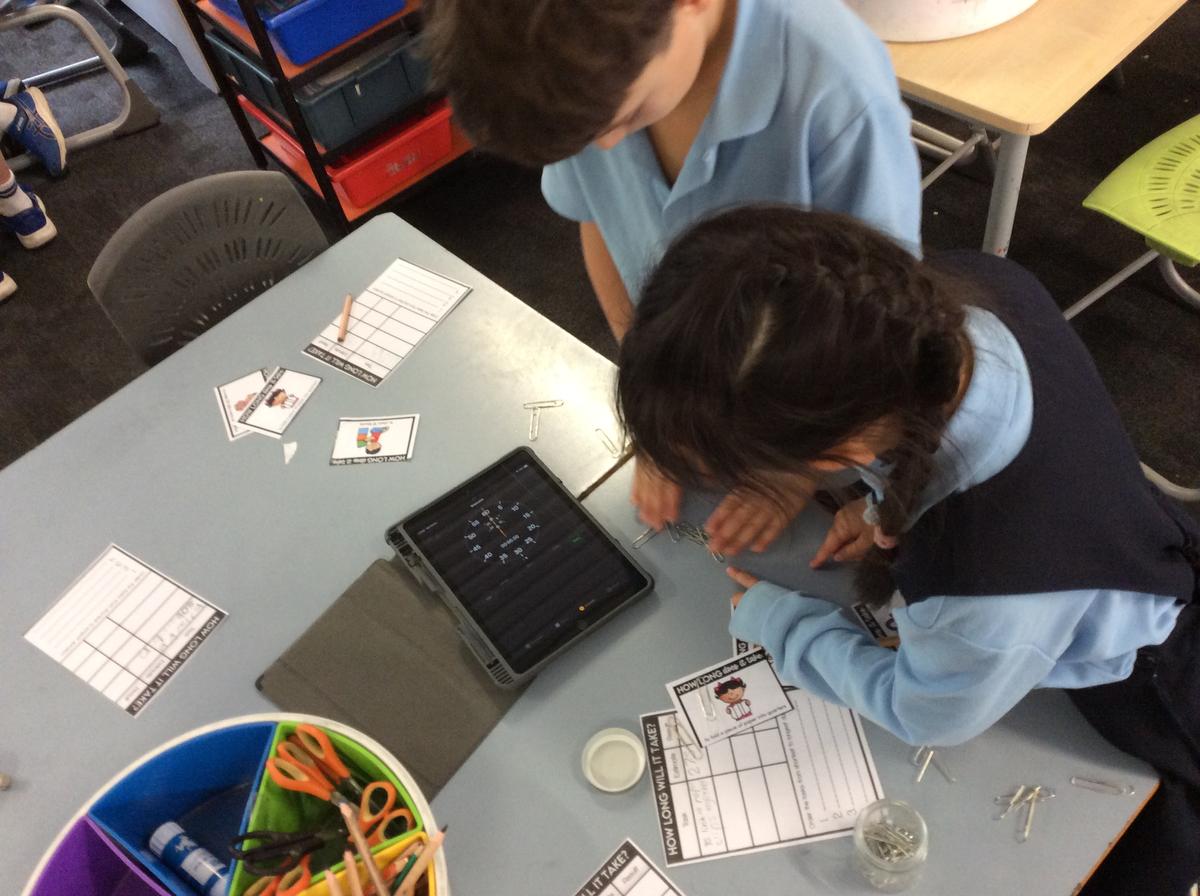
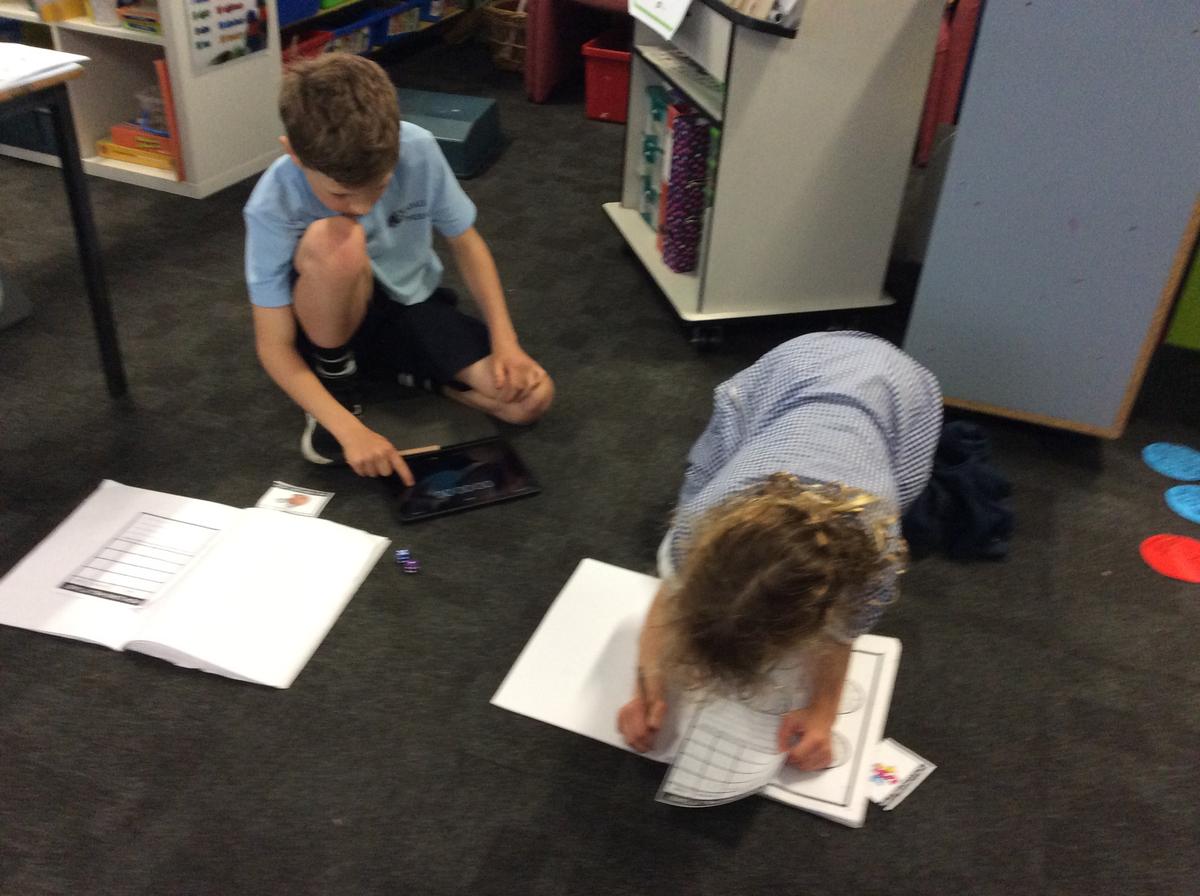
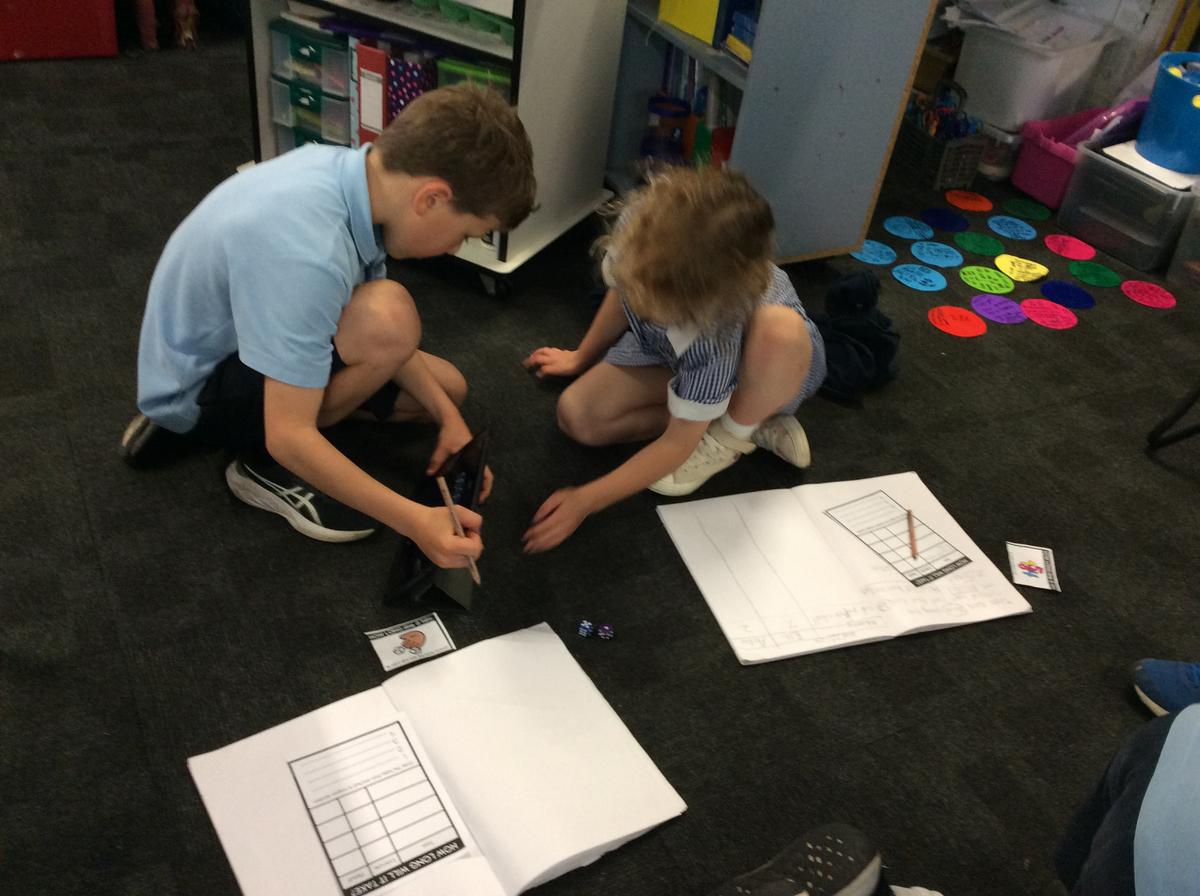
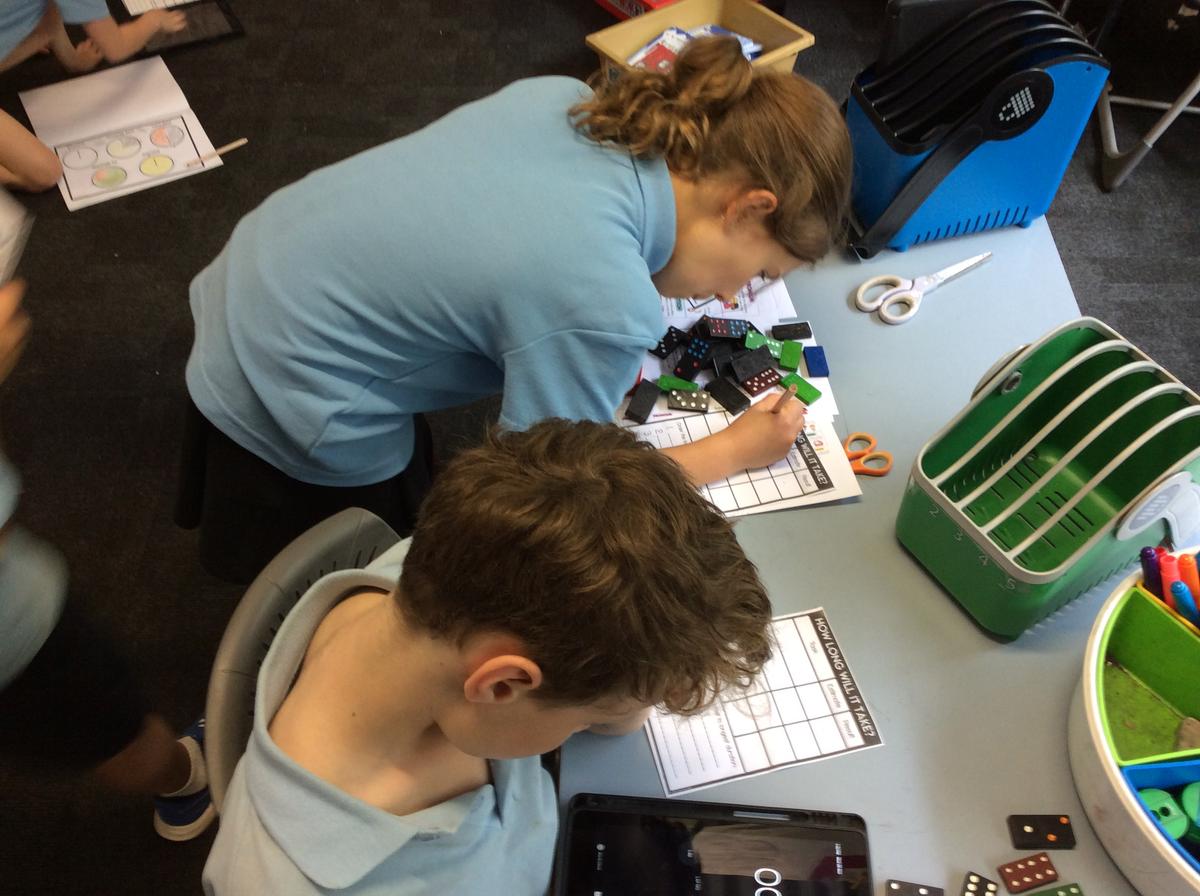
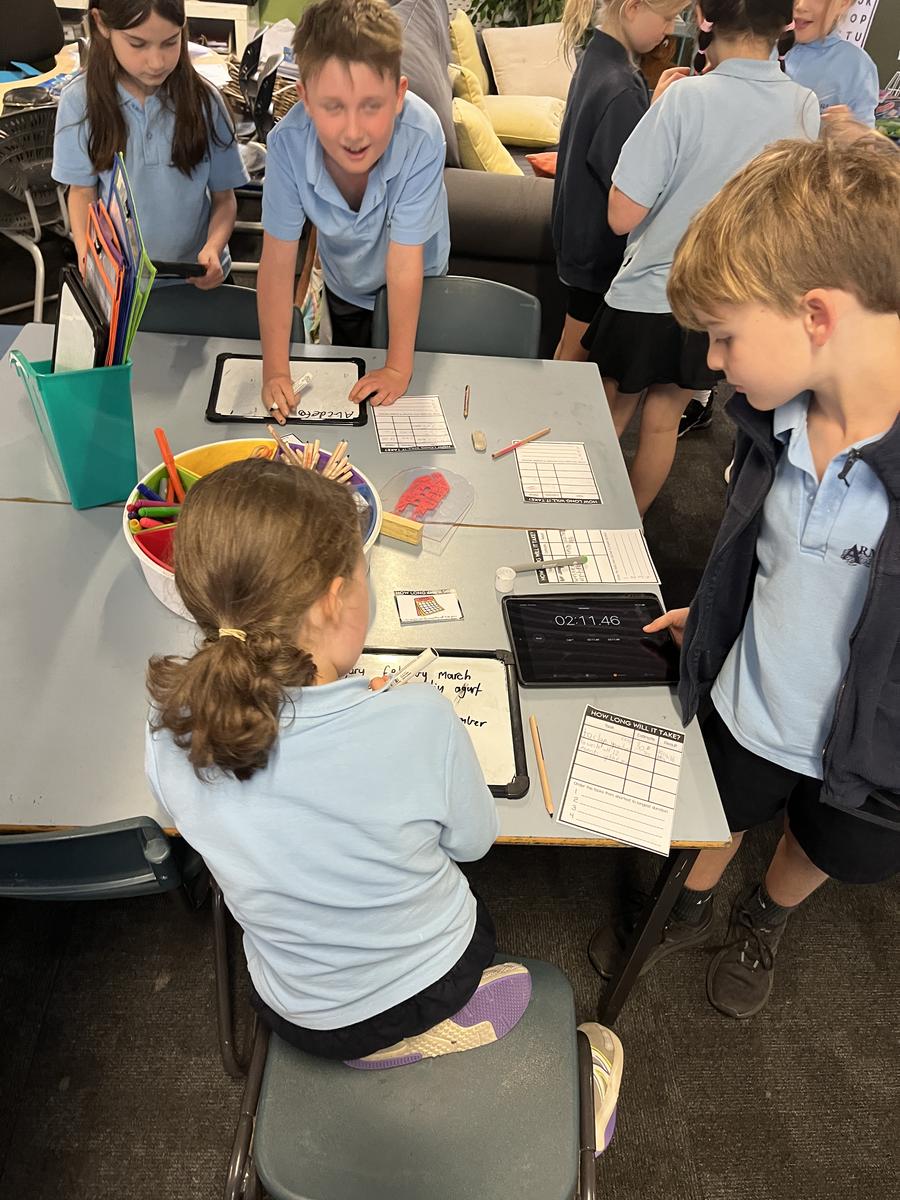
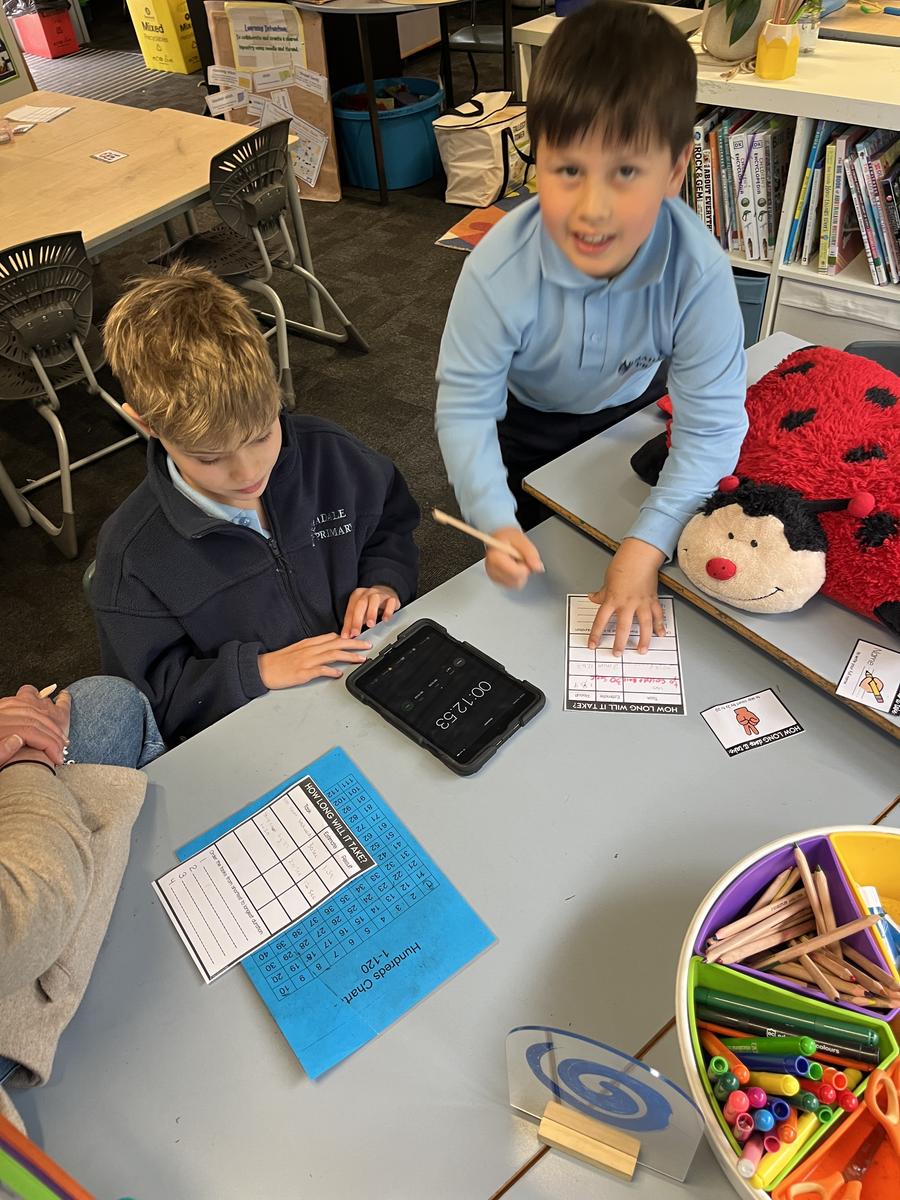
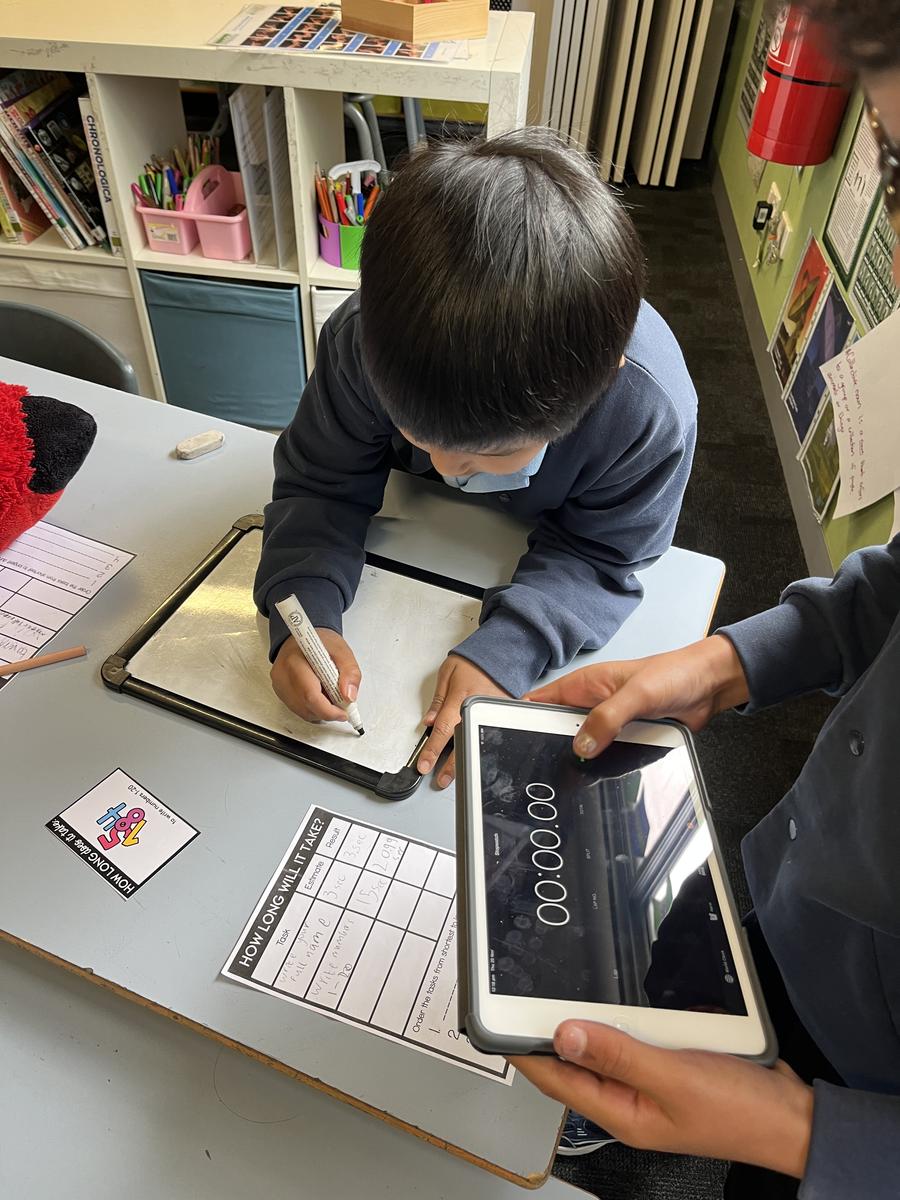
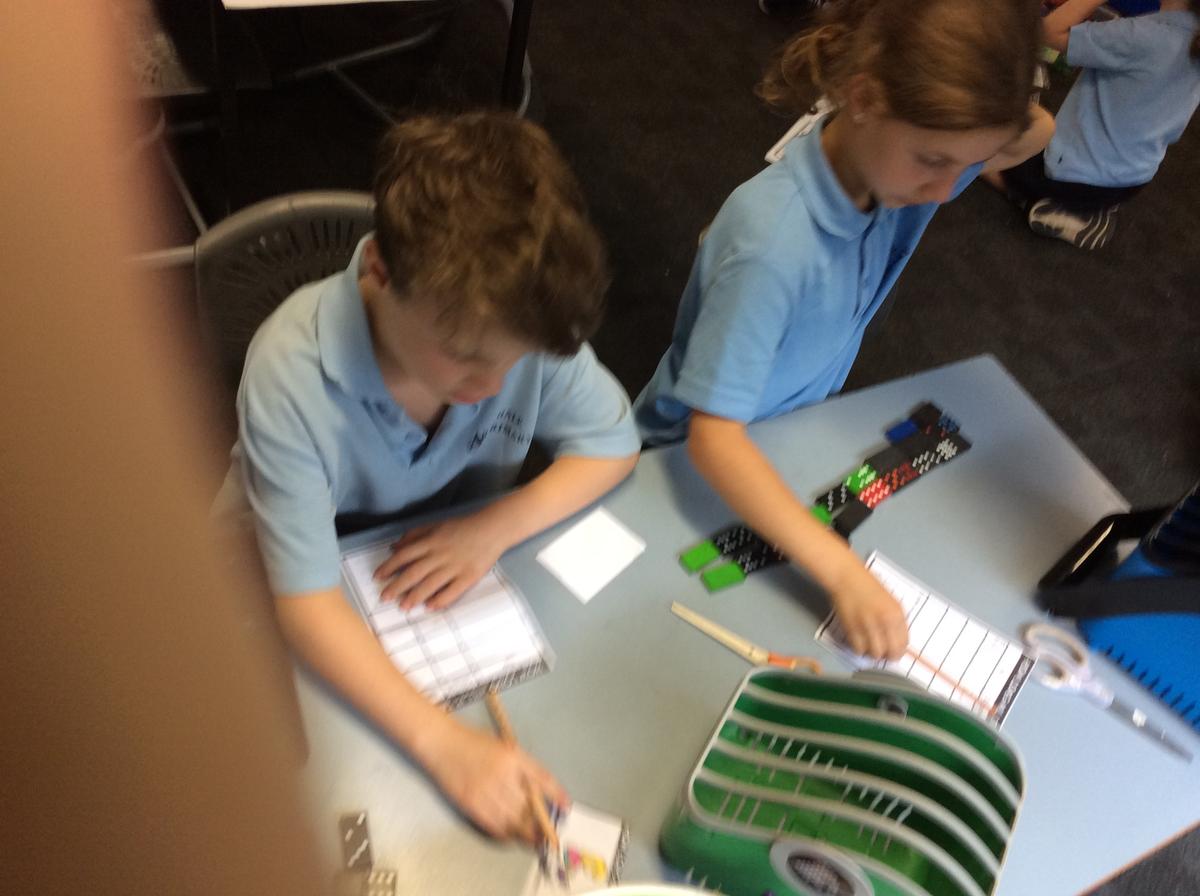
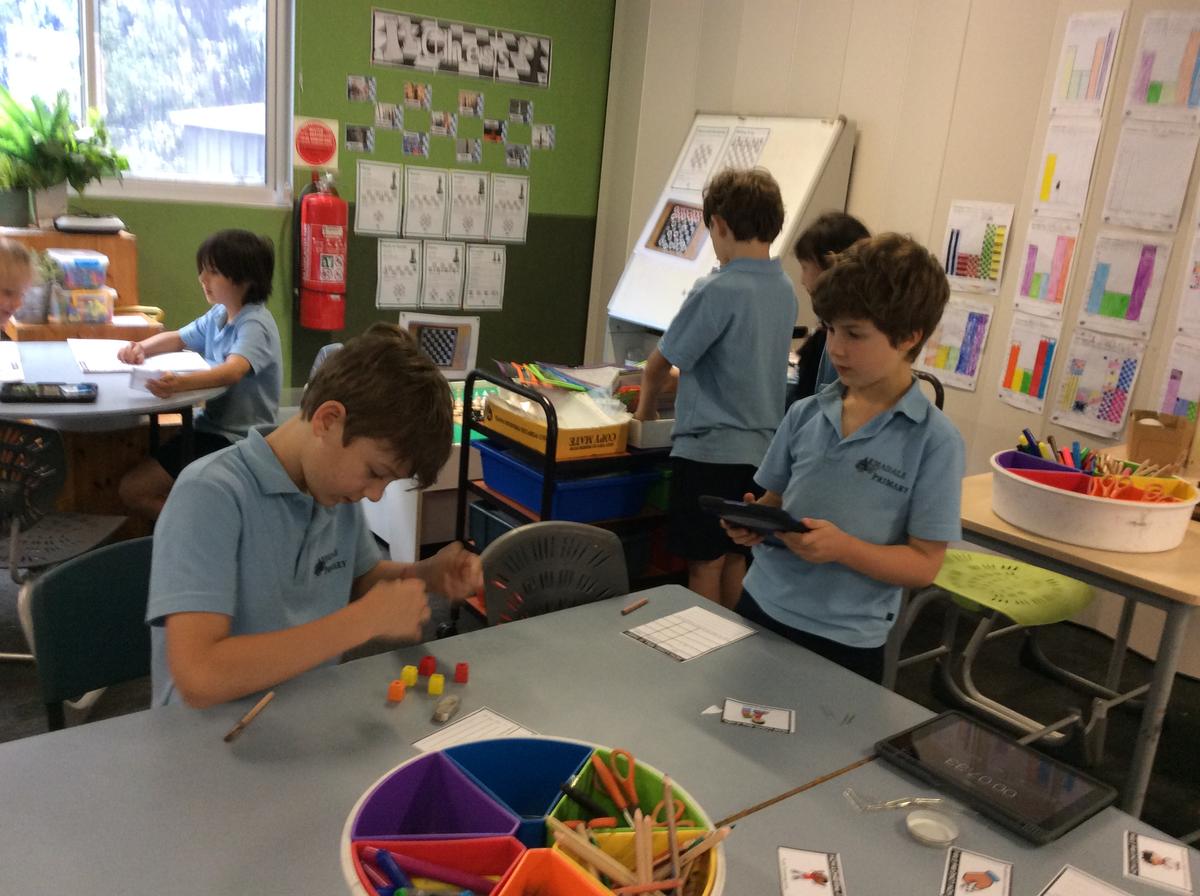
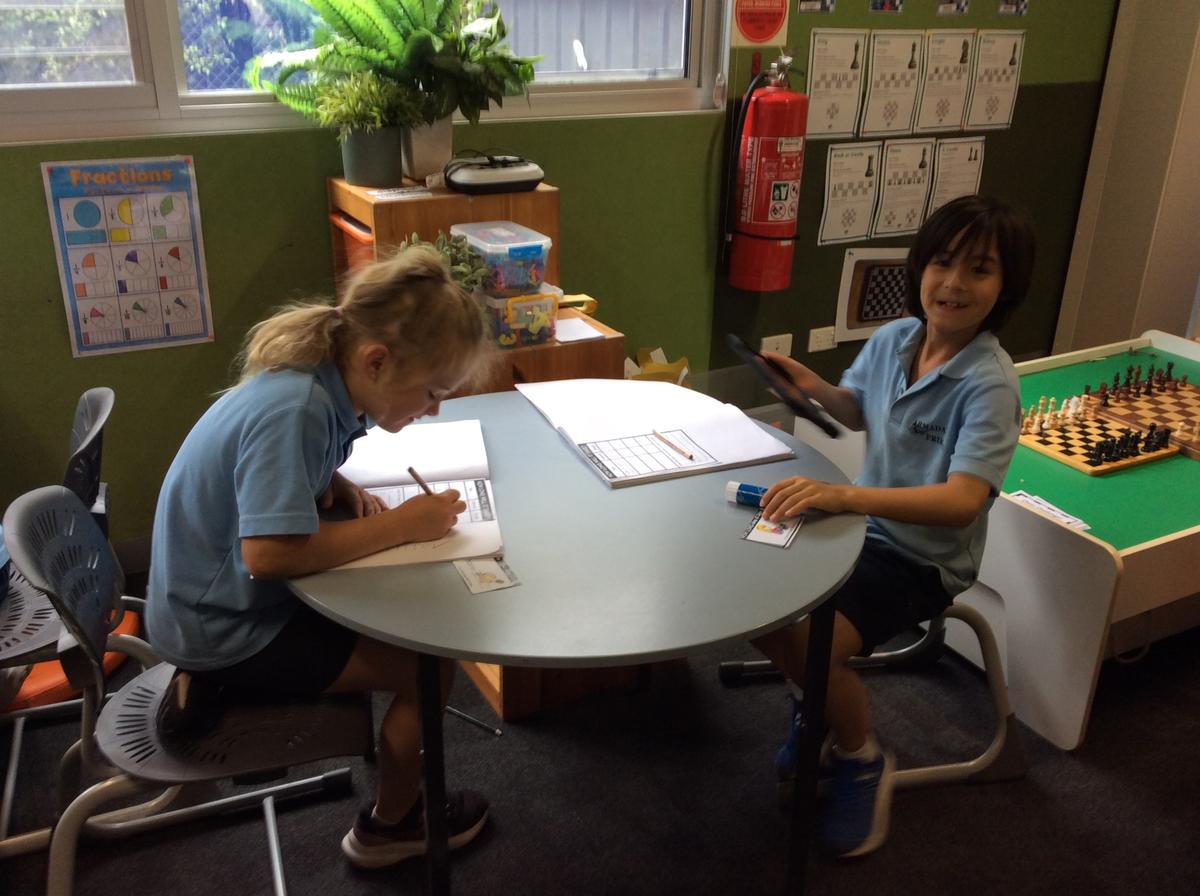
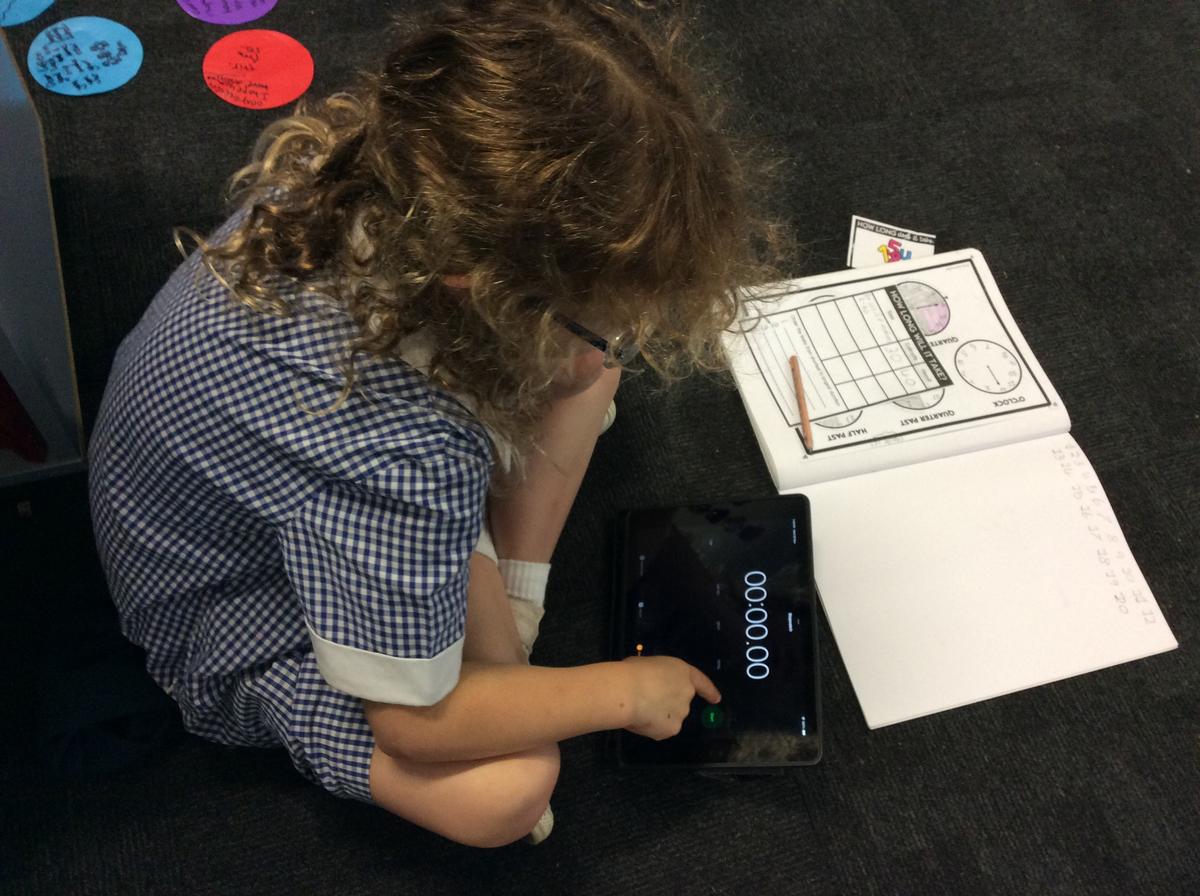
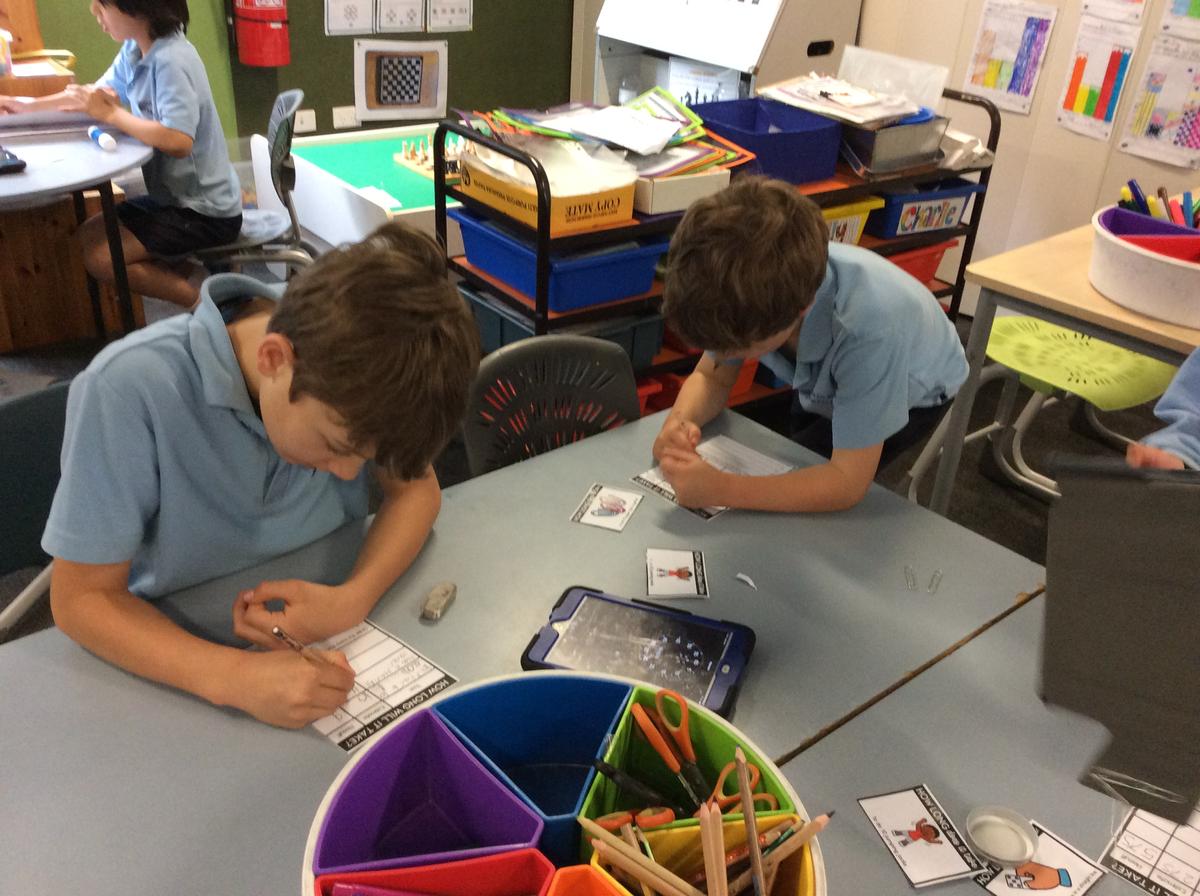
Working in a partnership, one student enacted the ‘How Long does it take?’ task, and the other student used an iPad timer function.
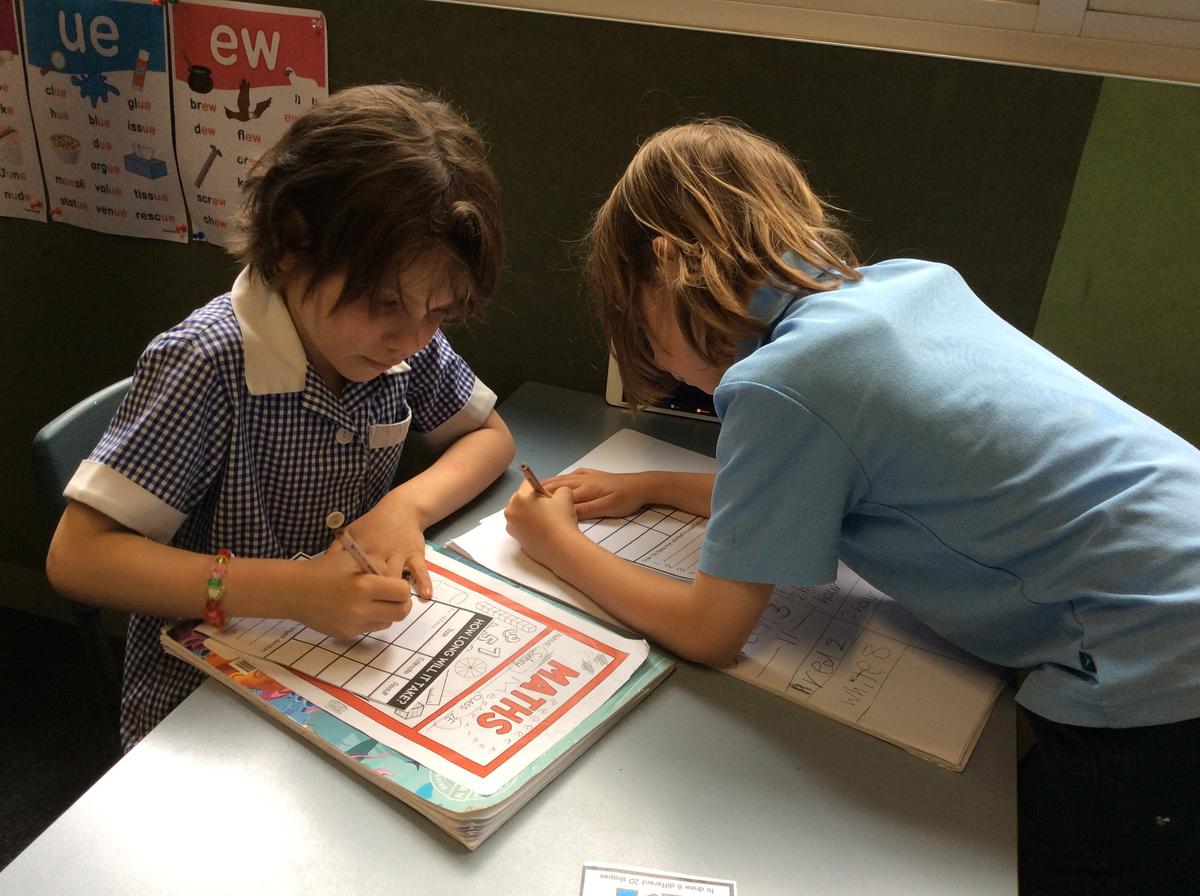
The results were recorded on the sheet, HOW LONG WILL IT TAKE? The 4 different tasks were ordered from the shortest to the longest duration. After that, the roles were reversed: each student measured, then was measured by their partner.
Your child has taken this sheet home for you to see and discuss.
We came together again to reflect on the exercise. Our discussion afterwards included the questions:
To continue the learning at home, from this experience:
Jocelyn and Steph
Year 2 Team