
Prep Bulletin

A snapshot into Maths
Learning Intention: To notice what makes money different and show our information in a graph.
Learning Experience Overview:
In this learning experience, students explored Australian coins by looking closely at each coin's characteristics. They learned to notice features such as size, shape, colour, pictures and value. Students then sorted coins into groups based on their value and practised recording the information in different ways.
Fluency:
This week our fluency focused on building number recognition and writing numbers quickly.
The teacher showed the students a tens frame with a number of dots briefly, to which they then had to write the matching number. This helps strengthen their ability to subitise (instantly recognise quantities), count accurately, and practice number formation.
Whole:
As a class, we explored Australian coins. Students examined each coin and discussed what they noticed, for example, its size, colour, edges, pictures, value and shape.
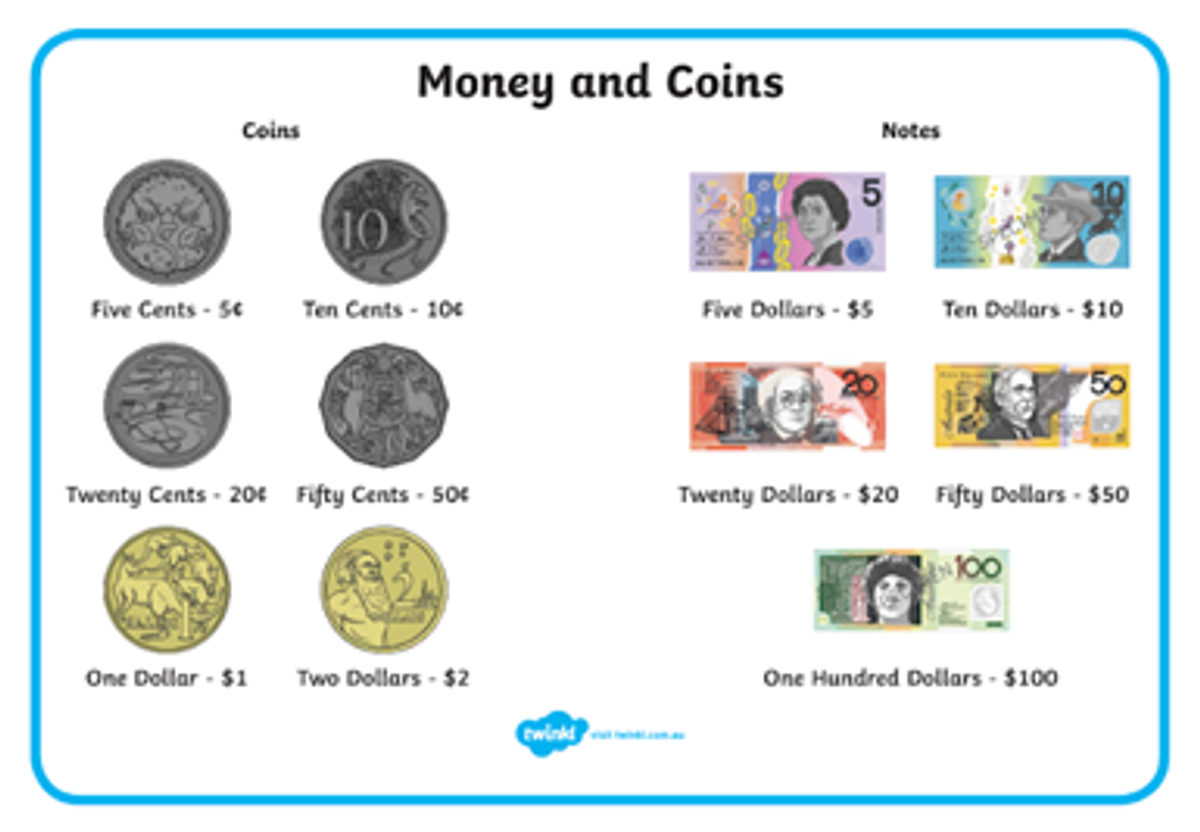
The teacher modelled how to sort the coins into groups based off the the coins’ value and then demonstrated how to record information using different methods on the recording sheet:
- Tally marks
- ticks
- symbols
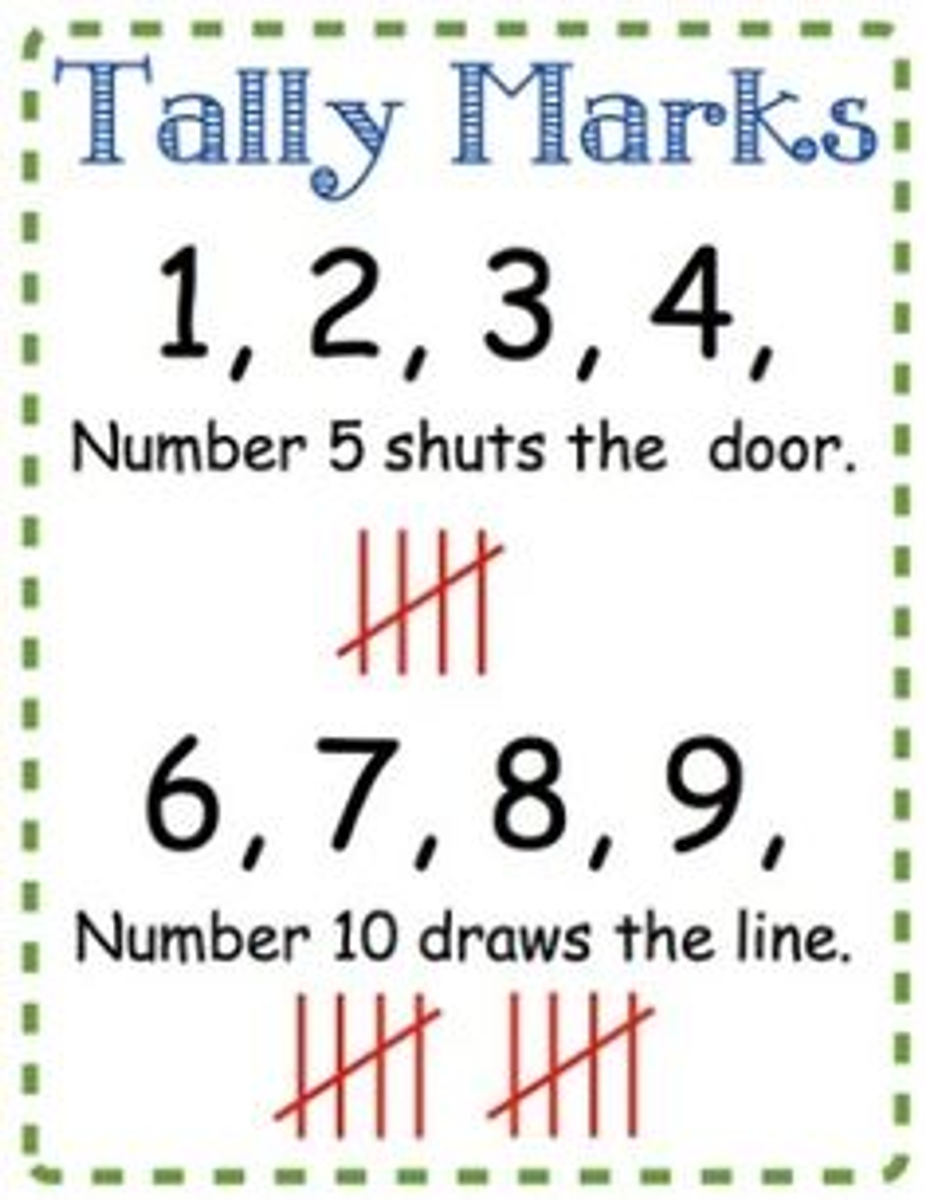
Using an anchor chart, we explored why sorting helps us organise information and how data can show us what we have “the most” or “the least” of.
Small:
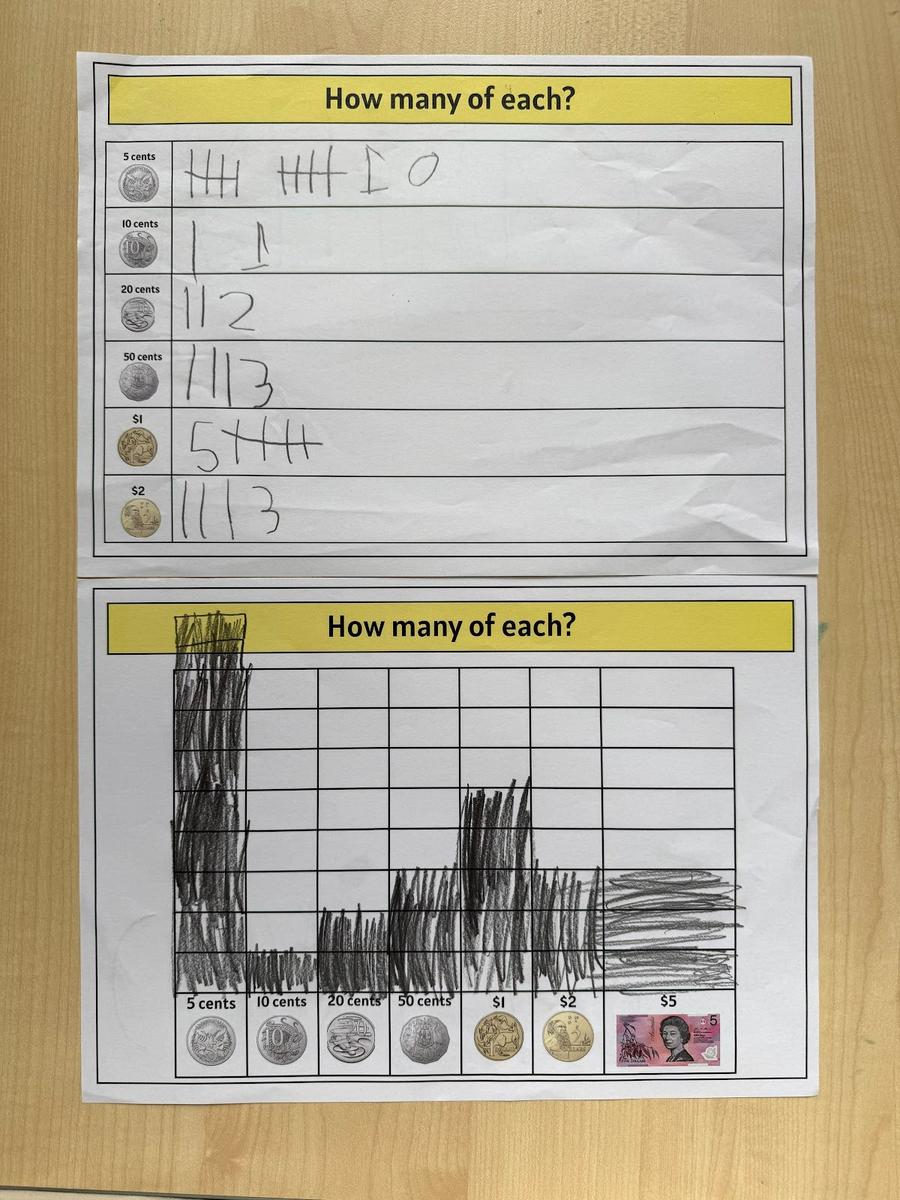
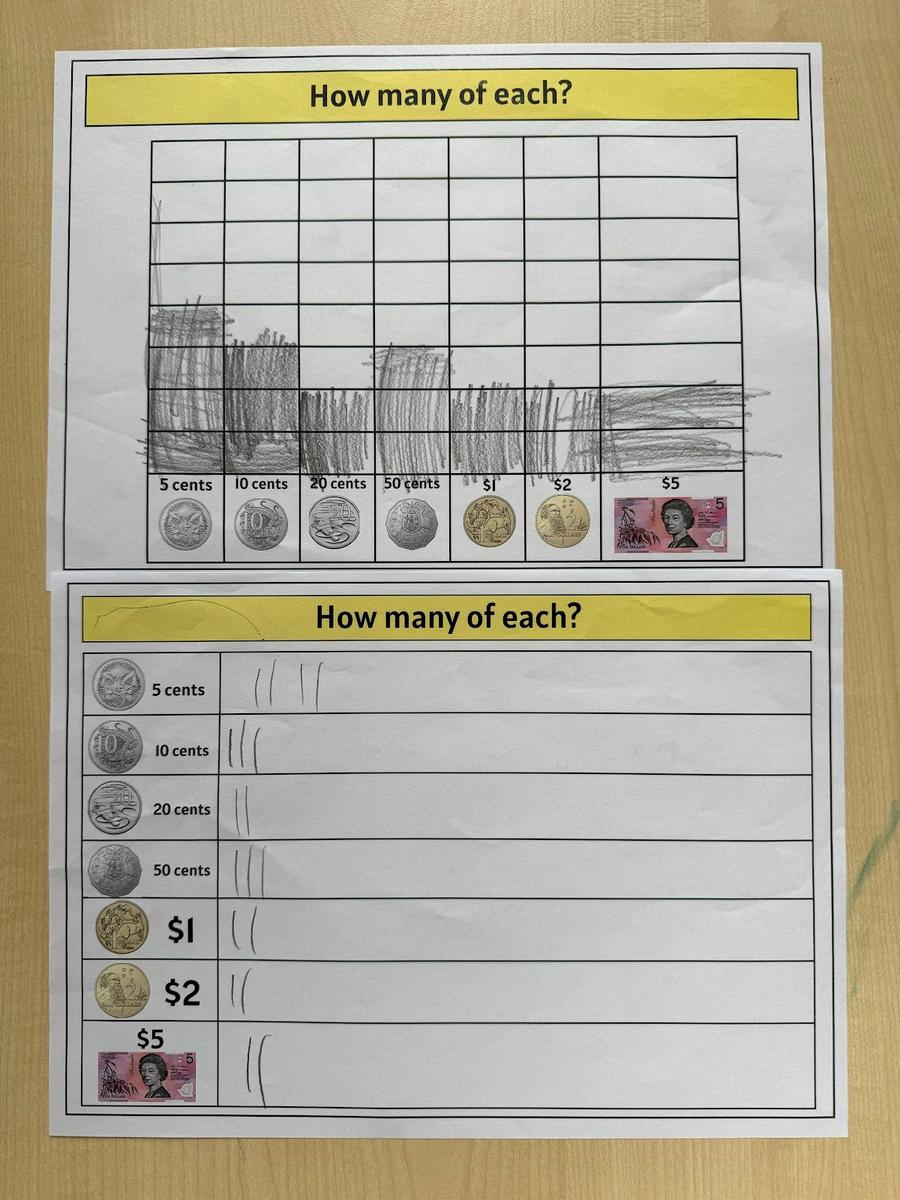
Students completed a coin-sorting activity. They practised:
- Lining coins up to count
- recording how many of each coin they found
- creating a simple graph to show their data
This supported students to represent their thinking visually and understand how graphs help us compare features of different coins.
Enabling: Students worked with a small set of coins (5c, 20c, 50c, $1). They sorted their coins, counted how many of each they had, and recorded the data using tallies or simple marks. They then made a simple graph to show their results.
Explore: Students worked with a wider range of coins (5c, 10c, 20c, 50c, $1, $2).
Extending: Students explored a bigger collection of money, including a $5 note.
Whole:
As a class, students reflected on their learning by sharing their recording strategies and explained how their graphs showed the amount of each coin.
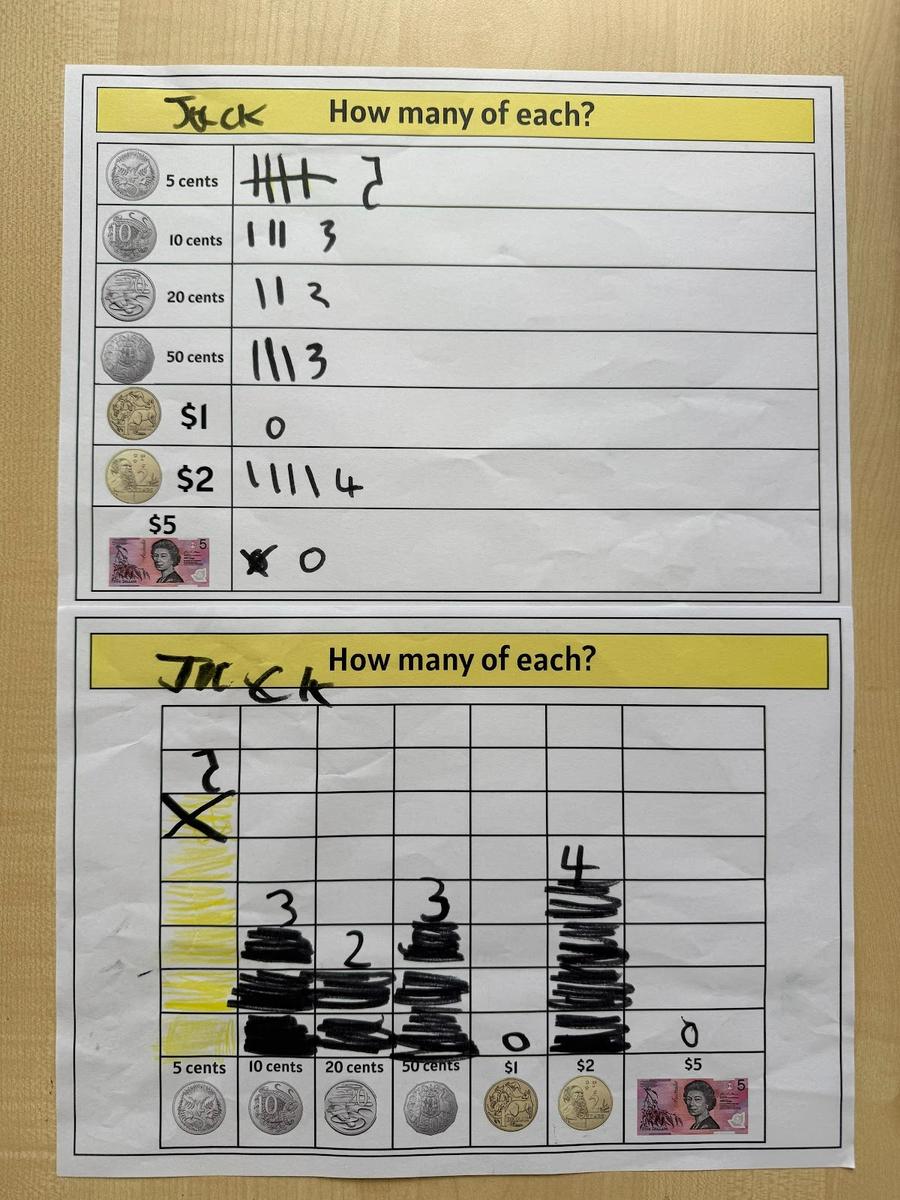
In this learning experience, students are working towards:
- Recognising and naming Australian coins
- Identifying coin features such as size, colour, shape, pictures and value
- Using counting strategies to count how many of each coin
- Recording data using tallies, ticks and symbols
- Creating simple graphs to display information
- Interpreting data to talk about the “most,” “least,” and “same amount”
What you can do now to continue the learning at home from this experience:
- Look at real coins together and talk about their features - colour, size, pictures, value
- Sort coins into groups and compare which group has more or less
- Practise counting collections of coins and record how many of each coin you have
- Play “Guess the Coin” by describing a coin and having your child find the right one
Warm Regards,
Alyssa, Ruby and Julian
Prep Team
Alyssa.Thermos@education.vic.gov.au