Junior School
Head of Junior School - Nicola Treacey
Junior School
Head of Junior School - Nicola Treacey

Article by Megan Crewe, Junior School English Leader
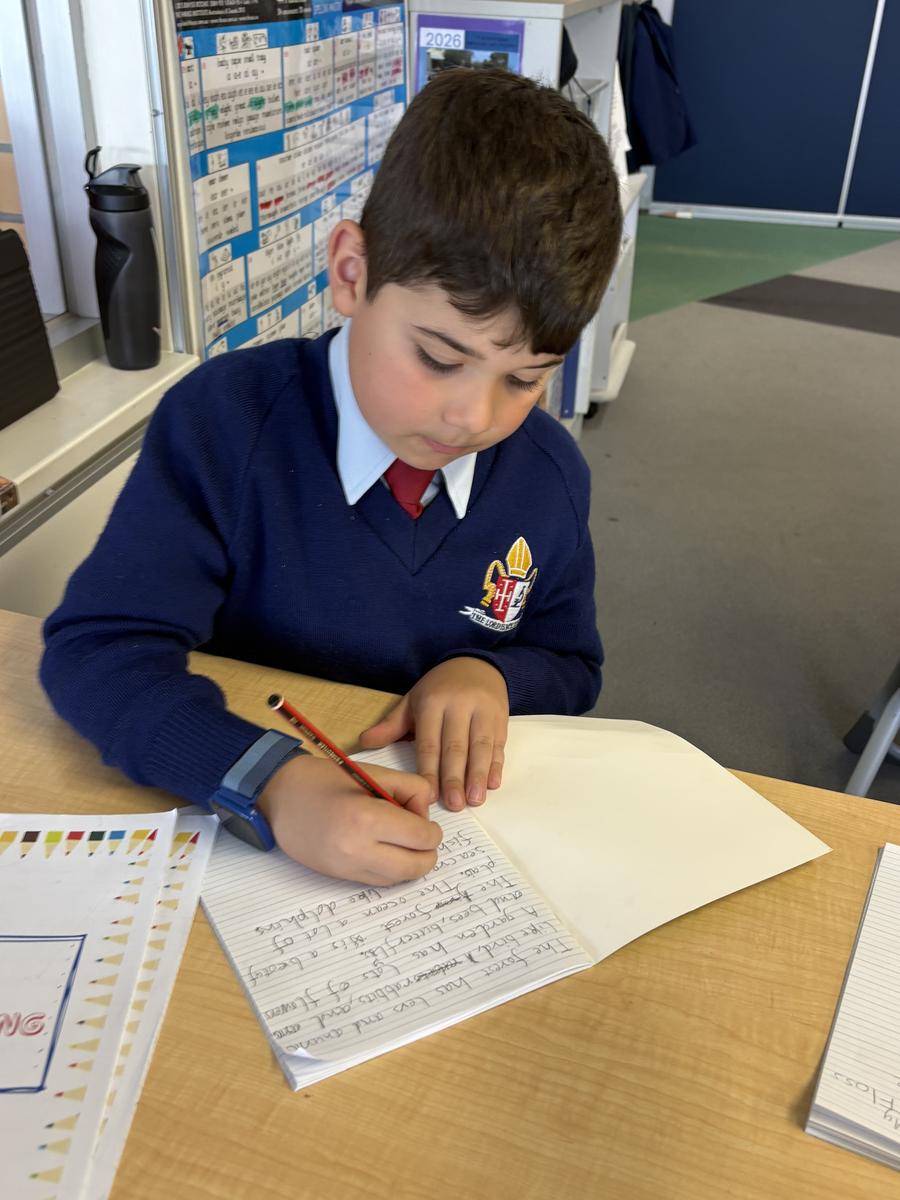
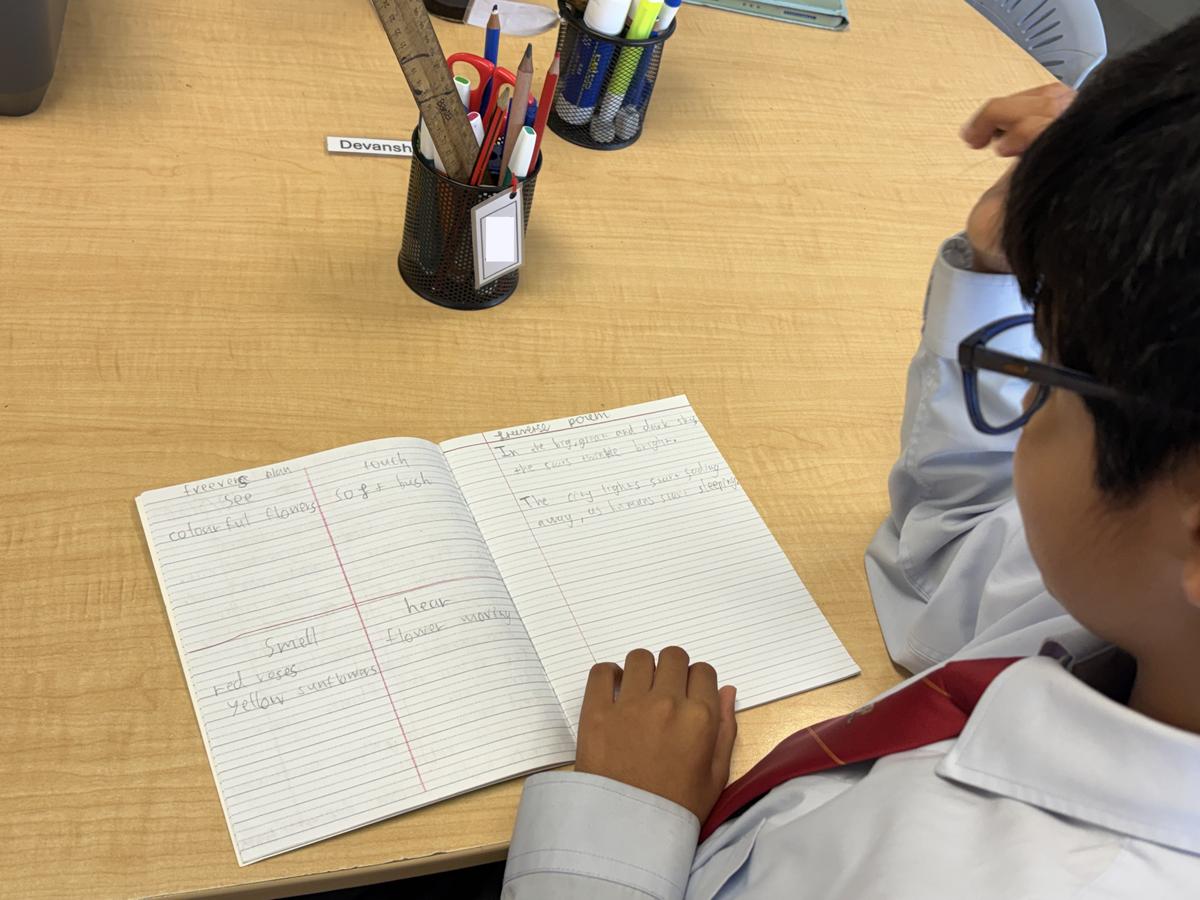
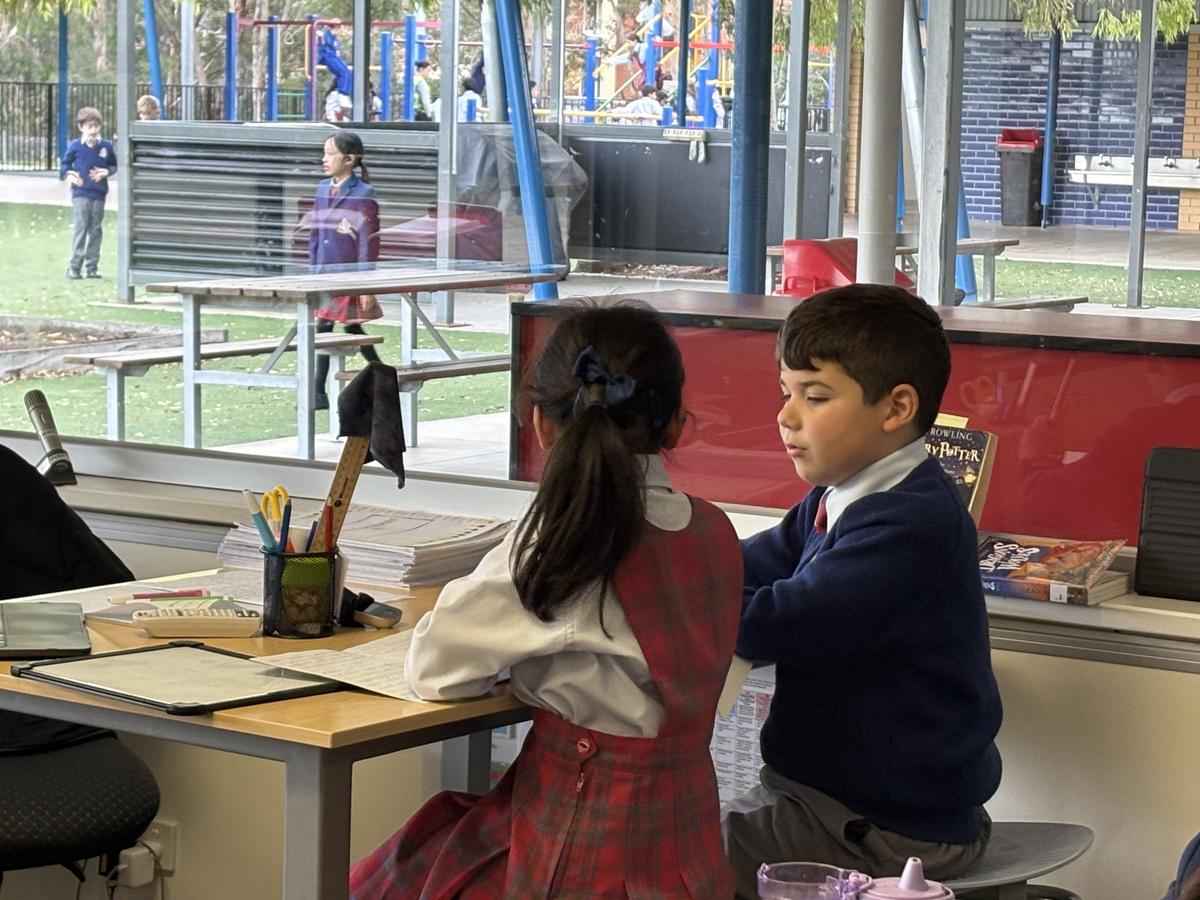
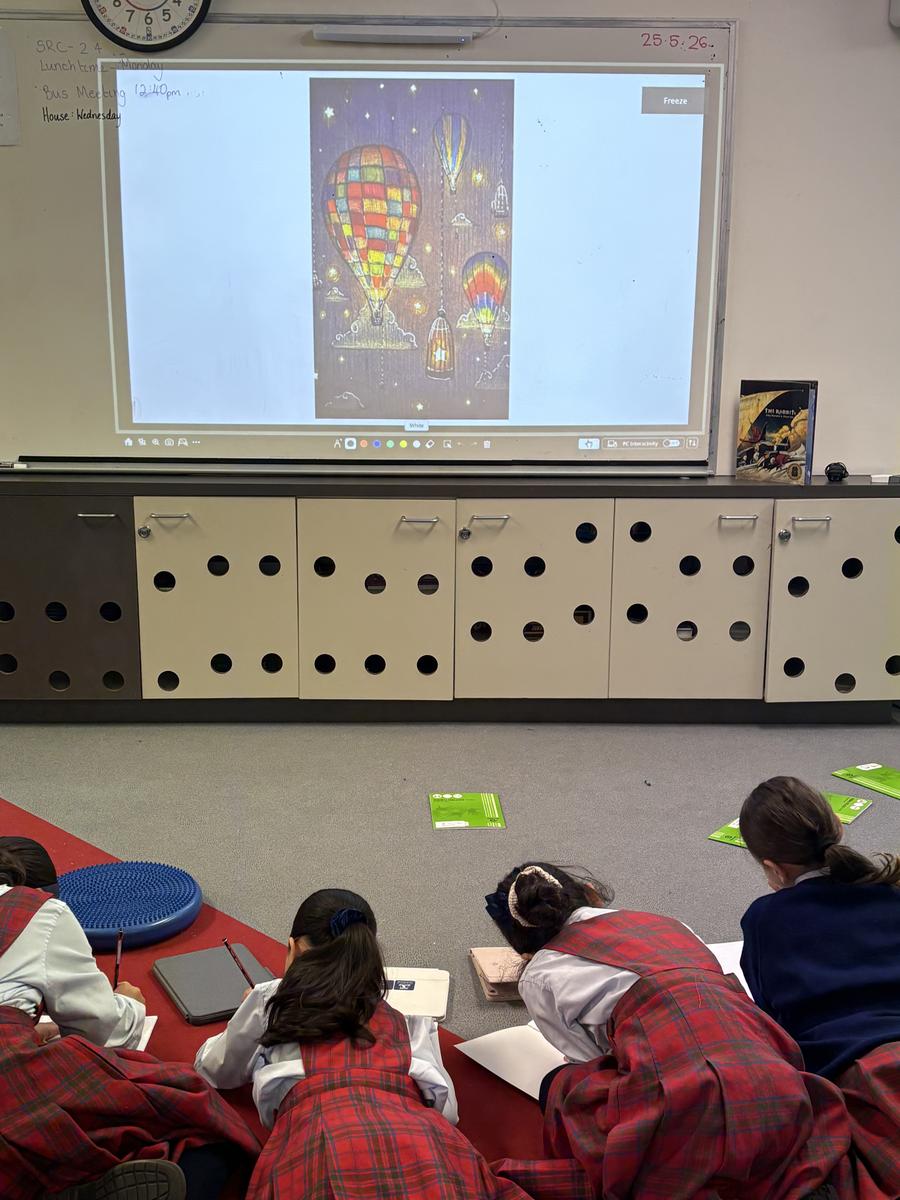
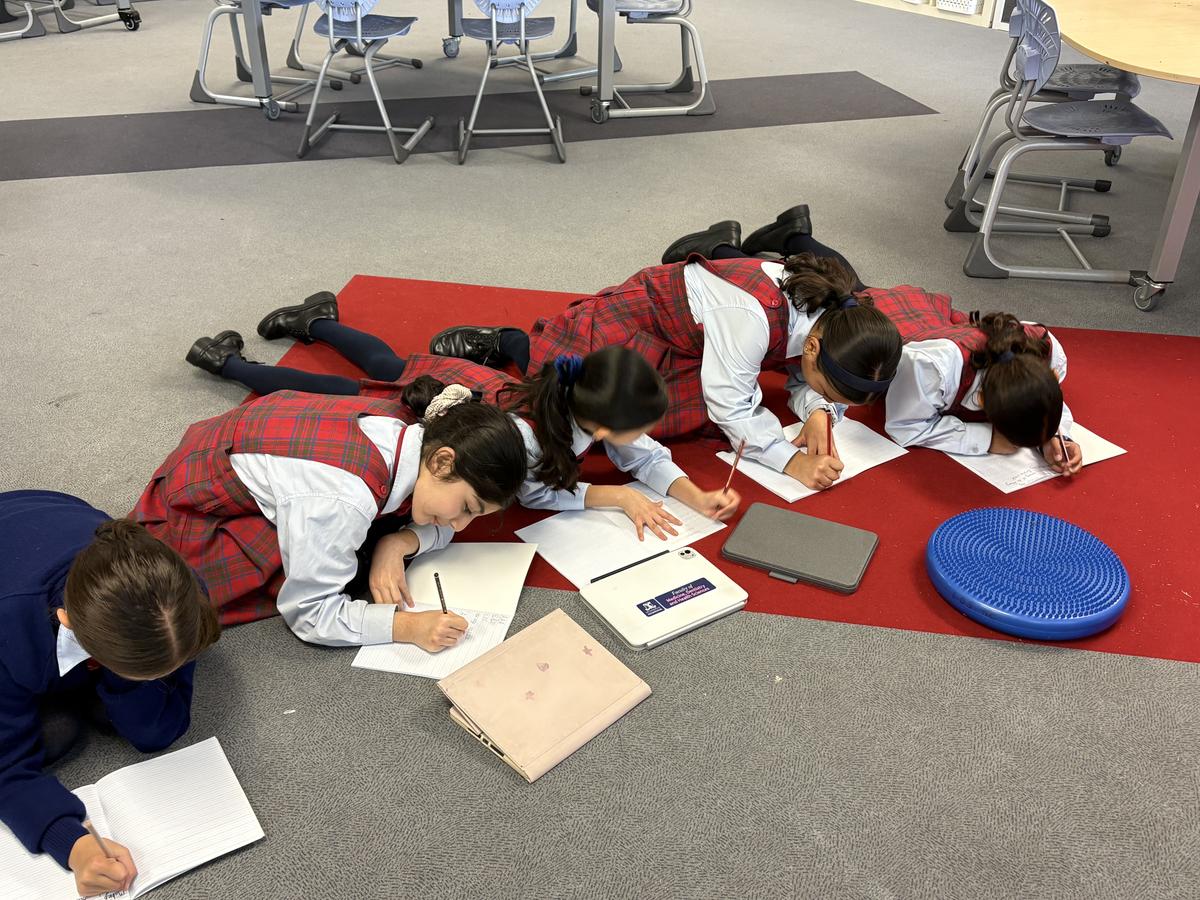
Creative writing is an exciting part of learning for students in Foundation to Year 4. Through storytelling, imaginative responses, character creation, and playful language experiences, students develop confidence in expressing their ideas and communicating clearly. Creative writing supports important literacy skills such as vocabulary development, sentence structure, spelling, punctuation, and reading comprehension, while also encouraging imagination, problem-solving, and critical thinking.
In Junior School, teachers support students to develop an understanding of the craft of writing by teaching them how authors create meaning, engage readers, and communicate ideas effectively. Students learn to write for different purposes and audiences while developing skills in sentence structure, vocabulary choice, spelling, punctuation, and text organisation. Students in Junior School explore how to generate ideas, plan, draft, revise, and publish their writing. They learn to use descriptive language, build characters and settings, organise ideas into logical sequences, and experiment with different text types such as narratives, recounts, procedures, and persuasive texts. As students progress, they develop greater independence and confidence in making deliberate writing choices that improve clarity, creativity, and impact for the reader.
Writing creatively also helps students build resilience and self-confidence. When students are given opportunities to share their thoughts, experiences, and ideas through writing, they learn that their voice matters. Creative writing can strengthen emotional expression, support oral language development, and foster a love of literacy that extends beyond the classroom. Students who engage regularly in meaningful writing experiences often become more motivated and enthusiastic readers and writers.
Families can play an important role in promoting creative writing at home. Parents can encourage creative writing at home by making writing a fun and natural part of everyday life. Children are more likely to enjoy writing when they have opportunities to be imaginative without worrying too much about spelling or mistakes. Families can support storytelling through activities such as keeping a journal, creating comic strips, writing shopping lists together, or making up alternative endings to favourite books. Providing colourful notebooks, interesting prompts, and time to share stories aloud can help children see writing as an enjoyable way to express their ideas and creativity.
Reading together also plays an important role in developing strong writers. Exposure to rich vocabulary, interesting characters, and different text types helps children build ideas for their own writing. Parents can talk about books, movies, family experiences, or even photographs to inspire children to describe, explain, and imagine. Most importantly, celebrating effort and creativity rather than focussing only on accuracy helps children build confidence and develop a positive attitude towards writing.