
Prep Curriculum News
Term 1, 2024
Prep Curriculum News
Term 1, 2024
Congratulations to all Prep students and their families on a wonderful start to 2025!
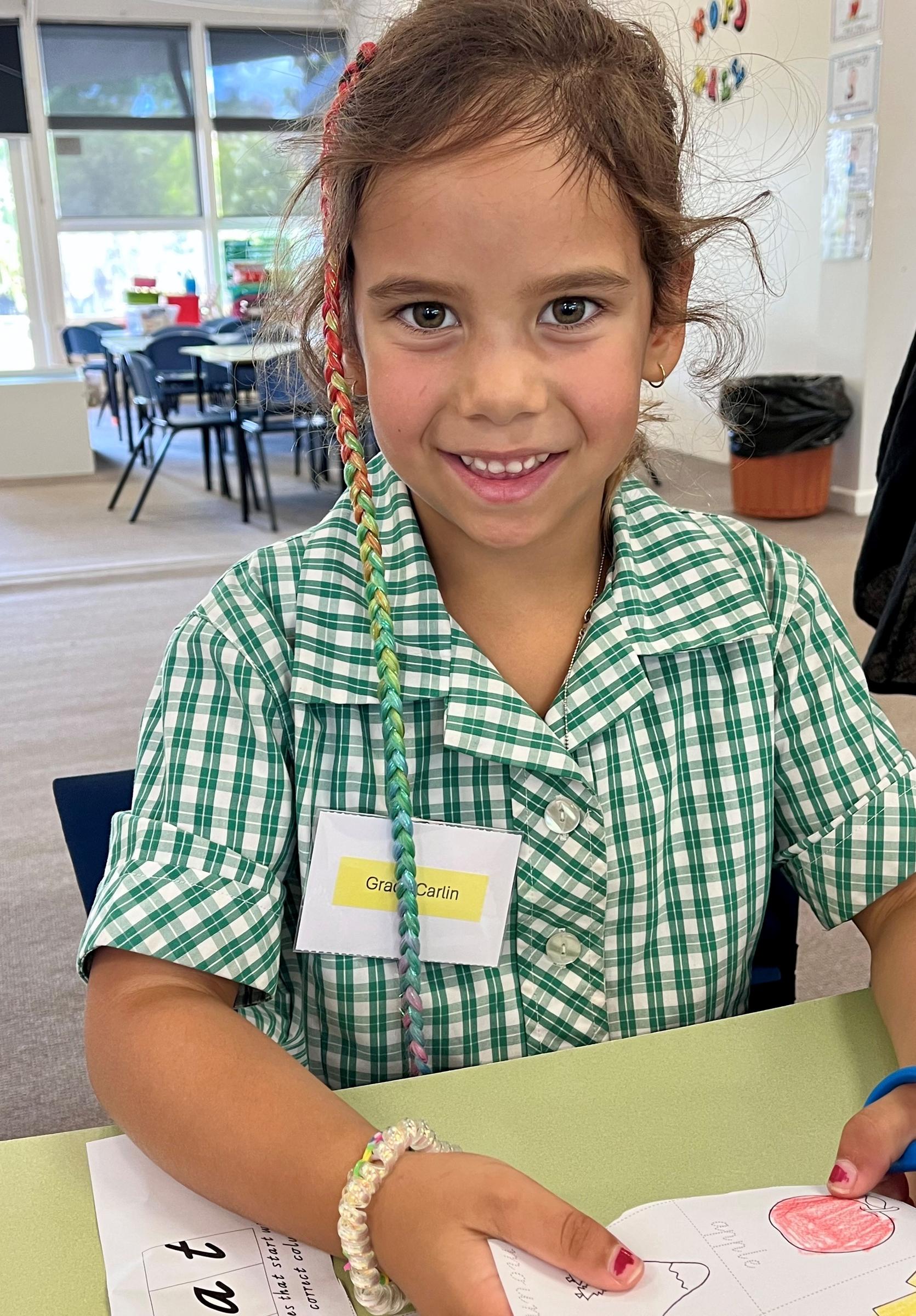
Term 1 is always a very busy term, often proving exhausting for our students. We are all very proud of how well everyone has settled into school life and look forward to an exciting year together.
Schools are organised to help us learn and play together
Lines of inquiry:
Many people teach us how to be healthy and safe
Lines of inquiry:
In Prep, we focus on laying the groundwork for literacy skills through engaging, hands-on activities that promote a love for reading, writing, speaking, and listening.
Reading & Viewing:
Letter and Sound Recognition: We will begin with the alphabet, focusing on both upper and lowercase letters. Students will learn the corresponding sounds for each letter, using activities such as letter tracing, sound matching games, and singing alphabet songs. A systematic synthetic phonics approach is used to explicitly teach the relationship between sounds and letters, in line with the science of reading.
Phonemic Awareness: Early literacy development will focus on understanding sounds in words. Students will engage in activities like rhyming, identifying the first sound in words, and segmenting sounds (e.g., breaking "cat" into /c/ /a/ /t/). The students will participate in daily Heggerty Phonemic Awareness activities.
Sight Words: Early exposure to high-frequency sight words will help build fluency.
Reading Comprehension: We will explore simple stories and books to build comprehension. Students will talk about what they think is happening in the story, make predictions, and identify characters and settings. Guided reading sessions will support their development in recognising familiar words and understanding the meaning of the text.
Writing:
Letter Formation: Early writing will focus on correct letter formation and the development of fine motor skills. Through activities like sand writing, tracing, and using different writing tools (e.g., pencils, markers, crayons), students will practice writing both letters and their own names.
Emergent Writing: Students will begin to write simple words and short sentences. They will start by using familiar sight words and phonetic spelling. Encouraging independent writing through drawing, labelling, and dictation will allow students to express their ideas and stories.
Shared Writing Activities: Teachers will model writing strategies by creating collaborative stories or class messages. This will show students how to form sentences, use punctuation, and construct simple stories with correct structure.
Speaking & Listening:
Oral Language Skills: Through daily conversations, children will develop their speaking and listening skills. We will engage in show-and-tell sessions, where students can talk about objects, experiences, and ideas with their peers.
Listening Comprehension: Listening to stories, songs, and instructions will help students develop their listening skills. Activities like "Simon Says" or following verbal directions will support their ability to understand and process information.
Interactive Discussions: Students will engage in structured group discussions where they practice asking and answering questions, making comments, and respecting others' contributions.
In Prep, we focus on developing a strong understanding of mathematical concepts through exploration and play-based learning. The goal is to make mathematics both fun and meaningful by connecting it to everyday experiences.
Number:
Counting and Number Recognition: Students will begin by counting forwards and backwards from 1 to 10 and later progress to 1 to 20. They will learn to recognise numbers, match them to groups of objects, and practice writing numerals. We will use counting songs, number games, and activities like counting blocks to reinforce these skills.
Subitising: Students will practice subitising, which is the ability to recognise small quantities without counting (e.g., seeing 3 dots on a die and knowing it’s 3 without counting). This skill helps build fluency with numbers and prepares them for more complex calculations.
One-to-One Correspondence: Activities will help students understand that each object in a group corresponds to one number. For example, they will count objects like blocks or toys, pointing to each one as they count aloud.
Measurement:
Days of the Week (Time and Calendar):
A key focus this term is helping students develop an understanding of time, starting with the days of the week. Students will learn the names of the days (Monday, Tuesday, Wednesday, Thursday, Friday, Saturday, Sunday) and begin to recognise the order they come in. Through activities like singing songs about the days of the week, creating class calendars, and practicing using a daily schedule, students will build an understanding of routine and time.
Space:
Shapes and Spatial Awareness: Students will identify and describe simple 2D shapes (circle, square, triangle, rectangle). Activities will include shape sorting, creating patterns with shapes, and identifying shapes in the environment.
Position and Location: Students will develop spatial awareness by describing the position of objects in space. They will practice using terms like "in front," "behind," "next to," and "between" in activities like obstacle courses or treasure hunts.
Respectful Relationships
In Term 1 Prep students will start participating in activities from the Respectful Relationships Program. These lessons are designed to develop students’ social, emotional and positive relationship skills.
Topics covered this term include:
Emotional Literacy
Emotional literacy can be defined as the ability to understand ourselves and other people. It includes the ability to understand, express and manage our own emotions, build empathy, and to respond appropriately to the emotions of others. Building a large vocabulary for emotions helps to increase emotional literacy and build self-awareness and empathy for others.
Personal Strengths
Children and young people need a vocabulary to help them recognise and understand strengths and positive qualities in themselves and others. This topic provides learning activities to build this vocabulary and to use it when discussing personal, social and ethical challenges.
Help-Seeking
Learning activities in this topic area are designed to help students discuss the importance of seeking help and providing peer support when dealing with problems that are too big to solve alone. Scenario-based activities help students identify situations in which help should be sought, identify trusted sources of help, and practice seeking help from peers and adults.
The Zones of Regulation, developed by Leah Kuypers, is a systematic framework that helps individuals, especially children, understand and manage their emotions. It categorises emotions and states of alertness into four color-coded zones:
Blue Zone (low alertness)
Green Zone (optimal alertness)
Yellow Zone (heightened alertness)
Red Zone (extremely high alertness)
By fostering emotional awareness, teaching self-regulation strategies, creating a Zones-friendly environment, and using visual supports, we empower children with essential skills for emotional well-being and self-control.
Monday 10 & Tuesday 11 March
Meet and Greet Interviews
Monday 3 March School Photos
Monday 10 March Labour Day Public Holiday
Tuesday 25 March
Colour Run
Friday 4 April Term 1 ends - 2.30pm
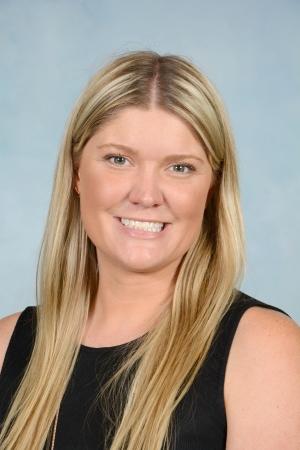
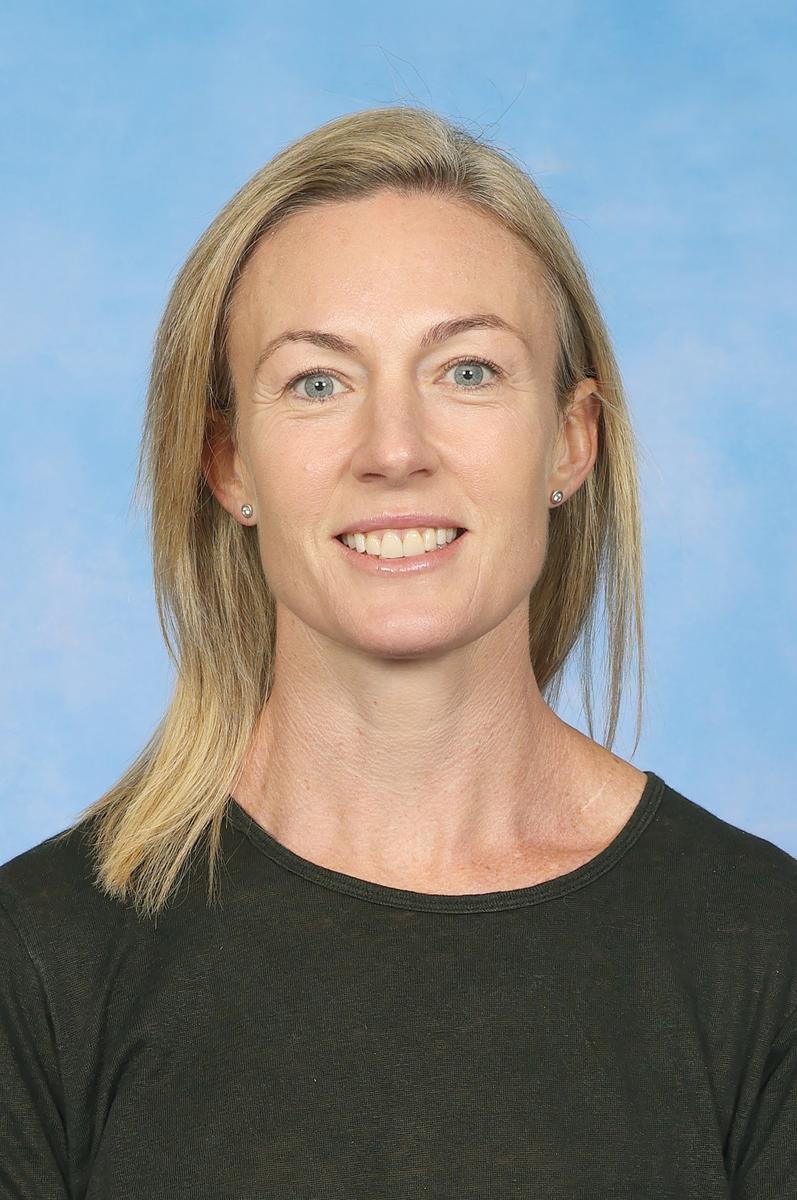
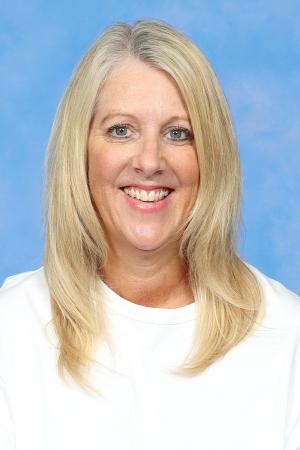
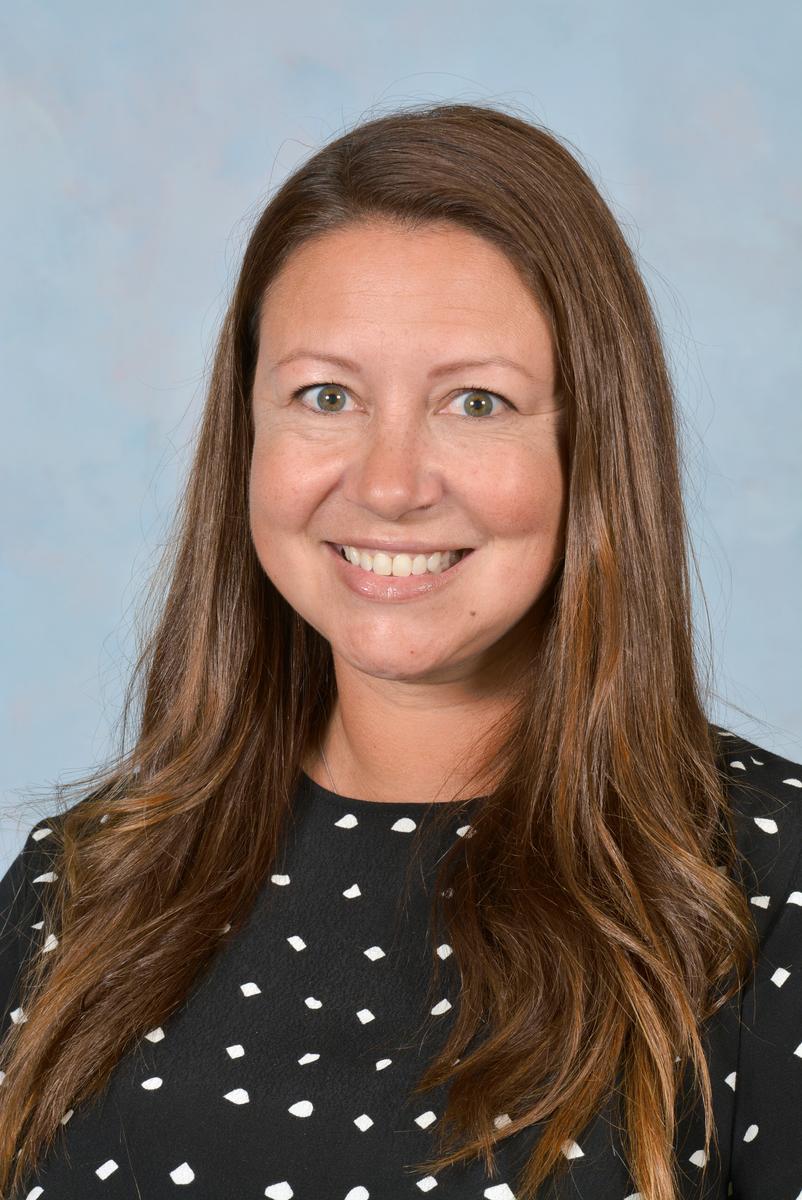
Kate Morrison, Melinda Docker, Sue Evins & Tanya Gibbon