
Let's Talk Careers
Mrs Sharan Tagore
Let's Talk Careers
Mrs Sharan Tagore
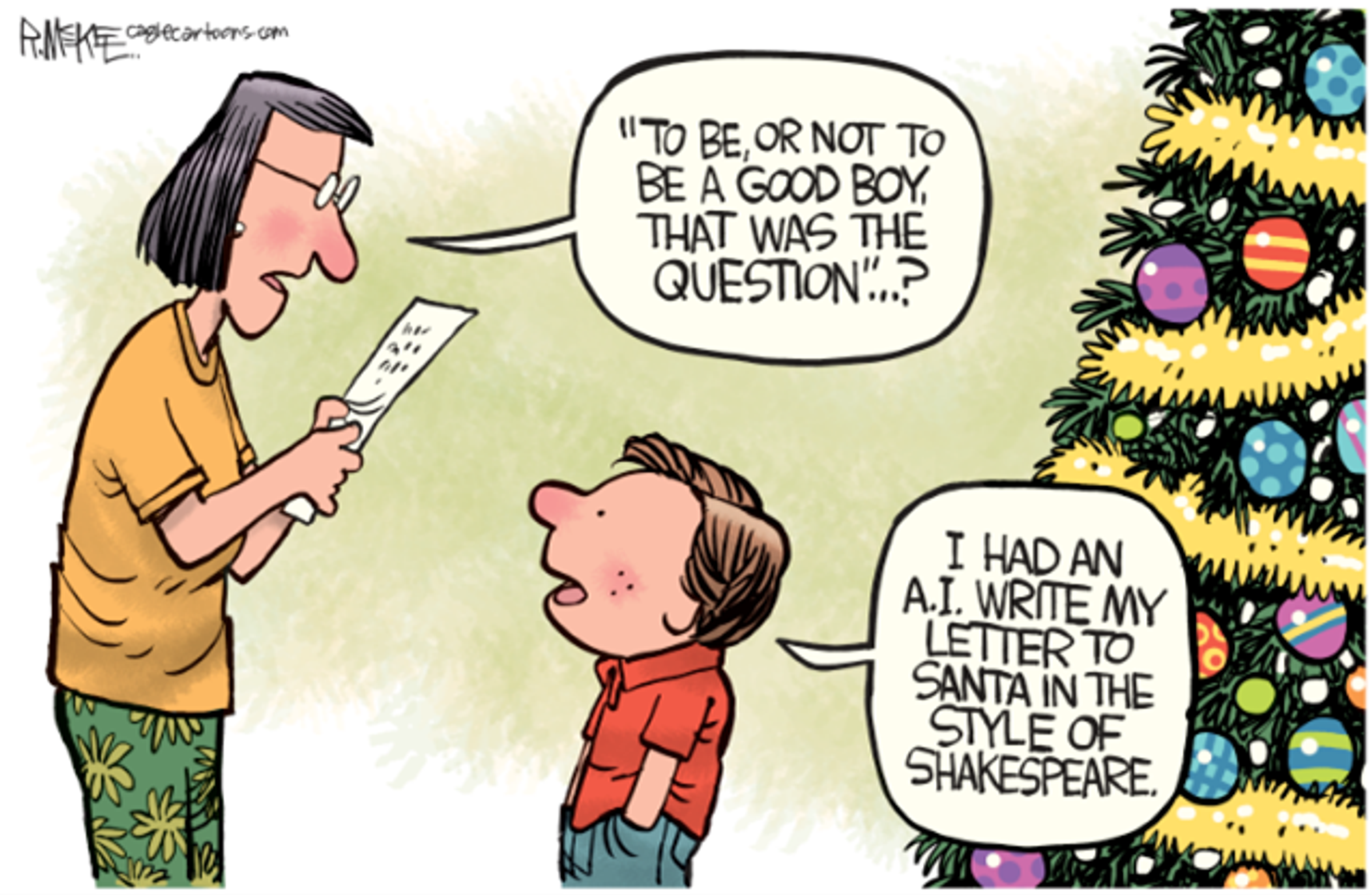
As artificial intelligence (AI) becomes more prevalent in classrooms and the workplace, it is tempting for students to lean on these tools for quick answers or assignment help. However, relying too heavily on AI risks undermining the very skills that set individuals apart, such critical thinking, creativity, and independent problem-solving.
Critical thinking is the cornerstone of genuine learning and lifelong success. While AI can assist with brainstorming or organising information, it should never replace a student’s own analysis or research. Developing the ability to evaluate information, form opinions, and construct original arguments not only prepares students for university but also for the rapidly changing world of work, where adaptability and innovation are highly valued.
A recent incident at Curtin University’s UniReady program serves as a cautionary example. This year, 15 Year 12 students failed a unit after misusing AI in their assessments. They were given the opportunity to resubmit their work if AI use was not permitted, but none met the deadline. As a result, their marks were reduced, and they failed the unit and therefore the course. This potentially jeopardised their path to university, since passing all four UniReady units is required for entry through this pathway.
St George’s, like all educational institutions, have very clear policies about AI use: it is only allowed when explicitly approved and properly disclosed. Students must show that their work is their own; submitting AI-generated content without permission is considered academic misconduct, with serious consequences ranging from mark reductions to failing units.
This case highlights why it is essential for students to engage deeply with their learning, rather than looking for shortcuts. Parents and educators can help by fostering open conversations about technology, encouraging students to reflect on how, and why, they use AI. By prioritising critical thinking over convenience, we ensure that students are equipped for academic success and ready to thrive in an AI-rich future.
In every future career, the ability to think critically, generate creative solutions, and solve problems independently will remain indispensable. These skills enable professionals to adapt to complex challenges, innovate in uncertain environments, and make informed decisions - qualities that no automated system can fully replicate.
While AI offers convenience and efficiency, overreliance on it risks diminishing these core competencies, leaving individuals less prepared for roles that demand originality and judgment. To thrive in an AI-driven world, we must use technology as a tool, not a substitute, ensuring that human insight and ingenuity remain at the heart of progress.
Mrs Sharan Tagore
Associate Dean of Teaching & Learning
Reference
Melisa, R., Ashadi, A., Triastuti, A., Hidayati, S., Salido, A., Ero, P., Marlini, C., Zefrin, Z., &
Fuad, Z. (2025). Critical thinking in the age of AI: A systematic review of AI's effects
on higher education. Educational Process International Journal,