
Teens & Screens
Digital Habits - tips for parents/carers

Teens & Screens
Digital Habits - tips for parents/carers
With alarming headlines about recent incidents of sexual violence against girls, it is important that we engage in open and frank conversations with our teens about attitudes to sex, consent and relationships and the influences shaping their sex education.
If we don’t, they will look online for answers, and this article will help you see that algorithms will not give them the information they need and it is harming their development.
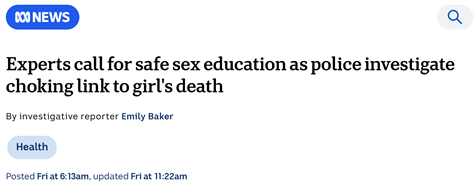
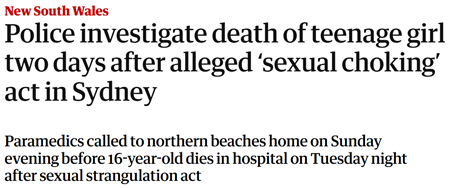
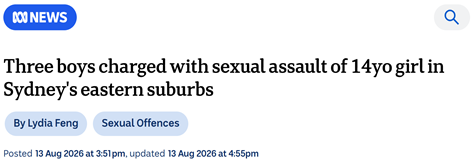
Adolescents are accessing online pornography that is often violent and degrading in nature and it is time to talk about it.
For young people, violent and aggressive pornography has become part of their understanding of what sex looks like.
The reasonable adults in the lives of teens need to be the strongest influence and loudest voices about what healthy sexual relationships look and feel like.
According to eSafety’s recent research, online encounters with pornography are widespread in the online lives of adolescents in Australia.
A Summary of Key Findings by the eSafety Commissioner
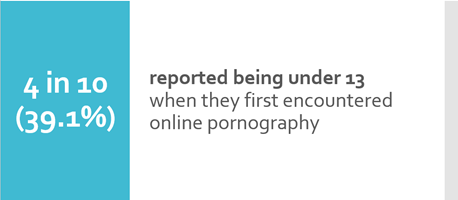
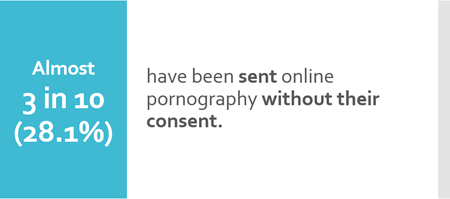
3 in 4 (74.8%) adolescents had at some point encountered online pornography.
Of those who had encountered it:
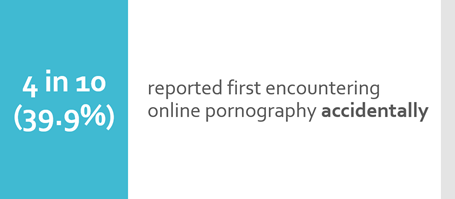
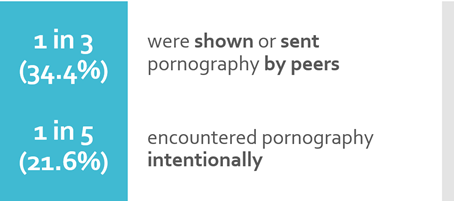
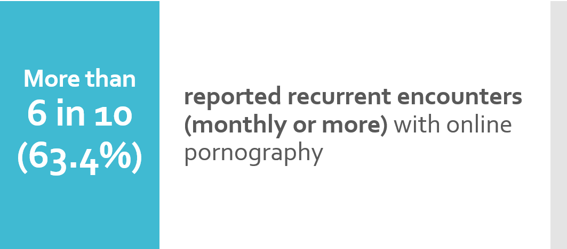
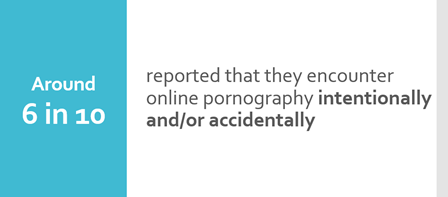
A Growing Risk that’s Hard to Ignore
New eSafety research shows 1 in 3 Australian children aged 10 to 17 have seen sexual images or videos online.
Some of the material they are seeing is violent, degrading or misogynistic. And it often surfaces on the same apps and platforms they use every day.
This is not just about harmful content. It’s how pornography may be shaping some young people’s ideas about sex, consent, and relationships before they are ready to deal with such adult concepts.
And it’s happening at scale, with 1 in 10 reporting they had seen violent sexual content in the last year.
Why it matters
More and more evidence shows that young people are seeing content that does not reflect healthy, respectful or real-life sexual relationships.
Some of the pornography they find online can:
promote unrealistic expectations about bodies, sex and consent
normalise misogyny and violence towards women and girls
lead to confusion, anxiety or shame, particularly when viewed at a young age
fuel peer pressure, especially when explicit content is shared in social groups.
This kind of exposure can influence how young people behave – both online and offline. It can also affect their understanding of intimacy, boundaries and respect.
How Children Access Pornography
Many children come across pornography either by accident or on purpose – and often, it’s surprisingly simple for them to access.
Some of the common ways kids encounter this material include porn sites or apps, social media platforms, messaging apps or group chats (where peers share content), search engines and clickbait links or pop-ups.
Research by eSafety in 2023 found that young peoples’ first exposure to porn often happens through a basic search online, or by stumbling across content without trying. Tech-savvy children can also find ways around safety settings to access online pornography.
Prevalence of Violent and Degrading Pornography
Research shows that 45% of videos on one of the most-visited porn websites in the world include at least one act of aggression. Further analysis suggests one in eight videos curated for first-time visitors on pornography sites show sexual violence, with women targeted in 97% of violent scenes.
Rape and strangulation are regularly depicted. Sexually violent videos are also more likely to feature people who are underage.
Pornography blurs the line between what is 'real' and what is acting. It can portray unrealistic scenarios, such as women 'enjoying' painful, degrading and dangerous sex acts.
It typically shows men as aggressive, controlling, and dominant. In doing so, it’s creating harmful sexual scripts for viewers to follow, particularly young people. It is shaping young people's expectations of sex, body image and pleasure.
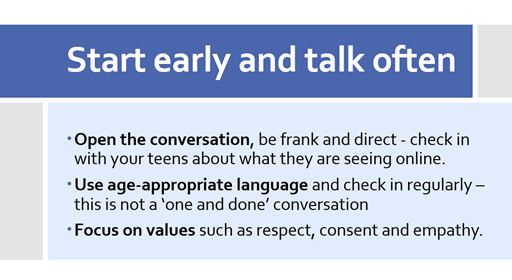
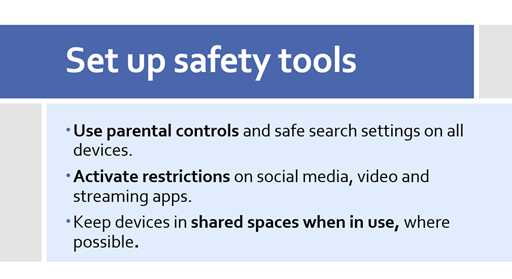
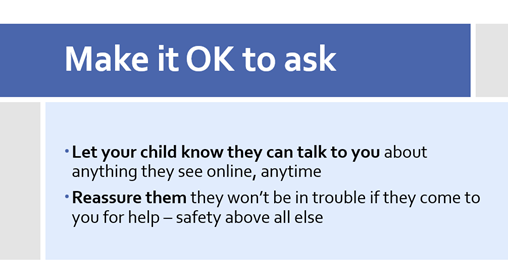
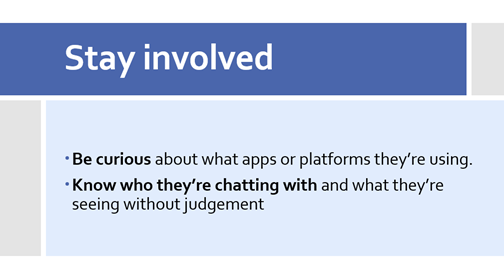
What Parents Can Do Now
While industry changes are underway, parents and carers are still the first line of defence. Here’s what you can do:
Tanya Moran
Leader of Professional Practice
Excerpts from:
https://www.esafety.gov.au/research/adolescent-encounters-with-online-pornography