
Unit 4 Art Making & Exhibiting
Visual Arts & Technology
Unit 4 Art Making & Exhibiting
Visual Arts & Technology
Artist Spotlight: The Evolution of Artworks
A sneak peek at artist statements and their progressive artworks for our upcoming end-of-year exhibition, Realms Beyond: Exploring Worlds of Creativity.
The following artist statements provide insight into the Year 12 Art Making and Exhibiting students’ artistic intentions, creative processes and development of visual language.
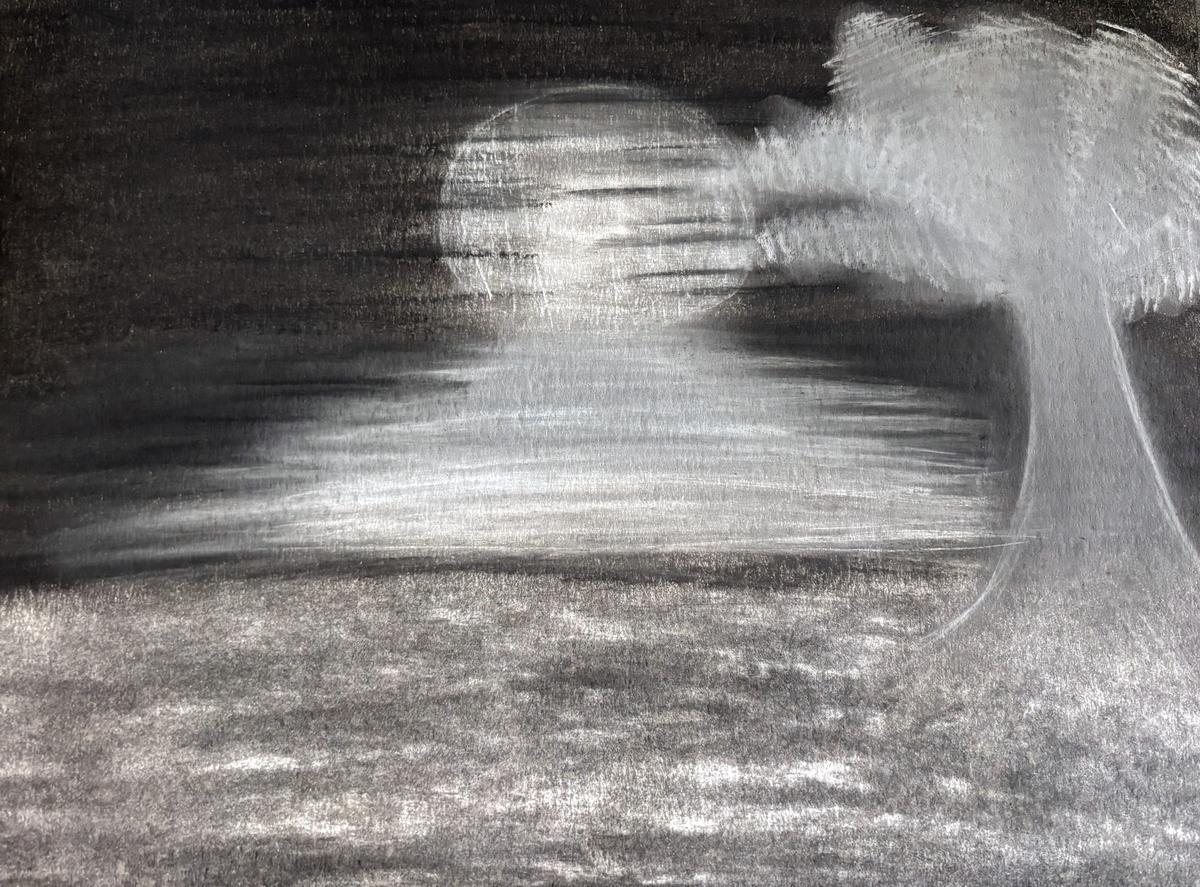
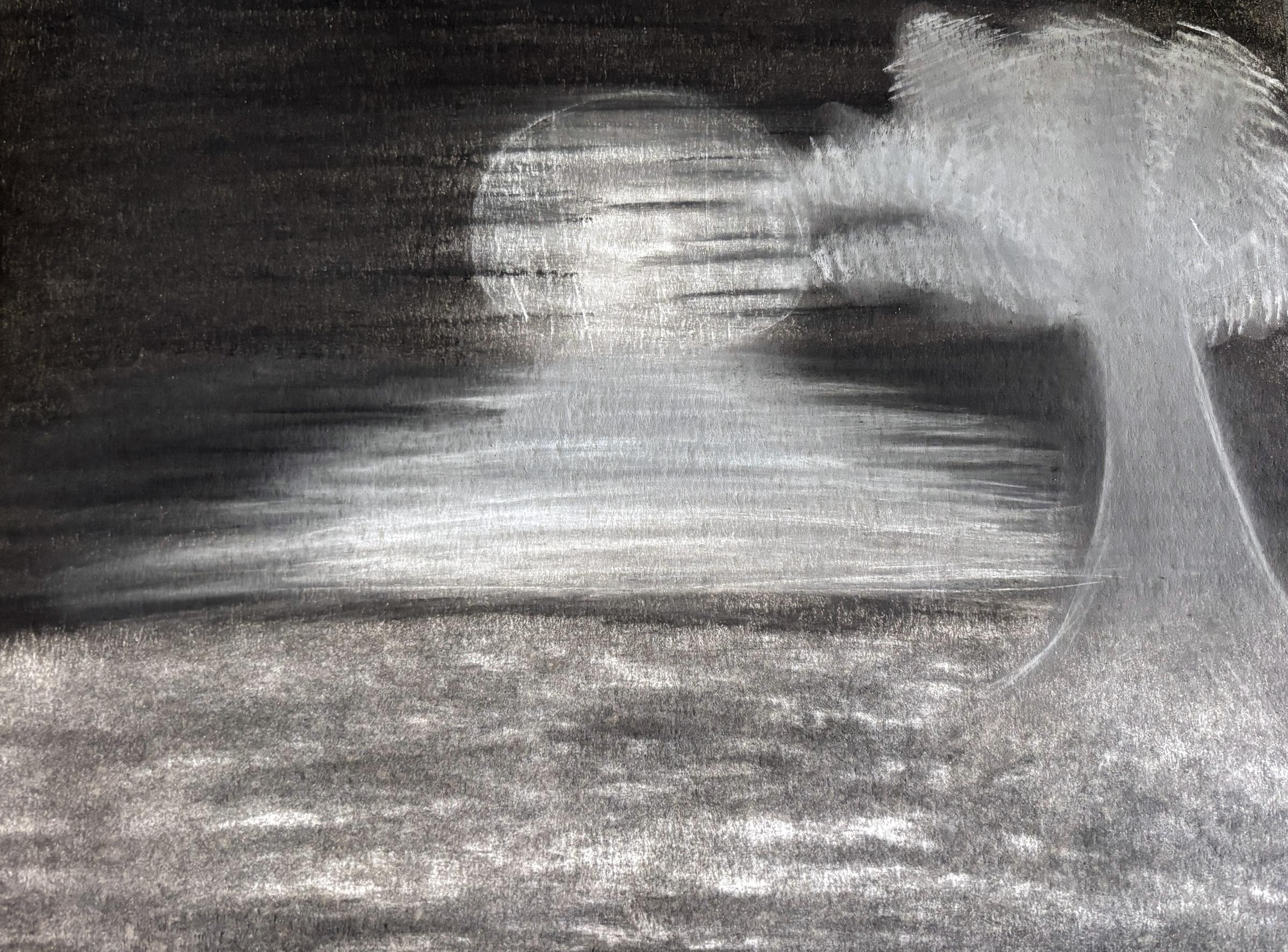
In my artwork, I explored the idea of isolation within an environment. Initially, I planned to create only a sunset over water and land using charcoal, which communicated a landscape but did not clearly express my intended idea of isolation. As I developed the artwork, I experimented with adding a figure and considered different positions and appearances for the figure. I decided to include the figure because the empty environment alone could be interpreted simply as a sunset, whereas the isolated figure made the feeling of loneliness and disconnection more evident. Through this development, I was able to move from representing a landscape to using the landscape and figure together to communicate my intended concept. ~ Laila Dunlop
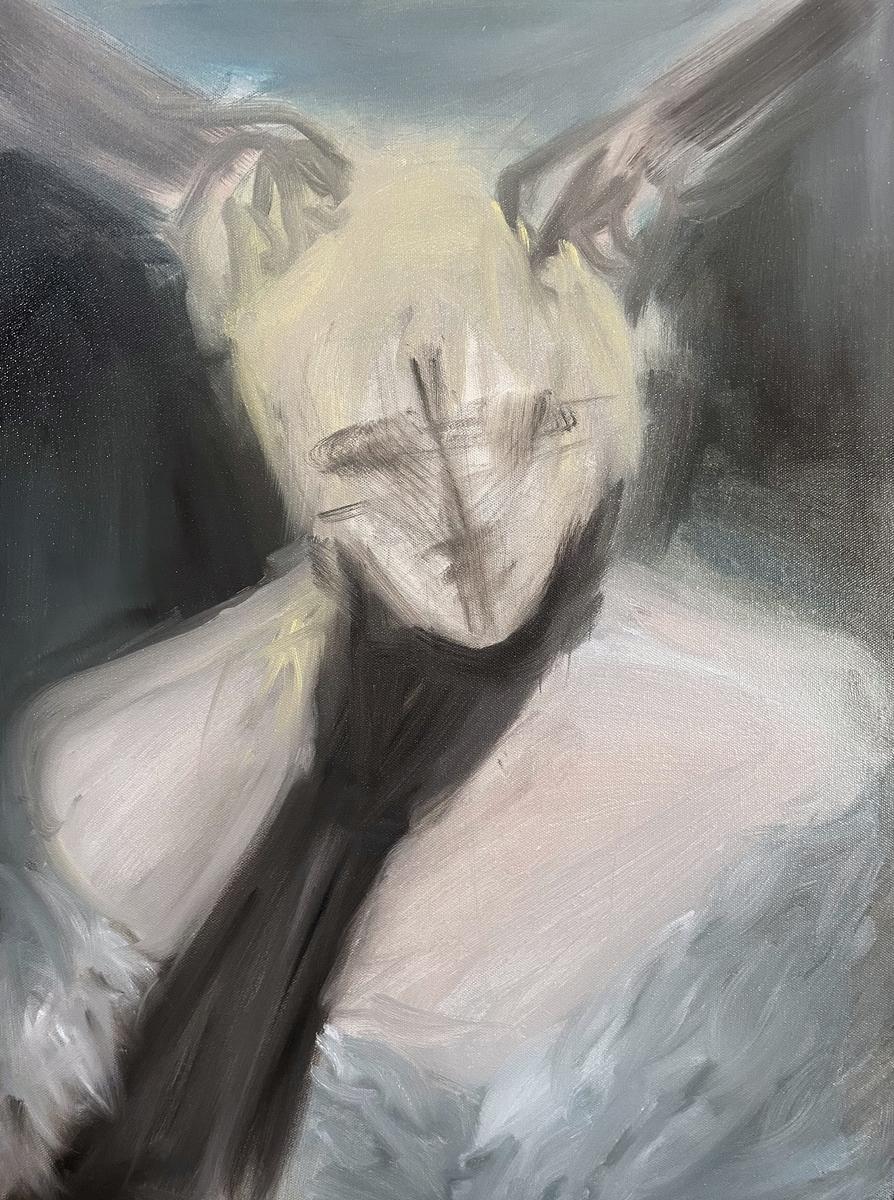
An idea I explored through my artwork was vulnerability and powerlessness. I developed this idea through the subject matter by incorporating long, dark hands that surround and hold the central figure hostage, symbolising control and dominance. I further evolved the concept through the expressive dark blue background, which isolates the figure and creates the feeling that there is no clear escape from the surrounding darkness. I experimented with rough streaks of paint to expose the canvas texture and create a violent, expressive quality that reflects the emotional state of the figure. I also built-up translucent layers of paint to create depth and a raw, emotive surface. These decisions allowed me to develop my original idea from simply representing vulnerability to creating a more confronting visual experience of powerlessness. ~ Sarah Latheef
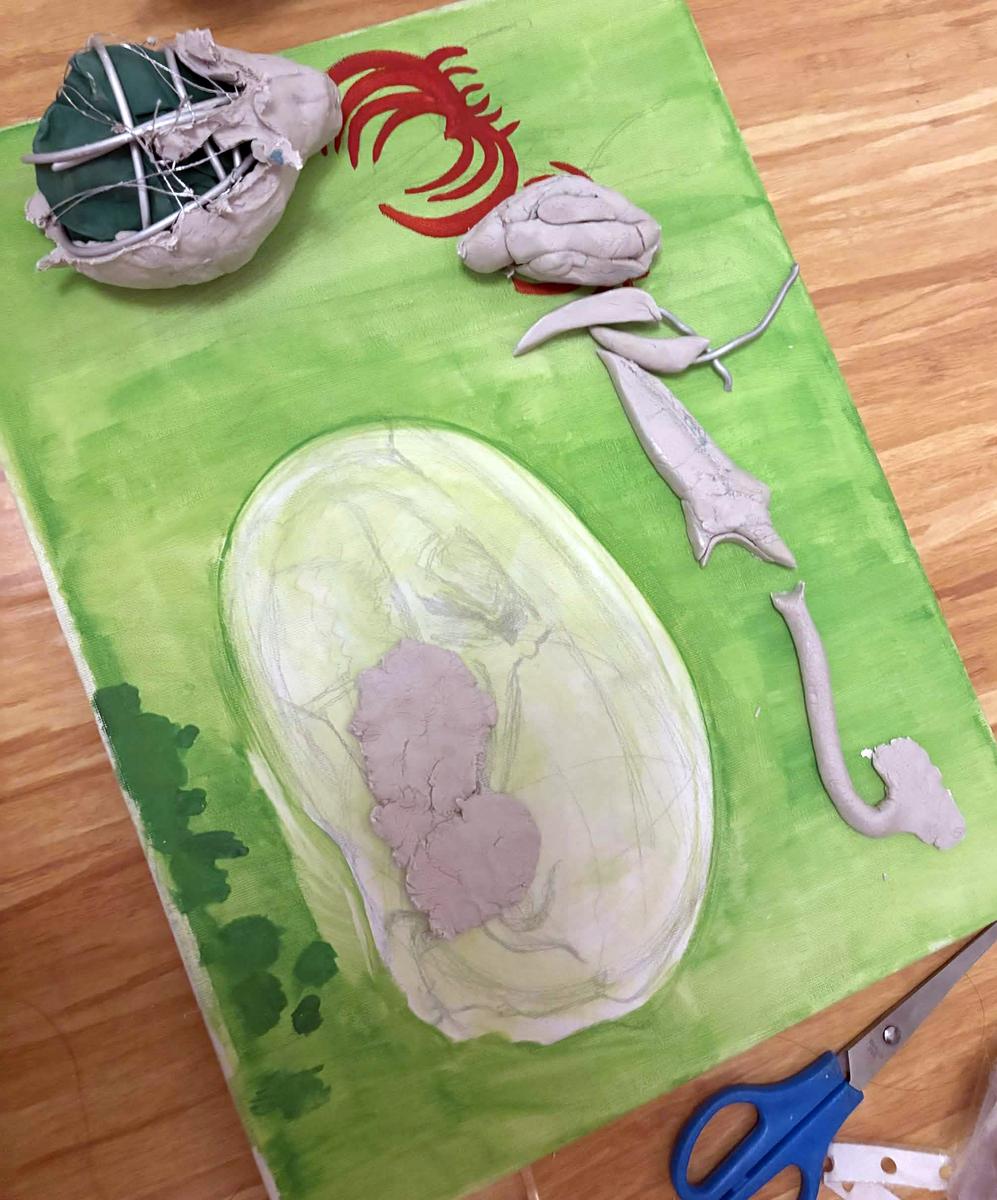
Throughout Units 3 and 4, I explored the concept of death and the different ways it can be represented. In my first artwork, I represented death through red spider lilies and a mouse skull. I used mixed media by combining a painted canvas with a three-dimensional clay skull, allowing the skull to project from the surface and create a more realistic and confronting representation of death. I then developed the concept in my second artwork by exploring death as an event occurring in the moment, showing a figure lying on the floor surrounded by blood while their killer watches. This represented death in a more narrative and confronting way than my first artwork. Through this progression, I moved from using symbolic imagery to depicting the physical and emotional circumstances surrounding death. ~ Rima Luc
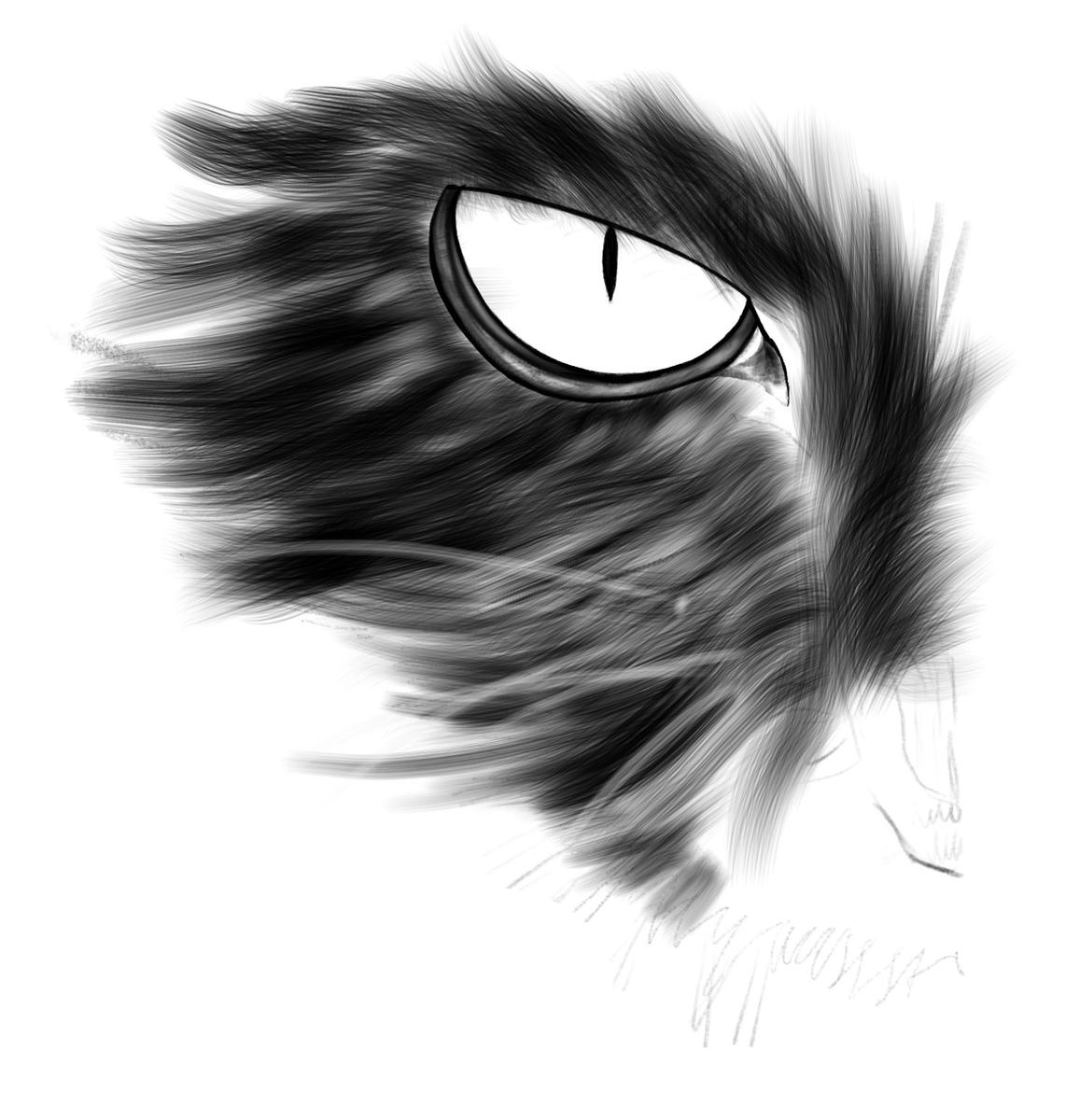
My artwork explores the emotional experiences of domestic animals and the complex relationship between humans and their pets. My Unit 4 investigation evolved from my Unit 3 exploration of cats as sentient beings capable of experiencing complex emotions. In Unit 3, I used realistic graphite drawings influenced by Paul Lung's detailed rendering, focusing on the facial features of cats to communicate emotion. In Unit 4, I developed this idea further by shifting my focus from the individual emotional experiences of cats to the relationship between humans and domestic animals. This allowed me to explore how animals and humans can form emotional connections and how these relationships influence the way we understand animals as sentient beings. ~ Lanna Milasinovic
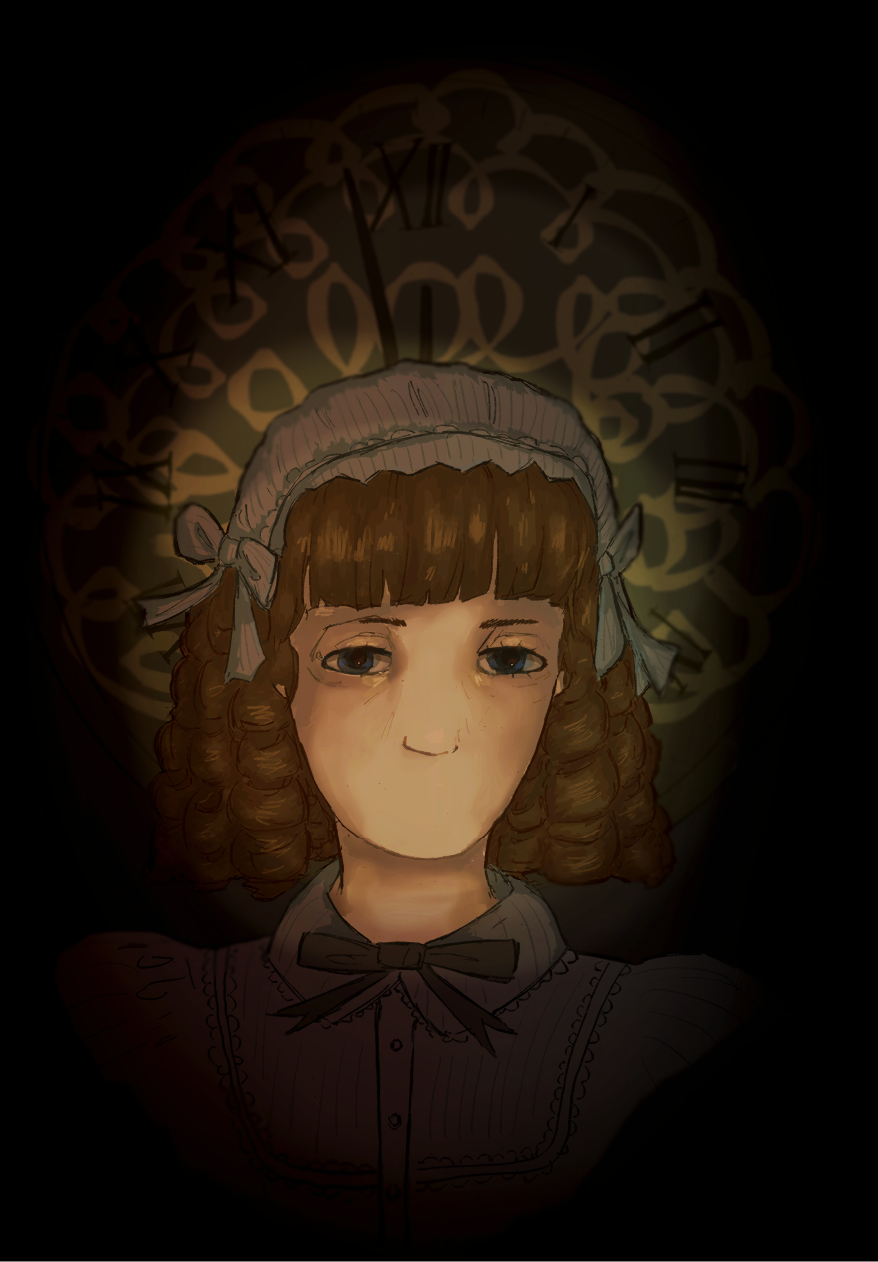
The idea I explored in my art practice was the dark and sexist side of society and how prevalent sexism remains in contemporary society. I developed this idea by deliberately using light colours and low tonal contrasts to disguise the darker subject matter beneath bright and visually pleasing imagery. This reflects how women can feel pressured to hide unpleasant experiences beneath a seemingly perfect façade. I further communicated this idea through the figure's twisted expression and rough brushstrokes, which create cracks in the otherwise pleasing visual appearance and reveal the underlying message. Through these choices, I developed my theme from simply representing sexism to exploring the way societal expectations can mask uncomfortable experiences and issues. ~ Mila Nacevska
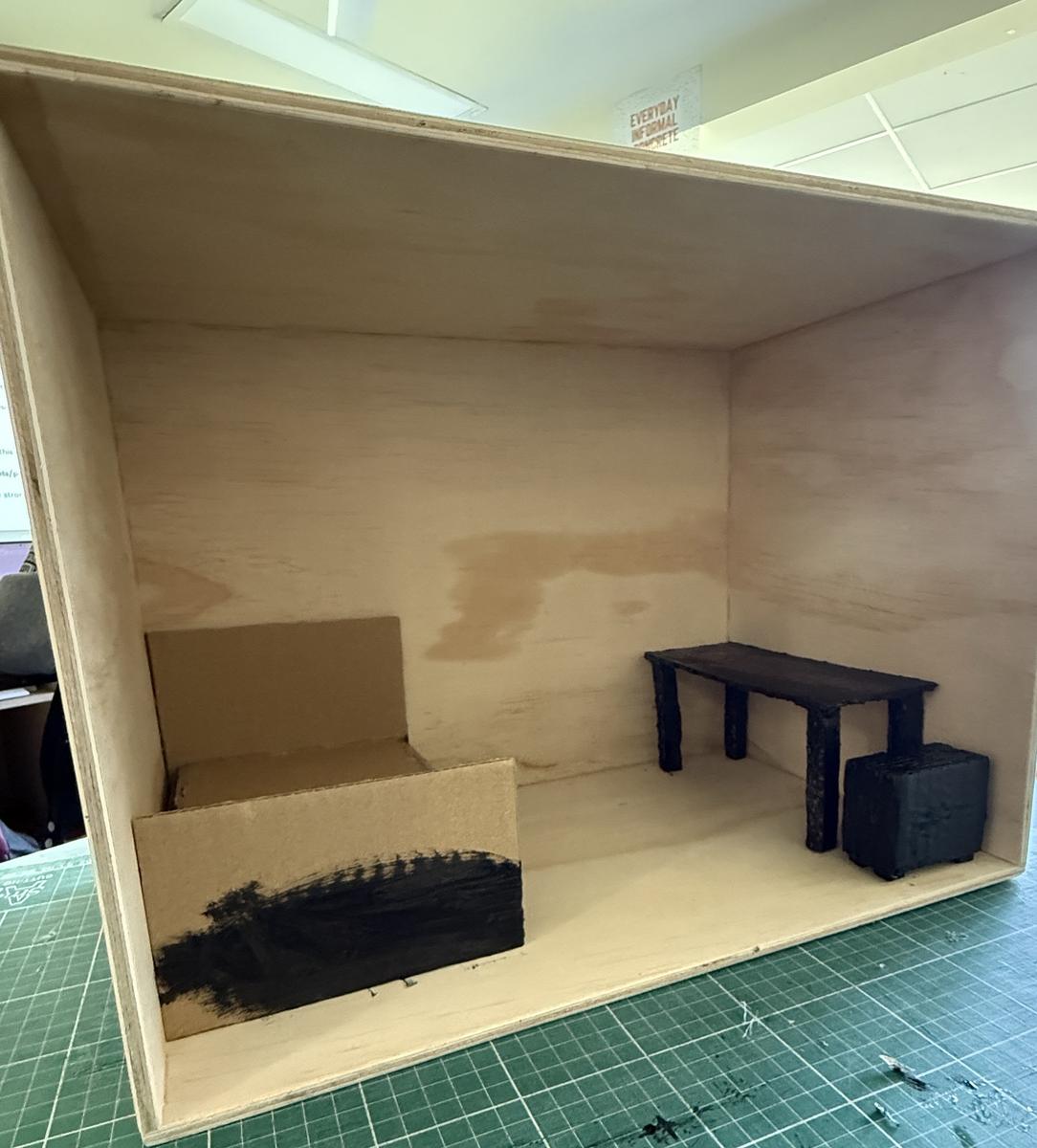
My artwork explores the idea of isolation and the personal emotions experienced when feeling alone. Initially, I explored isolation through the empty environment of a bedroom and the feeling of being alone within that space. I then evolved the idea by placing greater emphasis on the character's emotions, using lighting and focal point to draw attention to the individual. As I continued developing the concept, I introduced a series of other figures within the bedroom to represent the different emotions that can be experienced during isolation. This development allowed me to move beyond simply showing a person alone and instead communicate the complex internal emotional experience of isolation through multiple figures and their relationship to the central character. ~ Ronnie Ngo
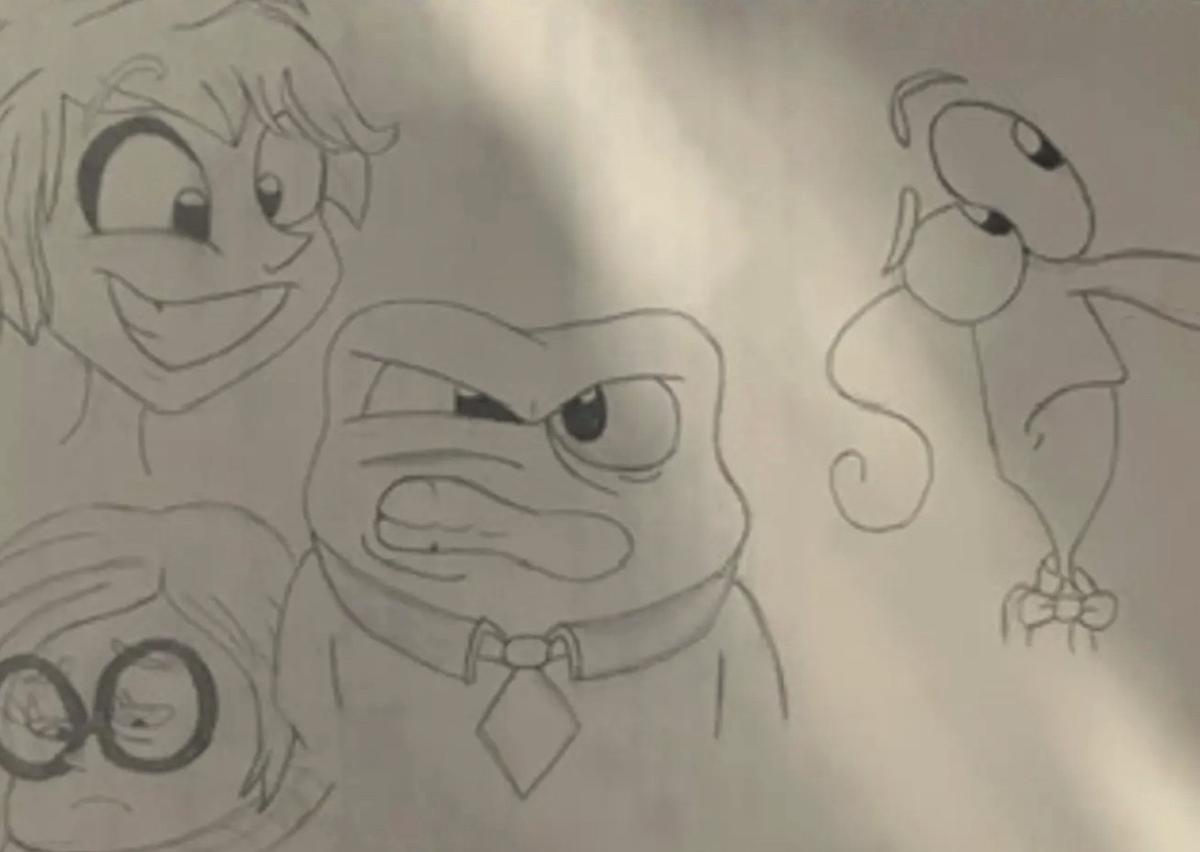
Through my artwork, I explored the idea of isolation and its impact on real-world issues. Initially, I explored isolation broadly through cartoon figures that represented people who needed greater attention. As I developed my artwork, I refined the concept so that the meaning became more specific and focused rather than remaining broad. I experimented with pencil and fineliner to communicate the idea and continued developing the artwork by adjusting the depth and contrast to strengthen the visual impact. These changes allowed me to move from simply representing isolation to considering how isolation can affect people and connect to broader social issues. ~ Alicia Rizio
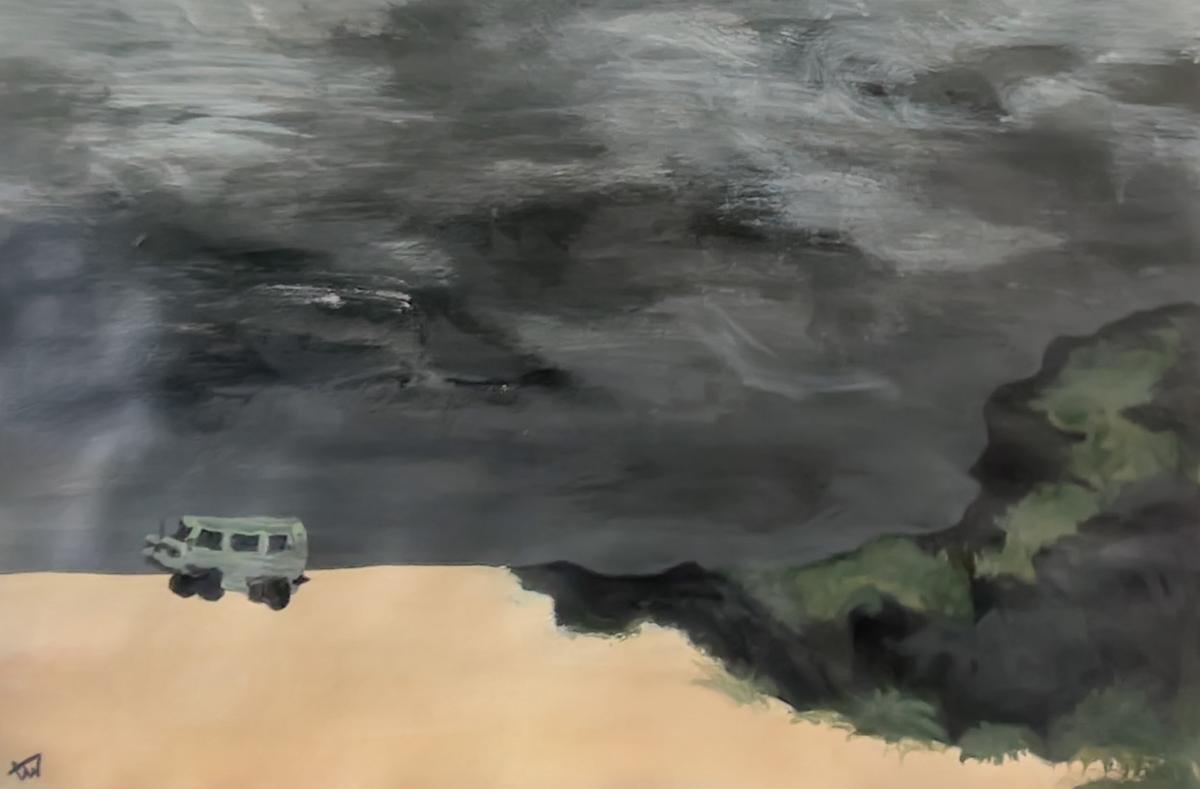
The idea I explored through my artworks was the feeling of discomfort. I initially explored this idea through landscape paintings, particularly rough beaches, because painting was an art practice, I felt comfortable using. However, I realised that the landscapes communicated discomfort indirectly and did not fully express the personal and physical nature of the idea. I therefore challenged myself by moving into sculpture, which allowed me to create a physical figure that could directly embody discomfort through its form, posture and appearance. The three-dimensional quality of the sculpture made the feeling more confronting and immediate for the viewer. By moving outside my own artistic comfort zone, I was able to choose an art practice that communicated the concept of discomfort more effectively and developed the idea in a more personal and physical way. ~ Georgia Wright
Dr Leigh Webster
Art & Technology