
Student Wellbeing
Mrs Rebecca Beveridge

Student Wellbeing
Mrs Rebecca Beveridge
This Term, our focus during Friendship Groups has been on Positive Coping and how we can support ourselves in developing emotional awareness, self-regulation, and positive coping strategies. Students learned how to recognise emotions, manage challenges, and build resilience using practical tools.
Our Learning Intentions for the term were:
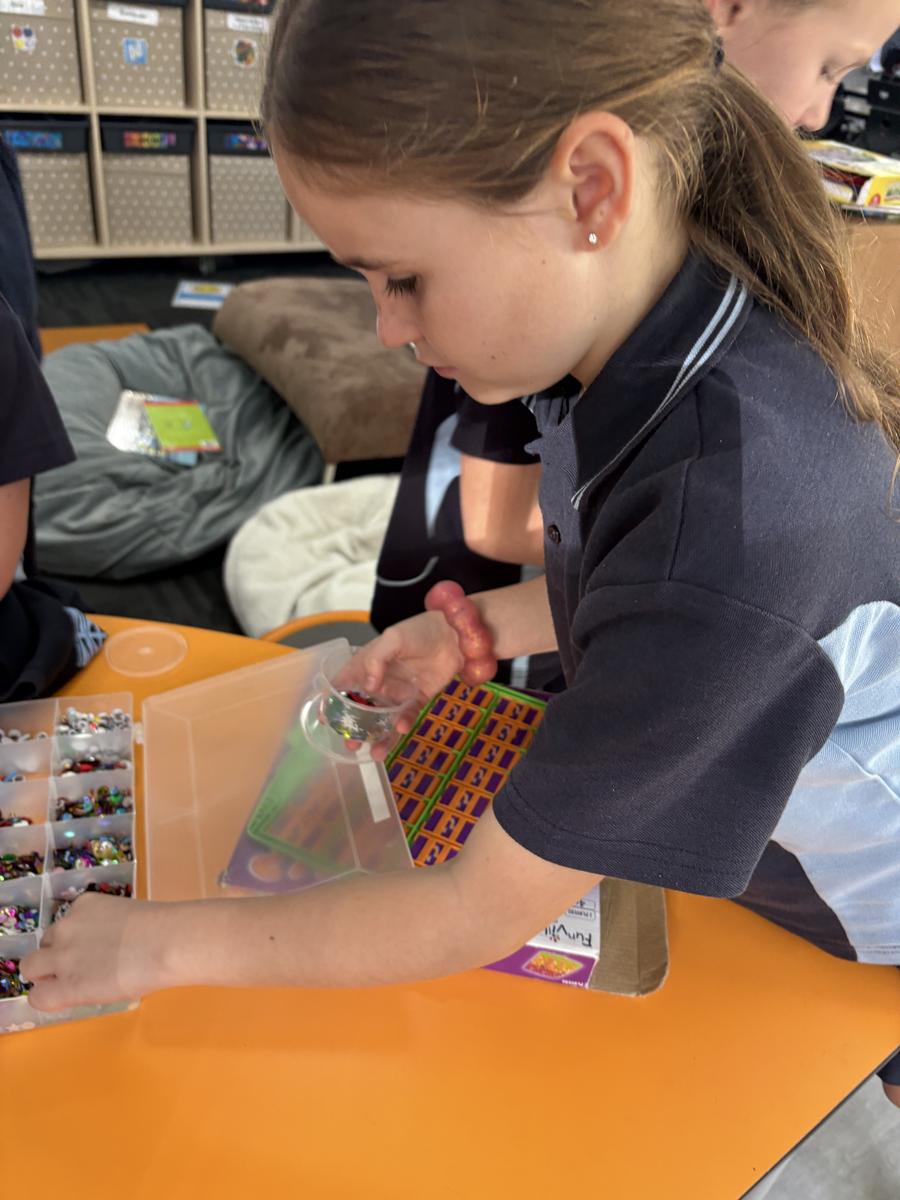
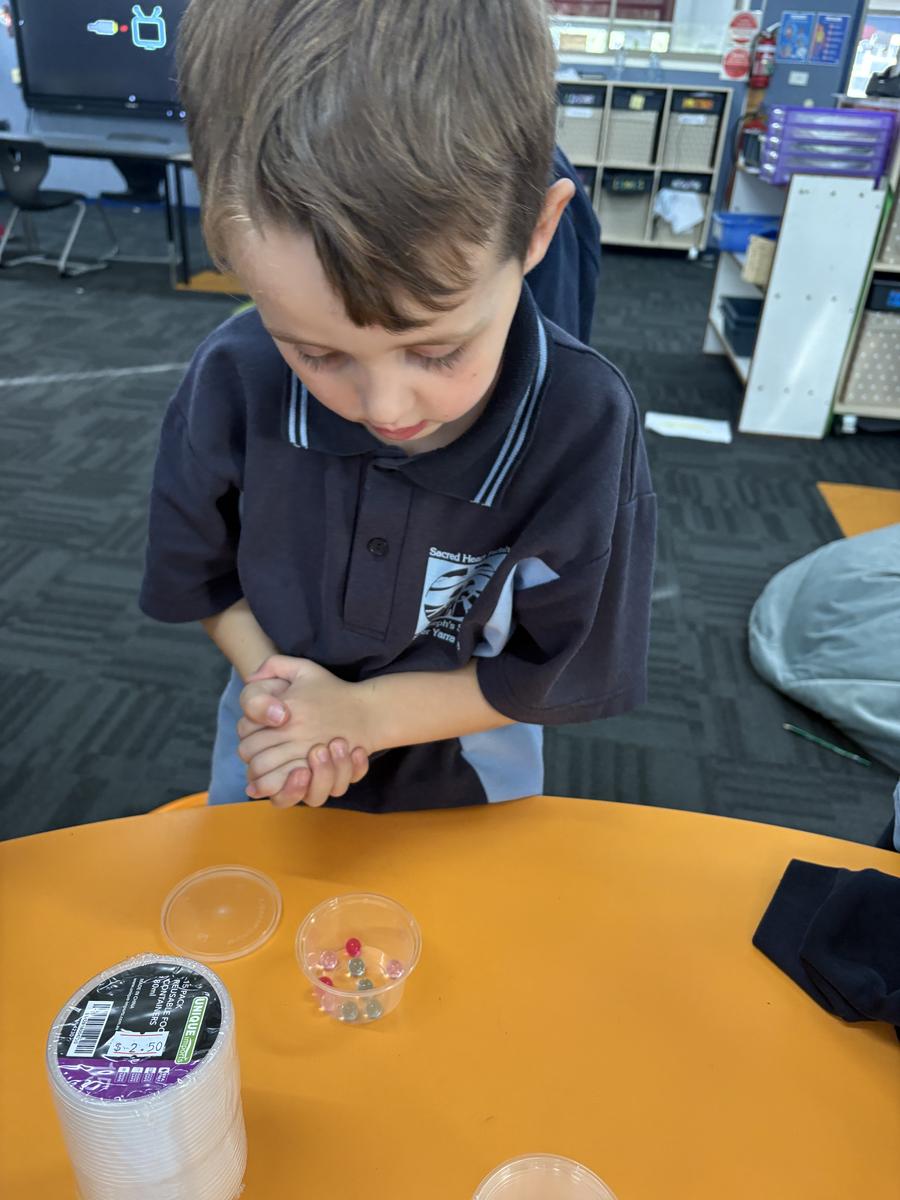
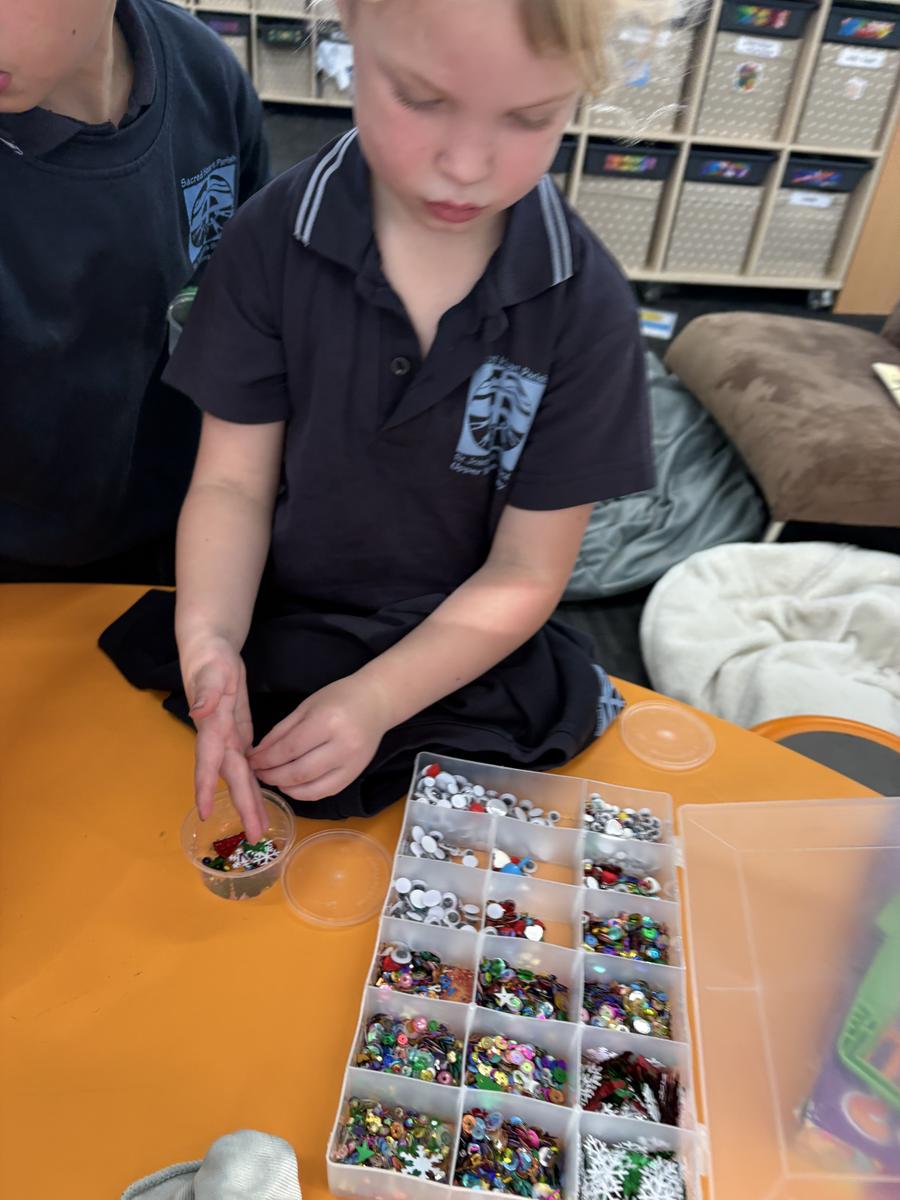
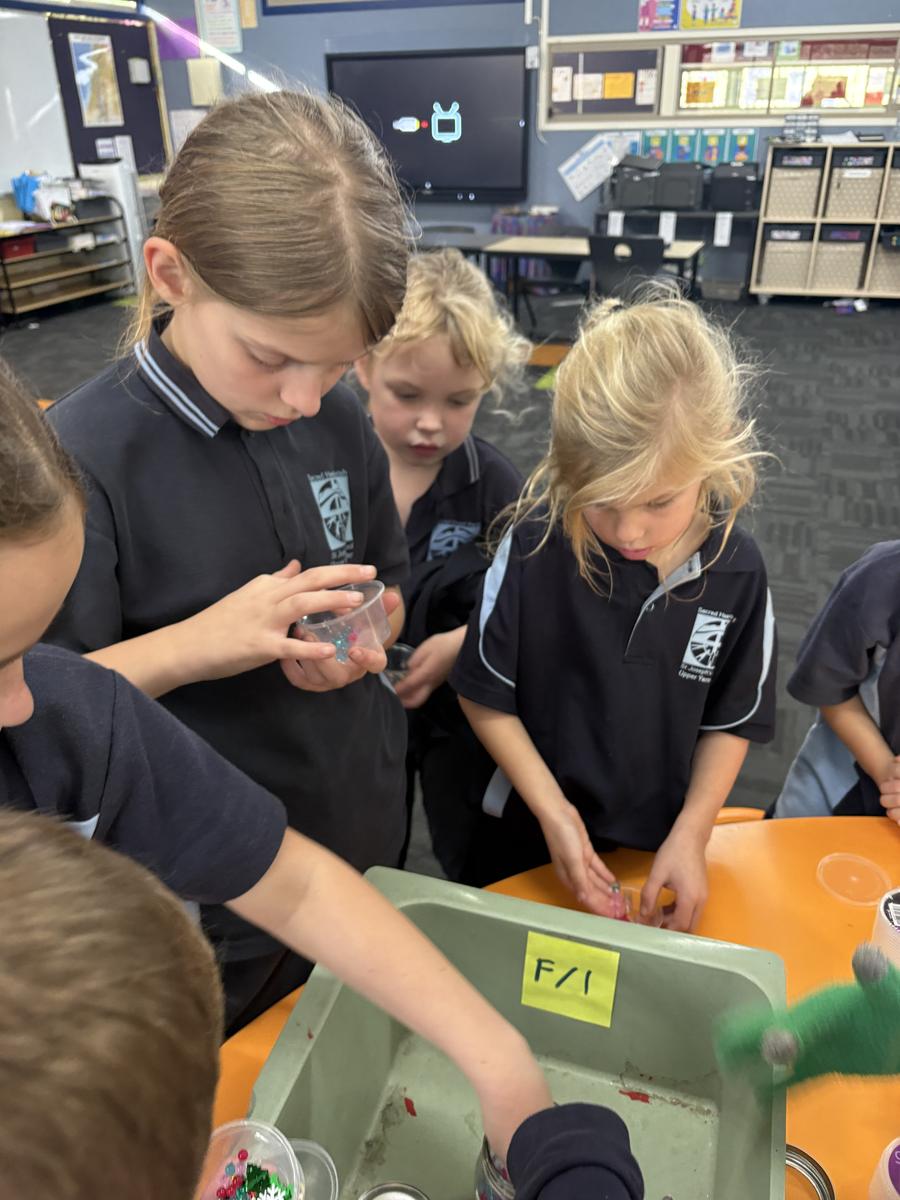
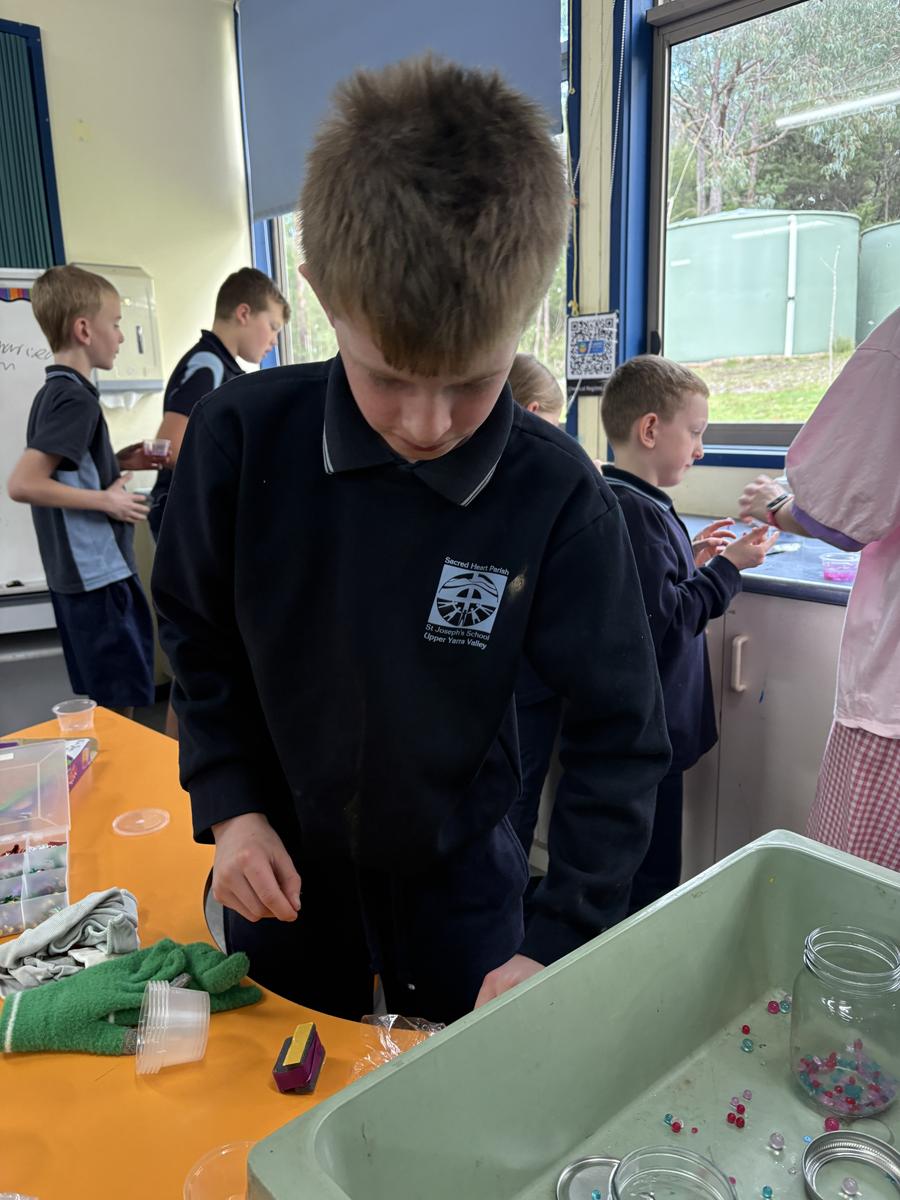
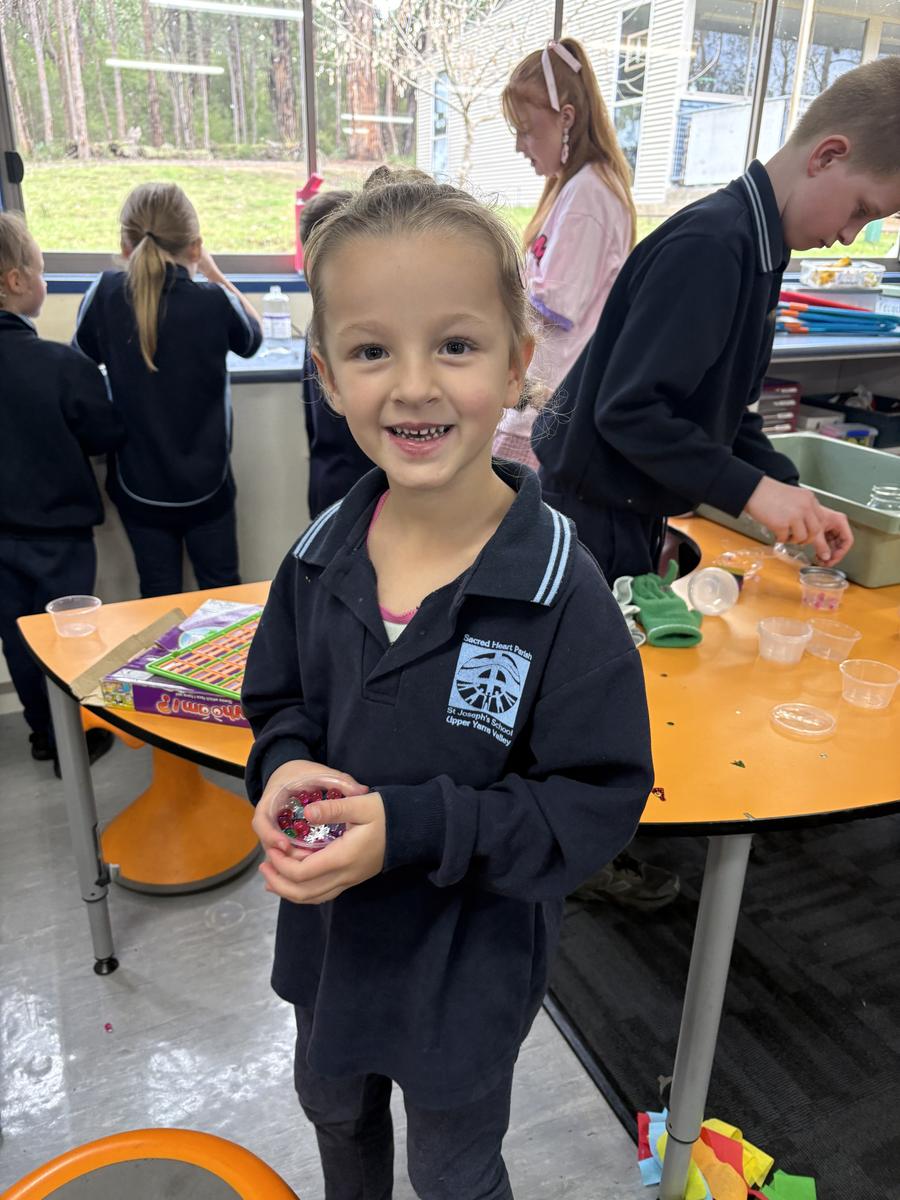
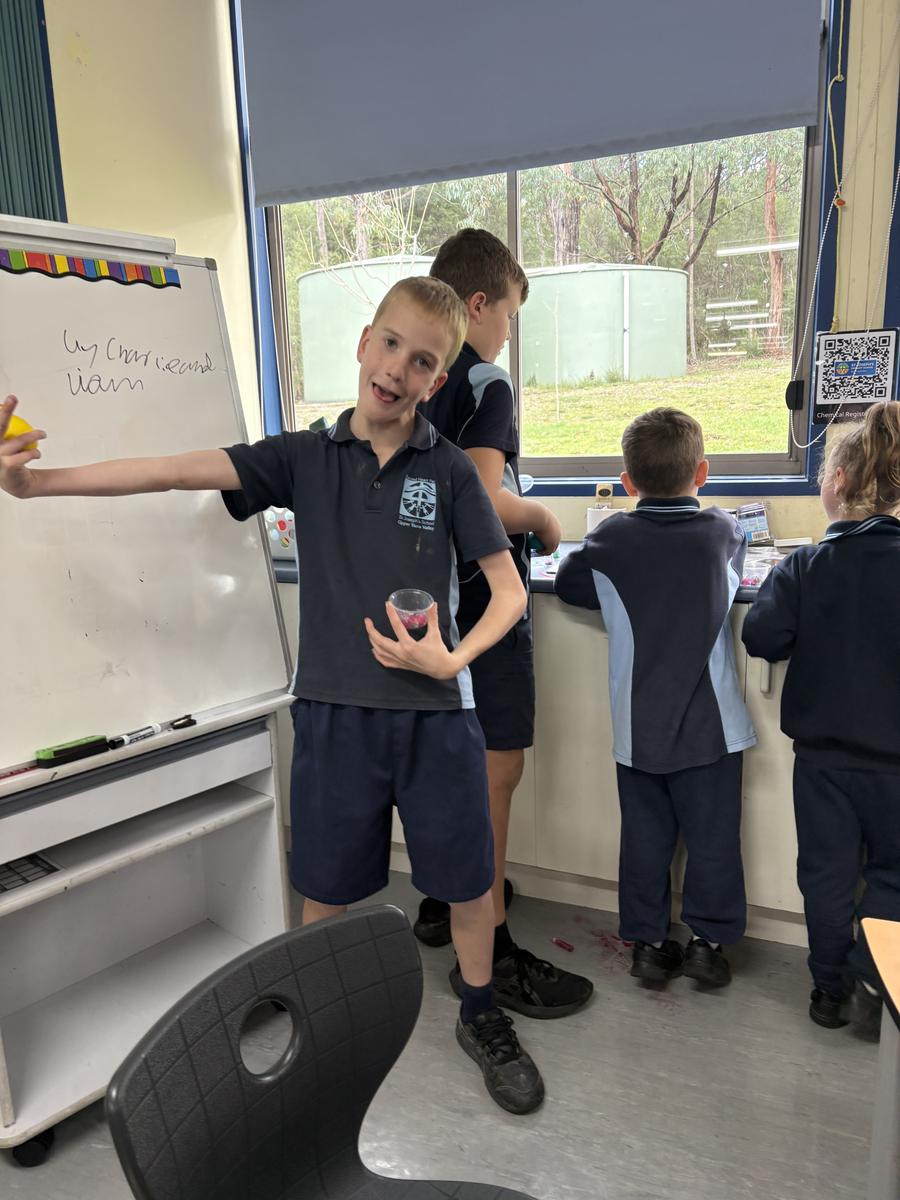
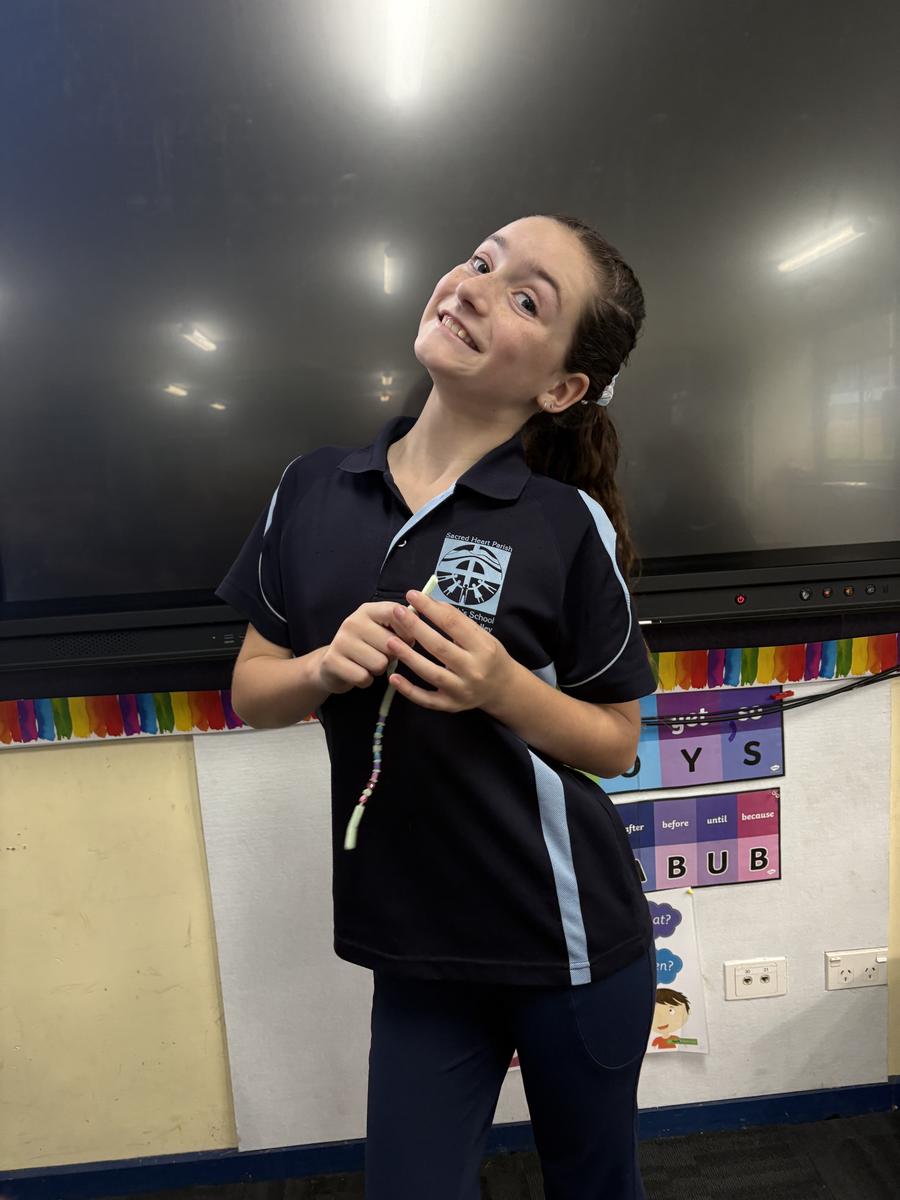
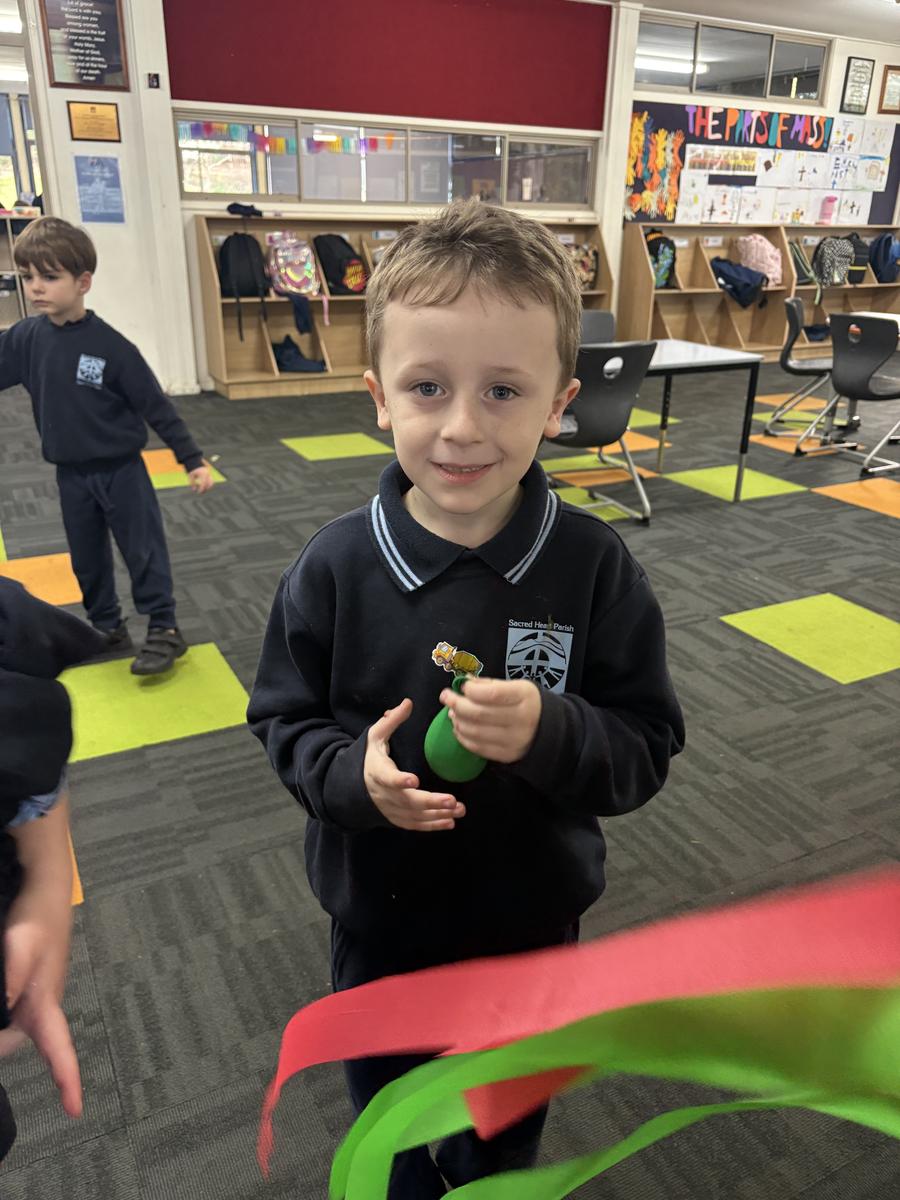
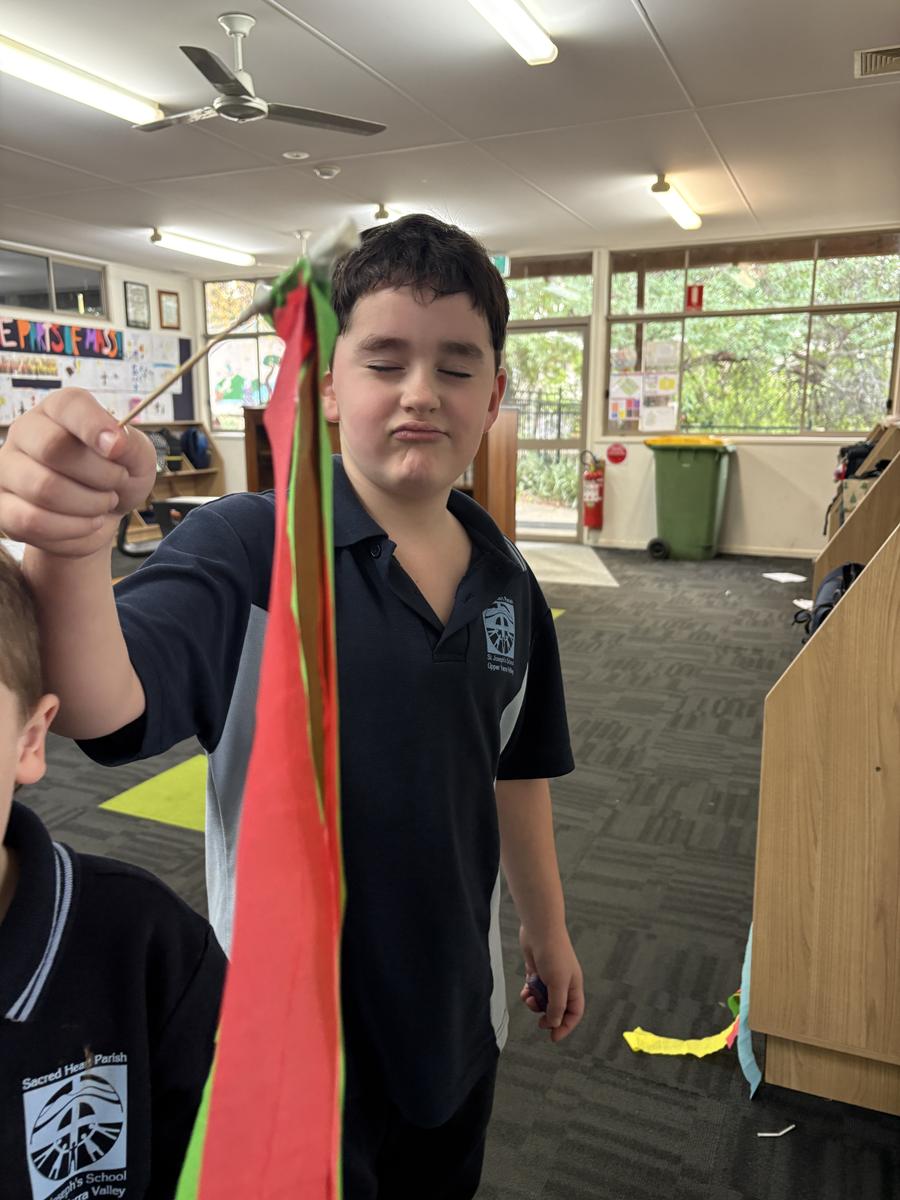
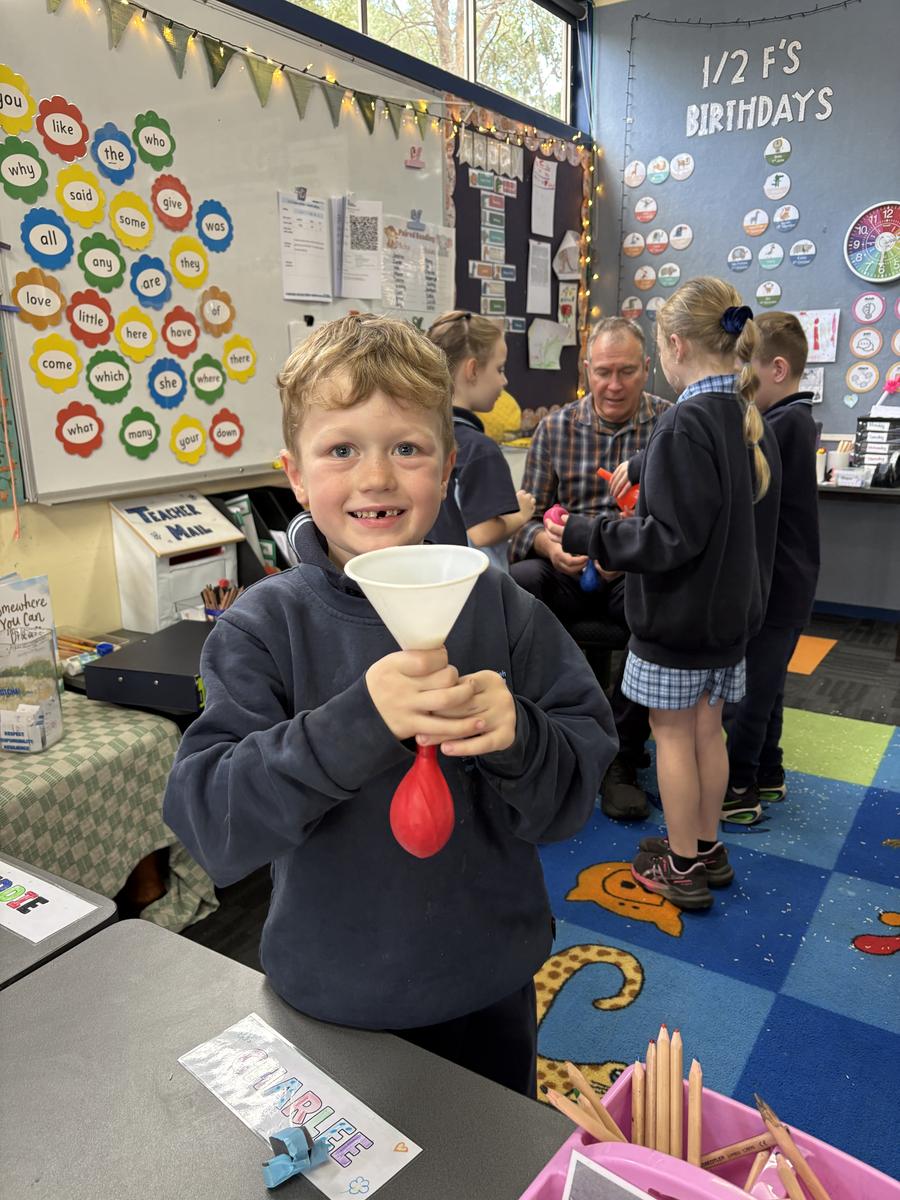
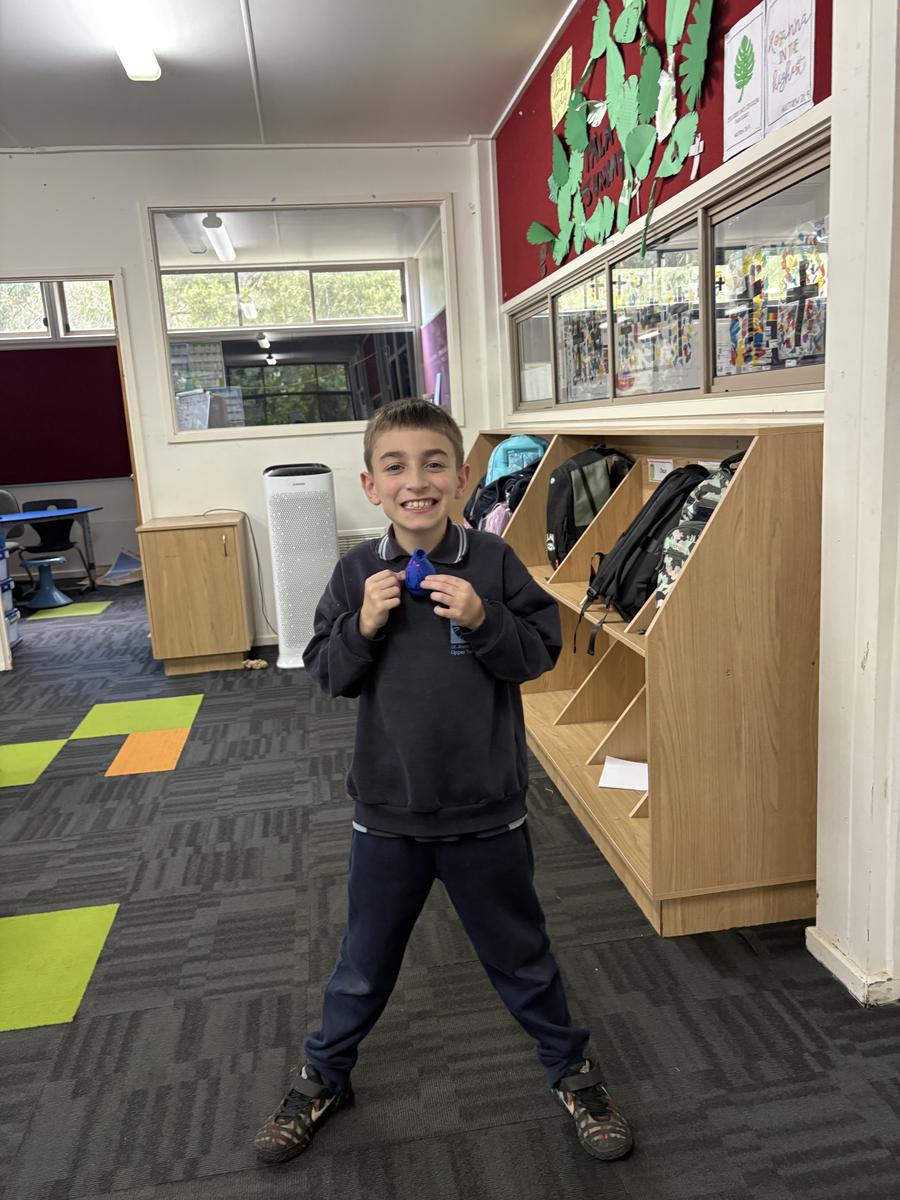
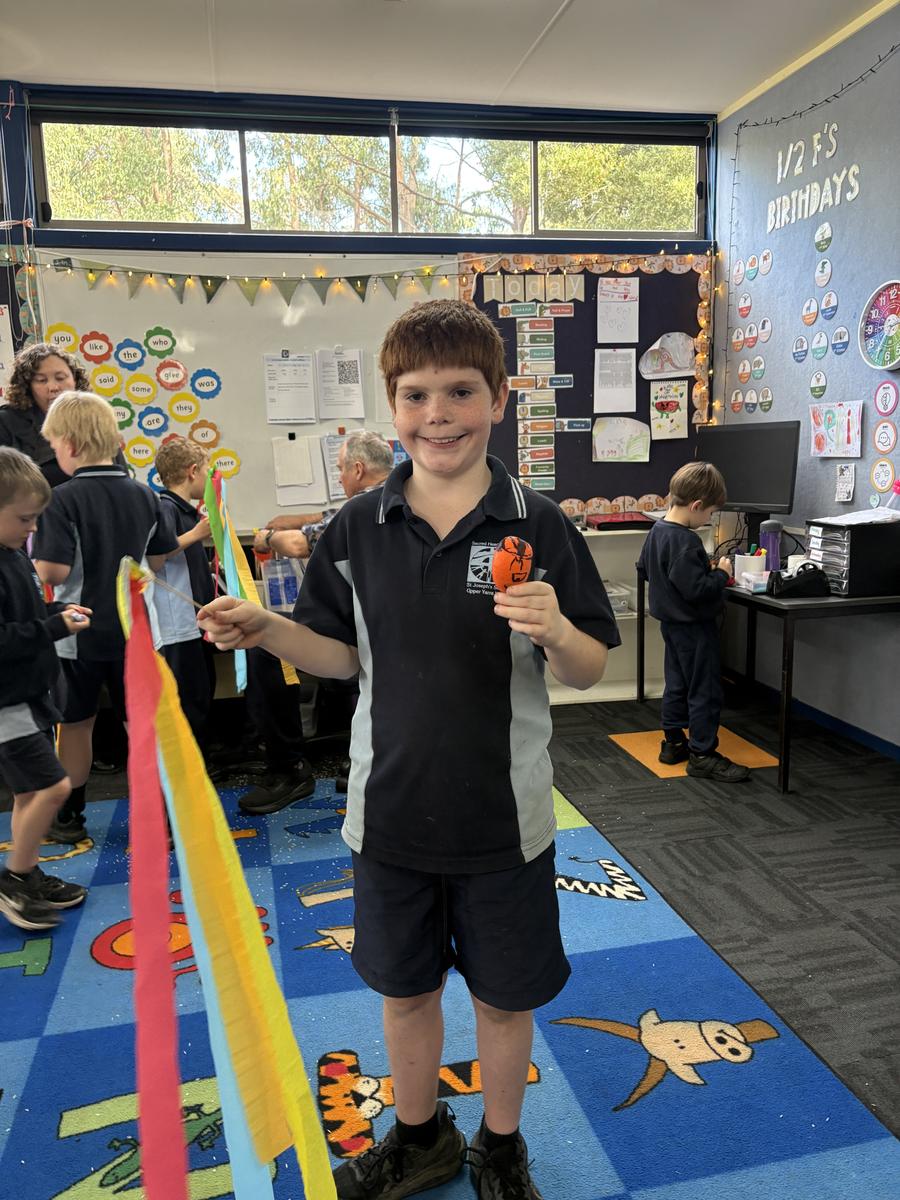
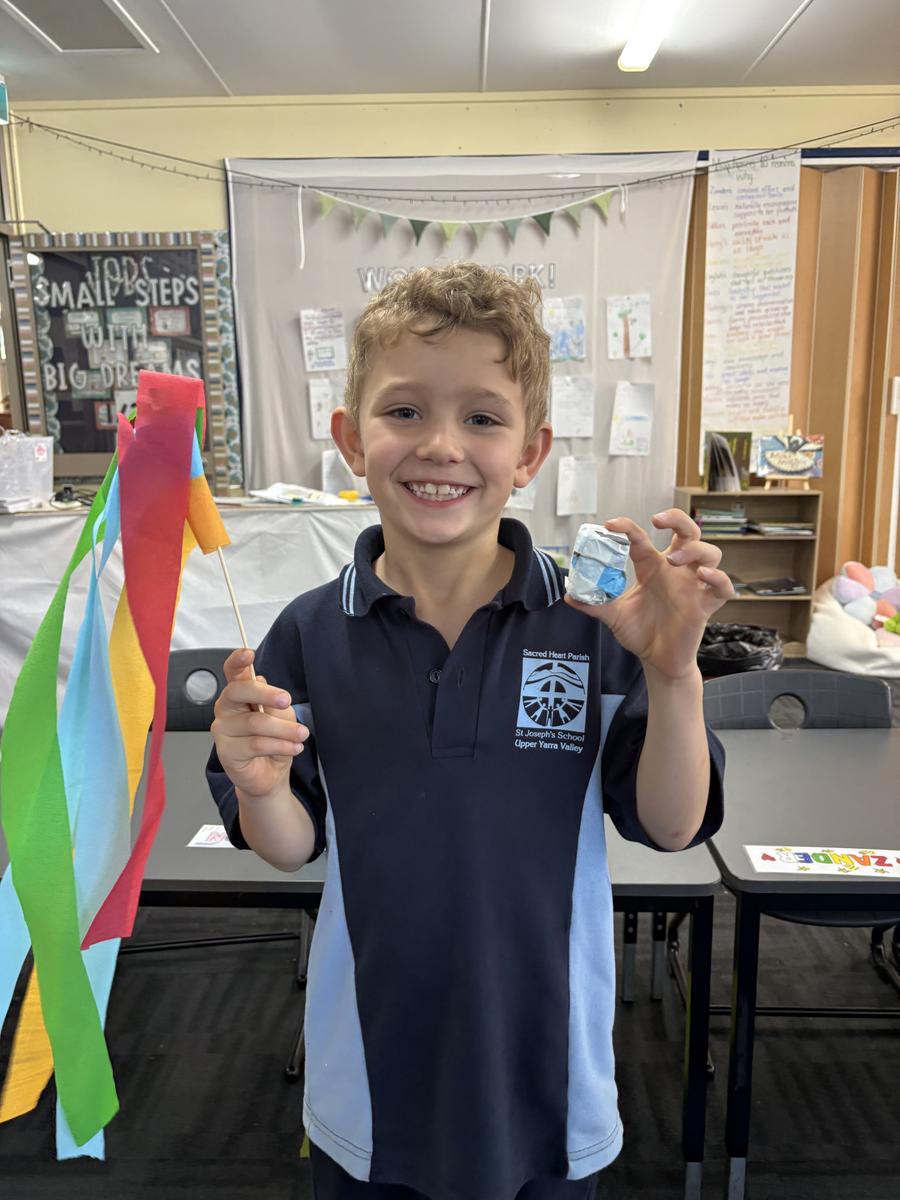
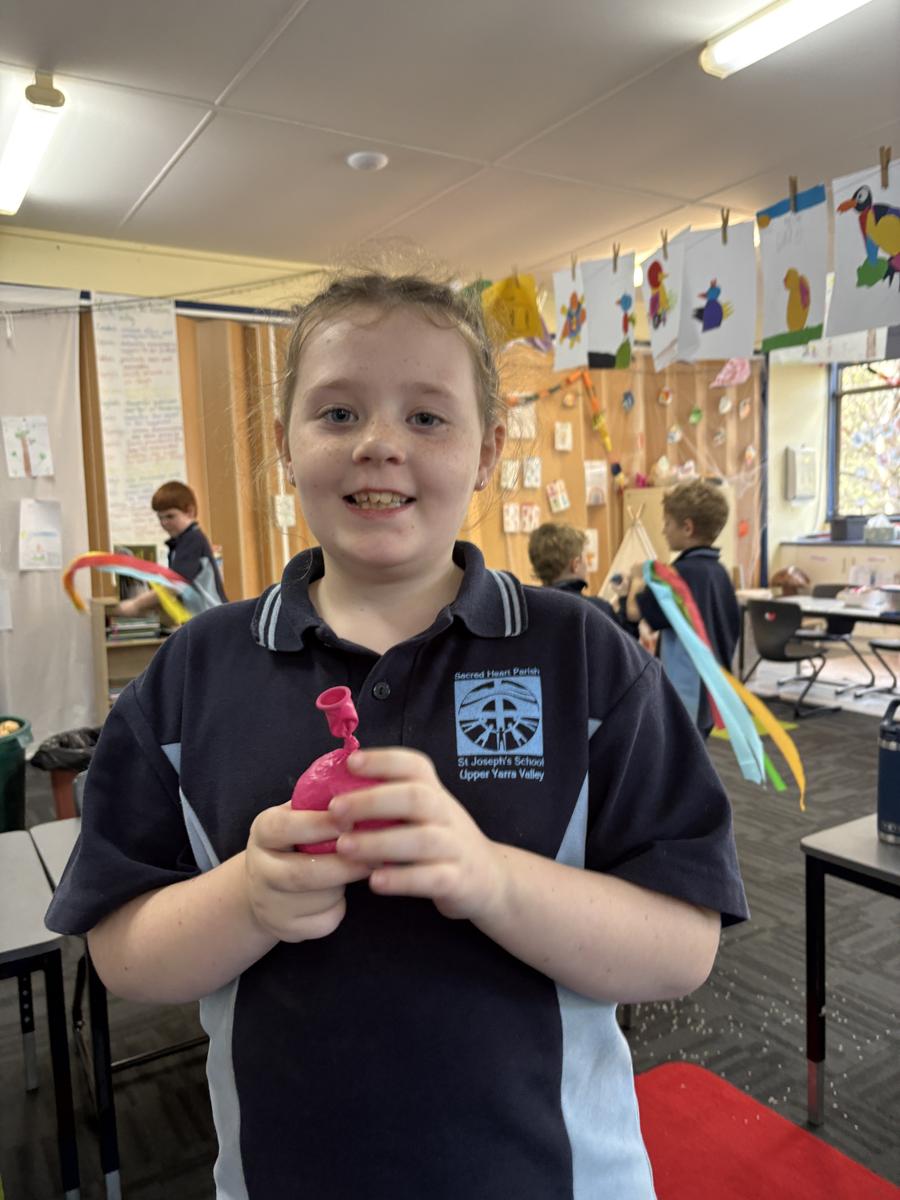
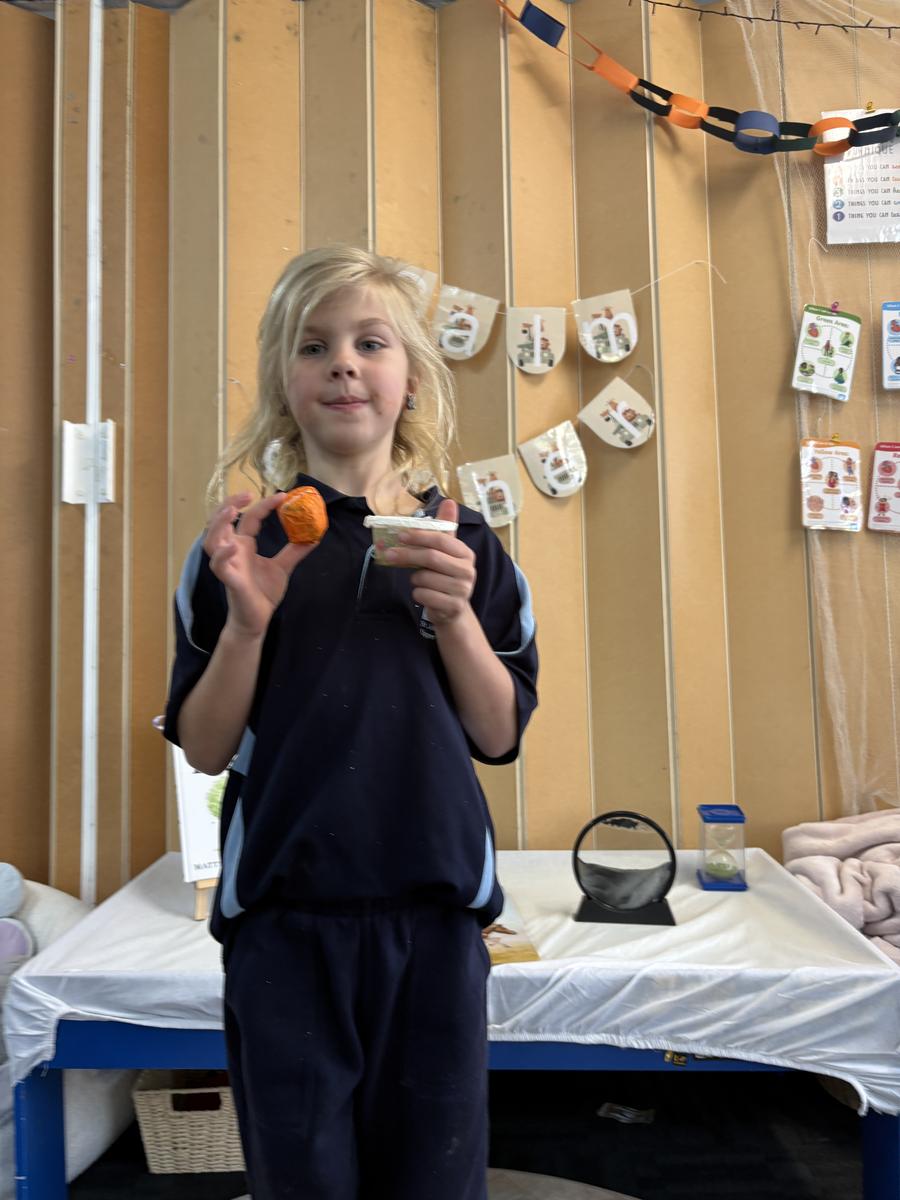
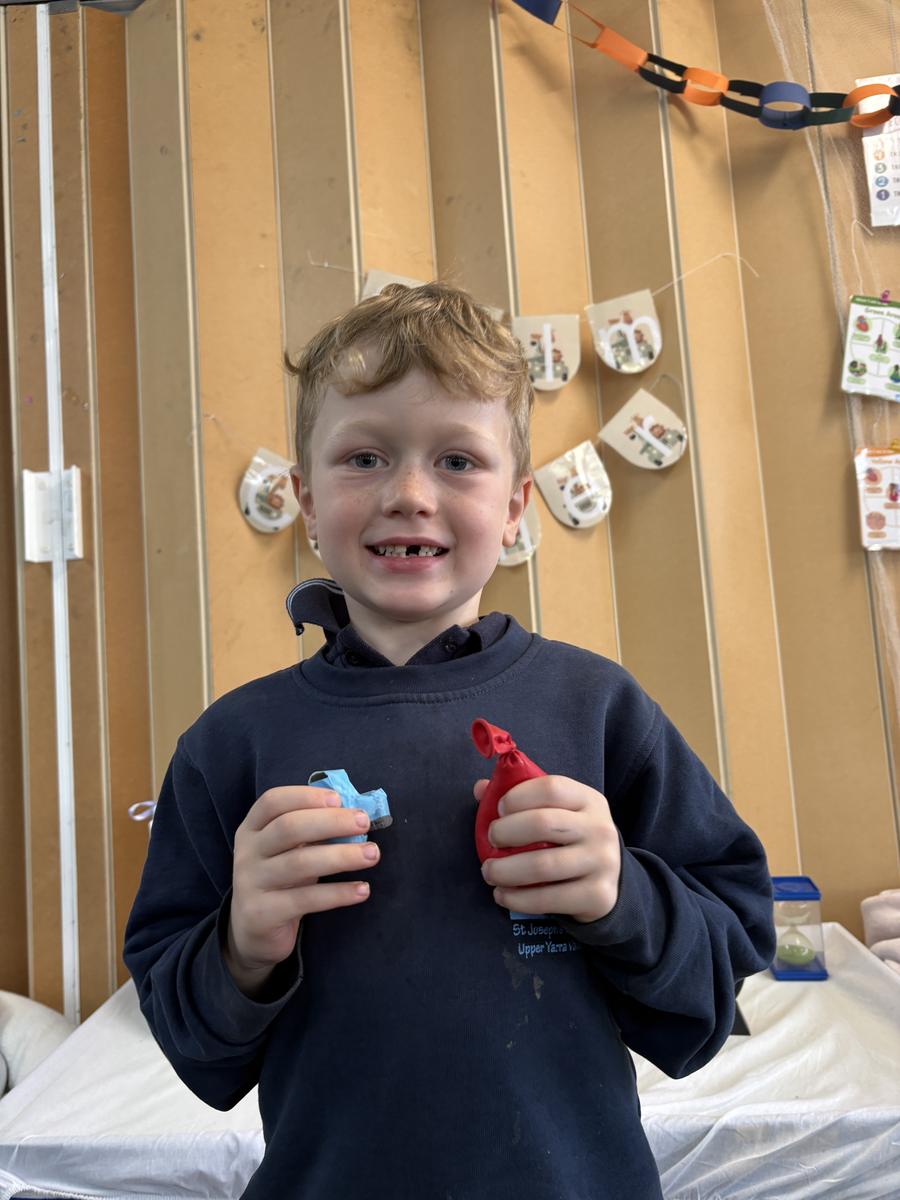
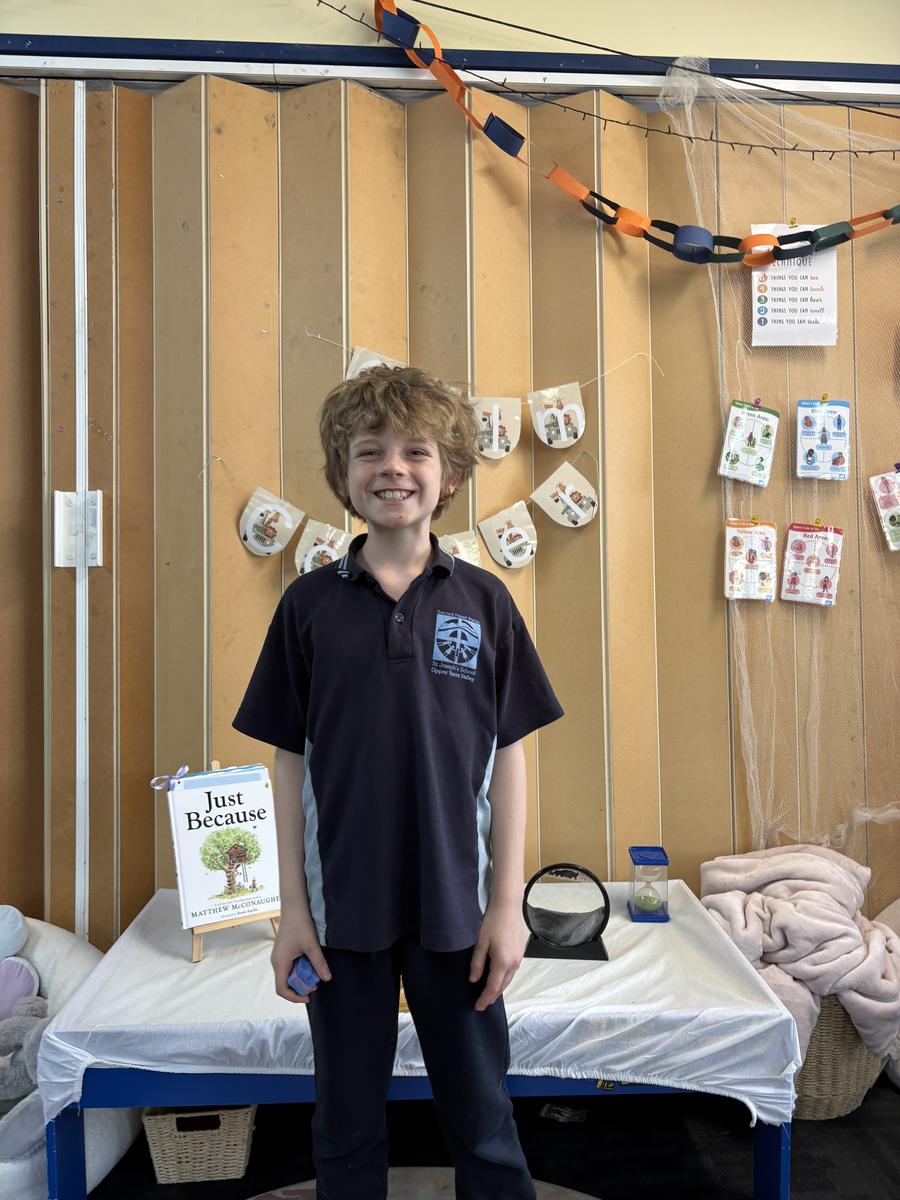
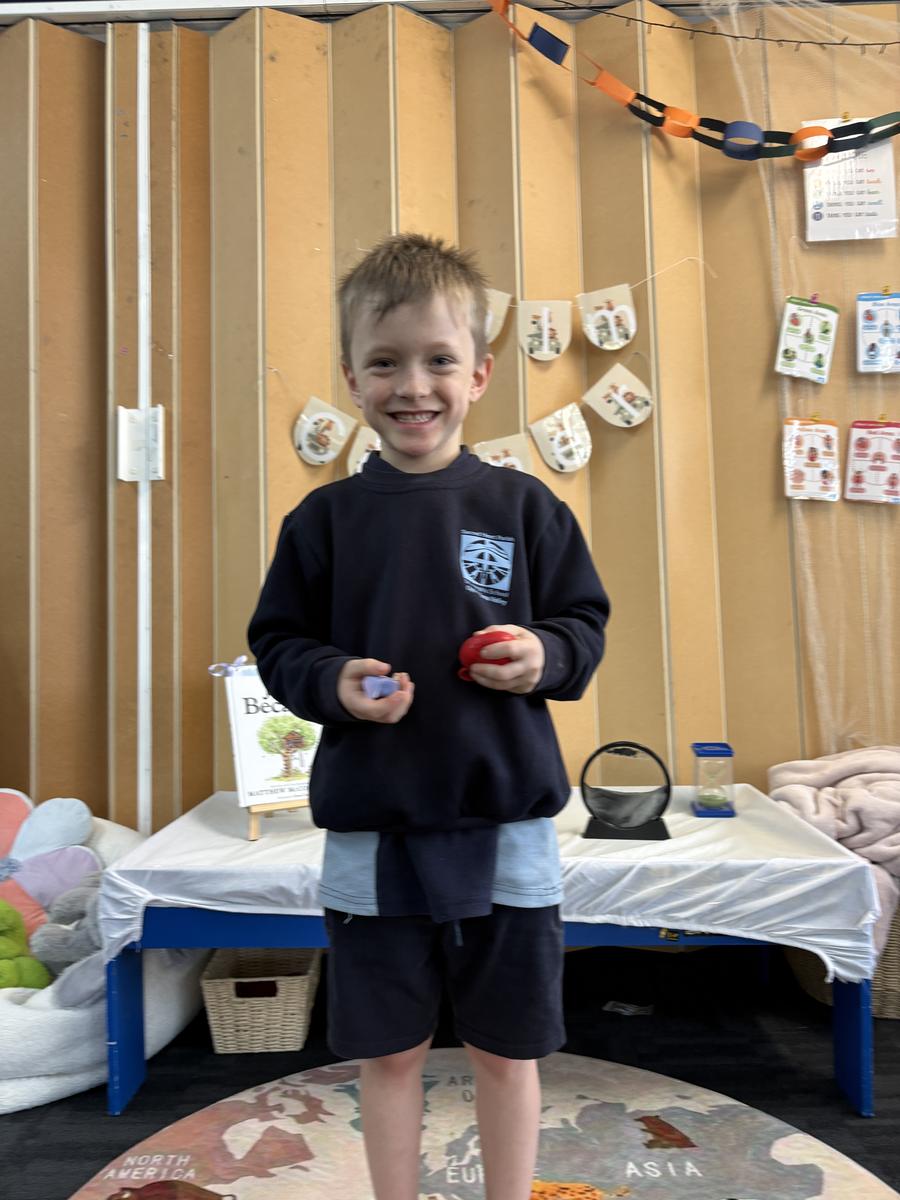
It has a great Term of Learning with many positives, such as students making Affirmation Posters, Positive Self-Talk Posters, Talking about things they can control, Strategy Posters for things they can do when they need to calm down, and more! To finish off the Term, the students developed a range of DIY Self-regulation tools that they can use, such as stress balls, sensory jars, fidget sticks, twirling paper sticks, Foam squishes and more! What a fun way to finish off the unit of learning! Next Term, our focus will be on Stress Management.
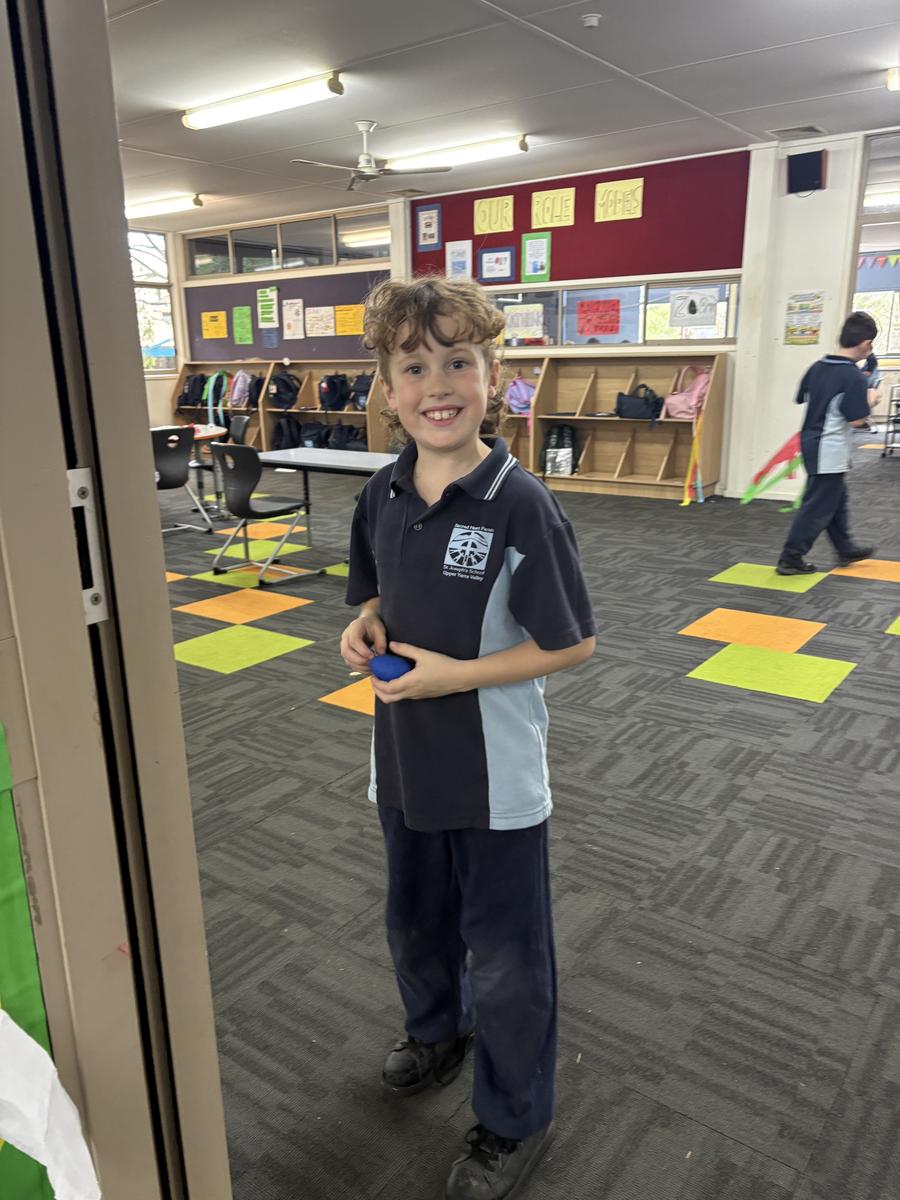
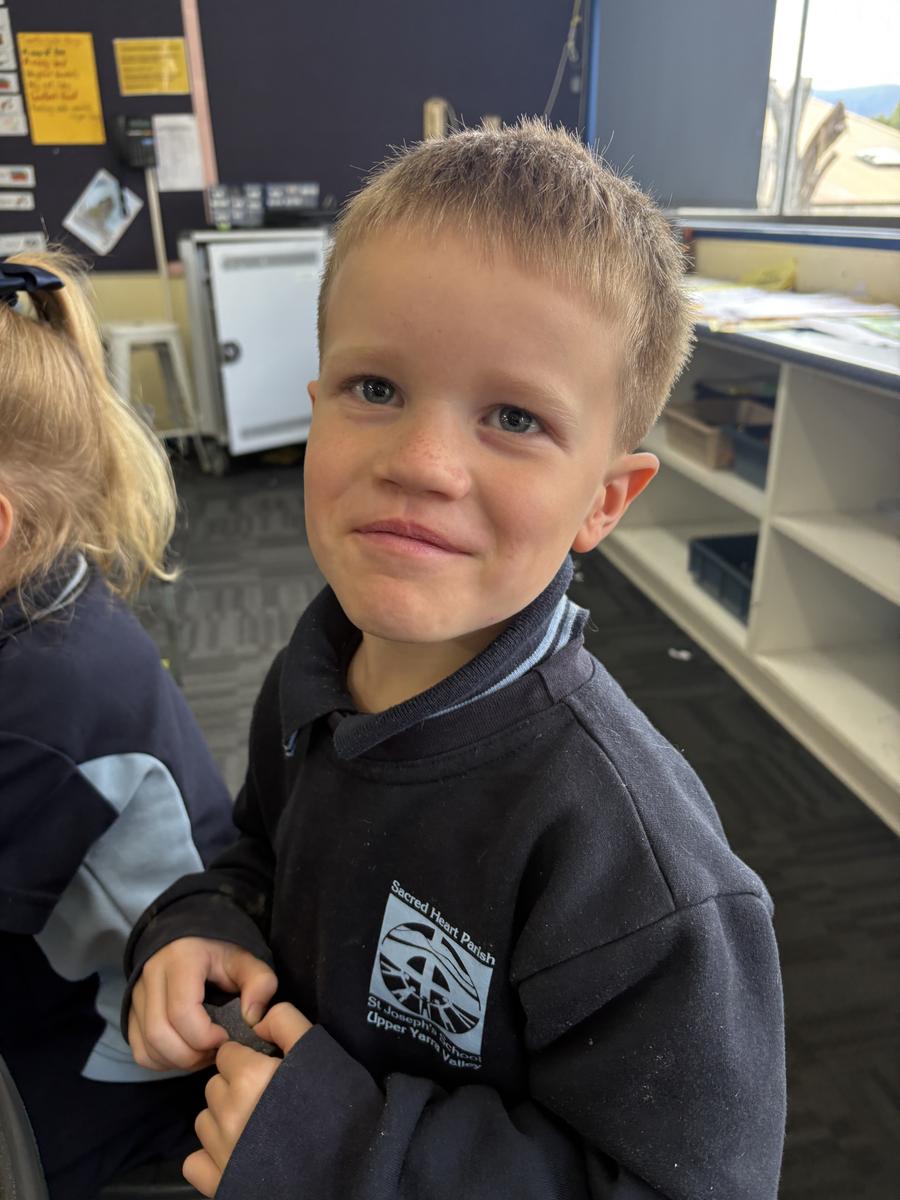
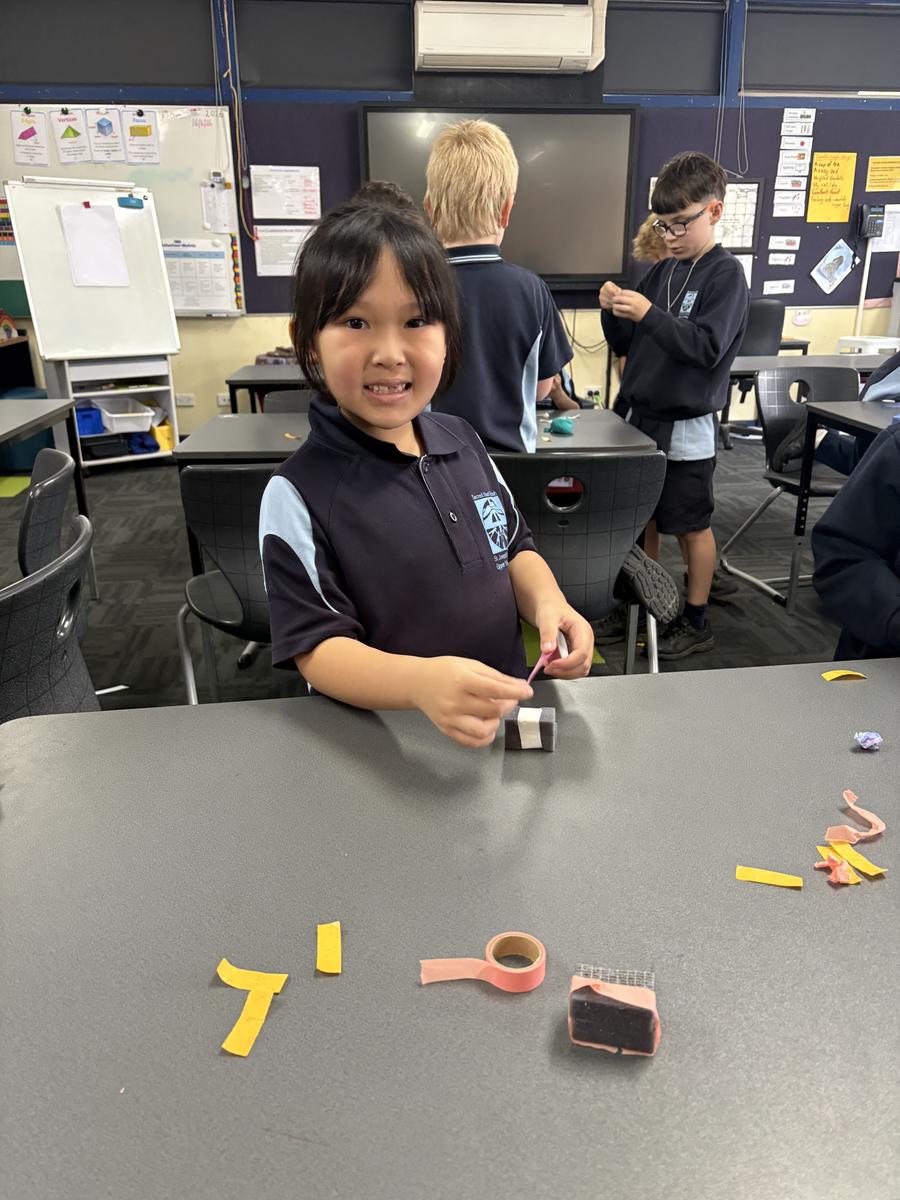
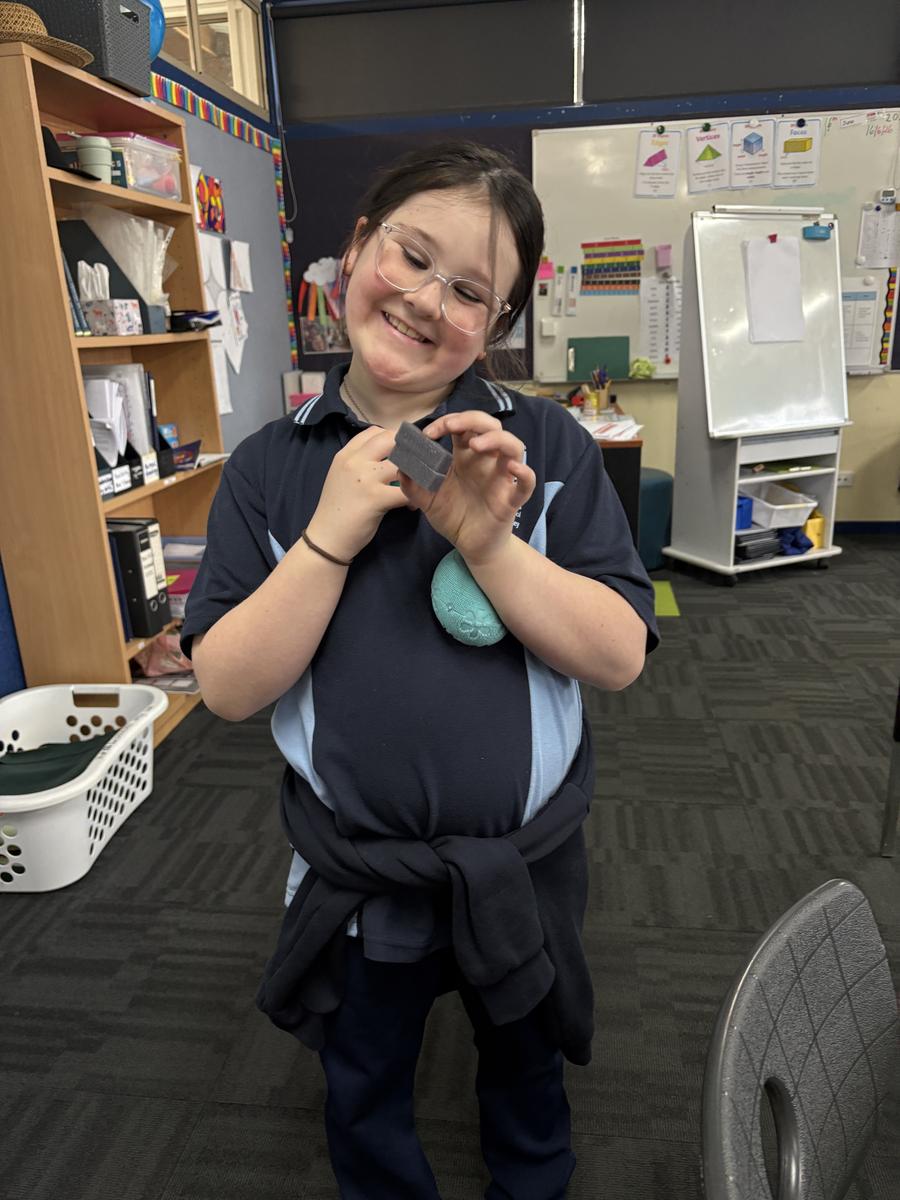
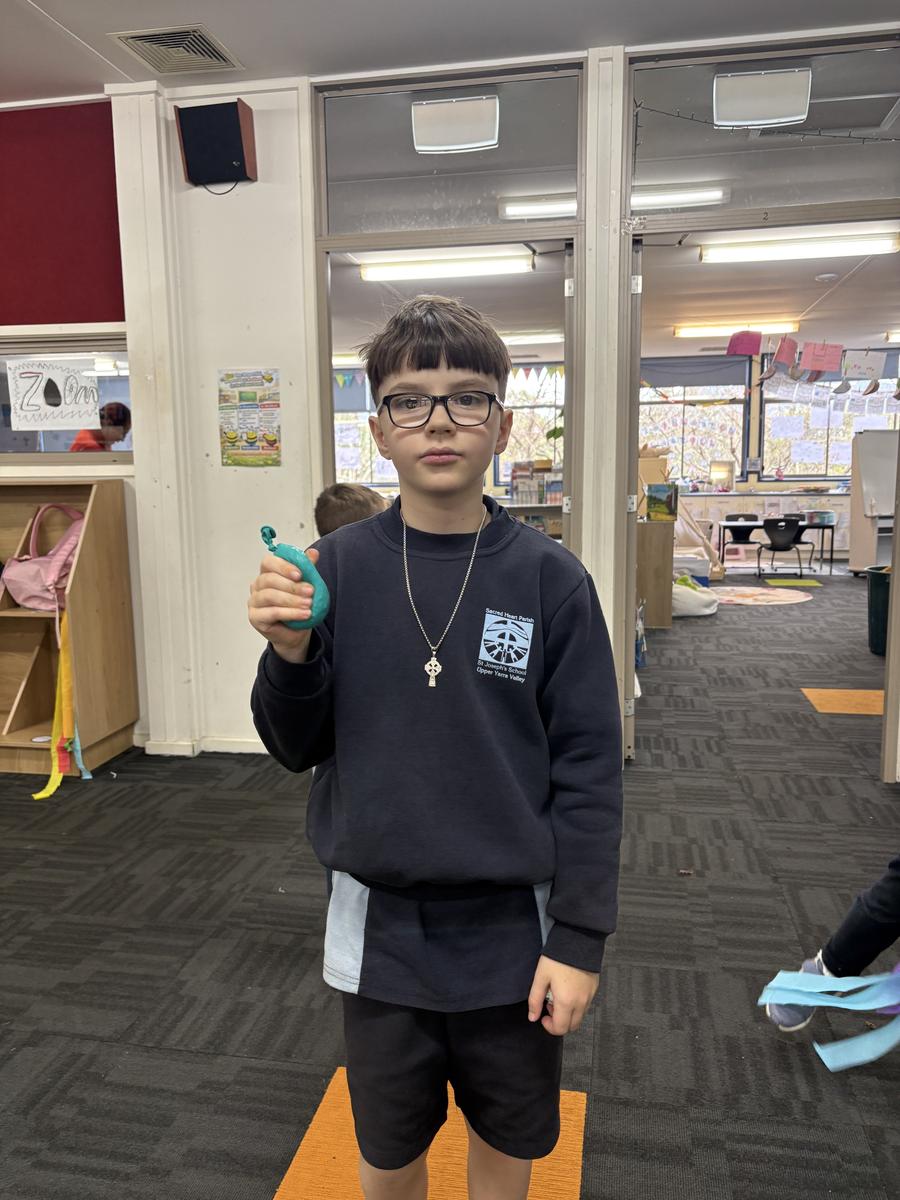
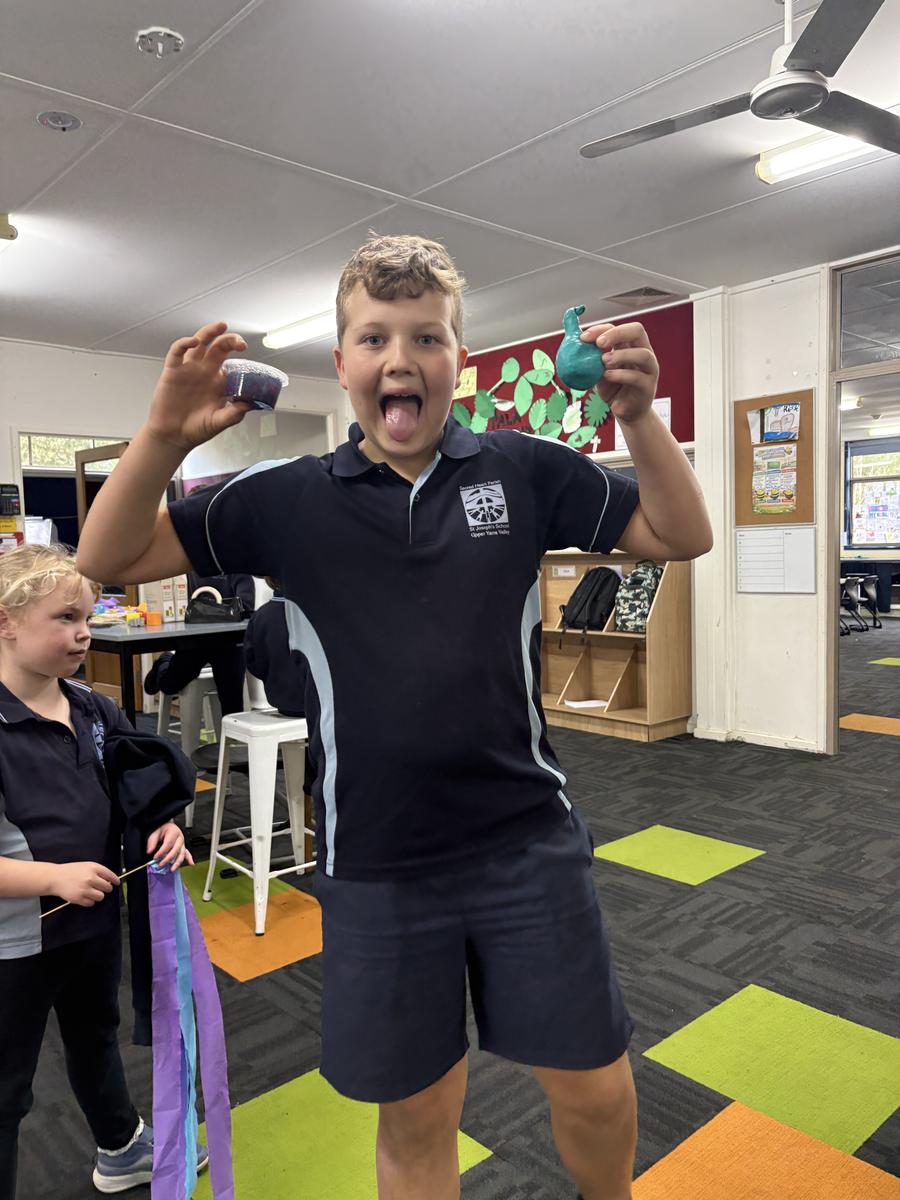
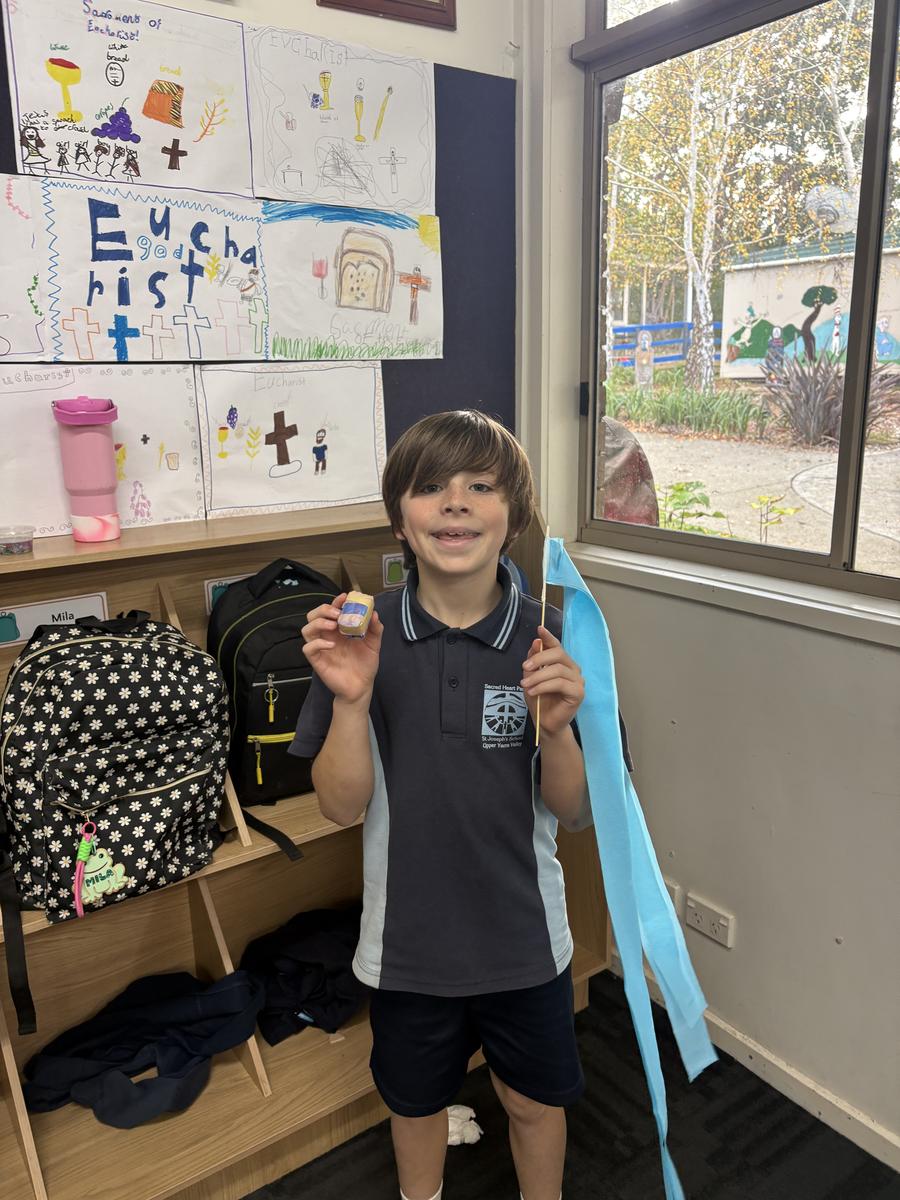
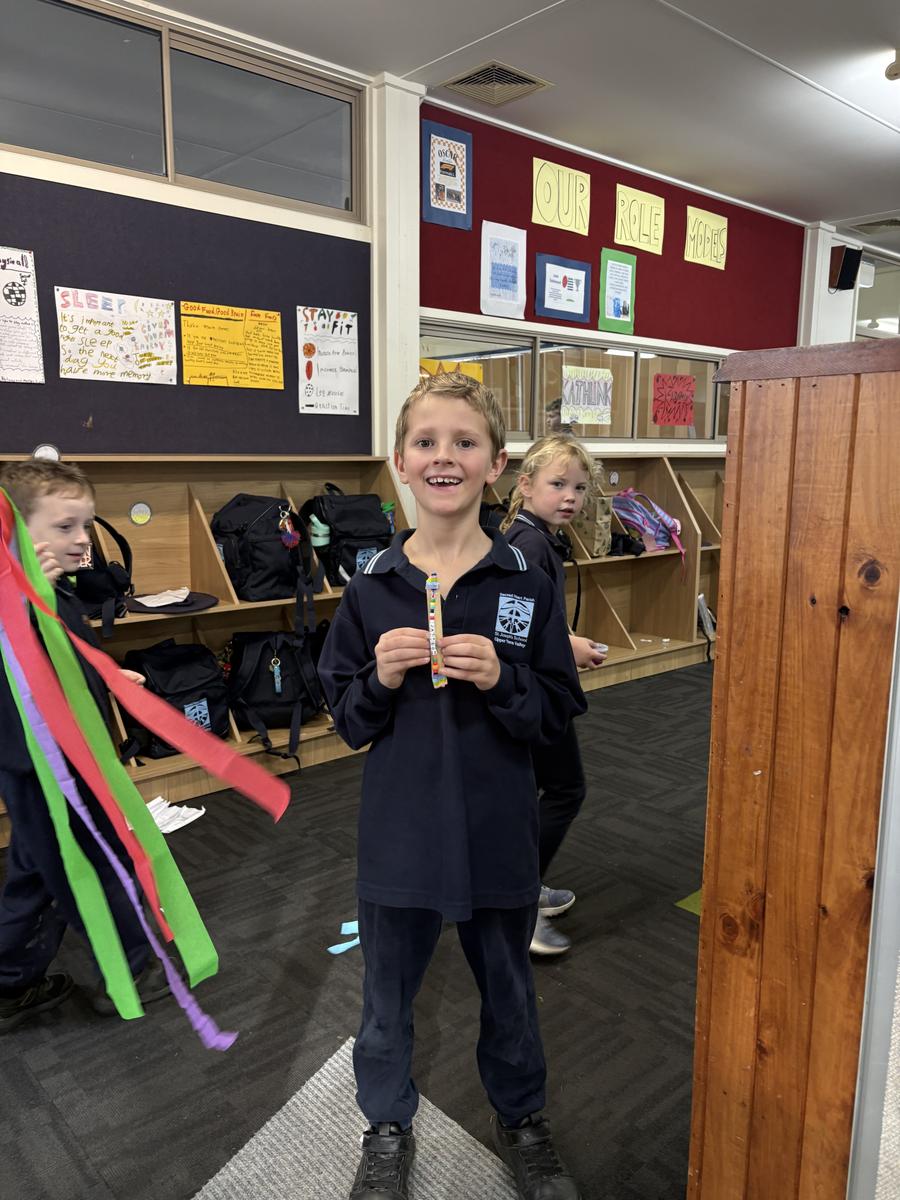
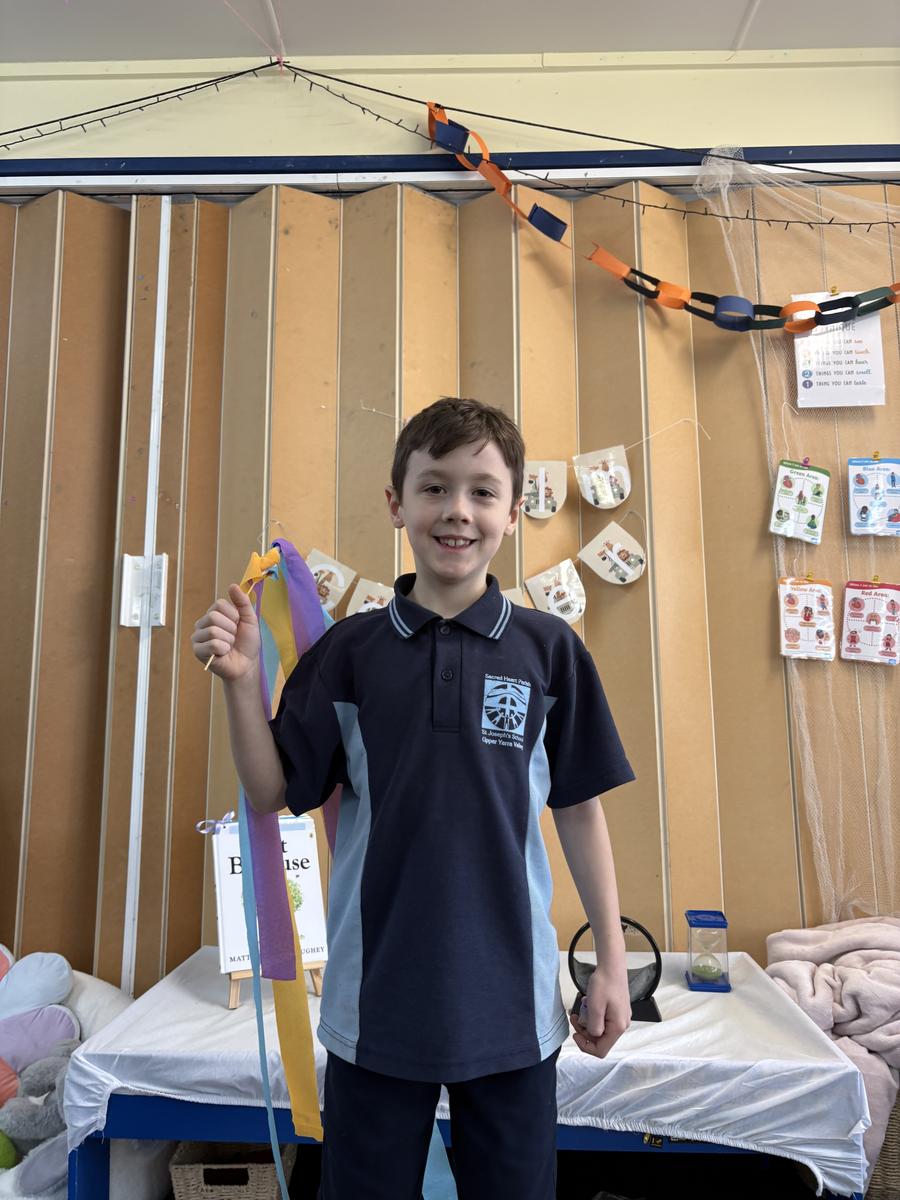
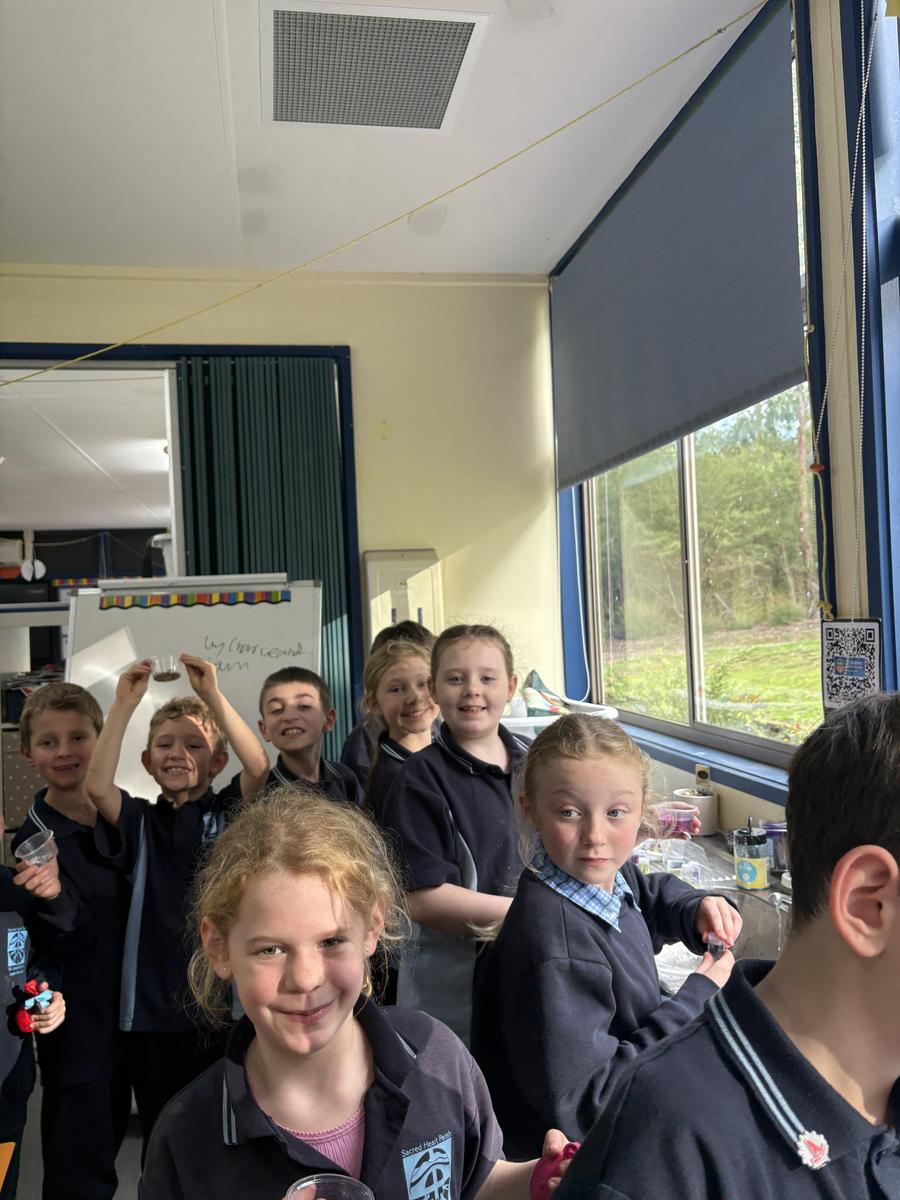
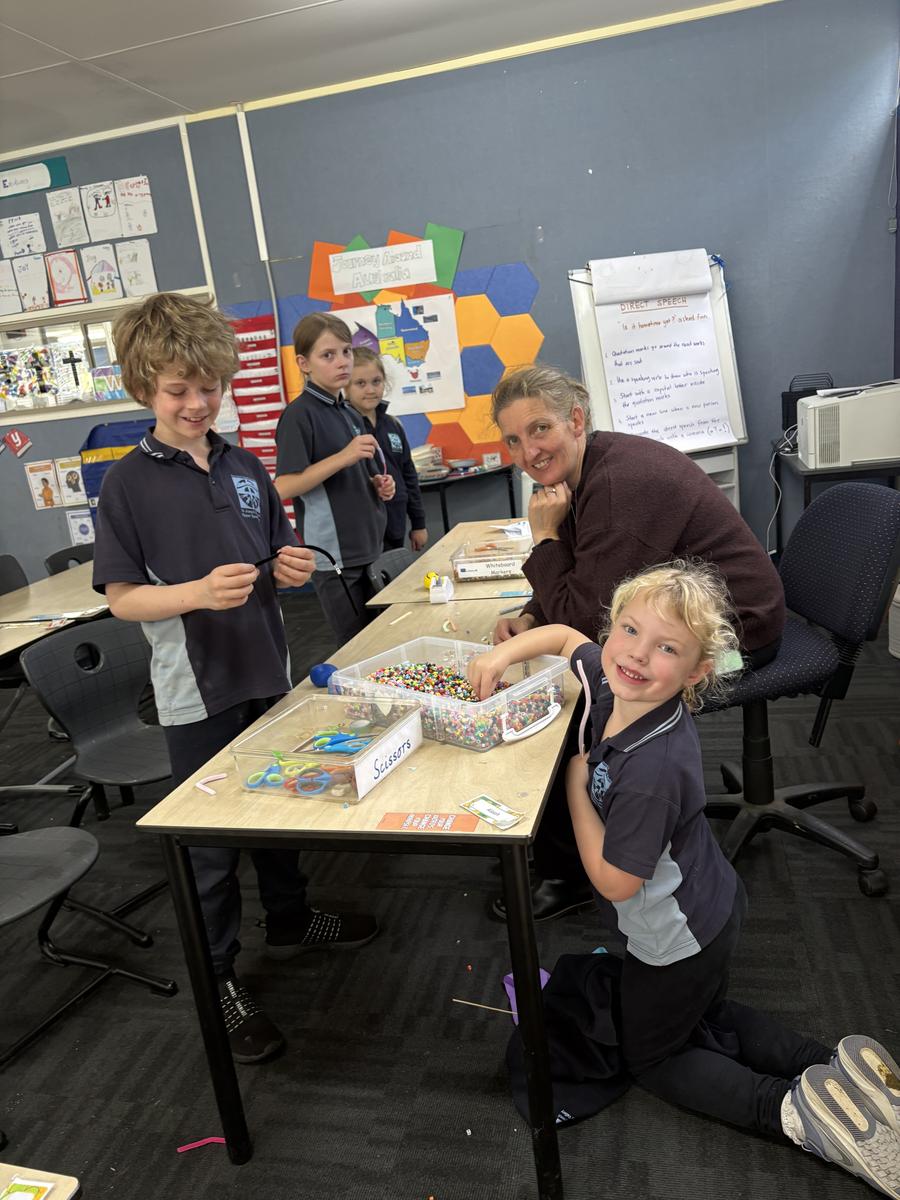
Respectful Relationships Curriculum- Stress Management (Friendship Group Focus)
Cyber Safety- Integrity Unit (Classroom lesson focused)
This coming week, Nick, Katie and I will be heading to a PBL (Positive Behaviours for Learning) Conference in Brisbane. This Conference will provide us with valuable knowledge to embed in our Behaviour Management Strategies already in place at St Joseph's. We are looking forward to giving Feedback to Staff and Families next term on what we have learned.
Seasons for Growth is a small group education program that supports children and young people to develop the knowledge, skills and attitudes to understand and respond well to experiences of change, loss and grief.
Seasons for Growth supports children and young people who have experienced change and loss, including, although not limited to, friendship changes; family separation; loss or death of someone they care about; loss of a pet; relocation and forced migration; living away in out-of-home care; physical or mental illness; or impacts of war, terrorism or pandemics.
This Term, Katie and I completed this training to commence this program here at St Josephs.
Trained facilitators known as "Companions" deliver the program for small groups of 4-7 children and young people aged 6 -18 years. The like-to-like peer learning process creates a safe space for children and young people to practice new ways of thinking and responding to the change and loss that have occurred in their lives.
The program includes eight formal sessions (40-50 minutes per session); one celebration session; and one optional reconnector session where participants can meet again to review their learning and discuss any issues that may have arisen since they completed the program. Each participant is provided with an activity journal to explore and complete throughout their Seasons for Growth journey.
The small group program is not designed to be used in one-on-one counselling, or as a whole-class program.
Please fill out the form below if you would like your child to participate in this program.
I’m excited to share that I have recently begun studying a Diploma of Counselling. While the word “counselling” might sound like I’m training to become a school counsellor, that isn’t my goal. Instead, I’m undertaking this course to further develop my wellbeing knowledge and strengthen the ways I can support our students and school community.
Through this study, I hope to build on my skills in listening, communication, emotional regulation and supporting positive relationships. I aim to use these skills in practical ways within the school setting, such as checking in with students when they need an extra chat, facilitating small wellbeing groups, and helping children develop confidence, resilience and social-emotional skills.
Student wellbeing is at the heart of learning, and I’m looking forward to bringing new ideas and strategies into my role to support our children in feeling safe, connected and ready to learn. I’m excited to continue growing professionally and to use these skills to make a positive difference for our school community.